Ask ChatGPT

 Trailblazers by Erica Wenger
27 Oct 2026 · 47m · 16 chapters
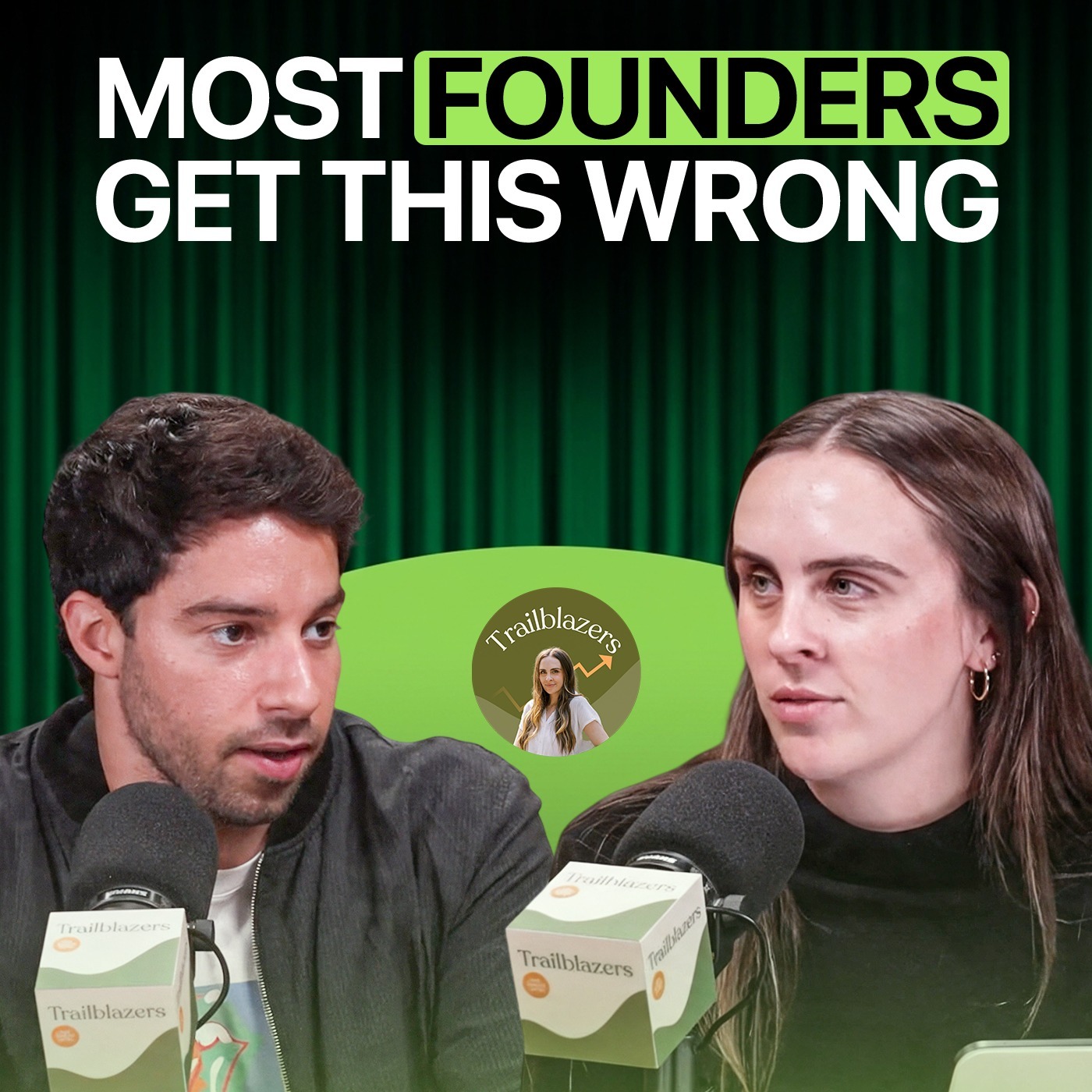
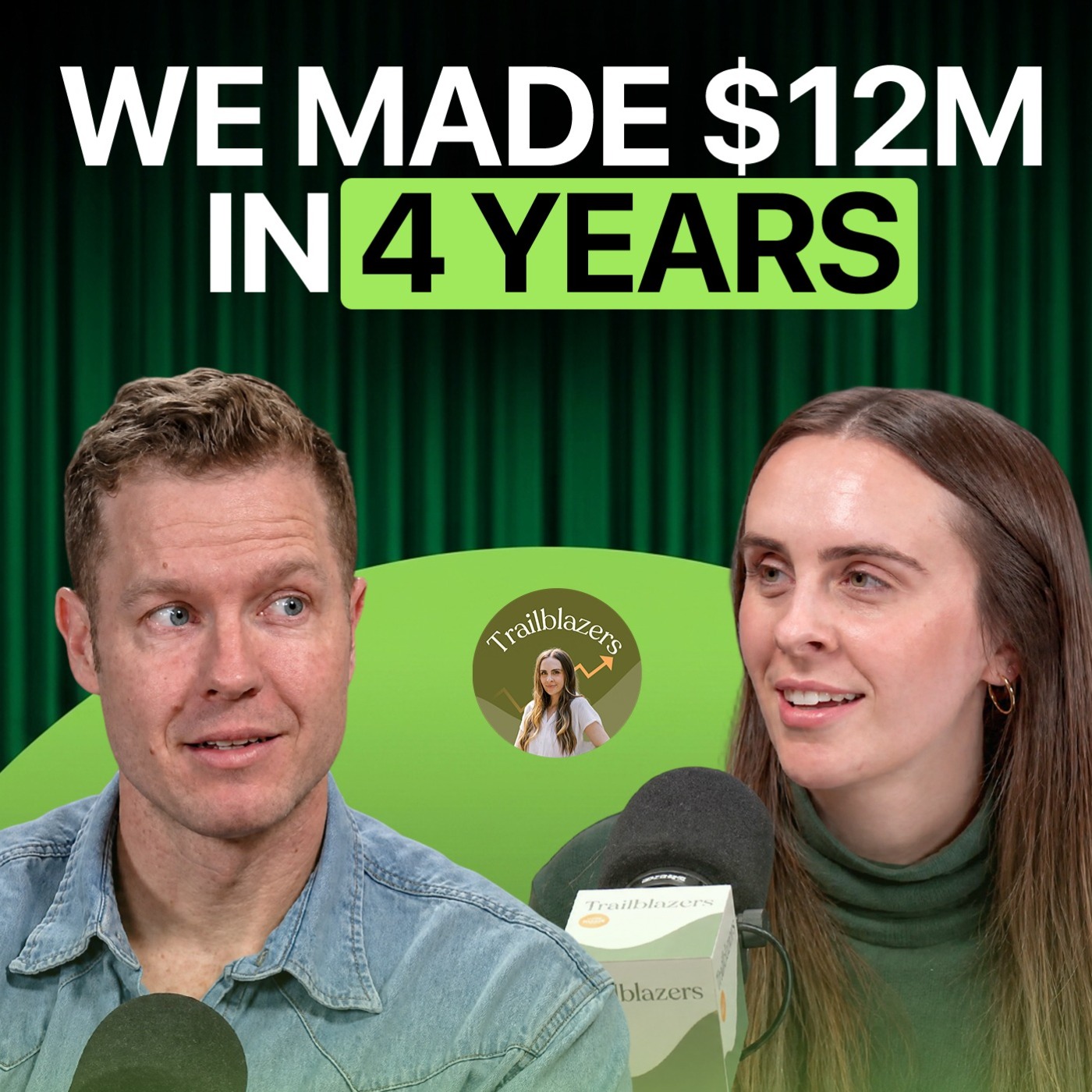
Tyler Denk, co-founder/CEO of Beehive, discusses building a billion-dollar startup by owning audience distribution (email/newsletters) instead of renting it from algorithms, plus product velocity, storytelling for fundraising, and how Beehive is supporting independent journalists in an agent-driven future.
Tyler Denk previously was the second employee at Morning Brew, leading product engineering and growth and writing early code scaling it to millions of subscribers; later he was a product lead at Google YouTube Music. He co-founded Beehive (launched Nov 2021). Beehive now supports 170,000+ publications and 450M+ readers. He was named to Adweek’s 2026 AI Power 50.
Beehive sends ~5B emails/month. Hardest journey moment: CTO/co-founder Andrew Placken died ~6 months after launch. Shipping fast comes from “engineering-first” full-stack teams and autonomy (often one engineer per feature early). Founder skill is storytelling and over-communication. For agents scraping content, new compensation models are needed.
Andrew’s legacy (company DNA, fast shipping) and gifting his unvested equity to his mother Stacy; Beehive Media Collective (legal, health insurance, concierge) for 30 journalists/outlets; Oliver Darcy’s program results (The Nerve: 1,000 paid subs in week 1; 100,000+ subs and $1M revenue in year 1).
Written by AI. May contain mistakes.
Discussing the rapid growth of Beehive and Tyler's journey from Morning Brew.
“right that's it mic drop we're done done um wait so i saw this billion number which i want i like hinted at.”
Tyler shares how Beehive now sends 5 billion emails monthly.
“So that not only like quite really like broke me, it almost broke the company.”
Tyler reflects on the tragic passing of their CTO and its effect on the company.
“So he rightfully, unbeknownst to me, reached out to his investors and was like, hey, is there any engineers, technical guidance we can give Tyler?”
Exploring how Andrew's values and contributions shape Beehive’s culture.
“We grew$1 ,000,$5 ,000,$10 ,000 month after month.”
Discussing the decision to gift equity to Andrew's mother after his passing.
“It just became very obvious to me that we would not be where we were at that point if it wasn't for Andrew.”
Tyler shares how Andrew's mother remains a supportive part of Beehive.
“And so as soon as I got connected to Stacey, I figured that was the obvious thing to do.”
Tyler discusses how Beehive maintains rapid product development and engineering efficiency.
“I want to talk about product velocity and how you actually tangibly make that happen in a company.”
Learn how effective storytelling can inspire others to join your startup journey.
“and give him a path forward to get excited about that he can get on the ground floor and build something.”
Understand the importance of identifying and building a niche audience for your business.
“running your own shop is like you can decide what you want to do.”
Examine how the creator economy has changed and the importance of multi-channel engagement.
“And I know the roadmap at Morning Brew because we built it.”
Discuss the potential impact of AI on communication and newsletter consumption.
“And I think that's something that people miss a lot, Is there like, oh, well, you only have 100 ,000 subscribers.”
Explore how AI agents are reshaping the way we consume information and its implications for content creators.
“One, I think you're like a very early adopter.”
Learn about initiatives that support journalists transitioning to independent roles and how they are evolving.
“I mean, you beat me to my second question, which was going to be about like the business model itself, which I think is what's so tricky and scary, quite frankly, because we do need to have free speech.”
Discuss the importance of balancing content quality with consistency for engagement.
“I just like picking on them on this example.”
Learn why consistency is crucial for content creators and how it affects audience engagement.
“And I don't think that's like your main business.”
Explore the evolving definition of creators and the diverse opportunities within the creator economy.
“Um, and so I think we're still evolving from the creator economy.”

Get the gist, explore an idea or ask about something said.
 Claude
On Trailblazers by Erica Wenger, what are the key points of this episode?
Searching your listeningAutomatic transcript. May contain errors.
0:00Erica Wenger: Today on the show, I am so excited to be joined by Tyler Denk. Tyler is the co-founder and CEO of Beehive, the publishing platform that helps creators, publishers, and brands build, grow, and monetize their audiences and own them outright rather than renting them from someone else's algorithm. Since launching in 2021, Beehive has grown at a staggering clip, now empowering more than 170 ,000 publications, reaching over 450 million readers. His path there runs straight through the newsletter Gold Rush. Tyler was the second employee at morning brew where he led product engineering and growth and wrote much of the early code that scaled the company to millions of subscribers he later served as a product lead at google on youtube music building beehive on nights and weekends before going all in more recently he was named to adweek's 2026 ai power 50 for his work at the intersection of ai advertising and publishing let's welcome tyler it's a great introduction what's left to talk about i know right that's it mic drop we're done done um wait so i saw this billion number which i want i like hinted at.
0:55Erica Wenger: Can you tell everyone what that number is in terms of emails you have sent?
0:57Tyler Denk: Yeah. Well, total, I'm not sure. But per month, we're sending about 5 billion emails every single month, which is funny because when we first started, it was me and my two co-founders. We were tiny, right? Like no users, no revenue. But I knew that we were going to use SendGrid. It's owned by Twilio. And we needed like an account manager. They wouldn't give us an account manager because we weren't paying them yet. And I told them on the first call that I could finally get their attention. I was like, we're going to be one of your biggest users. And they totally laughed me out of the room uh which was like very motivating and then now that we're sending over five billion emails a month i'd say we're definitely in the top five percent if not one
1:28Erica Wenger: percent of their users and one of these days you have to like text or email the person that was on
1:32Tyler Denk: that first call and be like told you yeah you might not be there anymore who knows yeah it's probably some like ae or something i mean at that point like i they're you know they're post acquisition like i think they're just kind of coasting yeah they're doing well they don't need
1:43Erica Wenger: to worry about that um well i'm excited to get into it i'm excited to talk about the early days before we get into the meat of the interview we like to start with an icebreaker okay Let's do it. This is going to be a harder question. I'm not going to give you a softball to start. When you think about your journey, it can be five years of building Beehive or even before that. What has been the hardest part of your journey so far that almost broke you?
2:02Tyler Denk: I'm very primed for this based on the interview I had earlier. But I think some people know you're familiar with the story. Our CTO and co-founder passed away about six months after we launched the company. So that not only like quite really like broke me, it almost broke the company. He was the most important person at the company. He was so brilliant. It was right when we hit product market fit. We were probably doing$10 ,000 a month in revenue. We just hit scaling issues for the first time. And he was fixing all of our scaling issues. And then he tragically passed away. And so going through that experience, I think has hardened me as a founder and definitely hardened the team, where in contrast, the other problems that we deal with on a day-to-day basis today feel very small relative to going through a co-founder passing away.
2:48Erica Wenger: Yeah, I mean, I had a feeling you were going to say that. I mean, I remember when it happened and how mind-blowing that was. Can you tell everyone a little bit about what happened? You say it was tragic, but tell everyone a little bit more about the story of him passing away.
3:03Tyler Denk: Yeah, so my least favorite thing to talk about, but we can dig into it. I met Andrew Placken. I was previously at Morning Brew. I'm sure we'll into the morning brew story as well yeah but i am a self-taught software programmer software developer i taught myself how to code in college i built my first startup in college somehow convinced austin reef at morning brew to give me a job running product and engineering at morning brew and after a few years of like calling the shots at morning brew and as they were legitimizing i think austin is very smart and sophisticated and he goes we have a self-taught 25 year old leading our product and engineering org.
3:39Tyler Denk: So he rightfully, unbeknownst to me, reached out to his investors and was like, hey, is there any engineers, technical guidance we can give Tyler? Because we like him. He just is kind of figuring it out on the fly. And I think at the point of doing 10,$15 million in revenue, we should probably legitimize that. So he tapped his investors. One of his investors was best friends with this guy named Andrew Placken. And so Andrew became my like unofficial technical advisor, which really meant whenever I had no idea what to do or broke something, which was like very frequent, I would call Andrew and somehow I knew he was special because within like 10 minutes, he's not in the room with us.
4:16Tyler Denk: He's not building anything with us, but he was able to identify a problem, fix it, save my ass like many, many times. And so fast forward, I am building Beehive Nights and Weekends with my two co-founders. we are moving a little bit slower than i would like to be doing and this is before we launch this is when we all have full-time jobs and at one point i just got frustrated with like how the pace of development that i reached out to andrew and asked if he wanted to join us he was going to become a cto of another company that fell through and ultimately like i convinced him to join us as like a co-founder and cto and so that was probably the summer of 2021 and then i the rest is like kind of history.
4:56Tyler Denk: We launched in November. We grew$1 ,000,$5 ,000,$10 ,000 month after month. We finally had this like product market fit and momentum, which is so hard, right? Like nine out of 10 startups fail. I felt like we were like defying the odds and had this very clear trajectory. And then one day on like a Friday, he messaged us that he wasn't feeling well, was going to lay down and we never heard from him again.
5:18Erica Wenger: Yeah, it's extremely horrifying as things are just starting to work. Like the one person that that's helping you make it happen. And the one person who believed in you isn't there to watch it happen. How do you guys think about his legacy now? I mean, I, again, I can only imagine how horrifying that all was. You're five years later. How does that motivate you? And like, how do you talk about it internally, living Andrew's legacy out as a company?
5:47Tyler Denk: Totally. Well, I think our DNA of a company as in shipping very fast, the velocity, the care of which we do everything, Very much like that was his ethos. The reason why we called him such like an animal and like a unicorn engineer was he was able to ship so much code so quickly, but also so empathetic and like unblock every other engineer on the team. He was like someone who made every other engineer on the team like 10 times better. And so I think when you ask people in the startup ecosystem, like, what do you think of Beehive? Typically, it's product velocity, very rapid feature development, very customer obsessed.
6:23Tyler Denk: I think a lot of that DNA lives with like that early foundation that we had with him as a CTO. And then also like quite literally, he and his family is like a part of the company. When he passed away, he hadn't actually vested. So I can start up best thing, you know, like your first year is your cliff period. And if you leave the company before a year, you typically don't get any equity. He passed away, I think like eight months into that, but we accelerated it and then gifted it to his mother so his mother stacy owns part of the company you have to tell me more about that so andrew passes away obviously that's a horrifying time how did that conversation come about and how did you gift it to her what happened there she i got connected to stacy through our well his best friend and like the investor who had i think he also invested in us as well um and so i got connected to the family she was so overwhelmingly positive and nice like obviously I'd never met our CTO's mother before and wish we had under better circumstances.
7:22Tyler Denk: But yeah, I got connected with her. I went to the funeral. It just became very obvious to me that we would not be where we were at that point if it wasn't for Andrew. And the technicality of the contract of not being able to gift equity until like a year has passed just felt very wrong. Like for me to take his few percentage points back and distribute it to like myself or someone else like felt very wrong. And so as soon as I got connected to Stacey, I figured that was the obvious thing to do.
7:48Erica Wenger: And did you guys have a conversation about it or did you wait a little bit? I mean, I would imagine she's obviously very focused on the work of dealing with her son. Did you guys have a ceremony? Like, do you guys keep in touch? I'd love to hear more about that.
8:02Tyler Denk: Yeah, me and Stacey have a great relationship. I love Stacey. She's like the most friendly person and like loving person. So yeah, I don't remember that entire period is very, I feel like I browned out through that entire experience, like the exact order of operations of like when I went to the funeral, when we told her we're gifting her shares. But she's been very instrumental and supportive in the sense that, as you know, when you raise additional rounds, like new investors come in and typically investors are very bullish. They want as many shares as they can possibly get. And they try to clear the cap table of like any past investors who want to cash out.
8:36Tyler Denk: So when we had our series A, our new investors came in, light speed, like very supportive. They're like, hey, is there anyone on the cap table that would want to sell? And so we kind of make our rounds just like, you know, they're the new people on the cap table. We want to support them. And if there are people who want to get liquidity that invested early, like we should give them that opportunity. So I asked Stacey if she wanted to sell her shares, which is like it's a great markup from where she was, like, you know, gifted as like a co-founding shares. And she said no during the A and then also said no during the B.
9:04Tyler Denk: So she's locked in with us.
9:07Erica Wenger: Stacey's along for the ride.
9:08Tyler Denk: For sure.
9:09Erica Wenger: Stacey's sending it.
9:10Tyler Denk: I mean, especially with the bee, right? Like she lives in Memphis. I think she would do very well and very much be able to afford a neighborhood in Memphis with the cash that I think NEA would be willing to pay her to buy out her shares. But she feels a emotional connection to the company and wants to stick with it.
9:27Erica Wenger: So one thing I've learned talking to GPs on the show and in my own experience as a GP is that your back office is a signal. How fast you close deals, how clean the LP experience is, how your K-1s land. Investors notice all of it. The more buttoned up you are, the more likely they are to give you more money in the future. That's why I want to talk about Sidecar. Sidecar is the SPV platform built for fund managers who want institutional quality execution without hiring a full back office team. They'll review your deal within hours, handle full secondary transaction support, and give you transparent pricing upfront, no platform carry.
10:00Erica Wenger: Also, your LP relationships stay private, which is super important. This is not a marketplace. If you're running a professional fund, your infrastructure should look like it. sidecar makes that possible without the overhead check them out at sidecar.io slash partners slash trailblazers that's s-y-d-e-c-a-r dot i-o slash partners slash trailblazers i mean it's it's her son's legacy you know and i think you guys are living proof of that you know i think you undersell even this product velocity thing that he helped create as someone who just sort of like cheers from the sidelines it's unbelievable what you guys have been able to accomplish and i know Andrew would be so proud of you.
10:37Erica Wenger: I want to talk about product velocity and how you actually tangibly make that happen in a company. You know, you said he was so good at unblocking people and he was like so clear that those were his values. But it's really hard to ship as fast as you guys ship. So what were the things that Andrew did and maybe even that your team does now that makes you be able to ship as fast as you do?
10:56Tyler Denk: Yeah, I think there's a few things there. I think one, it was me, my two co-founders, Andrew, the first four people at the company were all engineers. And so I think even from like the earliest days, it was very clear that we're like an engineering first company, not a sales led or not like a growth led or like we wanted to win based on the best product. And that became clear of like who we hired at the beginning. There's a lot of other things. We all of our engineers are full stack or probably to this day. And to break that down, like there's typically on more mature teams, there's a front end team which is doing like the front end design and like the user interface.
11:31Tyler Denk: And then there's the back end team, which is doing like kind of how everything's working behind the scenes. And a lot of mature orgs have a designer, they hand off the mockups, the front end team builds it, the back end team does the back end, they all have to coordinate. There's like a lot of nodes in the system working together and a lot of collaboration. I was literally just listening to a podcast yesterday where this product manager, like head of product was talking about how collaboration like is actually terrible for a lot of like collaborations always put in a positive light. But it really just means you're moving as fast as the slowest or weakest person in that node.
12:01Tyler Denk: And the more interchanging and whatever you have to do in these stages, it just slows things down. Having very talented full stack engineers means that they can do everything that I just said. My co-founders are gifted with design and product. So they don't need a product manager telling them what to do. They don't need design. They have an incredible sense of design. And I can say, hey, we need to build a referral program. We need to build automations. And there doesn't need to be much more discussion. They can figure out what that means, they're able to ideate. They can come up with the designs.
12:30Tyler Denk: They build it themselves. They QA it themselves. And so we just took something that typically takes five or six people on a team. And now like one person's in charge of it. The flip side is like, I'm incredibly gifted to have amazing, talented, incredibly fortunate to have gifted and talented co-founders. And a lot of the early engineers we hired had that same caliber of autonomy and ownership and product and design sense. So that's like the real shortcut. Like when it seems like we were launching a new feature every week, it's because we have eight different engineers building eight different features that all just so happen to launch like this week, then the next week, then the next week.
13:05Tyler Denk: So it gives the illusion, but really it's a one person team behind most of those features. It was up until very recently that now just for sustainability, like the bus factor, like if someone were to get hit by a bus, like now we try to have like two plus engineers on any given feature, just so if one goes on vacation, we can continue like to work on that. But I'd say for the first two years, it was one very talented engineer per feature.
13:25Erica Wenger: Well, of course, the obvious question becomes like, I think that's a lot of startups dream scenario is to have like the unicorn engineer that can do everything, but you have to hire them and convince them to join you. So my question is two parts. Like one, how are you finding these like incredible full stack engineers that want to work on this mission, that want to work with you, that want to take the startup bet? And how are you convincing them to join you?
13:47Tyler Denk: Yeah, I always say that I think the most important skill as a founder is storytelling. I had to convince Andrew that his well-paying startup job that he's been at for three years was a worse option than joining three guys with no product, no users, no revenue, and give him a path forward to get excited about that he can get on the ground floor and build something. I had to convince our first five engineers to leave well-paying jobs, getting paid 200k sustainable like benefits health insurance whatever to take a risk on a company that's making ten thousand dollars like we were making as much money as they were making per month um and it is just storytelling it is and i don't mean storytelling as like lying it's it's here's a vision that i have of what this company can be i think yes right now we send a few emails barely and our product's not that good but if you look at the trajectory and you look at both what we you're able to accomplish and the trajectory of the creator economy and media and what we can do after we launch these features.
14:48Tyler Denk: I think this could change the entire industry. And if you come now, obviously the upside is like one, the equity and obviously equity is tough, right? Like I, I sit from a position where hopefully we are very in the black and everyone who took a risk on me will see some great return one day. Obviously you, and I've posted about this recently of a lot of startups, you see the headlines of this company just got acquired for$10 billion. But what you didn't know is during peak 2021, they were valued at$20 billion and they were actually sold at a loss. And so not every employee makes out in those situations.
15:22Tyler Denk: It's a long way of saying like storytelling is just so important. And I think one of my superpowers as a founder has been over communicating, especially as a remote company, there should be zero ambiguity as to what everyone's doing, but more importantly, what every single person's role is and the broader mission of the company. I want customer support number seven, just use the number seven instead of their name, to know that exactly what they're doing on a day-to-day basis rolls up into this goal, which rolls up into this goal, which rolls up into like the big mission that we're trying to build.
15:54Tyler Denk: And whether it's customer support or product or design, like everyone should know when they go to work in the morning that what they're doing has an impact on the overall business. And it's my job to tell that story and make it clear.
16:05Erica Wenger: Yeah, I mean, you're describing the CEO job I think a lot of people think it's like doing all the work and being in the weeds. And there's parts of that. But it's really like vision. I know where we're going. Come along with me.
16:14Tyler Denk: Totally. Although I do love the in the weeds. Like that's like, that's actually where I feel the most friction. That's where I feel the most friction as a founder is like as we're 130 people now. And here I'm doing an interview here. Like I'm not at my desk working. Like where I feel most productive is actually headphones in, heads down, just building things. Whether it's product design, strategy, growth strategy, like anything. I like to get shit done. I like having a checklist of here's the 10 things I want to do and actually doing it. As we've scaled, the job changes and it becomes more management, more shaking hands, more doing events and panels and whatnot.
16:46Tyler Denk: And so it's like a personal friction that I always feel because I think there's the accepted path of what it means to be a CEO of a growing Series B, Series C company. And I think there's what gives me energy and passion on a day-to-day basis. And I feel like at least I've been outspoken and disciplined. of realizing when we're going down the wrong path. There was a time when I had 18 direct reports and I was in so many meetings and I didn't look forward to waking up and going to work because it was just sitting in meetings and that's not what gives me energy. And I think a lot of founders fall into the trap of like, oh, that's just what it is when you're at a hundred some employees, that's just the job.
17:24Tyler Denk: And I pushed back and I was like, that's just not the job that I want. And so I got rid of half my direct reports. We do one-on-ones once a month. We don't do meetings Tuesdays and Thursdays. And I have carved out a lot of time and space for me to do what actually gives me enjoyment. And I think that's super important as a founder.
17:39Erica Wenger: So let's talk about the part of building an audience that nobody teaches you, how you actually get paid. Everyone waits until they have enough subscribers, but on Beehive, you can start earning from day one. Even with just a handful of subscribers, the ad network is already working for you, plugging you into a network of sponsors that fit your content. Then once your foundations are set and you've built something people genuinely value, that's when you layer in a paid tier, giving your audience exclusive access to that extra value and using boosts to grow it. And here's what creators love most.
18:09Erica Wenger: When you earn on Beehive, you keep it. 0 % taken from subscriptions and 0 % taken from digital products. So whether you're just starting out or ready to add that next layer, go to beehive.com, that's B-E-E-H-I-I-V.com and use code trailblazers30 for 30 % off your first three months. That's beehive, B-E-E-H-I-I-V.com, code trailblazers30. So I have a confession. I used to be a compulsive note taker. Every meeting, I'd be half listening and half scribbling and still leaving with gaps on next steps, details that were shared and more. Granola completely changed that for me. It's an AI powered notepad for meetings and it's connected to every call on my calendar.
18:49Erica Wenger: Before each one, it shows me a well-researched brief so I know who I'm meeting with, when we last talked and the full context going in. During the call, I jot down whatever notes stand out, a keyword, a decision, a quick thought, and then Granola handles the rest. It literally fills in and transcribes in the background and turns my rough notes into clean structured takeaways the second we hang up. There's no bots joining calls. It just works in the background. I use Granola for several things. If I finish a meeting with a potential investor in my fund, I'll ask Granola what I could have done better to get my point across.
19:20Erica Wenger: If I'm meeting with a founder I like, I'll ask Granola to point out any major green flags or red flags I may not have already caught. For people with a lot of meetings and decisions that require endless context, granola is a game changer. Actually, we're running granola on today's episode. You can read the full show notes at granola.ai slash trailblazers, and you can see it linked below here. New users get three months completely free. That's granola.ai slash trailblazers. Well, that's the beauty of running your own shop is like you can decide what you want to do. You know, you can decide how you spend your time.
19:49Erica Wenger: And I think that that's really awesome. And I think actually you've done a good job of sharing sort of like your unconventional leadership principles, which hopefully will inspire other people. In terms of storytelling, I want to talk a little bit about like newsletter Tam? Because like, obviously, your business, you know, I'd love to hear like the one line or you guys say now. But it's really rooted in like newsletter creation and distribution. You have all these exciting product lines. But initially, that felt like a small business. And I'm sure you heard that all the time when you went out to raise to start.
20:14Erica Wenger: But your job as a storyteller was to share the potential. And so what's your advice for founders that may feel like they're building in a more niche market, but they know it could be huge? How do you storytell your way out
20:25Tyler Denk: of that yeah literally yesterday in the gym i was listening to a podcast with the whatnot founder where i'm blanking on the actual like type of was this sam pars podcast yeah yeah and and i forgot the name of the dials the dolls that they were selling at the beginning oh yeah the um oh my god what are they called i've never heard of them before that really oh i've heard of them that's why i'm not gonna be able to no matter how hard i try here i will not be able to achieve the name no i could but like it's not coming to me but so but like same thing right like they they started so niche and investors were like, what's the market size for that?
20:57Tyler Denk: Or it's just not, it's not relatable to a lot of investors. Like if unless you're in that space, like why would you care about buying and selling those types of dollars? And he brought up a great point. He's like, all of the best businesses that you've seen, like have always started very niche. Like Uber was black cars only. Right. And now Uber is like, like synonymous with transportation in cities. And for us, yeah, it was newsletters. It was, I previously helped build Morning Brew. We have a huge success story out of taking Morning Brew from 100 ,000 readers to 5 million readers and getting acquired for$75 million.
21:30Tyler Denk: And I know that space inside and out. I don't think back then I would have thought that we would have such an expansive platform as we do today. That kind of wasn't the plan. I think for the first two years, it was let's build the best newsletter product. And I know the roadmap at Morning Brew because we built it. And let's just replicate that. And I that's a bigger market than most people give us credit for. But as the creator economy has kind of evolved, all of the most successful creators aren't just single channel. They're not just podcasts. They're not just TikTok. They're typically newsletter and podcast and YouTube, and they have some sort of community or storefront or something that they're selling.
22:07Tyler Denk: And as we've been able to lean into customer feedback and just like what the macro conditions kind of show, like that's what creators want. They don't want to be isolated just in a YouTube channel and not have any way to get in contact with their subscribers on YouTube to sell them things. They want to be able to own their audience, own their distribution, and also do it in a way where there's not a company or brand that's like intermediating between them. Like I think the creator economy has become synonymous with YouTube, TikTok, Instagram. You could throw a substack in there. Those are all channels of like distribution.
22:41Tyler Denk: But if you have 100 ,000 subscribers on YouTube and you have an event next week, like you could post a video about your event and the way the algorithm works, maybe 5 ,000 of those 100 ,000 actually see it. I'd personally much rather send a newsletter to 100 ,000 people knowing 100 ,000 people are going to receive that newsletter. And I'm not saying newsletters are better than video, but I think they're all a piece of a pie of like what it means to be a complete creator or media company today. And I hope to be the infrastructure to support all of that.
23:09Erica Wenger: Totally. what is your take on email versus phone numbers like i think you know we all are getting bombarded now with emails i think there was a huge sms wave what was it like six to eight years ago with like community.com and attentive and emotive and postscript well i'm thinking of names i haven't heard of in a while um but like sms was big for a while email has been big like what is next do you guys think about text you think about the next wave of email um because we all are getting so much sent to us how do you think about waiting through the noise yeah i i think there's clearly
23:43Tyler Denk: an abundance of content today in podcast and newsletter and even in video right like one just ugc both on like instagram and tiktok but also like netflix is cranking out series left and right like there's just so much optionality and abundance in the media ecosystem i think one again i love quoting that like the internet is so much bigger than anyone gives it credit for like uh there's a a newsletter on our platform for working magicians that has 10 ,000 readers. So 10 ,000 magicians around the world. And he's making six figures from this newsletter. Like he didn't need to go mass market and be the next morning brew.
24:16Tyler Denk: He found a very particular niche that he's passionate about, has built a business based on his passions and expertise, and now has a six figure income stream just from what I can see. And he only needed 10 ,000 magicians to sign up to this thing. So I say all of that because I don't think you need mass scale anymore. You don't need to be the next morning brewery. You don't need millions and millions of subscribers. I think you can have a passion in a particular niche and carve out that niche. I think there's more ways to monetize audiences than ever before. My personal newsletter, I have 150 ,000 readers.
24:50Tyler Denk: I monetize with ads like a lot of newsletters do. I also host a founder mastermind in Costa Rica where I make more money from hosting one founder mastermind. I host eight founders that pay$10 ,000 each than like 15 newsletters. And so like, whether it's courses or digital products or IRL events, like there's so many different ways to monetize your audience. So I don't know, I still think we're so early. I think the fact that there is an abundance of media options makes me proud. Cause I feel like we, that wasn't the case like 10 years ago when I started at Morning Brew, we hosted our content on WordPress.
25:25Tyler Denk: We copied and pasted our newsletter into MailChimp. If you wanted to do paid subscriptions, you had to use Stripe and Memberful. It was a full-time engineer's job to make just the pieces fit together. And it was such a burden that most people never even started to find a voice online and create a newsletter about whatever they're passionate about. But because I'd like to think Beehive played a small part in democratizing access or making it so easy with$0, zero credit card, you can have website, newsletter, podcast, community, storefront, and be able to put your ideas out on the internet. I think that's super empowering.
25:59Tyler Denk: And the abundance, I think, is the outcome of a lot of the work that we've done.
26:03Erica Wenger: Totally. Yeah, I also think what's so powerful about newsletters, to what you were saying earlier, is it's not just about the ads from the newsletters, but it's all the other things that you can monetize because you have their emails. And I think that's something that people miss a lot, Is there like, oh, well, you only have 100 ,000 subscribers. So I don't know, like, is, you know, a company really going to pay for that? But actually, they're all people who are excited about you. And so you can then, you know, like you said, do a founder mastermind or do a course or do something that's going to be an infinitely higher ticket than just like opening up a newsletter.
26:32Tyler Denk: I mean, you're fun, right? I think is like very dependent on email.
26:36Erica Wenger: 100%. It's everything. And like so much so that we actually had a viral beehive post lead to us creating the fund. So like that's the craziest part of it, too. like you know something might go viral and then you get inbound for something whether it's investment or it's founders who want to give you money or whatever they're like wait a sec this could be something bigger than i even thought so um i completely agree with you i want to talk to you a little bit about ai and agents obviously we have to um i will tell you what i do now and then you can tell me your thoughts okay i subscribe to newsletters from people that i think are really smart a lot of them use beehive the smart ones use beehive and i use a lot of my agents to summarize read through whether it's like reading through articles online or reading through newsletters and give me like the bullet points that are relevant based on maybe it's previous conversations i've had with my agents maybe it's what i've stated as my goals are in my big you know 2026 strategy doc and so i am not always reading the newsletter myself my agent is and it's a very interesting change there's some i still read some that are very human read they're like you know my friends but i have my agents reading a lot of my newsletters is that going to change how do you think about that and how do you think about building beehive for an agent-led world versus
27:46Tyler Denk: a human-led world very loaded question but i think a really really interesting and i'm sure you guys
27:51Erica Wenger: are talking about this a lot so i want to get just like a snapshot into the internal strategy talks at beehive the 2026 primaries are taking shape and if you have a strong opinion about how they're going to go, CalShe lets you actually trade on it. CalShe is the largest prediction market in the U.S., federally regulated and available in all 50 states. You're not betting against a house. You're trading against other people in a live market, taking yes or no positions on real world events like elections, Fed rates, economic data, you name it. Right now on CalShe, you can trade on the California governor race, Senate outcomes, and a dozen other major political storylines as they develop.
28:24Erica Wenger: As the probability shifts, you can buy in or out of your position in real time. It's a completely new asset class and honestly, one of the more interesting ways to have skin in the game on what you're already watching and know about closely. Download the CalShe app. That's K-A-L-S-H-I and use code trailblazers to get$10 when you trade$10 or go to calshe.com slash R slash trailblazers to accept this$20 offer. With CalShe, you can trade on anything. 18 plus only restrictions and eligibility requirements apply. Event contract trading involves risk and may not be suitable for all investors. Prices, values, and available markets may differ from those mentioned.
28:58Erica Wenger: For more information, see calshi.com slash regulatory. So quick experiment. Think about the last long message you typed. A Slack thread, a prompt into Claude, a detailed email. It probably took you 10 minutes, maybe even 20 to get it just right. Now imagine you just said it out loud instead. That is the whole pitch for Whisperflow. Whisperflow is a voice to text that actually works in every app on every device. You speak naturally and it outputs clean formatted text that's ready to send. No setup, no integrations, no fixing weird transcription errors. It works in Gmail, Slack, Notion, Claude, iMessage, wherever you type.
29:32Erica Wenger: And unlike the built-in dictation on your phone, Whisperflow actually removes all filler words, mid-sentence corrections, and jargon. What I love most, too, is that it perfectly matches my style. So I often type in all lowercase letters and say things like LMK, which means let me know in shorthand, and it auto-adjusts it for me. Like many of you, I also do a lot of brain dumping into LLMs. So instead of typing it all out, I just speak my windy train of thought into Whisperflow, which is infinitely faster than trying to get my fingers to keep up with the pace of my thoughts. If you do any serious writing or just send a lot of messages, using Whisperflow is a no-brainer.
30:07Erica Wenger: Get one whole month of Whisperflow Pro completely free at ref.whisperflow.ai. That's ref.whisperflow.ai.
30:18Tyler Denk: Yeah, well, I think there's like two sides of that. One, I think you're like a very early adopter. And I think it'll be a while before everyone is deploying agents to the extent that you are. Two, I think that it depends on the type of content and newsletters that you're receiving. So I think for a lot of whether it's deals or what's happening in the startup ecosystem, because your agent knows you so well and it knows what you're interested in and has access to your notes and your meetings and everything else in your life, being able to extract those insights and pull it into whatever you're consuming that information, I think is super valuable.
30:49Tyler Denk: I still it's kind of like what reminds me of is like you can get summaries from books but people still buy books type of thing like there's a lot of newsletters like sure there's some that I skim there's some that I read every word and like look forward to because I think it's so well written or the way that they present information and obviously the same with books you can apply to some newsletters they're entertainment as well and it's read for enjoyment so I think you are like efficiency like maxing essentially out of like consuming information and getting it to your which i think is super valuable i think so that's like not to dissuade you from you i think like that is like a real use case and i think we're going to see more and more of that um what i think is really interesting is i think i saw a stat recently that like more of the internet is being used or leveraged by agents than like humans or i don't know the exact framing of it but like agents can like spend 24 7 just like crawling different websites consuming information people are awake for certain hours a day, they go to different web pages, they read whatever information.
31:46Tyler Denk: I do think we're going to see a broader shift where if the majority of the internet is actually used by agents instead of humans, which is the way it's been from the beginning, how do you compensate content creators for content that is being scraped and read by agents instead of people? Because typically the model has been ads and you get a human to read your article and while they're reading whatever article that they're interested in there's an ad that pops up that they either click on which they get compensated for or it's just like an impression-based ad agents and robots don't really care about ads they don't look at ads like that's not super relevant to them so how do you take that page view and compensate the content creator we're very early in thinking about this i know there's other companies like cloud flare and others in the startup ecosystem who are starting to think more about what is the trade between an agent and whoever's on behalf of that agent and the person who created that content and i'll say it's like on our roadmap ish like we're still kind of working through what that looks like and it's like kind of too early to say all that much more but but because it kind of involves like a whole new like micro payments is like something that everyone has like been promising on the internet forever like it's never really worked out micro payments for agents with like the right wallets and you can even get like crypto involved in there like there's a lot of like converging technology that would make that possible.
33:12Tyler Denk: Because what you don't want is the people who are investing in investigative journalism or whatever type of reporting in media who only were able to do that work because they had ads on their website and they were getting paid. If those pages aren't being read by humans and mostly agents, they can't get paid for that. Thus, that journalism never gets done. Thus, that information doesn't exist. And so, I think Matthew Prince from Cloudflare said a lot about this. It's like an existential threat to the internet because if you break down the incentive structure and those content creators don't get paid and i say content creators very broadly like i would even consider like the new york times like true like investigative journalists i'll just bucket them in there as well if they can't get paid for their work like then there's no money to go around to continue to do that work and so i think it's like actually like a much larger that's why i said it was a very loaded question because like i have like my own personal consumer behaviors and thoughts around that which i started with around like i still think there's a lot of value in reading myself a lot of the newsletters on the platform level and on the internet level, I think there's like almost like an existential shift of how do we build this new economy that benefits those who are creating content.
34:19Erica Wenger: Yeah. I mean, you beat me to my second question, which was going to be about like the business model itself, which I think is what's so tricky and scary, quite frankly, because we do need to have free speech. We do need to incentivize truly thoughtful journalists to create content as opposed to just clickbaity polarizing stuff that we see now. I want to talk a little bit about the really, really cool journalism initiatives you guys have been working on. So I think a lot of people look at Beehive and think of you as a creator economy business that focuses on a content creator or like a VC like myself who wants to have a blog, basically.
34:54Erica Wenger: But actually, you guys have done some really, really cool stuff with journalists that are at these like legacy institutions that either get let go or are over the bureaucracy and they want to reach their readers directly can you tell everyone a little bit about how you're supporting journalists and like what are the some some of the cool initiatives that you guys have launched recently yeah so it started
35:13Tyler Denk: with oliver darcy who left cnn and he before i had met him or he met anyone from our team looked at the ecosystem of platforms and showed us beehive he is based in new york i had a trip to new york two years ago and our head of talent got in contact with him was like hey you guys should meat we had breakfast no agenda but he ended up kind of complaining for lack of better words of here's all the things that used to be taking care for me at cnn that i no longer have access to so i don't have legal support i don't have health insurance i'm doing my own accounting and book keeping i don't have like any editorial support around me and at the time listening to him run through this list of complaints more or less i kind of came to the realization like we want more people like Oliver who feel the need to go independent to have a place to go independent and do it successfully.
36:05Tyler Denk: We as a platform, I don't think we can, the business model doesn't make sense, but I think we have at least more resources as a venture-backed startup to support that. And I left that meeting, which quickly turned into presenting this idea of like a VIP journalist program, which we now call the Beehive Media Collective. And it more or less addresses every one of his points of concerns. We provide legal coverage to these journalists and outlets. We provide health insurance. We provide giddy images. We have someone on our staff that's always available for them as like a VIP concierge support person.
36:41Tyler Denk: And we created this collective where they also have access to each other and they share like different tips and strategies and different things to help benefit everyone as part of it. Today, it's just a multi-million dollar commitment that we've invested in. It is coming up on our second year. We have 30 journalists and outlets, all very wildly successful. The Nerve is a media collective in the UK with five women. They had 1 ,000 paid subscribers in their first week. Oliver, going back to his example, they surpassed 100 ,000 subscribers and a million dollars in revenue in their first year, now have four full-time employees.
37:20Tyler Denk: So we've seen a lot of success out of the program. And I think really what we want to be able to do is say that Beehive can be a place where if the larger walls of the institution no longer fit you and you have that entrepreneurial drive, we know that it is a scary leap to take. And how do we make that less scary and provide you the support to do that type of important journalism? And it's been a huge success for us.
37:43Erica Wenger: Yeah, I think it's awesome. And I actually sent a tweet today about how more LPs should give health insurance to fund managers. It's kind of the same concept.
37:50Tyler Denk: If
37:51Erica Wenger: If you're going to be an entrepreneur, like health insurance, legal support, like access to get images, like all these things, they really go a long way. And if nothing else, it builds such good goodwill in the ecosystem that they're going to tell their friends, oh, yeah, Beehive is more than just a platform. Like they actually care about us. And that will go a very, very long way.
38:07Tyler Denk: Totally. I talk a lot about the art and science of building a company, because as you grow and mature as a company, we've brought on, we have an incredible CFO, an incredible CEO. I just like picking on them on this example. They're very P &L numbers driven, and they should be. But to them, it's how much money are we investing in this and how much are we going to get out of this? The Beehive Media Collective is not profitable at all. It is very expensive to do the health insurance and do the legal for all of these journalists. But the halo effect that we have created around the brand of being a company that stands up for independent media and supports these journalists in their circles who they go to and talk about how amazing of an experience that they have, that they have.
38:48Tyler Denk: the smartest people at our company right by their side, answering their phone calls, helping them, giving them this health insurance and everything else. Like that goes so much further than what we could ever see on a P &L. And so it's this constant battle. And like, it's good that I am very on the art side and they're very on the science P &L side, because I think we net out somewhere in the middle. But I think a lot of founders should be wary of at some point when every decision is being decided by what's the ROI and the P &L. like you lose a lot of like the fun spontaneity and art side of building a business yeah and like
39:22Erica Wenger: why be in such a creative industry if you're not going to have fun you know exactly spending money is so much fun oh i could always you can always spend more money exactly um i want to get your gut check on quality versus quantity so this is something else i see with newsletters just to jump back to that real fast and i think the journalists have some interesting insights here i think a lot of people think they need to send like a weekly or a daily newsletter that's kind of been the norm but back to your comment earlier about how newsletters remind you a bit of books like you sort of like invest a lot into this one work and then you share it with people and people should read it word for word i think i have this thesis and maybe i'm drinking my own kool-aid but like we should only really share newsletters when we have something to say and that's why like for at least all my funds like you know sometimes i'll write an essay once a month and sometimes i'll go three months without writing something because i don't really have something to say and i find that it's more authentic and i find that people are more engaged and want to read word for word because of it what's your advice to newsletter creators and even just like content creators in general about balancing quantity versus quality?
40:15Erica Wenger: And does it really matter to like stay top of mind and be consistent? Or do you think that actually as like the years come and there's so much slop everywhere that keeping that quality bar is actually the most important? So here's a problem I hear constantly from operators. The data exists and the answers are somewhere in there, but getting to them, actually pulling a useful insight without bugging the data team or learning SQL takes too long or just does not happen. Hex solves that. Hex is an AI analytics platform where anyone on your team can ask data questions in plain English and get real answers backed by your actual business context.
40:46Erica Wenger: No SQL required. And the best part is that Hex shows you exactly how its data agents think, so you can see where the logic comes from and trust the output. The more your team uses it, the smarter it gets. From seed stage founders running lean to larger orgs dealing with serious data complexity, Hex is built to scale with you. It's game changing for people like me in particular who want to understand what's going on under the hood, but are not the real data experts. It's funny too, because I feel like every time I look over my operator friend's shoulders, whether they're in product or marketing or ops, they often have a Hex dashboard pulled up.
41:19Erica Wenger: Trailblazers listeners get an exclusive 30-day free trial at hex.ai slash trailblazers. That's H-E-X dot A-I slash trailblazers.
41:28Tyler Denk: Yeah, I mean, the cheat answer is both, right? Which is easier said than done.
41:32Erica Wenger: Yeah.
41:32Tyler Denk: I love your thesis, right? There's a few writers and content creators that I've come across who say, I have no schedule. It's like whenever I'm struck by inspiration and have something worthwhile saying, then I will put it out in the world. And until then, I'm not going to publish anything. I think in a way that comes from like a place of privilege where like the newsletter isn't your primary business, right? It is like, it is an incredible flywheel that you have to engage your LPs and entrepreneurs that you've invested in. And I don't think that's like your main business. The same way that I think a lot of the other people that I've heard say that are it's like Paul Graham who releases an essay like every like nine months right like I think if you are getting started as a content creator consistency is super important morning brew we sent the newsletter 6 a.m eastern time Monday through Friday like I think you do want to build a behavior like a consumer habit around the content that you're creating um Scott Galloway's newsletter goes out Friday afternoon like right like I I know when people are sending things and if you're good people will know when you miss it right like I would hope if I didn't send my newsletter this morning on Tuesday that I would have gotten a few texts.
42:39Tyler Denk: I've never missed a newsletter being like, yeah, what's going on? Like, where's the newsletter? And I could test that one. I was going to say, then you know that you're like, does no one read this thing?
42:47Erica Wenger: Why is no one texting?
42:47Tyler Denk: It's kind of like when, whenever you like, if you have like an outage at a startup and like everyone's so pissed off at you and it's like the inverse is like a lot worse. Like if you ever went down for an hour and no one messaged you or emailed you, it means like no one's really dependent on your product.
43:00Erica Wenger: It's a good KPI for product market fit though. Like what percentage of your people are angry because you didn't do the thing the second we go down for a minute which
43:06Tyler Denk: thank god recently has not happened much at all knock on wood we yeah little knock on wood yeah um yeah i mean i get texting calls immediately from like users i haven't talked to in a year it's just yelling at me so like which is great i mean it sucks but it's great that they depend so much on the product and that we are a part of their day-to-day life um that would be me though
43:25Erica Wenger: like if you guys went down that would be me like i link to beehive too much that it would be problematic and i would notice so like you can lean on me if you know perfect at least once a day you can be our pager duty yeah exactly exactly um but yeah to answer your question i think it
43:37Tyler Denk: depends like i think if you're like a new content creator i think consistency is super important um i mean that's what this makes like a great content creator right like the fact that you can do it consistently and not sacrifice quality like you kind of gave the trade-off between quantity and quality the best of the best can do both right like ben thompson three times a week is putting out like the best pieces of like tech strategy journalism that i've ever seen and and i love it and like i've never finished one of his pieces i'm like oh that wasn't that good but like he doesn't like take off a week if he doesn't have anything to say like he's he's able to turn any story or narrative into like an incredible piece of content so i think that's what it takes to kind
44:12Erica Wenger: of stand out i love that that's the difference between good and great it sounds like you can kind of do both just back to your earlier conversation about you're an engineering first team but you're also a great storyteller art and science it's like juxtaposition being able to balance both of these things is really what makes you amazing um i do have one final question and then i'll let you go what is one thing everyone gets wrong about creators
44:31Tyler Denk: that is a great question because again creators is such a and it's broad broad term i i still think like the nomenclature around creator is like i'm an influencer who posts on tiktok or instagram that's doing like some brand affiliate deal i earlier i don't know if they like it like i grouped like the new york times and with broader creators i think like anyone who's creating content very broad right i think creator and influencer have become too intertwined when And really it's like anyone who is producing content should be considered some sort of creator. Um, and so I think we're still evolving from the creator economy.
45:06Tyler Denk: I think I've said a few times, I think the creator economy is the future of media. I think people are still sleeping on how big it, I mean, we saw it at the box office, right? Like those two films that went like mega viral and crushed it on like a million dollar budget. Like the power of these people that haven't, I mean, I see it. I was stopped like in Canada, this like creator economy party, like every five minutes, someone, a 25 year old came up to me and be like, I read your newsletter every week. It's helped me so much. These people that have audiences have so much influence and when used for good, I think it can help.
45:39Tyler Denk: And there's full business models to be built around them. So I still think like, what do most people like misconceive about creators? They think it's short form UGC video pushing some product. I think the most successful creators today are multi-channel. They're producing really valuable content that people depend on, but they're also able to host IRL events or courses or host a community. And going back to the magician, right? Like nothing's really too niche. I don't think many people would think a decade ago that you could have a passion about magic and create a 10 ,000 person newsletter about magicians and to be considered a creator, but to build a lifestyle and a business around that i think is super empowering and very promising i love that you please tell me you know megan at slow ventures of course she she just told me about this like boating creator you know it's just slow does such an incredible job of finding the most niche content creators was like and again going back to like what ben thompson said like the internet's so much bigger than people give it credit for like i've learned like nothing is too niche like if you like anything the odds that there's a hundred thousand other people out there in the world that love that exact same thing is so high.
46:46Tyler Denk: And so hopefully tools like Beehive play a small part of like making it possible to be able to have a voice online and build a business around it.
46:54Erica Wenger: Totally. Tyler, thank you for being here. Thanks for having me. Appreciate it. Thanks for listening to Trailblazers. If you found this conversation viable, follow the show, share it with a friend and leave a review. Most of all, please subscribe to our channel. It helps more Contarian builders find us. To learn more about this podcast, you can visit trailblazerspod.com. To learn more about our venture capital firm, you can visit parkrangerscap.com or just follow along on socials at Erica underscore Wenger. Until next time, keep trailblazing.
Tyler Denk is the co-founder and CEO of beehiiv, a platform helping creators, entrepreneurs, and independent publishers build, grow, and monetize their audiences through newsletters.
In this episode of Trailblazers, Tyler shares what it takes to build and scale a successful startup, why storytelling is one of the most important skills a founder can have, and how creators are turning niche audiences into million-dollar media businesses.
We also discuss how beehiiv builds products at remarkable speed, why newsletters are becoming powerful businesses, how AI could reshape the future of digital media, and how losing his co-founder changed his perspective on leadership and entrepreneurship.
If you're interested in startups, entrepreneurship, the creator economy, newsletters, or building a profitable media business, this episode is for you.
This episode is supported by Sydecar, HEX, Wispr Flow, Granola, Beehiiv, Kalshi
Sydecar: https://sydecar.io/partners/trailblazers
beehiiv: https://www.beehiiv.com/splash?utm_campaign=trailblazers-2026-Partnership&utm_medium=podcast&utm_source=trailblazers&utm_term=podcast-1&stripe_campaign_code=TRAILBLAZERS30 (or use code “trailblazers30” for 30% OFF)
*beehiiv has a major announcement coming July 16 - can't say more, but you won't want to miss it. RSVP here: https://www.beehiiv.com/summer-release-2026
Granola: http://granola.ai/trailblazers
*Granola is the official notetaker of Trailblazers. Check out the episode show notes here: https://notes.granola.ai/t/8dccb81c-ac02-48e1-afb3-b6a7d8ff9160-00b881l8
Kalshi: http://Kalshi.com/r/trailblazers
Wispr Flow: https://ref.wisprflow.ai/trailblazers
HEX: http://hex.ai/trailblazers
🎧 Listen on Apple Podcasts: https://apple.trailblazerspod.com
🎧 Listen on Spotify: https://spotify.trailblazerspod.com
📲 Follow on TikTok: https://tiktok.trailblazerspod.com
▶️ Subscribe on YouTube: https://youtube.trailblazerspod.com
📸 Follow on Instagram: https://instagram.trailblazerspod.com
🐘 Learn more about Park Rangers Capital: https://parkrangerscap.com
Trailblazers is your favorite tech + VC podcast, hosted by Erica Wenger (GP at Park Rangers Capital). Each week we sit down with founders, operators, and investors who’ve found conventional success in unconventional ways. New episodes every Tuesday.
Enjoy!
Timestamps:
00:00 - Intro
01:50 - Losing a Co-Founder and Navigating Tragedy
07:03 - Honouring Andrew's Legacy
10:37 - The Secret to Building Products Faster
14:45 - Why Storytelling Is a Founder's Most Important Skill
16:15 - The Reality of Being a Startup CEO
19:56 - How Creators Are Building Million-Dollar Media Businesses
26:54 - How AI Could Disrupt the Future of Media
34:39 - Supporting the Next Generation of Independent Journalism
38:07 - Finding the Right Balance Between Creativity and Growth
44:12 - Why Niche Audiences Are More Valuable Than You Think