In short
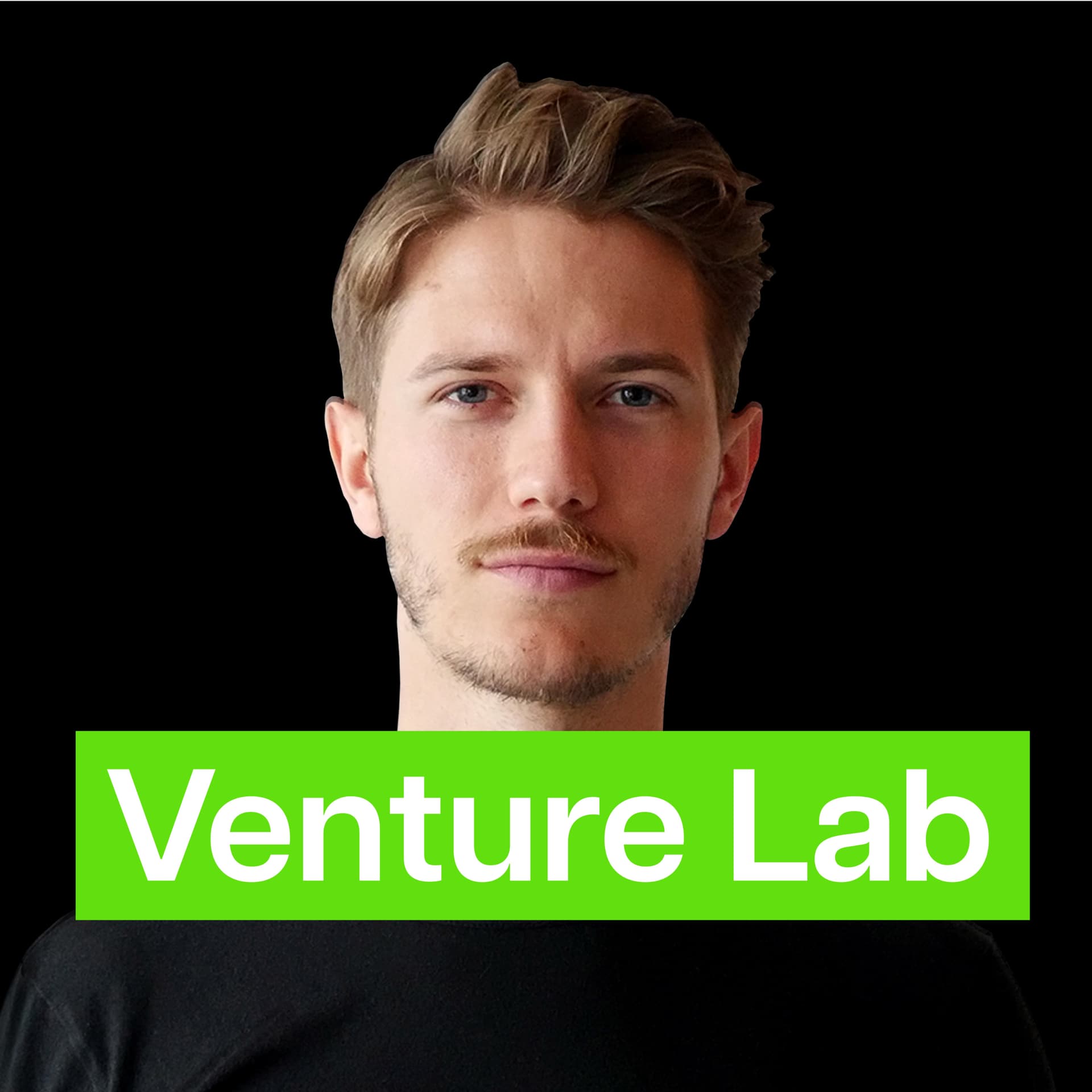
Venture Lab with Luis - Episode 13: How I built a Venture Fund from Scratch at 27 with Bastian Larsen
Episode Overview In this episode, Bastian Larsen shares his journey from co-leading a product strategy team at BlackRock, a major hedge fund, to founding his own venture capital firm, Blackwood. Despite lacking prior experience in venture capital, Bastian successfully raised $25 million from 65 limited partners (LPs) through persistence and innovative strategies. He provides insights into his approach to fundraising, building a network, and maintaining a mindset focused on simplicity and action.
Key Themes and Highlights
Transition from Hedge Fund to Venture Capital
- Career Shift: Bastian transitioned from a successful career at BlackRock to pursue entrepreneurship and venture capital.
- Initial Reflections: He felt a sense of urgency to learn everything he could from his experience at BlackRock while aiming to create his own path.
- Motivation for Change: Observations of senior executives' lives made him question traditional success metrics and inspired him to seek fulfillment through entrepreneurship.
Foundational Experiences
- Artistic Background: Growing up in an artist family influenced Bastian's creative thinking and entrepreneurial spirit.
- Sales Philosophy: His father emphasized the importance of sales and storytelling, which became essential lessons for his future career in venture capital.
Building Blackwood
- Networking and Fundraising: After quitting BlackRock, Bastian faced the challenge of building a network in the VC world from scratch. He used his connections and extensive research to identify unique opportunities in the market.
- Unique Proposition: Bastian aimed to create a venture fund that offered better deal flow and adopted a tech-savvy approach to investment analysis.
- Use of Technology: He implemented data-driven methods, including natural language processing tools, to assess startups and predict success based on sentiment analysis.
Key Strategies for Success
- Persistence: Bastian emphasizes the importance of grit in overcoming challenges and achieving goals.
- Community Engagement: He actively built a network by engaging with angel investors, incubators, and accelerators across Europe.
- Fundraising Approach: He successfully pitched a non-existent fund to potential investors, demonstrating a clear vision and energetic approach that resonated with them.
Insights on VC Operations
- Investment Philosophy: Bastian believes in the balance of art and science in investing—combining data analysis with intuition and understanding of human behavior.
- Team Dynamics: He advocates for building diverse teams with shared values and complementary skills, which enhances decision-making and creativity.
Educational Initiatives
- Blackwood Lab: Bastian initiated a research collaboration with universities to explore founder psychology and other relevant topics, aiming to bridge the gap between academic research and practical applications in venture capital.
Personal Reflections and Future Aspirations
- Simplicity in Complexity: He stresses the importance of keeping processes simple and avoiding overthinking, which can lead to inaction.
- Finding Your Why: Bastian encourages listeners to introspect and define their motivations, asserting that understanding one's purpose can lead to fulfilling and impactful careers.
Closing Challenge Bastian challenges listeners to spend time reflecting on their motivations and aspirations, urging them to discover their "why" and pursue it actively.
Conclusion Bastian Larsen's journey showcases how determination, creativity, and a willingness to learn can lead to success in venture capital. His story serves as inspiration for anyone considering a shift to entrepreneurship or venture investing, emphasizing the importance of building a strong network, leveraging technology, and maintaining a positive mindset.
Written by AI. May contain mistakes. Listen to the episode to check what was said.
Chapters
Tap a time to open that second in VOBastian's Journey at BlackRock
0:45 to 4:04
Bastian shares his experiences co-leading a hedge fund and his reflections on the finance industry.
“So if you take me back to this moment, how did you feel?”
Growing Up in an Artistic Family
4:04 to 5:29
Bastian discusses how his upbringing in an artist family shaped his values and career aspirations.
“that you were looking at the people in your industry, like people that were in the industry for like 30, 40 years, and you had at some point the thought that their lives kind of suck.”
Lessons from His Father
5:29 to 7:42
Bastian reflects on the valuable lessons learned from his father's artistic career.
“Probably many more ways than I would like to admit.”
Choosing a Path in Venture Capital
7:42 to 10:39
Bastian explains his transition from finance to venture capital and his motivations behind it.
“Do you have any examples of when you were exposed to this like creative way of thinking like from your dad additionally to that and that you had your like sold out exhibitions at 12 years old?”
Forming a New Venture Fund
10:39 to 14:02
Bastian recounts the process of starting his own venture fund during the COVID-19 pandemic.
“I mean, I wanted to be an entrepreneur since I can remember.”
Building Networks in Venture Capital
14:02 to 14:50
Learn how networking with mentors and investors can facilitate your venture capital journey.
“startup founders, angel investors, to try and see if there was anything I could add to this world, which I didn't really come from, but I was super interested in.”
Identifying Unique Value Propositions
14:50 to 15:30
Discover the key insights from conversations with VCs and founders that can differentiate your fund.
“And I knew it was definitely worth it to have him on board because otherwise it would have been an uphill battle.”
Leveraging Technology in VC
15:30 to 17:20
Explore how technology and data analytics can improve deal flow and investment decisions in venture capital.
“So that's more like the hedge fund way of viewing things, but it hasn't really been applied that much to VC.”
Establishing a Venture Fund: Lessons Learned
17:20 to 19:55
Understand the foundational steps required to start a venture fund, including deal flow and team dynamics.
“After ChatGPT, now everyone's answering our questions with probably using these tools.”
Pitching and Securing Investments
19:55 to 22:20
Learn how to effectively pitch your fund and attract investments from high-net-worth individuals.
“and you want to get into like oversubscribed deals, like what is the value proposition that you bring to the table?”
Show all 19 chapters
Networking with Limited Partners
22:20 to 25:06
Discover strategies for connecting with LPs and how to present your fund's value.
“And so, yeah, we'll take the big brand name that we know.”
Persistence in Fundraising
25:06 to 28:00
Learn the importance of persistence and grit in the challenging process of fundraising.
“And, you know, if there's one wealthy individual in Denmark who doesn't know who I am, that would surprise me.”
Fundraising Journey: From Accreditation to First Close
28:00 to 29:00
Learn about the process and challenges of raising a venture fund.
“literally in front of them, being like, I cannot do this anymore.”
Building Relationships with LPs
29:00 to 30:50
Discover the importance of relationships in venture capital fundraising.
Researching Founder Psychology
30:50 to 33:10
Explore how understanding founder psychology can enhance investment strategies.
“But purpose is equally important in a startup founder, like, because they're going to have to work on this for 10 plus years.”
Art and Science in Investment Decisions
33:10 to 35:30
Learn how blending artistic intuition with scientific analysis shapes investment choices.
“And so I think it's more like, I don't want to fall in the trap of investing in somebody because they look like me or whatever.”
Mentorship and Lessons Learned
35:30 to 37:30
Gain insights on the impact of mentorship and key takeaways in a career.
“That's sort of what we needed in the comparison.”
Finding Your Why: The Key to Motivation
37:30 to 41:00
Understand the significance of identifying personal motivations for career success.
“I mean, maybe it's still the same thing.”
The Importance of Reflection and Pursuing Passions
42:01 to 42:49
Learn why taking time to reflect on your goals can lead to a more fulfilling life.
Transcript
Automatic transcript. May contain errors.0:00You're working for BlackRock and you're co-leading one of the fastest growing hedge funds in the world, which you grew from 3 billion to 10 billion in 18 months. But I felt a little bit like a spy. What can I learn as quick as possible that I can then use to do my own sauce? He always used to tell me that sales is gold. And, you know, some people like red, some people like blue, some people like green. If you do a blue painting, find the people who like blue. But that's sort of, that's the vibe that I grew up in. It's like anything is possible. Go for what you want and what you believe in. I want to sort of be.
0:30Hopefully it's slightly smarter for us to come. Bastian. I want to start with a snapshot back when you're 25. So you're working for BlackRock and you're co-leading one of the fastest growing hedge funds in the world, which you grew from 3 billion to 10 billion in 18 months. So if you take me back to this moment, how did you feel? Interesting question. I mean, obviously, I always dreamt about working at a hedge fund in New York. That's sort of, you know, I'm Danish. I grew up in the south of France and that was like the impossible goal. you want to be in finance right and so i thought i can never reach that point that would be amazing so you know having the chance to to work at blackrock for a number of years moving from london to geneva um and then going to new york it was just fantastic i mean i remember when i was in geneva i was ready to start my own thing i always was um and uh and the only thing that could keep me there i thought was like okay let me explore another country and see if i can make that dream happen and so when i saw there was an opening uh at that particular mna hedge fund in new york i thought um well i'll give the i'll give the hedge fund manager a ring try my shot and uh you know he thought it made sense they wanted to have somebody who knew europe pretty well who spoke in the european languages um so they flew me over there um on a you know a first class flight which was you know i was 24 or something 23 at the time this is crazy i saw the price of the ticket i'm gonna i was like this is more money than i have saved up yeah um and they they put me in a suite the cunelius suite i think it was called at the plaza hotel and i was like totally jet lagged um yeah yeah i was you know i woke up there like i literally slept three hours because i was so nervous i knew it was going to be a full day of interviews i just overlooked all of central park and i thought this is this is this is amazing i need to get this job yeah it'd be cool to to live here and so once fast forwarding i got the job i i moved there i got the visa in place and stuff and so from day one it was like go and yeah it was a dream i was very happy i knew was you know work very hard and that's sort of what i wanted i think london was a hard working culture geneva was a little bit more relaxed yeah i felt like if i was going to stay was to learn more and get challenged and so i definitely uh had the chance to get challenged there um so yeah i mean i just started i i think we're like 11 people in total including the assistants um only two or three people on the fundraising team, product strategy team, which I was a part of.
2:59And so it was just a lot of responsibility in a fun environment. So yeah, and then it just continued taking off. And we did a good job of raising that money. And I think, you know, I had one boss, a very great guy called Mark McKenna. He used to be a nuclear engineer on a submarine in the Navy. Wow. And I think even the actual submarine had his own Wikipedia page. I think it was the USS Ohio or something. And he was like one of the top three lieutenants of generals there. And so it was very military style. I was the only non-European on the team. Oh, I mean, non-US person on the team. And so, you know, luckily I could excuse myself to have a few espresso breaks and they were like, that's normal in Europe.
3:45So I could get a few minutes here and there the way I could just get some time off. But yeah, super grateful for the experience. It was a nice ride. And then after a while there, I thought, and I'm not going to want to try to move to Hong Kong anywhere else. I've sort of seen the three main centers, London, Geneva, and New York, and I was ready to do my own thing. Yeah, because at some point you also mentioned that you were looking at the people in your industry, like people that were in the industry for like 30, 40 years, and you had at some point the thought that their lives kind of suck. Like, why?
4:15What was it about? I mean, listen, it's not that they suck. It's just people on different things, right? And I think they seemed very happy about where they were. I could just sense that it wasn't really something that was meant for me. You know, again, I visited some of the top executives at this particular firm, you know, in their apartments in New York. I thought you've worked so hard your whole life. And, you know, this is the result. And I just knew for that kind of money, you could have a pretty big house in the south of France, right? And that's what I would prefer because I grew up there.
4:49So it's just a different, like, value system of, like, what do you want? What's the point? Yeah, like what are you particularly interested in? And I think I'd rather make much less money and do something I'm passionate about. Ideally, both can go hand in hand, right? But that was the main thing. We'll talk later about how this ultimately led you to start your own venture fund. But first, if we rewind a bit and look at the time before BlackRock and before you actually got into finance, because you mentioned that you're actually a kid growing up in an artist family, because your dad was painting abstract art.
5:23So I'm wondering, how did this earliest context shape you and impact who you are today? Probably many more ways than I would like to admit. It was a very unstructured way of growing up. I'm sure there's a few other kids out there who have tried the same, but it's not very usual. So again, my mom was a stay-at-home mom. I have three siblings. and my father was this artist and designer and he used to be an executive at an advertising agency, did very well, had a nice house in north of Denmark when he was 30, nice family. And then he actually saw a documentary on TV about this artist that lived in a castle in the south of France and he saw him painting and it took him five minutes to do this after all.
6:08He was like, I can do that and I want to live in a castle. So literally the day after, sold the house, sold everything, bought like this post what's it called like a mail carrier yeah painted it black put a Danish flag and a French flag in it and then we drove to France and it was actually right before I was born and so he was like okay now I'm gonna move to France I wanna live in a castle I'm gonna be an artist right and so that's sort of that's the vibe that I grew up in is like anything is possible just go for what you want and what you believe in do you have this quick decision making process from your dad maybe a little bit and I think it's super you know it's a great point but it's it's needed in vc right yeah i mean things are moving so quickly and sometimes you're just gonna be like screw it just like richard branson was hey screw it let's do it and he's one of my idols right and it's like just gonna be be willing to take a few chances and and just say what the hell let's just try but yeah so for sure i mean that was one aspect and then again like you know he was traveling a lot um and actually managed somehow to create a pretty good life for himself which is rare in the art world there's very few artists who actually managed to you know live in a nice house yeah food shelter and like cars um so we're quite blessed in that sense he was a great salesperson he always used to tell me that sales is gold uh and you know some people like red some people like blue some people like green you're just gonna if you do a blue painting find the people like blue right it's not that hard um but so it was interesting and he also taught me the power of like telling stories okay i think that's super important both when fundraising but also when like trying to convince a founder that we're the right fit yeah most people have all these thoughts and they know they're great in many ways they just can't articulate it yeah and i think that's what i learned as well so when i was like 10 11 12 i used to be an artist myself like that's what i grew up in so i would have exhibitions and when a lot of our you know my parents my father's clients would come the ceos doctors lawyers and you know and and sometimes they wouldn't want to pay like 10 000 euros for a painting of my father's they could buy mine for 500 you know and then they would have felt like yeah that was great i helped so i always had sold out exhibitions and i thought it's because i was great now i know it's because the price was lower but yeah i remember i was 11 12 i was talking to these ceos and i was like telling them the story of how i got the inspiration and stuff and then i'm sure in their mind they're like this kid is crazy but i really felt that and like i just told like i saw the sunrise and that's why i painted it like this and etc and so like having a little bit of success early on and that really sort of gave me the confidence to try and continue exploring that path.
8:40Yeah. Do you have any examples of when you were exposed to this like creative way of thinking like from your dad additionally to that and that you had your like sold out exhibitions at 12 years old? For sure. I mean like there's a ton of stories. At one point, you know, he was, he wanted to do his own furniture design collection. And so we went into this like furniture factory in the middle of nowhere in Denmark. and there was 200 factory workers and like he knew the CEO and they're like okay we're only gonna focus on your design for the next two weeks or something and he had to come up with a drawing and he well like an idea and he didn't hadn't really done it and so the day before we were eating dinner and he just took a napkin and started like drawing stuff and then he took his picture and sent it to the guy like yeah we're gonna this is a sketch the guy was like this is not gonna work and so we showed up and after two weeks there was a final product right and on the last day to sort of celebrate this thing um it was called tiramisu design and so the a lot of the the the pillows looked like to miss you lady fingers and so he had my whole family included like make 100 tiramisu cakes at 4 a.m in the morning to the whole factory as a thank you gift and then he had flown in a native uh american uh from from california like it was called Chief Sonny Reina, he got flown in and he had to do like a prayer for all the people involved in the factory.
10:06And there was this hundred Danish factory workers like praying to the sun in the east and the west and like, what the hell is going on? I think in terms of creativity, I think that's interesting because it's about when we host events as well for like our LPs or for startups, we don't like to do it as everyone is doing it. We like to have something a little weird, you know? and so I think that also makes us more memorable, makes us more fun, it's more us, it's more authentic. And do you think this earliest context also played a role on like why you quit at BlackRock and then pursued your own passion?
10:39100%. I mean, I wanted to be an entrepreneur since I can remember. And to be completely honest, I think like actually joining BlackRock was, well, one, I wanted sort of the confirmation that I wasn't completely stupid and I thought working at BlackRock would be, you know, it would sort of give me the confidence that okay i'm you know i can do something um but i felt a little bit like a spy you know i was like okay this is the biggest investment company in the world but in a good way right it's like what can i learn from them like what can i learn as quick as possible that i can then use um to do my own you know sauce yeah and why did you choose venture after that because you said like you had to entrepreneur your buck and that you could have uh that would have there could have been many different things that you could have done so by venture yeah interesting i i mean again i thought you know do i want to launch a startup do i want to do this uh actually i thought i was going to do a startup um i you know i've had many failed startups in the past while i was studying or even while i was working at black rock you know doing a lot of projects on the side but there wasn't really one thing that sort of latched on and where i was like really really inspired to to sort of work in it for a number of years and i think for me specifically it's i'm just a very curious natured person and so like locking in on doing like you know an hr platform or whatever it is yeah is you know it's great that some people can do that that's what we invest in yeah um but i think after a few years i would have thought nah this is just you know too boring so yeah i think the great thing about venture is it combines sort of the skill set i use within finance product strategy fundraising bringing the right team together with my natural curiosity which is you know i want to meet great potential investors investors yeah that have built great businesses i want to meet on the founder side you know some of the smartest people in the world that are building the next game-changing idea and like you know i can specialize in different areas that i find super interesting and continue being sort of a student of the world right which um you know larry fink from blackrock used to tell everyone at blackrock every time you know you need to continue to be students of the markets and it sounds a little cheesy when you're like 21 you're like yeah yeah yeah, that's fine, grandpa.
12:44But, you know, I really took that with me. And, like, it's so true. Like, I feel like a student of the world is ultimately what also, I believe, will make you the best investor. I agree. And so after you quit, you're going back to Europe. And you didn't really have a network here because you were mostly based in the U.S. with BlackRock. And you didn't have a job and no real safety. But what you had is, like, you had an idea and a belief. So I'm curious if you could talk about this. Yeah. Again, I was sort of researching. so I quit BlackRock at the start of 2020. I wanted to take 6 to 12 months off just to avoid wearing a suit and just think properly.
13:25And so I was traveling through South America, ended up in Rio in Brazil, and then COVID hit. And I was like, oh, worst case, I'll just stay here. But then you saw the media and at some point you got afraid. I was like, what's going to happen? I thought, okay, I'll take a plane back to Copenhagen where I have a little bit of family and then I'll figure it out from there. Luckily, I had applied as well for an MBA in the UK. And so, you know, I had some time to think, started on the MBA. And then because of COVID, again, it didn't really make sense to be on campus. So I sort of took it mainly online.
13:57And so I had a lot of time in Copenhagen. And then this idea got formed more and more, right? And I spent probably six to nine months just basically interviewing like VCs, startup founders, angel investors, to try and see if there was anything I could add to this world, which I didn't really come from, but I was super interested in. And so I thought there's funds popping up everywhere, left, right, and center. I didn't want to just be another VC firm. I didn't even want to compete in that field if there's nothing unique right now. But luckily, I found a few things that I believe we could do better.
14:30And so then I called an old mentor of mine, a guy called Jacob, great guy, he runs a multifamily office down there and manages the wealth of many hundreds of high-end-worth individuals. And I told him the idea, and he was graceful enough to say, here, I'll give you a little bit of money and then work on it for a while. And if you do well, I can introduce you to some people. So that's how I sort of built that network. And I knew it was definitely worth it to have him on board because otherwise it would have been an uphill battle. I can imagine. No, but what, like, because I think in general, like, as you already said, like the world doesn't really need another venture fund.
15:06So what did you learn in those conversations that you had with founders, VCs, and LPs that you now are able to bring to the table that sets you apart? I mean, there was a ton of stuff. I think the two or three most important things was, one, I talked with a lot of angel investors. And there were many angels that are active, usually part of this angel network group in their local countries or cities. and so i went to a lot of these different events and i you know my feeling when talking to these angels were were twofold one the quality of the deal flow that they saw was usually subpar compared to what i was able to source even back then oh wow and i thought you know there's all these people with money with connections with great knowledge and they have to you know choose between like crap right and i thought well if i can give them better deal flow that'd be a great thing and at the same time if i could include them in my angel network then i could use their experience while doing my due diligence yeah so sort of free consulting where we both help each other that was one thing the other thing was this was pre-chat gpt right so you see it like ages ago but but um you know we were like there's something i took with me from black rockers was how can we use technology to get one or two percent more information than the vc down the road okay Right.
16:23So that's more like the hedge fund way of viewing things, but it hasn't really been applied that much to VC. Right. And ultimately, we're all competing for the best deals and we help each other a lot. But there's also some sense of competition. So we wanted to have better information, quicker, etc. So, you know, we built some natural language processing tools very early on that helped us with a few things. Right. So one thing that I focused on was what some of the quant funds in BlackRock did. So they found that looking at subjectivity and sentiment scores were very predictive of future success.
17:00So sentiment is whether they're optimistic or pessimistic in the way of responding to emails or due diligence questionnaires. And you can find that through, you know, like positive and negative words. And objective objectivity is obviously whether they sort of think and believe, whether they know when it's based on data and sources. and so we tried to build that and run these filters on the answers that we got and we actually it actually worked like it was also a form of personality test because we found that you know the business school type of founders were usually very very um optimistic in the sentiment score yeah and very subjective um and the phg types were much more pessimistic and very objective and so we also found what type of person they were through these analyses and it was quite hard to fake because you're just writing the answers.
17:48After ChatGPT, now everyone's answering our questions with probably using these tools. And so it's hard to run or use a robot to scan another robot. But I think the main point of that is we've always tried to figure out how we can get ahead of the curve. And so using data and stuff like that has always been part of our DNA from day one. So if someone would want to start a venture fund now, what would be the things that you would recommend? Because it sounds like you started first with like establishing a network with the angel community that you built around and then using technology as a leverage where you saw an edge yeah there was also the fact like you know okay we need some deal flow yeah like okay we like to you know invest in startups where will they come from so we also like you know it was just me uh in the beginning with like i had this shared desk uh thing in copenhagen and coming from black rock i thought you know i'd open my laptop there'd be a ton of emails as of that and there was nobody writing to me i was like oh yeah true like nobody knows what I'm doing they don't even have my email I thought maybe if I write to somebody they can reply and then I'm gonna start having emails that was the same for like deal sourcing so literally this call called incubators accelerators universities and you know after a few months we were working with like 40 50 incubators and starting to get deal flow you know you had to charm your way to see if you could get the deal flow prior to the demo day uh stuff like that so that was another aspect but I for me like ultimately all of these things are probably the most important, right?
19:15Like you need to have deal flow, you need to know how to screen them, you need to have a good team, you need to sort of understand the world and know what you're doing. But then the last piece, which many people struggle with, is the fundraising. And so luckily I sort of came from that world a little bit and it was super cool to suddenly go out with our own pitch deck where it's at Blackwood and be like, now I'm pitching for something I'm doing myself. That's what I would recommend is like having a solid foundation community. You just need to have an edge, better deal flow in a specific sector.
19:43You know, you don't have to be broad or niche or whatever. You just need to have something that you actually feel you're very capable of doing. And then you need to be able to raise the capital. Otherwise, it's meaningless. Yeah. And when you speak with founders or other VCs and you want to get into like oversubscribed deals, like what is the value proposition that you bring to the table? Well, I mean, literally the first deal we did, this was a warehouse, the only warehouse deal we did before which I had done the first closing. It was a little bit out of scope as well, but it's just I had known the founder for a number of years and I wanted to get in.
20:17It was a music tech business in Stockholm called Snafu and Pop House was leading the round. It was a 2 million euro round and they weren't really looking for sort of co-investors. But I called the founder, I said, hey, we want to get in. He's like, cool, I'll set you up with a call with Pearson Dean, who's the CEO of Pop House. And for those who don't know, used to be the CEO of Universal in the Norwigs and the guy who literally did the first deal with Spotify that enabled Spotify to become who they are today like he's a massive name right and so I was you know first deal a little you know scared and I had to argue for why Blackwood should be later this round and I called him he had 15 minutes he was in a cab I think he had just he was in a Spotify documentary on Netflix as well and he was like I just came out of the premiere I focused on the fact that we had this big angel investor network we're very well connected um within you know with different people that could help actually the start moving forward um and that we were a bunch of young guys that uh literally literally like we're startup investing in startups so we're like hungry and we we want to help in every way we can if needed yeah and so he sort of bought into that and uh we took 20 of the rounds in the first foreign paycheck right it was a cool deal and it's done great yeah um and i think oftentimes what i've found is you know i knew we have the angel network so a lot of potential clients customers will it will help open doors into different markets i mean we're just very passionate about what we do quite knowledgeable um and again we sort of tend to follow more than we lead yeah but what i've found is even as a follower when i'm on these boards or something like i hear these uh sometimes the the lead investor and i feel like they should be able to do more and i can't help myself yeah And so we've had a lot of good feedback from the founders.
22:00And then the final thing that I didn't really think would be a reason to get invited into rounds is actually our youth. I think the average age at our company is probably 26, 27. We're six people full time. And I think actually when we speak with founders that are sort of in the younger age bracket, they see eye to eye with us. They're like, you look like me. You're like me. And so, yeah, we'll take the big brand name that we know. yeah we'll take these uh these old uh people with experience we'll give a little slice to you because there's something there right and usually they've been very happy about that so that's something i didn't really expect i didn't know how it's going to be seen but it's been a huge advantage because they can feel our energy yeah they can feel we're actually there like um yeah i mean we could use more sleep at the company but that's another subject here so let's talk about the fundraising process you mentioned it so because you also said you didn't really have a network in VC and also not with LPs.
22:56And so how do you get into a room with LPs? Yeah. Again, through this one connection, after a year or so, again, we were in the fortunate situation of being able to use a year and a half or so, just like literally writing on whiteboards and interviewing people. So I didn't want to launch a VC firm, as I mentioned, like before, knowing that we could do something exceptional. And so I said, well, let me spend some time. I didn't know it was going to take a year and a half or two years. That was a little longer than expected. But, you know, to really, really do our homework and, like, see if we can McDonaldize the process of investing.
23:33Like, how many startups can one person see per month realistically if we hyper, like, if it becomes super efficient? So, like, so we experimented, like, even on random cases, right? We just send them out for free after our due diligence to the network just to see if people agreed that there were good cases for free, right? So we just experimented. We said, okay, let's spend five minutes here, 10 minutes on this, 20 minutes on this. And so, yes, anyway, after a year of doing this, my mentor, he said, well, it looks like you've actually worked a lot. So I can introduce you to two people. And they ended up being great, great people, very successful business people in the Nordics that literally had a meeting with them both separately on the same day.
24:16And I was pitching a non-existent fund without an accreditation, like just imagining like the future what it could be and they both independently of each other said yeah we'll commit like it was a great amount to this non-existent fund once you have it up and running and we want to be co-owners of your company because i think you're going to go places and what what did the pitch look like oh it was horrible compared to what we're like you know i came with like four ugly slides you know that we had prepared um but i think that they could feel the energy and the vision and so basically getting them on board has been fantastic so after two years we got the accreditation we were ready to finally take on the you know the very serious um job of like managing other people's money yeah um and uh and so we did that and and obviously through having those commitments already from the gp itself and the owners sort of gave some credibility when we're talking to other people and then from there it's i mean we've just been been grinding again like a startup i mean and i feel like for us or for me and for for everyone in the team like there's not no job that is sort of beneath us yeah no like we can we will call call if we'll do everything needed to get to where we want to go yeah um and so you know we've done a lot of things like we we've sent thousands of emails we've been to every angel investment thing we've traveled everywhere over europe uh at one point we even found the the addresses of the holding companies of the thousand richest people in denmark and sent them physical letters with a qr code And then we got like 50 emails saying, no, thanks, but one invested.
25:45So it paid for the letters. So we've really done a lot. And I think word of mouth spreads fast. And, you know, if there's one wealthy individual in Denmark who doesn't know who I am, that would surprise me. Either they're invested in the fund or they will be in the future. And you mentioned that you are probably one of the youngest VC funds around. So how do the LPs react to this? Because you mentioned the founders. It's perceived very positively, what I can imagine. but I can also see that many LPs potentially could see it as a red flag. How would you react to that? Yeah, and listen, we're not for everyone.
26:17That's the thing. If they want to invest in people that have more experience, those are the funds for that. I think the reason why people invest with us is because of our energy, because of the fact that even though we're quite young, every single person on our team have tried to launch a business or launched a business and sold it prior. Even if it's on the small scale, we're all entrepreneurs. we're all like go-getters, doers, you know. And then, again, like we literally, we screen 500 plus startups a month. Like there's no other VC fund in Denmark that I know of that screens that many, right?
26:50So we're actually like proving that like we have this huge deal flow and we can select the winners and get in with other huge funds. That creates some sort of like de-risking in their mind. A lower hanging fruit is the fact that, you know, in Denmark, again, RLP based in Denmark is primarily Danish for fund one. We're expanding now, but is that there weren't that many funds around in Denmark that gave pan-European exposure. So we've made 21 investments now in a little over two years. I think we're reaching for 30, 32. So we'll be fully deployed in a year's time. So it's around 10 per year. So as you mentioned, you raised the first fund, which is 25 million.
27:28And I think it's super impressive because especially you didn't have experience before and you didn't have the network before. So I'm wondering, if you would name one thing that actually allowed you to do this, what would that be?
27:45Probably persistence. So again, just like a founder, I think what we look for in a founder, I want us to have that same value. And for us, it's grit. It's like, this is going to get tough. And I can't remember, even some of the people at my office, they have pictures of me just laying on the floor, literally in front of them, being like, I cannot do this anymore. I think one of the guys has like 20 pictures of me in different positions. So it's super tough, but you need to push through. And so I think when we got the accreditation, we raised the first$10 million in three to four months to do the first closing.
28:20And in those three months, I had 136 one-to-one meetings with high-end-worth individuals, and I closed 25 of them for 400K each in average. And now we have like 65 LPs. The average is sort of the same. so it's a lot of people a lot of meetings so 136 physical meetings in 3 months and to get those you need to write to thousands it's a lot of coffee yeah and even actually after the first close I thought I'd take the LPs out for lunch and thank them and so I was eating at the same restaurant literally I booked it every day for like 40 days and I was eating the same bolognese every day and I walked in they were like the bolognese I was like yeah it was sort of just to get to know them better and stuff but I think it's yeah you've got to cultivate it it's like you don't just take the money and say thanks you know there's also like you know can they help us uh with more deal flow with like scaling some startups and also you're going to remember like they might invest in fun too yeah so that's a whole other business right but i'm you know it's there's three pillars in vc one is investing in great startups fundraising and managing that and then the admin right now and so i'm sort of involved a little bit in everything uh but you've got to be able to trust the the people on either side of those things to be as hungry as a startup founderwood because you need grit in fundraising, you need grit in finding the right teams and traveling all the time and you need grit in just doing the boring head and stuff as well.
29:41And you also created Blackwood Lab, which I think is super interesting because you're writing papers with like Harvard and other universities and one of the things that you looked into is the founder psychology and because it's pretty unusual for a VC, like why did you set that up? It goes back to point number one, you know, can we do something better than anyone else yeah and maybe it might be delusional but if you you don't believe that you can become better than anyone else then why do it in the first mess you know and i think um i think you know you interviewed the founder of zalando i love that interview as well i mean you're a fantastic interviewer by the way and you know the the thing where you asked about how was it being in the fly on the wall from day one i think if you'd been a fly on the wall in day one in our space it was the same thing like we're gonna be the best the biggest the best the baddest and part of that is like well you know you gotta do crazy things and like go out think outside the box angel i work tech i'm not a tech guy i can't go you know i might be able to now through lovable but you know we're gonna figure it out and the last thing was okay we have all these great connections to fantastic universities around the world there's all this research being done by the brightest minds and usually it doesn't get really good yeah this right there's some you know only phds in a niche market that might read it and we thought why don't we dig up some of those things and see how we as investors can learn from that and become better investors and we don't mind actually sharing that research um right and so we we started um in the beginning we can get we get better at doing more there and i think we're going to level up and try to do so um but we've written a few papers um one that i found particularly interesting was uh with a professor from ashleyst paris on the role of purpose and purpose was always overused over the past five years it sort of died down now um but But it was super interesting.
31:26Like, okay, grid is important. We know that. But purpose is equally important in a startup founder, like, because they're going to have to work on this for 10 plus years. Right. But how do we measure that? And how big of an impact can it have? You mentioned that, like, I think because it's two different things. Like, one is the research that happens because from our own experience in academia, but it's a very different thing to actually implement it. So if you have this outcome, like, how do you implement it into your, like, operations or fund? Yeah, but it's sort of like compliance training. That's how I see it.
31:54You know, like you have it once a year, you know, from our CEO, you shouldn't accept money from this, da, da, da. Well, like, cool. Yep. And the more you get exposed to it, the more the people in our organization know what to look for. And so this is not like we're taking the research and doing like strict implementation. We're just reiterating as often as possible, maybe once a quarter. Like, remember these things. That's something you need to think about. so for the the paper we wrote with dr thomas okay but from um from harvard it was more like behavioral stuff so the one thing that he looked at was like information sharing so you know obviously if we're a fall investor we speak with the lead vc if i just call and said you know they already committed to this new startup and say oh what do you think the startup you know they're not gonna say it's shit right they're gonna say that's great and so if you're a sort of a naive a VC, it's, oh, great, well, the VC liked it, check, we can go, right?
32:46But, like, you need to be, you know, very careful in terms of how you interpret that information because when information is shared, I don't know the English term for it, but in French it's like, it's like, you know, you say one thing, then you say it to the other, and at the end it's a totally different word. And that's the same with, like, information in terms of their past experience for the founders or whatever it is. So you need to just be aware of those biases to avoid falling in those traps. And so I think it's more like, I don't want to fall in the trap of investing in somebody because they look like me or whatever.
33:19So we're quite diverse in terms of who we've invested in. And I think that's just important to reiterate in the team through research that sort of backs it up. So it's not like you build your systems around it. It's more that you raise awareness within the team so that everyone has the same knowledge on those fields. So far, I mean, we might reach a point where there can be some things where like this is good to implement in a more systematic way. But so far, that's how we've approached it. Yeah. And if we look back, because I think your earliest context plays also a role in this, is you said investing like at the intersection of art and science.
33:53How does this actually manifest itself in how you operate the fund? Yeah, again, like it's, you know, I come from this art background. Yeah. That's why I like the art and the science piece, but it's super relevant, especially in VC. It's not like we're quant trading where it's much more science-based. so I think you know this is ultimately a people's game um so to reply on the on the science bit again we try to become better investors through research from top two universities that we trust uh we use data you know most of the people on our team have gone to great schools and know their way around like the basics of math or whatever right so all that is covered on the science front um but on our art side and you know again we're early stage investors as you know uh less numbers and So it's more about a gut feeling.
34:36And so I think the art piece is the hardest. And that's why I think I like the fact that we are a team that speaks several languages, that have lived in multiple countries, and that have this cultural awareness. And so when we discuss cases, we can actually relate and try to find the common denominator that we all can agree on. Yeah. So that's the art aspect, which is hard to articulate, but I think it goes back to culture and a global understanding of the world we live in. I think it's hard to articulate and even harder to actually screen for when you build your team. How do you do this? Yeah, well, again, I've been quite lucky.
35:18I think we have a great team. And so actually some of the LPs that we have saw the team that we had and said, well, you seem great at picking the team members. You might be great at picking the founders because they understood that thing. and so I told you great point right if you have a GP and you think that the rest of the team sucks you might think maybe you're not that great at people right so hopefully you have a great AI that can help you somehow but I think that's part of it and so yeah it's you know our head of IR Jonas shout out to him you know we were hiring he was a very young guy still studying and we had already picked a person to help me with fundraising and then he just cold called me and I really like his very salesy way.
Read the full transcript
36:02That's sort of what we needed in the comparison. And then I had another conversation with him and we had like a sort of a salary that we had in mind and he asked for double. And at that point I knew he's the guy we need because he needs to do the same on the LP side. Right, so it depends on the role, but I think that's one example of how we view things. And talking about like different influences in your career, you also mentioned that you had some great mentors and influences throughout your path. like i'm wondering like what is like one of the biggest takeaways that you took uh from from those people i've learned a lot from various different people um i think again like my old boss in new york was very like rigorous and very systematic with his usage of time uh being able to say no yeah you know i think that's that's one of the key thing i learned there and then my my mentor from luxembourg that sort of helped me do this is just a very energetic guy and i think you that was like oh he's always so cool yeah um you know and and now i think he's close to 60 but he's still like you know he's always on i think that's super important like you need to show enthusiasm for whatever it is you do and otherwise don't do it or you're in the wrong field so whether it's you know it's just bringing that enthusiasm like the rigor like being able to know your as well um you know when building a fund at some point i felt like i was a lawyer which was killing you you know i was reading all the lpa a thousand times and double checking and then you have to understand so now today the good thing about that is like i can literally i guess in most cases answer most of the questions whether they're technical about the fund or legal or anything and i think that gives a great confidence and you know that you're on top of your stuff so you can actually produce great results yeah last time you told me maybe you'll regret it now but that when you were 16 you told people that you would want to manage justin bieber's money that's weird um Now I'm wondering, when you look into the next 10 years, where do you want to be?
37:53I mean, maybe it's still the same thing. But again, it's a great point. I think that's also part of why I guess I and Weir Blackwood wanted to build this. It's also part of it is we want to have fun. Going back to that, I couldn't do a startup for like 12 years. That's just one thing. I'm just too curious. And I think it goes back to having fun. like again once you grew up in this environment where you actually can make a great living by making a drawing you know that everything is possible and so i just like having these weird dreams and if i like a person obviously i want to do business with them yeah right i want to get closer to them right i'm very deeply passionate about arts and music outside of just the the the day-to-day sort of finance stuff um and tech right but it's uh so i have i have these things and i think it's an interesting thing you know like um 20 years ago you couldn't have a ceo of goldman sex being a dj right uh and now that's the case right there's all these things where people are allowed to have different interests yeah and i just always thought that's why i think richard branson is an interesting example yeah it's just very honest about who he is and he can have different interests and so for me as well like i have no trouble saying that like yeah i'd like to get involved i'd like to have a bunch of different lps at different sectors so we can sort of cross-pollinate and help each other raise these companies to the next level no matter what it is you know you're seeing fintechs using will ferrell uh you know as a spokesperson it would be great to have will ferrell or somebody like that in the lp base so you just give him a call yeah so like it's just like making life interesting and like not taking things too seriously and i think that's a good approach um so if you look back at your unusual path because uh we kind of span from your early influences um with your success at black rock and now building blackwood and what is a like core principle or just a simple thought that helped you get to where you are today yeah i was actually so i was talking at cambridge university yesterday um and i was asked sort of a similar ish question i think that if i had to mention one thing is sort of kiss i could keep it simple stupid and it's just i've always been amazed like sort of the the people that are saying something quite simple but in a very complicated way i feel it's a waste of time and i get bored and it's just not efficient.
40:06And so I think that's the ultimate principle is like let's boil it down to the essence and let's just talk normal and let's just get stuff done, right? That's sort of my go-to mode and I think that's how we operate as a company and that's sort of what I like in other founders as well. Obviously, if you have to talk about technical jargon, there's some complex words, but in general, where's the business heading? What can you do? You can articulate that in a way that's manageable And I think it also goes back to keep it simple in terms of not overthinking things too much. Because if you do that, you'll just be scared and you won't take any action.
40:41If I had done that, I wouldn't have quit to launch a VC firm with not very much experience. And now I'm very happy I did so. Yeah, just don't be scared about just going out there and try to keep it simple. Bastian, we have a closing tradition on this podcast. I ask it all, guys, if you could challenge our listeners to do one thing in the next week that gets them a step closer to their goal. And this is like whether they're students, professionals, founders, or whatever it is, what would that be? Yeah, so I've actually written a little bit about this and thought about this a lot. To me, it's like find your why.
41:19What is the why? Why are you doing this? And to me, it's like curiosity, being challenged, having fun. but I've really dug deep in myself to try and figure those things out. You know, it sounds stupid, but, like, I love the movie Forrest Gump. You know, I saw it as a kid. I've seen it a thousand times now. You know, the fact that this, you know, young kid with a seemingly not great future just ended up being in all these random things, right? Fantastic. And that's sort of what I aspired to, and that was actually part of my why. Like, I want to sort of be, hopefully it's slightly smarter for his comp and so you know I think if you can really sit down and like spend an hour like think about the why that will save you years of your life because most people are just in tunnel vision right they do their job and then I was speaking with a guy yesterday actually who just you know worked in the medicine industry and now he woke up at 73 he's like actually he stopped working recently like oh I've had all these ideas for years but only now have the time to really put them into action and he's been in that industry for 40 years and he regretted that like you can easily have the television if you don't take a step back think about what you really want to do why you want to do it and then actually go after it and I think it's also a process like it's not necessarily something you do once and you know it and you know what to do but it's rather like yeah exactly it's evolving and also it's just more like finding your path towards something which is not like a finished process and it's more exciting even if you fail I mean you know you only live nine times if you're a cat right thank you so much Bastian This was so much fun.
42:55Likewise. And I think we saw you're a very unique individual. And like one thing that really stands out to me is like your positivity and really that you have this belief that you can make things happen and then super inspiring to be around. So thank you. Thank you so much for having me.
From the publisher
Bastian Larsen went from co-leading product strategy for a $10B hedge fund at BlackRock to building his own venture capital firm with zero VC experience. Learn how he:
- Raised $25M from 65 LPs without a network.
- Pitched a non-existent fund and closed deals.
- Used persistence over credentials to break into VC.
- Applied "Keep It Simple" to avoid years of overthinking.
For aspiring VCs, founders, and anyone thinking about leaving corporate to start something.Topics: venture capital career, VC fundraising strategy, leaving BlackRock, startup investing, first-time fund manager, LP relationships, founder resilience.