In short
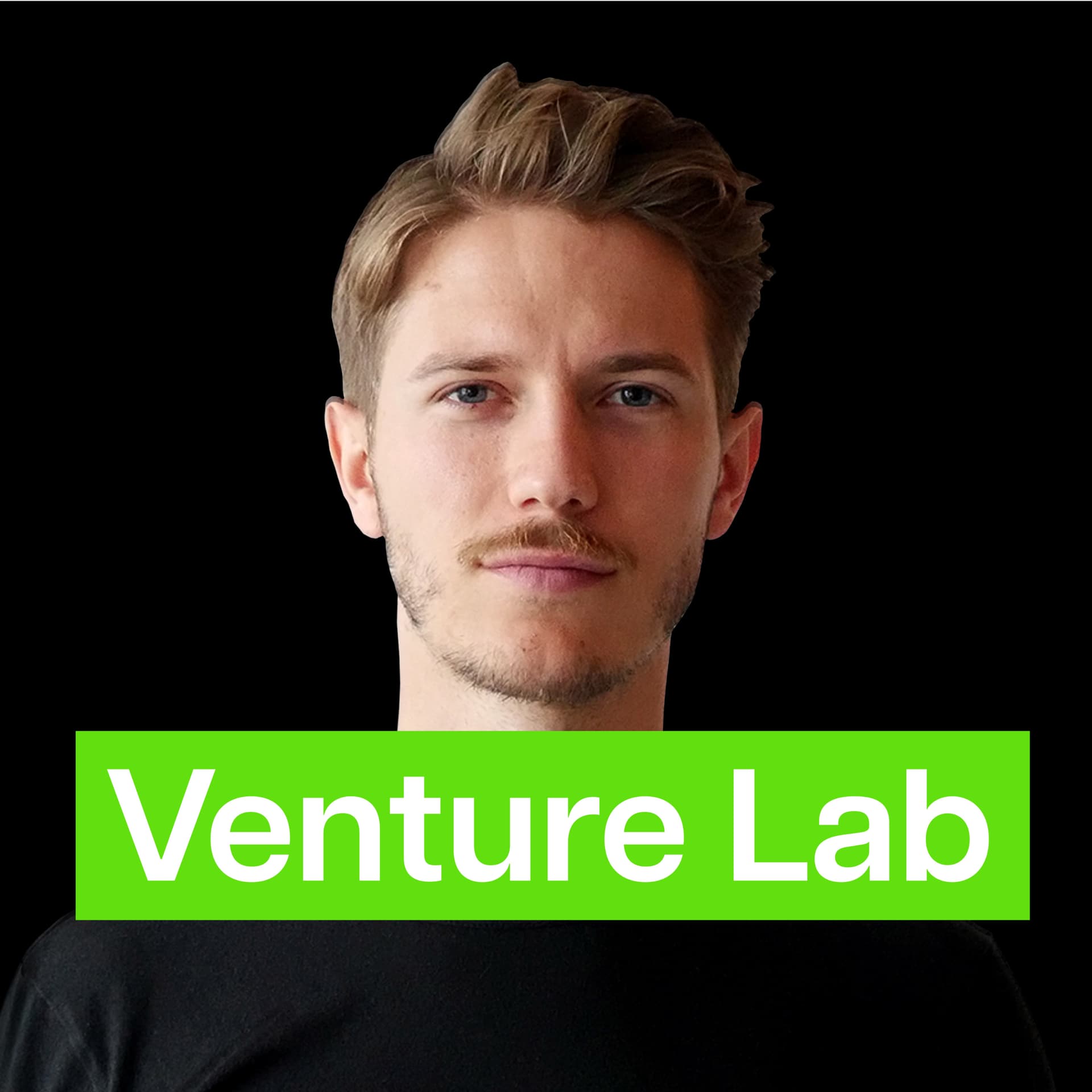
Venture Lab with Luis - Episode Summary: Mo Chahin, Founder of Twain
Overview
In the episode titled "How We Got Sequoia to Invest in Pre-Seed Before We Had a Product," Mo Chahin, founder of Twain, shares his transformative journey from a university dropout to securing millions from Sequoia Capital before even launching a product. He discusses his previous startup, EatClever, and the profound experiences that shaped his entrepreneurial path, including overcoming imposter syndrome and creating a distinctive company culture at Twain.
Key Themes and Discussions
- Early Influences and Entrepreneurial Drive
- Mo's early life experiences as a child of refugees shaped his entrepreneurial aspirations.
- Inspired by stories of successful family members, he sought to achieve that level of admiration and respect.
- His journey into startups began with a hackathon, which ignited his passion for technology and entrepreneurship.
- Transition from Education to Entrepreneurship
- Dropped out of university to pursue an internship in a startup environment.
- The transition was driven by dissatisfaction with traditional education and a desire to build something impactful.
- Founding and Scaling EatClever
- Co-founded EatClever, which successfully scaled to multiple countries and garnered over one million customers.
- Mo faced challenges with imposter syndrome, which he leveraged into resilience and a commitment to continuous learning.
- The eventual departure from EatClever was due to misaligned visions with co-founders regarding the future direction of the company.
- The Birth of Twain
- After leaving EatClever, Mo took time to reflect before launching Twain, a platform designed to enhance communication through AI.
- The concept for Twain emerged from previous experiences in outreach and the realization of a gap in effective communication tools.
- Fundraising Journey
- Closed a pre-seed round with Sequoia, highlighting the importance of storytelling and execution in fundraising.
- Mo emphasized the significance of having a clear narrative and demonstrating progress to attract investors.
- A unique approach involved sharing a personal MVP experience and leveraging early customer feedback to build credibility.
- Challenges and Growth
- Faced difficult restructuring decisions in 2023, which tested his leadership and emotional resilience.
- Highlighted the critical role of supportive investors in navigating tough times and maintaining a respectful approach during team restructuring.
- Building a Unique Company Culture
- Twain operates with a radical culture devoid of traditional management structures, promotions, and feedback loops.
- Focuses on trust, autonomy, and accountability within a small but highly effective team.
- Mo’s leadership style is characterized as decisively non-democratic, allowing rapid decision-making while ensuring team engagement.
- Future Directions
- Plans to focus on hiring exceptional talent and enhancing product features based on user needs and feedback.
- Aims to maintain discipline and agility as Twain continues to adapt and scale.
Key Takeaways
- Emotional Intelligence in Leadership: The importance of emotional support from investors during tough restructuring periods can significantly impact a founder’s journey.
- Navigating Imposter Syndrome: Transforming feelings of inadequacy into a driving force for hard work and learning can empower founders.
- Innovative Hiring Practices: A focus on character and fit over conventional hiring metrics can lead to a uniquely driven and cohesive team.
- Raising Capital: Building a compelling narrative around your startup and demonstrating progress can greatly enhance fundraising efforts.
- Embracing Rapid Change: Founders should be open to pivoting their business models in pursuit of product-market fit, especially when backed by investor support.
Challenge to Listeners
Mo challenges listeners to
- Identify Their Superpowers: Ask friends and family what they believe your strengths are, and reflect on how to leverage these strengths to achieve your dreams.
Conclusion The episode provides deep insights into the journey of a founder navigating the complexities of startup life, fundraising, and cultivating a unique company culture. Mo Chahin's experiences serve as a valuable learning resource for aspiring entrepreneurs and established founders alike.
Written by AI. May contain mistakes. Listen to the episode to check what was said.
Transcript
Automatic transcript. May contain errors.0:00Luis:We are not a democracy. There were several instances where I was like literally like a dictator.
0:06Mohamed Chahin:Mohamed Chahin, founder and CEO of Twain. The AI deep research that turns boring outreach into researched content. Back to Sequoia Capital and TQ Ventures, Twain doubles revenue every month.
0:17Luis:How do you raise money from Sequoia? This is like very, very, very important for like any founder. We didn't have to raise money. That's the very first thing. The second thing is it was a very difficult year. I was struggling a lot and we had to like restructure. I remember like I had to write this email and I didn't want to send it, you know, and I was just afraid. And literally, they just called me. They just said that we believe in you. This is unannounced, but I'm happy to share this. It's actually a crazy story. If you should just take one thing away from this, is that... Ladies and gentlemen, by way of introduction...
0:54Mohamed Chahin:More. I have this hypothesis that still needs to be validated, but it says that people are very much shaped by their earliest experiences. And what is one experience that had an impact on you and still affecting what you're doing today?
1:07Luis:The most impactful single experience I had was my mom is Syria. My parents fled the Lebanese civil war. So when we were younger, we visited my grandparents in Syria. and one of my core memories that I believe put me on this path was when I listened to my grandma and my mom talk about my uncle because he was an entrepreneur back then and they talked so positively that he was working very hard and he was providing for his family and his extended family and I was just a kid playing with toys I remember but I was so impressed by how they spoke about him. And I was like, that's exactly how I want my siblings, my family, my parents to speak about me.
1:57Luis:So that's basically when I decided, okay, I want to become an entrepreneur before ever knowing what a startup is.
2:04Mohamed Chahin:And how did you then get first exposed to startups? I'm asking this question because I know from my own experience in Germany, it's not really a thing and certainly not 10 years ago. So how was your first contact?
2:18Luis:Yeah, when I was like, I didn't know what to do after high school, I started to play around building like websites. Again, I didn't even know what a startup was. When I enrolled to university, I just wanted, you know, to study. I was not even passionate about electrical engineering. That's what I was studying. I saw this poster and it said, like, build your company in 54 hours. And it was basically a hackathon. And I was like, all right, I'll go there. That was the very first time I was exposed to startups and tech. And I fell in love. I remember after that weekend, I was like, this is exactly what I want to do.
2:57Mohamed Chahin:And then what was your next step? If you participated in the hackathon, what was your next leap? Did you finish first university and then started Eat Clever? Or how did you go about it?
3:09Luis:I met these two guys, Marco and Robin. Marco had the idea for Eat Clever. initially it was a different idea, but we just stayed in touch. And, but I knew like, okay, this is exactly what I want. And I want to learn more. And I was like 20 years old, zero experience in anything. I didn't enjoy studying anyway. All right, I'm going to drop out and I'm just going to do an internship. And I called up the only guys I knew who had a funded startup that moved to Berlin. And I was like, Hey, can I do an internship? And can I live with you and they were just like okay come to berlin i just packed my stuff dropped out of university moved to berlin and um and it was i was the first intern we didn't even have an office um but yeah it was it was incredible like i loved every second i mean this sounds insane so you're
4:01Mohamed Chahin:20 years old you're dropping out of university and then calling a random person and asking if
4:06Luis:you can live with them but i mean it all turned out really great and they were super friendly and they were very young, you know, just the co-founders living together. It was just amazing. But yeah.
4:15Mohamed Chahin:I'm curious because I think many people have a lot of anxiety or fear making this first step. What was going through your mind back then? Like, did you ever feel like anything was holding you back or you just went for it?
4:28Luis:The biggest thing was definitely that my parents were very, they were very worried for sure and concerned because, you know, they left like a civil war and they were refugees and they had a really hard time building up their life and our life in Germany. And to them, the only path out of poverty is education. And they just wanted a better life for me. So, and they didn't understand what this was, but I was very stubborn and I just believed in it. And I just enjoyed it a lot, you know, and I hated studying. So it was also very easy out. I just got lucky that it all worked out, to be honest. But it was not a difficult decision at all.
5:14Mohamed Chahin:And can you tell us about your first entrepreneurial stint that you had them and maybe introduce what your role was with Eat Clever and very fundamentally what you were doing?
5:24Luis:So again, I met these two guys at this hackathon and I just really liked them. When I was still in school, I was after school, I was doing... It's very typical, right? When you're young, you do any kind of job. My parents always taught me to work hard and take responsibility. So I was working as a pizza delivery guy. I was working in a restaurant, washing dishes and all kinds of jobs. And back then, Marco was basically the guy with the idea. And he just noticed that there was an underserved market for healthy brands in food delivery. But I was just like, okay, I want to work with these guys. and I like cooking and I like food, but that was really it.
6:10Luis:I had no skill back then. That was actually one of the things I personally struggled with, talking about imposter syndrome and stuff. Basically, I was just like, all right, I'm going to do everything that faces any... It was a marketplace kind of model. So supporting the restaurants, acquiring new restaurants, new locations, supporting enterprise or bigger customers and supporting the end consumer. So I just naturally fell into that because I didn't have any hard skills, to be honest. And I always felt like for the first couple of years, I have to catch up with my co-founders in terms of knowledge and skill.
6:49Luis:But it was very, very hard, like hospitality and restaurant business. Anyone who knows that business knows it's a tough business. But it was a lot of fun. And I got to work with very smart people, very ambitious people. So several of our first employees have started companies by now.
7:08Mohamed Chahin:And then how did you deal with the imposter syndrome that you mentioned? I can imagine that it instills a sense of unease.
7:16Luis:I think I was just very grateful for my co-founders because I could feel that they were definitely emotionally more mature. Like I still remember a moment where we initially were like four guys and then one just said, oh, this is not going to work. You know, I'm going to let's just throw the towel like that's it. And I was like depressed for a week and they were like, Mo, get up. Like we're going to make this work. So like on the one hand, early on, I realized they were just emotionally mature and had developed more grit than I had. And they believed in me. And I just always had this intrinsic feeling that I want to prove them right.
7:59Luis:And not only them, also when we had the first employees, the first investors. And I think the way I did it was just I worked extremely hard. And I just read a lot of books. And reading a lot of books was definitely something that helped me turn like, you know, that I already had this sensitivity and passion for language and communication into actual knowledge.
8:23Mohamed Chahin:And then you scaled Eat Clever into like you expanded into four countries and had more than one million customers, right? But then you decided to walk away from it. Why? And how was Twain born from that?
8:37Luis:Well, that was the hardest decision of my life, for sure. It was basically seven years in and we had struggled for, I would say, five of these. So it was really when it started feeling like, oh, we're getting the recognition. We were still pretty young, you know, like we were 26 and then we made groups, Forbes, 30 under 30 lists. And back then it was like such a big deal. And then, you know, you expand into like markets and like you scale the team and all these things. Right. And because it was a consumer market, also like a lot of friends just like and strangers like in my age just knew who we were like in the company.
9:16obviously that felt special when you're like 26 it was like from the outside like very like
9:22Luis:objectively successful but um internally uh after seven years or like in that last year that i was there um i realized we wanted different things like that that's how it felt to me we were trying to like make all the important decisions together um and i was getting more and more frustrated because they basically just, they were aligned on several important things. I was not, there was interest to acquire the company and I didn't want that. Like I didn't want to sell the company. And again, we were very like open. These were my best friends. You know, I was like, okay, I mean, you know, this is either going to end in a fight or like someone has to step back.
10:03Luis:Again, it was an incredibly difficult decision, but my gut feeling just told me, you know, that either you have to stand behind every decision and make these decisions together and then execute on them, or you have to walk away. And then I decided to walk away and I told them and we talked about it and they were incredibly supportive. They told me, if you change your mind, I mean, it was six months before I actually left. So it was really a long process. We prepared for it. And they were like, hey, if you change your mind, come back. They even asked me and you have to understand how incredible rare this is, because I have a lot of founder friends and I hear about a lot of like co-founder fights and breakups.
10:43Luis:And imagine like I decided to leave and they asked me, what did we do wrong? You know, and it was one of the major reasons why I left with a really good feeling and a really good relationship after that, you know? So yeah, so that's like how I left and how this all happened. And then I just wanted to take a break. It was just initially the idea for Twain, I mean, the problem was always there while I was still at Clever. I was trying to coach teams. We were building up commercial teams on how to communicate with our customers and prospects. We were doing a lot of cold calling as well back then, which worked so well.
11:28Luis:We were doing events and conferences. So we had like many, many different situations where we had very important communication. And, you know, when you start to do outreach and this kind of stuff in English, which was not my native language, I just wanted some confidence. And I remember like discovering Grammarly and I was like, this is incredible technology. I was like, I was so amazed, you know. But of course, I always knew it was not built for commercial teams. like was not purposely built for for what I was trying to do so that idea just stuck with me initially I actually wanted to write a book I even started writing and I was like okay I'm just gonna write a book on like how to write an email and I hated that it was just like I just didn't enjoy it at all you know and I was like okay what could I do and I was like okay I'm gonna start a podcast and then I started recording just random episodes I was like I just don't enjoy that yeah And I was like, okay.
12:27Luis:And then I remember a friend of mine was like, you should do YouTube because you come across very real. I was like, okay. And then I started a YouTube channel. I mean, never launched it, but I just recorded a few episodes. I was like, okay, I hate that as well. And really, that was how it was born. I never intended to solve this problem through a product. But one day it just hit me and I was like, man, what if I build Grammarly for sales teams? and I wrote everything down. The rest is history, but that's how it started.
13:01Mohamed Chahin:And I think there are two things that really stand out to me in the way you communicate about Twain, which is first is you use a very emotional language. So you talk about feelings, for instance, like finally getting that yes. And the second thing is that you're also saying that this is your life's work. So how did you first get emotionally attached to solving that problem? And then why is specifically this your life's work?
13:27Luis:Well, it's probably to both of these questions, probably the same answer. Like, why did I get emotionally attached to this idea? And this is actually a really good question because many founders have many ideas all the time. And the reason why is because very early, when you're young and you're a kid, you don't have the maturity to reflect on what is actually happening. You just realize it later on. And many, many times I, as an adult now, realized how many times in my life things happened that didn't feel good. And they always happened because either I, because I learned like Arabic was my first language, And I had to go to extra classes after school to learn German properly and stuff like that.
14:20Luis:My parents struggled so much. Building up a social life and just a friend's circle and friendships when you don't speak the language natively. And how much miscommunication just happens. The level of miscommunication when you have a cultural background, like a difference in a cultural background, even though you speak the same language is insane. And I got to see this firsthand, of course, but then I got to like see what it's like solving that. So when I got like, when I really leaned into like becoming really good at communicating still at my previous company, I saw the impact, you know, because we were like early twenties, mid twenties, and we were really doing really well.
15:07Luis:And I just realized that many, many people have this problem. And again, you know, I was just emotional about it because of my own experience. Okay. And then why I think this is my life's work. In my previous company, I had an incredible time, but it was not my idea.
15:25Mohamed Chahin:Yeah. You know, I was not the CEO and like in hindsight, an incredible learning experience and getting to work with these people, you know, and building this when, when it comes to Dwayne, like it
15:38Luis:feels more like it's really my identity. It's just like me in a product. And why I feel like this is my life's work. You realize what happens when you get lucky with timing. And getting lucky with timing was probably felt like winning the lottery. You know, we started, we had raised an angel round and a pre-seed round before ChatGPT came out. Okay. And seeing what happened to us, you know, and seeing like what happened to the market and just having the right team building on the right thing at the right time. That's it. I was like, I'm working with the best people I ever met. I'm working with the best investors I ever met.
16:27Luis:I'm working on what I love. I will never start another company. I was like, I'm just going to go the distance because like, if I'm never going to give up, why should this company fail? So that's really how I feel about it.
16:41Mohamed Chahin:Yeah, I think it's super fascinating how you first experienced adversity yourself. And then it literally became your superpower. And you started solving this problem basically for other people. So I think that's really, really cool. And then you said it was before ChatGPT came out. So before AI was actually cool. but how did you get the first investors on then?
17:03Luis:You know, like we've closed several rounds by now and the first one was the hardest but I want to like big fat disclaimer. It was still fairly easy. Again, there is probably luck involved. There was my track record involved. But I really think if you'd ask me like what made the first initial people, actually the first two rounds because there was no product really, what made them invest is in my opinion uh what i did when i was alone when i had no funding and nothing so basically i told them the story of like how i came up with the idea and what did i do from the moment i came up with idea to uh the moment i was talking to them what was it i was just like hustling yeah because so for example i had like no background in machine learning AI, I didn't know what natural language processing is and all these things, but I had friends and I basically just really activated my friends and really forced them to help me.
18:07Luis:I couldn't convince anyone to become my co-founder, to be honest. At that point, they just didn't think it was a good idea. Maybe I also didn't have a good enough network. So I actually did everything. I had friends around me, but first of all, after the first few weeks, you know what my first MVP was? my first MVP was me manually improving someone's email for money and I let them pay as much as they want so I do it was just a stupidly simple landing page that a friend of mine built yeah I was just like I just posted it on Instagram even it didn't even say it's my new company look you have an important email like you want to apply for a job you want to raise or anything, I'll improve it.
18:53Luis:You pay as much as you want.
Read the full transcript
18:54Mohamed Chahin:I love that. Did many people reply to it?
18:57Luis:It was profitable from day one. I could have lived off this. People paid on average 62 euros to have me just like improve one email that they want to write.
19:06Mohamed Chahin:That's incredible.
19:07Luis:And that was like, okay. And then I was like, basically the first MVP. And the second one was, I literally
19:12Mohamed Chahin:just drafted contracts and I sent it to all my founder friends.
19:16Luis:And I was like, look, I'm going to build this. It's going to be available in six months. Sign now that you're going to pay this amount for it. And I don't remember how many companies signed, but a few of them signed. And I just like created more and more like proof, like real evidence, you know, that there is something there. And then I started learning how to use Figma. I just watched YouTube videos. And then a friend of mine, every Sunday I met with him and he reviewed my code. So I started learning Python and like he every Sunday like he sat down with me and I told him like one day I'll give you equity and I'll pay you we did you know and he was incredible and every Sunday we were like sat down and he reviewed my code and he told me how to fix some things and I told the story to like angel investors and pre-CVCs and I think that's the real reason of course you know there's a track record behind it but you know for any early stage founder like you will make your life raising money way easier if you first just execute yeah i mean it also shows that you are super
20:23Mohamed Chahin:committed to it and you actually get stuff done and then i have to ask you this question more you raised your seed round from sequoia capital how do you raise money from sequoia it was actually
20:34Luis:the pre-seed round yes it was it was the pre-seed i would say as always uh there is luck involved at that time we had raised 500 ,000 in angel funding right and we knew it's not going to be enough yeah back then we had to train our own models that's a very very important detail you know compared to today so we we thought we need way more money to like build the actual technology we got lucky with timing as well because they were just they just announced that they want to do pre-seed investments or more pre-seed investments again. One of our angel investors who invested in the very first round, incredible guy, Jan, the founder of N8N.
21:19Luis:We all know N8N right now is an incredible company. They had invested in N8N. And I just asked Jan, hey, what do you think? And he was like, yeah, I'll just mention it. We had, I think, multiple people, to be honest, mention it to them. But yeah, and I was like, yeah, we want to do this ARC pre-seed funding. And they reached out to me and we talked. And I told them exactly what I just told you, what I did in the last 12 months. And I think to their credit, one thing that they saw that just today feels like many other teams didn't see or individuals was that there was already a GPT API out. you know before chat gpt came out open ai was obviously a company you know and i remember that we told them hey there were like 300 applications in the entire world using this this gpt thing we were like this is just gonna explode and i do believe they probably got that right as well um before chat gpt came out then yeah again we just had a conversation to be honest.
22:33Luis:We got to know each other and we started working together.
22:36Mohamed Chahin:And what happened after Sequoia committed?
22:39Luis:Yeah, I mean, it's for like a founder that decides to take the venture capital route. And I think it's like multiple things overall. And many founders over the last two, three years reached out to me and asked, you know, like, you know, can you give me feedback, help? Can you like, what do you think? Are you happy working with them? I can just tell you it's life changing to a founder. Like it will change the trajectory of your career. I think they will, on the one hand, especially early stage, they will basically accelerate. Like they will get you to the next stage way faster and they will raise your bar to like anything you do.
23:17Luis:They will raise your bar and of course open like a lot of doors. They will not do the work for you. No, no investor will and no investor should. Right. So, but, but just generally speaking, like a blind recommendation. Yeah. It's going to like change your career as a founder, I think.
23:31Mohamed Chahin:And you also mentioned once that after Sequoia committed that suddenly there was a huge momentum and every VC basically wanted in. What were you thinking back then? And yeah, just how did you deal with the situation?
23:45Luis:The most difficult thing is the emotional part. In my previous company, we had like not so great like timing and we're also very young and we didn't see like a lot of VC like interest. And then when you come from having to like beg almost, you know, for attention and being constantly underfunded to, you know, getting all of this interest, you know, it was very difficult emotionally to stay focused. I think that's like one of the difficult things when this happens to you as an early stage founder, stay focused. Like none of this is real, you know, it also will go away. and I think it's very, very easy to get distracted.
24:33Luis:I think we had great people, great investors that guided me. Again, the emotions is the most difficult thing. And yeah, we just stayed focused, honestly. We took very, very little time to talk or meet with VCs just because we just wanted to go out and find product market fit as fast as possible.
24:56Mohamed Chahin:And if we stick to the fundraising process, You raced your last round in April 24, which was your seed round. And could you tell us about the story how this happened after you had the pre-seed with Sequoia? Who did you team up in the seed round?
25:13Luis:This is unannounced, but I'm happy to share this. It's actually a crazy story. So we had this like incredible cap table. We had Sequoia leading the pre-seed and we had a few smaller investors. And this is very, very, very important for any founder. We didn't have to raise. When you ask yourself, okay, I want to raise a seed round or a CSA or pre-seed round, you should think about it in advance. Because if you... Something that I saw founders happening to founders a lot is that they, for example, go out and start fundraising. but they can't tell a really good, authentic, legit story. And to tell an authentic story and get VCs excited, you need consistency in your trajectory.
26:08Luis:What does that mean? So you need to show for a few months, okay, this company is going or heading in one specific direction. It has to be a real KPI, of course, that matters, but it should only go up and up and up, right? So when you go out and fundraise and then it's not doing that, then they will just tell you, okay, let's watch this for the next few months and then come back. You know, if you're showing growth and like all these things. So what we did basically in November, we were like, okay, we want to raise money in March or April. And in November, we decided basically what are we going to focus on that will get investors excited to invest in us in April.
26:53And to us, it was product because we were like, okay, we are a company.
26:58Luis:We want to stand for like quality and we believe in that. And we want to be the best in class tool. And we're just going to show you that. And back then it was a free tool. We're just going to show the world that, you know, it's going to like go viral basically. And like people are going to adopt it. They're going to love this. And we're going to show that we as a team are going to prove that we can build an incredible product. So that was like the story. And from November on, we only focused on that. And for a few months, I mean, literally from November to March, we were able to show that we were just the number of users just grew exponentially.
27:41Luis:So in March, we felt like, OK, let's talk to VCs now. We're going to raise a seat round. I wasn't even sure how much because like the team was small. We kept the team small. We had like still more than enough money in the bank. And we were like, if this doesn't go well, you know, if we don't get like a great term sheet or like just like find a great partner, we're just not going to raise because we don't have to. Okay. You know, so it's very important. We went out the first time with this option to just say no.
28:09Mohamed Chahin:So you basically leveraged your own timeline to be in a position of power when you approach VCs.
28:15Luis:Exactly, exactly. And then I would say and everything I'm going to say from now about the rest of this story should just if you should just take one thing away from this is that Nothing is set in stone. Everything is possible. No advice is universally true So what we did was we did not reach out to like a hundred BC's, you know We we really went and like said, okay, let's shortlist who we actually want to talk and partner with and who would be like a hell yes today, then we also have like already some kind of like at least a good introduction, a warm introduction. And if none of these will give us like a term sheet or like we partner with them, then we're just not going to raise.
28:55Luis:Which led us to, I think, a list of like 20 VCs in the entire world. And that was it. And then I was like, okay, and then we really prepared to message them all at the same time. So I was like, you know, talking to like my I found a friend and I was like, hey, you know, I'm going to send you this email on this day at that time. And then you're going to forward it. So everything was like prepared to all happen at the same time to start this process. So on a Thursday afternoon, I think around 2, 3, 4 p.m., I sent this email to like all my friends. They all forwarded it. And like by Thursday evening, I had a few meetings booked for Friday or like the next week or something.
29:37Luis:and I still remember to this day that I was at the gym and I suddenly got this email from one of the VCs that did a follower investment in the pre-seed incredible guys I was already super happy with them back then and he was just like hey I'm in Berlin tomorrow should we have coffee? and I was just like yeah I mean awesome I can that way get your attention and you can help me with the rating of the staff And then I met them the next morning. We talked, you know, they talked like, what's your plan? With the background, everything, do you need help, do you need introductions? Who do you want to talk to?
30:15Luis:And then I showed them the actual product and I showed them like the actual traction. And they were like, you know, how much money do you need? And we talked about this, but basically they were just like, hey, Mo, look, you know, we love working with you. We love the team. We believe in you. It's so important when you work with VCs that you have these kind of partners. and they were like, look, if you want, we'll help you raise this round or we'll just give you the money and you just focus on what is happening here right now. And I was speechless. I was completely shocked and I was like, you know, I mean, I was very grateful, but it was surreal.
30:49Luis:I literally looked at my phone and I was like, this was not even 24 hours after I sent this email.
30:57Mohamed Chahin:This is insane. So you sent the email on Thursday afternoon, you said around four, And then when did you have the meeting? On Friday?
31:03Luis:We met like the entire morning. And then basically around noon. You had the offer. Yeah. Yeah. And then I went back. I was like, I have to like sleep over it. Yeah. I just have to, you know, think about this. And this is very, very, very important now. I could have taken that offer. Like it was legit, obviously legit offer. And imagine how impressive it would have been to like all the VCs that I had message, you know, like 24 hours earlier. Hey.
31:30Mohamed Chahin:It's close. We have an offer.
31:31Luis:Yeah. well, wait, we have an offer. Do you want to talk like, right? Like, should we do this? Like, and then like shop it around.
31:38Mohamed Chahin:I see.
31:39Luis:Like play. Play the field. Yeah, yeah, yeah. And we decided, and this is very important, you know, to any founder, like listening to this, when you are in these moments, you always have to do the right thing when you are in leverage. You know, when you have the leverage. It's so important because you're building a relationship like over hopefully decades. They gave me like very specific terms. And when they did the follower ticket, they didn't negotiate. They didn't like, they just said, Hey, we just want to be part of this. You know? And then I remember on Saturday morning. So like almost 48 hours later, I was like, look, you didn't negotiate back then.
32:17Luis:I'm not going to negotiate now. Let's just close this. And you know, I didn't talk to like anyone, like any other VC. And I wanted to like, yeah, show them like they are trusting me and I trust them. And then basically it was done. And then we had to like message everyone and cancel inventings.
32:32Mohamed Chahin:This is such an insane story.
32:35Luis:And we never like announced this. We never talked about it. We didn't like increase the team. We would just, we just took the money. We spent zero days on like fundraising. And it also shows you how competitive it is, right? Like even for VCs, you know, because you have to imagine since the angel round, we didn't have to race, like we didn't have to go out at all. And we were off to the races and we were super focused. And of course, you can imagine what it did to the team.
33:02Mohamed Chahin:And I mean, it is a crazy story. And if we summarize it and let's say pretend that I'm a founder and I would raise my seed round in six months. What are the three things that I must do to prepare a successful fundraising process?
33:17Luis:The very first thing is you have to ask yourself, like, what will make the company like legitimately attractive to be the company everyone wants to invest in in six months? Yeah. Okay. So you always have to imagine you're like an asset and they always can like invest in someone else.
33:34Mohamed Chahin:Yeah.
33:35Luis:Right. Yeah. It's not about the money. It's like their time is limited. They can only make limited bets. So that's the very first thing. The second thing is you have to like align your team on it. Like it can't be, it should be very ambitious, but it should not be something crazy. Like if it's, it's, if it's completely like impossible, you know, unreasonable, like then, okay, you're not going to motivate your team to like, actually build towards that. And then the third thing is, and again, this goes against what a lot of people advise, but don't talk to external people. Talk to your existing investor.
34:11Luis:Keep them like super updated.
34:13Mohamed Chahin:You know,
34:14Luis:to this day, I write an investor update every single month. So like, and even back then, like you need, like write very detailed and transparent updates every single month and like just keep them updated. So that's, these are the three things that I would like recommend.
34:31Mohamed Chahin:Yeah, that's super helpful. And especially that so many of the things are actually contrarian to what you would think you would have to do in this situation. After we got the capital side of things sorted, there's the other most important topic, which is building a winning team. And in 2022, you've got funding. Then there was the AI hype in the market. But then in 2023, you said that it was a challenging year, especially for you as a founder. What was going on?
34:59Luis:It was a very difficult year. Again, in 2022, we got all this attention. Even after ChatGPT came out, we got all this attention. And it was a bit like Cloud9, but major, major imploster syndrome because I was like, we had not built anything. We didn't deserve this. And I felt really, really bad. And there was just so much distraction and noise. And I could feel that we hadn't managed to like build an effective team that can execute. Like here's an idea and like we really execute this to a product. And in 2023, basically, I was struggling a lot with just generally the team I had built. And we had to like restructure on the one hand, because I think we had hired, like we had very, very much like optimized for character and like people we like.
35:55Luis:but not who we actually needed. And it really, it made me very sad. I didn't feel good. I felt just depressed for many weeks. And it was extremely, these moments are extremely exhausting to solve because they take time and it's basically all consuming. And again, I have to credit our investors, Sequoia and TQ Ventures from New York and also Max, who's here in Berlin from System One. These three, they were so supportive. When I had to make the most important decisions, which are like restructuring the team and letting key people go, they were there for me. I remember I had to write this email and I was dreading writing it and I didn't want to send it.
36:48Mohamed Chahin:I was just afraid.
36:50Luis:How are they going to react? I'm going to be disappointed. you know, and literally, literally, usually they reply and they reply very fast, but literally they just called. Like they didn't even reply. I sent it to five minutes. They just called and they were just so supportive and like super respectful. And they helped me.
37:11Mohamed Chahin:So you told them in the mail that you need to restructure the team, that there are certain key positions that you probably need to change. And then, yeah, How did they support you?
37:20Luis:Emotionally, which is the most difficult thing, you know, because it was obvious that this is going to take a long time. And it's not even certain that we're going to succeed. And, you know, like, I think every founder or like many founders, including myself, have some kind of chip on their shoulder. They want validation, approval, you know, and I was just so worried that they're going to be disappointed in me, you know, because it was my responsibility, everything. and they were so supportive. They just said, we believe in you. It was really like, we believe in you. We're going to figure this out together.
37:54Luis:And very, very importantly, again, I think we don't give VCs or like these individuals in that moment enough credits that one of the, or if not the most difficult thing in that moment is to make the entire process respectful and human, you know, and they really helped me do that. They really helped me do everything in a fair and respectful way and guide me through that and just emotionally support me. And like, that was incredible. And it was really, really difficult, you know, because you don't know like what's going to like, again, you want to do it the right way. But it's like not a nice thing, of course.
38:36Luis:It's extremely exhausting. Like literally, you know, sometimes I felt like I just lost a little bit of my soul. Like it was really, really intense because I was working with people I really liked.
38:46Mohamed Chahin:Yeah.
38:47Luis:And then you had all the, then you had two people that were still there. And you know, like, this is not, no one is going to be excited about this. It's like, how do you keep this team together? And then, you know, point it in the right way.
38:59Mohamed Chahin:I love that you're also mentioning the emotional support from investors, because usually like when you think about who to team up with, you always try to dial it down to like very operational things, right? But then in such moments, actually that the emotional side is much more important than anything else. I mean, it sounds super tough, but I also believe that companies are built also through those difficult moments. So I'm wondering, like, what is it that you took away from this challenging time?
39:27Luis:Yeah, well, we've built a lot of trust. We've built a lot of trust with our investors because they saw how we navigated through this. But we've also built a lot of trust in the team. next to like all the trust it was really that i can't get hiring right that uh and i should like just accept it that you can you just can't get it right every time and that i should do my best to be really really good at letting people go so like that's that's probably like the main takeaway
40:02Mohamed Chahin:yeah yeah again like it's the complete opposite right what uh what you would think that like you you try to master the hiring process. This was 2023. And then, but after this, you also made some incredible hires and built an exceptional team. So was there anything that you, anything particular that you changed about the hiring process that then led you to build like a team with world-class talent?
40:23Luis:I think there are multiple things. Of course, the hiring process gets better and better. You know, the product and company gets more mature and the more incredible people you have, the more they will attract other incredible people. and the the thing that we just focused on is really that we we had this um idea we had this incredible backing and we had this incredible timing so we knew that the the the product basically you know a job that we are offering to someone was really really good we had the funds to pay people like way above market the equity i don't have any co-founders so i was able to have like a really big equity pool for employees.
41:05Luis:And, you know, building with incredible people on an incredible product was like just, you know, a really good value proposition. So we were aware that we had a really good product. So we didn't make any compromises. We knew we were looking for like very, very specific personalities. And we had like zero time or energy or like anything or resources to like coach people or manage them. So basically what we did, I think again, like was very difficult but was the right decision to build this incredibly high-performing team that built this product the way it is today. It said we just let a lot of people that we hired let them go like very very fast when we realized you know this is not a match.
41:50Luis:We just let them go because the opportunity cost for us the way it felt to us was just so high. We're like hey we can hire anyone we want in Europe because we are a remote first team. We can pay them as much as they want. I'm not going to regret saying that. And we have a really, really great product team to work with. So we can't make any compromise. So that's really what led to building this team that today is so, so, so highly effective and works so well together. It's really incredible. like people it's so funny like people tell me hey you know what like uh i always make fun of like asking people what do you think how many people work at twain no one gets it right it's really crazy like what do they think well i've heard multiple times like between like 50 and 70 opponents and and we are seven so like wow yeah and the other thing is like always assume that you don't know what greatness looks like like you should always as an early stage founder think you have no idea like what actually is possible and you should just like constantly every three months you should feel like you know the mole three months ago was just a foolish kid like really
43:02Mohamed Chahin:like you need to push all the time and after you made those hires like what kind of culture do you want to build in the company and also do you have certain principles that um that you want everyone
43:13Luis:to live up to it this also takes time you know you can't just like say oh we're gonna write down principles or culture and that's how it works. So it's really in the big and in the small things and you can't like something like hey we are nice to people, we are respectful, we are transparent like that's not culture.
43:31Mohamed Chahin:It's a given right?
43:32Luis:Exactly. So like or like you get a lot of freedom when you're in a startup you know like okay you're right. So really we try to like be known for very very few things and the things that we I believe we are known for is on the one hand again this like a very small team that is highly effective building an incredible product but the other thing that we are known for that surprises people is that we have absolutely zero feedback we have like zero like career development plans we have zero like management we have zero like promotions they don't exist like people get raises all the time but like not like every week so like this just happens but there's no promotion like no one ever got like their title changed or anything this just doesn't exist we don't have like regular check-ins or any kind of like one-on-one regular meetings to talk about anything literally it doesn't exist and which also disqualifies people that want to join us to like have a you know manager or like It just doesn't exist.
44:42Luis:And people are often surprised. But to be honest, we figured this out. And with the team that we've built, it just works well. When something goes wrong, we just hold people accountable for it. I make mistakes all the time. We make fun of it. I talk about what I did wrong all the time. And I think that's important. Sometimes we make mistakes. And then I obviously tell them. And we are very direct. When I say no feedback, we are also very direct with saying, and I just tell people, no, that's not good enough. Like do it again, you know, or do this. But there's a trust, you know, that, you know, there's trust that I'm saying this in a very like positive way and they know it.
45:23Luis:And we don't like, there's not gonna be, no one has to be anxious. My feedback check-in is coming up or whatever. It doesn't exist.
45:31Mohamed Chahin:It reminds me of Jensen Huang, the CEO of Nvidia. I think he also does no one-on-ones per se. But then what do you get out of this? Like how does it change the company culture?
45:43Luis:I think the biggest thing is, of course, like there are two things on the one hand, it disqualifies anyone who needs that out of the company. And the second thing is that high performers, in my experience, like truly people that fit into like building something from scratch, they prefer that. They just prefer like that you trust them and they're going to figure things out. We are not a democracy. like really we are not a democracy like we decide things based on who has the knowledge that space and uh there were several instances where i was like literally like a dictator like honestly like i would just say this is exactly what we're going to do i don't get like i don't care what anyone thinks yeah and it's going to happen but again if you have the trust you know uh then it works but what it eventually leads to is just speed can just execute way way way way faster
46:37Mohamed Chahin:It reminds me again, like Jeff Bezos, he often famously said, I disagree and commit. So when his employees came up with an idea, he told them that he does not disagree. But he also said how much time it would take the employees if you would say, try to convince me. Instead, he says, I disagree and commit and I try and I hope this is going to be the best decision we've ever made. I 100 % agree with that.
47:04Luis:But it's still not a democracy. Like, when I have a strong opinion, people will know. They know me by now. And then they know we're just going to do it anyway. But oftentimes, I don't have a strong opinion. Like, oftentimes, I just say, okay, tell me what you think. Like, let's just do that. I don't know. But yeah, there's no democracy in that. Like, we just have to move on.
47:26Mohamed Chahin:And with all this, like, when we bring this together, it seems like you're in an incredible position right now. You have raised capital. You have an exceptional team. So what is the next 6 to 12 months look like? What is the roadmap?
47:40Luis:Well, we have pivoted several times from the initial idea that we talked about. And I think that's like one of the best things about taking venture capital is that you need to like unreasonably take risks all the time. Like all the time. Because we have to take really big risks. Because basically what we are experiencing right now is that it like went like, and then it's goes like this. And literally in these times, we all worked hard. We pivoted several times. We just failed with our pivot. We just didn't hit product market fit. But then we just like took all the risks again. And again, that's the huge benefit of having venture capital before having product market fit is that you can just do it.
48:26Luis:And literally, the funny thing is that investors want you to throw away everything and pivot. Because no one cares about this. That's maybe a good business, maybe a bootstrap. And it's all good. But you should just build an incredible business. You should just really hit product market fit. And yeah, we pivoted several times until we ended there. And we are there right now. And right now, you know, like one and a half years after raising the capital, we decided, okay, I mean, we are comfortable on money and funding. Again, because we were very, very disciplined. And we are now going to like increase the team because we can just not keep up, you know, to be honest.
49:10Mohamed Chahin:And how does the product look like now since you achieved product market fit?
49:14Luis:We've basically like, I don't remember this like crazy moments when Deep Research was built and launched and like Deep Seek came out and like, you know. We iterated over and over and over again. And we iterate on the backend, which is the model and engine, but also on the front end, because there was no role model on what an AI native interface needs to look like for what we are building. So after several pivots, getting the interface right. And then now we actually shipped. That was like the thing that changed everything was when we shipped like several features. So today, what is Twain? Twain takes like your value proposition and any kind of like context you have and can generate unique messaging and sentences and content for like any kind of individual lead or prospect that you want to reach out to and do that at scale.
50:07Luis:And every single message is based on research. Like it's actual factual, right? It's not based on how good you are at prompting to generate some content. It's based on real facts and research. And that's what we've built and people love it. And if you ask me, what does the next 6 to 12 months look like? Very specifically, or in detail, I don't know what my next four weeks look like, is hiring hopefully incredible people. And just building out additional features that are missing. And this is very, very important. There are multiple things that will make the usability easier. Like how do you manage your team?
50:51Luis:How do you manage your billing and things like that, that we just never built because we were like, this is not what's going to make or break product market fit. So now this is getting more important. These are the things that we're building out now, making everything just a bit smoother and better for people that love Twain and want to use it more. That's what the next weeks look like. Hopefully we will hire a few incredible people and then just focus on execution.
51:19Mohamed Chahin:Yeah. As I said, I think it sounds like you're in an amazing position right now. And yeah, I hope that the next trajectory is just going to go up further to the top right. Thank you. One last question that we ask our guests is if you could challenge our listeners to do one thing this week to get closer to any dream that they want to achieve, what would that be from your perspective?
51:43Luis:I think one thing that will surprise you and that is very universally applicable, no matter where you are in life, is just ask your friends and family and loved ones and maybe like close colleagues what they think your superpowers. And I think people will probably or could be surprised. I think too few people very intentionally think about what they are really, really good at and potentially could be the best in the world at and how incredible it could be if they just focus on their strength.
52:16Mohamed Chahin:I love that. Thank you so much, Mo. You gave us two incredible masterclasses, first on fundraising and then on hiring, like how to build a world-class team. And yeah, thank you so much for sharing those experiences with such openness and also with a lot of heart and emotions. So thank you.
52:33Luis:Thank you, Luis. Pleasure.
From the publisher
Mo Chahin, founder of Twain, reveals how he went from dropping out of university to raising millions from Sequoia before building a product and how he closed a full seed round in just 24 hours. We cover his journey from refugee roots to co-founding EatClever, fighting imposter syndrome, walking away from a million dollar startup, and finally building his life’s work with Twain. If you’re a founder, operator, or VC, you NEED to watch this.In this episode, Mo shares: • Why Sequoia backed Twain pre-product and how to position yourself for world-class investors. • The crazy story of closing a seed round in 24 hours (and why leverage only matters if you use it well). • How to turn imposter syndrome into a founder superpower through resilience and relentless learning. • The brutal lessons of hiring mistakes, restructuring a team, and why emotional investor support can save founders. • Twain’s radical culture: no managers, no promotions, no feedback and how it makes 7 people feel like 70.