Ask ChatGPT
 What Next | Daily News and Analysis
15 Oct 2026 · 38m · 12 chapters
The episode argues that “end times fascism” is a far-right philosophy that grows from real global crises (climate, pandemics, economic precarity) and channels fear into scapegoating and anti-democratic politics. It connects a recent raid on U.S. Rep. Ilhan Omar to broader GOP strategies, and discusses how fascist coalitions form internationally through shared apocalyptic narratives.
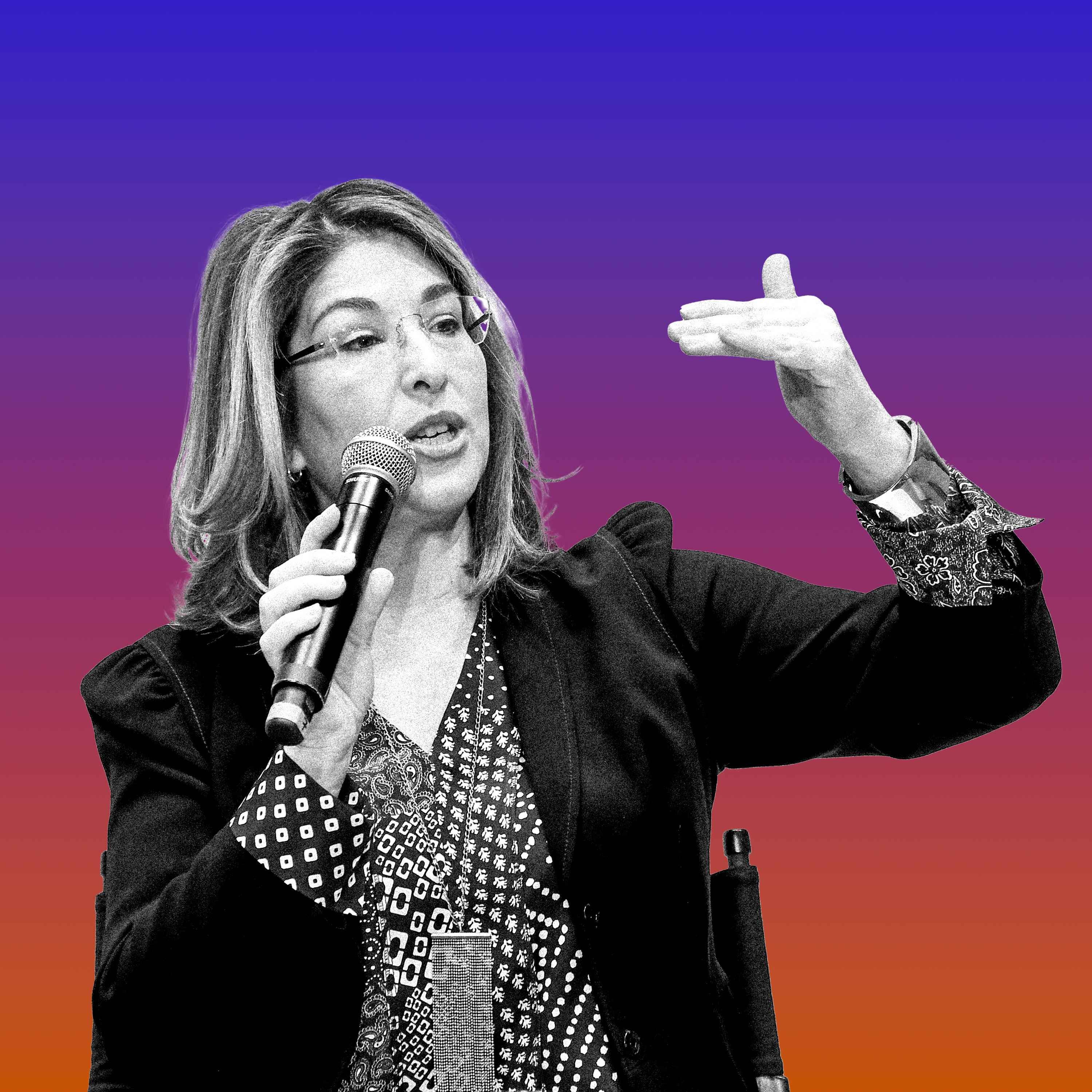
Naomi Klein, journalist/author and co-author of End Times Fascism (with Astra Taylor). She previously co-organized Occupy Wall Street and helped form the Debt Collective; she identifies as a democratic socialist. Host Mary Harris (What Next) interviews her.
The raid is not random; it reflects long-running efforts to “monsterize” parts of the social safety net as fraud. An “injured coalition” becomes more dangerous when vulnerable. Fascism is a counter-revolution that redirects rage away from solvable crises.
Minnesota’s immigrant crackdown (Operation Metro Surge); Occupy Wall Street (2008); Occupy’s global ripple effects; Greta Thunberg vs. Peter Thiel; Modi’s voter-roll stripping in India; anti-immigrant pogroms in Belfast; housing justice in Madrid.
Written by AI. May contain mistakes.
A discussion on the contrasting views of President Trump and Naomi Klein regarding Ilhan Omar.
“have completely opposite perspectives on Minnesota Congresswoman Ilhan Omar.”
Naomi Klein provides insights on the unusual raid and its implications for democracy.
“And on Monday, federal agents searched Representative Omar's home.”
A discussion on the state of racial fear in America and its political implications.
“It's just that she's the most visible representative of it in Washington.”
Analyzing the dangers posed by a vulnerable far-right coalition.
“And the attempts will become more brazen, more violent, more lawless.”
A deep dive into the concept of end times fascism and its implications in today's context.
“It expands on an essay that the two of you wrote in the wake of Donald Trump's re-election for The Guardian.”
Explore how end times philosophies are intertwined with far-right ideologies and current crises.
“Some people talk about a bunker in New Zealand after climate change or whatever does its work.”
Explore the cultural shifts stemming from the Occupy Wall Street movement.
“And I remember thinking, oh, ha ha, this is starting on the weekend.”
Discuss how storytelling shapes identity and social movements.
“Like, why did this moment, this confluence of events, this poster, this slogan, why did we suddenly find out that so much of the city was with us, then so much of the country, then so much of the world, right?”
Learn about the importance of community networks in disaster preparedness.
“I mean, I think there is this very, very deep longing for rooted stories.”
Understand the significance of ceremony and collective grief in society.
“It's not just let's stay, but also let's help.”
Explore the concept of creative ceremonies and the fun of paddleboarding witches.
“And her concerts are kind of mystical events, you know?”
Wrap-up of the interview with Naomi Klein discussing her work and gratitude for the conversation.
“Naomi Klein, I'm so grateful for your time and for your work.”

Get the gist, explore an idea or ask about something said.
 Claude
On What Next | Daily News and Analysis, what are the key points of this episode?
Searching your listeningAutomatic transcript. May contain errors.
0:00Hey, I'm running out to drop off a stack of letters and packages. Need anything shipped while I'm gone? Save the gas. Stamps.com lets you print postage and schedule pickups right from your desk. Sync your contacts into the address book, get detailed accounting insights, and get notified the moment your certified mail is delivered. All from my desk? All from your desk. Join the 4 million businesses using Stamps.com right now with code podcast and get your free welcome gift. Stamps.com code podcast. Taxes and fees apply. Decisions made in Washington can affect your portfolio every day. But what policy changes should investors be watching?
0:40Listen to Washington Wise, an original podcast for investors from Charles Schwab, to hear the stories making news in Washington right now. Host Mike Townsend, Charles Schwab's Managing Director for Legislative and Regulatory Affairs, takes a nonpartisan look at the stories that matter most to investors, including policy initiatives for retirement savings, taxes and trade, inflation concerns, the Federal Reserve, and how regulatory developments can affect companies, sectors, and even the entire market. Mike and his guests offer their perspective on how policy changes could affect what you do with your portfolio.
1:15Download the latest episode and follow at schwab.com slash WashingtonWise or wherever you listen. Hey, everybody. I know you've already heard from me about this exciting live show we're going to be doing this Saturday, October 17th in Richmond, Virginia. Our brilliant friends Al Letson from The Reveal Podcast and Michael Owinger from On The Media are going to be there. But I just wanted to make sure that if you're in the area, you have snagged your tickets. They're going fast. We would love to see you all there. Best part of it all, the tickets are totally free. Just head on over to slate.com slash whatnextrichmond to get yours.
1:51That is slate.com slash whatnextrichmond. All right, here's the show.
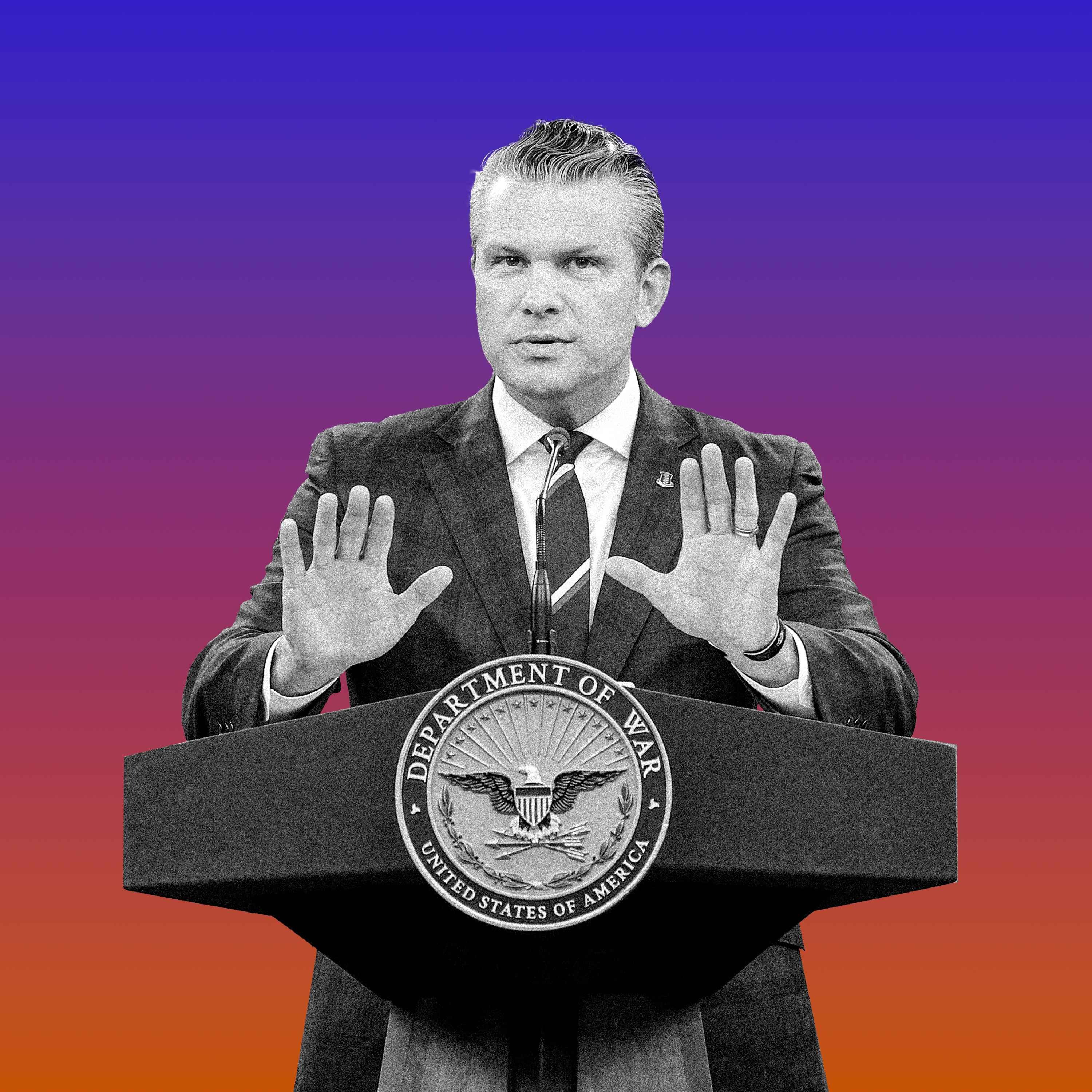
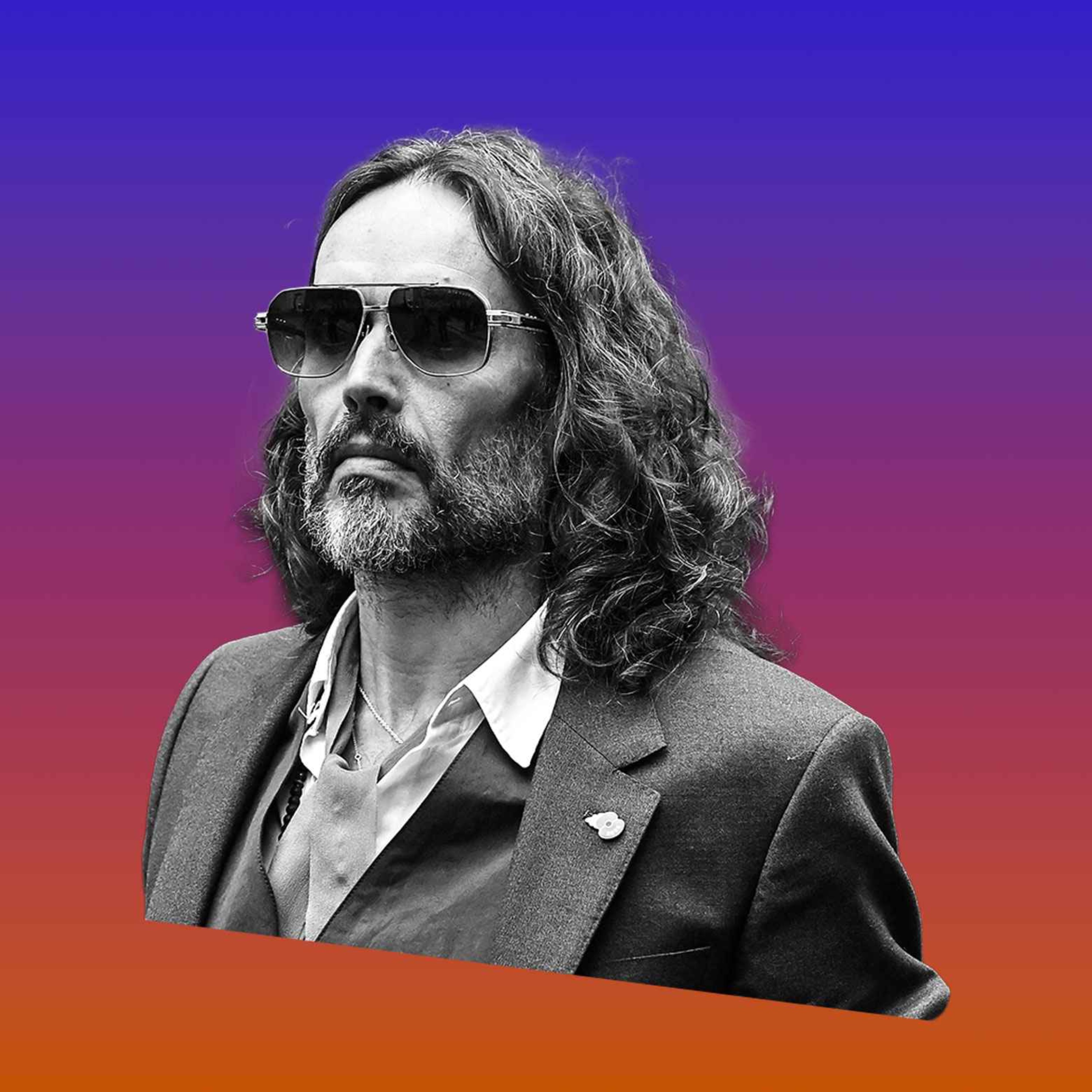
2:00I think it's fair to say that President Trump and journalist Naomi Klein have completely opposite perspectives on Minnesota Congresswoman Ilhan Omar.
2:15You probably know what the president thinks. He's called Omar garbage and stood by as his supporters yelled about sending her back to Somalia. And then earlier this week, there was that raid. Good morning. Good morning. Yeah, this is a fast-breaking story. But I've got a statement from a DOJ official acknowledging this law enforcement activity by Homeland Security Investigations, which is a part of DHS. This was on Monday, when a search warrant was executed on the representative's home. Homeland Security Investigations, their agents were seen going in and out of her home in the D.C. area for hours serving a court-authorized search warrant.
2:54The main thing to know about this raid is that it is highly unusual, especially since it occurred so close to an election. Some have said it may even be illegal. Sources familiar tell NBC News during a search of Congresswoman Ilhan Omar's house in D.C. Monday, remember we showed this to you, this video then, they say federal agents took her phone and that members of her family have been subpoenaed in connection with the case herself. Now, Omar herself... At first, the president said he didn't know what was going on. In the days since, he's logged on to Truth Social to accuse Omar of being a fraudster.
3:33but in her new book Naomi Klein holds up representative Omar as a kind of beacon so I knew when I got her on the line she'd have something to say I was thinking about you this weekend because you've just written this book end times fascism and one of the people who you cite there is kind of a visionary like someone who knows what time it is is Minnesota representative Ilhan Omar. And on Monday, federal agents searched Representative Omar's home. I guess I just wonder, like, what was your first reaction when you heard about that?
4:08Naomi Klein: That they have been after her for a really long time and that there's a reason they're resorting to tactics this brutish because the smears really haven't worked. The lies haven't worked. And I think she really represents this possibility for what is the antithesis of fascism, which is multiracial democracy. So I don't think it's, I don't think it is random in any way that she's the one they're going after with such force. For Naomi, truly understanding what's going on here means pulling back. You have to see Representative Omar as part of a constellation of threats to the GOP. She's a Black Muslim immigrant with a national platform, and she comes from a state where three years back, Democratic lawmakers passed a massive expansion of public benefits, paid leave, tuition relief, free school lunch.
5:16Operation Metro Surge, the immigrant crackdown that shook Minneapolis last year and killed two Americans. It started with allegations of Somali daycare fraud. To Naomi, all of this is connected. You know, we tell the story in the book about how they knew that as the state diversified,
5:39Naomi Klein: that it would be a strategy of the right to try to turn people against each other using race, using religion, using faith, and saying, you know, there isn't enough, there's scarcity, our social services can't handle it. And that the way to address this was to get in front of it and to really invest in expanding child care, welfare. But the threat that that represented not just any part of the social safety net, but specifically the parts that are the infrastructure of care, right? Like that allow, that lift the burdens for working people. Like you can have sick leave, you can have childcare. So all of this becomes monsterized that it's all fraud.
6:26Naomi Klein: And there was fraud in the system and there were investigations of the fraud. But what the right tried to do was make all of it seem like fraud. It didn't start with this, with Ilhan Omar, and it isn't only about her. It's just that she's the most visible representative of it in Washington. And she is Black and she is a woman. I guess what I struggle with is I think that in the wake of the Minnesota immigration raids and the fact that federal agents were kind of driven out of that city because so many people stood up and protested. I think in the wake of that, given where we are now with Democrats seeming to do very well in the polls, I think it's easy to think that the fever of racial fear in this country has broken in some way or is breaking.
7:22And what I felt when I saw Ilhan Omar's home being raided was, maybe not. You know what I mean? I feel like it's sort of, to me, it just emphasized how difficult and plotting the work is going to be.
7:39Naomi Klein: well I think it also is a challenge to this idea that it's just going to kind of fracture on its own and you know the midterms will take care of it this is an injured coalition there is no doubt you know as we were writing about it the wheels were coming off it there were fractures all over the place and I think that there is a comforting tendency to just be like okay the right's taken care of itself. They're eating their own. They're falling apart. They're crashing the polls. We will vote them out and everything will go back to normal. I think an injured coalition is more dangerous. Well, that's exactly it.
8:17Naomi Klein: And they are not going down. They are most dangerous when they are most vulnerable. And so we're going to see other desperate attempts to hold on to power. And the attempts will become more brazen, more violent, more lawless. Today on the show, Naomi gives her call to action for anyone struggling to find a way out of end times fascism. I'm Mary Harris. You're listening to What Next. Stick around.
9:17We'll be right back. Where's my money feeling? Most transfers arrive in under 20 seconds. Join millions, saving billions on hidden fees. Be smart. Get wise. Download the Wise app today. T's and C's apply. Do you snore? Did somebody hand you a CPAP and did you quietly stop using it? The mask that never quite seals. The hose tugging at you every time you roll over. A machine sitting abandoned in a closet. ExciteOSA works a different way. It treats a root cause instead of managing the noise, and you use it while you're awake. 20 minutes a day, while the coffee brews, while you set your fantasy lineup.
9:58An FDA-cleared prescription device for primary snoring and mild obstructive sleep apnea. Then you go to bed like a person. Nothing strapped on, nothing plugged in. In clinical studies, 90 % of patients saw a reduction in snoring. No sleep study required. Prescribed online, shipped to your door. ExciteOSA at springsleep.com slash sleep20. Code sleep20 for 20 % off. ExciteOSA is an FDA-cleared prescription-only device for primary snoring and mild obstructive sleep apnea. Not for everyone. Individual results vary. Risks and benefits at springsleep.com. Hi, this is Mark Bittman from the podcast Food with Mark Bittman.
10:47I've been writing about food and restaurants for almost 50 years, my whole career really. And what I know is that the good restaurants all have something in common. They're busy, genuinely, chaotically busy. And somehow in the last few years, the best of them have begun to make it look easy. And do you know why? Because they're running on Toast's technology. Toast is built for restaurant owners who understand that Toast's tools keep the line moving and keep their customers happy, with fewer mistakes and hiccups in ordering and paying. For owners, that turns busy into business. To learn more, head to toasttab.com.
11:28That's T-O-A-S-T-T-A-B, toasttab.com. Toast, built for busy.
11:40So your latest book co-authored with Astrid Taylor is called End Times Fascism. It expands on an essay that the two of you wrote in the wake of Donald Trump's re-election for The Guardian. And I've listened to a lot of conversations about it. I've read bits of the book, not the entire thing. I will cop to that. But I will say that the more I listen to conversations about this book, I feel like so many of them focus on defining the term end times fascism and then asking you to defend it. And I don't want to do that if we can avoid it. But I guess I'll tell my listeners, and I'll ask you to weigh in, you're writing about the coalescing of a bunch of disparate groups, right?
12:20Religious people, the ultra wealthy, around anti-democratic ideas. And the thing that unites them, I believe you would say, is the notion that the current world is ending. Fair?
12:31Naomi Klein: That we are in the era of collapse. So there's an apocalyptic quality. Primo Levi said every age has its own fascism. We don't believe fascism is this static thing in history where we're measuring every iteration of it against something that rose up in Europe in the 1920s. Our world has changed. We have changed. And there are patterns. Fascism always arises during times of crises, but the crises that we face as a species in 2026 are radically different from the crises that Italians and Germans faced when Mussolini and Hitler rose to power. Um, our, our crises are planetary in scale, but fascism always arises to kind of protect the system from real threats from below.
13:28Naomi Klein: Um, and, and, and I just think that our stage of capitalism is more apocalyptic. Like, I don't think it's just them. I don't think it's just their imagination. I think just staying on the road that we're on right now leads to an increasingly apocalyptic reality. Yeah. And the problem with this world or this world order ending is that everyone wants to go to the good place at the end, right? And so different parts of this coalition define the good place differently. Some people talk about literal heaven. Some people talk about a bunker in New Zealand after climate change or whatever does its work.
14:06But you sort of group them together and you say these are the same ideas. These things rhyme with each other. And that's why we're in this place where these people have become so powerful because they find community in these similar ideas, right? Yeah.
14:20Naomi Klein: So we're identifying these similar patterns of thought between the religious fundamentalists who are part of this far-right coalition, the tech oligarchs who are part of it. And when I say they're part of it, you know, they came together to elect Donald Trump. and they have come together in different countries like Brazil. We're seeing actually a similar kind of politics sweeping Latin America and parts of Europe. And it's very internationally networked. We know Steve Bannon jets around the world and goes from one far right summit to another. So there's similarities. I mean, look at what's happening in India right now with Modi stripping the voter rolls.
15:01Naomi Klein: A Hindu nationalist. Yes. Yeah, we should all be paying attention because they are networked. They have all kinds of different conservative confabs where they're trading strategies. It was Bolsonaro who first road tested the strategy of making this idea that they're turning our youth trans central to his election campaign. He did it the first time. And it flooded social media and particularly WhatsApp groups. And that caught the attention of Trump and other far-right figures. And then you start to see it echo and be used by people like Giorgio Malone. So they are networked. And this is a strategy and we're not putting them together just randomly.
15:44Naomi Klein: We're saying they have found each other and fascism is always an alliance. That's the origins of the word fascia from Latin. It means bundle, right? So it's a bundle that comes together to sort of protect a status quo in crisis, right? And so they have what they share in common is they see the same crises we all see, pandemics, climate change, supply chain shocks. And rather than try to solve them, they adopt this posture of it's all going down and we will be saved somehow. Well, they worry not everyone can get out, right? And so if not everyone can get out, I got to look out for number one. Right.
16:24Naomi Klein: And maybe if you are, you know, if you are a true religious end timer, you're excited about it. Like this is, you are an accelerationist. You see every disaster as a sign that the end is near and the end is the new beginning. It's the wonderful age, right? It's what you've been waiting for. It's why you are so faithful. You want to get to the Golden City. You want the Messianic age. But not everybody's invited to the party. I mean, you have already trained your brain to see the disasters that are taking so many lives and will take so many more as just what needs to happen in order to get that escalator or that elevator ride.
17:04You know what struck me reading your work, though, is that I'm not sure you'd disagree that the world as it's operated for the last 50 to 100 years should be ending the way it works.
17:18Naomi Klein: Do you know what I'm saying? Mm-hmm. So, you know, we say at the end of the book, we quote a scholar of policing and incarceration, Robin Maynard, who says some worlds need to end. You know, I don't welcome the disasters in any way. I am not an accelerationist, but I interpret these very real disasters that they are reacting to. Like I said, it's not their imagination. I interpret them and have for a long time as signs that we really do need to change our economic system, which is built on endless growth and profits, which is producing crises from climate collapse to just the arrival of our first trillionaire, which is a crisis in and of itself to democracy, to our economies, to our ability to self-govern.
18:09Naomi Klein: And so I deeply believe that we need another system. Like I am a democratic socialist. I believe we've been getting warning messages that this system is careening towards a cliff. We slammed our foot on the accelerator and burned a hell of a lot more carbon. And now we've found this fantastic new way to burn it even faster called AI. Right. So yeah, I don't hide the fact, but I think that there are genuine left accelerationists who are just like, let it all burn, the planet is healing. I am not one of those. I have been fighting for a Green New Deal. I have been fighting for like democratic, nonviolent system change.
18:51Naomi Klein: But no, I agree that this system has become a death machine. I'm not hiding that fact. Yeah. I mean, the interesting thing, though, is I think you're looking at the same facts and those facts are part of what fuels the fascism, I think. Right. Like the reason a Donald Trump gets elected is because people see the crises all around them. And it's like they have the diagnosis, but not the cure. You know what I'm saying? And so it's like, or this person is offering a cure that maybe looks like, oh, let's give it a shot. And that's, I feel like, how we get to where we are. And the main problem I see is that so many people are making decisions from a place of feeling unsafe.
19:33And like the very first thing you have to do is make people feel safe. And it's real hard when like actually the world around you, you can't say it's safe. You have to instead say, take that feeling and invest it in a new place, a new world, a new vision.
19:47Naomi Klein: You know, I wanted to write this book with Astra Taylor because her last book was called The Age of Insecurity, which was really all about how economic precarity and that sense that you are about to fall, right? But not just economic precarity, but the sense that our shared world, our living world is in crisis, feeds this, whether we're conscious of it or not. I think all human animals understand when their home is in crisis. And the sky's turning orange. We're choking on wildfire smoke. We're seeing storms that we never could have imagined. We know, we know whether we're conscious of it or not.
20:24Naomi Klein: And in my last book in Doppelganger, which is about conspiracy culture, I wrote that the conspiracists get the facts wrong, but the feeling's right. And that I think is what Donald Trump has been very good at doing with that feeling, that uncanny feeling of something is not right. Our home is not our home. Something is changing. We understand that a lot of people are on the move and more are going to be on the move. And he changes the subject to the so-called invasion at the border, right? He's talking about poor people trying to live, right? But that's what fascists around the world are doing is changing the subject from the crises that we actually have the ability to do some things to solve.
21:09Naomi Klein: You know, we're not going to escape some big shocks, but we can do all kinds of things to make them less deadly, to care for each other, to prepare. And they're saying that the only thing we should do is fortress. It's funny. I'm curious where you would place the origin of the end times fascists as you see them because there have been many sparks right that i feel have like electrified this community of people um some might look at the pandemic but i'd actually i look back at the financial crisis of 2008 and see it as this deeply destabilizing time it got people to question all sorts of things like notably crypto was born in the wake of the 2008 financial crisis as people started doubting whether government should control money it was also the beginning of the pushback to the rise of the ultra wealthy.
22:00Occupy Wall Street took place in the wake of 2008. You spoke there. I feel like to me, when I look back, I look at that as a very transformative moment because people found their voice to speak out against inequality, income inequality, and how people were living inequality. And at the same time, people who had a lot to protect found their voice too.
22:22Naomi Klein: Yeah, I think it's a very important origin point. And it accelerated that feeling of economic precarity and the reality of it. And it birthed all kinds of movements globally. Um, and, you know, so it was, it set off the so-called Arab spring, the movement of the squares in Europe, and then the rise to power of some, uh, left parties. and in the United States. I mean, Astra, again, my co-author, she was one of the key organizers at Occupy Wall Street and out of that formed the Debt Collective, which organizes people in debt with medical debt, student debt. And, you know, I think you can draw a pretty straight line from that kind of inchoate sense of like, this is wrong.
23:19Naomi Klein: We want change, but we don't have a set of demands to Bernie Sanders's campaign in 2016. And he lost to Donald Trump. And then a whole bunch of people decided, okay, we are now investing in DSA, in the Democratic Socialists of America. I mean, I remember talking to friends the night of the inauguration. I was in D.C. and talking to some friends who said, OK, well, I guess we're just going to throw down with DSA. No one had really heard of DSA at this point. It was so small. And it was just it was it was like we've got to rebuild from the ground up. We need the infrastructure. We're not going to just have a presidential candidate who's going to fix things from on high.
24:02Naomi Klein: It's got to be more bottom up than that. I mean, it was really people coming to the realization that we had become so atomized and de-unionized that we don't have the social infrastructure to kind of hold the moments that are created, right? And because we've had like these big sort of effervescent, massive moments when people are in the streets. Certainly the racial justice reckoning is another key moment in this story, right? Because fascism is always a counter-revolution. Yeah, you've quoted this Italian anti-fascist author and politician who wrote, fascism is a counter-revolution against a revolution that never took place, which I found so resonant because, you know, you hear all the time the way MAGA Republicans talk about, you know, crime being out of control or communists taking over or whatever.
24:53It's just, it's not true, but it doesn't matter. The pushback is still there.
25:01Naomi Klein: But they feel – there is this feeling that this rage could come up. It really could come for the system itself. Could come for you. Yeah. And I mean, so people laugh about Peter Thiel going around the world claiming that Greta Thunberg might be the Antichrist, which he has said repeatedly, right? But, you know, in our book, we take that seriously in the sense that obviously she's not. But why does a figure like Greta frighten somebody like Peter Thiel so much? And I think it's because she shows the latency of mass mobilization that would demand regulation of people like Peter Thiel, right, whose whole life is about shedding off regulation, taxation.
25:48Naomi Klein: You know, he's been very open about his definition of freedom, right, is absolute freedom from being told what to do with his money, right? He also wants to be free of death. That's another story, right? But, you know, if you think about Greta, a 15-year-old kid who holds a sign outside the Swedish parliament, then she's joined by 100 people, then 1 ,000 people, then, you know, there's this massive global youth movement of millions and millions of people, right? And that's what I mean by there is this kind of ball of rage that could go up or it could go down. Like, we are in this weird moment where all of a sudden there are, like, anti-immigrant pogroms in Belfast.
26:26Naomi Klein: You know, there's just that, like, it's really possible to turn that rage against very vulnerable people, people who have less than you. But we're also in an age where an elderly woman being evicted from her apartment in Madrid can set off a mass housing justice movement. And suddenly there can be students on the streets of Paris who are identifying as anti-fascists, pro-Palestine, saying, why is my government spending on the military and not on my school? The way you're framing it, it feels like a competition. Do you know what I mean? A competition of ideas right now that we're in. I think that we are in a battle for where the rage is going to go.
27:11Naomi Klein: Yeah. Yeah. And I think Elon Musk gets it, and that's why he bought Twitter, so that he could be a rage conductor and make sure the rage went everywhere but up.
27:25We'll be right back after a quick break.
27:34This episode is brought to you by FreshBooks. Whether you just launched your service business or you've been at it for years, the money side has a way of pulling you from the work you actually love doing. FreshBooks changes that. FreshBooks makes the money side of your service-based business easy. You log your hours, you send a branded invoice, you get paid and know your numbers instead of chasing them. Money in, money out, all in one place. No more juggling one app for clients, another for billing, plus a pile of spreadsheets and emails. FreshBooks is designed for how small business owners think about money, not how an accountant does.
28:08You don't need a financial background to use FreshBooks. It's simple on purpose. Most owners are up and running in minutes, not days. And if you need help, a real person is available on every plan. FreshBooks has been trusted by service businesses for over 20 years, helping over 500 ,000 owners and solopreneurs run their business confidently. Right now, my listeners can get FreshBooks for less than$3 a month for your first four months. That is 90 % off. Head to freshbooks.com slash podcast to get started. That's 90 % off under$3 a month for four months at freshbooks.com slash podcast.
28:50Hi, this is Mark Bittman from the podcast Food with Mark Bittman. I've been writing about food and restaurants for almost 50 years, my whole career, really. And what I know is that the good restaurants all have something in common. They're busy, genuinely, chaotically busy. And somehow in the last few years, the best of them have begun to make it look easy. And do you know why? Because they're running on Toast's technology. Toast is built for restaurant owners who understand that Toast's tools keep the line moving and keep their customers happy, with fewer mistakes and hiccups in ordering and paying.
29:28For owners, that turns busy into business. To learn more, head to toasttab.com. That's T-O-A-S-T-T-A-B, toasttab.com. Toast, built for busy.
29:47part of the reason i brought up 2008 is because i feel like it was a turning point for me because i got something wrong uh at the time i was a journalist still working in new york city uh i would say i'd always been left of center but i remember when occupy wall street happened because it started on the weekend. And I remember thinking, oh, ha ha, this is starting on the weekend. This is silly because like Wall Street isn't open on the weekend. And I look back at that now and I just I think it's so interesting how all the assumptions based into that and then where it landed and what I feel like has opened up in the years since, which is sort of a bigger conversation, which isn't about facts, but more cultural change and what people like me think might be possible.
30:47And you've lived through that moment. So I'm kind of curious if you see the same thing happening.
30:54Naomi Klein: I mean, I think I've lived through enough moments like that, which I sometimes refer to as the suddenly everyone moments, where it's just like, first, it's like you and your 12 friends and no one wants to come to the meeting or the protest. And you feel totally hopeless. And you think you know that people just don't care. And then suddenly everyone is with you. And you cannot predict. Like, you are not the only one who did not think that anything was going to come of that. I have spoken to key organizers at Occupy who were like, you know, a week earlier than this, we had a protest and almost nobody showed up.
31:31Naomi Klein: Like, it was about the same thing. Like, why did this moment, this confluence of events, this poster, this slogan, why did we suddenly find out that so much of the city was with us, then so much of the country, then so much of the world, right? Um, so you cannot predict it. The students in France could not have predicted it. The people in Madrid who suddenly have set off this movement for, for, for the right to housing could not have predicted that this one eviction would set it off. So this is why infrastructure matters. This is why it matters that you invest in institutions and organizations that can hold the energy and turn it into political power when it arises.
32:16One of the most compelling things I think you argue in your writing is that what you're talking about goes beyond politics. It's like storytelling. Because part of what fascists do is tell old familiar stories about who's valuable and who isn't. And you talk a lot about needing new stories. And I wonder to you, like separate from politics. Who do you think is telling the news stories that we need to hear right now? Yeah.
32:48Naomi Klein: I mean, some of them are collective. Like I said, the Minnesota, we dig each other out of the snow. I'm really inspired by the idea of deliberately coming up with an identity for a state that has that sense of rootedness and belonging and celebrating, right? Because the The left is really great at challenging our histories and often pointing out all the things that are wrong. But we've been less good at celebrating what is worth celebrating. You know, what is great about where we live, what our movement ancestors have fought and won for. I mean, I guess a counterpoint to that that I struggled with as I was reading was I do think Minneapolis and what happened there was really inspiring.
33:39But then I think about what's happening now in a place like Springfield, Ohio, right? Where you have immigration agents moving in, putting monitors, ankle monitors on people. There's this awful story of the teenager who killed themselves by running in front of traffic. And I don't see a similar identity being built there to counter what's going on. Like, I just think that I worry the work is not being done and I don't know how to help with it, basically.
34:16Naomi Klein: Yeah. I mean, I think there is this very, very deep longing for rooted stories. What do you mean when you say that? So I think that this is what fascism does is it traffics in these big myths, right? Like, we're taking you back to the Vikings. You know, this is our mythic story of who we are. But I'm also thinking about, honestly, like these, we write about end times religion and the appeal of end times religion. Among people who feel that their lives here offer no horizon of hope, right? Right. We, you know, write about how like Pentecostalism has spread through Latin America and parts of Africa, specifically in the places where liberation theology was violently extinguished.
35:13Naomi Klein: So a form of theology that promised a future here, right? Land reform, labor rights that fuse the theology. I mean, this is the theology of MLK, right? This is the last speech he gave before he was assassinated when he was in Memphis standing with the sanitation workers. He said it's all fine and well to talk about New Jerusalem. What about New New York? And what about New Atlanta? And what about New Memphis? What about the right to paradise right here? And he said, you know, the promised land is the movement. And he traced it through history, though. Like he traced it back to ancient Rome and all of the strivings for a better world.
35:52Naomi Klein: That's what I mean. I think that there are ways to tap into this desire to be part of a lineage, to be part of a long history and a deep history in this world, in this material world, so that the dream is not only in the next, right? The dream of better, the dream of more beautiful. And so, you know, I do think that Zora Mamdani speaks in that register of just starting from a place of love and honoring working class New York. But how many, but because you love it so much, you have a duty to make it better. And so it isn't just about reifying everything as it is. It's starting from a place of there's a lot here worth valuing, worth saving, worth staying for, right?
36:40Naomi Klein: We call the last part of the book, Let's Stay. And that's what Astra and I write in everyone's book. We're trying to popularize this slogan because this is what binds together this coalition that we're writing about. Everybody sees paradise as elsewhere. You know, maybe it's in heaven. Maybe it's on Mars. You know, Elon Musk says that we need to become multi-planetary so we have something to look forward to. We think there's a lot worth looking forward to here, a lot worth staying here. And if there are people whose lives have become so bleak that they can't see it, right? They can't feel it. Then we have a duty to each other to fight for that, to fight for better here.
37:21Well, and also, I guess I would add to that. It's not just let's stay, but also let's help. Because what I see when I look at, like I have a colleague who went to Ohio and was just sort of like, oh, wow, it's dark here. People have a lot of feelings about the immigrant communities here and they're dark. And it made me so alarmed. And like you've said, all the fascists have on offer is sadism. I'm not sure you're wrong, but I do think for some people, the sadism may be enough. And so it's like we need to counter it with like not just here, because here can also mean like I'm here and you're not.
38:02It has to be like, I'm here and it's part of my duty to help those around me.
38:08Naomi Klein: Yeah, here and let's make here better. Yeah, for everyone, not just me. Exactly. Yeah. And I mean, this is the thing that we are stressing as well is that we do need to prep. We need visions of the future that recognize that there are some big shocks coming. And that is not in the imagination of religious extremists or ethno-nationalists. like we really are in an age where the shocks are coming pretty fast and furious, whether it's floods or wildfires or supply chain shocks. So we need to build in shock absorbers. So we need to prep. And that means that in your community, you know who your neighbors are, you know who has mobility challenges, so that if there has to be an evacuation, somebody makes sure that that person is saved.
38:59Naomi Klein: I've covered a lot of disasters. And one of the things that you find consistently is that the people who are most vulnerable, whether it's to heat domes or fires or floods or people who are elderly, have mobility challenges and live alone, and people just didn't know to get them, to check on them. It's a lot of responsibility. It's responsibility that I think a lot of people assume someone else has taken on. You know what I mean? Isn't that someone else's job? when it's not, it can't be. I mean, I actually think that in a lot of rural communities, people don't have a sense that anybody's going to save them but each other.
39:35Naomi Klein: So those networks are, it's very natural to do that kind of preparing. So, you know, often when we talk about the bunkers that billionaires have and, you know, all of these escape plans, people have this impulse of like, I need to prep, like I need a bunker, where's my bunker, right? And so it's important to say there's nothing wrong with prepping, but there are ways to prep that are about not leaving anyone behind, that are about taking care of everyone, about everybody's right to hear. And that means that sometimes your hearer is going to change because your hearer is no longer habitable. And that could honestly happen to any of us.
40:15Naomi Klein: I think we project that onto poor people in the global south, but there are parts of California that are becoming uninhabitable. Um, and so we have to be honest about that. You know what I wondered at some point when I read and I listened to what you had to say? I wondered a little bit if you wished in some ways you could found a religion. But do you know, and you're laughing, but I feel like you get what I'm saying, which is like a lot of what you're talking about is doing cultural work. Yeah. It's doing work that would benefit from regular weekly meetings and storytelling. Do you know what I mean?
40:56Like it's beyond political.
40:58Naomi Klein: Oh, it's beyond political. And I don't think I'm cut out for founding a religion, and I'm not sure we need to found one from scratch. But I think we have a deep longing for the sacred, for ceremony, to hold, even to hold just our collective grief and what we've all been through. You know, I really think we pay a cost when we just move on from cataclysmic events. You know, I live somewhere where 600 people died in a heat dome a few years ago. And I don't think, and it happened during a pandemic, you know, and then we just kind of moved on. I often quote this musician who I really love, and her name is Anoni.
41:46Naomi Klein: Anoni and the Johnsons. People may be most familiar with their work with Lou Reed and Laurie Anderson, just an incredible ephemeral voice. And Anoni's last tour was called It's Time to Feel What's Really Happening. And her concerts are kind of mystical events, you know? And she's really trying to help us feel what we already know. We know, but we haven't felt it yet because we live at a velocity, at a speed that doesn't really let us metabolize it. And a lot of us don't have ceremony in our lives. So, yeah, I'm in favor of all kinds of creative containers to hold some of this work. Yeah. Yeah.
42:34Naomi Klein: And I don't think it has to be traditional religion, but I think some traditional religion can do it sometimes. It's not for everyone. It's not for me. I'm a little witchier than that, but, you know. Okay. I want to know a lot more about that. There was just this event in Vancouver. So there's this really funny thing that happens near where I live where on the full moon, women dress up as witches and go out on paddle boards. Okay, hold on. So you did this? No, I've never done it, but I know them. And now it's spreading. And there were just thousands of them out in Vancouver. They went out during the day.
43:13Naomi Klein: It doesn't look as good. You got to do it at night. Because the paddles look like brooms. Oh, that's amazing. Look it up. Paddleboard witches. Maybe, okay, maybe I could start that religion. But first I have to do it. I don't have the hat. We can fix it. Halloween is coming, everyone. I feel completely convinced that if this part of the interview airs, someone is going to send you the hat. Why did I choose this interview to help myself as a paddleboarding witch? I don't know. Naomi Klein, I'm so grateful for your time and for your work. Thanks for coming on the show. Oh, thank you. This was fun.
43:54Naomi Klein: Really fun. Thank you. Naomi Klein is one of the authors of End Times Fascism and the Fight for the Living World. That's our show. What Next is produced by Evan Campbell, Madeline Thames-Ducharme, and Patrick Fort. Paige Osborne is the senior supervising producer of What Next and What Next TBD. Mila Bell is the executive producer of podcasts here at Slate. Ben Richmond is our senior director of podcast operations. And I'm Mary Harris. Go track me down on Blue Sky. I'm at Mary Harris. Thanks for listening. Catch you back here next time.
44:40Grainger knows if you're a procurement manager at an industrial manufacturing facility, you're balancing inventory and budget while sourcing critical supplies across the operation. Too much inventory? Costs climb. Too little? Production slows. Grainger's$2 billion in on-hand inventory helps you get what you need when you need it, so you can help keep budgets balanced and lines moving. Call 1-800-GRAINGER, click grainger.com, or just stop by. Grainger, for the ones who get it done. Think of a toilet as just an everyday object? Your entire perspective shifts the moment you experience a Kohler smart toilet.
45:18Design changes everything, transforming a basic routine into something extraordinary. With standout aesthetics and intuitive controls, these are functional works of art. Stunning design that never sacrifices performance. Enjoy customizable features for elevated comfort and convenience. It's more than a fixture. It's a cleaner routine and a more refined space. Experience the difference of Kohler Smart Toilets. Find more at Kohler.com.
Our current fascists are obsessed with the apocalypse—it drives everything they do, from stoking anti-immigration fervor around the world to wanting to colonize Mars. But why run from our beautiful planet when we can still fight?
Guest: Naomi Klein, co-author of End Times Fascism: And the Fight for the Living World.
Want more What Next? Subscribe to Slate Plus to access ad-free listening to the whole What Next family and across all your favorite Slate podcasts. Subscribe today on Apple Podcasts by clicking “Try Free” at the top of our show page. Sign up now at slate.com/whatnextplus to get access wherever you listen.
Podcast production by Evan Campbell, Madeline Thames-Ducharme and Patrick Fort.
Hosted on Acast. See acast.com/privacy for more information.