Ask ChatGPT

 What Next | Daily News and Analysis
27 Oct 2026 · 41m · 17 chapters
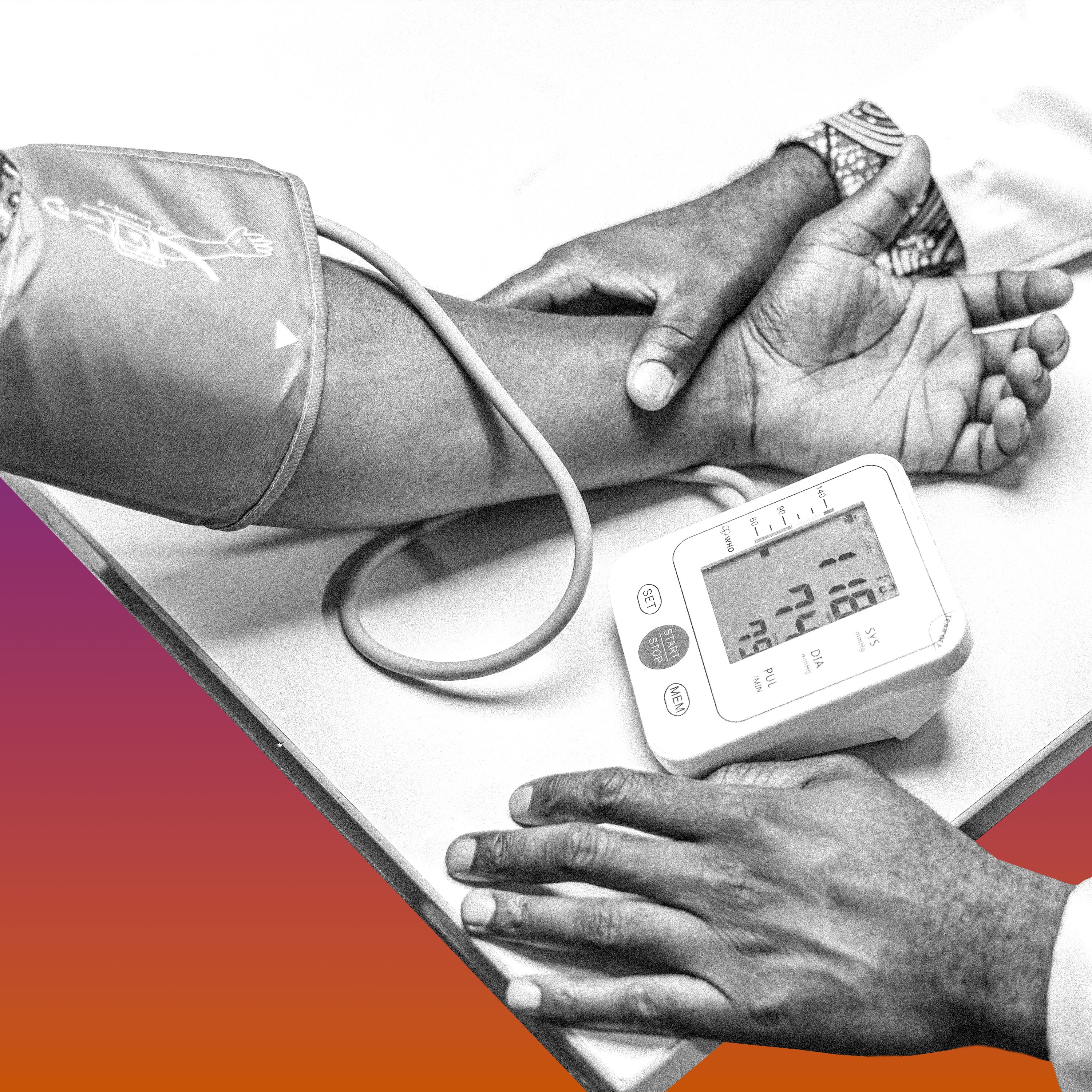
The episode argues that health care will be a central issue in the upcoming midterms and beyond, framing it as “payback time” after Trump-era healthcare cuts and disruptions. It discusses how Medicaid and ACA subsidy changes, immigration-related workforce losses, and dismantling of public-health infrastructure are worsening coverage and costs, and how Democrats and Republicans may respond.
Julie Rovner, chief Washington correspondent at KFF Health News; long-time health care journalist and a leading health policy reporter. Jonathan Cohn, senior national correspondent at The Bulwark; covers health care and previously wrote about the Affordable Care Act.
Trump administration actions (Medicaid cuts, ACA subsidy non-renewal, Medicaid work requirements, research/CDC/NIH disruptions, immigration crackdown) are driving more uninsured and less comprehensive coverage. Drug costs haven’t truly fallen; any reductions are linked to Biden-era Medicare negotiations. Republicans may be trying to blunt health-care backlash with a pre-election ACA-related “refund” check.
Commonwealth Fund study suggesting rising uninsured; Medicaid work requirements “bouncing” people off coverage; a $500 check to about a million ACA enrollees; rural provider strain; Iowa Senate race (Abdul El-Sayed mentioned as a campaign context) and Kansas Senate race involving Roger Marshall’s medical-debt controversy.
Written by AI. May contain mistakes.
Discussion on how healthcare is a key issue alongside Trump in the midterms.
“Julie Rovner is the chief Washington correspondent at KFF Health News.”
The guests discuss the shift in public sentiment towards health insurance affordability.
“Julie has been the dean of health care journalists in America.”
Exploration of how Democrats are shifting towards incremental healthcare reforms.
“The big watchword was don't make the haves angry, meaning don't the people who had insurance.”
Overview of how the healthcare system is currently perceived by the public.
“But do you hate it enough for them to do something about it?”
Julie outlines key healthcare policy changes from the Trump administration.
“It can shape how people are treated for generations to come.”
Jonathan discusses the rise in uninsured rates and implications for healthcare access.
“And of course, the crackdown, I didn't even mention the crackdown on fraud and abuse.”
Discuss the effects of ACA subsidy cuts on insurance coverage and rural healthcare.
“But it's consistent with a story that a lot of people who were on the ACA saw their premiums go up because those extra subsidies were not renewed, decided not to get insurance.”
Examine rising healthcare costs and their political ramifications as the election approaches.
“What strikes me is the breadth of all this, right?”
Analyze Trump's approach to healthcare, including checks to voters and his messaging.
“But we're competing with so many other big stories.”
Discuss how the Trump administration's checks to voters relate to the ACA and elections.
“As Julie was saying, big priority for the Trump administration.”
Explore the legality and ethics of sending checks to voters from healthcare funds.
“But without the subsidy, they're paying several thousand dollars.”
Discuss how healthcare is a vulnerability for Republicans and its impact in elections.
“So we have a taxpayer funded letter going on basically a piece of political campaign propaganda, you know, six weeks before the election.”
Examine how ACA changes affect Republican voters and their concerns about healthcare costs.
“impact of this issue and hope, you know, it can help some of their candidates get by.”
Encourage listeners to provide feedback through a listener survey.
“It is the one place you can tell us if you like these roundtables or hate them.”
Explore how Democrats are positioning themselves on healthcare issues and the debate surrounding Medicare for All.
“And I'm curious to pivot to the Democrats because I've noticed a couple of things.”
Discussion on the significance of the Iowa Senate race and its implications for healthcare policy.
“And I was pretty surprised at how, frankly, progressive she sounded on this, which is exact.”
Discussion about crucial Senate races in Iowa and Kansas and their implications for healthcare.
“I think it's a matter of the people who are supposed to be in charge of fixing the system failed to fix the system.”

Get the gist, explore an idea or ask about something said.
 Claude
On What Next | Daily News and Analysis, what are the key points of this episode?
Searching your listeningAutomatic transcript. May contain errors.
0:00Support comes from WISE, the smart way to manage the currencies you need around the globe. Fed up with losing out to hidden fees when you send money abroad with your everyday bank? Choose the smart way, WISE. You can count on the exchange rate you'd usually find on Google. No unwelcome surprises. Plus, ditch that where's my money feeling. Most transfers arrive in under 20 seconds. Join millions, saving billions, on hidden fees. Be smart. Get WISE. Download the WISE app today. T's and C's apply.
0:58FDA cleared prescription device for primary snoring and mild obstructive sleep apnea. Then you go to bed like a person. Nothing strapped on, nothing plugged in. In clinical studies, 90 % of patients saw a reduction in snoring. No sleep study required. Prescribed online, shipped to your door. Excite OSA at springsleep.com slash sleep20. Code sleep20 for 20 % off. Excite OSA is an FDA-cleared prescription-only device for primary snoring and mild obstructive sleep apnea. Not for everyone. Individual results vary. Risks and benefits at springsleep.com.
1:46Julie Rovner: Hey, it's Mary. You are used to hearing a whole lot from me whenever you click play on this podcast. But right now, I want to hear from you. That's because What Next is running a listener survey from now all the way through the midterms and a little bit after. We're going to use the information we get to think through what the show looks and sounds like going forward. And we want to make sure we're factoring your opinion into all that. So go track down the survey at slate.com slash whatnextsurvey. That is slate.com slash whatnextsurvey. Thank you so much for your feedback. It means a lot.
2:29Julie Rovner: Jonathan Cohn, Julie Rovner, welcome to Super Tuesday. So thrilled to have you both. Thanks for having us. Yeah, thanks for having us. Every Tuesday till November, we are talking politics on this podcast. But this Tuesday is a little bit different, partially because my guests are a little different. Julie Rovner is the chief Washington correspondent at KFF Health News. Jonathan Cohn covers health care over at The Bulwark. I wanted to invite you two on the show because I have this theory that this midterm election we're about to have is obviously about Donald Trump. It has to be about Donald Trump.
3:09Julie Rovner: It's midterm election. But if you look under the hood, it is also set to be a very important election when it comes to health care. Do I have buy in from you guys on that? Absolutely.
3:29Julie Rovner: I realize I've stacked the deck based on who's here. I feel like we're getting ready that this is the setup for another major health reform fight that we're going to have after the 2028 election. So this is as just as the 2006 election was the setup for what started Jonathan as nodding because he wrote the book about the Affordable Care Act. So, yeah, the 2006 election set us up for the debate over the Affordable Care Act. I feel like we're sort of reliving this. So groundwork is being laid. You agree, Jonathan. I do. I do. Absolutely. I mean, Julie knows very well. Julie has been the dean of health care journalists in America.
4:09I would just add to that that there are immediate stakes. You see it playing out in congressional races and Senate races. this, you know, very, you know, we are hearing about, you know, this is an affordability election. But when you dig into what's what affordability of what and, you know, a lot of it's gas prices, a lot of it's health care.
4:27Julie Rovner: Julie, you're the chief Washington correspondent for KFF Health News. A KFF health tracking poll recently found health costs are a top issue for people, even potentially like tied with gas prices, which really did surprise me. Like I even as someone who sees health care a lot on the trail. I'm like, tied with gas prices. Why do you think that is? Like, what is your theory of the case? I think there's a really big difference between now and the lead up to the Affordable Care Act and the lead up to the Clinton health care plan, which I also covered because I'm really old, in that when we when the Democrats sort of went in to try to fix health care, which has always been sort of more of a Democratic priority than a Republican priority, Republicans have mostly kind of gone along reluctantly.
5:14Julie Rovner: The big watchword was don't make the haves angry, meaning don't the people who had insurance. And that was, of course, how, you know, if you go way back and remember the Harry and Louise ads that helped sink the Clinton health care planets because, oh, my goodness, we like our health insurance and we like our doctors. But no one likes their health insurance now. That's my point. We have reached the point where everybody is unhappy. There are no more halves. And I think that's a really big and sort of underappreciated difference between now and 2006 in 1992. Yeah. I mean, Jonathan, you report out of Michigan, which is the home of like Medicare for All's, one of its greatest advocates, which is Abdul El-Sayed, who's running for Senate there.
6:01Julie Rovner: Do you think that's going to happen? Like when I talked to him, I was like, come on. I was like, this isn't going to, you're going to get into the Senate. You're not going to do this right away, right? But do you feel like listening to his voters, listening to him, you're hearing something different than you have in years past? Yeah. So there's a couple of things going on here. First of all, he's an incredibly effective spokesperson for this. Very good communicator. You know, the thing I have noticed in his rally, and I've seen him give his pitch, it's very, very effective. What's interesting, I mean, he's not selling the policy particulars, though.
6:31He is selling the promise. He is selling, you won't, you know, you'll have insurance that will be there for you. You'll be good. Yeah, you'll be good. But you won't have those big. I mean, that's such a big part of it. And when people hear that, that's what they're glomming on to.
6:46Julie Rovner: One thing that I've seen on the Medicare for all front that I had not seen before is that, you know, Medicare for all has always been a sort of all or nothing thing. It's like we're either going to do it or we're not. Now I'm starting to see Democrats talking about incremental movement towards Medicare for kids, adding adding the coverage that Medicare doesn't have, like for dental and vision and hearing. You know, so we're going to bring down the age of Medicare. We're going to bring up the age of Medicaid. It's sort of I think Democrats have sort of seen what happens when you try to like let's change the whole thing all at once.
7:21Julie Rovner: That's just not going to happen. And it's just too easy legislatively to make that not happen. So what you have to do is do it in small increments. And I'm starting to see a lot of thought put into the increments and how you do it. And I think that's something that's new this time. Today on the show, Washington knows you hate your health care. But do you hate it enough for them to do something about it? I'm Mary Harris. You're listening to What Next. Stick around. Thank you.
8:23Julie Rovner: matters. What made the ACLU intervene? What's at stake? Because a case is never just one case. It can shape how people are treated for generations to come. You can listen to Make the Case wherever you get your podcasts or find it on YouTube.
8:42Julie Rovner: With almost half a million customers and over a trillion dollars of secure payments, Bill isn't new to intelligent finance. It's the proven way to simplify bill pay and maximize cash flow. Want to learn more? Visit bill.com slash proven for a special offer. Hi, Brooke DeVard, host of Naked Beauty. Picture this, you walk in from the cold and every room already feels like fall. That's what whole home scenting means at Pira. One system working quietly in the background, so your home always feels like the season and like you. Learn more at Pura.com.
9:24Julie Rovner: Okay, I want to lay out the evidence that we are where we are and just like how we got here, this healthcare election, maybe. And I was thinking back, and I was like, how did we get here? and realizing that it was a month before Donald Trump retook office when the CEO of United Healthcare, Brian Thompson, was killed in New York City by Luigi Mangione. And I truly think what happened then really uncorked something in the general public. People started talking about healthcare costs. A musical was made about Luigi Mangione. And then you have Donald Trump take office, who clearly knows he needs to do something.
10:05Julie Rovner: You know, not saying anything about like the moral thing, obviously, like do not shoot people. But like this thing happened where the conversation, I think, was people really started talking about health care costs in relationship to this. Then Donald Trump takes office. Let's talk about what he did, because he did feel like he needed to do something I feel like. And he did do things, but I'm not sure they're what he is saying he has done. So maybe, Julie, you can walk us through just the two or three things, top line things that the Trump administration has done over the last couple of years that will be sticking in people's minds at this moment.
10:44Julie Rovner: Well, one other thing, and I don't know how many, you know, I live in the Washington, D.C. area, so I feel this more than others. But he really, the Trump administration dismantled much of the health care and public health infrastructure here in Washington, in the Washington area, and around the country through universities. I mean, what they have done to the Centers for Disease Control and Prevention, and the National Institutes of Health, and, you know, agencies that have been put together on a bipartisan basis and funded for, you know, decades by Congress, by Republicans and Democrats in Congress.
11:18Julie Rovner: You know, they brought in the Doge people and it's like, goodbye, take early retirement. I'm surrounded by lots of people who took the early retirement, who used to work for the FDA or they used to work for CDC or they used to work for NIH. So that was one piece. And then, of course, the other piece was the crackdown on immigration, which took away a lot of health care workers, both highly skilled health care workers, doctors and nurses, and lower skilled health care workers, the aides who work in hospitals and nursing homes, many of whom come from Haiti and West Africa and other countries. And, you know, and sort of so we're seeing these workforces scatter.
12:01Julie Rovner: And then finally, sort of, you know, in July of 2025, the big, beautiful bill, as it were, that, you know, created the cuts to Medicaid and refusing to renew the extra subsidies for the Affordable Care Act. So it was a whole lot of things all at once that came together to say, you know, it was a big shock to the health care system. And I think people who hadn't noticed started to notice because they were affected by one or more of these things. The thing that really stands out to me is like, the cuts aren't done either. Like, we are about to have Medicaid work requirements roll into effect right after this new Congress takes office.
12:40Julie Rovner: And like, that's just gonna be a whole other round of people getting bounced off of their coverage, right? And plus, a lot of legal immigrants are getting bounced off of their coverage. People whose coverage had been carefully negotiated. I mean, going back to the 1995 welfare bill, people who are here legally, who came here legally, who've lived here sometimes for decades and have Medicare in addition, not just Medicaid. A lot of people are just having their coverage taken away. And of course, the crackdown, I didn't even mention the crackdown on fraud and abuse. And I put that in air quotes because, yes, some of it is fraud and some of it is abuse, but some of it is sort of bureaucratic grabbing of people who probably are still perfectly eligible, the same way we've seen with immigration, ICE picking up people who turn out to be U.S.
13:31Julie Rovner: And Jonathan, can we see this in like the uninsured rates? Like, do we know that like people are like not getting their health coverage that they used to get? So, you know, it takes a little while for the really good data to come through. You know, the census data, the government figures. What we do have, I mean, actually, the Commonwealth Fund did just put out a week ago a study, and they think they are picking up now a rise in the number of uninsured. You know, like a lot of these surveys, you need to be careful about reading too much into it. But it's consistent with a story that a lot of people who were on the ACA saw their premiums go up because those extra subsidies were not renewed, decided not to get insurance.
14:14But I think we're also seeing a part of that, and this kind of goes back to what you were saying earlier. Let's talk, just looking, for example, at the change in the ACA. And just as a reminder for people watching this, the deal was when Biden and the Democrats had power, they added some extra money to the program, which brought down the cost of insurance, really kind of got the ACA to where the original architects had hoped it would be before they had to make all kinds of compromises. And we saw -
14:39Julie Rovner: This is a COVID era change. And so it's like, and it was all of a sudden, there was a surge of people who now had insurance. Exactly. It was done initially for the COVID emergency. So you're not just seeing more people come out who are losing their coverage altogether. You're seeing more people who end up in much less insurance that just doesn't cover as many bills and leaves them much more exposed. And that filters through to the providers who, you know, then now those out of packet costs, they're not collecting them. And that can manifest in all sorts of ways, but it can create strains on, for example, rural healthcare providers.
15:15And we are seeing reports of a lot of rural healthcare providers who say they are struggling. Again, it's hard to know with any single story, what is behind it? You know, you pick a clinic somewhere that's closing, there's probably a lot, bunch of reasons it's under pressure, but I don't think there's any question that we are already seeing the effects of these, the failure to renew those ACA subsidies, the cuts to Medicaid. And as you said, we haven't seen the full effect. We haven't even close to seeing the full effect of those Medicaid work requirements and some of the other changes that went along with it.
15:44We're going to start to really feel that, I think, starting next year and beyond.
15:48Julie Rovner: What strikes me is the breadth of all this, right? It's not like a cut to one group or like one group feeling it, right? It's just like everyone feeling it once. And like Like medical care is something you pay for. And I feel like a lot of things you go and pay for now feel kind of crappier. Like people are asking you to pay up front when you pay for your health care. You have like a million digital forms to fill out. So it's like the whole environment of health care is getting worse because the whole environment of buying things is getting worse. And then there are all of these kind of rugs being pulled in Washington.
16:19Julie Rovner: And Julie, I'm so glad you brought up like stuff like cutting research because I hadn't even thought about that. But of course, obviously, that adds to the whole environment. And Trump clearly knows this is a problem. It's why you can hear him talking about I'm lowering prescription drug costs, you know, 100 percent, 400 percent, 500 percent. We can probably make a super cut and put it in here that he's just been saying that. Is there any evidence that he actually has brought costs down and how? There is evidence that some costs have come down, whether he's behind it. I mean, most experts think that the slight reduction that we've seen in some drug costs are due to the Medicare negotiations that were enacted under President Biden.
17:01Julie Rovner: You know, he's done some dealings. He has jawboned down temporarily some drugs. He's created this Trump Rx, which is really a clearinghouse for prices that already existed, but it could make them easier for people to find. And so and there are more, I think, that good Rx's, you know, there are a lot of other ways out there. But drugs are still really expensive. Health care is still really expensive. I think the big challenge of having been a health reporter for this last year and a half is that there is so much happening all at once that any, you know, I've been doing this for 40 years. I've never had a year and a half like this.
17:42Julie Rovner: Any one of these stories could have been huge and could have captured the imagination of the American public. But we're competing with so many other big stories. You know, even, you know, I do a weekly health policy news podcast and every week I have to jettison half of my rundown because we just can't get to everything. Yeah, I mean, Jonathan, to this point, you just did, you know, a sort of write through of this thing that happened that I had totally missed, which is the Trump administration sending checks to people, some kind of quote unquote refund. Another kind of way that I think the administration is signaling we know that health care is expensive and people don't like that it's expensive.
18:22Julie Rovner: Can you just explain what happened here? Because I think it's really important. I mean, a lot of people have basically framed this as this looks like bribing the voters. This looks like giving people money and being like, no, maybe you go vote. Huh? What do you think? I mean, it does look like that, right? Yeah. So, I mean, the story here is when they created the Affordable Care Act. Of course, you know, there's work to create this new system. You know, you're creating, in effect, a new marketplace where people can buy insurance. It has to be regulated. It needs a website. You have to pay to run the website.
18:53You have to maintain the website, upgrade the website. You got to deal with the insurance company. It's got to monitor for fraud. As Julie was saying, big priority for the Trump administration. So, you know, they set up a system that all takes people. It takes money. Not a lot in the grand scheme of the federal budget, but there is a cost associated. So the architects of the Affordable Care Act created a revenue stream to fund effectively the overhead, call it, running the new program. And they said, to pay for this, we're going to charge a fee to the insurers who are selling coverage through selling the new policies.
19:29We'll assess a tax basically on them, a small percentage. And they said, but we're going to let the federal government year to year decide what to set that percentage as because we don't know exactly what the cost is going to be.
19:41Julie Rovner: So basically, it's like the government is selling your product, health company. So we will charge you like a fee, a fee for doing that. Yes, exactly. Exactly. So over time, you know, the cost of running has started to come down, as you would expect, because, you know, there's a startup cost. Now you're past the startup cost. You know, year to year, we saw with the first Trump administration, the Biden administration, they lowered that fee going forward. and typically what they do is they do the way they would try to calculate it for the following year they say well where do we think it's going to be we want to leave a little bit of a cushion we do want to have money to to keep doing things like outreach which is so important right because there's lots of people who don't realize maybe hey i can't afford insurance they think they can't for insurance but it turns out they're eligible for financial assistance for a subsidy and they can you want to educate these people you want to pay what are called you know navigators which are like non-profit groups that help advise people and it's you know so there's you're at the end of the year, there might be a surplus there frequently was in the past.
20:36They would say, all right, we don't need quite as much money to run this program. Let's lower the fee for next year. And figuring that would get passed along to everybody as lower premiums while still knowing we had enough to run the program. Well, the Trump administration saw this pot of money and said, oh, there's a pot of money there. Let's go ahead and give it to people conveniently a month before the election. Of course, it's not that much money, so it's only one very small portion of the Affordable Care Act customer base that's getting it. It is a portion that they picked the one group that really felt the impact of losing those extra subsidies.
21:10It's upper middle income and above. It's about a million people.
21:16Julie Rovner: It's like 500 bucks. Is that right? Yeah, it's like 500 bucks, but it's for people who are looking at thousands extra. It's not enough to make up for, you know. As Jonathan said, they either bought down And now their deductible went up$5 ,000 a year or they kept their the insurance that they'd have. But without the subsidy, they're paying several thousand dollars. So in almost no cases will the$500 cover their extra costs for this year. Right. But to sum up, a million people getting a$500 check from the U.S. government with a letter from Donald Trump saying, essentially, I'm proud to return your money to you and I will never stop fighting to put the American people first, restore affordability, protect your hard-earned money and lower the cost of health care.
22:03Julie Rovner: So I, Donald J. Trump, I'm giving you money and I'm fighting to lower the cost of health care. Please enjoy this money, which, by the way, has come from a little pot that I'm not sure the government could or should be spending on checks to the American people. I mean, is that fair of me? That is fair of you. Very fair. Very questionable legal authority. And you didn't mention the part in the letter where he blames that he says this is money that was overcharged to you by the Biden administration. So we have a taxpayer funded letter going on basically a piece of political campaign propaganda, you know, six weeks before the election.
22:38And well, there you have it.
22:41Julie Rovner: OK, I'm I'm I'm kind of not over the fact that this seems like it can't be legal. But I know that we live like through the looking glass and it doesn't matter anymore. Right. If I could count the if I had a nickel for every time I said this can't be legal on my podcast in the last two years, I would be wealthy enough to pay for my own health care. Yeah. Yeah. I mean, OK. I do think he's proven my point, though, that this is a health care election. If he's like seriously going to a million people and giving them like 500 bucks and being like, I'm the health care president. There you go. There's no question in my mind.
23:12They know this is a health care is a big vulnerability for them. They've talked about it a lot. They really pushed talking and Trump personally talks all the time. Trump Rx. He wants people talking about Trump Rx as bringing down prescription drug prices. they know this is a big vulnerability for them. I mean, look, voters, as you know, there are issues that voters tend to more in general to trust Democrats or Republicans on, depending on the issue, right? I mean, we're talking crime, immigration, you know, when people are nervous about immigration, they want to restrict immigration. They just instinctively trust Republicans because they think Republicans are the ones who are going to, you know, that's the image of the Republican party getting tough.
23:50When it's healthcare, they tend to trust the Democrats. The default is trust the Democrats. And now you throw on an actual voting record of cutting Medicaid, not renewing the ACA subsidies. It's a huge hole for them. Plus, you know, all the other atmospheres of the election. You know, I think if you talk to a Republican strategist, they would tell you we're never going to win on health care in this election. But if they can hold the margins down, I mean, that's what they're trying to do here. They're trying to blunt the impact of this issue and hope, you know, it can help some of their candidates get by.
24:19Julie Rovner: One of the things I think that health reporters warned Republicans of repeatedly before they did this is that a lot of the people who are getting these additional subsidies under the Affordable Care Act, a lot of the people who get Medicaid, they're in red states. These are Republicans. These are, in many cases, these are their voters. These are not all, you know, Democrats sitting on the couch playing video games. And we're seeing this. I mean, the biggest hits for the people when the subsidies expired were in the very red states that did not expand Medicaid. So some people were able to get low-cost Affordable Care Act plans, and many of them are seeing them either dry up or go away.
25:02Julie Rovner: Even people who've been able to keep their subsidies are seeing some increase because premiums have gone up so much. Subsidies mostly cover the premium increases, but not always. So there's a lot of impact on Republican voters. And so Republicans can say that they're surprised that Republicans are also expressing concern about high health care costs. But they were warned. We're heading into the break. But before I go, have you filled out that listener survey yet? It is the one place you can tell us if you like these roundtables or hate them. Either way, we want to know. This survey takes like five minutes.
25:39Julie Rovner: It helps us a lot. So weigh in at slate.com slash whatnextsurvey. That is slate.com slash whatnextsurvey.
25:56Julie Rovner: This episode is brought to you by Home Chef. Can I tell you what my next month looks like? I've got like five family birthdays, two weekends with house guests, a little trip out of town, and oh yeah, every day we all got to eat. It'd be pretty nice to eat without actually having to cook, while simultaneously not feeling that post-takeout hangover I sometimes get. This is where Home Chef comes in. Home Chef delivers restaurant-quality meals right to your door for less than eating out, with way less stress than meal planning. Home Chef makes cooking simple. It's fresh food delivered, easy recipes to follow, and meals that taste great.
26:35Julie Rovner: It takes the stress out of your week with convenient weekly deliveries. It'll keep your fridge stocked and it'll eliminate meal planning and grocery runs. No shopping lists, no complicated prep. It's perfect for busy schedules. And right now, as we head into the holiday season, it's pretty busy. Home Chef is also not one size fits all. They've got 30 meal options each week with choices for different tastes and dietary needs, including calorie conscious and even GLP-1 friendly meals. and people really love it. Home Chef is rated number one by users of other meal kits for quality, convenience, value, taste, and recipe ease.
27:13Julie Rovner: Customers say they spend less time planning, shopping, prepping meals. Plus they say it's affordable. Home Chef customers say they save an average of 86 bucks a month on groceries. For a limited time, Home Chef is offering my listeners 50 % off and free shipping for your first box. Plus free dessert for life. Just go on over to homechef.com slash whatnext. That's homechef.com slash whatnext for 50 % off your first box and free dessert for life. Homechef.com slash whatnext must be an active subscriber to receive the free dessert.
27:51Do you snore? Did somebody hand you a CPAP and did you quietly stop using it? The mask that never quite seals, the hose tugging at you every time you roll over, a machine sitting abandoned in a closet. Excite OSA works a different way. It treats a root cause instead of managing the noise, and you use it while you're awake. 20 minutes a day, while the coffee brews, while you set your fantasy lineup. An FDA-cleared prescription device for primary snoring and mild obstructive sleep apnea. Then you go to bed like a person, nothing strapped on, nothing plugged in. In clinical studies, 90 % of patients saw a reduction in snoring.
28:35No sleep study required. Prescribed online, shipped to your door. ExciteOSA at springsleep.com slash sleep20. Code sleep20 for 20 % off. Excite OSA is an FDA-cleared prescription-only device for primary snoring and mild obstructive sleep apnea. Not for everyone. Individual results vary. Risks and benefits at springsleep.com.
29:08Julie Rovner: Okay, so we understand how the Republicans are doing right now. And I'm curious to pivot to the Democrats because I've noticed a couple of things. I think I'm both impressed by how far a lot of Democrats have come in terms of their language around health care and how they talk about it. And then how far they have to go, like a lot of them. I really I'm unclear what this portends when people reconvene in Washington. So it may make sense to start with Jonathan, because I know, Jonathan, you've been like following Abdul on the trail and probably following other people who are actively campaigning in this moment.
29:50Julie Rovner: What are you hearing from candidates who are Democrats about what they want to do if and when they get to office? Yeah. So step one is easy for them. I mean, it is a day one vote or week one or whatever. undo the Medicaid cuts, renew the ACA subsidies. I mean, there's not, if there is a Democrat running for office who does not support that, I'd be shocked. I certainly have not heard of one. They will do it right away. I expect come next year when we tell comes time to renew funding for the government, this will come up then. And this will be a real question. Like if it goes to the House, if it goes to the Senate and then it goes to Trump, what does he do?
30:30Julie Rovner: Right? Yeah. Yeah. And, you know, who knows? You never know with Trump. I mean, on the one hand, would Trump actually sign some of that? Probably not. Or maybe, who knows? I mean, Trump with a Democratic Congress, that's an interesting, we haven't really seen it. I mean, remember after 2018, the Senate was still Republican. It could bottle things up. So, you know, if both houses are Democrat, I think this will get very interesting. So that part's easy. The hard part is where they go beyond that. And I do think sort of the big question for Democrats is how this debate between the progressive wing and the moderate wing plays out.
31:03We saw a version of this in 2020. You remember the presidential primary? And it was a hugely divisive issue. Bernie Sanders was running. He was the Medicare for all candidate. And it was a purity test. And you were with him or you were against him.
31:18Julie Rovner: And he pushed people left. Kamala Harris all of a sudden was like, Medicare for all, sounds good. And then she walked it back. And it was a whole thing. But I really kind of wonder if we're in a moment where the cost of entry to the Democratic primary is going to be Medicare for all. But then at the same time, I mean, I think a lot of people are scared of that in Democratic leadership. So I just don't know. Yeah, the public doesn't love the idea of the government running the health care system. As much as they hate private insurance and everything that's going on now and they're hearing about private equity and, you know, where we started, you know, going out and shooting CEOs of health insurance companies, they don't really trust the government to do a better job.
31:58Julie Rovner: And that's been the fundamental problem for the last 35 years as we've tried to figure out. In the KFF poll recently, didn't like two-thirds of people say like, oh, yeah, Medicare for all is sounding good, which is kind of remarkable to me. They did. And it is the highest since we've been polling for that. On the other hand, as soon as you tell them, it could mean your taxes could go up. It could mean, you know, you might not be, you might have to wait for care. All of the typical things, you know, some of which are like overhyped, some of which are not. it immediately drops back off again. That has always been true.
32:33Julie Rovner: I think what Democrats are trying to do now is redefine Medicare for all. And I think that might be their way. As I was saying earlier, they're talking about incremental steps towards it, that that would be one way to do it. Have a public option. You can keep your private insurance or you could join this public plant. A couple of states are trying that. There are some bumps. It's not that easy. And it's not easy to stand up public plants with private plants. This is, I mean, as I know you know, we could go on for days about some of these things. So to me, the question is, how do we see a replay of 2020 where it becomes an all or nothing?
33:11You're for Medicare for all. And that means you're for, you know, the Bernie Sanders, Pramila Jayapal version or you're someone else. And that's a litmus test and you're for it or against it. Do we replay that? Or do we get to where we say, look, what Medicare for All represent, how people interpret it, this idea of health care that anybody can have it. It's mostly public run. You don't have big deductibles. We all agree we want to get to something like that. There may be some difference over how quickly, how to get there. And do the two sides see each other as it is it is it become not a litmus test anymore?
33:50Does it become more of a how exactly do we get there? And let's have that. It's still a debate. It's still a debate. It's still an argument, but not quite so. And, you know, it was so interesting to me talking to both Abdul El-Sayed, who I interview. I feel like I've had five conversations with him about this over the last this very question.
34:07Julie Rovner: You found him quite pragmatic. Yeah. I mean, you know, he said you get him in a longer conversation and he says, look, this is my Mount Everest. I realize you have to summon it in stages. You know, there was this story. It got kind of obscure, but I think telling in 2020 when there was this joint task forces to work out the language for the Biden platform and include Bernie Sanders representatives. Abdul was the Bernie Sanders representative. And people who were on that who were from the Biden side said, you know, he was actually he was a he was shrewd, but he was, you know, pushed hard for a progressive view, but he was practical and he got behind something.
34:39And then, you know, I thought it was so interesting. So Obama was here on Saturday to campaign for, you know, Abdul El-Sayed and took up this question because it's come up in the debate here. He was saying, look, we may not always agree on the exact path to the end, but we agree on the end. And so to me, this is what to watch. Does the conversation about Medicare for all become a litmus test? It's like, it has to be the Bernie Sanders bill, or you're not with us? Or does it become a, hey, there's different ways to do this. Let's talk about this. And let's not, you know, maybe you have, you know, you want to do it through a public option or stages.
35:14Maybe that's not the right way to go. Maybe it is, but let's not treat you as a, like, you know, you're not with the program as you're like, do you want something fundamentally different? Let's have that debate. And that's what I am watching to see, the tenor, the tone, the way different sides talk about each other. I think there's an opportunity there because I think someone like Abdul El-Sayed and even Bernie Sanders recognize the fact that healthcare is a major piece of the American economy right now.
35:39Julie Rovner: Huge piece of like who is working in this economy. Lots of people are invested in healthcare and frankly invested in the very Rube Goldberg machine we have built around healthcare right now. And ripping that away would be incredibly dramatic for the country. And I do think people can recognize that, that like a flip in the lights on Medicare for all might have some consequences, not just tax wise, although tax wise, certainly that too. So I do think that will be interesting to see if they can somehow say, like, we agree on a goal. We agree we need to, like, step through it in X, Y, Z way and whether they can really circle that square.
36:21Julie Rovner: Like, I was just talking to a pretty moderate candidate in the border region of Arizona, Joanna Mendoza. And I was pretty surprised at how, frankly, progressive she sounded on this, which is exact. She was saying the same things that Julie's talking about. She was talking about a public option. She was talking about we need to cover dental. You know, all this stuff, which is like, listen, let's get real. We need people to have health care and we need it to cover your full body, you know, which sounds totally reasonable. And frankly, like much more than what Democrats were saying 15 years ago, I think.
36:55Julie Rovner: This is not a total coincidence. I have in front of me this gigantic document that the Democrats, that the Democratic working, the cost of living health care working group for the Democrats in the House sent to Leader Jeffries in September. And it includes all of these things. Interestingly, it's a hundred and some odd pages. It's got like every idea that anybody's ever had. Like, these are the things we should do in the first hundred hours. These are the things we should do in the first hundred days. These are things that we should think about. The one thing it doesn't have, and I read through the entire thing, is any way to pay for any of it.
37:30Julie Rovner: This is simply their effort to like, here's where we could come together and sort of agree. It's really a test for the moderates and the progressive to come together on an agenda, which is what would be a major achievement for the Democrats, even before you tackle the how do you pay for it part. Yeah, for sure. I mean, I think an interesting thing about talking about health care in this election is that it's an issue. It's not a candidate. It's not a race. It's not Democrats or Republicans. And I think that's important because I think Republicans, too, are recognizing that they're going to need to say something about health care.
38:06Julie Rovner: Like, Jonathan, you work at the Bulwark where your colleagues over there, many former GOP operatives, basically see Medicare for all coming and are like, ah. You know, and this could come in like one way or another. Like it could be like Tucker pushing for it or it could be, you know, I don't know, some coalition of Democrats. Do you think that there is some version of government health care, whatever you want to call it, coming no matter who wins come November? Yeah. So first of all, I don't want to speak for my colleagues who I love. I love my colleagues at the Bulwark. And I do joke sometimes that it's funny that I now work with Bill Kristol, who, if you, those of us who remember history, the Clinton health care fight was a architect of the strategy, successful architect, I would say, to kill the Clinton health care plan.
38:54Yeah, I have that memo in my file. We all do. We all do. You know what? I think what we're seeing is, you know, you look around the world, right? Everybody, every other country has figured this out. Every other economically advanced country. And they do it in different ways. I think this is something that gets obscured in the Medicare for all debate.
39:14Julie Rovner: Well, I would say like everyone, they're kind of all figuring it out. Like if you go to those other countries, I don't think they have perfect systems. It's not like. No, no. I mean, by no means perfect. They all have their pluses and minuses for sure. And they constantly argue. But they're all better than ours. You know, that's the thing. They all have figured out how to get everybody insurance. Make sure that. A baseline. a baseline. They've all figured out to do it in a way that most people don't go into financial distress when they get sick. They don't have to worry about it. They've all figured out a way to have their systems cost a lot less than ours.
39:48And again, the systems are very different. I think if you plopped Americans into different countries, they'd like some and they would not like others as much. And it's a sort of random assortment of who does things different ways. And over time, they change. But I think there's a recognition. I mean, I'm interviewing, you know, Mark Cuban about this a while ago, who's, you know, a business person and he's kind of all over these politically heterodox. And, you know, he's, I was like, you know, people say, you know, you can't have a universal healthcare system. You'll, you know, cause you'll mean you'll wait forever and the systems are terrible.
40:18And he kind of laughed at that. He's like, that's not true. Those systems work fine. They're different. And, you know, you know, to me I think if you could plop an American into any, like I said, into any one of those foreign systems, I think most Americans we have, including conservatives, including lifelong Republicans. The hard part, to be honest, and this is where it gets like we were talking about before, is how you get there from here when you have our system. That transition is tough, tough, tough.
40:40Julie Rovner: There are a lot of people bought into our current system, literally bought into it. You know what I mean? It's almost a fifth of the economy. Yeah. Yeah. I do think, okay, one more thing I'll say to you guys is looking strictly at polling numbers, and I know that's hard to get to the end point here. I do think you have to say that Team Medicare for All has just had a smashing success, like really as a political project. And I'm kind of curious who you'd give credit to for that. Like, are you saying great job, Bernie Sanders? Are you saying great job, health care executives for really like dropping the ball?
41:21Julie Rovner: Like, who deserves the credit or the blame, I guess, for where we are now, which really does seem like you can call it a turning point. You can call it a breaking point. I don't know what you'd go with, but something might be about to change. All right. I have – this is going to be counterintuitive. I think it's the Republicans. And I think there are a lot of Republicans who would agree with me, who during the 80s and 90s and aughts when health care costs were going up so much. And they said this. I mean, they said this aloud, too. It's like, if we don't fix it, we're going to end up with Medicare for all.
41:56Julie Rovner: And guess what? They didn't fix it. I don't think it's a matter of Democrats pushing it successfully or supporters of it pushing it successfully. I think it's a matter of the people who are supposed to be in charge of fixing the system failed to fix the system. And this is what we're going to be left with at the end. Is there one race each of you is watching that you think is going to tell you something about what happens next with health care? Like one candidate? I mean, obviously, there's Abdul, but I don't know if there's another one out there. Iowa. Iowa. Iowa. The Iowa Senate race. Yep. Iowa is one of those red states, although Iowa's not always been that red.
42:35Julie Rovner: I mean, Tom Harkin, who was quite a liberal Democrat, represented Iowa in the Senate for many, many years. So Iowa goes back and forth, which is one of the reasons I'm watching it so carefully. But, you know, a lot of a relatively red state, older, rural farmers hit very hard, not just by diesel costs, but by health care costs. It's one of those where health care is actually playing a big role. And I'll be interested to see what happens there. And I think that will tell us a lot going into 2028. What about you, Jonathan? I'm keeping my eye on Roger Marshall in Kansas. He's a doctor. He's a doctor.
43:12He should be in a safe seat. this is Kansas, he should be safe. He's not. He may win in the end, but even if he does, healthcare has been an issue there. And in particular, he got caught. There was a great investigative article by our friend, Sarah Cliff at the New York Times about how his physician practice was going after people for medical debt.
43:34Julie Rovner: There's a whole ad, right? Of like, cops came and arrested me at my home because my doctor turned me in for not paying a$50 bill. Like it's, it's a wild story. Yeah. And he's an, he's an OBGYN. So these are, you know, people who have not paid for their baby deliveries. Right. Yeah. Or their miscarriages, you know, and, and, and, you know, sometimes, uh, you know, to me, that is a sign just that this is breaking through the normal partisan lines. Um, and that, you know, people even repug, you know, are just offended by that. And I think it speaks to the, the, the, why healthcare is such an enduring issue.
44:08It's so personal, right? It matters to everybody. Whatever political tribe you are part of, you know someone probably, or maybe you yourself has serious medical problems. And nowadays you have to worry about that expense. And that is not an issue that's going to go away. And you look around the world, again, pluses and minuses of every system, but every other country has figured out a way not to let that kind of insecurity be a fact of life the way it is here in the United States. And that tells me there's going to be another push. You know, we have these big debates on health care. 15, 20, 25 years, kind of like clockwork.
44:46Usually it's there's a reason in part because you have the last debate. I'm so tired of having these debates. Right. And then, you know, whatever patch is done, you know, if it's not something passed in Congress and the private sector reacts and things get calmed down for a little while, but then they just built back up. And so we're headed to another one. I don't know. We could whatever they if Democrats get power and they try something, they could fail. They've done many times before, or maybe they passed something. Chill your head. You're like, yes, yes.
45:10Julie Rovner: They could pass. Been there for all the failures. The first thing I covered as a baby reporter was something called the Medicare Catastrophic Coverage Act, where they added all of these great things to Medicare and repealed it a year and a half later. Oh, boy. Someday we'll talk about that separately. But yeah, I've witnessed a lot of this. And frankly, I'm old enough to retire. But it's like, oh my God, we're going to do this again. Are we finally going to fix it? maybe I have to work through and, you know, be here. Yes, Julie, you cannot retire, Julie. We cannot go through this without you. You have to keep working.
45:44I'm serious. I'm serious.
45:45Julie Rovner: I know. I have to keep hearing this. Julie, Jonathan, I am so glad for this conversation. Thank you for coming on the show. Anytime. That was a lot of fun. Thank you. Jonathan Cohn is the senior national correspondent at The Bulwark. Julie Rovner is the chief Washington correspondent for KFF Health News. And that's our show. Remember, please fill out that listener survey. You can find it at slate.com slash whatnextsurvey. You can also find the link in our show notes. What Next is produced by Evan Campbell, Madeline Thames-Ducharme, and Patrick Fort. Paige Osborne is the senior supervising producer of What Next and What Next TBD.
46:21Julie Rovner: Neil Lobel is the executive producer of podcasts here at Slate. Ben Richmond is our senior director of podcast operations. And I'm Mary Harris. Go track me down on Blue Sky. I'm Matt Mary Harris. Thanks for listening. Catch you back here next time.
47:02Julie Rovner: Want to learn more? Visit Bill.com slash proven for a special offer. Hey, it's Paige DeSorbo from Giggly Squad. Everyone is always looking for a new way to make some extra cash. But sometimes the easiest place to start is your own closet. With a little help from Depop. Think about how many clothes you have that you love, but you just don't wear anymore. On Depop, it's quick and easy to list those pieces. There's no selling fees. And suddenly those clothes have a chance to find someone who actually wants them. And the best part, you're making room for whatever you're into next. Make money on Depop with no selling fees and find what you want for less.
47:37Julie Rovner: This message is brought to you by Depop.
Even as anxiety rises over the price of gas, Americans still have the capacity to worry about their health care costs. This is one issue the Democrats have the public’s trust on—and it’s an area where they could make a big difference from Congress.
Guests:
Jonathan Cohn, senior national correspondent at The Bulwark
Julie Rovner, Chief Washington Correspondent for Kaiser Health News
Fill out our listener survey here.
Want more What Next? Subscribe to Slate Plus to access ad-free listening to the whole What Next family and across all your favorite Slate podcasts. Subscribe today on Apple Podcasts by clicking “Try Free” at the top of our show page. Sign up now at slate.com/whatnextplus to get access wherever you listen.
Podcast production by Evan Campbell, Madeline Thames-Ducharme and Patrick Fort.
Paige Osburn is the senior supervising producer of What Next and What Next TBD.
Hosted on Acast. See acast.com/privacy for more information.