
In short
When Shift Happens Podcast - Episode 48: The Crypto King: "My Prediction for the Next Decade of Crypto" - Alexis Sirkia
Podcast Overview
- Title: When Shift Happens Podcast
- Host: Kevin Follonier
- Description: A platform for deep conversations with influential figures in the crypto industry. Aims to educate mainstream audiences on Web3 opportunities while adhering to crypto's core values.
Episode Details
- Episode Title: E48: The Crypto King: "My Prediction for the Next Decade of Crypto"
- Guest: Alexis Sirkia
- Co-Founder of Yellow Network and GSR, a leading firm in crypto trading and market-making.
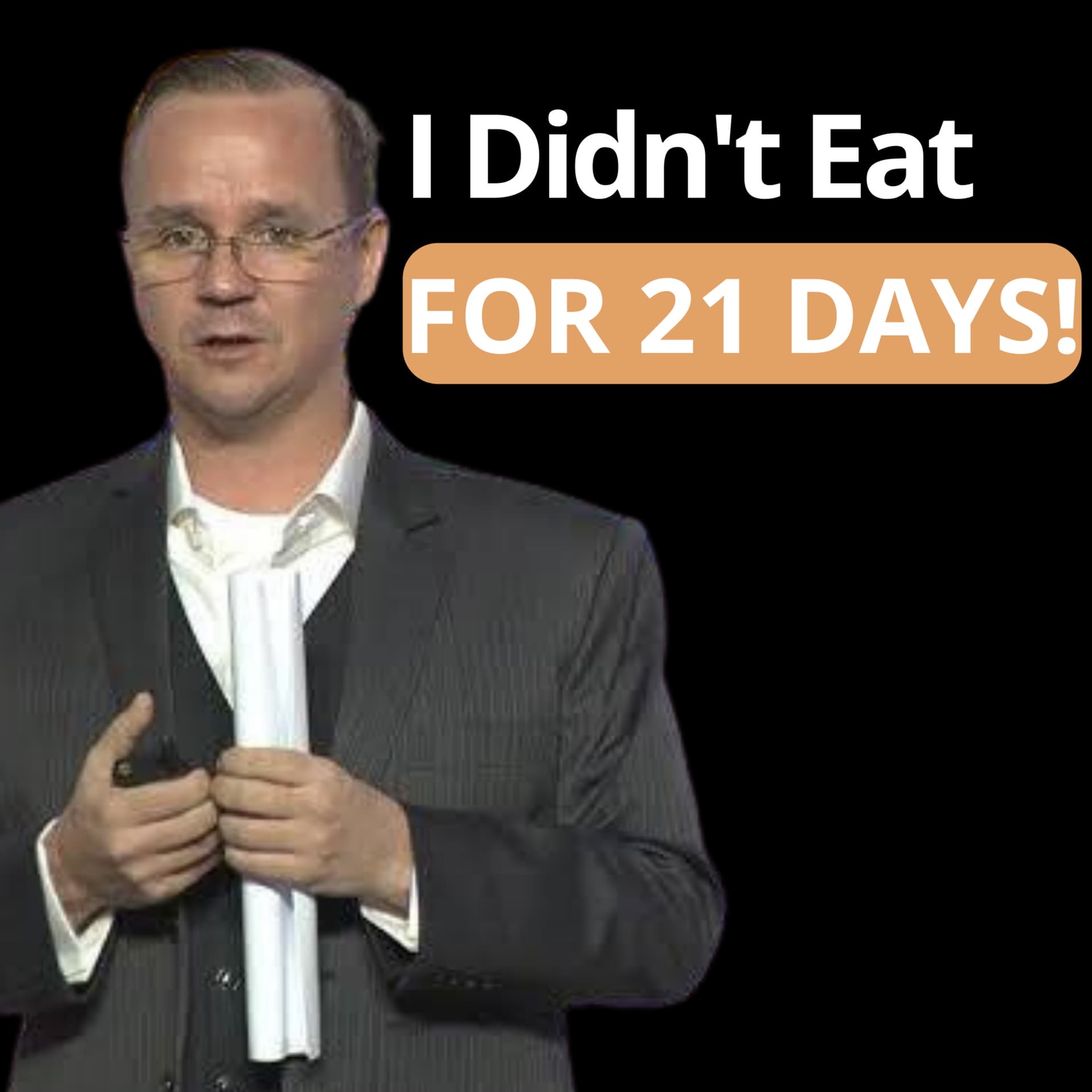
- A father of 8, entrepreneur, and has unique experiences, including a 21-day water fast.
Key Topics Discussed
- Personal Journey and Fasting Experience
- Insights from a 21-day water fast at a clinic in Spain.
- Discussed health benefits, mental clarity, and physical sensations during fasting.
- Transition from Space to Crypto
- Background at the European Space Center to entering the crypto world.
- Reflections on how the skills in software engineering translate to crypto trading.
- Challenges in Crypto Trading
- Discussed the volatility and challenges faced in trading and banking within the crypto space.
- The impact of market fluctuations on new traders and seasoned investors.
- GSR and Yellow Network Origins
- The birth story of GSR, focusing on market making for cryptocurrencies.
- Creation and mission of Yellow Network to enhance liquidity and efficiency in trading.
- Future of Crypto Investment
- Predictions on the evolution of crypto trading and investment.
- Discussion on stablecoins and their potential impact on price stabilization.
- Craziest Crypto Stories
- Shared humorous and insightful anecdotes from Alexis's journey in the crypto space.
Key Takeaways
- Importance of Health: Alexis emphasizes the importance of mental health and physical well-being, especially in high-stress environments like crypto trading.
- Market Dynamics: The trading volume in crypto significantly surpasses that of payments, highlighting the industry's substantial financial impact.
- Building Value: Alexis stresses that true fulfillment comes from creating value in the world rather than just financial gain.
Lessons Learned
- Financial Literacy: The importance of understanding market dynamics and the necessity to not rely solely on promises from investors or partners.
- Long-Term Vision in Crypto: The long-term potential of cryptocurrencies and their evolving role in financial systems, including predictions for Bitcoin's stabilization price.
- Adaptability: The need for traders and investors to adapt to ever-changing market conditions and to prioritize mental health amidst the volatility.
Conclusion The episode with Alexis Sirkia offers a rich blend of personal insights, professional journeys, and future predictions in the crypto landscape. The discussion not only provides valuable knowledge about the industry's workings but also highlights the importance of health and value creation in achieving true success.
Additional Resources
- Sponsor: [Coinsilium](https://www.coinsilium.com) - a venture builder in Web3.
- Follow Alexis and Yellow Network:
- [Yellow Network](https://www.yellow.com/)
- [YouTube Channel](https://www.youtube.com/c/YellowIsBlockchain)
- [Telegram](https://t.me/yellow_org)
- [Twitter](https://twitter.com/yellow)
- [LinkedIn](https://www.linkedin.com/company/yellow-com/)
- Follow When Shift Happens:
- [Website](https://www.when-shift-happens.co/)
- [Instagram](https://www.instagram.com/kevinffollonier/)
- [TikTok](https://www.tiktok.com/@kevinfollonier)
- [LinkedIn](https://www.linkedin.com/in/kevinfollonier/)
- [Twitter (X)](https://twitter.com/yieldlabs)
This episode serves as a testament to the continuous evolution of the crypto industry and the myriad of opportunities it presents for builders and investors alike.
Written by AI. May contain mistakes. Listen to the episode to check what was said.
Transcript
Automatic transcript. May contain errors.0:00Don't trust anybody until your money is in the bank. Sometimes unexpected events happen. You might have a friend and then he invests in Luna or FTX and he loses the money and he can't invest in you. I'm that friend. I'm the one who lost in Luna. Alexis Serkia is the king of blockchain. The co-founder at Yellow Network and GSR. The global leader in crypto trading and market making. When you get to university, you think you know a lot. And the more you advance, the more you know, the less you know. Nobody understood crypto. It was like this illegal underground. Because we talked about Bitcoin and payments, right?
0:31Payment is huge in the real world. Most people don't even know it's happening, but actually the trading volumes are much higher than the payment volumes out there, right? I don't know the exact numbers. A few years ago, I think it was like 4 trillion in payments per day, which is huge. And it might change in 10, 20 years if the price stabilizes. We have stable coins now. Stable coins. Yeah. How crazy was it? If I was a fly on the wall in the GSR HQ, what would I have seen during this crazy bull run where you have insane money made and lost overnight. You win the lottery, you have all this excitement and you can't sleep.
1:06You're so happy. The next day in the morning, after a hangover or something, you just can't find the ticket. You've lost the ticket and that's crypto, you know. What's your key learning from that experience? The key learning is...
1:20So Alex, you are the king of blockchain. Yeah. Uh, built a GSR, um, yellow network. But I really want to start with, uh, I mean, we both know you have a lot of stories. I want to, I want to know more about that. The fasting one in the south of Spain. When I've done a few times, 14, 10, the last one was 21 days. On juice, water or what? On, on? Mini water, but some days there was a small broth of vegetable, but yeah. You eat nothing for 21 days. Yeah. You can do more. I was planning 28, but after 21, I started to feel the first thing. Usually I tell people, the longest I've done only on water and growth, nine days.
2:01And they're like, you're crazy. What is that? Et cetera. 21 days. Beautiful. There's a fasting cleaning in the south of Spain in Marbella. It's called Buchinger. Okay. You can do 10 is the minimum there. Tell us more about your experience. Yeah. In the south of Spain, there's a fasting clinic. It's called Buchinger. My friends always make fun of me because I'm paying to not eat. Yeah. But for a long fast, especially in the start when you don't know the symptoms that you should be watching for, like potassium deficiency, like some cramps that you can get. So it's good to have medical supervision for a longer fast in the start when you don't know the symptoms to watch out for.
2:41Why would you do a 28 days fast, a water fast? I was feeling very bad. My kidney was really bad. my doctor, my nephrologist said I had to start taking pills and like I said no so I researched and I started with a fast and then I changed change of diet mainly vegetarian. But the first fast you've done is not 28 days right? No, I wanted to do 28 I only did 21. Okay. 21 days. But the first fast was 21 days? Like five days? No, the first fast was 10 days, I think. 10 days directly on water? 10 days, mainly water. You get a little bit of a broth to get some minerals, but it's optional. How did you feel during and after?
3:34So the process of the fast on the first three days, it's like you're very tired, your digestion is stopping, you are entering ketosis. Ketosis. On the, around the seventh day, you start to become very alert. You start to see the colors better. You can see like a bird in a tree 400 meters away. Around the 14th day. Other senses too, right? You smell better. You taste better. You hear better. I mean, you can't, it's nice to do it in a clinic because if you do it in a normal place, like your sense is so strong, it's difficult. And when you're doing it with other people that are fasting, it's easy to not go into temptation of eating, you know.
4:10and it's a little bit dangerous when you are fasting and you start eating a lot, you know, that's a little bit dangerous. And then around the 14th to 20th day there, you start to see the aura of the colors, you know, the aura, the colors around the people, around the trees, around the things like the senses are so intensified. And maybe it's a little bit the endorphins as well that are kicking in there and you have all these endorphins to help you go through it. Is there an actual aura or do you think it's more sort of like beginning of signs of hallucination? Yeah, yeah. It's a little bit of two.
4:45Yeah. And you have a lot of energy. You can do three, four hours exercise. That's some people think, oh, you're going to be very tired. No, no. But then on the 20th day. How can you have a lot of energy when you don't eat? I mean, I understand because I've done it, but like most people don't understand the principle. So digesting is 40 % of your energy. Exactly. And if you have like twice the energy and you can do sports for three hours and you going to be very tired and ketosis is a very slow and long process so you can on ketosis you can run a marathon and you can you know uh so so yeah there's actually these shots that you can take uh these ketones yeah that help you like get into ketosis faster for uh sportive events yeah and it used to be extreme like thousands of dollars like for guys doing the tour de france like you know 20 years ago and then it became cheaper and cheaper it's still expensive yeah so the first three days you're tired but then on the 20th day it changes again the body and it goes into power saving mode and then uh from the 20th to 40th day you know people that do longer fast like 40 days you know so they're starting between the 15th and the 25th day depending on the person you go into power saving mode and this is a mode that you don't have all this energy anymore and you're just very relaxed uh where you can meditate and you can really think about life the brain doesn't work as well because under ketosis you know without the sugar but it's still working quite nice for meditation and other things yeah it's a nice experience people usually say that you can go what four days without water at all food and water and 21 days without water and it becomes very dangerous what's your experience i mean you said without water with water so without water four days yeah and then you start to become really dangerous without food and water and without food but just water 21 days what's the reason you stopped after 21 days instead of 28 initially planned i mean it's already amazing one day i want to do 40 no i was just uh feeling tired and i wanted to to eat so you have to listen to your body you just listen to your body and your body will tell you when to break the fast and uh sometimes you you you have to So you just listen to your body and you will know when to break the fast.
7:02And yeah. When was that? That was just before COVID, 2019. Okay. Around November, 2019. What changed after doing this fast? So, well, one of the things I changed was my diet. I, when my nephrologist told me my kidney was so bad, So I started eating a lot more vegetables. I wanted to cut all the meat, but the nephrology said it was dangerous for people with kidney because the potassium can go very high and then you can have a heart attack. So you still need to eat some meat and some eggs and some fish, but not too much, you know, just a little bit, one times per week or... Do you still fast every year?
7:51Like less? I don't. Sometimes I have done intermittent fasting like from Sunday afternoon until Tuesday morning. Okay. That's 36 hours. That works well. I chose that because in Spain before, when I was there, restaurants don't open on Mondays. So it's a good day to do it, you know, so from Sunday seven o 'clock until Monday morning sometime. Awesome. So you're from Andorra. Yeah. You studied there. grew up there, studied there, and then you worked at the space center. Yeah. Want to tell us a bit more about that and how you moved into entrepreneurship? Yep. So I worked in the European Space Center that is located in French Guiana, near the tropical, because it's more efficient to launch a rocket, because you have the centrifugal force of the earth helping you near the equator.
8:51So, and it's quite a stable area there regarding earthquakes and all these things. So it's a very good area to launch and it's a French territory. So it's European Union. So I stayed there for five years and I worked in software and in all the departments like started like in the in the ELA ensemble lancement which is the the place where you where the countdown really happens not what you see in the tv it's the bunkers that are very near to the rocket there's only a couple hundred people and those are the that's it's it's really a bunker like hermetically closed uh with its own air supply uh and there we control all the systems of the rocket until launch then I worked in in the civilian part like for example meteorology and meteorology was quite tactical because it's the only system in the space center enterprise system that is connected to the outside world to get all the data from the clouds and everything you know so satellite images so it has to be connected to the outside so the security there is very very critical because you know it's it's the only place connected to the outside world so that was quite quite a challenge did you work in space center because of fascination by space yeah or because of software and what you told me like it was much better paid than yeah it was the rest it was well paid no but it wasn't about the pay it was really it was really a fascination about space and really it was so nice to work with so many engineers of so many fields like fluid mechanics, electrical engineers, mechanical engineers, and, you know, we're all working together.
10:47And software really, you interact with all the fields. So software is such a nice place and so many talented people like chemical doctors. Like I remember I learned something, you know, like this chemical doctor I said, what's the difference with a doctorate? At the time, I was interested in doing a doctorate. He says, well, when you get to university, you think you know a lot. And the more you advance, the more you know, that the less you know in your field, you know, because you know, oh, there's so much to learn. By the time you're a doctor, you know, you say, okay, there's so much still to be discovered and to learn, you know.
11:25So it's a humbling experience. Yeah, it was very nice, all the people you meet and all the time you have to talk with them. And very, very nice. So a great experience, but not enough for you, for your hunger. No, no, I liked it. I liked it and it was good. Usually the expat contracts are five to six years. After my five years went by, I applied to an innovation prize and I won it. It was an important innovation prize. I had the idea of a semantic search engine. and it worked well. Where did this idea come from? I always liked the idea of using, understanding the text that we read like automatically, which is something very popular now, but at the time, like the semantic web was something quite novel.
12:25And the idea of, like I was planning on doing, a semantic understanding of news in order to do trade decisions. So that was one of the ideas of, so first I was doing this project for myself. You know, I wanted to analyze the news. So you mean trade decision to actually make money on the stock market saying, oh, okay. So I was analyzing the sentiment of news and automatically to make trade decisions. and I was doing this project, you know, and that was the real project. What year is that?
13:052005, 2006. Okay. So I was doing 2005, 2006. It was my own project, you know, I liked it and I was using Oracle. They had some libraries to analyze. You were already investing or trading on the side. You were just thinking, oh, there is this stock market thing. People seems like they can make money and, oh, I can use my brain and an algorithm. them no i wasn't uh i was just reading papers about people studying the subject and and really it was about using sentiment to to make trade decisions and then i because i had to analyze the news so i created this semantic search engine that could understand the news it was reading you know like separating the phrases understanding the phrases like separating like the phrases to like to understand the sentiment and and then I created this sort of semantics engine and then I actually applied it to for the price I this was my inner project you know I didn't want to share so I created a real estate search engine so I was using the same semantic search engine to search to search for real estate between all the websites that had houses and apartments for sale and rent you know so what's the goal of the search engine just to find what what what would be the use of someone using that so all the all the properties and especially in in the late 2000s were like dispersed uh through all the websites there were in france for example there's this website sologet but Sologet is very famous in France and in Spain there's Idealista.
14:49But before those, all the offer was dispersed among thousands of real estate websites like individual agencies that had a website and they put their products there. And we just collected all the information and you could search it from one single place. Okay. So you told me this search engine worked really well, but the business didn't really. Well, when 2008, a real estate bubble came, like all the VCs and all the banks that like had promised to help us, they turned their back on us. What's your key learning from that experience? The key learning is don't trust anybody until the money's in the bank.
15:32You know, don't trust any promises of investment. Don't trust any promises of any VCs, any banks, any friends. Talk is cheap. Cash is king. Cash is king, talk is cheap. But sometimes really like unexpected events happen. You know, you might have a friend and then he invests in Luna or FTX and he loses the money and he can't invest in you. I'm that friend. Okay. I'm the one who lost in Luna. Yeah, yeah. So sometimes it's not that they don't believe in you. It's uncontrolled. So really work hard on getting that money in your bank. Okay. What happened afterwards? So afterwards, I started using the technology to help other friends in their businesses, like scanning prices to sell instruments and using scanning manufacturer websites to download all the information of products to automatically create product descriptions and photographs and everything.
16:34And that worked more or less well, you know, but selling online is the difficult business with low margins and big competition. So what you learned there is like, you want higher margins. Higher margins are better. Exactly. Because selling a lot and doing a lot of revenue at scale, but with low margin is a lot of efforts for not much reward. We're talking about that. And actually the fact that most entrepreneurs or most businesses are people working on their own terms, which often is not nine to five. They leave the nine to five to do a nine to midnight, right? First, you work for that much? 62.
17:16But second, they leave a stable pay to earn a salary, not to build an... You have your own company, but what you're doing at the end of the day is you're working much more and you're basically paying yourself a salary, which could be not that great or could be great, but you're actually not building a valuable company with equity. And therefore, at some point, you're probably going to think sooner or later, after a year or five or 10, why am I doing that? I'm working much more and I'm earning good. Okay, I love what I'm doing. The hourly salary is probably lower. Exactly. If you think about hourly salary, exactly.
17:58It's much lower. But my mother said that, so there was three people, there was two friends, and my mother was helping them with their different business selling online. And what she said, it's like eating soup with a fork. Okay, that's a Spanish expression, you know. She felt like we're making so much money, it's like eating soup with a fork, you know, you have to eat, eat, eat, eat all the time. And it's like a lot of work and it's like you get very little, you get very little profit. So the good business is eating soup with a big spoon. or directly from the bull. Exactly, I was in your interest directly from the bull.
18:34I guess that's crypto for some people, eating soup directly from the bull. And there's the opportunity in crypto that doesn't exist in other fields, yeah. So at some point, a friend of yours called you. Yeah. And he's the beginning of GSR. What happened? So my friend, he was more from the finance world and I was more from the tech software world. And so that's fintech, you know, finance and tech that's a fintech company so it's the perfect the perfect couple so he knew about market making and this client asked us to help him market make ripple at the time 2013 and he really knew about market making I knew about software and we booked a Riyadh in Morocco and we spent a few days there you know and I he told me okay now you have to do these these this market making you know put the bid and ask he explained me everything about the order book he was very patient with me and he was a very good teacher and after they left for a while spent a round and I was coding there so he's a market maker at Goldman Sachs like previously so he knows the market making business perfectly well you know he realizes there's this amazing opportunity to help market make in crypto which is but which might be very profitable it was a new it was a new field in 2013.
19:56And you are basically a nerd who loves to code and needs to learn the market making business. But then out of that, you can basically create the magic and the code around that. Right. Yeah. And we did a really good job between his understanding of the business and my execution of the code. We were really ahead of the competition, like four to eight times more performant than the next market maker they hired. We really crushed all the competitors and we were really doing a better job. Our algos were just working so much better. But this is 2013, right? We started 2013. 14, it became like more active and 15, 16.
20:40So 14 becomes more active, but then there is this, the beginning of a bear market in crypto, right? There is the Mt. Gox hack and then sending crypto into winter for two years. So how do you, I mean, were you making money at that point? Were you able to leave from that? You told me like there was problems to even take the money out. Yeah. Because first it's illiquid, paid in token, NixRP. You cannot sell them, but also you have all this money that you're making, which you can take out of your bank because they don't allow you. So how do you survive? So the XRP, by the time we started doing liquidity, it was liquid because we were market makers, we were adding liquidity and the market became liquid.
21:21You know, when we started, there was like 10 % spread. And when we started working, we put it down to 3%, 1%, half a percent. And now there is basically no spread. So the market was liquid, but our contract said that we had to keep the XRP and we're happy we kept them sometime. but eventually after like the first year and we could sell some XRP and you know we had some we we had some dollars and we tried to send them to the bank the first time we tried to send them they closed our bank account you know the banks 2014 they were not 2015 they were not crypto friendly you know they were very crypto unfriendly like if you said you were dealing with crypto they would just close your account mm-hmm so you couldn't use it even if you had dollars in some exchange, you couldn't really withdraw them.
22:09So you have tokens which have like a lot of value on paper, but you can't really use. And even if you sell them for actual dollars or euros, you can't use those dollars or euros because no bank will take them because they know it's from crypto. Exactly. So essentially you have good money or great money, but you can't use it. So how did you survive? You even told me that you had a girlfriend who told you, hey, you should go back to your space center job, right? Because what the hell are you doing with your crypto thing? Yeah, so I had some crazy girlfriend at the time and she was telling me, you know.
22:43Crazy or she was more on earth and like, okay, like, look. Both, both. Okay. So she was telling me, yeah, leave your job. What is this you're doing? You know, like, I don't understand. You're not getting any money. It's just this, she didn't understand. Nobody understood crypto. It was like this illegal underground thing. but at least Ripple was the more business player because they were like trying to approach banks and so it wasn't as bad as Bitcoin. So this is 2015. You survive with your own economy plus like some money that you make there that you still manage, I guess, to take out at some point.
23:22And then 2016 happens, the beginning of the new bull run. Can you tell us about what happened there? like how 2016 17 like no so 2014 we invested in ethereum uh on the ico that was like 27 cents and so you couldn't put it in your bank account that you could reinvest it into into other coins you know and so we bought some ethereum in their ico and then we sold it after and then we we went into all these other ICOs that 2016, they happened like Lisk and Economy. There's all these very old names that don't exist anymore. So ETH, 27 cents, like top of the bull run, 1.4K. So that's... No, ETH. I mean, we probably sold earlier, but that would be like...
24:14Sold earlier, yeah. That would be like 6 ,000X return. Probably 10 ,000X. Yeah, if we sold it at 2. But on the market making business, like there is all these coins and like you're probably market making for quite a few of them. Like how crazy was it if I was a fly on the wall in the GSR HQ or office? What would I have seen like doing this crazy bull run where you have insane money made and lost overnight? Yeah, it was a bit like, you know, you win the lottery and you get this, you're on the night and you see, oh, I won the lottery. You know, it's amazing. You know, you have all this excitement and you can't sleep because you're so happy.
25:00And the next day in the morning, you know, after a hangover or something, you just can't find the ticket. You've lost the ticket. And that's crypto. You know, you win the lottery and the next day you've lost the lottery ticket. And it's terrible for your nerves. It really takes, I mean, new traders in crypto, it's what they find. It's like, it's very, very difficult to endure. And it takes some like zen and some control to be able to survive these cycles. But that's on the personal side, on the market making side. I mean, obviously you said we invested in E, so like more investors, but like market making doesn't really matter as long as there is volatility, right?
25:39At the time, until 2018 or something, we were paid in tokens. so it did matter. Our whole profit was in the price of the project we were market making for. Okay, and you couldn't sell them. Or they were going up, so you're like, I'm not selling that. So my partner took care of the sales. He was quite conservative, so he managed to always like not sell at the highest, but, you know, always like rake some profit. And my partner was quite conservative. I'm more of a holder. He was more conservative. Like, you know, if you do 10x, it's... in traditional finance, tell your banker, what, what product in your bank is you thousand percent, you know, so, so, yeah.
26:26So this is, oh yeah, next one is, that comes to my mind is, how did you deal with mental health? Because you said this is crazy. You know, everyone is, you can print millions or tens of millions overnight or even more. and then lose them. And like, obviously in the beginning, it literally fries your brain. Like all of my friends who made the most money in crypto and especially like young ones, 20s, mid 20s, late 20s, some kept it. The first cycle, everybody loses all their money. But then second cycle, they kept a lot of it and they basically made it according to most people's, you know, definition of making it in life in terms of money.
27:13but they're depressed because their brain dopamine receptor is completely fried because this is like a gambling addiction, but on steroids because it's 24-7 and it's so intense. So how did you deal with that?
27:30So, well, the nephrologist, like it was an awakening call, they're telling you, hey, your kidney is suffering and it's partly due to the stress. you know uh you so once i tell you that you know it was like stage three uh kidney insufficiency you know and what does stage four look like stage four is uh you have to do dialysis okay stage five you have to have a transplant okay so it was there like stage three is already serious you know so she tells me oh um so you you you think about what are your priorities in life and then when you think about it as an engineer you think okay my priorities is my family so and then you understand and then there is like this is what's important and in the grand scheme of things you know making or losing money is important but it's not the end of the world you know it's not like losing a family member or you know it's like so in perspective it's it's a thing that happens and you just have to be ready for it traders have to be ready for it there's things that help like sleeping enough you have to have a healthy sleep cycle i learned a hard way you know uh i learned the hard way when because 2017 i was sleeping like three hours you know it was so crazy you know three hours for months you know uh people don't realize but it's not when things go down that it's the worst it's when things go up you know like your adrenaline is so high it's completely crazy like you can't handle that in the beginning and then like around January, you know, like December 2017 and then like early, late December, early January, you know, I, mental breakdown, I have to sleep, you know, and the doctor tells me, no, you're not sleeping.
29:18It's normal. You have to sleep. So started sleeping, normal sleeping hours. So I'm more efficient. I'm actually working better. My, my brain is, is a more clear, you know, I'm working better. So realize your priorities and then realize what I want to do in life. And it's not all about making money that made me happy. You know, it was more the building value. And that's what I really liked. Like instead of like still making money, but building value, instead of making money with money, which was what we did at GSR, it was, I thought that what would make me happy as an engineer, it was building value.
29:57and then make money is like a certification of the success. Yeah, exactly. You have built, you know. It's a proof of success, but it's not the actual driver. So that's why I started Yellow. It was getting the priorities right. We made enough money with GSR, and then I just wanted to do something that was more me and focus on my family. So this is 2018, right? 2018, 19? Yeah. How big is GSR where you live? in terms of number of people? Maybe 40, 50 people. Okay. 40, 50, or maybe 25. Between, it grew very fast, I can't remember, between 25 and 50. And now? 250. 250. Yeah. And you go and you say, I'm going to build the next thing that makes more sense to me, which is Yellow Network.
30:48Exactly. So... Which is why you're called Alexi Yellow. No, actually, I'm called Alexi Circia. Yes. But... Which is why you call yourself Alexi Yellow. But just it's like... Branding until the nails, we would say in French. Yeah. Yeah. Okay.
31:09Why did you build Yellow? Maybe to explain the thing, start with the normal banking system and explaining clearing houses, and then we can explain that in kind of a decentralized way. Yep. So what I realized at GSR is that, and what sort of hurt me, you know, that Satoshi had done this wonderful decentralized payment-like system, but all Bitcoins were traded centrally, including the ones in Uniswap. It was just trading around a single... smart contract. And in the traditional world of like banking, when I send money from your bank account in Singapore to my bank account in Thailand, you know, it's actually like thousands upon thousands of banks collaborating together on a payments network with different networks, like regional networks connected through Swift internationally or through Ripple or through all these things.
32:22But actually, the banking system is decentralized. It's very inefficient. But it hurt me that Satoshi was doing a payments system. And it was... That was the initial peer-to-peer cash payments, right? so it was it was resistant you know from the perspective of the government you know you can't you can't really control Bitcoin but you didn't have third party trust but when you wanted to trade it because it's only like a one way system you know so you have to trade it on on a centralized exchange and that's sort of there's something wrong about it you know it's It's a criticism that a lot of people, especially Bitcoiners, true Bitcoiners, like always said.
33:20Yeah. And solutions like this. ThorChain, for example. Yeah, ThorChain, maybe, you know, but they're really always like around the essential system. And what I liked of the banking system is that it gives people choice. And you want to be with DBS and you trust DBS. So there's still third party trust, but it's the exchange you trust. But your counterparty doesn't need to be on the same bank. But if you go to Binance, you can only trade against people on Binance. Okay. So my idea was, okay, well, my idea and my partner. So we merged with another company that's called OpenWare to build this project because they had these exchange software and we had the market making and trading experience.
Read the full transcript
34:09And we thought between the two, we can really make this happen. And the idea was to bring the liquidity of all the exchanges into this network, these yellow nodes, and be able to trade locally in the yellow node, the liquidity of the exchanges, and effectively have what you have in the banking system when you're sending money from one bank to the other. it's uh you send me a hundred thousand and maybe i'm gonna send uh some other customer of like bangkok bank is going to send 50 000 the way of your bank and in the end of the day there will be a settlement so even if you're effectively sending me a hundred thousand dollars and maybe another customer sending fifty thousand dollars on the end of the day there will be a settlement for the difference and maybe only fifty thousand dollars are effectively going to be sent from one bank to the other.
35:08To make the whole thing more efficient. Exactly. But effectively, one customer of the Singapore Bank is sending one customer of the Thai Bank$100 ,000 effectively. So the idea of Yellow Network is the same. Effectively, one customer of Binance will be able to trade against the customer of Bitstamp or Kraken or Coinbase because while paying people to bring the liquidity, the protocol is rewarding the people bringing the liquidity into the ecosystem and you're opening channels for, so you stake some yellow tokens and you open a channel with the exchanges and the exchanges themselves sometimes can also bring that liquidity.
36:00You know, that's a choice. Why is it important to break this basically liquidity silos? So we have an exchange there, people trade there, another exchange there, people trade there. It could be a centralized exchange like Binance, could be a decentralized exchange, decentralized like Uniswap. Why is it important to basically connect everyone together? Who benefits and why is it not done yet? So for example, in traditional worlds like NASDAQ, when you're trading Tesla, most of the 400 to 500 people that have direct access to NASDAQ, it's only 400 to 500 people. It's not too many. So these are the trading firms that have access to trade directly.
36:46But finally, there is some secondary venues where you can trade Tesla, but really most of the trading happens directly and efficiently against the order book on NASDAQ. And there's only one venue where you're trading Tesla USD in one main venue. Like there's all these brokers that are giving instructions, but effectively all of those ends is like a V, all ends up in the same place. But in crypto, it's not like a V, it's more like a W that doesn't end. It's like, because when you're trading Bitcoin, USD, you can trade it on Binance, Kraken, Bitfinex, Coinbase, and I don't know, 100 other venues where you're trading the same, almost the same pairs.
37:36you know, and that's super inefficient because you know, you're this trader that is used to accessing efficiently, like super high speed and everything, your euros and the best price always, and you're trying to access one venue and you expect to have like everything there and in crypto, it's not, it's not what's happening. So with yellow network, by bringing the liquidity of the different exchanges into, it's a central place, but it's a decentralized network, you know, it's a mesh network.
38:08So a question would be, a logical question would be, why do people choose Binance or Coinbase or another exchange to trade? And one of the logical answers could be, okay, liquidity, but also could be just regulations where I'm based, right? Yeah. And so if that's, I mean, tell me if it's correct, but like, it's probably, I can't trade on any exchange anywhere. Sometimes I'm just limited to what I'm allowed to buy. Yeah. So how does it work with yellow network? Now, if you're on the top of everything, in the yellow note, you can choose which order book you're trading. You're trading Binance or Huobi and if you can't trade Huobi because of regulation, you don't need to trade, but you have the option to trade.
38:53So the difference is, so we work like engineers and we try to understand what are the problems that traders are having. So from what I learned at GSR and after like interviewing traders and understanding their problems, that's what we built Yellow. And really what traders want is speed of execution, speed of connectivity and capital efficiency. Those are the three most important things that we're solving in yellow network, whereas solving connectivity by having by we will be we will be connecting through market makers and through ourselves. We will be connecting high speed to all the exchanges.
39:41OK, through like these connectivity networks. So all these people that are not used to that, like these 400, 500 traders, they're not used to having to deal with all this crazy connectivity to be able to connect to Binance or Kraken or... You mean 400, 500 traders? You mean like the big trading firms in the normal world, right? Exactly. Not in the crypto world, in the normal world. Because your goal is to help them bring liquidity and come and trade in crypto. Exactly. That's the reason why... Exactly. So speed of connectivity through connectivity, speed of execution. That's what I'm most excited about.
40:19And that's really going to be revolutionary. In phase two of Yellow Network, instead of connecting through API to the exchanges, you can compile in WebAssembly your training model. And you can rent a slot on the yellow node, which is effectively like a matching engine, and execute it locally. So instead of connecting through API, you connect, you execute your program locally on the yellow node, which is like a matching engine. And that's like going from milliseconds to nanoseconds, which is like when the refrigerators were introduced, you know, like it's like from going from ice blocks to refrigerators.
41:03Okay. Okay. Yeah. So that's the part I'm more excited about coming from GSR. I see the potential there and exchanges are going to be excited because it's more trading fees if people can trade 100 times more. So it's good for exchanges. And the last one, which is capital efficiency. This is where clearinghouses come in, you know, so we're not exactly a clearinghouse. It's a yellow network is more of a clearing network, decentralized clearing network. But once we bring the liquidity of the exchanges into a single place, we can have agents that act as clearing brokers and that give you a credit line based on your position on the different exchanges.
41:47So today, if you want to have 100 Bitcoin long on Huobi and 100 Bitcoin short on Binance, you need 200 Bitcoin. So your gross exposure is 200 Bitcoins, but really your net exposure is near to zero Bitcoins. So really, it means that by working with net exposure instead of gross exposure, you can trade bigger without more risk. So you're not increasing the risk like margin trading. So the clearinghouse is giving you a credit line. And this is something new that exists in traditional finance that doesn't exist in crypto, the concept of clearinghouse. So this is the three problems we're solving with Yellow Network.
42:36You call Yellow Network a layer three? Yeah. Is it because it's connecting everything? So layer three, it's simply because it's built on top of a layer two. So to have like high speed, ultra high frequency, we call it ultra high frequency because we go from milliseconds to nanoseconds. So it's faster than high frequency trading. So in order for that to happen, you need new blockchains and all these layer twos. And the yellow network is built on top of layer twos. So we are blockchain agnostic, but, you know, we work like on top of like state channels that are built on top of Ethereum or Polygon or all these second layer solutions that are speeding the amount of transactions you can do.
43:24So we're building on top our protocol. So that's simply why it's layer three. Yeah. So the goal is to connect decentralized exchanges and centralized exchanges, everyone together. Exactly. Whereas today, for example, an aggregator like Oneinch would only aggregate decentralized exchanges on Ethereum. Exactly. And not centralized exchange or decentralized exchanges from other... Exactly. In some ways, there is some aspect to it that is a bit like an aggregator, a bit like one inch, but more, and still over 95%, I think in a few months ago in some stats that came out of the trading happens on centralized exchanges.
44:05And that's the choice of people. There's a choice of people. I mean, it's not that we want to change that. We want to give... It might change, but you don't know. Well... You just want to provide the entire infrastructure for whoever wants to trade anywhere. Some people don't trust themselves to hold their money. That's why they hold it in a bank? To be honest, I had my crypto in 2019. I was accumulating into the 1920 in a cold wallet and when it became too big, I didn't want to have it there anymore. No, it's a risk. It's a risk for your family. You don't want that. I was thinking, if I die, how is my parents going to get this money?
44:39They won't. It's terrible. They can go to Binance. They can go to FTX. They can go to Celsius. FTX. FTX and Celsius. They can go there and say, okay, my son died. Can I get the money? Um, why, because we talked about Bitcoin and payments, right? And payments is huge in the real world. Yeah. Why is trading even more interesting? Because it's something that most people don't even know it's happening, but actually the trading volumes are much higher than the payment volumes out there. Yeah. I don't know the exact, uh, the exact numbers. a few years ago, I think it was like 4 trillion in payments per day, which is huge.
45:22And it sounds too big to be true, but I think that was the number, you know, and in trading volume, it was over a hundred trillion, the number, but these numbers seem so huge that it's just somebody should double check them. But the - Much bigger, basically. But the trading is a bigger industry than the payment and remittance industry. It's a bigger industry. It's an industry that moves more money. And that's why I think we also need, like, you know, we had Bitcoin to solve, like, this problem with payments, and now we will have Yellow to solve this problem with trading. Amazing. Yeah. Let's finish this with your self-selected craziest crypto story.
46:15My self-selected? Because you probably have so many. You told me about two or three yesterday. Maybe you had time to think about it while you were sleeping. Okay. What's the funniest slash funniest crypto story? I have a blank. Let me think my funniest crypto story. Which one did I tell you about? Which one did you like? When we were chatting, I told you two or three, but you know. You told me about the plane tickets. Yeah, that's a funny one. You told me about... This one is more funny. You told me about the bet. Bitcoin and poker. Exactly. So I always wanted people to get into crypto. So I think, to be honest, I think the plan de yet is better because the amount is bigger.
47:06Okay. And it's related to girlfriend. Okay. So I had a girlfriend, you know, and that was after we had a daughter together, you know, so it was important. So maybe it wasn't such a bad decision, you know, I was very proud to have started to make some money in crypto and Bitcoin. and so I had some Bitcoin that I had bought hundred and something dollars and I thought, oh, Bitcoin is like 350 now. If I buy this plane ticket, it's actually going to cost me one third of the price. So I'm going to be able to bring her in business and I'm going to feel like such a gentleman, you know, because I'm going to buy her a business class ticket.
47:55so there was this website it was called BTC trip and you could pay in Bitcoin and I really supported the idea of Satoshi of Bitcoin as a means of paying you know like that's what that was the original paper so I was so happy that there was this BTC trip I could spend the Bitcoin and I think I thought I was making a really good deal because you know I was getting a$1 ,800 ticket for maybe like$600 worth of money that I put in to buy those Bitcoin. So that was 6.5 Bitcoins and 6.5 Bitcoins today, I guess it's, I could charge her. Yeah. I could charge her like a private jet or something. For 150K, more than that.
48:42I could private, yeah. A rocket ship, private rocket ship. You can go back to the space center and say, Hey guys, lend me the rocket for one day. I give you 150K. Yeah, yeah. And that's one of the problems of crypto that, you know, that's why... Low time preference. But that's why Satoshi's, at least today, Satoshi's vision hasn't come true. And Bitcoin has moved from this means of cash to a means of holding value and a store of value. Speculative store of value. Yeah, so I think Bitcoin today is a store of value. and it might change in 10, 20 years if the price stabilizes. But we have stable coins now.
49:21Stable coins. Yeah. I think soon 20 million Bitcoin will have been minted. We're arriving soon to that event. And I think, you know, little by little, I guess there's going to be some sort of price stabilization of Bitcoin. Where do you think this price stabilization would be around? I guess around half a million dollars. So$1 million, half a million dollars, but well in the future, 10, 20 years, not tomorrow. Of course. Not tomorrow, guys. Don't go too crazy. If you start having countries that accept Bitcoin and, you know, like Switzerland, where you can pay your taxes in Bitcoin or... So I guess that would be a fair price for only 21 million units of currency, which probably a good amount have been lost.
50:11Yeah. Amazing. That was amazing. Thank you so much, Alex.
From the publisher
Alexis Sirkia is the King of Blockchain, the co-Founder of Yellow Network and of GSR, the global leader in crypto trading and market-making.
Alexis' life is as fascinating as the crypto markets are volatile: he is the father of 8, built multiple companies, lived pretty much everywhere and even went on a 21 days water fast.
Key Topics:
-21-Day Fast Insights
-Spaceship to Crypto Shift
-Crypto Trading Challenges
-The Journey of GSR
-Yellow Network Origins
-Crypto Trading's Future
-Crypto Investment Reflections
-Craziest crypto story
Sponsor:
We are proud to partner with Coinsilium, a focused Web3 investor and venture builder supporting innovative startups building a decentralized future.
Coinsilium provides vital funding and expert advice to Web3 and AI-powered early-stage technology companies. Coinsilium also provides strategic advisory services to projects looking to issue tokens.
With deep expertise across crypto, DeFi, and Web3, Coinsilium helps accelerate ambitious Web3 startups to the next level. Learn more at https://www.coinsilium.com
Follow Yellow
https://www.yellow.com/
https://www.youtube.com/c/YellowIsBlockchain
https://t.me/yellow_org
https://twitter.com/yellow
https://www.linkedin.com/company/yellow-com/
Follow When Shift Happens:
Website: https://www.when-shift-happens.co/
Instagram: https://www.instagram.com/kevinffollonier/
Tiktok: https://www.tiktok.com/@kevinfollonier
Linkedin: https://www.linkedin.com/in/kevinfollonier/
Twitter (X): https://twitter.com/yieldlabs
Chapters:
0:00 Meet Alexis
01:21 Introduction to Fasting and Personal Experiences
02:15 Exploring the Fasting Clinic in South of Spain
02:42 The Journey of a 28-Day Water Fast
08:20 The Transition from Space Center to Crypto World
15:16 The Challenges of Crypto Trading and Banking
29:26 The Birth of Yellow Network and Its Importance
31:55 The Future of Crypto Trading with Yellow Network
48:31 Reflections on Crypto Investments and Future Predictions
#entrepreneurship #Crypto #News #ethereum #business #bitcoin #mentalhealth


