
In short
Identity after motherhood, loneliness, and rebuilding a “village” through playful community at the skatepark. Guests describe how The Bored Mums Club creates a safe, beginner-friendly space for women (mothers and non-mothers) to reclaim freedom, friendship, and creativity on four wheels.
Guest backgrounds
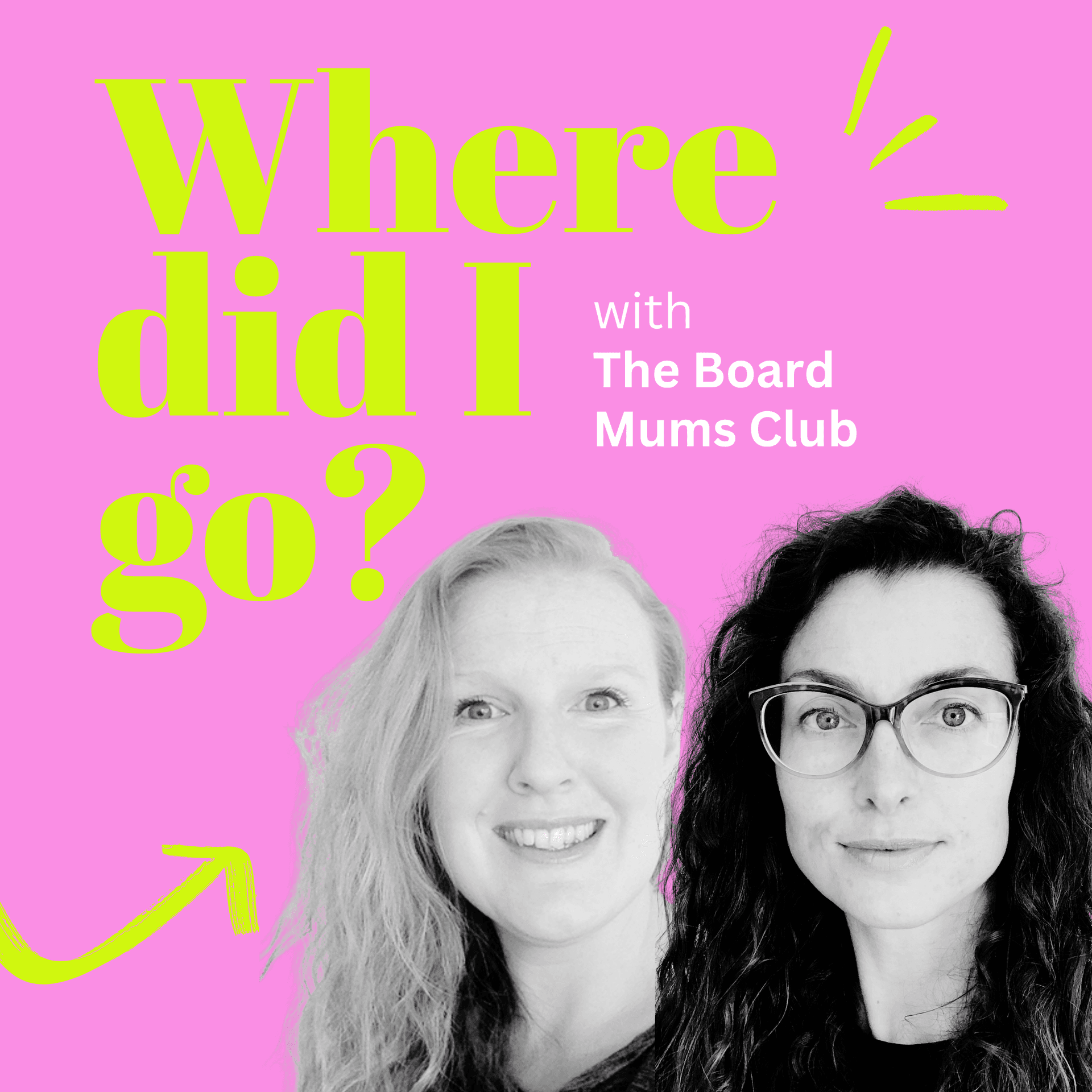
Zoe and Claire are co-founders of The Bored Mums Club in Cornwall. They were friends before having children; Claire and Zoe previously surfed together on lunch breaks. Zoe works for a Crown Fundraising role helping people raise money for projects. Claire and Zoe have five girls under 12 between them.
Key claims
Motherhood can shrink women’s identities and friendships; community must be actively sought. Fun and play build confidence and resilience, and learning new skills in midlife is still possible. Skateboarding “humbles” perfectionism and teaches process over end goals. The club provides permission to try new things and supports mental health through connection.
Notable examples
TR7 Skate Park’s indoor skatepark fundraising; sessions include coaching by Chaz (TR7 coach) plus free skating. Women arrive terrified as beginners and are welcomed. Members share skate spots around Cornwall via group chat/visits.
Written by AI. May contain mistakes. Listen to the episode to check what was said.
Chapters
Tap a time to open that second in VOThe Birth of The Bored Mums Club
1:37 to 3:19
Discover how Zoe and Claire turned their idea of a skate club into a thriving community.
“Thank you so, so much for joining me this morning.”
Growing the Community
3:19 to 5:14
Explore how the club quickly gained popularity and the sense of community it created.
“So after a lot of talking about it, Zoe took the next steps.”
Shifting Perspectives on Motherhood
5:14 to 8:07
Discuss the changing roles of women and the desire to reclaim their identities.
“And different things happening across the county, as well as our kind of club members, if you like, going off and skating and kind of reporting back on different skate spots that they found.”
Creating Your Own Village
8:07 to 9:59
Learn about the importance of establishing supportive communities among women.
“I think there's so many women that want to do this and not necessarily skateboarding.”
Embracing Playfulness and Freedom
9:59 to 12:37
Understand how engaging in activities like skateboarding can inspire joy and confidence.
“No, I'm looking after somebody else who's, you know, playing at the skate park.”
Lessons from Skateboarding
12:37 to 14:00
Hear about the valuable life lessons learned through the journey of skateboarding.
The Journey Over the Destination
14:00 to 15:17
Learn how skateboarding teaches valuable life lessons about enjoying the process rather than focusing solely on achievements.
“there is so much placed on achieving being good at things and I think that it's the same there's That's a societal pressure for our children as well to get the best results at school, to do really well, to achieve.”
Teaching Resilience to Our Children
15:17 to 16:48
Discover the importance of teaching children to embrace failure and the process of learning rather than just seeking success.
“And I'm really trying to show that to my children who also show frustrations at times when they're not doing as they were hoping that they were going to.”
The Power of Community in Learning
16:48 to 19:28
Explore how being part of a community enhances motivation and encourages growth while learning new skills.
“There's I'm going to be judged because I'm not good at it.”
Permission to Prioritize Ourselves
19:28 to 21:30
Understand the need for women to give themselves permission to prioritize their own needs and interests outside of caregiving.
“I wouldn't be doing it on my own, I don't think.”
Show all 25 chapters
Building Connections Beyond Parenting
21:30 to 23:37
Learn how adult friendships can be formed outside of parenting roles, allowing for deeper connections among women.
Redefining Identity and Potential
23:37 to 27:49
Discover how engaging in new activities can help women reclaim their identity and potential beyond motherhood.
“To see somebody turn up on their own, terrified, because they all do.”
Inspiration from Trailblazing Women
27:49 to 28:00
Hear about how older generations of women challenge societal norms and inspire others to embrace life fully.
Embracing Life and Role Models
28:00 to 29:15
Learn about the importance of living boldly and having role models for women.
The Playful Spirit Across Generations
29:15 to 31:08
Explore how maintaining a playful spirit can impact our lives positively.
“I don't know what that really means anymore.”
The Importance of Fun and Creativity
31:08 to 32:58
Discover the significance of fun and creativity in personal development and confidence.
Benefits of Learning New Skills
32:58 to 35:25
Understand the health benefits of learning new skills later in life.
“And I don't know why, how we became so resistant to fun as if it's something that is like, yeah, like for children, that it's something that adults don't do, or at least don't prioritize.”
Challenging Ageist Myths
35:25 to 37:55
Learn about debunking myths related to physical capability as we age.
“learning something which triggers both sides of your brain in later life is really, really important for kind of brain health and longevity.”
Embracing Change and Confidence
37:55 to 40:14
Discuss how hormonal changes can lead to a newfound confidence and freedom.
“Their endurance was better and that they were, yeah, they were achieving personal bests afterwards, which is not what we are kind of told when we're younger.”
Breaking Societal Norms for Women
40:14 to 42:00
Explore how women are redefining societal expectations as they age.
“There are so many amazing women in their mid to late 50s who are absolutely like changing the way that we live our lives.”
Embracing Lifelong Evolution
42:00 to 44:38
Discover how women can embrace matrescence and the ongoing evolution of identity.
“And I think we're almost riding on the coattails of that.”
Navigating Personal Transitions
44:38 to 48:48
Explore personal transitions and the continuous process of self-discovery amidst life changes.
“And I'm so grateful to live in a generation that is saying that, you know, that is so excited about what comes ahead.”
Stepping Out of Comfort Zones
48:48 to 53:03
Learn effective strategies for stepping out of your comfort zone and trying new activities.
“And the lovely thing about when you think about yourself as fluid or your identity as fluid, it means you can take certain hats off and that doesn't mean you're lost at sea.”
Building Community Support
53:03 to 55:56
Understand the importance of community support and encouraging others in new endeavors.
“And actually that's an easy thing to do, isn't it?”
Connecting with The Board Mums Club
56:00 to 56:45
Learn how to engage with The Board Mums Club through social media and their website.
Transcript
Automatic transcript. May contain errors.0:00Hello, hello, hello. Welcome back to another episode of Where Did I Go? A podcast for women in the messy middle of modern motherhood. One of the things that I hear all the time when I talk to women, you know, in this phase of life is just how lonely it can be and how much of ourselves really that we lose along the process of becoming mothers and sort of finding our way in our new identity as caregivers really. Where do we fit into all of that? Where do our friendships go? How do we redefine ourselves? That's why I'm really, really, really excited today to be talking to Zoe and Claire, who are co-founders of The Bored Mums Club, which is a community of women who are reclaiming space for themselves, quite literally and also emotionally, at the skate park.
0:49So what started as two friends picking up skateboards when they were just in the thick of that identity crisis of motherhood has grown into a vibrant group of women who are carving out freedom, fun and most importantly friendship on four wheels. Most are mums, some aren't, some skate weekly, others just dip in when they can but all are part of something bigger which is a space that challenges what life after motherhood is supposed to look like. This episode is all about flipping the script on identity, community and creativity in midlife. It's about what happens when women stop shrinking themselves and just start showing up, wobbly knees, scraped shins and all.
1:29If you've ever felt like you've lost a bit of yourself along the way or wondered what it would take to try something new, you're going to love this episode. So grab a cuppa and let's get into it.
1:45Hello to you both. Thank you so, so much for joining me this morning. I'm really excited to hear you talk about all the amazing things you've been doing with the Bored Mums Club. So I came across you both on a BBC News article and it was really happen, like, what's the word? It was happen chance that I stumbled across it. So for anybody who doesn't know who you are and what the Bored Mums Club is, it would be so great if you could run us through, yeah, what you're doing. I'm going to like, can I start? Because Claire's really good at this backstory. Oh really? Okay. Yeah, basically Zoe and I have known each other for a long time.
2:23We knew each other before having children and prior to having kids we would go and surf together, we would surf on our lunch breaks, things like that. And after we had children we just found that that sort of disappeared. We found ourselves all consumed by motherhood and having those chats over coffees and saying, oh, do you remember when we used to surf together and how much we kind of missed doing those things? And, you know, one day we'll get back to it, one day. And this went on for years. There's got to be other women that feel like this. Why do we all stop doing these things whilst watching partners still going and doing these things?
3:00And we just kept saying, wouldn't it be great if there was like a club, like the Bored Mums Club, you know, we could get together and all of this. We talked about it for a long time. But as you do when you've got kids, other things just get in the way and you've got priorities and, you know, they're generally your children. But we managed to make it happen. And I think the Zoe should tell you how this actually came about because it's the Zoe that made the next step happen. So after a lot of talking about it, Zoe took the next steps. Well, thanks, Claire. It was one of those situations where you just think, oh, let's just like the idea and see if anyone kind of takes it up.
3:37I work for Crown Funder, so I help people raise money essentially for their projects that are ideas. And we've got an amazing local skate park and an amazing team behind it called TR7 Skate Park. And they lost their original kind of home in Newquay and they were looking to raise money to actually build a new indoor skate park. And so I thought, OK, I'll reach out and offer some help to see if I can pass on some advice and help them do it. got to talking to Martina and Chaz who actually own and run the skate park and as they were looking to open I just kind of floated that idea past Martina and said what about a skate club for kind of older women maybe mums which is like oh that's a great idea so then together we kind of formulated this session which is an hour of coaching from Chaz who's her incredible husband and an amazing coach and then a free skate afterwards and we thought okay we'll give it a go we'll test the water see if anybody wants to come along and actually I think we sold out within in the first session and have done pretty much ever since being fully booked with women across Cornwall wow to come along and not only get coaching but kind of join this community of women doing similar things and it's just taken off from there really so when was that how long ago was that last July we ran our first session um kind of mid-July and well celebrated our birthday Yeah, this July had a nice birthday bash with the kind of 30 odd women that have joined over the year.
5:09And it's ever growing. There's lots of women now that are coming and traveling down to join us. And different things happening across the county, as well as our kind of club members, if you like, going off and skating and kind of reporting back on different skate spots that they found. It's a really lovely community of women that's building. It's great. Did you ever imagine when you were having those early chats that it would be something that would kind of, that so many women would be excited to join when you were thinking about it at the beginning? Tell you what, it's a funny one because moving to Cornwall especially, I find that there's always been women in my life, whether it's work-wise, whether it's friendships, that have done these things.
5:52So, you know, whether they go off and do snowboard seasons, whether they're surfing throughout the summers. But the skate element, I wasn't 100 % sure whether we'd have as big of an uptake. And then also, I mean, there's no way that we were having those conversations that I would have predicted that Claire would have been on world news talking about it. I feel like absolutely incredible but I guess there wasn't there was an inkling that there would potentially be an uptake because of where we are yeah in the country there's a lot of kind of board sports and people gravitate here because of that a lot of the time but I think skateboarding particularly I wasn't as confident that there'd be as much of an uptake as there has been but actually it's been massive.
6:38I just think it's so cool like you know there's this idea I mean obviously less now that I don't think there are that many mums who see themselves as being these like housewifey type roles or maybe I'm wrong about that but I do think you know we're moving forwards in being able to establish ourselves with our kind of very unique sense of self whilst being a mum even though it's hard to actually then make it happen but I don't think we're kind of stuck in this housewife idea of ourselves as previous generations were. Having said that, I don't think there are that many midlife women who are skateboarding and snowboarding and surfing and just like grabbing life by the balls and being really kind of, I don't know, throwing yourself into life in that way.
7:25And I just think it's so inspiring and awesome to hear that side of things as well. I don't know. Do you think that's kind of, like you say, this sort of specific to Cornwall or do you think there is this bigger like desire or drive from women to just like go for it? I think there definitely is. I think this club has kind of shown us that there are so many women around the world. You know, we have messages from women all over the world saying, this is amazing. I really want to do this. I'm trying to find local people that want to do this. And I think that it just takes a couple of women to get together and it will spread.
8:06It is like this ripple effect. I think there's so many women that want to do this and not necessarily skateboarding. There could be women that all their lives have wanted to, you know, learn to swim for some people or get in the sea or learn for kayak or, you know, anything. There's so many things that I think women have had to put off because their priorities have always been, you know, children as mothers. And the priority says that that's exactly where all of our sort of priorities should be. It should lie with looking after other people and giving to others. And I think that quite a lot of women have got that in them, that there is something that they've been wanting to do, an expression or a freedom that they've wanted, and they've not been able to.
8:50And I think that's what I really love about this club is that It's given women permission. They might look at our club and not necessarily want to skateboard, but hopefully it's given them permission to go, yeah, if they can, I can. And I know that it's taken me looking around at other women to give me more confidence to go and do those things as well. It's not that Zoe and I were sort of all of all this confidence going, we're going to do this and we're going to lead the way and show people. We were going, we really want to do this. Surely there's other women that want to join us, so we're not on our own.
9:24We still move with that confidence of other women coming together to go, yeah, we're going to keep pushing this. Yeah, Zoe and I were just chatting about this before we started the recording about how the traditional idea of what a village for mothers or families looks like is very different now than it was in the old sense of the family close by and neighbours and all of that. Now your village is something you need to kind of actively seek out, I think, and create yourself. and I love that this is this I mean such a strong village that you've created because it transcends so many different levels there's like the emotional connection the friendship which is like a really important thing that I think a lot of women are missing is just that emotional bond with other women because there's very little time to build that in day-to-day life so there's that there's the physical confidence that I think being active gives you and again being able to do that in a safe space where it's like everyone is just being themselves there's no pretense it's like come as you are and and you're totally fine and powerful even if you're a total beginner there's that aspect and then there's just like connecting with your local community meeting people you wouldn't other meet there's just so many elements of this that I think are very powerful examples of how you can seek out or create your own village in this phase of life completely absolutely and it is it's one of those as well where I think not only connecting with your community but connecting with kind of a playful side of yourself that we lose especially as women I think yeah incredible statistic of how much the kind of drop-off rates in engaging with physical activity in sports is when girls go through puberty and kind of priority change as you say whereas you know there's a saying that we have here down in Cornwall where it's almost like never never land because you've got guys in their 50s 60s that still very playful in the ocean skating everywhere and yet not the norm necessarily for the women in the community and actually why is that why can't we retain that kind of have that playful sense of self as well and along with that um all of those incredible kind of mental health benefits that it unlocks by just allowing yourself to be playful and childlike and enjoying yourself with no agenda.
11:49No, I'm looking after somebody else who's, you know, playing at the skate park. No, I'm doing this for me. And it's fun. And not needing to be perfect because there's something about, you know, we live in a culture that really puts perfection on a pedestal. You do something in order to be the best at it or to make money out of it or whatever. We've lost the art of doing something just because, like just because it's fun. And so it's really hard to prioritize things like that have no perceived value if that makes sense because we don't value like you say playfulness or creative expression or even physical activity I think like we don't as a society value it if you look at like kind of when we think at school curriculum levels physical activity creative activities are all things that are down prioritized in favor of academic stuff and so when we start early in telling people that that's not important then of course by the time we get to adulthood it's like really hard to grab onto so yeah there's also just like you say doing something that's fun just because you want to do it is also a really great thing to model to your children yeah just out of interest do you have boys or girls what makeup have you got in your families we're all girls all girls oh okay amazing so then even more yeah tribal women in my household and same with Claire yeah five five girls all under the age of 12 collectively who are I think all very not that they'd ever say it I think they are all really quite proud and quite happy to kind of see what we're doing I think secretly they think it's quite a fun thing they've all tried they might not be super into it some of mine are some of mine aren't but I think collectively they actually think it's quite a cool thing that their mum's doing not that yeah no I really think um just think about what you were saying Danny like what we're teaching ourselves and what we're teaching our children is definitely that enjoying the journey because like you said there is so much placed on achieving being good at things and I think that it's the same there's That's a societal pressure for our children as well to get the best results at school, to do really well, to achieve.
14:14And we play so much on that. Even thinking of physical exercise, so many of us have it as a game. You know, you might run because you're going to do a race. There's always something that you need to achieve with it. And it's certainly been something that has taught me some huge lessons in skateboarding. Because I have always grown up being someone that wants to be good at something. And I need to be good at it quickly. And I'm a perfectionist. and if I work hard, I can achieve it. And skateboarding has massively humbled me. It's shown me that it's not about an end goal because there actually is no end goal in skateboarding.
14:54That's what I quite like about it. It's not like passing your test to learn to thrive. There is no end goal. As soon as you feel like you've cracked one skill, there is so many more to keep going. And it's really taught me to just relax and enjoy the process that there is no end goal of achieving. And just getting on a skateboard is an achievement. And I'm really trying to show that to my children who also show frustrations at times when they're not doing as they were hoping that they were going to. or they're not achieving this or they've not got one of their spellings right at school or and teaching them that actually the most important thing in life is the process of learning the process of living not in the achieving yeah and I definitely think that you know skateboarding has definitely taught me that lesson it's really inspiring I'm thinking about it a lot we're thinking about it a lot in our household at the moment because we've got um we've got two boys Our oldest is just under five and he is already so frustrated when he can't do things.
15:59And we've been talking a lot about where that comes from. And I think if we're honest with ourselves, maybe some of it is like a kind of you have a predisposition to be someone who really wants to do well. But I think if we're honest with ourselves, it's because that's what we've shown him, not towards him, but towards ourselves. So it's made us very reflective about like just being more mindful of showing our children that there is so much value in trying things and being bad at them at failing that actually everything starts from that point. And that's the kind of, that's the good bit as well, right?
16:35Because when you're good at something, then you've kind of presumably got past all of the fun exploration that comes with learning a new skill. So yeah, it's really nice to hear you talk about it because I think it's consciously or unconsciously something that we maybe are all a bit guilty of is to just like have lost sight of that a bit absolutely I think as a society I think we're not taught and we're not encouraged to get comfortable in that space between not knowing something and knowing it and actually that's the most valuable part of that whole journey you know once you you know it that's great that's wonderful you've achieved that thing brilliant but actually like Claire was saying the journey to getting there is the most valuable part of that and if we just want to skip over it all the time we're not actually erowing we're not actually kind of developing some really valuable skills and I'm the same as Claire especially as a child I was that kid that would only really want to do the things that I knew I would be able to be good at which sounds stupid looking back now but that's generally translated into adulthood there's things that I wouldn't even try because I didn't think I'd be able to at least be okay because there was shame around that.
17:52There was embarrassment around that. There's I'm going to be judged because I'm not good at it. And actually skateboarding, like Claire says, just kind of humbles you very, very, very quickly because you can't just blag your way through it. You can't just step on it and suddenly be good at it. You know, it's the sport that you don't get to naturally just nail. Like you've actually got to work harder. bit um and we're very much beginners aren't we fair like we look at the the women that come along to the club and they've been skating a lot longer than us they're so much further along and i think that in itself comes with a really hard lesson to kind of look around and you're always going to have and you shouldn't but we do that comparison we do it as mums we do it as women we do it a lot and even that is something that is a really tough lesson and it's it's really good to work on to always remind yourself that's their journey this is mine and you know we're all here together at different levels cheering each other on yeah they will get you know whoops and cheers for doing something super basic compared to what they're doing but the love and the encouragement is the same and that that really helps to break down that element of it as well actually kind of having women that are celebrating every success relative to that person's ability.
19:14You know, it's not like, oh, you didn't do that great trick. You're not very good. It's like, yeah, you did it and you've been working off rages. That's awesome. It helps doing it in a group of people that are all kind of on the same page and championing each other. Definitely. I wouldn't be doing it on my own, I don't think. No, exactly. And I think that's why it's so powerful is because you do need to be in a group of people like that's the motivation I think to show up because where would the fun be and well it would be fun to like play if you find something enjoyable to go and do it by yourself that's great and I think there's definitely a time and space for that but when you want to connect and get out of the day-to-day life and just the energy boost that comes from being with other people and sharing an experience like that's kind of what I imagine compels a lot of women to show up even after they've had a long day even if it's a bit of a stretch or you know an ask on the rest of the family because they need to do stuff without you being there whatever it might be knowing that you're going to go and meet a group of people and have fun with them is something that's well I certainly don't have a lot of that time in my week to week so it would be a massive motivator for me I think you're right and I think going back to that permission strangely as women as mums our caregivers in our communities it's really common to put other people's needs before our own isn't it and I think it's almost giving you that permission to be able to say well actually on that date on that scheduled kind of date and time I am going to leave the house for however many hours and I think we find that hard we find probably an easier ask them I just want to nip out and do this thing on my own for three hours I think having something which is set up in that way you feel accountable and you feel like you want to go and connect actually breaks down a little bit which is crazy we should be able to just do those things and that's nothing on people's you know partners or home life I just think we are wired to push our needs a little bit further down the list and we sometimes need you know something in the diary to be like on that date I'm doing that thing yeah all booked in the plan ahead definitely and it really does give women that space like you said to show up regardless of what headspace you're in we have um a whatsapp group and sometimes we messages that things like really look forward to today really need this I mean I've gone along before with no intention of skating because I just felt that I wasn't in the headspace to skate that day and I think I don't think today days of day that I want to get on a skateboard but I've still gone along to the club because it is about connection and did obviously end up getting on a skateboard but you turn up sometimes and your energy just isn't there you might have had a really tough week for various reasons and the change the being welcomed into that space by the women that are there it really does mirror that village you you know you were talking about the village down there and I feel like when you have children you can go to a mum's group and everybody has children of a similar age and meet those people and they're really useful groups for a lot of women but why I think this group really does mirror that sort of more traditional village is it's a wide range of ages of women with some are mothers some aren't we've got women that come along that don't have children and that's there would always be an auntie in the village that didn't have children there would always be those women and the women have a real mix of ages of children as well so when you're there going oh my 12 year old is doing this someone's like oh my 14 year old I remember when they did that and yeah having this kind of pool of knowledge of experiences I think is what really enriches the group yeah that we are at different life stages we're in different situations in our home lives and there is somebody there that connects with something that you say there is already someone in the group that can say I've been there or I get it or I understand and this last year I'm sure Zoe won't mind me saying this but we both lost our fathers this year oh i'm so sorry it's been a really really tough year personally for both throwing ice for other reasons alongside those as well and i definitely know how much this group has helped me get through that yeah it really has been able to go and step into this space of incredible women that it just it makes me so happy and then to watch how the group of regulars that we have How they then welcome somebody new in makes me so proud.
24:05Like, it really does. To see somebody turn up on their own, terrified, because they all do. They all turn up and go, I'm really, really scared. And to see this group of women just kind of open their arms and bring them in just makes me so proud. It really does. It's really special. I mean, when does that ever happen? Or when do you ever get the opportunity to step into a group like that? Like, never. They don't exist. making new friends when you're an adult is really hard it is so hard and I think you've touched upon it there Claire like you can go to like a mum and baby groups maybe NCT or whatever as a parent before maybe you have your children but so much of those friendships and I know that they can transcend this but they ultimately start through connection around children and so you can find yourself very much focusing on conversations around your children it's quite hard to kind of get out of that mindset of still needing to be talking and thinking about your kids whereas actually in this group of women yes you'll have this conversation but you might also just talk about things that are going on in your life as somebody aside from being the caregiver the mum the partner and that's actually really really special and I think that really helps to kind of give you a little bit of that sense back to then go back into that world of caregiver feeling like a little bit more seen because for all the world in the world when you're in your home life and you can have the best partner best kids in the world but ultimately most parents I think will feel a little bit like I'm in parent mode because you feel well be selfish if you're not whereas actually stepping outside of that and just being embraced for you and maybe elements of you pre-kids or you know the new version of you whatever that looks like is really really important because it helps you to just gain that sense of self as well to then go back into that world exactly yeah yeah exactly and it's something for you isn't it totally your thing and I think having that space and that community to step into to actually make those connections easier because it's really hard to just integrate yourself as an adult into a new set of friends ultimately that isn't connected to you know kids or school or work I couldn't agree more and I actually think that's where the magic of this is I think there's a couple of things I wanted to touch on one is you know this whole podcast basically started from this idea of feeling lost in our own lives basically like not being able to place our identity post having kids even though you know everything about being my children's mum is just the greatest thing that's ever happened to me I very much felt lost in it.
26:47I love that what you're doing is like, I imagine a lot of people show up there never having stepped on a skateboard before. And you're showing that like, you get to do that, right? Like you get to also try totally new, like new things that you may have never imagined yourself doing. You still get to do that in this phase of life. Like you're not done. It's not like, oh, I've never, whatever, skateboarded, surfed, skied, whatever before, like there is still so much potential for you as a person to reinvent yourself and try new skills and meet people through the process. And I think somehow the idea for, I don't really know how it happens, but it's like drilled out of us, that it's like, I could never do that.
27:29Or I don't know where that idea comes from, but I love that you're just giving power to women to be like, come along. This is a totally safe space to try something entirely new you'll probably be rubbish at it but you'll make friends along the way and that's like yeah amazing i think we've been inspired about or continue to be inspired by women that are older than us that kind of trailblazers in a way that there's women in their 50s and 60s who are very much kind of reached a stage in their life and when generations ago like you say it would be no you're done you know put you out to pasture you know just kind of go over there and wither away gently they're kind of going no I'm gonna dye my hair blue I'm gonna wear the clothes I always wanted to wear watch me live my best life yeah and actually seeing that is even more important yeah absolutely well they're doing it why can't we just get on a skateboard so I think we're very fortunate that there's actually an incredible kind of generation of women just just almost a little bit just above ours which are now with the the way that we can see the world through the internet so instagram and what have you we have this kind of broad spectrum now of what growing old disgracefully looks like and i really want to grow old disgracefully to be quite honest i want my children to see me do it and go yeah my love in her 40s i jumped out of the plane on my 40th birthday why not like stuff like that you know why should we grow on gracefully and quietly that's boring yes yeah and you know we talked a lot about modeling for our children and how powerful that is and again having role models as women in this phase of life is also something that is so powerful like I am really obsessed actually with this idea at the moment of like we've been disconnected from generational wisdom so like I feel so much of my anxiety comes from the fact that I'm totally separated from the wisdom of people who've already been through the things I've gone through being able to connect with older women is something that I actively try and do because I just know that if I'm worried about something personally or with the kids or whatever just being able to talk to somebody who can give you that perspective of like like when you can trust them when they say don't worry that's fine that's normal we've been there that's not something to obsess about or like you know stage an intervention about I trust that because that's lived experience and there is something so powerful in having like you say that cross-generational group of women who are bringing all different perspectives from all different ages and there is so much comfort in that and then for you in this phase of life having that to tap into as a role model experience where you can see people doing exactly the kind of stuff you want to do when you grow up um is yeah amazing I think I love that line as well like when you grow up and I think do you ever grow up like we'd say that to our kids don't like what do you want to be when you grow up and um all of these kinds of things and I think in my mind I'm still as young as I was like in my teens and my early 20s And I don't think we, yes, we age, but I think actually we don't really grow up.
30:49I don't know what that really means anymore. Like if I think about my dad, who tested, you know, he passed away last year. And even in his old, what I would consider old age, he was only kind of in his 70s when he passed. But he was always really playful. Like, you know, he would be really silly with the grandkids and stuff and do funny walks and kind of, you know, just be delayed. like a silly kid like he's in his mind probably doesn't feel particularly grown up i just think we have to wear these yeah masks and we have to do these kind of things to almost fit in with the societal norm but actually i don't think any of us are really grown up we just mask it well but like you said we do need those role models that whole saying is if you can see it you can be it and it's so true because we do need those role models I think sadly as women sometimes we do feel like we need that permission and like Zoe said there is that generation above us that really really stepped out of their comfort zone to push forward skateboarding surfing all of that and those seeing those women and thinking yes like we need to continue doing what you're doing what you started and what you thought harder to be able to do than we did to be able to see those women and go yes we can do it like Zoe said about her dad my dad surfed until he couldn't surf any longer at the very end of his life and he took up well he skateboarded as a child but he took up surf skating as an adult and he always used to say to me when I go oh gosh I'm almost a grown-up he's like well I've never grown up so why do you need to and he definitely gave me that permission to always have fun and at any point of my life go yeah I'm gonna learn a new skill or I'm gonna take up a new sport always massively encouraged that and I hope that that's what we are doing is we are showing other women to come and do this you need to see it sometimes and that's where I have a real mixed relationship with social media I absolutely despise it and I absolutely love it all at the same time because one thing it has done is shown me so many inspirational people that I probably wouldn't have failed otherwise yeah and i hope that through social media we can kind of show other women and give them the permission that they need to say yeah i'm going to do something new and try something scary and then we're showing our children we're showing our children and i just hope that we can keep passing on that inspiration for people male female young old to just step out as their comfort zone because in a crazy world that we live in at the moment it's really easy to pop yourself in this little tiny protective bubble and keep yourself safe in every possible way and stepping out of that in any little way that you can I just think can enrich life so much more yeah and prioritize fun fun is really important it's not frivolous it's actually like the engine of life.
33:58And I don't know why, how we became so resistant to fun as if it's something that is like, yeah, like for children, that it's something that adults don't do, or at least don't prioritize. I feel like it should be, we eat, we sleep, we have fun. Those should be kind of core drivers of how we live our life and finding ways to have fun and be silly and be playful and push yourself and do things that are where you look stupid, feel stupid, whatever those are so important for giving you that I don't know like sense of confidence in yourself the ability to tackle life with the confidence that you got this like you might not do it perfectly but you can absolutely face whatever it is that is coming your way it's just so important I'm really really inspired by if above all of the things I'm hearing from you is like how you found a way to anchor being playful and joy and doing things that make you happy just because is really just powerful thank you yeah it is and it definitely like beyond the faithfulness as well there's so much that comes with it in terms of developing you know resilience neurocrafty you know i was just to name job obviously it's only a program but i was watching Limitless, that Chris Hemsworth series.
35:19And there was one where he was tasked with learning an instrument. So he learned drums. And what was really interesting was the correlation between learning something which triggers both sides of your brain in later life is really, really important for kind of brain health and longevity. And actually something like skateboarding or dance or surf or anything kind of creative in that way does exactly that because you're not only kind of using your logical brain, but you're also challenging that kind of creative side of your brain. And also there's the red involved as well. So you're kind of pushing yourself through that.
35:55And actually all of those things are really, really beneficial to brain health and to aging. So actually taking up something like skateboarding or surfing in later life can be really advantageous. So although you've got that playful side, there's also a huge amount of benefits, which are going to help you with your aging process. So yeah, definitely it's kind of multifaceted and I think everybody should be taking up some kind of skill around this kind of role, whether it's something as, you know, playful as skateboarding or whether it's learning a language or dance or something creative. I think, again, there's a huge kind of blocker or barrier for people thinking, well, no, I don't start new things now.
36:39I've learned everything I was supposed to learn and now I just carry on on this journey why why can't we learn something new change tacks you know do something different it's um interesting yeah I was talking about this actually just yesterday with my husband who's just re-picked up he's always been into sort of long distance cycling and has re-picked it up and kind of got this seed of an idea in his head that maybe one day I might like to do a triathlon so started reading about it and figured that actually a lot of triathletes actually start in their 40s and that there is this weird thing, this weird mechanism in our bodies that actually means you in the period between your 40s and sort of mid 50s, you get better at it.
37:25Like you're better at it than if you did it in your 30s. I think it's the way your muscles can handle the endurance. That's a capacity that is best at that phase of life. And we were talking about that in the context of like, why is it that we grow up thinking when you're in your 40s, you're sort of done, like any kind of physical activity is you're past it type thing. It was quite inspiring to just, he was showing me some of these posts that he'd read of people who'd kind of started this totally new skill in their 40s and then just absolutely smashed it for the next 10 years, just been like really thriving.
37:57So yeah, there is also a bit of a myth to counteract there that like you're physically at least you're physically still so capable and that the idea that you're not is something I think we really need to challenge yeah definitely I remember reading around women's bodies after they'd had children and that so many women that did participate in a sport found that after they had children in things like long distance running they were getting personal bests and they found that those changes that their bodies had gone through through pregnancy in childbirth, the other side of it, they actually became way stronger.
38:35Their endurance was better and that they were, yeah, they were achieving personal bests afterwards, which is not what we are kind of told when we're younger. Definitely. Our best body as such is prior to having children. And after that, it is stronger. And, you know, for women as well, as we start to hit that kind of perimenopause stage, our estrogen levels are starting to drop and our estrogen is what gives us the ability to be very accommodating and caring and giving to others so as that drop you start to meet these perimenopausal women menopausal post-menopausal women that are going stuff this yeah i could do it i don't have this estrogen that says i must accommodate you and care for you yeah instead my body's going to get this i'm going to go and do what I want to do and you kind of start to develop this massive kick-ass selfishness that I think we all should have a little bit more of and I think that as it's starting to change in our bodies it can kind of mesh you a little bit where you're kind of fighting with those responsibilities of being a parent and particularly for a lot of us that have chosen to have children a little bit later than traditionally we would have and we're starting to get those kind of drop in hormones whilst we've still got the demands of younger children yeah and you're fighting between wanting to be really kind of i'm gonna do what i want to for myself and i've got this kind of new sound confidence but also you've got those responsibilities still and it's that balance but i think by the time we're all through the other side of menopause we're going to be absolutely destroying the world in the best possible wow yeah shaking it up like a snow globe that's what we're going to do exactly and like with zero apology you know we went through the generational several generational kind of the shift of being told women could have it all we find ourselves I think just after the bit where obviously having it all is really hard you can't actually have it all so that's a myth that's put a lot of pressure and kind of been used in a way to control women I think and has created a lot of guilt we're now in a generation that is challenging that and being what does it actually mean to have it all and how can I have it all on my terms?
40:54And that sparked a generation of people who have been through the menopause who are experiencing or are going through the menopause are experiencing that natural shift in being less bothered, what people think of them, coupled with the freedom of a society that says, that basically gives them a proper voice to be able to then action that. There are so many amazing women in their mid to late 50s who are absolutely like changing the way that we live our lives. I've been really inspired by that phase of life right now is like a rocket ship. People are starting businesses, they're activists, they're writing books, they're starting totally cool new stuff that a generation ago would have been, oh no, like, you know, I'm, that's not something someone like me does.
41:42But now it's like, fuck yeah. Like, let's go. I'm really lucky because I was trying to save the whole, like, my socket generation, but I was like, I can't. You're not allowed to do that. Yeah, yeah. No, you can always swear. You're so right. And I think we're almost riding on the coattails of that. Like, we're really fortunate to kind of be absolutely benefiting from generations that have come before us that have opened doors whether that be career-wise, whether that be education, all of those kinds of things. So we've got prominent figures within different areas of society who are now at ages that kind of go, no, this isn't how this should be and are showing us and are very vocal about the ways in which women can live their lives in later life.
42:35We've got huge awareness or not huge, it's done, rowing but much better than it ever was about things like perimenopause and menopause we're given commission to have conversations that generations before them would never have heard and actually all of that enables us at our age to kind of really embrace that and hopefully kind of push that even further so that our girls growing up when they get to the stage we are hopefully those doors have been blown wide open and actually it's not even a conversation that we need to have it's just part and parcel of their lives I really really hope that they get to a point where we don't need to be almost discussing those things it's kind of like yeah well why wouldn't I do them why question it of course I would absolutely yeah I think also there is something extremely exciting about so we're starting to think about womanhood and certainly motherhood as this lifelong evolution.
43:36I could think before it was this binary thing. Before you had kids and then after you had kids and after you had kids, it was just kind of like all downhill from there for you personally, as in massively generalizing. Now we're starting to talk about this idea of matrescence, which is a lifelong evolution. Every time you meet a new version of you, she's going to be completely new to you. And if you lean into that new version of you with curiosity and open arms, you're going to uncover so much potential and creativity and exciting opportunity. And you get to reinvent yourself over and over and over again.
44:12You get to do it after you have kids, you get to do it after or before you have the menopause, because there's changes there, then after you have the menopause again. And then, you know, as you go into your like kind of later chapters of life, you get to constantly have that power that comes with being like, I'm not, you know, there's so much growth basically across the entire journey of matrescence, which never ends. You're on this constant journey of evolution. And I'm so grateful to live in a generation that is saying that, you know, that is so excited about what comes ahead. I'm totally pumped for all the versions of me that are coming because I'm sure they're going to be so many twists and turns along the way, new hobbies, new ideas, new belief systems, maybe like hopefully all of them are going to be good and positive.
45:02But the point is, it's a lifelong journey. And I love what you're doing here is giving people an opportunity to step into shoes they've never imagined probably themselves in before and be like, try them out, see what happens. Does this feel good? Because we're right here if it does. It's just lovely. Yeah, thank you. I think we are giving people that space. And I totally agree with what you're saying that we are ever evolving as people, as women, as mothers, as aging women, however we want to sort of think about our kind of future. And it is constant evolution. And I think embracing that, like you said, sort of taking that and seeing it as exciting.
45:50when I was younger I didn't want to grow up I remember having those panics of oh gosh I'm nearly 30 what have I achieved, what have I done with my life and then having that mild panic as I was and it was definitely much milder actually as I got to 40 thinking what am I going to do with my life and now I'm kind of going wow what's 50 going to bring what's 50 going to bring you know I probably think that you've got to change that kind of attitude as you're getting older because I know that all different parts of my life are going to bring me challenges. Of course they are. But I think they also bring different opportunities because it's ever evolving.
46:29You know, eventually my children will start to have their own lives and there'll be less demands and responsibilities in me in that area. But then there may be other areas of my life that take up more of my time. And, you know, we obviously have aging parents to think about and family members and we just don't know what life's going to bring. But when I was younger, there was definitely, like you said, there was that before children, after children was just a bit of a write-off. You just waited to become a grandparent and then off you were. Whereas now looking at those women that are actually tearing up the rule book and saying, I'm going to do this.
Read the full transcript
47:04I'm going to become a CEO of my own business at the age of 60 and start something completely different. I just think is is huge and not putting ourselves into these sort of specific roles which is really hard you know I love the name of your podcast because I think it's it's so true that you can constantly stop and go you where did I go and sometimes people talk about finding themselves I'm not sure I found myself because I don't know if I ever will I think I'll just keep uncovering things about me and losing parts of my identity, but gaining new parts of my identity. And it's definitely been a real personal journey to me over the last couple of years.
47:49I stepped away from being a midwife in the NHS. I stepped away from my marriage. I lost my dad. So suddenly you kind of go, gosh, so I'm not a midwife. That was a huge part of my identity. Where do I find myself now. I'm not a wife. That's still part of my identity. I'm not a daughter to my dad anymore, but I am. And there's all these different parts of you that you see as an identity that can be taken away from you at any point. And then you realize that, yes, they are part of who you are but they are only a label and who you are is constantly evolving and I don't think I personally don't think I'm ever going to get to that point of binding myself as a whole complete being yeah because like I'm just going to keep evolving and changing and embracing the things in my life because everything that's happening in your life at one point impacts on who you are and how you identify at that moment and right now you know I'm director of the board nons club and that is another identity one that I'm very flipping proud of and could talk about for days on end but I think yeah it's a process that never finishes and I love that whole idea of matrescence I really do I think it's such a nice way to frame how we go through this journey Yeah.
49:18And the lovely thing about when you think about yourself as fluid or your identity as fluid, it means you can take certain hats off and that doesn't mean you're lost at sea. You know, you can take your midwife hat off, sorry, or your wife hat, whatever it might be, or your mum hat, to be honest. At some point, your kids, they will leave the nest and you'll always be a mum, but in a different way. and that doesn't have to be catastrophic for you as an individual because you know that you're rooted in lots of things not just any one thing and that you can then float into something new that you might not have considered before and I think that that's a nice secure way of building your life because then nothing can really no one rug can be ripped out from under you and totally leave you you know flapping around trying to figure out what to do next.
50:08Yeah definitely I like that idea of fluidity yeah i do and it kind of goes back to that finding you know it's hard but trying to be comfortable in that state of flux which i think we're not always taught how to do and at least if we can do more things that challenge us in that way as we do grow older maybe we can be more comfortable with that fluidity and not having to label well i'm i'm this or i'm not that because this hasn't quite worked out i think it's really important oh gosh i feel like i could just talk to you all day honestly like it's just I'm I'm very very very inspired I want to I think wrap up with as much as possible some kind of like some concrete tidbits of wisdom that you maybe have based on the the learnings from the last year so I'm sure there's going to be a lot of people who are sat there listening to this and being like I could just never I could just never turn up to a what a skate park let's say or whatever it might be a group that I'm totally new at and that just feels overwhelming to me what advice would you give to somebody who's would like to but doesn't feel like they can I feel like we were that you know we were absolutely those people and I think although you know we might have surfed a bit in the past or isolated a bit as a child and we're talking about those different versions of ourselves the version that came together kind of as friends that were saying oh we really want to were in factly in those shoes and actually being able to just find maybe one person it doesn't have to be a whole tribe which is that one person who will go tell you what let's what's the worst that can happen let's just give it a go and see what happens um and that's true in in any anything not just skateboarding if you need to have that kind of that wing person to just have your back while you try it together things are always more fun when you try it with somebody else and it doesn't have to be a massive community it might lead to that but I think even if you could just get a close friend or somebody that you kind of trust that isn't gonna judge or try and show you up or embarrass you or whatever because you probably won't get embarrassed when you do something for the first time I would encourage that or if there is something that's already kind of organized you know even if it's not the the end goal but actually pushing yourself to just try something out of your comfort zone even if that the end goal is I want to get on the skateboard is there something happening you know even if it is a coffee morning or there's a dance class happening in your local community try and push yourself just to go and actually we always have these stories in our heads don't we we take the worst scenarios i guarantee you whatever you've imagined is going to happen is way out of the realms of reality you'll go you'll probably have a lovely time even if you don't feel confident somebody will say hello to you and smile and then that'll start the ball rolling with just trying things out of your comfort zone and build up to that end goal of what it is that you're trying to do yeah and someone said to me recently I've tried like training a bit more regularly and less now but when I started feeling really self-conscious like oh I just better look really stupid and people are looking at me like she doesn't know what she's doing or whatever someone said to me do you know what no one gives a shit what you're doing like no one is looking at you I think that's such an important thing to remember it's like you're worried but honestly nobody cares in the nicest possible way they are not seeing you they're seeing their own they're probably thinking the same thing about themselves like even if they look like they're super pro or whatever it's you telling yourself that story and I think as well from the flip side of that the people that are listening that maybe do kind of regularly go to the gym or whatever if you see somebody that you don't recognize that might be there for the first time just give them a smile because that smile or that hello and make the difference to that person, whether they feel comfortable, safe, included or not.
54:01And actually that's an easy thing to do, isn't it? And if we move with that, where we're the ones that have got maybe a bit more experience, that's really encouraging and helpful for others. Yeah. And I think that if you can't find that support locally, if you don't have that friend that's willing to go with you to try something new, if you don't have that club, then I think the online community can still provide that support because it isn't always an option in person for people so sometimes just reaching out to the online community and starting to build a little bit of support and a little bit of confidence there for you to take that step and I think like Zoe said clubs are a great idea because generally clubs aren't there because they're full of people that are really good at that skill or that particular thing most of those people are going off and doing it on their own so the clubs are generally for people that are learning and nobody wakes up one day and is incredible at any form of talent they don't just wake up one day they're an amazing skateboarder or an amazing surfer everybody's had to start at the bottom and i think that the majority of people will always recognize that and admire anybody giving it a go so joining a club then we'll be pilfer that brilliant habit but there will also be people that are starting as well yeah and will welcome you in in any sport yeah you're so right and I really like this idea of coming away also with a bit of a sense of responsibility to be the person who gives a kind of bit of a encouragement or a smile or a bit of just comfort to somebody who is showing up for the first time and being like this is all of us can do that because all of us know how good it feels when you're on the receiving end of it and also how good it feels to do it actually like it's always so nice to feel like you've connected with someone positively and given them a little bit of encouragement thank you both so much for today if people want to know more about the board mums club or just you both maybe where can they find out more we're on instagram is probably our most active and we're at the board Mums Club and we are also on Facebook and we've got a website which is theboardmumsclub.com brilliant so yeah come and find us on there reach out and dm us if you don't want to comment if you want some direct contact then just send us a message and we'll always respond and support and get you involved in any way that you can brilliant I'll make sure to link in the show notes so that people can quickly get in touch with you if they need to or want to all right thank you Sally I've really go happen to you.
56:42Yeah, likewise. Have a wonderful rest of the day. Bye. Bye.
57:10Thank you.
From the publisher
Hey — grab a cuppa and settle in. This episode is a heartwarming, kick-in-the-pants reminder that motherhood doesn’t have to mean the end of you. Zoe and Claire, founders of The Bored Mums Club, walk us through how two friends turned a midlife identity slump into a joyful, messy, welcoming community at the skate park.
We talk loneliness, matrescence (that endless process of becoming and re-becoming yourself), and how playfulness can heal and reconnect us to who we once were — and who we still want to be. These women show up each week at the skatepark with a group of other mums, armed with scraped shins, wobbly knees, and huge cheer squads, proving that trying something new is an act of radical self-kindness.
If you’ve ever thought, “I could never,” you’ll love the practical, gentle encouragement here: bring a friend, join a club, or DM someone online. Do the thing that makes your heart sing! Most clubs are full of beginners, and honestly, everyone’s too busy enjoying themselves to notice you fumble — and if they do, they’ll probably help you up.
This episode is both a warm hug and a dare — to reclaim fun, build a modern village of women across ages and stages, and model curiosity for the kids watching. It’s about permission: you can be playful, take up space, learn new things, and reinvent yourself at any age.
By the end you’ll feel seen, a little braver, and ready to try something that scares you — because the reward isn’t perfection, it’s the friends, confidence, and surprise joy you find along the way.