Ask ChatGPT

 Where Should We Begin? with Esther Perel
19 Oct 2026 · 1h · 11 chapters

A long-married man debates whether he can be a “good man” if he leaves a relationship where intimacy has largely disappeared, guilt about harming their young daughter, and cultural/family values conflict with Western expectations of romantic partnership.
The episode is an Esther Perel “one-time intervention” call. Guest speaker: a husband (Indian; wife is Chinese) married ~25 years, now mid-40s, father of a daughter under five. He’s been in therapy on and off for ~15 years and also started intimacy therapy. Esther Perel is the host/therapist.
He feels he’s been consistently deprioritized (wife’s anxiety, family, work, daughter), feels “not safe” emotionally, and reports inappropriate arousal during platonic hugging after years of touch deprivation. He believes leaving may be less harmful than staying “as is,” but fears guilt and potential long-term harm to the child. Esther reframes it as internal needs vs internal needs (not “me vs family”), and emphasizes starting with “the glass” (small steps) rather than waiting for “buckets” of change.
A past event where wife repeatedly demanded they be home by 10pm due to her 6am work; he ultimately forfeited going. He describes years of non-sexual intimacy and therapy focusing on his anger rather than underlying dynamics.
Written by AI. May contain mistakes.
A husband shares his feelings of being a secondary priority in his long-term marriage.
“My wife and I have been in a relationship for 25 years.”
The husband explores the conflict between his personal needs and the preservation of his family.
“It's hard, Sarah, because I feel a lot of pressure that's both internally driven.”
Discussion on how cultural values shape the understanding of marriage and commitment.
“And so we're going to scratch the surface.”
The husband reflects on feelings of loneliness and unmet emotional needs within the marriage.
“Both of our parents immigrated here for education.”
The speaker discusses the challenges of feeling secondary in their marriage and the impact of their spouse's anxiety on their relationship.
“I don't think I've really even been a top three priority for the entirety of our marriage.”
The conversation shifts to reflecting on the importance of mutual support in relationships and the speaker's feelings about their needs.
“You know, I think that's the one time in my life where I felt like my prior comments are not valid around not being a top priority.”
Exploring the balance between personal needs and the needs of others in relationships.
“And sometimes I choose that or I decide that that's what matters most.”
Discussing feelings of inappropriate arousal and intimacy issues in relationships.
“And so I would have to like exit those situations urgently.”
Exploring the challenges of building mutual intimacy in relationships.
“if I hadn't put pressure, if I hadn't threatened you, if I hadn't said I'm done with this.”
Explore the complexity of expectations in relationships and cultural values.
“And it says, no, no, no, I don't expect.”
Discuss strategies for reconnecting and understanding each other in difficult times.
“like in this last five minutes, is something that we've tried.”

Get the gist, explore an idea or ask about something said.
 Claude
On Where Should We Begin? with Esther Perel, what are the key points of this episode?
Searching your listeningAutomatic transcript. May contain errors.
0:01My wife and I have been in a relationship for 25 years. We've been together since we were 19 and we're in our mid-40s now. Throughout our time together, I've always felt like our relationship was second priority, whether it was to her education or to her residency or to her career approach or to starting a family or to the maintenance of that. I've always come second or third in the relationship, behind her parents, her anxiety, and her own life. And as a result, our relationship has really suffered. We've been in therapy for, you know, on and off for 15 different years, and underlying dynamics really have been shifted.
0:49and you know our sex life as a result has been effectively non-existent initially by her choice for a good you know seven to twelve years and then lately by my choice because I just didn't feel safe in the relationship anymore. She really wants to try to have a relationship again but I've never felt safe and she's never really felt accountable for what's happened. And recently I've been starting to get feelings of arousal at inappropriate times. I think I've been so touch starved for so long. And her response has been, I don't know how to help you. And it's led me to say, should I leave this relationship?
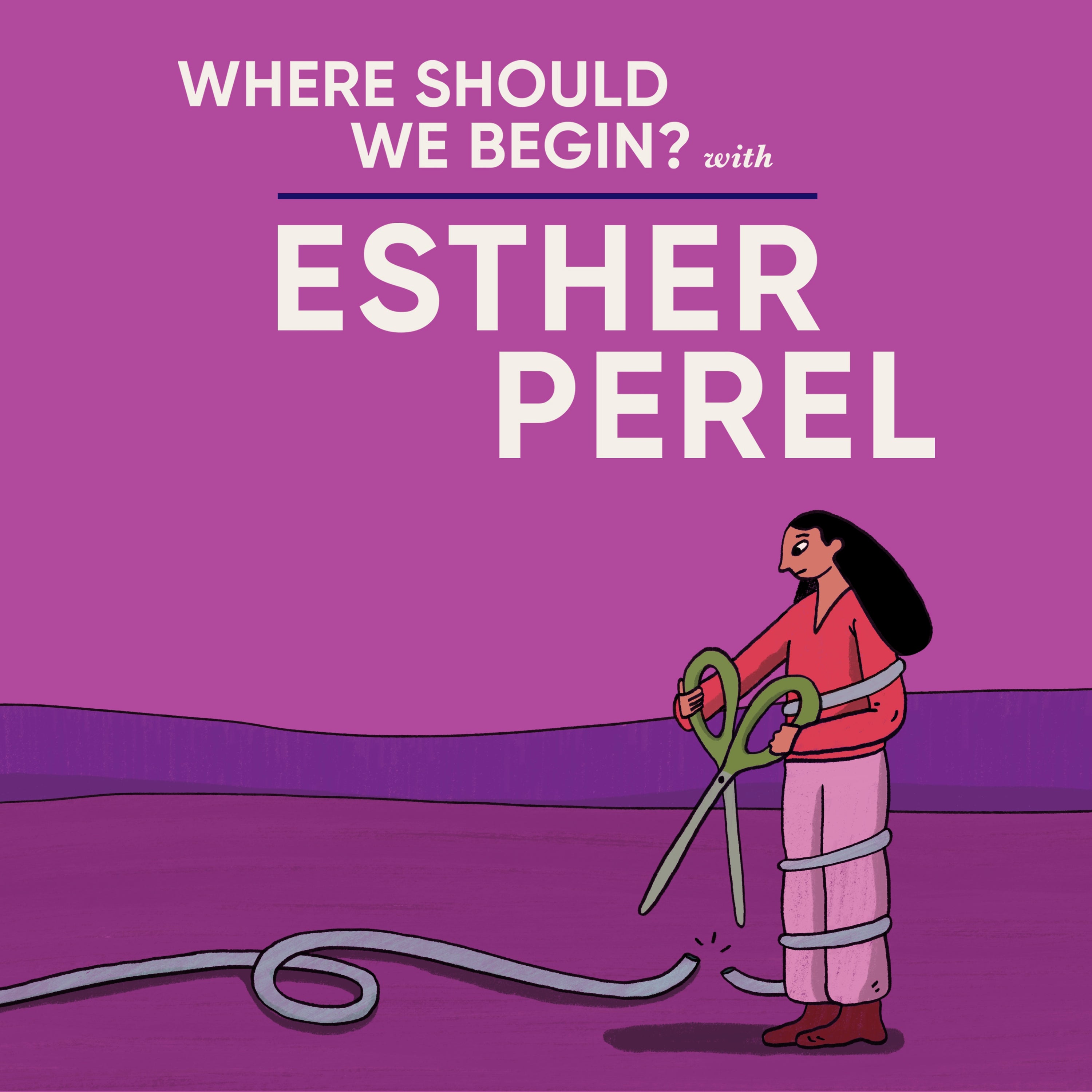
1:40And I'm really torn. how do I prioritize my own needs over preserving the family unit and dealing with the guilt of that kind of a selfish choice.
2:08Support for Where Should We Begin comes from MidiHealth. interrupted sleep, headaches, constant fatigue. For a lot of women, these aren't three separate issues. In perimenopause and menopause, they're often the same hormonal story. And you do not have to quietly push through. MIDI can help. Your symptoms have answers. Visit joinmidi.com right now to book your first visit today. That's joinmidi.com to book your first visit. Join midi.com. Insurance coverage varies. Check with your plan for coverage.
3:10The features described are for wellness purposes only and not for medical use. iPhone 11 or later required. Based on Apple conducted study of heart rate accuracy, August 2026. Visit apple.com slash apple watch series 12.
3:33It's hard to listen to again. Where do you feel the heart? It's hard, Sarah, because I feel a lot of pressure that's both internally driven. Maybe there's like a complex network of reasons for why I feel it, you know, societal, cultural, and so on. But I feel a lot of pressure to preserve the family unit. And that prioritizing my own needs is ultimately, as I said, an extremely selfish decision when it comes at the potential cost on my daughter. We went through a lot to have her. We went through multiple miscarriages and IVF and all that stuff to have her. And in doing so, you are making an explicit commitment.
4:20Like, I really want this thing. I'm really trying for this thing. And in return for this sort of magical thing that came about, I will do everything in my power to preserve this thing. And so that means sacrifice. and at what point do you say like this sacrifice is not good for for me and this is planting seeds that are going to blossom in a negative way in your child's future 10 20 years 30 years from now how old is she she's young she's not yet five and so like how do you balance the math on that you know at what point is the harm to me so acute that it's okay to potentially risk some at least short-term harm to your child or is it a situation where like you know as i kind of currently believe as sort of a default perspective that like damage to the child is outweighs damage to me you know by some multiplicative factor you know 10 to 1 20 to 1 like this math is all made up obviously right but emotionally, that math feels really valid.
5:28Of course. When you say this is hard to listen to, tell me about the hard that is an emotion and not a thought in a mathematical equation. What I hear is, this is a person who is quite lonely and struggling. This is a person who is reaching out because he is kind of like out of options. He doesn't know where to go next. Who is he talking to? Who does he reach out to?
6:07In this particular case, it's you. But in the global sense, it's just like, I think that person is seeking certainty about a choice. That intrinsically, I think they know what the answer is. but they're not okay confronting the consequences of that choice.
6:30So we have only an hour. Yeah. And this is a bigger issue. And so we're going to scratch the surface. Of course. That's why I'm asking you who is there besides me. So I am speaking to my own therapist. And also, kind of pursuant to what I was mentioning in the conversation, I have a lot of built-up shame around the topic of intimacy. And so I've started talking to an intimacy therapist as well to try and take apart some of that shame that I'm feeling. So there are people that I'm talking to and working with to try and talk through these feelings. when I listen to this I pick up on a few things they're not in order of importance yeah and they all are part of this decision because you put this decision as the main thing to me I'm not sure that that's what it is okay but I hear as you said we tried very hard to create this family I can't imagine leaving it but I also can't imagine staying as is but you position it as my needs versus other people's needs and I think that the preservation of the family is no less of your need either what do you mean?
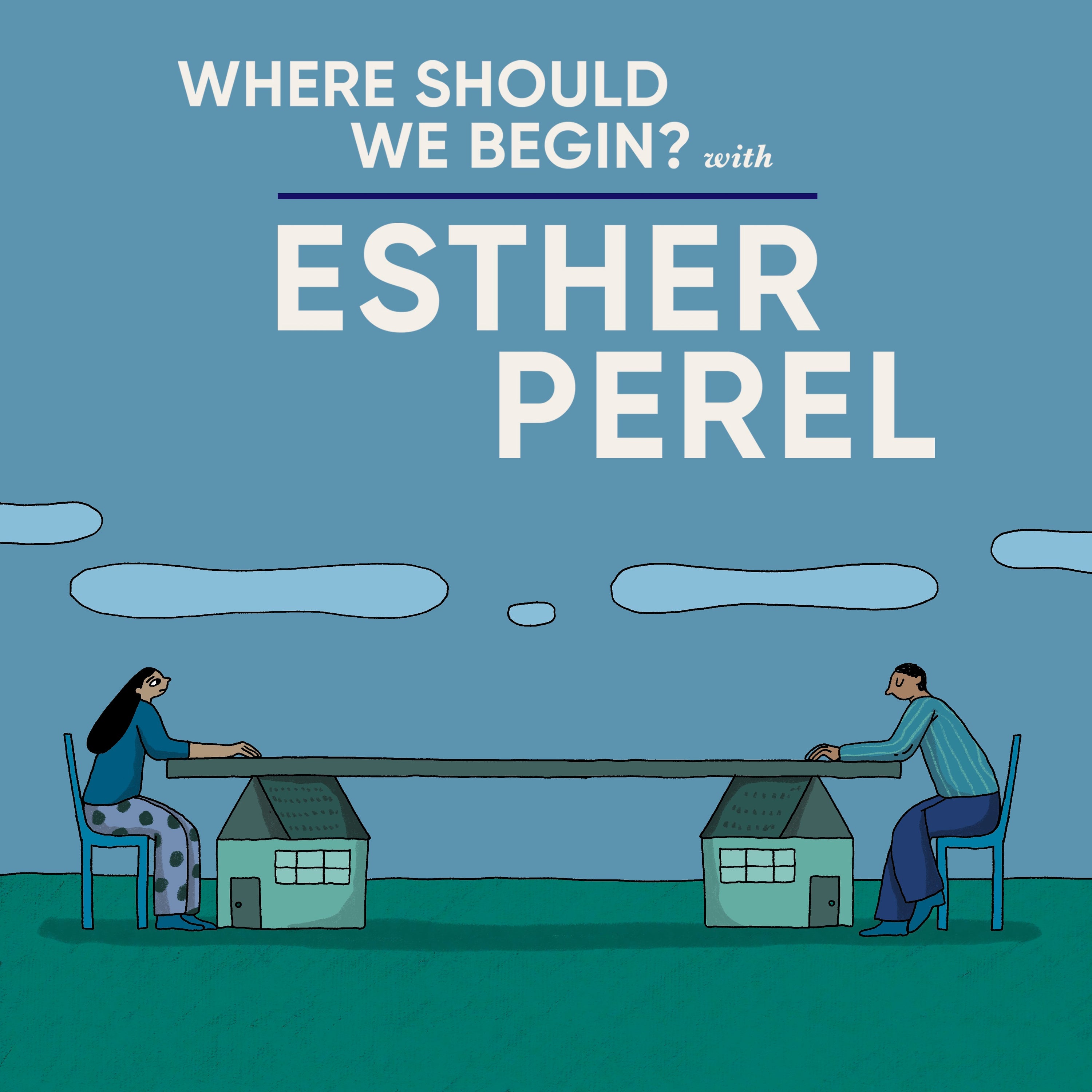
8:05because you present it as if taking care of myself or taking care of my family taking care of your family is part of taking care of yourself it is part of what you need as well it's not their needs versus yours that's the first thing I just want to it jumped at me staying for my family as if it's for them staying for your family is very much something that you need and want as well so it's not my needs versus theirs it's a different sets of needs inside of me that are maybe pulling in different directions but they're all internal the second thing i hear is that is a hint of i don't exactly understand she redrew for seven or more years, then I withdrew.
9:02Now she would like to reconnect, but I am not showing up. Yes. Because I have resentment, because I feel like I don't know what, but this is not just a sentence that ends right there. In this, I don't feel safe, I don't know what it means. But something happened that each time one of you makes sure not to be there, so that nothing can happen between the two of you. Yeah. Then I hear I come from a culture that has transmitted to me a set of values about the importance of family versus individual happiness. Yes. It is a big piece of what sits inside of you. Yeah. Then you talk about this inappropriate arousals or arousals at inappropriate moments.
9:53I don't know what you're talking about, but you have a whole story about that. Yeah. So that's just five of them. Yeah. So we can tackle a couple of those things. The cultural norms is a quick one. I think both my wife and I are first generation, meaning our parents were the ones who immigrated here from their home countries. And like many immigrant families. Like which are what, by the way? I'm Indian. She's Chinese. Okay. Both of our parents immigrated here for education. And I think like many marriages, at least in my culture, it was a marriage not of like romantic love the way it is in the U.S.
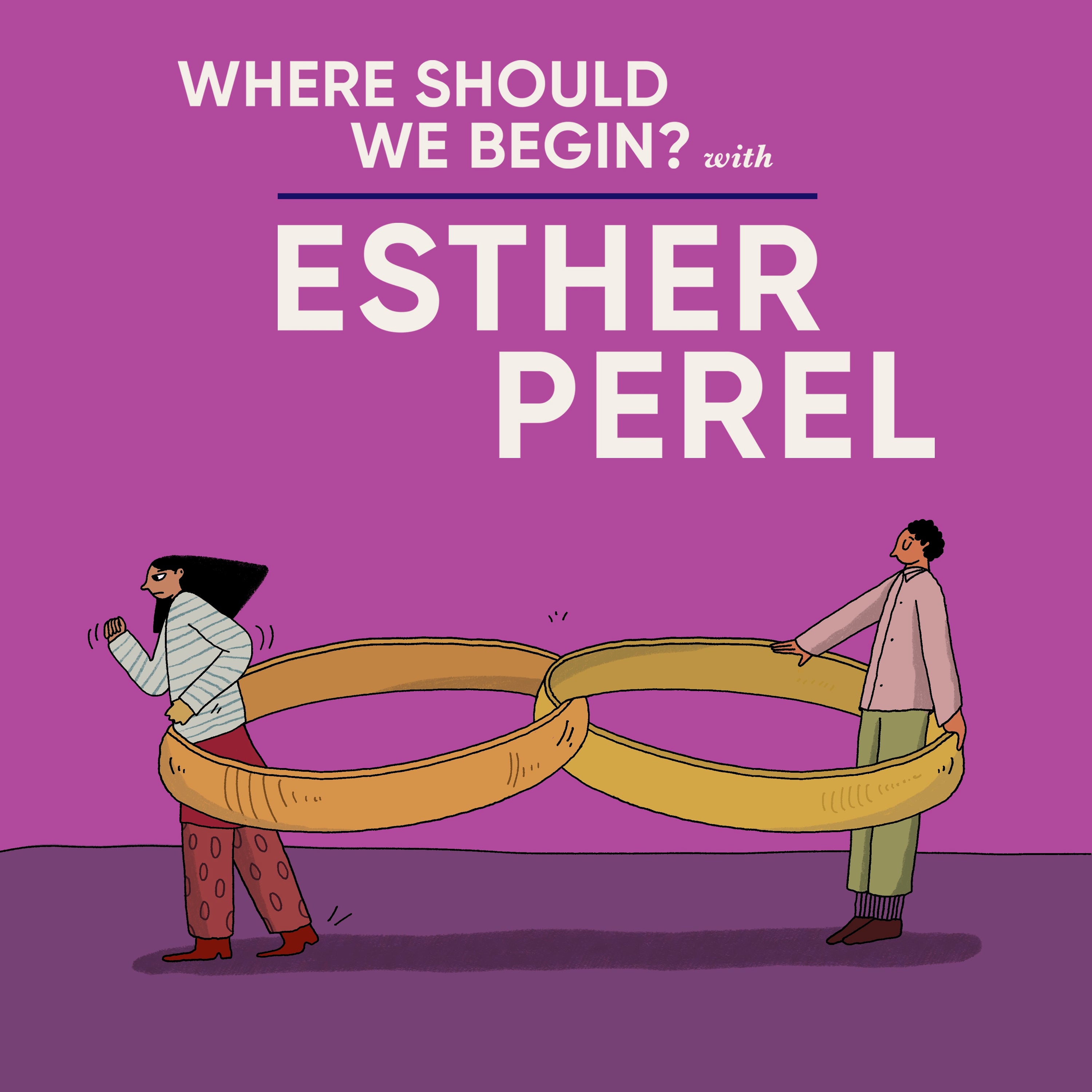
10:31or in Western cultures, but more of like sort of like economic fit in a sense. and you know they've stayed together for um 60 some years in spite of it being pretty rocky i suspect i mean it's difficult to parse these things psychologically but i suspect that that is where my conception of what the commitment of marriage looks like is you stay together and you persevere you persist and you persist and you persist even if things are not good and healthy and i know that sword cuts both ways like i i see the impact it has on me i also um in terms of like my own commitment to a relationship but i also see the impact it has on me in a sort of negative way about like the experience i had growing up and the sort of fear i lived with as a kid and you know had they chosen a different path how that might have been beneficial in some ways or challenging in other ways but the idea of you persist and you're in it for life no matter what is accompanied by the notion that marriage is not defined necessarily by the intimate connection between the partners the marriage is a scaffolding a structure an infrastructure that gives you access to a host of other things in life that's right will be the sources of your happiness and your contentment.
11:53I wouldn't even say happiness and contentment. That's just the sources of your activity in life. Those are the sources of your obligations in life, your commitments in life. But you're right. It's not about an intimate connection or even a supportive connection. It's more about like a... I mean, this sounds so clinical, but I mean, it's an economic arrangement meant to foster the existence of children and their well-being. and you experience the original family oriented values as creating conflict for you i'm sort of speculating for about why in light of the sort of like consistent failure to meet me where my needs are and me still feeling obligated to stay you know in In therapy, I've been talking about why do I feel this strong pull towards preservation of the family unit as it's currently constructed.
12:54And this has been my best guess as to why I feel this way. When you say failure to meet me, do you think your wife would say the same thing? She's in her therapy to discuss your failure to meet her? No, I don't think so. And when you talk about not being safe, what are you talking about? You know, I've expressed openly to her in therapeutic contexts and non-therapeutic contexts about how lonely I feel and how much I miss not just the intimate touch, but like the presence and her availability and her time and her attention. and this has been said emotionally with anger this has been said emotionally with tears this has been said calmly this has been said in front of therapists outside of therapists and each time a set of promises is made that don't get delivered when i said in the voice memo that like you know i haven't ever felt like i'm a top priority i think i was actually being a little generous in the in the memo like it's not that i don't feel like a top priority or a second priority.
14:04I don't think I've really even been a top three priority for the entirety of our marriage. You know, her anxiety, her family, her work, our daughter, any number of things would come first and second and third before our relationship. And that's acknowledged openly by her? I think it's reluctantly acknowledged by her. And, you know, she's not been very diligent about going to therapy. So I think she's had a harder time processing some of the implications of the words that I'm saying. Do you think that part of her not landing this is also because she comes from a tradition where you stay married no matter what?
14:47So what if your husband is lonely or touch deprived or intimacy hungry or he'll just have to figure it out and life goes on? I think my unhappiness has really worn on her. I mean, look, it's difficult. It's a difficult situation to know that your spouse is unhappy. And, you know, I think that's hard. But yeah, I think prior to my, like, sort of forcing this issue with her. Your spouse is unhappy in his relationship with you. and he's enjoying very much the other aspects of his life? Or are we making a broader statement? It's hard to parse those things apart, Esther, because a lot of what has been difficult in my marriage is that I've had to isolate.
15:44You know, she has sort of asked that she be the center of my universe. You know, like limiting friendships, limiting outings, limiting, like, opportunities to interact with others, which are things that give me a lot of energy and joy. And why do you have to limit? At some point, it becomes easier to succumb than to argue about it. But why is her request for you to limit? That's what she wants. You know, there was an example like where we were supposed to go to an event, like a ticketed event a few years back, and she had to work the next day. And it was an event that started at 7pm or 8pm. And she asked me probably 50 times leading up to it, like, what time is it going to end?
16:32Are you sure we're going to be home by 10pm? And I was like, I don't know. We'll try. We'll try to be home early. We'll try to leave as soon as it's over. And the day of, she was like badgering me, badgering me, badgering me. We have to be home by 10. We have to be home by 10. We have to be home by 10. Because I have to go to work at 6am the next day. We have to be home. And like the 51st time she badgered me about it that day, I was like, you know what? It's fine. We won't go anymore. That's it. Like, we won't go. And like the sort of soul had been sucked out of it. You know, this was supposed to be a moment where we could go out and do something together.
17:03But it ended up being a situation where like her anxiety about her work superseded everything else. But you chose not to go as well. Rather than to suggest to her that maybe it's not a good thing for her, but you will see her later. Yes, that's right. I chose to forfeit. I think I was so worn down by that point that I just chose to forfeit. And so I think that's the way a lot of our conversations had gone in the past where I just get really worn down by it and then giving up is easier than going at it alone.
17:50We have to take a brief break, so stay with us and let's see where this goes.
18:05Support for Where Should We Begin comes from Wayfair. Improving your space can start with just one new high-quality piece that feels right to you, and Wayfair has plenty to choose from. They also have plenty of holiday themed decor to get you in the spirit of the season ahead of time. With Wayfair verified, you can rest assured you're getting quality pieces. Their products are hand vetted by product specialists using a 10-point quality inspection. I'm really happy with the embroidered cotton throw pillows that I got from Wayfair. I originally chose it because I needed something pretty to prop up my back, and it has a really nice understated style.
18:46It makes the whole space feel a little bit more inviting. Find pieces made for real life and get even more value with Wayfair Rewards. Join Wayfair Rewards today to get 5 % back on every purchase. Head to Wayfair.com to shop all things home. That's W-A-Y-F-A-I-R.com. Wayfair, every style, every home. Support for Where Should We Begin comes from Shopify. Starting a business requires you to be resourceful, and the more you flex that muscle, the more you start to recognize growth opportunities, like using Shopify to launch your business. And that's especially true if you launch with Black Friday approaching, so you can take advantage of the extra online traffic.
19:31Shopify is the platform for a record-breaking, reliable holiday selling season for businesses at every stage. Their pre-built website themes and AI site builder make it easy to launch a beautiful, professional-looking website. And you don't even need to touch a line of code to do it. They also have a mobile app that lets you run your online store from anywhere. If you're ready to launch your business before Black Friday, go to shopify.com slash Esther to start your free trial. That's shopify.com slash Esther. Go to shopify.com slash Esther today to hear your first...
20:11support for where should we begin comes from midi health for far too long there has been a prevailing narrative that menopause should be handled quietly and internally but listeners of this show know that the internal and the external are intrinsically connected and menopause and the symptoms that accompany it can not only impact your outward relationships but also your relationship to yourself. If you don't sleep, if you continuously wake up because you have hot flashes, it changes your mood, it changes your ability to be attentive, your distractibility, your relationship with your partner, your children, your colleagues, etc.
20:47So a symptom is just that. It's something that highlights a host of other things through one primary behavior. So there are a ton of physical changes that take place. There are a ton of mood changes that take is there's a bit of a fork in the road that many women talk about at the onset of menopause. With MEDE, you can connect with a clinician who understands your symptoms and can help you find the treatment you need. Built by women who've been there themselves, MEDE is virtual care exclusively for women's hormonal health. And yes, it's covered by most major insurance plans. Your symptoms have answers.
21:27Visit joinmede.com right now to book your first visit today. That's joinMIDI.com to book your first visit. JoinMIDI.com. Insurance coverage varies. Check with your plan for coverage.
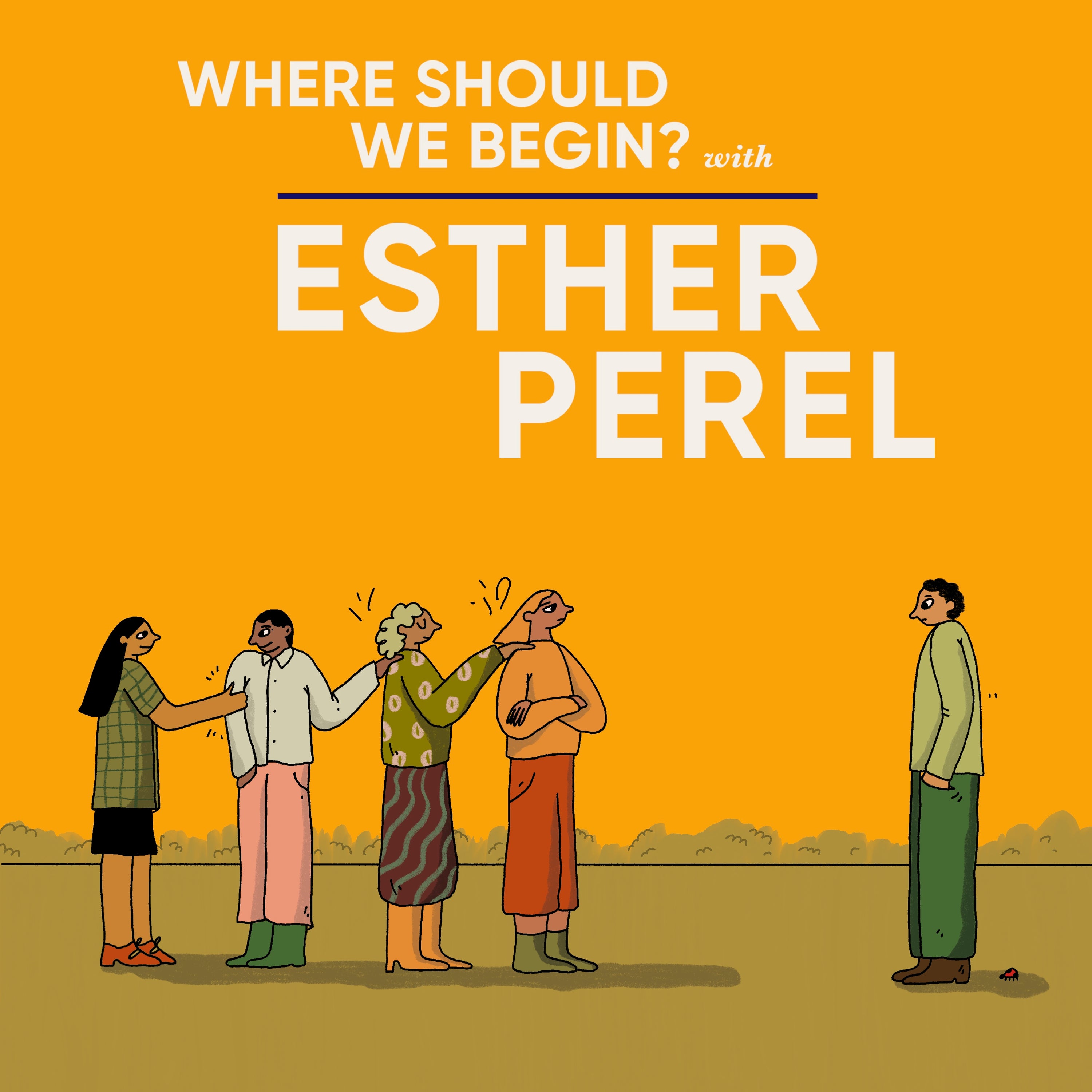
21:47Can I ask you something? You met at 19. Yeah. What drew you to each other? You know, I think that's the one time in my life where I felt like my prior comments are not valid around not being a top priority. we were both in this kind of like difficult place from an educational journey perspective where we had a lot of pressure from our parents and we were struggling in different ways. And she was absolutely there for me in ways that I, no matter what happens, I will always be thankful and appreciative of. Take that in. Because you can get quite bogged down once you go from one negative to another negative.
22:32And it's very important to have some anchors of positivity, of mutuality, of reciprocity. Yes. when you did not feel alone, when you did not feel that you are there for her at your expense all the time, that you don't know how to just say, I'm sure you'll be okay and I'll see you later. I'm going to go and meet so-and-so. And that that challenge for you, in effect, I may be totally off, but I have a feeling that it may be said with a different accent, but it is quite resonant to sentences you heard growing up. The kind of loyalty bind that you are experiencing did not start just with your wife.
23:32I don't know that I agree. I think there was a... I got a lot of comments growing up that you're not good enough. You're not meeting my expectations. as a son. You know, like, academically, you're not meeting my expectations or socially, you're not meeting my expectations. I got a lot of those types of comments growing up. But it was never really phrased in sort of loyalty context that you're describing. Oh, I consider that part of the loyalty. Okay, okay, well then fine. Maybe we're using different words to say the same thing. But I think in that context, I think there's similarity that, you know, we were reflecting back on our time in her schooling.
24:14And, you know, she phrased, I asked her some question like, you know, why were you so hard on me? You know, I really needed friendship and you really prevented me from going out seeking it. Like, why weren't you more supportive of me trying to build those connections? And she said to me, I thought you were strong enough to do it without it. And like, I was like, man, that is a super critical way of describing me telling you what my needs were and saying that I should have been stronger and able to survive without those things. And I don't think she meant it to be harsh. No, I think actually it's a compliment.
24:56Oh, I don't think it's a compliment. I thought it was her fault. In a twisted way, you know, I know. But in a twisted way, it's like if you're really strong, you need nobody, which is, of course, a complete distortion of humanity. But that is the idea, right? If you're strong, you don't need anyone. By definition, the need for others diminishes you. This is some sort of weird, like we're gender-swapping norms right here. It's expressing some version of toxic masculinity, which I've never subscribed to. This idea of being a monolith, capable of resisting all sorts of forces, all on your own. And I think that's actually what we've bonded over is that that was never my attitude towards us.
25:43Like our relationship was always equal. I always felt that it was my responsibility as a spouse to support her in her career and, you know, move geographically with her and support her. I appreciate your point. It just feels like we should be better than that. We should know more than that. But it's a question with two angles, right? Why did you not support me more in my pursuit of other friendships and other people around me is accompanied with the question of why did it become so difficult for me to continue eating when I knew I was hungry? Are you saying that as a self-reflective question or like as a relationship dynamic?
26:30No, in the relationship dynamic, you know, you can ask a partner, why did you not understand how important it was for me to have friends, to have a social life, to go out, to be in the world. And that question lives side by side with the flip side of it, which is, how come I was able to let go of it so wholly and not maintain what I knew was really vital for me? If I translated this to food, that's why I talked about hunger. It's like somebody says, you shouldn't be hungry now. And you say, no, I haven't eaten. I'm hungry. What do you do? You stop eating because they said you shouldn't be hungry?
27:23You wait for them to accept that you're hungry before you eat again? or you just say, I understand, but you don't know what's in my belly. I'm going to continue eating. All three are parts of the same thing, but one piece for you dropped out or dropped off. I think this goes back to the core question I was asking. I don't feel like I've been comfortable asserting my needs because I've always felt that my obligation was to the relationship before it was to myself. And I'm going to suggest to you a model where that is much more integrated than an either or. Okay. My needs include attending to others.
28:11And sometimes I choose that or I decide that that's what matters most. And sometimes I attend to other needs. They are all part of one whole. if I present them as either or, me or you, me or the family, what the family needs versus what I need, I will live with tremendous loss and tremendous guilt and maybe some shame sprinkled on top of it. I will either feel like I lost me or I will feel like I lost the people I love most. Yes. In that context, I think what I'm saying is it got way out of whack because I was investing much more heavily in serving others than serving myself. And hoping that at some point someone will give you a sticker, a bunch of stars.
29:10Yeah. I mean, kind of. Yeah. Like someone at some point would say like, man, you've been sacrificing a lot. This is an incredible job you've done of supporting the family. and like implicitly I think there's a hope of reciprocity in there as well but I think it's you know I'm not a very spiritual person but it's almost like this karmic belief that you've done the right thing
29:36and while you're waiting for that divine intervention but I don't believe in you can continue to say I need a better equilibrium yeah one doesn't contradict the other I need a better equilibrium I need time whatever it is alone I need time with friends I need other people to share my life and my stories with who are not in my immediate family I need to go to live events because they give me energy. They bring me to life. They infuse vitality in me. You know, not living doesn't keep somebody else alive. Everything you're saying is logical. And I feel like I asserted these things. I think the challenge in my relationship was her perseverance was stronger than mine.
30:43and her perseverance and her resilience and asserting, no, you need to continue serving others. In that case, her. Is that what she does too? Or that's what she sees herself doing that as well? I don't think so. One of her best qualities is she is extremely warm and caring and thoughtful of others. She is like A plus at that. But not of you. not enough of you as you would want no not even not as I want like I think objectively you know we would go months without having time together and these are two people who live together right this is not like a because you don't need investment because you don't need upkeep because that unit can survive on its own like a cactus without watering I guess in her perspective, yeah.
31:40I guess in her perspective, that's right. Not in my perspective. My perspective was very openly that, no, I'm a cactus who needs water. You're a cactus. Yeah, I'm a plant that needs water. So yeah, I need a lot of water, but that wasn't her perspective. That's where that kind of perspective of, I thought you were strong enough, would come back in. You didn't need the attention. You didn't need the water. And again, my perspective is like, I've been telling it to you. I've been openly saying it. And now? Now I think she is trying. She is trying to make room for that and trying to extend the metaphor.
32:19She's bringing not a bucket of water, but at least a glass of water to try and rebuild it. But I feel like... Can you take it? If you've ever watched these videos on YouTube where people are showing how they're rebuilding, they're trying to fend off the Sahara, And they're building these little, there's arid ground and they're building these little half moon little things to retain the water. So when the rains come, it doesn't just wash away. It absorbs into the ground and replenishes the groundwater. I'm like that arid ground. It is really hard for me to accept compliments. It is really hard for me to accept time from others.
32:58it is really really difficult I have to be extremely like conscious of like the conversation I'm in where I'm receiving that compliment receiving that time to let it soak into the ground and yet you reached out to me yes so you see a contradiction there? no I'm seeing a different experience It is hard for me to experience any time, any help, any support, any attention, any focus. But that's exactly what we are doing. Yes. And at your request. So what's it like to have actually chosen to do the very thing that you say is so hard for you? I guess I have two thoughts one is that I'm a big believer in therapy in general and providing different perspectives on how people are processing things is really helpful and it has been helpful, it's taught me a lot before you give me the thoughts give me the experience what's it like?
34:12I mean it's a I'm in effect giving you a compliment I'm telling you that you ended up doing the very thing which you describe as being so difficult and you just did it so i'm taking stock with you yeah i'm going for the felt sense not the explanation sure it is on a um very small level like nourishing for me to like engage with someone who is interested in like what my experience of the world is like and what my experience of relationships is like and trying to help me process that and make things better like there is a restorative element to it it does feel simultaneously like like exposing because i'm talking about deeply vulnerable things but also somewhat restorative to do it I'm doing something good for myself or how desperate must I be that this is what I'm doing?
35:25Which one?
35:30The latter, I think. Oh. Yeah. Then we're not in the restorative category. Yeah, I wouldn't have said it that way, but like my inner monologue is definitely saying the latter. I wish it could be different. Everyone in the story I'm telling you is a good person. I don't have a lot of animus towards the people involved in the story. And I have lots of love for the people in this story. And yet my experience as an adult has been mostly a lonely one. And so I just wish it could be different. And I feel like I've tried all the things that you're supposed to try. Therapy, honest conversations, supportiveness.
36:22I'm really proud of myself for never having gone down any of the negative, ugly paths that could have gone down. Infidelity, yelling, abuse of any sort. I'm glad that I was able to avoid those kind of demons. and yet I still feel like I'm throwing Hail Marys out to the universe to try to make this work. I'm quiet because, first of all, you touch me and I'm my hope in some way that at the end of our conversation you would actually think, God, I did this thing I would never do, never done anything like it. But I called this woman and I thought, okay, I have a sense of a step I can take. I mean, it's a contradiction in terms, right, to go say to someone, I'm an arid desert, while you're basically asking, water me.
37:30But that's okay. it's like what you're doing is the very thing that tells me that what you're saying or what you're feeling isn't the only story. If it's recruited as part of the, how lonely must I feel that I go to call a total stranger? These are all manufactured interpretations, meaning there's nothing more true to this version than to the other. you know there's a contempt that you've brought onto yourself now that says i'm so lonely and this is what i'm doing you know how pathetic it's that voice it may not be those words but it's that voice and then there is the next voice which is more kind which is more that says why am i in this place i'm doing everything right that i can i mean i'm not i'm not being an asshole and i'm reaching out and I'm trying to express my needs and I'm doing what the Western model tells me to do.
38:32And yet, you know, why am I in the situation that I'm in? And my wife is a wonderfully warm person. Yeah. But she doesn't necessarily think that that applies to us. That's right. I don't know if she thinks that she's asking you a lot. I don't think she ever felt like she was asking me a lot. I think in retrospect, she feels differently. But along the way, I think she just thought, this is what you're supposed to do. This is what a supportive husband does. And now she's trying to tell you, I understood that you need something else from me to be considered a supportive wife. And there's a part of you that says too little, too late.
39:22That's right. You pushed me away so far, I have no idea how to come back from there. That's right. And you don't know how to pull me in either. You make tiny little glass gestures, but I need entire buckets. Right? That's the crux. That's the crux of it, yes. Mm-hmm. And the next level of this is one can say, because it's just a glass and I need so much more, there's not even a way to start. Or one can say, let me start with the glass and see where it takes me.
40:10We are in the midst of our session. There is still so much to talk about. So stay with us.
40:25Support for Where Should We Begin? comes from Article. If you're looking to create a space that feels cohesive and stylish, all without compromising quality, then look no further than Article. They have curated collections for every style, mid-century, modern, coastal, and Scandi-inspired pieces. Whatever it is you like, Article can meet you there. They offer fast, affordable shipping across the U.S. and Canada with options for professional assembly if you prefer a hands-off experience. I recently got a Winslow Velvet Lounge chair and the Gambit side table in walnut from Article. And I love the combination of the soft velvet and the warm wood.
41:07They look really beautiful together and they make the room feel really inviting and cozy. Article is offering our listeners$50 off your first purchase of$100 or more. To claim, visit article.com slash begin and the discount will be automatically applied at checkout. That's article.com slash begin for$50 off your first purchase of$100 or more.
41:35Support for Where Should We Begin comes from Quince. The best clothes are containers for memories. When you put on a beloved shirt or sweater, it can bring back all the other times you wore it, who you were with, what you were doing. Queen's makes pieces that will hold memories for years to come. The designs are timeless and they use high-quality materials like Mongolian cashmere, organic cotton, and premium stretch denim. And it's not just apparel. Queen's offers hotel-quality bedding and bath to kitchen essentials and thoughtfully designed furniture. Now that it's officially fall, I'm always reaching for my Queen's cashmere sweaters.
42:14They're soft, they're comfortable, and I find myself wearing them all the time. Find the fall pieces you reach for most at Queen's. Download the Queen's app for app-exclusive offers or go to queens.com. Get free shipping on your order and 365-day returns. Now available in Canada and the UK too. And when Quince asks where you heard about them, let them know it was Where Should We Begin? It's the best way to support the show.
42:48Support for Where Should We Begin comes from Midi Health. Interrupted sleep, headaches, fatigue. If you're a woman who's ever been kept awake researching symptoms online, check out Midi. It can help you replace those worries of what's going on with me with a conversation with a clinician who can actually help you connect the dots. Midi was built by women who've been there themselves. It's virtual care exclusively for women's hormonal health. And yes, it's covered by most major insurance plans. The headaches, the sleep issues or the fatigue that won't quit. Those aren't three separate problems.
43:25In perimenopause and menopause, they're often the same hormonal story. and you don't have to quietly push through. MIDI can help. Remember that your symptoms have answers. Visit joinmidi.com right now to book your first visit today. That's joinmidi.com to book your first visit. Joinmidi.com. Insurance coverage varies. Check with your plan for coverage.
43:56so talk to me about the inappropriate arousals attractions and all of that because I have a feeling that they come in here yeah this one's really painful to talk about
44:13it's just when I would be like hugging another person totally platonically I would start to feel like physical reactions to that. And so I would have to like exit those situations urgently. Totally inappropriate, you know? We've been married for, you know, 15, 16 years now. And we've had several years in those where we've not had any sort of physical intimacy. Not affection and not sexual. I would say it's been affection. Affection, yes. Affection has not really been a problem. But like an intimate connection has never been there. And when we've talked about it in therapy, which we have, oftentimes the focus of, well, I shouldn't say oftentimes exclusively, the focus of those conversations would be my anger and frustration about the situation, not about the underlying dynamics which caused the situation.
45:17Right. and so because that was the most visible symptom that's what got treated and like in some ways I'm thankful for that because I feel like I have learned many tools to control like my resentment and anger and so on and I've learned a lot about myself but obviously underlying dynamics didn't shift underlying dynamics being you know like her own issues that she has with intimacy and I've built up a lot of shame about intimacy and a lot of protective armor about being intimate because ultimately it feels to some extent like I'm pressuring my spouse into fostering a romantic relationship with me.
46:04And like what's hotter than pressured intimacy, Esther? Like there's nothing better, right? Very hot. Exactly. Peak, peak hotness. And so pressure is on the top of the killers. Yes. And so I feel like that is, it's really sad to me and it's embarrassing and it's saddening and it creates a lot of negative self-talk as well. You know, like I don't think I've ever said something like you said earlier, like how pathetic are you? But like when these reactions started happening, I was like, what is wrong with you? Like what kind of person can't control themselves? and that's painful. I will say that I don't often find it very helpful, meaning I've never seen people wanting sex from talking about why they don't want sex.
47:03Yeah, I can believe that. So at some point, it's really about initiating touch building connection staying present which is the most important thing and that means hands on that means either in a workshop context not in a therapy office necessarily or with an intimacy coach that actually tracks with you how to stay and develop this physical intimacy. But it requires two people who really say, we want that and we deserve that and it's missing in our life. I think my challenge there is that I have been asking for that for 10 plus years. And now when I've tried to do that, it feels like I have not just led a horse to water I've led a horse to water I've dumped its head I've held it underwater I've threatened it and like by threatening to send it to the glue factory I've done all the things and now the horse is like oh yeah some water would be good and I'm like well I mean what kind of monster does this make me that I'm forcing this horse to have water but is that really is that really what I mean, it's like you wouldn't do any of this if I hadn't forced you, if I hadn't put pressure, if I hadn't threatened you, if I hadn't said I'm done with this.
48:43That is precisely what it is. So if I had to work so hard for this to happen, and now you do, it's worth shit because you're just doing this because you don't want me to go. I wouldn't say it that way. I say things for the effect. Yeah, yeah, yeah. I think you're putting a judgment on it that I wouldn't agree with. I just say the way it makes me feel is that it makes me question the mutuality of this experience. There's many reasons why we have intimate relationships.
49:18And if I tried the normal ways of fostering that through emotional connection and normal affection and so on, and that wasn't present. But what is effective is me saying, I'm broken and I can't do this anymore. What does that indicate about the relationship and what does that indicate about me? What it indicates is that sometimes the fear of loss will ignite a change that one doesn't have when one thinks this thing can wait. I mean, that is the cactus mentality. It will survive with no water. Yeah. And you say, I'm not a cactus. I'm a plant that needs a lot of irrigation. And at some point, you say, I'm choking.
50:19I've used up everything inside, and it's drying up. and then sometimes the person realizes wow, I don't want that to happen and then you say well I don't trust if you're doing this for me or for you who are you protecting here? my brokenness or your abandonment? I agree with that last statement quite a lot you do? yes tell it to me in your own words that is precisely the way I felt like that ultimately is this in service of a mutual experience or is this in service of a relief of your anxiety being abandoned? And I don't feel like, I guess I just don't know. What to trust. Yeah, beyond what to trust, it just feels like kind of rotten to be having intimacy under those kind of terms.
51:24it should be about us. It shouldn't be about solving for our anxieties. Like that can be a dynamic that exists at times, but that shouldn't be the only reason. Have you asked for the question? I'm sure. I mean, over the 10 years or 15 years of therapy that we've been through, I can't remember her answers specifically, but the patterns repeat, you know? And so I think that says to me all it needs to say. that ultimately unless I'm constantly threatening this and stoking this fire through threats, the natural state of things is... Dormant. Dormant, yeah. How does this seep through in the way you both are with your daughter?
52:10Yeah, I don't know. This is the biggest question I would say is how much of this is visible to her. When I talk to therapists and others, They say kids are way more observant than we give them credit for. Yeah, but it depends what they need to look at. Yeah, I mean, I think we are both loving parents to her. We're both present. I think our dysfunction is not particularly visible. There's no yelling. There's no obvious sort of outbursts in the house. Do you enjoy the rest? That's an interesting question. I haven't really thought about that. I mean, enjoy may not be the... Yeah, I get your point, though.
52:51Do you value... Because we are focusing in on one very particular... I certainly value the integrated dynamic of family needs and my needs and so on. I place a high degree of value on being what is, quote, a good husband, a good father, a good provider. I don't think I enjoy this situation. I mean, if I enjoyed it, I don't think I would reach out to you. I think I place a lot of value on... Doing the right thing. That's right. That's right. In the system where people place a lot of values about doing the right thing, enjoyment is not necessarily one of the measurements. Value is more important than enjoyment.
53:43It's okay. It's different. You live within a few different cultures. And they emphasize different things. They are all inside of you. And some of them allow you to focus on you and on the self. And some of them tell you that the focus of the self is the others. And there is no simple answer to this.
54:14no matter which choice you make there will be consequences to your choice but you can create buffers the reason I'm asking you very specific questions like this is because I always am looking where is their softening where am I not in these extremes so that you have two impossible options and it starts to feel like a Faustian bargain. Have you heard that softening in this conversation? Yeah, in various places. Like when you say she's very warm. In the rest, one could experience, you describe someone who is more distant, more task-oriented, more anxiety driven more more cold maybe even and then in the middle of this you tell me no she's actually very very warm and I'm thinking wow where is that then you're telling me I actually express my frustrations in all kinds of ways I'm well aware that people start by asking nice and then at some point they become not nice and then it's told to them that the reason that they can't get what they want is because they're asking it in not a nice way.
55:39I get it. But then you say, it actually was very important for me because I needed to change that. Because in that same value system, I, as a man, am entitled to this. I do my job. I provide. I take care. I do what I'm supposed to do. I expect my partner to do hers. But then comes the Western value. And it says, no, no, no, I don't expect. But then if I don't expect, then I pressure. And I don't want to pressure. I want her to want. And I don't want her to want because I want and because she's afraid to lose me. Yeah. Every one of these systems sits on a pillars, on a few pillars of what supports it.
56:29What drives it? And one minute you're giving me statements of one culture and one minute you're giving me statements of the other culture. We are complicated animals this day. Seamlessly crisscrossing each other. If I do the right thing, why doesn't my wife do the right thing? But when my wife wants to do the right thing, then I say I don't want her to just do the right thing. I want her to do the thing because that's what she craves as much as me. And she values it like I do. And now we've suddenly switched to the Western romantic ideal. And then we go back and forth. And if there's something that we're going to get from our conversation, it's really for you to catch that, to see how you're swimming from one system into another.
57:18And the system that feels that she should do the right thing is a system, internal system, that would actually say, okay, I take the glass. Start with the glass and we'll see what develops. But at that moment, you're switching to the other system. I mean, the way you're describing it sounds like I'm moving the finish line. It's not conscious. I don't think you're doing this. No, no. Even if it's subconscious, that's fine. I don't feel... I will reflect on that and think about whether that's the case. It's not a negative either, by the way. I mean, it's certainly... If I were dealing with a moving target, that certainly makes my job harder.
57:57Or if anyone's dealing with a moving target, that's difficult then to deal with. It's de facto. You are a moving target because different truths live inside of you. And it just is. It's your existential and your inner reality. So does she. So does she. I could imagine her sitting right here and probably repeating some of the same sentences as you, but from her point of view. Yeah. And she could also say, why is that so important? There's so many other things that matter. And the goal is not to sort this out, and the goal is not to choose one over the other. The goal is to kind of sit with this complexity because there's a part of you that says, I should, I deserve, I do my part.
58:50I'm doing whatever is expected of me, being a good man, being a good provider, being a good father. Where's my wife? Where's my lover? Where's my partner? Where's my playmate? There's something about what you're saying which feels very, like I don't know what another word to say, but like very chauvinistic, which is making me react in a very negative way. Because I don't view myself that way at all. Like this sort of expectation that's placed on other people. Change the tone. Okay. Change the tone. It is in the values, but it's not a chauvinistic statement. See, that's the problem, is that these things have been so turned into polarizing statements rather than integrated value systems.
59:41You know, the word entitlement may be off of it, but it says, you know, there are expectations of what I should be doing. and I think she would probably say the same about her. Yeah, maybe. So that's when the conclusion of that is when you say there is not a single person here with bad intentions. These are all people trying to do their best. Yeah. But the question of you is this. Is there a part of you that still holds on? and if so, take what you get to start because where it starts isn't necessarily where it continues. One can start because one is anxious and one can continue because one starts to value it, to see its importance, to realize what it means for themselves or for what you call the vitality of the couple.
1:00:44even if it starts from a motive that you think is lesser than. That's a cushion. Because otherwise you will spend hours at the borders standing at the door obsessing about staying or leaving staying or leaving. And only you will live with the consequences of your decision so nobody should tell you what to do on this one. Yeah. How are we doing? It's hard, Esther, because I feel like what you're describing, like in this last five minutes, is something that we've tried. The pattern that repeats, you know, things experience an uptick for a week, two weeks, and then it retreats back when the next crisis emerges and things go right back to the way we were.
1:01:40And we have to rebuild that bridge from scratch. and so like everything you're saying is logical i understand it and we've tried it and my ennui towards it is that i feel like we've i've seen this play before and that's not me trying to be dismissive of it that's just like a my emotional reaction to what you're saying when it starts to pull apart don't wait till you begin to boil come right back and not just come right back because you are once again hungry, lonely, frustrated but come right back because you want to remind her that she's moving and that this is something that's hard for her to sustain but that you're there to help her with it see this is the same as you in reverse is this for me or is this for you So come back knowing, not come back angry, frustrated, defeated.
1:02:41Yeah, yeah, yeah, I understand. Come back just knowing she thinks about a ton of things. She thinks about a lot of people. She doesn't think much about herself. And she certainly doesn't think much about that aspect of herself. So I'm going to help her. And you can ask her, do you want me to? can you even imagine that I would come not just because I'm knocking at the door because I'm all alone on the other side but I'm knocking at the door because I know how quickly it is for you sometimes to forget this and I'm going to take it upon me to help you remember not just for me but truly for us because that's something you can offer.
1:03:32That's something you can give and not demand. All right? Okay. Thanks, Esther. Thank you.
1:03:53This was an Esther calling, a one-time intervention phone call recorded remotely from two points somewhere in the world. If you have a question you'd like to explore with Esther, it could be answered in a 40 or 50-minute phone call. Send her a voice message and Esther might just call you. Send your question to producer at estherperel.com. Where Should We Begin with Esther Perel is produced by Magnificent Noise. We're part of the Vox Media Podcast Network. Our production staff includes Eric Newsom, Destry Sibley, Sabrina Farhi, Kristen Muller, and Julian Hat. Original music and additional production by Paul Schneider.
1:04:32And the executive producers of Where Should We Begin are Esther Perel and Jesse Baker. We'd also like to thank Courtney Hamilton, Mary Alice Miller, and Jack Saul.
1:04:51Purchase new carpet from The Home Depot and get it installed for free right now. Shop the stylish choices and simple pricing of carpet from Home Decorators Collection, Traffic Master, or LifeProof with PetProof Technology and see for yourself why nobody beats our prices. Enjoy new carpet with free installation right now at The Home Depot. Offer valid October 15th through November 1st, 2026. Exclusions apply. For licenses, see homedepot.com slash license numbers. Pink Panther is here. Coach and Spotify are teaming up to bring music and style together and they want you to be part of it. Grab your friends and head to the Tabby Tour, hitting cities around the country with live performances from special artists, exclusive experiences and personalized products.
1:05:37And discover custom playlists on Spotify, built just for you based on who you are and how you listen. Live your story with Coach. Learn more at coach.com.
After decades together, he wonders whether he can stay in a marriage where intimacy and connection has all but disappeared. He's touch-starved and lonely and questioning whether preserving the family unit for the sake of his young daughter, is worth the cost of losing himself. Esther helps him look beyond the question of whether to stay or leave and toward what he needs to feel alive and true to himself.
Esther Callings are a one time, 45-60 minute interventional phone call with Esther. They are edited for time, clarity, and anonymity. If you have a question you would like to talk through with Esther, send a voice memo to [email protected].
Producer’s Note: When our anonymous guests do a session with Esther for the podcast, it is an act of generosity for everyone who listens. These sessions are meant not only to support the people in the room with Esther, but all of us who learn from their stories. Our stories have many chapters, and what you hear is just one moment in someone’s journey. So even though the sessions are anonymous, please remember that real people are behind them and they may be reading your comments.
Relationships are undergoing a massive cultural shift. We've never been more connected, and we've never felt more disconnected. We crave understanding and collective experience. We want to be seen but we're optimizing for isolation. Esther believes that the only way to improve our relationships is to remember the basics of being together. This is why she's inviting you to join her for an immersive experience: her international tour, Strangers, Friends, and Lovers. Tickets are selling fast. Get yours now at estherperel.com/tour.
Also, please join me on Entre Nous, my new home on Substack for anyone who wants to live, love, and work with more connection and imagination. I invite you to sign up and become a free or paid member at estherperel.substack.com
Learn more about your ad choices. Visit podcastchoices.com/adchoices