In short
Podcast Summary: Wild Hearts - Scaling Heidi in the US
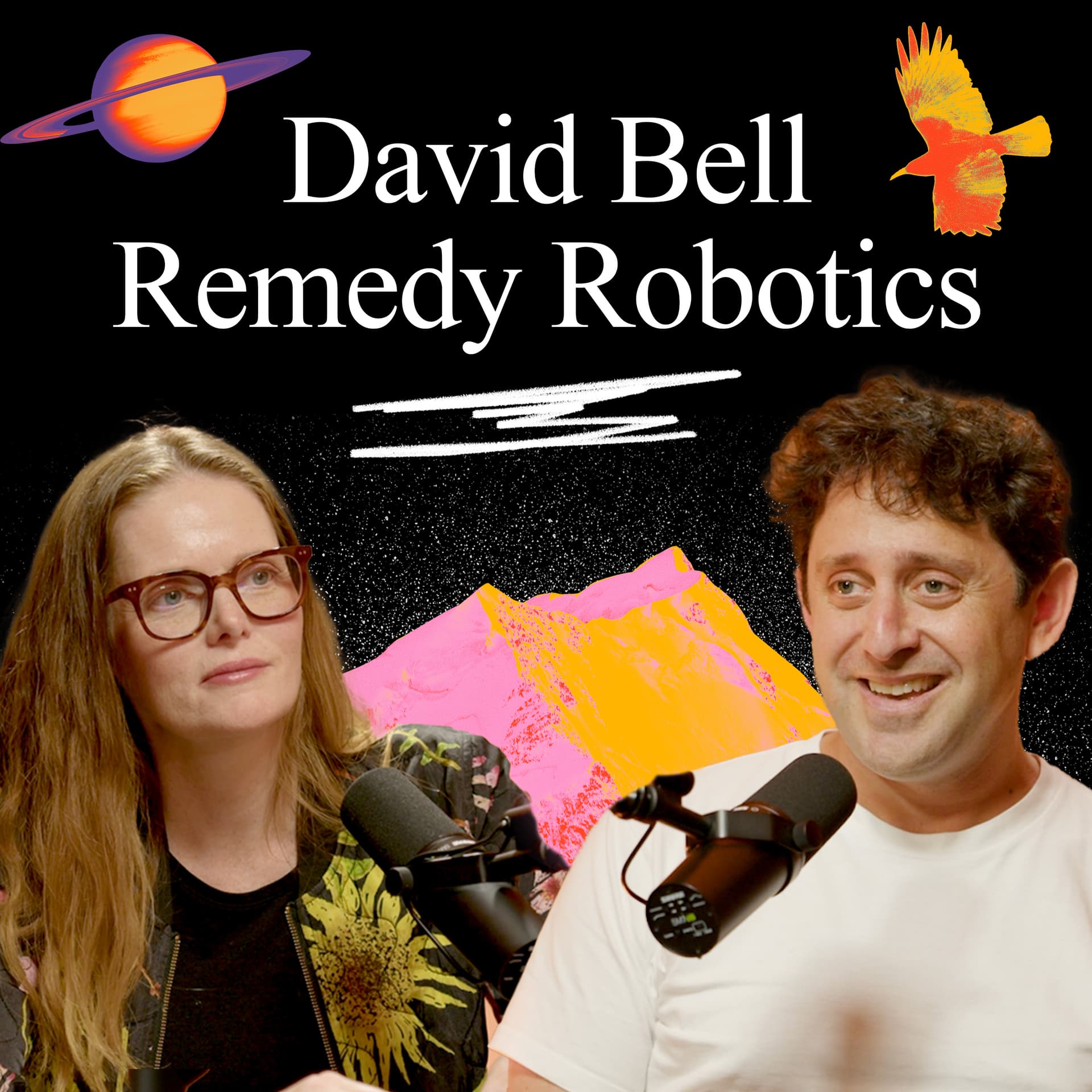
Episode Overview Episode Title: Scaling Heidi in the US: Lessons in product, people and persistence Guest: Jesse Creighton, Director (US), Heidi Health Podcast Host: Mason Yates, Blackbird Ventures Description: Jesse shares insights on launching and scaling Heidi Health in the US healthcare market, discussing challenges, strategies, and cultural considerations.
Key Topics Discussed
- Launching in the US
- First Impressions: Jesse reflects on arriving in New York without a detailed plan, motivated by past experiences and a belief in Heidi's potential.
- Initial Market Engagement: The first outreach attempts involved dinners with doctors that largely flopped, revealing the need for more strategic customer engagement.
- Customer Outreach Challenges
- Flopped Initial Outreach: Initial events aimed to engage doctors did not yield the expected turnout or interest, highlighting the importance of understanding market dynamics.
- Learning from Failure: The team's experience underscored the necessity of adapting strategies based on real-world feedback.
- Product-Market Fit
- Revisiting Strategy: The realization that healthcare requires a sales component led to a shift in approach, integrating a human touch in customer acquisition.
- Freemium Growth Strategy: Implementing a freemium model transformed customer engagement, allowing users to trial the product without immediate financial commitment.
- Team Dynamics
- Generalists vs. Specialists: Early-stage team composition required a blend of generalist skills over specialization to adapt to the evolving needs of the market.
- Cultural Integration: Infusing the Aussie culture into the US office has been crucial in maintaining customer-centric values and team spirit.
- Learning from Experiences
- Market Differences: Understanding unique buying behaviors in the US compared to Australia helped in tailoring the sales approach.
- Importance of Feedback Loops: Continuous feedback from users, especially doctors, has been crucial for product enhancements and market penetration.
- Building a Sales Team
- Customer Success Focus: Sales roles evolved into customer success roles, emphasizing relationship building rather than traditional sales tactics.
- Empowering Team Members: Ensuring team members are motivated and aligned with Heidi’s mission has been a key focus for Jesse.
- Challenges in Healthcare
- Navigating Complex Healthcare Systems: The intricacies of the US healthcare system necessitate understanding compliance, support, and sales processes to successfully penetrate the market.
- Innovative Sales Strategies: By focusing on product-led growth, the team aimed to circumvent traditional enterprise sales hurdles.
Key Takeaways
- Adaptability is Crucial: Flexibility in strategy and approach can significantly affect the success of market entry.
- Empower Users: Creating strong user advocates among doctors can drive adoption and influence decision-makers in healthcare systems.
- Focus on Cultural Fit: Maintaining company culture while scaling internationally can help preserve the essence of the brand.
- Continuous Learning: Iterate based on real-time feedback to enhance product offerings and customer experiences.
Jesse's Reflections
- Jesse emphasizes the importance of building a team that aligns with the company’s mission and values, fostering an environment where employees can thrive and contribute meaningfully.
- He candidly shares his insights on the personal journey of balancing work and life, highlighting the need for self-care amidst the challenges of startup life.
Conclusion This episode serves as a masterclass in navigating the complexities of scaling a healthcare startup across borders, focusing on the blend of product innovation, strategic customer engagement, and fostering a strong team culture. Jesse Creighton's experiences offer valuable lessons for entrepreneurs looking to expand in challenging markets.
Written by AI. May contain mistakes. Listen to the episode to check what was said.
Transcript
Automatic transcript. May contain errors.0:28What we're trying to do is so significant. you dwell on it or whether you let it impede what happens next or it might as well be funny as well. Welcome back to Wild Hearts. I'm Mason Yates from the investment team at Blackbird Ventures. Today's guest is Jesse Criben, a force of nature inside one of Australia's most exciting health AI startups, Heidi. The doctors are the ones running around like headless chickens saying we love Heidi. This is the best thing since sliced bread. Literally, I think we had doctors like talk about it in their wedding vows, things like that. Jesse brings such a refreshing and unique perspective.
1:01Part operator, part growth hacker, part systems thinker, part seller. He joined Hardy in its early days and now he's leading the charge into one of the most complex and competitive healthcare markets in the world, the United States. If Hardy succeeds in the US, Jesse will be a big reason why. In this episode, you'll learn how to approach international expansion with precision, how to build trust with early customers in a high stakes industry and what it really takes to scale an ambitious product into a new market. This episode is a masterclass in going global. Let's get into it with Jesse Croydon.
1:38If we begin with the end in mind, one of the things that I'd love to get from this episode are the lessons from being one of the first, if not the first with Tom in the US and the building out of the team and navigating through that journey. And so perhaps a good starting point is getting off the plane. I assume you arrived in New York. Yeah, yeah. How did you even choose like location to like build the American HQ from? So there's no like story of like diligence and planning and strategy. So maybe flashback like three years ago, I did a semester abroad in the States at Penn State, like a real big party school.
2:21Like it was not, don't get it confused with UPenn, it was Penn State. Like it was serious. serious partying and as part of that would go to new york all the time because pennsylvania is pretty close to new york and not to do like the you know romanticized story but you hop off the bus and you're like wow this is fucking cool like this is really really sick so i got a taste for new york and it was always in the back of my mind i'd worked at heidi pretty much since heidi became a thing uh heidi was oscar before which which was when uh blackbird first invested and then once it became Heidi. That's kind of when I joined.
2:57So in the back of my mind, the whole time was like, New York would be pretty cool. Right. Then you get evangelized on Heidi and I loved it. And I was just deep in the weeds of that for two years. And then I want to give you the full story of the company and how we got to the point, but we basically got to a point where it was like, okay, the problem we're solving is real. We feel like we've got product market fit locally. And we feel like the problem we're solving is ubiquitous across countries. So let's go and extrapolate and go find out if product market fit is also real in the US, the UK, so on.
3:29So I convinced Waleed and Tom and Christy, who sort of runs Ops at Heidi, like, let's do a four-week trip. Let's just go. We had a few users there because it was like, we were just doing paid ads at the time. And so we had a few US users and we said, let's go to like New York, Boston, LA, Chicago, like hit all the big cities and host little dinners, right? Just to get a feel for the market, it see if we can just get a feel for it yeah went there in like a carry-on the four of us got there we hosted this set of dinners it was like a huge failure to be honest the dinners um there were there were a few that were good but like you'd book out a restaurant for 20 people and get all these registrations and then there was literally a dinner in new york actually the one we did in new york where two doctors showed up huge table and there's like four heidi people and like two doctors and they're a bit like, what are we doing here?
4:23I stayed for a bit longer. In New York? Yeah. Because at the same time, the kind of product led part of the product was actually taking off still in different countries. We were deploying a bit of spend to different regions to get a feedback loop. What are the caps looking like? Is it significantly more difficult? And we felt like, no, it wasn't. And so originally I just said, okay, you guys are going back. just give me like another month or two to work out of here maybe i'll be more thoughtful on some events we can run i'll get a better feel for like the market i can localize it and things like that at the time my role was also very generalist so i didn't know if maybe i was going to take over take on like a field marketer style role or like a literally like a conference quarter like we had no idea right it was just jesse go over there and figure it out and also we kind of know that you're just like doing a glamorous holiday to New York because you really like it there.
5:17And so two months go past. And this is the story of basically like us going from pure product led to then realizing that, oh, there's, there's like a sales component to what we need to do in the U S as well. We can go deeper into that, but effectively the TLDR from that was, we need human beings to speak to our bigger clinics that are starting to get hooked because they're individual doctors like this thing as well. So about two months in, I basically committed to like just saying that. So I had flown over in a high carry on and I still haven't been back to this day. That was, that was about a year and two months ago, maybe, maybe a little bit longer.
5:58And so we started hiring our first people and that was kind of the story of, of how we, we realized that we needed to be here because we realized that there was going to be a real sales customer component to what we did. We couldn't just run like a hundred million dollar business out of Australia, you know, to the degree, uh, I know Canva obviously operates heaps of places, but you know, product led sort of design is much easier to do mostly out of Australia than hand-to-hand combat with health systems in the, in the U S so that was how I got there. And then, yeah, my, my mom still calls me every day and says, when are you coming back?
6:35I said, just,
6:38you left half your clothes here yeah my poor roommates shout out to sam who also works at heidi now i told them like look can can you guys just find like a temp to fill my spot in the house for a little bit and they're like yeah all good left all my furniture all my cutlery all my clothes all like furniture everything and uh it's still sitting there to this day and i think my uh i think sam's gonna have to move it out for me so thanks sam rewinding back you mentioned that you'd spent a bit of money on, on marketing, trying to just get like a bit of a groundswell of early evidence, traction from doctors.
7:13Can you go a step deeper into like what that exercise looked like? Yeah. The backdrop of all the experience we did was it's like very novel to do product led in healthcare really at all. There's a few spotted examples, but not really any huge ones. Like there's Doximity and a couple others, but not like huge successes that are well known. And so we needed feedback in a way that wasn't going to cost us like 12 months sales cycles talking to like executives. We also previously in building the product prior to the scribe, which is what we, what we sell now, we built a more bulky product. It was like more of a practice management system, basically like a CRM for healthcare.
7:56It's what all the health data goes into. It's was not fun. It was not inspiring. And also the feedback loop was so slow that by the time you sold the private equity owners of 300 clinics, it got to the doctors and they're like, this sucks. Why'd you build this? And it's like, okay, now we get it. So we went through that pain and that in combination with, I think everyone in the company is like very much a product person. Like we idolize the notions, the linears, the canvas, like we idolize great product. And so we just wanted to build something that was like a fun and then be solved like a doctor problem for Tom and Mo and other doctors in the team.
8:34And so in doing that, the only way we could get quick feedback is early on. It was just throwing money at like ads, for instance. It's almost like those, you know, Twitter grifters that do all the like e-com, like build a website, build a product. It was honestly an element of that. Like we had a great product and it was working with existing people in Australia. But it was really like, does this work in the US? oh well how great is this we're a product-led company we just like throw a bit of like paid spend at it and figure out if it works and so there is depth to what we were looking at like we were looking at do the just indicators that there is any meaningful different buying decision or like product behavior so things like were the cax any different and that i guess told us a little bit about the noisiness of the market the cax were quite high in the u.s uh in the uk actually lower So like all these different regions are giving us different signals, but the US, the caps are a bit higher when you're, okay, this is noisy, not only within the segment, but just more generally, like doctors are getting marketed to by all these healthcare products, whereas in Australia, that doesn't really happen.
9:40so there's that we're looking at like your first week retention in the u.s they tend to give it one try and if they don't like it in that one try they're so busy and they're all the different parts of like our data analytics and yeah the cacks managing all all the different bits and bobs of how did people engage in like a buying behavior how did people go through the onboarding funnel all of those things they they gave us little bits and pieces of how do they like to buy? What is their nature? Kind of user behavior information. But the only thing that actually mattered, the only thing that was important was we knew that it proves we had product market fit there with the product we were selling.
10:23And so that was enough to pretty much ship us out here. It's interesting that doctors had like a 30 second attention span to make a decision. It's like almost consumer app on the iPhone level of like ruthlessness. How did you need to then evolve the product overall to, I guess, meet those, like meet that bar? Yeah. So I think it's actually a big thing that taught us. So right now we're a like real hardcore product led, like it's freemium model, which not only is product led rare and different in in the States and in healthcare more generally, but like a freemium model is, it just doesn't exist, right?
11:06The concept is so foreign. Those behaviors taught us that if you give them a free product, you don't make them feel like they've got to put a credit card down. It rewires the psychiatry, like the thinking behind it as to, okay, I'm going in, this thing's free. I'm going to try it. We optimize the onboarding. Like, do you show them the screen of the product first? do you show them this screen that's right like there was growthy stuff happening i think the most important thing that we ever did to address that short attention span was make the thing free because now there is absolutely zero barrier to me trying the thing you know when you put a credit card down it's like oh crap i better use it right whereas when it's free it's oh okay i'm gonna try a little bit now but i know that if i can't get to that part of the product i can come back when I'm free next versus my 14 day trial.
11:57If I don't do everything now, I'm just never going to use it ever again. Right. So the freemium model was, man, early on the debates internally about whether or not we should do that. A shout out Tom, because he was quite forward thinking about it. Like he knew, I guess like that's the doctor kind of brain that he knew what doctors would feel and think. but like it sounded crazy that these ai models are pretty expensive a year and a half two years ago the idea of having you know 60 70 at that point like 80 90 of your your users on a free tier and like it was a bit wild but it was the most important the most useful thing that we ever did and it still like reverberates to this day uh there's there's so many benefits of having that beyond even just like solving that 30 second attention span problem.
12:46I think that the key point there is that also the team had that additional, I guess, CAC. People are using the product and then you're just giving that money to whoever the foundational model is being used at the time. And so like, theoretically, it makes sense. You get to use it free. Great. Like lower friction. But there are many counter examples where like Eucalyptus, one of the like onboarding insights that totally accelerated their paybacks was actually to bring the payment flow earlier on in the decision. So you actually did have more buy-in. Yeah. So what is it about like doctors where they're like that freemium is preferred?
13:29Yeah. I think it's the nature of actually how the market is structured and who you're like actual end, end, end buyer money bag holder is. You probably can't make a great like unicorn business selling directly to doctors making like, you know, 60 bucks a month. Like, yeah, maybe you could figure it out, but the difference, the nuance, and you've got to solve it. It wouldn't be fun. Yeah. It wouldn't be great. You've got to solve it for psychiatry, then dentists and urologists and everything in between. I think the reason it makes sense for us is that the doctors are like almost an entry point into the organizations that they exist in pretty much.
14:08and this is very US centric, it's a little bit different across like Australia, the UK, actually in the UK a little bit as well. But basically, the doctors are your entry point into the health systems or into the private equity owned clinic groups, or even just into their 10 person clinic. You don't actually really want to monetize off the doctor that much. You want them to be an advocate to get you in front of the decision maker who then throws down not only licenses for 10 people, but they also get the package that gives them the team settings and the team features and things like that, right?
14:40And so I think the reason it works so well for us is because our competitors are all like headless B2B sales chickens, like running after all the CMIOs, like steak dinner here, steak dinner there. Like I knew, you know, we went to the same frat. Heidi doesn't do dinner as well. Clearly, that's the one takeaway thing is we suck at steak dinners. whereas like our like and you you think of the costs associated with that like the enterprise sales like just the table stakes things you have to do you have to go to all the five glitzy conferences every year you have to do this that like there's a there's a table stakes cost you have to lay down our model the free is the cost like the cost of compute is almost that cost where the doctors are the ones running around like headless chickens saying we love Heidi this is the best thing since sliced bread.
15:31Literally, I think we had doctors like talk about it in their wedding vows, things like that. And the practice managers and the owners pick up on that. The really, the really difficult thing about US healthcare is that in these big systems, you can only exert influence through the decision makers because nothing is allowed to be used on its own. So I, as a doctor at a Mount Sinai, which is right next door, right? I can't use anything unless my decision maker has whitelisted the domain. We've gone through security privacy. So that makes it difficult to penetrate an organization like that unless you go after the decision makers.
16:08The reason our free model works is twofold. One, the doctors are having such an important problem solved, and it's free, so they actually don't care, and they'll go against the will of their compliance and regulatory teams. Two, in the U.S., it's a kind of unique phenomenon where most doctors in hospitals are salaried. And so they go and do like one or two days as a private physician out of their own practice. So they're a part of a different group where they can use Heidi. And so that free version is like soaking up influence with all the doctors at the unit level. And then they're taking it back to the hospitals and saying, holy crap, guys, like I know we're piloting this product and I know that the CMIO went to school with this guy and we're probably gonna use that product.
16:53but I'm actually using this outside and this is 10 times better. There have been a couple deals where we've won explicitly that way, where they were trying something else. The free product was enough to get someone to just start trying it. And then if you amortize the revenue benefit of that account over that one free user's lifetime, if you pay back the cost of them using free for a couple months a million times over, literally. So that's how we think about it. the value accrues to, or the value is driven out of the bag holders, which are the health systems, not necessarily the individual users.
17:32The individual users, like this sounds bad, but they're almost like our CAC spend. Like, if that makes sense. So yeah, I think that's why it works in our case. It makes perfect sense. I mean, it's just the function of like adoring fans. Yeah. The groundswell of like the people have spoken. Yeah, yeah. There's like so much unattributable benefit from having more people use your product. It's like one, you get more like hits at base. So you're getting feedback like this versus back to my point about like enterprise sales cycle. You get feedback once every 12 months or you get feedback from the C-suite or you get feedback from like a couple of the doctors that are not having a good time.
18:14Whereas we're just like constant fire feedback. The other thing is that you win asymmetrical pockets of the market where your competitors don't go after. Microsoft, I'm going to use as the goose here to make fun of, but they don't get to win over the lactation consultant out of Idaho that's got a following of 50 ,000 doctors in their private Facebook channel. You know what I mean? You don't get that opportunity. there's all these like very asymmetric people and sort of networks and influence that they have. It's just like impossible to win them if you just focus on the C-suite. And so not only is there like the directly attributable, you know, revenue benefit, but there's also just the influence you get on the market, the company you build, the product culture.
19:03I think Prom like would have alluded to it, but it's just a totally different set of skills. And I think it gives us like a pretty unique advantage. Definitely. You mentioned that the role when you first landed was undefined and to an extent almost feels still undefined. Yeah. It sounded like there was an interesting dance between how the product would be structured and then by extension, how the team would be built. And so one of the things that you mentioned was like, okay, we're going to have almost this sort of like inside sales account expansion team. But that really only works when you have the triggers in place to be aware that, oh, we now have a groundswell in X Idaho.
19:47Let's go. Perhaps you can talk to that dance between building the team and building the product. Yeah, it's also something I think we got wrong initially. We had this very idealistic view of, I mean, because we were seeing it work. Like the product, individual doctors were signing up, trying the free, doing the trial, converting to paid. It was like the canonical product led, the fabled story, right? We thought that that would then extend to like the 10 person clinics where the 10 person clinics would then set up their administrator and they'd go on and they'd put in their credit card for everyone.
20:20And then we'd figure out that. And then we'd go and build the self-service for the bigger teams. Like we thought we'd just start to choke off bits of the market with product led solution. To this day, that's not the case. right? Once you get above one degree of separation between the user and the decision maker, it's got to be a sales call. The history of healthcare technology is really expensive stuff that costs tens of thousands of dollars per doctor, where you can afford to put a human in the loop for every single conversation. You can afford to fly a human out to a Idaho, you know, rural site with three people because they close that deal.
20:59It's a$30 ,000 deal, right? We thought that would be a little bit different with cheaper product-led type of product. It hasn't proven to be the case. I don't know if that's something that changes over time. I think yes, but for now, and when we first came, it's not the case. We realized very quickly that to bring on five, 10 people, you needed someone to talk about compliance. You needed someone to talk about how they'd use it. You needed someone to show them how to set up a microphone, right? Like the things that you take for granted in, in these like SAS product led industries, you can't take for granted here.
21:40And so we needed to hire people that did a really good job of playing the role of the product and pulling people through to success. So our salespeople were really just kind of success people. I think you alluded to it, right? They weren't salespeople. They weren't ring fencing things behind trial finishes. The product's free. They can use it if they want. They want to convert to pro. They need a laundry list of things to tick off. And so early on, we optimized for people that could deeply understand, explain the product and deeply empathize with the user and bring them on that journey. and we've started to build the things in the product that ease the work or the burden to move someone through a buying process.
22:27Like for instance, shipping six months ago, an administrator seat where they can add people on their own or they can edit team templates or whatever it might be. That probably cut 20, 30 % of the work that our humans were doing, right? And so I think it's a process that evolves where very early on the human kind of was part of the product right even when we were selling the tier like the most expensive tier it was like part of it is you get a human assigned to you like and so i think over time the case mix of like product and human those towards product but i still think you have to orient the company around like solution solving customer success all out all of our sales people in any other company would be like customer success people.
23:17They're like friendly, they're jovial, they're enjoyable to work with. They aren't sitting there going like, well, I've got a quarter to meet. So if I've got to do like, you know, it's, it's all like, I just want your, you to have a good time on the product and you probably need me in order for that to happen. So here I am. Um, so that, that's kind of a mix of product human, um, that we're, we're still tuning that very deeply every day. You had a small stint in New York while you're probably partying during your semester off. But two things. One is often the best hirers find these undiscovered pockets of talent.
23:56Yeah, yeah. Two is that actually you've never lived in New York. You're an Aussie in New York. Oftentimes founders will be like, do I hire someone who's a New Yorker? or like wherever else they're from and like who should head up the like office. Yeah. How the heck are you hiring such an epic team? Yeah. Well, when we first got here, it was kind of intuition. And now I think we've pulled like the factors out of the intuition that we can somewhat like scale a little bit better now. I think when we first came, it was what I said. It was we needed people that our customers loved talking to. Honestly, that was like the kernel.
24:38That was the thing that mattered because that was the whole brand we were building. So our first set of interviewing and hiring people was, okay, we need someone to, you know, like I just described, bring them on a buying journey from, they want the product for their team. They want to buy it sort of wholly. We went through hardcore American salespeople. We went through people back in the Aussie team. like we thought about it all and we actually got pretty lucky with our first hire I'll shout him out Yishan he shout out Yishan yeah vetted vetted American salesperson that had run like sales consulting teams and done sales firsthand but then he did like four years in Australia working in like Australian settings and so he was on his way back from Australia to New York he said you know I want to be so close to my parents like I'm coming back to New York uh it was just totally serendipitous that he kind of had the Aussie experience.
25:36And I do think back to what I mentioned very early on, the Aussie vibe, for lack of a better word, actually was really important early on because you default to making the customer happy and being very relaxed and cordial. And so we brought him on and with just like instant success, like through his body at problems, like he would, fantastic, like to this day, like total legend. I won't bring him up too much because then he'll make fun of me in the office. But, you know, respect is due. Then we brought on kind of like our next two people, which for us it was almost like internal process. There were just all these things that we needed to do, like setting up our HubSpot, setting up this.
26:23Because it was a bit different. Like the company was growing at the same stage in all regions. It wasn't like we figured it out in Australia then came to the U.S. It was, we're figuring it out everywhere. So the, the archetype we started to bring on were, what's the word? Like they were total generalists that had not been formed or molded by any particular industry in any one way. We weren't looking for salespeople because the sales playbooks didn't work. We weren't looking for ops people because to hire someone from Uber who did ops, like there's a very specific way of doing it. We weren't hiring a customer success people that worked at Gong or whatever, because we didn't know what the methodology was going to be.
27:05And so very early on, it was like generalist A, B, do we like you as a person? Like you're going to be in the office 12 hours a day, like building a startup that might go under and I might have to go back to Australia. So hopefully, you know, you enjoy time together. And then three, just incredible people to put in front of a customer. Those are like the kind of the three things. That's now what we've extracted, I think, from that initial intuition. It was not clear for when we were doing it in the moment. But now that those have kind of become the core tenants of what we look for, because pretty much everything we do here in some way, shape or form is talking to a customer.
27:38Otherwise you won't have the great empathy for all the things that they do. And so those are the principles that still guide us now, I think. And we're actually at an interesting point now with the size of the team. It's like 15, 20 people where the generalist part of it, we've almost sapped all that can be sapped out of generalists where we actually are starting to hire our first like specialists like you are a field worker you did yeah i actually think it's like the perfect course because you bring in the people that aren't good at anything but are kind of good at everything and then you get to a point where they've built it up to you know 80 and the last 20 is the hardest but that's the thing that you you win out against competitors around so like field marketing for instance customer support having actually now like dedicated people for certain parts of enterprise sales processes.
Read the full transcript
28:33Like if you asked me six months ago, I'd say like, get that out of my face. I don't need that. But now it's, we need it because we're limited in how far we can go to the next phase without that extra 20%. So also I'll plug that we're hiring like 10, 10 roles. So if you want to come and, and, and roll around in the office, it'll, it'll be good fun. But that that's kind of our thesis, I think. I don't want to draw the wrong analogy. I remember speaking to someone who used to work in the military, a late SAS. And I was like, what's the difference between like the Aussie SAS and like the SIL team?
29:05And the way that he was describing it was like, if it was a general 1v1, Aussies would win. But if it was a specialist like sniper off or any equivalent of that, the US would win. Do you think that's true of like some talent in Australia versus US? Like maybe even just like the younger they are, is there this sort of laser focus or am I picking at straws here? No, it's really interesting. I think it's like a hundred percent true. I'm trying to like, as you're talking about it, trying to think about why it might be, because it's a hundred percent. Like it's what we've experienced fully. A, it's not necessarily just an Aussie thing.
29:46It's like, it's a, it's an approach to things. I do think maybe there's a very American way about going things where from, from the cradle, you kind of know what you're, what you're shooting for. Right. Whereas in Australia, it does feel like people pick up things differently, or I don't know if it's a product of like the really excellent people at a very specific thing. If they come out of Australia, they tend to move to the U S whereas the people that are in Australia are just the generalists, like the people that if they weren't, if they were so specifically good at something, they would go to somewhere else in the US where that's like highly in demand because there's a hundred times the companies.
30:27And so you're more likely to find the, I don't know, legal procurement, pricing, sales, AE role somewhere in the US than you are in Australia. So I do think it's true. I can't, I can't think of like a good reason as to why. But the other thing that's been a big success for us, which is on a similar vein is hiring young for the exact same set of reasons. It's like you haven't been jaded by an industry. You haven't learned the wrong set of skills that worked really well for company A, but now don't work here. And you've got to spend half the time unwinding it. You're kind of just like a fresh set of eyes to throw at a problem.
31:04And again, if you just hire people that are smart, that you like and throw of them are the problem, they can kind of first principles their way out of it. And so yeah, that Aussie and young, I guess, kind of exhibit those same traits. And so it tends to make up the shape of the team. But we found people from the US that exhibit that exact same behavior. It's the thing that we look for. Like it's what's most important to us. And how do you think about compensation from DoDot? yeah such a good question this is this is right now the the thing that i think about the most that's it's pretty you're a wizard um you're a wizard are you yeah it's really really really hard for a multitude of reasons one is like the stage of the company we're at i wish we were in a place where i could project this much quota this much revenue we're expecting this is the year on year grow.
32:01So, you know, we work backwards from a revenue target. We're on like the steepest part of a, of a gradient. And for me to like, look at an AE in the eyes and say, Hey, you've got to deliver this much quota this, this quarter is just like totally unfair. And I wouldn't even believe it myself. And so our sales reps right now, and I call them sales reps, but they're, like I said, they're more customer success, like just the people that are closing deals. right now we have a great group of people that were part of that early team that are so viscerally part of the mission we're on where if they close a million dollar deal that's maybe an extreme example they close a hundred thousand dollar deal they're not thinking oh well if i was on a 10 quota i would have got 10 grand of that they're thinking holy crap we've just made like a serious movement on our revenue number for this month and they're thinking about my equity and they're thinking about the glory of startup winning.
32:59And so there's a part of compensation, which I think is early on. You can rally people around the right incentives just by way of them wanting the right thing out of the company. This will change soon, I'm sure of it. As you get people in, the team gets bigger, the deals get bigger. The million dollar example, probably if someone closed a million dollar deal, they're going to want a bit of it, right? And that's totally fair. That would have been nice. and so it's it's really hard right like i i constantly go back and forth there's people in the team that would probably be more receptive to it people that probably wouldn't be but then you've got different people in the sales team on different comp structures and if they find out it gets ugly and it's it's quite a quite a complex problem and then the other thing that can that makes it more complex is across functions like i said pretty much everyone is facing a customer and is in some way, shape or form driving revenue through the door.
33:56How do you then compensate the, like Allegra is a great example of this. She's our head of kind of implementation customer success. We're bringing on like one of our larger clients at the moment. And just, I've never seen someone go harder at a problem and do better at solving like implementation. When that deal like renews or when they come in for the first time, they were just as important at closing that deal as the person that got it through the door. And then the compliance team spends three months going back and forth with the legal people. Like everyone kind of is together. And so this is something I think about a lot, which is in the early stage, how do you incentivize the right things in the right way to drive the behaviors you want?
34:41I've found, and I'm not going to say I've got it perfect at all. I've found that the biggest motivator is getting people to corral around a shared mission and like really buying in on what the upside of this opportunity could be. Like paint the picture of if all of us do what we're meant to do in 12 months, we'll be here. And holy shit, doesn't that look incredible, right? What does that do for our equity? What does that do for our personal brand? Like all those things. I am totally conscious that at some point you need to just give a sales rep 10 % of the check that comes in. I don't know when that is.
35:19And I'm honestly not looking forward to it. And we've tried, experimented with other different methods that like I won't go into for different reasons, but really the only thing that works is like either end of the spectrum. They're either like compensated fully by, by, uh, or incentivized fully by compensation and that sort of thing, or they're incentivized fully away from compensation. And also as a, like a young guy looking after the team, it's also always like uncomfortable. And that's just maybe me as a person, like I can acknowledge that, but I hate like telling, being the arbiter of like, if it's, if it's not on like a very objective scale, like performance bonus we've experimented with before, like you get a three out of four this quarter, you get a four out of four.
36:07Yes, we can write down on the board, like what the goals are next quarter, but what if the priorities shift, which they do at our stage, right? And so it's, it's just something that's very difficult. And I found the most reliable thing is just getting people in on the mission. It's equity, it's buying the goal that we're trying to achieve. I think over time, like that becomes a more sophisticated equation. I think if anyone got up out of bed and were excited about performance managing around compensation, I probably have some question marks on their character. What kind of weirdo are you? Exactly.
36:51That is a complex problem. And I think you've sort of like clued at it, but incentive alignment between what are dependent teams is the beauty of equity and hopefully compensation structures down the track. Yeah, exactly. That's the one nice little gold nugget we can dangle in front of people that they always like, no matter what their role is. Yeah, totally agree. When you were launching in the US, you've spoken about the archetype, one of the other big questions is how do I infuse the culture of what's made high E special in Australia into our new office? I know at SiteMate, Hartley literally was overseas for many months at a time, founder and CEO of SiteMate, Blackbird Portfolio Company, and just went over there himself.
37:43Plug. Plug alert. Plug. Plug alert. Plug.
37:48Well, I was just like in awe of like, so Tom hasn't taken that approach, which is probably healthier for Tom than it was Hartley. So I'm just curious like what the approach was with the team. Yeah, that's back to my point about like being a node. Like the good thing is that I was there from zero at Heidi. So like I had context on the decisions enough to where I could explain most things, right? Why are we here? Why do we choose this? Why is this that? Whatever. To give Tom his fair credit, like he is up here quite a bit, to be honest. He does his round trips and then gets yelled at when he goes home for leaving.
38:27And then it's like jet lag and has to go to the UK. This last trip that we did was just a total nightmare. But in the periods where he's not here, and especially early on when it was kind of just me, trying to bring people on and corral them was if you can get someone to like a good enough understanding of why things exist in the way that they do, rather than just being very dogmatic about, no, this is the CRM we use. No, this is our approach to customer success. No, this is our approach to sales. I think if you can give people a, the context on it, but be the freedom to go and rewire those like fundamental systems, that gives them enough insight on like the underlying decisions in a way that marries them around the shared kind of style and vibe of the company.
39:20I also think being, and I say this about Rags as well, Raghav who runs our UK team in a similar way, who also kind of shipped off to the UK in a similar way. having been there from the start you're also kind of a little bit of the reason why the company is the way it is for better or for worse right like you are the reason there are bad habits you are the reason that there are these good things as well and so just by nature of having been a formative part of the team you just by exhibiting the same like tendencies and idiosyncrasies can kind of create a similar environment here. Now, in having said that, like there are very common threads with the New York office and the Australian office, the UK office, the Australian office, but the New York office is quite different to the Australian office.
40:09The ways of working, the ways of communicating, like the styles, all the things that make a company a company are like slightly tuned differently. And so I do think while there's a common thread that unifies it all, they do tend to take on different shapes and forms and i haven't been back to the aussie office yet but there have been people in the team that i came over from the australian team and then have gone back a little bit and they go back and they're like whoa like i forgot it was like this so there is a duty to bring people on the shared mission but there is also a duty to not be afraid to build it from the ground up where it makes sense and contextualize for this market because different markets, different requirements.
40:49And I think that's been really important for us. To what extent does capital allocation play a part in your role? Yeah, I think the good thing, maybe the bad thing is that the founders trust me a lot. We'll lead our CFO. He wakes up in cold sweats in the middle of the night and texts me about certain spend or things like that. But I think on the whole, trust me enough to where it's not as much of a push and pull where I've got to create a robust plan of, okay, here are the targets we've got to hit in order for me to get this funding to put towards this thing. It honestly is more like the intuition that's got us here has done us well.
41:28So like, let's continue until something breaks. And that's not to say that we're spraying and praying in any means of the word, but I think there is a lot of freedom to like trust that the people at the front of each of the markets, like again, rags in the UK, myself here, we kind of have a good enough intuition to where like, here's a$60 ,000 conference. It's a lot of money. And it's the most money we've ever spent on the conference before by an order of magnitude, but you think it's worth it. Right. Let's do it. And then we'll look retrospectively and say, okay, was that a good bet? Yes. No.
42:00Why was that a failing on my intuition? Was it a failing on some other assumption? And then that just kind of, again, like builds the intuition and the trust over time to where now outside of like major decisions, a lot of it does just kind of like come down to regionally what we think is best. And the investments across the different markets are so, so different. Like the UK is investing a lot of money in things that are very different to what we're investing in here, which are very different to what we're investing in Australia. And I think it's really hard to do that successfully if you have like some centralized arbiter of what those things should be.
42:36And I think that's testament to Tom and Waleed, the founders and you as well, the technical founder. Like we've found a great sort of relationship there where we can, it's at a moment's notice. Like the time to make a decision goes at the speed of making the decision, not anything else that would hamper it. I love that. On the topic of bets, what are two big bets that have gone well? Okay, two big bets that have gone well. I think there was a fundamental thinking at the start. And I think we've like we briefly alluded to it, but that the product led motion would lead to enterprise success. That is a big bet.
43:14And when we were doing our like series A, that was the thing that turned most of the people that said no way. It was look, guys, you've got great metrics product led. It's the best thing I've ever seen. It's growing like crazy. But to win in the US in healthcare is to win all the enterprises. and we don't see the connection. We can't make the jump of faith that you're going to get to enterprise. We were seeing from conversations with doctors, from the ways we were winning like SMB deals and mid-market deals that no, no, this is happening for real. The reason being is that this category of software, this AI scribe is I think the first piece of technology in healthcare, maybe in like a long period of time where it's actually designed for the individual doctor to get joy and benefit out of it.
44:00You think of things like electronic health records or booking portals or all these things against population health tools. They're getting sold to healthcare for some other user. Not to say it's not useful, but it's not for the doctor. Typically, actually, the doctor sold because of it. You talk to a doctor, they hate EHRs, even though they're probably like a net positive on tracking and data enablement and things like that. the AI scribe means that the doctor has two hours more time per day to do what they want with. So that's the assumption one that you have to make. The next assumption you have to make is, okay, what are the decision makers?
44:38What are like the axes with which the decision makers are evaluating products by? The net benefit to the company in the case of like an EHR, the revenue uplift in the case of population management, the health of the users. in the case of an AI scribe, they're looking at which one is the doctor going to use the most? If we're going to go fork out millions of dollars on this tool for 10 ,000 doctors, which one are they going to use the most? And which one is going to see the most adoption? So the second assumption is that the decision makers are going to look to their clinicians to ask them, which ones do you guys like, want, and which ones should we buy?
45:14Which again, is very different to anything historical. A CMIO doesn't ask the doctor what EHR they want, or at least if they do, it's very rare. So if you take those two things, that A, the product is built for the doctor, which it is, and that B, the decision makers are looking to their doctor, it was really obvious to us why making the best product for the doctor and going product-led would lead to enterprise success because you infiltrate all these organizations, you win over the clinician love, and they rally together and tell their decision makers which one they want. That came true in a lot of cases, just in smaller doses, and also in more so overseas than in the US.
45:55And US investors, most of them, for some reason, discount anything that happens overseas to zero. If it happens overseas, it's not real, right? So the biggest bet we made was staying true to that, and it started to pay off. We're starting to win now these multi-million dollar deals, these health systems like the Beth Israel Leahy health of the world, the Franciscan health of the world, things like that, just because we won the individual doctors over. So I think that's the biggest bet that's paid off. I think kind of a subset of that big bet and one that we probably talked about quite a bit before was the free version.
46:33Huge bet, right? Like you're staking a lot of things on that. you know, Paul will lead, you know, early on, like CFO hat on, we're not making this thing free. Don't even think about it. That bet is a hard one to make and have conviction in. But again, like that, that is the accelerant that powers the rocket that is product led into enterprise. Those are, I think the two that were the most impactful and that have paid off the best so far. And well, I'll bring it to more specifically to you. What's been a bet that you've made in the last 12 months where you look back and you go, yeah, I'm quite proud of that.
47:07I think hiring, like the types of hires that we made, I think it's really easy to get wooed over in an interview with someone that's closed a million dollars at Gong. And I keep using Gong as the example because they're a great company. They are to me the epitome of sales. So these really seasoned veterans in a very specific thing, I think it's really easy to get led astray by that because they paint you a picture of what a sales organization looks like. And you go, wow, you could just build it for us. You can do it. whereas I think it takes a bit more like cojones to bet on someone as a person and from their personality and what they believe in and the things that inspire them to bet on those kind of people and see them win and do better than the specialists in all the other worlds I think that's been the most rewarding bet that we've made and that I think like I early on tried to really champion for.
48:06It would have been a very easy and a understandable decision to say, we need to fill a sales role. Let's find a seasoned vet with five years and like entrust them with the process. It's a bigger risk to take on, to bring someone on that's come out of this industry that is totally orthogonal, that has never done healthcare, never done sales, never done product-led, never worked at a startup because you believe in them and see them flourish. So I think that's something that's most rewarding for me. Yes. You know, you close this huge deal and yes, you do this and the company's growing and it's fantastic.
48:41But for me, the thing I get the most, like the thing that I feel is most rewarding is when the people grow into what you think they can be. And that to me has been like the biggest bet that we made. I love that. At Blackbird, we call it the hungry, not the proven, but it sounds like that's been an instinctive decision that is paying off in real time? I think it's like the bet Tom and Waleed made with not only myself, but like other people early on as well. It's like, who are these kids? Like they don't have any software experience. They don't know SaaS. Heidi was like literally my first job out of university.
49:18And so like, it just feels right. Like that's kind of the culture that exists. So yeah. What are two perhaps company bets that were made? and one personal bet that was made that did not work out? Okay. So I think that like the other side, like the two sides of the same coin. One is we thought that product led was going to lead us to the stars. I think I alluded to it a little bit before, but we thought we'd have this lean machine, marketing machine that, again, inspired by Canva, inspired by Notion, inspired by Slack. We thought we were going to product led our way through healthcare, especially in the US, no shot, Bucko, like bad luck back to the drawing board.
50:03I think we staked a lot of energy, time, product build, everything on that. And I think it took us quite a while to unwind that thinking. We had to reorganize the types of people we hired. We had to reorganize in the types of like go to market motions we were deploying in different places. that was a bad bet. I would say, like, I'll be honest, to be honest, it was a great story. And like, we could sell ourselves on it that look, we just need to, you know, make it this much easier. And then we'll cross the Valley of like getting a team to self-service and then we'll cross the Valley of getting this to self-service.
50:39And at the same time, we're like, you know, thinking about our Slack experience, there's a hundred of us on the Slack channel and we've never talked to a Slack account executive or customer success. friends like we could do the same thing um and just like no no way just didn't work that that was a company bet that i think we learned pretty quick and like acted on it quick enough a bad company that we made i'm gonna go i'm gonna throw it back to be honest like before heidi was even in the us this comes back to the hiring part of it and it's part of the reason we have such like a strong visceral feeling on what type of people we want to hire.
51:19It's because there was honestly like a period where we hired in the wrong way. And I have to do this like cautiously to not be mean, but basically the more degrees of separation between like the founders, the head of the snake and the operators, the young guns that are going and doing the thing, the more pain a company feels. I think at an early stage, we made the mistake early on of hiring too much in that middle band where like beyond anything else, that was kind of clutter. Like it was process for process sake. It was people that maybe had like incredible history and like very sharp, intelligent people that just couldn't make it work in the startup world.
52:02I think that was a really big bet or like approach we took that hurt us, nearly toppled the company to be honest. Like we were in a very downward spiral. go ask Tolo, like some of those board meetings were pretty brutal. And then I think once we got back to like founder, head of the snake, operators, doers, and the founders themselves are like doers as well. Like they are one in the same, right? Like Tom's doing it, spending as much time on Figma and like, like doing PRDs as like our head of product, as is the design team, as are the individual product contributors, right? Waleed is doing as much like enterprise selling into the NHS as, you know, Rags who runs like the kind of the team there as well.
52:47So I think that was a bet that we learned from pretty well, but it was one that like, we were close, like, like last couple thousand feet, the, the, the airplanes like yelling all the bells at us and like,
53:03it's a great analogy. Yeah. I think maybe. And then the, the personal best, I think it's honestly a bet that I've still like, double down on and I know it's not good is it's like finding balance. Like there've been periods like over, for instance, the Christmas break in the U S it's like a lot more hardcore shutdown than in Australia or like other places. Like it's really hardcore. No one's working. I've never like performed better or felt more clear and like better performance than like the couple of weeks or months coming out of that really nice break. I think I'm definitely like hitting the throttle now day to day where it's like red line every day and probably like net output is not fantastic.
53:47Like compared to if I was more diligent with taking time to do other things and stuff like that. And so it's like personal, but I think getting balance right when you take on a responsibility like this and you move to a new city and you do all the things that anyone in that given that opportunity would do. to, to be able to like find balance that is not balance in the way of like, you know, clock off at five and you do thing, but like balance in a way that at least like, maybe you're in like one gear below red light, right? It's a thing that I still haven't figured out. And like betting on the company this hard personally is probably like, you know, shorten my telomeres or something a little bit, but, um, but something, something I know I have to work on at least.
54:37The problem is, so I tried, I went for it. I went, okay, I need six days in Antigua, right? Okay. I grew up on the beach. So I'm like huge beach kid. Like the part of my homesickness is most that I feel the most is beach, summer, sun. So I think, all right, middle of winter in the, in the U S I'm going to Antigua, I'm getting 30 degree weather every day beach. It could not get more perfect. You know, the team is fantastic. Like I can throw them things. this is this is really bad like the whole time there i felt more agitated than i've ever felt in my life i felt like i was i felt like i was in a free fall like back to the plane analogy like i'm really like reaching with the analogy now but i felt like i jumped out of the planes like free myself from the nose dive but like the parachute wasn't pulling and the plane was still going down and everyone I love was still in the plane.
55:31So I like, I kind of like free fell back into the plane and I came back like two days earlier because I just hated it. So there's definitely like deeper set things that, that, that need to be figured out about ways of working. If anyone knows the truth to that, like that, that is like withdrawals where it's like the first week is always hectic and like, you're not, you haven't switched off even though you would, you've attempted to, you know, you're in free fall. Yeah. But it's like, Oh, like, do I need a month off to like really reset or like minimum two weeks? Like if anyone has any solutions there, just, just hit us up.
56:07Yeah, please, please. I'll do anything for life advice. Um, cause, cause it's also like, I think you can pick your struggles at some point. Like what is the struggle I want now? Like maybe it is a bit more tired. Maybe it is a bit more like lethargy. Maybe it is, you know, all the things that come with being quite hardcore. I think overall, like the sentiment from being here and from what we're doing, especially the team, back to like not to bring it back to what we're talking about before, but just being around incredible people, it doesn't really in the moment ever feel like exhausting. It's more like when you really zoom out and it's like Sunday afternoon and it's like, what did I achieve last week?
56:48Okay, here's, you know, 100 incredible things our company achieved and what we did. like did I learn a new instrument or did I like experiment with a new recipe right things like that where the balance part of the balance equation is just what are you optimizing for so it's it's constantly a work in progress do you know what you're going to be optimizing for over the next year yeah more money's in the bank uh for Heidi that is yeah um yeah I think company wise is yeah there's like a company answer and a personal like answer i think the company answer is you see now we're like in each of these different pockets we're hitting like a point where tom can't be involved in everything i can't be involved in everything even the people that like roughly look after that area of focus can't be involved in everything and we're having to change the ways of working to where like like you kind of just have to relax and accept that you will never be able to control everything in the company to the degree like to the degree that you want to If we've done a great job in a year, it's like all of these cylinders are firing autonomously.
57:51The layers of reporting where it makes sense, makes sense. And the teams are talking to each other cross-functionally really nicely. But there's no one that's like the actual puppet master that's pulling it all along together. That's where we're at now, it feels like, at least where we've got like our key team that are in the weeds of everything. And that's why we succeed. But we're hiring like 10, 15 roles at the moment. That doesn't sustain much longer. where I want the company to be in a place where in a year, like the cylinders are firing independently, right? That's a company thing I think is really important.
58:26Personally, it's a good one. Personally, Korea, I think it's like sappy and it's the same version of what I just said for the company as well. But if I can empower all of the people in the team to like be profound leaders and very prolific in what they're trying to pull off in their teams and to do it completely autonomously. That for me, like I said, is the most rewarding thing. I just want like a hundred times more that, like a hundred more leaders that are running their teams as an extension of the fundamental Heidi DNA, a hundred more people that are taking ownership in a way that we think is incredible.
59:06Because I think it's like, you then look at the company and it's a thousand little versions of mini versions of like the Heidi that was there in like the shitty six person, like Fitzroy loft, right? Yeah. That is so incredibly rewarding beyond anything else we do. To see people like grow into their role is just, it's the best thing ever. And so more of that, please, whatever that is, that'll make me a happy man. One final area and I'll let you go. Yep. You left Heidi at the end of 2023. Yeah. You were, I think the head of ops at Hatchery and then you rejoined Heidi again. Yeah. First of all, for those who don't know, just share like why you left and then like going into the abyss and then why you decided to come back.
59:58Yes. So there's nuance to that. So A, the role was like totally made up. There were three of us. So I wanted to be head of ops at the time. who I was still actually working at Heidi while working at Hatchery. So let me explain what Hatchery is. So Hatchery was an idea from Mo, who's the head of product at Heidi around how do you create, I guess what we would now call like an agent, like, but this was a bit before, like the kind of the concept of agents. How do you create like the agent of education for an individual user? Like how do you get them to some predefined outcome or goal, whether it's like a learning goal or test that they want to pass, whatever it is, how do you just like, or put them in like autopilot to get them to that end goal by like surfacing them, YouTube videos, surfacing them, question banks, surfacing them, mini tests, like basically create the hands-off road to succeeding in a learning goal.
1:00:54At the time, Mo was kind of like moonlighting that on the side as a little side project. It was him and one other founder of Hatchery, like a technical founder. I, at the time was like beady-eyed, didn't know kind of the world of startups. I was starting to get the feel of it from Heidi. I kind of knew the lingo. I started listening to all the podcasts that you have to listen to. I was like, oh, this is great. Like I get it. Startup is cool. And then like Mo, Mo's fantastic. Like he does a great job of like selling you on the vision of Hatchery. And we would just talk about it constantly. Like in the office, we walked past like, how's Hatchery going like this, that the other, it became quite clear, quite quickly that like, I was somewhat more enamored by Hatchery and what they had going on, like literally the two of them compared to what was happening in Heidi.
1:01:41This was around the time that I alluded to before, where we had that kind of like messiness in the company. We're in this downward spiral. Things were to, to not sugarcoat it. I was hedging bets like completely that that's what I was doing. I wanted to get experience in like an even earlier stage startup. And I wanted to do it with someone that was at work. So basically what would happen is we'd rock in. Heidi was very like nine to six kind of culture at the time. What wasn't fantastic. Six o 'clock would hit. Everyone goes home. Me and Mo were there till like 10, 11 PM doing hatchery stuff all night.
1:02:17that was such an incredible experience because it was i got all the like the learnings from going like real hardcore zero to one like no venture funding no money where like ten thousand dollars is all that's in the bank account we're figuring out where to spend it like literally down to the decimals i got all of that experience without necessarily having to take on all of the risk of doing that solely again back to this idea of balance like it came at the cost of like any sleep. There were, that's when I had the most like sleepovers at the office in my life. But, um, that told me two things. One, it taught me that you can't do two things exceptionally well in that kind of world that are like that side by side.
1:03:05I spoke to Waleed a lot. Who's our founder and a bit of a mentor, like great manager. And he, he was very, like, he knew what we were doing, like very intimately involved. He was very helpful actually. But it was very clear, like at some point, Jesse, you have to make a decision. Like, what do you want to do? Right. It became clear that that level of risk appetite actually wasn't for me at the time. And probably still to this day isn't worth it. I felt like I was learning more in an environment where we'd kind of de-risked it, where someone like Tom had already been a founder and had those experiences.
1:03:37Now bringing the founder experiences here and having the startup experiences in a slightly more safe way that was what i wanted more versus like just hardcore like if it fails no one knows your name no one knows the company you never raise money no one cares about you like bad luck you're off to go like start off with the next pack of graduates that are looking at mbb gigs or whatever right that's not i think what i wanted and that was kind of the second learning is like the risk appetite i had was like pretty far down the curve of like high risk, but it wasn't all the way at the end of like full on zero to one.
1:04:15Now, having said that, what we have kind of done in America is go zero to one in some way again. And so I think there probably will be a day in which I go, all right, let me solve something that doesn't exist. But at the time, I actually, like this is the advice that I give like friends in startup world or like have an inkling, like a sparkle in their eye for startup is maybe don't go like all the way in zero to one unless it's something you like cannot stop thinking about. If you want startup, go seed, series A, even like series B, build the tools, learn the lingo, learn the stuff, get first principles, experience, whatever.
1:04:59But like first principles is like my least favorite phrase. So when I say it, I have to like, I get sick inside. But get experience and then go take it somewhere else. That's what I thought. And that's what I kind of tell people sometimes. I love it. Jesse, thank you so much. That was so much fun. Yeah, yeah. This is elite. It's been so good.
1:05:28Thank you so much for joining us on this latest episode of Wild Hearts. If you want to learn from other ambitious people that are building, designing, and creating the world that we want to live in, then please hit the follow or subscribe button. It would mean the world to us here on the Wild Hearts team. We have an insane producer, Melia Rayner, an incredible editor, Annie Jones from Welcome to Day One. And our marketing and content support is provided by Jonathan Blakely, and we couldn't do it without them. If you're searching for investment, please, my DMs are open. find me on LinkedIn. I'd love to help.
1:06:03And so with that, we'll see you next week, Wild Hearts.
From the publisher
What happens when you pack a carry-on, fly across the world, and try to scale a healthcare startup in one of the world’s toughest markets?
In the latest episode from our Operator series of Wild Hearts, we sit down with Jesse Creighton, Director (US), Heidi Health.
Jesse shares what it really looked like to launch the company’s American expansion — from hosting awkward dinners with two doctors at a 20-person table to building a high-performing sales team with its own unique culture in New York.
In this conversation, we cover:
🗽 What it was like being the first on the ground in New York to launch Heidi in the US
🎯 Why Heidi's initial customer outreach flopped — and what they learned from it
🧠 How freemium became a game-changing growth strategy in healthcare
🛠 Why product-market fit in the US required rethinking sales, support, and compliance
🌎 The role of generalists vs. specialists when building early-stage teams across markets
🎥 How customer obsession and Aussie culture helped shape Heidi’s US team
📈 The two biggest bets that paid off — and why most investors didn’t see them coming
This episode is a masterclass in how to scale a startup across borders — blending instinct, experimentation, and a deep belief in product.