In short
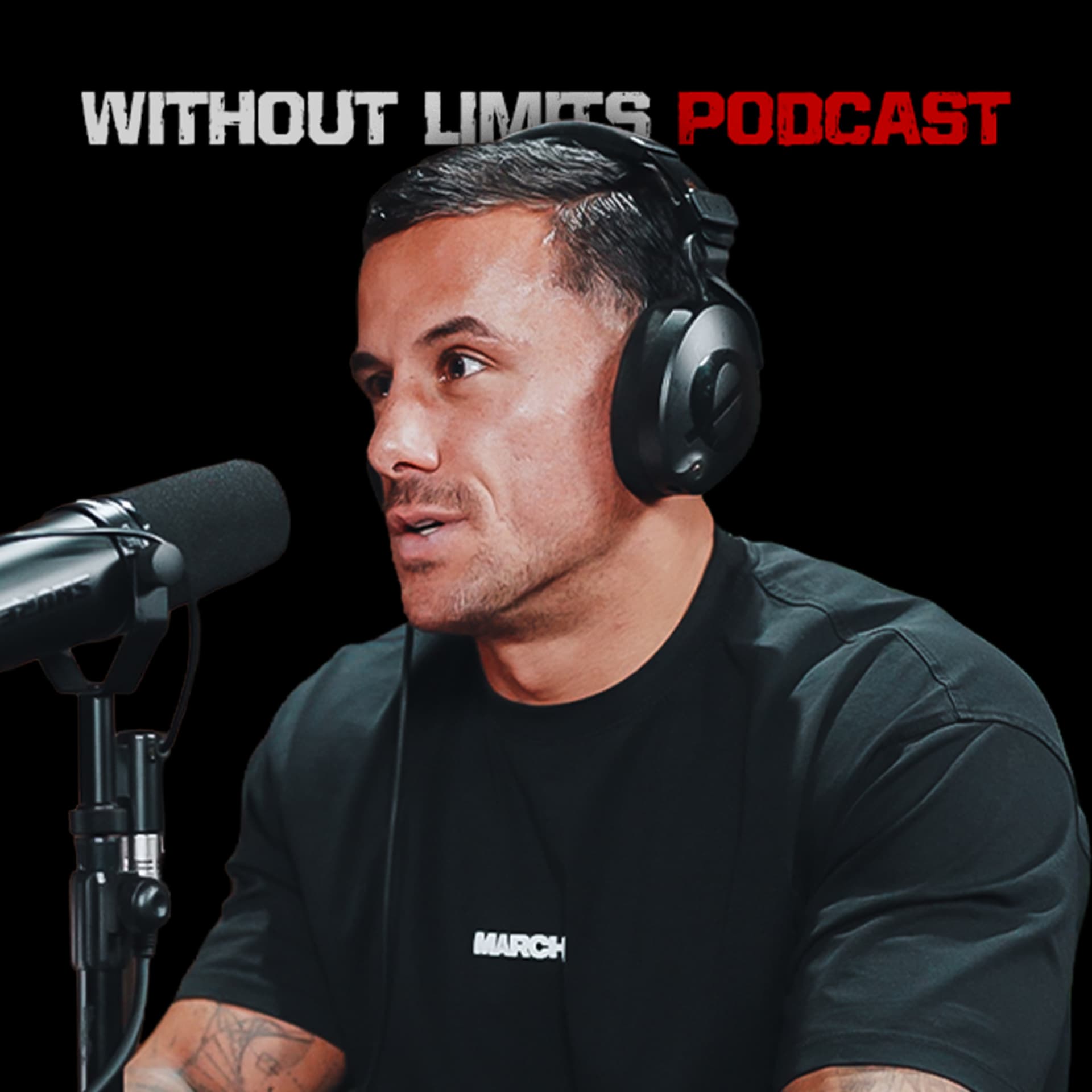
George Artemi, founder of RollBoys, explains how he turned a cinnamon-roll “recipe” idea into a viral, queue-forming food business using persistence, self-discovery routines, and transparent social storytelling.
Guest backgrounds
George Artemi is a former footballer (youth/pro aspirations), later ran a family bar/nightclub with his sister, then pivoted into food entrepreneurship. He describes a COVID-era self-improvement phase (podcasts, books, meditation, journaling, yoga) and a long solo travel period (Mexico and the US) that led to the business concept.
Key claims
“Without Limits” means removing self-imposed ceilings and going all-in. Small daily habits (e.g., making the bed, brushing teeth twice daily) created momentum. People buy from people, so vulnerability and documenting highs/lows built emotional connection. Product quality plus word-of-mouth drove growth even without a formal business plan.
Notable examples
Pinterest “algorithm” surfacing cinnamon rolls; starting in a father’s unused kitchen in Leon, then launching in London. First London batch ruined when an oven thermometer blew up. Scaling required moving from baking to brand oversight; sister joined as lead baker.
Written by AI. May contain mistakes. Listen to the episode to check what was said.
Chapters
Tap a time to open that second in VODefining 'Without Limits'
0:45 to 2:54
George Artemi discusses his personal journey and the philosophy of living without limits.
“So I really want to try and dig into that.”
The Founder Journey
2:54 to 5:59
George shares his transition from sports to the family business and then to Rollboys.
“We were speaking, you know, just before about the trials and tribulations, but it's almost like it's the classic founder journey.”
Leaving the Family Business
5:59 to 8:29
George talks about the challenges of stepping away from a successful family business.
“continuous ups and downs, like the rollercoaster of, of, you know, how it is, you know?”
A Journey of Self-Discovery
8:29 to 11:09
George recounts his travels after leaving the family business and the personal growth he experienced.
“And that was what the most liberating thing was for me when I made that decision.”
Tools for Self-Discovery
11:09 to 14:00
Strategies and tools George used for self-improvement and understanding himself better.
“I didn't have anything to go back for, you know.”
Small Changes Lead to Big Impact
14:00 to 15:47
Learn how small daily habits can lead to significant personal transformation.
“You know, I read Atomic Habits, which is a very popular book.”
The Power of Meditation and Stillness
15:48 to 19:21
Explore the importance of meditation and creating mental space in daily life.
“And they wonder why that that's the inertia that starts to build on the bigger things.”
Finding Time for Mindfulness
19:22 to 21:46
Discover strategies for integrating mindfulness practices into a busy schedule.
“I'm like, oh yeah, like that's, that, that come for me is a bit of meditation, like watching, watching them play.”
The Journey to Entrepreneurship
21:47 to 23:07
Hear about the early inspirations and ideas that led to starting a food business.
“are obviously complements in why you are where you are right now.”
Inspiration from Unlikely Places
23:08 to 26:16
Learn how unexpected encounters can lead to new business ideas and motivation.
“Um, I had an idea like to try and create a cafe concept.”
Show all 26 chapters
Turning Ideas into Reality
26:17 to 28:00
Understand how to pivot ideas and utilize resources effectively to launch a business.
“And, and, um, yeah, he turned entrepreneur after he's, um, after he retired.”
The Genesis of RollBoys: A Cinnamon Roll Dream
28:00 to 29:32
Learn how George Artemi's passion for cinnamon rolls led to the creation of RollBoys.
“I've just thought, sat down, I've like gone on the Pinterest board.”
Trial and Error in the Kitchen
29:32 to 30:58
Discover the challenges George faced while learning to bake and refine his cinnamon roll recipe.
“Were you, I mean, there's so much in that story I want to unpack, but let's just come back to the, the, the, start making these cinnamon rolls.”
Facing Obstacles and Overcoming Setbacks
30:58 to 32:54
Explore how George dealt with challenges during the launch of his cinnamon roll business.
“And I still had no idea about how difficult dough is.”
Passion Beyond Baking: The Drive for Improvement
32:54 to 34:54
Understand George's evolving passion for cinnamon rolls and the business behind them.
“You said that it's kind of juxtaposed with cinnamon rolls.”
The Unpolished Start: Just Doing It
34:54 to 37:08
Learn about George's hands-on approach to starting RollBoys without a business plan.
“you know, is something that I'm passionate about.”
Building a Legitimate Business from Passion
37:08 to 42:00
Find out how George transitioned from baking to managing a business as RollBoys grew.
“No, no, no, It really wasn't like I chased, I chased the money in the, in the, in the nightclub, in the bar.”
Building a Brand Through Storytelling
42:00 to 46:10
Learn how emotional connections and storytelling can drive brand success.
“Let's come back to the cues that start to go around the corner.”
Facing Challenges and Overcoming Burnout
46:10 to 48:59
Discover how to cope with burnout and pressures in entrepreneurship.
“I remember like whenever I go to a new city, I'll put on, I remember I went to Paris and I put on Instagram, like where should I eat?”
Maintaining Product Integrity
48:59 to 52:04
Understand the importance of product quality and integrity in business.
“And I was looking at the roles and I was just like, this ain't right.”
Navigating Business Opportunities
52:04 to 55:14
Explore how to evaluate business opportunities and partnerships effectively.
Balancing Creativity with Business Operations
55:14 to 56:00
Learn about the challenges of balancing creative pursuits and operational tasks.
“Or is that still a bit of an afterthought?”
Navigating the Business Journey
56:00 to 57:45
Discussing the challenges of scaling a brand while maintaining creativity.
“we have to pay attention to but it's not like an immediate like like get out get your margins sorted, work out your GPs and all of that, you know?”
The Story Behind a Chance Encounter
57:45 to 1:00:05
A serendipitous meeting leads to a collaboration opportunity.
“Like when I first, when I, when I started this, like, and knew that I wanted to really run with this, like there was, there is, and there will be a point where like it's time to, to walk away, to sell for a sale.”
Partnerships and Product Launches
1:00:05 to 1:02:36
Exploring the excitement and considerations behind a new product collaboration.
“Cause it was near around the time when we would have stopped queuing, et cetera.”
Balancing Health and Indulgence
1:02:36 to 1:06:25
Discussing the evolving perspective on health, fitness, and enjoyment.
“Do you have any, obviously it's your first time doing a partnership with this sort.”
Transcript
Automatic transcript. May contain errors.0:00George Artemi, welcome to the Without Limits podcast. Thank you, mate. This is an exciting one, not only because we are soon to be doing a collaboration together, which we'll come on to later, but I'm regularly interviewing people from the world of fitness, people from the world of entertainment. Very rarely do I get to sit down and speak to a true founder, someone from the world of business in that scrappy startup phase, fighting for every inch. Um, and I think you're someone who, you know, very humbly and authentically shares that journey really well on socials for anyone that, uh, you know, doesn't know who you are.
0:36You are the founder of Rollboys. You have done an incredible job on social media, documenting the journey and you've built an incredible brand. So I really want to dig into some of the, you know, the, the raw stuff and the emotion of building a business, because there's many people that listen to this that maybe want to start, might be a side hustle, maybe in fitness, might not be, it might be in cinnamon rolls. So I really want to try and dig into that. You've clearly got a mindset, which is about achieving. I don't know whether you've always had that or whether it's something you've kind of built over a bit of self-exploration and development, but I want to start with a question.
1:07What does Without Limits mean to you?
1:12George Artemi:Well, to me, I think obviously from background of sports, that was my life when I grew up. and I kind of like understood like the work ethic that needed to go into achieving from an early age. And as I kind of got older, I came in different stages, but I really understood like really going for something without limitations, without limits when I started Roll Boys. I always knew like that I kind of throughout my year has put a ceiling on myself, whether that be through like self-consciousness, like not being confident within myself. But something changed when I decided to change myself inside. And I knew like in order to kind of really break the barriers of the resistance and what I was placing in front of myself, I had to approach this, the mindset, say okay there's there's there's no limits to this there's no there's no possibilities of like there's no ceiling here and just go all in go whole wholeheartedly all in share and be vulnerable be be be confident in yourself that you can and then yeah i think once you start to see those progressions that's where i really kind of like understood like okay so yeah this there's there's no limitations to where i can go personally and with the business so i think when you you know, following your story, you can see that.
2:46And there's been times when doors have been closed on you, but then it's like a bigger door opens almost immediately after. And I think, like I say, you've got a, your journey is one that I'm sure there's many ups and downs on a daily basis. We were speaking, you know, just before about the trials and tribulations, but it's almost like it's the classic founder journey. If you just got, you just got to keep trying to find the door that will open.
3:06George Artemi:Yeah. Persistence. Yeah, exactly. I think that's a trait that, you know, runs through most people that are successful. you mentioned sport I think that's always a common thread between people that I interview sport has been played a part in their life of some sorts like was it was it sort of sport then into business have you always yeah the work ethic has obviously been built in you within sport but was it kind of a linear path or did you find yourself in a period between sport and role boys where you were kind of like what the fuck what am I doing yeah like I've said like my life kind of I split it up into three separate three different areas three different stages and the the first was like, obviously football was my thing.
3:44George Artemi:Like as a kid grew up wanting to play, just be a professional footballer. And, uh, what came with that as I got older was the knockbacks, was the rejections, was the, was like all of those little things that you face as, as, as an athlete, as a professional. And, um, but I still remained like work ethic wise, especially like as through my teens. Um, Um, and, and that kind of built this, this, this structure, this understanding that I had this drive. And then when I got into my early twenties, like completely for 20 to 23, I was lost. I left, I didn't stop playing full-time football. And I was like in this position in my life where I was like lazy.
4:29George Artemi:I didn't know what I was doing. And like, I didn't know where I was going to go. Like came out of professional football, like almost feel, feeling entitled, like the world owes me something. Um, quickly realized that that's not the case. Um, and then, uh, then the next phase came where I was 23, I handed an opportunity to go into family business, run my own, it turned into, it was a bar originally with food and then turned into a nightclub, uh, with my sister. And again, that ignition lighted in me that I had like this passion and just went fully in and all in on this idea and this business for, throughout my twenties.
5:10George Artemi:And it was, it was, it was successful. Lifestyle wasn't for me. Um, but again, like through that road, there was many ups and downs. And then it got to the point where I knew I had to change, had to leave. And I ended up leaving that business and was back in this position with like, what the fuck am I doing with my life again? Like what is happening here? Like I'm on this journey of like self discovery whilst also trying to figure out what's next questioning things but remaining like true to like those memories of that fire that ignited through football and through the business when I started and I was like I've got it inside of me to do something I know I have I just have to keep going I don't have to compromise on what I want and then ultimately I landed on the idea of Roll continuous ups and downs, like the rollercoaster of, of, you know, how it is, you know?
6:07George Artemi:And, um, yeah, it's just kind of that constant reminder that it's inside of me. Like I've got that drive like to keep going. I've got the persistence, I've got the resilience to battle through the, the hard times and embrace the good. So, yeah. Yeah. It's something I say often, it's like, you know, knowing yourself and knowing your superpowers is the one thing you can always fall back on. And so long as you've got confidence in that, particularly in business. Any, any sort of endeavour that you're trying, where you're trying to achieve a goal, I think that's something that people need to lean into most.
6:35You, uh, you know, you said this, this kind of middle period, you're working for the family business, probably making some money. It's quite successful. It's quite stable. Many people struggle to pivot in a, in a career, you know, when they get to their late twenties and thirties, although that's usually where people start to think, you know, I've gone through the twenties, I'm trying to figure out where I sit in the world. What am I interested in? My thirties is really where I need to, you know, hunker down and start to make some headway, both in my profession, maybe in my relationships. And so this tends to be a bit of a period where people do have a bit of self-reflection and maybe, you know, divert their efforts into something else.
7:09Those people that are willing to make those changes, which can be scary. Often people just sit and go, do you know what? This is the easy option. I'm going to sit with it. Comfortable salary. I can see the path ahead of me. This is the, this is the path. I'm just going to, I'm going to, I'm going to stick with it. It's made even harder when in a family business? Was that difficult to step away from a family business that was successful or was it? No, I was at the lowest I've ever been. You know, when you try and, I try to fit into the life.
7:38George Artemi:I try to be somebody that I wasn't. I was good at what I did. It was a very successful place in its time. But I knew like their life just wasn't for me. Like being surrounded by drugs, alcohol, chasing material things like constantly was in this, this hamster wheel, just like more, more, more, more, more of things that just are not serving me. And, uh, it got to the point of where I really knew that I needed to change and leaving that was the most liberating feeling because being, I don't know, I can't speak for everyone because certain people are speaking to someone yesterday who said he works with his family and it's the best thing.
8:25George Artemi:But for me, I knew I had to break the chain. I knew I had to go and do something of my own to really prove to myself that I can. And that was what the most liberating thing was for me when I made that decision. Like, okay, so this is it. I'm taking the jump. I don't know what's around the corner, stepping completely into the unknown and just going to figure it out and it took a number of years but like you said like it I had that that willingness to keep going like to to not think okay it's easier if I just go and get a job now you know I was fortunate enough to be able to walk away from the business that could that could kind of keep me afloat financially across those years through COVID and and then a couple of years after that where I traveled but um yes I was fortunate but that that wouldn't have come if I didn't put the work in previously so um I created the opportunity for myself to be able to give myself the space to figure out what was next and then yeah it was uh it was a blessing to leave it was the whole journey of like figuring it out was a blessing and then the idea came like when my back was against the wall the most really and yeah I've been running with it since how old were you when you left the family business i was so covid was 2020 so so officially left in 2021 so i was like completely out of the business i stepped away before that but completely out of the business when i was 20 29 28 29 yeah uh you mentioned that you went traveling after that was that an opportunity just to get away from the environment you found yourself in and you're clearly a very creative person.
10:13You can see that with what you've created with, with Roll Boys, um, football 20 to 23, and then being in the family business, being around, you know, drugs and alcohol probably doesn't speak to the creative side of who you are. So is that something you've, you kind of, you've found and you discovered in yourself in that time away?
10:29George Artemi:Massively. Yeah. Talk me through, where did you go? How did you, is it a classic go to Bali? No, mate, no, it was complete. It was, it was a crazy, crazy, like I went for two weeks originally to Mexico. And then when I was there, like, I don't need to go into the whole story around how it happened, but I was basically the day before I was meant to be flying home. I was sitting in this restaurant, in this cafe, in like the jungle, like with trees all around me and just having some lunch. I was looking around and it's like, man, this is mad. And I just, all of a sudden thought like I could stay here.
11:09George Artemi:I didn't have anything to go back for, you know. And then this woman was sat next to me on the table next to me and I had a hat and it said Fully Blessed on it. That was the brand. And she made a comment about my hat. And as you do when you're traveling or you're away, you start talking to someone else. What are you doing here? It was both alone. and it got onto the topic of conversation, like of me wanting to stay, like, yeah, I've always wanted to travel more, like I wanted to spend extended periods of time away. And she said something to me, she was like, well, how much are you willing to listen to yourself?
11:47George Artemi:And that dropped, like that hit me and I was like, you know what? You're right. So I didn't get on the plane home and I spent the next seven months traveling around Mexico and the US. And that was like the beginning of that. Okay. So that, that self-discovery journey of like figure out myself, find it within myself. What's, what I'm going to do, like not put too much pressure on it, enjoy the process, like enjoy the time away, really take it in, spend a lot of time, spend a lot of time on my own, like a lot. and I wasn't doing the traditional traveling thing. Like you go to parties and hostels and meeting people and I was very much on my own just like doing my thing and taking care of myself and just, yeah, just continuing the journey of just like really working myself out and figuring out what I wanted to do, what I liked, you know, what I enjoyed, what made me tick, what made me the what made me excited and and yeah i figured that what i found that i was that was in this in the stage of where i was like okay so i've got the creativity inside of me to like really do something of my own and and yeah just went went on that journey of just progressively um yeah success like trying so let me through um the self-discovery piece right because i think many people think they know themselves or know that they don't maybe truly know themselves and they're caught up in maybe a version of themselves that is them trying to emulate something they've seen or it's maybe not truly authentic.
13:26Is it books, podcasts, like what are we physically doing? Being by yourself and thinking is maybe, is there, is there anything tangible that people can maybe attach to? If they don't have the opportunity to go to America for seven months, there's maybe things that they can be doing. I started, I did, I started with podcasts.
13:44George Artemi:I started with books and just started to learn more about life. Like again, it was all, this was like COVID times when I was at home and I started to train more, started to eat better. I just made small changes. You know, I read Atomic Habits, which is a very popular book. And the first thing out of those habits that I changed was like, get up and make my bed. And then the second one was like brushing my teeth twice a day. You know, what do you think? When I was in a bad place, like I didn't look after myself at all. So anything like brushing, small things like brushing teeth or cooking a meal, I just wouldn't do, you know.
14:34George Artemi:I did, but like, you know what I'm saying? So it wasn't like I didn't make it a habit. And then I started to introduce like small little routines in the morning. that I introduced myself. Meditation was a big thing, still is to this day. Journaling practices and, you know, got into yoga. Very much took that path. Realised I didn't have to put myself inside a box, like completely. I still had, I still loved sports, still loved football, loved basketball. And yeah, just kind of like started looking after myself in smaller ways that ended up going into the macros. and yeah at the beginning it's obviously difficult because you think i'm doing this stuff like nothing's changing but then like you keep going you keep going you keep going you start to see this kind of uh spiral and in a good way and uh yeah it was just those little small changes like through through books never read before in my life started picking up books started listening to podcasts started listening watching youtube videos like all like stuff that was aiding my growth.
15:40George Artemi:And, uh, yeah, just, uh, that was, that was a big, big part of this, uh, transition to guess who I am today. It's power, man. I hope people hear it because I think people hear, read a book or listen to a podcast or the active, the routine around, you know, whether it's brushing your teeth, making your bed, cooking a meal and they hear it and like, yeah, that sounds like it's quite easy and I should do that, but they're still not doing it. Right. And they wonder why that that's the inertia that starts to build on the bigger things. As you said, the, um, the The meditation and journaling things becoming more and more, I guess, front of mind for me, actually.
16:14It's something that I don't necessarily, oh, I don't deliberately practice either. I think during COVID there was, I certainly meditated more because I was trying to fill my day with things I knew were going to complement, you know, headspace. And it was worthwhile, it was a worthwhile pursuit given I had a lot of time on my hands. But it's something that I'm guilty of, you know, now life's busy, things, other things get prioritised. but I was on a panel last week, um, with a very successful footballer and being interviewed by, by this great life coach. And there was an underlying theme around meditation and sort of just like stillness and, and, and, and opportunity to think.
16:46And it was so profound that I was like, fuck, I actually need to just like make space to try and do this more. Again, for someone who's quite naive to, to it, the different ways that can kind of be acted out, what do you do in terms of meditation? Is it some visualization? Is it, is it sitting with your eyes closed? Is it music? Yeah.
17:01George Artemi:it yeah so i noticed out there you've got a book called stillness is the key by ryan holiday and that is one of the books that i read which really gave me this perspective on like actual stillness like the mind and how it can run and like how we're constantly on and going and going and going but it's just kind of like giving yourself those practices in your day to kind of like um give yourself space and as a creative person for me like some people function differently they They like noise. They like, they find their creative space in doing something, walking in the shower. But for me, it was just sitting with either like a lo-fi kind of like music on, no words, just, I could sit there with either eyes closed or blindfold on, just headphones in and just literally lie there for 20, 25, 30 minutes in that aspect.
17:56George Artemi:In the more meditation side is I do sit in silence or guided, just really depending on how I feel in the day. I don't have every day the same practice. And again, like you, I'm guilty sometimes I don't, you know. Life's busy and especially with business and work, I don't give myself the time to do it. but it is just, just making those small adjustments, like making, getting up earlier to, to make sure that you have that time to do that, you know, or, or, or like blocking out some time in your day or recognizing when you're feeling anxious or you're feeling a certain emotions that you, that you know that if you sit for five minutes that you'll be able to like, just, just kind of ground yourself in those moments.
18:47George Artemi:And that's what I've kind of realized for myself is that they're, they're so important and I have to keep reminding myself because of the how busy I am at the moment, et cetera, that they are the important things in my life, you know, making the time this morning to sit there, you know, last night, five minutes, 10 minutes, nothing, nothing crazy. Just giving that little bit of space in your mind from that constant thoughts and madness. I mean, yeah, like I said, I'm kind of kicking myself because I heard it last week and I was like, fuck, I'm going to start to carve out. I think like at the moment, the thing that brings me back to, you know, what's important in life is every time I just see my kids, when I see how they, how they interact with life, you know, with no preconceptions about what they should or shouldn't be doing.
19:36It's just like this playful thing. I'm like, oh yeah, like that's, that, that come for me is a bit of meditation, like watching, watching them play. But I do, I do need to create that five, 10 minutes, you know, whether it, even starting small, I think that's the key. Yeah, of course. Have you found that like first thing in the morning or last thing at night, do you have a preference to either one of those?
19:53George Artemi:Yeah, first thing in the morning for me, like I purposely kind of get up and like I would make that time, whether it might, it might only be 15 minutes, like in total to like get up, to brush my teeth, wash my face, sit down, have five, five, 10 minutes, like whether guided or not, you know, and then yeah, just kind of make that time in the morning for me. And then the night time, I used to have this like extended, like wind down period of like, you know, I had like a long list of things and I was just like, I had to refine it because I was almost becoming like obsessed with the routines rather than the actual practice itself.
20:38So I ended up like figuring out what works for me
20:42George Artemi:and the morning is definitely my priority. And then like just in the evening time, I do try to switch off before I go to bed. Because if I'm looking at my phone, like my girlfriend is like emails until she goes to bed. And I'm like, I just can't do that. Like, because if I'm going to bed after I've read emails or WhatsApp or Instagram, like my mind is then thinking, thinking, and that affects my sleep massively. So I try to like have that wind down period. Like it's not really an intentional, this is what I do. but like having that more one down period in the evening definitely helps because sleep is massively important and I really do get affected if my mind is running like wake up in the middle of the night so I'm thinking ideas, anxieties you know fears all of that so yeah it's just kind of figuring out I'm still figuring out I'm still learning how it works and how I function and what's best for me to yeah to kind of wake up in the morning fresh and ready to go again I mean it's one of these cases where success leaves clues right and we're going to come on to talk about the success.
21:46And I think the practice that you're doing are obviously complements in why you are where you are right now. How old were you when this spark of Roll Boys comes into your head? And was that the first business idea? Were you trying to ideate around how do I start a business? So I've done the nightlife, the family business. I know that the business world is for me. I've got the drive. How were you starting to think of what that business was? So I always, like hospitality is my thing.
22:12George Artemi:I've loved hospitality from when I was a kid, going to like the US when I was, when I was a kid and just all of that, just memories from that of being in restaurants and the service and the experience was just something that I was in awe of. and as I got older being in like the family business like being in that almost like it wasn't that not to sound ungrateful because I was very grateful for the opportunity but I wasn't I didn't it wasn't my idea you know it was my concept that I ran within a family business but it wasn't solely something that I created and I knew like I wanted to go into space hospitality was the only option for me It was the only thing, like whether it be a cafe, whether it be a restaurant, whether it be like food, it had to be like food related because it was just something that I just felt passionately about.
23:06George Artemi:And when I was trying to like figure out what it was I was going to do next, I had an idea which was actually an idea that I create that I came up with in COVID. I started to dabble in it like started to like progress with it and then realized like okay so so no this wasn't it but then I pivoted to to the same kind of concept which was around food it was actually around like oats and porridges and things like that but um it all makes sense when I get to the point of like how Roll Boys began and when I was in the US uh in 2020 20, between 2022 and 2023 as two stints. Um, I had an idea like to try and create a cafe concept.
23:53George Artemi:And as a creative person, like I loved that initial, like, okay, so how is this going to look? What's going to be on the menu? Like, how are we going to do this? And I was creating Pinterest boards and as I was creating Pinterest boards, doing the store, doing the, all the visuals, like doing all the menu items, just going wild on there, like all of these different things. I was like, this is great. But I didn't have any money. I didn't have the money to do this. And I was like, okay, so I'm, I'm running out of money as it is from, from the, from the, like the money that I took out of the, my, the family business that I was using to travel with.
24:30George Artemi:So I was like, I need, I want something that I can start now, but I felt so passionately about food that I just kept on like going on Pinterest and creating these things. And then all of a sudden one day, like cinnamon rolls kept popping up on the feed, on my Pinterest feed. And I was like, it kind of is, I was going for like this healthy vibe. So cinnamon rolls wasn't really that. So I just kept adding them. I was like, I did not know you could do all of these flavors with cinnamon rolls. This is mad. So I kept saving them, kept saving them, kept saving and then um i ended up in uh houston in texas where i was staying because i didn't have money for accommodation i was doing this thing called trusted houses where you go and stay with somebody where when they go away and you look after their pets and you don't have to pay for accommodation so i was like got lucky i was in la and this guy was this advert come up in houston and messaged this guy i would love to apply and it's like yeah straight away cool come i'll accept you so um i managed to get a flight to houston got an uber up to his house and i went into his house and i was um i was there for like a few minutes he showed me the bedroom and he came in and he was like hi george like he's a he's a retired airline pilot of 40 years like lived in this big house like swimming pool mexican guy he came into the room and he was like um so george my um my plans have changed um i'm not going anywhere now so i'm sat down like what am i gonna do like is he gonna like offer me to stay here and eventually like he turned around he's like look listen you can stay here like you're more than welcome to if you don't mind me being around it's completely against company policy of trusted houses but i was like you know what like i've got no other choice here so yeah i'll stay here look after your dogs and and then ended up being like a really inspiring like two weeks that I was there like he can't he was like a father figure and right when I needed it because remember I was traveling all alone like I didn't have like a support support network and I was I was in Houston and in the middle of this guy's house and he's kind of like taking me under his wing he's is we're going to like restaurants and late night taco places and we're watching baseball and basketball together.
26:52George Artemi:And, and, um, yeah, he turned entrepreneur after he's, um, after he retired. So he's got like, he's got gyms actually. He's got a number of gyms, um, load of property, et cetera. So he's really well off guy. And, uh, through a number of discussions with him around what I was doing, like relationship with my dad back home and leaving the family business and wanting to do something on my own. He kind of like just sparked like this, like, like even further, like this drive. And one day I was in his house and I was thinking about like these ideas I could do and I was like, okay, maybe I should like go back home and do something, try something.
27:32My dad had a space in his bar that he's got in Leon C,
27:38George Artemi:where I'm originally from. He's got a kitchen that he wasn't using. So I called him up one day and I said to him, Dad, I've got this idea. It wasn't cinnamon rolls. It was Smashburgers. I was like, have you still got the flat griddle pan thing in the kitchen? He's like, no, I sold it. I was like, let's put the phone down. And then literally it must have been maybe like 15 minutes later. I've just thought, sat down, I've like gone on the Pinterest board. I'm like, thought about the cinnamon rolls and that one concept ideas and doing something really well, doing one thing and doing it really well.
28:14George Artemi:and I was like I remembered that you had this big stand mixer and uh which is the the mixer you need to make the dough I was like okay let me call him back up I was like dad you still got the um the stand mixer the the big one he was like yeah why he was like I said um I've got an idea like um I'm uh gonna start a brand that sells cinnamon rolls and he was like what just cinnamon rolls and I was like yeah like different flavours cinnamon rolls I was telling him about the Pinterest board and that. He was like, I said, can I use your space? And I was like, all right. Is that cool? That's fine if you want to do that.
Read the full transcript
28:52George Artemi:Literally, man, like booked a flight three days later from Houston, flew into Cancun, flew back on 21st of June, 2023, and went straight into the kitchen. I'd never baked before, like never picked up a rolling pin, like just fucking went for it, got the ingredients from a Tesco and just got in the kitchen and started, started, started the process of like just working it out. And, uh, I knew what the product, what I, what I wanted the product to be like, cause I tried Cinnabon before in the past. And I was like, that was something memorable. And then, yeah, just like kind of just figured it out and just, uh, yeah, just, uh, got going, mate.
29:32George Artemi:And that's kind of how it started. Mental. Yeah. Were you, I mean, there's so much in that story I want to unpack, but let's just come back to the, the, the, start making these cinnamon rolls. Are you following a recipe? How do you, what are you? YouTube, man. I went onto YouTube and I typed in Cinnabon cinnamon rolls. Yeah. And I watched loads of different videos on how they do it. And then I just kept on like tweaking that. Like I had one, came out good, but it wasn't great. Obviously the first one was horrendous. How did you know which bit of the ingredients or process to try and change? Or were you literally just blind?
30:09Just blind,
30:09George Artemi:just blind literally blind I took all of these different ways of doing it were you writing down how you did it yeah try to change that yeah I'm not really like methodical like that it was more just doing so I was just figuring around okay so this works this doesn't work and then I knew that I didn't have to wait for a perfect product I knew that I could get it to the point of where it was good and understood that it was good for market after getting feedback from friends and family etc and then I was like Okay, so if I take this to market, I can continue to develop it to become better and better.
30:46George Artemi:So that's what I did. It was five weeks from when I landed to when I launched. And in that time, I learned how to make cinnamon rolls. I learned how to use a rolling pin with help from my mum. It was just how to make dough. And I still had no idea about how difficult dough is. And yeah, just literally, I put it down to YouTube and my mum and just like practicing, practicing. in i mean how many cinema how many attempts at making a cinema role do you think in that five weeks um is it like the 10 000 hours rule no definitely not man like because people say i'm a perfectionist now because you know when you have something you have a product and you know how you want it you know how the customer experience you want you know everything and that's how that's how it needs to be so i'm very militant on that but with this i was like I knew that I just had to get it where it was right, where it was good, that I enjoyed eating it.
31:44George Artemi:Friends and family were giving me good feedback on it and just going for it, just opening the doors and just seeing what came back. So I did. And then like obviously you get thrown curve balls. So on the first day that I was opening, like I opened up pre-order lines. you know, creating demand, et cetera, blah, blah, blah. That was my whole thought process. I got a load of pre-orders in, not too many, maybe like 100 rolls or something like that. Still good throughout the day. So I opened the pre-order lines and on the day that I was baking them, on the day that my oven like thermometer blew up basically.
32:27George Artemi:So there was no temperature gauge and they burnt everything. And I just couldn't, and I had to tell people like that, I'm really sorry, this is what happened. and um and then uh it was the following week where i had to push back the start and i was like okay the next week and as soon as like i started to give them to people like immediate feedback was like mate this is great like this is really good and i was like all right well i think i might have something here and that just kind of just just literally rolled over week by week week by week word of mouth became a thing obviously like videos and the story and marketing people already engaged and then that was kind of where it kind of just went from strength to strength just constantly improving and then the next stage was obviously the difficulty and how the fuck do you scale this thing so yeah um a couple of things i want to pick up on you mentioned you got this pinterest of this cafe then all of a sudden the algorithm's feeding you cinnamon rolls is that literally is what happened yeah bro yeah so you're now moving cinnamon rolls across onto this pinterest board You clearly, you know, obviously been in this sort of like self-discovery yoga, health meditation.
33:34You said that it's kind of juxtaposed with cinnamon rolls. The influence of this, this man in Houston, and then, you know, thinking about what is there back home, whether it's the griddle pan for the burgers, you've got this mixing thing. You're clearly very passionate about cinnamon rolls now. And I think a lot of people with the trials and tribulations of business kind of give up because I'm actually passionate about the thing that I'm doing. It's just made me some money. Maybe I was passionate then. Would you say you're passionate about cinnamon rolls now, like in this process? Because you can maybe see the feeling people get and the cues that line up and they get this thing and they're like, fuck, this is made my Saturday afternoon.
34:11George Artemi:I'm passionate about being better. You know, I'm passionate about improving like what we're doing, like not being complacent with it. And I think that's, that's as you scale. And obviously the thing that was talking about, what was talking about before about certain operational issues and things like that, where they might be out of your control as you grow. Like that's difficult for me because, um, I know how important the product is. I know how important the customer experience is. I know how important like people are to this journey, like the people that work within people that are customers and like constantly looking at ways to improve that.
34:54George Artemi:you know, is something that I'm passionate about. I will sit here and say that baking was never my passion. A lot of people are surprised by that because a lot of people get into baking because they love baking. I didn't, I got into this because I love creating. You know, I loved the creation process to bring it and it just happened to be cinnamon rolls. Now I love the product that it's, I can't say that I don't because I fucking love the cinnamon rolls. but um there there's so much more to the to the business for me like the marketing like these like the collaborations the campaigns working with people like yourself is like inspiring for me and that's that's kind of where like what keeps me going like i really love to want to want to grow this thing and really stay true to the vision and that's what's most important for me so the cinnamon cinnamon rolls is a byproduct of all of these accumulation of things that get me excited let's talk a little bit more about the business center role boys because again we've i've had people on this this podcast are very polished when it comes to business you clearly have a number of skill sets and you link it back to the hospitality right you understand hospitality you understand what great service you look like you understand the emotion you want your customers to feel um and we talk you know people in business worry about the you know the 10 000th customer when they all need to focus on is that first hundred, you know, those first hundred pre-orders and it just compounds from there.
36:18They tell their friends, et cetera. Did you have that strategy in place? Did you know, I just need to get those first hundred pre-orders and then from those first hundred pre-orders, we're going to go to that next step and that next step and that next step. But was there any thinking around it?
36:30George Artemi:No, completely unpolished. Like there was no thinking around it. It was just doing. I was just doing and doing and doing and doing. And I was working crazy hours to get it done without question, getting up at like three o 'clock in the morning, sometimes working through the night on my own to make this happen. So I was just doing, I just, it was just, it was the feedback that I was getting that was just giving me the motivation to continue, you know, and, and, and that I loved, I loved what I was doing, you know. Had you put a business plan together? Had you looked at, okay, cinnamon rolls are going to cost me X, I need to sell them at Y?
37:03George Artemi:No, none of that. Did you make any money on that first hundred pre-orders? Or did you look at it? Was that the goal? Was the goal to make any money? Was it just to sell? No, no, no, It really wasn't like I chased, I chased the money in the, in the, in the nightclub, in the bar. That was like, I loved, obviously that was a different time in my life. So I was, I was, I had different intentions. I still was very much about the customer experience back then, but like the money that came with it was great. This was just like, I wanted to go all in on this idea that I had and just run with it. Like I wasn't business plan.
37:39George Artemi:I didn't look at the costs. I wasn't thinking about like strategies and none of that, like even the marketing strategy. It was just, there wasn't one because I was just doing, it was just constant like action. And that's, that's why I look back and I'm just like, I was just continually taking action onto, into every area. And just, I was like, just thinking, all right, let's go over this and see where it goes. Constant action. I love that. At what stage then does, does the sort of brand, you know, the visual identity because you're again the perfectionist i think has probably come along the journey you've certainly balanced well i mean in the start it wasn't really about a business it was about building a brand but you've managed to business to balance this kind of like idea of business the transaction making money with the building of brand and feeling you know so much so that right now you get queued people queue for an hour and a half your for your cinema roles like it's, it's fucking unheard of.
38:35Um, at what stage did you, did you have to start to think, okay, how do I make this a legitimate business? Was there like a moment where you're like, oh fuck, I've done all this work. I actually fucking end up making no money. And what stage did you start to think, okay, how do I roll, roll boys go. So we go from cinnamon roll to actually like roll boys. Yeah.
38:54George Artemi:Um, so it was really because obviously where I started in Essex, like that was like the, the kind of mini proof of concept. Um, and then where I, when I had the idea to bring it to London, cause again, come comes back to the, like without limits, like why, why not? Like I could see this thing has potential, so why not just go for it? So I took the leap of trying to get it to London and ended up having the opportunity where we ran our first residency from and it was after christmas really when we started well not great was doing like 200 300 roles a day and it's still great but that's a starting point and then it was after december like coming into january where i thought it was going to be quiet and towards the end of January, like there was the queues just started to form.
39:58George Artemi:Like one day I went outside and the queue is going like around the corner and I'm like, what is happening here? So with all those little pieces, all those things. And then I was like, okay, so this, how long is this going to last for? Like a little bit of self-doubt in that still to this day, but, um, people just kept coming and coming and coming and coming. And I was still trying to do everything, everything, everything on my own. And I knew that I needed to get out of the kitchen. And it was then when like February time, my sister joined as like lead baker. She's had more baking, home baking experience than me.
40:34George Artemi:So, and she's very much a duo as well. So it was then where I managed to take a step away from the kitchen and start to kind of like think about this in a different way. Okay, so if I'm going to grow this brand, my position needs to be about the brand and be just overseeing like the quality, the experience, everything. And yeah, since then, man, like it's just kind of been this slow process of like legitimizing the business, like you said. Still very much building that out right now, like with people in, like someone in the finance side. My girlfriend Hayley in the brands and partnerships and that side, she also helps me with that marketing stuff as well.
41:20George Artemi:So kind of building that out. We've got accountants now, you know, and we've got the team. We've got like nine, seven or eight people actually, um, in the front of house and the back of house team. Now, so just, just building these pieces out and like recognizing like, okay, so this is the foundation of a business that we can now take to the next level as we come into 2026 is exciting for me, scary, because of someone that's used to just doing everything by themselves and now, okay, so let's have a strategy meeting, let's talk about next year rather than me thinking, oh, this is a good idea, let's do that tomorrow.
42:02George Artemi:So building some more structure around the business and actually legitimising it that way with people and working with people, working with people that are truly invested and building it out that way is, um, yeah, it's just, we're, we're in the process of that. Let's come back to the cues that start to go around the corner. Again, it's once you try your certain roles, you realize, cause it's like angels kissing your tongue for that fucking, however long you can try and slow yourself down to eat it. But, but it is a bit mad that people would wait that long for a certain role. What do you think it is that you, that you've done?
42:37Do you think it is just a product? Like obviously a big part of what your, how your brand has become is, is how you've been able to build this story on social media. you obviously had a number of people that have got big following come down as well and want to get, you know, want to get on board. That's the cinnamon roll. It's, it's you as the founder. It's the brand that you've curated. What do you put it down to? Because there's, there's a lot of people that, you know, there was no polished business plan. There was no understanding of, are we going to make any money? But there's loads of things here that people could take from it.
43:07If they're that way inclined, right? They maybe get bogged down in the spreadsheets and the business plan. It stops them from starting. You just got started and then worked out as you went along.
43:14George Artemi:Yeah. um I like truly believe that people buy from people you know there's an emotional connection there and I think that was my job to unintentionally again without strategy was to like create that emotional connection between whether it's in store whether it's online you know tell the story and they're they're buying why you're doing it and not what you're doing you know and that's that's that's what it was for me it was like I understood like I was building a community of people here that weren't just coming for the cinnamon rolls like you know there was there was like a story to be told like there was this guy that had this idea that he has been on this journey to just figure it out and some people have been there from the beginning like seeing it from day one to see kind of where it's now and like just to kind of see that um is is is amazing for me you know but then on the on the flip side of it like you can create that story you can create that connection if they come and the product's not great then you know it's kind of defeats the object um so for me it was it was very much about the story documenting as much as i could you know telling people the highs and the lows and being just transparent honest and vulnerable and it's relatable you know it's very relatable to the everyday person that might have an idea or gain some inspiration from seeing this person going through all of these emotions, ups and downs along the journey.
44:48George Artemi:And I think that's what's really been the driving force and that's what really creates the brand over the business. So yeah, that's been a very, very pivotal part. But like I said, when it comes to the product, word of mouth clearly is a very, very, very strong, probably the highest form of marketing. and the fact that people came through and the product was great, they go and tell four or five people and then that's kind of where it spirals into this thing and then you have the influencers, etc, blah, blah, blah, that want a piece of it, want to come in and do their thing, which has been great.
45:22George Artemi:I've had some amazing people come down and do that and just take it from strength to strength. So, yeah, I had to really get my head around the scale of London. I'm from a small town in Essex. you know like I'm thinking every week all of these people come like where are they coming from like honestly where are they coming and then you hear people travelling all over from fucking all over the country from different countries like making it part making it a priority of their journey from the US from the Middle East from anywhere Bahrain and I'm like what are you doing here like it's mad but they're like I've been following your journey like it's great like and they go we're here to try and it's great So yeah, accumulation of all of those things is what kind of makes Roll Boys.
46:09You can kind of see how it happens. I remember like whenever I go to a new city, I'll put on, I remember I went to Paris and I put on Instagram, like where should I eat? And you get the list of like, you want something sweet? Go here. You want the steak? Go here. Obviously Roll Boys is going to be at the top of that list now for many people that are looking for that sweet treat. You mentioned the vulnerability. We've said it a couple of times throughout this, which does, you know, it is part of the authentic piece of your journey. you're very open and honest when you when you post you know one of your reels it's been you know this has gone wrong this day whatever what is it what is it actually like though behind the scenes you know first it seems like there's been a lot of shit that's gone wrong yeah yeah for you um have you experienced burnout you know fucking the days where you just don't want to get out of bed
46:53George Artemi:yeah what the fuck yeah what yeah how do you overcome it what's it feel like mate to be honest with you man uh let's rewind back to this last this time maybe a week and a half ago now and i was feeling really overwhelmed and um like i will always be honest and transparent about like these things like I felt like the world was ending and that's just the truth and I just felt overwhelmed with all of these different things we've now got three different things going simultaneously about to be three different things going simultaneously and and I'm thinking about like the staff that I'm gonna lose to go to go here and then trying to all of these questions in my head.
47:42George Artemi:I'm just like, what is going on? And sometimes I do give myself a hard time. I put a lot of pressure on myself, you know, and, um, and it's uncomfortable. It's not, it's not fun. Uh, sometimes I feel like, you know, quitting, but I believe that there's something inside of me driving me forwards stronger than my mind, you know? And no matter how bad the day is like how down i am how anxious i am how fucking depressed i'm feeling like i know like the next day that is a new day you know and it's a new day to with a new approach you know with with a fresher mind you know because like whatever you're holding on to like you can't hold on to that for too long because otherwise you're just going to end up like burying yourself in the ground.
48:38George Artemi:So I kind of like, I've managed to get into this space mentally where I know like whatever happens here, the next day I wake up, I know it's a new day, you know, and we'll go again, you know, and that's, that's kind of been the approach, no matter how uncomfortable and how bad the feeling is, like how anxious I'm feeling, like I know I can get through it. Maybe not in the moment in the moment i'm feeling like fucking like it's all over but like i said there's this internal internal thing this internal feeling that i'm just like okay it's cool like let's let's get this out of the way and go the next day is ready to go so kind of that's how i approach it what's the worst that's happened so far on the journey can you pick one one oh man yeah um it has to be it has to be around the the product and difficulty with scaling without having bakery experience and knowledge where it was week two and of the London residency.
49:50George Artemi:And I was looking at the roles and I was just like, this ain't right. I thought, this is not right. Like these aren't it. It's coming out of flat and dens. And I was like, this is something wrong here. We opened the doors and we're serving them. I was just like this niggling feeling. I was looking at them. I was trying them over and over and again. and I was like convincing myself, like trying to, trying to convince myself that it was good, but I was like, it ain't, it's not. So I had to go outside. I made the decision. I made the decision there and then, like this is what I'm doing and this is what I'm sticking by because the integrity and the quality of the product, the integrity of the brand and for myself, you know.
50:31George Artemi:And I went outside and I stood in front of a line of people and I told them like, listen, I have high standards. This product is not to where it needs to be. And I'm not going to sell it to you. And I had to face a long line of people and tell them like, that was the case and just be honest. And obviously there was fears and anxieties around that. And I was like, in my head. But what it was met with was this understanding and this respect that I have the standards that I'm adhering to and I'm keeping to. And it was met with like this welcoming, like it's okay. Maybe some people might've been pissed off that they came down and was waiting in line and I turned around and said, sorry, but like the majority or the, at least the people that I spoke to that came up and spoke to me about it was like, I really respect your decision on doing that, you know?
51:25George Artemi:And that is, um, that was really difficult um there's obviously difficulties around like building teams and like operational stuff going wrong and you're like i don't know how to solve this and fix this i need these people and and um but yeah that that one thing was really difficult to kind of like accept in the moment and actually take action on because it's the first time that was faced with anything like that but it kind of gave me this this this base of like understanding like if it's not good and to the staff if it's not good it's not going out so yeah yeah I'm sure it gives you renewed confidence as well when people come back the following week after making a business like that is there you know being someone who's so creative is there areas of business that sort of staff your creativity that bring you down that bog you down yeah operations finance managing people like it's all uncomfortable stuff for me is that something you know obviously you need to be able to get to a stage where you can resource it to maybe maybe offload it are those things is there anything you're trying to do to lean into it to make that easier or is it like I just need to get to here to then hire the person that can look after that area I think the latter I think the latter I think that's what I said about like building out that senior team the operations person in this whole business is the missing piece right now that's how I see it right now I have the creative I have the finance, I have the, the, the, like the brand marketing communications, got somebody like taking care of like, like my, like emails and things like making sure we're not missing anything, you know?
53:08George Artemi:So it's just this last operational side of things where I'm finding myself spending so much time on that as soon as I know we're in this position in the beginning of the year to bring in somebody that can really grow into Roll Boys and take this operational side away from me, that I will be able to like not completely step away because when do you, but like have more time to spend on the things that I'm good at. you uh you can see on social media you have you know the brand's so hot right now and so you have all these options and as you've alluded to it's very difficult to know what to say yes to and what to say no to have you got to a stage where you've got a framework or a filtering system of understanding what is a good opportunity and what's not like what is the lens that you're looking through as a creative that's you know obviously very protective over the brand and the product or do you feel you need a few more seasons of decision making to see what's right and what's wrong yeah i think a few more seasons decision making i do know based on feeling based on where i know what i want the brand to be positioned and where i don't want it to be positioned so there are opportunities that come up that don't feel right we just say no you know but if there's things that feel right and there's like an alignment whether it be with the founder whether it be with with the brand itself or what the product or what they're doing you know there's those kind of things that i look at so it's more based on intuition and and gut rather than like more strategically okay so this is good for the brand and this is why it's more based on our feeling right now but to get to the point of like actually making more decisions around what's good for the business that will come with more seasons experience i thing with learning okay so this didn't quite work so maybe we don't do that again or working with with x brand didn't quite work out so maybe we look at like other ways that we could work with similar brands maybe but on a different way so yeah there's all of those questions but yeah i think that's you only gain that from the experience and and figuring it out 100 have you from it from again, from a more business sense, have you looked at now margins and the buns and how you can really squeeze out every bit from a financial standpoint?
55:30Or is that still a bit of an afterthought?
55:31George Artemi:A bit of an afterthought. Yeah, it's something that - Is there pressure on you to think about? No, I mean, I don't have like, there's not, I don't have shareholders and I don't have a board right now. Like, I know there are all things that will be important as we grow. but like Lee uh the the our finance guy he he's obviously that's his area that's his thing so he's not pressuring me it's all things that we speak about as the business grows up this is what we have to pay attention to but it's not like an immediate like like get out get your margins sorted, work out your GPs and all of that, you know?
56:12George Artemi:So it's, um, so for me, it's, it is something that will, will come. And I know it's important. Like I said, I, I, I, I was actually speaking to somebody yesterday, um, who's gone on this journey of starting something by, by himself. And it's now it's this massive brand and he's like, yeah, I loved the days when I could like, think about a recipe, think about a sandwich and have it on the menu in a few days, like I alluded to earlier, uh, he goes now like there's like a four week, six week process of like getting this thing approved because of his, because of the board and the other people that are involved in the business.
56:53George Artemi:And I'm still in this stage, but understanding like this, this stage, if obviously continue to, to, to be on this path and grow, we'll, we'll end up being in that position. So I'm not, I'm not trying to deny myself. I'm not trying to like, um, bury my head in the sand. Yeah. I'm not trying to bury my head in the sand. I'm just being aware. Like this is like a business at the end of the day. So, I mean, you've obviously got good people around you and, you know, peers, as you alluded to the guy there, knowing that that could be to come. Yeah. Is that the goal? Or where do you want to take this? Yeah.
57:28George Artemi:I always said from day one, like, I want to take this as far as I possibly can, as far as I possibly can, you know, without limitations. and that that phrase is exactly that i want to take this as far as i possibly can without limitations has been my phrase from day one you know is there some non-negotiables though because as you start to move further down that the creativity the decision making it will be influenced by the commercial side of like does this work you're going to be open to that yeah Yeah, I think I will know, I'm going to lay it down on the table straight. Like when I first, when I, when I started this, like, and knew that I wanted to really run with this, like there was, there is, and there will be a point where like it's time to, to walk away, to sell for a sale.
58:20George Artemi:So I knew that this was never going to be like my forever thing. I believe I'm too much of, and I'm also not against, I'm also open to that changing, but like that is my kind of motivation. Now I haven't, that's not even my everyday thought, we need to get this to X to sell. That is not, I'm about the brand and building the brand. but also understanding that without limits like this brand can go places and it could be something that it might get to a stage of it where I don't want to be in this position where I'm answering to all of these people and not being able to be completely creative and at that point I'll know the feeling okay so now now it's time because i love the creation process so why not just build this go all in full-hearted and then when the time's right let it go move on to the next thing and that's kind of where my my mindset is with it well i mean what you're building is incredible and i think it brings me on to the kind of final piece the two girls friend and Lauren bumped into you somewhere, I think maybe a train station or where they came down to the, sorry, they came down to get in a queue.
59:54George Artemi:No, no, I'll tell you the story. It was mad, right? I'm standing in St. Espresso on where we, we had our first residency. It was a Saturday or Sunday morning and these two girls walked in and I thought they might've been waiting for roll boys, right? Cause it was near around the time when we would have stopped queuing, et cetera. but they came in they got coffee and um I had these tote bags and the the logo had been printed on it and it was quite high on the back and I was looking at it like in front of them and I said I just literally just said to him like do you think this logo is like a little bit too high or like where would you piece where would you place the logo on this bag and we got chatting and she and And they didn't know what Rollboys was.
1:00:44George Artemi:They had no idea. So I was like, oh, I'm George, founder of Rollboys, etc. She's like, I'm Fran, I'm Lauren, we work at Marchion. I was like, really? I was like, yeah, I've followed Ollie for a long time now. I really respect what he does, etc. And the conversation went like that. And then I think obviously we must have like, I showed them the Instagram or something, they followed the Instagram. And then, yeah, they took their coffees and they went. And then, yeah, literally like, I don't know how many months later, I obviously received a message from Fran and it was like, yeah, mad. Yeah, to be honest, that story now actually makes way more sense than what I, my memory of it.
1:01:27I mean, from there, we as a supplement brand, we're looking at, you know, ways in which we can partner with people to make something cool for our audience. And I think there's just like, we looked at all these big brands, whether it's like, you know, Cadbury's or whatever it is, like, like a chocolate flavor. And the girls just said, we met George from Roll Boys. We're following him. Like, he's really onto something. Like the brand's gone wild. They've got these queues of people. There's something very nostalgic about the cinnamon roll flavor. We think it'd be great in a protein. And so we approached you about doing the collaboration.
1:02:00Obviously came down to, I think there'll be a bit of a YouTube that might come out, but came down to, to St. Espresso, which was where you would have the residency at the time, tried the goods. I mean, I actually had to try my hand at making them. You taught me how to make them. You did a good job, mate. And yeah, they're quite truly exquisite, mate. You're really onto something. So it's led to where we are today, which is releasing a Roll Boys March on collaboration on a whey protein, which is the point of recording this. We are 27th of November. I think we're going to be releasing this sometime over the next couple of weeks.
1:02:35Yes, sir. Do you have any, obviously it's your first time doing a partnership with this sort. Again, I don't think you're necessarily someone that thinks about the end goal or, you know, what the byproduct of this is. It just feels right to you and it's quite exciting. Have you got any hopes for how this goes down?
1:02:50George Artemi:Well, just on that point, man, like when we spoke about it earlier, like knowing what's yes and what's no, like instantly when that came in, it was like a, it was an instant yes from me. Like there was no question in it. I was like, this is like a brand. that I've been following, like I know about people talk, people talk about like you and yourself as the founder and your journey and your, your obviously community that you've built. Um, and I was like, this is the kind of brand that, that is a fuck yes, you know? And, um, it really excited me about the idea of doing something in a different space, you And I was like, yeah, this is what feels right for me.
1:03:36George Artemi:And I'm really glad that we've been able to kind of find out all the pieces and bring it together. Hopes where this can go. Yeah, man, like I don't think you will be, but people might be surprised about the amount of athletes that come, about the amount of athletes, like runners that run to Roll Boys, on a weekend day and standing there sweating and standing in line. And, um, and I was putting those pieces together and I was like, we have a audience here that love to train. They love to enjoy sweet treats. They love to look after themselves. They come here, they work out. We've had a number of different, like, uh, like, um, approaches for, for like run clubs and things like that, you know?
1:04:27George Artemi:And, um, And also tying back to my past, you know, my, my history in, in sports and, and I was always athletic. Um, and I knew like there was this almost like aligned potential to, to, to, to make something really cool and great. And, and yeah, looking at the, the, the packaging, like the, the product when it, when it came to me the other day, I was like, I opened it. And I was like, yes, this is sick. Yeah, I think that you're completely right. There's something, I don't know whether it's happened over the last few years or whether just people's attitude towards this intersect of health and fitness, but also like integrating with like an enjoyment around life and the rituals that are the most important thing.
1:05:17You go on the run with that person because you're trying to get in shape, you want to lose some weight, you want to get fitter, but actually then the breaking of bread and the connection when you're having the coffee and the sweet treat is the icing on the cake. And I think that's something that like many people, particularly in the old school world of fitness would have seen. There's this real juxtaposition between like, I can only have that on my cheat day or I can only have that when I'm being bad. But I actually think now this word of like, call it balance, call it whatever else, just, I guess people just a bit more maturing around what we put on our bodies, the 80-20 rule, you know, the ability to enjoy yourself, but still be disciplined around nutrition.
1:05:53same with your relationships same with the way you organize all of your life there needs to be an element of fun yes uh alongside the discipline and so i think there was that and yeah we we are the muse we are the consumer we know that you know we'll go on a bike ride and never you know stop off and get that sweet treat to you know to fuel ourselves or we'll go on the run and get the cinnamon roll afterwards uh so the opportunity to work with a great founder such as yourself like i said what you're documenting online is so unique and there's there's so many people doing good things online, but when you get someone that's cutting through noise, cause it's pure, you know, it's unique, it's creative.
1:06:25Um, you know, the, the storytelling you were doing about moving home, I thought that was just, it was just incredible. Um, tying that to a product, which is nostalgic and culturally so relevant in, in the space right now. And us having the opportunity to sort of bring that those two worlds together is so cool. And I'm just hoping that the communities across both sides can really, you know, enjoy that product. It can become part of that ritual. we've got a couple of launch events as well which are going to be really cool to see unfold so
1:06:51George Artemi:very excited about it man special times man that's all I've got for you that's been incredible from one founder to another I know you're on your journey you're building in a very authentic way I don't think there'll ever be a wrong decision even if it's a learning and from what we were talking about in the car on the way here there's some very exciting things up and coming so this is going to be a brand that's going to go to the moon so best of luck appreciate you man thank you cheers bro
From the publisher
In this weeks episode I sat down with George Artemi, the visionary behind Roll Boys, one of the most talked-about brands in London right in now. This episode is packed with lessons and inspiration as we dive into the mindset, hustle and wild journey of building from the ground up. If you love a classic founder story that's honest, raw and shows the real story of what it takes to take an idea and run with it, then you're going to enjoy this!