Ask ChatGPT
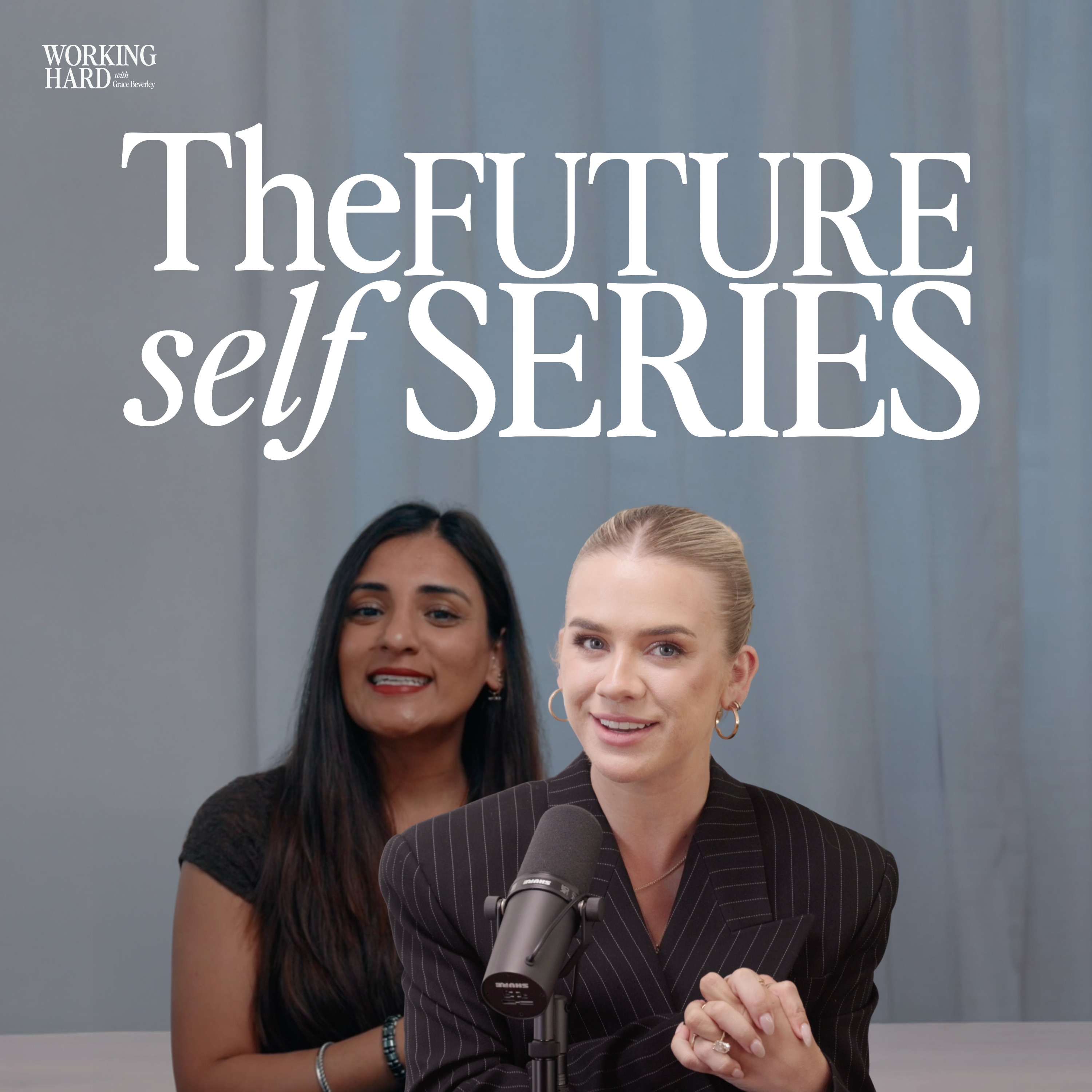
 Working Hard with Grace Beverley
7 Jul 2025 · 54m
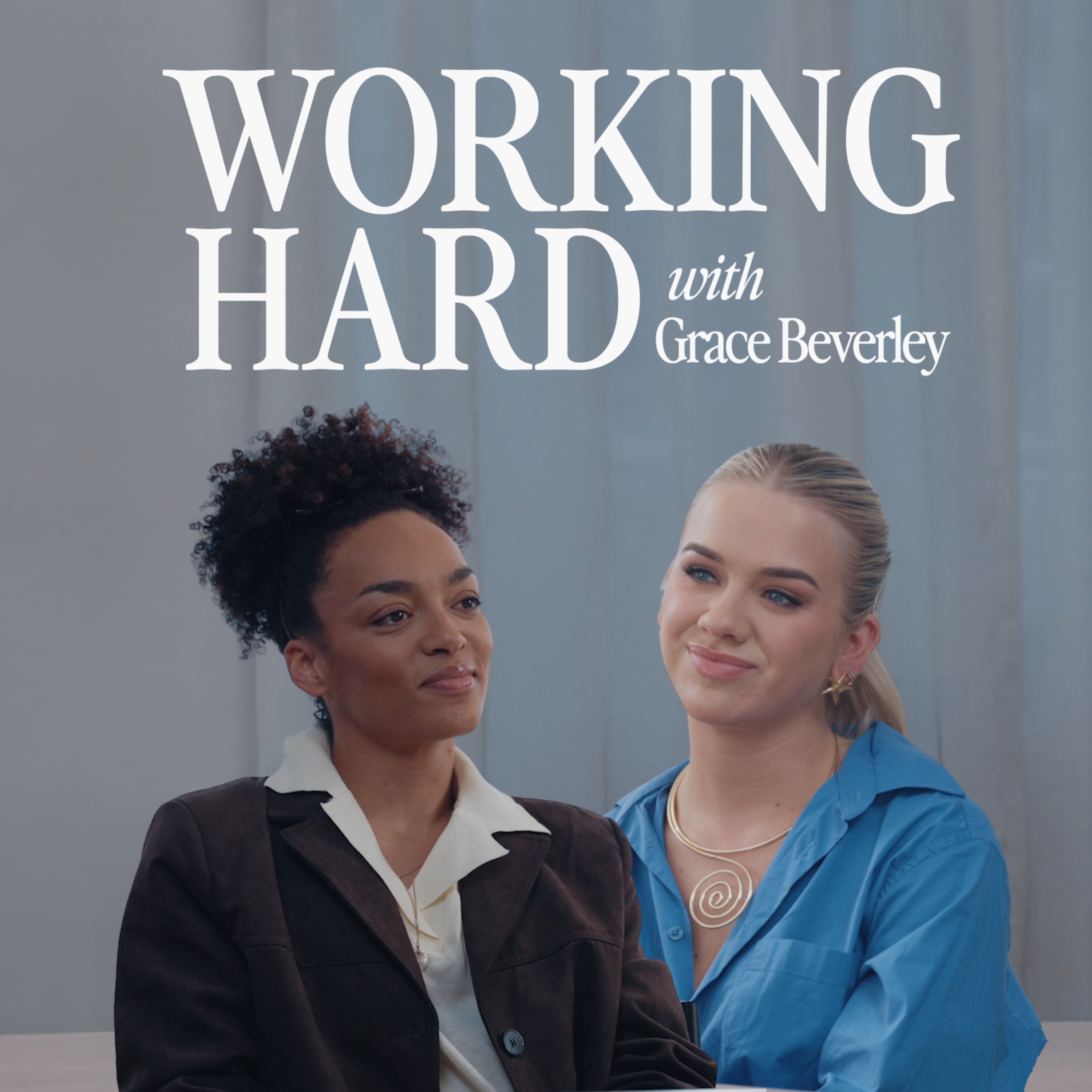
In this episode, Grace Beverley welcomes wellness coach Adrienne Adhami, who specializes in helping individuals make significant life decisions amidst a world filled with endless choices and societal pressures. The conversation delves into the importance of making decisions that align with personal aspirations and values, rather than succumbing to external expectations.
Written by AI. May contain mistakes.

Get the gist, explore an idea or ask about something said.
 Claude
On Working Hard with Grace Beverley, what are the key points of this episode?
Searching your listeningAutomatic transcript. May contain errors.
0:28Hey, it's Adam Grant from WorkLife, a podcast from TED. software, you'll work smarter, not harder. Freshworks uncomplicates. Learn more at Freshworks.com.
1:00Go to Upwork.com now and find your freelance expert. That's U-P-W-O-R-K dot com. Post a job for free and get started today. Hi, friends. Grace from the Working Hard podcast here. When you're stretching every dollar, Alilla goes a long way, and Walmart Business is here to help. They make it easy to order what you need from tech and cleaning supplies to everyday essentials, all at low prices and with helpful tools like spend tracking and tax-exempt purchasing for eligible organizations. Because when your operations are smooth, your impact can be bigger. Visit business.warmart.com to get started.
1:43What is up? I'm Grace Beverley and welcome back to Working Hard, the podcast shared guidebook on how to improve your own life and achieve what you actually dreamed of doing. Because life's too short for boring podcasts and bad advice.
1:57what is up and welcome back to working hard in this episode we're talking about how to make life-changing decisions that are right for you in a world where we're faced with endless choice people-pleasing and thousands of opinions so many of the life improvement topics we've discussed on this podcast from business growth to women's health to planning are underpinned by the ability to make the right decisions so to decide what daily habits will actually change your life in a way that you want to or to decide what you actually want your career path to look like and yet it's something that I don't think I've ever been taught or read up on until recently.
2:29So today we are looking for the answers but as always I am being joined by an expert. Adrian Adamey has written an entire book on the subject of making decisions that matter so if you're unsure about the future, you struggle to have tough conversations or don't know where your gut instinct is, this episode is the one to listen to. Plus I thought at the end we would answer all of your big decisions that you have DM'd me so we actually get into how to make those decisions and go on some little dilemmas.
3:04Adrienne Ademey, are you more working hard or hardly working at the moment? Pains me to say it, but right now I am working hard. Tell me about it. I'm working hard. I'm just, I feel like it's a season where sometimes you'll know this, you have seasons that are sprints and sometimes things are layered and you have to do all the things at the same time, which is not ideal. It's not what I would advocate for, but that's the season that I'm in. So I'm in a season of managing different commitments, managing different things, book coming out, well, books come out, you know, different events. There's a lot going on.
3:35So I'm just leaning into it. I'm enjoying it. It feels colourful. It does feel busy, but I know there'll be a season of kind of rest and recovery that will follow. I love thinking of things as seasons like anything that plagues me in life can be thought of as a season and it's solved because I just think that it's so easy to get caught up in the fact that you need to be this like perfect balanced version of all of these different things and it's just so unrealistic at any given time and I just think that you know sometimes a friendship was for a season sometimes a career was for a season sometimes like all of these things I think that we forget how long life is and how you know we're not in one permanent state so I'm personally a very big fan of the season outlook um I'd like to ask you before we get into this podcast what is one decision that you are proud of having made recently recently okay so a decision that I'm proud of having made recently is given that I'm in this season that it is busy I have been very intentional about not doing much at all at weekends.
4:38So I've had to say no to a lot of things. And I'm an extrovert. I'm a social person. I want to say yes to everything. So one decision that I'm proud of consistently making at the moment is saying no, keeping white space, keeping kind of the weekends a sacred free time to do whatever I need to do. Because it's so easy, isn't it? To say, yeah, sure. And the kind of people pleaser in us or the obligation in us can sway our decisions. But sometimes standing firm and being like, I know that when that day comes, I would be really glad that the day is free and clear and I haven't got to be somewhere at a certain time.
5:11So yeah, keeping Saturdays and Sundays as white space. Yeah, I think that's so true. And I think that that kind of highlights the fact that there's both the original decision and there's the decision you have to make every single time to uphold that original decision. So like it's that original decision is the fact that you are going to keep them free. And then every single week you have to like continuously say no to things. It does sometimes chip away at you. And it's like having that resolve to be like, no, this is the good thing for me. I made this decision I am sticking to it and like past me thought this was a good idea therefore I'm going to continue what past me decided but it's not always easy it's not always easy but exactly as you said past me I always think about future self as well and my future self I've been there I'm sure you have as well we learn lessons sometimes the hard way and sometimes we don't learn it the first time so for example like doing too much for example work-wise and having the layering of social commitments and kids and training for a race like that's how I ended up burnt out a few years ago so I think about my future self I'm like we're not going to do that again we're not going to be burnt out we're not going to be everywhere for everyone all the time so like you said upholding that decision it's not always easy but uh thinking about your future self you're so glad when it comes to that day and you're like today is just my day yeah absolutely I fully fully agree with that.
6:26And in your book, you say that we spend almost three days a year deciding what to watch on Netflix. So with that in mind, can you talk a little bit about the impact of all the decisions we have to make every day? Sure. And that example, I know might sound kind of crazy, but to just break it down and give some perspective, this is data that showed that people scroll for roughly 10 and a half minutes deciding what to watch. That's before they even choose, okay, what am I going to watch tonight? 10 and a half minutes, just click, click, click, because there is an abundance of choice, not just what to watch on TV now, but in so many things now in our lives, in the modern world, abundant choice.
7:02So that 10.5 minutes of flicking through channels, yeah, added up over a year, is more than two and a half days, which is wild. When you think about the important decisions that we need to make in our lives. You should see me trying to watch a movie as well. That's a commitment. So then you've really got to make sure it's the right choice. So even though that might seem like a silly example, I think it now applies to so many areas of our lives from what to eat, what to watch, what to wear, where to travel, where to work, who to date. There's an abundance of choice. And as much as that might sound initially like a good thing, wow, we've got endless choices.
7:36It's great. Actually, it's paradoxical because the more choices you have, the harder it is to make a decision. And then ultimately, and the data supports this, the less satisfied you will be with the final choice that you make. Really? Yes, because there's more variables, there's more trade-offs, there's more things to consider, there's more things that you're going to look and go, I could have had, maybe I could have had that fear of, I call it FOBO. So many people have heard of FOBO. So the fear of missing out. FOBO is almost like the evil twin, lesser known, but more dangerous. And FOBO is the fear of a better option.
8:10And it plagues so many of us because you can just be, you know, quite happy, satisfied in your job, but then look on LinkedIn or look on another site. And suddenly you're like, oh fear of a better option could that be better is the grass greener and it's the same swiping through you know dating app or like i said looking in your wardrobe if you've got 30 pairs of jeans it's going to be harder to choose the right pair versus if you have to so this endless availability that we now have and i mean it goes on and on there's thousands actually of decisions and choices we have to make daily it's making so many people overthink it's making them stuck it's making them lack confidence in their decisions.
8:48And like I said, ultimately, even when they choose, they're still not really committed because they're looking back thinking, oh, could I, should I, is there something better going to come along? Yeah, it's so funny, because when you talk about that, I can see how that manifests in like all different areas of life now, not just things like dating with dating apps, which I feel like is a huge one that comes to mind with that. But in terms of the amount of lives we see on social media, this kind of perceived better option constantly like the opportunity cost of you going to work every day is the fact that you could be a content creator or you could be this or you could be this and it's like this constant all of these other options kind of like waving in your face versus where we would have been I don't know 50 years ago when actually you've you've chosen what you're doing and you're not necessarily seeing other people's day-to-day you might see the fruits of their labor you might see what they say about their job but realistically you're not having it so rubbed in your face so how do you think this is impacting our kind of headspace around decision making I think it is negative negatively affecting people in many ways one in just terms of an energy drain you know that kind of constant comparison and thinking and overthinking and I think it's just so draining to kind of loop around the same thing so I think that's one way in which it's quite debilitating for people in another I think it's quite anxiety inducing because there's a lot of a feeling of pressure because like you said this kind of looking at so many options and this idea that actually what if I make a mistake what if I choose and it's the wrong choice and I think that for us a lot of what we do and the way we live now I think it feels more visible so for example like our mistakes and our failures you know maybe we'll come on to talk about mistakes and failures but within entrepreneurship within the startup world within the the business world we hear so many people talk about failure and rejection and you know it's so great we should all be embracing failure and it's kind of a risk but the reality of that I think is is very different and I think for some people taking risks you know is is easier but it's just different and we don't see the context we don't see the nuance we don't see all of the different multifaceted things we just see one version that's presented to us and often I think where where we're looking at so many other options like you said, looking at other people's careers or lives or partners or houses or bodies or whatever it is, everything feels more visible.
11:07And I think therefore people's failures feel more visible. And so a real example of that is if someone says, okay, they're going to start their own business or they're going to launch their podcast or they're going to, I'm the encourager. I'm always the person that says, just start, just give it a go, go for it. But it's the idea that what if I put it out there and it fails? Or what if, you know, people can see the metric, they can see you saying oh I'm not doing that anymore or I've changed my mind or it didn't work out and I think unfortunately that just holds so many people back from even starting so they don't even make a decision they're stuck in a place of indecision and inaction and ultimately I think you know action is what for me in my life in my experience in my like multifaceted career action is what actually leads to confidence and competence so by doing so I often say to people what if confidence comes after the decision not before yeah so when someone says oh I'm not you know they don't have the confidence because I don't think people lack motivation I think people lack confidence and the key there is sometimes it's you have to take the action first and so this going back to you know the fear of decisions the fear of mistakes is that if we didn't maybe if no one was going to see the mistake if no one was going to see the failure or if we felt like nobody would I think people would be bolder and they'd start things and they'd change their mind and they'd understand and the decisions aren't a closed door they're not binary they're not irreversible so many of the decisions that we make we approach as if they are irreversible yeah very very few decisions can you think of one that's irreversible well it's so funny that actually when you were talking about that I was thinking very specifically of um the founder of whoop who came on the podcast he talked about one-way door and two-way door decisions which is actually now my favorite way to think about decisions because I you're totally right like there are thousands of decisions and it's easy to feel all of these decisions almost weighted the same and I often feel this in work I'll kind of be going through like my list of approvals and I'll be like oh my god there's hundreds of things to decide here and actually then to do my due diligence I'm like weighing it all up and I'm being really careful and all of this and a lot of the time there isn't a right answer especially when it comes to building your own company because you don't know the future like you don't know what's going to happen um and being able to like kind of decrease the weight of some decisions by just being like this is very obviously a two-way door decision if you make this decision you can unmake this decision tomorrow whereas obviously there are the one-way door ones and I think you're now you say it I'm realizing like you're so right we think of so many decisions as these one-way door decisions whereas actually like how many of these things are actually two-way door decisions and I think that will be really useful as well towards the end of the episode we're gonna of talk about some dilemmas of decisions that people have sent in that they'd like to like you to help them make and I think it's exactly that a lot of them when I was reading ahead of time a lot of them feel like one-way door decisions they're actually two-way door decisions yeah it can take a lot of pressure off when you recognize of course it wouldn't be ideal maybe so just to move to another country and then go you know what I'm moving back there's a lot of admin that I want to do but most decisions are reversible and it's more yeah it's quite freeing actually when you can accept that and go hey I wouldn't necessarily want to undo this but if I had to I could and it wouldn't be the end of the world wouldn't be the end of my career wouldn't be the end of my life you you'd adapt you'd find the next step you'd figure it out and I know you have a six-step routine for working out a good decision if there was someone who was listening to this now who has a big decision to make, will you walk them through that six step routine for making that decision well?
14:46Yeah, okay. Well, it's not so much maybe six steps that you'd go through for a big decision because basically the first thing, it's kind of like rules of engagement. So you'll know this because of course running businesses, there's certain rules of engagement so that we're all on the same page. These are the kind of checks and balances and it's kind of more of a framework for that. But the first one is actually determining the stakes. So determining is this decision high stakes, low stakes or no stakes, meaning it doesn't really even matter at all. Low stakes is often quite a frequent decision.
15:13So things that we make every day, they seem quite mundane. You know, it doesn't really matter in the moment. But as those decisions compound, we know those small things matter over time. And then the high stakes decisions, which I think is what you're referring to here, which is like, this is a big decision, actually, is one of those things that could potentially have big consequences, huge knock on effect, could impact other people. And so it's high stakes. So I think if you've already figured that out and you've classified it and you definitely, like you said, not, you know, reversible, irreversible, this is high stakes.
15:42It's really, really important. Then I'd say out of the list, there's a few things to consider. Firstly, so you've determined that it's high stakes. I would think about allocating time. So procrastination is something that comes up a lot. So people will let things kind of roll on for maybe a week, a month, six months, maybe a whole year's passed and they still haven't really made a commitment or made a decision. So calling time simply means that you have a deadline. You have a deadline. And like I said, Grace, I know working in business, there's so many things that they have deadlines, whether it's quarterly, whether it's yearly, you have to decide.
16:16You couldn't just say to, you know, different stakeholders in the business, you know, I haven't decided yet. You know, I'm not sure. Are we going to add that product or add that feature or are we going to, you know, raise more money? You'd have to make decisions. I think in our personal lives, I think people who've got quite an entrepreneurial mindset can apply some of these things quite easily. But I think for people where it doesn't necessarily come naturally to them to do that it's it's really great to kind of have these tools in place so you've got this high-stakes decision you've got to set a deadline you've got to call time and decide okay actually put a date on the diary so okay on six weeks from today this day I'm going to have made this decision you might want to call in on other people so you might want to get some advice some help some support we don't have to do everything on our own I think that's a lesson that took me a very very long time to learn in work and life and actually sometimes there's so much like wisdom in the crowd or you know it depends the caveat here is who are you asking for help and support make sure you're asking the right person someone who wants to see you succeed wants to see you win who champions you who loves you someone who wants more for you not more from you um and then also I'd say someone who they're in the right position to help you out with this decision.
17:30So for example, if you, let's say you're talking to someone who's never really been in a committed relationship and you're talking to them about a big decision to get married or to get divorced, they might love you and they might care for you, but they might not be the right person to ask. You know, so sometimes it's like going to the person who has kind of walked the steps that you're going to, maybe they've done that path before or made a similar decision, going to that person for advice and be really specific about the advice or about the help that you want. So if you just lay everything out and go, what do you think?
17:58What should I do? You might not get the response that you want, but I think sometimes asking people, okay, I'm trying to make this decision. These are the variables. These are the things that I'm considering. And what I'd really love you to do is be really honest with me about which of these you think is going to be, and then kind of really spell it out. So be really specific about the ask. And then last but not least, this feels like quite a big one, but trusting your gut and trusting your intuition is such a huge, I mean, it's a huge topic in itself, but it's such an important thing that when we go back to I guess the beginning of this conversation about overwhelm and having too many options I think we're really losing that ability to listen to our own intuition to understand the kind of the first gut feeling the first reaction the the red flag you know and I will all have heard red flag but what does that really mean it's essentially pattern recognition our brains are incredible at spotting patterns so when something feels off when something's a red flag when your brain recognizes pause caution hold on a second we've seen this before we felt this before that is your gut talking that is your intuition and how many times grace can you think of a time i'm sure you can when your intuition has been right on the first time but you've talked yourself out of it you've overridden it and then later on you come back and you go you know what i knew i knew you know what i mean i knew when i so many times how many times So how many times will we do that before we start to trust ourselves, have the confidence and a conviction to go, my gut told me straight away that this was the right thing to do or that that wasn't the right person to hire or that wasn't the right opportunity.
19:36So if it's high stakes decision, set a deadline, call time, gather some wisdom, some insight from others and really sit and think about the body reaction, the body response. If you were to flip a coin, heads being yes, tails being no, when the coin is in the air, what are you hoping for when it lands? Because that's your gut feeling. If it lands and you feel relieved or if it lands and you feel disappointed, that's your decision made. I think that's a really, really great matrix. And how do you think we can differentiate well between a good decision that kind of makes you feel good versus a correct decision?
20:16Yeah. And I mean, this is tricky, isn't it? Because how do we even define what the correct decision is? But I know exactly what you mean. And sometimes making a good decision or some decision that feels good in the moment certainly isn't the right decision to make. Or inversely, when we know the decision that's right, it's going to be really, really hard to do. So I guess a really anecdotal example for myself was actually the decision to get a divorce. And you don't make a decision like that overnight, especially as a mother with a child. You just, you know, it's something that takes so long and it's so hard.
20:48And that was the kind of decision that did not feel good. It didn't feel like, oh, this is, you know what, this is going to be great. You don't feel like that. But I knew again, future self, I was thinking about myself in 10 years, 20 years, 30 years. And I knew it was the right decision. I knew it in my head. I knew it in my heart. I knew it in my body, but it didn't feel good. And so I think sometimes we do want to make a decision and in the moment feel really good about it to go, oh, I'm making the right choice. but I think sometimes it's actually probably more common than not that it's the inverse of that that is true yeah and what would you say the most important decisions are that we're kind of making every day because you've talked about how many decisions there are yeah and how do we differentiate what the most important ones are well I mean you know me you know that I've worked in the wellness industry now for 15 plus years and so I think some of the real like easy examples are actually related to our health and our well-being and our silly example of like what to eat for breakfast that's the decision you make every single day what time you go to bed every single day whether to go for the walk or go for the run or go to the class like we make those decisions every day and if you make it once so let's say I don't know this morning you have a really delicious triple chocolate muffin let's say I don't know is that going to destroy your health just one time no but if you made that decision every single day, you know, after a few years of eating that high sugar, like ultra processed thing every morning, it's going to compound and have an effect.
22:17And so I think sometimes when I think about, okay, what are the most important decisions that we're making? They are the ones that we repeat the most often, because it's that like a thousand paper cuts. It's the small decisions that can go unnoticed. It's the small habits, small behaviors, the small things that go unsaid, those things accumulate. And sadly, I think later in life, it's those small things that we didn't do much about or we didn't kind of take action on that can really make the biggest impact. So I think from a health perspective, it's things like, yeah, prioritizing movement, prioritizing sleep, nourishing our bodies.
22:51We all have this so much information out there now, right? You know, there's more than ever when it comes to what to eat, how to train our bodies, the importance of sleep, the effects of alcohol, it goes on and on and on. We've got wearable technology, we've got apps, we've got data, we've got dashboards with numbers showing us exactly what's going on inside our bodies which is incredible but it doesn't seem to be making much difference in terms of behavior change so I think sometimes those really really important things like if you said to me okay I've got a really big goal for the next five years regardless of what the goal is what are the things that could stop you from getting there and one of them is your own well-being your own physical and mental health if you are the most ambitious productive person in the world but you end up with a chronic health condition or you're so burnt out that you can't even enjoy the life that you've worked so hard to build and I actually see that so often I think I'm seeing it more and more since the pandemic to now especially I talk about ambitious productive people ambitious productive women you know want to encourage people to go for it you know build your vision build your dream do it but not at the cost of your own health and your own well-being because as I said when you get to that thing you've worked so hard for you can't even enjoy it because you're so exhausted or you you're chronically ill so I think the small fundamentals the daily things that we all hear and we kind of go yeah people roll their eyes Adrienne I know I don't have time for breath work or meditation or to have protein breakfast it's those small things it's those small things and sleep get enough sleep stay hydrated do the basics that your mum probably told you um if you really want to um yeah like that will add up over time and then you'll have the capacity and the energy to make the big decisions, to create a career, to create a life, to hopefully take you exactly where you want to go.
24:38The market's uncertain. Revenue's tied and hiring on hold. That's why results-driven companies are using Upwork to keep work moving. Go to Upwork.com today and start hiring proven freelance talent fast. No bulky overhead. No rigid long-term contracts. Just the right expert right when you need them. Work smarter and faster with Upwork. Go to Upwork.com now and find your freelance expert. That's U-P-W-O-R-K.com. Post a job for free and get started today.
25:11And so given we're making so many decisions every single day and the small ones are also important, but the big ones are important and all of this, how do we deal with decision fatigue? Like how do we decrease the effect that it's actually having on our lives? Yes. Okay, so decision fatigue, exactly as it sounds, is the more decisions we make throughout the day, we kind of, it's like a muscle. You kind of just get, you know, worn out. And by the end of the day, you're just kind of probably going for the path of least resistance. You're going for the easiest and most obvious choice, regardless of whether it's the best one.
25:43So the best way to mitigate this is to essentially just create some predefined rules. And rules can sound so boring and so limiting and restricting, but I think rules can just liberate us. And they can also really help with people that find it hard to set boundaries because they can just have a set of pre-made rules. So a good example would be if you went to dinner with someone who told you they're a vegetarian, you wouldn't try to convince them like, oh, try the steak. Just try it. It's delicious. Try it because you just accept it. Oh, they're vegetarian. So if you are someone who struggles with boundaries and let's say you're trying to drink less alcohol, you just make the rule, which is I don't drink at work events or I don't drink on weekdays.
26:20and I know friends who work in industries where so much of their work life is around lunches and events and dinners and they're just alcohol is so much a part of it so they'd say to me oh I really actually you know I want to drink less and actually I want to do January for example but then a week in it's like you're at a work then or you know something's going on it's like oh come on you know just have one let your hair down so having a pre-made rule is almost like this get out card which is like oh by the way I don't drink on weekdays done there's no negotiation there's no willpower there's no yeah back and forth it's just done a decision that I made like that I guess in my pre-made rules two actually one was about um again keeping weekends sacred especially with kids I don't check emails at the weekend I don't respond to emails at the weekend I don't even look at them and as much as that might sound like a really like easy and small thing we know our habits right they're on our phone it's so easy to just open your phone and it's almost like a a muscle memory you're just like straight into it so I learned this the hard way and I think I must have looked at an email once on a Saturday afternoon I was about to take my son to a football match I was doing something else and it kind of really just sent me into a bit of a tailspin of like oh my gosh like I need to do like loads of stuff before Monday just basically my whole weekend my headspace was completely hijacked by this one email and that was my decision right it was my decision to open it so I can't blame you the person like why did they send me this email on a Saturday because it was my decision to open it so I made that rule which is I don't look at emails on a weekend and then another one which is really hard I wouldn't I'd love to know what you think about this this is my rule which is I don't say yes to things with less than seven days notice oh I would never see my friends or if I had my way yes yeah they operate on a different calendar cycle is the best way what about what if someone said to you oh i you know this work opportunities come up can you do this in 48 hours external yes internal no okay but but i i agree with the premise and i also i i'm so glad you brought up your rules because i always feel like i'm the least fun person on the universe sure um in the universe because i make up rules for everything but I know it's because I am the type of person who responds well to rules and without rules I really fatigue myself like I really genuinely can feel the difference in fatigue that is exactly why at the beginning of every week I have every single workout scheduled in my diary I know where I am going I know how I am doing it I know what it is same with meals do you perhaps um I actually use a meal prep service at the moment yeah purely because I'm like as in like that's that's what works for me and I'm not ending up I was ending up spending more getting takeout because the amount of times I'd be home late and all of that I had a period of time where I would be at work at any time there was like cake in the office I wouldn't be able to not have it because a I believe that everyone is entitled to cake um but b I would just be like it's free and so I'm pretty sure I'm gonna have it but most of the time I wouldn't actually want it and I spike so I have insulin resistance so I really notice the difference to the point that it will throw off my whole day and I'll often get really bad brain fog and all of this which is a whole different topic but I would just go for that kind of cake in the office and it would always ruin my afternoon like it would always ruin my afternoon I'd be bad at my work I'd be bad in meetings I'd be unfocused I'd feel crashed and I just was a less good version of myself and I just made a rule I was just like I do not eat cake in the office like if I want to finish my day and go and buy a cake or like whatever it might be do that but I felt like I lost all control of who I was because the second this cake came in I was like yeah okay and like must celebrate this person and all of that and I think that it's such a good example of yes some people like there is of course a line and restrictiveness especially when it comes to things like food is important to talk about and think about but knowing that you are a person that just needs to be regulated and to put some regulation in place so that actually you take away you just don't put yourself in the position where you are making the decision because you know that in the at the time you regularly make bad decisions for yourself where instant gratification is involved I feel like it's so important and it makes me sound unfun but well I don't know if it makes you sound unfun I feel like let's be honest we're grown-ups and the reality is not that fun so i don't know what this like campaign for me to be seen as fun it's really fun everyone please see me as fun but the thing is is you've made the rules that's what you're saying as well is it's not like someone else has restricted you and said you cannot can't do this we're not kids like we are adults i'm like it's time to almost like take responsibility we're grown-ups we pre-make those decisions based on exactly as you said past experience okay when i did that last time i felt rubbish it wasn't good for me and and i think drinking again i know it's a really like tricky topic for a lot of people around like not drinking drinking but again so many people want to moderate their drinking they want to drink less they're you know looking for low and no alcohol brands etc because it is one of those things that people can't once you have one or two we know prefrontal cortex the executive function the decision making part of your brain after two glasses of wine guess what it's offline oh I know it is yeah so that was that idea that I'm gonna have two once you have to the person that made the decision to only have two is no longer there it's like I'm having 10 so I think again I know myself I'm quite an all-or-nothing binary I mean us two can imagine we're fun all or nothing I'm either like oh no I'm having water or I'm having everything and that's it yeah I'm on the table I'm on the table I'm the last one standing yeah every time yeah no I completely agree and I think that that's we I do think that sometimes we make excuses based on the fact that we are we like to put it under this thing like oh don't restrict too much which is a valid very valid thing that we should absolutely be looking at in lots of cases however I think that we at the same time if you're putting yourself in a situation over and over and over that you feel the consequences of and yet you feel helpless to make the decision to improve that restrictiveness is not the issue like it's not the fact that you or sometimes over restrictiveness of the issue but often it's the fact that there is just no regulation in place and I think that as soon as I noticed that and stopped making excuses myself based on the fact that I was like oh but everyone should be able to do this or everyone should be and it's like yeah cool do it at another time where it doesn't ruin your day or it doesn't make you feel shit the next day or it doesn't whatever it might be so that you can actually take a little bit of control back as to when you're feeling shit how you can decide not to feel shit yeah well that word excuses grace i know a lot of people don't like that word but i remember having a conversation with a friend and this was actually around money and decisions and it was kind of that calling out of like is this an excuse because yeah you know everyone's financial situation is different but one of the rules or decisions or something that tried to kind of help her to figure out was like where she was wasting money on things like um uber eats or food delivery um different you know getting carbs like loads of like just passive consumption of clothes so you know just popping in and just oh just get this cute little thing and like you said without any restriction i'm spending you can waste a lot of money and then the excuse of maybe if you're trying to save for something that's really important in your life then i think kind of yeah having that kind of person sometimes to call out your nonsense and the word excuses i know a lot of people don't like it but i think sometimes we need that person to go hey do you realize when you add up those receipts you could be saving 500 pounds a month or a thousand pounds a month and you see it and it's like wow you know so yeah those small decisions those small little treats those small little things sometimes for a short period of time let's say you have a no spend for three months like just look at the difference and make that decision for your future self you set the boundary for yourself and then sharing it and other people will respect it as well when you tell them this is a rule they go oh okay they don't really tend to push back when it's a rule because we follow rules yeah no I really agree with that and I want to speak a little bit about quitting and letting go I thought it was so interesting that the word decide actually comes from the Latin for to cut off.
34:27You know quitting is obviously a huge decision usually in anything and if there's someone who is listening who knows that they struggle to quit things or they're thinking of something that they're currently struggling to quit or cut off or walk away from what should they be doing to make that decision? Okay well we've talked a little bit about gut and intuition already I think that's the first thing because often people it's such a simple thing but just really really thinking about you already know what you want to do doesn't necessarily mean you can do it tomorrow you know life's not always that simple of like well you know what you want to do to just get on with it just you know just quit just change sometimes things take time but if you really already know what you want to do that's the best place to start and then I think really understanding why you're not doing it you know what is it so are you familiar with the sunk cost fallacy the idea that the more time you've put something the more likely you are to hold on to it because we go well I spent three years trying to build this or I spent four years studying for this or I spent six years in this relationship or it's this idea that that time and effort and energy that we've poured into something is suddenly wasted if we don't continue it or we don't see it through which actually again paradoxically or ironically we then just continue to pour more time more effort more energy into something for longer even when we know it's no longer the right thing so I think for a lot of people, if they're listening to this, they will know straight away.
35:48They'll recognize the feeling, which is like, I have wanted to leave this job for a year, or I have wanted to, I started, you know, pursuing this thing, and now it's really not what I thought it was going to be. It's not fulfilling me. Maybe my values have changed, my goals have changed, but I'm still doing this because I said I was going to do it, and you're just kind of there, you know, there's no purpose to it. There's no meaning to it. So I think if you recognize that feeling, you know what it is, then it's just about taking action. And again, I can't stress this enough. Daniel Pink wrote this brilliant book about the regrets of the dying.
36:20And he actually talks about four kinds of regrets and the regrets that people like at the end years of their life typically regret are regrets of inaction. So it's not regrets of mistakes. It's not, oh, I started this business and it failed, or I got married and it didn't work out. Those aren't the things at the end of life. It's the inaction of, I really knew that I wanted to do that and I never started or I never did it. So I think just sitting with that, I know it's a bit, you know, it's a bit heavy, but I think just sitting with that and going, actually, what is the cost of me not quitting?
36:52What is the cost of inaction here? Emotionally, financially, the time cost, what is this going to cost me? If I'm still here in the same place, doing the same thing 12 months from now, all it's cost you is another year of your life. so I really hope that that is an encouraging way for people to maybe get the courage to take action yeah no I think that I can almost like imagine someone listening to this and be like oh I gotta do it I gotta do it and what about making big decisions like that where they affect people other than you because obviously that often comes into people's decision making as it should to some extent but not you know it is your life and only you have to live it so how would you recommend making those decisions?
37:36Yeah, well, this is the point because most, I guess, of our decisions do impact others. You know, we don't live our lives in isolation. Many of us have, whether it's our family members, our friends, our co-workers, our kids, our decisions do impact others. It's like a ripple effect, you know? So I do think it's important because most people won't, regardless of the advice, if we say, you know, put yourself at the centre and focus on your needs and people will hear that, but they're always going to go, well, what about this person and that person? because we're so interconnected and those people that matter to us should be considered in our decision making.
38:08I think the line though is when you're making a decision for someone else to the detriment of yourself and that can be often I think you know think about parents people that might have quite pushy parents who really want them to do a certain thing and they've done it and they've done it for years and years or maybe it's you know what they choose to study what career they chose and I've heard that from friends my own friends who've said yeah you know what actually it was never my choice really or my decision I never really thought about it I was young I just kind of went through the motions of my life so I think those are the kind of decisions sometimes when you you might be having a conversation or you might be thinking actually this is really what I want but it's going to let someone else down or maybe yeah my partner's not going to be so happy about that and it's kind of figuring out finding that balance between what is best for you what you really truly want what matters to you because as you rightly said ultimately is your life to live um and sometimes there's a harmony and there's a compromise and there's a way of kind of you know figuring out but other times I think when you know that you're putting what you really really want on the shelf or you're just pushing it down or you're kind of you know yeah it's the detriment of yourself to please someone else that's when I think we really have to kind of it's hard it's easier said than done but it's where we have to like vocalize these things we have to kind of you know what would it look like if you chose yourself even just asking yourself that question in a journal prompt like writing it down like what would it look like when you're trying to make a decision if you just chose what you really truly want what would that look like what would it be like for that other person how would you communicate it to them and sometimes it's not as bad as we think yeah you know there's certain things maybe where we build it up in our heads to being like oh my gosh it's such a big deal but actually when you write it down you're like oh maybe it's not such a big deal at all yeah you know no I'm totally with you there and I think that even just knowing what the two different outcomes would look like and how though each of those things sit with you, I feel like has often been really helpful.
40:25U-P-W-O-R-K dot com. Post a job for free and get started today. With me. And very on topic. I asked our listeners to send in any specific decisions that they needed to make at the moment because I obviously are really good at this and you have your matrices and I feel like I would be surprised if anyone got to this part of the episode and not kind of have a gut feeling about what they need to do with this decision if they've sent in one of these dilemmas. but I really want to talk through these and we can both give our opinion on what we feel like they should do so we're going to go straight into it and so the first one Emma I hate making decisions I dread the day I have to plan my own wedding lol so I'm throwing my hat in the room here I've taken a year-long hiatus from my life in England and I've got three options to choose from one go back to the family farm we don't own it but we run it and work incredibly hard to keep the farm in the family and keep it profitable.
41:22Two, leave the farm and get a corporate job within food or farming, more secure, but maybe less fulfilling. Three, leave the farm and launch my own business within the food farming sector. Maybe this should be reserved for my therapist, but all help is welcome, even just on how to avoid delaying decisions. Okay, so we've got three options on the table. So the decision making matrix at the back of the book, hopefully would be really helpful here because you actually score things. So you come out, I'm such a data driven person. You can tell I work in wellness tech, but data driven. So you'll give you a score.
41:54But the first thing I'm thinking when I hear that is we've talked about this, you know, are any of those options irreversible? I don't think so. But I think understanding what this person's core value is right now. So for example, the second one, I think we should about take a corporate job. So essentially it might be like, get the salary, might be less fulfilling. for some people so for example if economic security is the most important thing right now if you need you know a salary you need financial security then that is of course the way to go and it might be that it's unfulfilling or less fulfilling in the short term doesn't mean you're going to be there forever you might set yourself a limit and go i'm going to go into this work for five years which might sound like a long time but time flies and then i'm going to have this you know economic security or build a little bit of cash buffer to then pursue option three which was like okay I'm going to start my own business I don't know this person's situation they might have cash already to rely on they might have a safety net they might have a support system and they might be able to do option three straight away I don't feel like they really want to do option one that was my gut feeling um that feels like the it feels like the expectation like that feels like the one that they feel like they their family expects them to do I don't know why it's feeling like that mainly because I think that is the type of thing that is often expected from like a family business or whatever it might be um but yeah I don't really have anything to add on your kind of what you've said I feel like it there's so much talk online about launch your own business and just take the big leap and all of this and I think that is very valid at a lot of times but I totally agree that there a lot of the time it completely negates the fact that actually you need to build yourself some sort of what if this goes wrong fund yeah um to make sure that you're not throwing everything into the balance and instead you're making a good decision where you can concentrate on the business rather than concentrating on the fact that actually it has a month to work otherwise you have nowhere to live yeah the stress of that and that is such a valid point so really quick before we move on to the next one because you're so right the world of entrepreneurship it's always you know yeah risk it all build your thing shoot your shot and like I said I'm an encourager however exactly as you just said I think everyone's situation is very different and so at one point in the book I think it might be in the success chapter where I talk about like tailoring advice and what I mean is and you'll appreciate this because you love fashion or clothes is that let's say you find a suit and it's 70 70 off some beautiful designer that you love but it's too big for you you can buy the suit and you can get it tailored to fit you and I feel like that is the best like thing that I've learned to do throughout my life with people's advice so I might take a business advice investment advice finance advice but it's like I'm tailoring it to fit my situation right now rather than for example people just go okay well Jeff Basil says this and Warren Buffett says that and like you might not be in their situation so I feel like that's a good example there which is like not everyone is cut out to be an entrepreneur not everyone's personality is not everybody's situational circumstances some people are some people aren't but I think really like going okay maybe I could take that advice and tailor it because my situation is different maybe they don't have if you don't have that safety net if you don't have a runway build it first before you jump in and launch your business I'm all for that and I also think more experience is never going to be an issue.
45:04Like understanding how other businesses run and all of that is never going to be a problem. Okay, on to the next one. I started a job three months ago. It's great, but I know so much that I want to start a business. That is my dream and I will not feel fulfilled without it. I'm happy to start it in my five to nine first as I've been hit with the idea now, but is it too soon to start something alongside my job? This is the first full-time job out of school too. And also I'm scared to start because I haven't met my person, boyfriend or future husband yet. I'm so scared of getting the business to a level and then having to find someone as a successful woman which I know is hard rather than finding someone and growing together there's so much to say wow but I also love the conviction yeah I love the conviction and I also love the honesty and awareness of the fact that some of these like it's so shit that that is something that you would have to consider right and I would like it not to be the case but I also would be lying if I wouldn't say maybe with my girls at dinner it's still that type of thing even if I'd be like I want you to prioritize your life and your work um but let's start with the first part okay so the first part so doing the full-time job and thinking okay is it the right time to start and launch all the rest of it oh gosh it really is a tricky one because I don't know the idea and I don't know the context and sometimes with some business ideas it's timing and okay being first mover advantage in certain sectors it really does pay off to be an early adopter but in others it's kind of like like you said doing the research getting more building a network as well like network i don't know if you've found this within your career i'm sure you have network is so important and i think depending on how young you are if you're just kind of starting out in your career over the next few years you're going to meet so many people you're going to build a network and that's going to be really useful when you launch your business so i would say and again we've both talked about how fun we are but I feel like I definitely prioritized work over fun throughout probably most of my life my 20s my early 30s it's only now in my late 30s that I'm actually prioritizing fun and joy so depending on the person if you're like I was when I was very young it's like work is going to be the thing that fulfills you you may be a bit addicted to achievement you might be a first-born daughter like you might just be like you know like then go for it but I think if you want to have a bit of fun have a bit of you know like i said build your network take your time the time's going to pass really really quickly you know yeah so i totally agree with that the one thing i would say is like you know in the way they're writing it in terms of like they want i will not be happy without this business and sometimes even if that that might genuinely not be the case like you might get there and you might realize that it's not the case but until you are there you are probably always going to think it is the case so i also think that you know saying I can start it in my five to nine so doing it outside of work hours and and all of that I always a huge proponent for actually just like taking that opportunity and like kind of um workshopping the idea like getting trying to get samples if it's a physical product or trying to or talking to people about the idea or setting up your domain or whatever it might be and actually like getting a taste for what that is all really like I feel like is so important and it might be that you do it for a few months as you're five to nine and then you're like do you know what, I'm going to stick with my job for now.
48:16It also might be that you start it and it takes off and you quit your job and all of that. I feel like if you are, this is in my mind, the true hallmark of entrepreneurs is you will tell them every reason why not to do it and they will still do it, which is quite a good indicator because it is so fucking hard that actually it's best that someone's yelling at you not to do it and you're like, cool, I'm going to do it anyway. and that to me is like great cool you're where you need to be on the second half of it in terms of like I don't want to start the business because I haven't met my person yet and I'm scared because it's harder to meet someone as a successful woman I like don't wait for that concentrate on yourself yes like I will not sit here and tell you that is not the case because I do think it is the case and I wish it wasn't the case like I wish we weren't in a society where actually it is harder for successful women to you know find partners or whatever it might be but I also think that finding a partner is not the goal finding the right partner is the goal and the chances that you'll find the right partner by being with someone just because they were the person you could meet before you started someone something so you weren't too intimidating to them is not going to be the right person and life is short but it is long yeah and if that's like you said that passion and that energy that this person has is still going to be there that dormant part of you is still going to be there so then what happens when you let it rip and you but you know exactly then you'll just essentially maybe grow away from them and also like this thing around waiting so i've talked so much in this episode about inaction how you know when you're going to meet this person you could be waiting a year you could be waiting three five ten and then you're waiting you're but yeah i'm all about the i couldn't agree more you've got to go for it you cannot wait for Mr.
50:02Right or Mrs. Right or whatever the situation because you don't know how long that's going to take and there's a lot of pressure then when you meet that person. Yeah yeah I completely agree and you say in the dilemma that I know that it's harder to meet someone as a successful woman rather than finding someone and growing together it's maybe harder statistically or it might be harder when you like look at other people but actually whether it's harder for yourself you don't know yet because if you're not meeting the right person now and growing with them you're not meeting the right person and growing with them so it may well be much easier for you to find someone as a successful person when you know exactly what you want or you've spent a load of time working on yourself or whatever it might be I think we can sometimes get this like almost like statistical paralysis where we're like this is what it's like for other people so I'm going to apply it to myself rather than being like cool well this isn't happening for me right now so I'm going to do the one certain which is knowing that I want to start this business and then we will go on to the next one third dilemma I need some help with a decision I'm 25 years old and I live in New Zealand and study studied a master's in marine biology I planned on traveling and moving to Australia to work on coral reefs I met my boyfriend a year and a half ago and moved in with him and now haven't done anything about following my dream to move to Australia or travel anywhere my boyfriend said he'll never move out of New Zealand and doesn't want to travel much.
51:21He's six years older than me and wants to focus on building wealth slash house investments. I really love him and want to be with him but feel restless and like I'm wasting my 20s and not exploring. He used to be really sweet at the start of my relationship but is definitely less sweet now. He says all relationships fade to this level of affection. I know I'm a high effort person and he is less high effort. Do I stay with my boyfriend who I really love slash not sure if he loves me or go traveling? wow wow whoa i have a very clear answer you've got your answer i'm literally like bursting at the seat well in that case put me out of my misery grace go for it because i'll try and be diplomatic but you're gonna give it to us i'm not gonna be diplomatic because you know in the way you've written this you know that this is the the relationship is not going to last and that is fine and I feel like that would be perhaps sadder if you didn't you weren't also being held back from all of these other things that you want to do I feel first of all this completely not based on decision making but I my strongest belief in relationships is with that high effort people should be with high effort people and low effort people should be with low effort people not because one is better than the other but because the mismatch means that if a high effort person is with a low effort person they're always going to be feeling like they're putting in so much and the low effort person is always going to feel like they can never do enough to please the other person so in my opinion it's just a mismatch and that's as someone who is a very high effort person and I feel like in every other relationship I've been very much like I do everything and I don't feel like I'm getting the same amount and I just thought that was like a men women thing I thought that was like a women do that they are just more caring they are just like more this and actually it turns out it was a relationship because I'm very lucky to have a high effort person now but I do that's like a fundamental belief I have of course there's like honeymoon period and everything but I do believe in being treated right and having your love languages and your needs met even years into the relationship like to me that's um an expectation in terms of the rest of it I feel like in my opinion even if you'd removed the second half of it in terms of like the fact that I feel like personally you are becoming aware of the fact that maybe this isn't a longer term thing based on how you feel about the relationship and him now I would say personally to try and make it work with you just going traveling in my opinion because as you said most of these regrets come from inaction and like you can sit around for the next six years until you're the age he is and he's built all his wealth and health house investments that he wants and you've done none of the stuff that you wanted to in your 20s and like compromise is important but compromising what you want out of something is not it's just not necessary and it's not the only option like your relationship could work if not I personally think like as I've said on the rest of it like I personally think there are other things there as well that aren't necessarily working but that would be my opinion there we go yeah I I do agree with you Grace I I feel like we've talked about in action being the one of the most important things that so many people, you can't go back and get that time back.
54:37Sadly, time will pass whether we act or don't act and we can't go back and go 10 years ago. I wish I'd done this thing and I never did it. Also the closed door decision thing, maybe the relationship, if you, even if you end the relationship to pursue something new, maybe if it is meant to be, and that is your person, maybe it will come full circle and you'll end up together in the end. You know, like it's not a closed door decision that you might not you know get back into the relationship but I definitely think as you said is sometimes it's the undertone of how it's written how the question is is kind of presented um and yeah of course no relationship is perfect all of the time and all of the rest of it but it just feels as though again I said talked earlier around you already know what you want to do that's not the same as you already know what to do you already know what you want to do and I think if that is in there I really hope this person goes yeah I do know what I want to do but they almost want validation or permission or someone else.
55:29Like here's a real test for this person. If this partner was to end the relationship, how would you feel about pursuing your, your other goals, your career goals? Would you feel relieved? Would you feel free? Would you feel happy? Would you feel excited? Would you feel devastated and gutted and broken? Like it might be a combination of the two, right? That's life. We're complex. The human condition, unfortunately is very complex, but I think one's going to trump over the other. and if that decision was made for you, how would you feel about that? Yeah, no, I'm totally with you there. And before we wrap up, I'd like to ask you, seeing as you've given us such good advice, what is the best piece of advice that you have ever received?
56:10Oh, that's a great question. The best piece of advice I've ever received, no matter how good it is or how bad it is, it won't last. Everything's impermanent. So when something's terrible, it will pass. And when something's amazing, it will also pass. The highs, the lows, it's like, it's so difficult. Again, the human condition is so challenging to kind of accept that as the truth. But I can't think of a single time or anything in my life where that hasn't been the case. Yeah. So it's good to remember it because when the highs are high, it's not going to last. And when things are really tough and challenging, it's not going to last.
56:47And that's, yeah, I always come back to that. I love that. Well, thank you so much for joining me. Thanks for having me.
56:56Bye.
In this episode, we’re talking about how to make life-changing decisions that are right for you, in a world where we’re faced with endless choice, people pleasing & thousands of opinions.
As always, I’m being joined by an expert. Adrienne Adhami is a wellness coach who has written an entire book on the subject of making decisions that matter. So if you’re unsure about the future, you struggle to have tough conversations, don’t know where your gut instinct is, this episode is one to listen to!
+
MY LINKS: https://gracebeverley.komi.io/
+
ADRIENNE ADHAMI
Decisions That Matter: https://www.amazon.co.uk/Decisions-That-Matter-Endless-Choice/dp/1529925495
Instagram: https://www.instagram.com/adrienne_ldn/?hl=en
Website: https://adrienneadhami.com/
+
RETROGRADE, SHREDDY, TALA and THE PRODUCTIVITY METHOD are my own businesses, therefore any mention of them - whilst not being a sponsorship - is monetarily endorsed. As usual, sponsorships do not change my opinions nor my honesty, but I will always disclaim to make sure motives are clear 😊
Hosted on Acast. See acast.com/privacy for more information.