Ask ChatGPT
 Working Hard with Grace Beverley
30 Mar 2026 · 1h 11m · 28 chapters
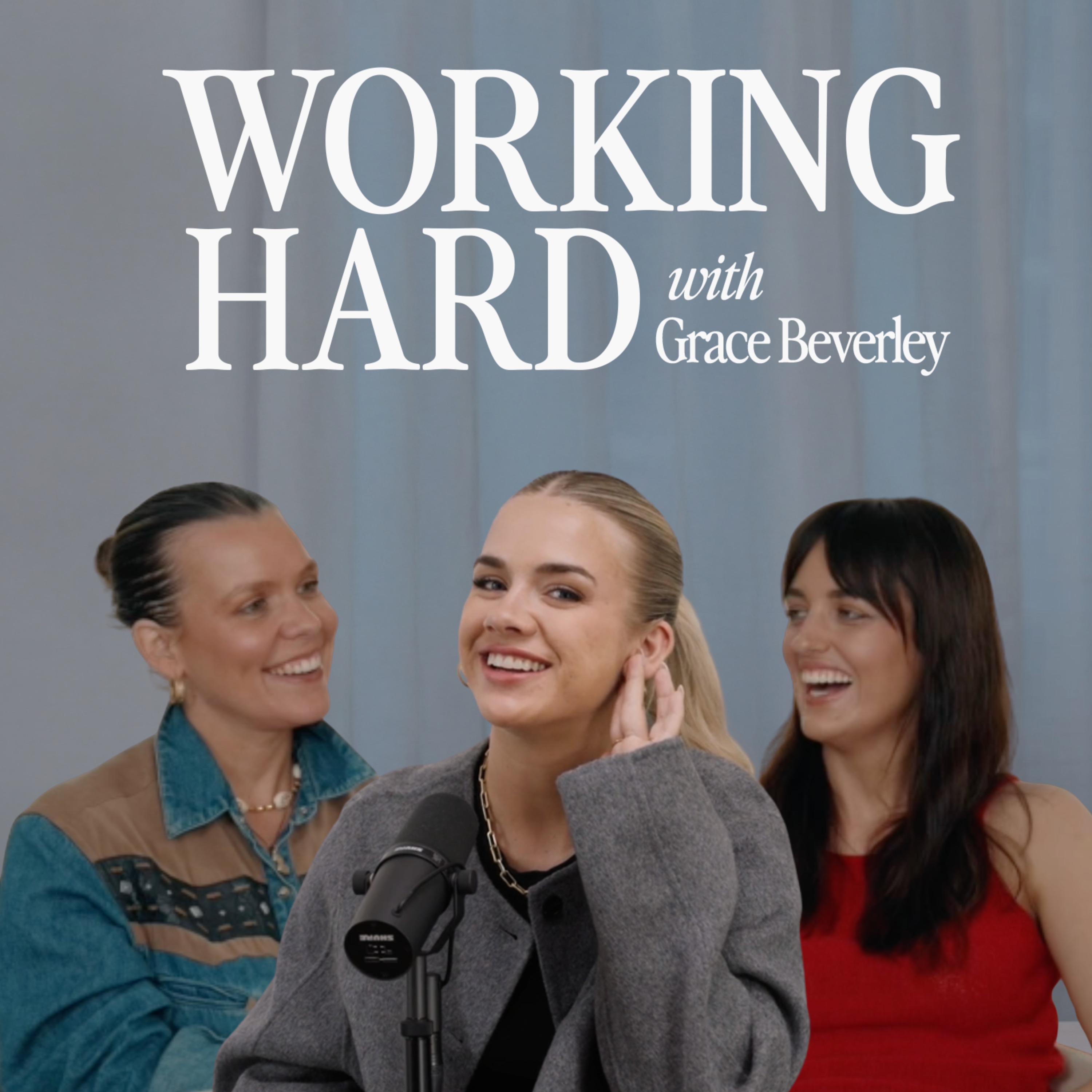
Zara MacDonald and Michelle Andrews explain how they grew Australia’s Shameless Podcast from a 2018 side hustle into a podcast media network (claimed 10% of Australian podcast wealth; projected 10M+ AUD revenue in 2025). They also discuss “destroy but work less,” founder productivity, building a network vs a single show, bootstrapping/profit discipline, and why they started sharing financials publicly despite backlash.
Zara MacDonald and Michelle Andrews are co-founders of Shameless Media and hosts of the Shameless Podcasts. They met as interns at Mamma Mia (Melbourne satellite office) around 2015, later building the network from their own content ideas. Zara had a baby in May (prior year) and works three days/week; Michelle also shifted to part-time.
Co-founding creates “exponential” efficiency; balance is essential (they moved from 9–5 to 3–4 day workweeks). They built a network to reduce risk and avoid income dependence on constant hosting. They stayed bootstrapped/profitable from the start and reinvested rather than taking “straight to pockets” revenue.
first podcast ad pricing around 80–90 AUD after ~10,000 listeners; early ad metrics lagged because dashboards were slow. They emphasize communicating “the why” to reduce team anxiety. They cite Forbes financial coverage and discuss women’s lower “likability score” when sharing success, plus “tall poppy” criticism.
Written by AI. May contain mistakes.
Explore how Zara and Michelle manage their business alongside personal lives.
“could give us a follow, that would help us hugely and mean that you can continue to get an episode ready to help you improve your life every single Monday completely free.”
Learn about the dynamics of Zara and Michelle's partnership and its impact on their productivity.
“I had a baby in May last year, so I'm working three days a week.”
Understand how the guests redefined their approach to work and success.
“not actually because that's what I want to do, but because that to me was like equated with success.”
Hear about the personal challenges that influenced Zara and Michelle's business decisions.
“We knew we needed to work that much to get this thing off the ground, but the minute we didn't have to, I was going to stop.”
Zara and Michelle reflect on their childhood dreams and how they led to their current careers.
“Like I had a magazine called Lipstick that I charged my family for.”
Discover how Zara and Michelle met and started their journey together in media.
“So I spent a lot of time thinking about that, but at the 11th hour still decided to pursue journalism knowing full well I had no idea what I was going to do with it.”
Learn about the strategic decision to create a podcast network instead of focusing solely on one show.
“Like Mama Mia at the time was big on the kind of parenting, personal story, blogging.”
Zara and Michelle discuss the joy of creating content and sharing ideas.
“So what gave you that like think bigger kind of mindset?”
Learn about the founders' decision to diversify their podcasting approach.
“And I think deep down, I'm relatively risk averse for a founder.”
Discover how Shameless Media's strategy differs from larger networks.
“I also don't know how we'd go having someone now tell us how to make our show.”
Understand the key learning curves encountered while building a business.
“And I have no idea about how a podcast network would work.”
Learn how to recognize and motivate team members based on their individual goals.
“We talk a lot to ourselves, you know, when people talk about this is a family.”
Explore the importance of setting professional boundaries while fostering a strong team.
“Like how much is that like a 360 interruption?”
Understand the challenges and decisions around sharing podcast financials publicly.
“you spoke, I think, for the first time about financials behind the podcast, buying the company as a whole in a Forbes article.”
Discuss the societal pressures women face regarding success and public perception.
“It might not be a roaring success forever.”
Explore the emotional and societal implications of celebrating success as women.
“We did a voice memo of it because we were halfway through this conversation.”
Examine the cultural attitudes toward success and the concept of tall poppy syndrome.
“But to the point that Michelle made really early in this chat, it's like, I wouldn't go back and change it.”
Explore the concept of tall poppy syndrome and its implications in society.
“I think the UK and Australia are not dissimilar, for sure.”
Discuss the role of podcasting in shaping and expressing diverse opinions.
“If you give me the option to be like, hey, this thing will do well enough that you might experience tall puppy.”
Learn about establishing work-life boundaries and the importance of mental space.
“Social media, like if you disagree with someone or like you disagree with the pack, all of a sudden it's an immediate moral failing, which is so hard to watch play out.”
Discover how personality types influence work relationships and effectiveness.
“My experience for those wonderful recording we ever do.”
Discover how balancing work and personal life can lead to greater efficiency.
“It's something you like make sure trains go where they're meant to go.”
Explore the challenges and transitions of becoming a mother while running a business.
“And I think those are the moments when she has been unwell, which is like sporadic.”
Understand the importance of equitable parenting roles and support in relationships.
“And I think it's something I wish more women would really actively think about quite young.”
Discover how the experience of motherhood can influence ambition and career goals.
“And so she's a maternal child health nurse.”
Explore the challenges and joys of balancing motherhood with a fulfilling career.
“And also like for some people work can be joyful, not everyone, but like.”
Learn valuable insights on staying grounded and focused during chaotic times.
“And to wrap up, I'd love to know from each of you what the best piece of advice is that you've ever been given?”
Discover the importance of gratitude and reflection on success in business.
“let's put out the best possible shows that we can that can get us through anything yeah I love that I think that lots of North Stars can be very lofty, like obviously.”

Get the gist, explore an idea or ask about something said.
 Claude
On Working Hard with Grace Beverley, what are the key points of this episode?
Searching your listeningAutomatic transcript. May contain errors.
0:00That new thing? Yeah, we've got it. The Drop by GNC, bringing you all the newness that matters. Handpicked by the pros who actually know what's up and what's proven to work. We keep you on top of the trends and dialed into what's next. Whether you're crushing it at the gym, leveling up your game, or thriving every day, The Drop by GNC is where the latest solutions in health and wellness land first. Non-stop innovation and fresh finds daily. Explore what's new and what's next on The Drop by GNC. Tired of your car insurance rate going up even with a clean driving record? You're not alone. That's why there's Jerry, your proactive insurance assistant.
0:38Jerry compares rates side by side from over 50 top insurers and helps you switch with ease. Jerry even tracks market rates and alerts you when it's best to shop. No spam calls, no hidden fees. Drivers who save with Jerry could save over$1 ,300 a year. Switch with confidence. Download the Jerry app or visit jerry.ai slash ACAST today. When you manage procurement for multiple facilities, every order matters. But when it's for a hospital system, they matter even more. Grainger gets it and knows there's no time for managing multiple suppliers and no room for shipping delays. That's why Grainger offers millions of products in fast, dependable delivery.
1:17So you can keep your facility stocked, safe, and running smoothly. Call 1-800-GRAINGER, click grainger.com, or just stop by. Grainger. For the ones who get it done.
1:44Grace Beverley: what is up i'm grace beverly and welcome back to working hard the podcast shape guidebook on how to improve your own life and achieve what you actually dreamed of doing because life's too short for boring podcasts and bad advice.
1:58Grace Beverley: What is up and welcome back to Working Hard. I am joined by Zara MacDonald and Michelle Andrews, the founders of Shameless Media and the hosts of the Shameless Podcasts, which has been one of my go-to podcasts for absolutely years. And since starting the podcast as a side hustle back in 2018, they've built Shameless Media into a podcast network that accounts for 10 % of Australia's podcast wealth and was reported to be on track to make over 10 million AUD in revenue in 2025. So if you want to turn your passion into a multi-million dollar business or you want to hear more about exactly how they've done that while staying true to their values and building a life that they actually love and want to live every day, this episode is very much for you.
2:36Grace Beverley: Before we get into it, could you please do yourselves and me a favor and follow the podcast wherever you're listening to it on right now? I really want to keep this podcast completely free for everyone like it always has been and I want to keep making it even better and doing bonus episodes and all the other things that you've requested. So if you could give us a follow, that would help us hugely and mean that you can continue to get an episode ready to help you improve your life every single Monday completely free.
3:10Grace Beverley: Zara McDonald and Michelle Andrews, are you currently more working hard or hardly working? We're working hard. Yeah, it's funny. I think we're working slightly less than we ever had. Yeah. Do you think that's it? Time spent working down. Good. Intensity of working way up. Inspiring. Yeah. And I want to come on to talk about that because I think I've heard you speak about that particularly when you were like setting your intentions for this year. And I thought that was very, I don't think we hear that being talked about enough. Intention for the year is destroy. Destroy but also work less, which means they shouldn't usually work together.
3:45Yeah. It can.
3:46Grace Beverley: It can. We're trying to prove to ourselves that it can. And do you find that the like increased productivity but lower time spent working, is it working for you? Well, yeah. We've both gone part-time this year. I had a baby in May last year, so I'm working three days a week. Zaz is down to four. I would say it is. So I think the thing and the great benefit of having a co-founder and the unique thing about how Michelle and I work together is I probably won't work with anyone as well as I do Michelle. I mean, not I think. I know that for a fact. And I think we work incredibly efficiently together and very productively together.
4:22And we always knew this. But I think last year when Michelle had so much on her plate, caring for a baby, caring for a mom, and I was kind of working in the business by myself, I realized how much slower I was working and how much longer everything was taking me. because I think when it's the two of us together, it's not just, oh, we're twice as fast. I would say when the two of us are together, it's like... Ten times.
4:42Grace Beverley: Yeah. That, like, exponential. Yeah. But I feel like that's really important. And I feel like working out those inflection points, whatever that might be for you, like, there might be someone listening to this who has a co-founder, and that's true for them. But lots of people are obviously doing their solo careers. Yeah. I think that even just working out, like, how you work best and, like, what conditions you work best in and what's actually conducive to, like, a better overall work environment. because I think that what I got wrong that I only really noticed over the last two years is that I've just clearly always aspired to work the most possible, not actually because that's what I want to do, but because that to me was like equated with success.
5:21Grace Beverley: So I was just like, okay, well, I guess I just need to be doing more and more and more and increasing that overall capacity and input as well as output. And it just did not end up well for me. It's really interesting. I actually think, I wonder if you agree with this, having a baby and my time looking different and also caring for a terminally ill mum last year, I think it forced Zara and I to really think about what our priorities were, how we actually needed to serve the business, where we wanted to go with it all. I think we kind of had to refocus everything. And we realized when we looked across our week, we were actually spending a lot of time in things that did not require us.
6:02And we were creating like a big bottleneck because we were across every single thing. We were holding some of the team back, I think. Yeah, I think there's a couple of things there. I think that's definitely true. And I think it's the most like unoriginal experience for any founder where you have to relinquish some level of control. And that is like incredibly hard when you feel like you are actually the one that needs to be responsible for every decision. But I actually think we've always been relatively boundaried with work. Like even when we started this, we worked so much, but I think we always knew we never wanted to work that much.
6:36We knew we needed to work that much to get this thing off the ground, but the minute we didn't have to, I was going to stop. My life outside of work has always meant so much to me, and I knew I was better at my job when we had that balance. And I think we always had that balance. It was then getting to the point where it's like, okay, we have balance Monday to Friday, 9 to 5. How do we get this to a three-day-a-week and a four-day-a-week job?
6:54Grace Beverley: Yeah. And so that's been really interesting for us in the last couple of months. And I want to come on to speak about that because I think that's both interesting and I think really important that you've been public about that. Because I think particularly with female founders who have to prove themselves over and over and over in a way that we don't necessarily see from other founders. I think that there's an aspect of needing to prove that you are doing the maximum output at all times in order to prove that you're even working hard towards your goal. which just actually isn't true because if the most effective and productive way of running the company is to change that, then great, let's do that.
7:28Grace Beverley: But I think that I definitely have like treaded water for years because I've been like, if at any point, like for Tala, for example, I've been like full time on Tala, despite the fact that I also have multiple other jobs. And so it's been crazy, but that's purely because I've been like wanting to prove to everyone, investors in particular, like well I'm a hundred percent on this like you couldn't even if you had another founder without other businesses like you couldn't get someone more on this is that to say like I deserve it if I put all these hours in I deserve the success that comes from it exactly oh it's a hundred percent an insecurity thing yeah at least well I mean um at least we got one of it but I'd love to know when you were younger what were your kind of dream careers I was that young kid who created magazines.
8:19Like I had a magazine called Lipstick that I charged my family for. That's so chic. You'd be in a rom-com. Yeah.
8:25Grace Beverley: When they were like, oh, children with all these magazines. I wish that was me. I love that. And I'd love writing movie scripts for my family and I'd like force them all to participate and I'd film them. That was me as a young kid. And then I think the older I got, in high school, I really didn't think that you could go into the media and actually, I didn't really know what media jobs looked like. I didn't think you could make money at all. So I kind of pivoted and I decided I was going to be a physiotherapist for a long time. Yeah. And then eventually landed on this. I got into blogging as a teenager and then pretty quickly found my way.
8:58Yeah. I think not dissimilarly, I was quite obsessive about women's magazines when I was a kid. You loved writing. I loved writing and I loved magazines. And it is really interesting what those initial goals you have when you're younger. Cause I think by the time you get to high school, a lot of people started warning me off going into journalism and going into the media and you start to lose the gusto and motivation for it because everyone's like, there are no jobs and it's very, very hard to crack into. And I also didn't know anyone in media. I didn't know how to do it. You hear all the fear.
9:27You hear all the fear. And my siblings were all going into like a very stable career in the law. And so I was kind of like, well, I guess it's not that dissimilar. So I spent a lot of time thinking about that, but at the 11th hour still decided to pursue journalism knowing full well I had no idea what I was going to do with it. But I think the core of what we wanted was the same. I think over the years, we just got scared off it a little bit.
9:48Grace Beverley: Yeah. And so having been scared off it, you then decided, actually, no, we are going to go into journalism. Is that kind of what happened? And that's how you two met. Is that right? We met at our first career jobs. We were both interns at a publication called Mamma Mia. It's huge here in Australia. We were both at the satellite office in Melbourne. It's based in Sydney. We were at this Melbourne office. And yeah, we were interns. Then what was our first? I think we were 20. Yeah, we would have been 19 or 20. And then first job was like editorial coordinator or assistant or something like that.
10:23It feels like a lifetime ago. Like little coffee runs for the senior staff. Didn't take a long time. Big editorial work. Yeah, yeah, yeah. Just like loading up the posts to get ready for the editors to read them. All the serious writers would like send you their stuff and you just had to like format it. That was basically the job. So everyone would throw you things. and Zara and I, I think that took us a little bit. It wasn't like we met and our eyes like met across the room and we fell in love as well. I see a podcast in that room. Yeah, yeah, yeah. It wasn't that. I think it was a bit of a slow burn.
10:52We slowly realised we're working a lot of weekends together, just the two of us in the office, and we slowly realised how much we had in common and also the way we liked seeing content was so neatly aligned. Yeah, and I don't think we saw that everywhere. Like we have a very specific taste in content and how we think it sticks. And I think we always just agreed with that from the start. And we've never disagreed on that. Like we have never disagreed on what good content is.
11:19Grace Beverley: And what year was that approximately? Because I'm trying to think of the like social media landscape. 2015. Yeah, 2015. So super early social media landscape. Very early. It was big. Like Mama Mia at the time was big on the kind of parenting, personal story, blogging. Facebook. The Facebook algorithm was huge. And what we watched there, I don't know if you were around media at this time, but in Australia, what the biggest thing was, was all these digital publications were starting to struggle because the Facebook algorithm changed and then all these business models started to collapse. Right. I wasn't actually around media.
11:53Grace Beverley: That was the year that I started my dedicated K-Nexina's fitness account. So you understand parts of it. I was in media. Yeah. Of course. Perfect. I was a publication. Yeah. You were a mogul. Yeah. If you're thinking about it. Yeah. Exactly. Exactly. And what I'm really interested in, because I think that, I mean, I spoke to you briefly before and I said that so many of the people in my office, like massive Shameless fans, and I was talking to them about like, okay, if you're not going to hear Shameless in the format that it comes in, what do you actually want to know about you guys and the behind the scenes and more about you as people?
12:28Grace Beverley: Because I think that we hear a lot about you as people in a really clever way through the existing formats that you do but I think there's so much that comes up from that because it's not the focus it's like so much more interest in the wider like what you've been able to do the big thing that came through when I was talking to people was you obviously started as journalist started as writers and then decided to start a podcast but then rather than that being necessarily like, okay, great, we've got a podcast. This can take off. Like we're in early days of podcasting and it's actually doing really well.
13:03Grace Beverley: Let's try to do the biggest podcast possible. Instead, you were like, we're going to do a podcast network and like start this company, which I don't think is a natural way of thinking. And I say that as someone who loves to start a company. So what gave you that like think bigger kind of mindset? I think it was the thing that drove us at the start was the fact we had a surplus of ideas so I don't think there was anything else beyond but we've just got so many ideas and we can't shove them all into shameless no you're so right and so it started with that to say okay well we had the surplus of ideas what do we do with them we could make 20 shows maybe not 20 that's probably an exaggeration but I think we could make five or six shows tomorrow if we wanted to because we've got ideas sitting in our back pockets and that we've been speaking about but I think beyond that we felt a lot of pressure that, and this is the thing, I'm sure every podcaster feels this.
13:54We just wanted to do something about it and rid ourselves of this pressure. But so much of our income and our revenue was tied to the two of us just sitting down every day talking. And I think deep down, I'm relatively risk averse for a founder. I wouldn't say like, as a person, I'm like the most risk averse, but I think in comparison to other founders, I'm pretty sure. I think we were definitely like, well, what happens if something happens here? If life gets in the way, we definitely spent a lot of time thinking about, well, what if we want kids? And it didn't feel like a smart business for it to just go straight at one show with one product dependent on the two of us always turning up.
14:29And so we needed to diversify how we were bringing in money. And that was the secondary part. I think it also was born out of us just genuinely having a bit of fun doing it. Yeah. Kind of funny because I don't think we sat down and we're like, and here's the vision for like this huge podcast network we really like creating shit together um we have a really really good time it's funny like one of us will have an idea zara had this incredible idea four years ago and um i remember like there's something almost electric that happens between us that this idea gets put up and it's like we have to do that yeah and so a lot of it has been born out of just genuine and passion for creating shows that we wish were out there and the fun of the idea to actual existence process and so sometimes I think we look back like we do this all the time probably at least a few times a year where we're like oh god was this the right path to take we could have easily just taken shameless to a network and you know made good money and been far less stressed but it wouldn't have been as fulfilling we find it so fulfilling to create the things we want to
15:38Grace Beverley: out there well because I also think that there's a very specific place for creators in the wider business world I say that not necessarily in terms of that being the right thing I just think for example when you just said that like you could sell it to a network essentially and work for them and probably get a big payout and and go into work essentially as um contracted you know podcasters I think the reality is then the creativity is really stripped from that role It's like we've signed you as the people who are essentially presenting this rather than necessarily like I think the one person who's really broken out of that who's been sold to a network would be Alex Cooper.
16:19Grace Beverley: Yeah. Like who quite clearly has some involvement in like the wider creation of ideas and like all of this. But I think that that's such a smart thing to recognize early because I think had I been in your position, I would naturally think like what is the fastest path to most prestigious success? Which in my mind would have been like, oh, well, when I'm co-signed by a bigger company, that to me is like, again, all comes back to insecurity babes. Like, fine. Most things for all of us too. But I think that that is like, it's a really smart thing of you to have worked out. So early on, we enjoy the curation and creation and ideation.
16:56Grace Beverley: And actually, we only get that if we have pretty full-on ownership, or at least it's carved out as like, this is our role. To be really self-aware, though, because that is a nice thing to recognize. But I don't think it was that smart at the start because we did want to go to a network. No one wanted us. Yeah. And I think that's important to know. No one would pick us up for the first year. It wasn't like we rejected this beautiful offer of amazing money. And if we could go back in time and that offer was on the table, could I guarantee we would have said no? It just wasn't there. But by the time it came was when we were able to have, I think, the sense of pragmatism.
17:33The wherewithal. And the wherewithal to say, actually, what they're offering right now is not better than what we've got for ourselves. I also don't know how we'd go having someone now tell us how to make our show.
17:46Grace Beverley: oh because you know but also because you've proved yourself over and over and over and i do think that there's like with the lovely naivety of being an early founder you're often also able to be like pushed around quite a lot because you do think like oh well all of these people who've done this for a job for longer no much better which i was susceptible to a lot and made a lot of bad decisions based on just being like a big important person walks into room i must like shut up and actually just you've now over and over and over been able to see your ideas come to fruition and the results of those in a way that I don't think anyone could come to you and be like even from a massive network and be like you guys actually aren't very good at ideation I think you'd be like I you actually just can't say that like that's just not true it is interesting having meetings with the kind of big network heads because they've obviously achieved incredible things but the path that Shameless Media has taken has been so different.
18:44So it's kind of funny sitting in those rooms sometimes because it almost feels like you're talking about two completely different things just because their strategy and our internal strategy has been so, sometimes so completely divorced from each other. Yeah. At the moment, I'm trying to work out how to say this without like, I don't know, let's see how I go without giving too much away. But you know, you're obviously constantly talking to networks because you want to make sure that you're not as a business on an island, just doing your own thing without any sense of what's going on in the industry.
19:12at large and we constantly hear bigger networks and their strategies and we look at our own and we think okay ours is pretty wildly different to everybody else and so 80 % of the time I'm like I think this is a good thing because this has always been the way for us and that's what's worked but I also never want to not be humble enough to be like well are we missing something sure you don't want to be too arrogant about it I think that's like a surefire way to sink your business too so you have to I think there is like an important level of doubt you need to hold on to as well.
19:41Grace Beverley: A hundred percent. A very important part of business. And I think that actually that's probably the reason why so many entrepreneurs do have a little bit of a chip on their shoulder because like that actually enables you to be able to like look to other people. You can't go into everything thinking that you're like the shit. Hot shit. I think the feedback loop is so quick when it comes to entrepreneurship. Like you learn what's not working all the time that you really just need to know how many mistakes you're making a day. And as long as you can like move forward from that like that yeah it's how you succeed we're also to this day still really naive about certain things like we we started this at 23 we had never had any aspirations before it to run a business like it was kind of like the the content stuff was self-fulfilling that was our passion and then off the back of that passion we grew a business and so we found ourselves at when did we have a team we would have been 24 25 yeah you know knowing nothing about that so it's kind of funny balancing that naivety and that ignorance which was powerful in getting us here but also being able to turn around and go we do not know so much to this day yeah and so how practically did that work you decide that you've you've obviously started this podcast and you decide that you want to start a bigger network how did you start to identify like the revenue number you even need to get to to be able to like hire some people or like whether it's going to be like the smart margins business or like grace you would shut up or you didn't well yeah we didn't i mean but to that end a lot of people have asked us you know did you ever you know it's you guys are bootstrapped and all of these kinds of things and we've been profitable since the start and a lot of people are like and when did you decide that and i think for us from the start it was just that we didn't think that there was another option.
21:30I think we're pretty good with money and we were like, we have to run this at a profit and we have to make sure we've got enough cash to constantly reinvest. And so if anything, I think we were slightly conservative with what we could invest in, who we could hire, because a lot of it was very much on gut field to be like, again, the sense we can afford this. And we were always right because we were very conservative with money. So it was like stupid, but not stupid at the same time.
21:52Grace Beverley: No, and I actually, I don't think, like when I say that, I didn't think about that even at the beginning either and I feel like mine was probably more straightforward in terms of like I sell legging I get money I put it back into this you know we're in a totally different business right like a media business we don't have to buy product we didn't have to be so strict with figures early on because people were our overheads yeah yeah sure the only cost was people and we really just had to focus on getting more and more advertising revenue and building our audience I think one thing from the start that I really wish, I mean, there's not much I wish we could go back and change, but there is one thing that I think about a lot.
22:32And it was this, that we had accountants who were good at our job, but were never interested in empowering us to understand our own information. So they didn't give us access to our own P &L. They would tell us about our results at the end of sort of every six months. And so we were operating very reactively. Like once we knew how much money we were making, then we were investing in decisions. And once we changed that over and someone said, here's access to all your reports, here's your budget, and here's how to actually understand the numbers and see them in real time, I think I didn't know to ask for it because I didn't know it was there.
23:04Because unless someone's telling you it's there and this is what you should be looking at, how are you ever to know?
23:09Grace Beverley: And so I'm assuming the majority of your revenue comes from ad revenue? Yes. Okay. And I have no idea about how a podcast network would work. I'm purely my estimations. And so naturally, obviously, that's been something that's quite important since the beginning of the business, because that's obviously, I mean, that's the equivalent to customer revenue from the type of business that I might run, for example. So how did you start to, I guess, notice that pretty quickly at the beginning and ensure that you were getting ads on something that maybe was smaller? than you'd necessarily get ads. Like, I don't know actually how early people would get ads now on podcasts.
23:50We, again, just went by gut feel. I think it was from the moment our episodes had more than 10 ,000 listeners. We were like, okay, 10 ,000 listens feels like something you could ask for money for. And I think our first ever podcast ad cost, is it$80? I think it was$90, yeah. We made$90 off that first episode, probably 15 weeks into doing it. but again it was it was also tricky because shameless podcast was growing so quickly early on you would sell in a certain rate for an episode and you'd be like okay this will get 10 ,000 listeners but by the time that episode went live we were up to 50 ,000 by that point so we were kind
24:27Grace Beverley: of chasing our tail for a long time and and metrics are so slow in podcasting as well like I I don't know maybe go sub out of dashboards and obviously like I use a network as well so that's different from it being like direct but I find it back then they were really slow this was back in like 2018 yeah yeah it was a different landscape so you're not getting that live data to really like make the decisions you need to make no and what would you say have been since that point to now having grown a massive business with how many people in the team or including podcast hosts I think we're up to 25 plus and so with significant revenue as well what would you say have been the biggest learning curves for you two as founders?
25:08Grace Beverley: Because you're a podcast host of the biggest podcast, I'm assuming, that Shameless has. You're also the founders. You're wearing many different hats. What have been those big learning curves? So many. I think early on, we were never embarrassed to admit we didn't know something. So in ever in with anybody, we would say we just simply don't know what that is. And I think that was really important for us because I was like, there's just simply no way for us to learn without asking. I think second to that, I put a lot of pressure on myself in particular in the early days to be able to jump between the creative and the business very quickly.
25:44So we would be like plotting a show and then we'd have to go into like business strategy. And I found that very, very difficult in the early days. And I kept saying to Michelle, I can't work out why I can't jump between this very quickly before I realized I don't think it's that natural to be going full creative. Different sides of your brain. Yeah. Yeah. And so going easy on myself with that and also like blocking out the time in very specific ways to say either you've got a show day and maybe the afternoon you'll do some business stuff. But having to be really specific about that time has been huge for me in particular.
26:12Yeah. Because you spend more time in the creative, I would probably spend more time in the business. Yeah. Zaz was like so instrumental in actually building out a business strategy and getting us to where we are now. I think one of the huge lessons for me growing this thing has been explain the why. Like first of all, understand the why as co-founders and then make sure you communicate that to your team. I remember there was a, maybe some ruffled feathers in the team a few years ago when Zara and I had these grand plans for the business. We were so excited about all this content we were rolling out.
26:44We told the team about it, but we did not set it up with like, here's why. Here's why we want to grow. Here's why we want to do all these cool things. Here's why we think you should be excited about it. And so then when the team, you know, digested that information and instead of matching our excitement came to us with heaps of concern and anxiety, it was just such a huge lesson for us. And now when we sit in meetings or strategy days or team retreats, the why is actually our favorite thing to anchor everything. It's like, here is why we're here today. Here's why this meeting is happening. Here's why we need to change X, Y, Z about the business.
27:18Grace Beverley: I think that's such a good point. And I think that was one of my big learning curves as well. When you're thinking about like, I think what I'd seen happen again and again, again, particularly from people who'd come from big businesses, was trying to inspire the team by being like, we're going to get to like this revenue and we're going to get to like this exit and all of that. and like objectively for a lot of people that's terrifying and confusing like even though that might be your company goal what you're going to invest is saying like that's not that inspiring to a wider group of people it's really democulatory it actually raises far more questions as you say i remember like this randomly like waking up in the middle of the night and being like why are we even saying this like it's not about lack of transparency it's about like that doesn't you know like one plus one doesn't equal two in that way for like this this group of people so like i remember i changed the way that i spoke about like when we were trying to inspire the team and motivate and get towards that like north star that you talk about it was really changing that to be like we want to get to here and acknowledging that you might be here because you love the company yes that's going to be a small proportion of people you might be here because you want it look great on your cb like you want this company to grow really fast and you want it to look great on your cb you might be here because that was the only job that you could get at the time or whatever all of those three outcomes look better if we achieve yes yeah this goal so i don't care obviously i do care i'd love for you to love the company but realistically people go to work because they need to go to work i'm not going to kid myself that this is your lifelong dream to work for my company it's like about understanding the those motivations and being like even if you just want your cb to look fucking great this company doing this makes 10 times more difference in terms of your next job if that was the company that really took off during that time and it's about like understanding those motivations and i think that naturally that's not one of those things that you learn right at the beginning when you are inspired by something that maybe other people aren't completely and like no one will care as much about your business as you do and I don't expect them to.
29:27Absolutely not. That's the thing. We talk a lot to ourselves, you know, when people talk about this is a family. And it's like it's not in the best way possible. I care so deeply about the people we work with. They are such an incredible collection of people. We're incredibly lucky in that sense. But I don't expect them to consider us their family.
29:50Grace Beverley: That's not how I actually want that necessarily. I want you to have your family and your friends and whatever that family quote unquote looks like to you. And for that to be an important part of your life, totally agree. Like you will never see me referring to my companies as a family because that might be the way I think of you because I'm able to think of you in all of these ways because I'm like, you're so amazing and you're doing all of these things for me. Like how much is that like a 360 interruption? Pretending that it's totally reciprocal is just a fallacy. Yeah. We really try to instill that in the team as well, that like we value them so much.
30:26We value their time with us. But equally, we try to have very firm boundaries with when they're not at work, they are not at work. Yeah. I mean, because it's important to me. That's hard in me, dear, too. And I want to live a life where I have balance. And I also want to lead a team where I'm not a hypocrite, that if I want something myself, I expect they probably want the same thing so that that flows down.
30:50Grace Beverley: No, I totally get that. And what I also really appreciate about the way that you speak about what you aspire to in your lives too.
30:59That new thing? Yeah, we've got it. The Drop by GNC, bringing you all the newness that matters. Handpicked by the pros who actually know what's up and what's proven to work. We keep you on top of the trends and dialed into what's next. Whether you're crushing it at the gym, leveling up your game, or thriving every day, The Drop by GNC is where the latest solutions in health and wellness land first. Nonstop innovation and fresh finds daily. Explore what's new and what's next on The Drop by GNC. Tired of your car insurance rate going up even with a clean driving record? You're not alone. That's why there's Jerry, your proactive insurance assistant.
31:37Jerry compares rates side-by-side from over 50 top insurers and helps you switch with ease. Jerry even tracks market rates and alerts you when it's best to shop. No spam calls, no hidden fees. Drivers who save with Jerry could save over$1 ,300 a year. Switch with confidence. Download the Jerry app or visit jerry.ai slash acast today. All right, ladies. When you've done the work, you want your hydration to do the same. Introducing new Gatorade Lower Sugar. Now with no artificial flavors, sweeteners, or colors. And 75 % less sugar and all the electrolytes of regular Gatorade. now available nationwide.
32:15Grace Beverley: And this past year, you spoke, I think, for the first time about financials behind the podcast, buying the company as a whole in a Forbes article. You spoke about how you were very excitingly on track to have an eight-figure AED year. Yeah. And doing the math. Don't get to it. How many is your eight? I read it first, and then I read the number, and I was like, perfect, six-figure. And then I was like, wait a second. You've said in the past that you've always been resisted to share those numbers. Why do you think that's been? I think probably two-pronged. I think in the early days, people would say shameless media revenue and think that's going straight into Michelle and Zara's pockets.
32:57And I was always troubled by that because as much as you own the company, it never quite worked like that. Like everything was constantly being reinvested because we've been bootstrapped from the start to kind of grow the company. And so that was always a concern for both of us. And then we got to a certain size where we really felt people can see how many people we employ here. They understand there has to be significant revenue coming in the door to be able to pay all these people. But second to that, I just think being a public podcast host and being a business owner are not great jobs that kind of align very well.
33:34And we always really struggled with the person that we are on the podcast is absolutely 100 % who we are. but the person we are running the business is also 100 % who we are. They just, you might see different versions of us in those two contexts. And it was really the podcast that we were worried about, which was like this podcast is so important to us. It's the best part of our job. But I just didn't know how it was going to last. Well, it's like how likable are we if we're seen to be doing well financially? I think last year we really made the decision to get out of our own way. And I think this is something we've really embraced in our 30s.
34:08in our 20s I think we've gotten our way a lot and we put a lot of ceilings on ourselves I think we've been through some life shit like I lost my mom last year Zara went for a period where her family member was very very unwell in the ICU like we've we've dealt with some shit and I think we kind of through all of that we're like well if we can't celebrate the things that are going well and we can't celebrate our success like why like who for and why would we try and cover that up. I think we're at a place now where we are proud of ourselves and we have built something that we're pretty excited by.
34:43And I think we've been able to own the idea, confidently own the idea that it's not super common in Australian media in particular to do this independently by yourself with no experience or no backing. Like that's not an easy thing to do and it is not the hardest job in the world, but there are some pretty hard days doing it. And it's important for us. I think so often people say, are you celebrating your wins? and so often I'm like, what does this even mean? Does it just mean like going out and getting drunk every time something happens? But I think celebrating our wins is also being loud about that.
35:14This was celebrating our win. I think that's what it is. Also, it all might fall apart one day. I think we're looking at each other. That was a huge part. This might fall apart and it is like anxiety. Anxiety and insecurity is the title of the episode. But I think we looked at each other and we're like, if this falls apart, because a lot of businesses, you know, fizzle. They go out with a fizzle instead of a bang. Especially in media. Things can change like that. Sammy Fizzle, we would kind of like people to know that this was a roaring success for a time. It might not be a roaring success forever.
35:42I would love it to be. But I would love for people to look back. I'd love for my daughter to look back. It was also having a child. I was like, I want Sadie to look back at this thing her mum did and went, whoa. Like, my mum did that. That's so cool. And if we don't have headlines like the one we did in the Australian Financial Review,
35:59Grace Beverley: we don't have proof. No one will believe us. I was like, Sadie, don't believe me. Zero statement. Yeah, literally. But I think it's really interesting. And I think it's such a predicament that we're not necessarily prepared to think of because it's not something that's been necessarily had to be thought of in the past. And I say that for two reasons. First of all, social media and like being the face of things is quite new. So needing to think about your perception on all different fronts in terms of like how you then earn when your perception is changed is important. On the other side, since women have started to become more successful, like you saying there, for example, there's a perhaps when we would talk about how successful we are, it's not going to help what we're actually doing.
36:46Grace Beverley: Whereas that is a completely inverse correlation to how it is for I'm thinking of like big male influencers or male podcasters. Like it is purely celebrated. It's better for Stephen Bartlett's show that his business is fine. Exactly. Like if it's earning a certain amount a year, it must be good. It's been co-signed. People must like you. Well, legitimate. Exactly. Whereas that we know success and likability have an inverse correlation for women. Like it's literally been proven. So naturally, it's a little bit tough that when you get to that stage, like tiny violin, it's obviously not the biggest problem in the world.
37:23Grace Beverley: But like when you get to that stage when it's kind of like, okay, in order to celebrate the success, even by not even celebrating, just talking about it, I have to potentially compromise how much people like me because the thing that they already liked me for other people also like me for and is therefore doing well. Like it's a massive mindfuck and you have to have a pretty innate ability to like understand and process it. Well, we had a back and forth last year about this. Zara was more pro sharing the number and I was reticent for a time. Do you remember this? Yeah, I'm pretty sure we recorded.
38:00We did a voice memo of it because we were halfway through this conversation. We're like, this might make for interesting content one day if we ever do more about this. So maybe that voice memo will one day see the latter day. You'll do a documentary. I was really anxious. And I said to Zaz, I was like, this is going to make life harder for us. But I'm so glad that she talked me around because I have decided it's unfortunate that women have to give up some likability score as part of sharing the success. Very small target on your back. I don't want to infestate it. And I don't, again, tiny violin.
38:34But it's definitely in a, there's maths equation you have to look at and say, okay, we do this. You'll probably experience X and Y. There'll be some like criticism will probably be a little strongly, more strongly worded or less than something. You won't be able to kind of, it's impossible to qualify. I think as it's all happening, what that criticism looks like, it probably won't happen in the short term, but you have to acknowledge that that's the payoff. And we were like, that's fine. I'm really happy we did it. I'm so happy we did it. I think it was one of the best decisions we've actually made.
39:05And it was off the back of Zara motivating me to want to do it as well. um I yeah I so back that decision but I think it does come with a small cost but I have to say as much as that conversation is interesting I should go find that voice note after we leave here um it was like probably a year ago now but I do think what was huge for me is when you spoke about having Sadie and being like I now I really want her to see this that was like very impactful for me I don't have kids but I think being able to have that framing I could piggyback of her being a parent and be like, yeah, that is. Like, I do want her to see you do that and me too.
39:42And I think that's like a really nice framing that kind of centres everything to be like, we're not on a mission to change the world by any stretch, but it is nice to be like, well, we're trying to do something. Yeah.
39:52Grace Beverley: I think this is my morning coffee walk. It's one of those tangible ways I think you hear women speak about having children and how it maybe brings things into sharper focus and that always felt amorphous for me until I became a mum myself. It's been really helpful having a child to have that perspective. I think it helps you put your big girl pants on a little bit to be like, okay, yeah, we might cop it a little bit or people might have a slight target on our back if we share this. But the bigger picture of it all is my child will one day see it and I want it out there for me. Like I want it out there.
40:25I want to be able to feel like all of the weekends we worked eight years ago and all All of the tears that have been cried behind closed doors, of which there have been many. How smart you've been in building it.
40:36Grace Beverley: Like, even all of the fun times. Yes. Like, it's led to something amazing. And, like, that's incredible. Like, that's not fucking easy. It's not done all the time. It hasn't been easy. It's been quite difficult. More tears. Let it all out. Come on. But to the point that Michelle made really early in this chat, it's like, I wouldn't go back and change it. I think it's like fundamentally changed like how I, who we are and how I present to the world. Like I am so much tougher. I think we both have a really strong ability to compartmentalize emotion from pragmatism when we're making decisions. We also really know ourselves, I would say.
41:13I think, yeah, we have a very strong sense of self and a sense of self together. I don't know what that is. We have been told we're a little collective self. Yeah, a sense of collective self. We really know who we are as well. I mean, I mean, value. And I think like I wouldn't change that in the same way I imagine you wouldn't either. It really depends on the day you ask someone. Honestly, I asked you yesterday.
41:31Grace Beverley: Yeah, I asked you today. It's fine. And I guess along with that, I mean, it's definitely a wider worldwide problem. And I think especially with all the barriers being broken down through social media, like you're going to face this wherever. But I've heard a lot about Australian tall poppy syndrome. Oh, do you think that's been exacerbated here as like a homegrown talent? Because in the US, I don't think a lot of the things that we've spoken about are actually the same. And I think the UK and Australia might have some parallels here. That is so interesting. I think the UK and Australia are not dissimilar, for sure.
42:07Because I think a lot of people talk about, quote unquote, tall poppy, which is the idea that when someone does really well, people support them until they get to a certain point and then they want to rip them down. Well, it's definitely an attitude of don't get too big for your boots. Yeah, like stay humble. Yeah. Which I think humility is important. And also leads to better humour, I believe. Yeah. I mean, as well, like, we could complain about being victims of tall puppy here and there, but I think we're also perpetrators of tall puppy when we were younger. I agree. I remember we did a whole podcast episode where we said the worst thing a person could be is arrogant.
42:41Right. Which I'm like, that is so interesting looking back on 24-year-old us to be like, why is that the worst thing someone could be? Don't get me wrong. Like, I love arrogance. But I think that was maybe tall puppies coming out in us. I would prefer someone not to be mean. Yeah, just malicious.
42:57Grace Beverley: Yeah, I definitely. No, arrogance worse. Arrogance, murderer. Yeah. I think you're right. I think when we're in our early 20s, we definitely, definitely were perpetrators of it. I think, yes, to some degree it is slightly different, but then you have to look at, I mean, I even look at Alex Cooper and I would say she still does experience some of those things as well. Oh, the amount of commentary out there that Alex Cooper actually isn't good at her job despite her being one of the biggest podcasters in the entire world. It's physically impossible that she wouldn't be. Yeah, it's kind of a ridiculous.
43:28Grace Beverley: No one's paying her. But that's the thing. Like if someone was behind the scenes doing that and said that other person would be getting that. Oh, well, no one's forcing hundreds of millions of people to listen to that show. So it's like an interesting conversation to even see out there to be like, well, she's terrible at it. I'm like, well, I guess she's not for you. She doesn't need to be for everyone. But she is for most people at this point in time. Even how many listeners she has. So it's funny. I wonder, yeah, I wonder if tall puppy syndrome is spreading to the US with that. Is it everywhere?
43:54Grace Beverley: I think it's with something like that, I think when you reach certain heights, when like tall poppy becomes a thing because the arena becomes smaller, if that makes sense. Like we, I think particularly when we see women or anyone actually traverse or kind of like go beyond a certain boundary that we'd maybe internally put in place for them. And it starts to feel a little bit uncomfortable. It's like our imposter syndrome for them. It's like, well, they must be an imposter because I can't, I couldn't originally envision them. We've never seen that before. Yeah. The other part of this, though, is I don't think it's that interesting to people because I think, and that is to your point earlier when we were like, we're probably, you know, perpetrating some tall poppy stuff when we were younger.
44:36Yeah, because I think if I heard people talk about it, I'd be like, okay. Like, do you know what I mean? Yeah, tiniest violin. Yeah, like I don't know. And it doesn't make it right or that generally people should have to just like withstand it. But it is interesting to consider that to the average person, they might be like, well, isn't that just, you know, you see that classic line thrown around on social media all the time. I guess if you're looking at like a famous actor who's complaining about the paparazzi and they're like, well, they signed up for this. You'll say that all the time. They signed up for this.
45:04Yeah. And as much as I don't know if I necessarily believe that I understand where that ethos comes from.
45:09Grace Beverley: Yeah. I mean it's similar to the imposter syndrome conversation when I feel like I get asked a lot particularly in like corporate settings like how do you deal with imposter syndrome like if you are in a role and you're feeling it strongly and I'm kind of like well I think there are two sides of things. I think the first side is that most of the time people have imposter syndrome when the workplace doesn't reflect themselves. So naturally, like when things haven't been so diverse or, you know, there haven't been so many women in a space or whatever, you're naturally going to feel it. And that's probably on the workplace rather than on you.
45:39Grace Beverley: I think the second half of that is like, well, realistically, that's probably a good thermostat for the fact that you're out of your comfort zone. And actually, if you're not having imposter syndrome, then maybe you should be pushing yourself a bit harder or maybe you feel too comfortable for too long. And maybe then it's like, as you're kind of saying, it's like, yeah, maybe tall puppy is a thing. But realistically, I'd rather be here being able to shout about things and maybe be brought down for them. Exactly. If you give me the option to be like, hey, this thing will do well enough that you might experience tall puppy.
46:10Or it won't do well enough and you'll never experience tall puppy. I know which one I'm picking. Exactly. It's fine. Exactly. You cannot have your cake and eat it too. Like, it's not useful. We also have a very thick skin by this point. Like, we know the number of perks we get being in our position, you cannot redeem those perks without also taking certain downsides. Yeah, but what is it, like, the price of admission? Is that Brené Brown saying embarrassment is the price of admission? I don't know.
46:35Grace Beverley: But I think it worked. I saw it. To be honest, I actually did think it worked. It computed well in my head actually immediately. It's like the price of doing business, baby. Yeah. It is. It is the price of being public-facing. And if you want, you cannot sit around, like, crying about it, even though maybe that's a very well. you cannot complain about that okay so i think that an added layer that you guys have on top of this that maybe is why you've had to face it so head on over and over is that your day-to-day job is about you've got to give a lot of opinions yeah like i hear your opinions on a lot of things all the time likely more than most people who actually so if that's the case like you can't actually concentrate too much on being palatable no like you if you concentrated too much on being palatable you probably wouldn't be that enjoyable to listen to and I'm not saying that as like I don't think you're very controversial like I think that generally like you I agree with your opinions and I'm never like whoa like that was shaking the boat if we said the thing that everybody expected us to always say or what the internet was saying it would be a very boring show exactly it was between the years of 2020 and 2022 I think it did become a more boring show because we felt we felt like we had to say the thing people wanted us to say which was just getting the job so backwards.
47:51Yeah. I really want someone to listen now and to hear either of us say something and think, huh, that's really surprising. Not offensive or controversial. I'm just like, oh, that is surprising. Yes. I'm fine with being controversial if I genuinely think it. I think sometimes we'll be controversial because sometimes we see an algorithm take off where we watch on and we're like, holy shit. Like there's such group think going on here and we just totally disagree. So if that's an opportunity for us to be quote unquote controversial, I'll 100 % take it. But I think by this point, we've just so removed a lot of the emotion out of it.
48:26Like, I just don't, I think I used to move through the world and I wanted people to really, really like me. And if they didn't like me, that really affected how I go about my day. It doesn't really anymore. Like it's important to me that people respect us and, you know, some people like us yeah but the idea that everyone would think I'm their cup of tea is just like a ridiculous standard also pretty self-indulgent when you think about it because I was I think I was more of that than you I think I was like more like oh my god I really need to be like and I must be doing something wrong if I'm not but the more time that went on I was like just get the fuck over yourself
49:02Grace Beverley: yeah it's like you're thinking of it's that thing where it's like I think you guys are thinking about yourself too much it's like I feel that and I honestly I feel like maybe everyone in this position has like felt it lifting over a period of time when you've realized like either I could be the most palatable version of myself and also be like boring as fuck and like not enjoyable to consume any content of like I'm not saying you need to be super controversial but like owning what you actually believe like I strongly believe now if I say something as you said and I strongly believe it and you disagree with me that's fine just as if we were at dinner and you disagreed we could have a conversation about it you're not gonna fucking shoot me in the face like no one's crying like but I think the internet is very bad at having these nuanced conversations which is why I respect so much that actually your entire platform is based on nuanced conversations because actually that's what long form is for like you're able to every single week on a number of different topics have conversations where the answer like the objective isn't you should listen to this podcast and agree with us on everything it's you can listen to this podcast and listen to people having a discussion.
50:07Well, it's the unpacking, right? Like what I really enjoy is actually more than arriving at an opinion. It's like teasing something out and figuring out where I stand on it. Yes. And also it always surprised me how often, and I think this still happens, we get the feedback, which is I love how often you disagree with each other or it's like unique that we spend time disagreeing with each other on mic. And I was always like we do this all the time with people in our lives that just having conversations about things it is like really natural to discreet it's to your point grace like it's it's not always it's ever very personal no it's not personal like to have different opinions on things is genuinely very interesting but that's exactly why I mean obviously
50:49Grace Beverley: there's many reasons you guys have done well but I think that's one of the crux like the crux of the reason why shameless is done so well is because it creates a forum where you can do that where it doesn't make it a big deal like well it's not that deep no but that's the thing and I think Like that's what we've actually lost through social media through most short form because you disagree with something in a second and suddenly it's the worst fucking thing in the world. Social media, like if you disagree with someone or like you disagree with the pack, all of a sudden it's an immediate moral failing, which is so hard to watch play out.
51:23And I think that's why we love podcasting so much that you actually can remove that like hot take culture out of it a bit that you don't all have to agree 100 % of the time. and you can be an intelligent person and have a different take to the pack. Yeah. You can also change your opinion in real time. Yeah. Like the amount of times you sit there and Michelle will say something and I'll be like, that's so much smarter than anything. My very own advice.
51:44Grace Beverley: I'm like, I'll just jump on that. Thank you. Yeah. Meanwhile, I'm there having my walk being like, yeah, me too. But also like I think on social media, we've lost the ability for someone to change their mind over time. I hate more than anything this idea that because someone said something five years ago, that is exactly how they think and feel today. Like, we are all so fallible and the idea on social media that that's not the case and if you say something once, that's who you are forever. I just so disagree with that and I think that's why Zara and I really love Unshameless acknowledging to be like, oh, I really, really, really disagree with my former self.
52:25I disagree with, like, the shit I said at fucking 23, I had ridiculous takes on something. We both had absurd takes. I was like, kill us, text. But even last year, like, if I'm hormonal, grumpy, having a bad day with endometriosis, whatever it is. When I was on IVF hormones, I was like coming out with some stuff. Oh, I can't fucking imagine.
52:44Grace Beverley: Like, I was having some takes where I'm like, what the fuck? You did pregnancy without rereading it for a very fucking long time. I can't imagine you did just 30 weeks of recording without people knowing I was pregnant. I look back, like, even sometimes a week later in a better mood. I'm like, what was wrong with her? What was wrong with her? But we don't do that on social. Oh, I think that about myself yesterday. So it's a good thing I wasn't on life. I want to kind of talk a little bit more about the work kind of aspect that we talked about earlier, because I think that that's really important and something that I selfishly am very, very interested in.
53:13Grace Beverley: I noticed when we were organizing the podcast that in your email signatures, you said specifically the days that you work and don't work. And that to me, I was like incredibly inspired by that. I was like, because obviously you said at the beginning of this year you wanted to destroy. You also wanted to go more part-time and have more life around work and be more productive when you were in work and all of these different things. As I've said, I think that's a luxury that we don't necessarily afford ourselves. And it is, I will also say, a luxury full stop. Like, of course, the large majority of people have to work full time.
53:48Grace Beverley: I think, though, that like even when you don't have to, as I alluded to before, if you're in a certain space maybe trying to prove yourself, one of the biggest ways that most people try and prove themselves is this hustle culture like working all the time being seen to work all the time aspiring to work all the time how has that changed for you in terms of like how you've been thinking about it and what kind of gave you the confidence I guess to just be like no actually this is what I want and therefore as the owner of this company this is what I am going to go for and it can be both good for me and good for the company.
54:23I think we both needed to fall back in love with running the business again to be totally candid. I think after doing something for eight years, you get to a point where it takes a lot of you, as you would know. And part of us going part-time now is like, I want to take some of the time back that I gave in my twenties. So there was that. I also just think I definitely feel better at my job when I have space, like particularly the show. I feel so much better at my job when I am not the center of my world. And I think our industry in particular can make us feel like we have to be the center of everything.
55:02And we're constantly thinking about ourselves or whatever it might be and spending time outside of that where none of my friends, family work in media day to day, like they may listen to the show. I don't know how many of them do, but it's not that important. It's like, it is important to them, but it's like, I think you can kind of get into a bit of a bubble yeah spending more time outside that bubble is much better for my day-to-day in the show as well yeah I think we're the exact same it's actually been Zaz as well who's brought in a lot of those boundaries because I think I can be similar to you Grace I just want to tip so far in
55:34Grace Beverley: have you done the Enneagram oh yeah I actually think we're the same are you a three yeah yeah okay there we go which what should I call it 16 personalities are you yes oh so 16 personalities I am an ENFJ. Same. Okay, great. I haven't done that one yet. My experience for those wonderful recording we ever do. So for those who have no idea what we're talking about, the Enneagram is almost like your working style. So Grace and I are three. We're competitive achievers. Zara's an eight. She's an active controller. It's not hot. It's something you like make sure trains go where they're meant to go. Oh, yeah.
56:08That's the one that's going to be a traffic controller. That's a dictator. Zara is amazing to work with because I have that competitive achiever side of myself where so much of my life, I mean, it doesn't sound very sexy or progressive. I'm obsessed with metrics in my own life. Optics of success are a big thing to me, as hitting this as that is. Working with Zaz is so amazing because Zara really prioritizes process and boundaries. And am I missing a time? Time and efficiency. And I think the reason we work so well together is we balance each other out and bringing those boundaries in has been really really amazing like not working all the time not having it bleed out to all hours of the day has been excellent particularly now that i'm a mom that new thing yeah we've got it the drop by gnc bringing you all the newness that matters handpicked by the pros who actually know what's up and what's proven to work we keep you on top of the trends and dialed into what's next whether you're crushing it at the gym leveling up your game or thriving every day the drop by gnc is where the latest solutions in health and wellness land first non-stop innovation and fresh finds daily explore what's new and what's next on the
57:24Grace Beverley: drop by gnc and on that i hate when women go on um podcasts and i was specifically asked about their children no no no it necessarily happens the other way around um but given you brought it up i am really interested in the transition obviously for obvious reasons it's barely read here like how you found that transition to becoming a mom still being a business owner still having certain standards for yourself i can imagine some of them even going up in terms of like what you're i don't know i already feel so torn between different things and like i'm trying not to compromise this that and the other how have you found that transition both in terms of like practical but also emotional uh it's been really amazing I won't lie and say every day is amazing I think little things can kind of throw you off kilter slightly Sadie's been quite sick the last week so when that kind of pops up that can really you can go from zero percent stress to 100 percent stress quite quickly.
58:26And I think those are the moments when she has been unwell, which is like sporadic. This was just something where she caught a virus and ended up in hospital for a little bit. And those kind of moments mean that you're split in two. That's when I really understand when mothers speak about like 50 % of you's in another room, you're in another space because your child needs you. Aside from those moments though, I feel like the transition has been really incredible. And I credit that to having an incredibly supportive partner. Zara and I speak a lot between ourselves that this is a piece of the puzzle that is so rarely spoken about.
58:58I hear a lot of people talk about workplaces being progressive and allowing amazing return to work policies and all those kind of things for mothers. And those are important. I'm not saying they're not. Like, workplaces need to do their part. For parents, though, not just mothers.
59:13Grace Beverley: But this thing, like that's what enables a better share and like less kind of misogynistic views of women in work. Yeah, flexing work for men is incredibly important. Exactly. It's the balanced approach. Yeah, and it's also a conversation around what are men doing who have kids. Like when a man chooses to have a child, I think it's imperative that he asks himself, okay, and how am I balancing work and child rearing? Like that is a conversation we so rarely hear. And my husband at the moment isn't working because last year I was, you know, raising a baby, trying to run the business. I was doing the vast, vast bulk of it, but trying to do the business stuff where I could.
59:53And then I was also caring for a terminally sick mum with brain cancer. So it became a conversation where Mitch had to stop work simply to allow all of that to be possible. And I think it's something I wish more women would really actively think about quite young. Who are you having children with? because if you're having children with a man who doesn't ask himself equally and what am I sacrificing for my career? What time am I taking out? How am I making this all work? I think that's the biggest tragedy a woman can have in her life, that she has kids with the wrong man who doesn't support her career ambitions.
1:00:28Grace Beverley: I mean, I totally agree. I think that that, like, obviously when you get pregnant, you get, like, there are so many of these thoughts that become pretty urgent. Like, I was about to say, I've been pretty lucky. two first trimesters this year obviously not that lucky but actually it's going to be a very long time to be able to think about like okay at this point I'm going to need to at least take some time off work what does that look like my husband's self-employed so he's not going to get any paternity leave at the same time like we're very lucky to be in a position where like either of us could fully support the other and like I totally appreciate that that's not like the norm but when we've been thinking about that I've been looking at it and I've been like actually the only way I as a woman can continue to do the things that I already do and reach the heights that I aspire to is by having this conversation that we very naturally have on the other side where it's kind of like how do we split this yeah how do we make sure that we both feel capable of reaching our goals because neither of us want to stop work and just like it's it's very very complex but you're right we don't have that conversation the other way around and I think all the time when you hear about these men who've done all of these amazing things and like the question is never like where were your kids throughout yes the question is never like okay well what help do you have at home when you see these morning routine videos online that they're doing something at 5am they're doing something at 7am then the kids suddenly appear and get whisked away and it's like well the only way this can happen is by having literal like free work at home yeah yeah I think also it's something that obviously I have far less experience in it than I mean I have no experience in it because you have it and I know but to that end like my partner is a lawyer he wanted to become a barrister I don't know how it works in the UK but in Australia it's like a long process yes it's like don't get sponsored like all of that you have to go like there was a long period of him having to study and not work and you know you have to have a partner that will support that but this is a conversation we had to have what three to four years ago right and plan for in the context of having kids where it was like okay well what are you doing about your career to get yourself to a point that this doesn't just come up in four years and say and then I want to get there because we've got which I think happens a lot women restructure their entire careers to make sure it's manageable for themselves by the time they are out of mental input women yeah and it was like for me a huge expectation and and for him too to be like well how are you restructuring things years and years and years out to make sure that we're both in a manageable spot by the time we choose to do this zara had an amazing analogy i hope you don't mind me sharing this um that she spoke to me last year i was pregnant and we were in an uber oh this was my sister's by the way sorry i take it okay i'm gonna credit me at a mcdonald for this analogy but it's like uh if you weren't at home and your husband was with your child, could he pack the baby bag without asking you a single question?
1:03:26And I think the number of women who maybe would say, no, he can't. I'd constantly be texted. I'd constantly be on the phone with him, telling him everything that needs to go in the baby bag. I think that shows already that the division of labor as far as child rearing is concerned is not equitable, is not equal.
1:03:46Grace Beverley: Yeah. And I think one of the best pieces of advice, I think, I haven't put any advice into play yet as my baby is still in my tummy but like was one of my friends she said at the beginning when you've just had the baby neither of you should correct each other on anything yes like don't jump don't be like oh you're holding her wrong or you're doing this or this is how you should do this because then one of you becomes the primary parent and naturally that's going to be the woman because the amount of time they spend with the baby particularly if you're breastfeeding particularly naturally in terms of like research around certain things So the baby is so much more comfortable with you instinctively because they recognize your smell, your voice, everything.
1:04:23I think that's a huge one, Grace. Like I remember my sister said that to me. I'll now credit Claire Andrews. We love sibling. She's like, one of my biggest lessons is make sure you do not make your partner feel like they are not competent and they need to doubt themselves. And therefore that they need to turn to you for approval and how to do it. Because as soon as you set that dynamic up, you're the expert. They're the novice. and that's what continues. And so she's a maternal child health nurse. She was also a midwife before that. And I think that's amazing advice for women. Even if you feel like you know better, you need to let your husband, in the case of heterosexual relationships, you need to let them feel empowered.
1:05:03As soon as you disempower them early on, that dynamic can actually be the worst case for both of you.
1:05:08Grace Beverley: So after I heard that advice, I actually thought, how can we put that into action as soon as possible? And what we've introduced in my... We love an efficient woman. what we've introduced in my pregnancy which i received my bulletin on this morning is that um my husband is in charge of um symptom watch and knowing what's happening to the baby each week so i like as in because i think and again naturally it's like you you're the one setting up the appointments you're the one like downloading the apps you're the one doing all of this because of course it's happening to your body yeah whereas like my thing was like well there's not much you can do at the moment what you can do is like obviously fully look after me and like make me on my food and rob him feet.
1:05:44Grace Beverley: But like other than that, like you should be the one telling me every week like what I'm about to have happen because I'm going to know it as soon as it starts happening. Like he can do the research. Exactly. Like that's not gate capped. One for Mitch and I. No, that's not gate capped. Google's right. Yeah, literally so free as well. One for Mitch and I early on was I was breastfeeding for the first six months. He would do every nappy. And I know that for some couples they'd be like, well, that's so inconvenient. You're both awake at the same time. Shouldn't one of you be sleeping? I'm like, but if you're a breastfeeding mom, you're awake full stop.
1:06:13And it was like for us, it's like, well, that's an equal division of labor that I breastfeed. And then straight after that or before or whatever, you change the nappy and that's how we do things. It can be very, very tricky, particularly if you're breastfeeding early on, that all of a sudden you are the go-to for everything. And I think it's important that women start thinking about, okay, well, what are the little rules that we even bring in between us to make sure we both feel as comfortable with this dynamic as possible?
1:06:38Grace Beverley: Yeah. And in terms of like your being at work every day and your approach towards work and like your aspirations overall, have there been any significant shifts? If anything, I think I'm more ambitious now, but I think that's part of losing mum as well. Mum was such, and Zara's mum, Trish, is the exact same. They were our biggest supporters. Sorry. And so losing mum, it's, I think she always said to us like, oh my God, just go for it. She always believed in Shameless so deeply and Shameless media. So I think losing her galvanized me that she would want us to shoot for the stars. Yeah, she was like competitive on your behalf.
1:07:21Grace Beverley: She was a three-year-old. Like an absolute three. She loved optics. Yes. She used to write us to make sure that we were hitting those milestones. Yeah. I think to your question to Michelle about your ambition and stuff like that, I think it's interesting because before Michelle had kids, a kid, sorry, there's no secret child anyway. A couple of my girlfriends asked me that. Like, are you guys, are you worried about your dynamic changing or that like one of you will be running the business? And what if like she fundamentally changes in her motivation? and I literally looked at them and I was like I I don't mean to sound naive right now but like when you understand the core of who someone is when you run a business with them this is just simply not a concern for me well it's so interesting that you just said that because when I was telling the company that I was pregnant I had a freak out the night before and I was like oh my god I should tell the senior leadership team before and give them a full like hour forum to ask me questions and then I was like setting that up and I was doing that and then I was just talking to one of my friends and I was like how many men do you think when they're about to have a baby also I'm six months away do you not think I've thought about this for the part like as in like I've spent the past three years planning for this.
1:08:33When a female business owner it's truthfully what you start thinking about when you're probably 25. Exactly.
1:08:38Grace Beverley: How did you start planning for this then? And so I'm like how many male business owners would have had to think like oh I'll sit down and see if they have any questions because they're scared that I won't care about my own business after I have a baby because how could I ever care about anything else because of course women only care about children once they have children like it's such a fallacy but it's so it's so true like even I see people I mean I listened to your episode the other day on like the mass unfollowing a pregnant woman I was listening to this and I was just like it is so interesting because like I'm already naturally trying to fight against this assumption that all my content's going to be about pregnancy and being a mom and like that's all I'm going to care about it's like guys I mean no one's even said this to me so like I'm taking on bridge with it but like I've cared about my businesses like so much for the past 10 years like do you not see how much like that's not just because I've had them instead of a baby like that's not just like that that was the only part of the DNA exactly like that is literally like if you've met me for one day you know that I fully plan my maternity leave you know that I fully planned like every single approach to the business and all of that and I do think it's so interesting that like we do see women who become mums as women who become exclusively mums despite the fact that that is disproved everywhere now yeah I think um it comes with some sacrifice it's not like you can have a baby and life looks exactly the same but I think provided you have I mean a supportive family is such a privilege as well uh when you have a baby I think if you have a good village around you in a good community around you a lot is possible and I mean I would have wanted to hear that five years ago when I was anxious about running a business alongside Zaz and one day having kids I think being 10 and a half months into it now I can say that it's not always easy but it is absolutely possible and it does take a village to raise a child and one thing I'm really happy about I mean I have four days out of the week with Sadie and I really soak them up and I love those moments with her when I'm not with her and she's at daycare or with family or with Mitch I know that she's also boosting her social skills and building her independence and like she's already such an independent little girl who is so confident with different adults and people I think you just need to kind of go into it with a plan you need to think about this stuff rather than starting to think about it the moment you go on fraternity leave maybe.
1:11:09Yeah. Yeah. And also like for some people work can be joyful, not everyone, but like. And fulfilling. Watching you come back to work was lovely because you seem, I mean, I don't want to put what you seemed incredibly happy. Yeah. I think I am so happy with the balance. Feeling like when I'm with my daughter, I can be fully present. And then when I'm not with her, I'm working on something that brings me an incredible sense of fulfillment. I totally understand why some mothers wouldn't feel that way. I think it is a privilege to be in a job where you do feel that. It's very job specific. A lot of people don't.
1:11:42A lot of women feel a little empty when they're at work. So I can totally understand why they would want to spend more time at home and maybe not be at work. But for me at the moment, the balance is incredible and I'm really enjoying it. I love that. And I'll be definitely asking you some follow-up options.
1:11:58Grace Beverley: Oh, please. Via your DMs. And to wrap up, I'd love to know from each of you what the best piece of advice is that you've ever been given? I'm trying to work out if this is advice that's been given to us or if it's something that we've learned over time. And there is no snappy one-liner for it. So just like, hear me out. But I often sense when you, particularly in the context of running a business, when you say something is going wrong or you need to fix something, it's very, very tempting to say, okay, everything about it needs to change. And the pendulum just swings so far one way and you change every single thing about it and it's not going to work.
1:12:29What we genuinely try really hard to do is if we see something not working, we make very small changes here and there rather than let the pendulum swing too far and let your emotion get the better of you to say every single thing about this needs to change because i think that's how
1:12:42Grace Beverley: you make more mistakes yeah i think that's right it's like a tweak and tweak and replicate rather than like a throw it all at the bend scrap it all yeah scrap it all and start again yeah uh i would say one of mine is from my little sister evelyn she's a uh family's had a big role in the past we'll be running them next time everywhere there's a lot of them they're a huge yeah we're very very and most of our families. And they kind of our brains trust in many ways. So when we have a dilemma, Zara often turns to Mietta and I often turn to Evelyn and Claire. Evelyn's very pragmatic. She's a doctor and she deals with a lot of, you know, emergency kind of situations in her job day to day.
1:13:19And she always says to be a rock in the river and that there can be absolute chaos swirling above you and moving above you. You just need to kind of stay grounded, put your head down, do the work. I think that's been huge for us to just in moments of chaos find that inner sense of calm and that inner confidence to be like we will just be rocks in the river and we will get through this I think another part of that is just put out good content like if you put out good work that you back and you love everything will be okay in the end and always returning to that as our north star I think let's put out the best possible shows that we can that can get us through anything yeah I love that
1:13:58Grace Beverley: I think that lots of North Stars can be very lofty, like obviously. But I think that actually that's what it, like knowing that that's what it comes back to day in, day out for you as a business, I feel like very much shows in terms of all of your output. Thank you. Yeah, you guys have done so incredibly well and it's so amazing to watch. And I can't wait to watch it go from strength to strength. Thank you. Thank you for having us. Not at all. Thanks for being in Australia and giving Australia your time. Blessing Australia with your presence. Australia just blessed. Australia did it by me.
1:14:34that new thing yeah we've got it the drop by gnc bringing you all the newness that matters handpicked by the pros who actually know what's up and what's proven to work we keep you on top of the trends and dialed into what's next whether you're crushing it at the gym leveling up your game or thriving every day the drop by gnc is where the latest solutions in health and wellness land first. Non-stop innovation and fresh finds daily. Explore what's new and what's next on The Drop by GNC. Does your day move faster than you can keep up? With new Gatorade Lower Sugar, my family and I can stay at the top of our game.
1:15:11No artificial flavors, sweeteners, or colors, 75 % less sugar, and all the electrolytes of regular Gatorade. Now available nationwide. If you work in university maintenance, Grainger considers you an MVP because your playbook ensures your arena is always ready for tip-off and Grainger is your trusted partner. Offering the products you need all in one place from HVAC and plumbing supplies to lighting and more and all delivered with plenty of time left on the clock so your team always gets the win. Call 1-800-GRAINGER, visit grainger.com or just stop by. Grainger, for the ones who get it done.
1:15:56you
We're kicking off our Aus series with the Shameless girls!! I'm so excited. Since starting their podcast as a side hustle back in 2018, Zara Mcdonald and Michelle Andrews have built Shameless Media into a podcast network that accounts for 10% of Australia’s podcast wealth, and was reported to be on track to make over 10 million AUD in Revenue in 2025. So if you want to turn your passion into a million dollar business, you want to hear more about exactly how they’ve done that whilst staying true to their values, or if you’re just fans of Mich & Zara like me, this episode is for you!
+
SHAMELESS
Shameless Media: https://shamelessmedia.com.au/
Shameless Media Instagram: https://www.instagram.com/shamelessmedia/
Shameless Podcast Instagram: https://www.instagram.com/shamelesspodcast/
Zara's IG: https://www.instagram.com/zamcdonald/
Michelle's IG: https://www.instagram.com/michelleandrews1/
+
SIGN UP TO THE WORKING HARD NEWSLETTER: https://graceb.myflodesk.com/k0sfhlac34
+
FOLLOW THE PODCAST
Instagram: https://www.instagram.com/workinghard...
TikTok: https://www.tiktok.com/@workinghardpo...
+
DILEMMA SUBMISSION
If you'd like to submit any dilemmas to the podcast to be answered in the bonus episodes, please send them to [email protected] with the subject beginning DILEMMAS or DM us @workinghardpod on instagram!
+
MY LINKS: https://gracebeverley.komi.io/
+
RETROGRADE, SHREDDY, TALA and THE PRODUCTIVITY METHOD are my own businesses, therefore any mention of them - whilst not being a sponsorship - is monetarily endorsed. As usual, sponsorships do not change my opinions nor my honesty, but I will always disclaim to make sure motives are clear 😊
Hosted on Acast. See acast.com/privacy for more information.