Ask ChatGPT
 Working Hard with Grace Beverley
27 Apr 2026 · 56m · 17 chapters

Episode 200 is a “best-of” reflection from Working Hard, compiling advice clips that the host says have changed how listeners think about career, confidence, women’s health, dating, mindset, workplace culture, and personal finance.
Written by AI. May contain mistakes.
Grace reflects on the journey of the podcast and shares key learnings.
“with a clip from my episode with Google MD Vanessa King-Ori, which we recorded last year.”
Grace shares impactful advice from her conversation with Vanessa King-Ori.
“And I'm not particularly a peacock, but I think people make their mark through their difference, not through their similarities.”
Exploring the concept of self-trust versus confidence, as discussed by Dr. Sade Zarai.
“That is the essence of self-trust and big trust.”
Learn how self-perception influences actions and resilience.
“Because how we see ourselves determines whether we take that first step.”
Explore the different forms of self-doubt and their origins.
“For some people, it's imposter syndrome.”
Discover how our beliefs shape our experiences and interactions.
“The very first one relates to the psychological trait of self-esteem.”
Learn about the role of self-acceptance in personal value.
“And then the other one is a really interesting one.”
Understand how self-worth influences health behaviors and perceptions.
“I wanted to include a clip on women's health because the episodes on this topic are the ones that have really meant so much to me over the last 100 and I'm so grateful to Dr.”
Learn about the importance of treating the body as a whole and the impact of anti-inflammatory living.
Explore dating dynamics, self-worth in relationships, and the psychology behind attraction.
“I already told you we do everything on this corner of the internet.”
Hear insights from successful women on the pressures of success and the role of fear in achieving goals.
Learn how to combat fear and stay focused on your vision.
“People make a big deal of culture and I don't think it's really understood very well.”
Understand how hiring and promoting affect workplace culture.
“I said we did finances over in this corner of the Internet.”
Explore the significance of having a financial safety net.
“I also would say if there's any advice you take from this episode is if you are not clued up in your finances, now is the time.”
Discover the signs of being in the right job according to values.
“Visit SkyRizzy.com or call 1-866-SKYRizzy to learn more.”
Learn how visualization techniques can enhance performance.
“a ton of energy for outside of your job?”
Learn about powerful advice from the community and personal reflections on its impact.
“I feel like we hear it over and over again but it really is just so true.”

Get the gist, explore an idea or ask about something said.
 Claude
On Working Hard with Grace Beverley, what are the key points of this episode?
Searching your listeningAutomatic transcript. May contain errors.
0:00Oh, my perfect day as sand, salt, water, and friends. But my moderate to severe plaque psoriasis can take me out of the moment. Now I'm all in with clearer skin thanks to SkyRizzy. Riz and Kizum at RZA, a prescription-only 150 milligram injection for adults who are candidates for systemic or phototherapy. With SkyRizzy, most people saw 90 % clearer skin and many were even 100 % plaque-free at four months. SkyRizzy is just four doses a year after two starter doses. Don't use if allergic to SkyRizzy. Serious allergic reactions, increased infections, or lower ability to fight them may occur. Before treatment, get checked for infections and tuberculosis.
0:38Tell your doctor about any flu-like symptoms or vaccines. Thanks to SkyRizzy, there's nothing on my skin. And that means everything. Nothing is everything. Ask your doctor about SkyRizzy, the number one dermatologist prescribed biologic in psoriasis. Visit SkyRizzy.com or call 1-866-SKYRizzy to learn more. Does your day move faster than you can keep up? With new Gatorade Lower Sugar, my family and I can stay at the top of our game. No artificial flavors, sweeteners, or colors. 75 % less sugar and all the electrolytes of regular Gatorade. Now available nationwide. My wife won't stop talking about Jerry.
1:17Jerry. Says he saved us money on car insurance. Mine too. Found her a better rate and didn't waste her time. Who is this guy? Babe, Jerry checked again and found us an even better rate, pulled 20 quotes from top insurers, showed them side by side, and helped me switch policies in the app. It's a car insurance app. Yep. Let's just... Never happened. Do yourself a favor. Visit jerry.ai slash acast.
1:59Grace Beverley: What is up? I'm Grace Beverley and welcome back to Working Hard, the podcast shaped guidebook on how to improve your own life and achieve what you actually dreamed of doing, because life's too short for boring podcasts and bad advice.
2:13Grace Beverley: Hello and welcome to episode 200 of Working Hard. Yay! We're going to get into the episode in one second but for now I've got a big fat cake in front of me and you are very much mistaken if you think that I'm not going to eat some of it oh it's got confetti on the knife oh
2:35Grace Beverley: that's really good guys time for the episode I feel like I should maybe have like something profound to say here but honestly the main thing is we've made it to episode 200 that is absolutely insane because if I think back to when I like started this podcast I remember feeling definitely quite embarrassed when I was posting about it especially right at the beginning when I was really trying to like get those numbers up it was actually a bit mortifying the first the first while when I was like posting on socials and it like wasn't something that I would usually post and people would just be like okay like I don't think many people were that interested and to think that this podcast has become over 200 episodes is probably the best proof I have that you just have to start things before you're ready and you have to feel a bit of embarrassment and embarrassment is usually the price you pay for something actually working out because this past year we have hit a million listeners a month, we have had our best week and month ever, we have grown the podcast, Instagram and newsletter to hundreds of thousands of people to become one of my favourite corners of the internet and I have had so many of my dream guests on.
3:48Grace Beverley: I have literally travelled around the world recording these conversations and it's just become one of the parts of my job that I genuinely enjoy the most. Like it feels like a break on the days that I record the podcast. It feels like such a privilege just to be able to sit down and talk to you and talk to the guests and have really interesting conversations that maybe once upon a time on the internet there wasn't really space for because it's only, I don't know, you prioritise short form and none of that would have happened if I had waited until it felt polished or impressive or like made sense on paper.
4:28Grace Beverley: So today's episode is a little bit of a reflection on that but we wanted to make it the most useful episode it could possibly be for you. So I've gone back through the last 100 episodes since we last celebrated and pulled out some of the best advice we've ever had on this podcast. The moments that actually changed how I think or how I approach my life, those conversations that have gone around my head again and again and again since recording them. And going back through these conversations has been a bit of a reminder to myself as well of just how much I've learned just from sitting down and asking people questions, like asking people that are more impressive than me, that have incredible stories, that have been through so much like asking them questions has led to so much improvement in my life and I'm so happy to be able to share that with all of you.
5:17Grace Beverley: So whether you've listened to one episode or all 200 this is a really good one to dip into and if we reach episode 200 and you still haven't followed the podcast on whatever app you're listening to it on what are you doing? And second of all why don't you give me a little 200 episode birthday present of a little follow right now. It means so much to me and the truly tiny team that sit in front of me and allow all of this to keep happening totally for free alongside my actual job. Being able to provide all of this and all of the resources we do completely for free is something I am super super proud of too.
5:52Grace Beverley: You can get all 200 episodes for free on the internet, you can learn so much about yourself, about starting a business, about finances, about debt, about life improvement in general, about your career, all of it completely for free. So I'm so glad that I found people to speak to about that. Okay, so let's get into it. We are starting with a clip from my episode with Google MD Vanessa King-Ori, which we recorded last year. This was one of those conversations where we covered about 100 topics and she had such good advice across them all. I honestly could not recommend this episode enough to anyone who wants to get forward in their career and who wants to build like a high performing career and is willing to put in the work to get there, but also maybe wants a few cheat codes.
6:35Grace Beverley: I want to start with the story that she told me about growing up, which really stuck with me. I say this to my team all of the time. If you're lucky enough to be brought into rooms with people who are really interesting, jot down something that they said that you didn't know and then research that, right? One thing I'm really, really nervous about with the way our algorithms are working versus how I came up, I'm showing my age again, Grace, is it's increasingly hard to learn about things you didn't know you need to know. So if I think about when I was growing up, one thing my mother insisted is that I read the newspaper every Sunday, seven years old, sat there with the Times, but I had to read at least two.
7:25One was the newspaper that was closest to our viewpoint and that felt like the most comfortable read but also the newspaper that felt the furthest away from who we were and that was an incredibly valuable thing for me because the best way to engage in a argument or to is to learn about the other side of things. You need to know about the opposite of what you're interested in in order to fuel your interest and so I think if you are too um if you're receiving your learning in a very passive second-hand way you're actually not going to be ahead of the you know the pulse at all yeah right it needs to be the springboard
8:10Grace Beverley: it needs to be implemented into your week I agree with that so much and on a similar note she also told this story about being yourself at work and fighting against consensus culture which is really stuck with me so much ever since that record and also there's this clip of what she said about getting forward in your career and how to actually do that which I think it sets up exactly why I recommend every single person to listen to this episode. Ways to stand out I think one of the biggest killers of shining your light is consensus culture and so it's really prevalent in the UK and maybe the West.
8:51And I grew up in cultures where it was all about standing out, you know, peacocking in Africa or in the Caribbean is a huge thing. And I'm not particularly a peacock, but I think people make their mark through their difference, not through their similarities. And the challenge in British culture and in some of US work cultures and other places are, it's very cliquey and people want to be in agreement with the people in power. So what they do is they inadvertently become yes people. They co-sign ideas and they back up other people's ideas rather than presenting the alternative ideas or where the challenges might be.
9:34So one of the things that I really try and do and I try to do as I was coming up is actually be the friendly devil's advocate, is actually show the people, you know, who are leading on a project, a team or what have you, what if this were to go wrong, but come with the solution? You don't want to be the gray cloud that's like, well, that's a shit idea. And that's it. But you do want to be the person that says, I love this. I was thinking about it. one of the things that could happen is but I think we could get around it by x be really positive if it if it's a positive scenario but just present new ideas alternatives um add-ons add-tos that kind of thing I think people are scared of standing out and so they work really hard to be like I have the you know I worked in something before and and are um in a space before and the boss loved Taylor Swift.
10:35And she came in one day and was saying in a high-level meeting how much she loved Taylor Swift. And I remember these very, very senior execs running out afterwards and desperately trying to get Taylor Swift tickets, right? Because they wanted to be able to bond with her and say, I like what you like. And I remember just thinking, I'm not, don't kill me. I'm not I don't have anything against Taylor Swift but I'm not a huge fan and saying to her what do you love about it's kind of unlikely it's really interesting I've never gotten into her she's not my cup of tea and I remember us having a much more fruitful conversation about why she hadn't gelled for me and why she gelled rather than being like I like her too yeah well that's the end of that conversation so from an ideation perspective a ways of getting it done try to present alternative ideas.
11:29The other thing that I think is really big in standing out is try and do the things that no one else wants to do.
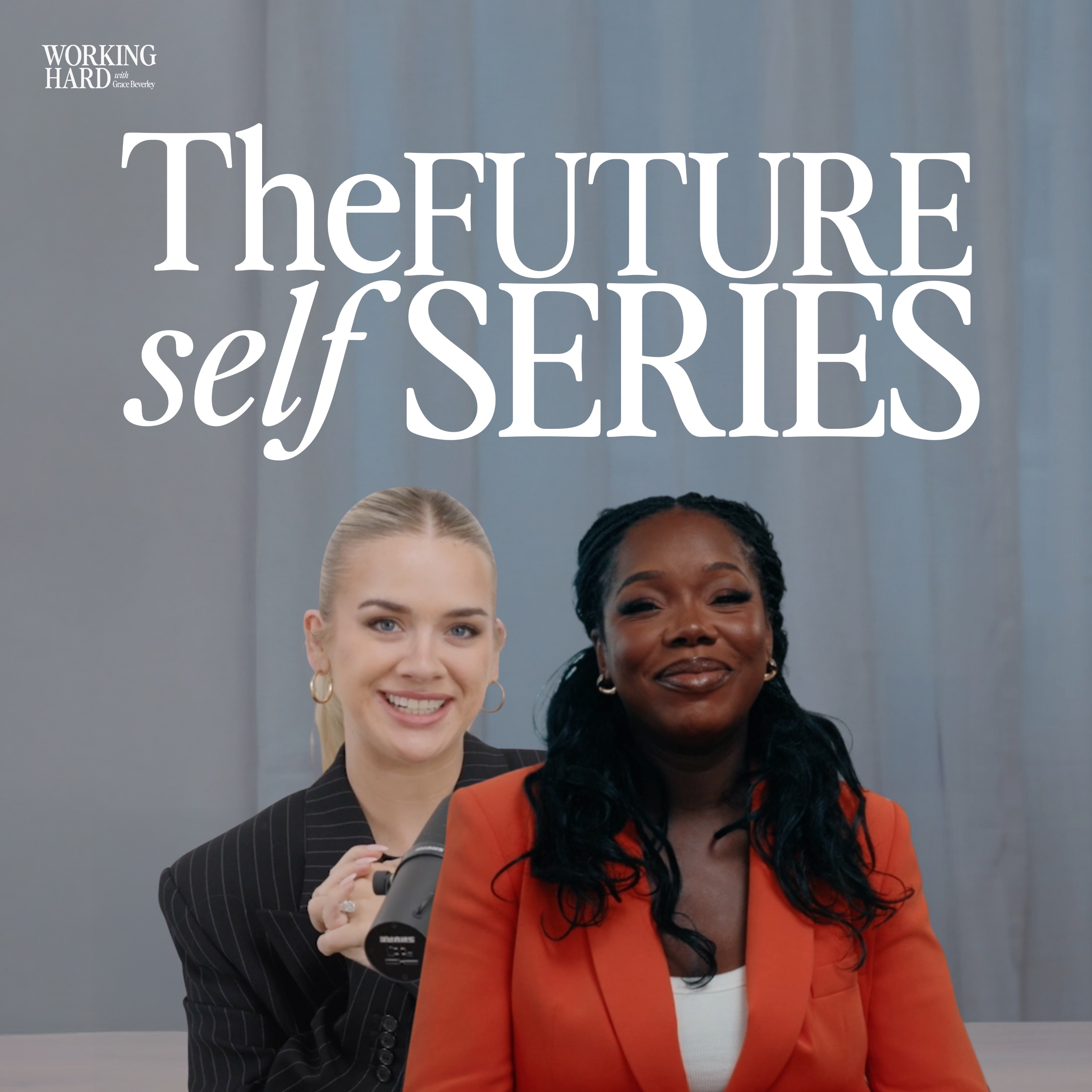
11:37Grace Beverley: Next up I wanted to talk about the episode that begun this year with Dr. Sade Zarai. This was her explaining why it's not confidence we should be aiming for but self-trust. When I was putting this together I kept trying to make this clip shorter and shorter but then I'd go like oh and we need this bit and we definitely need this bit. It is such good advice on why our attempt of like building confidence is maybe slightly misplaced for the ability to build self-trust. Generally, we think that confidence is the opposite of self-doubt. And so as women, as professionals, as entrepreneurs, as creatives, we're waiting to feel confident before we do the thing.
12:12Right. Before we pitch the business idea, we launch the side hustle that we have. Whatever it is, we're waiting or asking for the raise. We're waiting to feel ready because we tell ourselves when I feel confident, when I feel ready, that will be the time that I will do it. But you see, confidence is the wrong goal. When we actually look at what the driver of confidence is, it doesn't come before you do something. Confidence comes after you've done it. Because when you do the thing, you take the step, you tick that thing off the list, you have a proof point in your brain, hey, I can do this. You're building a little bit of skill, a little bit of competence, which increases what's called your self-efficacy, which is the belief you can do it, which then is what creates confidence, and then you feel more motivated to keep going.
12:55So you cannot achieve that state of confidence before you do something, which means confidence is the outcome. So then what on earth are we waiting for? What we need is actually self-trust, which we call big trust. It is the absolute unshakable trust that I have skills I can rely on. I have qualities I can rely on. Even if I don't know how to do everything, I can learn. I can ask people for help. And even if things don't turn out the way that I want, I will be okay. That is the essence of self-trust and big trust. And it's specifically because the next question that we get asked is, okay, what does that mean?
13:29What does it mean to trust yourself? And I'm big on measurable things. I love looking at the data. I think it comes from my legal training to the point though, that sometimes I struggle to have an opinion because I'm like, let me get back to you and have a look at the research. So that's not good. I need to shake that off. It's good to have an opinion. So, But anyway, I was having a look at what is self-trust. Because if we can distill what it is, then we know how we can build it. It's not a feeling. It's not bravado. It's not just, I can do this. What the literature shows, what my own research has found, is that it fundamentally comes down to four things that shape how we see ourselves.
14:06Because how we see ourselves determines whether we take that first step. It determines whether we keep going when that obstacle comes up. It determines how we bounce back when we experience failure. And it determines whether we achieve that new year goal or whether we give up. Because if we fundamentally deep down don't believe that we can or we're worthy of it or we can control everything about it, we're not going to do it. And the piece of control is a big one. A lot of the time we will not do something unless we feel like we have certainty. The only certainty we have is about what we can control.
14:39And if we constantly remind ourselves, hey, I can control my thoughts, my interpretations, my responses, how I react when someone tries to undermine me or undercut me, we feel this incredible sense of personal power. I would love to share what these four drivers of self-trust are. Okay, let's dive into this. Now we go into like the master class element. Now, why it's important to know what these are is that we then realize that if any one of these are missing or weak, that is where self-doubt attacks us. And that's why self-doubt has so many different shapes and forms. For some people, it's imposter syndrome.
15:14For other people, it's people-pleasing, which are very different. For some people, it's playing the victim, which is very different. These are all forms of self-doubt. Now, to demonstrate just how powerful it is, I want to share with you a study from the 70s. Please. Powerful, powerful study. I love that you're so optimistic. Oh, I'm so ready on the trail. Not that you'd say, no, I don't want to know about this study from the 70s. Okay. Psychology professor by the name of Robert Kleck. He had a group of students, and he wanted to understand the role of expectation. So that was sort of the reasoning for his study.
15:42He split them into two. With one group of students, he drew a scar on their face from the side of their right ear to the side of their, you know, the right side of their mouth. Big, ugly scar. And he let them see themselves in a mirror so they can confirm, okay, I've got this big, ugly thing on my face. The other side had no scar. He then sent them all into conversations with strangers. Now, at the end of the conversations, they had to report how did they find the conversations. The group with the scar overwhelmingly reported that they felt it was tense. They felt judged. They felt like it was really uncomfortable.
16:13They felt like they were treated differently because of the scar. Now, we would almost expect that. But here is where it gets really interesting. Let's rewind a little bit. Before Robert Kleck sends them into these conversations, he tells this group, I'm going to apply some moisturizing cream to the scar so that it sets and it doesn't crack. Okay, great. So as the researcher is applying this moisturizing cream, they remove the scar. There is now no scar, but they believe there is one, because they haven't seen themselves in a mirror. They go into these conversations with strangers believing they have this visible disfigurement on their face, and they interpret the response of their conversation partner as being tense, they were judged, they felt that they were distant.
16:53It was entirely in their heads, and how they know that is they had third parties watching on video. They couldn't notice any difference. This is the power of what's called expectation bias. What we believe about ourselves shapes what we experience because it determines what we pay attention to and how we interpret what is happening, even if it doesn't happen. And so now when we're talking about self-trust and self-doubt, we need to be asking ourselves, what kind of scars am I carrying with me? What kind of scars am I taking into every meeting, every relationship, every opportunity that I have?
17:29If I deep down believe that I am unworthy, I am going to continually find myself in situations where I do not feel worthy. And I'm going to find ways to confirm that I am not worthy. And I keep living this reality. That's why you see some people in relationships. They just keep repeating the same patterns because deep down they haven't fundamentally changed how they see themselves. They're carrying that scar.
17:52Grace Beverley: That's so interesting. I find it mind-blowingly fascinating. So now when we look at self-trust, self-trust is entirely a self-perception that we have. Because it's not objective. It's entirely a belief. It's the absence of scars, if you like. And so we need to acknowledge that self-doubt then is an expectation that we have that then shapes what we experience. So let's look at these four drivers of self-trust. The very first one relates to the psychological trait of self-esteem. and we refer to it as this trainable capacity of acceptance. Self-acceptance. Self-acceptance is a habit. Now let's look at what it's like when you don't accept yourself.
18:31When you do not fundamentally accept who you are, you become a people pleaser because you outsource your sense of value and worth to others. If they approve of me, then I'm a value. If they don't approve of me, it's like a compulsive need that I have to win it back. And I will contort and I will say yes to whatever they need in order to be that so that I feel like I'm enough. The other way it shows up is the pressure to prove. You feel like you need to prove yourself. So you work really, really, really hard. You keep pushing yourself because you feel like your work and your output is a reflection of your value.
19:06No. And so am I, it's like reading a book, huh? You are. Yeah, I know, right? That would be so strange. I don't know why or something like that. Do you ever feel guilty when you take a break? No. I can't go away. This is really common with people who are low on self-acceptance. Because they've tied their worth to productivity. It's called productivity guilt. Again, very common among people who are high performers. Oh, yeah. All the things you're describing. All the things. I feel like if we looked at your doubt profile. So what happens with these four things is it shapes a doubt profile a bit like a Myers-Briggs or a DISC or a StrengthsFinder.
19:37And depending on where you are. So based on what you shared with me, I'm going to share with you at the end what I think your doubt profile is.
19:42Grace Beverley: Yes, okay. Because I'm learning more. Can I give you a little bit more information? Please. Just because I was going to say that I don't actually doubt myself with a lot of these things. I doubt other people's perception of me. Does that make sense? Like, I don't go into these situations thinking I can't do this because I think I've built a lot of self-trust and I've done a lot of hard things. I trust my ability to, I don't know, start a business or take a risk or whatever it might be. Pretty inherently, actually. But I don't trust that other people do of me. How does it feel if they don't? oh shattering okay so self-confidence yeah so what like as in yeah i'm definitely a people pleaser and i definitely need other people i also think i have an inherent need for other people to see that in me like i need them to see that i am capable so that you feel so that i feel capable despite the fact that i do know i am okay so now we can move on okay so okay this is where what a lack of acceptance looks like.
20:48It's also the shrinking syndrome. So some people are afraid of success because they feel like if they get it, there'll be increased scrutiny and then they won't be able to maintain it. Not me. All this, right? That's not you. Great. And then the other one is a really interesting one. It's called Schadenfreude. So it's where someone gets enjoyment out of someone else's failures. That is a sign that you are not accepting yourself. And that's why you feel so happy when someone else stumbles. Makes you feel better about yourself. Yeah. But it's not healthy. So this is what a lack of acceptance looks like.
21:14So then the opposite of that is when you fundamentally accept yourself, you don't take feedback personally. You don't take other people's opinions personally. You don't feel the need to people please. You may still enjoy making other people happy, but if they're not happy with you or they disapprove, you don't take that personally. Yeah, that's what I'm not good at. Don't worry, me too. I'm a recovering people pleaser. Then also, you don't have that incessant critical voice in your head. So that's acceptance. And it's a habit and we can build it, which is amazing.
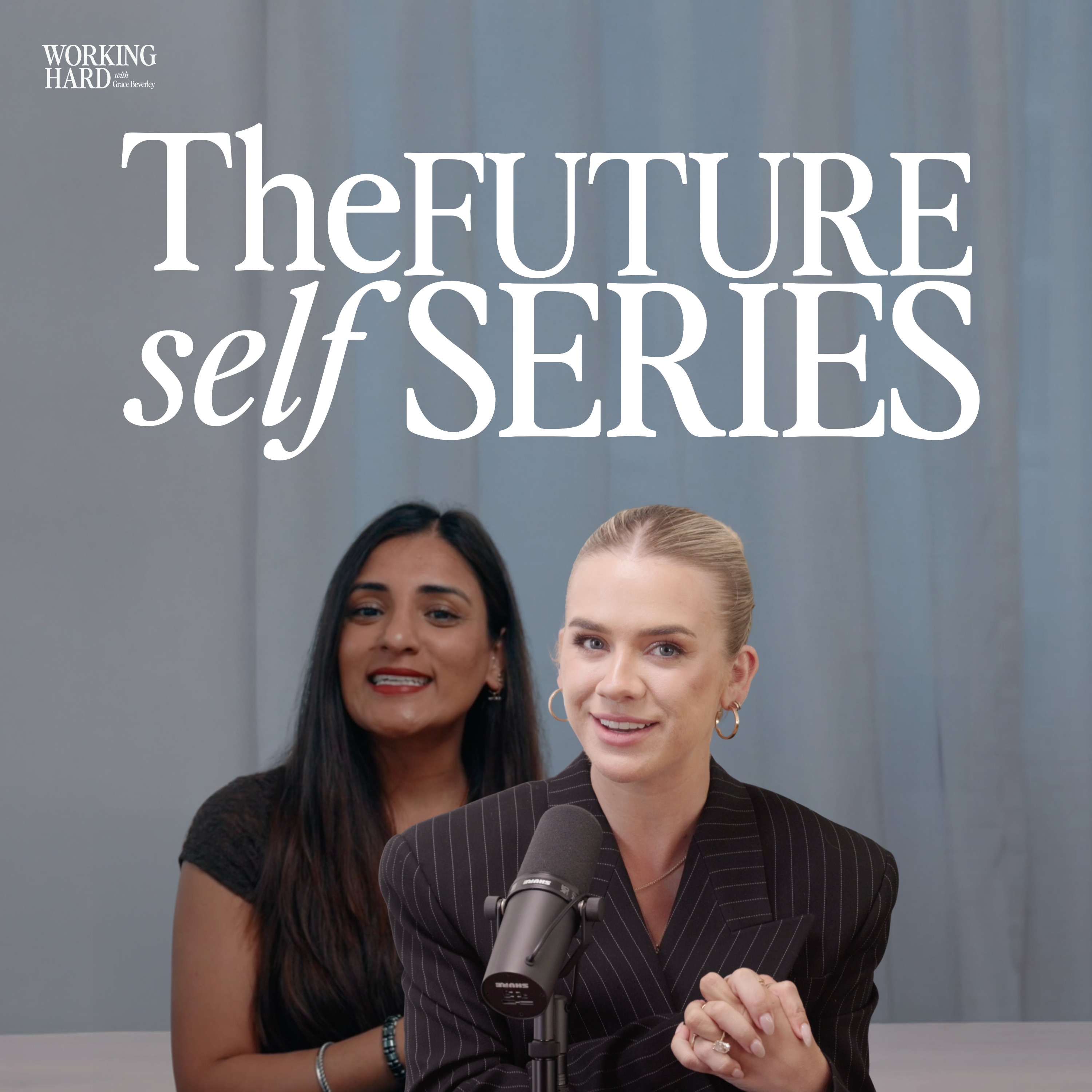
21:40Grace Beverley: Okay, on to the next. I wanted to include a clip on women's health because the episodes on this topic are the ones that have really meant so much to me over the last 100 and I'm so grateful to Dr. Hazel Wallace, Dr. Anise Mukherjee, Professor Helen O 'Neill, Sophie Richards, so many other people who have come on to share their expertise around women's health in an area that is often not talked about particularly on mainstream platforms and Sophie Richards came on to share her journey with endometriosis and the AIP diet. This was the chat we had about bloating and what we can do about it which I found was such good advice and I really wanted to put it into this episode I was like do we put something on bloating into this episode about like wider life improvement I'm like yeah personally I need this this is why bloating and inflammation is such a hot topic right now because people are starting to go oh wait it's not just me like you're struggling with it too so love the differentiation between common and normal first of all let's start with what is actually normal because I do feel like there's this social media trend now where it's like I have a super flat stomach and if i have any bloating it's really bad or like if my stomach is full at all like this is bloating it's like you babe you ate a meal you ate a meal that's gotta go somewhere it's fine it's exactly it's exactly it's exactly that and there's also things like tight pants syndrome like if your jeans are literally too tight that can make you bloated it's a thing so it's insane isn't it right it's crazy so me are now overthinking my like jeans me being like exactly go for it it's your podcast and do what you want so normal bloating things like when we eat fiber so think that big salad we don't digest fiber our bodies can't but our lovely bacteria can so when our bacteria is digesting this fiber or fermenting it part of the process with fermentation is gas being let off and so if you've had like a fat salad and it might be like your first salad of summer for example it happens all the time you're like oh i feel i feel a little bit bloated and what i mean by that is like your stomach is slightly pushing out it's not painful it's not persisting it's not it's not stopping you from doing anything you're just you're just noticing it that is your gut working and that's why we have something called the fart walk which is you go for a walk after after food we've all seen it on take and it works it works okay after lunch go out for your fart walk and you'll be like shit that was good for your blood sugar too good for your blood sugar too exactly and good for keeping friends in the office when you're not just sat there for a while not friends in public when you're fighting next to them but it's fine you'll never see them again never see them again it's the best part about london smelly yeah so that that is normal also as women we have this gorgeous menstrual cycle with these fluctuating hormones that we tend to demonize they're amazing they do so much for us every part of our cycle can be wonderful in its own way even your period even just before your period but with fluctuating hormones you have digestion that slows down you have water retention that can fluctuate and that's why if you step on the scales every day in your cycle you will see it says something different some of that is normal so there's this um hormone called progesterone it's like your cool calm chill out hormone i say she she comes in before your period and she's like chill out chill out to the point where digestion is like no problem i'm not gonna do anything and that's why sometimes we can struggle with bowel movements however yes some of that is normal but throw in the life that we live right now ultra processed foods if you don't know what ultra processed foods are because it sounds like a stupidly complicated term think like meat fish fruit veg nuts seeds grains legumes one ingredient you pick up a sweet potato it doesn't have a label on it's a sweet potato when you transform food especially adding loads of chemicals stabilizers sweeteners sugars and then all of a sudden you spit out pasta biscuits sweets donuts they are ultra processed foods as soon as that food becomes very very complicated that in itself can be a stress on your body because your body's like what is this what is this chemical i've never seen this before and your body's trying to find out how to digest it so throw into the equation ultra processed foods stress your manager calls you and is like you need to get into the office today your guest is two hours early and you're like ah stress then you've got environmental toxins all of these things are going on in our life right now where we are operating at levels that we were never made to operate at we are trying to keep up and that is when we are now dealing with this epidemic of inflammation bloating is through the roof and i don't just mean bloating in your stomach i mean the classic you see all the time cortisol face where you have this moon face your face blows out for me you can see it in my arms my arms for me it's the back of my arms I'm like best of luck seeing a tri-step no I see it in my arms and I see it in my legs in your legs like I physically can see the difference and I'm like I know it's not insane because I see the different areas like I know it is there and I'm like why it's not large in my legs yes exactly okay so one we have something for this I'm going to take you through my lymphatic drainage I'm going to teach you how to do it I've actually already done your lymphatic drainage you don't even dream but please take us dream right it'll take five minutes But we have all of that going on.
26:41And then all of a sudden we are dealing with our body is just literally under fire. It's like hitting the panic button at work, hitting the panic button with foods, hitting the panic button with our relationships, sleep thing of the past, screens all the time. And then we're struggling with all this inflammation. We're going, why is this happening? And then everyone is normalizing it because A, women typically struggle with it more because of that gorgeous fluctuating cycle. Those stresses can really mess with our hormones and mess with our cycle. and also because we have such limited information resources when it comes to women's health it's normal because everyone has it but it's not it's common it's not normal and we need to stop like putting up and shutting up when it comes to our symptoms so if someone feels permanently
27:24Grace Beverley: bloated what would you recommend they do like what steps should they take anti-inflammatory living all the way you're like i thought you'd never all the way this is oh my god this is like my bread and butter this is like sex to me i'm like god anti-inflammatory living there's six pillars okay and i think when you think about anti-inflammatory living it feels like this huge thing food gut detoxification sleep stress and movement because we think of inflammation as only coming from food and that is one of the problems food is a huge part of it you eat all day every day if you're eating inflammatory foods yeah same i'm an eater but if you also have other things that are stressful in your life and causing inflammation you can't fix the piece of the puzzle you need to think of your body as a whole and so anti-inflammatory living absolutely is the way forward I love chatting to Sophie I originally found her when I realized that I needed to like hit some of the health problems I was having and hormone problems I was having head on and actually like grab it and change things about my life and I found her talking about AIP and I listened to loads of her advice and it really changed the relationship I have with my body in terms of how I know what it reacts to, what works well with it and all of these different things and I think that was such a big journey for me and the advice she gave on this podcast really showed why she was the person that I went to about all of those things.
28:47Grace Beverley: I also recorded a bonus episode on everything I did to manage my PCOS if that is something that you're interested in because that's what started that whole journey of me even finding sophie in the first place
29:03my perfect day as sand salt water and friends but my moderate to severe plaque psoriasis can take me out of the moment now i'm all in with clearer skin thanks to sky rizzy risen kism at rizza a prescription only 150 milligram injection for adults who are candidates for systemic or phototherapy. With SkyRizzy, most people saw 90 % clearer skin and many were even 100 % plaque-free at four months. SkyRizzy is just four doses a year after two starter doses. Don't use if allergic to SkyRizzy. Serious allergic reactions, increased infections, or lower ability to fight them may occur. Before treatment, get checked for infections and tuberculosis.
29:39Tell your doctor about any flu-like symptoms or vaccines. Thanks to SkyRizzy, there's nothing on my skin, and that means everything.
29:50Ask your doctor about SkyRizzy, the number one dermatologist prescribed biologic in psoriasis. Visit SkyRizzy.com or call 1-866-SKY-RIZZI to learn more. Does your day move faster than you can keep up? With new Gatorade Lower Sugar, my family and I can stay at the top of our game. No artificial flavors, sweeteners, or colors, 75 % less sugar, and all the electrolytes of regular Gatorade. Now available nationwide. Why? We asked you here because we care. And your car insurance doesn't. They've raised your rate every year, and you haven't even checked. I thought that was normal. A lot of people do.
30:29That's why there's Jerry. Jerry pulls up to 20 quotes from top insurers in minutes, shows them side by side, and lets you switch in the app. No jumping sites, no re-entering info, no spam calls. It helps you cancel your old policy and keep checking for better rates. We want better for you. Jerry does too. Don't settle. Visit jerry.ai slash ACAST.
30:53Grace Beverley: Okay, now we're moving from fart walks to dating. I already told you we do everything on this corner of the internet. If it is going to improve your life somehow, we will speak about it. And I spoke to dating expert Matthew Hussey last year, and this was his answer to me asking about how to know a date went well. I think how you feel in someone's presence, if you can actually tune into that, instead of you know how hot they looked showing up tonight instead of the clothes they're wearing i'm not saying attraction isn't important of course it is it's important that you can see yourself having chemistry with someone but how do you actually feel around them because those markers of status popularity uh looks how desirable you think they must be in the marketplace of dating based on what you're seeing in front of you.
31:46Those are all things that obfuscate your ability to just check in with how does it feel in this person's presence? Is this someone that I could have a thousand meals with? Is this someone that I could see myself in like feeling more of myself around? That's a really important thing. Can I be more of myself around this person or do I instantly feel like in some weird way I'm closing off parts of myself or I'm already pretending to be something else because I think that's what they'll want from me. Understanding that, understanding that feeling. And then, you know, there's obvious things that, you know, is there a level of, are they kind and warm in the way they receive you?
32:31How are they to people around you, you know, in this room? Is there a kindness that's 360 degrees or is it just pointed at you? That's a very important one.
32:46How is the communication after the date? You know, does it feel easy or does it constantly feel forced? Like, you know, I don't think we should obsess over who texts who first after the first date or anything like that. I think that's a, you know, by all means, if you want to give them half hour or an hour to text you, do it. But also don't obsess over it. If an hour later you're like, I want to tell them I had a good time. Tell them you had a good time. But does that set off a nice rhythm of communication? Or is it like pulling teeth constantly? And if it's like pulling teeth constantly, don't ask yourself how to get it to not be like pulling teeth.
33:28say to yourself, I don't want to be with someone where it feels like pulling teeth the whole time.
33:33Grace Beverley: I also really enjoyed his take on how to break your past cycles, so I'm going to put that in here as a little extra. Why is it that someone becomes uninteresting the moment they decide they like you? What does that say about your relationship with yourself? There's a Groucho Marx line that goes, I wouldn't want to be a member of any club that would have me as a member. and that's kind of how a lot of people are in their love lives yeah I wouldn't want to be a member of any relationship that wants me uh and and so we go through life going you know if if you you want me what's wrong with you you don't want me you're on to something and I think it's sometimes even less obvious than that like I'm I I actually would say that probably every I've only ever gone for avoidant people in the past like always and I remember seeing something that and I remember knowing it was a thing and knowing that it was something that I needed to fight against because I I it felt exciting but I didn't want it that was that's not what I wanted my next relationship to look like like I don't there was a quote that was like do you want to be loved like this forever and I was like oh god fuck no please no and but I think that I saw something that said you know the i can't remember what it was it was like you you tolerate what you think you deserve and you kind of in something like an avoidant situation you see them acting that way as kind of appropriate like it is reflective of your self-worth it makes you i don't know as you say it feels safe it's more comfortable because maybe you're used to avoidant like you had avoidant parents and who weren't very present or you had, you know, some sort of traumatic avoidance situation that's kind of really stuck with you.
35:24Grace Beverley: And that to you is your comfort zone because you can deal with that much better than you can deal with someone who's overbearing or always present. It becomes both your comfort zone and your level. So your comfort zone in the sense that it's what you know. And so you kind of know your way around this behavior. In a sense, you don't, you wish you could navigate it better but you also know it you know the pattern you know this formula you don't know the formula of someone who behaves in a secure way or who behaves in an in a way where they really show you they want you or they're keen on you like that's behavior you don't necessarily know your way around but the avoidant behavior is like ah i got it i know this it's your level because often our worth is set by whatever we've received in the past, not by what we're capable of or what we can have, but what we have had.
36:18It's like there's an internal mechanism that says, if you could have had more in the past, you would have had more. The fact that you haven't had more means that you're not worthy of more, regardless of what anyone else is getting. So we say, this must be my level. And we think, well, love, I can only experience love if it comes with a catch. if it you know there's a great there's a line i put in my book about nikki glazier the comedian who you know she was on a podcast and she was talking about having an orgasm and she went into this whole kind of hilarious monologue but about how you know in order to have an orgasm she needs to be tied up or she needs to be like you experience some form of pain or some form of because it's she said it's like an orgasm is like christmas you can't have christmas every day and I and I thought it was so funny and so true of how so many of us live our lives you know again it goes back to the work thing it's how many people including myself struggle to just allow themselves to feel joy to take a day off to say I'm just gonna play and how many people say before that happens I have to have worked five or six really hard days and then when I'm at my like point of like exhaustion then i get to let myself experience joy fun playfulness you know this is joy with a catch and a lot of people feel like based on their model of a relationship growing up if they had to fight for attention if if they never felt like they got approval unless they did certain things or jumped through certain hoops or minimize their needs they learn that love comes with a catch and so they only recognize love later in life when it comes with a catch ironically for them when they record when they see that love that comes with a catch they feel safe because this is the kind of love i know how to work with i know how to achieve and yes it might be difficult to hold on to it might go away but at least i know what I'm dealing with a different kind of love.
38:24I don't know what I'm doing with that. And by the way, it's not just, I think it's important we recognize that the reason we go for certain people who are scarce, avoidant, hard to get, isn't just an issue of self-worth. That's part of it. the other side of it is that there is a kind of economics that happens where we convince ourselves in the same way that we think of diamonds as being important uh and and valuable even though they have no practical value for us whatsoever and by the way we never think about air diamonds and air which one's more valuable obvious but we never give a second thought to air that's what someone who's hard to get is like it's diamonds it's the thing that its value goes up simply because it becomes more scarce when it has nothing to do with the value of the person and we have to be very conscious of that mechanism inside of us that the moment someone's not texting us back some something goes off in us that says why aren't they texting me back who is this person I think I like them.
39:40I think I really like this person. I wouldn't be thinking about them this much if I didn't like them. This wouldn't hurt this badly if I didn't like them. But what we miss is the sleight of hand where it was nothing to do with the value they're providing. It was everything to do with the fact that they disappeared, that they're no longer available. It's no different to a nightclub with a guest list. And what does a nightclub do? The nightclub keeps people outside, even when it's empty inside. form a line, have a list. Because even if it's empty inside, I can convince you that what's going on in that club is really interesting based on the fact that this one has a line and this one anyone can walk into.
40:21All of a sudden you go, I don't know if I want to walk into that one. Anyone can go in there. This club's got a line outside. Maybe that's where I want to be. But it has nothing to do with how great the things going on inside that building are. it has everything to do with the the the false economics of scarcity that have been created on
40:40Grace Beverley: the outside of it if you are in the dating trenches or you feel like you want to get your spark in your relationship back i would definitely give that episode a listen as matt's advice was really really good and the thing with this podcast is that some episodes i love because the advice blows my mind and others i love because the person is so inspiring and like really gives me that like visceral motivation to get going and my episode with Alamadeh Alawi the founder of Topicals was the latter I mean she gave incredible advice as well but I was literally just sat there the whole time like jaw on the floor she was so impressive and I love the moment where she spoke about the pressure that comes with being the youngest black woman to raise 10 million dollars in funding you know I know I have a fiduciary duty to return their capital 10x or whatever but that is the least of my worries yeah sure you're like you will get your money back and then some like don't even worry about that but what I worry more about is do black girls get to dream if I fail if I'm the one that people took the chance on and I don't return the capital I don't knock this out of the park how many or how few black women will get to follow in my footsteps yeah and so for a large part of my life I was an athlete pressure I eat that for breakfast like I do really well under pressure so for a long time it didn't bother me but I think over the last couple of years as the stakes get higher and higher it's definitely something that creeps into your brain it's definitely something you think about I also really love to take on like fear and mindset so I'm going to add that in here when you allow fear into your head that's actually when you start to fail it's not the fear itself everyone is doing things scared everyone is doing things that doesn't make sense that you've never done before but it's this idea of when you take your eyes off of the vision of where you're going that's when you start to sink and so for me I had to tell my team especially this summer as we're going through a couple of different changes is that you can't let fear get in because what fear does is it doesn't allow you to actually think critically it strips you of your creativity so you really really really have to stay locked in around your vision and not what the circumstances look like around you okay whilst we're on inspirational women I want to add a clip from the episode with Emma Greed because you love that one as much as I did and I loved her thoughts on what culture is at work?
42:51People make a big deal of culture and I don't think it's really understood very well. Culture is who you hire, who you fire and who gets promoted. That's it. Because what you're saying within those decisions, it's not about like your company charter. It's not about free lunches. It's not about, oh, we give everybody like, you know, fertility benefits. That's not it. The culture of the company is the people. Who you hire says everything about who you are and what you value. Who you fire, exactly the same. This behavior is unacceptable. And who you promote is like, this is what we care about. This is the behavior that gets you further at this company.
43:29So it makes things really clear. You don't need to say anything. You don't need to write a charter. You don't need to have anything on the wall. You don't need to have your mission, vision, values strapped anywhere. It's just those things. How do you make decisions and who is valued? And that says everything about the company. And once you get into the swing of like making that very, very clear within your company, there are no guesses because everybody can see it. They're like, oh, God, they just got such and such from this place. Oh, my goodness. Did you hear he got promoted? Yeah, because he behaves like this and this person does that.
43:59And that is what's valued here. So you create a culture by your actions within a company is what I'm saying. And that is just how good things are bred.
44:09Grace Beverley: Right. Now we're moving on to finances. I said we did finances over in this corner of the Internet. And boy, do we do finances. well I think it is one of the most important things of improving your life truly understanding how to manage your finances how to invest what you have how to clear your debt all of these different things empowering yourself around finances is the best thing you will ever do and for this clip I want to go back to my episode with accountant Abby Foster this was her advice on setting up your own FU pot when it comes to savings it's a very boring I actually don't really like emergency fun pot because it's quite boring but a lot of people refer to it it's like three to six months of essential spending in a savings account that you can get access to i actually prefer my version which is called the freedom pot or to be honest it's actually called the fu pot and you just swore so i know i can say that now um so it's called the fu pot because it is literally a pot and i very much recommend this to women is to have a savings pot that is there so that you can go f this situation i'm out and that means that means after anything if you are in a relationship that no longer serves you you can walk away you are in a job that you hate you can walk away you are in a like a horrible bar in the furthest part of london farther from your house you can go do you know what i'm getting a cab i'm going home because i have the money to protect myself and to get myself back and that's what those pots are for i think often we think about the monetary and the the kind of the negative to putting money away that you can't touch it but actually what you're doing is just saving future you you're saving future you from upset and hurt by being like don't worry i've got your back like i've saved for you I'm here for you.
45:41And for so many women, they end up in jobs they hate and relationships they don't love because they can't financially leave. And that breaks me the heart the most. And it's another reason I'm so passionate about teaching at the next generation level to kids because I just wish someone had said that to me so that I could have protected myself earlier for sure.
45:59Grace Beverley: I'm totally with you there and I think one of the most important things you said there as well is the fact that when we talk about an emergency fund or a freedom fund or whatever it might be I think a lot of us think especially in our early 20s we're like well how many emergencies happen like in the end the NHS is in the UK so if some health emergency happened you'd be covered like I don't know early 20s a lot of people feel well at the end of the day I could just move home even if it's like out of the city you work in or whatever it might be but I think exactly what you said there is an emergency doesn't need to be a big life-changing emergency an emergency is what makes the difference between as you said you being in a slightly dangerous situation you getting yourself home rather than getting the night bus when you are in tears or like whatever it might be like that can be an emergency like it doesn't need to be your boiler broke when you're like i don't even own a boiler it doesn't even need to be any of these things and i think again it's another tactic that we sometimes use to like push it down the road because we go i don't have dependents i don't own a house i don't have emergencies and actually it's like there are little micro emergencies that you just like to as you say give yourself the freedom to be able to choose the more luxury option like when you've had a really really shit day and you feel absolutely terrible and you just want to get an uber home or you're like whatever it would like you've got the most terrible period pains and you're like me getting on the tube in rush hour right now would actually be the end like that is that can be an emergency too that's the freedom you're giving yourself yeah and it doesn't always have to be alarm bells or it's happening right now stress it can be like like I touched on like a relationship you might start to think am I in the right relationship am I happy and thinking I can't leave because we have a flat that we pay both pay rent on and if I leave it's going to cost me more or you know and you start to question your self-worth and that's an emergency in my opinion questioning who you are and what you value is a is really sad and I genuinely believe that money yes there is that phrase like money doesn't buy happiness but money does buy freedom and it gives you the ability to turn around to anyone and be like no I don't need to part with this because actually financially I'll be fine and that's what I that is what I keep banging on this drum about is because I want women in general but everyone to feel like they are allowed to just make their own decisions and finance doesn't stop them okay that's finances done i will say we have so much on finances in this podcast if you want to learn about investing for example my episode with simran core was actually taught me a lot of the foundations i know about investing if you hear people speaking about a 212 account or their index funds or whatever it might be and you just feel like oh god i'm so behind and i feel terrified and I don't even know how to get into that.
48:43Grace Beverley: I highly recommend that episode too. I also would say if there's any advice you take from this episode is if you are not clued up in your finances, now is the time. Like now is the time. Do not put your head in the sand.
48:59My perfect day as sand, salt, water and friends, but my moderate to severe plaque psoriasis can take me out of the moment. Now I'm all in with clearer skin thanks to Sky Rizzy. Riz and Kizumab RZA, a prescription-only 150 milligram injection for adults who are candidates for systemic or phototherapy. With SkyRizzy, most people saw 90 % clearer skin, and many were even 100 % plaque-free at four months. SkyRizzy is just four doses a year after two starter doses. Don't use if allergic to SkyRizzy. Serious allergic reactions, increased infections, or lower ability to fight them may occur. Before treatment, get checked for infections and tuberculosis.
49:36Tell your doctor about any flu-like symptoms or vaccines. Thanks to SkyRizzy, there's nothing on my skin. And that means everything.
49:46Ask your doctor about SkyRizzy, the number one dermatologist prescribed biologic in psoriasis. Visit SkyRizzy.com or call 1-866-SKYRizzy to learn more.
50:00Grace Beverley: Anyway, I was thinking about how the hell I wanted to pick one clip with career advice because I've had so many incredible corporate and job experts on and people who've built their own careers like multifaceted especially recently one thing we try and do really well on this podcast is to serve people who maybe work in the less glamorous industries that aren't necessarily talked about online so I think like freelancing has talked about loads and having a social media career and all of these different things and that is all well and good and we will make content on that too but I love being very very clear and getting real insight into how to actually build your career and get promoted and get to the job that you want to have that maybe you don't even know you want to have like the height of your career so that's why we do a lot of that on this podcast too but I decided for this one I wanted to go all the way back to the US series we recorded in 2023 and my episode with Amy Lentz, who is otherwise known as Hack Your HR.
51:00Grace Beverley: This was her advice on how to know if you are in the right job. Well, I'll speak personally. I feel like I am in the right job because I'm energized by it. I don't feel like, I don't feel depressed. My heart doesn't race when my boss calls me. My colleagues are respectful. I think it comes down to what you value. So you need to have awareness on what you value and then making sure that that aligns with the company. A lot of the time when people say they're burnt out, it's not the number of hours they're putting in. It's a value misalignment. So I think writing down, I value. For me personally, I value autonomy and flexibility and accountability.
51:42I value kindness and feeling respected and working for people that I respect. I value feeling fairly compensated. I value you just write down everything separate from your job and then you compare it. If there's so much misalignment, I don't think you're in the right job. But I also think it goes back to where do you want to go? Do you want to just be in a job that you don't hate so that you can pay your bills and then have a ton of energy because you're not pouring all of your energy into a job so you have a ton of energy for outside of your job? For some people, pay really isn't their top priority.
52:19And And so I think a lot of people might think, well, of course I want to make more money. But do you really want to make more money if you have to give up all of the things that you like about your job? So I think it's self-awareness in your goals and your values.
52:33Grace Beverley: And finally, I'm including a clip from my episode way back in the beginning of last year with Maya Raichura, the visualization expert. I thought this was such an interesting episode. So here is her advice on how to get visualization into your routine. Visualization at its core is where you are mentally rehearsing images, environments, feelings in your mind before they've happened. The thing is, it's not something new that I'm bringing to the world, right? It's been there for centuries. And actually, if you look at or listen to the top, top athletes, take Ronaldo, Serena Williams, Michael Phelps.
53:05When you listen to how do they build that champion mindset, they all say, I would visualize my race. I would visualize myself going on court. Like even the other day, I saw this video of Venus Williams just being like before every match, I would visualize my process, how I wanted to play. If I was losing, what would I do then? And all of them do it. It's a common denominator. Yeah, it's never really trickled down to any of us. And the reason it's so powerful is because, you know, as complex and incredible as our brains are, they basically really struggle to know if something is real or imagined.
53:40Now, this is where some people are like, oh, OK, cool. So if I just think about 10 million pounds, I just get it. And I'm like, no, that's not the point. You know, we'd never say like Michael Phelps manifested 26 golden medals. We'd never say that. And so seeing it as a neurological training technique is key. And there are five types. You've got outcome, which is for goals, results based process, which is basically to make a process like public speaking or it might be a sport better. creative which is really good for managing emotions injury disease negative which is where you're seeing the worst case scenarios but you're seeing yourself overcome them which is great for performance and motivation and then lastly explorative which is what the likes of nikola tesla einstein what they use to basically create new ideas and problem solve um so in fact let's just do like a 30 second thing just to kind of show that science of the brain because it's really interesting when you can experience it so this isn't like specifically mental fitness but we can do that but just close your eyes for me okay and I just want you to imagine that you are in your kitchen and you walk over to the fridge you open the fridge and inside there's half a lemon so it's just sitting there it's very bright and just hold it in your hand so you can feel it's quite cold got a tough yellow skin and I want you to just now start smelling it to smell the lemon It's very fragrant.
55:04It's a bit sour. You can already smell it. It's quite citrusy. Now, taking this lemon, I want you to start squeezing the juice of it drop by drop into your mouth. I want you to feel it when it lands on your tongue. It's so sour. It's so cold. Even some might squirt in your eye and just really start squeezing all of that lemon. It's so tangy and your saliva might be going a bit weird. Your cheeks maybe have that like weird fuzzy feeling. Keep going, squeeze it all in your mouth, all of it until it's empty. Okay, and open your eyes for me. There's so much lemon in my mouth. Isn't that the weirdest thing, right?
55:45It's so weird. Like I just do that like 30 second thing to just show you like, you're obviously not holding a lemon. But yet the mind, cause it doesn't know if it's imaginary or not. Your body reacts, you think it is. And cause you've obviously eaten a lemon in your life before that road is like, the neurons are like, hello.
56:03Grace Beverley: and it's so it's fascinating okay that was meant to be the last clip but I thought to finish that I would do something fun so we put a call out on the Instagram a couple of weeks ago for you to send your best pieces of advice you've ever received and I picked out some of my favorites I wanted to do this because I feel like I just couldn't do this podcast without such a strong engaged and excited about the same thing community behind it who like we have back and forth conversations every week and it feels nice and special to include some of you in our little birthday party. Comparison is the thief of joy.
56:35I feel like we hear it over and over again but it really is just so true. You know you are great because you're you not because how you measure up to who you compare yourself to.
56:49Grace Beverley: The best piece of advice I have ever received in my life is that clear communication solves 90 % of your problems. It will also stop them from happening most of the time. When it comes to overeating or when it comes to, you know, if you get up late and you don't want to go to the gym, if you broke a window in your house, would you go around and smash all of the other windows? Hopefully no, that would cost you more than just repairing the one window. let's say I wake up half an hour later for the gym my instinct is to go oh my god I'm going to quit I'm not going to go but when I think about those smashing windows I go okay let's get up see what we can do and usually I feel super accomplished and I'm more likely to make healthy decisions same for when I'm overeating it's really easy to fall back into those patterns and I go okay I might have overeaten one meal but I'm not gonna just smash all the rest of the windows in the house I'm gonna make healthy choices this time and then I'm showing up for myself if you were to ask God or the universe whatever you believe in for patience let's use an example as patience do you think that God or the world would just give you patience or do you think that it would give you things to test your patience so for me i put that into a lot of different elements like healing anything you want from the world is going to take you for a ride before you get there the only thing you find at the top of the mountain is what you brought up there with you like this idea that like you'd like do this incredible thing to like gain more strength that you hike up this mountain to find peace find tranquility like find yourself find all this amazing thing that you had that in you already like doing these hard challenges doesn't necessarily create that it is a way to like realize a physical manifestation of what was already inside you.
58:50Grace Beverley: Thank you so much to everyone who sent those in um there were also loads of extra ones that I really loved that people sent in DMs so I'm going to do a full breakdown of those over on the Working Hard Instagram and that is everything for today for our 200th episode I'm not even going to pretend that that was easy to narrow down. I think at one point I had about 30 clips in here and had to be told to calm down otherwise no one would listen and there is so much good stuff in the archive. It's actually quite overwhelming when you go back through it all but I guess that is to say that if you're anything you want to know more about, I assume we've done an episode on it, but I will say that more than anything putting this episode together has just been a bit of a reminder for me how much I've learned from this.
59:30Grace Beverley: Like this podcast has genuinely been one of the most valuable things that I've ever done, even just for myself, selfishly, purely because I've had the chance to sit down with people and ask questions I actually care about and I actually feel like will help me improve my life and I'm so glad that it's been able to help improve others too. So I just wanted to say a huge thank you to every single guest who has come on and has been open and honest and shared their experiences and also to all of you because this only works because you listen, you send in your dilemmas, you suggest guests, you message me about what you want to learn more of and in the least cringe way possible it really does feel like we've built something together and we are still very much building this and I have very big plans for where it can go.
1:00:13Grace Beverley: I want this to be the most useful, honest, actually helpful resource for anyone trying to figure out their life a bit so thank you so much for being part of it and here is to whatever comes next.
1:00:56We'll see you next time. clearer skin, and many were even 100 % plaque-free at four months. SkyRizzy is just four doses a year after two starter doses. Don't use if allergic to SkyRizzy. Serious allergic reactions, increased infections, or lower ability to fight them may occur. Before treatment, get checked for infections and tuberculosis. Tell your doctor about any flu-like symptoms or vaccines. Thanks to SkyRizzy, there's nothing on my skin, and that means everything.
1:01:25Ask your doctor about SkyRizzy, the number one dermatologist prescribed biologic in psoriasis. Visit SkyRizzy.com or call 1-866-SKYRizzy to learn more.
1:01:41You do it all. So why not get all the electrolytes? Hydrate better than water with new Gatorade lower sugar. now with no artificial flavors, sweeteners or colors and 75 % less sugar than regular Gatorade. New to the fridge, all the Gatorade electrolytes you love. Gatorade lowers sugar. Is it in you? Now available nationwide. Quick question. When was the last time a display ad changed your mind? Now think about the last time a friend told you about something they loved. Different feeling, right? That's how podcast advertising works. A host who's built real trust with their audience talks about your brand in their own words, in their own voice.
1:02:23It doesn't interrupt the experience. It's part of it. With Acast, you can access the world's largest podcast marketplace. Choose the right shows, the right audiences, the right format. Then watch the data tell you it worked. You're not buying impressions. You're buying influence. Learn more by visiting acast.com slash advertise.
We've officially made it to EPISODE 200!! So I’ve gone back through the last 100 episodes since we last celebrated and pulled out some of the best advice we’ve ever had on this podcast, the moments that actually changed how I think, or approach my life. Going back through these conversations has been a bit of a reminder to myself as well of how much I’ve learnt just from sitting down and asking people questions. So whether you’ve listened to one episode or all 200, this is a really good one to dip into.
+
SIGN UP TO THE WORKING HARD NEWSLETTER: https://graceb.myflodesk.com/k0sfhlac34
+
FOLLOW THE PODCAST
Instagram: https://www.instagram.com/workinghard...
TikTok: https://www.tiktok.com/@workinghardpo...
+
DILEMMA SUBMISSION
If you'd like to submit any dilemmas to the podcast to be answered in the bonus episodes, please send them to [email protected] with the subject beginning DILEMMAS or DM us @workinghardpod on instagram!
+
MY LINKS: https://gracebeverley.komi.io/
+
RETROGRADE, SHREDDY, TALA and THE PRODUCTIVITY METHOD are my own businesses, therefore any mention of them - whilst not being a sponsorship - is monetarily endorsed. As usual, sponsorships do not change my opinions nor my honesty, but I will always disclaim to make sure motives are clear 😊
Hosted on Acast. See acast.com/privacy for more information.