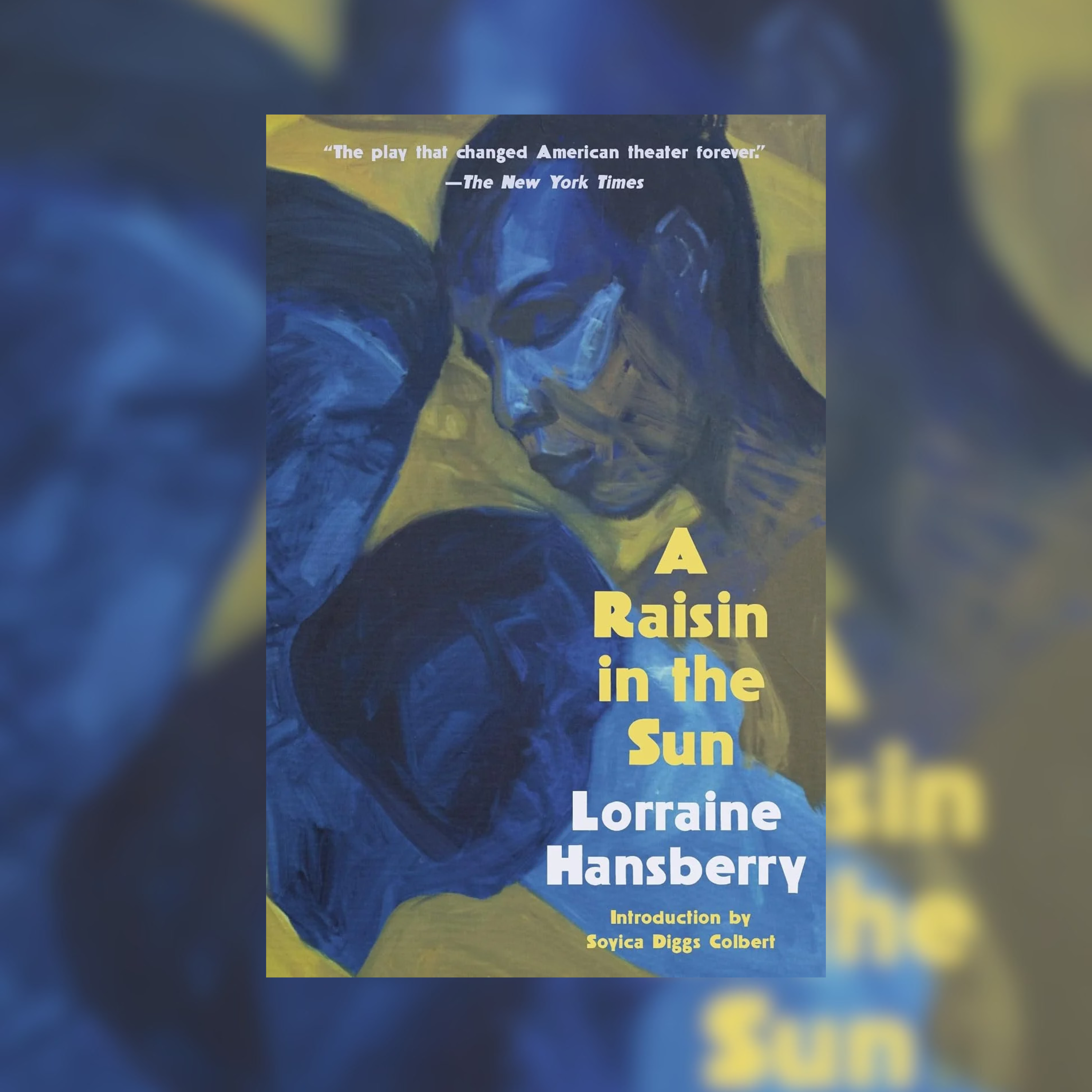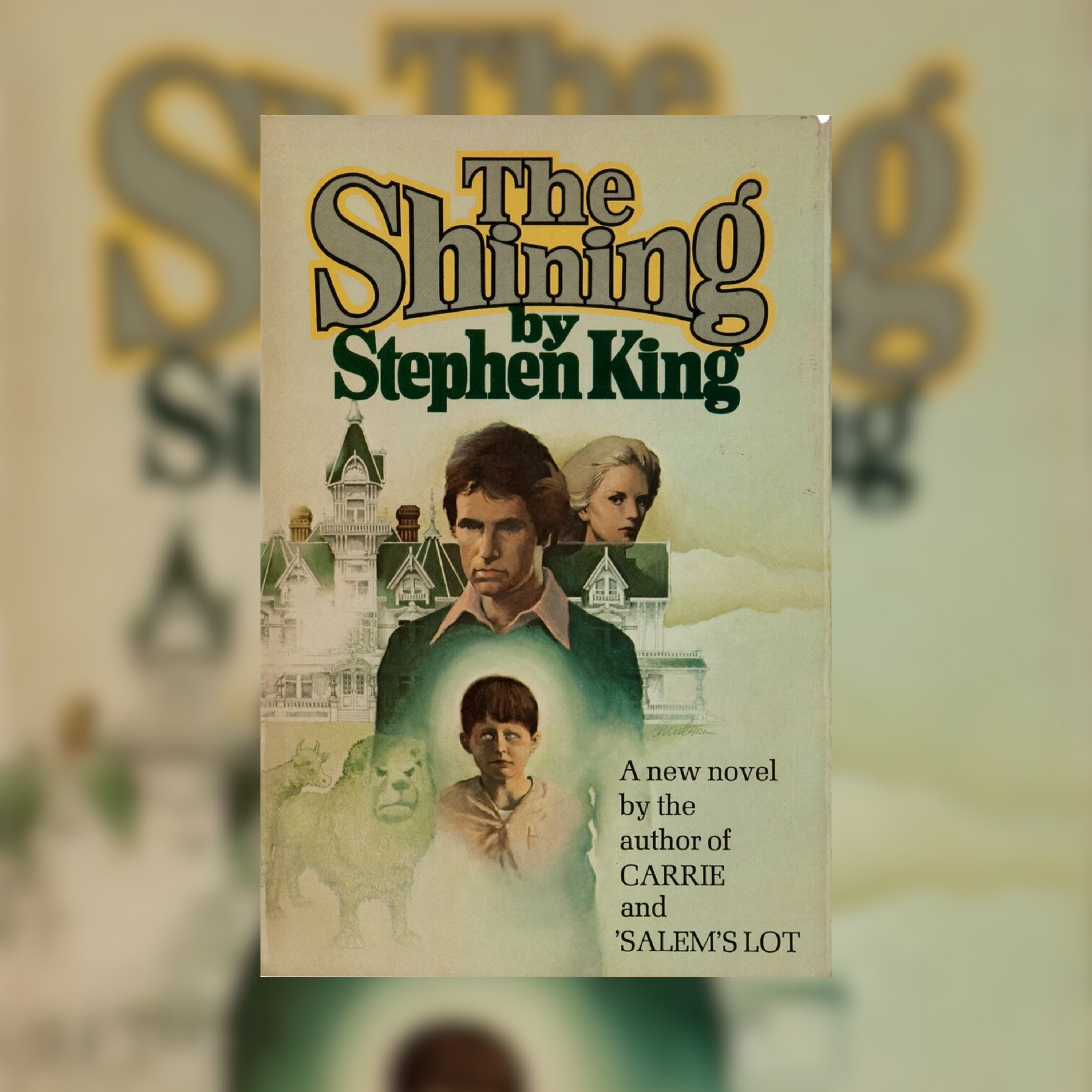
 Ask ChatGPT

Zero to Well Read discusses Anne Carson’s verse novel Autobiography of Red, framed as a Nobel-winning (2026) work that remixes an ancient Greek myth into a multimedia coming-of-age story about desire, pressure, trauma, and artistic invention.
Hosts Jeff O’Neill and Rebecca Shinsky (Book Riot/Zero to Well Read). They describe themselves as experienced readers/podcast hosts; Rebecca has read the book before (around 2008) with friends and recalls feeling initially intimidated, then later finding it “crackle” and pleasurable.
The book’s central “point” isn’t a single argument or “skeleton key,” but a productive tension between understanding and not understanding. Carson’s formal choices (line breaks, capitalization, minimal punctuation) force active reading and resist boredom. The Nobel citation is highlighted as praising her “bold and inventive” playful dialogue with classical tradition.
Garion’s autobiography is made through text, photography, and mixed media; he’s sexually abused at age five, falls in love with Heracles at 14, later rekindles in Buenos Aires and travels to Peru, where the relationship resumes and is discovered. A quoted sensory line: the “dusty, almost medieval smell” of a screen door pressed to his face. Other quoted oddities include “a numb time caught between the tongue and the taste” and “a miracle of mutual pressures.”
Written by AI. May contain mistakes.
Discussion on Anne Carson's background and the significance of her novel.
“Today is not the day to adhere to rigid expectations of textual responses.”
In-depth analysis of the plot and themes in Anne Carson's novel.
“So Autobiography of Red is a novel in verse that's based on an ancient Greek poem by Stessy Chorus called Garionias, and it depicts Heracles killing a red-winged monster named Garion and stealing his cattle.”
Exploration of initial reactions to reading Anne Carson's work.
“and I think more than anything it has become I can't think of an analog.”
Discussion about Carson's academic journey and literary influences.
“You pulled a quote I was going to pull when you got to the document first, as you always do.”
Analysis of Carson's innovative writing style and her relationship with Greek literature.
“She went on to get her master's and her Ph.D.”
An examination of the non-linear, fragmentary nature of Carson's storytelling.
“It is Greek, and it's none other than Greek.”
Reflections on the challenges and joys of interpreting Carson's work.
“What am I going to try to say about this?”
Explore how Carson's writing style and form push readers to engage deeply.
“and sort of her own creative demon or whatever comes out and this is what she gets and she'll rewrite and rewrite.”
Discover the unique reading experience of Carson's work and its challenges.
“present with it because there's very little punctuation and the lines aren't broken or punctuated in the ways that even we've been taught to expect from poetry.”
Analyze the themes of desire, pressure, and their portrayal in the narrative.
“I mean, I have a bunch that I want to get to in a second, but one will jump out at you.”
Learn about the significance of manner verbs and language in Carson's writing.
“He's binding his wings from a young age, really.”
Examine the metaphors and symbolism that reflect deeper meanings in the text.
“That was for the other show, Rebecca, but tell people about the manner verbs.”
Discuss the unconventional love story and its implications in Carson's work.
“So that's something I thought about, too.”
Discussion of Garion's unique characteristics and the strangeness in Carson's world.
“Like people have strange reactions to him, but not entirely strange reactions.”
Debate on whether Anne Carson's style is performative or genuine.
“And I'm Susan Bollenweider of the History Chicks podcast.”
Examination of how Carson's work engages with and reinterprets myth.
“Who has like this one phone call, a phone line that apparently anyone can leave a message on, like he won't get back to you and you he'll show up in like someone's random play because he liked this thing you did.”
Sharing notable quotes from the book and reflections on their impact.
“And then lastly, okay, here is the super ham-fisted mapping of this story onto the myth.”
The hosts discuss evocative lines from literature and their interpretations.
“They recognized each other like italics?”
A discussion on how moods relate to human existence and perception.
“I just have to get this into the record because it's so good.”
The conversation shifts to themes of justice within the context of mythological stories.
“You could do way worse than that, Rebecca.”
The hosts dissect the relationship between life, art, and poetic expression.
“but it feels like Carson is interested in that question.”
A playful exploration of how the discussed book could be adapted into different media.
“Um, my serious, that's my serious answer.”
The hosts discuss the use of Emily Dickinson's poetry in 'Autobiography of Red' and its thematic connections.
“should have to wear a scarlet N on their chest.”
The conversation dives into themes of monstrosity in literature and how characters grapple with their identities.
“I literally don't know anyone that would ever do anything like that.”
The hosts recommend other works and discuss the connections to 'Autobiography of Red', including various literary influences.
“Others you had a well-read title that connects to?”
A reflection on Anne Carson's unique style and the emotional impact of her work.
“Yeah, that she's, Carson is both, well, this is also one of the earlier reviewers.”

Get the gist, explore an idea or ask about something said.
 Claude
On Zero to Well-Read, what are the key points of this episode?
Searching your listeningAutomatic transcript. May contain errors.
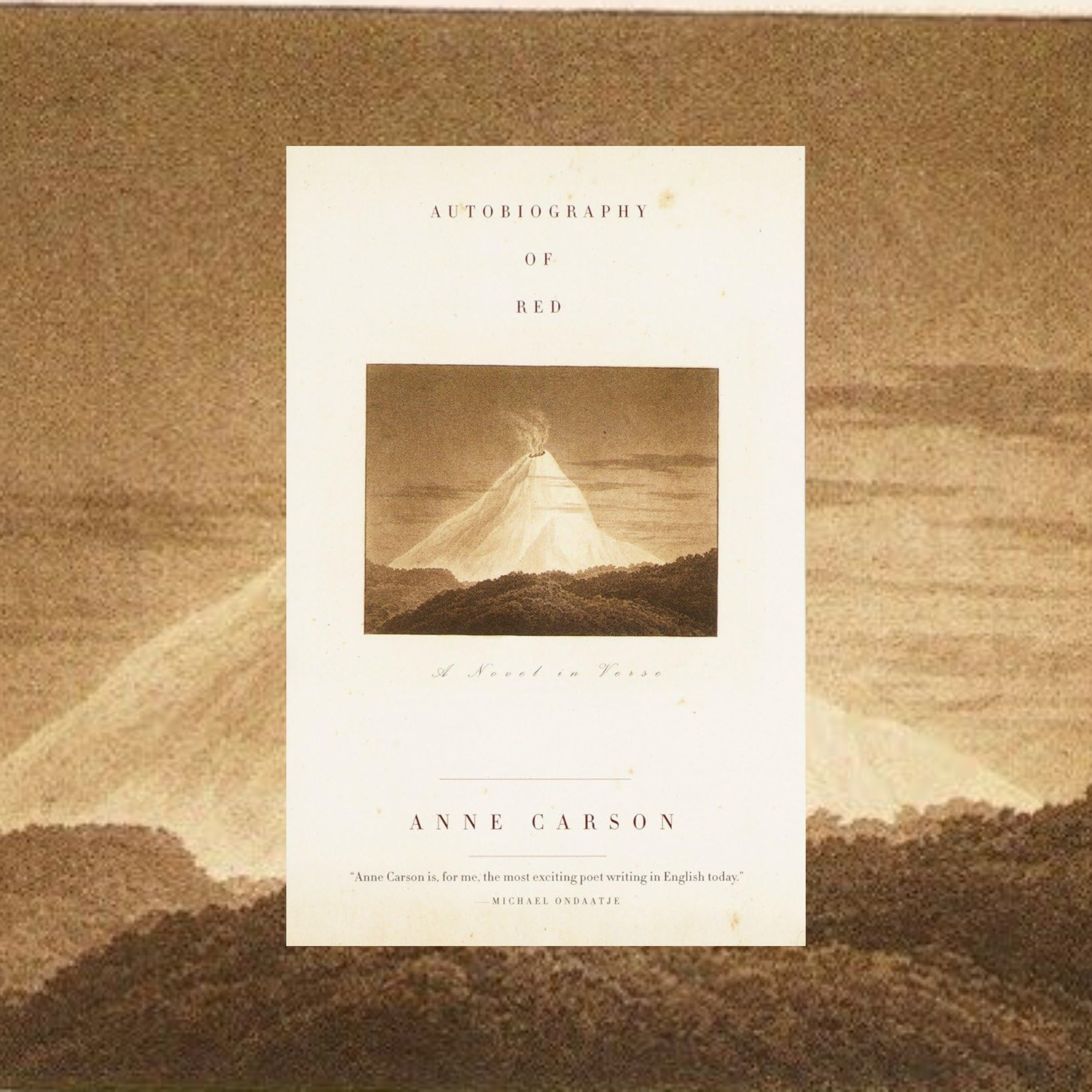
0:00Rebecca Schinsky: This episode of Zero to Well Read is sponsored by ThriftBooks.com. Today on the show, Autobiography of Read by Anne Carson, the recently minted Nobel laureate for literature. And looking right now, a lot of people are buying this book. It's her best known, most accessible work. And there's copies on ThriftBooks. You have to buy new. They're not completely sold out. And if you want a new one, you can get one below sticker price and free shipping orders of over$15, which this one is. But if you're a patient and are interested in some of the other copies, the July 2024 version from Vintage Classic is currently sold out.
0:37Rebecca Schinsky: But you can save it to your wish list. Create an account and save it to your list and you'll get a notification when it comes back in stock. Wait on a cool one. There's also another vintage one. I guess it's the one that came out before this more recent release that's even more simplistic. The original cover, the paperback one that's in print right now has the original first edition cover on it. It looks pretty cool. but I think I prefer some of these newer paperback versions. Go check them out right now on thriftbooks.com. Time for the show.
1:05Jeff O'Neal: This episode is sponsored by Aura Frames. I travel a lot and I take a ton of pictures when I do. Beautiful scenery, interesting buildings, great meals, the people I'm with, all the things that you want to remember about a trip. But I've realized that the pictures that bring me the most joy aren't necessarily the ones I choose to print and put in a frame. Sometimes it's a funny, candid shot or a completely ordinary moment that just takes me right back to how it felt to be in a really magical place. And those pictures deserve to be seen too. That's what I love about Aura frames. They make beautiful digital picture frames that let you enjoy all those photos that would otherwise just sit in your camera roll.
1:43Jeff O'Neal: You can add photos right from the Aura app and they appear on the frame automatically. And if you're giving a frame as a gift, you can preload it with photos before it even arrives, then keep adding new memories throughout the year. I think that's such a lovely gift, a way to revisit favorite shared experiences with the people you love and share those memories with them in real time without having to choose just one picture for the frame. Aura is the number one digital frame loved by millions of families, and their Black Friday and Cyber Monday deal is the best of the year. For a limited time, visit AuraFrames.com and get up to$50 off select frames plus an additional$5 off your order with the promo code WELLREAD.
2:22Jeff O'Neal: That's A-U-R-A frames.com promo code WELLREAD. Support the show by mentioning us at checkout. Terms and conditions apply.
2:36Rebecca Schinsky: Welcome to Zero to Well Read, a podcast about everything you need to know about the books you wish you'd read. I am Jeff O 'Neill.
2:42Jeff O'Neal: And I'm Rebecca Shinsky. And this week, we are discussing 2026 Nobel Prize winner Anne Carson's strange and wonderful novel in verse, The Autobiography of Red. Quick heads up for listeners, some of the plot points do involve child sexual abuse.
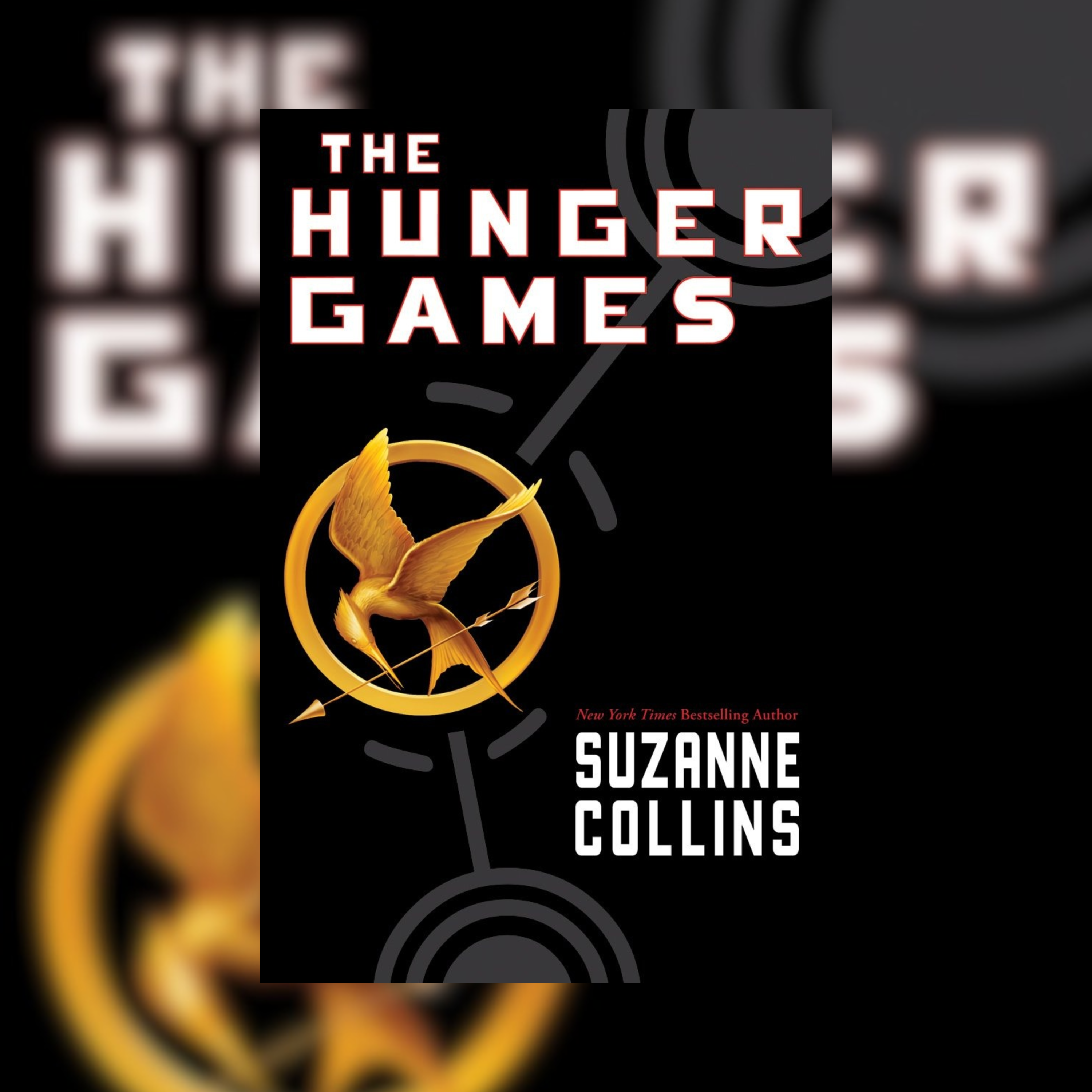
2:58Rebecca Schinsky: Before we get into it, I'm so delighted to be here. This is such a weirdo book, Rebecca, and I think we hit this at just a great time for us to be talking about it. Recently in the feed, you've seen Homegoing, you've seen The Hunger Games. We're going to be recording this later, but maybe it'll be in the feed right now. I'm not sure, but there will be for the Patreon members at the right levels, a discussion we're going to have about the film of The Hunger Games. So in the feed for everyone is our regular episode about Suzanne called The Hunger Games, but we're talking about the movie for the Patreon members as well.
3:27Rebecca Schinsky: One of the great adaptations in terms of fidelity and success and star-making vehicles and the whole thing, so looking forward to diving into that there. You can find that, patreon.com slash do2wellread. There's a couple different levels, from early ad-free access all the way up to you're giving us some extra just because you kind of want to. You can do an annual membership. We really appreciate all of your support. Helps us keep the show going and innovate and keep doing stuff. reminder to rate and review wherever you're listening. We did hit that thousand Apple podcast number, but more, more, more, more.
3:58Rebecca Schinsky: We could use every time someone rates or reviews, a Oxford comma gets inserted into the penultimate, behind the penultimate item in a serial. And you can always email us at zerotowellreadatbookriot.com. Our end of year mailbag episodes coming in a few weeks. It could be anything related to things that we are doing on this show about specific books, your own reading memory, questions for us, requests, thoughts, comments, whatever. We like it all. Today is not the day to adhere to rigid expectations of textual responses. You want to write a little poem or whatever you want to do because Ann Carson had been talked about for a while as a possible contender for winner of the Nobel Prize when there was no Nobel awarded in what in 2018.
4:47Rebecca Schinsky: There's sort of the splinter group that got together, said this is the new Academy, whatever. And they awarded their, you know, consolation prize, shadow prize to Ann Carson. So like this was long expected. I had wondered if maybe it would take longer not happen because we had a Canadian relatively recently in the form of Alice Munro, but I'm delighted. I, for our purposes, we had said, um, we'd penciled in the idea of let's, let's crash a show. And for crash means like get it out within sort of a few weeks when the Nobel is awarded because people want to know, right? Often what happens in these cycles, Rebecca, is there's a name and there's from somewhere far flung for Americans and most of our audience is Americans.
5:27Rebecca Schinsky: If you're not, you're especially welcome. Who is that? There's some things in the times and then that's it. That kind of goes away. But we thought, okay, well, we want to engage with this. Part of being well-read or part of like, you know, one of the ways to be well-read or if you want to be well-read is like, what is going on in world literature and the nobel is like the number one discovery mechanism for that this one happens to be in our backyard but i think for a lot of people this is for some people they know ann carson but most people don't i mean what's your sense of ann carson sort of curating amongst the people
5:58Jeff O'Neal: that like listen to this show i mean spoiler alert for when we get to book nerd read cred but it's going to be high because like a relative even the most famous poet is still relatively obscure within reading culture, but just especially within mainstream media consumption. So I think people who know Anne Carson like Anne Carson, but very few readers have gone there. I was especially delighted to see this because she is a stone cold weirdo in like the best possible way. This book is so much fun. And also what a delight to have a Nobel winner whose big famous book is only 150 pages because there have been years where we've considered for Book Riot, like, well, let's see who wins the Nobel and maybe we'll do something around it.
6:43Jeff O'Neal: And then it's like Jan Fosse and the books are all a thousand pages long. Last year's winner, I forget his name,
6:48Rebecca Schinsky: Laszlo Hornikai. I can't remember. I don't have his phonetic spelling. It's like a six, his signal work is a 600 page novel. That's like one sentence. And I like a challenge, but you know, who we're reading and hard and that's a, that's a, that's a big ask for us. But anyway, Let's see what else to say. I guess, yeah, I guess it's time for the synopsis, which is both simple and completely irrelevant.
7:15Jeff O'Neal: This episode is sponsored by Bowl & Branch. I think one of the best things about holiday gift giving is getting to treat the people you love to little luxuries they probably wouldn't splurge on for themselves. Something that makes their everyday life just a little nicer. And that's why I think Bowl & Branch makes such great gifts. I've had their throw blankets on my couch for the last several years, and as soon as cozy season rolls around, they are in constant use. They're incredibly soft, they look beautiful draped over the furniture, and they are perfect for curling up with a book on a chilly evening or, you know, an entire chilly weekend.
7:48Jeff O'Neal: And that's exactly the kind of thing I love giving, something beautiful and indulgent that also gets used all the time. Bowl & Branch has gorgeous organic cotton sheets, plush robes, and velvety soft towels too. These are the kinds of things that make everyday routines feel a little more luxurious, and I think they're especially nice gifts because people don't always think to upgrade those things for themselves. I can tell you from experience, a Bowl & Branch throw blanket is a gift I'd be very happy to receive. Upgrade your sleep now with Bowl & Branch during their best sale of the year. Get 25 % off plus free shipping and extended returns at bowlandbranch.com slash wellread with code wellread.
8:27Jeff O'Neal: That's BollandBranch, B-O-L-L-A-N-D, branch.com, slash wellread, code wellread to unlock 25 % off. Exclusions apply.
8:41Today's episode is brought to you by Canopy. Stream smarter, use your library card. With the holidays approaching, we're kind of getting into cozy, tucked in, movie marathon time. but the thing is the streaming services are getting more and more expensive but canopy lets you use your library card to stream holiday movies or any movies really for free all you have to do is download the canopy app and all you need is a library card to watch festive movies on your smart tv tablet phone or computer classic holiday movies family favorites romances and even a festive The Fireplace is available to stream for free with no ads, keywords, no ads.
9:29And this is all thanks to your public library. Visit Canopy.com to find a library near you and stream for free today. Again, that's Canopy.com and find the local library near you and stream for free today. Thanks again to Canopy for sponsoring this episode.
9:52Jeff O'Neal: this episode is sponsored by vented i have a theory that most of us wear about 20 of our wardrobes 80 of the time i don't know if this is actual science but it certainly feels true when i open my closet and i find myself reaching for the same handful of things over and over and it raises a question how much money is just hanging in there in the form of perfectly good clothes that i'm not wearing. That's where Vinted comes in. Vinted is a secondhand marketplace app that makes it easy to give those clothes a second life and earn some extra money in the process. Listing on Vinted is quick and simple, and once an item sells, Vinted creates the prepaid shipping label for you.
10:29Jeff O'Neal: And here's the really appealing part. Vinted has no seller fees, so you keep everything you earn. The Vinted app is also free to download. I love the idea of having a closet that's full of things I actually wear instead of things I feel vaguely guilty about not wearing. And a Vinted can help me make some money while I'm getting there even better. So take a look at what's hanging in your closet. You might be surprised how much you can earn with Vinted. Download the Vinted app for free to start listing with no seller fees. That's the Vinted app, V-I-N-T-E-D. Download it for free to start listing with no seller fees.
11:04Jeff O'Neal: Yeah, it sounds weird. It sounds straightforward. It's both of those things. So Autobiography of Red is a novel in verse that's based on an ancient Greek poem by Stessy Chorus called Garionias, and it depicts Heracles killing a red-winged monster named Garion and stealing his cattle. This book is the story of a boy named Garion, who is also a red-winged monster, but he's growing up on an island in the Atlantic with his family. When he's five, his older brother begins sexually abusing him, and Garion responds by beginning work on an autobiography, which takes the form of written text, photography, and mixed media art.
11:44Jeff O'Neal: Like his family refers to like Garion's working on his autobiography. And it's really Garion like building a sculpture out of found objects. As a little red-winged monster would do, sure. Right, sure, why not? At 14, Garion meets and falls in love with an older boy named Heracles. When the two travel to Heracles' hometown of Hades on the other side of the island, Sure, his hometown is Hades. Heracles' grandma shows Gary in a photo that she took of an erupting volcano in 1923. And it leaves an impression that, sadly, lasts longer than the relationship, which Heracles ends a few days later. From there, we jump to Gary in his 20s.
12:21Jeff O'Neal: He's on a trip to Buenos Aires, where, among other adventures, he bumps into Heracles, who's in town with his new boyfriend. And they are there capturing volcano sound effects for a documentary about Emily Dickinson.
12:39Jeff O'Neal: one of the best sentences i've ever had the pleasure of saying out loud
12:42Rebecca Schinsky: is that i don't know i don't know if to do it is that skewering like performance art like weird filmmaking is that is it does it come to praise or bury that project i honestly don't know
12:53Jeff O'Neal: if it's skewering it or celebrating it so after they meet up a couple days later garyan travels with heracles and heracles's new boyfriend to peru where the new boyfriend's parents live And things get complicated because Gary and Heracles secretly resume their sexual relationship and the boyfriend finds out. Secretly for like 10 minutes.
13:13Rebecca Schinsky: Yeah. It's like not very long.
13:14Jeff O'Neal: It's not a secret for very long, no. Yeah. And if all of this sounds weird and hard to pin down, just remember that it is written in verse and it's inflected also with Carson's own translation of fragments of the Gary Aeneas poem.
13:29Rebecca Schinsky: And then fragments of other poems. We both have pulled out Dickinson Whitman poems here at the same time. All right, we're going to get into the text in a second. So why it's important. So 1989 came out. And from the beginning, like Carson had been making a name for herself, but this is her signal work. This in the follow on Red Doc, which we'll talk about briefly at the end. And it was cited directly by a lot of people. Like it was in the first line of all these New York Times citations. It just was. It sold relatively well. 100 ,000 copies for something like this is pretty remarkable. Shortlist is for some prizes.
14:04Rebecca Schinsky: and I think more than anything it has become I can't think of an analog. I kept trying to think it became the X of whatever but there's nothing like it because I'm going to go ahead a little bit to when I first read it. I first read it I think 2006 or so when it had started to pick up steam. I'm still in grad school. I didn't read it for grad school but some of the people that were teaching Lit Hum and it got sort of passed around those that were thinking about classics and relating to modern text I think maybe she was speaking at Columbia or something like that. And I read it and I was delighted, frustrated, enervated and punch drunk by it.
14:45Rebecca Schinsky: And spoiler alert, still that way today. And you have the note down before that I think the thing that makes this thing special is the feeling it evokes for readers with willing ears. Is that tension between getting it and not getting it. Right? Feeling like you have some sense of what's going on and there's other times being completely lost. And that is a productive tension. Like there's a lot of energy that comes out of this kind of reading experience. This is the first of these texts we've done, Rebecca, I think, where I'm like, I really wish I had like an eight hour day seminar with like four other people to go through that.
15:23Rebecca Schinsky: And I haven't felt that way about anything else. And I don't I'm not really sure why, except the text demands it or invites it. I'm not sure.
15:31Jeff O'Neal: And I was thinking a similar thing last night that I'm really excited that we get to talk about this with each other, because there are some books that you want the author to just like show up and explain more of it to you. But this, I think, is one that really benefits from just chewing over it with other people and being like, what about this line and what about that line? And Carson probably could, you know, show up and tell us, like, just answer all of our questions. But that would remove the fun of it. The wondering about this and sort of like rolling around in the pleasant confusion of it is part of the fun.
16:06Jeff O'Neal: And even the Nobel Committee understood that. The citation for the Nobel gives her the award for her bold and inventive over that in playful dialogue with the classical tradition has created new forms for contemporary literature.
16:19Rebecca Schinsky: It's really good.
16:20Jeff O'Neal: It's really good. And I felt so validated by that because I had written in the margins of the book at a certain point, like, this is really playful. And then seeing that I'm not the only one who feels that coming out of Ann Carson. But in fact, that specific word comes up in the Nobel. And there just is this sense of play. There's this sense that she's having a really good time messing around with all this stuff and just kind of seeing what her brain cooks up from all the different ingredients that she's tossed in.
16:47Rebecca Schinsky: You pulled a quote I was going to pull when you got to the document first, as you always do. Eliza Gabbert does a hell of a job in New York Times describing Carson. I felt this so much. Her description is the easiest, difficult poet toying with obscurity, but too hilarious to be truly intimidating. She has mind-boggling range and formal audacity, the power to bring out the poemhood in any prose genre and to complicate the poemhood of poems. Really, that is being what are lines? Like really troubling the edge of if you rearrange a lot of this differently, it would be prose, like sort of elliptical and lyrical prose, but prose.
17:21Rebecca Schinsky: But the breaking and the rearrangement is something that's really important here. Carson wrote. So she wrote this. Let's see. We're now working on 20 years ago. So it was a little bit later in life. His 40 ,000 Goodreads ratings, which is high for a book like this. And 4.24 stars. I'm guessing there's some selection bias there of like people that pick up this book. They're not going to mistake it for, say, The Girl on the Train by Paula Hawkins. They're not sort of like waiting for something like that. So there's a little bit of doing.
17:52Jeff O'Neal: You've got to go looking for autobiography of Red. I did wonder, like, has anyone just picked this up off of a table at Barnes & Noble and not flipped through it and then gotten home and been like, what the hell have I done? Yeah. Yeah.
18:04Rebecca Schinsky: So she was born in Toronto in 1950. So when this comes out, she's, you know, 46 or so, 48, working on a little bit longer than that. So it's interesting. She, her, you know, she was a reader and in college she studied literature. her. But one of my miscellaneous facts I'll bring up here, I guess, is that she stopped when she got to John Milton in the required reading because she hated John Milton. And I've got to say, Rebecca, I relate so hard. Milton's never been one of my guys. I had to do that in college and I just did not get it. I have avoided Milton.
18:38Jeff O'Neal: So maybe we'll either we'll embark on that together someday or we'll just give ourselves a pass.
18:43Rebecca Schinsky: As far as I'm concerned, Paradise can stay lost. But at some point we should probably get to it. It probably is an older person now. Yeah. But I think that speaks to her specificity in a way. I've never heard a story like that of a Nobel Prize winner who just quit because of this one. Now, again, is that exaggerated? She quit twice. She quit twice. But because of Milton.
19:03Jeff O'Neal: It's really funny. Yeah, it's really wild. When she was 15, she discovered this bilingual edition of Sappho's works, I think in a bookstore or a library and just like became completely enamored with classical text. And she knew that that's what she wanted to do. So she goes off to college, but she drops out twice. Once because she just stops doing the reading with Milton. The second time I could not find an explanation for her. But I think she's just bumping up against like her brain wants to roam around and not follow this like prescriptive course of things. But she does eventually buckle down.
19:39Jeff O'Neal: She got a B.A. in classics in 1974. She went on to get her master's and her Ph.D. in classics. And she has taught all over the place. Like she is one of the great visiting professors of whatever.
19:50Rebecca Schinsky: She's like the Johnny Appleseed of teaching Greek. She's all over the place.
19:55Jeff O'Neal: all over the place lecturing about all sorts of humanities and interdisciplinary stuff. Like one of the interviews that I read with her, which there are very few, like she is not out there doing press. When she was told that she won the Nobel, the first thing she said to her agent was, yikes. And when someone from the Nobel committee called her to speak with her and asked what she was doing, she and her husband spend a lot of time in Reykjavik. She said, I'm in Iceland, I'm listening to the wind, which also like sponsors or spawn some great memes in literary circles. But she's just like marching to the beat of her own drummer in the best possible way.
20:36Rebecca Schinsky: A really good profile by Sam Anderson. I think that we both read where she says Carson is a private person. She prefers to be alone. When her husband is traveling, Carson will call him and tell him I miss you, but I'm having a great time. Relatable. When she writes, She has a constant drive to feel as if she's doing something new with every sentence. When she lectures, regardless of the subject, she wants to uproot people. I thought that was really cagey, this idea of uprooting, the unexpected, the discovery. But also there's a digging element to this. Like a classicist has sort of a language archaeologist has to be part of your lens of how you see the world.
21:15Rebecca Schinsky: And she's not trying to rip out, but like repot maybe, like take the flower and plant it into a football helmet. and then wear it is what Ann Carson is sort of trying to do all at the same time.
21:26Jeff O'Neal: She's like just such a character. She kind of feels like she exists outside of time in these profiles. And I saw a reel, I guess, right after she won the Nobel, that was footage from, I think, last year's National Book Awards. It was one of the recent National Book Awards. And social media person standing on the red carpet just asking people, what's the best book that came out this year that you read? And they ask Ann Carson and she's like, I'm a classicist. all the books that I read are from like 500 BC. I have not read any new books that came out this year. And she says it in this way. That's both kind of like impish, but also come on, honey.
22:01Rebecca Schinsky: Yeah, I know. And it's like that she's even there was a bit of a surprise to be interviewed on the re-carpet. I have heard that she's a Greek freak. Like the teaching and learning of Greek is core to her understanding. My sense is that if she could write in ancient Greek and get published, she would do it. Right. If that was like at all available to her. And she now joins a trio of people we've either interviewed or talked about on this show of Emily Wilson, Donna Tartt, and Ann Carson, our trio of Greek freaks we've encountered. And they all have been something about it. I've never studied the ancient Greek.
22:34Rebecca Schinsky: I don't get it. But Carson was asked in that interview with Sam Andrews, that profile, what's about Greek? And she does this really circular, like, koan, like, Greek is just itself. There's nothing like it. It is Greek, and it's none other than Greek. And that is the most profound thing I've ever heard, or complete gibberish, and that's kind of where we are at the same time. But I think that's important to understand as you're encountering Carson, is she's differently oriented towards the ancient world and calling it forth in various ways. And one thing she's bringing to bear is invention, but also she realizes that this tradition that she's writing into that's like even 2 ,000 years old, there's all sorts of contradictions and ellipses and missing and fragments.
23:16Rebecca Schinsky: And I think there's something to the way she writes these strange fragmentary multimedia documents. The Red Doc ones even more so. Most of the fragments she's encountering, even in this story she's telling, are like little bits and scraps. It's incomplete and sort of jam together anyway. So there's already an instability in the core text that the classical world studies. And she brings that in the future. She's not trying to, I don't know, she's not trying to glaze it and put a shine on it. You know, you go to a museum and you see like these ancient clay pots, right? And you know, most of them have been like fastidiously like stitched together with this really advanced glue and all these processes to make it look whole.
23:59Rebecca Schinsky: She's like, I've got all these pieces and I'm going to build, I'm going to build like a horse breathing fire standing on top of a birthday cake.
24:06Jeff O'Neal: That's such a good way to put it. You know, I thought a lot about Emily Wilson while I was reading this too, because Emily Wilson is going back to retranslate the Odyssey and try to get it even righter than she got it the first time. And that is not the kind of exercise that Anne Carson is interested in. She is just taking the pieces and making a collage out of them with these fragments from Greek and these fragments of modern poets and these fragments from photography and all other forms of art. It's like genius gets tossed around a lot, but she did receive the MacArthur Fellowship in 2000, which we refer to as the Genius Grant.
24:43Jeff O'Neal: And I think that often genius is one of those things that you know it when you see it. And then there are other people that that we kind of have a collective like either they're a genius or they're just a great like weirdo.
24:55Rebecca Schinsky: Very, very good practitioner of the thing.
24:57Jeff O'Neal: Yes. And I it just feels real to me that Ann Carson is a genius like this restless brain. Yes. Just casting around for like she's interested. She must be interested in so many things to be pulling from so many sources. And she said in one of the profiles that I read that she's like perpetually trying to escape boredom, that boredom is the thing that is most uncomfortable for her. And that helps contextualize also how you end up being a person who creates work like this. Like why write a straightforward novel? That would be too easy.
25:34Rebecca Schinsky: I guess this kind of goes into our first exposure a little bit. I said, yeah, I read it. I was pretty entranced with it. I didn't really I didn't have an occasion to do something like this. What am I going to try to say about this? I just got to read it and experience it. I had like, oh my God, what was that? That's amazing. And then I moved on to my other readings. You have read it before, Rebecca. What was that like?
25:51Jeff O'Neal: I read it around, I think, 2008 with a couple of friends on a previous book podcast.
25:56Rebecca Schinsky: Shouts, Bookrageous. Yes. There's probably someone out there listening that listened to Bookrageous back in the day.
26:02Jeff O'Neal: That would be amazing. Real OGs. And I just remember being like, what the hell? Like, I remember finding a good way.
26:10Rebecca Schinsky: Like in a good way or a bad way or what? Like, what was it? What was the direction of that? What the hell?
26:14Jeff O'Neal: I was just a much less developed reader at that point. I was 25, 26. Is that how math works?
26:23Rebecca Schinsky: Something like that. We'll call it closer.
26:25Jeff O'Neal: Yeah. And just, I just don't think that I had all the tools in my bag to enjoy and appreciate it. So mostly I felt intimidated and overwhelmed by like that it opens with this thing about Stessy Koros that I remember being like, is this real? Like, is this based on something real? Or did Anne Carson just invent all of it? And it's layers on layers of metafictional. all. I remember feeling crackle in some of the language, which is one of my favorite things to feel, but I just didn't get it. And I was relieved and then really excited on this reading that as we got into it, I just had crackle and like, it's not scary anymore.
27:05Jeff O'Neal: And I think that's just a testament to like, we all have some book in our past that you just know you didn't get when you read it. Like give yourself time to just become a more mature reader.
27:16Rebecca Schinsky: Well, it's interesting you to get a book, I think maybe the thing that would stymie a lot of readers' enjoyment of it is the sense that you aren't getting it. I think what's tricky about this, I'm not sure there is a coherent, stable it to get.
27:32Jeff O'Neal: That's a good point too. I think maybe I didn't know how to enjoy it.
27:36Rebecca Schinsky: Yeah, right, right. This is really the Rilke dwell in the question situation. Like Carson's interested in something, but she is not the kind of writer that's going to put a monologue in the end of it that sums up kind of the point of it. That's not what she's doing. I don't know that she has an idea of what she's trying to do. I think she's interested and she's trying stuff and one thing leads to another and her own vision and sensibility and sort of her own creative demon or whatever comes out and this is what she gets and she'll rewrite and rewrite. But if you think of it as something you said before is her main point is not to be bored by her own writing, that might be enough that invention and remixing to make something that feels fresh that might be the point that might be it there is no well you know garyon's actually a metaphor for something else or like the the tragedy of um being clauses or monsters or outcasts or ostracism i think all of that is there but it's not the point there's part but not the point and i think that would be something for people to take in there's not an argument that you have to get there's no skeleton key.
28:42Rebecca Schinsky: There's no Cliff Notes version of this that you're going to take to an AP English exam and get it correct. Woe to you who has to grade an AP English exam, an essay based on Ann Carson's autobiography of bread. So the form, it takes some getting, it's not hard, but it takes to getting, like, what is your eye supposed to do? And I think that's an element of what she's trying to do is break up sort of the smooth reading experience most of our had of our eyes just sort of glancing unthinkingly over. But her line breaks, her capitalization, the way she puts even the form of the sentences on the page, like the physical form, is meant to interrupt sameness, boredom, repetition, or the expected.
29:28Yeah.
29:29Jeff O'Neal: And it really does force you to be fully present with it because there's very little punctuation and the lines aren't broken or punctuated in the ways that even we've been taught to expect from poetry. So I found that if I was like, wait, what's happening? You'd be reading a sentence or I'd be reading a sentence and there would be a couple different ways I could interpret it depending on like where I put the pauses, where the commas would have been if she had put them in. And like trying to read it out loud to myself was helpful, trying to hear it, but also just letting it, letting myself be in the flow of it, but paying attention.
30:04Jeff O'Neal: Like if your mind wanders, you will come back and be like, wait, hold on. What? What are we doing here? Luckily, you know, you can kind of sink into the vibe of this. I found that once I started, I did just want to stay in that mode coming out of it and then reentering was challenging. When you like on a practical level, what is it like to read this book? When you open it, it looks kind of weird. Like there is, it's not organized as a novel. It's also not totally organized as poetry. There are these different sections. You're pulling things from Greek. It's strange, but it is not as inaccessible as it looks on first glance.
30:42Jeff O'Neal: You don't need to know anything about the ancient Greek poem that it's based on. I think Carson should probably does assume that very few of us get any of those references. We're just going along for the ride, but you can feel that it is this whimsical blend of classical scholarship, poetry, prose, and Carson's just wild imagination. There are just scenes where I was like, someone, a human that I am sharing this earth with, thought of this image. And how wonderful is that?
31:12Rebecca Schinsky: And then punctuated by unbelievable turns of phrase, metaphors, similes. I mean, I have a bunch that I want to get to in a second, but one will jump out at you. So you have to keep your active radar going. And if you don't feel like you're getting everything that's going past, that's fine. But every now and again, you're going to ping against something that's going to stop you in your reading tracks. And be like, oh my God, it really is fresh. It really is remarkable to see someone do it like this.
31:41Jeff O'Neal: Yeah. It's playful. It's funny. I never once felt like I had my arms all the way around it, but it was a really pleasurable, you know, not having my arms around it. It wasn't like, oh, I'm not smart enough to get this. And I think if you could, If you're willing to sit, I liked that you pulled in Rilke a minute ago. If you're willing to love the questions and just be there in the like, isn't this odd of it all? You can have a great time because it's also really rich in sensory detail. And all of those details are creatively conveyed. Like just one example here. Garion is standing in his family's home and he's pressing his face up against the screen door, which is a thing that I did as a kid.
32:22Jeff O'Neal: So this sentence gets me. He would remember when he was past 40, the dusty, almost medieval smell of the screen itself as it pressed its grid onto his face.
32:31Rebecca Schinsky: It's really good.
32:32Jeff O'Neal: I was like, yeah, no, no writer I've ever read has described the smell of having your face right up against like the screen of a window or a screen door. And there it is.
32:42Rebecca Schinsky: And what's so doubly cool about that is none of us know what medieval smells like. Right. We don't. But we know there is a feeling of something like that where it smells old, like kind of metallic and old. That's medieval. It's the perfect adjective for it. It's amazing.
32:57Jeff O'Neal: Yeah. Just great at word choice, Anne Carson. She's really interested in desire. There's a lot of that running through the text. So we get a couple moments of Gary and wondering, like, do people who like sex have a question about it, too? which tells you something about Garion's relationship to sex, like that he does not consider himself to be someone who likes it. And then later on you get desire is no light thing. And there is a, um, a lightness to the language of the book, but a heaviness to the subject matter. And Carson balances those really well.
33:29Rebecca Schinsky: There's sort of a triangle of related ideas, um, that can help you or that, that I think it helps orient me a little bit about what's going on here. so it's desire um pressure and volcanoes in some order like i'm not kidding like yeah carson there's lots of volcanoes here but she loves a volcano wait for some miscellaneous trivia a little bit later but also pressure and desire and then what that does to someone is here because garyon that we meet here is this winged red creature monster whatever but throughout this text, he is binding himself. He's binding his wings from a young age, really. And he is also lusting in love with Hercules.
34:16Rebecca Schinsky: Heracles. Heracles, pardon me. Heracles. That's the Roman version of the Greek. Anyway, and then what happens? And then he's also dealing with trauma at the same time. That's also sexual. That also needs to be repressed. And then what happens here? And largely what you get in this is sort of the roiling interiority of a monster coming of age who's been sexually abused and who loves somebody that's what this story is yeah and it's beautiful and heartbreaking and funny and light at the same time and we keep getting these i mean volcanoes have a let's say crude sexual imagery and that's at play here to some degree but also she's literally interested in volcanoes.
35:00Rebecca Schinsky: Like Carson herself finds them fascinating. And we even get weird details of like the lava flows slowly at this temperature and it goes quicker at this temperature. Like she really knows her stuff. Quite a volcanologist, Carson is. But that's one place to orient herself is look for desire, look for pressure, look for withholding, and then look for spontaneous expression or how are those things actually released over time. I love that you shouted out manner verbs. I didn't clock this, but you're so right. I don't think we've talked about manner verbs on this show. That was for the other show, Rebecca, but tell people about the manner verbs.
35:34Jeff O'Neal: Well, you read a whole book about manner verbs? Is that right?
35:37Rebecca Schinsky: No, just about verbs, using verbs. It wasn't just manner verbs. It was all verbs. All right.
35:41Jeff O'Neal: Whoa, whoa, whoa. Let's not get too excited about it. Okay. So a manner verb is when the verb or like a version of a word that a writer uses as a verb actually describes the way the verb is carried out as well. So a couple that I pulled out where Garion's mother is rhinestoning into the room at one point. And then there's a moment where Garion subsides into his overcoat. And those are just two, like this is, it's all over the place that no one is just swatting or swatting is also a manner verb, but no one just walks.
36:15Rebecca Schinsky: No one walks. Yeah. No,
36:17Jeff O'Neal: Or Gary Endeavor just like puts on his coat. He subsides into it. His mother rhinestones into the room. Like she's thinking about word choice. And then again, like nothing here is boring. You might not totally know what's going on, but you're not going to be bored.
36:34Rebecca Schinsky: Yeah. And we actually get a little disquisition on adjectives. And a manner of verb is where the adjective is sort of, I guess, something describes a verb as an adverb. But the adjective is sort of jammed into it somehow. So like with rhinestoning into the room, there's sort of a garish pretentiousness, right? That's what we're sort of talking about. Like she's performing, but it's also inelegant. It's for show and maybe cheap at some level. It's so rich just that I could spend 20 minutes on the verb rhinestoning in that particular sense of what it sounds about Gary and his mother. It's unbelievable.
37:07Jeff O'Neal: Yeah. Like what outfit would I need to be in and how would I need to be moving to feel that I was rhinestoning into the room?
37:13Rebecca Schinsky: Rhinestoning. Yeah. Yeah. At its core, this is a pretty familiar coming of age and love story, right? I think Perks of Being a Wallflower meets Ovid is not the worst way of understanding this in its sort of description. But of course, it's much more than that. I kept thinking about, is this, so why this myth, right? And then why do it this way? Because it's not, it's not a retelling in a more sort of commercial retelling, Song of Achilles, Madeline Miller way. That's not what this is. Why even give us the original myth? Like if we didn't know it was based on the myth, I guess we'd get Geryon and Heracles.
37:51Rebecca Schinsky: But you could rename them. Like what is she saying? Because in the original myth, it's part of one of Heracles' labors that he's got to go get these cattle and this monster Geryon's in the way. And my understanding is it's pretty straightforward. Like Heracles shoots an arrow and it cleans his head and it says combs his hair, cleaves his head like a comb through hair. And that's kind of it. So is she trying to resuscitate that? Is she trying to, I don't really know. These are the questions I'm wrestling with. I don't have a good answer to them, but I think these are the kind of thing that warrants here at the same time.
38:23Jeff O'Neal: Yeah, I did see something where she said that she wrote it as a gay love story because she was so interested in all the homoeroticism of ancient Greek texts. But like, yeah, why this one? Why are you taking this text to infuse?
38:35Rebecca Schinsky: And why in this way? So that's an interesting one. And Gurion is denying or hiding his true form throughout. I think that's interesting to think about. Is Carson's discomfort with telling it straight something like Gary on binding his wings? Like she's not quite comfortable with just sort of fanning, just putting it all out there in a sort of full glory. But there's something to this pressure and hiding and performance. I don't know. There's something so interesting about that.
39:06Jeff O'Neal: Her response to winning the Nobel was yikes.
39:08Rebecca Schinsky: Yeah. Yeah, Carson doesn't want to be perceived. So I don't think it's too much of it. You don't have to be a Jungian to be like, huh, she's writing this poem about this Greek monster that doesn't want anyone to look at it, yet has this weird shit going on on them. So that's something I thought about, too. Unbelievable as a metaphor. I could do this all day. There's a million of them. But here's one of my favorite ones. Garyon's life entered a numb time caught between the tongue and the taste. What the actual F? Who can do that?
39:42Jeff O'Neal: I just love that her brain thought that up. That there's a time between the tongue and the taste?
39:48Rebecca Schinsky: Like, what is she not saying? What is she not writing? I mean, that is unbelievable. I kept circling this patches as maybe a key to, I want to use understanding very loosely here, but like approaching what Carson is doing. Yeah.
40:04Jeff O'Neal: Not even though. I don't like this idea. You can't unlock it. That's right.
40:07Rebecca Schinsky: Just getting some richness out of, right? You know, tasting maybe is the right way of what's going on here. This is the quote. This was when Gary Unliked to plan his autobiography. Like, he's not writing it, noticing. He's planning his autobiography in this moment. In that blurred state between awake and asleep, when too many intake valves are open in the soul, like the terrestrial crust of the earth, which is proportionally less than 10 times thinner than an eggshell, The skin of the soul is a miracle of mutual pressures.
40:37Jeff O'Neal: Yeah, I had that same line about the place between awake and asleep when too many intake valves are open in the soul. Wow. Everyone knows that feeling. And Ann Carson described it in a whole new way.
40:52Rebecca Schinsky: Yeah, a miracle of mutual pressures. It's just unbelievable. So we're not going to spend a lot of time because there's no plot to go through. I mean, it's pretty simple. Rebecca did it. It's a love story. Garan falls in love with, he's sexually abused, he's got the wings. Young teenage lust with Heracles goes away, kind of goes out into the world to find himself with his notebook. This is almost a trope, like a before sunset kind of a way, right? To go to someplace else. I don't know if we want to talk about the coincidence of bumping into Heracles in Argentina, but we better leave that where it is.
41:26Rebecca Schinsky: and then they have this rekindle and then also that's hollow and then that's kind of it. So there's not a lot to discuss within it. I think once we get to passages and straight thoughts, we could get into some more. Yeah, it's like not,
41:38Jeff O'Neal: it's just not super about the plot.
41:40Rebecca Schinsky: No, no, no, no. What were you thinking alongside the what's this about stuff?
41:45Jeff O'Neal: Okay, well, on a practical straight thoughts, are Garion's family members also monsters? What do you think?
41:54Rebecca Schinsky: I couldn't figure, is anyone how how one of one is garyon is i think the question you're trying to answer yeah i couldn't pin that down and there's like there's one moment later in the ryan later in the quote about garyon's
42:05Jeff O'Neal: mother ryan stoning her way through the room there's something about like and she had all of her breasts on this evening yes yes yes which was carson that could be a metaphor or it could be figurative or literal yeah and i was like so right so is she a monster with like 12 breasts or something? Or is Garion the only one? Like people have strange reactions to him, but not entirely strange reactions. Like Pericles' boyfriend sees Garion's wings and is like, oh shit, man, I want to see you use those. It's not like, oh shit, man, no one I've ever seen has had wings. And just like, how strange is he within the world?
42:40Jeff O'Neal: How strange is the world that Carson has created? Real question. Probably the thing I spent the most time thinking about is like in this book and in the famous poet of it all with Carson. I just can't help wonder how much of Anne Carson famous poet is itself performance art. Like she's a stone cold weirdo and it feels authentic to me. This episode is sponsored by Quince. One of my favorite things about getting dressed this time of year is that you can make almost anything feel festive with the right pieces in your wardrobe. And I recently added one from Quince that is going to get a lot of use this holiday season.
43:17Jeff O'Neal: It's their Mongolian cashmere ribbed turtleneck mini dress, and I love how versatile it is. It's cozy and comfortable, but also really polished. I can wear it with tights and boots for a regular day out, dress it up with jewelry for a holiday party, or throw a coat over it for dinner. I wore it all over Glasgow, Scotland a couple of weeks ago, and I really can't wait to wear it through the rest of the winter. It's exactly the kind of piece I love having in my closet because it works for so many occasions. That's what Quince does so well. Beautiful everyday essentials in premium materials like Mongolian cashmere without the luxury price tag.
43:52Jeff O'Neal: They work directly with ethical factories and cut out the middlemen, so everything is priced 50 % to 80 % less than similar brands. I shop with Quince all the time, and whether you're shopping for yourself or looking for a gift someone will really love, I highly recommend checking them out. Give the gift of quality this holiday season. Download the Quince app for app-exclusive offers or go to Quince.com. Get free shipping on your order and 365-day returns, now available in Canada and the UK, too. And when Quince asks where you heard about them, let them know it was zero to well-read. It's the best way to support the show.
44:28Hello, I'm Beckett Graham. And I'm Susan Bollenweider of the History Chicks podcast. What did you ever learn about history when you were growing up? Wars? Dates? Famous men of science and literature? What's missing? Curiously, 50 % of the population. And we didn't think that was acceptable. Over at the History Chicks podcast, we tell you the stories of famous women from history, and we make them come to life. Relate them to the modern day, give you a complete picture of their world, and, incidentally, some facts for the next dinner party or water cooler session. Try this one. Without Lucille Ball, we wouldn't have Star Trek.
45:03See how that goes? The History Chicks. Two women, half the population, several thousand years of history. Hi, I'm Matt Abrahams, host of Think Fast, Talk Smart. Strong communication is essential at work and in life. And the good news? It's a skill we can all get better at. Join me and leading experts for surprising insights and practical science-based tools to help you speak with confidence, handle difficult conversations, and build stronger connections. Watch or listen every Monday and Thursday, wherever you get your podcasts. Now, an Airwave Network podcast.
45:39Jeff O'Neal: But like, is some of it performance? Could she even extract and talk about what's not? And is that even an interesting question to ask about her?
45:50Rebecca Schinsky: I think it is. I think when we think about it as something being performative, right? I think what we mean is the people want the thing that that thing produces rather than that thing, right? So if you're performatively reading, which we did the whole thing on the pod out, but let's say that the theory of performative reading is like, you don't actually want to read the book. You want to be thought of someone who's read, right? So it's a shortcut to that. So if you just hold, you know, infinite jest in a bar in Bushwick, you know, you'll get the thing without having to do the thing. I think Carson wants the thing that makes her weird.
46:28And that is this incessant, hounding fear of boredom, desire for newness.
46:38Rebecca Schinsky: and it so plagues her, troubles her, enlivens her, that this is the outcome of that. So I don't think it can be. I really don't think it is. I really don't think it is. But it's a fair question to ask. I wasn't thinking of it as performative,
46:54Jeff O'Neal: but like as performance art. And like maybe she doesn't think about it that way herself, but I don't find it to be like off-putting if it is. But the like, I was in Iceland listening to the wind
47:06Rebecca Schinsky: is just come on man like it doesn't feel to me that way because she does do performances of it but it's like every now and again but it's extraordinarily low-key because performance art
47:17Jeff O'Neal: has to me a sense of like it's constructed if there's a self-awareness or like it's constructed
47:24Rebecca Schinsky: like you're commenting on your art as you're doing it which he sort of does I think she doesn't feel
47:29Jeff O'Neal: to me that way at all yeah actually what I'm like articulating or circling around articulating as we're hashing this out is I think it's real too that like Ann Carson just is how she is but we're so unused to someone's whose weirdo expressions are just like pure art from a pure artistic place of like that restlessness and roaming mind that at first I don't know what to do with it am I like cynical modern media broken brain it's like I don't want to I don't want to call out like
48:00Rebecca Schinsky: counter examples but someone in more popular popular culture that I wonder about is like Bill Murray. Yeah.
48:06Jeff O'Neal: Yeah.
48:06Rebecca Schinsky: Who has like this one phone call, a phone line that apparently anyone can leave a message on, like he won't get back to you and you he'll show up in like someone's random play because he liked this thing you did. And he has this weird affect in interviews, but he's done this for 40 years. Like it's either one of the great performances of all time, like Andy Kaufman style, or that's just who he is. And we'll never know. And that's maybe one of the beautiful things about it being human is that there's how much can you ever really know another person in the midnight of their soul. But yeah, I, but she's also not like, she's a weird weirdo in this regard and that she's, she's not pin, she's not pinch on.
48:43Rebecca Schinsky: She's also not gone.
48:45Jeff O'Neal: Yeah. She's out engaging with things and.
48:47Rebecca Schinsky: Yeah. She's teaching. She loves to teach. I think that is hard. Maybe that's what's getting to me. She loves to teach Greek to kids, students all over the place. And that is not glorious, Rebecca. Like no one's keeping track of where she is. So maybe that's the piece of it. I really do think it comes from a lifelong fascination with Greek and its beautiful strangeness and how much it can be wielded and morphed. All right. You had some more straight thoughts.
49:19Jeff O'Neal: Okay. Last, I think it's my last big straight thought was there's a moment in the book when Gary is in Buenos Aires before he bumps into Heracles and the boyfriend. He has this kind of meet cute in a coffee shop with a philosopher who is there to attend a conference. And like the exchanges they have about the kinds of philosophy that this guy practices are hysterical, but they just start hanging out and Garion goes along to the conference with him for a little while. And I was thinking, it's so funny that you name checked Before Sunrise because I was thinking like, I just want a Before Sunrise style movie of Garion and that philosopher from the meet cute, just wandering around Buenos Aires, bumping into that conference for a little while, getting a coffee on the street, talking about philosophy, talking about what it's like to be a little winged red monster, talking about sex, just like having some more coffee, smoking some cigarettes, calling it a night.
50:13Yeah.
50:13Rebecca Schinsky: So I've got a couple here. Can we see this whole thing as a quote unquote adjective to the original myth? So what is an adjective? And we get a little soliloquy from Carson here about adjective. This is her. Nouns name the world, verbs activate the names. Adjectives come from somewhere else. The word adjective, epitheton in Greek, is itself an adjective meaning placed on top, added, appended, imported, or foreign. Adjectives seem fairly innocent additions, but look again. These small imported mechanisms are in charge of attaching everything in the world to its place in particular particularity they are the latches of being the latches of being but to think of autobiography of red as an adjective to the original myth i think is a fruitful way of understanding um something that might be happening here this is an honest question what the hell is this stuff with helen at the beginning rebecca
51:11Jeff O'Neal: Great question. Wish I had an answer for you. There's an apology to Helen in poem form.
51:18Rebecca Schinsky: And I don't know if it's real because it's supposedly from the original writer of this myth that Carson is retelling about how his description of Helen was like horror-like or something like this. It's like really sexually demeaning. Yeah, it's like, sorry I slut-shamed Helen. Yeah, I slut-shamed for Helen for whatever. and that that slut shaming of Helen caused her to blind him and then he had to reverse it with another poem and that poem is I don't have it in front of me but it's essentially like that didn't happen that Helen's cool just it's like four lines just a rewind like a full and then it has nothing to do with what comes after I couldn't I couldn't find purchase on that, Rebecca.
52:02Rebecca Schinsky: I'll be perfectly honest. I couldn't either.
52:03Jeff O'Neal: I cannot string together like the first five pages of the book with the rest of the book, but that's okay. We can read it again in 10 years and see if we get anywhere further.
52:11Rebecca Schinsky: That's for our eight hour seminar where we just are smoking clove cigarettes and talking about the book. I was also thinking, it's funny that Milton is in the air here because I thought, what is the history of that? What if the monster was actually the victim of a hero retelling? And as soon as I typed that out, I'm like, oh shit, it's Paradise Lost Lucifer.
52:33Jeff O'Neal: What if Ann Carson was subconsciously influenced by Milton?
52:37Rebecca Schinsky: But I feel like, tell me, and again, we're not going to do, it shoots me a podcast, it's really well read at bookriot.com if you know, or maybe you've written a dissertation or something about this. But I feel like in our adult lifetime, like since we've been doing culture, the what if the villain was actually okay is much, much more common than it used to be.
52:57Jeff O'Neal: Yes.
52:59Rebecca Schinsky: Because people say that about Frankenstein, but like Frankenstein, that was in the text. You don't have to retell Frankenstein to do that. That was already in the text. But even stuff where like maybe the Joker is misunderstood or, you know, we get this all the time at this point. And I'm just trying to figure out to orient where Carson sits in that chronology of what if the monster is actually... And then lastly, okay, here is the super ham-fisted mapping of this story onto the myth. This is just what I've got for you, Rebecca. Tell me what you think. So the key elements of the original myth are, Geryon, he has these cattle and they're all red and he's red and he's a monster on an island.
53:40Rebecca Schinsky: Heracles needs to get the cattle because it's one of his 10 laborers. He goes there, he kills Geryon, takes the cattle and bounces. the the very paint by numbers version of that is that the metaphor here is the cattle are garyon's sexuality or you know his his love his body right his sexual access heracles comes in takes what he wants and that taking and then abandoning has quote-unquote killed garyon is that that's the very paint by number i don't think that's what she's trying to do i don't think so either the very surface level i could get yeah that's there are probably like
54:16Jeff O'Neal: English class papers written with that analysis, which I don't think is wrong, but I really don't think is right. Yeah.
54:25Rebecca Schinsky: And then I think what gets reoriented as myth is when they're up there looking at the volcano, do you remember Heracles' new guys or new monsters name off the top of your head? Angish, A-N-C-A-S-H, yeah. So he's talking about this other myth. There's a myth within myth here. There's this other myth of these people high in the Argentine Mountains, in the Andes, Andean Mountains, pardon me, of they would throw people into the volcano and Geryon's like, wait, as sacrifice? He's like, no, as discovery. He's like, what the hell are you talking about? Well, we wanted to see which of them would fly out and tell us what's down there.
54:57Jeff O'Neal: And that they called them the witnesses.
54:59Rebecca Schinsky: They called them the witnesses, right? And that gives a different frames on Geryon's being, right? Like his wings allow him access to unseen things and that his artistic or ontological task is to use whatever makes him special to go forth into places that most people cannot go. And what is that, Rebecca, if not the journey of the artist, right? Like use your weirdness to go do things other people can't. So that's my reading I like better than just sort of the sexual. I'm taking your ass cows, your ass cows. Yeah. Spoiler alert
55:32Jeff O'Neal: for is this book actually about art and writing?
55:35Rebecca Schinsky: Yes, totally. Let's do some quotes, Rebecca.
55:38Jeff O'Neal: Oh, so many quotes. Okay. Goodreads number one quote is from pretty early in the book. Words bounce. Words, if you let them, will do what they want to do and what they have to do.
55:48Rebecca Schinsky: Even Goodreads cannot live, laugh, love, and Carson.
55:51Jeff O'Neal: Yes. Yeah, you can't. Here's one for just who thinks this way and it's amazing. They were two superior eels at the bottom of the tank and they recognized each other like italics.
56:05Rebecca Schinsky: I had this one too.
56:07Jeff O'Neal: They recognized each other like italics?
56:09Rebecca Schinsky: I could write that on my wall and just stare at it like one of those magic eye things. Remember from the 90s where you had to stare at it until you could see the image?
56:16Jeff O'Neal: I don't know what recognized each other like italics means. But it sort of makes sense. But I feel it. Yeah. And art! That's just amazing. He had been here before dangling inside the word she like a trinket at a belt. Oh. time was squeezing Gary in like the pleats of an accordion.
56:40Rebecca Schinsky: I had never thought about what you call those things in accordion. I stumbled on, I was like, if I were trying to describe an accordion, what would be the unit of crinkle that I would have described on an accordion? I guess it's a pleat.
56:50Jeff O'Neal: I guess so.
56:52Rebecca Schinsky: Though I kind of like units of crinkle now that I said that. I can use that later.
56:55Jeff O'Neal: One perfect sentence. The red monster sat at a corner table of Cafe Miltwelt, writing bits of Heidegger on the postcards he'd bought.
57:04Rebecca Schinsky: That almost has like a Hemingway or James Salter element to it. It's a good sentence.
57:10Jeff O'Neal: And there's a whole little bit where Gary is obsessed with thinking about time and what is time made of. And later in that passage, his eye traveled to the clock at the front of the room and he fell into the pool of his favorite question.
57:26Jeff O'Neal: Last one for me.
57:27Rebecca Schinsky: Okay, yes.
57:29Jeff O'Neal: I just have to get this into the record because it's so good. Heracles liked to make love early in the morning like a sleepy bear taking the lid off a jar of honey.
57:38Rebecca Schinsky: Is that a Winnie the Pooh reference?
57:41Jeff O'Neal: Don't ruin this.
57:43Rebecca Schinsky: Why is it ruining it?
57:44Jeff O'Neal: We're not bringing Winnie the Pooh into a sexy...
57:47Rebecca Schinsky: What was the first representation in culture of bears eating jars of honey? It has to be Winnie the Pooh. It has to be.
57:54Jeff O'Neal: I guess.
57:56Rebecca Schinsky: I guess it could be Yogi Bear. You know, we could be referencing Yogi Bear.
58:00Jeff O'Neal: Ruiner.
58:02Rebecca Schinsky: here's mine. They're having the conversation as like, as like young dicks do like, Hey, Gary on what's your favorite weapon? Cage said Gary on from behind his knees. What the hell was that? Um, we would think ourselves continuous with the world if we did not have moods. That was unbelievable. This idea that like our moods, our changeability helps us show our difference from the world. Otherwise, if we were perfectly in sync with it, it would be homeostatic. We would just be coextensive with it and not even be able to identify ourselves. Never thought about that. Me neither. A healthy volcano is an exercise in the uses of pressure.
58:45Rebecca Schinsky: Okay, that's cool. But you know what I tripped on there? Healthy volcano, which implies unhealthy volcanoes. I don't know. I couldn't get that. I'm spinning on that.
58:56Jeff O'Neal: What are the features of a healthy volcano? Yeah, a healthy volcano.
59:00Rebecca Schinsky: I have some sense that it's like continuously active, right? Because like there's dormant, is that a dormant volcano for her? Is it dead volcano? But it's also no, it's not like Mount St. Helens where it's like blowing its top off. Like it's sort of constantly doing lava things.
59:14Jeff O'Neal: And just like maintaining a certain, a certain roiling internal pressure.
59:19Rebecca Schinsky: Yeah, like Yellowstone, right? Like it's this caldera and there's like constant activity, but it's not blowing itself out, but it's also not dormant. That's all I can do with that.
59:28Jeff O'Neal: Is the volcano Anne Carson's mind here and not necessarily a metaphor for sexuality, that what she is looking for is this certain right amount of movement and pressure and swirling?
59:41Rebecca Schinsky: You could do way worse than that, Rebecca. I love that. Anne Cash sat very straight, a man as beautiful as a live feather. Again, like the healthy volcano, it's the adjective that enlivens that, right? Yeah. As beautiful as a feather is one thing, but there's something different about beautiful as a live feather. And what's an unalive feather? Is a live feather a feather on a bird that hasn't been plucked?
1:00:04Jeff O'Neal: I'm just like, what is it like to go through the world seeing things and being like, that man looks like a live feather.
1:00:10Rebecca Schinsky: It's like a live feather. Must be great. Yeah. I had this before. People who saw things inside the volcano and came back, yes. How do they come back? Wings. I love this too. I'm interested. This is, um, I think this is the guy he met. Yeah, this is the philosopher. The yellow beard. The yellow beard. I'm interested in how people decide what sounds like law. Also fascinating. What sounds like law? What's your favorite law code? Hammurabi. Why? Neatness. For example, for example, the man who was caught stealing during a fire shall be thrown into the fire. Isn't that good? If there were such a thing as justice, that's what it ought to sound like.
1:00:44Rebecca Schinsky: short, clean, rhythmical. You had the before sunset version. I think I might want the Rosencrantz and Guildenstern version of this, of really playing around of those guys doing stuff like that. Cause that to me sounds like a stoppered line. There's a little bit of stoppered in that little exchange of Rosencrantz and Guildenstern, which I like. A, I could never, Rebecca, what's a little part? Just probably just one or two pieces here.
1:01:07Jeff O'Neal: This whole thing, A, I could never, It's just too inventive and weird. But the line about two superior eels at the bottom of the tank and they recognize each other like italics is absolutely one of those beautifully, painfully original lines. Also, how do you think it feels growing up in a house full of empty fruit bowls?
1:01:30Rebecca Schinsky: I'm not going to start crying. I know. It's like so punchily evocative. It's amazing. There's this one point, the one I have here, again, you could do almost all of it, right? There's one point where Heracles is telling Geryon he had a dream about him. And I don't remember what the context, like you were wearing a yellow shirt or you said your favorite color was yellow or something. But Geryon's response internally was yellow, yellow. Even in dreams, he doesn't know me at all. Yellow. I didn't love that. It was so funny. It's so funny.
1:02:01Jeff O'Neal: It is so funny.
1:02:03Rebecca Schinsky: Is this for you, Rebecca? Why might this be for you?
1:02:05Jeff O'Neal: I mean, you got to be down to take a ride with something unfamiliar or like Rilke to love the questions and absolutely down for art for art's sake.
1:02:15Rebecca Schinsky: Yeah. Maybe not. Again, if you're going to really have a hard time not getting it, I do not get this poem in the sort of the common parlance. I am getting it, but I do not get it. The immortal questions that are asked, this is a real, this is like asking the Sphinx a question here. Which of these are primary? What is the good life? What do I owe my neighbor? Who is my neighbor? How do I know what I know? Is this all there is? How to deal with the certainty of death? What else might there be? What is the deal of good and evil? Free will, real or no? Who am I? Who are my people? And what is the nature of justice?
1:02:47Jeff O'Neal: You know, when I went back and looked at what I marked in the text, there are a lot of conversations about justice.
1:02:55Rebecca Schinsky: There are a lot about, I just did one.
1:02:58Jeff O'Neal: And there's stuff really early in it also. around the Stessy Cora stuff and the Helen stuff. And like the story, as much as there's a story here, doesn't feel like it's about justice, but it feels like Carson is interested in that question.
1:03:16Rebecca Schinsky: Well, I think that's, I think there's something there because I could imagine sort of someone who's interested in myths in Greek, reading a story like this, like the original Geryon story and being like, kind of sucks for Geryon. Like, what is the deal with, That wasn't fair. Heracles just comes, he's just sitting there minding his own fricking business, and he gets his head split open, and he's dead, and no one knows who it is, and now the cows are gone. It's unfair, right? And in the ancient Greek world, there is no sense of justice if we understand it. That doesn't happen until much later. Like the jury of your peers, and that's about Orestes.
1:03:56Rebecca Schinsky: Is that right? The Aristia? I think that's right. Where you have the jury, right? But this is not about this. The might makes right. Or what the gods wants is right. And you've got to do the thing. So maybe there's sort of, I don't know, a sadness, a feeling of sadness for this monster that just got rolled because he wasn't the main character in the story.
1:04:15Jeff O'Neal: I think there's also some what is the good life. Gary is sort of circling around what will make him happy and what will feel good. and is it this relationship or is it this other one? I think really the answer to what is the good life is an artistic one, a life with artistic expression of self. Carson's sort of answering that for us. But the beauty of a text like this and of like great weirdo poetry in general is you could go searching for lines that would back up any of these questions. You could make a case for any of these great questions that Art asks. and Carson will provide you with something for it.
1:04:54Jeff O'Neal: But it also kind of feels like beside the point to me with this text to ask which of these questions is primary.
1:05:01Rebecca Schinsky: When I pinned the tail on this particular donkey, I was looking at who am I, like all the wing stuff, like I'm binding my wings, what to do with my wings. That seems an important part of this as well. Rebecca, are we sure this is about art and writing?
1:05:14Jeff O'Neal: I just laughed in all caps in our agenda.
1:05:18Rebecca Schinsky: There's a paragraph about adjectives being the latches of being.
1:05:20Jeff O'Neal: Right. And then Ruth Paddle in the original New York Times review of this from 1998 says, Carson is interested in Garion's survival through art. So it is one million percent about art and writing.
1:05:34Rebecca Schinsky: One million percent. Could you get most of the gist from watching the Signal adaptation?
1:05:38Jeff O'Neal: There have not. There's not been one. I don't really know how you would do it.
1:05:42Rebecca Schinsky: It's such a textual thing. I don't understand it.
1:05:45Jeff O'Neal: There have been some staged productions of it that were well reviewed. I would be interested in seeing one just for like, how the hell do they do this? There's an upcoming adaptation of Lincoln and the Bardo by George Saunders that's going to have like a mix of live action and stop motion animation. and if you were going to try to make this into a movie i think that might be kind of the direction to go um to blend some media and just let it be as weird as the book is but so much of this is about
1:06:14Rebecca Schinsky: being in the text um movie musical tv series or muppets and i've got a uh curveball to throw you
1:06:21Jeff O'Neal: after you okay i mean what i really want here is an illustrated book edition um i just kept seeing the images as I was reading, like the image of little Gary and standing in the bushes in the snow outside of kindergarten, just like broke my heart. But I thought that would be, it would be so striking. Um, my serious, that's my serious answer. My silly answer is Elmo is red. I'm just saying.
1:06:46Rebecca Schinsky: I like, what's your curve ball. My curve ball was as we, as we sort of play with this segment over time. Um, I like a, I like a, a movie about making art. And I was wondering, is there something if who would play Ann Carson in a biopic about Ann Carson's life?
1:07:27on investing and of course, stock ideas, plenty of them. To quote a listener, it pays to listen.
1:07:33Rebecca Schinsky: Check us out and subscribe wherever you listen to podcasts. The obvious answer, I think that's so obvious it can't be right is like Tilda Swinton.
1:07:44Jeff O'Neal: Amazing. Yes.
1:07:47Rebecca Schinsky: I would like to go one off the most obvious answer. And I think there's a version of like it wouldn't even have to be the character wouldn't have to be Anne Carson but like an Anne Carson like figure but like what if Tar were a good person Lydia Tar.
1:08:05Jeff O'Neal: Kate Blanchett as the sort of art monster.
1:08:08Rebecca Schinsky: Weirdo Greek scholar yeah. Like a Gary on like Anne Carson retelling of Tar where the monster is actually good.
1:08:16Jeff O'Neal: Interesting.
1:08:17Rebecca Schinsky: Starring Anne Carson as a poet. Okay. I don't know. I thought there was something.
1:08:21Jeff O'Neal: I could see like Julianne Moore in a good gray bob.
1:08:26Rebecca Schinsky: Julianne Moore. I like her, but she's not right for this part. I'm not going to cast her. I'm sorry. I'm sorry. You have to do something else. It's Blanchett or bust. No green light without Blanchett.
1:08:36Jeff O'Neal: Hard to argue with Blanchett.
1:08:37Rebecca Schinsky: Yeah, it is really a cheat code for this. All right. Time for some miscellaneous trivia adaptations, rumors, mischievous quotes, et cetera. What do you have, Rebecca?
1:08:44Jeff O'Neal: So Princeton denied Anne Carson tenure in the 80s.
1:08:48Rebecca Schinsky: What an oh. Just pretty woman voice.
1:08:53Jeff O'Neal: Big mistake. Huge.
1:08:57Rebecca Schinsky: She doesn't seem like she would want tenure. She's going to stay at Princeton the rest of her life. She applied for it. I know she didn't know anything yet. She was still 10 years away from writing this book that's about cages and wings. Yes.
1:09:08Jeff O'Neal: She does not seem to mind. Like she has returned to Princeton.
1:09:12Rebecca Schinsky: Maybe the volcano is academia. and she's just flying inside out of it all the time.
1:09:18Jeff O'Neal: So she doesn't seem to mind that she was denied tenure because she has returned to Princeton to give prestigious lectures and do guest teaching and stuff there. But the funny thing here is the institution denied her tenure, but as she has risen in prominence, they have continued to claim an affiliation with her. And when she won the Nobel, there were some posts on social and the university's classics department put it on their website congratulating like former Princetonian Ann Carson on her win. And there was this little, like little tempest in a teapot on the nerdiest corners of the literary internet about like, what are you doing, Princeton?
1:09:55Jeff O'Neal: You denied her tenure and now it's stolen valor. You're trying to claim her.
1:09:59Rebecca Schinsky: They should have to wear, the whole Princeton classics department for a full year should have to wear a scarlet N on their chest.
1:10:09Jeff O'Neal: just so funny um there is there are a couple uh emily dickinson poems that are quoted in the text as we mentioned but there's one in particular that heracles and ankhash are talking about when they're going to find again to find and record volcano sounds for their emily dickinson documentary
1:10:28Rebecca Schinsky: let me say again question would you watch that documentary hell yeah
1:10:32Jeff O'Neal: Yeah. You get stoned and you watch the Emily Dickinson documentary with the volcano sound.
1:10:40Rebecca Schinsky: Get in the car, guys. We're going to watch the Emily Dickinson documentary.
1:10:44Jeff O'Neal: Yes. Volcano soundtrack. Yep. So here's the poem. On my volcano grows the grass a meditative spot. An anchor for a bird to choose would be the general thought. How red the fire rocks below, how insecure the sod did I disclose would populate with all my solitude.
1:11:04Rebecca Schinsky: what's funny is that we had Dickinson penned in for this because we want to do some poetry and like, hey, we get to do Carson poetry. So we'll get to Dickinson, but it's amazing that it's we get to do Dickinson too. Burpling. You know what else we get to do? Uncle Walt! There's a passage. This is what's included here. Um, I believe from songs on myself, though. I didn't go double check that. It is not upon you alone. The dark patches fall, the dark through its patches down upon me. Also the best I had done seemed to me blank and suspicious, nor is it you alone who know what it is to be evil. So, I mean, that's, I don't think you have to really go too far.
1:11:39Rebecca Schinsky: That's like Whitman saying, not all of us are all good. Not all of us are all bad. This is someone dealing with their own monstrosity. Pretty cool to see both Dickinson, Whitman, and then ancient Greek. This is a smorgasbord, a bingo card for your Zero to World Red crew here today. Carson loves volcanoes. I said this before, her partner was wearing a volcano T-shirt that Carson herself had painted. I don't know what to do with that. I literally don't know anyone that would ever do anything like that. She lost her. Yeah, I said the Milton thing before. So I relate to that. Hot takes. Hot takes.
1:12:12Jeff O'Neal: This is simultaneously exactly the kind of book that puts so many people off of poetry and a compelling argument for giving poetry a chance.
1:12:21Rebecca Schinsky: Isn't that something? I agree with you. This is emo.
1:12:27Jeff O'Neal: Yeah, man.
1:12:28Rebecca Schinsky: It gets no more emo than this. Like put on your death cab for cuties. You got some eyeliner. Oh, I want to go back up to movie, musical, whatever.
1:12:37Jeff O'Neal: I want this as a musical with the guys from My Chemical Romance.
1:12:41Rebecca Schinsky: Oh, there you go. There you go. Oh, I'm a monster that is pining for someone. I've got my little notebook.
1:12:56Rebecca Schinsky: I cannot find an interview or anything with Carson explaining why she wrote this. I would also like more of this from artists
1:13:01Jeff O'Neal: that's my hot thing less explaining your art what's the line from Empire Records don't make me explain my art to you Warren just like let it stand
1:13:10Rebecca Schinsky: let it stand further reading Rex for Readalex books inspired this one etc of course Red Doc which is a sequel I have not read this I opened it once at a bookstore and my eyes are like it's formally even more strange I want to get to this at some point I have not gotten to it though
1:13:28Jeff O'Neal: Yeah. Maybe we'll do that together sometime.
1:13:31Rebecca Schinsky: I had something that's a little easier to digest. My biography of X by Catherine Lacey has a dual biography situation and who's writing it. And there's a twist in the middle. Trafficking some stuff. I was just trying to think of something. The real answer is I don't have anything.
1:13:44Jeff O'Neal: I think that's a good poll. Yeah. It's okay. This is pretty one of one.
1:13:47Rebecca Schinsky: Sue Gennery. Yeah. Others you had a well-read title that connects to?
1:13:51Jeff O'Neal: The Greek stuff. The Odyssey. Oedipus the King. You have Twilight here and I need you to say more about that.
1:13:57Rebecca Schinsky: Listen, what is Stephanie Meyer doing if not recessive? What if vampires aren't bad? You know, I just, I don't know. I was looking for like, this is, it's not, that part is familiar now. What if the monster is actually hot and or has feelings or 12 breasts? Who can say? And then of course I put perks of being a wallflower. I'm surprised. Teenage angst, baby. You know how we got like legends of, we get like cozy fantasy. What about like YA angsty fantasy? You know?
1:14:33Jeff O'Neal: Like an angsty YA version of an autobiography of Red.
1:14:37Rebecca Schinsky: Yeah, that's what I'm talking about.
1:14:38Jeff O'Neal: This little monster falling in love. Right. And then his boyfriend dumps him right after a big trip. And they don't see each other.
1:14:45Rebecca Schinsky: A little panic at the disco playing, you know?
1:14:46Jeff O'Neal: Yeah, they don't see each other for 10 years. And he thinks he's healed and that they bump into each other again in another country. Yeah. And then his ex-boyfriend gives him a handjob on a plane.
1:14:57Rebecca Schinsky: You know, we could leave some parts out. You know what we're saying? How to lose a ghoul in 10 days. It could happen.
1:15:07Rebecca Schinsky: That's good work. You like that? All right. Cocktail party crib sheet, three to five takeaways. I think these are both. Well, one of them I'm parroting you, so I'll keep to you. I think my big takeaway is Carson is one of one. If I'm talking about Anne Carsey, like, I can't tell. There's not a lot like her. You just kind of have to try it. You're not going to get it. it's going to feel uncomfortable and weird, but if you can kind of go along for the ride, you're going to be smacked between the eyebrows with a little bit of wonder here and there. And not many people can do that.
1:15:37Jeff O'Neal: I'm so glad you just used the word wonder because I was thinking, if you've made it this far in the episode, you can hear how much joy there is in this experience and get a friend to read this with you and then wonder about it with each other and be in awe of it together and just let it be strange and weird and delightful. This was a joyful reading experience for me in a way that I wasn't expecting.
1:16:04Rebecca Schinsky: And you had the point of, oh, you do it.
1:16:06Jeff O'Neal: Yeah, that she's, Carson is both, well, this is also one of the earlier reviewers. She is both easy and hard. She's both exciting and frustrating. And those are all features, not bugs. Right.
1:16:19Rebecca Schinsky: Final beat, our zero to well-read score. Each one gets a score from 1 to 10, with 10 being the highest historical importance. Readability, current relevance of central questions, book nerd read credit, no damn factor. Well, she won the goddamn Nobel Prize. And this is her signal work. So pretty high. On the other hand, it's new. And you're not like, yeah, Ann Carson launched theater as we know. It can't be 10. Right? 10 is the same. 8?
1:16:49Jeff O'Neal: it's only what 28 years old yeah
1:16:53Rebecca Schinsky: it doesn't feel right but no other number feels better okay
1:16:57Jeff O'Neal: this whole exercise feels ridiculous with Ann Carson
1:17:01Rebecca Schinsky: she really resists so much of our normal our mere mortal classifications and evaluation readability 10 and negative 4 yeah
1:17:17Jeff O'Neal: yeah I'm just gonna put that in 10 and negative 4 we're in charge uh huh
1:17:22Rebecca Schinsky: current relevance of central questions who the fuck knows giraffe
1:17:32Jeff O'Neal: what if Ann Carson heard this episode is that horrifying I hope we're doing her well
1:17:37Rebecca Schinsky: I hope she would enjoy us enjoying her book nerd read credit this is like and 10. Well, Nobel Prize. Nine. Nine.
1:17:46Jeff O'Neal: Nine. It's a nine.
1:17:48Rebecca Schinsky: O-damn factor? Ten.
1:17:50Jeff O'Neal: Ten, maybe. Nine.
1:17:51Rebecca Schinsky: Nine and a half. Ten. Ten.
1:17:52Jeff O'Neal: Well, what did we just talked about? If you're not Shakespeare or Ulysses, you don't get to be a ten. But can it be a nine point infinity nines?
1:18:03Rebecca Schinsky: Hold on a second, though.
1:18:04Jeff O'Neal: You made this rule, so you can walk it back. I did. I did.
1:18:07Rebecca Schinsky: But no, I did. I'm not refuting the premise. I'm affirming the premise.
1:18:10Jeff O'Neal: Are we adding Anne Carson to the Pantheon?
1:18:13Rebecca Schinsky: You're assuming that she is not like Shakespeare in this regard.
1:18:16Jeff O'Neal: I think she might be.
1:18:17Rebecca Schinsky: That's what I'm saying.
1:18:18Jeff O'Neal: Yeah. What about like 9.99999999?
1:18:23Rebecca Schinsky: I like that. 9.9 repeating. It's an asymptotically approaching time.
1:18:28Jeff O'Neal: Yes. Yes.
1:18:31Rebecca Schinsky: I hope I used that right. It's been a while since I was in geometry. Algebra. I guess that's algebra. What a good time we had, Rebecca. with autobiography of red. Really fun. Shoot us an email, zero2wellreadatbookriot.com. If you've read this book, I would love to know what your reaction to it initially was and your reaction to our reaction because I feel more at sea here than in other times. Not unpleasurably so, but more at sea. You can follow us on socials at zero2wellreadpodcast, patreon.com slash zero2wellread for guided readalongs and other membership options, including access to our Shining at Adaptation Watch and our forthcoming Hunger Games Adaptation Watch.
1:19:12Rebecca Schinsky: Thanks to Thrift Books for sponsoring this season of Zero to Well Read. Zero to Well Read is a proud member of Airwave Podcast Network. Rebecca, a joy, a pleasure, and some other metaphor that only Ann Carson could have come up with, but I am too dumb to.
1:19:26Jeff O'Neal: I'll just be down here at the bottom of the tank recognizing you like an italic.
1:19:30Rebecca Schinsky: Yeah, I see you. You are a live feather, Rebecca. All right. Talk to y 'all later.
1:19:38We'll see you next time.
Anne Carson was awarded the 2026 Nobel Prize in Literature for "her bold and inventive oeuvre that, in playful dialogue with the classical tradition, has created new forms for contemporary literature.” This week, Jeff and Rebecca journey into Carson's best-known work to discuss the whimsical blend of classical scholarship, poetry, prose, and wild imagination that defines her corpus.
Join us on Patreon for access to guided read-alongs, bonus content, and ad-free listening.
Follow Zero to Well-Read on Instagram, TikTok, and YouTube.
Email us: [email protected]
Thank you to ThriftBooks for being the presenting sponsor of this season of Zero to Well-Read!
Zero to Well-Read is a proud member of the Airwave Podcast Network.
This content contains affiliate links. When you buy through these links, we may earn an affiliate commission.
Thanks to our sponsors:
Aura Frames: For a limited time, visit AuraFrames.com and get up to $50 off select frames plus an additional $5 off your order with the promo code WELLREAD
Vinted: Download the Vinted app for free to start selling with no seller fees.
Quince:Download the Quince app for app-exclusive offers, or go to Quince.com. Get free shipping on your order and 365-day returns. Now available in Canada and the UK, too.
Boll & Branch: Get 25% off your first order plus free shipping and extended returns at BollAndBranch.com/wellread with code WELLREAD. Exclusions apply.
Learn more about your ad choices. Visit megaphone.fm/adchoices