In short
The episode mixes (1) “immersive inlet” impressions of a Real Madrid VR documentary for Apple Vision Pro, (2) a “Super Special” discussion of the 2013 film Her (AI romance), and (3) practical macOS/iOS tech follow-ups: Finder copy vs move, Terminal state restoration for tcsh users, shell prompt tooling, Dropbox sync ignoring node_modules, and iOS Reminders snooze/“alarm-style” reminders behavior.
Guests
No external guests appear in the main episode. The hosts are John, Casey, and Marco (Marco is credited with the Her idea). “Justin” is mentioned as a friend who provided context about the Real Madrid documentary. No guest bios beyond their roles as hosts are given.
Key claims
- Real Madrid: The Weight of Greatness is a strong immersive sports case study even for non-soccer fans; it improves by using slower camera motion and fewer cuts, and it lets viewers track the ball by head-turning instead of cutting.
- Terminal restoration: Apple Terminal can be made to restore working directories via tcsh dotfile escape-sequence logic; many UI settings must be unchecked.
- Dropbox: “ignore rules” don’t prevent processing/sync delays for node_modules; extended attributes may be a better approach.
- iOS 26.5 Reminders snooze labels were clarified to show exact times (e.g., “at 3 p.m.”), fixing long-standing ambiguity.
- Reminders API doesn’t support “alarm-style” reminders; editing them via API deletes them.
Notable examples
- Vision Pro: watching a ball travel across the field by turning your head.
- Stadium mechanism shown at ~10x speed with a massive turf/field-lift.
- Dropbox experiments: deleting node_modules, running npm install, seeing progress bars advance despite ignores.
- Reminders: “Remind me in the morning/afternoon/evening” now maps to explicit times.
Written by AI. May contain mistakes. Listen to the episode to check what was said.
Chapters
Tap a time to open that second in VOExploring Immersive Inlet Concept
0:45 to 1:51
Discussion about the transition from a corner to an immersive inlet in video.
“no corners in immersive world and thus it is an inlet we have no boundaries no attachment to physical spaces whatsoever.”
Real Madrid Documentary Insights
1:51 to 5:20
Insights and highlights about the documentary 'The Weight of Greatness' based on Real Madrid.
“kind of timely, because I guess Real Madrid is like imploding at the moment.”
Reflections on the Movie 'Her'
5:20 to 6:28
Discussion about the film 'Her' and its relevance to current AI themes.
“I believe on the episode, I credited it to John, which was erroneous.”
File Management in Finder
6:28 to 7:43
Explaining the file management shortcuts and preferences in Finder on macOS.
“Marco was good to think of it for us to talk about.”
Terminal App Restoration Challenges
7:43 to 14:01
Detailed exploration of state restoration issues in terminal applications and solutions.
“I am super against move commands because I feel like bugs in any bug during the process can leave you with a totally deleted file that you can't even get out of the trash.”
Configuration Preferences in Terminal Apps
14:01 to 15:53
Discuss the preferences of terminal applications and the frustrations with GUI and text-based config files.
“Lots of people, most people want it so that when you change in directory, the tab title changes to reflect the directory.”
Exploring Shell Prompts: Traditional vs. Modern
15:54 to 18:47
Comparison of traditional shell prompts with modern multi-line prompts and their features.
“You have to actually make a GUI for that.”
Understanding Terminal Mechanics and Resources
18:48 to 21:47
Recommendations for resources to better understand the inner workings of the terminal and shells.
“I was like, uh, nah, nah, no, not interested.”
Dropbox Syncing and Ignoring Files
24:33 to 27:31
Discussion about using Dropbox rules to ignore node_modules and issues faced with syncing.
“Then let's talk about Dropbox and other cloud syncing providers and ignoring node modules.”
Extended Attributes and Time Machine
27:32 to 28:00
Exploration of using extended attributes to manage file syncing with Dropbox and Time Machine.
“And then speaking of Dropbox, you can also use, what is the correct verbal pronunciation for this thing, John?”
Show all 50 chapters
Syncing Issues with Node Modules
28:00 to 28:20
Discussion on problems syncing node modules with Dropbox and Time Machine.
“God help me, every time I open a Medium post, I get angry because of the stupid popovers and how hostile it is to reading.”
The Benefits of Using pnpm
28:20 to 29:20
Exploration of pnpm's advantages for managing Node.js packages and backups.
“And of course, you have to remember to set them on the files in the Dropbox.”
Apple's Plans for iPhone Displays
29:20 to 30:50
Insights on Apple's upcoming iPhone display technology and its challenges.
“This sounds very neat to me, but I'm always terrified of running anything other than the bog standard stuff in Node, so I didn't actually try it.”
Reminders and Alarm Styles in iOS
30:50 to 33:10
Discussion on iOS reminders, alarm styles, and personal app development.
“So long, long time ago, I don't know, it was like 10, 15 episodes ago.”
Snooze Functionality Confusion
33:10 to 35:00
Insights into snooze functionality in Apple Reminders and user frustrations.
“So I suppose there are reasons people would want that.”
Updates to Reminders in iOS 26.5
35:00 to 37:00
Overview of the recent updates to the snooze options in iOS 26.5.
“So it turns out those actually mapped to exact times.”
Apple's Neglect of System Apps
37:00 to 39:50
Discussion on Apple’s handling of system apps and ongoing neglect of features.
“and they said, well, what should the text say?”
The Future of Basic System Apps
39:50 to 42:05
Exploration of how basic apps could improve with dedicated resources at Apple.
“But there's so many areas in the common system apps.”
The Decline of Apple's Contacts App
42:05 to 43:30
A discussion on the disappointing changes to the Contacts app on macOS Tahoe and the implications of under-resourcing app development.
Indie Development Success Stories
43:30 to 45:25
Exploring the success of small indie developers like Flexibits, which created Fantastic Cal and CardHop, and their implications on the app ecosystem.
“Like, you know, you look at something like I saw Flexibits and who makes Fantastic Cal just celebrated, I believe their 15th birthday.”
Naming Challenges for Reminder Apps
45:25 to 46:42
A light-hearted conversation about the difficulties of naming a to-do app and the creativity involved in branding.
“What if I make a magazine and call it the magazine?”
Public Perception of AI
48:33 to 52:26
Analyzing how Americans perceive AI's impact on society, with recent statistics showing rising concerns about its use.
“This is a topic that The Verge has been covering a lot lately, and they're covering it for a reason.”
Gen Z's Relationship with AI
52:26 to 56:00
Exploring the contradictory views of Gen Z on AI tools, highlighting their usage patterns and rising skepticism.
“Because part of the problem, part of the angle that The Verge has been taking on this is like, oh, but they're wrong.”
Industry's Disconnect on AI Perception
56:00 to 57:40
Explore how industry leaders may overlook public sentiment about AI technology.
“The young people will pick it up or whatever.”
Commencement Booing: A Public Backlash
57:40 to 59:40
Discover the surprising booing reaction from graduates towards AI endorsements at commencement speeches.
“graduating humanities students that AI is the next industrial revolution and was met with thousands of booing graduates.”
Joanna Stern's New Ventures
59:40 to 1:01:20
Learn about Joanna Stern's new project and its relevance to public attitudes towards AI.
“And then Joanna Stern has recently left the Wall Street Journal, is that right?”
The AI Friend Necklace and Public Mockery
1:01:20 to 1:03:20
Discuss the portrayal of AI products like the friend necklace in comedic contexts and their societal implications.
“I think the actual branding of the newsletter is new things with Joanna Stern.”
Public Opposition to AI Data Centers
1:03:20 to 1:05:40
Examine the strong opposition of Americans towards local AI data centers compared to other industries.
“because that's where we are in the hype cycle for this.”
Energy Implications of AI and Data Centers
1:05:40 to 1:09:50
Analyze the energy consumption issues related to AI and the potential benefits of renewable energy.
Data Centers and Renewable Energy
1:10:09 to 1:14:12
Discussion on the implications of data centers and the importance of renewable energy regulations.
Public Perception of AI
1:14:12 to 1:16:39
Exploration of why public sentiment regarding AI is largely negative despite its benefits.
“I mean, like, you know, obviously, like, you know, those of you out there who hate AI are very aware that I tend to use it a decent amount.”
Trade-offs in Technology Usage
1:16:39 to 1:19:04
Discussing the trade-offs that come with using AI and technology in daily life.
“For most people, at least some portion of the energy that you use or cause to be used is generated in polluting ways, fossil fuels, carbon generation, possibly poisoning groundwater at some point.”
Concerns About Job Losses Due to AI
1:19:04 to 1:21:41
Analysis of fears regarding job displacement caused by AI and automation.
“You hit on some things that are in their minds, but also you hit on a bunch of stuff that I just never see reflected in opinion polls for regular people outside the tech sphere.”
The Disconnect Between Executives and Public
1:21:41 to 1:24:00
Examining how corporate messaging around AI affects public perception and fear.
“Who they're talking to are VCs, tech nerds, and like, you know, utilitarian techno-futurists who don't care if the world burns and just want to make money or whatever.”
Concerns About AI in Education and Employment
1:24:00 to 1:32:09
Discusses the negative perceptions of AI among students and workers, especially regarding job security and educational integrity.
Public Perception of AI Executives
1:32:09 to 1:32:46
Explores how the actions and reputations of AI company executives influence public opinion about AI technology.
The Uniqueness of Human Creativity
1:34:54 to 1:38:00
Discusses the appeal of unique human creativity in contrast to AI-generated content, using a new band as a case study.
“You know what's funny about all this is it makes me think about this band, this duo that went storming into popular consciousness like a month ago, maybe a little more.”
The Impact of AI on Human Creativity
1:38:00 to 1:40:40
Explore the current moment in AI and its impact on human-made content.
“we got one of those from our school principal a couple of weeks ago.”
Consumer Choices and Systemic Issues
1:40:40 to 1:43:00
Discuss how individuals navigate choices in an AI-driven world and its larger implications.
The Role of Regulation in AI
1:43:00 to 1:45:00
Understand the importance of regulations in managing AI's impact on various industries.
Technical Challenges in App Development
1:46:26 to 1:52:01
Delve into the technical hurdles faced while developing app features.
“The current version of Overcast transcripts, it is basically rendered as a giant VStack of text nodes in SwiftUI.”
The Value of Established Technologies
1:52:01 to 1:52:30
Discusses the advantages of using well-supported web technologies over lesser-known options.
“This is just a giant text file that I need to make something out of.”
Improving Transcript Features
1:52:31 to 1:54:06
Explores upcoming features for transcripts including DAI improvements and text selection.
“Number one is improve the alignment around DAI, which I'm currently, I think.”
Challenges of Text Selection in SwiftUI
1:54:07 to 1:55:36
Discusses difficulties faced with text selection in SwiftUI and comparisons to web views.
“That's what that Artem article talks about, I think.”
Performance Issues with SwiftUI
1:55:37 to 1:56:48
Outlines performance issues and complexities in SwiftUI and compares them to web technologies.
“And Swift UI, forget it, was not even close to being able to do it.”
Integrating SF Symbols in Web Views
1:56:49 to 1:58:35
Describes the process and challenges of incorporating SF symbols into web views securely.
“You can say where on the frame it should be oriented.”
Creating Secure SVG Images from SF Symbols
1:58:36 to 2:01:03
Explains a complex solution for rendering SF symbols as SVG images within a secure context.
“That's why I don't load external images by default.”
Technical Workarounds for SF Symbols
2:01:04 to 2:03:21
Details the technical workarounds used for achieving desired SF symbol outputs in web views.
“The JavaScript that interprets those nodes in the source file first checks their size with CSS and like dynamic JavaScript, you know, stuff like that.”
Reflections on Development Choices
2:03:22 to 2:06:00
Reflects on the time and effort spent on implementing SF symbols and their significance.
“So that would have been a way less work.”
The Intricacies of Icon Design
2:06:00 to 2:06:39
Explore the complexities and humor behind designing with SF Symbols.
“The SF Symbols weren't the problem with that icon.”
Transcript
Automatic transcript. May contain errors.0:00Casey Liss:Oh, you got that colored bullet, Casey. Oh, it's so hard. You don't appreciate what I do to edit this document. Now what are you going to do? Now are you going to style that bullet? What are you going to do? Nope. I'm just going to live with it. Casey doesn't know. I don't know. Neither do I. You're a Google Docs whiz, John. I'm not a Google Docs whiz. What I am is I am a victim of decades of word processing programs that do not make this task easy. That's what I am.
0:27John Siracusa:hey so let's uh let's go into what i've decided to call immersive inlet let's just cruise right into immersive inlet yeah you love it you love it it used to be a corner what happened no because
0:38Casey Liss:everyone uses a corner i figured you were copying everybody else yes and now i'm trying to branch
0:43Marco Arment:out on my own well in the immersive world there is no corner yeah well and that is true there's
0:47John Siracusa:no corners in immersive world and thus it is an inlet we have no boundaries no attachment to
0:53Marco Arment:physical spaces whatsoever. We're just floating.
0:56Casey Liss:Except for where the video ends.
0:58John Siracusa:Except for the edge
0:59Casey Liss:where the video ends, because it's not 360.
1:01John Siracusa:Exactly. Alright, so there is, as we record this, it is Wednesday, the 20th of May, 2026. On Friday will be the official debut of Real Madrid The Weight of Greatness, which is a 20-minute documentary about the, I will call it soccer, you're going to have to deal with it, soccer team slash club, Real Madrid, which I presume is based in Spain or something. I don't even know. I don't know anything about soccer, but...
1:24Marco Arment:Sounds like Ohio.
1:26John Siracusa:I did watch this 20-minute documentary, and I just wanted to briefly point out that, A, I think it's worth noting whenever there's new immersive stuff, not only because it shows everyone the pace, or lack thereof, of immersive releases on Apple Vision Pro, but for the six of us that do have a Vision Pro, I thought it's worth mentioning for them as well. And what this is, is like I said, a documentary about Real Madrid. I was speaking with a friend of mine, Justin, who said that this is very kind of timely, because I guess Real Madrid is like imploding at the moment. And this was all filmed, uh, I believe late 2025.
1:57John Siracusa:Uh, but they talk about, you know, the team and how important it is and the history behind it. And a couple of things I wanted to call out as highlights. Um, they did a lot of like moving the camera, but they are getting better at doing it very slowly. Still gives me a little bit of like, what's happening, but it's better than it used to be still a lot more cuts than I think they need. However, there was one time where the ball was like on the right side of my field of view and it was kicked to the goal, which was on the left side of my field of view. And rather than whipping the camera around or like cutting to a different view, they just let you do the thing that you can do in a Vision Pro.
2:35John Siracusa:I turned my head and watched the ball go by, which sounds silly, but a lot of these immersive things, they're like, cut, cut, cut, cut, cut. You know, they're all these, I guess, you know, sports directors or editors or what have you that are used to doing that all the time. um they at one point they showed what i think was a sped up film it but it was so preposterous i almost wonder if it was cgi in the sense of in the scale of it all but what apparently the stadium for real madrid it's it has like a turf that all this gray i almost said turf the grass i guess can get like sucked down into the the basement of the stadium and the mechanism to do this is ridiculously large.
3:18John Siracusa:And they just sit you, I guess on what I would call as an American football person, the 50-yard line or the midfield or whatever. And they let you look at this happening at probably like 10x speed. The scale of this, I cannot verbalize how big this was. And I think this is like such a great use of immersive video because you can look around and everywhere you look, you're seeing the entire pitch, field, whatever, like rising up what appeared to be like 100 feet, way more than seems necessary, which is why, again, I'm wondering if this was like all faked and I'm just ignorant and don't realize it, but it was very, very cool.
3:50John Siracusa:Um, and I also enjoyed, and they've been doing this more and more in different videos. They showed a bunch of stills. And so it's like a dark room, like 2d stills, right? So it's a dark room that you're in and they're showing a still dead center in your field of view, but they've done the like, well, I forget the term for it on iOS, but the thing where they add depth to it and remember everything's 3d, right? So it looks like these are 3d stills. and the other thing I really enjoyed, I've said this in the past, is they have like light coming from over your right shoulder, so it looks like there's a projector over your right shoulder or something like that, which I thought was really neat, and then finally, because a lot of this was spoken, you know, Spanish, I believe, they had subtitles, but what happens if you twist your head?
4:30John Siracusa:Well, the subtitles were just a floating pane that followed your gaze, which I thought was really neat, but yeah, this is, even as someone who does not particularly care about soccer, this was very were very worth the 17 or 18 minutes of my time. And as someone who does love sports quite a lot, this is a great example or investigation. I can't think of the word I'm looking for, case study, and how wonderful sports can be and how it can really bring a group of, a disparate group of people together. And I know that not everyone who listens to this program enjoys sports ball, but I do enjoy sports ball.
5:04John Siracusa:And this was a great, like, makes you feel good, It kind of gives you goosebumps about, oh, all of these people are enjoying something together. And it was really fun. So, Real Madrid, The Weight of Greatness. We will put a link in the show notes for the six of you that have a Vision Pro. You should check it out. I think it's worth your time. We have a new member special. I believe on the episode, I credited it to John, which was erroneous. It was actually Marco that brought this idea to us. So, Marco, would you like to describe it? Yeah.
5:31Marco Arment:So it turns out there's this movie called Her a long time ago that everyone saw except me. And that alone isn't anything new. But then what happened is people kept talking about it over and over again. And then the world that we live in started getting more and more like what I thought the movie Her was about. And so I thought it would be a good idea for us to actually watch it. And so we did. And we talked about it. And I think it went pretty well.
5:55John Siracusa:Yeah. Yeah. This is a 2013 movie with Joaquin Phoenix and Scarlett Johansson. and it's all about falling in love with AI, basically, which in 2013 was reasonably far-fetched, but in 2026, it's all too real. So I really think the movie was very good. It is not for youngsters, and we talk about that on the Super Special, but it is a very good movie. Your discretion is advised. Your discretion is very much advised. It is a good movie, though, and I think the discussion was really interesting, like Marco said, and I really enjoyed it. So, John, anything to add?
6:30Casey Liss:It was just, it's very timely. Marco was good to think of it for us to talk about. And it's even more timely based on what we're going to talk about as the main topic of this show, as we'll see in a little bit. But yeah, it's definitely, if you haven't revisited the movie, if you saw it when it was released like I did and you just haven't thought about it since then, rewatch it because you definitely look at it with different eyes today than you did in 2013.
6:48John Siracusa:Very much so. All right, let's do some follow up as we always do. Let's talk cut, copy and paste with files in the finder. And the whole of the internet wrote to us to say, after you copy a file with command C in the finder, you can press or use the key combination command option V, which will move item here. This is in contrast with command V without the option, which will paste here. And so the internet wanted us to know that, and now we do.
7:15Casey Liss:But we did say that on the show, just to be fair. I know it went by quickly, but when Casey was reading the question from the listener, the question contained that information by saying, I know you can do this and that or whatever, and command option V was in there. So just tell you what, you can't do command X in current versions of macOS, but if you want to move a file using a tortured version of the copy and paste metaphor, you can do so. You just command C to copy and command option V to move. I suggest not doing that. I am super against move commands because I feel like bugs in any bug during the process can leave you with a totally deleted file that you can't even get out of the trash.
7:52Casey Liss:But people seem to like it. So if you want to do it, it's there for you.
7:55John Siracusa:All righty. John, can you refresh my memory or perhaps you haven't talked about this, but refresh my memory with what's going on with your terminal and state restoration, please?
8:03Casey Liss:We, in fact, talked about it last episode, Casey. You were there. I thought so.
8:07John Siracusa:But, you know, I never trust myself anymore.
8:08Casey Liss:Yeah, we're talking about like terminal emulators. It was like an Ask ATP question. what theme to use for your terminal emulators and i got into we all got into the whole thing of like trying different terminal apps and stuff and i had mentioned that one of the things that uh frustrated me about apple's terminal which was the app that i continued to use despite many alternatives that i have tried over the years is i i've had sporadic luck with getting apple's terminal to restore its state to the way i want it when i launched the app i wanted to restore all my windows and all my tabs because of course i do and at various times uh i've also gotten it to restore the current working directory of all the tabs to where they were when i quit terminal uh but like that broke or like it would work and then it would break then it worked then it'd break and it's currently in a broken period and i was like oh i was mentioning this because like third party terminal applications do better in that sometimes because they have more sane preferences and it makes more sense to me you can just say yes restore everything and it's like great it works but terminal settings are byzantine and confusing and so lots of people wrote in and say you should try x y and z a lot of people wrote in to say here's what i do but of course all those people are using like they're either using bash because bash is extremely popular shell and it used to be the default on mac os or they'll say do this and it's with the current mac os default shell which is zsh i don't use either one of those shells none of those solutions are going to work for me the the shell scripting in my shell doesn't look like those shells it's totally different it's a I use TCSH.
9:35Casey Liss:It's super old. No one should ever use it. Do not. It's bad. It's old and it's bad. It's like me using PHP. Why do I use it? Because it was the default shell on the first Unix system I used in 1993. That is the answer. I remember that. You saying that. I really, truly do. Yeah, that's what I use. But anyway, seeing people say, here's what I use in ZSH, I was like, oh yeah, yeah. I remember that. That was part of the solution when I did this. and then of course i just googled for you know a tcsh version of the zsh thing like i'm sure there's an equivalent and i found a web page and it's like yeah you need to put this in one of your dot files i go into my relevant dot file and there is that code staring me in the face which i'm sure i wrote 20 years ago in that exact spot so uh yeah i had whatever that was like i've got it this is it this is the solution i'll just add this to my oh it's already there so that was a humbling experience but then they get me on the they did get me on the trail like well why wasn't it working why was it working sporadically it turns out at some point i don't know let's say in the past five years i made some kind of edit to one of my dot files that was silently causing certain code in it not to run due to like a mismatch conditional thing somewhere in it because i had conditionals that don't don't ask it's complicated anyway the the code that i had there was correct but it wasn't running or wasn't running all the time or wasn't it was only running in the in like the first login shell no anyway it was complicated but once i was on the trail i figured it out so i figured i would just at the very least document how you know what i got to work here not that anyone out there is wondering how do i get this worked in tcsh but maybe just maybe this is just for me so that when i look for it later i'll find this atp episode and the uh the transcripts that we'll have by then um uh so here's the solution that we'll put in the show out the code that's in my it's not in my cshrc but anyway if you put it in your cshrc tcsh reads the cshrc um it's just a bunch of stuff that basically says if you're in apple terminal um before each command run this thing and it's a prints a bunch of vt uh you know vt100 escape sequences combined with some more modern stuff with a file url and blah blah blah that basically talks to the terminal and tells it what directory you're in so it can be restored but um and the interesting thing is i believe i'm not entirely sure about this someone can correct me if i'm wrong but i believe the way the restoration works is that you tell apple terminal yeah restore the scroll back to what it was before and when it restores the scroll back because these escape codes are in the scroll back they essentially change the current working directory because they are text content in the scroll back that the terminal interprets as a please change this directory thing i think that's how it works anyway um the other part of it and the part i struggle with the most even after rediscovering this and even after fixing my dot files was what do i change all the stupid settings in apple's terminal app to be and so i'll put screenshots in the show notes of that the answer is even though the terminal application can do lots of fancy stuff related to uh window and tab titles you don't want any of it uncheck everything uncheck the the the working directory or document or path in both the tab and the window there's two separate tabs there's the tab for tab and there's a tab for window um and there is a little thing a little some blue text that says escape sequence that even if you didn't know about this has a little tooltip popover thing that explains or tries to explain does a bad job but it tries to explain the escape sequences that you need to do uh you guys can see that popover if you read that would that have helped you at all with this problem no probably not no like in hindsight now that i you know if i look at my dot file because i'm familiar with escape sequences or back in the day like i see what they're getting at but nobody who doesn't already know the answer is ever going to look at this pop over and get it but at the very least you could like copy and text copy and paste the text from the pop over into google and find better solutions anyway that's how i got my stuff working the way I want it.
13:30Casey Liss:And the way I want it, by the way, is this. I want my tab titles to be settable by me manually. I have a command line thing that would have set the tab title by printing an escape sequence and never change. But I want the current working directory to be whatever it was when I quit the application. So if I have a tab title that says like home, but I'm not in my home directory, doesn't matter. That's reminding me that this is the tab that is normally in my home directory. and I may have changed out of it, but now if I want to go back to where it should be, I will go back to the home directory and blah, blah.
14:01Casey Liss:That's the way I want it. It's a weird way to want things. Lots of people, most people want it so that when you change in directory, the tab title changes to reflect the directory. And I don't want that. So if you want that, you can achieve that with various settings. But I'm glad that I figured this out and now I have documented it at least in a podcast so that when I forget this in 20 more years and I'm still using Alp Terminal, I can look it up.
14:23John Siracusa:All right. And then with regard to terminal apps for macOS with text-based config files, I think you were lamenting this idea, if I'm not mistaken. I remember us talking about it.
14:32Casey Liss:Yeah, I don't like it.
14:33John Siracusa:Yeah. I don't like it. All right, but maybe it's not so bad. Tell me why.
14:36Casey Liss:Everyone said, hey, text-based config files can be confusing. To be clear, these are GUI Apple terminal applications for the Mac. They're GUI apps. But when you hit command comma for preferences, it opens a text file in your text editor. and then you know it's just like a config file it's like all right well you kind of just opted out of the whole gooey thing there and be like no it's not so bad you just tell an lm to can to set the configuration the way you want it so you just basically decide i want the cursor to be right i want this blah blah and the lms you know read the documentation and understand the config file and set it for you and it's like i would prefer to have check boxes you know like yes that will sort of work although i can tell you that uh sometimes you just can't get what you want like lots of people were suggesting ghost tty which i i think installed that back when it was released and i tried to get this another one the applications that i tried to get to look like apple terminal but i could not get the title bar to look right so i'm like all right all right claude and codex you take a crack at it and they just told me to do things that i had already done that did not work and so that was it for them they could not help uh it could be that you just can't configure it the way i want but um but anyway that's the suggestion i think that is not the path forward for a good mac application talk about mac asm application applications which we may someday talk about it at length, maybe in a member special, this ain't it.
15:52Casey Liss:Don't give me a text config file and tell me to use an LLM set the preferences. You have to actually make a GUI for that. So I can click on little checkboxes and pop up menus. You got to do it. Sorry.
16:02John Siracusa:Yeah, I was just looking, I use a visual studio code for tracking what becomes the external, external show notes for the show, the things that are embedded in the RSS feed. And it used to be that when you hit command space, it would drop you in a text file, basically say, go, you know, go pound sand. Uh, but now there is a very not native, but large and voluminous preferences window in here. Uh, so you can go and click check boxes and so on and so forth. All right. Uh, we also got, uh, recommendations for fancy shell prompts in including, uh, Adam Brown, who suggested starship.rs, which I, maybe I'm just a dummy, but I was failing to totally understand what the, the pitch is here.
16:45John Siracusa:It seemed like it's like a Git aware thing that'll tell you what Git branch you're in and what version and stuff like that. But I'm sure it's more than that.
16:51Casey Liss:Because you're so old. You don't do what the kids do. Or maybe you do. Tell me about your prompt, Casey.
16:56John Siracusa:Oh, it's just the path and little else. I think actually fish gives you what branch you're in if you're in a Git friendly or a Git aware subdirectory. But that's it.
Read the full transcript
17:04Casey Liss:The first question about your prompt is you say, oh, it's just the path and little else. Am I to assume that that path appears on the same line as your insertion point? Yes. well now you're an old man because that's not what the cool kids do oh my mistake they use multi-line prompts which have existed for decades and starship.rs is a fancy way you know that people have encapsulated like here's how to make a cool multi-line prompt it's a wherever you get repo and this is not the other thing right and starship is just sort of like we've packaged that up for you so you don't have to like find tutorials and stuff like that but the thing the reason i noted it is here is because i go to these things and they're like yeah we've we've got this cool shell feature look at all these fancy smart completions for this thing or whatever and they never work with anything except for bash and maybe zsh and fish right this one actually says oh yeah and if you use tcsh just do this i'm like are you kidding me so kudos to the starship people i'm never going to use this because i am not a multi-line prompt person because i'm old but if you like a multi-line prompt uh and you use zsh bash fish tcsh apparently who knows what else maybe the corn shell with a k uh yeah it's you should check it out so i did not try it uh i'm not interested in it but multi-line prompts are definitely a thing and the whole point with multi-line prompt is your prompt can be as wide as your window because your insertion point is not there and it can contain lots of fancy information what branch am i in what files uh have been modified what's the current date and time what is the uptime what is the cp like people put so much stuff there this one has like a special font that lets you put like your battery health in there like a little battery symbol with a part of the battery to be filled like it's anyway i thought it was neat and i was excited to use tcsh so you can check that out i am so old looking at this looking
18:46Marco Arment:at the features of this and seeing how far this is from my like default bash shell prompt like oh boy
18:52Casey Liss:this is i remember when people first started doing this several decades ago when it became popular in my workplaces where i'd go to someone's desk and they would have a multi-line prompt and they're like it's so amazing you can do they were just like rolling their own in bash or whatever like there was no packaged up stuff for it. I was like, uh, nah, nah, no, not interested. I'm still not interested, but people love it. So.
19:12Marco Arment:I'm also very disappointed to learn now in Wikipedia that apparently Corn Shell has nothing to do with the band.
19:18Casey Liss:No, it does not. It predates them substantially. Yeah.
19:22John Siracusa:Oh, that's funny. All right. And then, uh, continuing in the, uh, terminal in Shell area, uh, Derek wrote in to say, I just came across this explanation of the inner workings of the terminal, which is the terminal the tty and the shell which is in turn from the linux field guide by uros popovich popovich um and we will link all this in the show notes and i know basically nothing about how all this works so at some point when i have a minute i'm going to be checking this out too yeah and i
19:50Casey Liss:have a suggestion in that area which is uh the secret rules of the terminal by julia evans um it's one of her wizard zines if you have never read wizard zines it's wizardzines.com um you should check them out it's basically it's it's a reminder to me every time i see them go by and i've purchased several of them every time i see them go by that basically people learn in different ways and if you learn in the way that is catered to by wizard zines it is just a godsend to you so it's basically like you know multi-panel comic strips telling you about technical details of uh you know unixy nerdy stuff programming parts of unix stuff like that um and it's not telling you like the basics it's telling it's trying to get you at like to understand fundamentally how they work and also to like demystify the technical nerdy inner workings but of course it's a it's a they're short comic strips so they can't it's not like pages and pages of text so it can't go into a ton of detail but that doesn't mean it's surface level it goes deep on a few specific things and tries to describe them in casual ways but the things that describe it describing are incredibly nitty-gritty so the secret rules of the terminal is like hey all that escape sequence stuff and the vt codes or whatever it doesn't go into like an extensive 200 page history of it and where it came from and glass teletypes and blah blah blah but it basically says there's there are mechanisms under there and here's how they work and it gives you like practical advice and uh you know it basically lets you to know know where to look to to find to find out more information it lets you know what you don't know and also uh sort of laser targets is a few specific things so i think they're a great way if that's how you learn if you don't if you're not one of those people's like i need top down tell me just the broad strokes or i need bottom up start from the the ones and zeros and the bits in the history this is somewhere vaguely in the middle uh and i find i find them fascinating there's tons of them on tons of topics it's a great one on dns um there's the ones on how git works uh julie has also contributed to the git the actual official git user manual written substantial portions of it i believe so check out wizardzines.com if you haven't already there the these things zines are well worth the money you can find lots of um free samples she posts them herself on social media and stuff and free samples on the pages and you can learn a ton just by following her on social media and by that she's not this is not a sponsorship she's not sponsoring this is entirely just because i think it's a cool thing and just so happened she recently wrote one about the exact weird nitty-gritty terminal escape sequence like what is the relationship between the terminal you know the application apple terminal the shell the tty what even is a tty uh you know like when you hit control c what catches that keystroke and what chooses to take action on it these are like terrifying questions if you ever ask them an interview because nobody knows this stuff anymore because it's so old and it's also steeped in history, but this will give you a handle on some of it.
23:09Marco Arment:use them that much because they usually are not predicting what I actually wanted to say. Cotypist is way smarter because it uses modern AI technologies, but it does it all locally on your Mac. So the suggestions are better than previous techniques, but also it's private. It's not sending your data to some cloud service, to some big model to be trained on or anything like that. It's all local using the power of your Mac locally. So it's super private and it's super fast and you're not hitting some token limits or anything like that. So here's how it works. You start typing and it suggests and you can hit tab to accept its suggestion or not.
23:41Marco Arment:And it just goes word by word. So if it's four words, you hit tab, tab, tab, tab to accept the whole thing. And it's saving you all this time typing. Now, if you don't want to accept a word, you just start typing whatever you were going to type. And it in real time will update its suggestions based on what you're typing. So a lot of times you just type like the first letter or two of what you wanted and it figures out, oh, you want this word instead. And it offers that up next. So you can hit tab and accept that. So it saves you tons of time. Check it out because what you What you're getting is a faster version of you and what you're typing, not like AI garbage.
24:13Marco Arment:It's actually what you are already writing just faster. Get a free 30-day trial of Cotypist plus 25 % off your first bill at cotypist.app slash ATP. That's Cotypist spelled C-O-T-Y-P-I-S-T, cotypist.app slash ATP. Thanks to Cotypist for sponsoring our show.
24:38John Siracusa:Then let's talk about Dropbox and other cloud syncing providers and ignoring node modules. It seems like this is the story that never ends. We've been talking about it for years. Hunter Hillegas writes, Dropbox has a rule system that can be used to omit stuff like NPM output, etc. We'll put a link in the show notes to their documentation about this. And from there, ignore rules will not apply to files already synced online. These files need to be manually removed from Dropbox.com. Cool. Yeah.
25:05Casey Liss:so i tried this they basically say make a text file in your dropbox and here's the format of the text i'm like great this is great this will solve my problem because it has like rules kind of like get ignore rules so you can basically say hey any directory that is named node underscore modules no matter where it is just ignore it and so i did that and i was like oh it didn't work and then it said oh well the rules won't apply if the file's already synced i'm like oh maybe i have to go to dropbox.com and like delete them so because obviously they had previously synced and i went to dropbox.com and they weren't there like well but did it work and so i kept doing a series of experiments basically i would empty out a node modules directory right and when i emptied it out you know r minus rf the contents of that directory i would see in the little menu bar like the you know the dropbox popover would be like spinning and if you click on it you'd see a progress bar where it's like syncing you know syncing 8 500 files right it would go and this progress bar would go and because i just deleted 8 500 files and the progress bar would go and march along and it would be like done all right now i'll i'll put these ignore rules in i try like every possible variation maybe i don't understand the syntax maybe i should try every variation maybe i should try an absolute path i just tried every possible ignore rule you could put for like totally dropbox you're going to totally ignore this directory and then i would run npm install and i'll run npm install and it would it would create 8 500 files right and dropbox would show progress more syncing 8 000 but it wouldn't actually sync any of them it would just show the progress bar and i guess it would for each file it would say oh this file appeared oh that's on my ignore list oh this file appeared oh that's my ignore list but it would still take time it would still essentially delay the syncing of other files as it looked at each one of those files presumably you know uh drinking from the fs events fire hose and just say gotta ignore this one gotta ignore this one gotta ignore and it's like that's not what i want dropbox i want you to just not touch them at all or at the very least don't tie yourself up and don't show up and the progress bar was slow it wasn't like the progress war in zip now it's so much faster like i timed the progress bar when i was ignoring them when i was not ignoring them and they weren't that different like it was in the margin of error both directions because they're small files and have a fast internet connection so this is a super weird feature like i left it in there i'm like all right well i guess i bother i don't need them to actually be synced but it's not solving my problem which is when i do lots of activity in node modules the actual files that i want to sync have to contend with the processing of the node module files and that still seems to be the case and i'm using a non-file provider version so maybe it's different for file provider but I have to give a thumb sideways to this feature from Dropbox.
27:29John Siracusa:Noted. Good to know. All right. And then speaking of Dropbox, you can also use, what is the correct verbal pronunciation for this thing, John? Just Markham.
27:41Casey Liss:Enum. I say x-adders or extended attributes. Zatras.
27:46John Siracusa:You can use zatters or shatters. Zatarans. Maybe it's shatters. Anyways, you can use x-a-t-t-r-s. You can use those things. to tell Dropbox that a file or folder should be ignored. Baz Bandalo writes, solving, ignoring node modules and other folders from syncing on a Mac. And this is a Medium post. God help me, every time I open a Medium post, I get angry because of the stupid popovers and how hostile it is to reading. But that's neither here nor there. Anyway, this post is actually pretty good and talks about how you can accomplish this using...
28:16Casey Liss:And of course, there's two sets of extended attributes, one for file provider and one for not file provider. And of course, you have to remember to set them on the files in the Dropbox. is kind of like the time machine ignoring thing you can set extend attributes on files to have time machine ignore them so now you need some mechanism to make sure every time you make a new node modules directory you always make sure you set the correct x adder for your version of dropbox on it yada yada but just suffice it to say there's you can do the x adder approach or the dropbox
28:39John Siracusa:rules file thing all right and then with regard to time machine as we just mentioned a moment ago paul gallo writes regarding john's issues with node modules and time machine i found that switching to pnpm helped a lot pnpm stores all package files in a single content addressable store on disk and hard links them into each project's node modules so identical packages across projects only occupy space once this saves disk space and speeds up installs when packages are already in the store for time machine specifically the big win is that the project level node modules folders shrink down to mostly symlinks the stored stealth it still gets backed up but it's only a single directory also pnpm recently introduced more reasonable defaults to protect against supply chain attacks.
29:21Casey Liss:This sounds very neat to me, but I'm always terrified of running anything other than the bog standard stuff in Node, so I didn't actually try it. But kudos to them for coming up with a cool way to make things faster and save space.
29:32John Siracusa:All right, moving completely sideways, the 20th anniversary iPhone's curved display is going to get better a year after the 20th anniversary iPhone is released, which this always cracks me up when we have news about current iPhone Plus 2 or three or whatever but nevertheless tim hardwick at mac rumors writes apple's already planning a second version of the quote four edge bending display that is rumored to debut on next year's 20th anniversary iphone claims a new report out of korea et news reports that apple's planning a two-stage rollout for the new oled display technology that the commemorative iphone will use with a more advanced version said to be coming a year later for the 2027 variant apple will reportedly rely on OLED technology that uses a magnesium silver alloy in the cathode layer.
30:18John Siracusa:This implementation can cause image distortion and brightness loss in curved areas, but Apple is apparently willing to live with the compromise for the 20th anniversary iPhone while more advanced technology scales. Apple then plans to address the issue in the 2028 iPhone by transitioning to next-generation transparent electrodes. Apple will reportedly switch to indium zinc oxide cathode materials and because IZO is more transparent it should reduce distortion uneven brightness and heat issues around the curved edges when enabling even narrower bezels
30:49Casey Liss:so this is relevant to Marco wondering whether the 20th anniversary phone would be like the 20th anniversary Mac and be like a one and done special model but if they're planning a second variant the next year it seems like they're at the very least of this rumors to be believed hoping that the curved screen is not a disaster and it turns out that people mostly like it and eventually all phones will look like that, but we'll see.
31:11John Siracusa:All right. So long, long time ago, I don't know, it was like 10, 15 episodes ago. Marco was talking about reminders and had some very reasonable gripes about it. I don't even remember what iOS version we were on. I think it was 26 dot something. And at the time, the whole of the internet, the same entire internet that spoke to us earlier, wrote in to ask if Marco had tried the alarm style reminders. And we'll put a link in the show notes to what exactly this means. This is a post for Mac rumors that explains how you can set alarm style iPhone reminders in iOS 26.2. So Marco, were you aware of this at the time or perhaps now?
31:46John Siracusa:Have you messed with this?
31:47Marco Arment:At the time, I don't think I knew about it. I do know about it now and I have messed with it because I am building an app that, you know, at least so far for myself, but I will probably end up releasing it at some point. But I'm building an app called Tensitively Reminder that I've mentioned on the show before. And it reads and right to the reminders database. And what I wanted to make sure of, how much of the built-in reminders features am I covering? And how many of those features would my app either have to reimplement to support them? Or how many of those features are not even available in the API for me to detect or set?
32:28Marco Arment:So therefore, will I clobber those features on those reminders if my app edits them. And the alarm reminder is one of the latter things where the reminders API does not contain anything about the alarm reminders whatsoever. If you edit those in the API, if you edit their alarm objects at all, those just get blown away. I have not used them, except in testing, but I did find in testing an alarm reminder is exactly what you think it is. It's a reminder that at a certain time makes the iPhone alarm function happen. So, you know, it'll break through, do not disturb. It'll make noise no matter what.
33:10Marco Arment:It's that kind of thing. So I suppose there are reasons people would want that. You know, it's a big world. But I can't imagine a reason why I would personally use that. I like reminders and I like alarms. And I think in my life, those are two separate things. so i am now aware of these my reminder app will not and cannot support them and uh and i i don't really see a need for them myself but i'm i'm sure people like them yeah they were suggested to you
33:42Casey Liss:because this was so long ago when you were talking about why am i making reminders out for myself why am i unsatisfied with current solutions and it was like well maybe this will solve the problem i think you were talking about like how a reminder will come up and you'll dismiss it and then forget that it existed and everyone has suggested do and blah blah blah and that's right around when alarm reminders are coming out then and people were thinking this will solve your problem like these are harder to ignore because there are literally alarms but you don't want it no well because the
34:06Marco Arment:reality is here's what i would do i would hit okay or snooze i would be angry because it like you know made noise um and then i would forget it again now i think i think you have a swipe now don't you you can't just hit a button yeah now they do like in when you test one of these out um It does have a different dismissal UI than a regular alarm does. It has like a live activity and it's a whole thing. You have to like tell it that it's done. So it is a little bit more involved. So I can see why people suggested it to me, but it's not for me. All right.
34:41John Siracusa:And then this all was spoken about a long time ago, like I said, but you were very confused and justifiably.
34:47Marco Arment:Oh, no, I was not confused. I was angry.
34:49John Siracusa:Okay, fair. you were angry about the way that snoozing works in reminders and rob howard wrote in to say the
34:57Marco Arment:labels in particular this is what this is what drove me nuts because so to recap the problem was you know i've been using reminders forever because that's how i get anything done and the notifications for apple reminders uh would say things you know it would be like 8 a.m and i get a reminder and i would go to snooze and it would say remind me this morning it's 8 a.m what it is this morning. So it turns out those actually mapped to exact times. They just didn't want to say.
35:26John Siracusa:Exactly. So Rob Howard writes in, the snooze options and reminders are actually pretty consistent, but Apple being Apple, you have to figure it out for yourself. Remind me in the morning means it will go off at the next 9 a.m. Remind me in the afternoon means it will go off at the next 3 p.m. Remind me this evening means it will go off at the next 6 p.m. Remind me tomorrow will go off at the originally scheduled time, but tomorrow. So Rob writes, yes, this does mean if a reminder goes off at 2.57 PM and you say, remind me this afternoon, it will go off three minutes later.
35:58Marco Arment:Yeah. And can I just say, morning being 9 AM and afternoon being 3 PM, your California is showing Apple. Yeah, very true.
36:10John Siracusa:All right. And then with iOS 6, why do I keep saying iOS 6? iOS 26.5. There we go. We got there, everyone. There were a bunch of changes around this, and Ryan Christoffel writes for 9to5Mac, as discovered by Aaron Paris, Apple has updated the language for its snoozing options in iOS 26.5 to make very clear what time a reminder will pop back up. For example, here are the snoozing options I saw this morning in iOS 26.5. Remind me in one hour, remind me at 3 p.m., or remind me tomorrow. Additionally, Ryan writes, the second option changes based on the time of day. So you'll see the 3 p.m. language change if it's not currently morning.
36:45John Siracusa:For example, in the evening, you'll see an option that snoozes until tomorrow at 9 a.m.
36:50Casey Liss:See, was that so hard, Apple? It only took, what, five, six years? I don't know how long these options have been this bad. I think much longer. It's been so long. You just wonder, the original, they came up with this maybe in the first version of Reminders that had this feature, and they said, well, what should the text say? And it's like, well, we don't want to be so precise, and people might be picky about it. So let's just say morning, afternoon, evening, and tomorrow, and we'll just pick times and it will be fine. And how many years does it take of literally billions of people using this feature and all of them having no idea what these things, no one would guess the behavior because the behavior is bad and doesn't make any sense.
37:25Casey Liss:And you would think like after the years and years of confusion, they would be like, why don't we just say when it's going to, I mean, we have limited options. Obviously it might be better to have more flexible options and I know there's a way to customize it. You can go into it like there are, but like we're going to give some quick options why don't we just say what they are remind me one
37:39Marco Arment:hour remind me at 3 p.m remind me tomorrow at 9 a.m see was that so hard and by the way look i you know i'm a very humble person i'm taking full credit for this yeah we did a podcast and then
37:53Casey Liss:two weeks later uh i was 26.5 fixed it well because i've been complaining about this for
37:57Marco Arment:months and no i've never heard anybody else complain about this and i've complained about it very aggressively for the last couple of months i've complained about it within my household
38:07Casey Liss:the whole world has been subject to these terrible labels forever i'm sure people have
38:11Marco Arment:complained about it just idly to themselves but yeah but i because this is like my one of one of my reasons for making my own reminder app was that those snooze notification options drove me so nuts because i just never knew what they meant and it would always seem like again it would be like you know it would be 2 30 p.m it would say remind me this afternoon what does that mean you know
38:30Casey Liss:and it turned out it meant 3 p.m you'd have to pause and think about it like it just has like a It's like a thinking hitch, you know?
38:35Marco Arment:Right, exactly. So I am still happy that I'm making my own reminding app because I'm finding lots of other nice little customizations that make my life, that make it work the way it fits me. And I don't know if anybody else will ever use this app. I do plan to release it, as I said, but I'm making it to fit me. And it's pretty opinionated in certain ways as a result to surprise nobody. So we'll see about that. But anyway, I'm glad to see Apple is is like kind of like swallowing a little bit of their like design purity pride and just giving us like concrete options that tell you times so that it's more predictable.
39:18Casey Liss:I don't think it's design purity. I think it's neglect. I think no one has even considered the badness that has existed for many years because it's just like, well, we're not working on that feature now. Why would I ever look at it or think about it? And like, I'm sure Apple employees were annoyed by it, too. But it's like, well, that's not on the schedule. It's not what we're doing. it's not prioritized and it just takes a certain amount of like can we just actually get any human being ever to look at this and find the one obvious problem and fix it and it's like especially in this case it's not just a matter of changing some strings but in the grand scheme of things it's not a huge change i mean i know it's got to be localized and everything but like on the scale of a company the size of apple i feel like this change would does did not need to wait the vast number of years that we had to wait for it yeah it's one of those things like i think you're right
40:00Marco Arment:I think it is most likely the result of neglect. But there's so many areas in the common system apps. Like I believe it was John Gruber was just talking about like how like the contact app is like so ancient and basic. But you look at, you know, all of Apple's built in apps, like the ones that the ones that kind of have like not a lot of attention. Like contact is a great example. Certainly reminders, calendar, I would say. Notes seems to have a pretty good amount of effort. But like the other those other ones, they it just seems like much of the time they have a staff of literally zero people on them.
40:36Marco Arment:Maybe in like as Apple is, you know, considering it's certain leadership changes and restructurings and things. I would love one thing I would love is just like a little bit more of an ability to multitask. And they already look like they have a lot of platforms, a lot of products like they're they're multitasking way better now than they used to. But there still seems like there's so many areas of their products and software that just go years with seemingly no one touching them. And we've actually heard from people inside that that is literally the case, that certain things have literally no staff.
41:08Marco Arment:Or there's one engineer who solely by themselves manages 16 different system apps that are all…
41:15Casey Liss:That was my joke about Terminal having 0.15 people on it.
41:18Marco Arment:Right. Like that's we've heard multiple times over the years. That is literally the situation for a lot of these apps, that there really isn't anybody working on them because it seems like, you know, for whatever reason, the internal structures that that is where the intent, the incentives, that's what they create is that kind of situation. And I would love for that to change over time. Because imagine how much better the basic system apps like Reminders and Calendar and stuff like that. Imagine how much better they could be if they had even one full-time person each. Because it seems like they don't.
41:52Casey Liss:Whose only job was to make that app better. And not by implementing the new feature of the month. Not by adding AI to it. But instead, you know, whatever the existing functionality is, find the parts of it that didn't work so well last year. fix the bugs speed it up blah blah and and in this case like in the case of contacts on mac os i almost wish there were zero people on it because whatever fraction of a person did mess with contacts for tahoe just made it worse like it's almost worse to like understaff it and then require them to make changes to like liquid glassify it like the contacts app got worse in tahoe it is uglier it is harder to use and it has either the same number of features or fewer features depending on how you look at it that's not good like it would have been better if they just left it untouched but it would be even better if every year got a little bit better like we like to i mean this is weird because i don't know the economics everything works but we like to think of like these apps like well if that was an indie app the indie would be busting their butt every year to keep up with the os changes and to implement new features and to fix bugs and to find the parts that their users are confused about and improve them and blah blah if you have a solo indie developer for every app would that break the bank at apple because that's how we conceptualize it but that's as you just point out marco that's not how they do it they don't they don't put one indie developer per small app on each os i guess because they just think it's a poor use of resources and i would argue that it would be an amazing use of resources if everything got better everywhere every year in small ways and then you have a separate team i'm like okay well the big feature this year is you got to do apple intelligence integration that would be separate from the single indie app developer who's just there fixing bugs improving performance and finding the parts of the app that are confusing and making them less confusing.
43:30Marco Arment:Yeah. Like, you know, you look at something like I saw Flexibits and who makes Fantastic Cal just celebrated, I believe their 15th birthday. Look at something like Fantastic Cal, this amazing calendar app that was made. I don't know how big they are now, but certainly originally they were a pretty small company. I think it was like, you know, just a few people. You know, that's an amazing app, tons of amazing features loved by so many people, really hits so many needs better than Apple's app. And that was made by like a few people, forever ago. I believe the same company. Don't they also make CardHop?
44:00Marco Arment:Is that their contact app? I believe that's right. Also, it's like a better contact app. That's another big thing. Look at how many people make believe me. As I'm finding, just as a quick aside here, I've been trying to come up with a backup name for my Reminder app because I'm pretty sure Apple probably won't let me call it Reminder. Trying to come up with a name for a to-do app in the app store in 2026. There's only a few of them. It is comical. Like every name is taken or I'll go down like a route in my head. I'll be like, like I was driving home the other day from picking up my kid and I, oh, let's see.
44:42Marco Arment:What about an app that helps you remember? What animals help you remember? Oh, elephants. Oh, I just reinvented Evernote.
44:48Casey Liss:No one's ever thought of that before.
44:50Marco Arment:Yeah, like literally every idea I have, it leads me right into an app that already exists. Because as it turns out, there are many reminding and to do and productivity apps.
44:59Casey Liss:You got to use the, you know, the passphrase password strategy and go with, you know, corrects horse battery staple, because as you add more words, the combination becomes
45:07Marco Arment:less and less likely to already exist. I mean, honestly, that's what I'm going to have to do is like, you know, some kind of just like totally unrelated word or word pairing, you know, one of those hipster brands like oak and moss or whatever you know just something just totally non-sequitur words because everything
45:25John Siracusa:is taken or you could go the amazon approach and just put like a random collection of consonants with nowhere near enough vowels in there and just go with that yeah all caps or you could do the
45:37Casey Liss:lex approach and just prefix everything with your name marco reminders yeah i don't know
45:43Marco Arment:yeah anyway that's that's that's i i hope they just let me call it reminder because it's such a good name they won't they won't no they definitely won't and they honestly probably shouldn't but it's i understand why that's gonna be challenged also you shouldn't call your app that either that's also a bad name it's a terrible name but also an amazing name because that's what it does it reminds you it's a great name but it really isn't marco i love you but this is the
46:06Casey Liss:reverse of the aliens movie with a dollar sign for the s you're just like what if reminders but take off the S.
46:11Marco Arment:What if I make a magazine and call it the magazine?
46:16John Siracusa:Drop the the.
46:17Marco Arment:It's cleaner.
46:18John Siracusa:Or maybe that's the answer. The reminders. That's what you gotta do. The reminders.
46:24Marco Arment:The reminder. It's singular. I like that. Actually, that's true.
46:26John Siracusa:Yeah. The reminder.
46:27Marco Arment:That sounds like a bad Jason Statham movie.
46:31Casey Liss:He doesn't track people down. He just sends people notifications.
46:36Marco Arment:Do you want to be reminded again this afternoon? Oh my gosh. We are sponsored this episode by Claude. I've actually used Claude, I think, seven or eight times today so far. Claude is the AI for minds that don't stop at good enough. It's the collaborator that actually understands your entire workflow and thinks with you, whether you're debugging code at midnight or strategizing your next business move. Claude extends your thinking to tackle the problems that matter. So today I was using Claude in a number of different ways. First, I was using Claude code. Now, this is, look, you've probably heard about it already, let's be honest, but it runs in your terminal, it reads your code base, and it can take on tasks like writing tests, which I love because I don't want to write those myself, refactoring code, or here's what I use it for a lot, debugging.
47:23Marco Arment:And you don't have to be hand-holding it and walking it through every step or copying things and pasting things back between different windows or everything. It's all right there working in your code with you. I have found Claude Code can really help me figure out edge case bugs on things. Like some algorithm I've written that I was trying to align the ad break detection for Overcast so the transcripts would line up with different ads inserted. I got the algorithm mostly right, but Claude Code found some edge cases and it fixed them for me. And I was able to review all the code. It changed. It wasn't even that much code, but it's still.
47:55Marco Arment:And it made a bunch of tests for me. It was amazing. I love using Cloud Code for stuff like that because it's the debugging partner and the very diligent tester that I've never had. And it does it all for me. So I strongly recommend check out Cloud. There's so much else you can do with it. That's just one example. There's so many great reasons to use Cloud. So for problems worth solving, get started with Cloud at cloud.ai slash ATP. That's cloud.ai slash ATP. And check out Claude Pro, which includes access to all the features that I mentioned, Claude.ai slash ATP. Thank you so much to Claude for helping me out and for sponsoring our show.
48:39John Siracusa:Hey, John, why does everyone hate AI?
48:42Casey Liss:This is a topic that The Verge has been covering a lot lately, and they're covering it for a reason. Like, it's in the zeitgeist, and particularly there's a couple of events that happened recently that are just adding on the pile here. but I thought we would just go through some of the bullet points. I will preface this by saying, I mean, we're going to talk about other people's opinions because there's a lot of like surveys and what other people, mostly Americans, think about it, okay? And people have their reasons and they have their opinions or whatever and you can't really argue with their opinions.
49:08Casey Liss:It's what they think. It's interesting for us to talk about because we were like, why do we think they think that? And that's what I'm sure we'll discuss. But I would say for myself personally, I think there are a huge number of what I think are extremely valid reasons to hit AI. despite what we all talk about all the things that we like about it and the things that it's good at and the things people do we just had the last episode of the overtime about non-app developers making apps and we've got so much feedback from other people doing that like just because good exists doesn't mean it's not also bad exists and then the question is okay given the world the review of the world like obviously the things that loom large in our mind as developers is like we're talking about development topics which happens to be something that this ai technology is actually pretty good at but that's not the only thing people are doing with ai and and and then what about the people who aren't even using it at all but just have an opinion on it based on what they experience in the world and hear about so that's this broader topic so i even though this is opinions of other people and even though we have talked recently about the useful or fun things that we're doing with ai in the particular narrow realm of programming which i think is i i don't know maybe maybe this is a narrow view because i'm just a developer in my opinion it's the thing that ai is the best at like lms are the best at maybe but maybe i'm wrong because i just have a narrow view but either way the world of ai is so much bigger And lots of people have negative opinions about it, as we'll see.
50:21John Siracusa:Righto. So Pew Research did a study and wrote a post about it. How Americans view AI and its impact on people and society. We'll put a link to this and a bunch of different graphs in the show notes. I'm going to read out some bullets that John has extracted from that post. 50 % of U.S. adults are more concerned than excited about the increased use of AI in daily life. This is an increase which is up from 37 to 50 in 2021. So a lot more people are saying, I'm not so sure about this. Additionally, about half of U.S. adults say AI will worsen people's ability to think creatively and form meaningful relationships.
51:01John Siracusa:And let me remind you about our member special. The vast majority of U.S. adults think it is important to be able to tell the difference between AI and human-generated content, but few feel confident that they can. And when I was reading this and when I was preparing for the show this morning, I read that line and felt like, I don't think I'm terrible at figuring out what's AI and what's not, but I wouldn't say I feel particularly confident about it. So I'm right there with it.
51:25Casey Liss:Decreasingly confident as days pass. Yeah, very much so. Because it doesn't stay the same.
51:30John Siracusa:Yep, absolutely. All right. About half of U.S. adults are highly concerned that people's ability to do things on their own will get worse because of AI use. the majority of u.s adults rate the risks of ai for society as high fewer rate the benefits of ai is high and finally from pew young adults are more likely than adults 65 and older to say they've heard about intra or interact regularly with ai so that makes sense young people using it more um
51:57Casey Liss:again these are just people's opinions you don't know how informed their opinions are or what their opinions are based on but this is just what they're thinking and feeling they're thinking that it you You know, it seems like it might cause people to be de-skilled is the word that they're throwing around these days for this. And that it's making things worse instead of better. And that the potential downsides are not as good as the potential upsides. And again, it's, you know, if you were in this industry, which we are not really, it would be worth thinking about why people have these opinions.
52:26Casey Liss:Because part of the problem, part of the angle that The Verge has been taking on this is like, oh, but they're wrong. They don't know X, Y, and Z. And it's like, it doesn't matter that they're wrong, if they're wrong, if even if they are wrong, it matters that they think this and they're thinking this for a reason. Like they're not coming with these opinions out of thin air. They're just so consistent that there's something happening in their lives related to AI that is giving them these opinions in vast numbers. And it just gets worse. But anyway, with young people being more likely than older adults to say that they've heard about interact regularly or interact regularly with AI makes total sense.
52:58Casey Liss:Like, yeah, young people are more hip to technology. I'm sure young people are probably much more into AI than older people. Well, they use it more, but... Right.
53:07John Siracusa:So The Verge, as you said, have been banging this drum for a while. And so a post from the end of April of this year, Janice Rose at The Verge writes, far from the stereotype of lazy young people looking for shortcuts, Gen Zers have had some of the loudest and most detailed objections to generative AI use. Their attitudes also reflect a much wider backlash against AI and the tech industry in general, which has recently resulted in a nonpartisan movement against data centers across the country and threatened both CEOs and politicians supportive of Silicon Valley's AI frenzy. According to a recent Harvard-Gallup study, 74 % of young adults surveyed in the United States said they use a chatbot at least once a month.
53:44John Siracusa:At the same time, 79 % of those surveyed by Gallup quote, expressed concern that AI makes people lazier. And 65 % said that using chatbots quote, quote, promotes instant gratification, not real understanding, and prevents people from engaging with ideas in a critical or meaningful way. And in a more recent Gallup poll, Gen Z's opinion of AI tools hit a new low. Only 18 % now say they are hopeful about the technology, down from 27 % last year. And only 22 % say they are excited, down from 36%. The number of Gen Z workers who think AI's risks outweigh its benefits has also increased over the past year by 11 points to
54:22Casey Liss:almost 50 percent i think the deltas are as important here this is from april 2026 this article so it's not as if like like these the headline is here is young people are using ai more they hate it more like ai use is increasing like we all see that young people are using it more than old people and year over year more young people are using it and they're using it more and over one year gap they went from 20 saying they're hopeful about the technology which is already not great. That's last year. And then it goes down more to 18, only 18 % they're hopeful about the technology. These are rough numbers for the public perception of AI.
54:59Casey Liss:Among the group that you would think would be the most receptive to it, young people who are using it more than other people, but they super don't like it.
55:06John Siracusa:The fear that chatbot tools will lead to a permanent loss of critical thinking skills ranks high among the worries held by young people about the technology. It's also backed up by data. A recent study from the MIT Media Lab found that EEG scans of the human brain showed decreased activity in people who have been writing essays using AI tools. Other research has found that this process, known as cognitive offloading, has a wide range of negative impacts on humans, including diminishing people's skepticism and their ability to discern truth from deception, leading to heightened manipulation and weakened democratic decision-making processes.
55:39John Siracusa:The fact that so many young people are well aware of these dangers, even as they make use of the tools shows that they aren't buying the hype of AI boosters like OpenAI's Sam Altman. There's one other explanation for Gen Z's stance on AI tools that isn't measured in data points. AI use has become culturally toxic, and many young people, like their older counterparts, won't admit to using it out of social shame.
56:00Casey Liss:Yeah, this is one of those things where, like, if, speaking of Sam Altman and OpenAI, and we'll get to them, I'm sure, as we discuss this a little bit more but like for the people in the industry who are announcing products and giving speeches and doing interviews about their current technology and the promise of their future technology and everything it's really easy for them to not have their finger on the pulse of what the world broadly what impression the world is broadly getting from their tech because at this point in their growth it's like we need to get funding we need to scale we need to fiercely battle with our competitors we got to have the best model we got to add this feature we got to do this thing and it's easy for them to also focus on the realms where they've got customers they're collecting money people love it like the coding agents and everything and anthropic and claude code and all their government contracts and the battles they're like there's so much for them to focus on it's easy in this stage in their development to not really be thinking about but what does everyone think of us because it's it's almost like not relevant to them and they just assume well everyone loves technology and like if old people are scared of it because they're like oh know it's going to, you know, do something bad.
57:09Casey Liss:It'll be fine. The young people will pick it up or whatever. But like, I feel like the older people and the industry people are failing to see what's happening as evidenced by two coincidentally very recent events where some adults totally did not, as we say, read the room in a catastrophic way.
57:30John Siracusa:So 404 Media reported both of these stories on May 11, speaking to graduates of the University of Central Florida. Commencement speaker Gloria Caulfield, vice president of strategic alliances at the Tavistock Group, told graduating humanities students that AI is the next industrial revolution and was met with thousands of booing graduates.
57:47Casey Liss:So this is such a weird phenomenon. As far as I'm aware, this is not a hot-button political issue where students arrange to protest because they knew the speaker was coming and was going to say this and we're going to protest because they're talking about, I don't know, some some like selling arms to people or whatever and they're going to protest it right like it's not like uh you know we we a group of students are against this thing you invited a speaker who's about this thing and they're going to come here if you watch the video and listen to the audio it seems to me to essentially be a mostly spontaneous thing where a couple of people who are against ai started booing and then everyone just joined in but like you know what yeah screw ai and this person to be clear like i don't like i don't think they were an ai booster they were just mentioning it offhand because they're like this is the thing i'm talking about it's a new thing in technology and these are graduating kids and they're probably like they didn't give it a probably didn't get a second thought to their offhanded mention of ai as like it's an up-and-coming thing like everyone agrees with that right and i'm giving you a commencement address like like i don't think anyone would have flagged that as you're sure you want to say this in your speech because it seems so undangerous to people who don't understand how ai is currently being perceived and received by the public.
59:00Casey Liss:And so they get up in front of a bunch of students and you can see the speaker, like she's just did not expect this. And so I feel like it was a genuine response. It was essentially spontaneous. The booing grew because it tapped into something that people were feeling, but not saying. And the speaker was like, what the what's going on? I didn't think this is not a controversial section of my talk.
59:23John Siracusa:right oh and then so again that was on may 11 so may 17 former google ceo eric smith schmidt was booed throughout his commencement speech at the university of arizona for his praise of ai this comes just a week after another commencement speaker also mentioned ai was booed at a school
59:40Casey Liss:in florida so there's a lot of reasons to boo eric schmidt to be fair like because but just i mean this is one where you know the guy's going to come and he's going to talk about ai so maybe these people were prepared and obviously they probably saw the video on the internet of the other person being booed but the kids are like yeah we should do that we should boo them because we want them to know we don't like what's going on it's not we are not hopeful about the 18 percent of us are hopeful about the technology that's a low percent so don't talk about it we don't want to hear about it we don't want to hear about your stupid AI even though they're all using it and like they realize it is like a thing but like they don't like it they're not happy about it and i think probably eric schmidt was surprised that he shouldn't have been because again there are many reasons to dislike him so maybe he should have expected to be booed but this was just a such an amazing uh coincidence of events uh where i just went to my son's commencement address where there was no booing by the way um but mentions of that technology and things that got reactions from the crowd is a good way to gauge you know how are the kids feeling about what the industry is doing and they don't feel good about this Thank you.
1:00:46John Siracusa:Yeah, seemingly not. And then Joanna Stern has recently left the Wall Street Journal, is that right? And started The New Things. And there is a post about this that she put up today, as well as a YouTube video, which we will link in the show notes as well. And in there, she apparently talked, I don't know, John, you were the one who took a look at this. She talked to a recent UCF journalism grad, is that right?
1:01:06Casey Liss:Yeah, it was just like, let's grab one person who's a student of who had recently graduated and talk to them about how they feel as AI to give like a human face to this type of opinion. You can watch it's like a YouTube short or whatever. This is just an excuse to link to Joanna Stern's new thing that you should subscribe to. The domain is new things dot the new things dot com. I think the actual branding of the newsletter is new things with Joanna Stern. But anyway, if you want to see what she's up to, you can subscribe to her newsletter. Again, not sponsored. I just think she's a fun person to watch and she makes fun content.
1:01:35John Siracusa:But additionally, there's things like the AI friend necklace on the daily show, which I haven't seen the daily show in a long time. I know their reporters are, you know, obviously comedians and whatnot. But were the other two numbskulls on this, were those actors or these real honest people?
1:01:53Casey Liss:That's great that you have to ask that.
1:01:56John Siracusa:It was so unbelievable. I thought they were real people. And then it was so ridiculous. I was like, they must be actors.
1:02:01Casey Liss:so yeah we talked about the friend necklace on a past episode i believe it's one of those like pendants that goes around your neck that's going to be like your ai friend um i'm pretty sure the people they're talking to are the actual like you know founders or whatever representatives of this company and they're just obviously the comedy show so they're making fun of them saying why don't you get a real friend stuff like that but like the fact that you can make a comedy sketch out of this i mean obviously the product is ridiculous and these people should not have gone on the show but they probably thought it was worthwhile for the free publicity even though they're mercilessly ridiculed for the entire thing but like stuff like this where there's some company that somehow got funding that thinks you know your friend should be a thing that hangs around your neck and we're going to make that a product and make all these ads for it and then they become comedy fodder on the daily show to just rip them a new one and say let's laugh at these people now that's not you know again people's opinion and what currently gets laughed at now doesn't necessarily say what things are going to be successful in the future i'm sure you can find probably things from specifically from the daily show where they took some new technology and made a very funny sketch about it and that technology later went on to dominate the entire culture and we all love it um but where we're at right now is the get the get the startup founders on the daily show and mercilessly mock them for what we perceive to be their extremely silly product and their as you put a note of casey ridiculous statements about it ridiculous overblown statements about it because that's where we are in the hype cycle for this.
1:03:24John Siracusa:Yeah, this video was incredible in both excellent and not so excellent ways. Like it was just astonishing. And then relevant, but tangentially related to all this, Americans really, really, really do not like AI data centers in their area. We can point to our friend Stephen Hackett about this, but there was a Gallup post that came out recently as well. Let me read from that. Seven in 10 Americans oppose constructing data centers for artificial intelligence in their local area, including nearly half, or 48%, who are strongly opposed. Barely a quarter favor these projects, with 7 % strongly in favor.
1:03:58John Siracusa:This March survey is the first time Gallup has asked about data center construction. In the same March survey, 53 % of Americans say they oppose building a nuclear energy plant near their area, far less than 71 % opposed to data center construction. Said differently, people are more enthusiastic about nuclear energy than they are about data centers. since gallup first asked the nuclear power plant question in 2001 the high point in opposition has
1:04:20Casey Liss:been 63 so they've been polling about power plants not you know not that not a lot only back to 2001 that was what 25 yeah exactly for 25 years they've been pulling about it and the most opposition they've ever gotten in their 25 years of polling about nuclear power plants was 63 opposed ai data centers are at 71 opposed but if you give people a choice would you rather have an ai data data center built near you or a nuclear power plant people are going with nuclear power plant and i know that's weird for the rest of the world because the rest of the world has nuclear power and we basically abandoned it after three mile island in chernobyl and everything and setting the side the you know again reality versus perception the perception in this country was no thanks to nuclear power and so i think it would have to like three mile island something like 100 in progress nuclear power plants in the united states were just basically canceled because it was essentially public sentiment was like i don't care about the facts i don't care about how much you tell me about how safe it is no i don't want it uh and data centers as far as i know have not sprayed radiation anywhere now although maybe the one there steven hackett is because that's run by
1:05:28Marco Arment:elon but yeah maybe not radiation but it's certainly a lot of they're certainly causing a lot of pollution as they burn a whole bunch of natural gas to get quick power yeah and and
1:05:38Casey Liss:dirtying the water and taking resources and stuff like that right but um but yeah people don't want and you could chalk this up to like nimbyism which people aren't familiar with the phrase it's not in my backyard ism where it's like oh i'm fine with whatever but i don't want it in my backyard i want it somewhere else like every you know everyone likes the idea that uh you have garbage pickup and people come to your house and take your garbage away but they don't want where their garbage goes to be next to their house they want to be out of sight out of mind and so maybe people would be okay with the idea of data centers could be somewhere but when it comes time to build one near their house they're like no and again for lots of really good reasons like marco pointed out um a lot of them are being built uh hastily with uh i mean i don't know if it's just the ellen musk one so then we hear about because of stephen hackett like we're going to build this huge data center to get enough power for it we're just going to install a bunch of essentially like i just think of it as like outdoor grills but like basically like natural natural gas burning engine generators and we'll just install dozens of them and just pump natural gas into them and spew into the atmosphere all their exhaust to generate the energy that we need for our data centers and there's all these rules like well you can't do that there you have to have a permit for this and you have to have environmental impact study and you have to have this and you have to have that and elon says what if i just do it and what if i just pay off all the local politician so they let me do it and that's bad and then there's the noise the noise of the generators and the noise that you think a data center doesn't make any noise not when it has all those things you know so and the water pollution everything else so yeah and and i do wonder like this was something ben thompson said when they were discussing this topic he's like well if we told them the data center was for netflix people would be would not be opposed to it or not be as opposed to it because people like netflix and they have a positive opinion of netflix and a negative opinion of ai but i don't think anyone would really want a netflix data center to do them either if it was behaving in the same way as the AI dentists in terms of noise, pollution, and all that other stuff.
1:07:33Casey Liss:And because our government is bought and sold because of our terrible, you know, our terrible system of government has led to a system of government where if you have a lot of money, you can pay off local politicians to ignore, you know, the people and instead just say, well, they're just going to give us so much money and they're going to help me specifically get a lot of money. And with this money, I can convince you to keep reelecting me because money equals my ability to convince you to reelect keep reelecting me and there's an infinite supply of money going in here so i actually don't care that you can't get uh drinking water out of your faucets anymore and i don't care that you can't sleep because of the noise and i don't care that they're spewing pollution i don't care we have rules against it money so that's kind of the situation we're in with data centers and does that make people like ai more
1:08:14Marco Arment:no it does not yeah the i think the energy question is is obviously the biggest one because AI dentists are basically limited by only two major resources, NVIDIA chips and energy. And the more energy they can burn, the more capacity they can have and the more money they can make. So I think in the long term, what we've done is we've created a very strong financial incentive to make cheaper energy. And what's amazing cheap energy? Renewables, solar and wind. it's really, really cheap, especially over time. And it has a very, very, very low carbon footprint compared to almost everything else that we could possibly come up with.
1:09:00Marco Arment:And it doesn't have the risk of radiation and meltdowns like nuclear and having to deal with waste and having to buy all of our fuel from Russia and things like that. And so there's all sorts of amazing benefits and huge incentives to get lots of solar and wind built for data centers. In the long run, That is probably happening. But in the short term, they're impatient and greedy, and they're just burning a whole bunch of natural gas. So they're not doing any favors for our carbon footprint. They're not doing any favors from the environment. They're not doing any favors for trying to get ourselves off of fossil fuels over time.
1:09:38Marco Arment:Like, it's just a nightmare right now in the short term. I hope the long term goes towards renewables because, again, it just makes a ton of financial sense long term. But short term, we're not seeing that to the scale that we should be seeing it yet.
1:09:54Casey Liss:If our government system actually reflected the will of the people, this would be, logically speaking, this would be the absolute perfect opportunity for every local municipality where someone wants to build a data center to say, sure, you can build any data center you want. it's got to be 100 powered by solar and wind renewable non-polluting things but we'll just pass a law that says that if you want to make a data center here we're fine this is the rules you can't you can't take any of our water beyond what limits we set you can't the only energy you're allowed to use is solar and batteries and wind and whatever other things like you can make the rules for it right and it's like wouldn't that be because you know you want like we want the financial we want the tax base like there's all these reasons where like it's not entirely bad to have a big new industry in your area although data centers do not employ a lot of people and there are a lot of other ancillary downsides or whatever so like balance the equation right if the people were given a chance to to vote on something like this and actually elect representatives that reflected their will you would never let them like oh yeah just do whatever you want set up as many polluting gas generators that are already against the law and just do it and you know promise that you're gonna like currently steven's talking about the water treatment plan like oh we're gonna use water but we're gonna install a water treatment plan and blah blah blonde but just don't do it because nobody can stop you right because like there's a disconnect between the obvious wind which you're talking about marco which is like this is a thing that doesn't exist yet i know it's so hard to convert things that are currently using fossil fuels to renewables which we should be doing anyway but of course our actual current government is our actual current federal government is vehemently opposed to that and is outlawing and adding fees to all renewable energy and paying companies to not build wind turbines we're all screwed over year but anyway local governments like this you they had you have them over a barrel they have to build it somewhere and if everybody is against it require them to to be clean renewable energy like there's like it's just it's so mind-boggling but of course that's not how it works how it works is uh you know money talks and uh the the will the people walks and so they just and another the other thing that ben came up with was like what if they just said they would give uh everyone who lives near the data center money uh you know a cut of the uh the revenue or profit or whatever going through the data centers to just pay them off and the group are linked to the like uh alaska the state of the u.s state of alaska has this thing where uh oil revenues are shared with the citizens every year from some long ago agreement so every resident of alaska gets like 1500 bucks every year is like their cut of like allowing the oil industry to be in alaska um and so if you're going to build an ai data center uh and people in the town are like going going to try to vote it down or whatever what if you just told them every one of them will get a thousand dollars a check every year for the thing or whatever and that is like it kind of reminds me of people like selling their organs when they're desperate for money you can pay people to do things that are not in their own interest like that's one of the most sort of like devious and not very nice things to do because if you offer the entire population you'll all get a thousand dollars and in exchange they all get cancer and die in 15 years they'll all take it but it's not the right thing to do like it is the worst but i would i am not in favor of hey just offer people can't offer a piece of cash to do a thing that's going to harm them because people will make the wrong choice and it's like oh it's a paternalistic just let them choose what they want but like that's not that kind of incentive is bad it's the same reason you can't pay someone to vote for someone else like why not just allow it i'm sure in a few years we'll be allowing that too but i I believe it is currently illegal to pay someone to vote for a particular politician, right?
1:13:24Casey Liss:Because if they could, it would be a much more efficient use of all the money they funnel. They would just pay everybody to vote for who they wanted, right? But this is basically the same thing. We'll just give you money and everyone just wants, I just need to pay my bill. That$1 ,000 check that I'm going to get today, it's all I care about. I don't care that this is going to pollute the water or do some other harmful thing that's going to harm me 20. Because that's just not how people think. So I think that's a terrible solution. and i think the actual solution is the people who are supposedly self-governing who like vote for what they want don't let people build data centers that do bad things force them you have to do x y and z you can't make this amount of noise you can't do this you can't do that and if they don't want to build their have them go somewhere else and the somewhere else will also be populated by people who are also don't want their houses to be polluted and have noise and all that stuff um so this is just another highlight area of our dysfunction i have to think that like because there's this huge boom in data centers and i think there's an article i forget i have a link to it but uh there's also like the speculative boom of phantom data centers where people get in line with like the the regulating bodies to like pre-purchase the right to make a data center so they're next in line to get the electric company's electricity for their data center and they don't know if that data center will ever be built but it's important enough to sort of save their spot in line at the cost of a few million dollars just in case it gets built so the boom looks bigger than it is because it's just like a speculative market on potential that it's all just signs of a bubble like all the stuff going on but either way there's definitely a lot of activity here but how many people in the u.s live near a new potential ai identifier versus how many people in the u.s have experienced ai in any form and so i do feel like the data center thing although people are very opposed to it for lots of good reasons is just a tiny fraction of the larger anti-ai sentiment and i i think it's worth thinking about and discussing why does everyone have such a negative opinion i think most of it probably not based on experience but based on what they hear or what they like feel why is everyone upset about ai especially the people who don't actually have never actually used it in any appreciable amount i mean it represents a lot of
1:15:32Marco Arment:unpleasantness, a lot of discomfort, a lot of threats to people's livelihood, a lot of theft of what people have made. I mean, there's so many reasons. I mean, like, you know, obviously, like, you know, those of you out there who hate AI are very aware that I tend to use it a decent amount. I'm not an AI hater at all. But that does not come for free in the same way that, like, you know, I eat meat, but there's a lot of ugliness in the system that brings me meat. And I kind of, you know, I'm accepting that by eating meat. But I also know maybe I shouldn't do a whole lot of that. Or, you know, maybe I'm better off not knowing some of the details.
1:16:18Marco Arment:That's kind of how my use of AI is. It's like, well, I'm choosing, it's a bunch of trade-offs. I'm choosing to use it despite some of its kind of ugly realities of how it came to be, because I think it does provide value. I'm willing to accept those downsides. But, you know, look at what we were just talking about, energy generation. We accept similar tradeoffs there. For most people, at least some portion of the energy that you use or cause to be used is generated in polluting ways, fossil fuels, carbon generation, possibly poisoning groundwater at some point. So across all of modern life, we have to kind of make those decisions of like, all right, we're going to choose to use something for the value it provides us or for the needs that we have, even if it has negative downsides.
1:17:10Marco Arment:And that can be all the way from choosing which food to eat, choosing what stores to buy things from, choosing how to get from place to place, all the way up to whether we use AI and how much and in what contexts. There's a lot of unpleasant realities to it. And different people are going to draw those lines in different places. In the exact same way that different people draw those lines differently for things like whether they eat meat and whether they drive everywhere and stuff like that. We're all going to have different tolerances for that. We're all going to have different priorities. And we're going to have different options.
1:17:43Marco Arment:For a lot of people, using AI tech is amazingly enabling. It has massive upsides in lots of ways for things like learning new languages or operating in an environment where the language is not your primary or first language. There's lots of accessibility amazing benefits to AI tech. Like so many blind people are finding that the meta Ray-Ban glasses with the cameras in them are amazing because they describe the world around them while keeping their hands free. Because blind people often will have a cane or a dog in one or both of their hands. So hands-free glasses that describe the world to them using AI are life-changing.
1:18:28Marco Arment:There's all sorts of amazing uses of AI. Many things that we didn't necessarily call AI in the past are also made better by it. So for instance, like dictation, like the whole overcast whole transcript thing, it uses a model on the phones that is, by most accounts, an AI model, although it's a pretty small one. It's because it runs locally. but you know the year before that was announced it was called machine learning like it but ai quote ai took this feature that we already had and made it a lot better so there's all sorts of things like that you know if you know one of our sponsors this episode is an ai app that helps you type with autocomplete style suggestions that runs entirely locally on your mac there's all sorts of versions of quote AI out there and I think they have different downsides and different impacts and different kind of bitter pills you have to swallow obviously the like the the major flagship models that are running in giant data centers and and those data centers are powered by natural gas that's polluting Tennessee like that's that's pretty bad but you know when you scale it down it seems like it's a lot less bad and so I think everybody has to kind of figure out like where they where they land on on that like how much how much of that kind of externalized badness are they willing to tolerate and for what benefits to them or the world and that's that's a
1:19:54Casey Liss:tough question my my read on these and again this is just based on my interaction with regular people and how much they seem to actually know about ai is that a lot of the reasons that i a lot of the problems that i see with ai a lot of things that we've discussed in the show are not in the minds of these people at all. You hit on some things that are in their minds, but also you hit on a bunch of stuff that I just never see reflected in opinion polls for regular people outside the tech sphere. For example, and, you know, going, helping themselves to all the world's data to train their models.
1:20:23Casey Liss:We've talked about that endlessly on the show. That is not seemingly in the public consciousness. It's in the tech nerd consciousness. It's in the content creator consciousness. I don't see it in any of these things. Like it is not like for if you're going to do like a survey of U.S. adults, it's just not going to come up in an appreciable percentage because only i feel like tech nerds content creators and and maybe lawyers have any interest in that but it is a huge thing that is again still mostly unresolved in this country and many lawsuits continue to wind their way through doesn't come up right um the data center stuff people who are near data centers sure super duper hate it but i but there's so few of them compared to the hundreds of millions of people who live in the us i feel like that's still got to be a small percentage the good things that you all talked about some people probably don't even know about half of those good things because why would they if you're not super into the tech and keeping up with the latest stuff you'll only know about it when it reaches the public consciousness or if you know someone who is vision impaired who's using the meta you know what i mean but like we know about this stuff because it's like tech nerd stuff and we're thinking about it but it's not offsetting most people's opinion about these things and so i'm looking at this and i'm always thinking like what is it that they don't like and the things that they list here that i pull out these bullet points and a few other ones but i feel like it's the the biggest one for me has got to be ai is going to take my jobs because everybody cares about having a job you know and whether it's going to take their job or not that is in the air and it's not in the air for the hell of it the people who run the ai companies cannot shut their mouths about how many jobs it's going to replace and i'm going to say that's not a winning message yep yeah i mean like setting aside whether it will actually happen or not or whether it is happening out or whether people are just using it for covers lots of things like oh everyone's doing layoffs and they'll just they'll just say it's because ai is replacing the jobs because it's the current cover for it but they were gonna do those layoffs anyway because they overhired during covid 19 lockdown and like there's all this bs but it doesn't matter like the point is that is i feel like that's got to be in in the top handful of reasons why people don't like it because whether they know anything about it or not whether they use it or not whether they think it's useful for them like no matter what they say but also like you said barco i'm afraid i'm afraid for my job i don't know what this means for me what does this mean for me for my job for my career for my literal entire career and you don't have to be a programmer to do that no matter what your job is someone somewhere has said something that is filtered to you are you seeing some news story that's like i'm gonna lose my job so and i just you know and then so getting to the executives who are out there saying, because when they're saying this, again, they're not talking to the American people, as we would say.
1:23:00Casey Liss:Who they're talking to are VCs, tech nerds, and like, you know, utilitarian techno-futurists who don't care if the world burns and just want to make money or whatever. That's why they're saying it. They're not saying it because they don't know people won't like it. They say, I'm not talking to you, American people. I'm talking to the next people who want to invest in us because executives love the idea of we have to pay for all these employees. can we fire them all and not have to pay them and still do the stuff if we pay you a fraction of that and and the ai execs are like totally yeah in the future you'll be able to fire all your i mean that was the whole pitch with like self-driving cars uber was like yes we won't have to pay drivers anymore the cars will drive themselves we're gonna save so much money maybe we'll even be profitable someday think of all the people we can help you fire right like and who is the audience for that message it's not the uber drivers they don't want to hear that it's it's the executives at uber right or the people who are investing in uber like and so there's this little world where they're talking to each other and saying things that they're just talking to each other but like it's so big like the rest of the rest of the the world overhears them and say wait what like it filters down to them eventually and what they hear is not encouraging and then of course like the young people are like they're using it to cheat on their homework they're they're being forced to use it in their first jobs and they're like is this going to replace my job i don't like using it in this way i don't like that people cheat on their homework with it um i don't like using it to write which is the the analogy i always tell my kids which i heard online somewhere i probably repeated on the show is that using ai to write something for you is like sending a robot to the gym to lift weights for you it's missing it's missing the point entirely like especially for school assignments it's like yeah i go to the gym and work out every week so yeah i send my robot there and he lifts weights every week it's totally missing the point anyway people like don't and they're afraid like am i going to lose the ability to everyone you know am i going to lose this ability like whether or not this is a real thing because whatever people are studying it they'll figure it out blah blah blah and this probably has analogs and fast you know setting aside what the reality is people feel like i have a skill you're telling me i can use this to not have to use my skill anymore my skill will atrophy and it's like infantilizing and they don't feel like well okay well that i'll pick up another skill and it's like and they look over that other skill and some executive is saying yeah our thing is going to do that too it's like well well then what the hell right and then i think the other thing that maybe this is getting more into tech sphere but maybe not based on the recent uh open ai versus uh elon stupid trial of their little slap fight that they were having about whatever um here's the thing about the the prominent executives in the ai industry elon musk being just prominent jerk in our country in our world right sam altman uh dario what's his face in um i'm a day yeah in entropic none of these people i feel like inspire the general public in literally any way and and in the trial versus open ai and elon they were having trouble finding jury members who didn't already hate elon and this is just a jury pool this is not tech nerds this is not people who have a grudge against elon this is just like the pool of jurors and everybody that we're getting was like they all come in with the established opinions about elon and they hate him and it was tough to pick the jury and i think the judge was somebody says look you can't exclude people because they don't like him because we'll never fill the jury people don't like people don't like you for a reason that's it is what it is right and and like all these executives like to the degree that they're in the public consciousness at all they seem to have nothing to offer.
1:26:44Casey Liss:They don't, they don't produce things that the public really wants. Like, you know, oh, you made a, you know, Steve Jobs makes the iPod and the iPhone eventually, you know, people didn't notice when Steve Jobs announced the iPhone, the iPod, but eventually lots of people had iPods and they like them. And so that's the iPod guy. I have an iPod. I like the iPod and there's a new iPod and it's even better. You get a positive opinion about the Steve Jobs guy that you're hearing about because you put in the file card in your head, Steve Jobs iPod. I like iPod. there's nothing like that for even the people who use chat gpt all the time like it's it's a technology where it's like hey hey peons have the free version of chat gpt it's okay but obviously all we care about are the ones we get to charge people a lot of money and coding models and you don't care about that and then like there's all the negative stories about that and all the negative aspects of cheating on homework and having things written for you and taking your job so even that product that thousands and millions and millions of people are using i don't think they're coming away from it with the same positive vibes that they get from an ipod and so all these executives like they're not talking to me they're not inspiring people in fact some of them are really terrible people and even the ones that aren't terrible just like you know sam altman whether or not he's a terrible person does not come across well in any events that have happened in his life in in any capacity working or personal in the past many years like i just feel like and i don't want to go dwell too far into the executives but i just like i always wonder when i see these trials and these people i don't want to get into the it was the elon musk suing because he's sad about that he didn't get to control open ai and the thing got thrown out because the statute of limitations or whatever but like but during that trial they had all this discovery and you hear all these interactions of all these people and they just all sound like the worst people like the worst people you've ever worked with like they're dishonest shallow stupid don't they don't seem to have it's like you it makes you wonder like wait why are you why are you in charge of anything why are you rich why like why because like if you talk to steve jobs you'd be like this guy seems to have a passion for technology he seems to have good taste as evidenced by the things that he says yes and no to um he's very enthusiastic about the next whatever he's introducing and you just don't see that any of that in any of these people i mean elon is just like he doesn't care about anything he's just a nihilistic walking raw nerve of id or whatever
1:29:07John Siracusa:um i think i think what you're looking for john is colossal piece of shit yeah like but like he's
1:29:13Casey Liss:just a bad person just in general but then like sam altman it's like so is he like super knowledgeable about ai not really does he have any particular insights about the future or the the present not really does he have any particular skills in this area not really is he particularly charismatic and people like hear him speak and are inspired no not at all uh is he like does he have integrity and i don't know absolutely not that right it's just like what like what is there to make people the ambient sort of ai radio i don't want to use radiation but it's sort of the ambient ai atmosphere if you're not into technology and you're not really paying attention but things about ai touch your life from mass media and your personal interaction with things what is there to give you a positive impression so i am not surprised that everybody hates it and i think it's a reflective of the state we're in where nobody cares that they don't like it because it's like until the bubble burst or until we have consolidation or until a winner is declared we don't really have to pay too much attention what people think of us because we've captured the government because they'll do what we want and like it's a corrupt state and we don't have to worry about local regulations and like we don't we don't have to care about what people think of things until and unless you know we the the top companies are at each other's throat and some winter emerges and then maybe someday someone has to make a profit on something and we'll all figure it out and it will come out in the wash but by that point all the people on the top of all these things will be rich and moved on to other things and i feel like that's where we are which is like an industry with tons of money and we think tons of potential in certain areas that nevertheless has huge downsides and negative externalities that either people don't know about or don't care about or they're just you know pushing off into the future and saying la la la we're not going to worry about that now i'm sure it will sort itself out and it's just it's a sad state of affairs like and you know i'm glad the verge did this story because it definitely tapped into something that i had been thinking about this which is like in my personal life using these coding models to do things despite all i know about the negative parts of it i can see i can you know i can see the promise of that technology it's so clear to anyone well versed in the art of programming the promise of that technology and also the concern about it worrying about taking people's jobs and what does this mean for the future people jobs but that is such a tiny such tiny corner of the world of ai it might as well like like and i think if i was these companies i would just concentrate entirely on that corner because it's the proven thing that works and people will pay for but you know whatever i'm not an executive um but the whole rest of the world is like i don't care about coding model i don't even they don't even know that people are using it for that they just assume ai does everything and and they don't like it and i didn't even touch on the whole like fake images and fake video and how people are upset about that and just i don't know reading this whole thing has made me depressed not because i think the technology is hopeless or cannot do anything but because the way the technology is being used by the people who control it has so far been really really bad and apple its use of technology this particular technology has been they're doing a poor job too but for different reasons you know but but at the very least the things that apple do is doing i don't think thus far are are contributing to the negative impression other than them advertising features that didn't exist obviously um but everybody else all the big players open ai anthropic meta with its stuff are just making things worse every single day and i don't see how they're going to turn that around until and unless there's some winner emerges and that company is forced to try to be a real business we are sponsored this episode by delete me
1:32:53Marco Arment:Delete.me makes it easy, quick, and safe to remove your personal data from hundreds of data broker websites at a time when surveillance and data breaches are common enough to make everyone vulnerable. So there's the data brokers out there. These are these sites that when you search a search engine for somebody's name, they're the ones that all advertise, hey, you want to get their home phone number, their cell phone number, their address, their relatives' names? Those are data brokers. They collect as much info on as many people as possible, and they try to sell it to anybody who comes by and is willing to give them a few bucks.
1:33:22Marco Arment:Now, you can get your info removed from data broker websites. The problem is there's hundreds of them. There are new ones popping up all the time. And all the different takedown and opt-out procedures are different. Of course they are. So what Delete.me has done is they have automated the process of opting people out and getting takedowns for all of the data brokers they can find. And then you can sign up for one service, Delete.me. and what they do is on an ongoing basis they are constantly working to keep your data opted out of every data broker they can they can figure out and they know about so it's a great service because you could never do this like an individual could never do this on their own but they're going keeping your data out of all those sites for you they send you regular reports showing what they found and where they were able to delete it and it's constantly working for you monitoring and removing the personal info you don't want to be on those sites i personally went looking for one of these sites myself a couple of years ago before they were a sponsor.
1:34:15Marco Arment:Found DeleteMe. They come recommended by everybody, including the Wirecutter, all sorts of other sites. I was very happy with it. And this was before they were a sponsor. So take control of your data and keep your private life private by signing up for DeleteMe. Now at a special discount for our listeners. Get 20 % off your DeleteMe plan when you go to joindeliteme.com slash ATP and use promo code ATP at checkout. The only way to get 20 % off is to go to joindeliteme.com slash ATP and enter code ATP at checkout. That's joindeliteme.com slash ATP, code ATP. Thanks to Delete Me for sponsoring our show.
1:34:54John Siracusa:You know what's funny about all this is it makes me think about this band, this duo that went storming into popular consciousness like a month ago, maybe a little more. And Jean de Poitrine, I probably butchered that pronunciation. Sorry, French people. But, well, and actually the Quebecois, I believe, because I'm pretty sure they're Canadian. But anyways, this is a two-person duo that dresses up in papier-mâché like headdresses and black and white polka dot costumes. The guitarist plays a two-headed bass guitar slash regular guitar. They have the most ridiculous costumes. They play microtonal music, which I guess is, hey, let's take notes between regular notes and play those, which in Western music is extremely unusual.
1:35:46John Siracusa:This stuff is so weird and so like almost off-putting at first because it's so different, but I've been going deep into this band because I'm just fascinated by it.
1:36:00Casey Liss:I can't wait to see where this is going. I cannot wait.
1:36:02John Siracusa:Well, so the reason I bring this up, well, were either of you two at all familiar with these? No, I did look at the video.
1:36:09Casey Liss:Definitely not. And I can tell you that watching the video multiple times did not help me in determining where you're going. So I'm fascinated. I'm riveted. Please, please continue.
1:36:18John Siracusa:So here's where I'm going with this. I think – well, I've been going deep on this band, like I said. And I was – it's very popular to have like musicians roll – record like reaction videos to this one particular performance, them on KEXP. This is like a half an hour video. And you're not going to offend me if this music is not for you. When I first listened to it, I didn't think it was for me. And then I listened to it again and I was like, well, actually, this is kind of cool. And I kept listening to it and I was like, oh, actually, this is very good. The reason I bring this up is because one of these reaction videos, I couldn't remember which one, so I can't link it.
1:36:48John Siracusa:But one of these reaction videos to this band said, you know what this might be in a way, like the popularity of this band and the band itself might be, is this strikes you or strikes me anyway as something that is so deeply weird and honestly kind of up that this is not something that an artificial intelligence would ever create. And part of the draw of this band is that it's so weird and so up that, that an AI would never come up with it. And that's arguably, that's why so many people are drawn to it and interested in it and loving it because everything about it on paper is wrong. I mean, even if you're, if you're, maybe we'll put a link in the chapter art, maybe we won't, but one way or another, if you look at these people and these ridiculous costumes with extremely phallic noses.
1:37:43John Siracusa:Everything about this is weird. And yet, I find joy in it, perhaps more than anything else, simply because it's weird and it's not just another form letter with a bunch of headings punctuated with emoji, which by the way, we got one of those from our school principal a couple of weeks ago. And as soon as I saw it, I was like, oh, yep, that's chat GPT right there. And I think that it's just so weird and so delightful because it's so weird.
1:38:11Casey Liss:I think that's definitely the moment in time we're in where we mentioned before, like people, you know, are afraid of not being able to recognize AI stuff and aren't sure that they're able to do so. But there is given the negative sentiment, especially about content generated by AI and all that entails and everything. I think there is currently a sentiment that like. The reaction against that. what exactly like you said what is the opposite what is the opposite of me seeing the clearly ai generated form letter from the school because i want to run in the opposite direction of that i want to go to something that is clearly human made and all this other stuff right and that's definitely kind of the moment we're at and the backslash we're at uh back what's the word i'm looking for not backlash backlash yeah right uh but you know things change so quickly that i'm sure the you know the moment will change and like the danger of this type of thing is like that's the thing this i always hear this when people talk about you know a computer could never do x i've been hearing that my whole life like don't say what a computer will never be able to do it's generally a bad idea but today you're probably right that you know the reason people can recognize ai stuff because people are you know amazing intuitive pattern matchers and being exposed to enough AI generated stuff with current technology that generated it you start to say oh now I can start to recognize it the more you see it the more you're able to recognize it but of course things change and the AI changes and they start producing different things or whatever and there's nothing that says in some many years time that AI wouldn't produce things even weirder than what a human would create because who knows but like that's that's the the state we're in right now is that people who are exposed to a lot of this stuff can identify it and the amazing thing about our brains is very often it's difficult to articulate how you know it's ai generated like you you highlighted the emoji and the headings or whatever um but like yes there is a certain sameness to it because the pool of training data has a lot of overlaps and the way these models manifest what they've been trained on you know has some sameness to it but like it's just sort of like this intuitive sense but for the fake videos and stuff of like is this ai generated or is it not setting aside things where it's like a fantastical thing that could never happen where you're like well let's say i generated because that doesn't seem like a real thing that could happen just like an ai generated video of a everyday thing is rapidly approaching the point point where even the most the person most well-versed in it could not tell on first viewing whether it's ai generated or not and i feel like that's going to be true about a lot of things going forward but that doesn't change where we are right now and where we are right now i think you're absolutely right is that people are seeking out things that are the farthest away from what they don't like whether that means reconsidering their potential future careers to a place where they think well ai is not coming for this job anytime in my lifetime because it's just you know we're not there yet or they seem safe for a while or changing how they think about you know what things they want to do in their life that marco was talking about the choices we all make people are changing those choices based on what they see is this new thing in their life that has upsides and downsides and previously you know before this stuff existed it wasn't a thing i had to think about at all but now suddenly there's this thing exists and it has very big downsides and potentially very big upsides and i have to now suddenly make decisions about that you know am i going to contribute to this open source project that accepts ai generated code submissions i'm picking things in the nerd circle because this is the things i see but like it's very similar to am i going to go to walmart because i don't like how walmart behaves but also i don't have a lot
1:41:41Marco Arment:of money and walmart is the closest store to me right right am i gonna fly somewhere even though
1:41:45Casey Liss:it uses a huge amount of fossil fuel to fly yeah and like and this this is definitely falls into the uh carbon footprint trap which is the the concept that energy companies came up with to make individual people feel guilty while they continue to do systemic things to destroy our planet um like the individual response like you're not going to cure global warming by like using less water in your shower right uh but systemic rules that say all new power plants that are built can't burn fossil fuels that will save the planet not i'm going to use a little bit less shit i'm not saying don't conserve don't recycle don't blah blah blah but the idea that individuals with individual consumer choices are are the thing that's going to save us is a fiction put out by the large companies that actually make a difference because they don't want to be regulated they don't want to have to pay taxes they don't want to have to change they don't want to be they don't want to go out of business they don't want to disappear you know all these reasons and i think that is true of ai as well whereas the idea is like if a bunch of individuals refuse to um refuse to work on open source projects that allow ai submissions then ai will go away and individuals can make whatever choices they want but i don't if if your goal is to not have ai code uh you know being submitted to open source things your individual choice to participate or not in open source projects is probably not going to make that happen unless you're super duper famous and important as a developer or in charge of a really big project and the same thing with like you know i'm not going to uh watch a tv show where i know they use uh ai to in the uh in the script writing or whatever like setting aside your ability to actually accurately know that information because there's you know who knows what's actually happening it you know it's much better to instead say that we should have rules about like creative content and ownership and we should come up with laws involving what is allowed to be used for training data and what are your rights if your training data is used in a thing and you know the the writers guilds and everything to talk about systemic things are currently trying to come up with rules for like human ownership and human authorship and what things are allowed to be eligible for like awards and oscars and credits and residuals and all this other stuff because they actually do have organizations that in theory are there to serve the needs of the certain narrow creative communities in certain industries but whole swaths of the rest of the u.s public do not have any collective bargaining body or anyone looking out for them and you would think their their ability to vote for representatives would help but again see previous conversation about their vote not mattering because the only thing that matters is money and given a certain amount of money you can convince people to vote for you so we're kind of in a bind here with this but i'm hoping things take a turn for the better if and when we see the i love when they use consolidation as that it's like the the gentle phrase when we see the consolidation in this industry which means winners some companies win some companies lose some companies big fish eats the little fish and we're left with hopefully a smaller number of companies that are better um incentivized to actually do things that people like because right now that is not any of their incentives and it shows and it shows they they are doing things that investors and people who want to fire people like and everyone else hates.
1:44:53Marco Arment:All right. Thanks to our sponsors this episode, Cotypist, Claude, and DeleteMe. And thanks to our members who support us directly. You can join us at atp.fm slash join. One of the many perks of membership is ATP Overtime, our weekly bonus topic. This week on Overtime, we're going to be talking about Google Book and the, I believe it's Aluminium OS. We're going to talk about that in Overtime. Join to listen at atp.fm slash join. Thank you, everybody and we'll talk to you next week.
1:45:51Marco Arment:And if you're into Mastodon, you can follow them at C-A-S-E-Y-L-I-S-S. So that's Casey Liss, M-A-R-C-O-A-R-M-E-N-T-M-A-R-C-O-R-M-E-N-T. S-I-R-A-C-U-S-A-C-U-S-A-C-U-S-A-C-U-S-A. It's accidental. Accidental. They didn't mean to. Accidental. Accidental. Tech Podcast. So long. I spent the whole day doing a very nerdy thing. Ooh, I love this. The current version of Overcast transcripts, it is basically rendered as a giant VStack of text nodes in SwiftUI.
1:46:43Casey Liss:I can't believe that even works.
1:46:45Marco Arment:Same. It does, and yeah, inside a scroll view. So it works. The reason it's done this way is, first of all, it was reasonably simple to code up. The entire app is SwiftUI, so I wanted to stick within that. however for transcripts to work and to like follow along with the text you have to be able to set the scroll position to as the as the content is playing to scroll to certain you know specific
1:47:13Casey Liss:text nodes in it i saw some good articles about that recently right so that and that can all be
1:47:19Marco Arment:done swift ui and it is being done with ui right now the problem is to do that you have to load all of those text nodes and render them all. And that is not great for performance. And that's why if you have a very long episode loaded, especially if you're on an older iPhone, if you tap that mini player, there's now like a half second delay before it actually opens up. And that's because it's rendering all of those text nodes before any part of the now playing screen can show. Now, programmers out there are probably saying, why aren't you using things like lazy vstack that's a great question the problem with lazy vstack is that that scroll behavior doesn't work anymore because lazy vstack does not know how tall each paragraph thing of text is until it's rendered that's kind of why it saves so much time so lazy vstack does not actually solve this problem for me it doesn't work for this for this use case there are other like you know, you know, using list, you can kind of do so, but basically there is no good way for me to do this in Swift UI.
1:48:25Marco Arment:So I had the idea that this should probably be a web view. Now, before you get mad and say web views are terrible, I have a proven history of making good web views in my apps. Instapaper was entirely a web view. Basically, you know, the main content of Instapaper reading the articles was a web view. Overcast has used web views since the very beginning to render show notes. If you currently look at show notes on any Overcast installation, that is a web view. If you look at the feedback page, all the other static pages, like the privacy policy, those are all web views in Overcast. I know how to make good web views.
1:49:03Marco Arment:It's a decent amount of work, but it can be done. And over time, it's actually been made easier. So I realized a web view will solve this because web views are made to render very long content um to render them off the main thread uh which swift ui cannot and will not do and to be able to jump to different points in their scroll hierarchy in a performant way and to know where those points will be and do
1:49:28Casey Liss:remember when we had the past discussion when i was dealing with the the one complicated view in hyperspace oh yeah and i couldn't and i couldn't get the performance because it's like a table view and i was doing swift ui and was just too damn slow for the a lot for a lot of the reasons that marco just said like the pre-computing if you have i have like a hundred thousand i have things even longer than transcripts or maybe not because it's a really long podcast but i and then i was like well why can't i get this to perform well and i tried to do the coco way and i was faster with app kit but it was still seemed slow and then it's like screw it i'm gonna make it a web thing remember i have those demo web pages um i feel like and i don't know that was like last year sometime um i feel like that has come back again not just because marco's talking about it in his that but there was a article i read from the 17th of may by artem longco i don't know how to pronounce the last name uh where the title is native all the way until you need text which is basically going through the similar thought process of like so i've got an app and i've got a lot of text i'm gonna it's a mac app i'm gonna use ns text view it's gonna be great and i can even use text kit 2 the modern apple text layout thing and goes through all the pain of trying to do this and eventually saying you know what if you've ever got a bunch of text in an application just use a web view because and like he doesn't go into the detail on this but like i feel like it is explicable because if you think about how getting back to how many people apple has on certain teams how many people do you think are actively working on ns text view and text kit and the native text controls even in swift ui how many people are working on the specific problem of text layout and swift ui versus how many people how many person hours have been put into web rendering engines in the past several decades exactly it's not even close like the world has been highly motivated to put just an astronomical amount of person hours into web rendering engines they are amazing like they're just so good and so fast because there was so much competition and the web is advancing so much that you're like oh i want to use native because that's going to be faster well i'm not sure that's entirely true and it turned out in my case that uh eventually when i wrangled ns table view it became like essentially infinitely fast and it works the way it's supposed to because app kit is amazing if you once you get it working right and web kit did eventually show limits i forget it was around like 200 000 or 300 000 rows sometimes it would blank out but considering web kit was basically brute forcing it and not like reusing cells in the same way because it didn't like app kit was able to do it because i'm i'm literally telling it through the api yeah reuse the cells here's the data blah blah blah whereas web kit is just like i just see a bunch of markup, man.
1:51:59Casey Liss:I don't know about cell reuse. This is not being fed by a data source. This is just a giant text file that I need to make something out of. So all this is to say is I am 100 % with you, Marco, that web like using a web page for this is like switching from a technology that like five people have worked on a little bit over the past few years to a technology that like thousands upon thousands of people have worked upon for literally millions of hours and continue to work on and continues to be maintained and gets more featureful, and more powerful every single year. So fully endorsed.
1:52:30Marco Arment:Yeah. And the funny thing is, so as I was researching different options and everything, thanks, hopefully with the use of AI for some of that research, I quickly realized that, wait a minute, the next feature, so having transcripts out there, I want, there's like three major things that I have to do next. Number one is improve the alignment around DAI, which I'm currently, I think.
1:52:55Casey Liss:I thought search was going to be number one.
1:52:57Marco Arment:No. Number one is improved DAI limit because the transcripts are wrong for a lot of podcasts. So that's wrong. Schmong. But the good thing is my current. Thanks. My current test flight beta. I think I made pretty, pretty great progress in that. Also, thanks to AI about finding that edge case bug in some of my code. But anyway, then I wanted to fix this performance problem because it is pretty embarrassing. because also keep in mind like when the highlighted text changes in swift ui there is some like which happens you know as you play whichever paragraph is highlighted changes now i'm not changing the overall dimensions of the text by like by setting it to bold maybe because that's and that's the reason i'm not setting it to bold because that would then like reflow everything below it but swift ui still has to do a decent amount of diffing computation whenever anything in the hierarchy changes to see what changed and what do I need to reload and redraw.
1:53:49Marco Arment:And it's probably doing more redrawing than it needs to do. So that's causing performance problems, plus this initial load performance problem. But then my number three thing on my hit list is everybody is requesting some ability to select text and do something, copy it out, whatever. You can't really do good text selection inside a series of SwiftUI text nodes.
1:54:13Casey Liss:That's what that Artem article talks about, I think.
1:54:16Marco Arment:Yeah, so the reality is literally doing my next feature request of having any way to select text will already require me to switch to a web view anyway. Because web views do that. Like if you want to have arbitrary text selection that you can select part of one paragraph into other paragraphs and have it cross boundaries of nodes and everything, but not select entire nodes you basically have to use a web view like they're that that is by far
1:54:44Casey Liss:the best option i think text selection and web pages is awful and i fight with it all the time but at least it's possible that's the difference like if you're saying hey because like if you're trying to select text and i'm selecting text and web pages all the time for the purposes of building the show the internal show notes for this thing and it's so bad when you're like oh why is the thing jumping around is not letting me select this and do i have to use the inspector and blah blah blah but at least you can do it and for the easy case which i would say the transcripts are an easy case which is paragraph after paragraph of text there's no intervening floating ads or sidebars or header graphics or like we're like none of that is there so for just that case selecting text from a web page works like a dream but in swift ui as you noted their current the current state of their selection technology especially if you are essentially doing a series of views one for each paragraph and you want to select across them is not great and by the way it's not just swift ui if you try to use any of the other native controls it also is fairly tricky yeah it's like i don't want to become a framework engineer to work with the type system to do this i just i have some text i want to lay it out i want to allow people to select it and i can't believe you go into the top three features and still haven't mentioned search but eventually somewhere on your list is search and you know what that's really easy to do on a web page too quote unquote client side with javascript i type a string and it can jump right down to it and it can highlight it and this is like web technology 101 and it's so easy to do and it's super fast and you don't have to worry about it losing the offset and putting you in the wrong like the thing with the scrolling apis we'll put a link to that one in the show notes i found the article which is uh it's from the nil coalescing uh blog about uh the sad sordid history of swift ui apis for programmatic scrolling and i can tell you even the most advanced current one still has tons of jank.
1:56:30Casey Liss:So, so bad. Just talk to the people who made Tapestry, Icon Factory, which is a giant timeline app, and the amazing Herculean effort they had to do to even hack UI kit to get this the way they wanted it, to have it be stable and to be able to know where they are and go to offsets. And Swift UI, forget it, was not even close to being able to do it. So this is a hard problem, but you know what's not a hard problem? Jump to a DOM element.
1:56:52Marco Arment:Yeah, there's multiple ways to do it. They have animations. You can say where on the frame it should be oriented. like yeah so and it's fast and yeah that's the thing like there's there's really no significant downside because as you said like this stuff is so fast yeah it can be implemented half-assedly but if you if you do a little bit of work to polish it um and and you know to prevent it from being a crappy experience it doesn't take much work to get there honestly um so that's that's what i was working but that's not actually the super nerdy thing that i was that i was talking my door that's just the the framework within which i had to do the super nerdy thing which is as you know from my transcripts i have those little music notes um and i have at the top that little banner that says the transcript will contain errors and has like a little guy falling um And those are SF symbols.
1:57:42Marco Arment:I use SF symbols all over my app. This is Apple's icon library and they're all over the place in my app. How do you get SF symbols in a web view?
1:57:51Casey Liss:Yeah, have fun with that. I just pasted SF symbols into my source code today. Yeah, you can do that actually. Because I had like a string. I was adding app intents and you have to pick like the SF symbol like string name. And I'm like, I'm never going to remember what that string is. Copy, paste. Now I'll remember what it is because it's next to it in a comment. it.
1:58:08Marco Arment:Yeah. So because yeah, because like in the in the SF symbols app, and you right click a symbol, you have different options. One of them is copy name. One of them is also just copy symbol, because they are just glyphs in the font. But they are like special private glyphs. And they're kind of difficult to access programmatically. And, you know, especially in a way that Apple would actually allow in the App Store. And so there really isn't a great way to get SF symbols into a web view but there are some hacks to do it um and now my web view in overcast long ago i many many years ago um when podcast ad companies started trying to insert tracking pixels into show notes overcast uh basically made it so that external images and stuff like that will not load now how do you do this in a web view the web has a thing for that it's the content security policy so overcast web view has very very strict content security policy in it um such that only like you basically like the the web view content is is heavily filtered for show notes because that's being externally supplied it's untrusted html so it is being heavily filtered and then being rendered into a context where it is super locked down by content security policy so that way nobody can sneak anything into there that's going to like track you without you knowing.
1:59:35Marco Arment:That's why I don't load external images by default. And I put those giant placeholders in and saying, do you want to load images from so and so dot com and you have to tap each one each time. That's why it's to avoid all that tracking and everything. And so I had this whole like, you know, local resource handler that serves, you know, external images through a lot of, you know, protection and checks and everything like that. So how do I get us of symbols in there? This sent me down as a rabbit hole today that first I'm like, all right, can I somehow export an SF symbol programmatically as an SVG with vector data so I can just put it because I'm not going to I don't want to I don't want them to look crappy and the answer is basically not really like there's a few different methods that both you know blog posts and forum posts and eventually LLMs have told me about and they all basically either don't work or have such severe limitations and downsides.
2:00:31Marco Arment:One even, like, Claude generated me an entire PDF to SVG converter to first render this into a PDF graphic context, and then export to SVG, which would have worked, but doesn't work because of the way they render the symbols. They're not vectors, actually, in that context. So I tried all these different ways to do it. Eventually, what I had to do was I have in my custom URL resource handler through my content security policy stuff. I have an endpoint URL that I can hit that will render the SF symbol to an image. The JavaScript that interprets those nodes in the source file first checks their size with CSS and like dynamic JavaScript, you know, stuff like that.
2:01:20Marco Arment:So it reads their size and reads their font size around them and reads their font weight. because obviously as symbols, they will react to different font weights. So if you have like in a bold line, your symbol should render wider, you know, thicker line weight than in a regular line. So all that is being done client side and with JavaScript, it's basically seeing where is this being used. It passes that to the backend. The backend generates the image of the thing, but then it uses this weird CSS trick with shadows or something so that it matches the color of the text around it. Because that's how it works in SwiftUI.
2:02:03Marco Arment:Like when you use SF symbols, you can use them like in text and they work with the text. They are the text size, they flow with the text, they inherit the text color and the weight, et cetera. I built all of that today with like the craziest JavaScript hacks and CSS hacks and a little bit of help from my friends in the LLM world. But I finally got it working. It took me all day, but now I have SF symbols in a web view, being able to be called up in a secure way through my content security policy, any symbol rendered on any size text with any color, with any font weight. And should I have done all of this?
2:02:45Marco Arment:Definitely not. This was a terrible use of my time, but you know what? I work for myself, and I can do stuff like that as a result. and I chose to waste my day doing that and I feel great. And so I'm glad I did it.
2:02:59Casey Liss:Is there a reason you couldn't just specify use the system fun and just show the Fs symbol? You know what I mean?
2:03:05Marco Arment:I've tried that not today. I tried that a while ago and it didn't work. I forget why.
2:03:11Casey Liss:I've never tried it. I'm just wondering because I know like obviously you have the advantages you have going for it is you know the web rendering engine is WebKit and you know you're on a platform where SF symbols exist and you know you can specify the system fun in CSS. So that would have been a way less work. I thought you were, you were going to end up going to, as you ended up making a image with data URLs with the data colon. And then like just the, the, you know, base 64 encoded content of the images that you wanted, that you were serving up. But you know what you did with images will also work.
2:03:37John Siracusa:I just think it's funny that all of this was because of the falling down guy.
2:03:42Casey Liss:How many symbols are you using?
2:03:44Marco Arment:Right now? Well, yeah, like three. I mean, I like, I could have, I could have just, but so what I, but I also like the reason I wanted to make this generation, generalizable first of all obviously i'm a programmer but but and i work for myself second of all i have a mechanism to put like announcements in the app like remotely server side so i can say like hey here's what's new and i wanted the because i use sf symbols all over the interface i wanted the ability to include them in those announcements to be like tap this button and then in parentheses show the icon of that button to get to this new feature um so i want i wanted them to be generalizable but also safe so that you couldn't just do that from like show
2:04:24Casey Liss:notes and you know do weird things in my app you might have done is guaranteed that uh the upcoming wwc they'll say and we know a lot of people have wanted to export as svg and now you can do it yeah i i don't see that happening but i i wouldn't be surprised because i a lot of people the problem you're describing i've seen people asking about and trying to do for a long time and because for are all the reasons you said that sassembles are this weird thing where they're like they're a really cool convenience for people writing apps for apple's platforms but they're also not images but they're also not fonts really but they're you know they're animated and can react like they're they're this weird thing and people always just want to right click one on the app and export it
2:05:01Marco Arment:as an svg and they're like why can't i do that well you can do that like you you can you can export vector data oh can you from sassembles so the one way i've done that in the past is um in paint code like you know my my uh wonderful programmatic drawing out that i use paint code which i i don't honestly it's i think it might be abandoned it's been awfully quiet recently but um in paint code you can export text as vectors so i just paste in i do the copy symbol thing and paste it in and then i just export i just like convert that convert that to a vector and then now i have a vector um but that only works like one by one but some some sf symbols are animated
2:05:40Casey Liss:and you can't really do that. Maybe you can. Can SVGs do animation?
2:05:45Marco Arment:Probably. They can do all web kit inside of them. It's one of those dramatically over-specced technologies that you can do way too much in it.
2:05:53Casey Liss:Yeah, you can copy SVG right from the SF Symbols app. I just did it.
2:05:57Marco Arment:Okay, there you go. Yeah, that's how I made my wonderful icon that you loved so much for the faunter map.
2:06:02Casey Liss:The SF Symbols weren't the problem with that icon. It was everything else about it. Where they're placed, what color they were, what color the background was. Which symbols you picked, how big they were.
2:06:13John Siracusa:Gracious. It's just so funny to me. Like, I'm not trying to say you did anything wrong. I mean, you nerd sniped yourself and then you accomplished what you set out to do.
2:06:22Casey Liss:But it was only a day, right?
2:06:23John Siracusa:All of this for what is two or maybe three SF symbols, at least how it sits right now. That really cracks me up. But what if I want to change them later? Yeah, yeah, yeah.
2:06:32Casey Liss:I already I've already put the XKCD 974 in the chat.
2:06:36Marco Arment:Yep. Standard protocol. Of course.
From the publisher
- Pre-show:
- 🗣️ New ATP Member’s Special: ATP Movie Club: Her
- Immersive Inlet: Real Madrid: The Weight of Greatness
- Follow-up:
- Cut/copy/paste in Finder
- Terminal
- John’s Terminal.app state restoration woes
- Terminal apps for macOS with text-based config files
- Fancy shell prompts like Starship
- Some other terminal resources
- The Linux Field Guide by Uros Popovic (via Derek)
- The Secret Rules of the Terminal by Julia Evans
- Ignoring node_modules and the like
- In Dropbox
- In Time Machine
- pnpm as an alternative to npm (via Paul Galow)
- 20th Anniversary iPhone curved display will improve a year later? 🤨
- Reminders
- Has Marco tried “alarm” reminders?
- Reminders snoozing (via Rob Howard)
- Updates in 26.5
- Flexibits
- Why does everyone hate AI?
- Pew Research
- The more young people use AI, the more they hate it
- Commencement speakers aren’t getting the hint
- Wearable AI friend
- Americans really don’t want data centers in their backyards
- Angine de Poitrine on KEXP
- Post-show: Marco gets geeky
- Members-only ATP Overtime: Goolebook & Aluminum OS
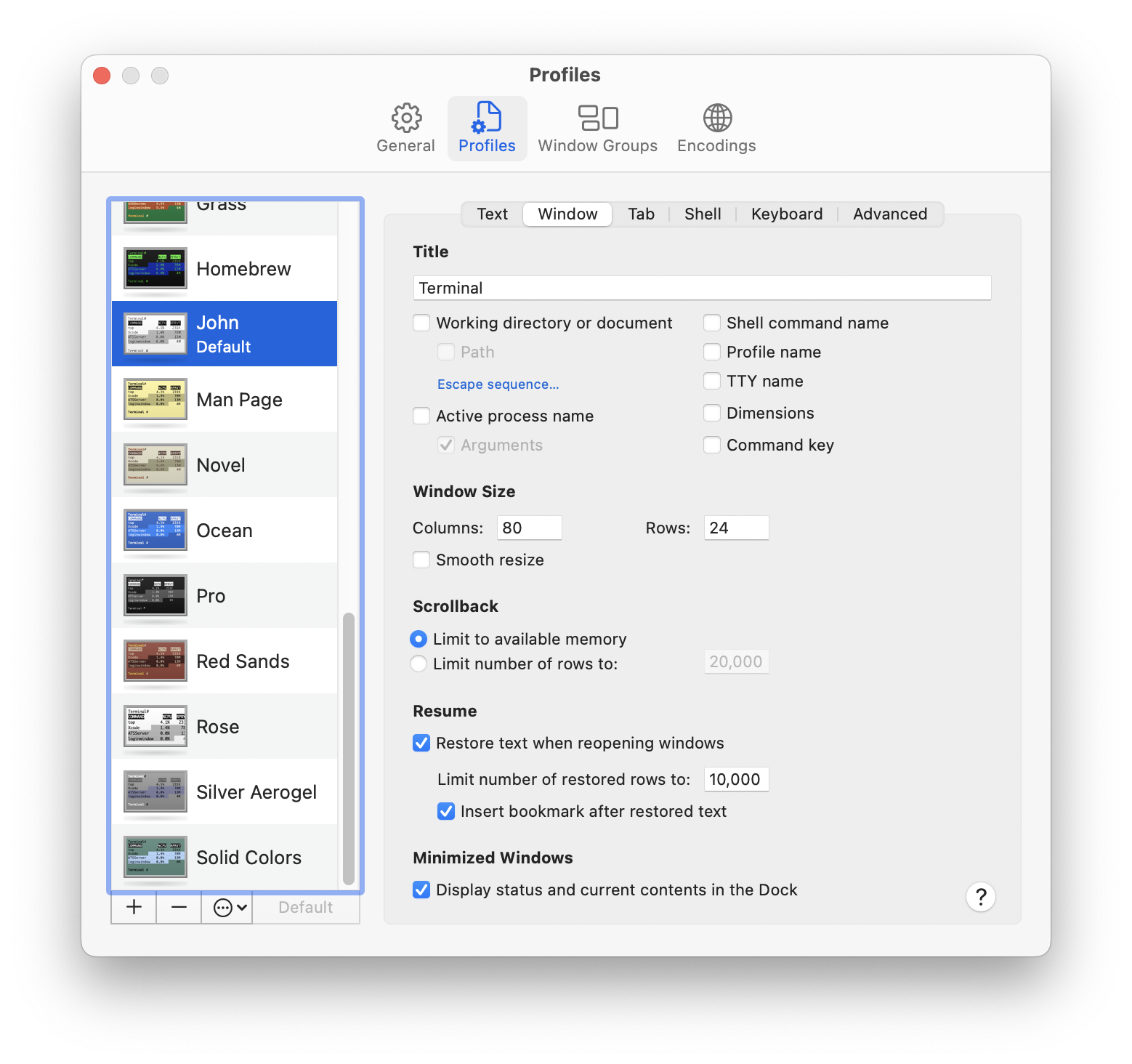
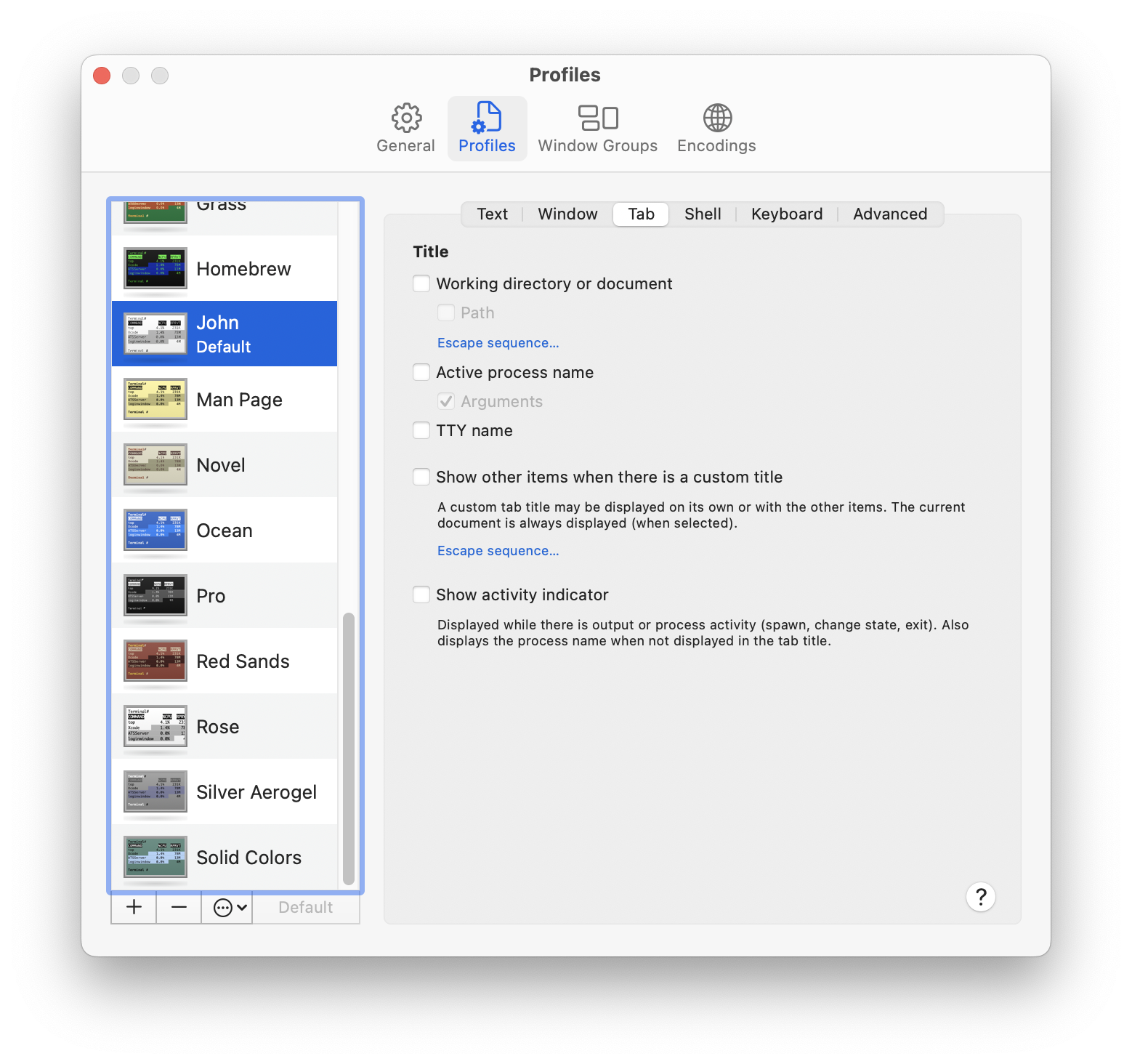
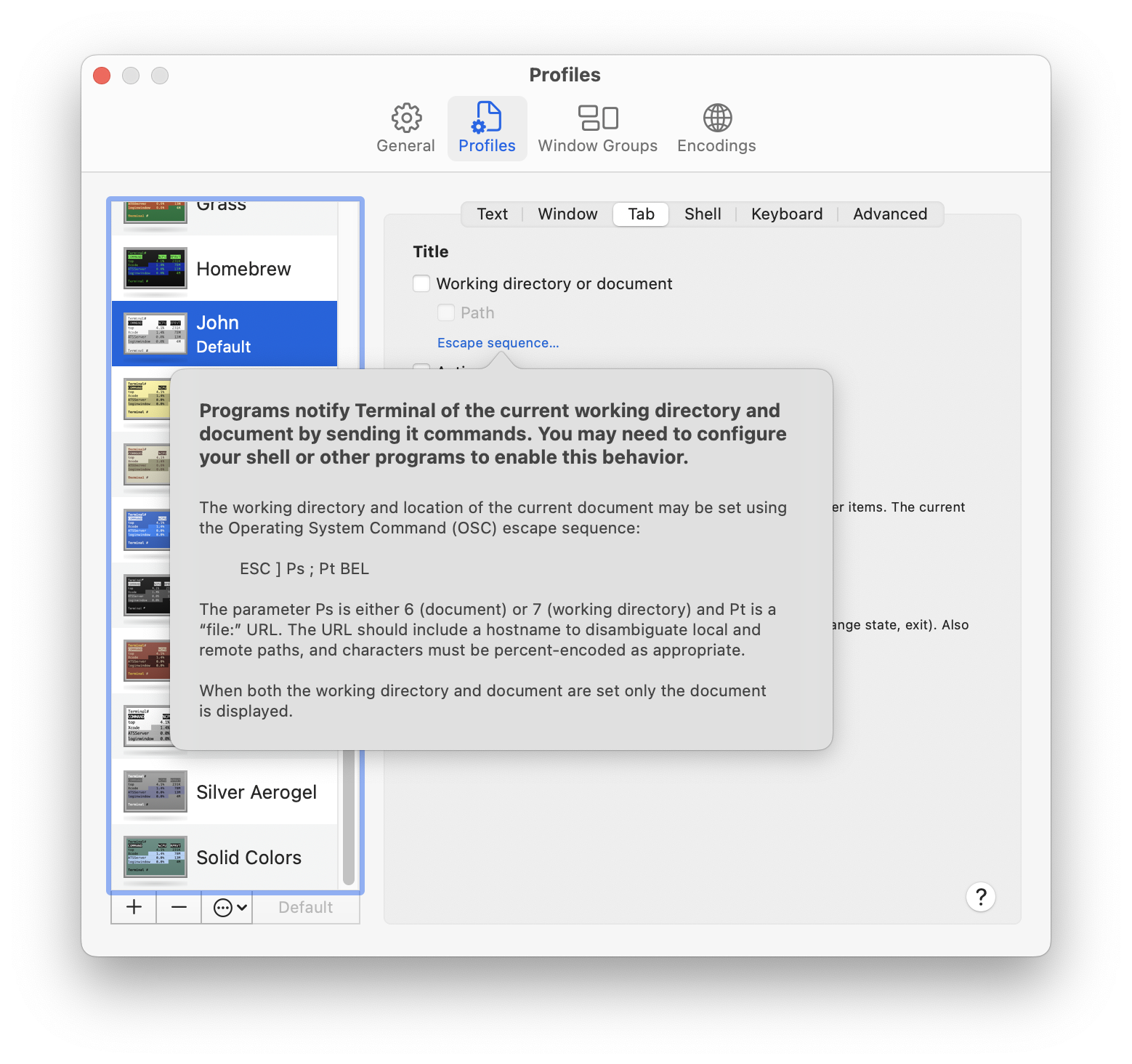

Sponsored by:
- Cotypist: Type as fast as you can think.
- Claude: Ready to tackle bigger problems? Get started with Claude today.
- DeleteMe: Making it quick, easy and safe to remove your personal data online.
Become a member for ATP Overtime, ad-free episodes, member specials, and our early-release, unedited “bootleg” feed!