In short
The hosts celebrate streaming Dave Matthews Band concerts on Nugs.net (soundboard-quality, audience-recorded history and jam-band release cadence), then pivot to travel mishaps (John’s Rome pickpocketing), and a long tech roundup: macOS 27 Golden Gate on external drives, iOS 27 Spotlight indexing taking days, Siri/AI “memory” vs using trusted apps, Photos spatial reframing likely not using location-aware fill, CarPlay route sharing as a potential path to Tesla integration, and the U.S. approving sunscreen filter bemotrizanol. They also discuss Apple’s “terrifying” DRAM/NAND price chart (up to ~900% by 2027) and ripple effects (bonuses in South Korea memory chip industry), plus follow-ups on TOS Tracker for Apple environmental impact reports and PCC (Private Cloud Compute) server software.
Guests
No guests appear in the transcript as interview subjects. John and Marco are the hosts; other named contributors are commenters/writers (e.g., Doug Weinfield, Om Shashad, Steve Riggins, Yoken Marshall, Kevin Buderbaug, Alec Hurdle, Naha Malik, Andrew Leahy, Guy Rambeau, Zoe Knox) rather than in-studio guests.
Key claims & notable examples
Nugs will stream DMB concerts the next day; jam bands like Phish/Goose sell direct-mastered soundboard shows nightly. Rome pickpocketing involved a subway shove/distraction; John lost cash but kept phone/passport. Siri “memory” shouldn’t be trusted for long-term facts; store in Apple Notes/Reminders instead. CarPlay may reach Tesla via WWDC26 “route sharing” sending route segments to the vehicle. Bemotrizanol approval should improve U.S. sunscreen options and eye irritation. Apple DRAM/NAND costs are projected to spike ~900%, driving price increases and massive chip-industry bonuses.
Written by AI. May contain mistakes. Listen to the episode to check what was said.
Chapters
Tap a time to open that second in VOExciting News About Dave Matthews Band Recordings
0:11 to 2:14
Discussion about Nugs.net offering Dave Matthews Band concerts for streaming.
“Anyway, all right, let's get the show on the road.”
User Experience with Live Concert Recordings
2:14 to 4:03
The hosts share their experiences and thoughts on live concert recordings and how they enhance fandom.
“And so you end up just getting a, you know, by being a fan of these bands, you end up getting a huge amount of new music every year.”
Vacation Recap: Italy Trip Report
4:03 to 8:09
Marco shares his experiences from his recent trip to Italy, including highlights and challenges.
“You had a vacation that you just went on and I would love to hear a after action or trip report, or I guess I should say in the vernacular of our dear friend John Siracusa, what was your vacation results?”
Rome's Pickpocketing Experience
8:09 to 9:59
Marco recounts a pickpocketing incident in Rome and his reflections on the experience.
“You know what Rome really made me appreciate?”
Follow-Up on 'Designed in California' Podcast
9:59 to 11:15
John discusses his guest appearance on the 'Designed in California' podcast and its focus on Apple history.
“And if you'd like, or I can handle it, tell me what is Designed in California?”
Kickstarter and Community Engagement
11:15 to 12:14
The hosts talk about a Kickstarter project related to the 'Designed in California' podcast and its community involvement.
“from Design in California in the coming year or two.”
Technical Discussions on MacOS and iOS Updates
12:14 to 14:00
The hosts dive into technical details about MacOS and iOS beta issues and user experiences.
“Apple Intelligence, when booting macOS from an external drive, Doug Weinfield writes, there may be a workaround for doing exactly that.”
Indexing Issues with Apple Devices
14:00 to 14:40
Discussing potential indexing delays with Apple's upcoming update.
“And like we said last episode, the rumor slash word on the street is that Apple is going to make these indexes for everybody who upgrades to 26.6.”
AI and Siri's Memory Capabilities
14:40 to 17:43
Exploring the limitations of Siri's memory and AI capabilities.
“then with regard to Apple's AI tech talk, this was the thing that happened right after the keynote, what, a couple of weeks ago now.”
The Squirrel List Concept
17:43 to 19:56
Introducing a practical note-taking technique called the 'Squirrel List'.
“Because it's just, everything is moving so quickly and changing so quickly.”
Show all 48 chapters
Spatial Reframing in Photos
19:56 to 21:56
Discussion on the limitations of Apple's spatial reframing feature in photos.
“There is a bootleg video, if you will, of the aforementioned Siri AI talk where Craig is talking, at least in the beginning, this is via Sayer, S-A-Y-R-E-R.”
Tesla and CarPlay Integrations
21:56 to 24:55
Examining the implications of Tesla integrating with Apple CarPlay.
“All right, let's talk about Tesla and CarPlay.”
New Sunscreen Ingredient Approved
24:55 to 28:00
An overview of the FDA's approval of a new sunscreen ingredient and its benefits.
“And yet, here they are potentially caving and saying, sure, we'll support CarPlay.”
Sunscreen Ingredients and Consumer Trust
28:00 to 29:15
A discussion on sunscreen ingredients and consumer expectations from the U.S. sunscreen industry.
Apple's Environmental Impact Tracking
29:15 to 31:28
Exploration of Apple's environmental impact reports and a tool for tracking progress.
“finally going to uh exhume and and get through these are not that remarkable but it's hilarious to me how long these have lived in our internal show notes.”
Apple's AI Server Insights
31:28 to 32:34
Insights into Apple's AI servers and the challenges they face in the evolving tech landscape.
“or PCC VRE, is a set of tools and images that can boot a version of PCC software and simulate a PCC node on a Mac with Apple Silicon.”
The Future of Apple's Server Strategy
32:34 to 34:19
Speculation on the sustainability of Apple's server strategy amidst competitive pressures.
“you know they already in wwc is that we're not distinguishing between one or the other it's all PCC to us, right?”
The Future of Apple's Server Strategy
35:11 to 36:43
Speculation on the sustainability of Apple's server strategy amidst competitive pressures.
“This is quite simply the best place to build a website, especially for your business.”
The Future of Apple's Server Strategy
36:52 to 37:05
Speculation on the sustainability of Apple's server strategy amidst competitive pressures.
“so you can build it, see how it works for you, check it out, squarespace.com slash ATP.”
Apple's Pricing Strategies Amidst Rising Costs
37:05 to 42:05
Discussion on Tim Cook's interview about rising prices due to component costs and Apple's market strategies.
“On June 17th, which as we record this on the evening of the 25th, it was a week and a day ago, Tim Cook took one on the chin for John Ternus and did an interview with Rolf Winkler of the Wall Street Journal.”
Market Dominance and Rising Stock Prices
42:05 to 44:10
Learn about the DRAM memory market's top players and the surprising stock price surges.
“So from the Wall Street Journal, three companies dominate the market for DRAM memory, Samsung and SK Hynix in South Korea and Micron in the U.S.”
Bonus Surges for Memory Chip Workers
44:10 to 45:30
Discover the extraordinary bonuses being awarded to memory chip factory workers in South Korea.
“ChatGPT says to this individual, that is a very solid build, but I spotted one thing immediately.”
Apple's Price Increases Explained
45:30 to 47:50
Explore Apple's recent price hikes and the factors driving these changes in the consumer electronics market.
“So there's another post at the Wall Street Journal.”
The Impact of Component Costs on Apple Products
47:50 to 54:10
Understand how rising costs of components affect Apple's pricing strategies and product offerings.
“I think the more expensive one went up by 67%.”
Inflation's Role in Pricing Trends
54:10 to 56:00
Discuss how inflation has altered the pricing landscape for consumer products, particularly Apple.
The Impact of Inflation on Technology Costs
56:00 to 58:20
Discussing how inflation is affecting the prices of technology and devices.
“It's like all these things are going on in the world around us.”
Anticipating Future Product Pricing Trends
58:20 to 1:02:00
Analyzing expected trends in Apple product pricing and component costs.
“You think, like, now, imagine, like, you know, the iPhone Pro, you know, you go in now for about$1 ,200.”
Refurbished Products and Trade-In Values
1:02:00 to 1:06:00
Examining the market for refurbished Apple products and trade-in values amidst price hikes.
“To go back several steps, I priced what is a modern facsimile for my current laptop.”
Long-Term Effects on Electronics and Consumer Behavior
1:06:00 to 1:10:00
Discussing the broader implications of rising costs on electronics and consumer habits.
“They have to demand higher salaries so they can afford regular stuff.”
Impact of Price Increases on Electronics
1:10:00 to 1:13:20
Discussion on how rising costs affect various electronic products including consoles.
“So, you know, this could affect things like, you know, obviously, like on the medium sized market, this could affect things like game consoles significantly.”
The AI Investment Bubble
1:13:20 to 1:16:40
Exploration of the market distortion caused by massive investments in AI technology.
Financial Ramifications of AI Growth
1:16:40 to 1:19:32
Analysis of how AI growth impacts consumer hardware prices and financial markets.
“Maybe the 8-terabyte M5 Mac Studio with 64 gigs of RAM is going to actually cost as much as my entire Intel Mac Pro setup from 2019.”
Financial Ramifications of AI Growth
1:19:36 to 1:21:27
Analysis of how AI growth impacts consumer hardware prices and financial markets.
“or honestly, any kind of doctor's appointment.”
Apple and the RAM Manufacturing Debate
1:21:27 to 1:24:00
Discussion on whether Apple should manufacture its own RAM and the challenges involved.
“All right, let's do at least a touch of Ask ATP.”
Challenges in RAM Production
1:24:00 to 1:25:17
Learn about the complexities and challenges Apple faces in RAM production.
“And it actually is a little bit of a different process than used for logic and everything.”
The Commodity Business Dilemma
1:25:17 to 1:26:35
Understand why Apple avoids entering the commodity RAM market.
“You can't have it just be a single customer thing.”
Apple's Manufacturing Strategy
1:26:35 to 1:27:52
Explore Apple's approach to manufacturing and reliance on partners.
“And as Joe points out, they play them against each other to get better rates and everything.”
Privacy Concerns with Siri
1:27:52 to 1:31:42
Discuss the potential privacy issues related to Siri while traveling.
“And even if they didn't, wouldn't save us from the current crisis.”
Mitigating Privacy Risks
1:31:42 to 1:32:58
Learn strategies to mitigate privacy risks when using mobile devices.
“So a technically savvy person, if it was working from the unlock screen, blah, blah, blah, could use it to be more successful just because the old Siri was so useless that you couldn't use it or anything.”
Debugging with AI Assistance
1:38:00 to 1:43:14
Learn how AI can assist in debugging code and finding bugs quickly.
“Can you take a look and see if you have any guesses, please?”
The Emotional Impact of AI Collaboration
1:43:14 to 1:45:45
Explore the feelings of collaboration and nostalgia for coworking through AI.
“coworkers and particularly be doing so in person, although, you know, maybe this would be just as fun, just this would work just as well remotely.”
AI Enhancements in Software Development
1:45:45 to 1:52:00
Discover how AI improves software development and bug fixing processes.
Reflections on Software Development and AI Tools
1:52:00 to 1:55:06
Exploring the benefits and challenges of using AI tools like Claude in software development.
“How do you think Apple did all that in one year?”
The Role of Management in Bug Fixing
1:55:06 to 1:57:34
Discussing the importance of management decisions in prioritizing bug fixes in software releases.
“To be honest, I'd still probably ask Claude some of these questions.”
The Need for Human Collaboration in Programming
1:57:34 to 2:01:08
A conversation about the value of human collaboration and the challenges of working independently.
“This kind of reminds me of that, and here's a need that I have in my life.”
Indie Developer Loneliness and Human Connection
2:01:08 to 2:03:47
Reflecting on the emotional aspects of being an indie developer and missing co-worker interactions.
Nostalgia for Co-Working Environments
2:03:47 to 2:06:00
Sharing memories of fun workplace experiences and the importance of having colleagues.
“And the lesson is I miss coding with people.”
Nostalgia for Work Friends
2:06:00 to 2:06:18
Exploring the importance and impact of work friendships in development.
“And once you leave that job, you never speak to them again.”
Transcript
Automatic transcript. May contain errors.0:00John Siracusa:What you can do, John, is you can just sit this one out because everyone knows that the show is really about Marco and me and you're just a Klingon. So you can just sit this one out.
0:07Casey Liss:From Star Trek?
0:09John Siracusa:No, not that kind of Klingon. Anyway, all right, let's get the show on the road. Hey, Marco, I have incredible, incredible news for you and for me. And I know we briefly talked about this privately, but I wanted to bring it up one more time publicly. Marco, on Nugs.net, which we've talked about a fair bit recently on account of me being freaking obsessed with Goose these days, They're really on a roll, too.
0:31Marco Arment:It's really not helping you.
0:33John Siracusa:It's not helping at all. Anyways, Nugs is finally, one day later, broadcasting or archiving, whatever verb you want to use. They're offering up for listening, for streaming Dave Matthews Band's concerts, which is incredible news for you, boy. Because I have to tell you, the only way I used to be able to get a Dave Matthews Band concert was to either trade for it when I was a child with tapes or CDs. or there's some places where you can find torrents and the idea is that that sticks with the spirit of the band's taping policy, which is that you have to share because with a torrent, you're sharing, but you're not supposed to go like stream it from somewhere or something like that.
1:12Marco Arment:That's a pretty fine distinction.
1:15John Siracusa:We're going to move right past that. We're going to move right past that. But these are all audience recordings. So this is people who bring, it used to be dat tapes, and now it's like mixed pre's like I'm talking to you through right now and hook them up to microphones on towers. and the quality has gotten way better than it was in 96 when I started listening to Dave Matthews band, but certainly pretty crappy still in the year, in the year 2026. Yeah.
1:37Marco Arment:It's still a microphone in the audience. Like there's only so good that can be compared to the soundboard.
1:41John Siracusa:That's exactly it. But these are soundboard recordings from Dave Matthews band. They have finally joined the ranks of their peer jam bands. I'm just going to cruise right on there. They're pure jam bands, and they're offering their concert recordings the following day. This is monumental news for me, and I'm sure for you.
2:01Marco Arment:Yes, obviously. What has been missing from my life is a way to get higher quality Dave Matthews Band recordings of all the things I want to listen to from the Dave Matthews Band.
2:11John Siracusa:Exactly right. So our long national nightmare is over. Our long international nightmare is over. And I just wanted to make sure that I called that to your attention, Marco, that you can now stream dave matthews band concerts the following day on nugs yeah and and to be to be
2:25Marco Arment:fair like even though dave matthews band is not my cup of tea i have you know been so much enjoying for many many years now that fish and then later goose would were would put for sale for about 10 bucks each every live show they did direct masterings from the soundboard with very high quality and you know like with the same mastering you would get on like if a band released a live album to you know itunes and spotify like yeah that same kind of mastering level like they were they're doing that every show and they release it you know the day the morning after the show or later that night for 10 bucks like this you know fish started doing this years ago and as goose has gotten popular they've been doing it and it is such a joy for like your favorite band to to basically release a new a new set a new album every night of a tour so you know you get what 20 or 30 a year yeah it's amazing to have that much music coming from a band that you love and it and you know because these are jam bands plus dave matthews band um they're all the shows are all different like so you get a different performance like a noticeably you know quite different performance quite different set list every night um you know obviously there are some songs you hear a lot but like you're getting a different a different performance and a different work every time, every night they play.
3:44Marco Arment:And so you end up just getting a, you know, by being a fan of these bands, you end up getting a huge amount of new music every year. And it's just, it's just a wonderful thing to be a fan of these bands. So for Dave Matthews to have finally joined that mechanism, I'm happy for the fans like you who get to enjoy that same thing.
4:02John Siracusa:Also exciting. You had a vacation that you just went on and I would love to hear a after action or trip report, or I guess I should say in the vernacular of our dear friend John Siracusa, what was your vacation results?
4:14Marco Arment:Overall, pretty good. Spent about five days in Italy, spent four days in Florence, and it was wonderful. I can strongly recommend Florence as an American tourist. They make it very easy on us. It is full of other American tourists, and the Italians are very kind and and very accommodating of americans which and i and i can especially call out um the the gucci restaurant in florence is surprisingly good um it has one michelin star i think it deserves two and so that that was wonderful nice restorative trip you know a lot of good good uh you know good history to see there and sites to see and you know so that was wonderful the art is great the shopping is great the food's pretty good although honestly i kind of prefer new york
5:00John Siracusa:style italian food but oh please email marco do not email us please i mean look i also prefer
5:04Marco Arment:american style coffee like you know i couldn't get you know regular drip coffee anywhere in italy because everything's espresso so they had very good espresso um anyway and then um you know on the way out we were flying out of rome so we spent one day in rome um so right at the end of the trip so you know we finished up in florence took the took the train to rome the trains are amazing delightful get to rome um i get on the get on the metro to go to the um hotel it's a crowded metro everyone's kind of cramming into the to the stuff i kind of got like pushed over on the way into the car like into the subway car um now you know i look i've read the new york city subway all the time so i'm used to this the doors close and i realize my wallet's gone oh no i was in rome for five minutes and i was pickpocketed gracious you know what they say what do they say
5:52Casey Liss:john apparently you don't no i just hope the listeners can finish that thought for me what when in rome like that whole thing there you go it just took a little while i was right there with marco i was deeply confused do as the romans do uh get your pocket picked the romans did to me what the romans do did you have it in your front or back pocket i had it in my front pocket but
6:12Marco Arment:it was it was super hot i was wearing shorts and so there it's a little looser you know and And when I'm traveling, I always have in my front pocket, I always have my wallet and my passport. My passport never leaves my person when I'm traveling, like when I'm traveling internationally. And so the passport was between the wallet and my leg. And so I think the combination of shorts plus that made me not feel it instantly. But I noticed like obviously part of the like I did a bunch of research afterwards. Obviously, part of the scam was when I was shoved into the subway car and I stumbled slightly.
6:47Marco Arment:that was obviously a physical distraction to get it so i didn't know any of this this is like oftentimes a multi-person operation pickpocketing in apparently specifically rome and paris is like a really professionalized thing like it's very very well done there are many youtube videos on this if you haven't seen them already i haven't but you know as i the one at first i was i mean again like i realized instantly like oh that's it it's gone like i knew but you know i didn't want to like get into like you know an altercation with anybody in the train in case it was any of the people behind me so i'm like i don't want to like well now i know okay now let's go start canceling cards you know but fortunately i didn't have that much in there um and even more fortunately i still had my phone and my passport which are the two things that would be harder to replace in that context um and i really didn't need cash or cards for anything on that trip you know the only real loss was you know a couple hundred dollars worth of cash that i probably shouldn't have even been carrying and the annoyance of having to replace a handful of cards at my driver's license.
7:49Marco Arment:But ultimately, it could have been a lot worse. It was more of an offense and more of a like, I literally just like I was in Rome for five minutes and Rome said, F you right back to me. And I'm like, OK, you know what, Rome? F you. Like, I can't imagine wanting to go back to Rome now. Like, it kind of ruined it for me, whereas Florence was delightful. But Rome was like, you know what? You know what Rome really made me appreciate? New York. because New York City is safer, nicer, in terms of the people. The people are way nicer in New York City. The people in Florence were nicer, though. I got to give them credit for that.
8:22Marco Arment:And I like the Italian food better in New York than I do in Rome. So you know what, Rome? Please, my apologies to Federico Paticci. He's delightful. But my first impression of Rome was really bad. So I'm very happy to be a New Yorker right now.
8:35John Siracusa:I don't blame you. And when we were in Rome, this was pre-Declan, we stayed near some plaza where apparently the pickpockets were legendarily really, really bad. And I remember I had my hands deep in my pockets every time I walked through there because I had the fear of God placed in me, including but unlimited to when I was walking to the Vatican. But anyway.
8:56Marco Arment:I now know what I should have done is had a zipper pocket or one of those front-carrying bags that I'm clutching. But I ride the New York City subway usually at least once a week, and I have never had any problem. This is a Rome problem. And it sounds like the Italians really don't intend to put any kind of effort behind reducing this. So this is their problem to own. Again, New York is not a perfect place by any means. America is not a perfect place by any means. But it did make me appreciate how nice New York is in this one particular way.
9:34John Siracusa:I totally hear you. And I'm sorry to hear that. But now you get to go down the path of potentially, if you so choose, buying 84 new wallets to figure out which one you like the most.
9:42Marco Arment:Nope. Instead, I reordered exactly the same one I had before.
9:45John Siracusa:That was the other option. Fair enough. All right, let's do some follow-outs. John, you guested on upgrade number 624, which was really a Designed in California segment. Can you tell me about that? And if you'd like, or I can handle it, tell me what is Designed in California?
10:02Casey Liss:yeah so they're they're releasing bits of design in california in the upgrade feed both separately and integrated into upgrade episodes but that's going to end once design california gets its own fiend design in california is a uh spinoff i guess uh podcast series by jason snell and mike hurley that is in the style of um case the rest is history the rest is history it's a history podcast about 50 years of apple's history and they they've done a series so far about the apple 2 and they did a kickstarter uh which we will link in the show until the by by the time you listen to this the kickstarter may be over because it ends in five days if you just go to designed.fm that's fast past tense designed.fm that currently redirects to the kickstarter and i'm assuming eventually or redirect or be an actual website and they're going to do something like 50 episodes at least 50 episodes of the history of apple and they were kind enough to ask me to guest on uh some of those episodes i'm not sure if they've released everything that we recorded so far but anyway whenever they need me, I'm available.
11:00Casey Liss:The bit in Upgrade 624, which we will also link, was about Apple's need for a new operating system. So they're having me come on to talk about Mac OS X. Surprise, surprise. So if you want to hear that, check it out. And there will be more. There will be much, much more from Design in California in the coming year or two.
11:18John Siracusa:Indeed, yeah. I've already backed this. I backed it immediately. I enjoy the couple of the rest of history episodes that I've listened to, but I don't know. it didn't really rev my engine like it seems to rev everyone else else's but these done by good friends of mine about stuff i really really really care about that's chef's kiss so i definitely encourage you to check it out designed.fm uh and back the kickstarter you should they also made a like pin or something i forget exactly what it was now but they made this um california bear cow thing that i am still grumpy about after having seen it several days ago because it's so freaking perfect.
11:55John Siracusa:So I think it's pictured somewhere, I'm sure. I can't find it on their Kickstarter right this second. But they made, I think it's a pin that you can get if you back the physical stuff, like one of the tiers is getting physical things from them. And I think this California cow bear thing is just freaking perfect, and I'm still grumpy about it. But that's all right. Anyway, go to design.fm and check it out. You very much will like it. Apple Intelligence, when booting macOS from an external drive, Doug Weinfield writes, there may be a workaround for doing exactly that. and there's a link to itecheverything.com and Om Shashad writes, this process involves modifying a file on the system so that we can trick it into thinking that your external drive is actually an internal drive.
12:35John Siracusa:This cannot be done unless we disable system integrity protection. Fortunately, the good news is that you can turn it back on after you're done.
12:40Casey Liss:I didn't try this, but I'm glad to see that someone figured out how to make it work. I would be scared to try this, not because of the system integrity protection, but just because essentially lying to the system and telling them that your external drive is an internal drive just smells like a formula for disaster you know that is just lurking out in the future
12:57John Siracusa:are you afraid eddie's gonna show up at your house so anyway i'm i partitioned my not partition
13:03Casey Liss:whatever i made another volume on my internal drive so that's how i'm going forward but if you are determined to install um golden gate on an external drive uh you can follow these instructions they're long and complicated good luck i can say i still have golden gate on my
13:16Marco Arment:on my portable laptop and uh it is so far pretty enjoyable with the exception that it does keep
13:22Casey Liss:filling up its hard drive cool oh that's that's a bummer mine hasn't had that problem so far although i have to say that the first beta of xcode 27 running on golden gate could not launch my app in debug mode at all so that's bad like i was trying to figure out like is it launching what's happening it was launching the process but like the debugger wasn't attaching to it so i had to uncheck the debug checkbox so then i could run it from xcode but not debug it which really puts a damper on debugging yeah all right and let's talk about indexing for spotlight in the 27 os
13:56John Siracusa:is steve riggins writes i'm on day six and a half of indexing my iphone with the ios 27 beta one alex writes same here i've even had it plugged in for multiple hours each day yikes that could
14:08Casey Liss:be what's filling marco's drive or something we could be doing haywire but if you're wondering how long will it take to do the indexing? Apparently a long time. And like we said last episode, the rumor slash word on the street is that Apple is going to make these indexes for everybody who upgrades to 26.6. Whenever 26.6 comes out, they will spend, I don't know, five, 10 days or whatever indexing, probably when our phones are plugged in at night or charging at night so that we don't have to wait a week after 27 comes out to have the indexes built.
14:39John Siracusa:Right-o. then with regard to Apple's AI tech talk, this was the thing that happened right after the keynote, what, a couple of weeks ago now. Yoken Marshall writes, what I didn't get from the tech talk discussion is whether I will be able to casually tell Siri AI something like, I put the screws for the bed in the closet in the guest room and have it still remember that two years later. Or will I still have to keep sending emails to myself? I would guess that that's not something Siri will remember.
Read the full transcript
15:03Marco Arment:That doesn't sound like an AI thing. That sounds like a data storing app thing. That's the kind of thing I would put in Apple Notes or something.
15:09Casey Liss:you know so that this is this is gonna happen when people like people who haven't been playing with the lm chatbots get this on their phone because everyone or you know mac users or apple users or whatever iphone users have had siri on their phone for ages so either they use it they don't but it's not new to them as far as they're concerned they change siri again in some way like they don't see it as a different thing but this question you know points towards like but it is kind of a different thing because in the past if you were to do something like this with siri your assumption would be i have to tell siri to put this in reminders or notes or like i have to instruct i have to like or say something like remind me and then it will use reminders but if you are actually experienced with these type of chatbot things you're like well can i just ask it to remember stuff because a lot of the chatbot things have what they call a memory and you can say things like remember that i like to use spaces and not tabs in my code stuff like that and it will quote unquote remember it and the memory feature as far as i've been able to tell because it's very difficult to tell all these things are implemented but it's essentially like it's just going to write words in a text file and put that into and add that to all the other crap that goes before the thing that you enter so it's going to be the system prompt all your memory stuff any skills you have your whole previous conversation and then the last thing that you wrote and that all goes into the giant pachinko machine and comes out the bottom and so in a sense it is remembering it by writing it to a text file off to the side but the memory is limited and the context window is limited and i wouldn't trust that little text file that the thing writes off to the side behind the scenes to survive for in long term not just with siri but with any of these things i don't know what the policy is for compacting or truncating or keeping long term the things i tell these chat bots to remember so my advice is do not assume that even if this works which it might work for various chatbots do not assume that oh that's safe forever now tell it to use the app of your choice to store this information so then you can open the app and look at it and say yeah there is now an apple note that says here's where i put the you know things in the closet for the guest room or whatever uh have a note that already does that and have the agent write to that note and then look at the note and see that it's actually there.
17:27Casey Liss:And even then, I would be a little bit careful because someday it might wander by and say, oh, look at this note. I can fix this for you by summarizing it or some crap like that, and you lose all your information. So be careful out there.
17:36Marco Arment:Yeah. In general, don't count on the current world of AI for long-term stability of any sort. Because it's just, everything is moving so quickly and changing so quickly. People are, you know, the big companies are changing their products left and right. things change every two weeks you know it's everything is like quicksand right now and so for something like like long-term memory long-term note or data or fact storage use an app that has a proven track record of doing that like apple notes or you know bear you know like one of those any kind of like personal shoebox data app like that um and maybe that is your email if you want to email it to yourself that's another option too but you know put the data in something like that and then use AI to index and search that data in whatever form that can take.
18:26Marco Arment:If you're using something like Gmail, maybe Gemini can search it in a really good way or something like that. If you're using Siri, use Apple Notes and Siri will be able to read that. I think that's the much better way to structure your data like that.
18:40Casey Liss:Yeah, and you can ask the agents to add it to a note, to add it to reminders. You could ask it to email. I'm not sure which of those things with Siri will do successfully. But then you're just using it as the same way you would do, say, remind me when I get home to blah, blah, blah. It's Siri using the features of the Reminders app. So that's perfectly fine. But the storage medium needs to be an app that you trust.
19:01John Siracusa:You introduced, John, some interesting thought technology to me, I think in Rectifs, and I think it was forever ago, but the idea of a squirrel list, which I have a pinned note in Apple Notes called Squirrel List. And that's where I write where things are that I know I will forget where I put them in the future. And that has saved my bacon many times.
19:18Casey Liss:and then it's all every time i every time i go to my squirrel list these days it's like why did you not i use it as a verb now like googling something why did you not squirrel list this usually i come out ahead like i had to replace a part of my kitchen faucet and like i've done i've replaced this part before and when i replaced it i know i bought extras because i could tell this is a new newish faucet and like a year or two into it this thing is already having a problem i'm probably gonna need more than one of the weeds so i bought spares but where in my house are the spares go right to the squirrel list is it there no of course it's not of course i did find it though.
19:48Casey Liss:And you know what I did after I found it? I put it on the damn squirrel list. So set a timer three years from now when that stupid magnetic ring and the Delta faucet rusts out again, I know where to find the spares.
19:57John Siracusa:Perfect. There is a bootleg video, if you will, of the aforementioned Siri AI talk where Craig is talking, at least in the beginning, this is via Sayer, S-A-Y-R-E-R. This guy that Sayer links to has three such videos, but says, Sayer, I saw one from Straight On that has the opening quote that we talked about. I can't find that one, unfortunately, and then we have a link to a YouTube short where one of these videos can be seen.
20:25Casey Liss:Yeah, see, they should go on Nugs, man. Like, imagine if there could be an official video instead of audience recordings.
20:30John Siracusa:That's exactly right. It's a whole new world for me, John, I tell you. All right, and then with regard to some of the new tools and photos, Kevin Buderbaug writes, is the new spatial reframing feature in the 27 releases geographically aware. For example, my wife and I recently had our picture taken together by someone else, as in not a selfie, while we were standing on the pier in somewhere unpronounceable in California. The person taking the picture was facing south, so Morro Bay and Morro Rock were in the background. The person who took the picture managed to frame it such that my head hides Morro Rock.
21:00John Siracusa:If I were to use spatial reframing on it, would it know to fill in Morro Rock, or would it just generically fill in matching coastline? I have to assume it would just fill in coastline.
21:09Casey Liss:Yeah, I don't know for a fact, but I would put very good money on no, it has no idea where you are and even what it knows your location but it's not going to use any kind of awareness of photos taken by other people in that location which again is it would be a privacy nightmare that apple wouldn't really delve into it's just going to use the training data of all the photos that its image generator has seen and say here's what plausibly could have been behind you now it could be that the training data includes lots of images of moral rocks you're like wow it is location aware when it when i move my head it shows me exactly the right shape of moral rock that just means moral rock was in the training data i don't think it is basing it on your gps Now, again, I don't know for a fact because I didn't make this feature.
21:45Casey Liss:So if someone at Apple knows otherwise, but I would put good, good money that that's not the way these things work currently. It's just going to use the model. And whatever the model puts is what the model puts.
21:55John Siracusa:Yeah, concur. All right, let's talk about Tesla and CarPlay. Or in other words, let's have Casey pop off. Alec Hurdle points us to an article on NotATeslaApp.com, which is entitled, Apple announces Maps feature that could finally bring CarPlay to Tesla. and naha malik from the aforementioned website writes uh reports emerged last fall of tesla actively pursuing native carplay integration follow-up reports from earlier this year indicated that carplay integration was still in the works with tesla reportedly working directly with apple to bring the interface to its vehicles at the time the main holdup was said to be how the navigation would be handled between tesla's uh whatever they think they're full self-driving except it isn't really full self-driving system and carplay's own maps because supervised self-driving relies heavily on the car's native navigation.
22:43John Siracusa:Tesla and Apple were working together to ensure that turn-by-turn directions stay in sync across Tesla's and Apple's mapping platforms. If this supervised automatic driving doesn't know where the CarPlay map is going, features like automatic lane changes, which I don't understand why that's a problem, but anyway, and supervised self-navigation simply can't function. During a WWDC26 session covering the latest updates to CarPlay, Apple announced a new feature called route sharing, and we will put a timestamp link to the YouTube video in the show notes. Route sharing allows navigation to pass a navigation app, excuse me, to pass a trip to the vehicle as an array of route segments, which are geographic coordinates that are sent to the vehicle whenever the trip changes.
23:21John Siracusa:Apple notes that, quote, some vehicles with driver assistance systems work best when the intended route is known. For example, vehicles may support automatic lane changes or adjust their guidance systems to more closely match the route shown in your app, quote. So I really, really want this to happen, not because I want Tesla's to be more appealing to anyone. That's even really possible, but because if Tesla finally caves, because they were, you know, the, the Kings of no, we're too good for car play. Then maybe Rivian will cave and maybe GM will cave. And yes, I am living in a fantasy world where things go my way.
23:56John Siracusa:And no, that's not the reality world that I'm also living in, but man, I can dream. Can't I?
24:01Marco Arment:No, maybe.
24:02Casey Liss:I like how they didn't name Tesla in WODC session, you know, But the facts match up exactly that apparently this was what Tesla was waiting for. Now, does this mean Tesla will actually do it? We'll see. But this rumor has been cooking for a while. And the holdup being, we can't do this because there's not enough sharing around information to support our other features, makes technical sense. But I still wonder about how committed they are to doing this. But we'll see.
24:28John Siracusa:Yeah, I do think it's interesting because this does not strike me as... If you're coming at this as a Tesla fan, which is a fantasy world that I find hard to inhabit, but if you're coming at this as a Tesla fan, this does not strike me as something you would do from a position of strength because you've banged this drum for so long that, oh, we're too good for CarPlay. Our stuff is better than CarPlay. We have the best software in the whole car industry because we are amazing. And yet, here they are.
24:55Marco Arment:They do it in that voice, too.
24:56John Siracusa:And they do it in that voice. And yet, here they are potentially caving and saying, sure, we'll support CarPlay. I am struggling to find any reason to do that other than, man, it would be nice if we sold more cars these days. Maybe that's just me. I have incredibly, you know, Marco, this is your episode. It just occurred to me because not only do you have access to what will eventually be just hours and hours and hours of Dave Matthews Band on Goose.net, or excuse me, Nugs.net, but the U.S. has approved a new sunscreen ingredient. Mm-hmm. Reading from Scientific American, the U.S. is finally getting a new, better sunscreen ingredient.
25:32John Siracusa:The Food and Drug Administration added bemotrizanol. Bemotrizanol. There, we'll go with that. And I tried this earlier, and I already forgot what I tried. Bemotrizanol, an effective chemical filter that's used in sunscreens made in Asia and Europe for decades to the list of permitted active ingredients and over-the-counter sunscreens. The list hasn't seen a new entry in more than 20 years. Yeah.
25:53Marco Arment:So this is, you know, as I was going through my sunscreen journey, I believe it was last year or the year before, I had realized that avobenzone, which is the chemical filter used in almost every U.S. sunscreen, except for the mineral ones, but all the chemical sunscreens or the hybrids, they all had avobenzone. And it turns out alfabenzone is both not incredibly effective relative to modern sunscreen filter chemicals. And also the problem that I was having was it's incredibly irritating to most people's eyes. My eyes would just burn and get painful, you know, redness and everything all day if I had sunscreen on.
26:29Marco Arment:Because even if like a little tiny bit traveled, oh, and alfabenzone travels through the skin through short distances too, it migrates. and so if you had sunscreen anywhere on your face odds of it getting in your eye were pretty high so at that point i switched over i tried european sunscreens and japanese sunscreens and i found all these other chemicals that are more modern that are much not only more effective in most cases but also allow much nicer formulations of the sunscreen like you know like how does it absorb does it have good textures you know stuff like that and then doesn't migrate through your skin and it's not as irritating to eyes like by a huge huge margin so the one that i use the most and love is the roto super moisture uv gel it's a japanese brand i'll link in the show notes um sometimes you can find people on amazon selling it it's more reliably found on ebay or you can just order it from amazon japan if you want to pay a lot of shipping um but one of the filters it uses is this one uh this is also called uh tinnosorb s it's available in a lot of european and japanese sunscreens there's also there's a whole community of korean sunscreen enthusiasts i didn't get that far because i i basically got to japan and was happy and stopped um so uh but there's this whole world of sunscreens that now the u.s has approved one of the chemicals that they use and so therefore we are likely to see better u.s sunscreens that are not irritating to people's eyes or not as irritating to people's eyes and work better against you know different different forms of uv so this is great news for the sunscreen enthusiast world i'm gonna still keep buying my uh my roto super moisture ubi gel just because i like it a lot like the formula is good the bottles are convenient it it has it has a scent but it's a very very weak scent um so it's fairly neutral and uh and it worked great for me so i'm gonna keep buying that but uh hopefully i'll have more options soon you have a lot of faith in the
28:22Casey Liss:u.s sunscreen industry i just assumed looking at this story that uh yeah they'll they'll put this ingredient in it and it'll also include avobenzone well to be to be fair like i don't think i mean i
28:32Marco Arment:don't i haven't looked at it exactly but i don't think it would make sense to have both just because they probably cover similar uva and uvb bands so like i don't it probably wouldn't make
28:41Casey Liss:sense for the same product to include both i'm not saying it makes sense it just seems like a thing that the manufacturers would do yeah i would put a trace amount of this so they could put it on the label and raise the price but just keep it the same as it was yeah probably i mean you wouldn't
28:53Marco Arment:believe like how many sunscreens how many like u.s sunscreens i tried first that claimed to be like sensitive or you know all these different marketing words and at the end of the day they all had the exactly the same problem because they were all using the only uh u.s chemical filter that was
29:08John Siracusa:rated for uva and uvb all right we are going to dig up some freaking ancient follow-ups that we're finally going to uh exhume and and get through these are not that remarkable but it's hilarious to me how long these have lived in our internal show notes. So like 18 years ago, we were talking about tracking Apple's environmental progress. And Andrew Leahy writes, your mention of diffing the environmental impact report on the latest Apple products gave me an idea. I fed historical environmental impact reports into TOS Tracker, which is a terms of service tracker, if I'm not mistaken, and will keep track moving forward.
29:42John Siracusa:Mind the bugs. Some report PDFs are still being ingested, although this was like three months ago. And you can go to the TOS Tracker website, and we will put a link in the show notes where you can see this. And Andrew continues, if you go to an individual product, you can compare directly across whatever metrics Apple provides. And so there will be another link for, for example, the M1 MacBook Air versus the M5 MacBook Air.
30:01Casey Liss:There you go. The magic of technology. Yeah, these long lasting follow-up, like lots of things have died out here, but these are the ones that survived. It's just because I thought like, we talk about this and diffing like this is a pain and who has time for that? Well, if there's a website for it, you just bookmark the website. And if you're wondering what kind of progress is Apple making on the environment and stuff, Are they just doing the same stuff year after year and just retouting it over and over again? Or are they actually improving?
30:23John Siracusa:And then finally, in episode 680, we had questions about how Apple's AI servers work. This was keyed off of a Wall Street Journal video that we were talking about in, again, episode 680 back in February. And a friend of the show, Guy Rambeau, writes, No need to rely on rumors or leaks for what Apple's AI servers are running. The software images they distribute to security researchers include details about the hardware. With regard to how each UltraChip is addressed, we know that as well. Each one of those chips is a single PCC node, a private cloud compute node, running as a standalone computer with Cloud OS, which is a variant of iOS.
30:55John Siracusa:And there's an orchestration layer that handles distributing work within that ensemble, which is what Apple calls it. You can also see there's a Cloud or was at the time anyway, a Cloud OS job listing, which includes the Cloud OS team is responsible for all facets of delivering OS and system services on Apple Silicon servers, including driving hardware and software initiatives to enable new Apple Silicon -based systems in data centers. Finally, Zoe Knox contributes, here's Apple's documentation on how to run the PCC virtual environment. And we will put a link to that in the show notes. In there, it says, the Private Cloud Compute Virtual Research Environment, or PCC VRE, is a set of tools and images that can boot a version of PCC software and simulate a PCC node on a Mac with Apple Silicon.
31:37Casey Liss:You got to get this item in right before I would imagine potentially this whole tech stack becomes irrelevant. We don't know that this is going to happen, But now that they've moved to using NVIDIA servers and other people's data centers, I do wonder how long they're going to continue the effort of building their own servers. That Wall Street Journal video like showed us inside the factory where they have those big, giant rack mount servers that had a bunch of, you know, M2 Ultras or whatever inside them. Building their hardware, racking the hardware, supporting it, writing an OS called Cloud OS that goes on there, doing the security.
32:09Casey Liss:Like, this is a hell of an effort for what I have to imagine at this point is just not competitive at all in any measure. like an m2 ultra it was a great chip back in the day but boy we've moved on compared to today's nvidia chips that you know google's got in its data centers is apple going really going to keep up with the state of the art or are they just going to say you know what google is doing we're also calling that pcc we'll make sure it has all the same properties as the pcc that we did where you know they already in wwc is that we're not distinguishing between one or the other it's all PCC to us, right?
32:42Casey Liss:And they promised that by the time the 27OS is shipped, Google's PCC will be just as good as Apple's PCC, and I just feel like that's clearly the path forward. But for now, or in the past, they have their own servers that they built in their own factories that they ran cloud OS on, and they had job listings for it. So I don't know how it's going to go. Tune in next year to see if this is still a thing.
33:04Marco Arment:I can't imagine it would be. There is not a lot of worlds where this makes sense for Apple to do long term while, you know, Google and AWS and everybody and, you know, Microsoft, like all these other companies are running giant data centers that are specialized for exactly this purpose with the newest cutting edge, everything from everybody. Like it just doesn't make sense for Apple to do this themselves.
33:27Casey Liss:Yeah, I kind of see how they got there, like in the old regime, the old regime that was wiped away and replaced with this new regime that gave us, you know, WWC 2026. in the pre-WWC 2024 regime the idea of PCC is like what if we could do this thing where we can do stuff in the cloud but in a secure way and we're we have great silicon and like it's very efficient and um we could make our own servers and we could put our own os on it and like then we would have it's basically like well you could run on your device and you can also run in this thing which is basically as secure can we make something that's not on your device as secure as being on your device that's the whole idea between PCC like just like stuff that stays on your devices you know we can't see it nobody can see it as encrypted whatever can we do that but on the server like it makes so much sense as a thing to do and it made sense to like the wwc 2024 time frame to announce it if only all of that actually ever shipped and it didn't and the world moved on and it's like okay well now the servers are still m2 ultras and the world like the world has moved on this is you know i'm not gonna bang this horn drum too much but like if apple wants to compete in the high end of hardware anywhere, including on the server.
34:33Casey Liss:You have to make new high end chips on a fairly regular basis because the state of the art in things that run in data centers and do AI stuff is moving rapidly. The M2 Ultra is positively ancient. Even if they've replaced them with M3 Ultras, also pretty ancient. And where's the M5 Ultra? Oh, sometime in 2026. Meanwhile, the world is racing forward. So I just don't think Apple has it in them to compete hardware wise. And if you can't compete hardware wise, the whole effort is pointless, even if your software stack is really cool. So yeah, just have Google do it with NVIDIA GPS.
35:06Marco Arment:We are brought to you this episode by Squarespace, the all-in-one website platform designed to help you stand out and succeed online. Whether you're just starting out or scaling your business, Squarespace gives you everything you need to claim your domain, showcase your offerings to their professional website, grow your brand, and get paid all in one place. This is quite simply the best place to build a website, especially for your business. So Squarespace has cutting edge design that's super easy to use. So you can make a beautiful professional website with all of their built in tools. Everything is visual.
35:38Marco Arment:You're not like coding anything. You're not dealing with software updates or anything like that. And it's super easy for anyone. So whether it's you or someone who like comes to you as the nerd and was like, hey, help me make a website. You can say go to Squarespace and they can figure it out themselves, which is super empowering and leaves your time free, honestly. So it's great for businesses too. They have all these amazing business features. You can, of course, sell products on Squarespace, physical or digital goods. They have all sorts of things for physical goods like shipping integrations, tax integrations, things like that.
36:04Marco Arment:And then for digital goods, it goes even further, of course, because it's way more flexible. You can have things like member gated areas. You can have member content. You can have digital e-books and stuff you're selling. You can have private podcasts, newsletters, like all sorts of stuff. Even if you're a consultant or something, you can build a website that allows you to book time slots for your customers. It's amazing. All this on Squarespace is backed by things like powerful analytics and SEO tools that, of course, most businesses want to have, email campaigns, all sorts of amazing features on Squarespace.
36:35Marco Arment:And again, it's all super easy to figure out for you or anyone who's non-technical. So it's an amazing service so you can focus on growing your business. Go to squarespace.com slash ATP and you can save 10 % off your first purchase of a website or a domain by using that link. and you can try it all in trial mode first so you can build it, see how it works for you, check it out, squarespace.com slash ATP. Thank you so much to Squarespace for sponsoring our show.
37:05John Siracusa:On June 17th, which as we record this on the evening of the 25th, it was a week and a day ago, Tim Cook took one on the chin for John Ternus and did an interview with Rolf Winkler of the Wall Street Journal. Rolf writes, Apple plans to raise prices on its products to offset the surging cost of memory and storage chips, Chief Executive Tim Cook said in an exclusive interview with The Wall Street Journal. Quote, Unfortunately, price increases are unavoidable, Cook said. We're doing our best to mitigate the huge increases that are being passed to us, and we've been trying to shield our customers from the increases, but the situation has become unsustainable.
37:41John Siracusa:Cook declined to offer details on timing or scale of the planned price increases, nor which products would be affected. Just you wait. But they included a chart in the Wall Street Journal. Price changes from the first quarter of 2023. And the baseline, or it starts at, like I said, 2023. And there's, you know, little blips and blurbs for DRAM memory and NAND storage, how expensive they are. And got a little bit more in 25. And then toward the end of 25, it just hockey sticks. And the top of this chart, which is what DRAM is estimated to be at the end of 2027, 900 % above what it was in 2023. Now, again, that's an estimate, but holy jamoles, not great.
38:25Casey Liss:This is one of those charts where you're like, please do look at the y-axis. It is rooted at zero. And you're like, yeah, but these graphs always exaggerate stuff. Yeah, it looks like they go up a lot, but I bet it's like zero. And then the top of the thing is 0.01. No, the top is 900. it's a percent it's it's a terrible terrible scary graph and by the way casey it pains me when you skip my terrible puns you need to put them in which one you maybe it's it's my pun this is my me because my pun is so bad that casey didn't even recognize it as a pun which i'm gonna take that's on me that's not on casey the way i described this was tim cook takes one for the ternus takes one for the t he's taking one for the team i know team and ternus they both begin with tea it's a stretch it's on me it's not on you no that's no i'll take some of that blame
39:10John Siracusa:that was a group effort because i did not my reading comprehension as always has failed me i didn't see for the turnus i just read that as take takes one four turn i should have done your
39:19Casey Liss:thing and may have team and strike through and then at turnus then you would have figured it out anyway that's true um this again this was june 17th obviously we know where this goes because today is june 25th and stay tuned yeah but um not there yet yeah but um when this came out on june 17th everyone was like oh that's nice of tim like because you know we all know this bad news is coming we talked about the you know the the ram crisis and everything and what apple's doing and we talked about how like apple has long-term contracts for its parts they don't buy them the day they make the things they lock in a price for a certain amount and they do that potentially a year or two in advance but that timer runs out eventually like eventually all those deals that you made one or two years ago, those end.
40:01Casey Liss:And then you have to buy things at market prices. And then Apple is not magical and immune from market forces. So even though we saw that Apple was holding the line on prices, it's like, well, if the commodity prices don't turn around, and Apple runs out of all its deals, eventually, they're going to have to make some hard choices. Tim Cook could have said, yeah, we'll just, you know, we'll just leave this and John Ternus can announce the increases now we don't know um whether like they had to be announced now and so it was always going to be tim cook because turnus doesn't take over until september or whether he was doing what people thought he was doing on the 17th because remember the 17th we didn't know when the price increases were coming or what they would be so in the 17th people could have been saying well it'll probably be the iphones in september and you know it'd be bad if turnus's first keynote he's going to announce all the iphones are like hundreds of dollars more expensive so let tim cook on its way out the door soften everybody up and then when turnus announces that it's like, well, we've already known this is going to happen right now.
40:55Casey Liss:You know, that turned out not to be the case as we see in a second. But this is, you know, this is one of like the instead of a strategy tax, it's like a strategy credit or whatever. Not not quite the same thing. But like when you have something like this happen, you have a transition. There's lots of downsides to a transition. Change is scary and there's lots of instability. You're not sure how things are going to go. But one of the advantages of a transition is you can do stuff like this, have the guy on his way out the door do stuff that is unpalatable no i'm not talking about the trump stuff he did that while he was not out the door um like like announce be the bad guy announce the price increases don't make your new ceo do it and that is totally a tim cook move um and as we'll see it wasn't really taking one fraternist it seems like it might have been just like something that needed to be announced now and tim is currently the ceo so it is what it is But yeah, and so that chart, the chart is terrifying.
41:47Casey Liss:Please, we'll put a link to the image, but you can just go to the article. I think you can see it even if it's paywalled. But if not, look at the image in our LinkedIn or show notes. And then there was some tangents here to the story to say just this chart here, again, that goes up to 900%, how this has ripple effects throughout the entire world. And so this Wall Street Journal story continued with some more fun details on this.
42:08John Siracusa:Righto. So from the Wall Street Journal, three companies dominate the market for DRAM memory, Samsung and SK Hynix in South Korea and Micron in the U.S. Makers of NAND storage include those three companies as well as Keoxia and SanDisk. Their stock prices, along with their profits, have exploded over the past 12 months, you don't say. Micron and SK Hynix shares have risen more than 800%, while Keoxia and SanDisk have risen 4 ,600%.
42:35Casey Liss:Anybody buy any SanDisk stock in 2024?
42:40John Siracusa:Good gravy. Good gravy. Good gravy. So this has led to some interesting corollaries, like John was saying. So reading from CNBC, few workers can say that their bonuses have been so large that the company's central bank takes notice. But in South Korea, the phenomenon is playing out as workers from tech industries receive bonuses worth millions of won, prompting the Bank of Korea to warn of the upward pressure of inflation. According to an unidentified union source cited by Reuters, a memory chip worker with a base salary of 80 million won, or about 52 grand U.S., is expected to receive a total bonus of around 626 million won or 410 ,000 US dollars this year.
43:20John Siracusa:Holy crap.
43:21Casey Liss:Imagine you're working in the memory chip factory for 50K a year and your bonus is going to be 400K. That's a pretty good year. Yeah, good for them. That is a very, very good year. I tried to find more details on this. I think like some of their union labor and then unions had negotiated like a profit sharing deal before all this happened, which was like, you know, we get some piddling percentage of the company's profits as a bonus. Little did they know that the profits are about to go off like a rocket ship. And so what seemed like a reasonable deal of profit sharing with the union now becomes, guess what?
43:53Casey Liss:You get a 400K bonus this year.
43:55John Siracusa:Diamond hands all the way. And then there was a Reddit post that I presume John stumbled upon, which is quite funny. Someone took a screenshot of a chat GPT conversation. And I guess what they're doing is they're building a custom PC or something like that. And again, this is a screenshot from ChatGPT. ChatGPT says to this individual, that is a very solid build, but I spotted one thing immediately. And then big warning, rotating light. RAM price is wrong. Your screenshot shows blah, blah, blah, blah, blah, 32 gigs of RAM,$420. That has to be a pricing error or the company picked some weird seller.
44:31John Siracusa:the 32 gigs of ram should be around 80 or 120 dollars not 420 if i'm still quoting now if you actually paid 420 for 32 gigs ram i'd call the police laughing with tears in my eyes emoji
44:45Casey Liss:oh chat gpt incredible it's it's it's the hot dog uh the the meme with the guy in the hot dog suit saying we're trying to find the guy who did this i'm sure i've seen that but i don't know it off hand but no matter what how do you not see these memes you have children we're gonna help you old people see memes.
45:02John Siracusa:All I know about is 6-7, John. That's the only thing I know these days. That bro is used as a comma. Anyway, yeah, this is incredible. I mean, it's sad and terrible if you're not an employee of those memory companies, but it is.
45:14Casey Liss:Yeah. They're going to have to use all that money to buy their next PC, though.
45:17John Siracusa:Yeah, it all comes back around, right? So then, that was all June 17. Again, that was Wednesday, June 17. It is now, as I'm sitting here today, Thursday, June 25. And guess what? Apple has raised prices. So there's another post at the Wall Street Journal. We'll put in both for the prior one we were discussing in this one. We'll put in an Apple News Plus link if you happen to be a subscriber. But anyways, one way or another, Apple has said, the consumer electronics industry is facing an unprecedented challenge. The rapid expansion of AI data centers has created an extraordinary surge in demand for memory and storage.
45:50John Siracusa:We have never seen a component price increase this much this quickly. We have shielded our customers from these increases so far, but we have now reached a point where we need to begin raising prices on a number of products, including today's increases for iPad and for Mac. We know this is not welcome news, and we are working tirelessly to find solutions. We will put some links in the show notes. Our dear friend Stephen Hackett had a good rundown of this. There's a good post on Mac Rumors. And additionally, Gruber had a post that we'll end up discussing here in a moment. But the 50 ,000-foot view is that basically everything that isn't an iPhone, if I'm not mistaken, has gone up at least 10 to 15 percent, and in some cases, as much as 60 percent.
46:33John Siracusa:And I'm just going to jump to what I was going to say later, but I can't resist. I'm going to say right now. The Apple TV that is ancient has gone from$129 for the base model to$200, which is a $70 increase or 54%. The nice Apple TV, the nice Apple TV that has thread and Ethernet is$250 to put things in perspective. And I know this doesn't mean as much to everyone else as it does to me, but I like to think we've all joined in my familial journey over the years to put things in perspective. My daughter, Michaela was not in elementary school when the last Apple TV was released. It was, I forget how many days ago now, I don't have the buyer's guide in front of me, but it was thousands of days, like 1 ,300 days ago or something like that.
47:22John Siracusa:And she was not even a kindergartner yet when that was released. Let's see, what is it? As I stole from time, 1 ,346 days ago, when the Apple TV was most recently released, October of 2022, my daughter, who was not yet in kindergarten, just graduated, I shouldn't say graduated, just finished second grade, has gone through three years of school in the time since we have had a new Apple TV. What the fuck is going on? And why the fuck do they think this thing is worth$250? Are you out of your minds? What is happening?
47:53Casey Liss:I think the more expensive one went up by 67%. Oh God, it's even worse. But I have to say, I find this one of the least objectionable price increases, actually. Obviously, absolute value. It's not a lot because, yeah, it's 70 bucks. Percentage-wise is big, but it is a cheap product. but the thing about the Apple TV is like I'm honestly I don't quite know why Apple hasn't been gouging us even more on it it's because as time passes its competition in the realm of thing you use to watch streaming video on your TV has just gotten like worse and that is fair so it's just like what would you pay for an Apple TV and the answer is I'd pay more than 250 to not have to use like smart TV software like a streaming stick or some other weird thing I'm not encouraging apple to increase prices this is all terrible but that particular one doesn't bother me that much although it is i believe the highest percentage increase and what we're going to mostly be talking about here are base prices because obviously we're getting to upgrade prices in a second but the base prices have gone up and this is for like it's they say max and ipads but vision pro is in there too which is great um the average price increase is 258 and the average percentage increase is 21.5 which is bad this is bad going up but like depending on what you're looking at as the as the base price goes up the percentage increase the absolute value goes up as well so apple tv i think is the worst with the base price going up 54 some of them only went up like 18 17 15 uh the big expensive max with the big cpus in them like the m3 ultra max studio 32.5 percent increase which isn't that bad but that's an additional 1 300 to the base price which is rough vision pro got out easy with only only a 5.7 increase so they just added 200 to the vision pro and you can look at this chart and kind of see like uh products with ram and ssd the more ram and the more ssd the more the increases go up so yeah it's it's brutal and the percentages are are weird and uneven but if you look at the price increase it's like 200 200 100 200 300 500 to like they tried to make all their increases round numbers there's a 150 thrown in there as well Apple TV is 70 and HomePod mini is 30, right?
50:00Casey Liss:But they tried to make the round numbers. And this makes me start thinking about the timing of this. Like the whole, you know, we're going to have to increase prices announcement on the 17th. It seems like something came to a head at this point where like we can't wait until September. Like we can't just wait until September and just have like the new phones be more expensive. We have to raise the price on other products too. And there's no good time to do that. So why don't we rip off the bandaid and raise the prices on all of them? Now, does that mean every single one of these products just ran out of its one or two year contracts for SSDs and RAM?
50:29Casey Liss:No, but it's better than doing it piecemeal. So it could be that some of these products have been coasting on not having Apple style margins for like a month or two. And other ones could have another year of runway with based on the RAM and SSD chips they already have or they already built for the thing. But they're not going to do it based on like exactly when the things like they're not going to wait till the last minute. They're like, if any one of these products needs to be increased so we don't lose our precious margins, we're going to do all of them now. And we're going to do all of them by round numbers.
50:57Casey Liss:Are these round numbers exactly how much more Apple has to pay to build them? Absolutely not. Like, there's no way it would magically come out. So it just so happens the low-end products get like 100 added and the other ones get, no, it doesn't make any sense. But they just pick the round numbers. So their announcement uses careful words, as always. It says Apple's statement says we have shielded our customer from these increases so far. I think shielded is the correct word because Apple's deals have shielded the customers from these increases in the same way that they've shielded Apple from the increases.
51:29Casey Liss:Because, hey, if we have a contract that says you're going to get this many RAM chips at this price and we haven't used all those RAM chips yet or the contract doesn't run out, we're shielded from the increase. And so are you as the consumer. but the second that contract is up and we have to buy at market prices we're not going to eat that cost right and so they were shielding and then they're no longer shielding but they're not no longer shielding themselves either what they didn't say is we have been eating that cost for you that's not what the statement says now they may have been eating some of that cost like i can think maybe like on the neo or some other products that like you know got caught by surprise by this or a super low price that maybe they actually have had reduced margins on some of these products But then I look at the price increase list and I say, well, whatever products you had been suffering decreased margins on, I think you're in for another few months of what I imagine will be potentially better than normal margins, especially on the products that still have locked in contracts for components, but their prices still went up by 20%.
52:26Casey Liss:that's going to be some good margins on those and those will offset the other ones so anyway we'll see in their financial calls and we don't cover the minutiae like that but a and across the board price increase like this on basically every mac and every ipad plus division pro in round number amounts is totally an apple thing to do which is like let's do this let's do it once let's get it over with and let's make the numbers big enough that we don't have to do it again and i would assume and we'll see but i would assume that when they come out with new macs and new ipads in the future they will simply adopt these prices as the new normal prices like even if and when commodity prices go back down i don't expect apple to have an announcement and say hey remember in 2026 when we had to increase all our prices because commodity prices went up well guess what the ai bubble popped and now commodity prices are back down because there's a glut of ram manufacturing capacity because it's 2030 and all these factories have been built they're not going to lower the prices back down they're just going to keep them where they were so uh this is the new normal for us probably uh for multiple reasons one uh more capacity for ssds and ram is coming online in a few years so don't expect like this will be over tomorrow so the only thing they can save us is the factories get built in several years or the ai bubble burst before that and ai companies have to start actually selling services at the cost that makes me you know like the whole giant influx of free money with which to buy all the RAM chips in the world stops flowing for whatever reason.
53:53Casey Liss:So what do you think will happen first? That the new factories will get built in three or four years or that the air bubble will pop? I don't know. I'm not predicting. This is not financial advice, but I would expect these prices to be with us for a while, which is terrible news for me.
54:08Marco Arment:Yeah. Yeah. Not a good time to need to buy a very high spec Mac. I mean, like certainly everyone's focusing a lot on the base prices but where you see even more of a hit is on those upgraded ram and ssd sizes like i look today like the like a maxed out uh macbook pro right now
54:26Casey Liss:is now a little over ten thousand dollars uh which you know before i think they maxed out around the
54:31Marco Arment:7 000 range um so it's a it's especially like i was looking the the eight terabyte ssd on a macbook pro is now a three thousand dollar bto option good god so it's it these are these are pretty big numbers uh most of those are up you know 50 to 60 percent um now that being said you know casey you brought up the apple tv example and the apple tv was last updated as far as i could tell quickly in 2022 um and in that time there's been about 15 inflation like just inflation alone covers a lot of these for the for like the old the older stuff and like ben thompson's been making this point a lot that basically in inflation adjusted terms apple products have actually been getting a lot cheaper over the last you know five six years well the phones in particular some some of the max questionable but definitely the phones yeah because you know the reality is like this is we're talking about one reason why why a particular type of thing is now more expensive but we've been going through a pretty significant period of inflation certainly in the u.s and i think a lot of the world has too um that you know look around our lives nothing costs the same now as it did even three years ago because everything is more expensive you know we have not to get you know political much about this but like we have in addition to you know general fiscal dynamics and you know interest rates things like that we also have ridiculous tariff chaos from our current president that throws the entire supply chain into chaos in a given moment then he started a war and ruined oil prices for a while.
56:06Marco Arment:It's like all these things are going on in the world around us. Of course everything's going to get more expensive. There is nothing in my life that costs today what it did three years ago, except, I guess, iPhone-based prices, but that's probably not long for this world now either. I do think it is... I think Apple has been basically eating inflation rises for us also for all this time. I don't think this is going to be that temporary. uh i i think this is just what these things are going to cost for the foreseeable future um you know when more capacity comes online in two years maybe supply and email get in balance maybe not maybe the capacity that is being built today isn't enough we don't actually know that you know it's also it's equally possible it's way too much and there'll be a big glutton these companies will go out of business like there's certainly a lot of a lot of you know unknowns about this dynamic but we are in the middle of a very inflationary period of all costs of everything going up and then also we're adding specifically problems with common computer components this is just going to be our world for a while i think apple has done a great job so far of not letting it show and not having it affect them or us particularly much but that time is over and this is just what things cost now so i think this is a good opportunity to you know extend the lives of devices you have um you know look for deals on used things maybe if you need you know if you need to get that get a discount to make to put something back into your price range um you know do what you can to be more efficient and and pressure app developers and other people who were making very memory hungry uh apps and stuff like you know maybe pressure them to start being a little more concerned with that.
57:55Marco Arment:But this is a really good time to already have a computer that you like. This is not a good time to need one. And this is also going to affect Apple kind of broadly by whenever they release new products in the coming years, demand is going to be a little bit softened by the fact that they're going to cost substantially more than they used to. Like, you know, this fall, we're heading into a pretty significant an iPhone season. They're going to launch just foldable. And foldables are expensive. Even before this. You think, like, now, imagine, like, you know, the iPhone Pro, you know, you go in now for about$1 ,200.
58:33Marco Arment:What was that? $1 ,200? What's the base price on the iPhone Pro? Something like that. Yeah. You know, I figure that's probably going to be at least$1 ,400 now. And then what's the foldable going to be? Like, people were expecting before these price hikes that it might be$2 ,000. Yeah, I'm thinking that might be conservative.
58:52Casey Liss:like maybe it's 2500 well it depends on what they do with margins because like speaking of the upgrade price table the gruber had in his thing the upgrade prices for this stuff are a concentration of this problem to like because like the whole you know your whole mac your whole iphone has lots of different components and not all those components are getting more expensive right but specific ones are if you're upgrading one of those specific components like oh i want to get a mac but i want more RAM in it those are not 20 15 increases you can look at the group of charts some of them are 100 increases because that's where the problem is in the in the supply chain right now if you want a bigger SSD that's a 50 60 70 increase in price and it's not just because Apple is gouging you because that is the source that's the source of the problem and speaking of the the foldable phone and stuff the foldable phone is more expensive because it's got more screen it's got more battery but screens and batteries aren't the things that are going up in price things are going up in price of ram and ssd so just the foldable one have more ram and ssd than the pro phone no but it does have more screen and battery so maybe that will actually take less of a hit because the things that it has more of are not appreciably hit by the particulars of the ram and ssd crisis obviously just there's inflation or whatever but like and it's a new product and it's complicated to build and it's folding so it will definitely be expensive but uh yeah the the when i look at these these tables of the upgrade stuff all i can think about is like apple's strategy of on-device ai seems so smart a couple years ago it's like well they have great silicon and everyone else has to have these big expensive data centers and apple's gonna you know if apple tried to run data centers for its billions of iphone users it'd be really expensive but if people can do it on device so that you know we got the apple intelligence ram windfall a year or two ago or apple put more ram in all its devices so they could run apple intelligence well now we're in a world where apple needs even even more ram like they're increasing the ram even more above and beyond what they did for like the old apple intelligence for the new one because they want to run stuff on device well guess what's expensive now specifically because of ai dentist centers it's ram because they're stealing it all and apple needs more of it than ever on its devices to run its local models so apple's strategy of we're going to run local models because we have the best silicon is great until ram is prices are destroyed so i don't know if they're going to reconsider that policy like the rumors of all the upcoming devices are they will in fact have more ram than the old ones specifically so they can run the whatever you know the the apple foundation model core advanced blah blah blah like that apple is putting more ram and all this device is above and beyond what that used to be the baseline for apple intelligence so they can run this new stuff that's gonna hurt prices way more than you would think because yeah it seems like those had to buy they had to buy that ram at prices that were inflated we'll see we'll see what happens with the phone stuff but these mac things i feel like they're running it probably running at an inventory and some of these are going to be replaced and their deals are expiring or they didn't have long-term contracts for these things but with the phone i still have some faith that maybe some of the phones introduced this september will benefit from locked in rates for certain components uh but we'll see uh as with the big price increases we just saw here it probably behooves apple that even if they do have good locked in rates for their components for the for the iphones in september just increase all the prices by 200 anyway because guess what in a year this will probably still be going on or potentially the like the rumors are the rumors the predictions are this is going to get worse next year not better but like it's going to get twice as bad as it is now in 2027 so buckle up for that and that means apple should probably increase the prices on all of its phones by a big amount so they can keep that price the same in 2027 and maintain their incredibly high margins.
1:02:39Casey Liss:To go back several steps,
1:02:40John Siracusa:I priced what is a modern facsimile for my current laptop. So I have an M3 Max, 64 gigs, 8 terabytes, because like Marco, I'm a fool. I want to say I paid roundabouts of$5 ,000 for this computer when it was new, when the M3 Max was brand new. This was late, like two or three years ago, late in the year, two or three years ago. uh so it's five thousand dollars then today although i did option the nanotexture display because i want it but leaving that aside that's the only real difference eight thousand two
1:03:11Marco Arment:hundred and fifty dollars yep mine went from seventy two hundred to an even ten thousand good freaking god so i'm really right now i'm really happy that with my m3 max right now it's like oh do i want to spend ten thousand dollars to have the modern version not particularly
1:03:27Casey Liss:clearly for the past like month i've been pricing out like used and refurbished uh like apple silicon stuff um including like a like a used uh m2 uh mac studio with a third party eight terabyte ssd in it and everything and i wonder if those prices are going to go up too like because i didn't pull the trigger on anything was like uh it's still a huge amount of money and do i want to pay a huge amount of money for an ancient computer maybe i'll just keep holding out because that's what i'm good at but uh speaking of that uh apple has by the way also raised the prices on their refurbished macs and ipads and you would think wait a second the refurbished ones those are already built and assembled and probably pre-owned why are they going up well market prices demand supply and demand people want them because they don't want they don't want to buy the new ones because they're too expensive so the demand for the refurbished ones goes up which raises their prices too although i did see someone complain about this and i did not confirm it but a The question is, have they also increased the trade-in prices?
1:04:25Casey Liss:And the person was complaining that Apple hasn't increased the trade-in prices, but I did not confirm whether that's true or not. But that's something to watch when you go to buy a new whatever. Has your trade-in gained more value just because the price of all these things has gone up? We'll see.
1:04:36Marco Arment:Narrator, no. Right.
1:04:38Casey Liss:I'm just saying I didn't check it. I'm just saying I didn't check it.
1:04:40Marco Arment:I mean, I'm sure the value is up like on eBay or something. Not in Apple's trade-in world. No, I seriously doubt that will go up. It certainly hasn't yet.
1:04:48John Siracusa:and then uh we should note that this all happened like i said today as we record this apple stock is down to 6.15 today on account of all this uh so not a great day for apple either i mean yeah
1:05:01Casey Liss:it's also worth noting we mentioned it before but like these are mac and ipad increases there were no price increases for iphones watches or airpods iphones you just assume they're waiting for september to increase you know the new ones will be more expensive okay watches probably the same deal and airpods don't have ssds have the tiniest piddling amount of ram and so maybe aren't actually affected by this but watch for that watch for the airpods price increase and try to explain that i mean again like inflation adjustment it's not it's not as if apple has never tracked inflation they do tend to increase the prices of their products over time they've held the line on the phones mostly because the margins are so massive and they find ways to you know decontent them to keep their margins the same while keeping the price the same but they're the phone is such an important product they just like anything having to do with the phone is like multiply by a billion and it's like it's scary to mess with that but the other products they've you know adjusted over time i will be watching the airpods to see i mean obviously they're going to come out with the airpods with the whatever camera ir camera whatever and those will be more expensive simply because you know they have more stuff in them and they're the fanciest and the newest but the plain old airpods the ones that are like the ones we have now which i assume they will continue to sell in some form i wonder if those will actually stay more or less the same simply because they don't use any of the components that are affected by this crisis but the phones and watches certainly do so watch out for that and yeah wall street says we don't like this apple we we we think this is not good for your business because if you raise the prices on all of your products probably going to make the demand for them go down and that doesn't vote well but we'll see we'll see how apple does it may be a buying opportunity for people who want to get in and on the stock and you know because in apple's next earning call they're going to be like we sold more phones than we've ever sold it ever you know and then it goes back up again but anyway this is again not financial advice don't play the stock market i would also point out though like you
1:06:50Marco Arment:know when you're thinking like the air pods are not going to be as affected first of all you know they do they do have some ram i mean almost every electronic device has ram nand storage or both and i i do think though you know you you have to consider that okay well right now these component prices are going up so that means that now apple's products are going up well the companies that you know like all the different companies that make all the components that go into airpods all of their costs are going up around them like all of their components are going up their own you know r &d costs are going to go up every as everyone in the world is facing inflation on all of their expenses.
1:07:31Marco Arment:They have to demand higher salaries so they can afford regular stuff. And so everyone's costs go up broadly and diffusely across everything. So even things that are not directly affected, they get the ripple effect. So I don't think there's any major product category, you know, in the same way that like fuel costs affect everything. I don't think there's any major product category that's going to escape some effect of this. Everyone is going to have to raise their prices on almost everything, almost everywhere.
1:08:03John Siracusa:Yeah, it's really not great. And I mean, again, I'm very grumbly at Apple for just cranking up the cost of this freaking ancient Apple TV. But other than that, I mean, I don't really blame them for most of this. But there is some good news at the end of the story. We had three people either reach out or we had seen three people talking about how they had great timing. So T. McGeary writes, I owe Marco a beer. I bought a MacBook Pro a few weeks ago based on his warning about Apple prices increases on ATP. Thanks. Aaron writes, four or five episodes ago, Marco recommended that if you were planning on buying a MacBook, now is the time.
1:08:39John Siracusa:I'm writing to thank you. I bought a new MacBook Air for my wife in late May, and that same machine is$400 more today. And then a friend of the show, Greg Pierce, wrote, guess I pulled the trigger on a new M5 Pro MacBook Pro at the right time. The specs I bought two weeks ago for$3 ,400 is now$800 more expensive.
1:08:58Marco Arment:Wow. Yep, that's what happens. I don't think the end is in sight. I also don't think this is the last price increase to happen in this wave. Again, we're going to see more across everything. And we're going to see significant ripple effects of those price raises. Not only everyone's cost going up, but also we're going to think, how will this change the market for certain types of devices at all? you know as we know when computing resources get very cheap that enables stuff like raspberry pies and like all sorts of like fun and new new types of gadgets new types of you know new uses for hardware that used to be expensive or that used to be expensive and then got cheaper now we see the opposite of that what categories of hardware are now just not going to be worth it or are going to be, you know, such low volume customers of these component vendors that they won't even be able to get allocation of stock.
1:09:58Marco Arment:So they won't even be able to exist. So, you know, this could affect things like, you know, obviously, like on the medium sized market, this could affect things like game consoles significantly.
1:10:08Casey Liss:Or yeah, Xbox just announced price increases. And we'll talk about the Steam Machine next episode, probably.
1:10:14Marco Arment:Right. Like, you know, what we're seeing in that world is like consoles are being, you know, price hiked or delayed. um you know people are kind of just kind of try to get more of what more more out of the current generations because it's just not a good environment to try to launch a new electronic that's not super critical um this could affect other stuff like you know my my beloved e-ink tablet world or e-readers like there's all sorts of electronic categories that like now that hardware is becoming more expensive and harder to even come by supply wise some of these categories aren't going to make it or they're going to kind of just be put on ice for a few years until things stabilize.
1:10:53Marco Arment:I think this is going to be in some ways a pretty dark time for the electronics business, while in other ways like also AI is very exciting and opening up new possibilities for lots of people in lots of contexts. So it's a really turbulent time and some of it's positive and some of it's not if your business or hobby life relies on certain electronics being available to you you know maybe move some of those purchases up quickly it might be too late yeah no on that
1:11:23Casey Liss:topic and a call back to the episode we did about why everyone hates ai uh yeah it's like oh that's all well and good you talk about that episode what other people think but now they come for your apple hardware and all you apple fans like well now suddenly i care about ai it was fine when they were increasing prices stuff that i don't care about but now they're increasing apple product prices this is this can't stand but this is basically it's all the same thing which is like obviously there's a massive investment across the entire industry in ai that massive investment is allowing those companies to buy up all the ram in the world like literally all the right they they're not doing that because they're so rich from the profitable from the profit they're making from selling their products they're doing that with the money they have invested because people think these companies are the future and so they're piling all this investment in and they take that investment money and they shove it to nvidia and all the ram companies and everything that is that's the bubble it's distorting the market with all this money flowing into it and if and when this market distortion comes for the thing that you care about our case being apple hardware but it could be anything as marco said it could be you know garage door openers they have chips and ram and everything like it's anything right and you know as marco said that just the general price increase everywhere as we saw with a covet 19 lockdown people will take any opportunity to price gouge even if their costs haven't actually increased if everyone else is doing it they're just going to do it anyway because it's the thing to do and you've got cover it's like oh yeah uh ai ram crisis that's why you know when that happens to you people are naturally going to think as i am right now is this trade-off worth it oh ai is cool and exciting and everything but there are things i hate about it and also uh would i be happier with a slower growth in the ai industry in exchange for sane prices in apple hardware or garage door openers or raspberry pies or e-ink tablets or whatever you have uh and i think a lot of people would say hell yeah like ai is exciting and everything but we do we need to destroy the entire world economy to allow that that industry to grow as fast as possible because people would look it's like what am i getting in exchange for that okay say you love chat gpt it's the best thing since life spread but then you look at the things the costs on the other side of it you're like even me as the biggest fan of this i'm not sure this balances out so you hate ai and everything about it then you're looking at this and saying oh so the thing i hate is making all the things i love worse this makes me hate it even more so yeah this like i feel like this is you know it's it's not imminent that something is going to happen but things are going to have to come to a head like i said it's either the case where we wait out three terrible years which like i said will probably be worse than this year like next year is predicted to be worse than this year not better we were at all these years and they build capacity or whatever and then eventually the bubble burst or there's consolidation or whatever and then it comes back to sanity or maybe the bubble burst sooner maybe chickens come home to roost maybe these companies go public and it turns out when you're public you actually have to turn a profit in a more reasonable time although look at amazon they spent a long time not turning a profit and they did fine so again not financial advice but like it seemed the current situation seems both terrible and unsustainable in obvious ways that everyone is looking at and that just like the financial people are like well this is just the horse race this is just yeah we know this is all going to end in some kind of consolidation and it's not going to go on like this forever and there'll be winners and losers and blah blah blah but this is what we're doing now and screw the people who get sideswiped by the damage we're making and then the rest of us are just out here like hitched to this wagon like i mean nothing highlights this more than what was it the stupid spacex ipo which you may think what does rockets have to do with ai uh the only musk has combined companies into one giant cluster of evil um anyway when companies are that big uh these funds that buy like uh you know index funds for like your retirement accounts end up owning them just because they're so big and they buy like the top 500 companies or whatever as part of their index thing and now spacex is part of that instantly because it's so big by market cap because it's a combination of twitter and xai and blah blah blah and so all of a sudden people's retirement accounts people who do not buy individual stocks this may be a more u.s centric thing but anyway we have retirement accounts here because we don't have any kind of social safety net to speak of um if you have an individual retirement account or a 401k or whatever and you have a bunch of index funds this is a wide-ranging paragraph yeah you have an index fund and now that index includes spacex which is an ai company because they went public and when this bubble bursts oh your 401k gets screwed too so we have that to look forward to as well not only enduring all the pain of this but when it does quote-unquote end and things consolidate and the bubble bursts and winners and losers are picked and companies have to actually start turning a profit all our retirement accounts get screwed he's like i never consented to buying any of this crappy ai stock well tough luck if you're buying the s &p 500 or some other index fund spacex is going to be in there so yeah things are not looking great financially for us and like i said for me in particular because i do have this intel mac here and at this point any kind of arm-based mac is looking like it's going to cost a lot of money so i may be cruising on this for a while we made fun of my old Mac Pro that I had for over 10 years and it's like well that won't happen again they did a processor transition right after you bought your new Mac surely you'll get rid of that one pretty soon well I'm on year seven so tune in in three years to see if I'm still running this
1:16:32John Siracusa:Intel thing well you can't on account of the OS right I can just keep running the OS I'm not
1:16:37Casey Liss:running 26 now I mean yeah I know I'll do increasing amount of dev work on my M1 MacBook Air which is what I'm doing which is but booted into Golden Gate right now oh my god I'm sorry
1:16:47John Siracusa:john i really am i mean the good news is you have precedent for spending as much as a civic on a
1:16:51Casey Liss:computer so yeah i don't i but i don't like this but your voice is haunting me casey's remember on the previous episode or a couple episodes ago you were like do you think you're going to spend as much money as your mac pro and your new mac i'm like no that can't because i'll subtract six thousand dollars because i'm not buying a new monitor knock on wood um but now maybe you're Right, Casey. Maybe the 8-terabyte M5 Mac Studio with 64 gigs of RAM is going to actually cost as much as my entire Intel Mac Pro setup from 2019.
1:17:23John Siracusa:John, it feels good to be right, but I did not want to be right about this.
1:17:26Casey Liss:I mean, I'm really hoping now, because if that's a situation, like maybe I'll just get like the, you know, is the Macs the smallest one? They're probably just going to be the smallest one. The problem is they don't let you get 8 terabytes in the Mac Mini. I'd be like, I'm going to get a Mac Mini.
1:17:39Marco Arment:Yeah, if you want 8 terabytes, you've got to get a Mac chip these days.
1:17:42Casey Liss:And the smallest CPU that comes with it is the Macs, right? Yeah, I believe so.
1:17:46John Siracusa:Yeah, and you have to get the fancier Macs because there's, at least on laptops, there's two Macs. And when I was pricing it a few minutes ago, I went to 8 terabytes and it was like, oh, no, no, no, no, no, no. You need to get the super baller CPU before you can get 8 terabytes. Thank you very much.
1:18:03Casey Liss:Maybe I have to become an external disk person again and just have a bunch of disks and divide up my world into little pieces. I'm not looking forward to it. fed as a problem for another day because i mean this just makes it so much worse that like the this this exact same crisis essentially caused if the rumors are to be believed the max studio that would have been announced to wwc to be pushed back because you know because of this whole thing and now it is pushed back past the price increase horizon so if and when apple does roll out an m5 max based max studio it will benefit from the price increases in both the base price and the upgrade prices that we just read because they are going to be this bad or potentially worse
1:18:41Marco Arment:it's not great pop no and and oh and and by the way just for the record in case this is unclear space data centers make no sense because of heat and radiation and everything and so yeah that doesn't work just just for the record just putting that out there that's not a thing in case that wasn't clearly a stupid idea right like in case anyone doesn't know science just look into what it takes to radiate the amount of heat that a typical data center rack needs to radiate into space.
1:19:12Casey Liss:But Margo, isn't space cold?
1:19:13Marco Arment:Yeah. The problem is how do you transfer the heat from the chip to space? And it turns out there is a way to do it. It's just really large. So yeah, that's not going to be a thing. You can just build on land. It's a lot easier and cheaper.
1:19:32Marco Arment:We are sponsored by ZocDoc. Now, raise your hand if you've been putting off a dental cleaning, an annual checkup, or honestly, any kind of doctor's appointment. Is your hand up? Mine is. When something, you know, when I know I need something, maybe I'm feeling a little bit off, like I am this week, honestly. What I usually do is either nothing, or I'll search the web and try to, like, you know, diagnose my symptoms myself, or I'll ask an AI bot what I should do. But these are not amazing. If this sounds familiar to you, this year, consider doing things differently. find doctors you love and book appointments with ZocDoc.
1:20:06Marco Arment:ZocDoc is a free app and website that helps you find and book high quality in-network doctors so you can find someone you love. There's more than 150 ,000 providers available across all 50 U.S. states. Whether you're looking for primary care for general purpose stuff or specialty, things like dermatology, eye care, even dentistry, or one of the over 200 specialties offered on ZocDoc, You can easily search by specialty or your symptoms to build whatever care team is right for you. They have, of course, video visits if you prefer that, and in-person visits if you prefer that, or if you want to do some, sometimes some, the other times you can do both, whatever fits you.
1:20:41Marco Arment:They have thousands of verified patient reviews to give you a real sense of each doctor and who they are and whether they'll be a good fit for you. And when you're ready to book, you can see their real-time availability and click to book instantly. No phone tag, no waiting around, no forms. and the appointments made through ZocDoc are usually within 24 to 72 hours of booking, sometimes even same-day appointments. So, availability on it is fantastic. I know I personally, I often put these off because it's such a pain to book them. ZocDoc promises to make that easier. Stop putting off those doctor's appointments and go to ZocDoc.com slash ATP to find and instantly book a doctor that you'll love today.
1:21:19Marco Arment:That's ZocDoc, spelled Z-O-C-D-O-C dot com slash ATP. ZocDoc dot com slash ATP. Thanks to ZocDoc for sponsoring our show.
1:21:32John Siracusa:All right, let's do at least a touch of Ask ATP. And Brian Webster wrote, I don't know, maybe a month ago or so, given the soaring cost and unpredictability of RAM prices, and given that Apple already manufactures its own SOCs and many of its own cell modems, would it ever make sense for Apple to start manufacturing its own RAM, they ship high enough volumes of RAM that they would likely get an okay return on investment in facilities for RAM production. It would insulate them from the supply constraints triggered by the AI boom. And most importantly, since they would only be paying manufacturing costs without extra profit margins, they could finally lower those ludicrous RAM upgrade prices.
1:22:09John Siracusa:Right? Right?
1:22:12Casey Liss:Do you know the meme he's referencing here? Yes, I do. Alright, you know a meme. Marco, do you know this one? No. the anakin padme meme you're lowering ram prices right right okay well that's we're we're uh we're batting 500 casey knows the name and marco doesn't again i don't know how both of you exist on the
1:22:29John Siracusa:same internet as me no marco does know it he just doesn't realize he knows it marco doesn't know he
1:22:33Marco Arment:doesn't know who anakin and padme are no i i know you don't know i i'm very familiar with those characters from the terrible star wars prequels that inexplicably she falls in love with him and then dies of sadness i mean is there has there ever been a worse written woman in all of cinema
1:22:48Casey Liss:Well, doctors never believe women, so. She probably just had a blood clot like Serena.
1:22:53John Siracusa:Oh, gracious. Anyway, so how do we want to approach this? I mean, obviously, the clear answer is you can't just spin up, you know, a new RAM factory. We were talking about that earlier. Like, it takes two to three years to spin one of those up. So that—
1:23:08Casey Liss:If you're a company that already does that.
1:23:10John Siracusa:Right, exactly.
1:23:11Casey Liss:So you should just read Joe Lyon's answer because he knows the industry.
1:23:14John Siracusa:All right, so Joe Lyon writes, Memory is a commodity. That's why Apple doesn't design it. and also why they will never manufacture it. Eventually, sane pricing will return. But if Apple made their own memory, they would be locked into their own cost structure and they wouldn't be able to bargain with vendors and multi-source nor meet surge demand. Also, the Chinese government has spent hundreds of billions of dollars building and propping up domestic memory suppliers over the past 12 years. And there's still several generations behind the leading edge. If Apple broke ground on a fab today, it would be five years before the first wafers came out, 10 years before high volume yield on a decent process, and 15 years or more, or perhaps even never, before it would be cost competitive with current DRAM vendors.
1:23:50Casey Liss:That's the problem. Remember that episode we did where we talked about like the silicon fabbing machines from ASML and everything? Like you say, well, they're not making processors. They're making RAM. It's the easiest thing to make. It's very regular. And it actually is a little bit of a different process than used for logic and everything. But the base facts remain the same. This is not a turnkey business. You don't just buy the kit and like have a franchise and start a thing. These companies that have been doing this have been doing it for decades and decades. And you can't catch them by just saying, well we'll just make a factory and do the same thing they're doing it's incredibly difficult and complicated and anyone who has ever tried to do it like the the chinese government example is great what if you had basically unlimited money like the chinese government is funding you they want this industry to come up and it's taking them a long time and they're not a private company that has to have investment that the chinese government is backing it saying we want to be contenders here and they spent 12 years doing it and they're still several generations behind those three big companies and apple kind of sort of needs like the good ram like the best the industry has for its purpose in an iphone they can't you know you can put crappy ram on the apple tv fine but the iphone's kind of got to have the ram best suited to the iphone they're not bargain shopping for that in terms of like we'll just get a two-year-old version of it no they want the best and so yeah apple even if apple decided to do this today it wouldn't help them unless this crisis goes on for a decade and a half which god i hope it doesn't but that's the kind of the timeline but the but the earlier point i think is more important that joe made that like it's a commodity business if apple is just making ram for itself the only way you can survive in a capital intensive business like silicon fabrication is you spend billions and billions of dollars building the factories machines and expertise to make chips and you need those things to be running and churning out money to make back your investment and so you can't have them be like a single customer this is why intel was in such trouble.
1:25:45Casey Liss:You can't have it just be a single customer thing. It's like, we just make what Apple needs. Well, what about when Apple doesn't need any more chips for the year? Do you just let the factory sit there and be idle? That's terrible. You'll lose tons of money doing that. You need to keep running that factory and selling people chips. And so you end up essentially in the RAM business, selling commodities to the entire industry. And Apple tends not to want to be in the commodity business like we sell components to the world. But if you build a RAM fab, the only way it's a viable business is you have to sell RAM to everybody.
1:26:16Casey Liss:And suddenly you're not Apple making these special products just for your customers with big margins. Now you're competing with the existing RAM vendors to sell the world. And it looks like a great business now because everyone wants RAM. But again, you got to build the factories and learn how to do that over the process 15 years. And who knows what the RAM situation will look like in 15 years. But Apple essentially never wants to be in the business of manufacturing things for the entire world to use as parts in their products. They just don't do that. They have other people do that. And as Joe points out, they play them against each other to get better rates and everything.
1:26:48Casey Liss:But it's those people's problem what to do with the excess capacity in their factories. Now, now it seems great. It's like there is no excess capacity. TSMC is running flat out. All the RAM manufacturers are selling every chip they can sell. It's like a great business, but that doesn't stay true forever. So if you spend a decade and billions of dollars building yourself up as a commodity business for RAM, and then eventually the world changes and we're not in the current crisis, you will either lose money hand over fist or you have to become a different kind of company. And Apple doesn't want to do either of those things.
1:27:18Casey Liss:So it, I mean, this makes sense when you, as I think Brian lays out the question, like it makes perfect sense. Look at all these other things they do. He mentions the SOCs, but they don't make their own SOCs. They pay TSMC to do it. TSMC has that factory that they invest billions and billions of dollars into that they need to constantly turn out chips. And Apple is not their only customer. Apple used to be their biggest customer, but not their only customer. So Apple doesn't want to do that. They want someone else to do it for them. And they want to be able to, you know, have things fabbed in Arizona for last year's or two years old chips or whatever.
1:27:48Casey Liss:So it seems like it might be a good idea. But if you look at it more closely, it is a thing that Apple is never going to do and would probably be a terrible idea. And even if they didn't, wouldn't save us from the current crisis.
1:28:00John Siracusa:Anonymous writes, I remember a while back there were stories about TSA doing searches of mobile devices as people entered the U.S. Does the new Siri open up any security or privacy concerns? Does Apple provide any settings that could mitigate these issues while traveling similar to 1Password's travel mode? I mean, I guess if you allow Siri when unlocked, and I haven't used the new Siri yet. I've only got a couple of devices on the beta OSs, and I haven't made it through the waitlist yet. But if you allow Siri when unlocked, and if it allows you to go searching your personal context without a face ID challenge or whatever, then yes, I suppose that is possible.
1:28:35John Siracusa:But if it were me, even as an American, I would do the thing where you hold the buttons on either side for a few seconds to force a non-biometric unlock. I would absolutely do that as I was approaching immigration or customs or anything like that, just to be safe. And that's how I would handle this. And at that point, you can't use Siri no matter what, until you type in your password and unlock your phone again.
1:29:00Marco Arment:I think that's very optimistic of a solution. But I think the reality is, so, you know, so that that solution of like locking out the phones so biometric authentication doesn't work, that's great if you are afraid of being arrested in your country and having, you know, having law enforcement try to get you to unlock your phone. But that's a different situation than like border control entry for for a border interest situation like you have to get through these people to get where you're going. And they can just say no. Like if you won't let if you won't give them access to what they want, they can just deny you access to the country.
1:29:41Marco Arment:so it's a different situation and i think in that case like i think the for especially like for non-us citizens trying to enter the u.s i think we are such incredible jerks in that area and again that's only getting worse under the current administration um they might not have that option like if they lock out their phone then the border controller can say okay well i'm just not letting you in the country then whatever you need to come to the u.s for it's not happening So it's a very different power situation. I think if, in this context, if one of our terrible border agents wants to ask you to show them your Instagram account or whatever, I think your only real option is to do it.
1:30:22Marco Arment:Or, again, or like cancel your vacation or cancel the conference you were going to and leave. And that's not really an option for most people entering the border. So the reality is they're going to just do it. And whatever technical measures you're going to try to implement, I think, you know, best case scenario is you can hide apps like that's that I think is, you know, if you if you don't want them to see that you have a certain app installed, you can just you can you can put it in the hidden folder and make it require face ID. That's that's the best way to make sure an app like doesn't appear to exist on your phone so that if they, you know, make you search for it or whatever, it won't show up.
1:31:01Marco Arment:so that you can do but if they're asking for your social media handles and they're going to look at that like to say i don't have instagram it's a pretty easy thing to go for them to go verify you know so like i think that's that kind of approach will work a lot better on certain types of apps than others uh if you don't want if you want them to not see that you have like you know signal installed that's probably a lot easier of a lie to keep up whereas if you say i don't use any social media they could very easily just check and find your profile if it's public and then you're in trouble for a couple of problems.
1:31:31Marco Arment:So be very careful with this kind of thing. But I think hiding apps is a much better way to do it than assuming that they won't convince you to unlock your phone.
1:31:39Casey Liss:I don't know if the new Siri makes this worse. Like in theory, the new Siri is more capable. So a technically savvy person, if it was working from the unlock screen, blah, blah, blah, could use it to be more successful just because the old Siri was so useless that you couldn't use it or anything. But this assumes a fairly sophisticated attacker uh in in the form of whoever is doing the screening here uh if you want to social engineer your way uh to mitigate this my advice would be to drain the battery on your phone and just tell them it's broken because you know are they geniuses or are they going to sit there and because you know how long ios devices take when they're like the battery's totally drained when you plug it in it just shows the little battery with the thing that takes forever and they're not going to want to wait and if you just tell them it's broken and they can't turn it on like that's social engineering it's it's rolling the dice but like that may be your best bet in terms of mitigation um and second best is you know the password unlock thing or whatever but it depends on what situation this is talking about tsa which i assume is just inside the us or whatever so yeah i would say the new siri probably does make it slightly worse if you have a sophisticated attacker who knows that they can do things from the lock screen with siri because you've configured it that way but you can not configure it that way and you could also hold the power button your phone and require a passcode and you can also drain the battery completely before going to the airport if that doesn't freak you out i know your boarding pass might be on the phone too so you're gonna have to print it out like it's a terrible world we live in don't come to the u.s it's not a good place to visit our government is bad yeah pretty much better than rome i don't know rome has universal health care that's true and and will not arrest you for saying something on social media and won't shoot you dead in the street yeah i guess they do have a
1:33:14Marco Arment:couple things on us they have a lot a lot and they have one more wallet now than they used to all right thanks to our sponsors this episode zocdoc and squarespace and thanks to our members who support us directly you can join us at atp.fm slash join one of our many perks of atp membership is atp overtime our weekly bonus topic every week we do about 20 more minutes of content on some topic that just wouldn't fit in the main show because as you know a lot of stuff happens in computers so this time on overtime we're gonna be talking about uh anthropics fable uh and john's quote lm bug releases we're gonna hear what that means in overtime if you want to hear that join atv.fm slash join.
1:33:53Marco Arment:Thanks everybody and we'll talk to you next week.
1:34:21Casey Liss:at ATP.fm And if you're into Mastodon
1:34:27Marco Arment:you can follow them at C-A-S-E-Y-L-I-S-S So that's K-C-L-I-S-S M-A-R-C-O-A-R-M N-T-M-A-R-C-O-R-M-E S-I-R-A-C-U-S-A Syracuse. It's accidental. Accidental. They didn't mean to. Accidental. Accidental. Tech podcast. So long.
1:34:58John Siracusa:So John, you wanted to talk to me about a blog post I wrote recently. What's going on?
1:35:03Casey Liss:We're going to jam it into the overtime because it was like kind of AI related things. and I had this overtime topic in before you wrote your blog post which was just a happy coincidence but we figured we would separate it out because it's more like after show material because it's you talking about your feelings and your feelings about AI even though like again the overtime is going to be about Anthropics Fable and all the drama there and me using Fable but you've also been using AI and before I read your blog post I was like oh this is great Casey has the exact same idea as me he's going to talk about exactly the thing that I'm going to talk about and then I read your post and I'm like nope it's totally different So summarize what you wrote and why you wrote it.
1:35:38John Siracusa:Yeah. So when I was at the beach a week and a half ago, two weeks ago, whatever it was, during WWDC week, I had somebody write in and they were very kind and very polite. And they said that something was broken. And the particular something, if I recall correctly, was that in call sheet for the last several months now, you can turn on or turn off different sections of the discover screen, which is to say the screen that you land on when you open the app cold. and so maybe you don't care about recent TV shows and you can turn that section off and maybe you want to see now playing information from like Plex or Jellyfin or something but you don't want that to be front and center at the top you want it to be toward the bottom of the screen so you can rearrange them and so on and so forth and I had reports, sporadic reports since I released that feature that for some people their settings would get plowed over every time they restarted the app and I had no strong theories about what that was other than well maybe they're like force quitting the app before user defaults has a section of like flush it's before it has a chance to flush it's like queue if you will but I don't know man user defaults is the mechanism by which most apps save like user preferences onto your device and it's got to be up there on the most you know battle-tested, like almost flawless bits of the iOS SDK.
1:37:03John Siracusa:So it was a very weak theory that I held very loosely. But this person wrote in and, you know, said, oh, it's not working for me. They were very kind about it. They weren't jerks about it. And I asked a follow-up question here and there and then got a log file from them, which was very kind of them to spend the time with me and give me that log file. And there was something in the log file that made me go, huh, that doesn't seem right. And I'm at the beach. I don't want to sit down and like properly do work. Like I don't want to bust out Xcode. I don't want to like really, really do work. So I thought to myself, well, let me talk to my buddy Claude and let me see what Claude code can come up with.
1:37:39John Siracusa:And so I asked Claude to take a look at this one particular section of my code. And I, and the literal verbatim, uh, query that I asked of Claude was in user settings.save. I save the user's preferred arrangement of sections of their main or discover screen on call sheet, sometimes users will report that this setting is reverted to the default. I'm completely at a loss as to how or why that could be happening. Can you take a look and see if you have any guesses, please? That was the entire prompt. It obviously has access to all my code, but that was the entire prompt. It was a brand new session.
1:38:11John Siracusa:I'd given it no other information. And this had been happening for months now. And again, I'd glanced at it. I'd looked at the code here, looked at the code there, couldn't freaking and figure it out. So I asked Claude, and it churned for some amount of time. I want to say it was between two, maybe five minutes tops. And it said, oh, I think I know what this is, not Veritim anymore, but I think I know what this is. And it spelled out what it thought the problem was. It wasn't changing code at this point. It was just saying, here's what I think the problem is. Actually, so I'm looking back. This is the compressed version of the conversation, But, you know, I had my prompt and it, you know, does says I'm going to do this.
1:38:52John Siracusa:I'm going to do that. Found it. Let me confirm by looking at discover section state, which is a piece of my code and the constant keys, you know, what read for a little bit. I found it. Let me confirm. Nothing else writes the old toggle key. Now I'm getting into specifics, but then confirmed. I have a strong guess and it clearly explains why only some users see it. And it turns out that there was a very brief window of time when I allowed users to turn on or off sections of the Discover screen, but I did not yet have the code written to rearrange sections of the Discover screen. And that was a released version of Call Sheet, not just Test Flight, like a honest to goodness released version of Call Sheet.
1:39:30John Siracusa:And I sent that out into the wild. And then very briefly thereafter, I released into the wild the version that lets you rearrange things. And it turns out the specifics aren't particularly important, but it turns out that the way in which I was trying to key off of, well, did they have the version that only did the on and off, or do they have the version that does on, off, and rearranging? When I was looking at that and trying to do basically a migration, I screwed it up. It was my fault. I screwed it up, such that if you had run the version of the app that did the on, off, which again, only existed for maybe a week it most, and then went and did the migration and went to do the newest version at the time, which was the one that allows the on-off and rearranging, I screwed up the way I did that migration so it would keep migrating every time.
1:40:20John Siracusa:And every time it migrated, it would clear out what was there and it would reset it anew. So the reason it was sporadic was because it was only people potentially who messed with this setting, or at the very least, that ran that one specific version of the app. I don't remember what version it is offhand. And Claude found it, and it found it in five or ten minutes. And that was that. And I thought, okay, well, there's this one other thing that's weird. Occasionally, when you override the language settings or the region settings in CallSheet, similar stuff happens. Now, that isn't user defaults.
1:40:52John Siracusa:That's, what is it, cloud ubiquitous key value store or something like that? Yeah, thank you. It's basically similar to user defaults, but it's stored in iCloud, right? And I don't remember the specifics because it doesn't really matter, but suffice to say, it looked at it for a few minutes and said, oh, this is your problem. And again, it was me being an idiot at the end of the day. That's what it boiled down to. But it was fascinating that here I am at the beach and I'm obviously paying attention to what's going on. And when it presents a theory, I don't remember if I had it implement the fix, but at the very least, when it presented the theory, I looked at it and then I did end up opening up Xcode because now I'm nerds, I've nerds night myself, but, uh, I, it presents the theory.
1:41:35John Siracusa:And then I look at Xcode and say, Oh no, nope. This sounds right. Yep. Yep. That's, that's gotta be it. And so then I either implemented it myself, or I think what I might've had to do is like do a first pass. And then I rejiggered a fair bit of it. And then I asked it, okay, I've rejiggered what you've done. You know, does this still look right? Does this still look right to you? Et cetera, et cetera. Um, but what was fascinating about this was this is two different bugs that, again, wholly my fault. I'm not trying to deny that they're my fault, but two different bugs that were very pernicious and very tricky and that I had been trying to figure out what the heck was going on, again, on and off for months.
1:42:13John Siracusa:I would look at it, you know, for a few minutes here and then I'd decide, no, I still don't get it. And then I'd look at it for a few minutes another time and I still don't get it, both of these bugs. And Claude was able to look through my code and figure it out. And what was so striking about this, and I was sitting on the couch in the beach house, and I was leaning forward on, and because my laptop, my$5 ,000 soon to be$8 ,500 laptop, was sitting on like the coffee table. And I've caught myself leaning back against the, you know, the back of the couch and thinking to myself, holy God, I have a co-worker again.
1:42:49John Siracusa:I haven't had a co-worker in the better part of eight years. So it's, I think, eight years just a week or so shy of eight years that I've been independent, which is also bananas. But anyway, I have a coworker again, because what this felt like was so, it felt like so much like me saying to a coworker, Hey, I'm banging my head against the wall. Can you take a look at this code and see what you can figure out and working through the problem together. And let me tell you one of the things, if not the thing that I miss most about being, about working with coworkers and particularly be doing so in person, although, you know, maybe this would be just as fun, just this would work just as well remotely.
1:43:29John Siracusa:But the, my memory of it was in person because it was eight years ago. I miss so desperately being in like a conference room, standing in front of a whiteboard and working a problem or maybe standing, you know, it was maybe sitting in front of a projector and, you know, looking at a, looking at code together and working a problem. and more than I have at any point in the last eight years, I felt like at least when it comes to code, obviously I have coworkers with you guys, with Mike, in other cases as well. But when it comes to writing code, suddenly I had a coworker again. And as I said in the top of this blog post, as a pundit and as a person, I still don't know what I think about AI.
1:44:08John Siracusa:And I echo what you were saying, John, like, yes, there's so many amazing things that AI provides for us like this very moment. But is it worth my computers being twice as much? Is it worth possibly systemic inflation as we were talking about earlier? I don't know. As a pundit, I'm really not sure how I feel about it. But as a developer, this was an incredible feeling that really felt genuinely good. And as I hear myself talking, I'm a little uncomfortable with how much I feel like I sound like, oh, I found myself a girlfriend. You know what I mean? Obviously, that's not at all the same, but it almost was like a, not a relationship feeling, but like, oh, this is an interpersonal thing or on the verge of an interpersonal thing that I haven't had in so long.
1:44:54John Siracusa:And I know that I could get either one of you or both of you on a Zoom call. And if I was really desperate, you would work with me, work through these problems with me. But it takes so long to bring any human being up to speed on my code base and the way I like to write code, that even if it would have taken either of you 10 minutes to spot the bug, it would have taken the three of us working together or the two of us working together 10 hours to get up to speed on the way my code works. And as a developer, thinking myopically as a developer, this is such an incredible boon to my ability to write code and do work and fix problems.
1:45:33John Siracusa:And I'm so enthusiastic about it and so excited about it. As a pundit, as a human, as a person, i don't know as a developer holy crap it's so cool yeah i have found i'm i'm leaning more into that that opinion as time goes on um you know when you look at even even just what you're saying now
1:45:54Marco Arment:even just the the bug fixing and testing abilities of modern ai tools it dramatically changes the landscape of software development like even even if you're writing most of your code yourself like the other day i look if you're an overcast user there's a couple of things that you probably have with problems with the app and some of them are probably obscure bugs and one of the most common obscure bugs that i get reported is basically unexpectedly large storage usage like somewhere something is leaking temp files or something and what is going on why are some users getting really high storage usage for overcast and i have thought for a while this is related to the background download daemon because it creates these weird like nsurl session d folders in various places and fills them with crap and you know maybe at some point the temp files aren't being cleaned up properly and so i've had logic in overcast to try to clean those up over time and and and one of the like i actually i rewrote the downloader um a few months back in the fall and i actually made it a whole separate component i gave it a name i might open source it at some point it's like a whole separate thing because i was so tired of having to deal with downloader bugs and i feel like let me let me actually write a good one and open source it so that nobody has to deal with downloader bugs and maybe other people can help me fix my downloader bugs and it turns out you know most of the things i've open sourced they don't get a lot of users because i don't i don't make the kinds of things people want and i don't support them in the kind of way that open source software needs to be supported to get a lot of community around it oh well um but i said you know what the other day just last week i asked claude hey here's here's this component in overcast that's the downloader people are reporting the soft this you know stop this storage usage i can't figure out why look through this component it's probably here and try to figure out why and fix it and sure enough it churned away for a while it read a bunch of stuff it dumped a bunch of garbage of the console and then it found a bug there was one case where i i had like you know i was testing a boolean condition with a knot on it and i had the logic backwards oh this is like a weekly
1:48:06John Siracusa:occurrence for me and i'm not proud of that but oh my gosh i need one of those signs you know it has been zero days since i've screwed up basic boolean logic oh my gosh i'm right there with you
1:48:14Marco Arment:of course we're programmers and we're humans like that's like programming involves a lot of boolean logic and it turns out humans aren't perfect so it found this inverted boolean condition i never would have spotted this the only way this would have ever gotten fixed is next time i rewrote
1:48:31Casey Liss:the entire component maybe i wouldn't have made the same mistake yep or if you had tests well
1:48:36Marco Arment:maybe this this was this would have been a hard one to come up in a test honestly um but yeah point taken and i and i've had claude wright tests for me too it's wonderful on the topic of
1:48:45Casey Liss:boolean logic though i i'm i've never even proposed this and everyone who has proposed it would have surely been shouted down with this exact argument but i come from a language that had uh the keyword unless so you didn't have to do if exclamation point condition you could do in less condition uh and you know anyone who hasn't used that thinks it's going to be the end of the world because they're gonna oh it's gonna make me screw up the logic because i can't handle it right um guess what swift has guard condition else yeah oh yeah and guard condition else is i would say worse than an unless keyword in terms of making you accidentally put the wrong logic in a condition especially if you convert an if to a guard once you realize it's kind of a precondition don't forget to reverse all the logic so all you people out there saying i'm never going to allow unless and swift you would love unless and guard as much as i like it and i understand the function that serves in the language guard else i don't particularly like that i've come to
1:49:41Marco Arment:enjoy the guards but linguistically it is kind of weird but i like the function anyway you know claude found this bug and it could very well be related to some weird edge case downloaded behavior and the downloader never cleaning up those temp files that are abandoned by the system so like if if the background download demon abandons a file like if the process crashes maybe then that file might never be cleaned up this found that bug and while it was there it found a couple other little bugs that might affect background download terminations nice oh and by the way and it was it was giving statements to me in in like the the feedback chat stuff about like oh when users delete episodes i never told him it was a podcast app i never the component it was looking at was not dealing with episodes it figured all that out just from the rest of the code like this is amazing and you know i i come from a little bit different angle in that it's been a much longer time since I've worked with other programmers.
1:50:42Marco Arment:And I never worked with that many of them. My biggest team I ever worked on programmer-wise was like six people. I'm not coming from the corporate world where I'm used to having a lot more infrastructure around me, a lot more testing and process and things like that. I don't come from that world, so I don't know it. The way I see this so far is not only is this allowing me to write better software, the kind of bugs is finding you know what i you know how to do next overcast fans i'm having a look at my priority podcast logic because the priority podcast insertion into into playlist with priorities set on them ever since the rewrite people have been very upset that it has weird behavior that they don't think is right and that's a really hard thing to write tests for and of course i'm not going to do it anyway but claude can and claude also found some logical bugs in that and so i'm going to in the next few days probably ship an overcast beta update that includes that download fix and these priority playlist fixes and people can start telling me how they work for them and these are these are like really obscure little logical things like the priority playlist thing was like a greater than less than was flipped backwards little things like that that are just really hard for humans to find and it's and it found them like the first time i asked it to so it's allowing me to write better software and it's allowing it's allowing me to continue being one person team for longer now i don't know how long i want to be a one person team with overcast to be honest i've been honestly thinking about maybe trying to hire another programmer to help help me you know do more things because i i feel a little bit stretched right now but claude gets me some of the way there in terms of like if i have like certain bugs on my hit list i can have it take a look and it fixes it by the disclosure claude has been a sponsor of our show and probably still will be but um honestly all this also applies to codex and everything when you have it look at it's just like an ai broadly right now i happen to be using claude but anyway i also think like from what i've heard apple also uses claude internally a lot over the last year or so well look at what happened at wbdc this year when they scrolled by those giant walls of tech of oftentimes fairly small but nice little fixes.
1:53:04Marco Arment:How do you think Apple did all that in one year? It's not because they had a change of heart and realized software quality now matters. No, it's because they are using Claude to fix their own bugs and to help them develop things more quickly. And that's going on across the industry. So I think even though this is kind of a, it's going to be a bumpy ride for lots of reasons, as we've talked about. both for like a straight up like you know ai coding and security perspective which we'll talk about more in the in the overtime also to just everything we've been talking about you know ai itself is very disruptive and turbulent and causing a bunch of turbulence in the world and is not a universal gain for everybody but specifically in the area of software and software quality i think it's a huge boon because everyone can start finding and fixing really weird obscure bugs that a human never would have found.
1:53:59Marco Arment:And when you see Apple's giant wall of text WBDC slide, you can tell that's what's going on here. They are fixing their own stuff, and we are all benefiting from it. So I, again, as Casey said, this is not a universal good, but there are some real benefits to this, and specifically this area, and I am here for that.
1:54:23John Siracusa:Yeah, and just very briefly, And I also covered this very briefly in the blog post, but I'd like to reiterate here. In my perfect world, I would have enough money coming in from CallSheet where I could hire somebody either half-time or full-time to be that person that we can work together to figure these things out. But CallSheet does not make that kind of money. It does make enough money to handle a monthly fee from Claude, which I'm now paying. I mean, they did sponsor in the past, and I was rolling on the freebies that they gave us when they sponsored. But now I'm paying them, and I'm choosing to because it has been that transformative for me.
1:55:05John Siracusa:Now, again, in a perfect world, I'd much rather have a human being to work with on this. To be honest, I'd still probably ask Claude some of these questions. But I think there's something to be said for having a human and having a human do these things and make these decisions and use what makes humans uniquely wonderful and amazing to figure out some of these problems. But since I don't have that and I cannot afford that with with call sheet alone, the next greatest thing I could do is ask Claude. And I think that the thing is what I'm saying in a roundabout way is this isn't the question of hiring a human or hiring Claude.
1:55:40John Siracusa:A human was never going to be here. I just don't, it doesn't, a call sheet does not make that kind of money. So the question is, do I fix these bugs by using the tools that I have at my disposal or do I not, right? And that's the thing. And so because of that, I don't feel too guilty about it. I feel guilty about AI in the broad strokes like we were talking about, but in this one specific way, I don't feel too guilty about it at all. And it is so rewarding having what isn't a person, but occasionally kind of feels like a person to fire questions at and work with and figure out problems. And, and again, even a lot of times I don't take the code that Claude writes, or I vastly change it to work, to fit my preferences and style and so on and so forth.
1:56:25John Siracusa:But having it identify where a problem is, like Mark, like I said, like Marco said, is incredibly valuable, incredibly valuable. And it makes my product better, which makes my customers happier. And I think that's very cool.
1:56:39Casey Liss:Two things on the topics you touched on first, Marco, on the big wall of text and Apple fixing bugs. I'm sure Apple's using all the same tools everybody is to find their bugs, but you still need the essentially corporate mandate that that's where they're allowed to spend their time. Because every bug fix requires understanding the bug, finding it, verifying the fix, and the risk inherent in changing any code and blah, blah, blah. And all of that requires a corporate mandate, an actual decision that, hey, this release, we're going to fix bugs. once that decision is made yes the tools make bug fixing way more efficient as before but i still give credit to management deciding we are going to fix bugs this release maybe the decision was influenced by the increased power of the tools available to do that but it's the decision and management that's the most important part not in other words if apple hadn't made this decision and these tools were available they still would have been forced to do whatever features there have to do for the release and they wouldn't have been able to spend time with these tools to fix bugs maybe they would have snuck a few in because they're more powerful but nothing like what we saw so kudos to apple for deciding to spend time fixing bugs and casey on your blog post i do feel like even though you've spent a lot of time talking about the the nitty-gritty of the bug or whatever i felt like the thrust of your post was what you were getting at the end there which is like the feeling of working with someone else and i i feel like your your post essentially identified or crystallized for you a need that you have and i'm sure this is not a surprise to you know you miss working with people or whatever, but having that experience with the coding agent was like, you know, I really do miss working with people.
1:58:08Casey Liss:I miss this. This kind of reminds me of that, and here's a need that I have in my life. On the flip side of that, I would say that even though this evokes that feeling and reminds you that you want it, the AI thing is not a person. I know sometimes it fools you into thinking it is, but it's like that's a dangerous trap. I mean, it's a trap a lot of people fall into. Obviously, it's more dangerous the more these things are able to fool people into thinking that they're a little person that they're talking with. And so, I mean, in all cases, when someone finds himself in that situation, it is highlighting a need, not fixing a problem.
1:58:46Casey Liss:And the need is I have a need for human context, right? I miss my coworkers or whatever. That need is not filled by talking to an LLM agent, unfortunately. So take if you find yourself using one of these things and finding it's like, I just I find myself just I just love talking to it. It makes me feel better. That's highlighting a need that is not fulfilling that need. So please, everybody. Yeah. LMs are not people. But but the need is real. And I feel like that experience and like that what you took away from it is not entirely. Oh, I know I have a tool to make my apps better. That's part of it.
1:59:19Casey Liss:You just talked about it. But also I've identified something that I'm not getting in my life, especially if it's something that you used to have. unlike Marco who is far removed from that and never really had it to the same degree as you you could find other ways to get that I mean I mean working on open source projects or other things where you're collaborating with someone on code doesn't make sense to do it for call sheet for the reasons you stated because you'd have to hire someone to do that because it's not like someone's going to help you on with your app for fun but that's you know that's maybe argues for like say say you get super into jellyfin or home assistant or whatever like dabbling in that environment it doesn't become a second job or a third job or a fourth job or whatever but like that could give you that experience of working with other people and then you also mentioned like you could have had someone else like ask some other programmer you know to look at this thing and see if we could figure out the bug or whatever well guess what if you asked another programmer to do that if you asked me to do that i would have said oh why don't you just ask the agent of your choice to find bugs like that's because that and that highlights the role of these tools from my perspective is they are tools there have been tools that will help you find bugs in your program before LLMs.
2:00:24Casey Liss:There's, you know, fuzz testers and Valgrind and all like, this is not the first tool that humans have ever made that helps find bugs in programs. It's an amazing, powerful one that surpasses all others. Yes, but it's not the first one. And so if you were asked another human today to come in and help you find bugs in your program, this would be the tool that they would pull out. They wouldn't spend 10 hours learning your code. It's like, well, let's do this for five minutes at least. And if it can't find them, oh, well, then we'll dig in. but ignoring the tools available to you as a programmer is counterproductive unless you're taking some kind of moral stand against it which is fine but i'm saying most people who you asked would would would grab for the same tool that you were already going to use anyway and that's how i view these things they are in fact tools for programming tools with questionable origins and bad externalities and whatever but in the particular case of programming as i argued in the past i personally believe that it is possible not currently happening but possible to make a ethical environmentally responsible uh created under ideal circumstances blah blah version of this simply because code like to give an example if apple trained its own coding agent if it was not terrible at doing that let's say they were actually good at doing it they train their own coding agent on all the source code apple has ever created that would be an incredibly powerful agent for writing for apple platforms just based on the code that apple owns because it wrote it that's what it would be trained on and they would do a good job of it and they would hire people to like you know like just they could make an apple-centric coding agent and then run it on you know in data centers run 100 for renewable resources you know i could do all the things like it is possible because we see the technology is there and it's like well isn't the rest of it just details i mean it's kind of important details so if you if you're living in memphis and you got xai data center spewing out smoke next to you it is not a it is not a theoretical thing it is a real terrible thing so i get that but like my techno optimism says but i can see how it would be possible to both have this useful tool and not destroy the world and bankrupt us all and blah blah blah currently that's not the path we're going on which sucks but it seems possible so i i do feel like this kind of tool will inevitably become an essential part of every programmer's toolbox eventually hopefully not in the current form that we're currently that currently have it available to us and perhaps after a long dark period of it being uh it's so expensive that nobody can use it because if we were paying the true cost of the things that we're doing right now none of us would be using it either because it does the same way that call sheet uh can't doesn't make enough money to hire another programmer it also doesn't make enough money to pay for the tokens you've been using if you look at the actual cost of you're getting whatever you're paying for your agent for a monthly thing that is not the true cost of what you're getting the true cost is thousands and thousands and thousands of dollars yeah and that's a bubble folks and so someday maybe by the time that ends inference will have gotten so much more efficient with dedicated asics and everything and we'll all be running on uh renewable resource data centers and all that stuff but like we're not there right now so it's a weird time to be in but I do I did enjoy your blog post uh less for the technical aspects of it which by the way we will get into more in overtime because it's more in that vein but more in terms of like what I felt like your thrust was in the post which was like I miss programming with people, which is a very strange conclusion going in to say, oh, I use these cool AI tools to do coding or whatever.
2:03:47Casey Liss:And the lesson is I miss coding with people. Not because the tools are bad. You just go, you explain how the tools are good and helped you, but because it reminded you of what it was like back when you work with people. And I felt that too, because I used to work with people as well. And that's, I mean, if you're ever listening to this program, it's like, well, I want to be a cool indie developer and support myself and do all these things. There are lots of upsides to that, but there are downsides too. And one of them is if you came from a world where you were working with other people, uh, even if you're not particularly social like me, just working with people in their capacity as fellow programmers on a problem or working with people on any kind of problem, programming or otherwise is fun.
2:04:23Casey Liss:Uh, and, uh, you know, rewarding. And when you're working on your own, unless you can hire a staff, and even if you can, by the way, because your staff aren't necessarily going to be your friends, especially if you're like your boss or whatever, it's a, it's a downside of being an indie developer. is indie developer loneliness, I guess. And yeah, that's what I took away from your post and I thought it was good.
2:04:44Marco Arment:I think the thing I missed the most from working in an office is lunch, like with other people, just being able to hang out. You can have lunch at home, Marco. It's okay.
2:04:54John Siracusa:No, I hear you. I really do. I mean, I was lucky enough to work in very, very progressive, isn't the word I'm looking for, but places where they did not micromanage every second of my day for the most part. And I remember like at my most recent jobby job, we, this was when the switch was brand new or very new. There were a handful of times that we would go down to the cafeteria and all of us would do like, would, would do eight player Mario Kart races with our switches for a little while over lunch. And like that, you can do that to a degree over the internet, but it's just, it's fun and different doing it in person.
2:05:28John Siracusa:And yeah, you're, you're exactly right. I mean, that was the thing that struck me so much about this experience was. because it reminded me of having co-workers, and I do miss that quite a bit. I'm not trying to complain. I live an incredibly blessed and lucky life. I'm so thankful to everyone listening to my words right now because you, you listening to me makes my life, Marco's life, John's life possible. Please don't hear what I'm not saying. I'm not trying to complain. But as John said, there's something to be said for having co-workers, for having people, even if they're just work friends.
2:06:01John Siracusa:And once you leave that job, you never speak to them again. It's still nice to have work friends. And I miss that in the development capacity. I'm so lucky to have that with the two of you, with Mike and with others from a podcasting capacity, but I do miss it quite a bit from a development capacity.
From the publisher
- Pre-show:
- Casey has some fantastic news about nugs.net for Marco
- Marco’s trip report
- Follow-up:
- John guested on a preview of Designed in California, published as part of Upgrade #624 (also on YouTube)
- Apple Intelligence 🤝 external boot disks (via Doug Weinfield)
- Spotlight indexing in 𝑥OS 27
- Apple’s AI Tech Talk
- What will Siri be capable of? (via Jochen Marschall)
- Bootleg video (via sayrer)
- Is Spatial Reframing in 𝑥OS 27 geographically-aware? (via Kevin Buterbaugh)
- Tesla 🤝 CarPlay?
- New CarPlay features (via Alec Hurdle)
- The US has approved a new sunscreen ingredient!
- Marco’s favorite: Rohto Skin Aqua Super Moisture UV Gel
- Tracking Apple’s environmental progress
- TOSTracker (via Andrew Leahey)
- Direct product comparisons
- Example: M1 MacBook Air vs. M5 MacBook Air
- Apple’s AI server infrastructure (expanding on ATP #680)
- General overview (via Gui Rambo)
- cloudOS job listing
- How to run PCC (via Zoe Knox)
- Tim Cook takes one on the chin for John Ternus (News+ link) (17 June)
- 25 June: Apple raises prices on Macs, iPads (News+ link)
- Ask ATP:
- Why doesn’t Apple just… make its own RAM? (via Brian Webster)
- Is new Siri an attack vector for, say, TSA searches? (via Anonymous)
- Post-show: Casey’s blog post about AI
- Members-only ATP Overtime: The Fable about… Anthropic Fable
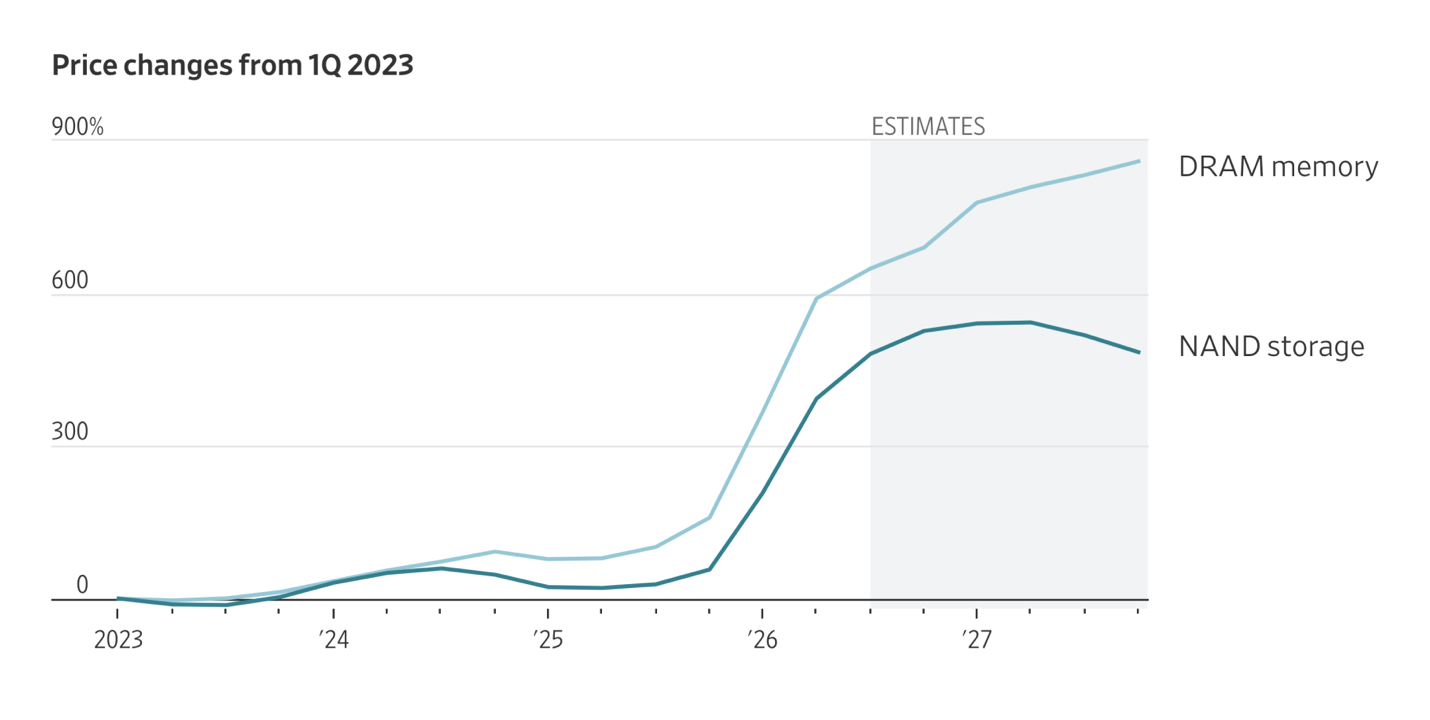
Sponsored by:
- Squarespace: Save 10% off your first purchase of a website or domain using code atp.
- Zocdoc: Find the right doctor, right now.
Become a member for ATP Overtime, ad-free episodes, member specials, and our early-release, unedited “bootleg” feed!