Ask ChatGPT

 Airlines Confidential Podcast
14 Oct 2026 · 1h 20m · 23 chapters
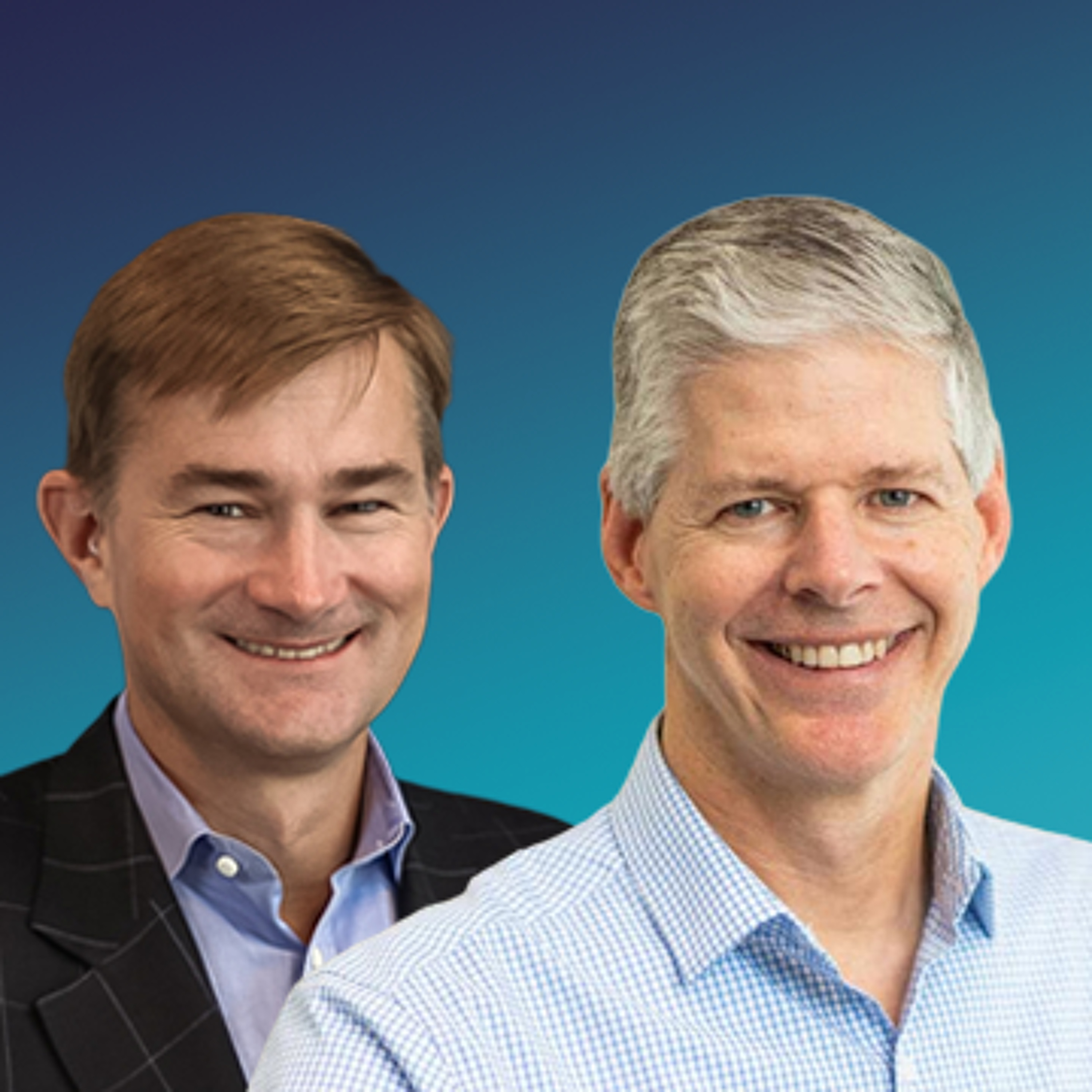
Airlines Confidential episode 358 discusses Delta’s weak Q3 results and reduced 2026 earnings guidance amid rising fuel costs; JetBlue’s worsening debt and stock situation and the risk of bankruptcy-driven debt resolution; American Airlines’ customer-service changes (including Starlink rollout and reduced involuntary bumping); and Southwest’s potential move toward Boeing 787 widebodies for long-haul.
Dave Emerson, CEO of Virgin Australia. Background: longtime Bain airline consultant (partner in Dallas); started airline career at America West Airlines; later became Virgin Australia’s first chief commercial officer and then CEO; Virgin was bought by Bain Capital after COVID-era bankruptcy/administration.
Delta couldn’t fully pass through higher fuel costs; main cabin revenue growth lagged price growth, signaling demand pressure. JetBlue has about $9B in debt, has not been profitable since COVID, and its loyalty-program-backed debt traded at distressed levels (72 cents; >15% yield), with short sellers involved; bankruptcy is a looming possibility. American is offering Starlink across its fleet and is changing bumping practices to reduce involuntary denied boarding (American accounted for 60% of U.S. involuntary bumping despite 23% of passengers). Southwest 787 plans would be operationally and labor-contract challenging.
Delta postponing Atlanta–Riyadh flight after Houthi attacks; JetBlue TrueBlue bond distress; American’s 2025 involuntary bumping figure (14,758); Southwest widebody speculation; Burbank’s new terminal and cost.
Written by AI. May contain mistakes.
Hosts introduce key topics including Delta's earnings miss and upcoming discussions.
“I'm Scott McCartney, and tomorrow is the 75th anniversary of the I Love Lucy premiere on CBS.”
Discussion about guest Dave Emerson's background and his role at Virgin Australia.
“And we have a guest who's going to do a lot of splaining on this week's episode as well.”
In-depth analysis of Delta's financial results and implications for the industry.
“Delta released its third quarter results on Friday.”
Discussion on the geopolitical situation and its effect on airline operations and earnings.
“One other note on Delta, Also, the airline said Monday it would postpone the October 23 launch of its first ever Atlanta Riyadh.”
Examination of JetBlue's financial difficulties and stock performance amidst rising oil prices.
“So that's one I'll be watching in the weeks and months ahead.”
Learn about JetBlue's current financial challenges, including high debt levels and profitability concerns.
“But the rating on the loyalty debt has been cut to triple C plus, which is really at a distress level.”
Discover which airlines may be interested in acquiring JetBlue despite its debt problems.
“for debt resolution, if you will, with some kind of bankruptcy court intervention.”
Explore American Airlines' new Starlink Wi-Fi service and its recent changes in customer handling.
“Now, Scott, America made some other news.”
Analyze the issue of involuntary bumping by American Airlines and hear personal customer experiences.
“She's no longer reporting to two people, but now reporting to Nat Peeper exclusively.”
Explore the complexities of overbooking and no-show rates in the airline industry.
“So just given given the disparity, you know, I must confess.”
Analysis of Southwest Airlines' potential expansion into long-haul international flights and the associated challenges.
“A couple more interesting news items from the week, Scott.”
Discuss Dave Emerson's career path in aviation and insights from his experiences.
“And it was great even to hear the America West Airlines name in the introduction.”
Learn about Bain Capital's investment and restructuring of Virgin Australia.
“And that was Stan Pace and obviously Greg Brenneman and others who really worked together with the management team.”
Discover the strategic pivot Virgin Australia made to find success post-COVID.
“So look, it's a story that starts all the way back in the early 2000s with its founding with Richard Branson and Brett Godfrey.”
Understand the competitive landscape and the future of Virgin Australia.
“We got it installed back in 2021, 2022, but we have continued to work both on how do we deliver a better customer experience?”
Explore how smaller airlines can compete in a consolidated market.
“what do you think is the key to survival for a smaller number two player in this consolidated cost convergence airline world?”
Learn about the importance of fuel hedging for airline profitability.
“And certainly the number two carriers, if you will, I mean, 80%, I think, of industry profits in the US are with just the top two players right now.”
Discover the strategic partnership between Virgin Australia and Qatar Airways.
“Ultimately, no one's offering us$15 refining hedges anymore, unfortunately.”
Discuss the challenges and considerations of the wide body business.
“with Emirates, it became clear that, you know, that despite the one world connection, that Qatar and Qantas were not going to be partners.”
Understand the significance of the Virgin brand in rebuilding the airline.
“And that's the question that is uncertain to us.”
Learn about Virgin Australia's recent financial performance and metrics.
“And first, they've got a fleet of about 110 737s.”
Hear about a bizarre incident involving a passenger and airport vehicles.
“And before we get to the mailbag, one final story to mention.”
Discuss the implications of Alaska Airlines' potential joint ventures.
“But my four years at ORD were a career highlight.”

Get the gist, explore an idea or ask about something said.
 Claude
On Airlines Confidential Podcast, what are the key points of this episode?
Searching your listeningAutomatic transcript. May contain errors.
0:27Dave Emerson: Thank you. SoCal, so easy. FlyOntario.com. The Executive MBA in Aviation at the University of Colorado, Denver. Business.ucDenver.edu.
0:43Charles Duncan: And by Cerium, the world's most trusted source of aviation analytics. Cerium.com. We also welcome your business's support. Contact us at airlinesconfidential.com. Welcome to Airlines Confidential. I'm Scott McCartney, and tomorrow is the 75th anniversary of the I Love Lucy premiere on CBS. And that is quite appropriate because, Charles Duncan, you and I have some splaining to do, like splaining how Delta Airlines missed earnings projections for the first time in two years, and splaining why short sellers are circling JetBlue, both on the debt side and the stock side, and explaining whether it would be a good idea for Southwest Airlines to add wide-body Boeing 787s to its fleet, and maybe even explaining why a traveler decided an aircraft tug would be a fun joyride around the tarmac.
1:44Charles Duncan: Charles, lots of explaining to do. Welcome back.
1:49Dave Emerson: Thanks, Scott. You know, great creative open. I never know what I'm going to be walking into when I join the podcast or listen to them with other co-hosts. And it's remarkable that we're still talking about a TV show that premiered 75 years ago. Just amazing. I remember watching it in black and white as a kid, still flipping around the dial. But hey, one fun fact is that Desi Arnaz's Ricky never said, Lucy, you've got some splainin' to do, even though that is one of the most famous lines in television history. It never happened. Ricky did use the word splain or splainin' on occasion with his heavy Cuban accent.
2:33Dave Emerson: And it became a parody of stand-up comedians and SNL skits. And it just took root, kind of like some of Scott Kirby's pronouncements, come to think of it.
2:44Charles Duncan: Yeah, yeah. I have a friend who, when his wife does something a little spacey or whatever, he says, Lucy, you got some splaining to do.
2:54Dave Emerson: I love it. I love it. So, yes, Scott, we do have some splaining to do. And we have a guest who's going to do a lot of splaining on this week's episode as well. Dave Emerson is the CEO of Virgin Australia and one of a string of outstanding CEOs you've had on here over the past couple of weeks. Dave is a longtime Bain airline consultant, and he went on to run Virgin Australia, was first chief commercial officer and then became CEO. And this is all part of Bain Capital's buyout of Virgin from bankruptcy court administration following COVID. He's led an amazing turnaround, and I suspect some of our listeners are aware and many probably are not.
3:39Dave Emerson: And I think listeners will find his story really interesting and a great lesson we can apply for airlines around the world.
3:47Charles Duncan: Yeah. Yeah. I think really, really fascinating, interesting strategy. You know, obviously, with with his background, a lot of U.S. airline influence and taking taking the best of a lot of stuff over there and having great success with it.
4:03Dave Emerson: And a voice we've not heard from much, but not just on the podcast, but elsewhere as well. I think it's just great. I think he's kind of a quiet, maybe introverted, humble guy. And so just great to get him on the podcast and introduce him.
4:13Charles Duncan: Yeah. And you mentioned the string of CEOs we've had, which is really great. Really, really proud and excited about it. But, you know, one of the things that's great about it is I think a bunch of them are really smart, but relatively new airline executives that people may not have heard a lot from before. So that's great. But Greg Anderson at Allegiant and Andrew Levy at Velo, Jimmy Dempsey at Frontier. I might even put Ben Minacucci at Alaska in that category. Not new by any means. Ben's been around a long time, running airlines a long time, but plenty smart. And all these people, including Dave Emerson, I think could end up running larger U.S.
4:59Charles Duncan: airlines. So really fascinating. And I agree. Listeners will enjoy hearing from Dave Emerson. OK, the Delta stink bomb. All right. Delta released its third quarter results on Friday. Earnings were about half of what they were a year ago. That's$756 million versus$1.42 billion in the third quarter of 2025. The per share results came in slightly below analysts' expectations, and Wall Street never likes that. Delta also slashed its forecast for full year 2026 earnings. Wall Street never likes that. In July, remember, July was well into the Iran war and higher fuel prices, but we have seen them go much higher more recently.
5:46Charles Duncan: And so that's been the problem. Back in July, Delta said it would earn something between$6.50 a share and$7.50. Well, now Delta says the 2026 results will be between$5.10 a share and$5.60 a share. So a lot lower than the earlier projection. Delta says higher fuel costs of late are to blame, clearly. And for the full year, fuel costs will be an extra$6 billion at Delta. I mean, that's just a crazy number. By the way, analysts say Delta's oil refinery will be about a$1 billion benefit. The good guy. A billion dollar benefit. That is a good guy to have on your team. But obviously not good enough.
6:39Charles Duncan: Delta CEO Ed Bastian says demand is still strong. Though he did, I think this was a bit of change. He did characterize customer response now at the quote was limited resistance quote instead of basically previously he said there was there was no impact. He did say there was, quote, no slowdown in sight in travel demand. But, you know, the numbers tell the story. I think premium revenue grew by 18 percent in the quarter. main cabin revenue grew 12%, right? So not as strong, a little more resistance in the main cabin. The bottom line here is that higher ticket prices aren't fully offsetting higher oil prices, and it does seem to be starting to take a toll.
7:28Charles Duncan: The main cabin number is most revealing, I think, up only 12%. Prices, we know ticket prices are up more than 20%. So clearly, main cabin consumers are starting to feel the pinch, and that may spell more trouble. And this is how the market reacted to this. Back on Friday, Delta was kind of flat, but the rest of the industry stocks were down considerably more because this does seem to spell trouble for the rest of the industry, which is not as heavily dependent on premium passengers as Delta is. One other note on Delta, Also, the airline said Monday it would postpone the October 23 launch of its first ever Atlanta Riyadh.
8:12Charles Duncan: Saudi Arabia flight postponed it out until March. It's because of attacks by Iran-sponsored Houthi insurgents from Yemen. The Houthis have been attacking Riyadh's airport with drones and missiles. One strike on Saturday killed 13 people and injured more than 300. Another strike Sunday killed one and injured 11. Terminals three and four, which serve mostly domestic flights, have been damaged. A parked A320 was destroyed. The airport remained closed on Monday, and the U.S. warned airlines about Saudi airspace. Saudi Arabian forces are retaliating with attacks on Houthi-controlled areas in Yemen, which is south of Saudi Arabia.
9:00Charles Duncan: And the U.S. has said it may join in those retaliatory attacks. So not a good situation there. But turning back to the financial results, what do you think, Charles? United, American Southwest, and Alaska all report next week. Will they have some explaining to do?
9:20Dave Emerson: Yeah, Scott, a lot to unpack in all of that that you shared. Maybe first, just to put in, I mean, clearly results are down and even even mighty Delta is having a hard time fully passing on the cost of fuel. And that shows in their results. And I think it's important to keep in mind. I don't think you mentioned this, that, you know, this quarter that just ended, the third quarter, is the strongest quarter from an earnings perspective for pretty much all airlines. Yeah. And so. So I just think the seasonal aspect of this going into the winter does not bode well for the industry and certainly a lot of the weaker players.
10:06Dave Emerson: Now, you and I talked about this a few episodes ago or the last time I was on several weeks ago. And look, I do think given this$6 billion increase in fuel that Delta is seeing and that all airlines are having to face, The fact that we've not seen airlines, you know, head for Chapter 11 of the bankruptcy court and, you know, focused on restructuring beside Spirit, of course, back in the spring, you know, I think speaks to the strength of the industry and the power of consolidation and everything else. But we're going into a tough, cold, dark winter, I fear, and a lot of damage has been done. And there's no sign of lower fuel prices in sight.
10:51Dave Emerson: So as you said, the industry will be coming out. The rest of the industry, starting next week, a number of carriers will release their results. And I suspect there will be a lot of explaining to do and that we'll probably see, you know, even worse results than much worse results than what Delta reported. And then, you know, I'm glad you mentioned the attacks on Riyadh, because I think that that's really important and consequential and really just terrible news. I think it just sets the whole Middle East region back in addition to the loss of life. And I suspect the Middle East carriers are going to have a harder time digging out from this from a demand point of view or they have to discount heavily when things do stabilize because people are going to think twice about booking that transit ticket through whether it's the UAE or Qatar or or the Kingdom of Saudi Arabia.
11:46Dave Emerson: So that's one I'll be watching in the weeks and months ahead. Yeah.
11:50Charles Duncan: And, you know, the interesting thing about this war with Iran, I think now for the airline industry is, you know, the price of oil has continued to go up. We're recording this on Monday. It's up sharply today. And even though the hostilities may have lessened, the actions that have happened have been targeted, it seems, at raising the price of oil. And so, you know, there's not a barrage of missile exchange between Iran and the U.S. at the moment, as we talk. But, you know, the impact is being felt by this ever increasing, slowly rising price of oil.
12:40Dave Emerson: Yeah, it certainly is. And it's just hard to see how it's going to come down. Even the US stored supply has been depleted and everything else. I think we're going to have elevated fuel costs for some time. Now, bringing it back to the U.S., Scott, and probably the airline that has the most splainin' to do may be JetBlue. And they're scheduled to report their results the last week of October. And the Delta News last week sent JetBlue shares down nearly 2%, about double the decline Delta had by percentage. And there was a story out about some JetBlue debt really plunging in value. JetBlue borrowed$2 billion against its TrueBlue loyalty program.
13:26Dave Emerson: And those bonds traded as low as 72 cents on the dollar and had a yield for brave buyers of more than 15 percent. So, you know, they mature in five years. And for comparison, a five-year Treasury note is paying right now about 5 percent. So the JetBlue paper is three times as costly or pays three times the rate. Bloomberg said short sellers were all over that particular JetBlue debt. And other issues backed by airplanes and more solid assets than the loyalty program are trading much better. But the rating on the loyalty debt has been cut to triple C plus, which is really at a distress level. And on the equity side, JetBlue's stock has been pretty distressed, too.
14:16Dave Emerson: It fell to a 52-week low on Friday at$3.79 a share. And over the past six months, JetBlue shares have lost more than 20 % of their value. Short sellers are all over the stock, too. And the splain in here is pretty simple. JetBlue hasn't made profits really since the pandemic in six years. And Wall Street is worried that the high oil prices and the weaker main cabin revenue picture we just talked about may derail the jet forward turnaround plan that Joanna Garrity and Marty St. George have been executing. Maybe everything turns rosy if the war turns around, you know, if the war ends suddenly and oil prices can quickly return to year ago levels.
15:04Dave Emerson: But, you know, as we just said, I don't see that happening, certainly on the oil prices. And it's going to be a challenge. And, you know, I would say because of the debt load, you know, the challenge is probably starkest at JetBlue. But Frontier and Avello and Breeze, you know, also haven't been profitable since COVID. And America and Alaska and even Allegiant have been better, you know, to kind of like one notch up on the pecking board, if you will, had some profits and some losses. But, you know, they've been struggling of late. And it's really been dealt in United and Southwest kind of at the top of the heap, so to speak, with financial results.
15:45Dave Emerson: And so I'll be paying close attention here to see for the third quarter as results trickle in in October. Does that pecking order remain? Does United, you know, eke out a profit? And how about American and everyone else? My guess is we'll see losses. Southwest will be a key one to watch and see if their momentum continues. But no one's immune to these fuel prices and no one has a hedge position. And it's it's tough sledding out there.
16:12Charles Duncan: Yeah, it really is. And I do think it's, you know, as you said, this winter, it's really going to get serious. I mean, at some point you just have to make money or you can't stay in business. Right. And, you know, that's the fundamental problem in any business. And, you know, just really hard for for an airline that hasn't made money going into this problem of high oil prices. It's hard to see how how you get out of that. The jet boot debt really is the issue here. It's about there's about nine billion dollars in debt. And just to put that in perspective, Alaska, which is a larger airline that just pulled off a major acquisition, Alaska is less than$7 billion in debt.
17:00Charles Duncan: Frontier has$5 billion in debt. You mentioned that. So, you know, the JetBlue debt,$9 billion in debt for a company the size of JetBlue is really heavy. And it's weighing on the airline because it keeps losing money. That means the cash levels will deplete. And if that doesn't reverse, JetBlue will have to move to bankruptcy court to reorganize the debt. That means selling assets, trading debt for equity in the company. Or, big or here, but or sell the airline to one of the bigger potential suitors in a prepackaged bankruptcy deal that whacks away some of that debt and makes JetBlue more attractive to a buyer.
17:46Charles Duncan: perhaps exchanges a lot of the debt for equity in the new airline. What I hear from airline executives is that acquiring JetBlue would be really attractive. Great position in New York and Boston and now Fort Lauderdale would be really attractive, but the debt is just too much. Too much. Nobody wants to take that on. And they're all just kind of circling, waiting for debt resolution, if you will, with some kind of bankruptcy court intervention. A deal today would be really expensive. So, you know, trim the debt and make it easier to swallow. But the question becomes, how long do you wait? And obviously, United would be one potential suitor since the two already have a corporate commercial relationship.
18:38Charles Duncan: American is another potential suitor. American needs to get bigger in New York and Boston, and it knows Jet Blue can help because the Northeast Alliance the two had going was working very well for American before a judge killed that. American, by the way, already has$9 billion in debt more than United. So, you know, the American debt situation is going to be one to watch too. By the way, American has$22 billion more debt than Delta. It also has much weaker equity to offer debt holders. So it could really be a much weaker bidder than United. But maybe American teams with a private equity investor or some other means of bringing in more money.
19:30Charles Duncan: But if there's a bidding board between United and American, a fight over JetBlue could be really fun to watch. And don't forget Alaska. JetBlue would be the way to accelerate Alaska's desire to be a much bigger network airline. All fascinating stuff. And I think a lot more news ahead of us.
19:53Dave Emerson: Well, and Scott, I think what you highlight there is that in spite of JetBlue's financial woes and challenges. It has a lot of attractive assets and certainly a lot of appeal for United, Alaska, and American, for sure, among others. And I'd say the one little wrinkle, you mentioned Fort Lauderdale, the challenge for American would just be the overlap between Fort Lauderdale and Miami. And any of those scenarios, I think, would be problematic. And by all accounts, Fort Lauderdale is working well as the first sort of true connecting hub that JetBlue has built. So anyway, we'll have to watch and see.
20:34Dave Emerson: But a lot of great points you make there. And certainly that New York presence and Boston presence and Fort Lauderdale will be attractive to somebody. Now, Scott, America made some other news. It announced that it was going to offer Starlink across its entire fleet. I know you remember back in May, AA announced that it would install the Starlink Wi-Fi service on 500 of its Airbus jets. Now American is saying we'll add Starlink to its Boeings as well. And American said it would no longer involuntarily bump passengers from flights, something it has been doing a lot more than its rivals. American told frontline gate agents and others that it wasn't just encouraging them to offer vouchers at high enough levels to get the needed number of passengers.
21:19Dave Emerson: to voluntarily give up seats. More importantly, we'll now apparently be able to offer a confirmed seat on the next flight to volunteers, even if that means voluntarily bumping other people off the next flight. You can just sort of see this cascading downhill. But Americans pretty late to the party on this, but good for them for starting to play catch up. I think this probably reflects the changes that Heather Garboden, the chief customer officer, and Nat Pieper, the chief commercial officer, are making. Both names will be familiar to our listeners as previous guests. And American cleaned up Heather's reporting line a little bit ago.
21:59Dave Emerson: She's no longer reporting to two people, but now reporting to Nat Peeper exclusively. And I think you're starting to see results from all of that.
22:07Charles Duncan: Yeah, totally agree. Welcome changes, needed changes. And let's hope, you know, start a more aggressive changes. First on involuntary bumping. Shout out to Gary Leff, who first reported this on his view from the Wing blog. Gary got the memo internally and had it out first. Good scoop for him. Second on involuntary bumping. I did a little numbers digging. And did you know that American Airlines accounts for 60 % of U.S. airline involuntary bumping last year? America is 23 % of all passengers, but 60 % of denied boardings. In 2025, for the full year, Delta involuntary bumped zero passengers. That's zero with a Z, zero.
23:02Charles Duncan: Not a single passenger in all of 2025. Allegiant involuntary bumped zero passengers, too. Southwest bumped 226, United 309, less than one a day for both of them on average. Alaska bumped 382. And Spirit, remember Spirit? Spirit, which, you know, the worst customer service ever. Spirit bumped 596 passengers in 2025. And Spirit was around for the whole year that year, 596 passengers. American? American bumped 14 ,758 passengers in 2025. Those are involuntary. This is why this is so serious. Those aren't people who voluntarily gave up seats for compensation. That's 14 ,758 customers with confirmed reservations who paid their money, who showed up on time at the gate and were denied boarding.
24:07Charles Duncan: They were not given what they were sold, 40 people per day. And in this, you know, airline bumping, I always thought was doubled in. I wrote a lot about this at the Wall Street Journal, was double dipping. You could require that tickets be non-refundable, and you could also sell more seats than you actually had on the airplane. And it was unfair to consumers. And I think other airlines have not only figured out that it really is unfair, and they don't need to do it because booking systems have gotten so sophisticated. And it really is terrible customer service, right, to tell somebody. And don't tell me, oh, but what they got sold was a ticket from New York to Cleveland.
24:59Charles Duncan: You changed that, airlines, when you started selling seats and all. If I buy seat 23C for$100 extra on a particular flight, that's the product you sold me. And don't tell me I'm going to get bumped involuntarily to another flight and it's the same product because it's not. You decided that that was going to be a specific product, a particular seat on a particular flight that you're selling me. Anyway, 40 people a day. The rate at which American bumped passengers in 2025, the percentage, three and a half times worse than Spirit's rate of involuntary bumping. And this has gone on for years. So good news.
25:51Charles Duncan: But, oh, my goodness, why is this all taking so long? So many other areas to address, by the way, anecdotal stuff. Bring it on, Scott. Bring it on. I mean, you know. So don't put the soapbox away quite yet. Let's keep going. All right. I'm still on the soapbox. So a good friend of mine, a Dallas attorney, was quoted in The New York Times this past week because he and his wife were passengers on American Airlines Flight 37 from Madrid to Dallas. This flight got a lot of attention. It diverted to New York because six of the eight toilets broke. This same couple got stranded in Lima several years ago in an astonishing AA meltdown.
26:33Charles Duncan: And I wrote about that one years back. Bottom line is, you don't want to fly with my friend. Just kidding. Maybe it's not Paul Wattler. Maybe it's American Airlines. Here's a quote from his text to me. Quote, there's a lot more to the experience for us than the diversion mid-flight. Two last minute cancellations of return flights, two reroutings, two unexpected stops before getting from Copenhagen to DFW 30 hours late. Lost bags finally delivered 24 hours after our return to DFW with items missing from the bags. Oh, no. By the way, I've heard this from others, including this happened to my stepson-in-law on a trip we had this summer with items stolen from his bag on a Dallas-Fort Lauderdale trip this summer.
27:28Charles Duncan: It seems like something's going on there or something needs more policing there. Anyway, in today's travel industry, you have to treat customers better. So go, Heather. Go, Nat. Get to it. But gosh, a lot of work to do.
27:43Dave Emerson: There is a lot of work to be done there. Hey, I'm glad you dug out the numbers, Scott, because I find that shocking that American is, you know, has been involuntarily bumping so many passengers. I'm actually surprised that it hasn't gotten more media attention before. So just given given the disparity, you know, I must confess. And, you know, my very first job in the industry was overbooking flights in the revenue management department at Continental. And look, the tools have gotten a whole lot better. And when I started, we had paper tickets. We didn't have electronic tickets. And no shows were a real thing.
28:22Dave Emerson: My sense, you know, now is that when passengers are involuntary or even voluntarily give up seats, it's usually because of an aircraft change. You know, gauge change or a swap or something. has, you know, it's unintended by the airline, still a problem and something to be addressed and fixed. And clearly we're seeing that in the differing approaches between voluntary and involuntary. But I am, I'm, yeah, just surprised by that. Really, really surprised by the high level. And because, yeah, as you called it out, the technology has gotten so much better that no-show rates are really almost zero on most flights.
29:04Dave Emerson: And typically, if they do happen, if misconnections happen, it's often in the airline's control or due to weather or other things in a hub anyway.
29:12Charles Duncan: But - You know, I think, I mean, this is really an instructive lesson, I think, because it's not that Delta doesn't overbook, right? It's not that United doesn't overbook. They're paying, right. They have increased the compensation that they offer to people to get them to voluntarily give up their seats. And that's a happy customer. You know, pay me a thousand dollars to, you know, give up my seat and take a later flight. If I have the flexibility to do that, man, I score. Right. Absolutely. And and so they have figured out that that's more valuable than just pissing off the customer and paying them the government required minimum compensation.
29:56Charles Duncan: And this has been going on for several years. And what is the thinking at American Airlines to say, wait a minute, all of my competitors have made this change. Maybe we should do it too.
30:13Dave Emerson: Well, again, and that's why I say I'm surprised it hasn't gotten media coverage and attention. Now, I'll tell you, back in 96, when I started, no-show rates were commonly 8%, 10, 12 % on flights. And I had some flights I would overbook by a third because the no-show rates were that high. And today, again, no-show rates are at maybe 1%, 2%, zero. So the problem is a lot smaller. The challenge for the airline to address is a lot smaller. And typically, again, I think these are brought on by either a delayed arrival that forces someone to misconnect or, again, an aircraft swap or something else. Anyway, just super interesting.
30:52Dave Emerson: I'm glad you dug that out. And thanks to Gary Leff as well for highlighting it. A couple more interesting news items from the week, Scott. First, congratulations are in order to the Burbank Airport, which is opening its new 14-gate terminal this week. The terminal costs$1.3 billion. No doubt Burbank is going to see that cost per employment heading up and into the north. But it does sound like this was clearly much needed. Plus, the old terminal was too close to a runway to meet FAA safety standards. And another news item that caught my eye is that Reuters reported that Southwest Airlines is weighing a Boeing 787 widebody order for a long haul international push.
31:42Dave Emerson: CEO Bob Jordan has hinted at the need for wide bodies before, and the Southwest board even has a fleet committee looking at this. The story suggests Southwest has zeroed in on the 787. Not really a surprise for the all-Boeing airline. Timing on this is also unclear, as 787 delivery slots are generally sold out through the end of the decade. But you can probably get delivery sooner from leasing companies or acquire U-787s. Personally, I think wide bodies for Southwest will be a really big challenge. Competing against the big joint ventures, whether they're led by Delta, United American, is tough.
32:27Dave Emerson: Southwest is going to have to update its labor rules and labor contracts. And even something simple, Scott, when I was at Continental, we launched long-haul service into Japan, just cultural issues, you know, training cabin crew about how to service Japanese customers and food and other things. And I mean, I just can go on and on. What kind of product? Are they going to have flat beds or just a premium economy or an all economy? They just have so much on their plate right now in terms of lounges and all of the great things they executed last year. I don't know. I just think this will be a tough thing to implement, and you can lose a whole lot of money with wide bodies very, very quickly.
33:14Dave Emerson: They just burn a lot of fuel. It's a whole lot of seats. This is going to be a tough nut for Southwest. So call me a skeptic, and maybe we'll come back in a few years, and I'll eat crow and be proven wrong. But this would be tough if true. Yeah.
33:29Charles Duncan: Look, if it happens, it's the final sign that Southwest is no longer the, you know, aggressive fun teenager airline that it used to be. It's a mature, full service carrier. I think it does all kind of fit in together, right? The lounges, I think Southwest is probably going to announce first class at some point. And so, you know, they're not going to fly an all coach 787. There's going to be first class. There's going to be extra leg room. It's going to look a lot like, guess what, a mature network airline. I think Southwest really thinks that it needs a long haul airplane if it's going to be number one in San Diego, for example.
34:18Charles Duncan: There's a real battle underway of San Diego. Alaska wants to be number one in San Diego. Others do, too. Austin, Texas, you know, is another great example. Delta wants to be number one in Austin. Southwest wants to be number one. But you're going to need a Austin people want to go long ways. So you can't be kind of the local the short haul airline and and seed all the long haul traffic to somebody else. That's what Alaska has found in Seattle. So I think it's probably a necessity at some point. And because of the long lead times and all the complexity that you mentioned, this is going to take some time.
35:00Charles Duncan: So it wouldn't surprise me at all to see, you know, Southwest has Media Day coming up. There's an event in Dallas that the Chamber of Commerce annually puts on. I think, you know, there may be some news out of that. That's an event many, many years ago where Gary Kelly, the program was me interviewing Gary Kelly, and he dropped the gauntlet and said we're challenging the right amendment, which was hugely impactful. Huge. Right. So the event this year is Bob Jordan in conversation with the Dallas city manager. Wouldn't surprise me a bit if there's news about Love Field. I think the city of Dallas wants to expand the number of gates there.
35:47Charles Duncan: So we'll see. But all of that is to say, I think we're going to have a lot of Southwest news. Yeah. And maybe completely wrong about that. And it'll be, you know, carry on more of the same. But, but, you know, I'll tell you, Scott, on the international
36:05Dave Emerson: flying, for example, or certainly 787 flying, Southwest just joined IATA. It has only just begun doing interline agreements with international carriers, has a handful to actually make a 787 work connectivity. I mean, you can't do it alone. It's not in a global alliance. It doesn't have a web of, I mean, certainly, you know, antitrust scrub joint ventures. It doesn't have partners, deep partnerships to work with. And these things take years, years and years and years to build. And they may well do that down the road. But man, and, you know, as we said, the order book will take time anyway to take delivery of a wide body airplane.
36:47Dave Emerson: But I would focus on, yeah, nearer term things like lounges and maybe even a domestic first class first or other aspects before I would do this myself personally. No, that's a great point. So the point of sale, you know,
37:02Charles Duncan: they're trying to fill the airplane from only one side.
37:05Dave Emerson: It's really tough to do that. Yep. International markets are always strongest when you can rely on two points of sale or multiple, you know, and feed. And so that will be tough. It really will be. And even again, I mentioned And my laundry list of labor contracts and work rules. And it's just it's a whole different environment in this international game, you know, beyond the near international that Southwest plays in today.
37:28Charles Duncan: So, yeah, let's watch and see. OK. All right. Time now to thank our sponsors for making this podcast possible. Thanks to Infinity Flight Academy. Infinity Flight Academy is helping build the next generation of professional pilots. Airline hiring may move in cycles, but developing skilled professional pilots takes years. Infinity provides structured airline-focused training designed to develop pilots with the skills, discipline, and professionalism needed for today's flight deck. From individual pilot careers to large-scale cadet and university programs, Infinity is helping build the aviation workforce of tomorrow.
38:07Charles Duncan: Learn more at infinityflight.com, Infinity Flight Academy, where future airline pilots take off. And thanks to Sirium. Sirium offers the most accurate and precise data and analytics to enable airlines to optimize planning operations and passenger services. The right intelligence drives operational efficiencies, enables you to predict market shifts and helps airlines respond quickly to maximize revenue, manage costs, and seize commercial opportunity. Visit Sirium.com for more.
38:39Dave Emerson: Thanks as well to Ontario International Airport for its support of Airlines Confidential. Ontario International Airport is wrapping up major upgrades in both terminals with additional TSA screening lanes, welcoming exit corridors, and modern family restrooms to make your journey smoother and more accessible than ever. Getting from parking to your gate quickly and back again at the end of your journey is part of what makes ONT, SoCal, so easy. Visit flyontario.com to learn how the airport is keeping wait times low and creating a better travel experience, even as more passengers choose to fly through ONT.
39:21Charles Duncan: Okay, let's bring in Dave Emerson. Dave Emerson is chief executive officer of Virgin Australia. Before joining Virgin Australia more than five years ago as chief commercial officer, he was a senior partner at Bain & Company in Dallas, Texas. Dave started out in the airline business at America West Airlines. He has a bachelor's degree from Stanford and an MBA from the University of Chicago. Dave, it is a delight to have you on Airlines Confidential. Welcome.
39:52Dave Emerson: Well, thanks so much. It's a pleasure to be here. Hey, Dave. Again, welcome. This is Charles Duncan here. And it was great even to hear the America West Airlines name in the introduction. I'd love to hear more about your experience there. But we always start off with what we affectionately call the Ben Baldanza question for all of our guests, which is simply this. How did you get into this crazy business?
40:16Charles Duncan: Yeah, look, there's two answers there. The simple answer is, you know, I grew up in Phoenix. And when I finished college and came home and was trying to decide what to do with myself, there was America West, five years old, growing fast, an exciting company. And I thought, you know, this could be fun. The other part of the answer is my father worked for Greyhound Bus Company as a child. Oh, wow. His whole career. And so I was in the transportation industry, but non-revving on a bus meant four days as a child going from Phoenix to Tampa. And I remember distinctly looking up at the sky and wishing my father worked for an airline.
41:04Charles Duncan: It was always that desire at some level, like, boy, wouldn't airlines be better?
41:10Dave Emerson: That is amazing. I love that. I didn't realize you could non-rev on a bus. Oh, yeah.
41:18Charles Duncan: Greyhound went out of business. I think everybody was non-revving. That's right. That's right. Well, fortunately, yeah, buses didn't turn out to be much better investments than airlines at some point. Yeah, yeah. So tell us more about Bain. Capital and consulting and its activities in aviation. I have a good friend who's managing partner in the Dallas office. Shout out to Greg Gerson-Haber, I think somebody who you know. I'm always curious about why consultants in the airline business seem to congregate in Dallas. Oliver Wyman has its airline practice centered in Dallas and others. Tell us more about Bain.
41:59Charles Duncan: Yeah, look, so Bain Consulting, where I spent 20 years on and off, really didn't have an airline consulting business until the continental turnaround story. And that was Stan Pace and obviously Greg Brenneman and others who really worked together with the management team. And then ultimately, Greg joined in the management team to turn that around. And the core of that was done out of the Dallas office. That was the closest office at the time. And then that sort of and then whenever Bain wanted to do an airline project, you know, that particularly Stan Pace was the sort of the godfather of Bain's aviation practice after Greg left.
42:48Charles Duncan: And so when I joined the Dallas office, that, you know, naturally pulled me into the aviation orbit. And then, you know, I spent my whole career there is at one point I was the I led the practice out of Dallas. And it just, you know, and it just draws the talent together because all the projects start coming out of there. And so that's how that happened. And, of course, it's perfectly located for a global practice. It's, you know, one of the best places in the world to get anywhere.
43:17Dave Emerson: Yeah, yeah.
43:18Charles Duncan: And, by the way, of course, the headquarters of two of the ten biggest airlines in the world doesn't hurt either.
43:24Dave Emerson: Well, there you go, Scott, and probably why you're there, too. You know, Dave, hearing Greg Brenneman's name brings back a lot of memories. I joined Continental in 1996, which would have been maybe 18 months or less than two years after Greg came around. And that whole, you know, worst to first turnaround story. And it was just incredible. And, you know, the Bain name got a lot of, you know, a lot of credit and Greg and the team for that turnaround. Anyway, and we've had, of course, Gordon Bethune on and many others kind of connected to that turnaround story. I had heard, I maybe read, that Greg Brenneman set up the Dallas office for Bain, or the Texas office in Dallas, I should say, expressly because he did not want to fly on Continental.
44:15Dave Emerson: The operation was just so terrible in those days that he preferred to stick with Southwest and America. Maybe, I don't even know if Braniff was flying then for just more reliable service. I'm just curious if there's any truth in that, but also even more, did you ever work with Greg Brenneman or did your paths not cross?
44:33Charles Duncan: Yeah, look, our paths crossed, but it was a little funny because when I was trying to decide which office I wanted to be at Bain, I visited a couple offices, including Dallas, and I met Greg. And yeah, he talked about the virtues of the Dallas office, how great it was. And then when I showed up there six months later, he was gone. So yeah, he sold me. You know, he's a very good salesman. He sold me on Dallas, and then he went to Continental. But actually, I've met Greg multiple times. He's a great guy, but I didn't work directly with him. As far as the story of Dallas, look, what I know, Greg was one of the founding members of that office, along with, you know, Mark Gofferson, Stan Pace.
45:24Charles Duncan: And the story that always went around the Dallas office is they were working out of Boston and serving clients in Mexico. And they kept, they would fly over Texas and fly back every week and be like, boy, it'd be a lot closer if we were in Dallas or if we were in Texas. And the choice of Houston versus Dallas sounds very credible, but they chose Dallas for the airline. So I could totally believe that story, although I haven't heard it myself. Yeah. All right. So tell us about Virgin Australia and maybe start with what led to its restructuring and Bain's investment in the company and the turnaround and how you ended up there.
46:07Yeah.
46:08Charles Duncan: So look, it's a story that starts all the way back in the early 2000s with its founding with Richard Branson and Brett Godfrey. And they created really a new, exciting startup airline. And then when Ansec crashed, it became sort of de facto the key competitor airline in Australia to the Qantas Group. But over time, the airline sort of morphed from being that sort of cheeky startup, low cost model to trying to really compete against Qantas in every part of the business. And that didn't succeed financially. So Virgin had a decade of sort of basically making no money or deep losses leading into COVID.
46:57Charles Duncan: and so and you know although covid was the precipitating event you know the airline had been really struggling had billions of debt and didn't really have a business model that was working and so when covid came along i think that was the you know the company went into administration but it really had been struggling for a while people in north america might not know that the bankruptcy laws are a little different and the company basically has to keep operating You can't get that sort of debtor and possession financing. And so there's a real risk of the company being shut down. And so the administrator, instead of running a long bankruptcy process, ran a very quick process to find an investor who could put money in.
47:40Charles Duncan: And so literally, the company went into administration in April of 2020. And by June, Bain Capital was the winner of that process and had injected money into the company. So it was an incredibly fast three-month process that was all done by Zoom. Nobody visited the headquarters of Virgin in Brisbane. It was all done remotely. But Bain Capital had never invested, at least to the best of my knowledge, in aviation or the airline industry. So it was due to them. And so Bain Consulting was lucky enough to be hired to do the diligence on that deal. And so we worked on those three months to sort of try to think about how restructuring might work, how you might reposition Virgin for long-term success.
48:32Charles Duncan: And that really set the blueprint for the strategy that became Virgin 2.0. Got it.
48:39Dave Emerson: Well, tell us, Dave, more about the strategy. And, you know, I do I think it was in June of 2025 or, you know, timing somewhere around there in the spring, northern spring. Got to be careful there that you guys, you know, went back, you know, did an IPO and, you know, sort of fixed the financial restructuring, if you will. And from what I've read and followed, the financial results have just been phenomenal. phenomenal. Can you maybe just tell our listeners about your performance and how the financial numbers and operational metrics are looking and maybe what sort of levers you pulled or what you had to do in the restructuring to make that happen?
49:20Charles Duncan: Yeah, look, it's an interesting story for airline geeks. We looked at the company and said, we needed to pursue a different strategy. It starts with the customer and where would there be valuable customer segments who are underserved by Qantas's dual brand strategy, right? Qantas sort of is the network carrier with the premium position in Australia. They also have Jetstar who owns a low cost position. And we were sort of trying to replicate the Qantas group strategy. And so we had a low cost carrier in Tiger. We had props. We had wide bodies. We had freighters. You know, we had a very premium domestic product.
50:06Charles Duncan: And so we really replicated the Qantas group strategy, but without their scale and without their sort of historic brand position in the premium segment. And so we just weren't able to generate the same revenue and therefore weren't able to make that strategy work. So what we did is we said, we think there's an underserved middle market segment, the value segment, you know, hybrid carrier type strategy. And really, we built it around sort of small business, value oriented corporates and premium leisure. And we said, these customers want a different product proposition that has a higher NPS and a better experience than the low cost one that Jetstar was providing.
50:52Charles Duncan: At the same time, they're value oriented. And so while the Qantas domestic product was a fine product for them, they'd rather pay less. And so we could deliver a product that was equivalent to Qantas' domestic product at a lower cost. Then that created an opportunity in the market for us. And so that's what we set out to do. And we did it through really through focus. We got out of all the other segments, you know, got out of long haul. We got out of prop. We got out of Tiger low cost and so on. And we focus it down just to narrow body domestic 737s and said, this is the core. And we built a business around that with sort of that value business model.
51:33Charles Duncan: And that's been really successful. And there was a hunger in the market. And we are able to, because of our cost position, we're able to deliver what we think is a very comparable product to quant a similar network, you know, same planes, same seats, and really great service. You know, our cabin crew has won best cabin crew in the world, you know, multiple years running and so on. And so we have delivered that at a lower price point. And that's a good proposition. And so that's really what's been behind our success. And we continue to try to build on that, right? So we're not done in executing a model.
52:18Charles Duncan: We got it installed back in 2021, 2022, but we have continued to work both on how do we deliver a better customer experience? How do we get more effective in our sort of revenue generation and in our cost structure? and we've got more to go.
52:35Dave Emerson: Yeah. Well, the minute you rest in your laurels, you know, you're setting yourself up for failure down the road, right?
52:41Charles Duncan: Yeah, for sure.
52:42Dave Emerson: It's just got to be a continuous improvement and raising the bar. Yeah, the results are just fantastic. So congratulations.
52:48Charles Duncan: So it sounds a bit like a JetBlue or Southwest strategy. Was there any particular airline that you were modeling this after? Yeah, look, I think that we took bits of all of it. I think you'd look around and you'd say, you know, certainly the earlier JetBlue, Alaska was another airline we took inspiration from. EasyJet to a certain extent. You know, the competitive dynamic in Australia is different than each of theirs. But they certainly, you know, they certainly all three of them had both carriers who were sitting below them on the cost structure and above them. And they found a way to sort of create a successful middle of the market strategy.
53:32Charles Duncan: And so that is what we were looking at. So with the duopoly in Australia now and a tough competitor in Qantas, how do you position Virgin Australia to succeed long term? Yeah, look, and of course, the market structure in Australia is unique. And although, you know, there are just the two airline groups that sort of have the majority, the vast majority of the domestic market, it's important to note that, you know, Qantas has two different airlines that operate in two different ways. And so there are three airlines that really are in the domestic market and doing the majority of the large city flying.
54:13Charles Duncan: And for us to continue to succeed, what we need to do is keep focusing on winning with our customers. And so our ambition that we've sort of set from the restructure of the company is to be Australia's most loved airline by our guests, our people and our owners. And most loved by our guests is key is we don't need to be most loved by all people who fly in Australia. We need to be most loved by our customer segment. And if we can continue to do that with a competitive cost structure, then we can continue to win. And I imagine with the distances in Australia, airlines are just crucially important to the economy and that population.
54:56Charles Duncan: Yeah, look, I think that's very true. I mean, it's a country of 26 million and it's enormous and the population centers are all spread out. There really are no effective substitutes to travel between both of the large cities in Australia. And so that is a fortunate position to be in as an airline. But it's also sort of an obligation. It's an important piece of the Australian way of life and economy is that ability to travel between cities. And so it does make you realize that you're playing an important service to what keeps Australia going. And, you know, we're very proud of that. So one other thing on this, we've seen countries around the world where a duopoly doesn't last.
55:43Charles Duncan: Korea, Korean Air acquired Asiana, New Zealand. You know, LATAM is so dominant in Brazil and really in other parts of Latin America. So with your big picture Bain consultant hat on, what do you think is the key to survival for a smaller number two player in this consolidated cost convergence airline world? Yeah, look, first, I would just note that I think competition is crucial to Australia aviation and to the success of the Australian economy. I think it's in nobody's interest to have a monopoly dominating the aviation's landscape here in Australia. And I think that the government's very clear on that.
56:32Charles Duncan: I think investors are very clear on that. But that doesn't guarantee our success, right? To guarantee our success, we need to execute relentlessly against our strategy and really to keep focus. And that means just having a simple business that's really focused on serving our customers well, keeping control of our costs, and then doing everything we can to compete aggressively on the revenue side. And I think that there is room because ultimately the fortunate bit is that when you look at our, the airlines we're competing against, you know, each of them have their own priorities and they don't really directly overlap with ours, right?
57:14Charles Duncan: So, you know, Jetstar, as I perceive it, their priority is to, is maintain the lowest cost structure. I mean, that is the typical LCC strategy and I think they're very good at that, but sort of coming after our customers would require that. I mean, We have lounges. We have business class. We have long-haul international partners and our own loyalty program. Lots of things that Jeff Star's not in that business. And then Qantas is in the business of being sort of the premium network carrier, and that carries a lot of extra costs with it. And that works for their customers. And they serve the top end of the corporate ladder very well.
57:53Charles Duncan: That's not our segment. but we also don't carry the costs that go with it. And so I think that we have a place that we can win and we just need to remember who we are, keep innovating and keep executing.
58:06Dave Emerson: And focus, yeah. I mean, it's really interesting. And I'm sure you're following what's happening in the US and around the world. And certainly the number two carriers, if you will, I mean, 80%, I think, of industry profits in the US are with just the top two players right now. So if you're not those two guys, it's really tough here on this side. So well done again for the focus. There are two things, you mentioned one of them just in part of your answer that I think are really unique and wanted to ask you about, Dave. The first is when you guys came out of the IPO, I think you had like all of your forward or most of your forward fuel needs hedged well in advance of the spike and the the Iranian conflict.
58:50Dave Emerson: So just wanted to hear about that. But then also, you mentioned long haul, and we know, at least I think Qatar Airways owns 25 % of Virgin Australia, and I think there's a wet lease operation with their 777s operating with the Virgin Australia code, you know, and so forth. And so the part that's really interesting to me there is that Qatar, of course, is part of One World and ought to be a partner of Qantas. but they're partnering with you and competing with Qantas. And so all of that was, it's just fascinating to me. And we just love to hear about the fuel hedge and your Qatar relationship and how that works.
59:25Charles Duncan: Yeah, look, on the fuel hedge, we certainly were fortunate in that we were so hedged. And, you know, I think it was reported that that was related to the IPO. We did hedge for the IPO, but actually the hedging that mattered, which was the refining hedging in the fiscal happened well after the IPO, just through our normal policy. And it certainly helped us in the back half of our fiscal year after the war started. And that's been good. It's given us some time to adjust to the changing environment, but hedging only buys you time, right? Ultimately, no one's offering us$15 refining hedges anymore, unfortunately.
1:00:12Charles Duncan: So yeah, we're faced with the headwinds everybody else is facing, but those hedges did give us a nice opportunity to react. And then look, as far as the Qatar relationship, maybe I'll just step back for a second and sort of say, you know, we talked about the strategy of winning in the value segment when we designed the product for that customer to have the best offering for that customer. You know, part of that offering, the key part of that offering was, of course, a very broad and deep domestic network that took our customers everywhere they wanted to go. The piece I didn't talk about is the international network, because although mostly they're going to fly domestically.
1:00:59Charles Duncan: Our customers also want to fly internationally. They also want a loyalty program that can allow them to earn and most importantly, redeem flying internationally. They want to fly to the US. They want to fly to Europe. They want to fly to Asia. And so we said right from the beginning that we needed to build a coalition of long haul partners who are going to provide the kind of network that we couldn't do ourselves. And so we had a best in breed strategies or we're going to take the, because there are only two large airlines in Australia, you know, if Qantas is one that leaves, leaves all the other people flying in looking for a domestic partner.
1:01:41Charles Duncan: And so, you know, we basically said, who's got the best network to the U S you know, we got with, with United, we got with Air Canada, you know, we had ANA in Japan, we have Air New Zealand, across the Tasman. We had Singapore. We saw the best partner for us into Asia. They're by far the largest out of Australia. And then in the Middle East at the time, we had both Etihad and Qatar. But over time, when Qantas made the choice to renew their partnership with Emirates, it became clear that, you know, that despite the one world connection, that Qatar and Qantas were not going to be partners. And so we became a logical partner for them.
1:02:31Charles Duncan: And it's really been a great partnership. And their investment in us helped solidify, you know, our turnaround, helped their sort of partnering in our loyalty program really helped improve the value proposition for our customers, lots more redemption seats to Europe. And they've really been a really good partner for us. And we see that as continuing and something we could keep leaning into.
1:02:56Dave Emerson: Very interesting.
1:02:58Charles Duncan: So it is fascinating. It's fascinating how, I don't know, it seems partners are changing. It's really fascinating. Okay. We had Pedro Heilbronn, the COPA CEO, on last year. And Pedro joked that he keeps a gun in a glass case outside his office with a sign saying, break before Pedro orders wide bodies. Do you have a similar position for Virgin Australia? Were those 777s and A330s part of the problem of the past? Yeah, look, I think I'd make a couple points on that. One is that part of our restructuring and the new version is to be super disciplined about how we invest capital and the debt that we take on and make sure we don't ever get ourselves in that position again where we can't sustain the business.
1:04:02Charles Duncan: And so the question is, can we succeed in the wide body business? And what I'll say is that it's a tough business case to make. Historically, Qantas, who has a lot of advantages that we don't have in wide body, hasn't always made its cost of capital in that business. And so we're taking on a business that's been tough. Australia, geographically, everything is ultra long haul. And that business is highly variable depending on fuel and other things, as you would know. So we are cautious about it. And the key thing, you asked, did it work before? Well, LA worked. But the broader wide body business didn't.
1:04:47Charles Duncan: And I think that, as you know, you need scale. And so the question is not, could we make four wide bodies work to the US, but could we make 15 wide bodies work across a much broader network? And that's the question that is uncertain to us. And I think one of the great things about the Qatar-Wetley's relationship is it's going to give us a real chance to understand the economics of flying to the Middle East, wide bodies to the Middle East. And so if you could believe that could succeed and you could believe the U.S. could succeed, you could sort of start to squint and say maybe that someday we could get enough scale.
1:05:25Charles Duncan: But I think that day is a long way off and uncertain. And so I think that it's not never, but we won't do it unless we know we can do it without putting the business at risk. And, of course, as you know, if you wanted to order wide bodies now, you'd still be in the mid-2030s before you got them anyway. So it's not really a practical thing for us to consider. Yeah.
1:05:50Dave Emerson: That's interesting. Interesting. Pedro was so adamant. And even on a subsequent visit that I made down to Panama, they were still talking and laughing about this loaded gun. Shoot me before I order any wide bodies. And that's just a well-known sort of mantra there in Panama. Hey, you know, I'm curious, too, to hear about your thoughts and through the restructuring, how you thought about the Virgin brand. And even hearing you talk about L.A. being a success in the past, I remember years ago, the predecessor CEOs of Virgin Australia, Virgin Atlantic, and Virgin America, Dave Cush, getting together and sort of like stitching together a worldwide airline, if you will, across the three AOCs and Branson was there.
1:06:39Dave Emerson: Of course, when Alaska bought Virgin America, they were very clear they didn't want to continue paying the licensing fees and dropped the Virgin brand. What does the brand bring you? I mean, did you consider dropping it through the restructuring? I'm just sort of curious. I mean, it's sort of a standalone Australian company. What benefits does it bring you? How do you guys think about it?
1:07:02Charles Duncan: Look, it's a really good question. And of course, when you go through administration, you look at everything. You look at all things and sort of say what you could do. But we very quickly reaffirmed that we wanted to retain the brand. And in fact, the Virgin Group has a small equity interest in Virgin. And Richard remained involved in the business. But the key reason why is because if you look back, if you go back to when we did the diligence and decided and Bain Capital made the decision to invest, the question of what you were really buying, what you were buying was a brand that consumers really connected to.
1:07:49Charles Duncan: I mean, we have really strong connection to the Australian public. And that was primarily built through our frontline and the attitude of our frontline and our people. And so right from the beginning, we had a very guest-oriented, customer-oriented culture where our people really cared for our guests and cared for each other. And that was the through line of the business. And so that brand love and that frontline culture was actually what we were buying. You know, it's not like the planes that, you know, we didn't, the planes were not valuable and shut down in the middle of COVID. It's not like, you know, there was nothing, there were no assets.
1:08:31Charles Duncan: The asset was the brand and the people who delivered it in that culture. And so we didn't think that disconnecting from that brand made any sense to us. Got it. That's fascinating. It really is. Very good. Well, Dave, this has been wonderful. I really appreciate catching up with you and learning what's going on down under. And really look forward to hearing more about Virgin Australia in the future. Thank you for doing this. Yeah, you're very welcome. I really appreciate the invite. And I'd be excited to get back in a few years and tell you what else we've gotten done, because we got, yeah, we have lots more in front of us.
1:09:14Dave Emerson: Well, we look forward to that. Thanks again for the time.
1:09:17Charles Duncan: Really appreciate it. Okay, have a good one. Awesome. And we will be right back with more on Airlines Confidential.
1:09:24Dave Emerson: Promotional support provided by the ultimate avgeek website, theairchive.net, a vast collection of airline memorabilia, timetables, route maps, rare cabin and airport photos,
1:09:33Charles Duncan: special flights, and more, all at theairchive.net, the hub of air transport history. Thanks again to Dave. Dave, any takeaways for you, Charles?
1:09:43Dave Emerson: Yeah, listen, I want to echo my thanks to Dave as well. And I've had the fortune to meet Dave a few times over the years. And he's kind of a quiet, humble guy. And I was expecting him to rattle off, brag a little bit more in our interview. So I've gone back and pulled up a few stats to just do the bragging on behalf of Dave. And first, they've got a fleet of about 110 737s. and they've been taking delivery of some E2s they're deploying out in Western Australia. Virgin Australia's revenue is last year, in the year that just closed at the end of June, $6.3 billion Australian dollars. And they had net income last year, net income of$500 million.
1:10:25Dave Emerson: Their return on invested capital, 20%. They have a very low debt level, again, reflecting back on JetBlue here in the U.S. of 0.9 times EBITDA. So very, very low. That's below their target of one to two times. And they report an NPS score of 30, which I think is really strong. And their on-time performance and their completion rates were both up year over year. So just a really strong, well-performing airline. And I hope our listeners enjoyed that interview, Scott.
1:10:58Charles Duncan: I know I did. Thank you. And thank you for bringing Dave to us.
1:11:02Dave Emerson: Absolutely. And hey, before we dig into the mailbag, let's thank the Executive MBA in Aviation at the University of Colorado, Denver, for making the podcast possible. The Executive MBA in Aviation at CU Denver is the first degree of its kind in the world taught by industry experts and designed for ambitious leaders from across the aviation ecosystem. with classes located at Denver International Airport and week-long residencies in Washington, D.C. and at airports around the world, including Munich this week, Scott. Students are experiencing a hybrid, flexible course structure that balances in-person and online classes without career interruption.
1:11:42Dave Emerson: Go to business.ucdenver.edu to learn more.
1:11:48Charles Duncan: And you'll be teaching soon there, right? Next spring.
1:11:51Dave Emerson: So next up for me is designing the course, Scott. So I've had some work to do this fall to actually pull my aviation strategy course together. Right now it's in my head. So but I'll be working on that in the weeks to come.
1:12:03Charles Duncan: Excellent. Excellent. All right. We also want to thank RTX for helping make airlines confidential fly. At RTX, a century of aerospace and defense innovation shapes a unique perspective. It takes more than technology alone to rapidly advance the future of flight and strengthen global security. It takes the vision to see what's next, adapting expertise and scaling manufacturing capability to deliver where and when it matters most. Perspective is everything RTX. Visit rtx.com to learn more.
1:12:37Dave Emerson: And before we get to the mailbag, one final story to mention. American's not the only airline with agitated customers. At John Wayne Orange County Airport. A Delta customer recently went through an emergency door, gate 12, terminal B, setting off alarms and proceeded to jump into an Alaska Airlines tug. Seems the passenger thought a tug would be a good joy ride until he crashed that into a utility cart. The chase was on. He tried to escape by jumping behind the wheel of an American lavatory service truck, but alas, that didn't work. His next stop was county jail. You can't make this stuff up, Scott.
1:13:17Charles Duncan: No, no. Stealing the bathroom waste truck as your getaway vehicle. Let the puns begin. All right. In the mailbag, Charles, some better smelling notes from some Fan mail, in fact, for you, Steve from Seattle says, for the record, I would love to hear an episode where Charles Duncan teaches us about airline station operations. I used to work at a company making software for airport ramp situational awareness and had the opportunity to visit some ramp towers. It was fascinating, but there's so much I didn't get to learn. Well, thank you for that, Steve. What do you think, Charles?
1:14:02Dave Emerson: Hey, Steve, thank you. Let's do it, Scott. I'm going to just carve out some time. And Steve's right, the ramp towers are fascinating. And hey, sort of like Professor Parker, let me pull out my notepad and get an outline and think about the topics. But I must say, you know, I spent four years and there are, you know, plenty of people who are more expert than I, much like Doug said. But my four years at ORD were a career highlight. I just a ton of fun. I learned a ton and be happy to pull my pull some notes together and share that experience of kind of what goes on behind the scenes is in a busy, complex airport.
1:14:44Charles Duncan: Second course for you to design.
1:14:46Dave Emerson: All right. Very good. And then for this week, we have Ahan from New York City who offers this. Hi, Scott. Love the show. You have great guests and fantastic insights. Maybe I missed it, but I didn't hear any discussion about Alaska's intention to join AA's transatlantic and trans-Pacific joint ventures. Would love to get your take about it on the show, who it benefits. My gut says Alaska gets more out of this than AA does, and maybe even some discussion on how these JVs work, specifically the revenue sharing and route planning aspect. I don't think there's much detailed info on them out there.
1:15:26Dave Emerson: I do remember some rumors of an AA in Alaska domestic JV over the summer, but I guess that didn't come to fruition. Best aha. So what do you think, Scott? You want to?
1:15:42Charles Duncan: Yeah, I'm curious what you think, too. On Alaska and American and a domestic joint venture, I don't think you're going to see domestic joint ventures. That's essentially what American and JetBlue tried to do with the Northeast Alliance, and it didn't pass antitrust scrutiny. It takes a merger for two airlines to combine domestically that closely. On international, however, it's different since ownership laws don't allow international mergers for the most part. For international joint ventures, airlines can set prices, set schedules, operate as much as you can jointly together. With just a code share deal, you can't legally work together on pricing, for example, with a joint venture you can.
1:16:27Charles Duncan: So I think the joint venture can be very meaningful for Alaska, as Han suggests. Pricing and sharing revenue with partners like British Air, Japan Airlines and other one world carriers out of Seattle, it won't be nearly as impactful as the joint venture is for American simply because of volume. There's a lot more traffic between New York and London, for example, than Seattle and London. But this should really help Alaska. I'm not sure there's a lot in it for American beyond what American and Alaska already have through their partnership. They do have domestic partnership. But there certainly could be more.
1:17:07Charles Duncan: One sign, Americans said it was going to restart Seattle JFK flights in April next year. It dropped that route in 2019. Well, you can see that as a joint venture opportunity to route a lot of Alaska international passengers through JFK. So in that case, you know, American would benefit by getting more passengers onto its JFK international flights coming from Alaska. And Alaska is going to share revenue in that. So so good for both of them.
1:17:39Dave Emerson: Yeah. Listen, Scott, I think you framed it really well. And don't forget Honolulu and all of this. Right. So, you know, Hawaiian and JAL applied, you know, to actually, I think, form their own JV, which was denied by the DOT some years ago. And so, I mean, the Japan-Hawaii market's a bit depressed coming out of COVID and their currency issues, but still a huge market. And so I think that the Hawaii connectivity and Japan Airlines can be good. And look, I think you're right. This would be great for Alaska. I think it would be good for American. And you're right to call it that Seattle JFK flight.
1:18:12Dave Emerson: But the next steps, you've got to be granted antitrust immunity. And so Alaska's got to get that to join both of these, the Atlantic and the Pacific. And the foreign governments need to approve it as well. And I would tie this back to the earlier discussion on Southwest and 787s. I mean, to deploy wide bodies internationally, you need to have partnerships. It's helpful to have these joint ventures. And it's just, you know, it's really, really tough to be successful. And I think the reason I think Alaska is feeling that with their Rome and their London and their Asian flights, and they know they'll benefit a whole lot more by joining these JVs.
1:18:53Dave Emerson: And so I think that that's the big lesson there for me. But listen, and speaking of that as a lesson, I think we've covered a whole lot of splain and a whole lot of lessons. I think it's probably good to call it here. So thanks again to Dave Emerson. And thanks, Scott, for letting me join you again this week.
1:19:09Charles Duncan: Oh, thank you for all the splain and Charles. I'll be back next week with Christina Kasotis, who's also very good at explaining things. She is. Thanks again, Charles. Thanks to all of you for listening. Have a great week, everyone. So long. This podcast is produced by Mass Media.
1:19:28Dave Emerson: Info at MassMedia.net.
This week: Guest Co-Host Charles Duncan. Guest Dave Emerson, CEO, Virgin Australia. Also: Delta reports lower earnings; Riyadh airport war disruptions; JetBlue financials; Gary Leff's View From The Wing reports change in American's bumping policy; Hollywood Burbank Airport (BUR) new terminal opens; SWA said to add widebody; Listener request for ramp operations info, joint ventures.