In short
Big Boss Interview Podcast Summary
Episode Title
#31 Mountain Warehouse CEO: Middle East Conflict Impacts UK Retail
Host
Will Bain
Guest
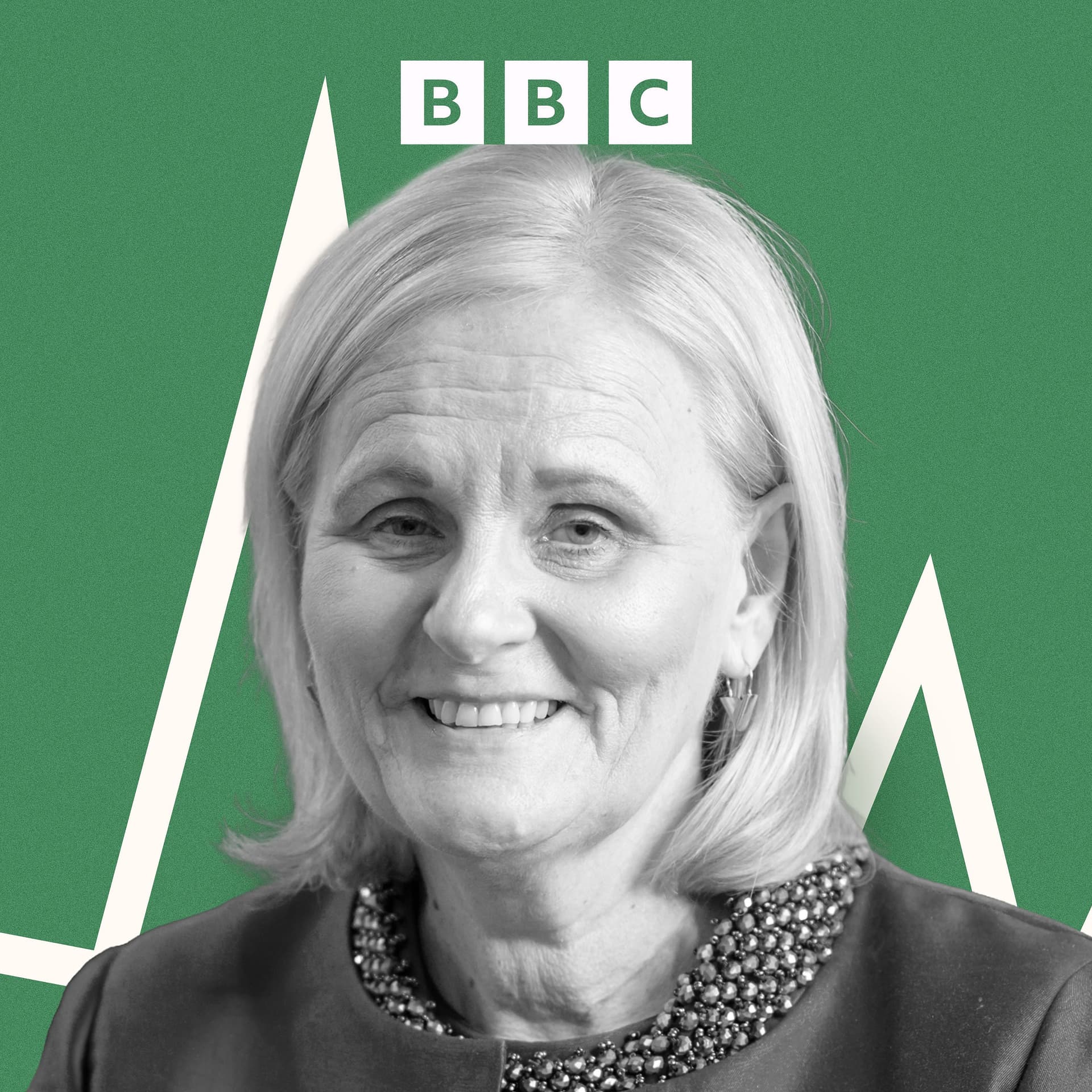
Mark Neale, Founder and CEO of Mountain Warehouse
Episode Description
In this episode, Mark Neale discusses how conflicts in the Middle East, tariff volatility, and UK economic policies are impacting retailers and the broader economy. He addresses supply chain resilience, government policies, and the job market dynamics in the UK.
---
Key Themes and Discussions
- Impact of Middle East Conflict on Retail
- Shipping Disruptions:
- Global shipping routes have faced disruptions, leading to increased costs for businesses importing goods from Asia.
- Prior conflicts had already made the Suez Canal less accessible, forcing cargo to reroute around the Horn of Africa, increasing delivery times by two weeks and raising freight costs.
- Supply Chain Resilience:
- Companies have built resilience in supply chains post-pandemic.
- Continued disruption from ongoing conflicts is likely to translate into higher prices for consumers if the situation persists.
- Tariff Volatility and Trade Policy
- Effect of American Tariffs:
- Neale questions the objectives of US tariff policies, suggesting they do not realistically bring garment manufacturing back to the US.
- Mountain Warehouse is diversifying its supply chain away from China to mitigate risks.
- State of the UK Economy
- Lost Growth:
- Neale argues that the UK has lost significant growth due to the government’s focus on highlighting systemic failures (e.g., NHS, economy) without providing a positive vision for recovery.
- The government’s messaging, in essence, “everything is broken,” has dampened investor and consumer confidence.
- Employment Challenges
- Labour Regulation Concerns:
- The proposed Employment Rights Bill is viewed as a potential barrier to hiring, making businesses more cautious when recruiting.
- High competition for jobs: Example given of an opening in Wigan that attracted 493 applicants for 10 roles, including over 100 for a single management position.
- Long-term Sickness Issues:
- Approximately one million people in the UK are out of work due to long-term sickness, creating a barrier for re-entering the workforce.
- Risk Aversion in Hiring:
- Increased hiring risks could lead employers to favor “safe” candidates, thereby shutting out those who need opportunities the most.
- Future of Retail and Expansion Plans
- Mountain Warehouse’s Growth:
- Plans to open 40 new stores in the UK, with a focus on finding the right locations rather than hitting arbitrary numbers.
- Expressed confidence in the long-term viability of retail, noting that consumers still prefer shopping in physical stores.
- Omni-channel Retail Strategy:
- The importance of integrating online and offline shopping experiences, driven by consumer demand for flexible options.
- Navigating Economic and Social Pressures
- Government Policy Impact:
- Emphasis on the need for stability and confidence in government policies to spur economic growth.
- Concerns regarding the unintended consequences of regulations that could further complicate the job market.
- Long-term View:
- Neale's approach emphasizes a long-term perspective in business, focusing on sustainable growth rather than short-term fixes.
---
Key Takeaways
- Supply Chain Resilience: Companies are adjusting their supply chains for better resilience post-pandemic.
- Economic Recovery: A clear vision for recovery is crucial for restoring confidence in the economy.
- Hiring Dynamics: Increased regulations could complicate hiring processes, limiting opportunities for job seekers.
- Retail Landscape: Despite challenges, the integration of omnichannel strategies and physical retail presence remains vital for growth.
- Long-term Focus: A long-term approach to business growth is essential amidst ongoing economic uncertainties.
---
Additional Notes
- The episode provides valuable insights into the complexities facing retailers today, particularly in light of geopolitical conflicts and domestic policy changes.
- Mark Neale's experiences and observations offer a candid perspective on the state of retail and the importance of adapting to both external pressures and consumer needs.
---
For further listening, check out the back catalogue of the Big Boss Interview podcast for more insights from business leaders.
Written by AI. May contain mistakes. Listen to the episode to check what was said.
Chapters
Tap a time to open that second in VOThe Origins of Mountain Warehouse
2:54 to 5:50
Mark Neill shares the beginnings of Mountain Warehouse and his personal journey in retail.
“So let's have a listen to our conversation.”
Transition to Own Brand Products
5:50 to 9:11
Mark discusses the shift from selling third-party goods to developing their own brand products.
Supply Chain Challenges and Adaptations
9:11 to 12:13
Mark explains current supply chain challenges and how they are adapting post-COVID.
“in our own shops and on our own websites.”
Diversifying Supply Sources
12:13 to 14:01
Discussion on diversifying suppliers away from China and the impact of tariffs.
“And clearly that's that's not happening now.”
Navigating Tariff Changes Impacting US Expansion
14:01 to 15:00
Learn about the challenges faced by Mountain Warehouse due to fluctuating tariffs and their plans for U.S. expansion.
“I presume that's kind of teamwork with these tariff pictures as well.”
Domestic Retail Landscape and Consumer Sensitivity
15:01 to 18:02
Discover the current state of the UK retail market and how consumer price sensitivity affects business strategy.
“You know, it's by far the biggest outdoor market in the world.”
Impact of Economic Factors on Retail Confidence
18:03 to 20:24
Understand how inflation, interest rates, and government messaging have shaped retail confidence and consumer behavior.
“I mean, you're in an interesting area, aren't you?”
Long-Term Growth Strategy Amidst Uncertainty
20:25 to 21:44
Explore the importance of long-term strategy for retail businesses amidst economic uncertainty and competitive pressures.
“And then now we're seeing some green shoots again, I think.”
Building Vibrant High Streets and Retail Parks
21:45 to 24:19
Learn about the criteria for successful retail locations and the challenges faced by high streets versus retail parks.
“A couple of weeks ago, we opened a new shop in Wigan.”
Navigating Hiring Challenges and Workforce Dynamics
24:20 to 28:00
Delve into the complexities of hiring in retail, including competition for talent and the impact of labor policies.
“And I think Kiddiminster town centre is not in good shape.”
Show all 15 chapters
The Importance of Hiring Young Talent
28:01 to 29:25
Discusses the necessity and benefits of employing young people in retail.
“And we've got loads of examples of that kind of career progression.”
Navigating Economic Pressures in Retail
29:26 to 30:57
Explores the economic challenges faced by businesses and young job seekers.
“And we talked about that sort of pincer of effect earlier as well, didn't we?”
The Future of Retail: Trends and Consumer Behavior
30:58 to 32:56
Examines long-term trends in shopping behavior and the importance of omni-channel retail.
“I'm very confident that people want to shop in shops as well as online.”
Creating an Ideal High Street Mix
32:57 to 35:05
Discusses the elements necessary for a vibrant and appealing high street.
“with very little contribution to the tax base.”
Building Confidence for Business Growth
35:06 to 36:13
Highlights the need for stability and planning in fostering business growth.
“I think a period of stability, of being able to plan, of not having unexpected, you know, completely unexpected tax rises or changes in regulation or whatever.”
Transcript
Automatic transcript. May contain errors.0:00This BBC podcast is supported by ads outside the UK.
0:30the highest B2B return on ad spend of major ad networks. Spend$250 on your first campaign on LinkedIn ads and get$250 credit for the next one. Just go to linkedin.com slash broadcast. That's linkedin.com slash broadcast. Terms and conditions apply. This message comes from Schwab. At Schwab, how you invest is your choice, not theirs. That's why when it comes to managing your wealth, Schwab gives you more choices. You can invest and trade on your own. Plus, get advice and more comprehensive wealth solutions to help meet your unique needs. With award-winning service, low costs and transparent advice, you can manage your wealth your way at Schwab.
1:10Visit schwab.com to learn more.
1:28Hello, welcome to the Big Boss Interview podcast. I'm Sean Farrington and with me today, Will Bain. He's been chatting to the boss at a company that's been growing, has been expanding for some time. While some bricks and mortar retailers have been struggling on the high street, Mountain Warehouse have been bucking that trend. That's right, Sean. Yeah, we're back with a founder this week, Mark Neill, the man who founded Mountain Warehouse. A store in just about every single one of our towns and cities, high streets or perhaps out on a retail park, aren't they? Great journey as well. Started off selling roller skates, including to, among others, a rolling stone, as you'll hear a little bit later on in the interview.
2:06Moved on from that to outdoor pursuits, even though by his owner's mission, he's not a massive outdoors person, not a climber or a mountaineer. But that's the whole point, the whole beauty, the whole genius he says about Mountain Warehouse. So loads of insight in the best part of three decades on the high street about what's going on, about what makes a good one. but also lots of interesting thoughts about hiring younger people into his business too. And of course, given everything going on at the moment with shipping prices, shipping containers, where they are in the world, we talked about what impact that might have and what impact it could have on price and price so sensitive in that market, as Mark explains really well within the interview as well.
2:46So just a great listen of someone who clearly absolutely loves their trade, loves their industry, loves high street. So let's have a listen to our conversation.
3:00Mark Neill, founder and chief executive of Mountain Warehouse. Thanks so much for being with us on the Big Boss Interview podcast. It's great to be here. I can't remember which of the papers it was, but I remember you being described as a dog walker's favourite. I wondered, do you like that? Does it irritate you? Is it something you kind of lean into? No, I think that describes the brand really well. We are, you know, we're for everyday mountains. In reality, not many people are coming into our shops to climb Mount Everest. We're middle England, you know, across the country, market towns, county towns.
3:36We've got more shops in the Lake District than we've got in London. And dog walking is, you know, a key activity for our customers. Take us back to the start then, the idea then, 1997, right? Why did you think, why did you want to do this? What did you think was the gap in the market that you could see? Well, it sort of evolved. I did a physics degree. I wasn't very good at physics. So I got a job as a strategy consultant. I did that for four or five years. And then I checked that in and opened a shop selling rollerblades in the beginning. So I was selling rollerblades. I was, it went reasonably well.
4:13I ended up with five shops selling rollerblades, but I was worried that rollerblades weren't going to last forever. You weren't going to be big rollerblade. No, exactly. And so I then experimented. I had a toy shop for a while trying to sell educational toys. I had a gift and greetings card shop for a short period. And then I stumbled into selling outdoor wear. And we started selling end of line last season from other brands. So, you know, Carrie Moore, Berghaus, Regatta, Sprayway, Craghoppers, lots of other brands like that. Buying end of season samples, things that they had left over. and we started opening stores at the value for money end of the market.
4:55And why that genre, if you like? Were you passionate about outdoor pursuits yourself? No, I actually think the fact that I wasn't especially passionate about it was a strength in that I came at it from a business perspective and very much from the customer's point of view. I think at the time there were lots and lots of independent shops run by people who were really passionate about it, But they always needed the latest and the best and the most expensive and the most technical. And I appreciated that actually there weren't that many customers at that part of the market. And there was a huge part of the market that wasn't really very well served of people who wanted value for money every day outdoor wear to walk the dog, to watch their kids playing sport at the weekend, to go on holiday, to go on a family camping holiday, take the family skiing for the first time.
5:45you know a whole host of of different things and it was uh it was a much more it was a bigger market actually and it was one that wasn't really well served at the time and you're from originally aren't you kind of part of the world that would be very for that momasha door on the doorstep of abogaveney as well anything about that perhaps even subconsciously the of those people you'd see perhaps going out on a sunday to walk up the sugar loaf or whatever yes we used to walk up the sugar loaf and school trips in the brecon beacons and all of that so you know i had a bit of a bit of a experience in that area but it was it was really a new thing for me and you know and and it's it it started with these third party brands and selling end of season and it's evolved you know immensely since then and it continues to evolve yeah and the decision to um just move into kind of your own lines as them why and and how did that evolve so uh we got to about 10 or 15 shops and and we were buying all this sort of old stock from other brands but we we started to run out of it and it became it became really difficult to plan anything so we didn't know what we were going to get from season to season we were very dependent on other people having a bad season and then wanting to sell stuff to us that you know that they couldn't sell elsewhere and so we thought well we needed to start doing some of our own brand to fill in the gaps you know I needed a navy fleece in size medium and the brands were saying well sorry we haven't got any those but you can have a triple xl one in pink and i'd say well i've still got those they haven't sold and so and so we started doing our own brand basically to have a core range the whole time we never we never really expected the the own brand to become the whole business right so it was meant to be sort of a filling of the gaps yes exactly but it but and so we went to china i literally got on a plane to china and i think this was in 2003 and went to see a couple of factories and and made some products and you know i thought it might get to 10 of the business at that point but it you know it turned out but it you know because i had a full-size run and because i was able to offer better prices to the consumer and i was able to make better margins for the business it became natural to just do more more from a business perspective a pure business perspective that's quite a big change though isn't it to do things i guess that you would never or had you done some of that in your previous jobs as well working with suppliers uh you know external suppliers the whole kind of supply chain rather than just the sort of end product arriving with you from one supplier, if you know what I mean.
8:05Yeah, it was completely different. You know, in every sense, particularly around the timelines, you know, when we were buying stock from brands in this country, the stock would turn up next week. And suddenly we were planning, needing to plan six months, even 12 months in advance. And so that was a massive learning curve, learning how, you know, how garments are made, why things are expensive, why things are less expensive. You know, it was a huge learning curve. I was going to say, did you have people with you to do that? or did you have to learn a lot of that personally? No, I did it primarily with a colleague and we were going, I think at one point, we were going to China about six times a year, finding different factories, picking off different product ranges.
8:46At the end of the day, the third-party brands are, they're tending to have a wholesale model and so there's a brand and they're selling to a retailer and then the retailer is selling to the customer and we basically cut out that middleman and we were able to go directly from the factories, which are quite often the same factories that are making products for these better-known, higher-priced brands. So we'd go straight from the factories to our own customers in our own shops and on our own websites. And I think we also had, because they were our customers, we had a better idea of what they wanted as well.
9:21And so we knew that we needed to get a jacket for£49 or a fleece for£19 or whatever. and we engineered the products to be able to do that. That takes us quite nicely to what's going on this week, doesn't it? We were chatting on the way up as well. How clear, you know, a lot of your supply chain still is East Asia, isn't it? Yes, it is. But it's also other countries, Jim. We'll come to that diversification in a moment. But as we speak, the back end of the middle week of March, we obviously don't know exactly where this is going by the time this goes out. But what are you seeing in terms of, we had the boss of Merck, for example, a big container shipping company talking about, he thinks, price increases coming for their services down the track.
10:01Have you been talking to your shippers, your suppliers already? Yeah, we're starting to see some early signs of price increases on freight. All the products we've got in our shops at the moment were shipped long ago, and so we're not seeing any price increases to consumers or anything like that at the moment. But we're starting to see freight creeping up a bit. we're starting to see boats being in the wrong place which leads to congestion and delays fundamentally but it's really early from that point of view and so I suppose like everybody else everybody's waiting to see how long it lasts and where it goes ultimately it will lead to some cost increases if it carries on for a long period but at Mountain Warehouse we will do our level best to limit any price rises for consumers because we know that consumers like the value So you'd take that cost on, you'd have to take that cost on, it would be your margins, basically.
10:57Well, I think we have to see where it ends up. I mean, after COVID, the freight sort of crisis at that point was completely unmanageable from the point of view of businesses and that did lead to inflation. What did you learn from that period, perhaps, that you'll be trying to put into practice this time around? I think it's all about resilience isn't it and about lead times and you know the just in time mentality is all very well but when it turns out that some of these things are more fragile and less robust than you might think then having a bit more time in the schedule is definitely worth it so you built that in already so we have we have and you changed like the routing already didn't Is that right, of where your freight came from, where you picked different routes already?
11:48Well, I think not just us, but the whole market has not been going through the Suez Canal for the last year, I think, because of the Houthis and the ships that were getting attacked, basically. So the whole of the freight market has been going around the Horn of Africa, which basically costs more and takes about two weeks longer. But that's built in. That's built in. And ironically, that probably is a benefit this time around. And ironically, the Suez Canal was supposed to be reopening sort of about now. And that was going to be reversed. And clearly that's that's not happening now. That's interesting, isn't it?
12:22And you. So did you make that decision kind of as a result of what happened in Covid? Because I was interested. I was trying to look, actually, as I got ready to do this interview of where your kind of supply chain was. And I found a kind of older report that you give into Parliament that was to do with your kind of modern slavery, where it was actually quite narrow, the places you were getting from. And then I was like, oh, I put the name of that report through again. And the one that was for last year, the spread was much greater. You know, not like crazy, but was that conscious that you would have suppliers from other bits, other countries rather than, you know, it was quite concentrated in China, wasn't it?
12:53Yeah, it was. And we are definitely trying to diversify away from China, like lots of other people. We are now sourcing much more in Bangladesh, in India, a little bit in Cambodia and Vietnam. I mean, it's still very much East, Southeast Asia focused. And was that driven by tariffs, though? It's partly driven by tariffs into Europe and the UK as much as into the US. It's partly driven by not being too dependent on one market. And how has that worked? Because I guess there's a heck of a lot of trust. You know, you're talking about six times a year, you and your colleague going to China. Presumably you're doing that at sort of lots of places en masse, racking up the air miles, I'm guessing.
13:32I mean, we have some really longstanding relationships with our suppliers. You know, lots of them we've been with for more than 10 years. And, you know, we're a very important customer for them. I think, you know, for a lot of the products we buy now, we're the biggest customer in Europe for, you know, for waterproof jackets and that kind of product. So, you know, so we're very careful about that. And when we are testing these other markets, then we're careful about, you know, doing it small scale initially to see how we get on. And then ramping it up from there. Navigating all of that as well.
14:03I presume that's kind of teamwork with these tariff pictures as well. How easy or difficult has it been to do that when the picture with tariffs specifically seems to change so rapidly? And it's basically being used as an arc of kind of foreign policy. So it can change month to month, not even year to year. Well, our U.S. business is quite small at the moment. And so the effect on us is relatively small. But we do have high hopes for the U.S. we bought a brand there a couple of years ago called eastern mountain sports which is really well known in the new england area and we're we only have six shops at the moment and a website but we're hoping to grow that we were going to open two new shops last year but we put them on hold because of the tariff situation and you know it's the tariffs changed three times during the course of the weekend two weeks ago.
14:56So it's difficult to plan. But at the end of the day, it's quite small for us. We want to be there. You know, it's by far the biggest outdoor market in the world. It's still a fast growing economy. So we are going to expand there, but in a measured way. And hopefully the tariff situation will settle down. I was going to say, it wouldn't mean that you'd have to look at, I don't know, getting supply within the US or a country the US agrees with all that kind of stuff. I mean, I think the, you know, at the end of the day, all our competitor brands in that market are in the same situation as us. They're sourcing in the same places.
15:26And so whatever happens with the tariffs will affect everyone and ultimately will end up being passed on to the consumer there in one way or another. So I think, you know, our value for money positioning will remain the same. Nobody realistically is going to bring garment manufacturing back to the United States. I mean, and I don't think that's what they want. And so quite what they're trying to achieve here is anyone's guess. let's turn to something more domestic than you got big plans to open lots of new stores here in the uk how many in 2026 in the uk i think in the uk we're going to open about 40 and of those i mean it depends on on finding the right shops and we won't open them just to hit a number we're extremely selective about the about the shops and but of those 40 roughly half of them are planned to be relocations of existing stores we're always trying to improve the portfolio we're trying to get better shops bigger shops better locations and about half of them will be entirely new you've got well over 300 stores then as a result as a result you're basically in almost every every town or city somewhere in the uk our listeners somewhere will see one of your stores somewhere so you're ideally placed to give us kind of a big snapshot of we've talked a lot of international stuff what are you seeing domestically what's it looking like out there at the start of the year?
16:42I think it's quite tough. Last year, our international business performed better than our UK business. I think the UK consumer is finding it quite difficult. So having said that, we're at the value for money end of the market. And I definitely wouldn't want to be anywhere else at the moment because if the consumer is finding it tough, then they'll get better value from us than they might get elsewhere. How sensitive is price at the moment, especially given what we've previously talked about? It's really sensitive. I mean, the prices are surprisingly sensitive. The difference between selling a product for$9.99 and$12.99 is much bigger than you might think sitting here.
17:29Yeah, I was interested when you gave an example of$19.99. Is that kind of key? Even like really tiny, like pound moves, basically, in terms of the conscious at the moment. Yeah, really difficult. And when you're – if a product's priced at$19.99, where do you go from there? You can't go to$20.99 or$21.50, can you? So the next real price point is$24.99 and that's a big increase. And so we're very cognizant of affordability and the importance of price. And that's been the success of the business over many, many years. And I think it's more important than ever right now. So that's kind of household confidence really, isn't it, as well?
18:04I mean, you're in an interesting area, aren't you? Because your stuff is kind of essential. Like, if you need a new raincoat, you need a new raincoat, right? Yeah, that's definitely true. You know, when it starts raining, you know, people come in. And people do quite often come in and say, I need, you know, I need a new raincoat. I need some walking boots. I'm going on a work away day and they've told me to bring a sleeping bag. You know, all sorts of stuff like that. A lot of kids' clothing in our stores, which is, you know, again, functional clothing. So it's not really a fashion purchase. And I think that's good.
18:37In terms of the reasons then for that difficulty, how much is it people's finances, personal finance, how much of it also the kind of pressure that you guys are under and things we've talked to lots of retailers about particular policy changes, things around national insurance, employee costs, but also rates costs and things like that too. Is it that both those things are coming together, you and the consumer being squeezed at the same time? Yeah, I think there's a lot of truth in that. I think, you know, what businesses like us need, I think, is stability, number one, and confidence. And I think, you know, confidence has taken a big hit over the last couple of years.
19:16I think, you know, at the end of the – when the new government came in, there was a lot of hope and expectation. There were some signs of life in the economy at that point. I think, you know, inflation was coming down. Interest rates had started to come down. There were some green shoots and the government sort of came in and they did this sort of, you know, every morning you'd listen on the radio and the health secretary would be saying the NHS is broken. The chancellor would be saying the economy is broken. The prime minister would be saying the country's broken. And any sort of green shoots were sort of completely stamped out.
19:50And you completely understand, you know, coming in and blaming the previous administration. I mean, that's the right thing to do. But what they should have done is said, look, you know, everything's in a terrible state. But don't worry. We've got a plan and it's going to be amazing. But, you know, that's what a new chief executive coming into a business would do to rally the troops. But they didn't really do that. They just came in and said, everything's broken. It's not our fault. I think we sort of lost sort of the best part of a year of growth in the economy as a result of that. And then we had the national insurance raise, which has been discussed multiple times, but which again didn't do any favors to businesses like ours.
20:34And then now we're seeing some green shoots again, I think. And inflation was coming down. And there was a big expectation that interest rates were going to come down two or three more times this year. And, of course, what's happened in the Middle East has thrown a whole load more uncertainty into it again. Yeah, absolutely. And the fact that it looks like inflation could be coming back unless this war stops very soon and interest rates could rise again. I mean, what does that do in terms of changing the retail landscape for the second half of this year here in the UK? Well, it won't. It clearly won't help.
21:05But I think you've got to look through it a bit. And, you know, if you set up a business like this and you grow it over multiple years, then, you know, you've got to take a long term view. And I think one of our key successes has been always taking a long term view. You know, I've been here since the beginning. I'm not going anywhere. I'm not a hired in three-year CEO who's got to hit some targets in the next six months. And so, you know, we're still investing. And we think there's a lot of life left in our high streets. We've got a very successful online business. I mean, we opened last weekend.
21:40We opened a new shop in Kidderminster. We opened a new shop in Dundee. A couple of weeks ago, we opened a new shop in Wigan. So, you know, we're investing in all these sorts of places. I mean, the interesting thing about retail is that we also need other retailers to be successful because we need other retailers alongside us. And so it's no good us sort of shining bright in a high street if there's nobody else there. Yeah, and hospitality too, right? Which is the other sector that seems to be under the most pressure. And hospitality is under even more pressure, I think, than retail because the staff costs are so much more important than the hospitality.
22:16Well, I was going to ask you exactly that. How have you navigated that? We've had quite a few kind of business leaders in those sectors on recently talking about the pressure that does, particularly if you're in a kind of cost-effective type business that's your business model as well. How do you navigate that when something changes like that? You know, the people in your shop, it's clearly very important to the business. that's a big jumping cost, especially if you've got the scale of shops that you've got. Yeah, massive jumping costs as a result of the national insurance and minimum wage and so on.
22:45But, you know, you just have to be as efficient as you possibly can. We've got a big distribution centre in Peterborough where we've started to introduce some robots to help to make that more efficient, bringing in more automation. We're being as efficient as we can in the stores. But at the end of the day, you know, We need great colleagues who provide great service and we need to pay them well. And I think we've got that. You're a real high street man. What makes a good high street then when you're talking about needing kind of good neighbours, needing good people on the streets? We heard James Dorn, the boss of Waterstones on this podcast talking about that as well.
23:20What does that look like to you? Well, we'd quite like a Waterstones near by it to start. I mean, that's good. You know, you need the food and beverage. You need the coffee shops. and you know and I think when you have got those high streets and there are plenty of them still there. Well yeah give us a positive example because we talk about some negatives you're talking about relocating to a different type of shop when you're looking for a new one what is it that you're looking for what makes a really good location? Well a busy high street particularly in our case we quite like tourists or day trippers you know people on a day out so you know we opened a much bigger shop for instance in Canterbury last year and that's a vibrant high Street and there's you know the cathedral is is there it's not going away people are going to be coming to see that cathedral you know for hundreds more years but if you haven't got a lovely big beautiful ancient cathedral are there things we've got we've got quite a few which Boron Kidderminster doesn't have for example somewhere near where I grew up what can I don't know collectively we talk a lot about what politicians and what policy can do what can the industry do I guess to make those places great places to come and spend an afternoon or a morning or whatever Well, I think Kiddiminster is an interesting place, actually, because we are on a retail park on the outskirts of Kiddiminster.
24:34And I think Kiddiminster town centre is not in good shape. And the retail park on the outskirts of town has become the new town centre. So I think I got asked recently by a local council for what should they do to protect their high street. And this is in Abergavenny, where I was brought up in Wales, where it has a really vibrant high street, really attractive. We've got a great shop. And the most important thing they've got to do, it's not about having nicer, you know, lampposts and flower baskets and all that kind of thing. The most important thing is do not give planning permission for a retail park on the edge of town.
25:12Because if you put a retail park on the edge of town, you know, ultimately people will migrate there and your high street will decline inevitably. relatively and and so you know and that has happened in in lots of places but if you want to protect successful high streets um then then don't build any more space how do you as retailers balance that though because i know i spoke to the boss of majestic on the program probably a year or so ago talking about where they're building new stores is that kind of more out of town because of with home working that's what people want they're driving back home again they want to stop off and pick up a couple of things on the way back home again your kind of product is perhaps similar to that yeah we're and we are in lots of those places and and we do really well in them and And people do like shopping in them.
25:52But people also like vibrant high streets. And if you've got a vibrant high street, I think it's probably worth trying to protect it. Yeah. And in policy terms, then, what has been – if there are things that the government can do, can think about into the autumn, what would be – because they're not going to be able to lift all of the levers, are they? Are there things that you think would ease some of the pressure on colleagues? I think – I mean, it's quite hard to get a job at the moment. We – I mentioned the shop we opened in Wigan the other day. we had 10 new roles there and we had 493 applications for those 10 roles.
26:28We had over 100 applications for the store manager. And these are 10 roles, you know, from store manager all the way through to part-time sales assistant. There are, you know, it's not uncommon when we've got a part-time sales assistant role sort of anywhere in the country to get over 100 applications. And so I think the government has to just be careful about unintended consequences of well-meaning initiatives. I'm thinking about the – The minimum wage. And the employment rights bill actually or the let's make it more difficult for people to get a job bill as you could call it. Which bits of that do you find troubling as a chief exec?
27:08I think for us then, we've got a talented people team, what you used to call HR, who will navigate us through that and we'll be fine. I'm worried about the people applying for jobs really. If you've got a whole load of – we've got a million people on long-term sick and not in the workplace who we need to get back into the workplace. And I think putting any sort of barriers like this that make businesses reluctant to take a chance on people who are returning to the workforce after ill health or, you know, for a career break or for whatever reason. And if you have got 100 applicants, you know, you're probably going to go for the safe bet.
Read the full transcript
27:52And so I think that some of these initiatives which, you know, are, you know, I'm sure well-meaning, it's the unintended consequences that get you in the end. And with young people in particular, what would give, do you think, again, talking broadly about the industry, not just you guys at Mountain Warehouse, what would give people confidence to hire younger people to take that chance? well i i think you know we all have a responsibility to as businesses to um to do our and to and to employ young people and and and we do like i said there's so many applications for jobs but retail is such an important part of the economy it's the entry into the place into into the workforce for so many people i think i read somewhere that 20 percent of people said their first job was was in a shop you know my first job was in a pub and and that's a very common you know you learn how to turn up to be on time you you learn work with other people work with other people working with customers you know it's a it's a great entry level position and and then it's also great for flexibility if you're you know if you're a working mother if you've got to pick the kids up we have lots of flexible roles you know flexible flexibility works in both directions you know it's flexible for the colleague as well as as for the company so we've got flexible roles we've got career progression you know we've got loads of people who've worked our way up you You know, our UK retail director who's, you know, responsible for 3 ,000 colleagues, you know, he started as a store manager with us 20 years ago.
29:17And we've got loads of examples of that kind of career progression. So it's a really important part of the economy. And, you know, we just have to be careful about piling on costs and doing, you know, damage that is difficult to reverse. And we talked about that sort of pincer of effect earlier as well, didn't we? It feels like that's happening there as well, isn't it? Businesses are kind of under pressure in terms of the hiring and the cost of that hiring. And also the young people are kind of being squeezed. They're being squeezed by AI and automation in some of these roles. And they're being squeezed as well if they're a graduate by the cost of universities and things as well.
29:52There's sort of a massive squeeze going on there too, it feels like. Yeah, it does. And it feels like, you know, we're so short term in some of our decision making and some of our analysis. You know, it's all about what happened yesterday and what's happening tomorrow. And, you know, one of the beauties of running a private business like this over such a long time is you can think about the long term. And you'd like to think that there's a bit more long term planning going on elsewhere. You know, we've got we've got sort of initiatives sort of making it more difficult for people to get jobs. And then, you know, you've got a tsunami of AI and tariffs and energy shock now, you know, which which are so big and not being not being planned for.
30:34Round us out then talking a bit of long term, long term. I guess it's actually probably short of medium term to begin with. How do you look long term when there are so many of those immediate pressures, as you say, potentially coming around the corner? Well, I think for us that long term, we're in a good market. You know, people want to spend time outdoors. It's a long term trend that people are doing outdoor activities, want to do it for health, for relaxation, for mental health. So we're in a strong market. I'm very confident that people want to shop in shops as well as online. I mean, you know, there was this sort of narrative just after during Covid that nobody was ever going to go to shop ever again.
31:19You know, even grannies learn to shop on Amazon. That just turned out to be completely untrue. And is it going the other way with younger shoppers, for example, do you think? Are they more likely to shop shop? I think they like shopping in shops. It was easy getting growth out of online a couple of years ago, and it's harder now. But people wanted shop joined up. It's an omni-channel. I know it's a word, but it's true as well. People want to come into a shop and order it to be delivered at home. They want to order it at home and pick it up in the shop. And you guys do a lot of that, right? And Next, very successful at doing that, M &S.
31:52People who seem to be doing well on the high street seem to have married those two things quite well. Yeah, and we're working really hard at trying to get better at that as well. I mean, you know, people want to return stuff to shops. So it's some – it is – Is that expensive or is it just procedural? Returns are expensive, yeah. It's actually – but it's easier for us to process them in the shop. So if you've got a return, then please bring it back to the shop. Come down to the shops as well. And just in that landscape, the competitors as well, something you've talked about before about de minimis and things like that, that the online retail is coming in as well.
32:25Pleased to see that the government is saying it's going to act on that. Yes, saying it's going to act, but not for a couple of years, I think. Is that right? Yeah, no, the de minimis, which is where you can ship a low-value parcel. And it doesn't pay any time. And there's no VAT and no import duty. You know, the people taking advantage, I mean, it was not intended for people like Shein and Teemu to be able to ship enormous quantities of goods from China to consumers in the UK and elsewhere. and so they've built really big businesses over here with very little contribution to the tax base. I mean, almost none.
33:03And that's just not the government's job. Confidence, stability and a level playing field and we definitely do not have a level playing field with those guys. And that comes to that long-termism again, doesn't it, really? Like being able to see these things through and do them, not just talk about it. Yes, exactly. If you were, you know, those sort of old computer games where you sort of build an ideal high street or you build an ideal town, I'm giving you the power, a sort of high street czar, Mark Neill high street czar. You can do whatever you want. It's a made-up place somewhere in the UK.
33:31What are the key things? Give us three or four things to get absolutely spot on. You need a mix of shops, don't you, to appeal to different age groups, different demographics. You need some younger fashion, but you need some older fashion. You obviously need a mountain warehouse somewhere right in the middle. Nice to have Waterstones nearby. You need some gift shops. You need some independence as well. You don't only want sort of cookie cutter chains. And I wouldn't really describe us as a cookie cutter chain because, you know, our shops in the Lake District are very different from our shops in London and they're very different from our shops in Devon and Cornwall because of what people need to buy in those different places.
34:11But you need some independence as well. Coffee shops, a couple of charity shops, always nice to have actually. And people will definitely come. And you talked about fashion. I say this as a Mountain Warehouse wearer. Lots of your competitors, well, maybe they're not competitors, I don't know, but people who occupy that kind of outdoor space become very fashionable, right? Arcterics or North Face, you walk through a big city and you see lots of people. Is that where, have you ever been tempted to sort of push Mountain Warehouse in that direction? I think we are understated, we're value for money, we're performance and quality.
34:48We don't really want to be a fashion brand because, you know, You're fashionable one day and then you're not fashionable the next day and I have to worry about the next day. So we're not going to have someone walking down the catwalk in a mountain warehouse cagoule anytime soon. I doubt it, but you never know. Confidence then to end. What brings back confidence, do you think? I think a period of stability, of being able to plan, of not having unexpected, you know, completely unexpected tax rises or changes in regulation or whatever. And the growth will come. You know, people, businesses want to expand.
35:30We're definitely expanding. I think that the growth will, you know, after, it depends what happens in the Middle East, obviously. But, you know, as interest rates do come down and inflation carries on on its downward path, then I think the growth will come. And you started right at the start of this interview talking about the kind of other jobs you'd had. And despite in your roller skate selling days, I read, I was digging through for it there. You sold roller skates to Mick Jagger? Is that right? Yeah, I had a shop in Kingston, in Kingston-pont-Thames, and he came in with Gerry Hall, I think, and bought some rollerblades back in the day.
36:10Mark Neill, founder and chief executive of Mountain Warehouse, thanks so much for your time. You're welcome.
36:20Thanks to Mark and to Will, of course, for their time, and to you for listening as well. We really appreciate you spending your time with us, subscribing on BBC Sounds. If you've enjoyed the insight that we heard from the Boss of Mountain Warehouse into what it's like running a company in the UK, running a business right across the world, then search for Big Boss Interview wherever you found this one and you'll find a whole back catalogue to explore. And if you hit subscribe, you will, of course, get a new one every week. The best B2B marketing gets wasted on the wrong people. So when you want to reach the right professionals, use LinkedIn ads.
36:56LinkedIn has grown to a network of over 1 billion professionals, including 130 million decision makers. And that's where it stands apart from other ad buys. You can target your buyers by job title, industry, company, role, seniority, skills, company revenue, so you can stop wasting budget on the wrong audience. It's why LinkedIn Ads generates the highest B2B return on ad spend of major ad networks. Spend$250 on your first campaign on LinkedIn Ads and get$250 credit for the next one. Just go to linkedin.com slash broadcast. That's linkedin.com slash broadcast. Terms and conditions apply.
From the publisher
Mark Neale, founder and chief executive of Mountain Warehouse - the outdoor clothing company - joins Will Bain for this episode of Big Boss Interview to discuss how conflict in the Middle East, tariff volatility and UK economic policy are affecting retailers and the wider economy.
Disruption to global shipping routes is already pushing up costs for businesses importing goods from Asia. Prior to the latest US/Isarael war against Iran ,attacks on commercial vessels in the Red Sea had effectively closed the Suez Canal to many freight ships for nearly a year, forcing cargo to travel around the Horn of Africa instead. That detour adds roughly two weeks to delivery times and significantly increases freight costs. Neale says companies have built greater resilience into supply chains since the pandemic, but sustained disruption in from the latest conflict will eventually feed through into higher prices if the situation continues.
Trade policy is creating further uncertainty due to the impact of American tariffs. Neale questions what such tariff policies are designed to achieve, arguing that no realistic trade regime is going to bring garment manufacturing back to the United States. He also says they've tried diversify away from Chinese made clothes as a result.
The interview also examines the state of the UK economy. Neale argues the country has lost “the best part of a year of growth” because the government repeatedly emphasised how broken parts of the country were — from the NHS to the economy — without setting out a clear positive vision for growth. When the new administration arrived, he says, inflation and interest rates were already beginning to fall and there were early signs of recovery emerging. Neale compares the situation to a new chief executive taking over a struggling company: you acknowledge the problems, but you also need to rally the workforce with a plan.
Hiring and labour regulation are another concern. Neale describes the government’s proposed Employment Rights Bill as “the let’s make it more difficult for people to get a job Bill”, warning that additional regulation may make businesses more cautious when recruiting. With around a million people in the UK currently out of work due to long-term sickness, he argues that policies which increase perceived hiring risk could make it harder for people trying to re-enter the workforce to get an opportunity.
Competition for jobs is already intense. When Mountain Warehouse opened a new store in Wigan, 493 people applied for just ten roles, including more than 100 applicants for the store manager position alone. Neale says that when employers face such large applicant pools alongside stricter employment rules, they are more likely to choose the safest candidate — potentially shutting out those who most need a chance.
Presenter: Will Bain Producer: Olie D'Albertanson Editor: Henry Jones
00:00 Sean and Will start the show 01:45 Mark Neale joins BBI 02:28 From rollerblades to Mountain Warehouse 08:17 Freight concerns & Middle East disruption 11:38 Diversifying supply chain away from China 17:44 Government stamping out green shoots of recovery & lost year of growth 25:39 Employment Rights Bill impact & unintended consequences for hiring 29:33 De minimis, ideal high street & long-term confidence