
In short
Breaking Beauty Podcast - Episode Summary
Episode Title
Meet the Buzzy Skincare Brand That Wants You to Use Human-Derived Exosomes On Your Face
Hosts
- Jill Dunn
- Carlene Higgins
Podcast Overview
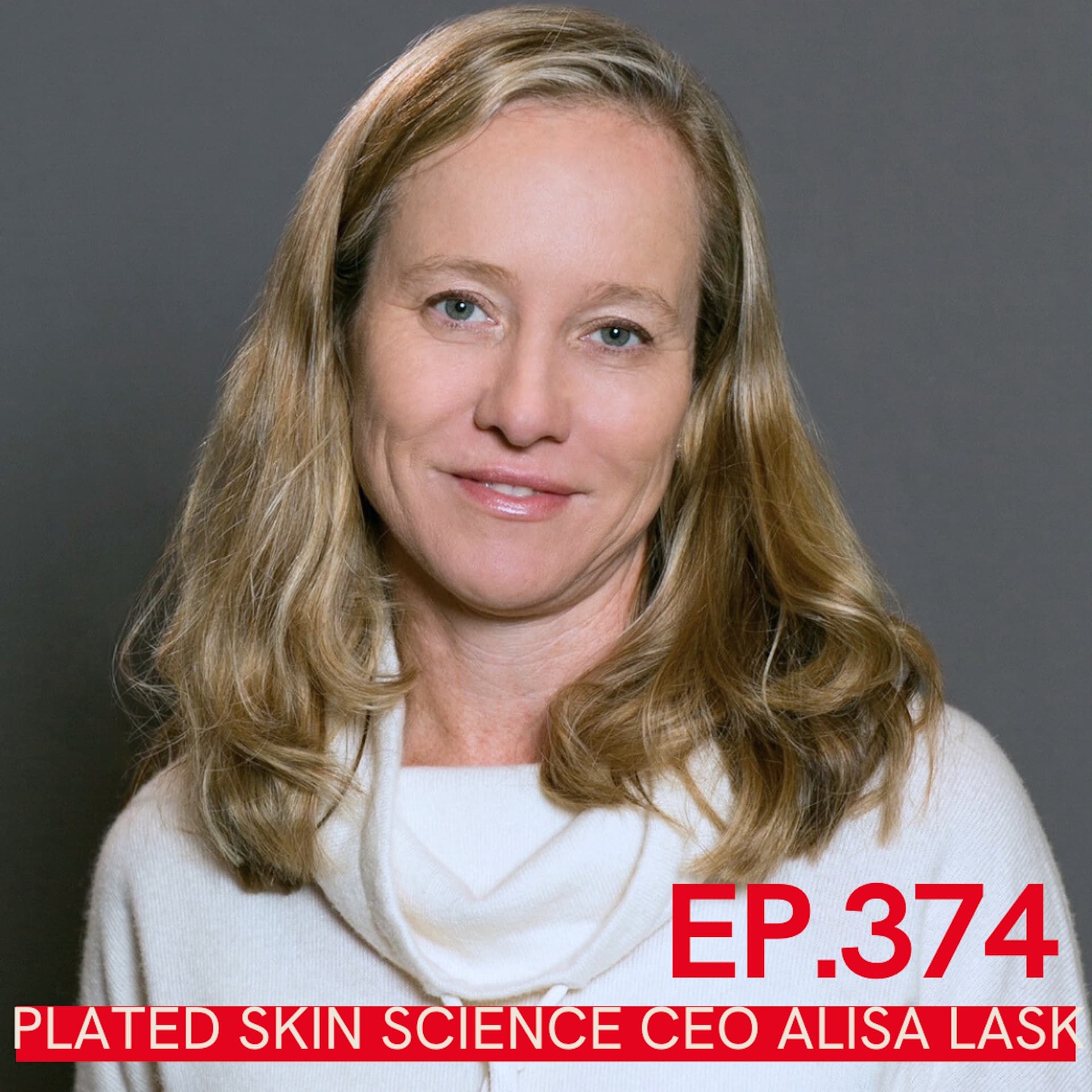
The Breaking Beauty Podcast features Jill and Carlene, veteran beauty editors who share insights on skincare, makeup, and beauty culture. This episode focuses on the groundbreaking topic of human-derived exosomes in skincare, featuring Alisa Lask, CEO of Rion Aesthetics and Plated Skin Science.
---
Key Topics Discussed
Introduction to Exosomes
- Definition: Exosomes are described as "messages in a bottle" that facilitate cell-to-cell communication within the body.
- Emergence in Skincare: Exosomes are gaining traction in the beauty industry and are being hailed as a potential alternative to retinol.
Plated Skin Science
- Hero Product: Plated's Intense Serum, which utilizes platelet-derived exosomes, was recognized by *Time Magazine* as one of the "Best Inventions of 2024."
- Market Position: Plated is positioned as a leader in regenerative aesthetics, emphasizing the convergence of wellness, beauty, and medicine.
The Science Behind Exosomes
- How They Work: Exosomes function in cell communication and renewal, potentially improving skin texture, luminosity, and reducing wrinkles.
- Comparison to Growth Factors: Exosomes are described as encompassing a broader range of messages compared to growth factors, which deliver a single message.
Clinical Studies
- Results: Clinical studies indicate that improvements in skin appearance can be observed as early as six weeks. Benefits reported include reduced wrinkles and improved skin tone.
Sourcing and Safety
- Human-Derived Ingredients: The exosomes used in Plated products come from FDA-compliant blood banks, ensuring rigorous screening and ethical sourcing.
- Consumer Education: The podcast stresses the importance of understanding the sources of exosomes and the differences between human-derived and plant-derived ingredients.
Who Should Use Exosomes?
- Ideal Candidates: Exosomes are safe for most skin types but are not recommended for individuals with active skin cancer.
Future Applications and Innovations
- Expansion Plans: Alisa Lask shared insights on future products, including potential hair restoration treatments using exosome technology.
- Educational Goals: The brand aims to further educate consumers about the benefits of exosomes and their applications in skincare.
Incorporating Exosomes Into Your Routine
- Usage Guidelines: Exosomes should be used on clean skin and can be layered with other skincare products. They can complement retinol use by reducing irritation.
---
Key Takeaways
- Exosomes are emerging as a revolutionary ingredient in skincare, potentially surpassing traditional options like retinol.
- Plated Skin Science is pioneering the use of platelet-derived exosomes, with significant clinical backing and a focus on ethical sourcing.
- Consumers are encouraged to educate themselves on the science behind exosomes to make informed skincare choices.
---
Related Episodes
- Peptides! Growth Factors! Exosomes! - Explore other trending skincare ingredients.
- The Ultimate Sensitive Skin Girls’ Guide - Insights on transitioning skincare routines.
- Cortisol Face, Fascia Care, and Brow Lift At Home - Discuss skin care and wellness.
---
Conclusion
This episode of the Breaking Beauty Podcast offers a deep dive into the science and application of exosomes in skincare, highlighting Plated Skin Science's innovative approach and the potential for future developments in the beauty industry.
For more details on products mentioned in this episode, visit the [Breaking Beauty Podcast website](https://breakingbeautypodcast.com/episode-recaps/).
Written by AI. May contain mistakes. Listen to the episode to check what was said.
Transcript
Automatic transcript. May contain errors.0:00The following podcast is a dear media production.
0:07Welcome to Breaking Beauty, the podcast all about the breakthrough people, products, and moments in beauty. We're your hosts, Jill Dunn and Carleen Higgins.
0:20Hello and welcome back to Breaking Beauty podcast. I'm your host, Carleen Higgins, and I'm here with my stunning co-host, Jill Dunn. Hello, Jill. Hey there, Carlene. So of course, we are two longtime magazine beauty editors turned beauty podcasters. We're officially in our eighth year of doing this show. So thank you for riding with us for as long as you have been. And I'm really excited that, you know, every single Wednesday, we get to share the breakthrough people, products and moments in beauty. And even eight years in, there is stuff that gets us excited. There is always so much cool innovation to talk about.
0:54And I think that's particularly true with today's episode. Yes. And today's episode is brought to you in part by Plated Skincare. And so on that note, Jill, if there's an ingredient that is creating, I would say the most amount of buzz these days, and I think you'd probably agree with me, promising to be one of the biggest breakthroughs of our time, perhaps, it's exosomes. Definitely. I had microneedling done with exosomes over a year ago now. So got the microneedling done. And then at the end, they put like a clear serum on your skin that's exosomes and it basically like cuts your redness time in I would say by like 75 percent like your healing is just so much faster and I was like as beat right the first day I had it done and then the next night I was at a party with you yeah and like no one would have been the wiser that I had had microneedling done it's so true and I so I think this is something that's been bubbling up in like the medispa space, the word exosomes.
1:57But in mainstream skincare, there is only one brand that I can really think of that is rising to the top. That's really claiming this space and at home skincare. And that is plated. And it's gaining the attention of celebrity glam squads like makeup artist Rachel Goodwin. She was on our show last summer and she was the first one to bring up plated. That's the first time I ever heard of this brand. If you guys want to go back and take a listen, she was talking about her before and afters using it on her own rosacea and how it drastically cut down on that redness. Really hard to do with a cosmetic at home skincare product.
2:35I know another fan is Jo Baker. She's a celebrity makeup artist who's also been on our show. And so, of course, she'll use it on a client like Megan Fox, who's now a big fan, and that's how it happens. And then that person tells that person. And so I think that I truly think that Plated is going to be one of the biggest brands we talk about in 2025. Yeah. Plated is this first to market leader in regenerative aesthetics with multiple peer reviewed clinical studies showing clinically proven results and reflecting the movement toward the convergence of wellness, of beauty and medicine. Like you can sort of see it all coming together.
3:15Absolutely. And it's all coming from this longevity, this other buzzword in wellness, this longevity movement, right? About using your own body, the best of your own body and harnessing it to heal yourself. So our guest today is Alyssa Lask. She's the CEO of Rion Aesthetics, and that is the parent company of Plated Skin Care. She's also, I would say, the woman responsible for bringing platelet-derived exosome technology to the skincare market. And no surprise, Alyssa gained her immense depth of knowledge at leading companies like Allergan, Galderma, Eli Lilly, before taking on her leadership role at Rion Aesthetics.
4:00And now she's responsible for pushing the investigational research in areas like hair restoration, wrinkle reduction through its medical grade skincare line, Plated. The main thing to know about Plated is that you're not going to find it at Sephora right now anyway. It's distributed through dermatologists, plastic surgeons, luxury med spas. And the hero product is the Plated Serum. It's a daily serum. And we're going to get the scoop from Alyssa on how to work it into your routine and everything. It's a little more of an investment, I would say, around$260 US. dollars. And the main ingredient being, you guessed it, exosomes.
4:37And so everyone wants to know what are exosomes? That's what we're going to get to the bottom of in today's episode. We'll also find out how they're different from growth factors, another buzzword in skincare right now. And the big question, are exosomes primed to be the next gold standard ingredient in skincare, possibly bumping out retinol. Wow. And by the way, Carlene, we're not the only media talking about plated. They've already picked up awards from Time Magazine, Elle, Glamour, Oprah, New Beauty. The list goes on. So we're not going to keep you waiting any longer. Here she is. Welcome, Alyssa Lask.
5:21Nutrafol is one of our show partners this week. So your hair is so much more than what you see when you look in the mirror from stress and nutrition to hormones and lifestyle. So many internal factors affect what you see on the outside. And with Nutrafol's science-backed whole body approach, you can nourish hair growth from within and achieve your best hair yet. Because Nutrafol is the number one dermatologist recommended hair growth supplement brand trusted by over 1 million people. You can see thicker, stronger, faster growing hair with less shedding in just three to six months with Nutrafol.
5:57And I noticed that for sure when I'm on my Nutrafol routine, definitely a lot less shedding and the hair that I do have looks thicker for longer. And I appreciate that Nutrafol is really considering that not everybody's root causes of hair thinning are the same. So they don't have this one size fits all approach. They have multiple formulas. They're tailored to give your hair what it needs to grow throughout different stages of your life, maybe postpartum, menopause, as well as for different diets like plant-based diets. So start your hair growth journey with Nutrafol. For a limited time, Nutrafol is offering our listeners$10 off your first month subscription and free shipping when you go to Nutrafol.com and enter the promo code BREAKING.
6:42Find out why over 4 ,500 healthcare professionals and stylists recommend Nutrafol for healthier hair. That's Nutrafol.com spelled N-U-T-R-A-F-O-L.com and use promo code BREAKING. That's Nutrafol.com promo code BREAKING. We'll link to this offer in our show notes and on our website. Now back to the show. Hi, I'm Caroline Stanbury, star of The Real Housewives of Dubai, entrepreneur, wife, and mother of three. Once divorced and now remarried to a much younger man, uncut and uncensored with Caroline Stanbury follows me as I live my life unapologetically and shows you that there is life after 40. I discuss everything from relationships, health, wellness, business, parenting, friendships.
7:26I'm here to let you know that not only is there a life after divorce, but you have the power to make it your best one yet, just like I did. Listen to all new episodes every Wednesday, anywhere you get your podcasts.
7:47Welcome to the podcast, Alyssa. Really excited to be chatting with you today about the next big thing in skincare. So from the top, what are exosomes exactly and how do they work? Well, thanks so much for having me. And that's a wonderful question we get asked every day because as we're switching from these, you know, ingredients that are chemicals and ingredients that are plant derived on our skin and switching to human derived, we need this whole new education on words and what they mean. But I like to describe exosomes, it's like a message in a bottle. So if you think about, you know, that your cells get messages between each other and the exosome is another way of thinking about it.
8:25It's like the envelope that delivers the message. So, you know, inside the exosome, there's different messages depending on the exosome that you have, but it's cell to cell communication is how it works within your body. And so what are these envelopes saying? What are these messages saying? So your body produces thousands of exosomes. So there's messages that say all kinds of different things. What's unique about Plated Skin Science is that we've been able to harness the message of Renew and most specifically as we're applying it to the skin. And so that's why, you know, you want to be really careful that just not all exosomes are the same, right?
9:02You want to really do your homework and understand where the source is, kind of what is that message in a bottle that you're sending? Okay, good point. Good point. So which skin concerns do they address? And like, are they safe for all skin types and all skin tones? Because, you know, those are typical parameters we would think about with like a vitamin C or an iacinamide. So it's like, how do you sort of like classify who these work for and don't? Yeah. So human derived ingredients are almost like smart technology. And so in our clinical studies, we've seen rave reviews about luminosity of the skin.
9:37We see clinical results in as early as six weeks on the appearance of wrinkles, brown spot improvement, skin tone, texture, those sorts of things. So it's really, you know, kind of smart to what your need is and just like it would be inside the body. I always think of exosomes and I think this is just based on past episodes we've done and experts we've spoken to, particularly facialists. And we're going to get At least our introduction was in the spa, you know, in that setting. But I always think of exosomes as being like the things that heal, the things that kind of undo all the damage that we do from over exfoliating or the sun, that kind of thing.
10:21And I actually wondered if I could use them on my blepharoplasty scars, because it's no secret around here that I had blepharoplasty earlier this year. Is it safe for that? Well, first of all, you look beautiful. I don't see any scars. But unfortunately, once the scar tissue forms, that's not really something that a cosmetic product is going to be able to address. That's something you probably need a laser or some type of microneedling. You know, scars are really frustrating with your C-section scar, whether it's your black scar. Even when I cut my hand and I get a scar, I get frustrated. But, you know, scars are, once they form, they're very difficult.
10:55So that's why it's so important. You take care of your wounds so they can heal properly, keep them out of the sun. Yeah. I think it's also like my introduction to them was right after micronabling. So I think it's almost like in the moment when you're sort of like getting your skin damage happening in real time, it was like dramatically different how much shorter the healing span was. Yeah. And we've seen that in clinical trials post-laser, where just the recovery time has really gone down, applying it after some sort of a laser procedure. And obviously every setting is different. Every person's different, how they relax laser.
11:31Some days I look like a pumpkin and other days I'm fine after laser. So, but yeah, you know, and listen, there's different exosomes, you know, that do different things. But I think, you know, Plated Skin Science, we really like that, you know, ours are kind of that renewal. Yeah. Now, I can't wait to dive into Plated's origin story because this reminds me of the kind of lore that other iconic products on the market have taken on where they come from this kind of like discovered in a hospital by accident. in. So I want to get into this with you because I read that Plated Skin Science is the it's the first brand delivering platelet derived exosomes to treat visible signs of aging based on 15 years of science, over 150 million in research for cardiac patients at a world renowned medical institution.
12:19I really stumbled on the word cardiac. It was like, how do we get from cardiac to a skincare product. So tell us that story. Yeah, it's such a great story. So there's the Van Cleave Cardiac Regenerative Medicine Program at Mayo Clinic, and they were studying stem cell patients. It was a whole stem cell program initially, and they were trying to figure out why is it only that five to 10 % of these patients that get stem cells actually walk across the stage where you're like, yes, this is it. Regenerative medicine is here. And so they took that subset of those patients and they started studying them to say, what is different about these people that walk across the stage when they get stem cells?
12:56And they made this discovery that they had these very high level of these renewing exosomes. And so, you know, they started kind of down this path that, gosh, it's not the stem cells that we thought for 20 years were what we're doing the job. It's these actually exosomes that are telling the cells what to do. And while they were doing all this, you know, in the lab, you put gloves on. So any of you that have worn gloves or latex gloves, you know, your skin can get a little irritated. and some of the early scientists were rubbing it on their skin and noticing that the skin was looking better. And so you'll love this because you're both, you know, female leaders, which I love.
13:30The wife of the cardiac, an interventional cardiologist who was actually doing all this work in this regenerative medicine lab was like, I wonder if we should do skincare. And again, this guy does heart transplant on, you know, still sees heart transplant patients. So he was like, no, wait a minute, we're making this like cardiac discovery and you want to use like our early discover skincare? And she said, yes. And he said, great. And so they went and kind of created the initial formulations. And the idea was that, you know, our exosomes are the hero and we don't need all these other ingredients, which is why it's so good for so many skin types.
14:02You don't have to have 50 other ingredients when you, this hero ingredient is doing most of the heavy lifting. Right. So he noticed an improvement on his hands after using exosomes topically for 15 years. Okay. Wow. Yeah. So they will just, even in the labs, people were noticing just in a short amount of time. But yeah, so it was all kinds of deep research and really good clinical. I think that's what we're seeing is medicalization of beauty, right? People, you know, it's not just, you don't want clean beauty. You want it to actually work and you want to understand the science and we want to advance science.
14:32Like we've been doing the same thing using growth factors for so many years. And I like to say that growth factors are one letter of the alphabet. The exosome is the full alphabet. So you're not just taking the hammer and hitting the nail. You're actually giving kind of a more full message, which is awesome. And I think that's why people are pivoting and getting so excited about exosomes and skincare. Right. Okay. And what other research went into the creation of the plated products and like what other clinicals got you guys excited? Like share all of those nerdy details. I'm a big clinical study nerd.
15:08And so I was, you know, skeptical in the beginning. And I said, you know what? I want to do a really big clinical trial. None of this nonsense where you have nine patients and you just take a couple before and afters. I mean, my background is in, you know, pharmaceuticals and medical devices and really doing robust trials. And so we did a very big study in Rochester, Minnesota, initially on, you know, a broad range of patients. And then from there, we've built and continued to do clinical studies across the country with many different plastic surgeons, dermatologists. And we have multiple publications in these peer-reviewed journals that shows that like these products actually work.
15:44Yeah. So what benefits are you seeing? Like, is it clinicals for pigmentation? Is it clinicals for wrinkles? What kind of clinicals can you, what can you support in terms of benefits? Yeah. So our initial publication was that in as early as six weeks, people were seeing improvements in the appearance of wrinkles, appearance of redness, the luminosity of the skin. People rave about their skin. People say, what have you done? You know, and then the improvement in brown spots. I think that's another thing that we hear a lot about. And so, you know, really all those things that we want in what we call this anti-aging category.
16:19We covered the difference between growth factors and exosomes. I am curious about, I think a lot of people have this question and maybe you can shed some light on it. It's like the human derived-ness of it all. Where are they coming from? I truly don't know. So I would love it if you could share how, because that is maybe something people have to get over the thought of before diving in and getting really excited about it. Absolutely. And I was one of those people. I mean, I think there's a bit of an oof factor, but I think this is where science has finally caught up, right? Like, you know, the power of the human body to heal.
16:56And that's why our tagline for our company is beauty from within, right? Your body has way more power than any chemical or plant derived ingredient. And so that science has caught up that we've been able to use these. And I think this is what's really important. People need to do their research. They can't just say, oh, it has an exosome, check, I want it. Because the amount of virus screening you need to do, understanding the source material, you can get it from umbilical cords. You can get from adipose tissue. We get our platelets or our exosomes. That's fat, everyone. Yeah, fat, that's your fat.
17:27But listen, there's pluses and minuses and the source really determines kind of the message in the bottle. So if you think about it, when you slice your hand, which I did this morning in my kitchen, what's the first responder to your room, right? Your platelets, your blood. And that's why platelets and our source is a really unique source to get these exosomes from because we can get the meth like in the pentillions and make it so it's, you know, able to be put into a cosmetic skincare. And so what is that source? So our source is platelets. So it actually comes from FDA compliant blood banks where you would get a transfusion.
18:02And it happens, we purchase them at the end of this life cycle. So these blood banks would actually have to pay to dispose of a biologic. We're buying them. We're giving them money. We're actually helping the whole process. We're taking something to have to dispose of. And then we take these platelets and they go to Rochester, Minnesota. And we have a very unique proprietary process, which includes all kinds of additional screens before they get kind of to the end product, which you use. Right. So they've already been screened like one time to get into the blood bank. And then there's an additional several times.
18:34Okay. So what would be the alternative if it wasn't human derived? I've heard all kinds of different terms. There's plant cell derived, there's stem cell derived. So can you help us just, you know, decipher the difference with your exosomes from, from these different maybe competitors, I guess you could say. Yeah. I mean, it's a confusing space, right? Because exosome is a buzzword. And that's why I say you can't just say, oh, it has an exosome check. I want it. Because the thing is like exosomes are very fragile. I think about if you have an egg on your countertop, you can leave it there for days.
19:07If you crack the egg, it's rotten, right? The contents are gone. Exosomes are very similar and they like a certain environment and they like certain ingredients and certain pH. And that's why not just anyone can say they have an exosome and it's actually still, you know, kind of in the shell, the eggshell analogy. So, you know, we can get, you can source them from so many different, you know, probably exosomes on your hands right now. But the idea is getting the right exosomes, doing the right screenings, and then making sure what you have in the eventual bottle is consistent from time and time again, and that you're not getting anything that you don't want to get.
19:42We have a proprietary process that makes sure we don't break down these exosomes. And so that you're kind of getting what you expect in the formulation. And, you know, we do stability testing out for two years. So we know that, you know, you're not going to, you know, set it on the shelf for four weeks and it's not going to be any good. So these are all things why you want to choose a company that's really an expert in the exosome area, because this is complicated. Like you said, it's human derived. You're like, wow, what is this? And you really need to know what you're doing to make sure you get the end product is what you want.
20:15And I mean, I know you mentioned earlier that growth factors are kind of like one letter in the alphabet and exosomes is the whole alphabet. But just can you elaborate on the difference? Because I do think people are still going to be confused about this in terms of the sourcing or just what they actually are. So if you think about a growth factor is on the outside of the cell, it's just like the hammer hitting the nail. It's only one message again and again. And that's why I think over time, people have been worried is, you know, too much of one message, not good. And, you know, could that proliferate your cells in a negative way?
20:50And exosomes kind of are, like I said, the full message. It's not just one particular, it's not the hammer, right? The analogy would be the full tool of different things that you might need. So if that helps kind of clarify it a little bit. Okay. Okay, great. Yeah. And listen, there's a lot of talk about exosomes from, you know, plants, like you mentioned before. Yeah. And from, you know, cows and salmon. I've heard all kinds of sperm. I mean, I've heard every crazy thing out there. So the thing to understand is we're talking about humans, like cells from plants can't talk to human cells, right?
21:25Correct. It's just like, if you think about a plant stem cell, it's just like you and I eating a carrot. You might get nutrition from it, but it's not the same technology, right? Like they may be able to use the word exosome, but you're not actually getting the same technology. And, you know, and I think when you think about sources like bovine and some of these others, like I worry about the virus screening and just some of the sophistication. And again, those are not human cells. They can't, you know, have this message in a bottle to a human cell. They may have other benefits, but it's not the same technology, but people can use the word.
21:57And I think that's the issue is people are just using this exosome word across everything. And consumers need to get education. They need to understand this. It is the future, but you need to learn a little bit. New Frontier.
22:14This episode is brought to you in part by HERS. So we all know that 2025 is the year of GLP-1 medications. It's all over Hollywood and it's all that our friendship circles can talk about. Everybody is at least curious. And if you are, you need to know about HERS because HERS is transforming women's health care by providing access to affordable weight loss treatment plans delivered straight to your door if prescribed. And hers offers different programs, personalized solutions that include compounded GLP-1 weekly injections featuring the same active ingredient as Ozempic and Wagovi or oral medication kits for less.
22:56All you have to do is submit an online intake form and a licensed medical provider. Those are very important keywords will determine what plan is best for you. If you're prescribed because you're a good candidate, your program includes medication, ongoing care and online support. Those are all amazing things to help you through your journey all at one lower cost. So I know what you want to know. How much is it? Well, weight loss plans are more affordable through hers with these compounded GLP-1 injections starting at$165 per month with a 12-month plan paid up front for new subscribers. There's no hidden fees and no membership fees.
Read the full transcript
23:40So if you've been, you know, thinking about your weight loss journey, if you've been thinking about GLP-1 medications, definitely check out hers. You can start your initial free online visit today at ForHers.com slash Breaking Beauty. That's F-O-R-H-E-R-S.com slash Breaking Beauty. For your personalized weight loss treatment options, that's ForHers.com slash Breaking Beauty. And here's a special note from our sponsor. HERS Weight Loss is not available everywhere. Compatite products are not FDA approved or verified for safety, effectiveness, or quality. Prescription is required and restrictions do apply.
24:17Wagovi and Ozempic are not compounded and the actual price depends on product and plan purchased.
24:34Now Plated, this information came from Plated that you believe that it's likely in three to five years we'll be talking about platelet-derived exosomes as the gold standard for skincare, like we did retinol. Now that's a big claim because retinol is truly the gold standard when it comes to aging and skincare ingredients. And it has years and years of data behind it and works on many levels to address many different signs of aging. So, you know, convince us jaded editors that that's true. too. Well, I mean, listen, I think we have the most clinical studies out there. I think we were just recognized by time as one of the top 200 inventions in 2024.
25:21And we're the only skincare, which is, I think it's a big deal. I think there's thousands of things that were submitted. And I think that, you know, we're growing, like we're in, we're only in physician providers, offices, aesthetic providers, offices. And I think they're the hardest people to convince, right? They, if you can get them to believe, and we have so many people behind us that are very well-known physicians across the country. And I think that says a lot about the story. It's unfortunate. There's a lot of charlatans in the space. Anytime people see an opportunity, they grab upon it and they sticker their products.
25:52Suddenly they have exosomes. But I think, you know, this science, and like you said, the history, the 15 years behind us, the$150 million that went into research and development. And again, all of that's going to continue on kind of an FDA track for someday having regenerative medicine approved with exosomes in the US. But we're benefiting from all this amazing research that was done in cardiac and wound and all of these other areas and using that as we kind of commercialize the cosmetic. Very cool. I've seen some of the before and afters and I have a lot of redness myself. So I know like for Rosacea, Rachel Goodwin is one of the people who, she's the first probably person who mentioned to us on the podcast, the word plated and said she had used the serum.
26:37It really helped with her rosacea. So I'm interested. I have rosacea and a lot of redness and that's very difficult to treat with a cosmetic product. So what's the difference between Plated's daily serum and the intense serum? Which one is best for whom? Yeah. So I think we created them to have two separate kind of consumers. So the Intense is for someone more like me. I've been in sun, I'm in a question, we talked about this my whole life, right? I have all kinds of skin, you know, changes. And that's our highest concentration of the exosomes. And I will tell you the trick to this is a little goes a long way.
27:16So, you know, I was always a believer more, you know, dump the bottle over your head. But if you think about exosomes and human derived ingredients, it's like a sponge that you have in your kitchen, right? It's only going to absorb so much water. and the same thing is true with exosomes. So you just, you know, you don't need five pumps. You just need a pump or two if you're gonna put it on your neck. And so that's our most kind of highest concentration. And then daily, I think of it more as protection, right? So if you're younger, you quite haven't had the damage that I've had. You did better with sunscreen and things like that.
27:48And it's double the amount. So it lasts a little bit longer. It's a little more economical and it has a little bit thicker feel too. Some people like that, the intense dries very quickly. I'm in South Florida, you know, like it's super humid here. You don't want something that's crisco thick on your face. And that's what I love about the Intense. And the Daily is a little thicker. So when I'm in Colorado or someone that's drier, it's a much better formulation, but you could use the Daily twice a day and get the same amount of exosomes as using Intense once a day. Oh, okay. Thank you for decoding that.
28:17If people are listening and they're like interested to try, but they've got their routine on lock, like their skin cycling, they have their cleanser, They have their retinol they love. They have their peptide formula that they love. How are you working these serums into your routine that's like not undoing any of the other products, that it's actually adding benefits? What's your recommendation? So I think the most critical thing is if you start using Plated, is it goes on first to clean skin. There are many ingredients. I mean, this is newer technology and we haven't been able to test this with all these ingredients and your cosmetics and your sunscreen and your soaps and all of that.
28:52So it's important your skin is clean. it goes on first, you know, it dries in just a couple of minutes, give it a chance to absorb. And then you can keep going with whatever else you love, whether it's just, you know, you just put sunscreen on or you've got a whole other routine with other things. And we have heard too, if you are very, you can't tolerate the retinols. What we find is if you're rotating maybe retinol at night and played in the morning, sometimes you can tolerate the retinols a little more. We don't get that dryness and redness that you see sometimes using it. So it's really, really easy to add into any type of routine and it's quick.
29:23Yeah. I grew up in saying the most I'm a Midwest girl. I don't like super complicated stuff. So it's perfect for me. Okay. I want to ask you about the hair serum. So this sounds exciting. It seems to be inspired by, you can correct me if I'm wrong, PRP or platelet rich plasma, which is a popular treatment for hair loss or hair thinning in office treatment. So maybe you could explain to us what this is and how this at-home topical serum will reasonably measure up to what's happening, if you were to go into an office and get PRP? Or maybe I just have this all wrong. You tell me. Yeah. No, listen, PRP is a very common treatment for hair loss.
30:04I think in general, hair thinning, hair shedding, hair breakage is so frustrating, especially women. Everyone thinks it's a men thing, but women, right? You get stressed, post-menopausal, post-anything, it seems like, and your hair starts falling out. You get so sad because you've worked so long on that. And so I was really skeptical originally. And so we built a very strong clinical study. It was done in Dallas with a plastic surgeon named Dr. Rod Rourke, who's internationally recognized. And we use like, you know, control group and all of that. And technology, it wasn't just like, oh, they look better.
30:37And we got some brilliant data that will just be published probably here in the next, hopefully by the end of the year. And the pictures are incredible. And so, you know, what we heard from folks was that, you know, hair, you got to be patient. That's what I got to tell you. You got to be patient. Hair is not going to like, you're not going to look like a chia pet. the next day. But if you're patient and this is something you use once a day, again, it's super easy. It's not greasy. I can put it on the morning and you don't even notice in a few minutes that you've put anything on. And again, it's just like the hair, the skincare, just small little droplets.
31:06You don't need to douse your whole head. So, you know, a lot goes a long way. And usually in our clinical trials as early as kind of two to three months, people are seeing results. And the best results are usually at six to nine, just because the way your hair cycle works. But I'm really excited about the opportunity, mostly because I don't want to take, you know, there's all this data recently about biotin and, you know, I don't like taking more horse pills, you know, and things that I don't really understand. And so I think people are really looking for a non-hormonal topical therapy to help with hair.
31:34And again, if you're coming in with a total shiny head, probably not the right person for you, but you know, I think there's so many other people that are earlier, younger, right before that I think this is perfect for. Yeah. And when you say six to nine, you mean weeks or months? Months. So hair, think about your hair cycle is a long time. So the best results will probably be between six to nine months. That's always still in our clinical study. You'll start seeing results. But if you think about it, I mean, even when you get your hair colored, right, how long it takes to grow out. Some people it takes a long time.
32:01Some people it's really quick. So it really just depends on how fast your own hair cycle is going. Okay. I do have a question just about exosomes. Who shouldn't use them? Because I have seen some things on Reddit and stuff about maybe if you have a certain condition and whatnot, it's best to steer clear. What's your, what's the messaging on that? Yeah. So, I mean, I think I can talk to Plated. I can't talk to general exosomes because from different sources, you wouldn't, you know, you wouldn't want to use them on other things. But I think with Plated, what we've seen is that, you know, it's for a very broad range of people.
32:34I mean, we don't, you know, we haven't seen anything where we would say, Hey, you know, I would say if you're have active cancer, like don't be putting plated on your active skin cancer, right? That's probably a no go, you know, but I think pretty much, you know, it's not meant to treat any therapeutic conditions. So, you know, for sure, go to see your doctor for therapeutic conditions, but I don't think there's any watch out. We haven't seen, there's so few ingredients in it and it's human derived. So you just don't see a lot of reactions. This is where you go to your medical provider, right?
33:04You're, they know your skin the best. They know you. But there's nothing for us that we would say, you know, avoid aside from the things that we talked about. Plated has been in the market for two years as of this month. By the time this episode comes out, what kind of growth have you seen or what impact in the market? Tell us what the response has been so far. So we've seen explosive growth in the U.S. marketplace so much so that in the beginning we were running out of product. It just really shows so that people are ready for the next generation technology. We haven't had, right, anything that's really new and exciting in skincare in a while, and especially that's more clinically based with such a solid foundation in data and research.
33:45And there's just a huge need. This medicalization of beauty is happening. People want that to merge and they want it to work when they're spending, you know, good money on skincare. What does the future hold for exosomes or future medical applications that you're excited about? So I think there's two answers to that. So for platy skin science, I think we're going to continue to develop products. We get endless ideas, whether it's bath bomb, lip balm, neck products, hand products. So we're kind of doing our research now. Our goal right now is to continue to educate, right? There's so much confusion in this space.
34:18And so I think we just need to continue to educate, make people understand this, make sure. Because once you understand it, you kind of get past the, wow, this is like human derived or it's platyletic derived. And you really understand the science that you're not getting anyone's DNA. You know what I mean? There's no, there's not even a cell nucleus in platelets. You don't have to risk that you're getting someone's DNA. Then you start understanding, gosh, I can get the benefits of this. So that's sort of on the plate side that will continue to grow with different ideas and applications and fun new technology.
34:44I'm really excited about having kind of an exosome friendly face wash because going back to what we talked about, there's certain ingredients, certain pHs, certain things that the exosomes don't like. And so, you know, I'm always asked in the morning and I always worried, did I leave soap on my face? Am I ruining the skincare? So we're going to work on some things like that and some other areas like eye and neck. So that's on the cosmetic side. And then if you think about, you know, there's an FDA side of the re-anesthetics business, which we have FDA trials that we're working on. And my goal is that if you and I are talking in kind of five years from now that we've been able to launch an injectable hair treatment, and this is what would compete against PRP that will treat hair loss.
35:25And so I'm super excited about that. But with any FDA study, there's many, there's phase one, phase two, phase three trials, lots of work to do to get that. But I think, you know, we've got a very good product. I think they're advancing it in some of these other more noble causes like wound care and cardiac. And then we'll benefit from some of that learning. And then I think, you know, if all goes well with that, I'd love to, you know, I've worked on all the HA fillers, you know, Restylane, and I'd love to see us using exosomes with an HA. You're really kind of not just filling the skin, but you're actually telling yourselves to have collagen and elastin and all the things we want.
36:01I think that's why the filler market's a bit soft now is people start getting worried, like, am I looking funny? But if we could actually help stimulate your own collagen and elastin with an injectable that had exosome someday, to me, that would be amazing as well. Yeah. Very cool. I like that idea. I wanted to ask you because you mentioned injectables. And one thing that this really makes me think about is like people doing microneedling with this product. Is that something that you would recommend or that you're looking at when you're thinking about doctor's offices and things like that just to, I feel like that's kind of the middle of the road between topical and injection.
36:39What's your view on that? This is a really important point for your listeners to understand. So there are no FDA approved exosomes for injection. So if you go into a clinic and they want to inject exosomes, you shouldn't be doing that, right? There hasn't been the research for people to understand it. And same thing with microneedling. You don't want it microneedled in, right? Because that's just like injecting it. Exosomes can be used post microneedling and the skin is intact, right? But it doesn't need to be microneedled and it shouldn't really be microneedled. It doesn't, it doesn't make sense.
37:12So, but people need to be really careful because there's a lot of people trying to inject all kinds of crazy stuff and be a bit of a pioneer in the wild west. And just there's no FDA approved treatment for injectable. If they show up with a needle and use the word exosomes, I would say you need to go somewhere else. Run, yeah. Well, thank you so much for your time today. You learned so much. Thank you. I appreciate you having me. Thanks for listening. You can find details on every product mentioned in today's episode, along with our exclusive promo codes on our blog at breakingbeautypodcast.com.
37:46While you're there, be sure to sign up for our newsletter. Every episode will be delivered directly to your inbox so you won't miss a single thing. And get social with us. Let us know what you think of the episode. You can follow us on Instagram at Breaking Beauty Podcast. And did you know we also have a private Facebook group? Just search Breaking Beauty Podcast chat room. You can even leave us a voicemail at any time with questions or feedback at 1-844-227-0302. And don't forget to subscribe to us wherever you get your podcast fix. Spotify, Stitcher, Google Podcasts, and Apple Podcasts, where you can show us some love by writing a review.
38:22See you next Wednesday.
38:41Please note that this episode may contain paid endorsements and advertisements for products and services. Individuals on the show may have a direct or indirect financial interest in products or services referred to in this episode.
From the publisher
Exosomes are being touted as “the next retinol” amongst the biotech world, the who’s who of facialists and now – celebrity makeup artists. Brought to you in part by our friends at Plated Skin Science, we’re diving into the buzzy skincare brand that transformed Emma Stone’s makeup artist Rachel Goodwin’s rosacea-prone skin (Pssst! Megan Fox is also a fan.)
Listen in as Alisa Lask, CEO of Rion Aesthetics (the parent company of Plated Skincare) explains exosomes vs. growth factors, how exosomes actually work to regenerate your skin cells and the surprising source of their human-derived platelet ingredient.
Tune in to hear:
- Why the platelet-derived exosomes technology in Plated’s Intense Serum was the *only* skincare product to be recognized on Time magazine’s "Best Inventions of 2024" list.
- Are all exosomes created equal? How to know if what’s on the label is legit
- How to incorporate exosomes into your current skincare routine
- Who should incorporate exosomes into their routines, and who should not
- The future of exosome technology - A solution for thinning hairlines, for real?
For any products or links mentioned in this episode, check out our website: https://breakingbeautypodcast.com/episode-recaps/
Get social with us and let us know what you think of the episode! Subscribe to our YouTube channel and find us on Instagram, Tiktok, Twitter. Join our private Facebook group. Or give us a call and leave us a voicemail at 1-844-227-0302.
Sign up for our newsletter here
Related episodes like this:
- Peptides! Growth Factors! Exosomes! The Buzziest Skincare Ingredients To Know Now. Plus - Overcoming Trauma and Building Skin Confidence With Allies of Skin Founder Nicolas Travis
- The Ultimate Sensitive Skin Girls’ Guide: Transitioning to a Winter Skincare Routine, “Barrier Bulking” and The Ingredients That *Really* Make a Difference with First Aid Beauty’s Jenna Haley
- Cortisol Face, Fascia Care and How-to Brow Lift At Home With The Facialist’s Facialist, Maria Cristina Bruno
PROMO CODES: When you support our sponsors, you support the creation of Breaking Beauty Podcast!
Plated
Plated Skin Science is the first brand delivering platelet-derived exosomes to treat visible signs of aging. Learn more at platedskinscience.com or find Plated at your favorite aesthetic medical provider.
Nutrafol
Nutrafol is the #1 dermatologist-recommended hair growth supplement brand, trusted by over 1 million people. For a limited time, Nutrafol is offering our listeners $10 off your first month’s subscription and free shipping when you go to Nutrafol.com and enter the promo code BREAKING.
Hers
Curious about semaglutide medications for weight loss? Start your initial free online visit today at forhers.com/BREAKINGBEAUTY
*Disclaimer: Unless otherwise stated, all products reviewed are gratis media samples submitted for editorial consideration.*
Hosts: Carlene Higgins and Jill Dunn
Theme song, used with permission: Cherry Bomb by Saya
Produced by Dear Media Studio
See Privacy Policy at https://art19.com/privacy and California Privacy Notice at https://art19.com/privacy#do-not-sell-my-info.


