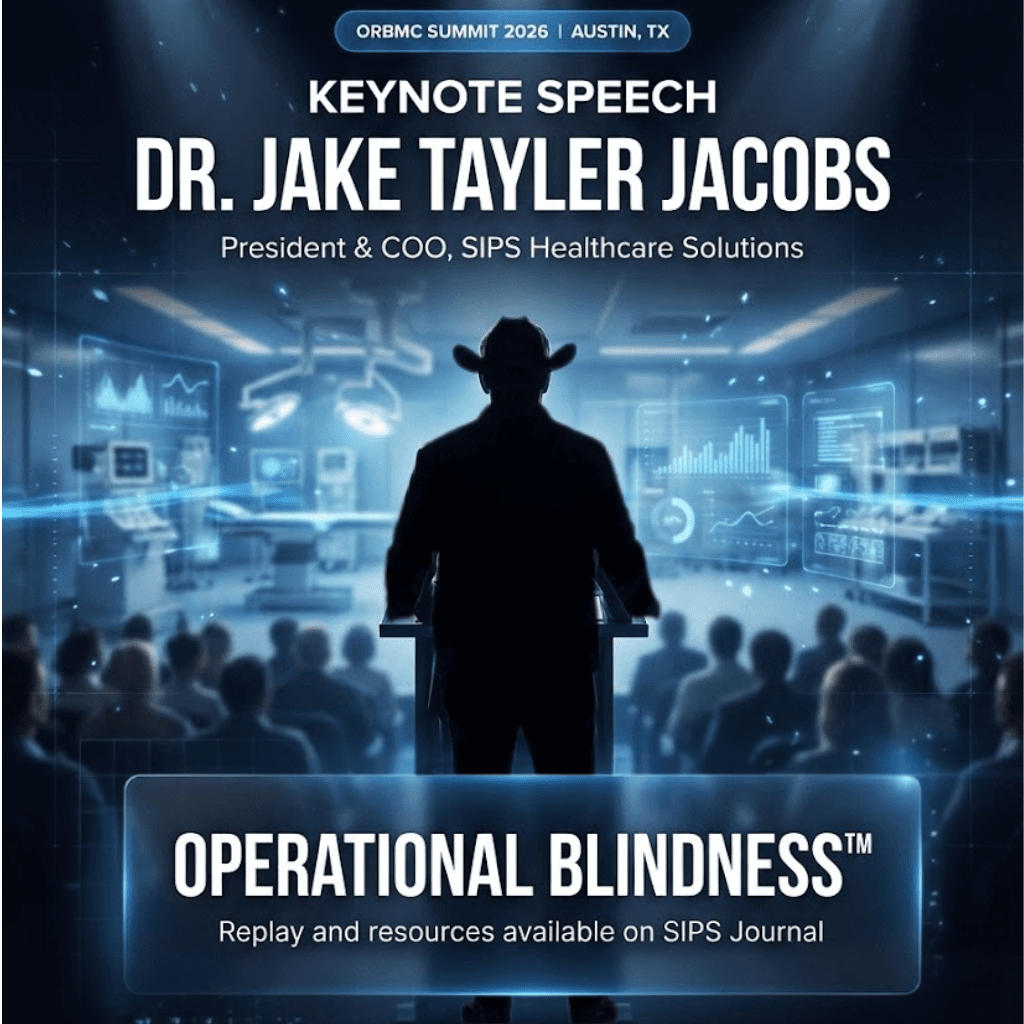
In short
Podcast Notes: Bred To Lead | Ep: 019 Reimagining Healthcare Staffing - Beyond the Quick Fix
Overview In this episode, Dr. Jake Tayler Jacobs, COO of SIPPS Healthcare Solutions, discusses the challenges of healthcare staffing, particularly focusing on temporary staffing versus outsourced integrated management. He critiques the quick-fix mentality prevalent in the healthcare industry and advocates for a more sustainable and holistic approach to staffing.
Key Themes
- Understanding the Staffing Crisis
- Temporary Staffing: Often seen as a quick solution for immediate staffing shortages but can lead to long-term issues.
- Outsourced Integrated Management: A more comprehensive approach that addresses the underlying staffing problems rather than just the symptoms.
- The Problems with Temporary Staffing
- Pros:
- Immediate relief during staffing shortages.
- Flexibility to handle unpredictable surges.
- Access to experienced professionals for short-term needs.
- Cons:
- High costs can impact budgets negatively.
- Lack of familiarity with specific protocols can lead to errors.
- Constant rotation can disrupt team dynamics and patient care.
- The Need for Integrated Management
- Holistic Approach: Involves analyzing operations, culture, and processes to create a sustainable staffing model.
- Cultural Transformation: Aims to develop a workplace where staff feel valued and engaged, thus improving morale and retention.
- Strategic Use of Temp Staffing
- Temporary staffing should be a tool, not a strategy.
- Focus on critical positions and use them to create breathing room for long-term improvements.
- Real-World Case Studies
- Case Study Examples: Dr. Jacobs shares impactful examples of hospitals that improved their operations and staff satisfaction by transitioning to integrated management solutions.
- Comprehensive Assessment: Importance of evaluating staffing challenges, turnover rates, and overall organizational culture to inform strategic decisions.
Recommendations
- Engage in Honest Assessment: Evaluate staffing challenges and analyze data regarding turnover and efficiency.
- Start Small: Focus on one area for improvement (ER wait times, OR efficiency, CSP errors).
- Involve Staff: Engage frontline staff in identifying issues and potential solutions.
- Celebrate Successes: Recognize and reward improvements to motivate staff and build momentum.
Conclusion Dr. Jacobs emphasizes that healthcare leaders must transition from reactive staffing solutions to proactive management strategies that foster a culture of continuous improvement and operational excellence. The episode ends with a call to action for listeners to rethink their staffing strategies and invest in long-term solutions.
Additional Resources
- Website: [Bred to Lead](https://www.bredtolead.com)
- SIPPS Healthcare: Visit [SIPPSHealthcare.com](https://www.sippshealthcare.com) for integrated management solutions.
- Next Step Leadership Program: A program aimed at fostering authentic leadership within healthcare organizations.
---
These notes capture the essence and discussions of the podcast episode, highlighting the critical challenges and solutions in healthcare staffing. The structured approach allows for easy navigation through the key themes discussed.
Written by AI. May contain mistakes. Listen to the episode to check what was said.
Transcript
Automatic transcript. May contain errors.0:00Welcome back, Bridge Builders, to another thought-provoking episode of Bread to Lead. I'm your host, Dr. Jake Taylor Jacobs, COO of SIPPS Healthcare Solutions, Principal Managing Partner of BizCo Capital. For those new to our community, I've spent my entire career as a corporate fixer, diving into struggling businesses, corporations, and now healthcare organizations, helping them transform their operations. Today, we're going to be tackling a topic that's been keeping health care leaders up at night. The strategic decision between temporary staffing and outsourced integrated management. Now, I know what some of you are thinking.
0:37Dr. Jake, isn't this just a fancy way of talking about whether or not to use travel nurses, travel technicians or professionals? Trust me, I understand your disposition. But bridge builders, this conversation goes much more deeper than that And it's not just about the nursing or the technicians We're going to be peeling back the layers on both of these approaches Looking at the good, the bad, and yes, even the ugly We'll explore how these strategies play out into three critical areas of hospital operations The emergency room, perioperative services, and central sterile processing By the end of this episode, I want you to walk away with a nuanced understanding of how these staffing strategies can either propel your organization forward or potentially hold it back.
1:29Let's get started.
1:48Now, now, now, now, now, bridge builders, you know the drill, you know the drill, but those that are newer to the community, you're not necessarily a bridge builder. Now, I just want to kind of give you a heads up of our podcast. Our podcast is not just a podcast where you have interviews back to back with people who are doing great things, although we will probably have that in the future. This podcast is more like a pod class. The objective of Bread to Lead is to give you the tools and strategies and also intellectual resources needed in order to drive and propel your organization forward. Whether you're in health care or you're not in health care, you can still have a get a lot of value from Bread to Lead, the podcast.
2:32Lastly, I used to be an educator, a teacher, so I'm big on the proponent of understanding this one thing. A dull pencil is always more consistent and more reliable than the brightest and sharpest mind, meaning you will remember more with a dull pencil taking notes than you will trying to memorize the information from this podcast. So let's start the podcast and get going. How about an applause?
3:04I know, I know, I know. So so we're going to start with temporary staffing. OK, it's the go to solution for many health care organizations facing immediate staffing shortages. And let's be honest in today's health care landscape, who isn't facing staffing challenges? My partner, our CEO and I, we literally did an American tour, city tour of all of our sites that our staff are currently where they're currently located or positioned to help start turning around a lot of perioperative departments as well as specifically central store processing. And we're kind of, you know, we went on this tour, especially with me.
3:48I'm newer to Sips Healthcare. I'm going on eight months now with the company. And I needed to get a grasp myself on what is going on in the field. What are people kind of feeling? What are leaders saying? I wanted to know for myself. So we conducted more than 150, 200 interviews with the leaders, with people that are our staff, that people that are staff with the hospital so that we can kind of figure out, you know, what's going on. And the truth is there is a staffing issue. issue. And although I'm not going to go into it on this podcast, but I think that the healthcare industry needs to do a better job at marketing why this is a good industry to get into, why the stability of a career that you can have.
4:32I think there's a lot of things that hospitals as well as the healthcare industry overall can do a better job at making this place a lot more desirable to want to partake in or want to participate in. But that's not the conversation of today's podcast. I want you to picture this, right? Just imagine, just imagine all the things that we could be. All right, I want you to imagine. I'm bringing you into a scenario, okay? It's flu season. Your ER is overflowing. And to top it off, three of your experienced nurses just put in their two week notice. Meanwhile, in periop, you got a sudden surge in elective surgeries as people make up for procedures delayed during a pandemic.
5:27And for those that don't know what periop is and you're listening to this podcast and you're not in the health care space, periop is perioperative services, which is before, during and after surgery services. So anything before the surgery, prepping for it during the surgery and post prep. This this is that's the department that handles all things surgery. And so you got it. You got a surge of elective surgeries, meaning these aren't primary surgeries or life changing surgeries, but these are elective surgeries that people are typically trying to get done. And in central sterile processing, two of your most experienced techs just retired.
6:12Panic sets in. What do you do? For those that don't know what central sterile processing is very simple. This is the department that readies all of the instruments and equipments that the surgeons need in order to perform the life giving surgeries. OK, so that's what's interesting process. So you have the ER, you have the before, during and after a department surgery for the surgery. And you have the instrumentation, a department that prepares the surgery. So imagine three of the I won't say the most important. I think every department in the hospital is important, but three of the primary departments that that are main drivers in revenue, as well as providers in, you know.
6:59Ensuring patients recover and live past whatever the ailment is a better, much more better, healthy life. This is the world that they're in. OK, it is a hot mess in all three departments. For many leaders, the knee jerk reaction is to call up a staffing agency and bring in temporary staff across the board. And you know what? In that moment, it does feel like a lifesaver. In that moment, it does feel like a lifesaver. You're able to keep your doors open, maintain patient care and give your permanent staff some much needed relief. It's like applying a pressure bandaid to multiple bleeding wounds.
7:46It stops the immediate crisis. But here's where we need to pause and think critically. Is that that pressure bandage? Is it really solving the underlying problem or is it just buying you time while the real issue continues to fester beneath the surface? For an example, someone like pressure bandage, Dr. J, what do you mean? Imagine getting cut, stabbed, deep wound or shot. You've got a pressure bandage that helps stop the immediate heavy bleeding so that you can be able to get to some help. But imagine never getting the help that you need and just keeping the bandaid on. Eventually you will bleed out and you will die.
8:29So the bandage for the moment seems good. The temp staffing for the moment seems great. It does bring some type of relief, but eventually you will have to deal with the problem at the root of the issue. So let's look at the pros of temp staffing, and I will tell you all this. I think all things are needed, but too much of the wrong of the thing that was needed in the moment can become very problematic for the organization long term. So, yes, as a company, we do ensure that you have professional temp staff that are there that can help turn around a problem that you have. But we always make sure that the hospitals and organizations that we help turn around know that, yes, we're providing relief.
9:19But there are underlining problems, underlying problems that have to be fixed or this will always be your solution. So let's look at the pros of temp staffing and the ER. flexibility to handle unpredictable patient surges. That's a pro. Immediate relief for overwhelmed permanent staff. That's a pro. Access to experienced emergency nurses who have seen it all. Pro. Let's talk about perioperative services. What's a pro? Ability to quickly ramp up staffing for increased surgical volume. Pro. Assess to specialized skills to complex problems. Yep. You got access to specialized skill sets for complex procedures that you may not want to hire them full time for.
10:10But boom, you bring a temp in, they know what they're doing, they can help with that issue and they're out. OK. Third thing for perioperative services, coverage for vacations or leaves without counseling surgeries. Perfect. People leave. You got coverage for those vacations. Patients, they come in for 13 weeks while people are kind of leaving. You get the surge, keep the surgeries going and they're out. Central sterile processing, quick replacement of retired or departed staff. Real quick, potential to bring in staff with experience in the latest sterilization techniques. So you have somebody that may have been coming from a new facility that know better techniques that can come into your older facility and really help drive some projects forward.
10:52cool and lastly a pro is the ability to handle increased instruments um instrument processing demands during higher high surgical volumes all of these sound
11:11they all sound pretty good don't they but now let's look at the other side of the coin We're going to take those same three departments and we're going to look at the not so good usage of temp staffing. In the ER. Temp staffing may not be familiar with your specific protocols in the EMR system and potentially leading to errors or inefficiencies. It takes time to get somebody into the wheel or the wheel, excuse me, of your system. Number two, high costs can quickly eat into already tight budgets. And the third thing, constant rotation of new faces can be disorienting for permanent staff and patients.
12:06So let's look at this for the ER. Yes, you did get help. Yes, they know what they're doing. Yes, they can come in and fulfill some things. But if your department or organization runs protocols and processes differently than they are used to, they're going to come into your department doing things that they're used to doing. You're going to still be doing the things that you normally do. And there's going to be conflict leading to errors and inefficiencies, thus making it not so good. But we talk about tight budgets all the time in a hospital system. Imagine paying two or three times for this one professional.
12:47And although they are good, they're eating at the budget. You thought that, hey, the budget can handle 13 weeks, but they end up there two years because there was no plan thinking in place of how we can actually integrate this top talent and lower our cost long term. And then third thing. Every time your current or permanent staff sees new faces come in and they know temp staffing, you know, you get paid more. They begin to start saying, hey, we know that we're going to get a surplus of temp staffing going to come in and we're going to make them earn their money. So the temp staff comes in and ends up getting a whole boatload of extra work because your permanent staff feels like, hey, that could be a break for me because I know for a fact they're going to be leaving.
13:32then I'm staying. Okay. Let's go look at the perioperative services, the cons, right? Lack of familiarity with your specific surgical teams and preferences can lead to delays and miscommunication. If your surge tech isn't familiar with the doctors, the surgeons, and say the surgeon likes things placed in a specific way, prepped and ready, and they're used to another surgeon's preferences that can cause distraction, miscommunication, and frustration for the surgeon who needs to save a life. So think about that. A lot of people think that surgeons are mean, rude, and some of them are, arrogantly so.
14:21But when you're saving a life, you don't have any room in your mind to be worried about where my instruments are placed. I want to know when I put my hand here, when I ask for it, when I reach here, it's going to be where I'm used to it being. I liking it to. Imagine something as simple as your keys. You put them in the same place every day. Then one day you put your keys down, your kids move it, your spouse moves it. Then you're running late for work or you're trying to be on time. Now you go and look for your keys and you cannot find your keys and you're late for an important meeting. You know, if you hit the highway within a five to 10 minute range, you'll miss all traffic.
15:07If you wait five or 10 minutes, you're going to be backed up and you're pressing the time. You're stressed out. You're upset. You're disgruntled. You become angry, temperamental with everyone around you. They're like, man, it's just keys. And in your mind, they're not just keys. They're the keys that can get me in the car that can get me on the road before there is a traffic jam so that I can be an important meeting so that we can close this deal. When you think about the anxiety that boils through your skin. For keys, imagine a surgeon's anxiety when it comes to an instrument and they need to help save a life.
15:48The second con of temp staffing In perioperative services Temp staff may not be as invested In long term quality improvement initiatives And they're like man I'm here for a good time Not a long time While you have your permanent staff They're really wanting to get the department right They want to win all the accolades for the department They want a better work environment Because they're going to be there 10, 20, 30 years They're going to be there 10, 20, 30 years Guess what? Can I tell you something? Can I tell you something? You have too many short term people in an organization you want to be long term in thought.
16:30You're going to have a bunch of errors, attitude, crappy culture. Yeah. And what seemed like a relief will now become a cancer. that's a bad place to be. And the third thing, potential for tension between permanent and temp staffing, especially in high stress OR environments. If that permanent staff knows that temp staff is not there for the long term and the temp staff is causing all of the ruckus, they're wanting to change the flows and the permanent staff knows that that person is not going to be here long enough to actually execute it. you're going to create in high, you're going to create tension in high stress OR environment.
17:21Now let's look at the cons in central store processing. Cause right now we're sounding like,
17:32listen, dessert is good. It tastes amazing in the interim. But if you eat dessert three times a day, like meal, like dinner. And that's the only thing that you eat. You subsidize that or you subsidize something like a little beef jerky to kind of get you through that little moment of hunger. But if you make that beef jerky a part of your life, you're going to end up bigger than a house. So short term remedies are great if you keep them short term, but you're working on a long term plan. So essential sterile processing, I got three cons to the third con and central sterile processing. I mean, the first one, excuse me.
18:19The first one is temp staff may not be familiar with your specific instrument set or tracking systems. You may be bringing a temp staff that's used to Starris's tracking system. And your facility has a SYNCO sonar tracking system. they're used to stairs coming to a sinko although they have the same tracking capabilities the flow and the structure is wrong they input it different at stairs than they do it at sinko before you know it there's an issue quality control can be challenging with consistently rotating staff it's hard to keep quality of anything if you get in a new rotation every 13 26 weeks it's hard Thirdly specialized The specialized nature of central Sterile processing work Means a steep learning curve For temp staff potentially impacting Efficiency So I know you're probably like God Dr.
19:22Jake What's going on I can already hear some of you Dr. Jake But Dr. Jake we don't have a choice We need staff on the floor Now And I get it I've been in those pressure cooker situations myself. And sometimes you do need the bandaid to stop the bleeding. Please believe me. Come to Sips Healthcare will help you stop the bleeding. But the difference between Sips Healthcare and other companies out there, the other companies want you to keep using temp staffing. Sips Healthcare wants to transition you into partnership so that we can, yes, we can solve your temp staffing needs with top level certified professionals.
20:04But after a certain amount of time, you keep rotating through temp staffing agencies. You don't have a culture. You don't have an organization. You don't have anything that can help build the bridge of your organization. Nothing. I think it's very important. I know you need to stop the beating, bleeding, but here's my challenge to you. bridge builders. What if we stopped thinking of staffing as a numbers game? What if instead of asking, how do we feel these shifts? We start asking, how do we create an environment where people want to work? And where we can deliver the best possible care. Oh, we got something to get into, but I have to go to my first commercial break.
21:03Bridge builders, are you tired of quick fixes that leave you worse off in the long run? At Sips Healthcare, we believe in building sustainable staffing solutions. Our integrated management approach goes beyond just feeling shifts. We're here to transform your operations. Visit sipshealthcare.com to learn how we can help you move from reactive staffing to proactive management. We got to get to proactive management, baby. We got to get to it because if we can get to proactive management, I'll talk to you guys about that later. Listen, back on what we talked about, we're talking about reimagining staffing right now.
21:42We want to reimagine it. Okay. This is where the concept of outsourced integrated management comes in. Now, I know outsource integrated management sounds like consultant talk. So let me break it down for you with a real world scenario. All right. Y 'all got your imagining glasses on? Just imagine, just imagine all the things that we could be. So we got it. We got to imagine. Now we're putting our imagine goggles on and I'm about to take you through a scenario. Imagine instead of just bringing in temporary staff to fill the gaps, but you partner with a company that took a holistic look at your operation.
22:28They don't just send you nurses or techs. They dive deep into your processes, your culture, your leadership structure. They work alongside you to optimize everything from staffing levels to workflow efficiency to staff development. I before we get into it, I know you're saying, Dr. Jake, I've been doing this for a long time. I don't really need any help. Dr. Jake, I just need some people that are willing to stay and work. Dr. Jake. I get it. But here's a hard truth. And I hope you still love me after I tell you this. A lot of leaders across all sectors that I've seen. they're great at the hard skills you get promoted by your ability to do the hard skills the technical thing but the soft developmental the process the the the the soft skills how to communicate how to talk how to build someone up how to develop how to train how to build programs how to create processes how to ensure efficiency how to build bonus structures and comp plans based on performance in delivering of quality service is not typically taught on the job.
23:47So, yes, you know how to do your job. But do you know how to translate that to all different types of people that have different types of upbringings that come from different places that may look just like you, but have a total different world experience? Are you able to create a culture where people love to come as a refuse to work versus they have to work for the life that they're not happy with?
24:15A lot of times when we look at humans in our organization, we look at them like they're machines. Without a heart. Like the Wiz, if I only had a heart. No, these are humans that are living their own world experience, seeing life through their own lens, dealing with real life problems while working and coming every day to be a part of a team that saves lives. When some of them feel like their lives are drowning right now. Does your organization look like an organization where people are coming happy to be there? or are they dreading to come in because they know they have to make some money to go home to take care of the stuff that they don't have an idea of how they're going to fix.
25:04That's leadership. And I'm sorry, you may be great at the technical skills. You may be.
25:14I used to be an athlete. I'm good at the technical skills of playing basketball. But I always had a coach. I always had a trainer. And in sports, your consultant is your coach and your trainer. They can see things off the court and on the court that you cannot see because you're in the game. And it's hard to be in the game and out of the game at the same time. Only the greats can do it. and respectfully you would know if you're one of the greats already so it's okay that's why we're here to help we want you to look great you just have to reimagine how you look at building an organization so let's look at how this might play out in our three key areas emergency ER, the OR, and central sterile processing.
26:16You ready? When the ER uses integrated management, it might involve implementing a data-driven staffing model that predicts patient surges based on historical data, whether patterns and local events. When you're in the weeds every day, You working, working, getting off, working, working, getting off. How often are you actually looking at data? How often are you looking back at the historical data of the hospital and seeing that there are surges in these little quarters or these periods every single time when this event comes? When the weather changes, how often? Okay, boom. So in my mind, I can build out a staffing model that curates positively toward that.
27:07Number two. Redesigning the triage process to improve patient flow and reduce wait times. Number three, developing a comprehensive training module or program for new hires to get them up to speed quickly and effectively. Most organizations, when we're hiring people, we're hiring them in a fire. Position we're burning, so we're bringing them into fire, into a burning position. into a burning house, expecting them to not only deliver at the top of their game, but also learn the processes, the culture and the people of the organization in what period of time? Let me give you a small truth. When someone's coming into a system, it takes them three months to get comfortable.
28:04Three months. It takes them six months to understand the processes. You got to understand it. It takes them a year to become efficient. They can do the job with minimal error. It take them 18 months in the same system with not a lot of changes to become proficient. Oh, they're on their game. And it takes 24 months for them to become a master in that space. So imagine someone who is not a top performer. Those those cycles go a little longer. So every time I'm bringing on someone new into my world and I'm asking them to get acclimated to the world, but I'm making them run at 100 miles per hour. The moment that they come in, of course, your organization is inefficient.
28:49Of course, there's disdain when people are coming in.
Read the full transcript
28:55But when somebody can come into your program and literally be walked in. so they can get their bearings, their fill around. Without the pressure of delivering a service, now we're being proactive in our ability to develop, create, and build a culture where people like to be. And the fourth thing in the ER, creating a mentorship program to support and retain experienced staff.
29:33mentorship program is important pairing up people and not just oh they have five years you're new go with them really understanding the personality connections and attaching people based on personalities okay let's go to periop the integrated management approach would include optimizing the scheduled process to balance surgeon preference with or efficiency to implementing a robust instrument tracking system that integrates with your CSP. Sonar with Asenko is a beautiful example of that. Developing cross-training programs so staff can flexibly move between pre-op, OR, and PACU as needed. And lastly, creating career advancement pathways to improve retention or skill staff.
30:23Can I tell you something? The reason that most people leave is not because of money. The reason that most people leave an organization is because the development stops. They no longer see value in the organization, which is why they're like, OK, I need to make more money because obviously the training is done. There's no more opportunities of growth. There are no development plans for my career. I can't see anything else. I have to get paid more because there's a cap. That's why with our next step leadership program that we build inside of organizations, we build career pathways. People should know like, hey, I'm learning this skill so I can master this.
31:03So I can put this on my resume so that I can be prepared and show them that I'm ready for this next move. The more proactive you are in the career pathway of these top talented people or people who have the potential to be talented. The longer they actually stay. So let's look at the same thing. and should just start processing. Redesigning physical layout of the department. There are so many departments that we go into where the layout is just a layout. Implementing a lean methodologies to reduce waste. I think a lot of people use, I'm noticing the lean methodology in healthcare just as a buzzword.
31:41But when you really look in organizations and you really talk to the people, they actually have no idea about the lean methodologies. Develop comprehensive training programs to ensure all staff are certified and up to date on the latest techniques, creating quality measures that go beyond basic checklists to ensure consistently that there are high standards. So let's look at the potential benefits of this approach. Comprehensive approach. Instead of just filling gaps, you're addressing systemic issues that can be causing those gaps in the first place. Expertise. You're tapping into specialized knowledge and best practices that might not exist within your organization.
32:22For an example, an integrated management partner, i.e. SIPs Healthcare, might have experience implementing successful ER, OR, CSP flow models in hospitals across the country. So being able to see that we can operate and we have operated in restructuring organizations all across the country, it means that we have a little bit more depth, knowledge, and experience to bring to your OR that your leadership team may honestly not have. There's a beauty of long-term staff people. Long-term staff professionals, they're loyal. They've been in your organization 10, 20 years, but that also is the problem.
33:04They've been in your organization 10, 20 years. They have not seen any other departments, flows, or structures to be able to judge how well their your department or their department is in comparison to. We can help with that. Operational efficiency by by optimizing processes. You might find you need less staff overall, reducing costs in the long run and periop. This could mean fewer counsel or delayed surgeries in CSP. It can mean faster instrument turnaround times and also could increase pay of staff. The more efficient you can make a department. The less people that you need because people love to show up and you have the right staffing number, the right flow, the right floaters.
33:56People really can get paid well. Without you having to break budget. But it takes planning to do that and scripture says to write it down and make it plain so that those who see it can run over it It also talks about do you not count the cost to build a tower for if you do not finish that tower Your friends and family will mock you and a lot of us unknowingly We build these towers these departments with these visions and these goals Without a clean clear plan So it's like we cut costs not to hire help only to pay triple quadruple the price because we didn't hire help in the first place.
34:44So this is something that we have to think. I want you to imagine building a department. It's like building a home. You're like, man, I could build this home myself, man. I can D. I could D.Y.I. you build the home yourself and you have nothing but structural issues you live in a house for a while it seems pretty good but then when the foundation shifts everything shifted so not only do you have to pay to demolish the foundation and build the restructure again you have to pay that plus a premium for the takedown and the build up in a shorter period of time than you had in the first place so you end up spending more money in the department by thinking shorter terms versus thinking long term and saying, how can we configure this thing to make it work?
35:27OK, staffing development. Every single process we talked about staff development. Many integrated management approaches that we use include robust training and development programs, which can improve retention, job satisfaction. This is particularly crucial in specialized areas like Periop and CSP, where skills are in high demand. Number five, cultural transformation. This approach can help shift your organizational culture towards one of continuous improvement in excellence. Imagine an ER where staff are consistently engaged in identifying and implementing improvements. Or imagine a CSP where you have a department that takes pride in this role as a crucial support for patient safety.
36:17Think about that. Think about having an organization where everyone is looking for improvements to produce. Man, that's an organization anybody will be breaking doors to get in. Number six, data driven decision making. Integrated management often brings sophisticated data, analytic capabilities and processes that will allow for you to make informed decisions about staffing, resource allocation and process improvement. Can I be honest with you? I'm gonna be honest. but I can only be honest if you're honest with yourself. We have people managing budgets in departments that are not good at managing budgets at their home.
37:02We have people managing staff that are good technically, but they're not kind people.
37:19You can be a specialist and be your way without managing a team. But you have to be a people's person to manage a team. You got to want the best out of your organization. And a lot of us are making gut decisions, man. I make my decisions on my gut. When your gut doesn't have enough data to pull from. Anytime you say I got that discernment, I have a gut feeling. The gut feeling is based on experiences that you've had before. For an example, this is going to sound morbid. So say I walk down an alley, maybe not morbid, but I walk down an alley. The alleys I grew up in, every alley is safe. Your children can walk down an alley at midnight.
38:03Nothing ever happens, right? But then I move to a new city. And everyone in that city knows do not walk down the alley after 8 p.m. It is a scary place to be. but you're coming from a place where the alley is safe. No harm is done. Your gut feeling when you're looking at that dark alley is not going to tell you don't walk down the alley. Because your experiences have told you nothing's wrong with the alley. Walk down, nothing to be afraid of. Until you walk down that alley and get your head busted. Now, every time you see an alley, even in the alley where you came from, the city you came from where your alley was safe.
38:44Now you're going to look down that alley and say, man, I got a gut feeling. Maybe I shouldn't walk down the alley alone. Maybe I should be on guard. Maybe I should pay attention, not be on my phone, or maybe I shouldn't walk down the alley at all. Is that gut feeling or is that experience? So when I'm making decisions that can ultimately affect an entire hospital systems budget that could save lives and change people. Ask yourself, is my gut feeling really the best. Decision for the hospital. Or should I enlist help to help me realize this gut decision with the data? it's very important so it sounds pretty good right it sounds great but let's not put a rose color put on rose color glasses because integrated management has its challenges too one is upfront cost implementing an integrated management approach often requires significant upfront investments and this can be tough to sell when budgets are already tight Disruption It's a big change And change is hard It can be disruptive It might face resistance from staff Who are comfortable with the status quo The third challenge Loss of control Some leaders worry about losing control Over their operations When bringing in outside management partners This concern can be particularly acute In clinical areas like the ER and the OR needing the control i want to be the one to say yes or no or do you want to be the one that creates an opportunity for the hospital to thrive and be can i tell you something i've seen this all across the world all across the world in every sector you can imagine in order to protect one's position people will sabotage opportunity in fear that it's going to make them look bad for opportunities to make something better.
40:59People will much rather sabotage the better to ensure the comfort of their position. When in fact, when you're the person that brought in the better, it actually makes you have a higher, to look like you have a grander vision and it makes you look actually smarter than you may or may not be.
41:24So a lot of people don't like change that's better. Because one, either they don't want to change themselves or two, they don't want to lose their position. And what happens 100 % of the time you end up losing both. Versus being the one that embraces the change, being the one that adds to the change. Now you're looking like a rock star because you're the one who helped bring it in. Cultural fit. If the outsource management team doesn't align well with your organization's value and culture, it can lead to conflicts and inefficiencies. This is especially important in health care where organizational culture can significantly impact patient care.
42:08And there's a difference between winning culture and friend culture. You have organizations that are clicked up and everyone likes each other, but the service is horrendous. that's not good culture then you have cultures where the production efficiency is great but everyone is tight as nails that's not good culture because people will be leaving in and out often you have to find a balance of liking and production that makes it all kind of click i remember um in college i had probably one of the most talented teams i've ever played with in my entire life. And we didn't win more than five games in the conference.
42:50The very next year, we had less team, but more culture where we trusted each other. We liked to be around each other on the court. We had our difference of lives off of it, but we loved being around each other on the court. We loved playing with each other and kicking it with each other. We won a conference. So imagine, one had a better team, but could not win more than five games. One had a lesser talented team, but won conference. Same coach, same core kind of players, different roster around the core players, but everyone was okay with their role. Versus the other team, everyone wanted to be the guy.
43:35Court of Fit matters. Number five, complexity. Implementing integrated management across multiple departments like ER, Periop, CSP requires careful coordination, strategy, planning, and can be complex to manage if you're dealing with organizations that are just saying they do integrated management, but don't really do integrated management. We're off to our second commercial break. Pod break, pod break, bridge builders. If you're ready to take your healthcare operations to the next level, you need more than just a staffing agency. You need a true partner in operational excellence. That's where SIPS Healthcare comes in.
44:19Our integrated management solutions are designed to transform your most challenging departments into centers of excellence. Visit SIPSHealthcare.com to learn how we can help you achieve sustainable long-term success.
44:37Guess who's back? Bridge Builders Whether you're facing an immediate staffing crisis Or looking to transform your operations for long-term success Simps Healthcare has the solutions you need Our team of healthcare management experts Can help you navigate the complex decision Between temp staffing and integrated management Don't let staffing challenges hold your organization back Visit simpshealthcare.com or call 972-572-1988 in extension 107 to speak with one of our experts today. Enjoy the rest of the podcast. So bridge builders. We've laid out. The pros and the cons of both approaches. But here's the million dollar question.
45:22How do you decide which approach is right for your organization? Well, like most things in health care, the answer is. It depends. It depends on your specific situation. Your long term goals, your organizational culture. And your resources. Let's break it down with some scenarios. You know what we do? Just imagine. Just imagine all the things that we could be. imagine all the places we can go and see imagination's fun for you and me so you got your imagination goggles on all right here's the scenario one the crisis er you're a mid-sized community hospital your er has been struggling with long wait times high left without being scene rates.
46:21You've had several experienced nurses leave recently. Impatient satisfaction scores are plummeting. You're considering bringing in travel nurses to fill the gaps. Analysis. The pros of temp staffing, quick solution to staff shortages, potentially reducing wait times in the interim. The cons of temp staffing, high cost potential for inconsistent care, doesn't address the underlining issue that's causing the nurse turnover. the potential for integrated management. It could address root causes of turnover, implement process improvement to reduce wait times, and create a more sustainable staffing model.
46:59The recommendation, while temp staffing might provide immediate relief, this situation calls for a more comprehensive approach. The reoccurring staffing issue and operational challenges suggest deeper problems that integrated management actually could address. That's scenario one. Scenario two. The expanded surgical service your hospital has recently recently invested in a new robotic surgery surgery system and is expanding its orthopedic service line. You're anticipating a significant increase in surgical volume, but are concerned about having enough specialized OR staff to meet the demand. Here's the analysis.
47:41The pros of temp staffing. Bring in staff with experience in robotic and orthopedic surgeries, allowing you to ramp up your services faster. The cons of temp staffing. High cost, potential for inconsistency in an area where teamwork and familiarity are crucial. Three, potential for integrated management. You could develop a comprehensive staffing and training plan to build internal capacity, optimize OR scheduling to maximize efficiency and create a culture of excellence in the new service lines. Here's the recommendation. A hybrid approach works best here. Using temp staffing to meet immediate needs as you ramp up, but simultaneously implement an integrated management approach to build long term capability and efficiency.
48:29And before you know it, that scenario, too, you're going to be looking. like a star. Now, scenario one was fully integrated management. Scenario two was a hybrid of both. Let's fix the temporary issue, but let's work on the long-term plan. Now, scenario three, the struggling central store processing department has been a pain for years. Turnover is high. Errors are increasing. You're facing pressures from surgeons about instrument availability and quality. You're considering outsourcing the entire department. Here's analysis. Pros to temp staffing. It could quickly fill vacant positions and potentially bring in experienced techs.
49:19The cons of temp staffing. It doesn't address underlying quality or process issues, potential for even more inconsistency in the department. Potential for integrated management could overhaul processes, implement robust quality control measures, provide comprehensive staffing and create career development pathways to improve retention. Here would be a recommendation. This situation screams for an integrated management approach. The longstanding issue suggests systemic problems that won't be solved merely filling vacant positions because odds are they've done that before. a comprehensive overhaul of the department could transform it from a liability into a center of excellence so we will recommend integrated management and through integrated management we can hybrid it with temp staffing but at least now we have a plan to fix the long-term issue scenario four you have a central sterile processing department it's historically been known to be run well you have a short period this year where it seems like high turnover rates are high staff the surge uh i'm sorry uh uh turnover rates are high surgical rates have increased dramatically it's easier to see that maybe the increase in surgery but not the adjustment in staff is what's causing the high turnover rate burnout so what do we have to do we get temp staffing in there the pros of it we knock it out the cons is pricey but if we can knock it out to determine how many people that we need.
50:50Now we put an integrated management plan in place so that we can build a development plan into the organization to be able to feel the organization staff to match the volume of surgical growth. Or if this is just a seasonal thing, we know that we're going to ramp up the seasonal in the season. We're going to ramp it up. So we already know. But so that we don't deal with burnout and turnover with our current organization, they know SIP seals are coming in every time during this period. They're going to run it for it. They're going to run it. They're going to help us get there. They're going to make sure the organization and the projects are intact.
51:30So when they leave out during this high volume season, we're not left with the mess of cleaning up what they left behind and everything works out. Y 'all see how that works? Now, let's talk about how you can apply this thinking to your own organization. Here's a framework I often use when advising healthcare organizations on this decision. Okay. You want to assess the nature of your staffing challenges. Are they truly short-term or are they symptoms of deeper issues? Look at your turnover rates. Are they higher in certain departments or roles? Analyze your overtime in agency usage. Is it concentrated in specific areas or spread across the organization?
52:11Lastly, review exit interviews. Are there common themes of why people are leaving? OK, after I get that, I want to dive into your data, your story. What story do the numbers tell in the ER? Look at metrics like wait times left without being seen rates in patient satisfaction scores. In Periop, analyze first case on time starts turnover times in case cancellation rates in CSP. look at instrumentation turnaround error rates or end or delays due to instrument issues thirdly we want to consider your culture are you ready for transformative change or do you need to do some groundwork first assess your leadership team appetite for change are they open to new approaches that's a question if they are not integrated management is going to be hard you have to think about either replacing them or moving without them or being okay with the fact that, hey, they don't want to change right now.
53:09It's going to be hard for them to change. And we don't have the strength to muscle through their disgruntled behaviors, knowing that things need to change. Or are you at the point where you're like, hey, everybody can go if this department can operate better. That's the case. Let's move on. You want to gauge your staff's level of engagement. Are they frustrated with the status quo or resistant to change? Then I want to look at your track record with previous improvement initiatives. What's worked, what's didn't work? When something new was brought into the organization, how long did it take them to get comfortable with using it?
53:42That's going to be our average start time. So we say integrated management. Typically, it takes about six months for our staff to get comfortable. So that means that in six months we don't do it. We don't need to do a lot of big changes. We just need to do small changes, fixing the small little projects so they can see that we're on their same team and then slowly start working our way into completely changing the department one piece at a time. The fourth thing you want to do, you want to evaluate your resources. Do you have the financial and operational capacity to implement a comprehensive management overhaul?
54:14Consider not just the direct costs, but the time and effort required for your team. Look at your current improvement initiatives. Do you have the bandwidth to take on something new? Assess your internal expertise. Do you have the skills in-house to drive significant change? If so, you'll be able to hire SIPS as an advisory firm that can advise your team and staff on how to execute. Although we would always recommend our specialists come in and handle a lot of the heavy projects while we're advising your team and your staff on the other things that probably need to be placed and helped out. I think it's very important that we understand this because it helps.
54:50And then when it comes to resources, a lot of times with integrated management, it depends on how your model, how the model is. Some hospitals completely give us the budget and we handle everything, which is fine. we can handle it. Some say, hey, we're just paying you for your service. We'll pay your piece, but we still want to pay our staff and then your staff will cover it with whatever the retainer is. So it just kind of depends on what the flow is. Five, you want to think long term. First of all, how long are you going to be there? If you're not going to be there long, you think about leaving, that's probably why temp staffing sounds good to you.
55:20You just want to fix the problem so you can move on to get a higher promotion. But one thing I will tell you, the more you stay in a situation to turn it around, the better your next promotion will be. I see a lot of people that make lateral moves from manager to manager to manager to manager for 10, 20 years. And there's no issue with that. I have no problem with it. I promise I don't. But you're going from one situation that's the same to another situation that's the same. And the moment that challenge happens or change wants to make, you go to another one where you're comfortable being able to operate.
55:48If you really want to make leaps and bounds in your promotional track, having a history of turning around departments and building true structure inside of it builds up your catalog. So when you're negotiating for promotions or moving to other organizations, you're moving not laterally with a couple of 10,$20 ,000 a year raves, you're moving up the chain. That's important. For long term, where do you want your organization to be in five years, 10 years? Which approach aligns better with that vision? Consider your strategic plan. How do your staffing and operational challenges align with their long-term goals?
56:28Think about your market position. How might improving operations in key areas like ER, periop, or CSP enhance your competitive advantage? Consider the changing healthcare landscape. How might future trends in areas like value-based care or technological advancement impact your staffing needs? Remember. This isn't an either or decision. Many organizations find success in a hybrid approach, temp staffing to address immediate needs while simultaneously implementing more comprehensive management solutions for long term success. and some try to do it with two different companies. It's hard doing that with two different companies when they have different philosophies.
57:15That's why inside of SIPPS Healthcare, we do both. People know us for our temp leaders, technicians, specialists that we bring in. And then other companies, other hospitals know us for our ability to do both. We should be able to intertwine outsourcing integrated management with the temp staffing so that we can be able to ensure the organization as a whole is good. Because guess what? That temp relief does bring relief. So we do want to bring relief. The issue is after the relief, the pain is still there. Let us fix the pain while providing relief. That in itself will help the organization operate in a much more efficient, profitable and profitable margins to ensure that everyone is winning.
58:03OK, we're going to go to our third commercial break. I'll be back. Guess who's back? Bridge builders. Whether you're facing an immediate staffing crisis or looking to transform your operations for long term success, since health care has the solutions you need. Our team of health care management experts can help you navigate the complex decision between temp staffing and integrated management. Don't let staffing challenges hold your organization back. Visit simshealthcare.com or call 972-572-1988 and extension 107 to speak with one of our experts today. Enjoy the rest of the podcast.
58:46listen listen listen linda let me tell you something um if you're getting value from this podcast what i want you to do right now follow the podcast like my son said i'm gonna play it one more time follow our podcast um share this episode out right now right now if you're receiving value you've listened all this far, share the episode right now. As you guys know, some of you all may know and may not know, our podcast is currently ranked number between number 30 and 34 in the entire country in business leadership podcast. And we're ranked 150 something in top of podcast, all categories, all categories, which means the value is good.
59:35And I hope that you're receiving amazing value from this podcast today. So please share, please like, please subscribe, please continue to come back to get better. And lastly, go and get our book bread to lead. It's on Amazon. It can be to you in a day or two. Go get bread to lead by Dr. Jake Taylor Jacobs, T-A-Y-L-E-R-J-A-C-O-B-S bread to lead by Dr. Jake Taylor Jacobs and get a couple of copies for your organization. Start there. If you're thinking about bringing SIPs on, you're not sure, start with the book and the podcast. When you start seeing the temperament of your leaders change, you know that, okay, we're ready for SIPs integrated management.
1:00:17If not, trust us with your temp staffing and we'll be fine. So listen, like it, share it out. If you're not in the healthcare space and you're getting value from this training anyway, this podcast, please, please, please, please, share, share, share, share, share so that we can continue to expand our reach and our people. Okay.
1:00:40So I wanted to have you imagine again one more scenario for the podcast. Just imagine, just imagine all the things that we could be. Imagine all the places we can go and see. Imagination's fun for you and me Do you got your imagination goggles on? Let's hit the scenario
1:01:08Working with a large urban hospital It was struggling across All three areas we discussed today ER, periop, and CSP They were hemorrhaging staff Patient satisfaction was tanking And they were losing market share to competitors Their initial instinct was to throw money at the problem. Offering a huge sign on bonus and bringing in waves of travel nurses and techs. And yes, this did stop the immediate bleeding. They were able to keep their doors open and maintain services.
1:01:50But six months in. They were in worse shape. Than when they started. Why? Because while they had bodies in place, they hadn't addressed any of the underlining issues causing their problems. Staff morale was at an all time low because permanent staff felt like second class citizens compared to the highly paid temps. Errors were up because of the consistent churn of new faces who aren't familiar with the hospital system and culture. and their cost skyrocketed, putting them in a curious financial position. That's when they decided to take a step back and reconsider their approach. They brought in an integrated management partner, SIPs, to do a comprehensive assessment of their operation.
1:02:42Here's what they did. In the ER, implementing a new triage system, reduced wait time by 30%, developed a mentorship program that improved retention of new nurses, created flex staffing model that better match staff staffing to patient volume. Can I tell you something? There's nothing worse than bombarding a new employee with old employee pressures. Imagine a baby coming into this world. Yes, they're going to have real responsibilities one day. But if you immediately make them start doing grown folk duties, imagine your child. Yes, they know how to put a couple of things together, but then making them happen to pay rent, the entire rent.
1:03:30It's what a lot of organizations look like when we're bringing in new people into our system. Imperial operative services. They overhauled the scheduling process, improved OR utilization by 20 percent. implemented a cost training program that improves staff flexibility and got rid of people that did not want to assimilate. We developed a leadership training program for charge nurses, improving communication and problem solving and central processing. We redesigned the entire physical layout of the department, implemented a comprehensive training program, reduced errors by 50 percent and created a career ladder program that improved retention of experienced techs, i.e.
1:04:10our NextUp Leadership Career Pathway Program, where we're building up our three-phase leadership standard. Here's one of the curriculum, leadership standard. And with every step that they learn, every new 26 weeks that they're a part, they're 26 weeks in the program, then they got to spend 26 weeks implementing and mastering what they have, what they learned in a program in order to get into the next one. This is how it works, okay? They didn't eliminate temporary staffing entirely. They still used it strategically to handle volume fluctuations and cover leaves, but it became a tool in their toolkit, not the entire strategy.
1:04:52A lot of organizations fail because they make temp staffing the entire strategy and not a tool in a toolkit that fluctuates in covers as it's supposed to. It becomes your business model and not a piece that services your long term model. The result within a year, they reduced their reliance on temp staffing by 60 percent. Staff turnover dropped 40 percent. Patient satisfaction scores improved across the board. And despite the upfront investment in the integrated management approach, their overall costs decreased as they eliminated the premium pay for temp staffing and improved operational efficiency.
1:05:31But perhaps most importantly. They changed the culture. Instead of an environment of constant crisis and turnover, they created a culture of continuous improvement where staff felt valued and engaged in making things better. I know some of you are thinking, Dr. Jake, that sounds good, but my hospital is different. We don't have the resources for that kind of overhaul. And I get it. Every health care organization is unique with its own set of challenges and constraints. But here's the thing. Bridge builders doing nothing is not an option. The health care landscape is changing rapidly. Organizations that don't adapt will be left behind.
1:06:16So let's talk about how you can start reimagining your staffing. Strategy, no matter what your current situation is. First, start with an honest assessment. Take a hard look at your ER, peri-op, and CSP departments and ask yourself, what are our biggest pain points? Is it staff turnover, process inefficiencies, quality issues? How much are we currently spending on temporary staffing? Not just the direct cost, but the hidden costs like onboarding time, potential areas, and impact on team dynamics. And what's our long-term vision for these departments? Are we just trying to keep our heads above water?
1:06:58Or do we want to become centers of excellence? Once you've done this assessment, start small. You don't have to overhaul everything at once. Pick one area to focus on. Maybe it's reducing ER wait times or improving first case on-time starts in the OR or decreasing errors in CSP. And let's break down how you might approach each of these. Reducing ER wait times. Data analysis. Start really digging into your data. When are your peaks? What types of cases are causing the longest waits? Process mapping. Map out your current patient flow. Where are the bottlenecks? Staff input. Talk to your frontline staff.
1:07:42They often have insights that aren't visible in the data. Quick wins. Identify some quick wins. Maybe it's adjusting your triage approach. or changing how you staff certain shifts. Pilot and iterate. Try some changes on a small scale. See what works and what doesn't. Then refine and expand. Improve first case on time starts. Recall analysis, what's causing the delays? Is it patient preparation, staff availability, or equipment issues? This isn't just about the OR team. Engage with surgeons, anesthesia techs, pre-op and even CSP. Get engagement from the stakeholders. Standard work. Develop standard workflows for pre-op preparation and OR setup.
1:08:34Accountability. Implement a system for tracking and addressing delays and celebrate success like your life depends on it. Recognize and reward improvements to build momentum. Now, let's talk about decreasing areas in central sterile processing. Error Tracking. Implement a robust system for tracking and categorizing errors. Training needs assessment. Identify gaps in staff knowledge or skills. Process Improvement. Use lean methodologies to streamline workflows and reduce opportunities for error. Quality Checks. Implement additional quality check points and the sterilization process. feedback loop.
1:09:11Create a system for quick feedback between CSP and the OR to catch and address issues quickly. Now you might be thinking, Dr. J, this sounds awful. A lot like that integrated management approach you were talking about. And you're right. The principles are the same. It does sound an awful lot like the integrated management approach that I was talking about. The difference is that you're starting on a smaller scale using internal resource. And here's the secret. Bridge builders. Scripps, it says, never despise small beginnings. Starting small like this can actually make it easier to get buy in for a more comprehensive approach later on.
1:09:57When you can show concrete improvements from these focused efforts, it becomes more easier to make a case for a broader change. So a lot of times when organizations bring us in, they bring us in as like advisory. with our project specialist that can help fix the little small projects to make the organization better. And as people get used to us being there, they see the continuity and the flow getting a lot better. They see the culture slowly changing. It's a much better way to then go and present to your upline why a big overhaul is needed because a small doses of tests have been proven. But let's address the elephant in the room.
1:10:37What about the immediate staffing needs? How do you balance these long term improvement improvement efforts with the need to have nurses in the ER, techs in the OR and staff in the CSP right now? This is where strategic use of temp staffing comes in. The key word here is strategic. Instead of using temp staffing as a bandaid, use them as a bridge to your long term solutions. Here's how. Be selective. Instead of bringing in temps for every opening, focus on critical positions that you absolutely cannot leave vacant. Prioritize quality. Don't just go for the first available temp. Look for staff who have the skills and expertise and experience that align with your long term goals.
1:11:25Integrate and educate. Don't treat temp staff like outsiders. Integrate them into your team and include them in your improvement plan. They might bring valuable insights from their experiences at other facilities. Use temps to create breathing room. If you bring in tips, a temp staff to fill gaps, use the breathing room to work on long term improvements. Maybe that means freeing up an experienced nurse to work on process improvement or giving your permanent staff time for additional training. Consider temp to perm. Look for opportunities to convert high performing temp staff to permanent positions.
1:12:02This can be a great way to try before you buy and find staff who are a good fit for your culture. I'm going to give you a real world example. We consulted a midsize community hospital that was struggling with their essential store processing department. They had high turnover, frequent errors that were causing delays in OR. The first instinct was to bring a bunch of temp staff techs to fill the gaps. but instead we took a more strategic approach. We brought in just two highly experienced techs but instead of just having them process instruments we leveraged their expertise. They helped us assess the current processes and identify improvement opportunities and mentor existing staff.
1:12:44We used the breathing room provided by the temp staff to send our permanent staff for additional training and certification. We engaged the entire team including the temp staff and process improvement initiative. We mapped the current state and identified bottlenecks and implemented lean methodologies to improve flow. We worked with HR to develop a career ladder for CSP techs, creating opportunities for advancement in health with retention. We implemented a robust error tracking and quality control system. The result within six months, errors were down 40%. Turnover had decreased significantly and delays to the ORO.
1:13:20And here's the kicker. By the end of the year, they actually needed less staff than when they started because their processes were so much more efficient. Now, I'm not saying this approach is easy. It requires commitment, creativity and willingness to change the status quo. But the payoff can be enormous, not just in terms of operational efficiency, but in staff satisfaction and most importantly, patient care. So Bridge Builders, as we wrap up today's episode, I want to leave you with a challenge. Take a hard look at your staffing strategy, particularly in areas of ER, OR, and your CSP. And ask yourself, are we just filling gaps or are we building for the future?
1:14:04Are we leveraging our temp staffing strategically or are we using them as a crutch? Are we addressing the root causes of our staffing challenges or just treating the symptom? And lastly, are we creating an environment where people want to work or are we trapped in a cycle of turnover and temporary fixes? Remember, in health care, we're not just moving widgets or maximizing profits. Every staffing decision we make impacts patient care, staff well-being and ultimately the health of our communities. We owe it to ourselves, our staff and our patients to think beyond the quick fix and build sustainable solutions.
1:14:47It's not easy. It requires courage, vision and a commitment to playing the long game. But I believe in you, Bridge Builders. I've seen firsthand the incredible transformations that can happen when health care leaders dare to reimagine their approach to staffing operations. You have the power to create healthcare organizations where staff are engaged, processes are efficient, and patients receive the highest quality care. It starts with the decision to move beyond the temp staffing treadmill and embrace a more comprehensive, integrator approach to managing your workforce and your operations. As always, I'm here to support you on your journey.
1:15:33And on our next episode, we'll be diving deeper into specific strategies for creating a culture of continuous improvement in health care. You won't want to miss it. Thank you for tuning in to another episode of Bread to Lead. Don't forget to subscribe to our podcast to ensure you never miss an episode. and for those bridge builders ready to embrace authentic leadership, check out our Next Step Leadership Program at Sips Healthcare. It's time to invest in your future and become the genuine leader your organization needs. Wait, before you go, let's shine a spotlight on our partners at Asenco. Asenco is revolutionizing surgical asset management with their innovative sonar system.
1:16:20As the first surgical asset management platform built for operational efficiency and quality across every department, Ascenco is helping health care organizations optimize their surgical operations with transparency and integrity. Visit Ascenco, A-S-C-E-N-D-C-O dot com to learn how sonar can transform your surgical asset management. Until later. Peace. Back-up!
From the publisher
Is your healthcare organization caught in the endless cycle of temp staffing? Are you tired of putting out fires in your ER, Periop, and CSP departments? In this explosive episode of 'Bred to Lead,' Dr. Jake Tayler Jacobs, renowned corporate fixer and COO of SIPS Healthcare Solutions, rips apart the band-aid approach to staffing and exposes the hidden costs eating away at your bottom line.
You'll discover:
- Why your 'quick fix' might be slowly killing your organization
- The shocking truth about outsourced integrated management that no one's talking about
- A revolutionary framework for decision-making that could save your hospital millions
Plus, Dr. Jacobs shares a real-world case study that transformed a struggling hospital system - and it's not what you think.
Whether you're a CEO, CNO, or department leader, this episode will challenge everything you thought you knew about healthcare staffing. Warning: This content may cause severe rethinking of your current strategies.
Don't miss this game-changing episode. Your staff, your patients, and your bottom line can't afford for you to skip this one. Tune in now and start breeding your organization to lead!