Ask ChatGPT
 Broken Record with Rick Rubin, Malcolm Gladwell, Bruce Headlam and Justin Richmond
10 Nov 2026 · 1h 17m · 30 chapters
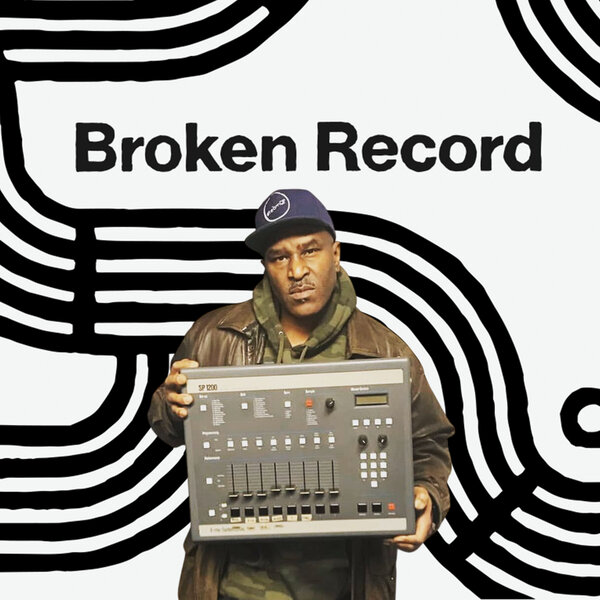
Easy Mo Bee discusses his evolution from “looping” samples to “chopping” and multi-pitch sampling, how legal/sample-warning pressures shaped his style, and how his production work connected to major hip-hop and R&B records (Big Daddy Kane, Craig Mack, Biggie, Tupac, Miles Davis).
The episode features only one named guest/speaker: Easy Mo Bee (hip-hop producer). The host is Jacob Goldstein (iHeart Podcast host). No other guests are clearly identified in the transcript.
Brooklyn-based producer who worked with Bad Boy/Uptown-era artists and later with Death Row/Tupac; known for SP-1200 and Akai sampling techniques, bass-heavy, speaker-focused mixes, and guitar-forward sample chops. He also plays drums and cites disco-to-house-to-hip-hop listening and his father’s eclectic record collection.
Written by AI. May contain mistakes.
Discussion on the early history of sampling in hip-hop and Easy Mo Bee's influences.
“The Chase mobile app is available for select mobile devices.”
Easy Mo Bee discusses his early career and the development of his sampling technique.
“So you were saying, I never thought about this, that who was the first to sort of chop samples.”
Details about a pivotal meeting at Rush Producers Management that influenced his style.
“So she comes on the phone, and, you know, I'm all shy and green.”
Exploration of Easy Mo Bee's unique approach to sampling and music creation.
“I think maybe the closest thing was, and I have heavy admiration for them always, was like the collages that the Bomb Squad used to create for the Public Enemy records.”
Learn about the innovative sampling techniques and musical layering used by Easy Mo Bee.
“So I got the multi-pitch thing, or I will do like a special chop.”
Discover how Easy Mo Bee created impactful music with limited equipment in his early career.
“I'd look and they got a rack mount, all this outboard gear and stuff.”
Understand the significance of sound systems in music and how it influenced Easy Mo Bee's style.
“And the mobile DJ thing is just something that I became obsessed with because it was about the music, but it also was even more about the system, the sound system thing.”
Explore how Easy Mo Bee's father's diverse music collection shaped his musical knowledge and style.
“We actually used to record in the same studio in New York, in Brooklyn, a studio called Such A Sound.”
Discover the thematic connections between blues music and modern hip hop, especially in the works of Tupac.
“Talking about those deep Delta blues, man.”
Explore how rap music mirrors the blues and the evolution of its themes.
“I ain't paid attention to that in years.”
Discuss the importance of inspiration and quality in music creation.
“So you just turn that around and get that feel.”
Reflections on Craig Mack's duality as a serious artist and comedic persona.
“He was real lyrical and, in a sense, comedic at times.”
The importance of health awareness among aging hip hop artists.
“and I never heard from him again, and then I found out they were on an album that was being sold overseas.”
Insight into the beginning of Biggie Smalls' journey and relationship with Puff Daddy.
“so many people a lot earlier yeah than we're supposed to yeah yeah i'm always happy when i see people like uh um i feel like nas is like a pretty good example of someone who's he's setting the tone.”
A discussion about the tension between Easy Mo Bee and Puff Daddy regarding credits.
“I opened up the floodgates for him on his label.”
Explore the transition in Biggie's music from gritty to commercial.
“and for me i just wanted to tweak the track a little bit to make it sound a little bit different that's where you hear like a little bit of rose keyboard and some guitar stabs that weren't in the original.”
Learn about the creative process behind the iconic track 'Going Back to Cali'.
“I found out from a manager that I had back at that time that, because I asked him, I see you in L.A., what is that record at the house parties, that joint, that L.A.”
Hear personal reflections on the impact of Biggie's death and his legacy.
“wasn't receptive to that record, especially because Biggie did the song, then they would not have played it at all.”
Discuss Tupac's recording process and album release strategy.
“Before the conflict happened, did you, did you, um, Were you listening to music coming from here?”
Explore the clever strategy behind distributing songs across various albums.
“Then he took the straight balling that we just spoke of, and he put that on the Thug Life album.”
Learn about the collaborative process and contributions made to the Temptations track.
“I think the only two that I actually knew about were the two Temptations.”
Discover how innovative sampling techniques were used in hip-hop production.
“were you happy with how your songs fit into the larger project?”
Dive into the creative process behind Miles Davis' last album, Dubop, and its unique title.
“And all the other things that surrounded the track.”
Understand the recording process and studio dynamics when working with Miles Davis.
“By the time we got our deal in 1990, the album actually came out in 91 on A &M Records.”
Uncover the one-take recording philosophy shared by Miles Davis and Tupac.
“But we never recorded in Studio B in the room that I took over.”
Explore the similarities in recording techniques between Miles Davis and Tupac Shakur.
“So Dubob's song was one of the first songs that we recorded.”
Discuss the critical reception of Miles Davis's work and its evolution over time.
“But it was all in-house, and it was natural if they would work together because Miles was on Warner, straight up Warner Brothers records, and Prince's label, Paisley Park, was under Warner.”
Understand Miles Davis's approach to music and his rejection of conventional expectations.
“He was trying to figure out, like, what are you doing?”
Learn about Easy Mo Bee's experiences in the music industry and his new memoir.
“So I just came from New York doing a small mini book tour.”
Hear reflections on the interview experience and the importance of storytelling.
“Do you, in the book do you get into Shimmy Shimmy Ya?”

Get the gist, explore an idea or ask about something said.
 Claude
On Broken Record with Rick Rubin, Malcolm Gladwell, Bruce Headlam and Justin Richmond, what are the key points of this episode?
Searching your listeningAutomatic transcript. May contain errors.
0:00This is an iHeart Podcast. Guaranteed Human. This is Jacob Goldstein. When you're a business owner interested in expanding to new markets, there's a lot to consider and countless questions to answer before making the call. The most important one being, are you ready? That's where ChatGPT comes in. Give it a goal, add your files, and ask Chat to help you map out different scenarios for the future of your business. So when growth is on the table, you've got an expansion plan ready to implement. Get started today at chatgpt.com.
0:58This podcast tells the stories that came before it. Listen to Before the Moment, a Lincoln Original Series, on the iHeartRadio app, YouTube, or wherever you get your podcasts. Being a small business owner isn't just a career. It's a calling. Chase for Business knows how much heart and effort go into building something of your own. Manage all your business finances, from banking to payments to credit cards, all in one place with their digital tools. Plus access online resources designed to help your business thrive. Learn more at chase.com slash business. Chase for business. Make more of what's yours.
1:35The Chase mobile app is available for select mobile devices. Message and data rates may apply. JPMorgan Chase Bank, N.A. Member, FDIC. Copyright 2026, JPMorgan Chase and Company.
1:54Pushkin.
1:59So you were saying, I never thought about this, that who was the first to sort of chop samples. Well. That you were kind of the originator of that, chopping, like getting a sample and chopping it up. Now something that I paid close attention to in the early part of my career as far as samples and the technique that I was using to sample. First of all, I'll tell you how I got to the place of the chopping style that I was using. In 1990, and this is in the book. Yeah. I talk about it. Iconic beats. The only thing I had under my belt was Big Daddy Kane, the two songs on his second album. Which, another victory.
2:45And Calling Mr. Welfare. Which are classics. Featuring cool DJ Red Alert, one of my favorite DJs ever. I had that and I had the Genius, Words from the Genius album. I did 10 songs and then my brother, LG Experience, he did four. Wow. And Jesse West did the lead single. So I only had Big Daddy Kane and that under my belt. You know, I come in in 1989. Right. So somewhere around 91, I had a meeting at Rush Producers Management. Because Rush had an artist management division, and then Russell created a producer management. division. Which always was confusing because sometimes you'd feel like, was that Def Jam or was that Rush?
3:38You know, like Run DMC was Rush but not Def Jam. Well, it all came from Russell Simmons. Yeah. And how I got there is I quit my job. I was working at Con Edison in New York and February at the top of February 1990 I had been going back and forth about it in my mind but I finally resigned and decided i was going to take the music up uh full time so one day i'm in the house somewhere around noon and i just got the idea i was like yo you only got cane and the genius under your belt you got to keep this thing going or you're gonna fizzle out so i always admired rush management and just Russell Simmons Def Jam, that whole circle at that point in time.
4:35And at that time, if you wasn't quote-unquote, like he said, rolling with Rush, you wasn't rolling at all. So everybody was over at Rush, so I said call 411. Who else was there on the management side, on the production side? In the production division? Yeah. They called it RPM, Rush Producers Management. RPM. Okay, you had Daddy O over there. You had Hank Shockley. Hank and Keith Shockley. You had a very young, large professor. Wow. They had a hefty roster over there. And so I'm at home, and I get the idea, because I want to be down with Rush. and I just said, call information. 411. So the operator picks up and I ask for the number to Rush Management and she connects me.
5:35The receptionist picks up over there at Rush and I said, I'm looking to speak to somebody about management. I said, in particular, I'm a producer. And she said, oh, I know who you need to speak to. You need to speak to Francesca. She is the woman that's heading up the producer management division. So she comes on the phone, and, you know, I'm all shy and green. I'm new in the business, and I'm trying to explain to her, yeah, I did Big Daddy Kane. And before I could even get through the genius stuff, she said, I know who you are. so that made the conversation easy cause Big Daddy Kane was big so I mean it's not like yeah I know but I was new and I was that's the only thing I had under my belt so I didn't think that she might even been familiar with me yet but she probably was because I was pleased when Kane's album came out cause when you flip it on the back he had all the producers named in caps big caps And my name was along with Teddy Riley, Prince Paul, who's a huge influence to me.
6:54Prince Paul, going back to the early De La Soul days. Mr. C. By the way, fun fact, the song on that album, The House That C Built, is a house song on there. Like, without the credit, I did that. Really? That track, yeah. because I got, there's a lot of levels to EZ Mo B. I love hip hop. I am hip hop, but I'm old enough to have grown up through the disco stage and watching disco turn into house and all of that. So I've always been well-rounded with the music. So yeah, for anybody out there in the public that never knew, EZ Mo B produced the house track. on Big Daddy Kane's second album. Now we're going to get back to the chopping that I was telling you.
7:50And Rush Producers Management and the woman Francesca Sparrow, rest in peace to her because she's gone now, has a lot to do with how my chopping style developed. So she called this meeting up in the office for all the producers. Everybody showed up. It was a lot of us. and she had these memos printed out, enough to hand out to all of us. So we're standing there and we're looking at this paper with all these names on it, huge names like Sade, Prince, Anita Baker. I remember Steve Miliband was on the list. Led Zeppelin, all kind of names. So we're looking at this list of names, and out of nowhere she just said, you see that?
8:41And we all was looking up confused like yeah. And she said stay away from them. Because remember at that time Bismarcky I Need a Haircut and De La Soul's Three Feet High and Rising were the first to really really come under fire for the samples and everything and a lot of the producers that were doing those records for those artists happened to be under the umbrella of Rush over there. So she was giving us an early warning just to say, like, look, I don't know how you're going to do it, but you got to fall back on a lot of these samples. So after the meeting was over, my car was parked right in front of the office.
9:28I could literally step out of the door and just walk right over to my car, cross the sidewalk. I sat in the car. Man, I was so depressed. Because at that point in time, I was like, you could call me at that time. I was a loop king. Basically just looping a lot of stuff. Yeah. And I sat in the car and I started having conversations with myself. You know that in the cartoons, the way they have the real person, and then there's the little other person, the second them up here talking. So I'm carrying on conversations with myself. And I was like, man, what am I going to do? And it's like the little me up here, the other me talking to me said, I just heard a voice, said, why you got to always loop?
10:21Why can't you chop the instruments out of songs and make something original with it as compared to when you cut on a keyboard It has a bank of sounds. If you want a French horn, if you want horns, if you want like a bass line, a bass, guitar, whatever. And then what you do is track by track, you go through the keyboard's banks. You lay the first track, lay the bass line, the drums, then you come and you add keys. And so my thing was, why can't you do that? instead of just relying on, simply relying on looping. Yeah. And that's how we got tracks like Craig Mack's Flavor In Your Ear and even more complex, his second single, Get Down.
11:19Wow. Where I'm basically taking pieces of records, sections with I don't know what keyboards horns whatever it is really small musical parts and manipulating them through multi-pitch then here I come with the layering on top so long story short she caused a habit that meeting caused a habit and the habit became a style and it was really because there's a workaround yeah it's when how can i because some of those i mean like steve miller zeppelin i mean all that stuff's like classic loop material and and getting back to um off off the record before we even came on here me and you were talking um i noticed back at that time most everybody was doing just about the same thing everybody was looping and it hadn't advanced into the kind of thing I was doing.
12:24I like to call it creative sampling. Yeah. I think maybe the closest thing was, and I have heavy admiration for them always, was like the collages that the Bomb Squad used to create for the Public Enemy records. And like the habit just came with style, man. Yeah. You can hear that, the chopping style. I mean, really, really manipulating samples on records like, well, Flavia In Your Ear is an example of using instruments chopped from records to create something brand new. Oh, man, Everything Remains Raw, Busta Rhymes. That was like Mac's example of that. Yeah. Let's play a little Everything Remains Raw.
13:15Mm-hmm.
13:26so that pitch shifting would be one sound and you just manipulating that one sound to yeah in the sp 1200 all of the machines the mpc whatever you use whatever machine you have they have a function a feature in there called a multi-pitch i know that's what it's called in the sp 1200 yeah and you can just like if the sound was on a keyboard i always like to be on on a sampling machine console i never liked sampling on a keyboard i don't know just something about the feel you know yeah it feels better when you sit and you're tapping the beat out on a sampling drum machine. So I got the multi-pitch thing, or I will do like a special chop.
14:19Then I come on top, I got another layer, and I'm playing chords. You hear me? Like in Everything Remains Raw that we just heard. I'm playing chords, like two, three, and four notes, and they're changing. sounding like somebody sitting at a Rhodes keyboard and nobody was doing that. Not only did you chop stuff, you were really good at finding things to chop that are really unique sounding, that really stand out. I mean, on that, Flavor in Your Ear, of course, is another great example. It's like, you just, who knows? I don't know what that sound is. No one knows what that sound is. I'll share a secret with you.
15:06Besides the Rhodes and Wurlitzer electric piano, the guitar is my favorite instrument. Flavor in your ear. It's only two notes that carry, that's the melody that carries the song. Buster's second record on the coming album, It's a Party featuring Johnny. and they lang-a-lang-a-lang, lang-a-lang, lang-a-lang, or everything remains raw. Lang-a-lang-a-lang, lang-a-lang, I'm obsessed with guitars. I think where it comes from is I feel like I always compensated for my actual abilities. I always wished that I could play piano and all instruments fluidly. Yeah. So through the sampling techniques of multi-pitch and what the machine could do, I just always imitated what a real session player would do.
16:09Wow. Like taking one note of a rose keyboard, playing a line, and coming on top with another layer. Now we're creating a chord. And this is not just two, it's three, four tracks. And before you know it, it sounds like Herbie Hancock sitting there, you know, playing in accompaniment with two hands. I'm telling you, it was always to try to compensate and make up from what I didn't actually have. When I first started out, the Big Daddy came, two tracks on his second album. it's a big daddy thing yeah they bought the sp1200 they bought the sp1200 that you made that the two tracks that i did on his album that bought my sp1200 and later on i added on an akai s900 and the s950 rack mount samplers so those are the only two things that i had and i remember I would go into other guys' house, other producers, and I'd go in and they'd have like a hefty rack of keyboards.
17:26I'd look and they got a rack mount, all this outboard gear and stuff. Then I would go back to, I wasn't even out of the projects yet. I was still living with my parents. And then I would go back to my house and the project and I'd look over there in the corner and all I had versus what I just saw at their house was. just the SP-1200 and the Chi S950. And I vowed to myself, I remember saying that, I said, y 'all might have more than me, I'm gonna sound bigger than you. Wow. That was the object, was to compete with the equipment that they had, not even their style. Yeah. It's just like producers had way better equipment and more equipment than me.
18:18But I was destined to prove that these two machines, I can sound just as big or better. So how did you get that big sound? Would you push certain settings? Well, I told you that I grew up through all of the phases of disco. And I want to focus on that period right there. Let's say like the early to mid-70s. I remember being a kid and going into the back park in my projects, Lafayette Gardens in Brooklyn. And the mobile DJ thing is just something that I became obsessed with because it was about the music, but it also was even more about the system, the sound system thing. And I come from that era where the sound system and sonics, because the music is important, but sonically, the way that music projects is everything.
19:22So I just always wanted my music to have a lot of bass. I guess that's where my heavy bass sound comes from. Yeah. And people might not know, since like 12, 13, around 14 years old, for a couple of years, I started playing drums in the church across the street from my projects on Lafayette Avenue. And still to this day, I play drums. So sonically, I know how the music should project and sound from the sound systems out in the park during the disco era and in the early hip hop era. I play drums, so I got a feel for how I want my stuff to sound. Was it always referencing the drum sounds you would make in what you heard in the park?
20:11Or were there any finished records that you could point to and be like, it's got to sound as good as that? It's just, sonically, it's just always been about how the music hits the speakers. Shout out to DJ Premier, who I've known. We actually used to record in the same studio in New York, in Brooklyn, a studio called Such A Sound. And when me and my group, rapping is fundamental, when we would be coming in, we've been coming in walking up the stairs and guru and premiere is just leaving but um i heard a story about premiere had a rule back in that early 90s era he wanted he made his his beats on a boom box as opposed to like me in my house i made music on a real system with big house speakers and everything but i understand what he meant he would monitor out of a boom box he made beats out of a boom box a boom box now let me tell you why i understand that is because the boom box has been manufactured sonically tailored for anything that comes out of that box whether it's a radio or you use the cassette in there it's gonna give you the frequencies have already been tailored so when you use the boom box everything that he made out of that box if it sounds right coming out of the box it's gonna sound good in the car yeah it's gonna sound good in the system so and the same thing for me I always felt like it was always about how the music hits the speakers yeah this projection of sound yes always been important to me and being a little kid in the living room and let's watching my father play a lot of 45s i was always um fascinated by the sound of the 45 versus the album because you know on the album the grooves are smaller on a 45 you could spread the grooves out more same thing with a 12 inch 12 inches 12 inch singles and 45s are always louder than the album and to me there's nothing like the sound of dropping the needle to a 45 and i was like that's the sound that i want wow that that sound of my father playing records in the living room.
22:53Real gritty, heavy. Yeah. And he played all concerts. In the book you talk about how even like Creedence Clearwater Revival was a favorite of his. Oh yeah, yeah. My father was a man of many records and his range was so crazy, man. One minute he's playing Shirley Caesar, James Cleveland, the Jackson Southerners. Then the next he's jumping on to, what is it, Creedence Clearwater? Water Revival. He used to play that 45, the one with Lodi and Bad Moon Rising on the flip. Yeah. He played that. A lot of soul. Early soul, like Jackie Wilson, Aretha Franklin, much later things like Al Green, Syl Johnson.
23:46Everything, man. The drifters up on the roof. So he's the one where I get jazz. He had like Kenny Burrell. Not a lot of jazz. He had like Cannonball Adderley, Kenny Burrell, Miles Davis. He had things like that in the house. It's interesting you like guitarists because Miles always had a, well, once you get into the 70s, Miles always had like a really good guitarist with him. And Kenny Burrell, guitarist. Your dad was also playing rock gospel has you know a lot of guitar so i feel like you know you might have gotten that maybe from maybe i did pick up the love of the guitar back then through a lot of that music lightning hopkins oh my goodness uh bo diddly jimmy reed we're talking about real real deep Delta Blues things like that he would play in the house Muddy Waters, Elmore James this is where all of my knowledge from the music comes from I didn't even realize it but I was being taught and it helped me by the time I arrived to produce If you're a music fan I've got a new podcast you have to check out It's called Before the Moment, a new series hosted by the legendary Niall Rogers.
25:15You know him as the producer, songwriter, guitarist, and co-founder of Chic. But in this series, he's hitting the road to sit down with some of today's most fascinating artists. From hitmakers like Miguel to rising stars like Alex Warren, Niall explores the stories behind the careers, the songs, and the moments that changed everything. Because every artist can point to that turning point. That moment before the breakthrough, before the success, before everything changed. Through candid conversations and personal stories, you'll hear what happened before the moment that made them who they are today.
25:45Listen to Before the Moment, a Lincoln original series on the iHeartRadio app, YouTube, or wherever you get your podcasts. My wife and I just booked three nights in New Orleans for our anniversary, and honestly, I'm already planning everything around the meals. Mornings are for beignets and chicory coffee. Afternoons are for wandering the French Quarter and riding the streetcar past those garden mansions. Then we'll sit down to a big old dinner and wander over to Frenchman Street for live jazz until our feet give out. Now, if you're planning any upcoming trips, do you ever think about how your home will just be sitting empty while you're gone?
26:16Why not consider listing your space on Airbnb? You could be giving travelers like me a place to land while they visit somewhere new and earn some extra cash at the same time. And with the co-host network, you don't even need to stress the little details while you're enjoying your own trip. You can hire a local co-host to handle everything, like creating your listing, managing reservations, guest communication, on-site support. and even styling your space. So while you're making your own memories, your home can be helping another family make theirs. Find a co-host at airbnb.com slash host. When you own your own business, you need to keep things moving.
26:48Need to book a last minute flight? Earn a$300 travel credit to cover that. Need to take a meeting before takeoff? Do it from the comfort of the Chase Sapphire Lounge by the club. Need to catch your breath before you board? Done. Chase Sapphire Reserve for Business. The business card that gives back all you put in. Visit chase.com slash reserve business to learn more. Cards issued by JPMorgan Chase Bank. Any member of DIC. Subject to credit approval. Terms apply. There's something. Talking about those deep Delta blues, man. Those records sometimes you put them on. And they're stark. They're bleak.
27:24And they're sometimes like, just like sometimes the titles just hit you. Like life was so rough. the song's like, I'm fixing to die of blues. And then when you listen to, I always think about the connection between some of those blues records and some of the themes that Pac was hitting on. Because people always say, well, Pac, you know, he's rapping about his death. He was rapping about this. It's like, but it seems like there was a tradition of that. Maybe the beat changed. Maybe the beat changed. But rap is also the blues. Okay. Hip hop is the noun. rap is the verb and maybe the beat changed maybe the musical styles changed but when you get right down to it rap is the blues Grandmaster Flash and the Furious Five's The Message is the blues it's just to at that time a more modern and up to date beat and the problems the conditions changed but still miserable conditions still problems so plenty problems and so it's like it is an updated blues in a way you know and so when I hear things like like if I die tonight you know
28:51I don't know I feel like there's a similar psyche and a similar you know what i mean a similar spirit yeah tupac was definitely the blues definitely um i just heard something that i forgot all about in the song that i haven't even had the reason to think about for decades but in if i die tonight i remember i wanted to use uh george clinton's atomic dog but it was already too many samples in there so I just heard it I was like wow oh snap you did that I took the kick and rolled it backwards that's where you hear that oh that's the atomic dot no it's not I took a kick and reversed it so that when you play it instead of it being and I was hitting it on the one
29:49to try to I just heard that. I ain't paid attention to that in years. And it was all because I wanted to use Atomic Dog, but we already had too many samples in the record. Wow. So you just turn that around and get that feel. Hold on, let me hear that again. It's a backwards kick.
30:10That's amazing. That's amazing, man. And then when I first got the machine, I just went through every function to see, what else can I use? in the features that helped me in making beats. How many beats at that time were you making, early 90s? A day? Yeah. I might make two or three beats in one day, and then maybe for the next two days I might not make nothing. I've always been like that. I make music on impulse because I hear something special. I don't just make music just for the heck of it. I got to really, really feel something. All I could hear is just maybe one note of a guitar, like in Flavor in Your Ear, and that'll spark me to start creating.
31:03So you have to feel inspired. You have to want to get something off your chest. Yeah, it's not about quantity. It's about quality, man. Yeah. Definitely. Yeah. What is the guitar used on Flavor in Your Ear? It's already on the record. And I'm not going to tell you what record that is. It's been going on 30-something years and nobody can figure it out. No one's found it. I've been driving them crazy. You get enjoyment out of that? I love it. I love it. What did you think when you heard Craig Mack's verse? Were you in the studio with him? Oh, yeah. Okay. I like my intro that I used to always like to put intros at the top of a song for the beats.
31:51And the reason for that is to give the DJ something to play with. And they did exactly that. See, because the concept is based upon the breakbeat. the most important part of the record that a DJ can juggle back and forth and repeat over and over. So with the intro at the top of Flavor In Your Ear, I did this thing where boom, boom, boom, boom. And he went right on top of it with that, just like. But his rhymes, Craig was different. He was real lyrical and, in a sense, comedic at times. I used to look at Craig as maybe like another Bismarckie. Interesting, yeah. Yeah, to me they had similarities.
32:53Yeah. Like they were characters. Yeah. So there was something about Craig Mack larger than life that was larger than life. Different from how big he was larger than life, you know? they both to me had like drunken speaking styles real comedic always throwing little funny things or things that make you like respond to so i don't know that's just the way i always saw it was he that way as a person too just as a friend craig was actually serious he could be fun. But believe it or not, Craig Mack was and we bonded over that. He was very serious, always serious about God. He had this thing, this obsession with the rapture and Jesus coming back.
33:45AKA the song on his album, When God Comes. If you remember that song. Yeah. That came from him having an obsession with. Yeah, he was very serious about God and he was always concerned about the rapture. And he would just talk to you about it? Yeah, and that was fine with me. That was cool because I got a strong belief in God too. But it just kind of surprised me because I was like, yo, for him to be that comedic and funny and drunken style on the songs and saying things like robotic funk, what is it? Macalicious funk, Flav. and the same God to be seriously into God. I miss him, man. Yeah, dude, when's the last time, did you keep in touch with him over the years?
34:35One of the last times I talked to Craig, I gave him a huge batch of beats, and I never heard from him again, and then I found out they were on an album that was being sold overseas. I said, okay, he did me like that. All right. my man Yang Big Yang had to alert me to that he said yo you know Craig got the album with all them beats you give him he said he's selling it overseas he didn't say where if it was like in England or France or whatever I was like for real Craig Craig was crazy does that like when things like that happen like do you just take it with a grain of salt do you have the inkling to like, yo man I gotta go handle business and go talk to Craig?
35:28I'll be honest with you I didn't think it was gonna really do that much. Okay. Because a lot of his biggest successes came from the major record labels and the machine behind him. Yeah. Yeah. A couple of those records are classic staples. He had one called The Wooden Horse. And then he remade EPMD's Please Listen to My Demo. He made a remix of that and changed the lyrics. And then the other ones on there were from some of the beats that I had gave him, a joint called Matt Coming Through or Matt Come Through. It's like, yo, this dude is crazy, man. Just took my beats and put an album out overseas.
36:16God rest his soul, man. He went through a lot before he left here. Yeah. Yeah. It was a sad way to go, man. And biz too? Yeah. And biz too, man. Yeah. On that note, as we get older, a lot of us in hip hop, and especially because we're in hip hop, and we came up in this thing, what they always called a young man sport, a lot of us, as we're getting older, we have to stop being in denial and be concerned about health. there's a lot of us that are ignoring our health and because of that we're losing so many people a lot earlier yeah than we're supposed to yeah yeah i'm always happy when i see people like uh um i feel like nas is like a pretty good example of someone who's he's setting the tone.
37:12He's setting a certain standard of seemingly healthy and also trying to help other people. It just ran through my mind. In particular, shout to AB Money, one third of the group rapping is fundamental I was in, and also Styles P. For starting stores that sell mental wellness products, from herbs and spices to just things that just help you take take care of yourself. The older that we get, it's just so important to be healthy. Making the music, and the music itself is important, but you ain't gonna be able to enjoy it if you're not here. That's right. How long after you met Craig Mack did you meet Big?
38:03I worked with Craig Mack at Bad Boy before Biggie. Or rather, no. No, no. I worked with Biggie first. First? It all started with a call. My manager at the time, Francesca Sparrow, telling me, I want you to go up and see Andre. She was talking about Andre Harrell. He's gone too. Said, I want you to go up at Uptown MCA and take a meeting with Andre. He's got a new artist that they want to put on the soundtrack to this movie, Who's the Man? And they want to hear a couple of tracks. They need a track for him. And originally it was just supposed to be one track for this new artist at the time. He was called Biggie Smalls.
38:52Then he had to change the name because another artist had the same name. and Sean Puffy Combs liked the chemistry that the two of us had on that first record that I did with Biggie, Party and Bullsh. And she told me that he actually called back over to the office and said, yo, thanks for, you know, hooking me up with that, that Moby guy. I said, yo, I like the chemistry. What's going on? Let's keep it going. And right there, this is before Bad Boy Arista, because Biggie was supposed to come out on Uptown Records. Right. After Party and Bullsh, we started recording for the album Ready to Die. Nobody knows, but Ready to Die was supposed to come out on Uptown MCA Records.
39:47Andre Harrell's label, which had Heavy D, Mary J. Blige, Jodeci, Lil' Shawn. Later on, artists like Soul For Real. Not Faith Evans. She came later on Bad Boy. But yeah, and then Andre Harrell and Sean Puffy Combs started to differ. Got fired, right? Yeah, if you want to call it that. that's why I just said different because you know I want to be right and exact about what I said I wasn't there I don't know exactly what and how it happened so I just say they different and that's when puff went and started his bad boy label under Arista and flavor in the air ended up being the first single and I I kinda toot my own horn a little bit.
40:45The first single stayed number one at 16 weeks. Crazy. Yeah. Crazy. On the hot new hip hop chart. I think that's what it was called back then. So technically I gave Puff his first hit. Crazy. I opened up the floodgates for him on his label. I gave him his first hit. and did that create a positive working relationship at that point or yeah it did until he added his name to the flavor in the air remix and i confronted him about it and ever since then we were never the same what did you think of him because he's on he's on the remake his voice is on the remix now that i'm thinking about it right how did he get were you around when that happened Well, I remember being at a studio called Sound on Sound, and I remember I was sitting high on top of this.
41:43No, I was down working low, and Chucky Thompson was sitting high atop this file cabinet. And he was just sitting over me swinging his legs while I was reprogramming, because the idea was to make the track sound a little different from the original. it was puffs idea already to add the extra mcs to the record buster roms rampage ll cool j and for me i just wanted to tweak the track a little bit to make it sound a little bit different that's where you hear like a little bit of rose keyboard and some guitar stabs that weren't in the original. When the record came out, I saw it said produced by in this order, Sean Puffy Combs, Chucky Thompson, and me.
42:45So I was just curious about that. I went up to the label to ask them about it. I don't know, it just seemed like after that we were never the same. I noticed I didn't really work over there too much and when i had six songs which a lot of people considered like the lion's share of ready to die on the second album i only played a smaller role with two tracks right i love the doe featuring angela winbush and jay-z and going back to cali yeah great i mean great contributions yeah great contribution and that album he was taking a different direction with biggie first album was more gritty so the second album was a bit more shiny a bit more commercial at times and so I tried to cater to that because I played and you won't believe this but for Life After Death album I played him, I still have the cassette by the way somewhere I played him 80 beats he turned all of them down he was like no we're taking a different direction on this album So at the end, the tail end of Ready to Die, I remember I offered him.
44:00The beat wasn't even made. I said, I love you more, Renee and Angela. I said, I did all this rough and grimy stuff. We just do a joint like that, like a good radio joint. He turned it down. So now that this was finally the direction he was taking, I came back. And I said, so what about that? i love you more renee and angela and i remember him just saying yeah we'll hook it up then and so i hooked that one up and then going back to cali was the second so my two tracks on the second album life after death they were a little bit shinier than the ones on ready to die yeah wasn't ready for that sound and then more bounce to the ounce by zap that sample was my idea for going back to cali i did some special research in doing making going back to cali because at that time you had the east west thing was going on a lot of friction and what i wanted to do i wanted to try to get everybody, if I could, on one accord musically.
45:21I found out from a manager that I had back at that time that, because I asked him, I see you in L.A., what is that record at the house parties, that joint, that L.A. And he said, man, more bounce. He was talking about more bounce than ounce by Zap. I said, okay. so I need to do something with that. Here's the two me's talking to each other again. Then the other me said, yo, mad people already use more bounce. You know, No Future in Your Front, MC Breed, and of course, the original time that it got used, first time it got used, EPMD's Issue, not Issue, You Goss to Chill. Oh, right. EPMD, that was the first time.
46:09Wow. but so many people sampled that record the other me said oh but so many people already used that sample that record and then i said yeah but i'm gonna use it like nobody's ever used it here we go back to the chopping style i chopped it diced it up in so many pieces to the point where people thought that i actually had the masters it's crazy it sounds inspired by but It don't sound at all like. Because I had the track is moving the same way as the original, but the bass line is juxtaposed. It's in places. It's not supposed to be playing different notes that it's not supposed to be, but yet the track is moving at the same time.
46:57Then I did the layers with the Rhodes keyboard on top, and that... stuff like that and were you with Big when he put his verse down? no so you just handed it in it was just an idea that I had and not sure what would happen with it and he didn't even know but what I was trying to create like I said was something that could get both sides on one musical accord in other words we got this beef thing going on But how about I bring everybody in the middle, and regardless of what side you're on, get everybody like this. Yeah. I had to come out here in Cali for something during that time. This is after I created and submitted the track.
47:48And you know when you come off the plane, those drivers, they're holding up that sign. Yeah. They had my sign, Harvey. I'm like, yeah, he took me to the car, put my bags in there, so I get in his car. Like those Lincoln cars back then? Now we're dealing with Ubers, but used to have a Lincoln pick you up back then. So I get in the back seat. He got my luggage in the trunk. He had the radio on. Not right away, but we're driving to my hotel. And going back to Cali comes on the radio out here in L.A. And I'm sitting in the back seat. He don't know. He's driving. I was just smiling to myself. I said, yo, you did it.
48:30Wow. Because if L.A. wasn't receptive to that record, especially because Biggie did the song, then they would not have played it at all. Yeah. But you know the saying, man.
48:51Music overpowers and conquers all. Yeah. If music is good, people are going to love it regardless. And I felt good about that, that I gained the confidence of L.A. And, of course, New York was playing it. So you got this conflict going on. But yet, in the middle, the music meant more and had everybody like this. And I felt so happy. I was like, yo, you did it, man. Just to try to bring some kind of peace. If anything, if even just a little at all, just to get everybody on one accord. Were you out here when Big died? No, no. You were in New York. I was in New York. I remember I stopped at the corner store on the corner in Brooklyn of Washington and Fulton Street.
49:47that strip right there between uh fulton street between washington andst james is where him and junior mafia they used to stand out on the block you know i'm gonna just say doing what they do um but i stopped in that store on the corner and i ran into um what was his name he was one of the Blake, Blake C., one of the members of Junior Mafia. So I'm already in the store. He comes busting through the door. He sees me. Yo, Mo, what up, man? He says, what's going on? He says, yo, I was out there with Big and them, and I had to come back. He says, yo, they out there balling, having mad fun. And I'm thinking to myself, like, yo, in the midst of all this conflict, you having so much fun, and why would you even go out there?
50:37and I bought what I bought, my juice or whatever, and I went up in the house, played some music late till maybe about 2 o 'clock in the morning, went to sleep, and the next day when I woke up on TV was the news that Biggie had just got. So, no, I wasn't out in L.A. at that time. During that time, before and after, I was still coming back and forth out here. because you had the Alcoholics, Liquidation album. I did a remix for MC8's Get On The Floor. Rage. On her album, Necessary Roughness, I did that title track and another song called The Breakdown. I'm producing Lady of Rage on Death Row. Yeah.
51:33Hey, listen. and whatever was going on, I made sure that I never ever wanted to be a part of that. I always considered myself to be a businessman. Do the work, do it well, and go home. Conflicts and stuff like that, don't get involved with that. I never ever wanted to be a part of that, and I didn't want to threaten my ability to continue to be able to come out here and work with artists. If you're a music fan, I've got a new podcast you have to check out. It's called Before the Moment, a new series hosted by the legendary Niall Rogers. You know him as the producer, songwriter, guitarist, and co-founder of Chic.
52:16But in this series, he's hitting the road to sit down with some of today's most fascinating artists. From hit makers like Miguel to rising stars like Alex Warren, Niall explores the stories behind the careers, the songs, and the moments that changed everything. Because every artist can point to that turning point. That moment before the breakthrough, before the success, before everything changed. Through candid conversations and personal stories, you'll hear what happened before the moment that made them who they are today. Listen to Before the Moment, a Lincoln original series on the iHeartRadio app, YouTube, or wherever you get your podcasts.
52:51When you own your own business, you need to keep things moving. Need to book a last-minute flight? Earn a$300 travel credit to cover that. Need to take a meeting before takeoff? Do it from the comfort of the Chase Sapphire Lounge by the club. Need to catch your breath before you board? Done. Chase Sapphire Reserve for Business. The business card that gives back all you put in. Visit chase.com slash reserve business to learn more. Cards issued by JPMorgan Chase Bank. Any member of DIC. Subject to credit approval. Terms apply. Before the conflict happened, did you, did you, um, Were you listening to music coming from here?
53:30Like NWA? Absolutely. You know, LA is a funk town. Heavy on the funk history. Earlier, I just spoke about Zapp, anything funky. Zapp, Cameo, of course, Parliament Funkadelic. All things George Clinton. Confunction. You get what I'm saying. LA is a heavy funk town. And that music was always all right with me because all those albums, I have all those albums. I listen to that. Funk is a big part of my musical palette, the things I enjoyed, the records I bought coming up in my time. So, yeah, I love music, period. I don't care what coast it comes from. And my ability to come out here and work with other artists, I didn't want to be threatened with that.
54:26You know? Take me back to Thug Life Volume 1. Straight Ballin'. Straight Ballin'. I only got one song on that album. One of the best ones. Yeah, it was interesting the way Pac recorded with me. First of all, he was in New York and he was filming Above the Rim at the time. And this particular part of the movie he was filming at the Rutgers playground. You know all those basketball scenes? Yeah. That was shot in Harlem across the street from Polo Grounds Projects at the renowned Ruckus Park. When I met him, he said, I'm filming a movie, but if you want, I get breaks. Come on the set and play me some stuff.
55:16By the time we went to the studio, we recorded this big batch of songs. But I like what he did. He didn't take all those songs. and put them on one album. If I Die Tonight and Temptations, he threw that on me against the world. When I did Running From the Police, which later became Running, Dying to Live, the Eminem remix, the original to that is Never Ever Seen the Light of Day, but he took that and put that on the One Million Man March album. What was it called? It was called Nation something. That title is slipping me. But the album was dedicated at the time to the One Million March. One Million Strong?
56:04One Million Strong. That was the name of it. Then he took the straight balling that we just spoke of, and he put that on the Thug Life album. Also even pulled in my brother, LG, to work with him. So LG produced Out On Bale. Wow. And to this day, there's so many remixes of that song. versus the original. Then I did another joint with him called My Block. He took that and put that on the show soundtrack. Wow. Yeah. So you got to think how smart as a strategy that was. He could have took all those songs, put them on one album, but he dispersed them to different albums. I thought that was so smart.
56:53It was wild. It was a wild idea. I mean, and he just was working so much. There's so many projects, I guess. I always compared that to like how RZA took his artists, ODB, Ghost of Electra.
57:12Raekwon stayed on Loud, which is where Wu-Tang was. Ghostface, put him on Epic. JZA, he went to Geffen. same kind of strategy you know what I mean instead of having all your eggs in one basket yeah the spurs spread out and what happens is you end up competing with yourself yeah these records are all coming out around the same time and you're actually competing with yourself in different positions on one same chart were you aware that's crazy were you aware of all the various projects or were you just like this is a session and wherever they go they go I didn't know he was going to place those songs on different albums like he did.
57:57I had to find out after they came out. I think the only two that I actually knew about were the two Temptations. Featuring rapping is fundamental, if nobody ever knew. Me, AB Money, and JR. That's my group rapping is fundamental that I was in. That's us singing on the hook. I know. You've been searching for someone. And doing the harmony. Yeah, that was us. Get the job done. That was you guys? Yeah. On Temptations, it just doesn't say featuring rapping is fundamental, but that was us doing the bridge hook. Wow. Yeah, yeah. And even in the, hey, is that rap? That's AB Money singing on the hooks and the outros.
58:48That's dope. Mm-hmm. And all AB Money was doing was expounding on the Watch Your Nuggets sample from the Red Man record that I had in there, where Eric Sermon says, hey, hey. So when AB comes on top, he starts expounding on that like, eh, eh. That's crazy. It's crazy how it came together. That's wild, man. That's an amazing song. Amazing song. Were you happy with how it all came? When you listened to that album, were you happy with how your songs fit into the larger project? Yeah, I was. I was pleased that the way they fit in as a whole together inside the project. Yeah. Yeah. It all sounds like of a piece.
59:43It all sounds like, you know what I mean? Yeah, and he had a lot of different other producers on there. Yeah. That's important. Sequencing. I mean, from the first to the last as the tracks follow. Yeah. And meshing together the different sounds of different producers all together on one album. It has to flow. Yeah. And maybe that's the reason why people like that album so much. But when you talk about catering, like I did with Going Back to Cali when I was catering to the funk LA thing, I did the same thing for Tupac. Wait, hold on. So tell me about that. So if you don't know, that's a filtered Computer Love by Zap just down to the bass and low frequencies.
1:00:46Wow. added the drums and on top added my my chords I call them
1:01:01wow yeah yeah that's a wild use of zap so the only purpose that computer love serves on that record is just for the bass I think you know you can filter records DJs do that live yeah lots of times you hear that they'll filter a song just muffle it down to just the bass and a lot of the producers in the 90s used to do a lot of that pete rock large professor me so many other people and so i always loved that bass line but on the section that i sampled it from there's no instrumental passage on computer law like a open instrumental spot so i said want to use the record but they're singing everywhere so i said filter the song down to just the low frequencies and build some new music around it wow and that's where i came up with the...
1:02:10And all the other things that surrounded the track. When you say it, I can hear it now, but you just don't associate. But the same way with going back to Cali, you don't even really associate going back to Cali with Zap, 100%. You don't associate it with more bounce. You know, it sounds like... More bounce, to me, in essence, more bounce is a little harder, a little more aggressive. Yeah. And Computer Love, it being a love song, definitely was a little bit more mellow. More mellow, yeah. But the drums is what made it hard. Yeah. Yeah. Miles Davis turned 100 this year. It's the centennial Miles Davis.
1:02:48Yeah. And you produced Miles Davis' last album. Dubop. Insane. Yeah. So before I even get into anything else, let me tell you how I came up with the title of the album, Dubop. Rapping is fundamental. By the time we got our deal in 1990, the album actually came out in 91 on A &M Records. A.B. Money had this idea to name the style of what we did. And in his opinion, it was doo-wop singing, that is. Doo-wop mixed with hip-hop. So prefix do, suffix hop. When it came time, because we was just making songs in the studio, and I would ask Miles, what are we titling this? He said, I don't know. I don't give a shit.
1:03:46Call it whatever you want. So I asked the same about the album. where we're going to title the album, same thing. He was like, I don't care. Call it whatever. So now that I got this autonomy, I got this power to name the album, I expounded more on the do hop. Okay. We were singing on the do bop song. So that's prefix do, suffix bop because of his bebop style. It's crazy. I don't know how he'd come up with these things. And when you put it to him, when you told him, what'd he say? No, he didn't even realize what it was. I just thought the name was cool and came up with it. He gave me the power to title every track.
1:04:46say for instance like chocolate chip it's just something that came to my mind i'm like call it that mystery which to me always had like a mysterious feel to it yeah because there's a a monotone this note that just holds all the way through this song and it don't change yeah so it mysterious to me so i call the song mystery and then you have duke booty which is taken from uh the message grandmaster flash and the furious five featuring duke booty always thought his name was so cool so i don't know i figured i don't know they call it duke booty that's a funky track yeah i like that one a lot was it intimidating at first through the whole thing yeah because when I went to go play tracks for him at his apartment he lived on Central Park West right across the street from Central Park I went in there with a reel of the music that I had done up to that point yeah and there was this song on the reel call true fresh MC off the genius album words from the genius.
1:06:03And I would compare this track to, if you close your eyes, you would think like the Bomb Squad produced it. That track could have easily been like a public enemy track. And I'm playing all this other stuff. It's nice and it's friendly. He's sitting on the couch. He's not really responding. And then when that one, the most aggressive joint come on, he sat up a little bit. he's like yeah i want something like that can you do something like that for me i was like yeah so if i was worried about and being nervous about working with him that right there kind of opened it up i sighed big time right there yeah i said okay he want me to be myself amazing that made it easier to just go ahead and work come on man smiles davis man and how would you prepare the sessions i mean you'd get the music together and then bring them like what studio were you guys working out of how did you unique studios which was on 47th and 7th avenue right in the heart of time square they've been closed uh since 2003 actually 2004 and when the studio was closing down, I ended up taking over the old Studio B from 2004 to 2009.
1:07:27Wow. But we never recorded in Studio B in the room that I took over. We always seemed to record in Studio A. It was the biggest room. Yeah. Had the SSL in there, the biggest board, and I don't know. It just felt real comfortable in there. Yeah. And would you put put tracks up and just put them in the put them in the live room? Well, the thing with me back then, and I'm still like that to this day, I never like coming to the studio to create from scratch. Right. I feel like you're wasting the artist's time. Yeah. it's hourly the rate is hourly so if you're taking four hour three four hours to make a beat even an hour or two that's an hour when the artist could have been in the booth yeah singing or like him playing their instrument and recording so i always made it a point to come to the studio with the tracks are already done because nobody likes to wait yeah i didn't want to waste their budget You spend a lot of money.
1:08:33So all those tracks that I made, I came to the studio with them already done. At Home is where I created the concepts, got everything down pat. And back then we were saving everything to the micro floppy disk for the SP-1200 MPCs and stuff. So I would come in with everything saved to the floppy disk. Didn't like taking my own equipment out of the house because something could happen to it. So they had equipment rentals where they would rent the equipment and it would be there when I get there. Only thing I had to do was bring my floppy disk, pop them in, engineers start tracking the song. Right.
1:09:16And how many takes would you guys go through? I'm glad you asked that because every Miles Davis song that we did was a straight run. I'm going to mention Tupac also too. Tupac ties into this. Miles Davis hated punching. He hated punching. So my engineer, Eric Lynch, who kind of engineered almost everything that I ever did, especially if it was at Unique Recording Studios. Miles is playing a horn, right? But there's still song structure. There's verse, hook, verse, hook, outro, right? Right. So Dubob's song was one of the first songs that we recorded. No, that was done with D 'Anthony Johnson. All the other songs were done with Eric Lynch.
1:10:13So I'm going to show you the similarities between Miles and Tupac. And of course, it was Miles that I worked with first. So Miles plays a verse worth of horn by engineer Eric Lynch. after the verse worth of horn, he stopped the tape. Miles Davis said, don't stop my shit. Let it roll. Let it go. Let it go. Don't stop my shit. And Eric was like, I see you, Eric. You should have asked him. He liked to just record one long pass. Yeah. All right. So that was Miles. That was his process, right? All right, years later, I'll go into the studio. Eric is recording the Pac sessions too. Pac do his first verse.
1:11:05He get to the hook. Like if I die tonight. It's obvious when he said, if I die tonight. And he get quiet. That tells you he just did the verse. Eric again with Tupac. He stopped the tape. What did Tupac say? Don't stop my tape. Let it roll. That was so crazy. Because they had similarities. I told Eric. I said, you learn from Miles, if he want the tape to run, let him do his passes. Because Pac had a process for the way he recorded. He would do the verses, right? And then when he'd get to the hook, he'd be quiet. Or he'd just mumble little stuff in the background. Doing quiet little stuff. And then when the verse come, he'd pick back up.
1:11:55But it's one long pass. Wow. And Miles did the same thing. He'd play his verse worth, and if he wasn't playing on the hooks, he'd be quiet. He'd wait eight bars, four bars, excuse me. No, eight. And then at the second verse, and you hear him, he starts playing again. You'll hear him doing that on the Dubop song featuring rapping as Fundamental. I don't know, it's just crazy to me about those similarities that Pac and Miles had. as far as their process in the studio, both of them. Don't stop my tape. Let it roll. Don't cut my shit off. I'd be scared as hell if Miles yelled at me like that, man.
1:12:38You know? Yeah. Did he tell you what his interest in hip-hop was? Did he talk about that at all? We didn't really get into that many conversations like that. I would just present music to him, and he was cool with it. Wow. He wasn't really one who talked a lot. Yeah. I just remember the last time I saw him in the studio, the very last session, he was in a real happy mood and his girlfriend had came to the session and I don't know, he just seemed so upbeat that session, the last time I saw him. Yeah. And his manager said, we got to leave, Miles got to do some shows, but we're going to come back and finish the album.
1:13:28He fell sick while out on the road doing those shows. So they came back to me and told me that in order to complete the album, at that point we did six songs. He said, what we're going to do is dig into the Warner Brothers vaults. We're going to pull two previously unreleased songs. You can strip those songs down to the horn and build new songs around them. and those two songs became Fantasy and High Speed Chase on the Dubop album. Wow. And the ninth song was a reprise of Mystery. Right. So that made nine songs. Yes. So in totality, we actually recorded six together, and I filled the album out with two previously unreleased songs that I built brand new songs out of.
1:14:27I'm not sure if I'm correct, if I'm right. I think I heard that those two that I recrafted to complete the album, I think they came out of what was called the Rubber Band Sessions. The Rubber Band Sessions was the stuff that he had recorded with Prince while he was alive. Wow. Mm-hmm. Because they were going to do an album together, but then it just never happened. I don't know. But it was all in-house, and it was natural if they would work together because Miles was on Warner, straight up Warner Brothers records, and Prince's label, Paisley Park, was under Warner. Yeah. Yeah. Wild, man. Mm-hmm.
1:15:13I mean obviously it's sad that Miles passed anyways but just in the context of the story it would have been interesting to be able to talk to him after the album's out. Maybe do some more work together. I mean just you know you just that's a what if like what could a you know on the one hand you worked with a legend that's just that's what it is you know and you made it a cool like a really good album you know and it's his last statement. But it was it came under heavy criticism though. A lot of the jazz purists slammed it. A lot of the media outlets. What's his name? Crouch, I think. Stanley Crouch.
1:15:54He slammed that album. Slammed it. They all slammed everything Miles did. A lot of the things that got slammed when they were first made, they always later ended up to be considered to be masterpieces by people. I mean, just think, Barry Gordy thought that Marvin Gaye's What's Going On was trash. And he thought it was a terrible move and thought that he might alienate his female audience. Because Marvin was known to have a huge female audience. Yeah. And to talk about Vietnam, state of the world, the ecology, all of this stuff, he thought that he would abandon his fan base. But to this day, what's going on tends to be one of the most revered albums of all time.
1:16:51And for Dubok, but now over 35 years, is it that far, that long? 35. People are praising the album like, yo, Mo B, I love that. I was like, but back then I was struggling. Oh, man. They were slamming it. I know. That's what I mean. it's like it's too bad miles wasn't around because like i don't think miles would have like miles isn't a lot of his stuff got panned and he didn't give a fuck you know anything new might be hard to accept yeah just like when he did the bitches brute album 100 you know bringing in the whole electric thing yeah electric piano at times funkish at times rockish and even a lot of his own peers back then.
1:17:40Yeah. He was trying to figure out, like, what are you doing? Yeah. And, you know, and, like, playing with his back to the audience, he used to piss people off and not wanting to revisit his hit. It's, like, funny, like, you know, Quincy finally, I guess, towards the end got him to revisit Kind of Blue, but he was just like, I don't ever want to play that stuff again. I saw an interview where he was sitting on a couch on some late night show where he spoke of his back being to the audience, he said it had something or more to do with being able to hear the band correctly. Yeah. He felt like if he was facing the band, he could hear them better.
1:18:21Yeah. As opposed to standing with his back to them. And probably couldn't get a good connection going too. You kind of more... That might have been the diplomatic answer. I think Miles did want to turn his back. I want a lot of them people. I love that Maz was just different. Left. Yeah. Total left. Yeah. Yeah. No one like that. I mean, like, come on. How many people? There's not a lot of artists like that. Just never one to lead. He always never one to follow. He always led. So I just came from New York doing a small mini book tour. we didn't get to plug that yet but iconic beats which iconic beats which is you can call it my memoir it speaks about my time spent in the music business um artists that i work with it starts from me being a little boy in the projects going all the way up to modern day yeah so that's a good read that's something anybody wants to check out iconic beats easy mobile it's available at all your bookstores and amazon.com yeah yeah it's got great stories in there yeah no no fluff just like real stories yeah of things that happen time spent with artists my experience my life not just about the music but my upbringing my family I wanted to tell that story let people get a deeper look into Austin Harvey Jr.
1:20:12aka Easy Mo B. Do you, in the book do you get into Shimmy Shimmy Ya? Oh how the original was recorded in the projects? Yeah. under the title of Brooklyn Zoo. And then by the time 36 Chambers came out, RZA took the idea of the same beat, remaking it and renaming the song Shimmy Shimmy Ya. Yeah, I talk about that. That's a sampling of the kind of stuff you can get in that book. I mean, there's so many stories, man. And so many other stories, yeah. Yeah, yeah. It's a wonderful, wonderful career you've had, man. Yo, I gotta say I enjoyed this sit down. You had some good questions, but then you allowed me to talk about things that I wanted to do.
1:21:02It's not always as, you don't always have the kind of freedom to speak like that because people have, the interviewers have their own questions and they just keep it so narrow. So thank you for giving me the chance to speak. That's the goal, man. I just, you know. Tell some stories that people might not have ever known. Hey, you're the artist, man. I want to go where you want to go. You know what I mean? So I'm happy we did it, man. Yeah. Thank you. First time on camera ever. Easy Mo B. Broken Record Podcast. That's it. Come on now. That's it, man. Come on now.
1:21:45Broken Record is produced and edited by Leah Rose with marketing help from Eric Sandler and Jordan McMillan. our engineer is Ben Tallade. Broken Record is a production of Pushkin Industries. If you love this show and others from Pushkin, consider subscribing to Pushkin Plus. Pushkin Plus is a podcast subscription that offers bonus content and ad-free listening for$4.99 a month. Look for Pushkin Plus on Apple Podcast subscriptions. And if you like this show, please remember to share, rate, and review us on your podcast app. Our theme music's by Kenny Beats. I'm Justin Richmond.
1:22:20If you love music and great artist interviews, check out Before the Moment, hosted by Niall Rogers. This new series follows Niall as he travels across the country talking with some of today's most fascinating artists about the moments that shaped their lives and careers. From hitmakers like Miguel to rising stars like Alex Warren, Niall explores the stories behind the careers, the songs, and the moments that changed everything. because every musician remembers the point where everything changed, and this podcast tells the stories that came before it. Listen to Before the Moment, a Lincoln Original Series, on the iHeartRadio app, YouTube, or wherever you get your podcasts.
1:22:57For I don't know how long, maybe 12, 13 years, I've worn a Whoop band on my wrist. I started doing it because I met the founder of Whoop at a conference. He heard that I was a runner, and he said, Oh, you'll love this. It's perfect for athletes. and he was right. I've worn one ever since. Every time I work out, I see how hard I worked, how long I need to recover. I wake up in the morning and I get a complete picture of how my sleep went, which helps me understand the kinds of things that lead to a bad night and the kinds of things that lead to a good night. It's sleek, long-lasting battery. And now with AI looking at all my numbers and coaching me, Whoop is a winner.
1:23:38New members can try Whoop with a 30-day free trial before committing to a membership. That's whoop.com for your free month of Whoop. Hey, it's Kelly Rowland. You may not know this, but I have eczema, so I get how it can steal your time. Why let eczema take over? Flare less with EbGliss. About 4 in 10 people taking EbGliss achieved clear or almost clear skin at 16 weeks, and most of these people maintained clearer skin at one year. EbGliss, Lubricizumab LBKZ, a 250 milligram per two milliliter injection, is a prescription RX medicine for people aged 12 and up who weigh at least 88 pounds with moderate to severe eczema, atopic dermatitis, that is not well controlled with RX topical therapies or who cannot use those therapies.
1:24:21Don't use if you are allergic to Epglyss. Allergic reactions can occur that can be severe. Eye problems can occur. Tell your doctor if you have new or worsening eye problems. You should not receive a live vaccine when treated with Epglyss. Before starting Epglyss, tell your doctor if you have a parasitic infection. Paid partnership with Lilly. Respect your time. Ask your doctor about Epclus and visit epclus.com or call 1-800-LILLY-RX or 1-800-545-5979. This is an iHeart Podcast. Guaranteed human.
A 1991 court ruling deciding the case between Warner Music and Biz Markie for his sampling of Gilbert O’Sullivan on the song “Along Again” changed how rap producers approached beat making and helped solidify the unique sound of our guest, Easy Mo Bee.
Easy got his start producing multiple tracks on Big Daddy Kane’s sophomore album It’s A Big Daddy Thing but his signature sound came together on Craig Mack’s classic “Flava In Ya Ear.” That was the debut single for Bad Boy Records, a label Mo Bee would continue to have success with through his work with the legendary Notorious B.I.G. on songs like “Going Back To Cali” and “Gimmie the Loot.” Mo Bee also has classic tracks with GZA, Tupac, Busta Rhymes, Public Enemy and more.
We discuss how he came to his trademark style, the stories behind some of his classic tracks, producing the final Miles Davis album just before his passing and his new book ICONIC BEATS: Easy Mo Bee's Unforgettable Tracks for Biggie, Tupac, & Hip-Hop's Greatest.
See omnystudio.com/listener for privacy information.