Ask ChatGPT
 Broken Record with Rick Rubin, Malcolm Gladwell, Bruce Headlam and Justin Richmond
29 Oct 2026 · 49m · 20 chapters
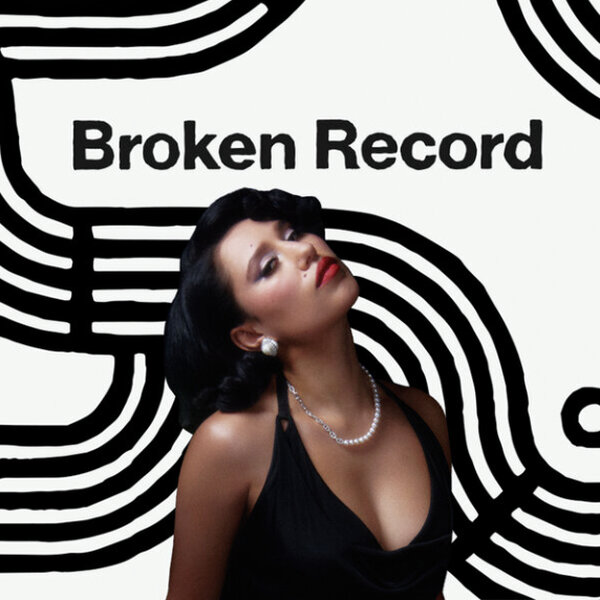
Broken Record revisits English pop singer-songwriter Ray (real name: Ray Blanchard) and her debut-era journey, focusing on how she built My 21st Century Blues, navigated label roadblocks, and turned personal struggles into songs. She also discusses performance strategy, songwriting craft, and the inspiration/structure behind her multi-part single Genesis.
Ray is an English pop singer-songwriter who won the Mercury Prize for her sophomore album This Album May Contain Hope. She previously signed at 17 (Polydor mentioned) and spent years dealing with industry constraints and a shifting support structure. She grew up in church in South London, influenced by gospel (Kurt Franklin, Donnie McClurkin) and childhood albums like Alicia Keys’ The Diary of Alicia Keys and Jill Scott’s Who Is Jill Scott? Words and Sounds Vol. 1.
Honesty and stage banter help audiences connect; songwriting is a skill set built through “sculpting” and persistence; her Nina Simone quote (“an artist’s duty…”) gave her courage to take control after a breaking point and a public tweet; music provides a “safe space” to be vulnerable and can help listeners heal.
Coachella crowd response; the road trip from LA to New Orleans that shaped her “version of the blues”; Escapism’s TikTok-to-mainstream breakthrough; Genesis as a seven-minute arc split into parts; Ice Cream Man as a deeply personal song that moved a fan in her 50s; Dark Child collaboration via a long-term connection.
Written by AI. May contain mistakes.
Introduction to the episode's guest, RAYE, and her achievements.
“To close out the year at Broken Record, we've been revisiting some of our favorite conversations from years past.”
RAYE shares her experience performing at Coachella.
“Man, your Coachella set seemed like it was really well-received.”
RAYE discusses her evolution as a songwriter and the challenges faced.
“I've never really, I don't really plan what I say.”
RAYE reflects on her experiences with record labels and industry expectations.
“And I was doing sessions after school and stuff.”
RAYE shares her feelings about her early career phases and goals.
“And when writing for someone else, it's not about, you know, my opinion to a degree, but, you know, I'm a people pleaser as well.”
RAYE explains the inspiration behind her album title and creative process.
“Well, I think it was a tricky one because it wasn't about my goals.”
Explore how blues music shaped the artist's songwriting and emotional connection.
“I'd never experienced anything like it and it was just a fusion of kind of jazz and the blues and I remember being like, whatever this is, I want a part of that.”
Discussion on the artist's childhood music influences and family support.
“We debate about food, deep dish, tavern style, who's got the best beef.”
Insight into the artist's battles with record labels and personal aspirations.
“So you have a few songs for My 21st Century Blues.”
Exploring the pressures and emotional toll of being an artist.
“I was a kid when I decided to dedicate my life to work in music and wanting to pursue a career.”
Discussing the journey towards independence in music and self-acceptance.
“And I think probably there's also a lot of people unaware of all the ins and outs of what goes on behind closed doors.”
The unexpected rise of the song 'Escapism' and its impact.
“I was like, how could I possibly change the narrative?”
Sharing the creative process and experiences while songwriting in Utah.
“And also, it's good to get out of the city.”
Discussing the themes of environmental anxiety reflected in her music.
“Titles are usually how a song will start for me.”
Exploring the artistic choices in songwriting and perspective shifts.
Discussing personal struggles and themes in music related to addiction and family.
“We're back with the rest of my conversation with Ray.”
Explore the challenges and rewards of being an open artist.
“I think vulnerability is so important and it's difficult sometimes.”
Discover how music serves as a source of healing and connection.
“Because my God, that song is just, I'm still, you know, like a lot of us are working through those things in it.”
Learn about the creative process behind crafting meaningful songs.
“I wanted it to be cutting and again, honest.”
Discuss the aspirations for future albums and artistic growth.
“But I'm so grateful you left us with the hopefulness at the end.”

Get the gist, explore an idea or ask about something said.
 Claude
On Broken Record with Rick Rubin, Malcolm Gladwell, Bruce Headlam and Justin Richmond, what are the key points of this episode?
Searching your listeningAutomatic transcript. May contain errors.
0:00This is an iHeart Podcast. Guaranteed Human. This is Jacob Goldstein. When you're a business owner interested in expanding to new markets, there's a lot to consider and countless questions to answer before making the call. The most important one being, are you ready? That's where ChatGPT comes in. Give it a goal, add your files, and ask Chat to help you map out different scenarios for the future of your business. So when growth is on the table, you've got an expansion plan ready to implement. Get started today at chatgpt.com.
0:58Justin Richmond: The Chase mobile app is available for select mobile devices. Message and data rates may apply. JPMorgan Chase Bank, N.A. Member, FDIC. Copyright 2026, JPMorgan Chase and Company. I'm headed to New York City with the entire Richmond crew for a few days around Christmas, and I'm pretty excited about it. The plan is to keep it simple. Ice skating in Central Park, finding dinosaurs at the Natural History Museum, art at the Guggenheim, adding some great pizza, a trip to the Ice Cream Museum, a few Skyline views, and everyone's happy. If you're planning any upcoming trips, consider listing your space on Airbnb while you're away.
1:32Justin Richmond: You could get travelers like me a place to land while they visit somewhere new and earn some extra cash at the same time. And with the Co-Host Network, you can hire a local co-host to help manage reservations, guest communication, and even style your space. Find a co-host at Airbnb.com slash host.
1:53Justin Richmond: Pushkin. To close out the year at Broken Record, we've been revisiting some of our favorite conversations from years past. We started a couple of weeks ago with Patti Smith and Raphael Sadiq. This week, we're revisiting a conversation with English pop singer-songwriter Ray. Ray just won the Mercury Prize over the weekend for her sophomore release, This Album May Contain Hope, which featured the huge single, Where's My Husband? But this conversation covers her debut album, My 21st Century Blues, which won Album of the Year and a historic total six wins at the 2024 Brit Awards. In our chat, we discuss how a quote from Nina Simone gave her the courage to take control of her career, and she explains the inspiration behind her sprawling multi-part single, Genesis.
2:35Justin Richmond: This is Broken Record. Line of notes for the digital age. I'm Justin Richman. Here's my conversation with Ray. Man, your Coachella set seemed like it was really well-received. I got to see a bit of it. It was awesome. It was definitely really a special one for us. I think it's the first time I've witnessed a crowd like that for me in a festival in the States, you know. So that was like a really special change. It's something I'm not used to out here. What felt different about that crowd? Well, I think in America, like it's always been intimidating. I think as a British artist, you know, the idea of like performing in America anyway is just intimidating.
3:18in and you know i've done quite a few not loads but a few other festivals out here where you're like right we need to win the crowd we need to grow the crowd yeah so coachella just i wasn't expecting it to be that full and and people were really engaged and it was really special this
3:38Justin Richmond: wasn't a case of you getting your music out to a bunch of people at a festival it's like those were people are like now converted like people are ray fans do you know i i do have a habit during during shows of really over analyzing everyone's faces i feel like at the beginning of the set i was like right i need to i was like right i need to win i need people to get to know me you know kind of thing and i always try and leave a bit of space we ended up taking a song or two out so that i'd have more time to chat i like to have a little chat some people's like she needs to stop talking but i just like to talk and i think also it's a case of maybe some people have heard the songs or maybe the song that started to cross over here and they're like let's go and see what it's about and I think my mission is always during a performance I just want people to walk away and be like I would see that again or that was good you know that's my goal yeah and you can see people being one up you know people going from stern face or just like watching with no expression to being like oh okay or do you know what I mean you're like wave and they're doing it you know okay cool like you know have you discovered little things that you can do over the course of a set to maybe like reliably win people over?
4:50I think honesty has always been something that's kind of important. I've never really, I don't really plan what I say. I kind of keep the music, you know, we know what we're doing within the songs, but even some of the endings of the songs, we leave space and I just kind of like it to be as open as possible. And I think sometimes when you're just playing songs and not talking, people can't really get to know you. they're just getting to know the music so i think that's an important thing as well i like to try and give a little back story behind whatever this song is about or this moment and just be able to script your stage banter at all no so sometimes i'll be like oh my god why did i just say that
5:31Justin Richmond: halfway through talking like what am i saying there is a lot of that where am i going with i think i even did that i was like i don't know why i just told you that let's move on you know yeah that's amazing yeah the way the album came about was kind of circuitous it wasn't a situation where you were at a label it basically there was a lot of roadblocks if you want to just i guess walk us through some of those yeah it's just not necessarily been a simple 10 years to get to this moment you know i was about 17 when i signed my deal and I was with a record label for seven years and I think Polydor yeah can we name them or no I mean I mean I think it's on the record um and you know I think being a British artist it's a very different world out there I think it's very dance orientated there are formulas typically that are safer formulas that you practice as a songwriter you know I started in this game as a songwriter from the age of 14 is when I really took it seriously.
6:42And I was doing sessions after school and stuff. And you kind of learn really quickly. Okay, there's a formula to this, you know, accessibility, repetition, symmetry, you know, the whole maths behind kind of the songwriting thing.
6:56Justin Richmond: How did that change your songwriting as a young, like when you're 14, I imagine you're coming to it pretty pure, like just probably just wanting to express and create. Yeah. And then you're realizing there's like a formula. Did that change your songwriting? opposed to like change, I think it's just almost a world of just gathering skills. You know, when I started writing songs, it was very much feeling and freestyling and what felt right and being like, oh, I did a lot of songwriting in Sweden. There's some incredible pop songwriters out there. And I used to fly out for a couple of weeks at a time and write with all the producers and writers, anyone that would let me in a session.
7:30And from that, you're like, oh, wow. You know, it's not just whatever melody feels nice. It's like, okay, we have a melody here. the end of the melody is a little bit too complicated this word doesn't roll off the tongue as nice you know and chipping away and sculpting something yeah you know they're all skills that i'm really glad i acquired and i think for different artists and different sounds and different genres you kind of need more of one skill than another and stuff like that but within that space you know dance music is huge at symmetry and maths and repetition and a lyric that everyone can relate to and easily digestible and stuff like that.
8:08So I kind of, from a younger age, realized I had a knack at being persistent and chipping away at something until the artist or the person I was writing with was happy.
8:18Justin Richmond: And you could take whatever criticism that would come with a version one. 100%. And when writing for someone else, it's not about, you know, my opinion to a degree, but, you know, I'm a people pleaser as well. So I'd be like, I'm going to make this song, I'm going to do it so they love it. You know, it's all a performance as well in another way. It's kind of funny. But yeah, I think when that started to cross over and bleed into what my label at the time wanted from me and the goal was selling opposed to the art itself. Did you know that going in or was that kind of a were you blindsided a bit by that?
8:51Oh, no, of course not. Yeah, nobody does. Yeah, it's a real thing. You know, that moment before you put pen on paper, everyone is so nice. They take you for dinners. they sell you a whole lot of lovely dreams and and promises like some of the things i was like 16 years old when i started doing the rounds and some of the things i heard oh my god i'm not even gonna repeat it on here because but it's wild what did you hear well something like you know this we have this artist said artist i won't even name the name but they've heard your music they've agreed to endorse you if you sign with us you're gonna have this you're gonna have that this isn't even this is just people just talk and artists in this stage know people will say anything to get you to put your name on that piece of paper when you're 16 years old from south london and you're like in america doing meetings with these big huge people it can absolutely just muddle your brain up and false hope and a lot of lies, a lot of air.
9:59Justin Richmond: Yeah. So it's real. Yeah. I was like, rah, this place is dark. How quickly after you put pen to paper did you realize, uh-oh, I just got bamboozled?
10:11Maybe I'd like to say a year in, maybe. Also, the guy who had signed me had then left. So the dynamics changed pretty quickly after that.
10:25Justin Richmond: That's a pretty common story too, I feel like I hear. Yeah, it is. Your support structure leaves and then you're kind of left. There's actually a contractual clause called a key man clause, which artists should know about. And I didn't at the time. But it means, you know, you get that clause put into your contract means if the person who signs you leaves that you have the right to terminate or move with them. It's called a key man clause. And it's just something I wish I knew about when I was 17. To what extent were you happy with the early phases and stages of your career, like those first from like 16, 17 to, you know, a couple of years ago, only a few years ago?
11:04Well, I think it was a tricky one because it wasn't about my goals. It was about, you know, needing to impress these people who basically have my career in their hands. You know, they get to decide whether they're going to promote something or they're not, whether they're going to pause my timeline or help me move things along. So you have to play ball, you know, and you learn that pretty quick. Yeah, so I did my best to do that. The goal always has been since the day that I signed to now in my career to be an albums artist. I wanted to release Bodies of Work and I was really excited to be able to earn the right to decide what music I wanted to share.
11:54And it was kind of always presented that, you know, when you have a song that's big enough and you've earned an audience that's big enough and wants an album from you that you can do that. So, yeah.
12:05Justin Richmond: When did your debut album start coming together? When did you record that? I would say maybe about four or five years ago. Some of the earliest songs started coming together. What were the first few? Oscar Winning Tears was there for a long time. um hard out here but the instrumental was made years ago but then i wrote a whole nother song on top of it okay worth it was an older one yeah a couple of songs had just been around for a while five stars was an old one yeah and i had the title about four years ago it's funny because i was going through some of my notebooks at home and i found this notebook it was dated like um 2018 or something that said my 21st century blues wow so the the title and the ideas were forming for a while yeah do you remember why that title came to you why that phrase came to you i don't know completely what i do know is when i was a kid um i was about 14 years old and my dad and my uncle we went on a road trip basically we drove through america we started in la and we went all the way through to I think it was Atlanta or we ended somewhere and um we drove all through Nashville we drove through New Orleans and Louisiana we like did a whole trip and at that time everywhere we'd drive we'd put on the local radios you know in the UK you know I'd listen to a lot of gospel and some of the the great amazing singers but there was so much music and genres I'd never been exposed to and I think I had a life-changing experience when I was in New Orleans and it was at a place called the Preservation Jazz Hall and it was like a room, like 150 people coming to this room and there's just this band and I remember being sat cross-legged on the floor.
13:51I was sat right underneath this guy's trombone that had like spit flying in my face. I'm literally sat there like wide-eyed, just like, what is this? I'd never experienced anything like it and it was just a fusion of kind of jazz and the blues and I remember being like, whatever this is, I want a part of that. And since then, I kind of, my tastes changed and I just wanted to know more and understand more about this feeling, this kind of music. And yeah, so although we barely scratch over any kind of blues textures in this album, what I fell in love with was the songwriting and how, you know, we go to these bars and you've got people playing this...
14:36I'd be like When I was a little boy I went to school one day And then I sat on the chair I heard my teacher say Do you know what I mean? These stories and each one was different It was the same riff And just all these stories And I was like wow So this is their blues And I was like this is deep And they're deep stories Moving stories was very honest and transparent and clear and beautiful and I fell in love. I'd always had this idea of I wanted to make whatever my version of the blues is, even though it's not necessarily that genre, it's that candidness.
15:16Justin Richmond: Well, and there's a bravado on a lot of your, you know, I don't know if it's like the whole album because there's some very vulnerable bits, but there is an attitude, a backbone to this album for sure that runs through it. I love that. And I love the book ends, it's like, as you put it on, it's like you're being transported to like a smoky jazz club. You know what I mean? And by the time it ends, you're right back there and you're almost ready to play right over again. I love that. It's amazing to hear that that stuck with you and that made it that far from a childhood road trip across the 10 through from LA to New Orleans and up that that stayed with you all these years.
15:52It really did.
15:54Justin Richmond: After a quick break, we'll be back with more of my conversation with Ray.
16:00Justin Richmond: If you're a music fan, I've got a new podcast you have to check out. It's called Before the Moment, a new series hosted by the legendary Niall Rogers. You know him as the producer, songwriter, guitarist, and co-founder of Chic. But in this series, he's hitting the road to sit down with some of today's most fascinating artists. From hit makers like Miguel to rising stars like Alex Warren, Niall explores the stories behind the careers, the songs, and the moments that changed everything. because every artist can point to that turning point, that moment before the breakthrough, before the success, before everything changed.
16:32Justin Richmond: Through candid conversations and personal stories, you'll hear what happened before the moment that made them who they are today. Listen to Before the Moment, a Lincoln original series on the iHeartRadio app, YouTube, or wherever you get your podcasts. This is Jacob Goldstein. With ChatGPT, you can do more than get answers. You can get things done. When you're running a business and looking to expand, you need a clear view of the landscape before making any decisions. ChatGPT can help you prepare. Connect your Google Drive, point to relevant files and reports, and ask it to research competitors, industry forecasts, and market signals.
17:09It can turn the findings into a strategic deck in your team's template that you can review before presenting to your leadership team. Growing a business is ambitious, and ChatGPT can help you do it with confidence. Get started today at chatgpt.com. Chicago talks a lot. Hold on, let me step over here. People are talking too much. We debate about food, deep dish, tavern style, who's got the best beef. We yell across rooms, across blocks, across generations. Yes, nice earrings, Grammy. And now we're doing it on our phones, too. Video calls from the L train, group chats that never shut up. Neighbors texting you the score before your TV catches up.
17:49Come on! Get a load of this guy. Catch up on a dog. Yeah, we've got thoughts. Too loud? In Chicago, you're gonna hear it. Because nothing here gets built without conversation. Nothing moves without connection. So if you think you know AT &T, it might be time to rethink that. Because their network has improved, like, a lot. So Chicago can keep speaking its mind with AT &T Wireless and AT &T Fiber. Chicago won't stop talking. Our improved network backs it up. AT &T, connecting changes everything. AT &T Fiber, limited availability in select areas.
18:25Justin Richmond: we're back with more from ray you referenced wanting to be an album artist what were some of the albums that you grew up on that were like the bedrocks for you like the ones that were like the perfect records for you my goodness the first two albums that played such an important part in my childhood was alicia keys the diary of alicia keys that was a big one for me wow that was the first hard copy album i ever bought and then who is jill scott jill scott nice that blew my mind and i think also like being in the uk and just again the stuff we was exposed to and then my uncle shout out uncle jose put me on to this album he started with a long walk and i was listening to this song like she's just talking with melodies you know you're used to hearing these perfect rhyming couplets and everything being whatever but she's just like speaking to you like a conversation and it was so casual the way she would sing that entire album it just blew my mind watching me you know she's like she's talking about cctv and and people watching her like as she's just gone to the shop to buy some double or triple a batteries she's like checking to see where I go, who I be, how, where, with who, I make my money.
19:45What is this? Excuse me, miss, may I have your telephone number and your social security? She's like, who, me? She's like, literally telling, I was like, what is happening? It completely blew my mind and I fell in love. So those are like two really important albums in my childhood. Yeah.
20:02Justin Richmond: I wanted to ask you about your relationship with hip hop, because it feels like there's a certain cadence that you can get into sometimes that that would also explain it a lot too like that kind of being able to where it's like are you talking are you singing kind of doing both so far jill's a queen at that and then we'll sometimes you just like she'll be doing that and then just take off whoa okay i forgot who i was listening to right and it's also so free you know with her it i love her style of like you could you feel like anything can happen i mean it doesn't feel too perfect it just feels so authentic and i've always loved that about her the way she sings and performs as well yeah yeah were you listening to a lot of hip-hop too growing up yeah a fair amount i mean i did get to that age where like party next door was my everything that's not really hip-hop but you know drake the weekend party next door you know that era we all had where we're all like oh my god yeah going up on a tuesday yeah yeah that era yeah the weekend's first album was was a big one the trilogy yeah but in terms of like hip-hop i don't know we're kind of exposed to some different stuff i was exposed to a lot growing up and like different family members as well did you see your uncle jose yeah he's actually lives in america okay so my mom and my uncle were both raised in ghana when they're about 22 23 mom moved to the uk and Uncle Jose moved to America.
21:28And he's always been so supportive as well. Like he bought me my first laptop, my MacBook, where I used to start making sessions on GarageBand and stuff like that when I was about 13. No, for my 13th birthday. Yeah, and so I started making a lot of demos on there and it really helped spark my passion for production, vocal production and just making music in general. It's so funny because even though none of us before me and my sisters had ever practiced music, it was always the desire for it and the passion for it was always in the blood, I'd say. Like my dad's dad, he used to write songs. He used to want to be a songwriter professionally in a little town in England, north of England, Yorkshire.
22:11He used to write songs, record them onto tape and score it out and write the lyrics. And he'd send a box of tapes and the sheet music to record labels in London, hoping that you know someone might hear his songs and and like it and I can't even be too candid but he did have a song stolen from him that turned out to be really successful but you know as a lot of songwriters it happened for back in the day he didn't get credited and no one believed him and he had no way legally to prove it because he didn't have the money to do that and then he gave up on his dream then and there so it's so funny that I was a kid and I didn't even know the story and I'm like I just want to write music so it's funny you didn't know it at that time no I was like seven eight nine when I was like making silly weird poems and copying the melodies I'd hear in the tv kids shows I was watching and I remember one time I was watching this like tv show and I liked the melody it was like this kind of jazzy and I was about eight and I pretended that I wrote it but I just changed all the words and then I went to dad my dad and I was like listen to this song I wrote do you know what I mean and he was blown away but I didn't tell him I'd stolen the song and just changed the lyrics to some terrible lyrics about snow falling and a Christmas song
23:32Justin Richmond: it was so bad I like how that still sticks with you that's gnawing at you so much like I'm a fraud plagiarism but then I realized that's what songwriters some songwriters do that or it's sampling essentially yeah it's a way to get started you know like copy a bit and make it your own so you can figure out how to like do a whole class you know but yeah it's always been in the blood my family we love music you know i grew up in church as well my dad and mom used to sing mom used to sing in the choir dad used to lead worship so i grew up watching and listening to music being sung every sunday and like in a church where you grew up what was leading worship like what did that entail it's like i don't know like it's not a big church like maybe 40 or 50 people you know in a church in tooting in in south london where i grew up and my mom and dad would just sing it's not like a gospel choir kind of no it's not big in like you you know in america you guys have amazing like huge production setups like amazing music you know this is very like down to earth from the heart direct from you guys to god mainline in the gospel you know come as you are mate you know yeah did you listen to much gospel yeah definitely yeah yeah growing up was a lot of kurt franklin and donnie mcclerkin and some amazing music i was exposed to from a really young age and the thing about gospel as well is it's just musically so complex i don't even think gospel gets enough credit for how technically difficult it is to really execute those things you know you have them mds live in the church on a microphone like okay we're going to chord four and then five hold hold hold we're going six seven i'm like this is serious practice Oh, for real.
25:27It's for real. It's not a joke.
25:28Justin Richmond: No, it's great. All right, I want to go back now. So you have a few songs for My 21st Century Blues. You're still with Polydor. You're kind of getting the runaround. What happens next? The understanding from my perspective also was if I was going to do an album, it would need to be a dance album. So My 21st Century Blues kind of got put on the back burner. And I was working on a record I needed to hand in songs, 115 bpm or above like it needed to be like that kind of sound so as far as my constraints allowed I set out to make an album that I was going to call dark dance songs and it was going to be minor and I'd say the closest thing I had to it was like black mascara which I put on my 21st century blues it was all this kind of I was trying to find my compromise and then yeah it just ended up that you know I had a new person who just joined our team and started working as my day-to-day and she wasn't supposed to tell me we were in the middle of a shoot for something else you know I'm like maybe four or five months into writing this album and I'm becoming invested and I'm excited about what it's going to be and then she'd basically just said that if this song you've just put out doesn't do good you're not going to be able to do the album it just got really messy and I was just, I hit just a boiling point, a breaking point.
26:49I was so angry and so frustrated and so pissed off. I felt like just, I was just getting treated so unfairly. And I've been trying so desperately for the last seven years to prove to them that I am a musician. Like, look, I'm writing for this person. Like, are you proud of me yet? Like, I was just so desperate.
27:09Justin Richmond: And who were you writing for at that time? You know, I had a good healthy amount of cuts you know in the dance world and with some girl bands and some solo artists and I'd been doing good things and every time I remember every time I get caught I'd kind of want to tell them and be like look look I was just so desperate for them to believe in me really I've really tried so hard to achieve that and I just failed so yeah it just got to a breaking point yeah so I know you sent a tweet out at some point was that a spur of the moment thing was that calculated like let me just see we'll try something here or what was zero strategy and planning went into that moment i'll tell you i just was like in my head what the f do i have to lose like i have nothing to lose i was at a point where i was like i would rather just be a songwriter like i've seven years is a long time especially from a kid you know and then that pressure of that I think it's a lie personally but that pressure of you know when you're young it's exciting and as you grow up you're gonna miss your window especially as a woman like these lies you hear and yeah just got to a place where if this is what it is to be an artist I don't want to do this I hate some of these songs I'm putting my name to them out here smiling and pretending I like trying to sell this is like soul destroying especially when I'm like in love with with my I'm in love with music.
28:38I was a kid when I decided to dedicate my life to work in music and wanting to pursue a career. And it was breaking my heart. It was just making me so sad. Yeah, so I just got to a point, we just moved house and I was in my room. It didn't have a bed in it, so I just remember being like on a blow up mattress on the floor. And the only thing I had in my room was a picture of Nina Simone. and under it said a quote it's an artist's duty to reflect the times I remember sat there in tears like what the hell am I doing I'm not doing anything important I'm not doing anything that feels right Nina would be so disgusted by everything I put to my name she would be like ill get her out of my face i was like what have i become i was like and i said no no no and i just
29:34Justin Richmond: let it rip that's a very neena simone thing to do let it rip i mean thankfully it all worked out i suppose as the story goes from that tweet do you guys work something out so they let you go does that go back to that clause the key man no i i sadly never had that clause in my contract I think I just got so lucky in that people decided to care about what I'd shared. And I think probably there's also a lot of people unaware of all the ins and outs of what goes on behind closed doors. And I had a lot of news platforms in the UK reaching out, wanting to have a conversation and wanting to understand more about what's going on and what it can be like for a lot of artists.
30:15sometimes when you're having difficulties on seeing eye to eye with the teams that you're contractually bound to. And that became leverage. And I was able to be like, respectfully, let's leave this here now.
30:32Justin Richmond: And then you get to put out your album independently. Yeah. I don't know that it could have worked out more perfectly in the end. No, it's honestly how everything's turned out is all I can describe it as is a series of just miracle after miracle. I think I was so overwhelmed at how much music of mine was already out there in the world in my head. I was like, how could I possibly change the narrative? In the UK, people see me as a feature vocalist, a voice, like, who's going to care? You know, I just got so ridiculously lucky. and Escapism receiving so much attention on TikTok and then all of a sudden it getting pushed out to all these new ears and that's the first they've heard of me and that's so, it was so exciting and like, wow.
31:23You know, anything really is possible.
31:26Justin Richmond: Were you shocked by the reception of Escapism? Oh, completely. Yeah. But I was also so happy because I love that song. I remember when we put that out, I was like, oh my gosh, like if only people were gonna be able to hear this song that was my thing in my head I was like oh just if people could just hear this song you know I remember me and my dad yeah we were talking I was like dad could you imagine yeah if something crazy happened and and escapism just went really big and became number one we looked at each other and we were like ah that'll never happen I remember that conversation clear as day I was like could you imagine he's like yeah I could imagine that would be crazy, right?
32:08And then bang.
32:10Justin Richmond: Came to fruition. Wild. Did you write that song in Utah? Yeah, I did. What's the story on that? We took a road trip. Another road trip. I like a road trip. Those are good for you. I like a car. I like a long drive. And also, it's good to get out of the city. I think when you're in a city and you know people there or whatever, it can be distracting. And you can be like, someone will be like, do you want to do this? La, la, la. And you just want to go somewhere in the middle of nowhere where you're just in a peaceful place and you just have to be present. It was nice. Had you been to Utah? Never, no.
32:43Well, the two people I went with are good at skiing. I'm not very good at skiing. I've only skied once before in the school trip. I decided to join them for skiing in between riding and it was a disaster. These two are like cross-country, like off-piste mountain fricking skiers, yeah? They're like, don't worry, we'll stay together. We'll go slow.
33:02Justin Richmond: It's not encouraging. I'm not going to be able to do it. I took a wrong turn in. Black run. What? The only way is down this whatever foot drop. Absolutely not. What'd you do? And my friend screaming at me like, you have to ski down. I was like, bitch, I ain't skiing down. I'm walking. She's like, Rachel. And there's all these like four year old kids like just gunning it down the hill. This isn't a drop. It took me about an hour to get down. It was hell. After that, I left them too. I went to sit on the campfire near the entrance and just made friends. But yeah, skiing, it's going to be a while before I go back there.
33:36Justin Richmond: Maybe take some time on that. But the songwriting was productive. We were there for seven days and it was such a nice time. And we wrote basically the other half of the album that was missing. It all started with titles. Titles are usually how a song will start for me. So I had title Mary Jane, Environmental Anxiety, Escapism, Body Dysmorphia. So those are my four titles. there was one or two more that we wrote but that didn't make it environmental anxiety speaking of the nina simone quote an artist's duty is to reflect the times you're in i mean so it's so intense it's an intense song how did you capture that so well we'd booked a log cabin and we were staring at across it was like a mountain some trees and we were like wow so beautiful it was in the morning and mike sabbath the producer who i made this album with the guy's so eccentric we got downstairs and he'd made this little like it's like weird like sound he'd like morphed his voice to sound like a chipmunk or whatever and he's just looping around and around he's just playing these weird bells and i was like mike you've lost your absolute mind but like let's fucking go do you know i mean and we were looking at the view and we was like damn like we're being so cruel to our planet and we just started on a tangent you know and i think it's something a lot of us are worried about but are powerless to really do any actual change or it's something that needs to come from our governments.
35:02Justin Richmond: Yeah. A lot of people don't care. You kind of sum it all up and put a bow on it in like three minutes and 10 seconds. It's like, yo, wow. Like you kind of like distill all the anxieties of kind of our world at large and all the problems and issues and Boris Johnson's on coke. We all know it. I don't even know that's true. Oh, come on. Seems like it's true. I saw this article, yeah, which is so funny but they tested the sewage I don't know who was testing the sewage of the Houses of Parliament and they found such a high concentration of cocaine in the sewage I don't even know if we should be talking about this but meanwhile you're arresting kids for possession of smoking a little bit of weed on the street do you know what I mean putting them in jail for that meanwhile you're all in there doing coke it's just not fair none of it's fair is it but I'm glad you're speaking to us I'm glad someone's like you nah mate we've got to put these things on blast is incorrect it's a beautiful song so those are all voices on that intro right yeah all those sounds it's all a voice manipulated and then your voice incredible you harmonize with yourself really well i love harmonies when a voice can become a pad or a simp or something as well it's exciting you know yeah it's a really gorgeous sound your voice like when it builds out like that thank you it's gorgeous escapism too i love the two different perspectives two different voices it's like you're in the story and then you kind of get like you're narrating it for us right it's just like a cool thing to do in a song.
36:28I love to bounce between first person and third person. I find that fun. And like, yeah, the narration aspect of it, I always like, it's funny, sometimes I'll be writing and all the other day, me and my creative director were trying to do something and I kept, I realized I just love to mix. He's like, you know, this sentence is third person and this sentence is first person. And I was like, you know, I like mixing it. Fuck it.
36:52Justin Richmond: You don't mind mix intensives. Yeah. Why not? Yeah. After this last break, we'll come back with the rest of my conversation with Ray.
37:02Justin Richmond: If you're a music fan, I've got a new podcast you have to check out. It's called Before the Moment, a new series hosted by the legendary Niall Rogers. You know him as the producer, songwriter, guitarist, and co-founder of Chic. But in this series, he's hitting the road to sit down with some of today's most fascinating artists. From hit makers like Miguel to rising stars like Alex Warren, Niall explores the stories behind the careers, the songs, and the moments that changed everything. Because every artist can point to that turning point. That moment before the breakthrough, before the success, before everything changed.
37:34Justin Richmond: Through candid conversations and personal stories, you'll hear what happened before the moment that made them who they are today. Listen to Before the Moment, a Lincoln original series on the iHeartRadio app, YouTube, or wherever you get your podcasts. This is Jacob Goldstein. With ChatGPT, you can do more than get answers. You can get things done. When you're running a business and looking to expand, you need a clear view of the landscape before making any decisions. ChatGPT can help you prepare. Connect your Google Drive, point to relevant files and reports, and ask it to research competitors, industry forecasts, and market signals.
38:11It can turn the findings into a strategic deck in your team's template that you can review before presenting to your leadership team. Growing a business is ambitious, and ChatGPT can help you do it with confidence. Get started today at ChatGPT.com. Chicago talks a lot. Hold on, let me step over here. People are talking too much. We debate about food, deep dish, tavern style, who's got the best beef. We yell across rooms, across blocks, across generations. Yes, nice earrings, Grammy. And now we're doing it on our phones, too. Video calls from the L train, group chats that never shut up. Neighbors texting you the score before your TV catches up.
38:50Come on! Get a load of this guy. Catch up on a dog. Yeah, we've got thoughts. Too loud? In Chicago, you're gonna hear it. Because nothing here gets built without conversation. Nothing moves without connection. So if you think you know AT &T, it might be time to rethink that. because their network has improved, like, a lot. So Chicago can keep speaking its mind with AT &T Wireless and AT &T Fiber. Chicago won't stop talking. Our improved network backs it up. AT &T, connecting changes everything. AT &T Fiber, limited availability in select areas.
39:26Justin Richmond: We're back with the rest of my conversation with Ray. Let's talk about Mary Jane a little bit. What made you choose that as a song title? All the songs we wrote in Utah, you know, I wanted to address kind of these subjects kind of pretty head on. And I think I've always had a very kind of addictive personality. And I think especially because I was playing this like sweet little hop artist kind of character, or at least that's what I was attempting to sell. But really behind closed doors, I was just really not dealing with things great. And I was just outside, not even outside. I was just moving mad.
40:04Yeah, and I got trapped into some pretty intense kind of cycles and picked up some unhealthy habits. You know how it be. Sometimes also you become really good at hiding it. I was just distant from my family. I was just lost and not happy.
40:18Justin Richmond: Did your family kind of recognize what was going on? Yeah, but I didn't really see them. I think it was like a year or whatever. I saw my parents like twice in a year, which is really unlike me. Now my parents are like around me all the time and I tell them everything and I love them. But yeah, there was just a period of time where I was fully on escapism vibes. Do you know what I mean? Wow. Yeah, running away from reality. There's a lot of these subjects which I find there's no real place to have these conversations or in a space where you don't feel judged or you don't feel disgusting or embarrassed.
40:52You know, I talk in the song about codeine, you know, and there's a lot of us who can develop these kind of dependencies on things. and it's so easy to keep it secret and hide it and it can get dangerous and it did for me for a bit you know so i just wanted to write a song kind of weird twisted kind of love song i think it's one of those things as well once you open pandora's box you know what they say it's it's hard to close
41:15Justin Richmond: it yeah were you ever wary of i mean mary jane escapism um body dysmorphia was there ever part of you that felt like maybe i don't want this on the out because then of course just from the bit of press that i've picked up about you over time it's like wow people are asking you really like like heavy like i'm like i don't know if i don't want to talk about this shit all the time like i just was like how how did you ever feel worried about that do you not do you regret it but does ever part of you feel like damn i don't know if i really want to go you know it's like you know what i think i think it's a conscious choice you have to make as an artist like what kind of artist am I going to be there are incredible artists who don't let you in on that side of their life who close those doors and they deliver perfection and that's a whole other thing because then you're just dealing with all of those things behind closed doors but you present this and I have so much respect for those kinds of artists and that in itself takes a whole load of bravery and rehearsals and skill and delivery that's a whole other thing and then I think there's the other end of it where it's like I'm going to be an open book but then that at the same time that also comes with people who you don't know knowing things about me that four years ago my own family didn't know you know I mean it's an interesting choice I've made and definitely there are days where it's like damn I really just did a lot and days I'm on stage like why did I decide to be so open about this but for all of the times I do find it tricky or overwhelming I do think that's the kind of artist I want to be even though it's not always easy does that make sense yeah I mean it kind of does make you a real writer in a way in that writers really want to write about real human experience and are kind of always drudging and mining that stuff all the time you know like kind of the misery in a sense and sometimes the joy and all that too but kind of moving between those two and music you know i think some people shy away from that it's it's difficult but also it's what you feel comfortable or what your purpose is yeah some artists purpose are to entertain and damn well do they entertain you know and i think for me as a writer i kind of I see it as you're creating a commentary on the human experience from your perspective.
43:44And that does require honesty. I think vulnerability is so important and it's difficult sometimes. It can be very difficult. For me personally, in my tastes, I always find the music that I connect to the most is where I feel just like I've been let in and I'm just hearing candidness. It hurts sometimes. Oh, sugar. or it's like not even for me just as a listener you know you're like oh my god this is bringing tears to my eyes you know if someone's telling you a story and you're just you have goosebumps all over your skin and you're completely enchanted and then it takes you to somewhere in your life and then provides some sort of aid or band-aid we say plaster or some sort of hug or some sort of space for you to cry and feel it so as a listener that's where I feel most moved yeah But it's definitely not an easy thing to do.
44:35Justin Richmond: Was Ice Cream Man, was that a difficult song to record? Yeah, I mean, without a doubt. Definitely. The whole, yeah. That one's deep. It's just deep. Because my God, that song is just, I'm still, you know, like a lot of us are working through those things in it. But I got a message the other day on my Instagram DMs. I try not to spend too much time on my socials and stuff, But every now and then I have a little look and it was maybe about two days ago and I got this message from this lady and she was about in her 50s and she sent me this long, beautiful message. It was really sad message about her life.
45:17And she was telling me about some of the things she went through as a child and working through it. And it was so moving. I was so moved. I read it about six times, even brings tears to my eyes now. and I was just like my goodness like some of us are carrying so much and she just expressed at the end of the message that she was really grateful for that song because it gave her the confidence to talk to someone that she loved about something she'd been saying about her whole life there are so many of us out here dealing with things carrying things holding things there's no instruction manual on what to do this is where music is like medicine and provides a space of healing or reflection so as trick is that song is for me on the worst of days i'm just so grateful that even if it was only her you know that that's even been able to provide some sort of i don't even know what the words are but i was just so moved do you perform this song yeah i do no sometimes it's sad sometimes i do cry a lot sometimes i sing it and i feel really powerful I feel really safe inside my music I think that's another thing that maybe allows me to be so honest and vulnerable it feels like if I was just to say some of the lyrics in this conversation with you but without a melody and without the safe space inside a song I would not be comfortable to do that at all which is weird but it feels like within a song it's on my terms in the sonic bed that feels like it's correct to lie.
46:55And it feels safe. It feels like no one can spin this or nobody can have an opinion too negative besides not liking the song. But they can't be like, well, I don't believe her. Well, this and that. You know, all the scrutiny that you can get from being open and transparent about your life but without a song.
47:18Justin Richmond: you have a new single Genesis and it's really great but when it started I was like okay alright and then you know three quarters of the way through or halfway through there's a change and it's like the most uplifting the first half is a little it's a little like oh shoot I was a little worried is she still in a bass and by the end I'm like oh shit it feels like I'm in Preservation Hall in New Orleans and it's like the lyric is what's the lyric about light like letting light in let there be light yeah there'd be light and it feels maybe more like where your life is now than some of the album you know i don't know if that feels true to you yeah i think the plan is we'll put out the full seven minutes and then the week after kind of split them into three different songs so you have genesis one which is that kind of really sad reflection in the mirror depressing conversation with yourself song one song two is that heavy whatever sound and then song three is the kind of big band vibe at the end and I think you can almost see it as maybe an EP or something but I wanted to put all the songs in one and kind of force you to try and have to listen to all of it just in one which is a lot and I think I really took like a lot of passion and a lot of time went into the lyrics for me and making sure that it said what it needed to say.
48:44I wanted it to be cutting and again, honest. And I wanted to talk about themes of, you know, suicide and which is, again, just, I think also even for young men, I think there's this kind of thing of like just feeling things and not talking about it. I recently lost someone who was really close to the family just gone you know and you didn't even know that they were going for anything suicide yeah there's a lot of people just as we know fighting a lot of stuff i wanted to create a song that felt like if you are going for anything like that or you do feel in any sort of way burdened or or like you're going for a really tough time i wanted to create a piece of music that you could allow yourself to feel it in the beginning and then the music kind of starts to lift you up in the middle even though the lyric is still heavy taking you maybe to a more powerful place to process that emotion and then by the end hopefully feeling some positivity and some hope so I wanted it to be this journey of if anyone even relates to one of the sentences in that song you know and I was trying to create an open scape of my honesty but then also what else are people I love or people I don't even know going through or need from this song so it's quite a deep one Yeah, it is.
50:07Justin Richmond: But I'm so grateful you left us with the hopefulness at the end. We needed some hope at the end. We absolutely needed some hope. I'm so grateful you left us with that. Yeah, man. How are you going to do that live? Well, look, in my dream scenario, there will always be many, many musicians on the stage. From a cost efficiency perspective, we're working that out. But, you know, who needs to make loads of money? Like, who needs to do that? Sure. Do you know what I mean? Travel with the big band. Bring them out. You worked with Dark Child on the single? I did, yeah. I love Dark Child. Rodney, man.
50:43Justin Richmond: How did you hook up with Rodney? That's my bro. I actually met him when I was a kid, like my first trip to LA when I was about 17 and I was taking some meetings. And I remember at the time, I hadn't made anything good enough to like really capture his attention. But I remember thinking in my head, like one day he's going to hear my music and be like, she's sick. Like I remember that being a goal. and then we got connected and maybe like two years ago and got in the studio and started working on what is this song so it's been a labor of love for quite a long time he's really brilliant and i have a lot of love for him and i put him through the ring on this tell me about it oh my god i call him again and be like we need to fix the drums i'm like we need to you know we had this original drum loop and i'm like it's giving but it wasn't live it had a live texture but some of the frequencies were too sharp and it was jarring and I was like we need to it needs to have the same feel but it needs to feel clean and a bit more raw and down to earth and and and not have that kind of distracting whatever and he'd be like okay okay so we try out different things and then we'd go back and forth back and forth back and then it was like finally yes we got it so we took the original drum and made it like 20 % in volume and then played this new one over the top so you still get that whatever and then I remember like I was at the bass line I think we need a completely different melody to it so then we did this bass line where I I basically recorded 20 and we stacked and stacked and stacked vocally manipulated it put it down the octave and then played a synth with it like there was so much experimentation and things that needed to be changed things that needed to be added and he was so patient with me because I'm so annoying um every little detail like bonnie we need her i'll call him like hi ray i'll be like hey so i was just thinking that we need a new verse too you know and maybe we do a string section on it i even have notes now and we've handed in the master and i'm thinking maybe the vinyl is going to be different to the version that's going to come out because i think we need a more softer texture on verse one because the lyrics are already so hard that you need some softness around it you know and then we played these brass on snl that were so good that i'm like we need to add that in so there's probably going to be some changes in the vinyl seven inch version that we printed to what you're hearing now rodney's such a jeep like he's a legend he's one of the best in the game he's just constantly leveling up creating music that just stands the test of time whatever or some of the best singers janet tony braxton i mean come on i mean just everywhere greatest singers he's worked with as an album artist do you have a sense of what you want to do next i like to make an album okay okay but feeling it out you're like you do you have a goal that i want it to be by boom or you just like it just has to be good by my own standard and I think I'll need to live a little bit to like make a really good album otherwise I'm just going to be writing about hotel rooms and winding roads and nobody wants to hear that so I need to go and collect some stories as well and and live a little bit I'm aware that it's a bit scary in the times we're in with everyone having such short attention spans and you know We're at such an amazing place right now that everyone's like, oh, well, when's the next shit coming?
54:15I'm like, fucking hell. Like, damn, like I need to write. I'm not going to put anything out that I don't love and I don't believe it's good. And it's got to at least be a little bit better than, in my opinion, the album we just put out of. What's the point? Do you know what I mean? Got to be levelling up.
54:32Justin Richmond: Hey, well, I can't wait to hear it. I hope. Yeah, me too. I can't wait to hear it. I'm sure it'll be great. Oh, thanks. It was great talking to you. No luck, guys. Yeah, thank you.
54:44Justin Richmond: Thanks to Rae for speaking so openly about her life, inspiration, and her music. Her new single, Genesis, is out now everywhere. You can hear a playlist of all of our favorite Rae songs at brokenrecordpodcast.com. Subscribe to our YouTube channel at youtube.com slash brokenrecordpodcast, where you can find all of our new episodes. You can follow us on Twitter at Broken Record. Broken Record is produced and edited by Leah Rose with marketing help from Eric Sandler and Jordan McMillan. Our engineer is Ben Tallade. Broken Record is a production of Pushkin Industries. If you love this show and others from Pushkin, consider subscribing to Pushkin Plus.
55:24Justin Richmond: Pushkin Plus is a podcast subscription that offers bonus content and ad-free listening for$4.99 a month. Look for Pushkin Plus on Apple Podcast subscriptions. And if you like this show, please remember to share, rate, and review us on your podcast app. Our theme music is by Kenny Beats. I'm Justin Richmond.
56:05updates or create a prioritized schedule so you can spend less energy sorting out the details and more on bringing your biggest ideas to life get started at chat gpt.com kevin hart here in this cashbacking season i'm getting scary amounts of cash back on all my halloween stuff do you like scary movies have you seen my movies yeah big fan all right scary guy i'll see you around it's cash back in season with chase freedom cards issued by jp morgan chase bank any member fdic chicago talks A lot. Hold on, let me step over here. People are talking too much. We debate about food, deep dish, tavern style, who's got the best beef.
56:42We yell across rooms, across blocks, across generations. Yes, nice earrings, Grammy. And now we're doing it on our phones, too. Video calls from the L train, group chats that never shut up. Neighbors texting you the score before your TV catches up. Come on! Get a load of this guy. Catch up on a dog. Yeah, we've got thoughts. Too loud? In Chicago, you're gonna hear it. Because nothing here gets built without conversation. Nothing moves without connection. So, if you think you know AT &T, it might be time to rethink that. Because their network has improved, like, a lot. So Chicago can keep speaking its mind with AT &T Wireless and AT &T Fiber.
57:21Chicago won't stop talking. Our improved network backs it up. AT &T, connecting changes everything. AT &T Fiber, limited availability in select areas. This is an iHeart Podcast. Guaranteed human.
To close out the year we’ve been revisiting some favorite conversations from over the years. We started a couple of weeks ago with Patti Smith and Raphael Saadiq. This week we’re revisiting a conversation with English pop singer/songwriter RAYE. RAYE just won the Mercury Prize over the weekend for her sophomore release, THIS ALBUM MAY CONTAIN HOPE. that featured the huge single Where Is My Husband?
But this conversation covers her debut album, MY 21ST CENTURY BLUES which won Album of the Year and a historic total six wins at the 2024 Brit Awards. In our chat we discuss how a quote from Nina Simone gave her the courage to take control of her career and she explains the inspiration behind her sprawling multi-part single, “Genesis.”
You can hear a playlist of some of our favorite RAYE songs HERE.
See omnystudio.com/listener for privacy information.