
In short
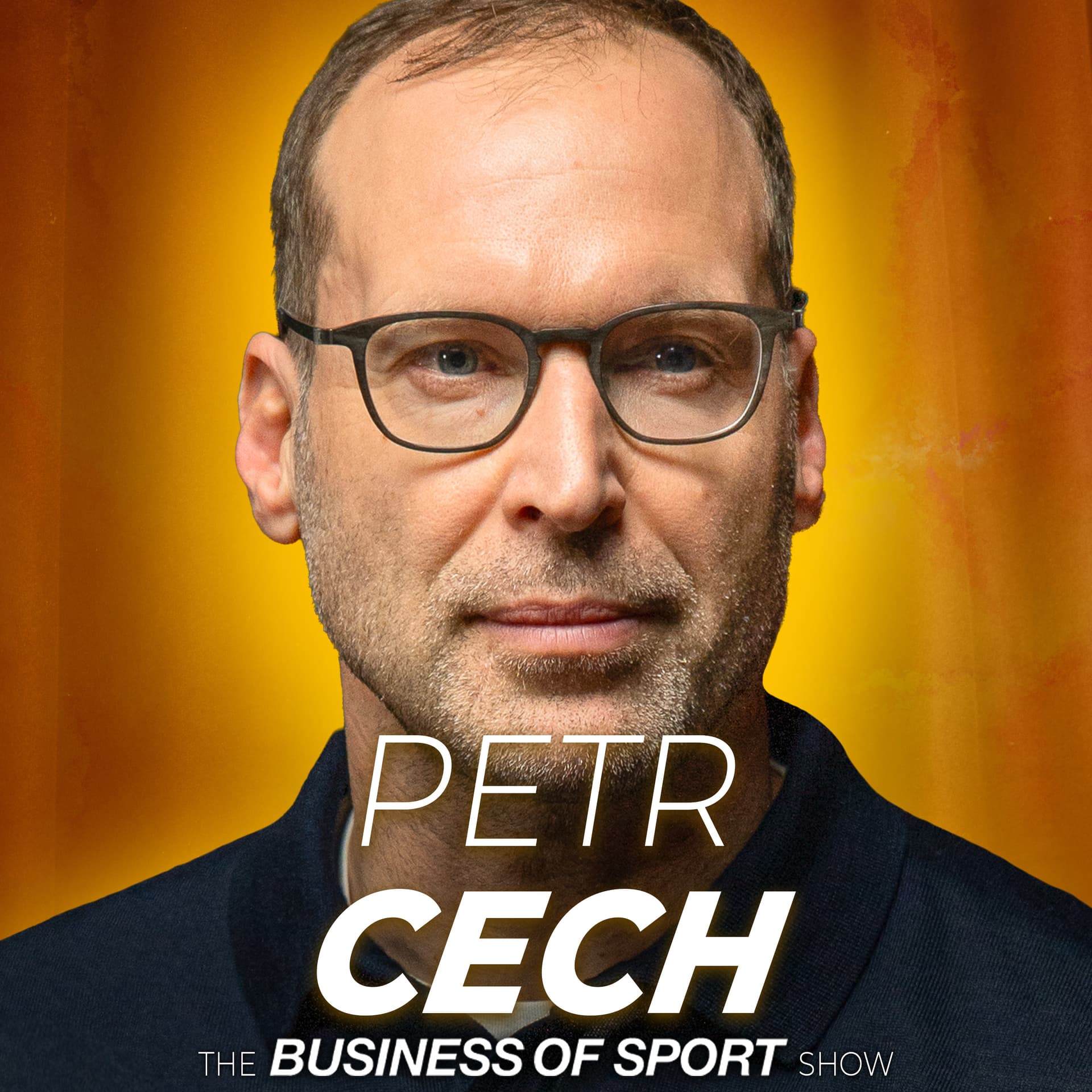
Business of Sport Podcast Episode 103: Petr Cech
Episode Overview In this episode of the Business of Sport, host Harry and co-host engage in a deep and inspiring conversation with Petr Cech, the footballing legend and former Chelsea goalkeeper. The discussion traverses Cech's illustrious football career, his transition into business, and his perspectives on winning, leadership, and personal development.
Key Highlights
- Guest Introduction
- Petr Cech is celebrated for his achievements: four Premier League titles, a Champions League victory, and a record for the most clean sheets in Premier League history.
- Noteworthy academic credentials: MBA and ongoing PhD studies, alongside managing various businesses.
Main Themes Discussed
Elite Mentality, Preparation & Winning
- Preparation Over Talent: Cech emphasizes how meticulous preparation can often surpass innate talent, especially under pressure.
- Winning as Mindset: Winning is portrayed as a fundamental mindset rather than merely a tactical choice.
- Pressure Handling: Cech recalls crucial moments in his career, demonstrating how elite performers distinguish themselves under pressure.
Leadership, Standards & Team Culture
- Building Winning Environments: The importance of sustaining high standards and team culture over time.
- Role of Accountability: Accountability is crucial; teams falter when it diminishes.
- Managerial Impact: Effective leadership stems from fostering relationships and clear communication within the team.
Setbacks, Injury & Perspective
- Life-threatening Injury: Cech shares how a severe head injury reshaped his approach to life and football, emphasizing the coexistence of fear and performance.
- Confidence vs. Control: The difference between confidence as an athlete and the necessity of maintaining control at elite levels.
From Pitch to Boardroom
- Transition to Executive Role: Insights into the transition from player to executive, analyzing football from a business perspective.
- Football vs. Commercial Priorities: Cech argues that football performance should remain the primary focus over financial aspects.
- Decision Making in Football: The role of governance and incentives in shaping successful outcomes off the pitch.
Notable Discussions
Importance of Education for Athletes
- Cech advocates for the pursuit of education among athletes, asserting that it opens multiple avenues post-retirement.
- He highlights the necessity of balancing sports careers with personal development.
Communication and Language Skills
- Cech shares his journey in learning languages to improve communication with teammates, underscoring the value of effective communication in football.
The Role of the Goalkeeper
- Cech reflects on the unique pressures faced by goalkeepers, emphasizing their undervaluation despite crucial contributions to team success.
Personal Reflections from Cech
- Mental Stability: Cech displays remarkable mental composure and emphasizes the importance of preparation as a pathway to eliminate regrets.
- Learning from Setbacks: He advises athletes dealing with self-doubt to plan for potential setbacks, encouraging a proactive mindset.
- Winning vs. Losing: The weight of losing resonates deeply with Cech, highlighting the emotional toll and the drive to succeed.
Conclusion The conversation with Petr Cech reveals invaluable lessons for both athletes and business professionals, emphasizing the significance of commitment, preparation, and resilience. His insights into the intersection of sports and business, coupled with personal anecdotes, provide a compelling narrative about the pursuit of excellence.
Acknowledgments
- Special thanks to Gemini Sports and Slate for supporting the podcast and its mission.
For more engaging content and insights from the world of sports, visit [Business of Sport](URL) or follow their social media platforms.
Written by AI. May contain mistakes. Listen to the episode to check what was said.
Chapters
Tap a time to open that second in VOWinning Mentality in Sports
0:46 to 2:46
Discussion on the importance of winning in sports and business.
“The difference, ultimately, it's not their physical ability, it's not only their technical ability, but it's the head.”
Petr Cech's Background and Achievements
2:47 to 5:27
Overview of Petr Cech's football career and academic pursuits.
“to build software instead of finding players.”
The Balance of Education and Sport
5:28 to 7:46
Cech discusses the challenges of balancing education with a sports career.
“Then I have a couple of projects like GLOW 21, which is about connecting business with leadership from elite sport and the interaction of those two worlds.”
Encouraging Off-Field Activities
7:47 to 10:07
Debate on whether athletes should engage in external activities beyond football.
“And it's probably more intense than if you learn something.”
The Importance of Language in Sports
10:08 to 14:00
Cech shares experiences on using multiple languages to improve team communication.
“And then you just maybe you might be put off and you just go, okay, I'll never do that because I can't be bothered.”
Language Barriers in Football Communication
14:00 to 15:40
Explore the importance of using players' native languages for effective communication on the pitch.
“If it was an English player, I would use English.”
The Value of Clean Sheets
15:40 to 18:10
Learn how clean sheets contribute significantly to winning seasons in football.
“You see how impossible it looks sometimes.”
Contracts and Performance Bonuses for Goalkeepers
18:10 to 21:35
Understand the debate around performance bonuses for clean sheets in football contracts.
“Are you in the Harry Redknapp school of thought?”
Jose Mourinho's Unique Training Approach
21:35 to 24:01
Discover how Mourinho's training techniques transformed player preparation and team dynamics.
“So, you know, in the end, it worked out into my favor, I think.”
Creating a Competitive Team Environment
24:01 to 27:03
Examine how a competitive atmosphere and shared motivation lead to team success.
“that he managed to keep the people who were not involved that much and they were naturally upset that they are not playing as many minutes, that he still managed to keep them motivated and actually ready when he needed.”
Show all 43 chapters
Training Intensity and Game Readiness
27:03 to 28:00
Learn how training intensity impacts player performance during games.
“If I ask you which player approached training with the most intensity and they were in the gym first, they were in the gym last, they left nothing on the field, who would it be?”
Training for Success: The Winning Mindset
28:00 to 29:00
Learn how the right training mentality can affect performance on the pitch.
“You take one extra touch to prepare it better than you should.”
Assessing Talent: The Journey of a Player
29:00 to 30:59
Discover the evolution and adjustment of a player in a fast-paced league.
“And these people were training like that.”
Managerial Changes and Team Dynamics
30:59 to 34:20
Understand the reasons behind managerial changes in top clubs.
“And this is where a lot of people get lost because they start finding things that they should not.”
Chelsea's Winning Culture: A Player's Perspective
34:20 to 37:28
Explore how Chelsea's football culture prioritized performance over business.
“If you were to apply that to Chelsea today what would that ratio be?”
The Pressure of Winning Trophies
37:28 to 42:01
Examine the expectations of winning trophies in highly competitive environments.
“but it was never, the business side never overshadowed the football performance.”
The Art of Winning in Football
42:01 to 45:22
Learn the importance of adaptability and mindset in achieving victory in football.
“So, of course, you want to do things right.”
Overcoming Adversity: Cech's Recovery Journey
45:23 to 48:20
Discover Petr Cech's perspective on recovery and the mental challenges he faced post-injury.
“they were winning, it was not always pretty.”
The Impact of Preparation and Regret
48:21 to 54:04
Understand how preparation influences confidence and helps eliminate regrets in sports and life.
“I'm sure many people know why you played with a cap for the rest of your career.”
The Evolving Role of Goalkeepers
54:05 to 56:00
Explore how the demands on goalkeepers have changed and what defines a great keeper today.
“And sometimes, you know, you go like, oh, you can, you could probably relax a little bit.”
The Importance of Goalkeeping Skills
56:00 to 58:26
Learn about what makes a great goalkeeper in modern football.
“and the increasing opportunities for mistakes to happen What do you think now about what makes a goalkeeper a really good keeper?”
Adapting to Different Playing Styles
58:26 to 1:00:39
Understand how teams adapt their style to win games, not just play nicely.
“But the amount of important saves that wins you the game, it's much bigger.”
Mental Preparation for High-Pressure Matches
1:00:39 to 1:03:13
Explore how mental resilience impacts performance in crucial games.
“Like with Bolton, Blackburn, we were kicking the shit out of each other, like whole game.”
Analyzing Penalties and Game Strategy
1:03:13 to 1:10:02
Delve into the strategic analysis and decision-making during critical moments like penalties.
“You know, sometimes you go and you go, okay, this is a team who has no chance.”
The Mental Edge of Elite Athletes
1:10:02 to 1:11:39
Learn how mental preparation and focus are crucial for performing under pressure.
“And of course there is a big difference between elite athlete and everybody else.”
The Thrill of Winning the Champions League
1:11:40 to 1:13:10
Discover the emotional highs and lows experienced in pivotal match moments.
“But then, and then obviously coming back to preparation, in I think the season eight, nine, that was when Schweinsteiger shot a couple of penalties where he stopped.”
Transition from Chelsea to Arsenal
1:13:11 to 1:15:02
Understand the challenges and motivations behind moving to a rival club.
“You scream, you run, you're happy, all the adrenaline and happiness comes out.”
Comparing Management Styles: Arsene vs. Jose
1:15:03 to 1:16:51
Explore the different management styles of Arsene Wenger and Jose Mourinho.
“I wanted to go, they knew I wanted to go.”
Personal Reflections on Heartbreaking Losses
1:16:52 to 1:18:58
Reflect on the most painful losses and their impact on a player's career.
“okay, we want to play with all the academic players.”
Facing the Greatest: Ronaldo and Messi
1:18:59 to 1:21:50
Gain insight into the challenges of facing legendary players like Ronaldo and Messi.
“I had it already with Chelsea, so I thought, okay, fine, this is not the time to get it with Arsenal.”
The Transition from Player to Boardroom
1:21:51 to 1:24:00
Learn about the psychological shifts when moving from on-field competition to boardroom dynamics.
“I'm sorry to nudge you, but if I said to you, Ronaldo or Messi in the lineup, which one are you like, I'd rather face them than them?”
Goalkeeping Reflections
1:24:00 to 1:25:13
Petr Cech shares insights on the mindset of a goalkeeper and the acceptance of unpreventable goals.
“I'm like, the moment the ball came, I'm like, okay, that's too late.”
Transition from Pitch to Boardroom
1:25:13 to 1:26:36
Cech discusses the emotional and psychological shift from being a player to a technical role at Chelsea.
“you realize how many people work towards that target behind the scenes.”
Building Relationships in New Roles
1:26:36 to 1:28:23
He talks about developing relationships with former teammates in managerial positions.
“Then suddenly you realize, okay, this is actually far more satisfying because you know how many other people, you are actually conscious how many more other people are actually happy and how much it means to them.”
Power Dynamics in Team Management
1:28:23 to 1:31:30
Cech explains the power structure within football clubs and the responsibilities of different roles.
“Normally, the responsible player, the person for the team is a coach.”
Player Integration Challenges
1:31:30 to 1:34:34
Discussion on the challenges of integrating new players into a team during the season.
“So then you look what players are in that category, who is available or who you can buy, who would you like.”
Evaluating Success and Leadership
1:34:34 to 1:36:46
Cech shares insights on the criteria for judging success in leadership roles within a football club.
“You would probably expect him to score more goals in his Chelsea career, but the goals he scored are super important.”
Young Talent Development
1:36:46 to 1:38:00
He reflects on the development of young players at Chelsea during a transfer ban.
“And we can always, like, obviously, always argue about why it's not this way or that way.”
The Rise of Young Talent at Chelsea
1:38:00 to 1:40:10
Learn about the integration of young players into Chelsea's squad and the importance of experienced mentors.
“with Jordi Morris and Joe Edwards, obviously they knew the club.”
Management Perspectives: Best and Worst
1:40:10 to 1:42:06
Hear Petr Cech's insights on the best and worst managers he experienced during his career.
“Who was the best manager you played under?”
Instinct and Leadership in Crisis
1:42:06 to 1:43:28
Discover Petr's thoughts on leadership during crisis moments, like the European Super League protests.
“no I wanted to stay in the Premier League never at all about the money a bit?”
Lessons from Football for Business
1:43:28 to 1:46:24
Explore how the discipline and teamwork in football can be applied to business environments.
“And obviously, people who come from individual sports, then they probably will have that first thing, what I said, you know, the preparation and the discipline, because that's important.”
Mental Stability and Authenticity
1:46:24 to 1:47:10
Reflect on the importance of mental stability and being authentic in achieving success.
“This was a special one for us to record as I'm sure you can imagine and I hope you enjoyed it too.”
Transcript
Automatic transcript. May contain errors.0:29When I go on the pitch, I go there not to play. be judged by how well you run it and how much you win. You are a fan, I'm a sports fan. If you tell me, oh, we have the best business results in last three years in the whole Europe. Okay, how many trophies? Zero. I don't care about that. You do your business, but I want to see my team win. We always hear stories about Michael Jordan, Tiger Woods. The difference, ultimately, it's not their physical ability, it's not only their technical ability, but it's the head. Can you do that under pressure. Robin stands up to take a penalty. Are you watching him or are you making your decision beforehand?
1:01Okay.
1:05Hello and welcome to the Business of Sport, the show that takes you behind the scenes with the industry's leading owners, operators and athletes. Elite athletes who have achieved everything in their sport while building a career alongside. It's the ambition of many sports stars today. But how do you do it effectively? Petr Cech is a footballing legend and I don't use that term lightly. Four Premier League titles, a Champions League, record for the most Premier League clean sheets and hugely respected as one of the most dedicated and attentive professionals the game has seen. He's also studied an MBA.
1:37He's studying for a PhD. He runs multiple businesses and only two hands to count the number of languages he speaks. The philosophy that has driven this? Win. That's what it's all about. If not, then what's the point? As you've just heard, this is a theme that runs throughout. It also poses the question we wrestle most with on the show, which is how do you do that consistently and run a great business? I'll get the apology in early. Yes, this was very exciting for me and Harry too. Sitting across the table from someone who has given you some of your greatest memories as a fan is pretty cool. Not many other ways I can say it, just breeze through it.
2:12But what I can say is we've met few people who are as impressive or generous with their time, who leave you genuinely in awe of their successes and the processes they've adopted to achieve it. I promise you don't just need to be a Chelsea fan to enjoy this. We're delighted to welcome Petter to the business of sport. The best players for the lowest prices at the highest resale values. This is what every sporting director on earth is looking for. But as you know all too well, it's not that easy. In fact, it's really, really hard. So why are so many clubs making it harder by forcing their analytics teams to build software instead of finding players.
2:49I hear it all the time. We'll build our own system in-house. We just need one more engineer and six more months. Two years later, they've got half-finished dashboards and a data team that's essentially become a software company, while the actual football work sits on the back burner. Gemini Sports ends this madness. Gemini is the mobile-first AI-powered command center purpose-built solely for squad planning. Your analysts stop debugging pipelines and start identifying undervalued talents. Your scouts stop fighting with tools and start doing deeper research. Your sporting director stops waiting for reports and starts making smarter, more confident decisions that truly impact the club.
3:30In only eight months since launch, clubs across England, France, Italy, Australia and Brazil have already made the switch. Visit geminisports.ai and see why the smarter sporting directors aren't just collecting more data, they're making better decisions faster. Your next great signing might be just three clicks away. Social media has become one of the most important marketing channels in sport. It demands more content across more formats at a faster pace without sacrificing brand standards or sponsor value. That's why over 90 % of professional sports teams in the US use Slate. Slate is the complete creation platform built specifically for social media teams and sport.
4:10Founded by former NFL social and video leaders, Slate was built to solve the exact problems teams face on game day and every day in between. It gives teams one place to create, collaborate and publish content across the entire week, with brand standards and sponsor elements built directly into the workflow. Slate replaces fragmented tools with a system built for modern sports organisations. When content moves faster, engagement goes up and sponsorship opportunities follow. Slate helps sports teams create more content faster without the chaos. Pada, it is so great to have you on the show. Thank you so much for joining us today.
4:48Thank you for having me. We now have completed, I said before, our Chelsea Champions League winning goalkeepers list, having had Edouard Mendy join us previously. Almost exactly 50 shows apart as well. So it's amazing to have you in here. We are Chelsea fans. I'll put it out there early because I'm sure people will be commenting on this based on the amount that we talk about them. What have you been up to, Pada, for the last few years? It feels like I haven't seen you around since you left Chelsea in 2022? Well, I'm not that visible because of, obviously, I'm not in football that visible, but obviously I'm working on different projects on my own.
5:23I'm currently doing my PhD as well. So basically, this is the thing I'm focusing on. Then I have a couple of projects like GLOW 21, which is about connecting business with leadership from elite sport and the interaction of those two worlds. Then we have a couple of agencies that run sports events and looking after athletes from different sports. So, you know, I keep busy on that side while I have a flexible time to have time for myself and for the family. You said about the PhD there. I'm really interested. given the level of performance that players have to be at at such a young age does sport now disable players the ability to do higher education really well no it's actually i would i would say if you if you think of how much time an elite athlete has at not always because you travel when you play in an elite team when you play champions league every other competitions and you compete every time obviously need the time to uh and to rest and to to practice and to all that but then you have a lot of time you spend in hotels and traveling and then people spend it watching tv or reading or doing whatever they do playstation it's up to you how you spend the time i i did it by by learning i learned different languages and then i then i started doing my nba so were you a minority in that thinking in terms of i want to get an nba I want to learn new languages.
6:56I was because not everybody has the same mindset. Not everybody is education oriented, but it's not only in sport. It's in general population. Some people actually want to get higher education. Some people are driven to have the knowledge. Some people just go, okay, I get my minimum and that I get along with my life. So it's not for everyone. But at the same time, when you have the opportunity, then I always wanted to have as many doors open when I finished my career to what to do next because I always feel like I don't want to be limited to one business or to one possibility how to continue in my life after retiring from professional football.
7:40At the same time, I wanted to make sure that I have all the doors open, that I can do things that I find interesting and as well that would fulfill my motivation and then and my satisfaction so so then therefore you realize okay if you don't have the higher education you will not be able to to work with the you know boardroom in the chelsea and and and see it from that side because you would not have the education nobody would give you the job do you think managers and sporting technical directors should encourage players to have external activities could be investing could be businesses of their own could be studying or should they encourage them to focus on performance performance performance and the very single-minded elite athlete mindset if you do your job properly you do your practice you do your preparation you do a recovery you know if you if you sit in front of the playstation and play and concentrate on being precise of playing in a shooting game or any FIFA game, whatever you can play, it takes energy, actually, concentration.
8:46And it's probably more intense than if you learn something. So if you read something, it can be... So it's up to you. If you want to sit and listen, there are players who just concentrate on football. They don't even think about what happens next. They don't even have a plan. They don't have an idea. They don't think about it. They don't want it. and obviously then they finish, they go, okay, now I'm going to start thinking about what to do. But then you realize how many obstacles lies in your way because if you want to have a coaching license, it takes you three, four years and it's actually hard work and then you have to start from coaching little kids and you spend the time and the shock of, okay, I'm working now more hours and actually get paid nothing compared to what I was earning as a player.
9:31So it's actually a shock to the system But it takes time as well to get good at this sort of job. Somebody has to give it to you first, offer it to you, then you will learn how to do it properly. So it takes time again and it might not be for you. The availability might not be there either. Then you just go, everything takes time. So if you want to work as a manager or if you be with the sporting director or if you don't have any education, there'll be probably a queue of people sending the CVs with high education, hoping they will get a chance and they will be ahead of you. So then you just go, okay, now I need to do my education.
10:07It will take you another two, three years. And then you just maybe you might be put off and you just go, okay, I'll never do that because I can't be bothered. And then you go like, maybe I wish that instead of watching series and all these available shows on Netflix, if I actually did that, now the door would be open and I could have open access to another job, you know, to continuity. It's not an easy thing when you are 35, some people 38, you finish your career, you are on top of your profession and then suddenly you start from scratch and then you have to go back to school. It's not for everyone either.
10:47So while you can do it, you know, like ahead, then there's a massive advantage and I think nowadays the clubs and the academies you can see, especially in the Premier League, they are now working towards that, like giving the players the financial education and even to tell them, okay, if you are thinking about next, you might, you know, you're reaching your point in the career where you might play one more year, two more years. What do you want to do? You mentioned languages. Why was it important for you to be able to speak multiple languages? It's a great story that I've heard. Well, you know, we had a Spanish player who came, we bought him and in a set play setup, he was important to me because I would either, he would, depending on the outswing and swinger corners and set play, I would put him in front or back post.
11:44and obviously I want him be, you know, I want everything to be as precise as possible. So I was moving him around and the last thing I wanted is to tell somebody eight times because you don't have time for that. And it can cost actually a goal and win and title, anything. And I realized that, you know, in that stress, the new players, the new environment, when they couldn't speak any English, like it was difficult. like if they didn't really sit down and learn straight away when they came it was difficult sometimes to get the information across so then i asked and i asked the coaches or the people spoke their language i said okay give me 10 or 15 main like words i can use for to move him around and this is how i learned spanish because that was like i learned first 20 words then he thought I can speak Spanish so he started talking to me and then I'm like okay if I learn few more words and the verbs then I can actually start communicate at least some sort of way and then you learn like few more words then a few more verbs and then I'm like okay let's let's do that so I bought a it was actually brilliant there was a Nintendo DS had had a game called my coach and you could get it in German and Italian and French and English and Spanish.
13:10So I got the Spanish version and you basically, it was a bit annoying because, you know, every lecture had like 30 or 50 words and they were games. It really forced you to learn, but there was not enough words and there was no sort of like past tense and present and future. So I was like, okay, I need to, so I bought a book with Spanish grammar. So I basically had that game to play and learn the words. And then I had the grammar book where I learned all the verbs and how to put everything in context of the sentence. And the advantage was already I had spoken German, English, French and Czech, obviously.
13:53So then you just go and it feels actually good because when I was in a game and I had to give instruction to a French player and it was only for him, I would use French. If it was an English player, I would use English. If it was Spanish player, I would use Spanish. For Germans, I would use German to make sure that automatically they get everything. When it was like the command for a group, you go in English. But I would try to make sure that if I could and I had time to give the specific instruction or command to the player so I would try to use their native language to make sure that there is no argument about how I didn't understand.
14:40But that can be the difference between conceding and not. So if you're looking at those small things at that time... Yeah, because I told him twice in English and he didn't move and then I said it in Spanish and then automatically he went where I needed him to go. and then I'm like okay this is a much better way you can't do it all the time and there's a lot of commands and instructions you give for more people so then you use English and say well if people can't understand it's not my fault but I wanted to make sure that I'm giving them the best instruction possible and actually you know it started funny way like this but then you know you get that feeling like it would be nice if I could have a conversation with them so then okay you get the book and then you get the game and then put it together and then here we go and then after all that they sold him he was sent out online although he didn't last long but now better speak Spanish but I benefited from it so yeah it was good for me that time though I mean when you have if you have those kind of small things when it's you know that difference between winning and losing and you were looking at what you guys actually did as a unit I mean the record I still think is probably the most incredible one invincible season amazing trebles amazing conceding 15 goals in a season It's actually ridiculous.
15:54You see how impossible it looks sometimes. Because, for example, this season, after 10 games, Arsenal conceded two goals and everybody was asking, oh, do you think? And I said, actually, they are doing so well that they have a chance. Now we have 20 games to go and they are on 14 goals. Then you suddenly realize, now it looks like impossible because you have like literally 20 games they can't concede. and to break it. So then you just go, well, they all not have 18 clean sheets in a row. Sometimes you need everybody to buy into it. And I think it goes from the coach, from the system, from the players.
16:30And I think we actually were proud with every clean sheet we had as a team. So we took pride in taking clean sheets, being difficult to break down and too difficult to beat. And as well, if you realize, I think that was the first season, the title winning season after 50 years and I think 11 games, if I'm not mistaken I think 11 games in that season we won 1-0. So the clean sheet is not only it's nice to have a record of clean sheets, but at the same time, take away any of those clean sheets you drop points, you don't win the league So the clean sheet is actually a very important tool for you to win a league in a long time I always say, I'd rather win 5-4 then draw nil-nil.
17:20It would be nice to have a clean sheet and make goalkeeper but you don't win a league. I would rather win every game 5-4 or it wouldn't look great but we win a league. In the end of the day you have to know what's the bigger picture but because those clean sheets made us win a league then obviously it has the high value of it. Did you get a clean sheet bonus? I didn't have at the beginning. That was a mistake. That was a big mistake. Big mistake. That was a good season for you. Drinks on you, Papa. Like some people had like 5 ,000 for a clean sheet. Imagine I have 200 of those calculated and it's actually, it was a mistake.
17:53I think we put it there in later stages. I had the bonus for the clean sheet. Obviously, everybody was fighting not to put it in there because I was collecting them quite well. No, but I think in the first contract I didn't have. And then after that, when I signed the new one, I put it in there because I said, come on, guys. Are you in the Harry Redknapp school of thought? As a goalkeeper, your job is to have a clean sheet. I shouldn't give you a bonus for a clean sheet. Well, if you have people having a bonus for scoring goals, why can't you have a bonus for a clean sheet? But do you think they should have a bonus for scoring up?
18:31Well, let's put it this way. If you have no bonus there, because you get paid, your basic salary is not that you put your shoes and boots on and you turn up. you know you paid actually to perform to come every day to be professional and to do all that so if nobody ever gives you any bonus no because you have bonus for winning a league bonus for everything then you just go in in in a way if it was not there would it be completely wrong no because you already paid you don't to do your job as somebody might say what's your job of course if you have this incentive therefore everybody to say well we win, therefore we raise the brand value, we bring more sponsorship, okay, we deserve to get something for it.
19:16If you look at it as a business idea, then yes. So therefore, I think you should be always paid for when you fulfill your goals. And I think that we had that, I think at Chelsea we had that. Because you had teams who basically paid you for every point you won in the league. So you had kind of bonus as a team for winning for each point. And then I'm like, OK, you're paying people for each point. But then if they finish sixth, actually, why did you give them bonus for each point? If you finish sixth, you didn't really reach any. So I think in Chelsea, we had it like a performance base. If we reach the target, then we got the bonus.
19:54If not, then you get paid with the normal, like with your salary and with your contract. So I think it's actually right. What was it like when you arrived from France and that kind of difference of expectation standard? You were early in the Abramovich years, but Ranieri signed you in January, I think, didn't he? and then you came in and it was Mourinho. At first I didn't know what to think about it because you go like, okay, I was signed by the manager who is not there anymore. So if he really wanted me or didn't want me, I couldn't know. But the thing was they wanted me already in that winter, but my club in France refused.
20:29They said, no, you can have him, but he will only go in summer. We need him to finish the season. so the owner of Rennes is Mr. Pinal who is one of the richest people in France so basically he said I don't care about money I don't care so I want him to stay and then he goes in the end of the season so that was what happened and in that meantime obviously Jose signed the contract as a Chelsea manager I was sitting at home thinking okay is it a good thing is it a bad thing in the end you think like I might be a good thing because he had never worked with Carlo for the Cine so obviously there is no prejudgment of okay there is you know he's that good okay I start with him and I'll see we basically the new manager you start on the same line and then he chooses after the preseason who who plays and and it you know it happened that after the preseason Jose pointed at me and he said okay you start the season and we'll see how well you can do and I never looked back.
21:35So, you know, in the end, it worked out into my favor, I think. What makes Jose Jose? What makes him the special one? The first was his approach to preparation and training was different at the time. You know, because at the time, in the early 2000s, you would have like a lot of physical preparation happening, like purely physical preparation, and then you had football preparation. Jose hated that, so he put everything with the ball. So it was more fun. So it was really hard and intense, but everything was with the ball. Everything was kind of like a game situation. So people enjoyed it more. You work hard, but at the same time, because you have some sort of game in it, then it feels like, you know, it doesn't feel that bad.
22:21So it was already a good start. Second, he set a really high standard in terms of the training levels. so the training level was insane in terms of the application and he demanded every day he demanded like the full concentration full intensity some of the games were actually less intense than the session because we had a great squad and we had basically 90 % of the players in the team were internationals everybody wanted to play and everybody had the quality to play so you have a huge competition for places and then you have some people training like 100 % every day, the others couldn't do less.
23:05So then it was really a high competitive environment and driven by the manager at the same time because he was demanding it every day and then everybody bought into it and once you start winning, that's the important part, you start winning and you just go, okay, this is the way to actually be winning. So everybody just continued to do so and this is where you need the management from the manager or the people around to keep that going. Because you can probably, naturally, if you bring new people in, this is what happens. But then after some time, people who are not playing get upset. Then people who are playing all the time, they go complacent.
23:49And then if you don't really stay on their toes and you don't push them and you don't make sure that that doesn't happen, it can easily happen. And I think Jose was very good at that, that he managed to keep the people who were not involved that much and they were naturally upset that they are not playing as many minutes, that he still managed to keep them motivated and actually ready when he needed. And he just laid everything out. It was actually sometimes very good. I think the first two seasons were only 16 people for the game. Now you have obviously bigger numbers, but it was only 16. So we had a squad of 23, everybody international, so you just, you had to leave seven players out of the squad every time, upset.
24:37And then, you know, how do you choose that? So he would say, okay, this is a tactical, you're not playing, or you're not coming, you're not in the squad because it's a tactical choice. I don't need you for that game. Or you would say, okay, you two are not in the squad, you don't deserve. I didn't like the way you train, I didn't like the way you play, so don't complain. So everybody knew like, okay, I need to do better. I need to train better. He's watching. Everybody's watching. So there was a big competition. And actually the other part was that everybody bought into it. And once we started winning, you could see that people were like, okay, this is the way to win a league.
25:09Let's keep going. And we actually managed to do so. It happened quickly. When you look at timeframes for sports teams, you threw quite a lot of players. They threw quite a lot of players together who hadn't played together. A new manager comes in. and success came within the first year. We had hungry players and we had actually a great age balance in the team. So we had younger players, but we had a lot of, you look at that squad, we had young players around 21, but then we had players like most of the team was around 26, 27 years of age or 25. This is where you just go, okay, they are mature, they are ready, they are at their peak and they haven't won anything.
25:50So that's your perfect combination. because if you have like too many older players, they had won too much, too many trophies, sometimes they are not as hungry. You always say the hungry wolf bites the most. So you just go with that. You basically have the players who are at the peak of their ability, ready to compete and hungry because you go, okay, now I'm at my peak and I haven't won anything. I want to win something. and we had that great balance in that team at the same time. So that helped because when you keep winning, then it becomes more and more difficult, you know, because you go, okay, we already won this one.
26:32It doesn't matter that much. No, at that moment, everything mattered. So it was a great combination of the new manager, new way of doing things, the motivation. Obviously, the club was changing as well with the new owner. There were great players coming in and we had a really hungry squad with a lot of leaders there as well who managed to push everything forward. On the hungry squad element, I was talking to someone who was in a team with Ronaldo, Cristiano Ronaldo, and they said just the level of intensity he approached every training session was just unparalleled. If I ask you which player approached training with the most intensity and they were in the gym first, they were in the gym last, they left nothing on the field, who would it be?
27:15No, we had a lot of actually, we were lucky because there were like a big amount of the players who were like that. And therefore the others had to follow because if you were not like that, you would be so visible. And for everyone to see that, OK, you are not really that on that same level in terms of application, in terms of the motivation, in terms of the professionalism, you would be that because you'd be so visible. So that was actually easy. But if I have to say, for example, I love the way like Frank Lombard trained because everything he did, it wasn't much speed. So you know when you have like a shooting drill.
27:56Sometimes you have a shooting drill when you're on your own. So basically you can take a bit of more time. You take one extra touch to prepare it better than you should. He never did that. He basically, even if he was on his own, he would take like fast one tight second touch and he would shoot. And if it was wrong, it was wrong. But he would do it at the same speed as he would do in the game. And that's when he went in the situation in the games, when he coming, you know, the second wave coming, arriving late in the box, one tight second touch or one touch finish, he scored a lot of goals. But he trained for that.
28:30You know, when you see Drogba finishing, he would do the same thing. Although he knew he has extra time, they would never take extra time. And so that's the mindset you need because you ultimately, if you take extra time because an extra touch you know that you are on your own in the drill, it's great you might score a lot of goals because you have more time, but then in a difficult moment when you're a fraction of the second on the pitch and the opponent breathing in your neck, are you ready and you're prepared to actually execute and finish. And these people were training like that. JT was actually, you know, one of the people who, as you see, on the pitch jumping into everything, blocking shots, tackling, kicking everyone.
29:11He would do that in a practice pitch because, you know, when you play small sided game, nobody wanted to lose. And then you have players coming in and they suddenly realize, oh, I need to do that. Otherwise I have no chance. And then, you know, everybody, you know, everything bounces off everything else. And then you create that environment and we kept it going for really long. That's why the success came. Not only because you had great players, but because you had the winning mentality there, which started in that year with Jose. Did Djokovic's eventual success at Chelsea? Did you always see that internally, that he was that good?
Read the full transcript
29:44Or did he get better and better? So he was the best goal scorer that year when I was, before we, so we joined Chelsea at the same time. So that kind of created our connection as well, because, you know, we have new players and then actually I knew him from the league. He, at the beginning, obviously he found it slightly different because obviously the intensity, because he's a beast. So in France, like the physical allowance from the referee was different to when you come to the Premier League, everything's faster, more intense, more physical. So sometimes you need a little bit time to adjust to that.
30:23and I think he took his time for a couple of months, but then once he got going, then we know exactly how. But you could see him in practice. You could see the way he practiced, the preparation, and the way he was. Then you just go, okay, it's just a matter of time when things start happening for him. You sometimes see the process and the way people work. You just go, okay, they do the right thing. There is ultimately, there is no way the success would avoid you. If you keep doing the right thing, it has to happen. The worst thing is that when people start doubting, you know, you go and you do your thing and you reach certain level because you do, you work certain way and you do certain things really well, then things are not going well and you start overthinking.
31:12And this is where a lot of people get lost because they start finding things that they should not. My advantage, for example, is that I don't care about that. I know exactly what I want to get out of my preparation. I know what works and I know what I need to be successful on the pitch. And if there is a three-week period where I don't feel that everything is happening, if I keep going, I know I will just go through it and then I will get back on track. But not everybody can do that. But with DJ, you could see the preparation and the way he trained. and as well we were kind of a new team so before people find out okay we play a certain way with him then everything connected and then obviously it was good for him.
31:58Did the spine of that team you just mentioned a number of the players there you, JT, Fran Lampard, Didier Drogba did that circumvent the need for consistency from the manager's position because you had that strength that went down it's a conversation people always have about Chelsea How did they churn managers and keep winning? From my experience, I can tell you that none of the managers left because they were not good managers or because they would not understand football. None of them. So everybody were top professional. Everybody was top football expert. They knew coaching. They knew tactics.
32:38They knew everything. when you have the manager leaving a top club it's never because they are not they don't understand football or they don't know what they are doing it always happens two ways it's either breakdown in communication with the team or breakdown in communication with the board there's only two ways nobody leaves because you would not be good at coaching because you would never ever end up in that place in the first place but there is something along in the journey where the communication breaks down one way or another then it creates issues and then everything leads to changes because if you take the team then what happens is and you see it often is that the team sucks a manager at some point wins a couple of games okay next couple of games and then usually goes back to where it was.
33:37And then you realize it's more about the team than any manager because there's a little bit of a rule of, you know, if you have, I would say from the 25 member squad, so if you have 14 happy,
33:568 okay and 3 not happy, and you keep it this way, you're fine. Once the 3 becomes 6 once the 8 becomes 12 you start having an issue and once the unhappy take over the happy ones or the ones who are okay then you're out. 14-8-3 is a good ratio. If you were to apply that to Chelsea today what would that ratio be? I don't know but if you look at the side of the squad then you probably have 22 not even on any list. But that was Frank's problem, wasn't it? Frank said that when he came in. But this is the thing, you know, if you have too many people who are in a bad individual situation, their motivation goes down, their happiness goes down, it's infectious.
34:56so you can easily kill the environment by having too many negative people and it becomes an issue because if you know that no matter what you do it leads to nothing how do you stay motivated how do you stay hungry how do you stay happy and it becomes increasingly more and more difficult so you know then the management of everything becomes increasingly more difficult So this is something, you know, on the paper you think like, okay, everybody is professional. So I pick this group, this group or this group. If you are involved, not involved, you're professional. No, it doesn't work like that. Everybody's human being and everybody gets affected in a certain way in your feelings and emotions.
35:41And then, you know, as I said, if you create environment, you know, people infect, it's like infectious, you know. So if you have too many negativity, then the negativity grows fast and then you have problems. I got asked the other day on here is interesting how do you feel about Chelsea right now as a fan and and I said oh well you know I'm a bit disillusioned with it because I don't feel I've got really good access to the ownership I don't feel communication has been strong and quite rightly they turned around they said well and you think you got that from Abramovich's era I said I was like fair point but what I felt like I had I think from the outside what you felt you understood is while there wasn't outward communication from a leadership there was a clear standard that existed throughout and it was win whatever happened the expectation was at the end of a season we'd have a major trophy at the end of it and so while that wasn't communicated directly to me it was almost made so clear by the actions of everyone associated with the performance of the club i think the the one part that was obvious that football always was first no commercial activity ever went ahead of football performance so there was a lot of things that were you could argue that the club could have done more trips, more commercial stuff, more for entertainment.
36:59No, it was all put on the side because the first thing was, okay, the manager wanted more training sessions. Okay, football comes first. So of course, you need to run the financial fair play. You need to do everything in the way that the club can exist and earn enough money and all that. So I think the club was run that way. But as a player, you felt that everything is made for football reason, for like performance on the pitch. And that was clear and obvious, and this is why I think the club was successful as well. So while you have to do all the obviously business side of it, but it was never, the business side never overshadowed the football performance.
37:36So there would be no compromises in terms of the football preparation, football performance. So even when you go pre-season tour and you do all these things where you have a lot of commercial activities, it was always structured the way that football was never kind of distracted and the performance and the preparation was never distracted by the business side of things. And that was actually something you appreciate as a player, you really appreciate. Because it can be the other way around and then you chase. But then one thing you have to understand is that, you know, in the end of the day, the value of everything comes from winning the trophies.
38:12do you think not winning the Champions League in 2008 and it taking four more years do you think that kept that group of players together for longer no because we were that strong and that good and I think everybody understood that obviously we needed new players to refresh the group but the core was there the spine was there and that's why our team was kept together and as well the leadership and the way the team was then I think that was the value of keeping it together. And of course, we knew we were running out of time. I think if we didn't win the Champions League in 2012, that group would obviously be dismantled and that would be it.
38:52So like that, you know that you're coming to the end of an era when slowly people will be leaving and all these legends will be moved on or replaced. But we managed to win it. That was actually the end of one of the cycles. Did you have much interaction with Abramovich? We're seeing a lot of press and focus around the ownership of Chelsea stay and their interaction with players sometimes, even halfway through games. Did you have much interaction with him? No. He was around. We knew we have the support. We knew he's around. He came to the games. We knew he cared. And it was when we needed something or something was going on, and then obviously we knew that you know he cares and he's there and he actually, you know, it's there.
39:46But at the same time, you would never see him, you know, around the matchday dressing rooms and things like that. No, he was the owner there. We knew and everybody respected him. We knew who the big boss is. but at the same time there was no, you know, there was no, the coaches were the bosses of the dressing room and the players were playing and it was like that. Do you think football's changed a lot since you stopped playing? When you look at the relationships and the power influences and the managers and the styles that you can get away with now and the owners that we see, it seems like such a different world.
40:21Yeah, but everybody has their own way of doing it. You know, I don't think there is right and wrong. Like if you want to do it a certain way, do it a certain way. So everybody has his right, you know, if you buy a football club, You run it the way you want. But you will be judged by how well you run it and how much you win. That's the part. If you ask any fan, you are a fan. I'm a sports fan. If you tell me, oh, we have the best business results in the last three years in the whole Europe. Okay, how many trophies? Zero. I don't care about that. It's your problem. You do your business, but I want to see my team win.
40:57We just lost Daniel Levy. Daniel Levy, we're sorry. Keep watching. No, no, but if for some teams, actually being the best business in Europe, like if you take Brighton, being the best business in Europe and having the financial success and business model that works while you're finishing seventh, eighth, or sometimes you play for European spot, I think that's the position where the club is because you don't expect them to challenge for the title. with all the respect you know that's not their probably target or they know where they sit, where they are. Maybe they work towards it, but at this moment, the way they do their things, they are absolutely brilliant, but you don't expect them, but they are brilliant for that type of business and for that type of football club.
41:53If you take Chelsea after all this winning, all you expect is to keep winning. And that's the standard you get. So, of course, you want to do things right. You want to have a good relationship with the fans. You want to have a strong squad and you want to have a business side run well. But ultimately, it's all about, you know, that club is all about winning. And this is the part nobody can forget. And it's hard to be winning. As much as you think it's easy if you do the right business plan, if you do this and you think it's not guaranteed you're going to win. But how do you manage to win all the time then?
42:35You need to know how to do it. Not everybody knows how to do it. People who have never been there sometimes don't know how to do it. Some people need people around them to make the extra step. Some people will never reach it, some people will reach it easily. The beauty of sport is that you can see all of this. and only certain people manage actually to be winning and it's not easy. And I think sometimes, you know, people get too, I would say, too used to winning, you know, because you keep winning and every year, and even City was winning every year, everybody said, yeah, every year this season is bad, we are second, we're third and it's bad.
43:21Can I push you? No, it might not be bad. When did you get too used to winning and how did you stop that becoming complacent? We never got really because we were always, you know, it's infectious as I said. When you have people who live for winning, it's with you. And nothing else but winning would count for you. So that's the part where I go. When I go on the pitch, I go there not to play. I go there to win. And I don't care what the circumstances are. I want to win. Otherwise, I would not even bother to go on the pitch. And we had the group that was like that. and everybody was like that. The club was like that.
44:00Everything was like that. So basically, forget about how long it takes. No, now. That's now. You go there and you win. That's all you want to do. And if the opponent's better, okay, might be better. But you have to see that you play to win and you have to see the intention of everybody to go there with the same level of motivation. Okay, we are here to win. Okay, it might not be pretty. Okay, who cares? You want to win? fine fine I think the beauty of of that is today everybody speaks about oh you play certain style forget the style you either win or you don't can play the most beautiful football if you never win what's the point it's not the point I think the beauty of the sport and winning is that if you find a way to win no matter how good how bad you feel at the day no matter how difficult the opponent is no matter how you know what you have to do to jump over the last hurdle and actually get those three points.
45:00It might not be pretty, but you have to know it's an art. I think finding the way to win in difficult circumstances, it's an art. And not everybody can do that. That's why not everybody can win. And if you want to play football only one way and you believe it's going to be enough, it's not going to be enough. And I think even City winning, they play a certain way, but it's not always pretty. Those years they were winning, it was not always pretty. Sometimes they use more long balls from Ederson behind the back. It was not only tiki-taka. No. They actually can play long balls, short balls, mediums, through balls, keep possession, or play fast.
45:38This is how you win. You adapt to the circumstances of the game. Our winning season, the double season, the title, second title, the fourth title, 2014-2015, we played different style of games when we needed to. because we knew that, okay, this is not working, we're not going to win this way. Okay, let's keep it simple and just make sure that we beat those guys different way. And we managed and we adapted to that and we found a way to win. And this is why we were winning. Because I think that's as well the quality of the team. You find that it's not only, okay, we have one card. If it's not working, sorry, we only have one card.
46:22No, you should have all the tools and all the different ways that you can adapt and actually find a way to win. This is what football should be about. And I'm actually watching football nowadays sometimes. I get upset with it because you can clearly see that certain things are not working and the team is struggling and they don't change anything and they try to do the same thing all over again when you know it's not the day to do it this way. It will not work. and then one thing is to believe in what you do another thing is to be blind so there's a fine line between that and then you should be able to say today we are not good don't try to do too much, just make sure you play simple, effective, you get your point and if you can get three get three, if you can't just get your point and move on because today is a bad day sometimes you're on the pitch and you know this is a disaster, nothing's going to happen.
47:20So you need to find a way to get the most out of it. And not just say, okay, let's do the same thing and hope. No, if you go to pitch to hope, then you don't, you know, hoping is not good enough. You have to have a clear plan. Okay. It's not working. We are not in a good shape. Everybody's tired, three injuries. Who cares? Just find a way to deal with it and make sure that there is an opportunity to take the most out of it.
47:48You people forget about that football is actually a beautiful game where sometimes playing simple is the right way sometimes playing possession game is the right way and sometimes mix it up is the right way so there is no right or wrong you need to find a way to control the ball control the game play with the space and if sometimes playing with the space is that space is behind then you play behind but this is this is what i sometimes have the difficulty watching the game nowadays but did Did your perspective change personally when you had that horrendous injury? I'm sure many people know why you played with a cap for the rest of your career.
48:26You have that moment on the pitch. It's not a stretch to emphasize to people that you nearly died on the pitch. To then even be able to come back and then have the career that you have. From a personal point of view, that must have been a win every single time you stepped on there. Because that was a very real threat to you ever being able to do the thing that you built your whole life to do. No, of course, you feel happy that you actually can carry on with the life you want. What was my dream and what was my goal? And at the moment, you know, there was a moment in that recovery journey when I thought, okay, this is not going to happen.
49:01It's not going anywhere. But at the same time, in my mind, the only thing I had in my mind was, Because, okay, I give myself the best chance to come back. And if I give all the chances I can to come back and I never could, then I wouldn't have had any regrets. Because the worst thing that eats you is not a lost game, is not a failure, is not a mistake, is actually the regrets. And that's why I always say preparation is the key. First, the preparation breeds your confidence and as well eliminate the regrets. Because if I know I go to the game and I prepared the best possible way and everything goes wrong, I go home thinking, okay, I couldn't have done anything because I prepared the best possible way.
49:54I was in the best condition to succeed. It was a disaster. Okay, that's life. And you move on. If that happens and you look, oh, Tuesday I was not good. The Wednesday I was lazy. Thursday I was supposed to watch the video, I didn't. And then Friday I was late watching whatever, Netflix. And then Saturday it kicked me in. You know, I got slapped because I made three mistakes. Then sits a whole week with you. You go like, oh, that was stupid. That was my own mistake. So that you have these regrets. So I always try to do things that I don't have those regrets. And that was the same with my recovery.
50:29I was like, okay, I'm going to do everything. And if it goes wrong and then the doctor tells me, okay, there's no way you can play again. Or I will not feel like I can. or it will not be the same and I won't be able to reach the same level and therefore, of course, it's all about your head. If you can't move fast and have a decision-making fast, if you don't see the same thing, if you feel apprehensive or if you feel fear going onto the pitch, then it will not happen. You can't play like that. You said there are moments when I thought, oh, it might not happen, it might not happen. I think, apparently, one of the sad things about society today is so many people doubt themselves and we've never seen depression like we do today.
51:07What do you say to people or advise people who have severe doubt in themselves and their abilities moving forwards? No, in that moment when I saw that I'm recovering, but I have bad days, and I thought, okay, if it carries on like that, maybe I won't be able to recover to play. I was like, okay, what do you do next? I started, honestly, I started thinking about if this goes wrong, okay, goes wrong, what do you do next? I didn't sit on, it will be a disaster. No, I was thinking, okay, what do I do next? do I do coaching? Do I do this or do I do that? What will be my actually idea of what to do?
51:42And then I just moved, you know, I shift my thoughts about, okay, I still do and carry on what I'm doing. But in the back of my mind, I'm like, okay, if it goes wrong, then I want to do that. And I started thinking, okay, if in three weeks, four weeks, five weeks, I see that disaster struck then at least I have a first idea what which way I want to go because I didn't want to think about empty space of sitting and dwelling on or I can't play anymore I wanted to have to focus on something else already that I didn't have the dark thoughts but then it was only in the back of my mind because my full attention was okay no matter how bad it feels I still give it a go so that That was the two levels of my thinking was that.
52:31So of course you need to, like you cannot tell yourself it's the disaster is not real. No, it was real. Actually the threat of that was real. But so acceptance of it, I think this is what is good. You have to accept sometimes it might go wrong. So if you go to the game with only one plan, say, okay, we go there and we'll be brilliant and we win, and it goes wrong, and you're not prepared for the eventual disaster, you might collapse. I think that what happened to Brazil in that 7-1 game in World Cup, whatever it was with Germany, because they only had plan A, we win a game. And then it was going the wrong way.
53:13Nobody, you know, the emotion took over, and they were dead. So I was like, okay, I don't want to... You have to accept that sometimes there are two outcomes, good or bad. and you have to accept it. Nothing is going to be 100 % one way or another, but I had that. And that was actually helping me focus on my recovery, but knowing that, okay, if the disaster struck, I'm ready to do something else. And what I learned about that was actually that, you know, it's always good to think ahead, not to wait for something to happen. So we always have a plan, no matter what. You know, you don't want to, you don't have to execute it now, but knowing where you're going.
53:57And the second thing was that there are far more important things than just football game. Because I was really like obsessed with every detail, everything. And sometimes, you know, you go like, oh, you can, you could probably relax a little bit. And I couldn't. But after that injury, I'm like, okay, there are far more serious things than just football game. So it allowed me to see things from a slightly different perspective, that I was not too obsessed with little... I was still obsessed with details and doing things right, but on the emotional side, I was like, OK, I can accept that there will be some failures.
54:32And it actually made me feel easier about certain failures. Do you think goalkeepers are undervalued for their importance to teams? Yes, but I think the people who are involved in the team, I think they understand it, but sometimes from the outside world, yes. I think goalkeepers are undervalued. And, you know, you always, if you talk to people about the importance of the goalkeeper, sometimes I think it's, you know, if you have a great goalkeeper and good team, you probably have a better chance than having a great team with not a good goalkeeper. because the difference of one save and the importance of the security is sometimes more important because, you know, people, we know if you don't trust your goalkeeper, you're dead.
55:26Pretty much like that, I would say. If you don't trust the goalkeeper can bail you out if you make a mistake or help you out with an important save, then you start thinking about, oh, we can't let the team shoot, oh we can't let dude do that oh he will not help me out I can't make a mistake and you basically these thoughts take you away from your process of playing your game What do you think about the different styles now? When you were playing everything was geared much more towards that presence shot stopping maybe and now you're looking at playing with feet the demands on keepers the amount of balls they receive from defenders the insistence on playing out from the back and the increasing opportunities for mistakes to happen What do you think now about what makes a goalkeeper a really good keeper?
56:07It is more risky, but there are two things. So when you watch the game nowadays, somebody starts playing from the back, quickly you see who's pretending and who actually knows what they are doing. And there's a lot of teams that are just pretending that they think they know what they are doing. Because you can clearly see it. It's like first option is, oh, okay, I'm under pressure, I give it to the goalkeeper. He can, whatever he does with it, I don't care. Because it gives the easy option to everyone. You know, instead of finding solution, breaking lines and trying to figure out, okay, I have a ball, I need to do something with it.
56:43Okay, first pressure, kick it to the keeper and say, okay, fine, deal with it, my friend. Now we are allowed to give it to you, then deal with it. And you can see, sometimes you have this that people start playing from the back. 30 passes and five minutes later, the goalkeeper has a ball. There was no chance created, no opportunity to break lines, no real intention of anybody breaking the lines and actually take the game forward and score. It's just passing, passing, passing. 30 passes later when you have probably 15 heart attacks thinking, oh, that was close or we almost lost it. It goes to the starting point.
57:20So what is the point? This is where I go. This is the team who pretends. Then you have teams where clearly you start, you bring the people out of their defensive shape you break lines, you turn the game and you go to attack, you create chance then you just go, okay, this is the team who actually uses the short game, short build up to the benefit, to win, to create space, to create control and to score goals and there are not many teams play actually like that, there's a lot of people now who because it's becoming the way of playing, they want to do it a certain way, some people demand it maybe they want to do it because it should be like that, shouldn't be like that.
58:02I go back to the beginning, play the game that means make the opponent struggle. You take control over the space, the ball, possession, and then you create chances to win a game. This is what you should play, and this is what I feel there is a difference in the goalkeeping point. A goalkeeper who can make saves will still be more valuable, because if you look at the amount of buildups the goalkeeper creates, end up in the back of the net, it will be a very small percentage. But the amount of important saves that wins you the game, it's much bigger. So the goalkeeper overall still has to be a goalkeeper.
58:41You want the goalkeeper to be strong, to make important saves, to have the presence. Of course you want him to be able to play because there are moments where you create numerical advantage using the goalkeeper. You should not use him as a playmaker because what's the point of having a playmaker in your own box? You need to score on the other side. So involve your players, break lines, take control. If it means using the goalkeeper, use the goalkeeper. If the player can make it himself, make the player make it himself. So this is where I see it. Sometimes the goalkeepers get passes is where the defender can easily deal with it and break lines and play it, but it just becomes an easy option for everyone.
59:25Just kick it to the keeper and let him deal with it. And I think this is where the coaching will need to be better in terms of making sure that the players actually don't use it as an easy way out of pressure. When you look, for example, the Arsenal way, when you look back at the Invincibles, it was not only a nice footballer as well. When you look at some of the games they managed to draw. They had like 12 draws. So they had some difficult games. They were coming from behind and not every game was pretty. So although they played really nice football, majority of the times, there were some ugly games they won.
1:00:02So I think that kind of says like, okay, you know, they were known for the Arsenal way and playing Arsenal really wanted to play everybody nice football, technical, fast. But they played, you know, they actually knew how to play not only in a nice way. They had some tough guys in the team and that's why they won the invincible season. It actually shows that it's not only about nice football. No matter how great that team was great. Our team was the same thing. 9-10 season when we won a double. We played majority of the league. It was beautiful football. High scoring games and open games, attacking football.
1:00:43But some of the games were ugly. Like with Bolton, Blackburn, we were kicking the shit out of each other, like whole game. It was unbelievable. But this is where you win the league. This is how you actually find a way to win the title, because you adapt. Okay, you come with the rough style, fine, we can match you. And if you can't, too bad, but you should be able to. You should be able to. The strength is not only playing nice football, it's to know that, okay, for that type, okay, we need to figure out how to how to go through you and beat you and then this is what you need to know as well so you know if you play only one style and you can only play one style if you run in difficulty and you can't adapt then you have a problem the 2012 final was a great example of you playing against a team where no one really gave you a chance because everyone assumed the fact that Bayern Munich were playing at home and it was a Champions League final it was just almost made for them.
1:01:44But you mentioned that, you know, just be the team that someone else doesn't want to play against, play to win. If you're going into a game like that where people don't give you a chance, does that help you or does it hinder you? Okay, I tell you. When JT got sent off in the semifinal in Barcelona and Inista scored the second goal, how many people would put money on us going through? So I think the same amount of people would probably give us a chance of going to the final and win it there. when Bayern played home game and they were the really best team with Barcelona that year. They were the two best teams in Europe.
1:02:24So we knew, okay, this is going to be a tough job. But every game starts 0-0. And as I said, you don't go there and think, okay, we match them and we'll play beautiful football. No, this finalists dare to win. Who cares how you win it? Do you remember how people won it in 2003? Who won it and how? no you remember the winner do you think every game does start nil nil as stupid as that sounds i can look you in the eyes before the game and go i'm gonna eat you and and and the fear that you can see in some teams it's already lost no still no no it's still no no but it's not that the the fans you know a crush team it's in your head it's in your head ultimately it's in your head.
1:03:12If you believe, you know, if you go to the game thinking I have no chance, then you will have no chance. Of course, you cannot be not realistic. You know, sometimes you go and you go, okay, this is a team who has no chance. Okay, let's do everything that we give ourselves a chance. So it doesn't mean that you have to throw a towel straight away and you just go, no, there are certain things you can do to actually give yourself the hope and give yourself a chance. And then you just go step by step. And as I said, sometimes you have games where you don't feel well. You start the game and you just go, oh, this is going to be a disaster.
1:03:48But then you just go, okay, if you accept it's going to be a disaster and you put your head down and you say, okay, it's not our day, whatever, or you just go, okay, this is actually rubbish, but we can still get the most out of it. And this is what I was doing. For example, you go to the warmup. We played a lot of games, traveled. It catches you up sometimes. You go to the warmup and I'm like, There were two games in my life where I went to the warm-up. One was at Stamford Bridge. And I said to the goalie coach, I said, I think we're better if I don't play. And he said to me, what? And I said, Christophe, I've never felt so bad.
1:04:26Like, I'm out of sync. I feel tired. Like, it almost feels like the ball flies. The coordination is off. I feel awful, tired, overworked, and overwhelmed. And I said to him, I said, this is going to be a disaster. Maybe I should not even play. and then he said, what do you mean? And I said, okay, fine, let's get a little bit more shots and see how I kick a couple of balls I go in. And then you walk out, and I walked out and thinking, oh, my God, this might be a disaster. And I was like, okay, let's keep things simple. So I went to the game and thinking, okay, don't do anything complicated. You see the ball, just catch it.
1:05:06Don't try to do stupid passes. Don't try to chip anyone. and don't try to go through ball, just get the ball, get it out, first ball, and then I did one pass, second pass, one good catch. And I felt like, you know what, actually it's not that bad. So I kept it simple, and then in the end of the day, I ended up with the man of the match. Because then I just kept it simple, made a couple of big saves, and then we won, I think, one nil. Yeah, I think one nil. and then he said to me you realize that you end up with the man of the match and you wanted to almost not to play and I said well it just shows you that you might feel great in the warm up and it might be a disaster in the game and vice versa it's just sometimes the emotions play a game with you so when you go to the game where you think okay everything goes wrong you just go okay it goes wrong but that is still nil nil nobody beat you at the beginning nobody can beat you without scoring, nobody can beat you.
1:06:05They still have to do the job and if they do and beat you fine. But if you go with that okay we're not in the best shape but you have to still beat us and if you don't accept just easily to lie down it will be difficult for everyone with everything. When I'm in goal I just don't go like I hope you hit me or I hope I guess the right side. Sometimes I watch and I go, hmm, maybe this guy is there and hoping that he reads it well and then he saves it. I was there and I'm like, okay, my friend, I'm here. Beat me. And if you can beat me, fair play. I give it to you. Okay, so fine question, apologies.
1:06:49You talk about that. Robin stands up to take a penalty. Are you watching him and making a decision based on movement or are you making your decision beforehand knowing where you're going? So prior to this final, we took every member of the Bayern squad and we took every penalty of Bayern squad members since 2007. So I watched every penalty of anybody in the team who could possibly be on the pitch and shoot since 2007. So five years worth of penalties. Everyone, every penalty we found. and so it was a long watch. So I made notes. Goalkeeper coach made notes. Hilario made notes. I think Jamal Blackman made notes.
1:07:37Ross Turnbull was there, made notes. Then we sat in the meeting. We shared the notes, and we watched it again, compared the notes. Then we made a plan. Probability, you look at probability, data, everything. So everything's there. then that penalty happened and you go ok, it's a Champions League final 104th, 5th minute whatever it was you know how stressed you are, how tired you are it's a left footed player with a really strong shot Arian has a really strong shot he has short back cliff he hits it, he hits it, he goes fast he can curl it obviously but then you just go would you try to curl a perfect shot when you're tired, stressed in that moment, or you know you have a strong shot, so you basically hammer it across because left foot easier and you make it hard for everybody to save it.
1:08:35I was like, okay, I think he's going to go rather with that because it gives him better chance. When you're stressed, your motorical senses are not as... It's not working that well sometimes, so you want to curl a nice one and you miss it it and you put it in the middle of me height and it looks bad so i was like okay he's gonna try to shoot hard and if he's left footed probably bigger bigger possibilities that it goes across so this is what i was uh hoping for and then the way he he run towards the ball i'm like okay his shape the run the angle i'm thinking okay he's gonna shoot strong of course he could have shot different way but then you know it does a lot of calculations in that how do you maintain that mental composure though when you hear every crowd member you know the weight of it you see robin coming bluntly most people in as polite a way as i can say it shit themselves and you are thinking about every video that you've seen and you maintain how Well, the one thing is as well, you need to stop thinking about that your legs feel like jelly, you shake, your heart is 185, all that.
1:09:56So you just go, you need to find a way just to reshuffle and literally go with the process. And of course there is a big difference between elite athlete and everybody else. Because if you take the amount of practice, the years you play, in that moment, it counts for nothing. It's only your head. If you manage to go through that noise of all the expectation, everything around, crowd, big moment, Champions League final, millions of people watching, Beverly last chance, if he scores, we are out or we're dead. You need to just forget about all this and you just go, okay, what's my job? what is the possibility what can happen what is he gonna do how i can stop it when you do that and you always hear stories about you know michael jordan and tiger woods and they take any other elite athlete from the past and present you know the difference ultimately it's it's not their physical ability it's not only their technical ability it's obviously a bit of a talent but it's the head can you do that under pressure yeah so when i got to the shootout you probably felt pretty good because you knew you'd done the research on every single player yeah but doesn't guarantee you anything but you go there and thinking okay with all that research and all that preparation i knew that i'm prepared and i can tell you the first one i touched second one i was there but he shot it too well then no year obviously i was waiting for a shot in the middle then i went a bit too late and then he scored on the third after the first i went to the side and i said to myself just keep going it's inevitable you're gonna save one because like it's impossible that you go right away all the time and they would keep avoiding you.
1:11:35And the more my knowledge went there, I'm like, okay, this is the one, this is the one, and then I saved. But then, and then obviously coming back to preparation, in I think the season eight, nine, that was when Schweinsteiger shot a couple of penalties where he stopped. After that, he didn't do that anymore. So actually the depth of the preparation actually saved me because when he started running, I was like, I'm not sure, I'm not sure. The moment he stopped, I'm like, okay, I know where you go. Because he did the pause in the run-up. As a keeper, do you like the pause? I was like, you know, all that preparation, the hours, and actually digging the five years back.
1:12:17I was actually in that one moment, it all came. Because you got a touch on that, didn't you? Yeah, yeah. But then it looked like you were trying to get out of the way. I was worried that he was going to hit me. I was so worried he was going to hit me on my heel. along my back. And then it was probably further than, it was probably quite far. But you know, that moment he goes, oh, please. I'm going to be honest, I think he was a bit more worried. Yeah. You were worried from home. Maybe it was a bit, I was worried. Quite the same. So then, yeah, yeah. But then you realize, you know, the preparation sometimes is the key.
1:12:48Little details are the key. And this is what going five years back was ultimately decided that penalty. Of course, maybe if we carry on, maybe you save another one or not, you might win, you might lose. but at the same time, you know, this is what made a difference for me. I see, Adjo, you chase something for so long, when you actually achieve it, it can feel very different to how you imagine. You know, you guys have been looking for that trophy for so long. It was crazy 30 seconds. Ah, it was absolutely crazy 30 seconds. It's like a blackout. You scream, you run, you're happy, all the adrenaline and happiness comes out.
1:13:20I've never experienced anything like that. Because, of course, when you win a league or if you win the cup, but it's kind of like you lead to that, you know, 38 games in the league so you sort of know okay when it happens you might expect it but you know the cup final is different but it's a cup final but it's not a champions league final when you chase that you know we were in five semi-finals and then one final and kept avoiding us and that year was probably the least expected for from out of the years it was not going so well so we had our issues and our problems but we managed and I think that was purely the mentality of the squad How was it for you to adapt?
1:14:04You spent 11 years at Chelsea and then you make a move to the big rivals what was the process like for you to be able to go from that environment and then move into a different one and almost start from scratch in a new place It was the same You know, you go there, I went there with the same dream and same intention. That was to bring the league, bring the title to get the Champions League. So you don't think about, okay, it's a rival, it's this and that. No, you know, is it not hard? You go there, it is hard because it feels strange. The first couple of games you just go, okay, it feels a bit foreign, but then you just go, that's your team, that's your club, that's your motivation.
1:14:50and that's your life and then you just go okay I'm here to win like no matter what no matter what I'm here to win I want to have that trophy at the end of the year How were the fans with you? I think the Chelsea fans understood that I gave everything I had those 11 seasons I gave everything I had to the club I literally almost died for the club so I think that they obviously they knew that when When Thibault started playing, I think they knew, okay, fine, the cycle is gone. I wanted to go, they knew I wanted to go. That was my wish as well. So I think people accepted it for everything I've done for the club.
1:15:36With Arsenal fans, I think the great part was that obviously they could see that every game I gave my best. I was there every day and I trained and I've done everything I could to bring the success to the club and it was, I think that's what people could see and this was what they appreciated and that was beautiful to see for me. How did Arsene Wenger compare to Jose in terms of management styles? They are completely different, but they have one thing in common. They both hate losing. Like, you know, sometimes people don't think, but Arsene hates losing. I can tell you and you can see it. He just get along, you know, they get about a different way than Jose, but they, you know, They both hate losing.
1:16:20So although it looks, obviously, the approach is different, the personality is different, both styles might be different, but they have this in common. Was this pitch to you to bring that experience that you'd had, the winning mentality into a team that, as you said, was pushing for titles they hadn't won in a long time? I think the one part people forget is that, obviously, when Arsenal moved to the new stadium, when they built Emirates, they, obviously, to keep in the financial fair place, they had to let some players go. So I don't think there was only like, okay, we want to play with all the academic players.
1:16:54No, I think the Arsenal great advantage was that in that time where they were paying for the Emirates and they couldn't really, you know, financially bring top players in, they were lucky they actually produced for that time to bridge that, that they actually produced their own products they could use and actually stay in the top four and play the Champions League football because they always play the Champions League football. So I think that itself was actually for a couple, maybe three, four seasons, actually a great achievement, which obviously gets, you don't really see it from that perspective, but there was not the fact that, you know, when Van Persie left and other players left and there was a little bit of time between Ozil came and Sanchez came and all the players started coming.
1:17:44it was after some time where the club was back in position to spend the money on them so I don't think it was intentionally that you play all the academy no it was because of the switch to the Emirates and I think for that for me Arsene should have gotten far more credit Do you hate losing more than you love winning? Oh definitely I love winning but I hate losing more definitely that's ultimately the worst losing is the worst feeling. Which loss hurt the most?
1:18:24So one would be obviously that two. One is the Moscow Champions League final because we were so close and I think that group really deserved to win it. And I think there are a lot of people who deserve to win it but we were close. unfortunately we couldn't jump over the last hurdle. And then the Europa League final loss with Arsenal to Chelsea. Really? That hurt really. Why? That was my last game. And that was one of the things I wanted to bring that trophy to Arsenal. I had it already with Chelsea, so I thought, okay, fine, this is not the time to get it with Arsenal. So that was the second one.
1:19:11That actually is the one that really sucks, even now, every time I think about it. Because after the halftime, I don't think the second half, we were not good enough. So it was 0-0 at halftime, was it? It was 0-0 at halftime. And then Giroud scored. We were in the game, and then Chelsea scored two quick goals. As soon as we started the second half, it didn't feel right for some reason. So that's the one. That was my guess, because that's mine. Barcelona in 2009. Barcelona 2009 yeah it was a terrible ref for the Barcelona yeah yeah but that's why I didn't like okay sometimes you get you know the ref the ref was the ref but but I think it was made worse because of what happened in 2008 and then it was it was a man you were in the final so it would be a repeat of the final we would have won that year I'm convinced we would have won that year get over it bro he's still in therapy for this one he's gone over it Iniesta's goal was outrageous though not that there are a lot of things You look back and you just make sure blood boils.
1:20:13He's one of those. You played against Messi and Ronaldo, two of the greats. If I were to say to you, who gave you bigger dreads, which one would you say?
1:20:30See, I didn't look at this this way. For me, you prepare for every player because we play top teams, so every player, top team. I hate playing against Rooney, for example, because Rooney can do everything, and he's everywhere. He doesn't give you one second, and he can chip you from halfway line. He can press you when you get the back pass. He can score with the header, left foot, right foot. He tackles, he pushes, and he's everywhere. When you prepare for that, you don't really like it. Believe it or not, the guy who probably scored the most against me might be Shane Long. Shane Long? Every game he played against us, he scored.
1:21:17Like, for Hull, for West Brom, for Southampton. Like, honestly, I think… Shane Long is loving this podcast. No, no, no, no. But I can tell you… Nassi or Ronaldo, Shane Long. He did. He did. Actually, I think he did. Like, if I remember every single time, I'm thinking, how does he do that? Like against Chelsea generally, I think he scored all the time. So like, I don't know. You have nightmares and you see Shane. I don't know. But this is one of those people where he just, how does he even do that? I'm sorry to nudge you, but if I said to you, Ronaldo or Messi in the lineup, which one are you like, I'd rather face them than them?
1:22:04Okay, I have to say they are two different players like if you see Cristiano you have to admire the way like the relentless preparation, professionalism everything he puts into the game because it's hard work hard work of course he's got the talent but the hard work and the dedication it's amazing but when you look at Messi sometimes you feel on the pitch you think like the guy walks there like, you know, he looks like not interested and he touches the ball and and then there's a chance. It's a, you know, like somebody gets like luckily against us, it didn't really work for him, but you see at the games and just go, he walks around, walks around, then he gets the ball before you know, it's, you know.
1:22:56It's something, obviously there is something he can do like people can't do. So there is some sort of a gift where you just go, okay, that's special. And you can feel it. And less playing against Chelsea because I'm like Shane Long. He struggled to score against Chelsea for a long time. It took a long time. But that, like special players, like, you know, when you watch other players, like I played against Zidane, you think like he knows. It's like you send him an email saying, okay, in fifth minute, I will come to press you from this side. Can you move the other side? You know, it was just amazing to watch him.
1:23:32Ronaldinho at his best my god that goal in 2005 was it you take Ronaldo you just sit and watch he just takes the ball and he's gone and you just go oh my god how does he even do that there are so many plays you watch on the pitch and you just go how does he do that was that one of the best goals you've ever seen the jink that Ronaldinho did you know on the edge of the box at Stamford Bridge in the 4-2 you can see the last second you can see it coming but it comes with the top one and you just go ok now it's too late you didn't move did you yeah but I knew it's too late. I'm like, the moment the ball came, I'm like, okay, that's too late.
1:24:04He's conserving him. I know too. He can't shoot a good job. We won in the end, but... There's a moment where you kind of just calm yourself. But sometimes, but sometimes, you know, the sad reality is that sometimes you're in goal and somebody shoots and he's the top corner and just go, well, he deserved that. Good shot. If you manage, if you manage to do that, you just, you know, of course, you're not happy, but then, but you have to accept to think, okay, then you don't save those. just go okay fine you don't save those that's the life of a goalkeeper you made that transition from the pitch you said you stopped playing just after the final and you get a job straight away back at chelsea in a boardroom and we see a fair few players now making that move from the pitch into the boardroom on the technical side you said you said you hated losing and i'm interested just at the start of like how that transition for you when you go from winning and losing on the pitch to winning and losing in the boardroom and in a club how did that change your whole psychology around football.
1:25:01Okay, I'll tell you one thing. In 2021, I had far bigger satisfaction of winning the Champions League than in 2012. Because when you are in the boardroom, you realize how many people work towards that target behind the scenes. There are hundreds of people behind the scenes that are so vital and important that the team can actually perform, has everything to prepare. When you're in the team, obviously you do everything and the satisfaction, everything is beautiful. But then when you work on the other side and you see behind the scenes how much work goes behind, that the club works well, that the team gets everything they need, the manager gets everything, the preparation is not disturbed.
1:25:46Then you have people who go there from 9 to 5 every day, sits in the office, make sure that the admin works and everybody is happy. organization, logistics, everything, then the kitman from you don't even think when they sleep there in the laundry room on the mattress because they don't have time to go home and they prepare it. You don't see those. And if you compare it to how much they are paid to do their job compared to the players, you don't even consider it. And then you suddenly win it. And then you realize that the funds, the fund base, the amount of people who wishes you to win and they are there behind the scenes hoping you do it.
1:26:32People in the office who are there every day and hope they manage to do it because they are happy. Then suddenly you realize, okay, this is actually far more satisfying because you know how many other people, you are actually conscious how many more other people are actually happy and how much it means to them. so it's not only when you are on the player side everything is around the few people you get to see most of the time and work closely but then you when you realise that how many other there are hundreds of people who actually do that and you know how much it means to them and how happy they will be then you just go okay this is really satisfying and you play a part with it because if things are not working then it would relate on the pitch Did that surprise you?
1:27:22that feeling? It was a different feeling. It's a 100 % different feeling. The feeling was far more intense when you win it as a player. It's far more intense. But when you win it in that position and you're aware of how many people actually includes, including the fans, you just go, it's more satisfying. So that, two different feelings, but this was really satisfying, I have to say. When you went into the role, actually I was chatting with Harry Harry should ask this because he made a really good point and we were just having a chat 2019 was when Frank Lampard became manager and then Harry said to me it would be really interesting to understand how it was building a different layer of a relationship into something that you've had with someone before where you've always been on the same playing field you're both players in the same team so suddenly where one's a manager and one's working in the back room did that come naturally to you but did you have to work on that?
1:28:18It actually helps when you know the people, when you know exactly what to expect and you know what type of person you deal with and then you can find a better relationship, you have the mutual respect, it's actually better, obviously the circumstances are different but you're still on the same boat because the key is that the club, your intention is the same as the managers, you want to win, you want to make sure that everything works and you want to make sure that everything goes right away and that you win, you keep winning and that obviously the happiness is okay clubs winning the managers winning it's simple as that obviously you know sometimes you know in the circumstances that you know there are different circumstances for different decisions and you need to live with that because it changes all the time and that's the part of the job sometimes you know the advantage is obviously when you when you know the people you work with then you know when something happens how to speak to them how to you know how to get along with certain things because it's easier rather than you know finding way of speaking to someone you don't really know so you need to find this understanding so it helps but obviously it's um it's always related to okay how well you do the job and how well you you manage to make it work can i ask who really has the power in a team?
1:29:46Is it the manager? Is it the sporting director? Is it the owner? Well, it depends how you set it up. Normally, the responsible player, the person for the team is a coach. I tell him my view, and this is how I see it, and I firmly stand by it. To make the bigger picture clear, okay, the manager has so much time to prepare his own team. They have so many things to do. You deal with injuries, preparation, load, players form, individual players problems, whatever, you know, you have to speak, you have your own stuff, you prepare a game, then you win, lose, whatever, everything goes on. It's a never, it's a relentless job and it's actually never ending story.
1:30:25So you might have everything prepared and the doctor calls you in the morning, the two people have a high fever, can't train, everything changes, you need to, you need to, you know, change the team or change whatever, everything changes, then one of them is fit, the other one you think he might be and suddenly he's not. It's like there's so many random things you need to deal with. Then somebody might have a personal issue. Somebody gets injured in training. Then all your preparation and your idea for the game changes. Then you know you have information that the last game your opponent changed the system, then sent everything.
1:30:58So they have so much on hands-on. There's so much to deal with. They don't have time to scout plays. You know, your manager hardly seen anybody else playing for more than one game where you occasionally catch or somebody plays against you. So sometimes what happens is like, that's why you have scouting. That's why you have people who go and watch and make reports on players and scout them. And then when you go, okay, we are looking for the right back, then you just go, okay, what type of players do you want? So the manager tells you, I want this type of player because I want him to be able to this, this and that, whatever.
1:31:34So then you look what players are in that category, who is available or who you can buy, who would you like. Then you take all these reports and you put it on there. And this is when, for example, when your manager comes and says, I want to buy this player and you have 100 reports on the player saying that you should never buy him, that he's not good enough. What do you do? You go with the manager or you go against the manager? Because on the other hand, And if you bring those players and everything goes wrong, the manager leaves, then you are stuck with players you never wanted. So I think it should be all common ground.
1:32:09So you basically go, this is the player position you want. These are the players who fit the profile data and everything. There are five of them. You pick what is your number one, two, three, four, five. That we try to bring them in. If you can't bring one, you move on to another one. if you can't bring neither because either they don't want or nobody sells them or it's not the right deal, then do you bring someone as a panic button, the one you know you never want, or you just say, okay, that's better to leave it like that. And this is where it should be the balance to say, it should be, okay, the club should decide and agree with the manager.
1:32:53It should never be, okay, manager have a wish list and you go buy everyone because if that wish list works only for his footballer, then he leaves and then somebody else comes, then you're stuck with plays you never wanted and you think they are not good enough and you probably have a new manager who comes with another wish list and then you are in the vicious circle. So there should be a method and there should be a clear system how you do it. And obviously, there is a different thing. If you have a club structure that is the owner who decides because I like this player, I want him, that's fine.
1:33:26You know, that you can do it. We go back to you ultimately have people who owns the club or runs the club. And that's their choices and their way. What kind of club you want to have? If the owner or the manager or people who are in charge have this vision, they want to do it a certain way. They have all the right to do it a certain way. But what I mean is that they can do what they want. They will be judged by, okay, you buy this club who is meant to win everything. So you're going to be only judged by are you winning or you don't lose. you're not winning it's simple as that Fernando Torres walks in that Chelsea dressing room you guys must have been surprised no you want to bring the best players in and actually if you look okay Fernando was struggling because he came in in January and then sometimes coming half through the season is not really the best way and then you need to you know figure out the best is when you have a preseason because you have a preseason the player comes you get to know him you get to know the way what he needs and then you can work on it then you have more discussion like that.
1:34:27You throw the player in, and sometimes it works, sometimes it doesn't. But if you look at the goals he scored, he scored some super important goals. You would probably expect him to score more goals in his Chelsea career, but the goals he scored are super important. You said about two words, vicious and circle, which Chelsea fans, it's not in the easiest of times generally. what would you do if I gave you 4 billion dollars and said I am going to put you in charge of Chelsea today what would you do to change things first I would sit for 6 months and watch because I would love to know what is now set up how things work I think it's a simple thing because you know I give you a question if I give you a soup and you had the pepper and salt, what do you do?
1:35:25You bring the soup, take the pepper and salt, put it in, mix it and then you eat it or first you eat it and then you realize it's missing a bit of salt and then you put the salt. You can choose, you can actually say, okay, I don't care what's there and I do it my way and then you can actually ruin it or you sit down and you say, okay, I sit down, I watch, I see what's working, what's not working, I make my point and then I will fix what I think it needs to be fixed and I keep what I think is working. And obviously that would be my first thing. Look, observe, see, and then try to improve what you think is there to improve.
1:36:00I think that would be the best practice you have. But in the end of the day, you look at the size of the club, you look at the history, and then you just go, one thing is clear. Everybody will be judged only by, okay, how much success you will have. Because that club always won a trophy. constantly you win a trophy, big trophy small trophy, whatever, you're always there and this is going to be what you're going to be judged if you buy a club who never won anything, then obviously you'll be judged by how well you run it how well you improve it, and okay if you win a trophy then you just go, oh my god well done and that's about that it really depends what club you have and what club you are and what you want to get out of it.
1:36:48And we can always, like, obviously, always argue about why it's not this way or that way. I might have my own opinions, but it's not my way of judging or my position of judging because maybe everything works the way people wish. I don't know. When you were in the technical director position and you mentioned earlier that Arsene Wenger was hard done by for finishing fourth and actually what an achievement it was. I always think that first season, when you were there and Chelsea weren't allowed to sign players and, you know, Frank got the team in a top four position, he brought so many of those young players through, that that's a really underappreciated achievement because he had to use, obviously, what was in the club.
1:37:29But then also, just based on what we were talking about, you must have then had quite a session planning for the next year when you could suddenly go out and buy when you started bringing in, was it Pulisic, Mendy, Werner, Havertz, Chilwell, that lot. Was that a tricky time because of having an inability to act or did it actually make it easier for you? No, I think the great, sometimes in the difficulties, it opens the opportunity for something great as well. So obviously, it was great that Frank had the, with Jordi Morris and Joe Edwards, obviously they knew the club. They knew the players in the academy because the coaches came through the academy.
1:38:13So that's a huge advantage that it was not like a blindfolded, okay, we put some bunch of kids in. And no, those guys won the Champions League under 19. They were through the ranks of the club. They were the club boys, you know, so they had the connection to it, like Mason, for example. And you just go, okay, so that's the, obviously, that's the option. The great thing was that he knew Mason, obviously, from the RB. He worked with him. So, you know, he said, no, I know he can, I like him. I think he will do the job. So it's great that he obviously used the players and Tommy and obviously others.
1:38:56And you just go, okay, that's brilliant. That was obviously the great thing for the club. On the other hand, these boys were supported by the team who finished third in the league and won the Europa League. minus Eden. So you have experience, you have people who won the European Cup and finished third in the league in the Champions League position. So those young players coming through, they were not thrown in the, you know, like they're on their own. No, they had the big support of experienced player and the team who was, as I said, finished third and won the Europa League. Of course you miss Eden because everybody misses Eden.
1:39:34He's a top player and if he's fit, then you will always miss him because he's special. He's one of the best players Chelsea ever had. This natural ability is obviously like that. So yeah, you miss them. Of course, you would rather have him in the team. But as I said, it was just one player out of that Europa League winning team missing. So you have the environment where you have the coach who knows the club. Luckily, he was great at bringing the younger players. and that's why we finished top four. I think that was obviously important. We got to do a quick five, my bro. Yeah. Okay.
1:40:18Who was the best manager you played under? I go with Jose. Love it. That was easy. I'm going to try. Can I go for another one? Who was the worst manager you played under? Okay, if you want one, I think the one which was probably the furthest away from my way of seeing football or working on doing things is probably Scholar. Because his approach was different to what I would expect. Put it this way. Great answer. High five.
1:40:55You famously went out and quelled a lot of fans during a European Super League when you were technical director. Completely unseen really in football when an executive goes on and does that. I loved it, obviously, but really interested. What were you thinking? What made you do that? Was it instinct? It was instinct. And I think the police guy walking with me was not happy at all because he was yelling at me, who can't go there, who can't go there? And I said, my friend, you're going to pull me out. If it's the worst case happening, so you have to pull me out. They were not happy. But no, no, it was.
1:41:31I was actually walking towards the stadium. And obviously I walked by and people were shouting at me and you have, and I'm thinking, okay, this is not right. There are a lot of things that, you know, probably need to be probably sold. So I felt this way. I just put my bag down and I walked in. Did you ever have a super lucrative offer to move abroad? Yes. Was it to China or to the UAE? and one was to France one was to Spain were you tempted? no I wanted to stay in the Premier League never at all about the money a bit? no I never I never I never like for me football was never about money it was I always believed that the best players should play the best league so I wanted to stay in the best league which signing who when brought in had the biggest positive impact?
1:42:30Drogba would be one and then would be on. Final one for me, we have a lot of athletes that listen to this. What have you found most useful about what you learned on the pitch and transitioning into the world that you're in now? What stays with you is obviously the discipline because the preparation and the discipline no matter what you do after that you know if you are always prepared and disciplined the mean you will be more prepared it gives you a platform to be successful in anything you do I think the teamwork, the understanding that if you do it with more people is actually, that more heads has more knowledge, more brains has more knowledge, and actually more people have together more power than one.
1:43:15And there's a lot of environments where it's a lot of about individuals, they're not really using the power of the group and the team. So that's probably the most useful part, that you understand how each role of every person in the team is important if you put it together. So I think that's probably something. And obviously, people who come from individual sports, then they probably will have that first thing, what I said, you know, the preparation and the discipline, because that's important. Petter, we cannot thank you enough for joining us. You have this unbelievable, like, mental stability that I'm jealous of.
1:43:57I don't know if you've got, I've just been like listening to him just thinking, I am like mentally all over the fucking place and this guy is just like, he's like just the most still watered calm. I'm like. I think you should go and work with. No, but everybody's different. Can you just come to the office? I'll pay you just for your calming ability. Some people need chaos to get the best out of them. Some people just, I'm honestly just the person who focus on process. That's what I'm interested in. How do you get from one point to another? Have you ever felt like a bit mentally fucked? What do you mean by that?
1:44:36Well, quite often I feel like quite mentally fucked. Like it's off kilter. No, but you have people that they strive in chaos and you have people who just need to come. So that's, you know, depends like, but as I said, you know, for some people, Like, maybe for you, the calm concentration on some process will not work. Some people need, like, for example, I'm a very creative person when the dark comes, when the silence comes. This is where all my creative thoughts start. And you have people who can't do anything in silence. They just need the chaos, and you need the noise and chaos and ideas and brainstorm and everything.
1:45:18and then you find the creativity in that. I become, when the dark comes, the quiet comes, then my creativity comes. Like my best work, anything I do comes through the night. I was burning the dark. No, no. No, no, but this is what I mean. In the end of the way, you know, it's the English. This is the first time I said it. like the English saying is that there isn't many ways to skin the cat. So whatever works for you, works for you. But the beauty is that you have to understand that what works for you doesn't work for someone else. You might be working with them thinking, I have to do it like I do it.
1:46:00No. And if I always say to people, OK, listen to people's stories. Listen to Michael Jordan. Listen to Tiger Woods. Listen to a lot of other people. But don't copy. A copycat is not the same. Copycat is not the same. don't copy take the part that suits you for you to be better then take that bit but then be yourself you have to be authentic anyway if you're not authentic it doesn't work anyway I love Petter that's so good it could be for hours yeah it's awesome thank you so much people will have found it fascinating it's how it translates as well into all the other things we're doing and so huge huge thank you for doing it and being such a good sport thank you for having me thank you so much to Petter for joining us one of the most inspiring conversations we've had and to have now completed the set of Chelsea's Champions League winning goalkeepers is an added bonus.
1:46:52It never fails to amaze me how much we can take from the experiences of a top athlete and apply them specifically to business or how much of a light it really shines on the workings of this world we don't get to see too much of beyond the pitch. This was a special one for us to record as I'm sure you can imagine and I hope you enjoyed it too. Now, if you want to see more from today's show, you can do so by going to YouTube or any of our other social channels across Instagram and TikTok. There are more snippets to share and bite-sized chunks to consume. And while you're there, please do like, subscribe and follow the show.
1:47:23As you will hear from your other favourite pods, it makes a huge difference when bringing you the best guests and conversations from the world of sport, which is, of course, our endless aim. Thank you again for tuning in and we'll see you next week. Did you know less than half of football transfers produce a return on investment? I'd argue the reason for that is most sporting directors don't have the information they need as fast as they need it in a format they can understand. Sometimes transfers can feel like back when you had music on your iPod, playlists on your computer and mixed CDs in your car.
1:47:57Then Spotify put it all in one place and made it actually simple and enjoyable to use. This is essentially what Gemini Sports is doing for football squad planning and player trading. 25 years after Moneyball, clubs have 60 times more information available, but it's scattered across systems that don't talk to each other, accessible only from desktop dashboards and impossible to use when you're trying to make lightning-fast decisions. Gemini's belief is that player trading is hard enough, so they built their application with the explicit purpose of making sporting director workflows as simple as swiping on Spotify.
1:48:30It's mobile first and with genuine AI insight, agnostic to all your Intel streams, fully customized to your club's needs and unique playing style, and user-friendly for all technical abilities, so it works with your existing scouting and analytics department, not against them. And it's available on every device, wherever you are, from an agent's office to the airport lounge. As a sporting director, you shouldn't need three devices and five logins to make a transfer decision. You should have it all right there, in one place, at your fingertips. Visit geminisports.ai and see what happens when football recruitment finally gets its Spotify moment.
1:49:06Social media has become one of the most important marketing channels in sport. It demands more content across more formats at a faster pace without sacrificing brand standards or sponsor value. That's why over 90 % of professional sports teams in the US use Slate. Slate is the complete creation platform built specifically for social media teams and sport. Founded by former NFL social and video leaders, Slate was built to solve the exact problems teams face on game day and every day in between. It gives teams one place to create, collaborate and publish content across the entire week with brand standards and sponsor elements built directly into the workflow.
1:49:45Slate replaces fragmented tools with a system built for modern sports organisations. When content moves faster, engagement goes up and sponsorship opportunities follow. Slate helps sports teams create more content faster without the chaos.
From the publisher
Elite athletes who have achieved everything in their sport while building a career alongside; it’s the ambition many sports stars have today. But how do you do it effectively? Petr Cech is a footballing legend, and I don’t use that term lightly. Four Premier League titles, a Champions Leagues, record for the most Premier League clean sheets, and hugely respected as one of the most dedicated and attentive professionals the game has seen. He also has an MBA, is studying for a PhD, runs multiple businesses, and I need two hands to count the number of languages he speaks.
The philosophy that has driven this? Win, that’s what it’s all about. If not then what’s the point. As you’ve just heard this is a theme that runs throughout. It also poses the question we wrestle most with on the show which is how to do that consistently and run a great business. I’ll get the apology in early, yes this was very exciting for me (and Harry too). Sitting across the table from someone who has given you some of your greatest memories as a fan is pretty cool, not many other ways I can say it. Just breeze through it.
But what I can say is we’ve met few people are impressive or generous with their time who leave you genuinely in awe of but their successes and the processes they’ve adopted to achieve it. I promise you don’t just need to be a Chelea fan to enjoy this. We’re delighted to welcome Petr to the Business of Sport.
On today’s show we discuss:
Elite Mentality, Preparation & Winning:
Why preparation beats talent under pressure and how Petr approached the biggest moments of his career.
What truly separates elite performers when everything is on the line.
Why winning is a mindset before it’s a tactic.
Leadership, Standards & Team Culture:
How winning environments are built and sustained over time.
The role of managers, players and dressing-room standards in elite teams.
Why culture collapses when accountability disappears.
Setbacks, Injury & Perspective:
How a life-threatening head injury changed the way Petr approached football and life.
Why fear never disappeared, but how he learned to perform alongside it.
The difference between confidence and control at the highest level.
From Pitch to Boardroom:
Transitioning from player to executive and seeing football from the inside.
Why football performance must always come before commercial priorities.
How decision-making, incentives and governance shape success off the pitch.
A huge thank you to our amazing partners on the show:
Gemini Sports
We empower the most confident sports organisations on Earth https://geminisports.ai/
Slate
The complete content creation platform for social teams https://slateteams.com/