 Ask ChatGPT


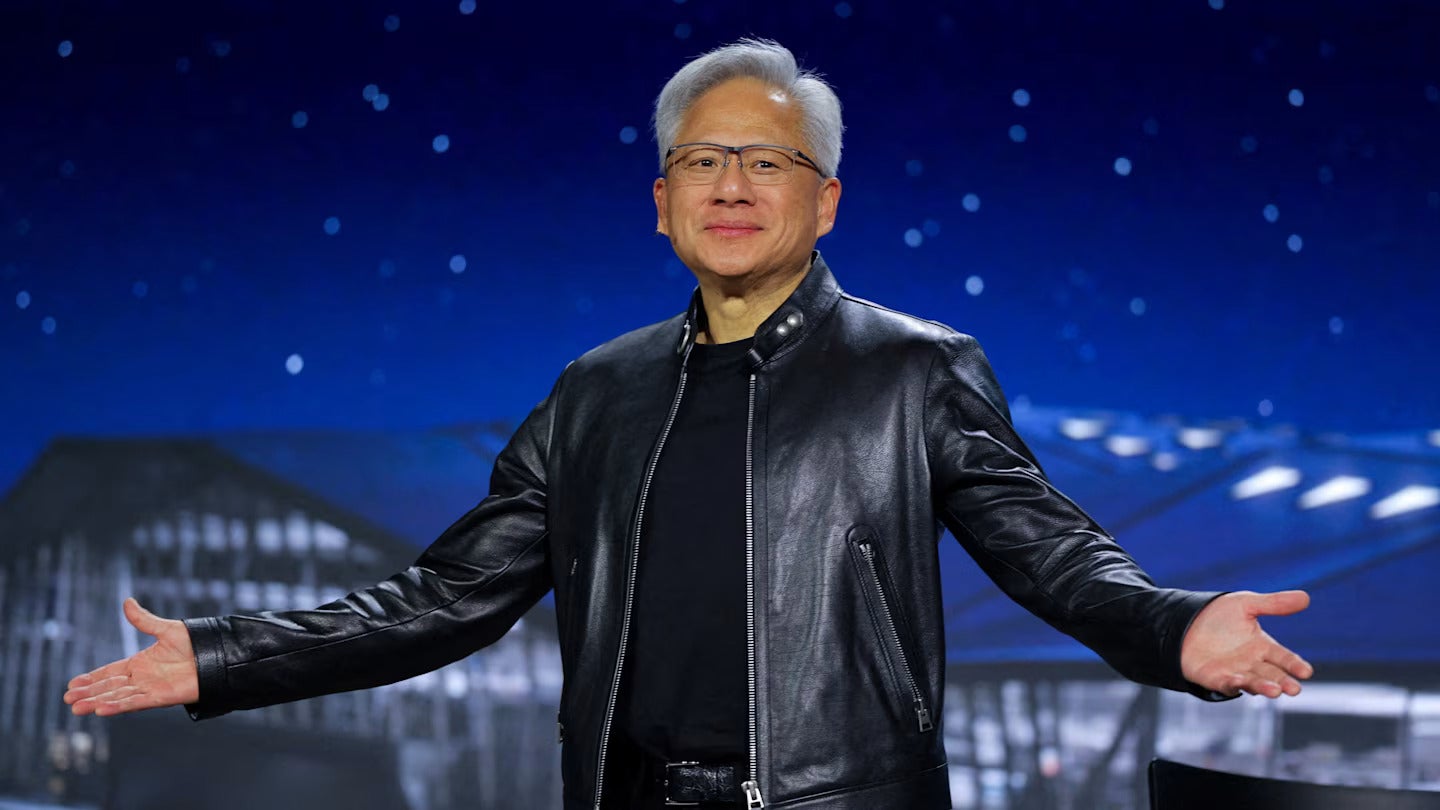
The episode discusses Trump’s reinstatement of NVIDIA CEO Jensen Huang amid multiple investigations tied to alleged export-control violations involving China and a Southeast Asia “smuggling” network (including Megaspeed). Guests argue the DOJ/administration likely offered NVIDIA legal protection (pardon/settlement) to reduce board members’ personal liability, while Congress and press investigations will continue. They also debate whether recent BIS export-control rules (e.g., remote-access limits) will be enforced and whether licensing could be “Swiss-cheesed” via exceptions.
Chris McGuire (podcast host; focuses on policy/enforcement and market impacts). Peter Harrell (law degree; legal/policy analysis of what DOJ promised and how liability/pardons could work).
export controls weren’t enforced; “tone from the top” on compliance is weak; reinstating Jensen suggests national-champion/state-capitalism governance; Megaspeed entity listing may be symbolic and possibly missing FDPR application, limiting real effect.
indicted NVIDIA-related Taipei sales manager; Megaspeed/Megaspeed subsidiaries; companies like Alibaba/Baidu labeled PLA-linked; DeepSeek V3 causing NVIDIA stock drop; BIS remote-access rule and TSMC China-related tightening.
Written by AI. May contain mistakes.
Discussion on the Department of Justice's investigation and potential legal ramifications for NVIDIA.
“Peter, law degree holding individual on this chat.”
Exploring the various investigations into NVIDIA and the importance of compliance.
“be able to pick up the investigation and impose liability.”
Analyzing how the political and compliance issues surrounding NVIDIA impact market volatility and the AI sector.
“I think it has now moved all the way to the top of their agenda, undoubtedly.”
Speculating on NVIDIA's compliance measures and potential future actions after investigations.
“and sort of Congress navigating Congress, this executive, the next executive, like navigating that.”
Discussion on Trump's remarks about NVIDIA and the implications for national security and market dynamics.
“It's what we should be having companies do.”
Exploration of how Trump's presidency reflects a shift toward American state capitalism and its implications.
“term has been, you know, kind of the rise of American state capitalism.”
Analysis of Congress's efforts to strengthen export control legislation and its potential effectiveness.
“But that'd be the only way to prevent that.”
Discussion about the implications of not applying the FDPR to Megaspeed.
“affiliates, it does not look like they applied the form produced direct product rule.”
Critique of the government's understanding and application of chip regulations.
“Well, I can, let's, let's, I can like cut down this time.”
Exploration of the political landscape and consequences of the Megaspeed decision.
“But there must have been people who saw that, again, assuming there is no FDPR.”
Discussion on the future of AI regulation and ongoing political controversies.
“you know, Donald Trump's not going to change at age 83 or whatever he is.”
Debate on Trump's unique governance approach and its implications.
“You've done a really good job getting market share for our Yuterbiums probably.”

Get the gist, explore an idea or ask about something said.
 Claude
On ChinaTalk, what are the key points of this episode?
Searching your listeningAutomatic transcript. May contain errors.
0:00Hey, Chris. Hey, how are you? I'm not as good as the NVIDIA board, which we were just talking numbers. The board putting aside Jensen Huang is up$2.4 billion today. Maybe bad for American national security, but good for board member yacht purchases is kind of my bottom line. I assume we're not recording yet. Or are we? It could go either way. um i mean my big question is did she show trump the sex tape in shenzhen
0:42it's not i mean like what are the odds that she has it 30 but why would that cause oh nothing i just think it's funny you know yeah okay sorry i just like emergency pod jensen you made me do it can't believe you i'm very upset we're here with chris mcguire and peter harrell will be will this be the last one before thanksgiving tv um it's on the bar real low i i think we gotta start with whatever trump the department the department of justice and the board cooked up in order to clear this from happening because my thesis is that the board was worried about their own personal liability as like individual actors for letting this continue.
1:42And I have to imagine that in that line in True Social that says like the DOJ investigated and they're not doing anything that came with some sort of pardon offer or settlement that just takes all personal liability from the board off the table. Peter, law degree holding individual on this chat. Like what's your take on what had to have happened on that dimension in order to facilitate? So I think it is a huge question and one that I hope, you know, Congress, others can investigate and get to the bottom of. What did Donald Trump and Todd Blanchard over at DOJ promise NVIDIA to make this happen?
2:32I mean, the two things that seem plausible to me that they would promise would be one kind of, you know, forgiveness for past sins. It certainly seems, you know, I just don't know exactly what was going on inside NVIDIA. I only know from the press reports. But, you know, I think it would be plausible to believe that NVIDIA might have, and including its executives, might have quite a bit of liability around past export control violations, you know, kind of stuff up to today. and did Trump say he'd either pardon or he could do a settlement on very favorable terms or something like that? Like, what did he promise to resolve all the past export control violations?
3:14And then also, I think, an important question of what has he promised in the future? You know, we know for a fact that BIS, the Commerce Department, had already been issuing NVIDIA licenses to export chips for China. Putting aside the smuggling, they were also getting licenses to export chips to China? And have they made some either soft or firm commitments about future licenses would be the other question I'd have. But there's really quite a bit that the President of the United States can promise NVIDIA out of this transaction. And while bad for U.S. national security, clearly dangled something on the table that made this attractive.
3:59I want one final point like if I were NVIDIA I would want this for the past violations buttoned up like I'd either want a pardon or I'd want a settlement because the statute of limitations for export control violations goes beyond is a five-year statute of limitations so if Trump simply puts the investigation on ice we are at a time where the next president would be able to pick up the investigation and impose liability. But if Trump either pardons or, you know, does a settlement on extremely favorable terms, that will give some final resolution to NVIDIA's potential legal, albeit not political problems.
4:44Yeah, I mean, I'm okay.
4:52Yeah, I mean, look, I, I think it's important to note, obviously, at the start that there's some messaging that says, well, the Department of Justice concluded this wasn't an issue. Like, I mean, the Department of Justice investigation obviously was not complete. I don't even know to what degree, you know, had started or how far along it was, but I don't think anyone thought it was anywhere near complete. You know, there's four separate investigations into NVIDIA that I think, like you said, Peter, are mostly, what clearly the board was concerned most about was, well, there's a number of things, but like the export control violations, I think, or potential was significant.
5:29That's why they created this new committee, right, to say, like, we're going to take this more seriously. And you have investigations from DOJ, you have investigations internally from the hired Wachtel, you have Congress, and you have just generally the press. um i i imagine the doj investigation i mean it seems like the president decided where that one's going to end up um walk tell i don't know i mean i i i would be a little surprised if at this point the internal and fewer billable hours for walk tell i guess you know yeah it just feels like they they've kind of concluded that one too at this point um so that mean i mean there will be a lot with Congress still.
6:11I, this is going to ramp that up. And then obviously with the press, so I, you know, this won't stop, but like those, those were not completed. And I think that's, that's what, like, can he, can he pardon a whole company? I mean, like, what if it, I mean, there's questions of Jensen, but like, there's other potential people. I mean, like right now there's an NVIDIA like sales manager in Taipei that was indicted for, you know, in having some affiliation with some smuggling, like would that person be pardoned too? I don't know. So I think there's, look, we just need to get to the bottom of what actually happened.
6:42I think it's very frustrating. Maybe there wasn't. Maybe everything was, you know, they actually were completely ignorant of all the China ties to Megaspeed and others. And the conclusion here is that export controls as a policy tool need to be buttoned up. And we need to, like, you know, actually have realistic compliance expectations for companies like we do with banks, which we don't at all in the semiconductor industry. That's, I think, the best case scenario. But, yeah, I think that there's going to be, this is, we're like in inning two here. I mean, the administration, or Congress is going to, you know, push on this.
7:17I think it has now moved all the way to the top of their agenda, undoubtedly. I think that you have, you know, a lot of press reporting on this. This story is not going away. And then there's huge questions of also, like, understandably, the Trump administration actually tightened expert controls in ways that are very positive, as Jordan we talked about in the last pod. But, like, how are they going to enforce that? I mean, the whole problem that many people have had is that Congress hasn't been enforcing export controls. Are they going to start now? Do they feel more emboldened? Because if everyone embodies, I don't know, just like massive questions here that I think, I guess, ironically, I think that this was probably done because there was significant market volatility last week, which is obviously a terrible reason to make huge strategic moves.
7:59But I think this is going to introduce way more uncertainty into the market because the fate of NVIDIA does not settle it. It's going to continually be vacillating, I think, for the next few months as all these investigations ramp up. And that's going to be very hard for, I think, the whole AI trade because it's going to reverberate through a lot of other sectors. So I see this actually introducing more volatility over the longer term, not tamping it down. Yeah, but Chris, I just want to follow up because I think you make a fair point about the BIS rule last week that implemented controls on remote access that began to crack down on smuggling to Southeast Asia.
8:39Also, you know, tightened up some of TSMC's kind of manufacturing for Chinese companies. It's a very important rule. I think we have to ask the question. I think more importantly, Congress should ask the question, you know, is Trump just going to direct BIS to start issuing licenses in spite of it? Right? Like they could sort of create a Swiss cheese element to this rule just by, okay, we have it on paper, but we're going to give NVIDIA all the licenses it wants. Or NVIDIA's, you know, NeoCloud partners, all the licenses they want. So I think this is going to be a really important thing to watch over the next couple of months.
9:15Absolutely. Chris, you brought up the like, you know, NVIDIA getting to 125 was the reason that this happened. And it made me think of like the debt ceiling fights, right, where like Congress gets close and they're flirting with it. And all of a sudden, as soon as it seems real, the markets freak out and Congress gets in line. And this is this is sort of I wonder to what extent this is like presaging the future political fights that we're going to be having about AI, not just on the Jensen National Security stuff. But like AI is both something which is extremely politically unpopular and extremely important to the health of the stock market and the economy more broadly.
10:00and sort of Congress navigating Congress, this executive, the next executive, like navigating that. I mean, Trump is just like not worried about how popular it is, but, um, I think every politician who is going to be running to replace him and every politician in Congress, like this is like a thing, which is big and salient in voters lives. And they have very strong opinions, like 90, 10 on it. My favorite poll was like someone asked the American voting base, like who wants, like how many people want AF markers to speed up? And that got 2 % of the population. So like, you know, this is, it's going to be tricky, but like regulating it in a way that, you know, does anything to sort of mute the, the impact or diffusion of it is going to have impact on these, on the, on the firms and on the economy in a way that politicians do have a sort of neurologic response to.
11:02So not really a question, but like, this is the first time I think we've really seen that of some sort of policy action triggering something AI related that freaked out the market that then required, you know, drove politicians to flip on. And I imagine as we kind of enter our,
11:25policy aggressive future when it comes to engaging with AI or in the C-board. Yeah, I think that's right. I think making a decision to defend leading AI executives, I think is something that is going to become increasingly apparent in the coming months that that is a very unpopular stance to take just politically. But regardless, Yeah, it's interesting. I mean, I think NVIDIA has historically been very volatile. And I would say the market has historically been very volatile on the AI trade, even though obviously the trend continues to be up. But look, for instance, when DeepSeek came out, DeepSeek V3 in January 20th, 2025.
12:09NVIDIA went down like 17 % that day. The market completely freaked out. It was like, oh, this is the end. And then it bounced right back the next day. And I think there is, you see this also with the hyperscalers, the hyperscalers announced, hey, we're spending$700 billion on CapEx this year, all their stocks go down. And then people realize, oh, no, actually, this actually makes some sense. And then they go back up. I mean, it seems like the market almost doesn't want to buy into the AI trade and how important these products are and how important this ecosystem is and how much demand for it there is.
12:38and it's like looking for excuses to be like, oh, nope, it's going to become a regular technology. And then it reverts to realizing that it's not. And I feel like we saw, you know, there was obviously some panic this week, but then I feel quite confident that it would have reversed. I mean, look at NVIDIA's earnings statement. NVIDIA's earnings statement last week said they revised. We're past the realm of expertise for trying to talk. All right, all right, all right. The point is like even Nvidia is saying they think that they're going to be fine with or without Jensen. So I don't know. I'm just I'm I'm really stunned that they that they'd make this decision, given the number of investigations into this and their national security import.
13:27And I think the question is like, where does it go from here? Does it mean that does it mean do they just issue licenses and we go back to status quo? Does it mean that actually NVIDIA, like, you know, they're shaping up, you know, shape things up and actually over comply because they, you know, owe the president one? Or does it mean, you know, policies? I don't know. Some sort of middle ground between them. I'm curious what you guys think. I genuinely have an idea. It's hard for me to see. Well, I mean, you know, look, I really hope NVIDIA shapes up and overhauls their compliance program. Obviously, that'd be great for U.S.
14:01national security. It's what we should be having companies do. It was no, no, no. It was striking to listen to one of Trump's comments this morning. I think it was on a CNBC interview. You know, he literally said, well, if NVIDIA, you know, sells chips to Megaspeed, I don't think he remembered Megaspeed's name, but he identified Megaspeed. He says if NVIDIA sells chips to, you know, a company in Southeast Asia then sends them on to China, that's not Jensen's fault. That's what he said, right? And so I think we certainly aren't seeing a tone. You know, in compliance, when you do a compliance program, there's a lot, like you see this in all compliance program releases, you know, tone from the top really matters, right?
14:50There's this idea that the folks at the top should say, take it seriously. And that's just not what we're hearing from the president, obviously, obviously today. I do want to make one other point, your point of the market, Chris, and I agree you make an interesting point on, you know, AI market goes up and down, I guess because I've followed Trump trade policy, you know, for almost two years now. It just has been pretty clear that at the end of the day, you know, juicing the stock market is a core objective of Donald, the Donald Trump presidency, you know, and he would taco on trade issues when the stock market fell.
15:26And so, So although I was very surprised by the news today, I kind of look back and maybe I shouldn't have been because he is just focused on juicing the stock market. And after Friday, he was no doubt thinking over the weekend, how can I juice the markets again? No, I think that's right. I think my personal opinion is that I think didn't need to. Like I think NVIDIA obviously had lost a lot. A lot of stocks have lost a significant amount of losses in the last week, but I feel like they probably would have come back because they historically have. But no, you're right. I think that we've seen a lot of panic moves in response to stock market responsiveness, some of which I think were longer term, some of which were shorter term.
16:11It might have been shorter term, but regardless, obviously policy of this administration is very responsive and maybe even guided by market moves even in the short term. And that's difficult in any environment. It's particularly difficult in an environment where you have an especially volatile market that doesn't really seem like it really knows what to make of this whole technology and how much to invest in it. And it's why we're getting this chaotic, one of many reasons why we're getting this chaotic policy approach. Let's talk about the sort of broader national championization of this. I mean, I was asking Chad GPT for analogies and basically the only ones that came up with were with political appointees where, you know, like Reagan would have someone who like had someone sort of sketchy and he would say, like, I fully exonerate him.
17:09and then like maybe he got through as attorney general in 1985, got through a year later. But having a CEO basically reinstated by a president is like something that happens in the PRC, not in, you know, a free market economy. I don't know, Peter, it's, it's the sort of, the mirror imaging that has gone on like, like clearly he is an incredibly important person to this whole build out an ecosystem, but the, mirroring that has gone on broadly over the past two years, I think is just really remarkable. Yeah, no, I mean, look, I think one of the hallmarks of Trump's presidency during a second term has been, you know, kind of the rise of American state capitalism.
17:54And there may be aspects of that that I think make sense. Like, I actually think it makes sense for the government to have a tool to make in certain circumstances, equity investments in private companies. I don't really endorse all the deals that this administration has done, but like conceptually, I think that can make sense. But, you know, you've seen it with the highly sort of personalized and transactional way companies are dealing with the president. And now we are at a point where the president of the United States is, you know, pretty much directly choosing the CEO of, you know, the second or third most valuable company in the United States.
18:38And I think, you know, somebody who is sort of, you know, I think it is a very strong departure from, you know, past instances of how the U.S. economy has worked. I mean, you know, sometimes when there have, like in 08-09, when we did the banking bailouts, You know, there was pressure on some of those guys to leave, right, on a sense of if you have forced your company into bankruptcy and such that the U.S. government is bailing you out, pressure on management to leave. On the other hand, that was a very different circumstance, right? That's where the incumbent guys have forced, sort of driven, you know, driven the bank into a ditch.
19:19This is actually the company is trying to clean up its act, forces out its CEO, and Trump says, no, you're coming back.
19:29uh should we talk about the like yeah let's talk about congress i was gonna say chris how much does this turbo charge things like the whole thing about rasa is it didn't it doesn't people people misunderstand this it does not mandate that remote access gets closed it just gives the congress department more legal comfort in the fact that any you know in the ability to do that i mean Is there a world in which, you know, at the at the 11 hour, like they just copy paste that rule into some legislative text? I mean, that's kind of seems like the response you'd hope for. Is that even enough? I mean, look, the the the issue here is depends what we're trying to solve for.
20:18right if congress is trying to solve the the bills that congress authored are mostly trying to solve for like the president sending black wells to china right ai overwatch stops that uh this problem of like asmr sending duv equipment to china match stops that rasa is the problem of like well we don't have the authority maybe to to do some remote access although it seems like they do have some of that authority but obviously lengthening strengthening that legally would be helpful. But they don't have anything that would say you cannot give licenses to Megaspeed that says like, we are taking that away from you, right?
20:55And especially on anti-smuggling provisions. So not to take anything away from the bills, because that has been tremendous progress on the Hill. And I think it was born out of a lot of frustration that the administration has not been taking export control seriously. It's been like walking things back. And I think there's a lot of areas where they said, we're going to draw a line here, you can't continue to degrade the policy. And on some things like SME controls, with match, we're going to move it forward a little bit. But the debate has evolved significantly because it's moving very fast and Congress is slow.
21:26And now we're talking about the issue of smuggling and of providing remote access to entities in Malaysia, things like that. And none of these bills actually expressly prohibit that. So I would be very surprised if there was a significant effort to change these in a way that would put that in just because we're at the 11th hour. There's been a lot of work put into these, and even the administration has been engaged on them. And I think people probably don't want to upset the apple cart. At the same time, because the question right now that we're talking about, everyone is talking about is, can commerce, first of all, why wasn't commerce enforcing the controls that prevented the shipment to Megaspeed?
21:59And second of all, can we trust commerce to now enforce the controls they just put on that would nominally prevent shipments to Megaspeed or to companies like Megaspeed in a way that is serious and robust and actually accomplishes that objective? If the answer to that is no, then Congress needs to have legislation that takes the keys away from them and says you are compelled to deny licenses in X, Y and Z circumstances or to these countries or, you know, it's going to have to get a lot more specific. And I think that is probably something for next Congress. I don't think there's time here. But when you get a lot of people in Congress that are patting themselves on the back and saying, we're doing all these things, our bills should go through.
22:36You know, Hakeem Javries had a very strong statement on this that said, you know, these bills are important. and we're going to have ironclad controls. That's great. We should be pushing these bills. I will do applaud Congress for all the good work that they've done, but we should not be under the assumption that this package of bills creates ironclad controls. That is going to require additional work. And I do think that everything about the way that this is playing out, from all the questions about why didn't Commerce Act to now, finally it does act, but then the president gets Jensen back in.
23:02This is now just inviting much more, not just investigations from Congress, But also, I think much more kind of onerous legislation that is going to say you shall deny licenses in these circumstances. And we'll have to see how that evolves. But that'd be the only way to prevent that. Or there actually is. Otherwise, there has to be some like clear effort from the administration that actually we are going to implement this in good faith. Like the Jensen thing is one thing, but like, you know, you could actually trust us now. But I feel I don't know what they could do to show that right now. And there have the steps seem to be actually moving the other direction.
23:37The rule was good, but everything else around it still full of question marks. Yes. I mean, assuming what Nick stays, which we have to price in now, right? Sure. Yeah. Why does Kessler leave? Why didn't they change what they're doing? I mean, he was dragging his feet on putting Megaspeed on an entity list as of a week ago, right? And that news just came out today. So it's not like the Commerce Department has had a change of heart. And it's one thing to like win one bureaucratic fight and have the treasury, have treasury write the reg. But like, yeah, someone's still got to tell the enforcement officers to like fly out to these places and to, you know, say thumbs up or thumbs down on specific applications.
24:23And I mean, there was this great, you want to talk about the mass, the mass release, Chris? Yeah. And just one note on Megaspeed first, like that's, I'm very curious to see what this entity listing looks like? Because first of all, putting Megaspeed on the analyst, that was way far below even the bare minimum. I'm glad they did the rules that prevent future Megaspeeds in those countries. But Megaspeed was basically effectively already cut off of the rule. So this is symbolic. I'm curious if they actually list all of the subsidiaries. And if they list all the subsidiaries and maybe the entire Alice Huang smuggling network, well, then that begs the question of, well, how would you list the whole Alice Huang smuggling network, but also put Jensen back in.
25:06And if you don't list the whole Alice Hong smuggling network, then, well, what are we doing here? Why aren't you listing all these other companies that are clearly to be shown to be in cahoots with Megaspeed? So I'm curious to see that. Yeah. So what you noted, though, the release on Friday, I think it was, where Brian Mass, the chair of the House Foreign Affairs Committee, and I think in supporting, supported with the ranking member, Gary Meeks and Democrats, they had received the license information on the AI chips that the demonstration had sent to China, at least as of May. So they released detailed information on where those chips went and also what other licenses were requested, which included a slew of interesting facts.
25:51The fact that 30 percent of those chips went to companies that DOW, the Department of War, designated as Chinese military companies. and people say like, well, that's Alibaba and Baidu and those are big companies. Like, yes, they're big companies. Secretary Besson said that, but also like the government has specifically designated them as Chinese military companies. So it's just, there's inherent inconsistencies here in this approach. There's a bunch of notes about who else was going to be doing the installation of these. Like INSPUR was listed repeatedly, which is on the entity list. So you have entity listed companies that are installing it.
26:26Trump administration signs off on that. Nvidia said low risk of diversion for all this. Trump administration signs off on that. Don't know why, given all these PLA ties. And also there was one company in there that Nvidia applied for a license, did not get it as of May, but applied for a license that was in the smuggling network run by Alice Wong. It's like new century. So there's still a lot of unknowns on information, but clearly NVIDIA was applying for a license to ship to a Alice Wong and her husband operated company in China at the same time as they were shipping to Megaspeed, which they knew was affiliated with her in Malaysia, but are claiming that they had no knowledge that Malaysia was connected to China.
27:06So again, I don't know, but there's just everything that comes out. It raises more questions about what did NVIDIA know? What did Commerce know? How did the last 18 months, two years play out the way they did? And I think this document even raises a lot more questions. And when you guys want to talk through the sort of like Alibaba, I don't know, affiliate subsidiary that like contracts with the PLA, like the New York Times reported on?
27:39sorry i got distracted because they did publish the mega speed entity listing right now oh really all right live they did it yeah reaction yeah uh so it includes mega speed speed matrix pt mega speed uh i think that's the indonesian one it does look like that at least they got the like super obvious
28:13affiliates, it does not look like they applied the form produced direct product rule. That can't be right.
28:38If that's right, that's amazing.
28:46I'll have to confirm this, but it looks like they did not apply the FDPR to Megaspeed. So if that's the case, what that means is Megaspeed cannot receive chips from America, but they can get whatever they want from Taiwan.
29:08I have to read the whole register announcement here. I agree with you. I don't see it, but I'm also just reading this live and I want to unpack it. Yeah, same. Okay. Well, I can, let's, let's, I can like cut down this time. So why don't you spend your four minutes? If they don't, if they did not put the FDPR on Megaspeed, you'd like, that's, oh my God. oh my god levels of incompetence
29:38it is interesting timing i mean you sort of putting aside that issue you know on the day nvidia come i mean they reinstate jensen i mean he sort of feels like the administration at this point wants to make mega speed the scapegoat here right i mean Megaspeed richly deserves this by all accounts. But it kind of comes off to me as are they going to try to just make Megaspeed the bad actor and the scapegoat here? And as Trump said, Megaspeed was sending them on. It's not Jensen's fault. Yeah, and the issue is way bigger than Megaspeed. Megaspeed is obviously the tip of the iceberg. It's indicative of the problem.
30:22But I completely agree with you. My worry all along is that we're like, well, we got Megaspeed. even go forward. Now, look, you have to give credit where credit is due. They did do a rule that applied to at least all of Southeast Asia. It was a very serious rule. Yeah, we talked about it. It was, I think, generally quite good. There's a couple things where I'd tighten things up, but it was a positive development. Yeah, I don't think, but this listing does not include the FDPR on Megaspeed, which just, this does nothing, to be clear this does nothing it stops them from getting i i i don't know you know i don't i don't even know what what we would what we potentially ship to them like maybe they were buying some legacy global foundry chips that now you know but yes unbelievable unbelievable and what that says to me is that like the commerce doesn't know what they're doing they don't know how to do this Like this is the most basic fact.
31:22We have the FDPR to control chips. The FDPR is the tool that allows us to control AI chips. If you are not applying the FDPR, you are not controlling AI chips because they're not made in America. So like if you're just putting them on the any list, you're only controlling American products and not the products that you actually need to control that are made with American technology abroad.
31:45I can't even think that that is purposeful because it's, what is the point here? It just shows incompetence, just complete incompetence and lack of understanding about what we do, what these controls are, how they work, how to administer them. It's just embarrassing.
32:06because they're banned anyway right they're banned from the previous rule so it doesn't actually make any difference because they're in by virtue of being in malaysia but like well now they can say i mean what's the point i mean look what nick didn't want to do this he said let me let me bring it back right and then and then best and rubio leaked that and he's like i'll i'll figure out something and this is what he figured out maybe is not fdpring somehow because we're worried about how Megaspeed is going to do. I mean, this is I feel like it's a little premature to put this up right now. No! It's completely incompetent.
32:49It is indicative. It is perfectly indicative of just the complete lack of understanding about how this tool works and the complete lack of seriousness through which they did it and through which they used it. But there must have been people who saw that, again, assuming there is no FDPR. Like, this is like level one understanding, right? Like, everyone who works in BIS must know that not applying FDPR to the Megaspeed Ending listing will have no actual impact. I don't know. I don't know. I mean, it's like, look, a lot of people have left government in this space. So, and also I think that there are people who are there.
33:36Yes, you're right. There are, it's not like there's no one in BIS who knows this, of course, but at the same time, like, was this done? Were any of those people consulted? Like, or was this just done by Secretary Lutnik and Undersecretary Kessler to, you know, jam it out there real quick to, to, you know, get a, get a press win without actually consulting anything on it? I, I, I, unbelievable.
34:02yeah close on the 2029 or i guess let's call it like the palace intrigue the palace intrigue in 2029 at all so i i think this feels to me like a scandal which is going to keep coming up and the sort of like unequal application of the law um is not something voters seem all that happy about uh and i i can't imagine like it just seems tough to me that come 2029 being associated with whoever like brought him back is going to be a winning thing on a primary so it was sort of interesting that like we got stories today about jd um being a part of this I mean, maybe this is just like because it's helpful for his fundraising.
34:59I mean, if you're Bessent and Rubio, like how are you feeling today? You took your shot at the king and like apparently you missed. What else needs to happen to swing this pendulum in a different direction?
35:19I mean, look, I, you know, look, this is a remarkably top-down administration, right? And this is why, you know, starting a couple of weeks ago, and there are all the rumors, and you can see Besant and Rubio trying to come for Howard Lutnick, I sort of had a view, as I told some friends, like, I have no idea whether Howard Lutnick's going to leave, because yes, it's very clear the administration dislikes him, but all that matters is Donald Trump and Donald Trump's view here. And I, nothing about that is going to change over the next year. So I think clearly Congress, like if you want to see pressure and progress here, the locus energy is going to have to come out of Congress and laying the foundation for something post, you know, post-2028 because, you know, Donald Trump's not going to change at age 83 or whatever he is.
36:10So do you in Congress, do you start with you got to start with headset, not what first though, right? For impeachment. Oh, sure. I mean, yeah, probably that is. I don't know where they'll go on impeachment. I mean, you know, oversight and pressure is going to come out of Congress here.
36:34closing thought i think it will i think this is going to be fair i i think that that that is the the oversight is going to be really significant on this this is kind of like at the sweet spot of like every issue right you got like ai you got corruption you got you know china you got billions of dollars of technology you have sex like it's like like everything is there um but i think um just everything, everything is postured to make this more important, right? Like there's going to be more that comes out. I'm sure that like on, on, on kind of every side of this, there's going to be more infighting in the administration.
37:10AI is going to get more important and more powerful, which is going to make it even more crazy that like any of this happened, people are going to realize how much it's actually shipped. Like I, there isn't any of this that I think is like, oh, I think in like six months, we might look at that guy and realize it's actually less big deal. We're going to look back at all this and realize it's a bigger deal in six months. It's just, and also like you already have Republicans that are, that are frustrated with this. So it's, it's, it's, this is, I wish this would just go away. I'm, I'm sad that we're going to keep talking about this.
37:42I don't want to. um so i think i think my satire piece is like a the the ceo for china's you know rare earths like china northern rare earths um starts sleeping with an american spy and um you know starts exporting some rare refining equipment to her company and then gets fired the sort of like Chinese Twitterati demands to bring her back and she changes his mind. You know what? Sure, I guess so. You've done a really good job getting market share for our Yuterbiums probably. Probably in the best interest of our country long term to have you at the helm grinding down these rocks into shiny rare earths.
38:45I don't know. What other beach should I have in this? I mean, that would be the mirror image. You know, I get back to though, like the thing I think about, like Trump, you know, Trump really does, you know, there's this article that, um, uh, I think it was, uh, uh, there's an article that came out, you know, a year or so ago about the neo-royalist approach of the Trump administration to how they, this political science article calling it neo-royalist. And you do sort of see that here, like Trump wants to govern through a highly personalized, you know, kind of, I have my people in charge of the national champions that are going out to assert American influence.
39:28and power around the world. And, you know, this is just kind of another manifestation of that.
39:37Let's call it there. Hopefully, don't see you. Yeah. Three days. I don't, but I fear, you know, there's only going to be more here. If there's another one in the next two days, Peter, you got that one. But you're more optimistic than I am on Republicans. Like I find those Republicans like criticizing this kind of risible. I mean, you know, like one of them, one of them, I can't remember is Rickett. You know, he's had a post that was like, we got to get to the bottom of, you know, what senior official talked to NVIDIA. And this was after Trump had already come out and said, I phoned into the board meeting.
40:13You know, I just I hope that more more non-departing Republicans really start pushing back here. We need it. the track record's not great Chris, have you got any Grand Theft Auto? No I wish someday I don't think I actually own the device to play it anymore so yeah I mean if the PC one isn't out you know what I did is I got the Xbox at Best Buy and there's a two month return window nice Nice. Um, it's smart. The PlayStation 5 Pro is like sold out everywhere. The resale is like$1 ,500. It's less than$900. Great. Yeah. All right. I'm afraid I gotta run. Same.
Wow.
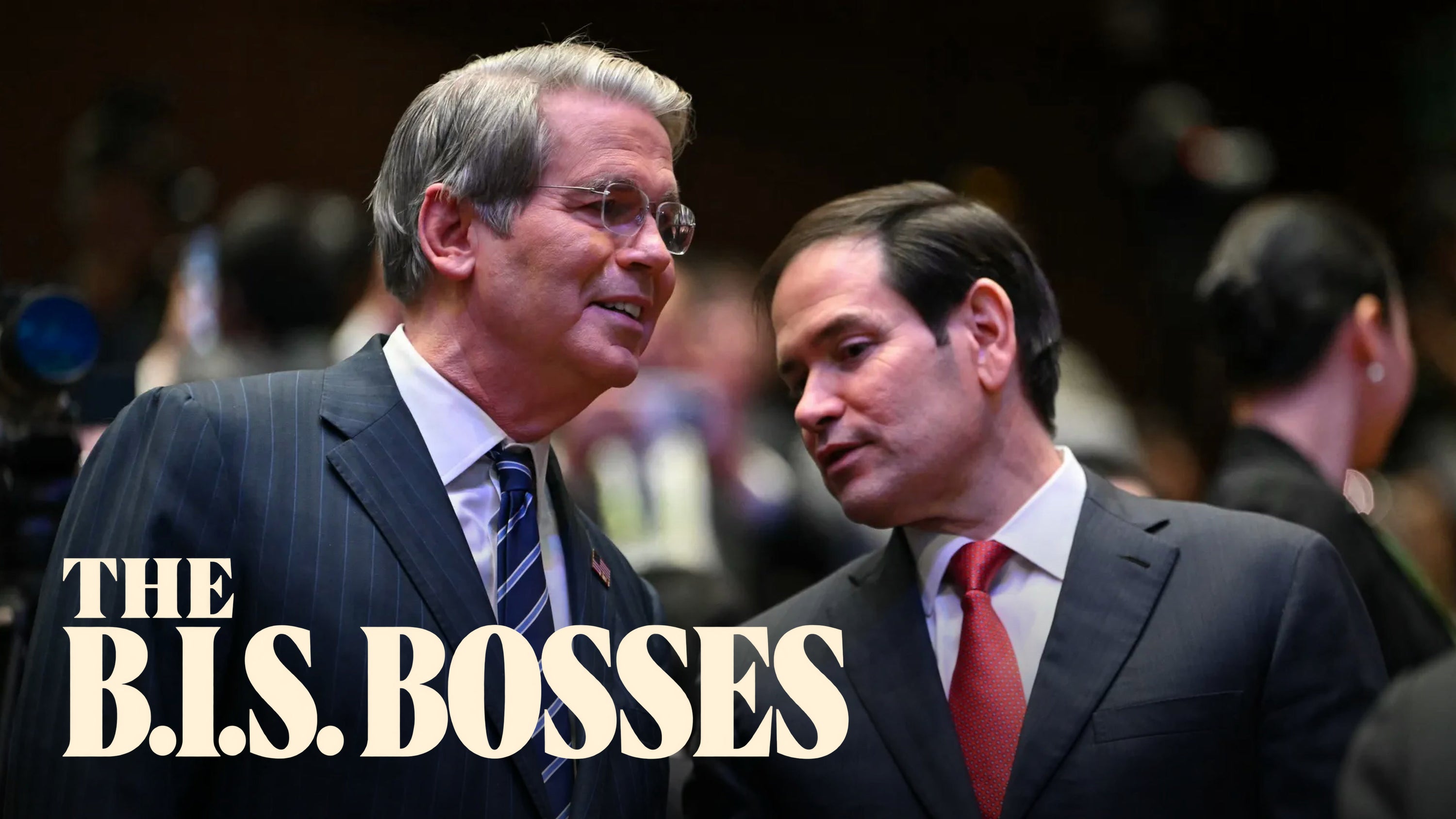
To make sense of it, ChinaTalk brought on Chris McGuire who works on China and emerging technologies and previously ran tech protection strategy as deputy senior director at the NSC. Peter Harrell works on geoeconomics and was President Biden's senior director for international economics.
We discuss…
What Trump could have promised NVIDIA: a pardon, a sweetheart settlement or future licenses, and why a five-year statute of limitations means a paused DOJ probe isn't enough.
Swiss-cheese controls: last week's strong BIS rule on remote access and Southeast Asian smuggling, and whether waving licenses through could hollow it out.
Megaspeed as scapegoat: the entity listing that broke mid-recording, the missing FDPR, and what "it's not Jensen's fault" says about tone from the top.
Brian Mast's license dump: 30% of licensed chips went to companies the Department of War calls Chinese military companies, and entity-listed Inspur helped install them.
Policy by stock ticker: AI as the new debt ceiling, a technology voters hate that the markets can't do without.
American state capitalism: a president picking the CEO of one of the country's most valuable companies, and what Congress can do before 2029.
Learn more about your ad choices. Visit megaphone.fm/adchoices