
In short
Coffeez for Closers - Episode 35: Apartment Investing ft. Brad Sumrok
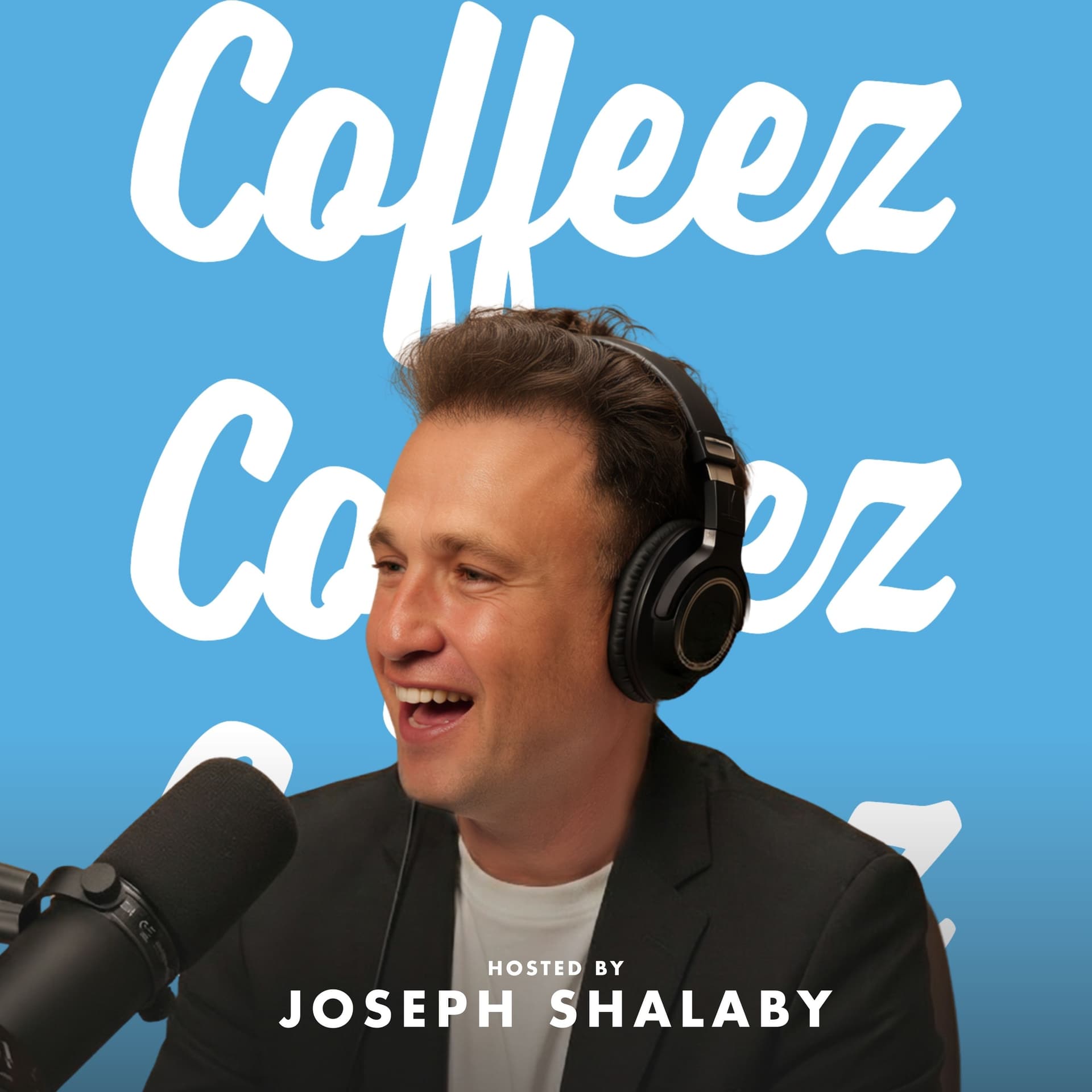
Podcast Overview Host: Joseph Shalaby Guest: Brad Sumrok Release Date: [Insert Date] Description: In this episode, Joseph Shalaby interviews Brad Sumrok, a leading figure in apartment syndication, who has been instrumental in transforming lives through real estate investment. The discussion revolves around the strategies and philosophies that underpin successful apartment investing, leadership, mentorship, and the importance of effective networking.
Key Takeaways
Introduction to Brad Sumrok
- Background: Brad Sumrok, known as "The Apartment King," has helped clients purchase over $6 billion in apartment complexes since 2005.
- Impact: Many of his students achieved financial independence and increased their net worth significantly through his mentorship program.
- Mission: To help 1,000,000 individuals achieve financial freedom through apartment investing.
Overview of Apartment Syndication
- Definition: Apartment syndication involves pooling resources (time, money, expertise) to purchase larger apartment buildings that individuals cannot afford on their own.
- Advantages:
- Professional management
- Economies of scale
- Significant community impact
Morning Routine of Brad Sumrok
- "Me Time" Before Work:
- Wakes up early (around 6 AM) without an alarm.
- Starts the day with coffee and planning.
- Engages in physical exercises like weight training, running, and yoga.
- Values health and nutrition.
Journey to Apartment Investing
- Corporate Background: Brad transitioned from a corporate job where he felt insecure after losing his job twice.
- Inspiration: Reading "Rich Dad Poor Dad" by Robert Kiyosaki ignited his interest in real estate investing.
- Initial Steps: Participated in real estate seminars and committed to mentorship programs.
Overcoming Challenges
- Scaling Up: Brad explained the transition from managing a few properties to securing larger deals with partners.
- Lessons from Past Mistakes: Recognizing the importance of delegation and building a reliable team.
Importance of Mentorship and Networking
- Value of Mentorship: Emphasized the need for learning from experienced individuals to mitigate risks and accelerate success.
- Effective Networking: Importance of meaningful conversations over just exchanging business cards.
Current Market Insight
- Market Downturns: Discussed the impact of recent economic conditions on the multifamily market, including rising interest rates and inflation.
- Bullish on Multifamily: Despite challenges, Brad believes renting will remain a strong option due to affordability gaps in the housing market.
Personal Goals
- Health Goals: Aims to maintain and improve personal health as he ages.
- Business Goals: Plans to expand his podcast and launch Sumrok Capital to further support his mission of mentoring aspiring investors.
Final Thoughts
- Legacy: Brad views his legacy as the positive impact he has on others' lives, aspiring to uplift those he mentors.
- Perspective on Media and Challenges: Discussed navigating negative media attention with resilience and continued focus on his mission.
Conclusion Brad Sumrok's journey from corporate employee to successful apartment syndicator illustrates the transformative power of mentorship, strategic partnerships, and a commitment to personal and professional growth. His insights offer valuable lessons for aspiring entrepreneurs and investors seeking to navigate the complexities of the real estate market.
For more information, visit [bradsumrok.com](https://bradsumrok.com) and find him on social media platforms.
---
Listen to the Episode
- [Apple Podcasts](https://podcasts.apple.com/us/podcast/coffeez-for-closers-with-joe-shalaby/id1726674707)
- [Spotify](https://open.spotify.com/show/2KkQWRqHSHcCK3TVfsRKUK?si=hjTnUOjFS5eTDxBjgf4RwQ&preview=none)
- [Amazon](https://www.amazon.com/Coffeez-Closers-Joe-Shalaby/dp/B0CRYLQRW6)
Follow Coffeez for Closers
- [Website](https://coffeezforclosers.com/)
- [Instagram](https://www.instagram.com/coffeezpod/)
- [TikTok](https://www.tiktok.com/@coffeezforclosers)
- [Facebook](https://www.facebook.com/people/Coffeez-for-Closers-with-Joe-Shalaby/61556355642488/)
Written by AI. May contain mistakes. Listen to the episode to check what was said.
Transcript
Automatic transcript. May contain errors.0:03what's up everybody and welcome to another episode of coffees for closes where we bring you insight from the world's most influential leaders today's guest is a powerhouse in the real estate world with over two decades of experience and a portfolio that spans thousands of apartment units across the country he helped countless people break free from the grind and achieve financial independence through his strategic investing his teachings have earned him top accolades as a mentor and speaker transforming ordinary investors into real estate moguls get ready to meet the man that's changing people's lives one apartment at a time, Mr.
0:44Brad Sumrock. I appreciate you coming down. You flew right in from Miami, and I hope the travels weren't too burdensome for you. Came in with your bags in hand, you know? It was a great flight, man. It was five hours on time, which is pretty rare these days. Yeah, and I know you got to work the entire time. You were bragging about that. I did. Everybody else was sleeping, and I was working. There's something wrong with that. Yeah. Well, I love the grind. I love the grind. So Brad, give the audience a 20 ,000 foot overview of what you do. Yeah. So I do apartment syndication. And what that means is when I first heard that term, it was really complicated.
1:18I didn't even know what a syndication was. So imagine creating a community where people collaborate and they pull their time, their money, their resources, and their knowledge together. And then they go out and buy an asset, in my case, an apartment building that's bigger than any single individual could buy on their own. And so we pull all of our resources together and we go buy apartment buildings. And the reason we do that is there's a lot of advantages of buying more units in one transaction, like professional management, economies of scale, not to mention how we're changing communities of generally working class people that live in these buildings.
1:57So it's a big impact. I'd like to start my show off with the same question, which is what I ask everybody. Now, what is your morning routine? What is my morning routine? Well, what if I said I don't have a routine, the same routine every morning? But I will tell you this, before 10 o 'clock every day is me time. You know, I love to wake up early. I love to work out. I actually start my day with coffee, believe it or not. You won't find that in any of the personal development books, will you? Well, believe it or not, I think a lot of people, a lot of high performers do start their day with coffee.
2:29I mean, I love coffee and I love the name of your show. Coffee is for closers. Right. But everywhere I go, I actually seek out like and I'm getting off the question, but I seek out like the best independent coffee shop. So I wake up in the morning and I'm wide awake, though, like I don't need coffee to wake up like I wake up usually at six a.m. without an alarm and I jump out of bed and I'm ready to go. It's my peak hours. And so I have a coffee. And then what I do is I outline what I want to achieve for the day. And I outline why I want to achieve it. I don't do it at nighttime because I'm not a night person.
3:03I do it like at 6 a.m. with coffee. So I get my whole day organized. I get my whole day planned. And usually I even look forward to the week. Then I read a Bible verse. I love reading the Bible verse, you know, whether you're a Christian or not. Like there's a lot of, and I am a Christian by the way, but I love reading the Bible verse because there's a lot of wisdom in it. So I do that. It kind of gets me grounded for the day. And then I go do exercise and the exercise I love to do. I love doing weight training. I love doing running, especially out in Miami, you know, or running an apartment these days.
3:38And I love doing yoga. So I, I, I alternate those and I do it every single morning. I'll be doing it here like tomorrow from the hotel. So I do that. And then I eat a nutritious breakfast. I eat breakfast every morning. I never skip breakfast. Like if I'm going to skip a meal, I'm going to skip dinner. It's better to go to bed hungry. So like my health is really important health as well. So, so what I do every day to recap is I wake up early without an alarm, have my coffee, plan my day, do my exercise. And that gives me like that me time. And it allows me to have, you know, personal wins before I ever do any zoom meetings or business calls or anything like that.
4:17You got to start the day with some me time and some personal wins. Yeah, I love it. I'm with you on that same boat. You know, very, very similar morning routine as well. Now, out of all the businesses you could have entered into, why'd you pick apartment syndication? Yeah, I never thought I'd be doing this, man. Like, honestly, like my parents, neither one of them finished college. And my dad worked for an engineer. And I remember he made a lot of money, like relatively compared to my dad. So, you know, we would vacation to, I grew up in Pittsburgh and we'd go on vacation to like Lake Erie. and the shores of New Jersey.
4:50And my dad's boss would take his family to Hawaii on an airplane. I had never been on an airplane until I had my own money to go on air vacations on a jet airplane. So I studied hard, got good grades, went to college, did everything right. So I thought I got an engineering degree and an MBA. But after 17 years of working in corporate America and losing my job not once but twice, I found myself in my early 30s. and I was kind of like, Hey, I'm not as secure as I thought. Uh, and I'm not where I want to be financially. So if you ever did everything right and you're still not where you want to be, um, that's where I was.
5:28And I didn't really know what to do, but I was living in Houston, Texas at the time. And on hot summer days, you know, we'd like to spend time indoors. So we go to like malls. And back then there were bookstores, stores like Barnes and Noble and borders. You probably remember these Joe, and there's not many of them around anymore, right? Cause everything's all online now, but I would go to these stores on Saturday and Sunday and look at the top selling books. And I'll never forget in 2001, I picked up a book. It was purple and gold called rich dad, poor dad. And I, you probably know that book, right?
6:01Everyone in real estate knows that book. And I read that book and it gave me so many ideas. It changed the trajectory of my life because everything I was doing. And then the second book, you know, was the cashflow quadrant. He talked about employee, self-employed business owner, investor, and I realized that was an employee. And then he talked about how business owners and investors, generally they have more freedom. They have more time. They have a better quality of life. They can make more money with unlimited upside and they pay less taxes. And then Kiyosaki in these books said, Hey, one of the best ways to be a business owner or investor, a business that has low barriers to entry was real estate.
6:42So I heard of a lot of people doing real estate investing and Kiyosaki actually pointed that out, but I wasn't sure where to start. So I was living in Houston, Texas, and I started going to real estate investing seminars. And that's how I got started. I went to a seminar. I was very skeptical. I came in thinking like, hey, I got two degrees. Like, what am I going to learn here? But I had this part of me that It was curious, you know, and I was open. And day one, I remember walking in and I sat in the back of the room with my arms crossed. Day two, I got there early. I was in the front row taking, you know, shit tons of notes.
7:15And I learned what they taught and took massive action. So you were in your 30s at that point. Yes. It wasn't until you were in your 30s, you realized I need to be an entrepreneur. Yeah. And I had never had, I didn't have that roadmap. Like my blueprint for success was college and then another degree. And then grad school. Yeah. And actually traditional normal, like route, like that's in my culture. That's all they push is like college, grad school. That's yeah. And when I, when I lost my job the second time, right before I read rich dad, poor dad, I actually started studying for the LSAT because I was like, okay, I have an engineering degree.
7:57That got me my first job. Then I got an MBA that got me six figures. and then I got, you know, let go and then I got fired. And so I was like, okay, well, what else should I do? Get a lot of degree. I'm going to get a lot of degrees so I could sue these people every time they fired me. Exactly. But I'm so glad that I picked up the Rich Dad Poor Dad book. And I wasn't even looking for that book. Like, you know, I would go to these bookstores and look at the best. I would always read nonfiction bestsellers. And I, at the time I was, and I still am, I was, you know, really interested in my health too.
8:25So I was, I was always interested besides in, you know, business and real estate. I was interested and working out and eating right. So I would go there and I would buy books on, remember the Body for Life book, Bill Phillips, Transform Your Life in 12 Weeks. I would read those kinds of books. I would read nonfiction books. I would read books about, you know, Die Broke and The Richest Man in Babylon and Think and Grow Rich and Tony Robbins stuff. Like I would read that kind of stuff. I mean, it helps all of us evolve. I love those books. Yeah. And I still, that's still my preferred reading material as well.
8:58Yeah, mine too. I love reading. I still read a lot. So you read a book and then you're like, I'm going to start a business. What really, what was your first business you started? Well, like I said, I went to the seminar and it was$500. And I'll never forget. Like, you know, I was, you know, in my early thirties in Houston, my friends at work, they would, we'd work all week. You know, we hate Mondays. Wednesday was hump day. And then Friday was like the best day of the week. Right. And it was summertime and they go out on the lake. So they're out on the lake and I'm going to the seminar. I pay 500 bucks.
9:32They're all making fun of me. Well, at the end of the seminar, they offered a five figure mentorship program and I actually bought it. And it was a lot of money for me at the time. But I committed. I was like, hey, if I'm going to invest this kind of money in a mentorship program, I'm going to make sure that I actually do the work. And so I went out. And so to answer your question, And the first business I started was an apartment building. And this was not a syndication. I didn't know about syndication back then. And I bought a 32-unit building for a million dollars in Houston, Texas. I put$200 ,000 down, got an$800 ,000 loan, and I became the proud owner of a 32-unit building back in 2002.
10:16You still own that same building? No, I sold it. Wow. Yeah. Yeah. So I'm so fascinated by this because, you know, your journey is just it's not a normal journey. Someone to start at your age, you started in your late in your early 30s, your entrepreneur journey, and then started just immediately investing. How are you capitalized enough to start investing into apartment buildings with a W-2 job? Yeah, well, that's a good question. So if you remember, I worked for 17 years in corporate America. Right. And like I said, I did everything when I say right, in quotation marks. I don't know if the audience could see me doing this quotation marks with my hands.
10:54So I did everything right. And part of that was living below my means and saving money. So I maxed out my IRA and 401k contributions and I saved money. So I was an engineer and an MBA. I generally made six figures for the last decade between my age of, say, 27 and 35 before I quit my job. And so I saved my money. And so that property, that first property, I needed$200 ,000 down. And that was the majority of my savings that I put into that building. And how I got into syndication was my second building was another 30 units. If you remember Monopoly, right, you try to buy like the, on the board, the same colors, right?
11:44So you could convert three houses into a hotel. Well, I learned how to convert three houses into an apartment building, but I never did houses, so to speak. Like, so I bought 32 units on one block and then there was a 30 unit property on the next block. And so I bought that one too. So now I had 62 units a block away from each other. And that wiped me out financially, meaning like all my liquidity was in those 62 units. And now I have 62 units and I have these properties and they're cash flowing and I'm making, you know,$4 ,000 a month on property one and$3 ,000 a month on property two. But I have no more money.
12:24Now a broker brings me a 250 unit deal. And what do I do? Well, what most people do is they'd be like, well, I can't buy it. I don't have the money. or I got to sell these properties and get my money out of them. Right. But since I was going to, uh, investor meetup groups and I joined that mentorship program and they would do like meetups every month. So I was networking, you know, I was building the network and, and people would tell me, Hey, Brad, if you find another deal, like I'll, I'll put money in with you. And so, you know, fast forward, a broker brings me a 250 unit deal. I didn't have any of my own money.
13:02It was all tied up in 62 doors, but I was able to raise$2 million from 27 people and buy 250 units. And what I learned from that, Joe, is easier to do 250 units and hire a professional management company than it was to buy 32 and do everything yourself. And Kiyosaki calls that the difference between being self-employed and doing all the work yourself in a business owner where you hire professional management. So you did the 250 door deal. Yeah. And you just raised capital for it. Well, I raised capital and I oversaw the management company. So you don't just raise the money and do nothing. You still got to work with the management company.
13:45And to me, it's like as the owner and you hire the management company, you're still working with the management company to make sure the asset's performing. yeah the the thing is that that's crazy is that you were you jumped into such a big multi-unit property with with such little experience it's amazing yeah well the thing is how do you get experience is you either get your 10 000 hours on your own and it takes you five years or you leverage somebody else's 10 000 hours and that's why like i believe so much in mentorship like the way to take a decade and turn it into days is, is to hire a mentor.
14:22Like I still like, you know, we met at a mastermind, like how much does that cost us? That's where we met. You know, I just got back from a Tony Robbins event, but you spent a lot on self-development. I mean, being at that mastermind is going to this conference you're going to now. I mean, you're always investing in your development. Yeah. Well, that's the secret to success. At least mine, like the best investment you can make is in real estate, but what kind? Some people would say, I'm going to say apartments, but I'm going to tell you it's the real estate between your ears. It's that real estate between your ears.
14:52It's the real estate of your mind that you always got to keep investing in because no matter how much you succeed, there's always somebody ahead of you in anything. And so why don't you leverage their experience? We all hear about you're in the lending business. You hear about OPM, right? Other people's money. But what about OPE, other people's experience? What about OPT, other people's time? These are huge. That's been, honestly, to your point, that's been one of the biggest benefits of this podcast is that I get someone like yourself who's built a huge enterprise, and I ask you questions that are completely relatable to how to navigate in my own model, my own business.
15:39And then I get you as now a contact. Right. And people really undervalued. And, and, and actually Dan said, this is like my, my Dan Fleischman, he said, you know, my greatest assets are my phone, the people in my phone, everybody who I know. And then it's, it stands true definitely for him because he knows everybody, but, um, but it's becoming that way for me too, because, you know, and that's going to be a huge benefit with you with the podcast. Like get your podcast guests are all going to be influential figures. I mean, it's, it's, you know, they say your network is your net worth. That's definitely the truth.
16:13And, and I, I think that's true to a point. And let me, let me clarify this though. And I'm agreeing with you though. Just so you know, I'm agreeing with you. I'm not disagreeing with you, but I hear people say this all the time, but what a lot of people do is networking is they go to an event and they pass out business cards or they collect business cards and they come home with 300 business cards. To me, that's not, it's not networking. What's effective is you go there and say, Hey, if I could walk away, like I went to this, you know, where I met you. And I said, Hey, if I could be, if I could have like five or 10 meaningful conversations and walk away with two or three contacts that maybe, uh, I could change the trajectory of their life, or maybe they could change the trajectory of my life.
17:01That to me is effective networking. It's not just grabbing business cards. No, it's, it's, it's having meaningful conversations at a deep level. Exactly. Yeah. Yeah. That's the whole, just the podcast. You're going to have a one hour coffee date, unobstructed, undivided attention, eyes gazed. And candidly, as weird as that looks and sounds to everyone listening. It just doesn't happen anymore. You know why? Because attention is the new currency. And your attention is so, like, it's been taken from you. So it's hard for you and I both, especially me, to focus on one person, one subject, one conversation.
17:46I really candidly don't do that outside of, you know, these podcasts. That's really interesting, right? Like we've been talking now for what, 15 minutes and we haven't looked at our phones. Yeah. Yeah. Like if we weren't doing this conversation, you would be looking at your phone. We probably would have been looking at our phone like six or seven times already. You would have. About that. And think about how, you know, like that's just, that's the world we're in and it's impacting everything from, you know, from events to how people meet each other to overall socialization to our children. the children who, you know, now all their attention is everywhere.
18:24Yeah. They're all ADD. It used to be a superpower. Now it's just the standard. Yeah. Crazy, right? Yeah. So what do you think was the underlying motivation for you to start your company? Well, look, I always wanted to be successful, you know, and success to me at one point. And isn't it interesting? They're like, what is success? Right. Like, and to me, my first, my first definition of success when I was a boy was, you know, having a good job. You know, I remember my parents used to say that my dad's boss made 80 ,000 a year and they went to Hawaii on vacations. So that was like imprinted on my mind that like, man, I got to make 80K a year.
19:09So I take my family to Hawaii and now I'm like an engineer and I get an MBA and I'm making a hundred thousand a year. And my mom used to tell me, hey, Brad, once you make$100 ,000 a year, your life is incredible. And I'm making$100 ,000 a year. And you know what? I had this experience of I have a car payment. I start traveling. I didn't travel out of the country until I'm 30. But I'm traveling. I got a car payment. I'm paying for a place to live. I got expenses. And I feel like I'm barely getting by. And then I get laid off. And now I have job insecurity for the first time. So I can't remember what your question was, but like, it really just hit me that like, yeah, it was like, well, what was the thing that caused me to get into business, right?
19:57It was like, yeah, what motivated you? Well, I think it was actually like freedom and control. Like you think a lot of people think that if you get a job, it's secure. But after you lose it, not once, but twice, it's not secure. That's right. You know, it's not secure. And so to me, it's risky to have a job. You know, a lot of people, it's risky to be an entrepreneur. To me, it was risky to have a job. You know, I have not had a job with another company except, you know, my own business since I was 35 years old. That's 22 years ago. And I've never lost my job in the last 22 years because it's my company and I'm in control of my own destiny.
20:37But there has been those shaky times, you know, I'm sure in this time. Well, sure. Like 2008, nine, 10 was one of them. And actually the last two years has been, you know, challenging and commercial real estate multifamily. But, but the thing is like, everything goes through a cycle, you know, and if you play it smart, like, you know, there's a famous guy, you know, there's a very famous guy out there. This is cash is trash. You know, live as if you're broke, put all your money into assets. If I had done that in 2008, like I had deals in 2008 that I had to feed money into, you know, because of the recession.
21:14And then one of my properties got hit by a hurricane and it's in a recession. And if I didn't have liquidity, personal liquidity, like I would have lost that property. And the same thing happened in 2023. You know, interest rates went up, taxes went up, insurance went up. You know, the triple negative perfect storm is hitting like multifamily after a decade of amazing time. and there's a couple properties out of my portfolio I have to put money into. And if I didn't have the money to put in, you could see what's happening in the news every day or every week. There's somebody losing their deal.
21:49There's distressed properties. There's a lot of loans in default, right? Yeah. Could have been one of those texts, sold this property for whatever the taxes were on it. Right. Exactly. Okay. So what do you think has been some of the biggest hardships you've overcome since you started your company? Hardships since I started my, well, let's talk about that because I really like to think of my company as being, I have two separate businesses, right? So I got the apartment investing business and in that business, you know, I really scaled up like over the past, say five or six years. My first investment was in 2002, that 32-unit building.
22:34And in the first decade, from 2002 to 2012, I scaled up to about 1 ,000 units, and I transitioned from buying my own deals with my own money to syndicating deals, which I described what a syndication is. It's groups of people buying deals where I'm the general partner, taking ownership interest in the property where I control the deal. So the first decade, I go from a zero to 1 ,000. The second decade, I go from 1 ,000 to 10 ,000 units as a syndicator. So that's like exponential growth. So like - How many units do you have now? I'm in about 7 ,700. So I've been a net seller over the last few years.
23:14And it all started from like your little 20 unit. Yeah, that 32 unit. Yeah. Which you own by yourself. I owned it by myself. Yeah. So there's that business. and the biggest challenge has been like, you know, looking backwards, I could have scaled, like I tried doing everything myself, Joe, those first 10 years. Like even though I was syndicating, I was able to do like one deal a year. Maybe I would do like 200 units a year and I would have to find the deals, analyze the deals, you know, raise the money, do all the due diligence, close the deals, manage the management company, handle all the investors, the paperwork, the tax returns, the K ones, doing it all myself.
23:58So I was able to do, you know, like a deal every year or two. And then I learned about not only syndicating deals as a general partner, but now I have like a team of people that will go out and do deals as co-general partners. And so we divide up that work. So we buy, like instead of me buying 150 units with me as the sole general partner and a bunch of passive investors, I might go and buy 400 units where maybe me and three or four other people are the general partners. And so we divvy up all that work of like, you know, we got people that underwrite the deals. We got people that manage the deals.
24:36We got people to raise the equity for the deals. I mean, we all have substantive roles in the business, but we kind of divide and conquer. And so we could do bigger deals, have better scale, better management, and actually do less work on each deal than I was doing individually. So just figuring out how to scale up was a big challenge. And then the other challenge, of course, was when 2008 and 2009 came around. And then again, like 2022, we hit the top of the market. And then, you know, we had a downturn. And now we're coming out of that. So in the investing business, those were the challenges.
25:14The other business that I'm in is 11 years ago, I started my own event and mentorship company. And that's a business that I'm very passionate about because that's how I got started. So as you know, I do events and I do mentorships and masterminds. So not only do I attend masterminds, I actually created a platform where I help people syndicate deals. And that's a business that like, think of a guy like Tony Robbins, right? he does unleash the power within he does his platinum partnership he does business mastery and he's a business owner in 114 companies and so that's kind of my vision is like i'm gonna you know i'm a a general partner in 37 apartment buildings over 7 000 doors and i do events where i help people do what i've been able to do so that's you know and i'm i'm a big tony robbins fan.
Read the full transcript
26:08By the way, I just got back from one of his events. So I, you know, I not only mentor people, but I always say this, every great mentor has a mentor. You know, they have somebody that they're learning from, somebody they're modeling, you know, they're modeling somebody. At what age did you decide you needed a mentor? I, uh, well, uh, my first professional mentor was back in 2001 when I went to that real estate program. That was when I realized I needed a mentor. But then like looking back, I would honestly say my first set of mentors were my parents. Like I didn't realize it at the time, but like they taught me to study hard, get good grades and go to school.
26:50Like without that foundation, I don't know what I would have done. Like some parents kick you out when you're 18, some parents make you pay rent. Some parents, some people don't have a mother and a father. They might be raised by a single mom or a single dad. So I was fortunate to have stability in my family when I was growing up. And they guided me, i.e. mentored me to go to college and get good grades. I didn't appreciate it at the time. When I first started getting into business, I was angry at first. I'm like, Mom, Dad, why didn't you teach me to be an entrepreneur? I wish they did. It would have been so much easier than getting a master's in whatever.
27:31I know, but they didn't know. Yeah. So like one of the things I learned about your mentor and it's why you got to choose them wisely is like you can't have a mentor teach you something they haven't done themselves. Like you can have a life coach. That's different. You know, there are life coaches out there that they could coach you through anything. But like a mentor is different than a coach. A mentor is somebody that's actually been down the yellow brick road that you want to go down. So like if you want to go into business and you want to learn from somebody rather than going to school and getting an MBA, like go work with somebody, either work with them or for them or mentor under them so they could teach you the ropes of that business.
28:13How does one go about finding a mentor? Well, I mean, look, you know, with with social media and Google searches and YouTube searches, it's not that hard. Like you type in like what it is that you want to do and you find people, but the best way is through word of mouth. Like, it's like, who, who do you know that? Like in my case, if you'd say, Hey, who do you know that does apartment syndications and look, some of the best apartment investors and syndicators, they don't want to mentor somebody like, they'd be like, no, I I'm not going to do that. Like, you know, when I look at my own career and, and somebody asked me like, well, Brad, why do you mentor people?
28:55Well, the truth is if I had focused just on doing transactions, I'd probably worth, I'd have thousands more units and have a lot more money. Like I have a lot of friends like that did that. Like they started their apartment investing companies in 2007 and eight after I bought my first deal and they own tens of thousands of units and have like golf streams and big companies and friends here in Newport like that. No, but they're mostly in Texas where my company is based. But I'm literally talking about companies that like, like I know a guy that's a friend of mine that's got 59 ,000 doors, you know, that got like 28 ,000 doors.
29:37They got 42 ,000 doors, you know, 12 ,000 doors, but that's what they focus on where I have like 7 ,700 doors and a ton of doors, but yet, but yet like my passion is actually doing the education platform. And why is it like people always ask me that maybe you'd ask me as the next question, but what I tell people is doing deals puts money in the bank account. But when I help people get into the apartment business and I see them succeed, you know, quit their jobs or buy their dream home or, or retire their spouse or pay for their kids' education. That puts like a deposit in my soul. So, you know, there's, there's the financial rewards of doing transactions, but there's also, why, why do you think, you know, so many people love to do events and seminars and coach people and all that kind of stuff?
30:32Cause it's fulfilling for some people. It is. It's fulfilling. It's rewarding. It's 10 times more fulfilling if you do it at a purpose of serving. Yeah, exactly. Like I never got into that business for money, although I've made money mentoring people, but I never got in the business for the money. There's a lot of opportunity on the horizon with apartment buildings, multifamily. But it's not like multifamily is facing the same thing as commercial. You think it's, you know, multifamily could be in trouble. Well, when we talk commercial, there's all different types, right? Like we got industrial, we got this.
31:06industrial is not in trouble but office commercials office is probably in trouble and i you know look if you look at a life cycle of an industry right office is kind of like in a decline right ever since the pandemic right like and i don't know i think it's recovering a little bit but like are we ever going to see the day again where like like you have a company do you have remote employees? We have 900 people and we maybe have 80 people in-house here. The rest are all remote. So 90 % of your team is remote. 90 % of the entire organization is remote. Yeah. Now in the old days, it would have been like the opposite, right?
31:47It would have been like 90 % come to the office. Yeah. It's crazy. That's why I'm like, you know, you still have Silicon Valley where people are from home. So I think office and retail are declining. Obviously retail, Like, you know, we talked about, you know, the bookstores, you know, Barnes and Noble, Borders. These were what? Billion dollar companies. They're out of business, right? So office and retail are declining. Yeah, but they're declining. Multifamily, we're in a winter season of multifamily, but the industry itself is in its prime. Like people need a place to live. We're becoming a renter nation.
32:29it's becoming more and more expensive for a working class family to buy a home, right? Like I just looked at like the median priced home in the United States is what? 500 something down. Yeah. Or even like in Texas and Florida, like where it's not as expensive, but it's still like 400 ,000, 450 ,000 in Dallas and Tampa. And so how does a family make in 60 or 70 ,000 a year buy a$450 ,000 home? They're much more likely to rent a three bedroom apartment for$1 ,800 a month. Even those are going up. Yeah. Well, it's going up too, but it's still more affordable. So I look at this thing called affordability gap.
33:04And what affordability gap measures, Joe, is like, what's the median PITI and principal interest tax and insurance for a medium priced home might be$3 ,200 a month for a medium priced home, where a medium priced apartment might be$1 ,800 a month. So there's like this$1 ,400 a month gap. And that's why I'm so bullish on multifamily rentals. So it's not like a declining industry. It's just the season that we're in where interest rates went up. And now the season is coming back down. I believe so. Like I can't foresee the future with a hundred percent accuracy, but like I've been through the 2008 downturn and I see some signs like the fed's going to lower rates.
33:46We're going to have an election and no matter who wins the election, we're going to have four years of certainty. Like, and you know, like capital markets and Wall Street, they like predictability and certainty. So whether we have a Trump administration or a Harris administration, and that's a whole other conversation about how either of those two will impact things. But either way, capital markets and Wall Street and the banking industry, we're going to know what we got. We're going to know what we're going to deal with for the next four years. So I see a lot of stability and I see a lot of opportunity.
34:22Now, outside of like, we talked about this briefly, but outside of grinding on time, because you grind a lot, you work harder than 99.9 % of people. Do you have any other like hobbies that you enjoy outside of working out? You know, so, well, I'm glad you said working out, but one of my, let me, let me go into that a little bit. Cause one of my, something, something I don't do for money that I would, if I weren't doing real estate is I would probably like, I love health and fitness and wellness. Like I eat tight, I work out, I take my health seriously. And part of it isn't just working out and eating right.
34:55It's like doing yoga. You know, it's like having like mindfulness, like yoga changed my life. Like it really gave me that 30 minutes to an hour a day where my mind isn't thinking about what I got to do, you know, about what's next. It's like at first it just made me like, you know, I'm stressing out, like trying to do the move, you know, like doing these uncomfortable human positions, doing yoga. But then what I realized is like, man, my mind ain't racing when I'm doing yoga. Like I'm actually present. So being present is huge. So I love that about, you know, yoga specifically. But another thing I love to do is travel.
35:33And that sounds cliche, but I travel like a lot. Like I just got back from Argentina two days ago. Like, and I was in somewhere, dude, I'm going to Dubai, Abu Dhabi in India later in October. I was in Argentina earlier this year. Last year, I went to Nepal. I went to Bhutan. I went to Rwanda. I went to Botswana. I go to cool places that most people don't get a chance to go to. For my geography experts out there, do you know where all those places are? I don't even know. Yeah. So a lot of people say, hey, I like to travel, but I don't want to - You really like to travel. I love to travel. And that's important to me.
36:10Travel is important to me. And it's about like the cultural experience, you know, simple things in life. Like I love walking on the beach. Like I love nature. I love coffee. Like whenever I travel, like I seek out, like, it sounds boring. Cause I'll say, well, what I don't play golf. Like I don't like I do sports. I do tennis here and there. Like I, but I don't have, like, I'm not a passionate, like golfer or musician, or I don't make my own music, you know? And I actually love going to events like when people say what do you do for fun i'm like like like tomorrow i'm gonna be attending an event so i only not do events but i go to events you're going to an educational seminar yeah for development yes i am and that's fun it's different than going to coachella yeah like i i i have never been to coachella i've never been to burning man like like like so it's you know some people might say that's boring but it's like so for me what do i do for fun besides doing my own events and mentoring and coaching people and doing deals, which I actually find fun.
37:11But if you take that away, I love going to events. I love learning. I love being a student. I love learning new things. I actually like being a beginner at some things like imagine getting out of your comfort zone and like learning something for the first time. Like, you know, a couple of years ago, I bought a one wheel, you know, the skateboards with the wheel. Like I bought that and I actually learned how to use it. And I fell a few times and it was uncomfortable but i'm good at it now yeah you're pretty good at the one i'm good at a one wheel like if i could freak people out i see people on the street using a one wheel and i'm like hey man what is that they're like oh it's a one wheel and i'm like can i try it and they're thinking oh man like you don't want to get on this thing you're going to mess yourself up and then i get on it and i and i could and i ride it pretty good that's pretty cool yeah did you ride a skateboard when you're young barely yeah i'm probably more adventurous now in my 50s than i was when i was 15.
38:05That's awesome. Yeah. Keeps me young, man. It is. It is. Now, what's your favorite quote? Favorite quote. Well, I'm borrowing this from Tony Robbins, but it's, The secret to living is giving. And I find that when you give with no expectation of receiving anything in return, it's a really fulfilling, uplifting experience. Absolutely. Absolutely. And if you were to tell your 20-year-old self to build wealth right now, what would you tell them to do? I would just say, get started. Like, you know, when I was 20, I was in my third year of engineering school. And I would say like, and it's funny because even now when I'm thinking about how to answer this question, like my whole physiology slowed down.
38:56Did you notice? Yeah. And I was like, wow, you know, but like age is not a limit. Like so many people think that like, well, I got to start here. Like, let's say even in real estate, people have this, just like I thought, like I got to get a job or, you know, and then get another degree. It's like so many people go into real estate and they're like, well, I'm going to start, you know, flipping houses or like, I'm going to start with a single family or a duplex and then a fourplex and then somehow I'll graduate to 16 units. And then maybe someday I could do a 60 units indication. And you know what?
39:30That's not true. Like anybody that is committed, you know, and invest in the real estate between their ears could go out and do a big deal. And I'm not taking, I'm not taking this lightly. Like, look, man, there's work, there's risk, there's time, there's energy. Like if you want to get rich quick, like don't come and see me, like, don't, don't look me up. Don't go to my website. Don't come to my events because it's not get rich quick. But you know what? Real estate is never get rich. Neither is like going to school for four years or eight years or 12 years and being an engineer or an attorney or a doctor, man, it's like four, eight, 12 years of education.
40:09And so you could go faster by being a business owner, but you got to know what you're doing. You got to surround yourself with people that are doing it and you got to understand the upside and the downside. Now, how important is taking risks in your business? I mean, there's risk in everything you do. Like every, every deal with these kinds of deals, you know, like, is it like, are, are you, when you see a deal, you're like, wow, there's a lot of profit in this deal, but it's going to be tremendously risky. Well, like I mitigate the risk by, you know, like there's a there's a process that I go through to like, you know, is is it in a good market?
40:50You know, are there jobs being created or jobs being taken away? Are they people moving there or people moving out of there? So like there's a recipe that you could follow that I teach that's going to stack the cards in your favor. But just to be clear, there's always risk. You know, there's risk that interest rates could go up in an unprecedented manner. we didn't count on that happening. No, we didn't know that the government could shut down the country. And now people can't be evicted for non-payment or rent. You can't underwrite for that type of stuff, right? That's called a black swan event.
41:24And a couple of these things happened in the last few years. But even outside of that, like there's risk in everything. But let me just tell you this, there was risk in me having a job, like what I thought was secure and going to work every day and just putting my head down and keeping a low profile. Like that didn't work out either. You know, I find myself unemployed not once, but twice. So like, look, there's risk in everything you do, but the way you mitigate risk is through education, not like a degree, but like, you know, invest in, when I say education, go to events, get a mentor, join a mastermind, surround yourself with people that are doing it and have a team of experts around you.
42:04And that's going to mitigate risk. it doesn't eliminate it, but it's going to mitigate it. Now, are you using any AI technology to really kind of look at the value, assess value, help mitigate risk mitigation? So yes and no. It's interesting because I just sat through an AI presentation and I would call myself like so many others, like I'm using AI to maybe help with some email campaigns and copywriting and messaging and stuff like that. But I'm still kind of in the playing stages but there's so much upside in AI right now and in any type of business, including real estate, including like underwriting and, and messaging and capital raising and all that type of stuff.
42:47But I would also say that like, it, it's still gotta be you. Yeah. Like it's still got, yeah, I could still be you. Yeah. That's where I see the biggest opportunity is if you take like, like one of the projects I'm working on now is I have like hundreds of hours of content, you know, from every event I've ever done, from every podcast I've ever been on, from, from any zoom meeting I've ever done. And we're feeding it into these AI engines and it's going to create a Brad GPT instead of a chat GPT. That's awesome. Yeah. So you started building out your AI. So that's something we're working on right now.
43:25That's excellent. Yeah. Now, do you think right now with the way that youth are being told, because you and I both discusses you're, you're highly educated. Do you think college is still as important as it was when you went to school? No, I mean, look, I, I believe, and this is like, if you want to be a doctor, if you want to be a lawyer, if you want to be an accountant, you know, there there's training involved. Like, you know, it doesn't occur to me that you could just go and be a doctor, you know, without the training. Right. So I'm not advocating that, but the whole idea of like, you know, Hey, I, I'm an 18 year old.
44:04I don't have a clue to what I want to do with my life. Um, let's just go to college because it's the next step, you know, become a C or D student. You know, you study communications, you know, let me just say, like, I was going to say something politically incorrect. Um, I don't know the, the, I knew you were talking about something you wanted to study some sort of, you know, gender study back basket weaving degree. I'm just being facetious here. Probably going to have people hating, hating on me for that, but, but Hey, look, so like just getting some, I'll call it a bullshit degree is, is with everything out there, you know, online and through a masterminds and stuff.
44:48It's like it, to me, it's a waste of time and money. You know, I would rather see somebody become an apprentice of a business owner and fast track themselves into the business world. I agree. Yeah. Now, how important to you is like going to masterminds events in these conferences? And why would someone who hasn't ever attended and they're too boastful? Oh, why do I need masterminds? Or why do I need these conferences? Like I, for me, I love attending those things for many reasons. How important is it to you? Well, let me just say, let me just be real here. I can't say it's everything, but it's next to everything.
45:26We would have never met if we didn't go to that 100M event. Yeah. And I believe we're just beginning to have a relationship. Like I'm here in your offices. I'm learning about your company. We're having this conversation. You're learning about me. We may be able to collaborate and create something or support each other's businesses. We're both in the same line of work. And I've met at that same event. I've had meaningful conversations with several other people. And then you multiply that by 10 because this year alone in 2024, not only do I do my own events and masterminds, but I've literally, I was counting.
46:00I just got back from my 10th event that I attend that. And then I'm here in Orange County attending another one tomorrow. So I'm getting educated and informed on different topics, call it leadership, communication, negotiation, building a better team, being a better leader, being a better human, you know, so, but I'm getting more than the content. I'm getting connected with other people that are committed to, let's just say, commit when, when you're around people that are committed to upgrading their human experience in any domain, you know, whether it's in business or in real estate or in health or in, in numbers or in, And, you know, anything that's possible to anything valuable, there's something, there's somebody that could help you accelerate the process and do what I call turn decades into days.
46:55And so to me, it's next to everything. It's far more valuable than formal education. I think it was Jim Rohn that said, you know, specialized education, like the kind that you get in conferences and mentorship programs and masterminds could earn you a fortune where formal education, which was my experience getting an engineering degree and an MBA will get you a job. Great, great advice. And then for those listening right now, if you're not involved in a masterminds or some sort of business group or a meetup, like you need to get involved. This is like, this is everything. This has totally changed the trajectory of my life, allowed me to start a podcast, allowed me to go viral on social media, et cetera.
47:34It's all about who you know. It's all about who you know. Now, what's the best piece of advice you've ever received? The best piece of advice I've ever received.
47:53Well, it's probably going to be repetitive, but you got to invest in yourself. I think Warren Buffett said it. He said the best the best investment is going to be the one you make in yourself. Yeah. He did say that. And you know, I, I've already said, I honestly, I hesitated because I was trying to come up with something else, but I can't like, I, that's, that's the best advice. And for some people that could be formal education, like just to be clear, like I'm not knocking it in every case. Like for some people, there's certain things that like you need a skillset that could be taught in a formal program, you know, whether it's a degree program or a credit, you know, accredited, uh, university or something like that.
48:36But what I find like in the world of business is it's going to be outside of that arena. Now, um, what's the most painful thing or the hardest thing you've had to overcome when you built your business? Well, look, um, yeah, let me, this is, this may not be, uh, I'm going to try to keep it as brief as I can, but this is, this is a great question. And I want to share this thing because for, for decades, I bought lots of buildings, transform communities. I, I, I was named the apartment investor of the year by the national apartment association. Um, made a lot of money for myself and my investors did a lot of good work.
49:19And then in my mentoring company, I've helped hundreds of people like achieve financial freedom, buy communities, uplift the properties, make it a better place. And I craved to be like in the media, right? Because, you know, we're all taught like, Hey, there's, you know, if you could get in the media, especially national media, like that's good. Right. And so have you ever seen like people's websites and things that say like as seen on CNBC, ABC, Fox news? Well, you and I both know that most of those are paid sponsorships. And I've done some of that. Like you pay to be on a interviewed by, you know, a TV program or write a bestselling book.
50:02And there are gurus that teach how to do that and become an Amazon bestseller. And so like I wanted media attention for like the good work I was doing, but I never got it. And what happened was after all these years of doing good work when 2022 multifamily peaked, you know, and then we had this unprecedented rise of interest rates combined with like increases in expenses, inflation, labor costs went up, insurance costs went up, taxes went up. Well, jumping to the conclusion here, in 2023, one of my former students that I mentored lost a bunch of money for his investors. And he was written up in the Wall Street Journal on a very bad way.
50:52And they found out that I was his real estate coach. And so they looped me into the article. And so I started for the first time, had like negative media exposure. And then the Wall Street Journal called me and said, Brad, we want to do an article on you and your company. because it occurs to us that you more than anybody else have made multifamily syndications available to like the retail investor, you know, the people like I am like the guy or gal that has a job that has a W2 and you've helped so many people get into multifamily investing. And now there's challenges in the industry. So we want to profile you.
51:37And I, Joe, I lost so much sleep. I'm thinking, oh my God, like this is going to be a disaster. Like it's going to be a hit piece. And I went to two mentors of mine that have both household names that everybody would know, but I'm not going to mention them. And one of them said, Brad, do not talk to the media. Like they will manipulate you, destroy you, and you're better served to just let them do their thing and ignore them. And the other said, you should talk to them and you need to engage and you need a PR team. So I went with the second option and I got a PR team and engaged with the Wall Street Journal.
52:14And let me just tell you that I flew up there. It was supposed to be a one hour interview. I was there for almost four hours. It doesn't sound like an interview. It sounds like they're drilling you. Yeah. And I was prepared like it was the biggest interview of my life. And let me just share with you that it turned out amazingly well because they saw I was a human being and not just this guy that like mentored this guy that lost people's money. You know, it'd be like saying like, Hey, I go to Tony Robbins events and Tony's my mentor. So like somehow Tony's responsible if I go out and lose people's money, or I went to Harvard and, you know, lost people's money.
52:52So Harvard's responsible. So the wall street journal, after all these months of doing their investigative journalism, this article came out in July of 2024 this year. And it was actually positive. That's great. It was, it started off as an AVEN told me, they said, Brad, this is not going to be a positive article on you. Like, because we've heard things that concern us, but after they really, and I can tell you the Wall Street Journal, unlike some other media outlets that I've had experience with, the Wall Street Journal is committed to being fair and accurate and balanced. And they told me they would.
53:32And so they not only interviewed the one or two people that lost money in real estate, they interviewed tens of people, hundreds of people that went through my program that were successful. And several of those people were quoted in the Wall Street Journal. That is amazing. And so all of a sudden, like I went from being scared to being like, oh my God, this turned out actually positive. And it was a great experience. Like, and like, honestly, like going up to New York and being interviewed. And then like, they gave me a tour of their offices and I saw the poster. This was a few months before the, the journalist that just got released by Putin.
54:15Like his poster was all over their hallways, you know, release Evan, you know, stand with, you know, met me, you know, that guy, Evan Gershowitz, probably mispronounced in his name, but I learned about him and I became a big advocate of like, like hoping and praying that he would be released. I'm not saying I support prisoner swaps, but just the fact that I was up there and became aware of like he was a political prisoner for like 480 some days and convicted to 16 years in prison. And then finding out he was released, I was happy for him and his family. Now, I'm not saying that I believe our government should do prisoner swaps, but I'm just saying I was happy he got to come home.
54:56And you were happy that you were there for the experience, I guess. Yeah. So look, you know, I would say like, be careful what you ask for. I'm not a polarizing person. And at first, you know, when I started to get negative media and then of course, you know, people online start saying shit about you that they don't even know. And they're like, oh, you're, you're a sleazeball, you're a scammer, you're this, you're that. It's like, they don't even know me, but they're reading fake news in the media because look, the job of the media is to get clicks and eyeballs. And again, I used to think that people in the media were bad people, but they're not.
55:32They're just doing their job. And their job is to write articles that people actually read. And so when I went through this process, Joe, like there have been a couple other articles about me that aren't positive. And I and I like like a year ago, I would have cried myself to sleep at night. Now I'm just like, look, they're just doing their they're doing what they think is their job. I wish they would be fair and accurate and balanced like the Wall Street Journal because I had a great experience with the Wall Street Journal. Yeah, you're not like we were saying earlier, good media, bad media. Nobody really remembers.
56:05Nobody remembers. The most important thing is that you're doing it. You're getting out in the media and you're doing the best you can. You're serving. You're doing God's work. You're like trying to help people. And well, that's what we know me and my team. And I was like, hey, we're going to keep doing good work because that's what we do. We buy communities and we transform them and we educate people to buy communities and transform them. And that's what we're going to keep doing. So you think media obstacles have been primarily the biggest obstacles you've faced so far? Hasn't been like money?
56:35Hasn't been bad land surveys? I mean, look, there have been challenges, like I said, in 08 and 09, we had situations where we You have to put money into deals. And out of all my deals that I'm in right now, and I'm in like 37 syndications, there's a handful that have challenges that we're putting money into. And if I didn't keep liquidity and reserve, I would be in more trouble. Yeah. But I, at the risk of being called, I don't want to say stupid, but like some people were like, well, Brad, why do you have so much money just sitting in a bank account when you could be earning a return on it? And I'm like, well, because.
57:21You got to be ready. There might be a rainy day. And there was a rainy day in 2008 and 2009. And so I call it having a rainy day fund. And I think it's smart to have a rainy day fund. And I think investors should ask if they're going to invest in, say, an apartment building, they should ask the general partnership team, like, hey, have you been through a challenge before and how have you overcome it? you know have you ever had a deal that doesn't perform well and everybody that's been in the business long enough will have a deal that doesn't perform well at some point and then the question and then the question is how did you deal with it yeah you know did you give the keys back to the bank and all the investors lost their money or were you able to get through the downturn and turn things around have you ever had investors lose money not at this point and it's possible Well, like now, you know, and again, I want to be accurate with that.
58:18I've mentored people that have lost money in their deals, unfortunately. Clearly, from the Wall Street Journal. But none of my deals have lost money. Now, you know, and I got to say that, and I want to look, it's really important to me that I'm accurate. There's deals right now that if I had to sell them today might be less than what I paid for them. But I'm not selling them today. That's the beauty of real estate. like over the long term they they go up in value but over the short term there could be a market cycle like for example if i bought something at the beginning of 22 where the market was at its highest level it may be worth a little less today that was by the way i feel like it's at the beginning of 22 but i'm not selling it yeah that might be just in texas where it really peaked in 2022 yeah and now we're seeing a lot of declines but i only am seeing declines in texas that bought and well i mean i'm in other markets too like like tampa or nash do you have anywhere you bought in 2022 that are upside down or hurting besides in texas well they're like if we had to sell today yeah they we would probably have a hard time there's probably one or two that would have a hard time getting all our equity out are they only in texas or there are no they're in different markets like in the sundell you know they're i'm just curious to see what what where are you seeing the most impacted equity wise?
59:41Well, look, I I've only invest. I, most of my assets are in Texas and Florida. Okay. So, and then I have a few, like I have, you know, a couple hundred units in Nashville. I have a couple hundred units in some other markets. I have a property in Columbus, Ohio. Um, so I'm not in California. I'm not like on the East coast or West coast, except Florida, but even in Florida, I'm not in South Florida. I'm sorry. Wood and pencil here anyway. No, Not in California. No, not on the deals I buy. That's why I don't buy in California. I like to buy in landlord and business friendly environments. Yeah. This is not it.
1:00:14This is not it. This is the worst of all of them. Is there a specific business principle or a mindset that you have when running your organization? Well, to me, it's the partner and surround yourself with people that are, you know, truly committed and that are, you know, I don't want to say better than you, but I'll say like better than you or have different skill sets. I mean, shoot, you're going to the most brilliant masterminds on the planet. Some of those people are a lot better than both of us. Let's say I'm going to do a deal. If I'm really good at raising capital and investor relations or securing deals from brokers, but I'm less passionate or less attuned into managing the renovations, then I want to partner for somebody that's really good at managing the renovations.
1:01:02and I don't see that happen all the time. Like, you know, sometimes, you know, there's a saying, birds of a feather flock together. So you take two big picture guys that are really good at networking and sourcing deals and being on social media and they go out and do a deal together. Well, who's paying attention to the details? Who's paying attention to like walking the units and doing the renovations? So like when I partner with people, you need it i'm not just talking about i'm not just talking about the people we hire no you're talking about equity partners yeah that are in control of the deal like you need to have a mix of skill sets you can't have all engineers either like i've seen the opposite like i've seen people that are like very financially they're like like four financial analysts will team up and they're like we're the best financial underwriters in the world but we don't own anything.
1:01:54And I'm like, yeah, cause you guys aren't taking action. You know? It's funny you say that blend because my partner is like the engineer. Yeah. I'm like the sales guy, the networker, the guy who puts the, you know, to, that's bringing in the deals. Every business needs a yin and yang. Yeah. Like, like, let's say in an apartment syndication, like say we're going to go out and buy, you know, a$30 million property, you know, and we need to raise$10 million and get a$20 million loan. And we're going to buy 200 units or 300 units. Well, first I know what you're thinking. It might be like, you can't do that in California.
1:02:30That's why I don't buy in California, but you can do that in like Texas or Florida or Nashville, right? Buy that many units for that price point. But like, so what I'm going to look at is I'm going to be like, okay, I know what my skillsets are at this point and what I love to do. And so I'm going to partner with somebody like you look at a syndication and you need somebody that's able to source the deals, meaning like someone that's in with the brokers and the owners, right? Because it's not just what you know, it's who you know. So like if the brokers that control the deal flow don't know you, you're not going to get as many deals sent your way.
1:03:04So that skill set is like somebody that likes the network and hobnob and hang out with the brokers just to get the deals. Now, once you get the deals, you need an underwriter. Now, when you get a big company, you can hire an analyst, but when it's just you or your partners, you need a, you need in the beginning, you need an equity partner. That's really good crunching the numbers and going through the dot, making sure all the I's are dotted and the T's are crossed right on the acquisition, the due diligence, making sure no stern is stone is left unturned. It's usually not the big picture guy that's out there hunting the deals.
1:03:39Right. Right. Then you need someone that's going to raise the money. you know like the salesperson the marketer you know the the social media guy or the the guy that's got the relationships or the gal that got relationships with investors and family offices or retail investors you know and then you need somebody that's going to manage the asset after it's closing and and it managed and and remember like about 30 minutes ago i was sharing with you when i got into the syndication business i tried to do all that myself and that's why i was able to do like one deal a year. But now I know what I'm really good at and what I'm apt, what I have an aptitude for and a skillset to do.
1:04:16And so I partner with people to compliment what I don't bring to the table. So together we could go out and buy big deals and get the money, get the debt and have all the operations handled. And I have that in my investor teams that I put together. That's amazing. Yeah. I mean, that, that only comes with years of wisdom though. Yeah. So a couple last questions. One is about your goals. What's a personal goal that you have for yourself and a goal that you have for your business? Well, a personal goal is, so I'm 57 and call me crazy, but like, I'm really, I think everybody, once they hit my age, they start, not everybody, but a lot of people get really interested in longevity.
1:04:57Like how do we extend our life, but not only our lifespan, but our health span. Yeah. Yeah. I'm big in longevity and biohacking and all this other. So like to me, the best, but I, and I can tell you, cause I, I, I know a lot of the big name people in that industry. Right. But the best thing I believe is like you, you eat right. You're good to your body. You get enough sleep. You get enough recovery. Like I track all that stuff with my aura ring. I'm religious about it. I can see when I'm off. I could see when I'm on, I could see the habits that make me on and see the habits that make me off. So like my personal goal is, is to just keep like, my personal goal is to be healthier at 60 than I was at 40.
1:05:39And right now at 57, I weigh, I weighed myself this morning. I weigh myself every day. I was 168. And when I was 37, I was 185 pounds. So I'm like 15 pounds, 17 pounds lighter, 18 pounds lighter than I was 10 years ago. 20 years ago. Oh, yeah. Yeah. Well, what? I said 57. Yeah. 37. Yeah. So I'm 18 pounds lighter in 20 years. And the average American actually gains a pound a year. Yeah. Yeah. So think about that. You gain a pound a year from the time you're 30 to 60, you're going to go from, you know, normal to overweight. Yeah. And unhealthy. and then you start getting like, you know, metabolical disease or pre-diabetic.
1:06:26And these are like, that's the precursor to like, you know, all the cancers, all, you know, the majority of the cancers, even the Alzheimer's is tied to metabolic disease from what I understand from my own independent research, all the heart disease. And so my personal goal is to avoid all that and to reverse it and slow it down. And then my business goal, 10 years ago, I wish I would have started the podcast. So I'm doing that this year, 2024, 10 years ago, I wish I would have started like a Sumrock Capital. Like everyone knows Grant Cardone has Cardone Capital. I'm starting that this year. Sumrock Capital is going.
1:07:04The Brad Sumrock podcast show is going. um hiring more people like i'm interviewing like more sales people right now so scaling up and and building more sales and marketing oriented the organization while at the same time providing like like i've i've been like really good with fulfillment and delivery in my education business and creating hundreds of millionaires but we've we've you know we're missing a few things so we're we're going to be scaling up on that side of the business too on the branding in the marketing. Uh, I'm going to have now with AI, I'm going to have my first book done within six months by the end of the year.
1:07:43Good. Yeah. A lot, a lot of the same goals we're sharing, you know, scaling up, building your brand. Yeah. Uh, and then one last question I have, I ask everybody this question when you're in front of the pearly gates, what do you think God's going to tell you?
1:08:01man my whole physiology changed here um
1:08:09what i hope he tells me is i hope he says uh come on in you know because i um you know i was raised catholic but there is a period of my life for decades that i kind of turned away from, from all that. But, you know, after going through some business and personal challenges, you know, I've, I feel like I've come back full circle to, to that core belief in God. And, uh, I believe there will be a day and, uh, I want to live my life so that I get into those pearly gates. The goal of that question is to change your physiology and just to kind of like, we come full circle from your morning to what's God going to do.
1:09:04And we live our life, me and you both like a life of purpose, life of service. And that's all we can do. And I know that's how you live your life and you're doing a great job. Well, you know, it's interesting, and this is kind of a deep subject. I'm sure we'll talk about it once we finish the show a little bit, but you know, I hear so many people talk like even in real estate, you know, in the seminar business, build generational wealth with real estate investing or leave a legacy. Like to me, look, I don't have kids, you know, maybe I'll have them someday, but my legacy to me is the people I come in contact with in this lifetime and not just in this lifetime, but in today, like if I could make your life better today than it was before you met me.
1:09:50That's the legacy. You know, I was in TSA pre-check in the Miami airport this morning. The line was really long and there was a late, you don't see that many friendly TSA agents, right? No. But there was a lady this morning that like changed my day and she was smiling and all these people were like, you know, it was morning. People were stressed out. Some people were still sleepwalking. You know, it was like 7 AM. I'm bored of my flight from Miami to LAX. And she was just smiling and she's like, good morning, everybody. You know, you could come this way. And I looked at it and I said, thank you for being so happy.
1:10:32You know, you really made my morning. Thank you for being so happy. So like, I just believe that Like we could change somebody's day, like with a smile, a conversation, a question, like you don't know what somebody is going through. Even if somebody snaps at you, like you don't know what they've been through. Like maybe, maybe they got in a bad fight with their spouse, you know, or maybe their kid told them like, I don't, you know, I hate you, mom. I hate you, dad. You know, maybe they lost their dog. Like one of my friends on WhatsApp is like in the hospital with her dog. going through a hard time.
1:11:09Like, we don't know what's going on. Like give people the benefit of the doubt. I know you asked me like, what I, what was the question? Like, what do, what do, what do I want God say to me? You know, when I'm in front of the pearly gates, but you know, I, I just hope he says, come on in, Brad, you've, you've lived a good life. You've, you've lived according to my principles. You know, you've lived according to my will, you know you followed my commandments and um you get to come inside let's go brad sumrock guys soon to be sumrock capital hopefully he's killing it in the real estate investment game uh and if people want to connect with you how do they connect with you yeah they go to uh bradsumrock.com and there's no c in my last name so it's real it's b-r-a-d-s-u-m-r-o-k.com you can find all the information.
1:12:04I got free content to events that I do, you know, periodically throughout the year. And also all my social media is the same. It's B-R-A-D-S-U-M-R-O-K. There are some copycat accounts out there that have like underscores and, you know, different, like one different letter and it's none of that stuff's me. So if you get messages from me selling crypto or like precious metals or some weird, you know, like investment stuff. They hate me. That's a copycat account. There's a lot of that. There's a lot of that out there. All right. Brad Sumrock on all social media platforms and bradsumrock.com. Thanks, Brad.
1:12:43Thanks for coming. Awesome, man. I had a great time.
1:12:57Thank you.
From the publisher
Build Wealth with Brad: https://aimnatcon.com/coffeezforclosers
Brad Sumrok a.k.a The Apartment King
Since 2005, Brad has personally helped his students purchase over $6 Billion in apartment complexes, involving thousands of investors who have taken his training. Many of Brad’s students began with zero previous investing experience and, within a few short years, hundreds of his mentoring students have retired and/or increased their net worth by over $1 MILLION. Even more are earning double-digit average annualized returns.
The Sumrok Multifamily Mentoring mission is to help 1,000,000 people achieve financial freedom by investing in apartments and following Brad’s 20-year proven framework for successful apartment investing. Brad wants you to be able to enjoy the same quality of life that he has been able to achieve.
For More Check Out our Playlist: https://music.youtube.com/playlist?list=PLgPwyhl8CkXiM0cBtuY8A_6JS60FueLz3&si=0_2dnoPkYV6jcSGw
Check Us Out on all Platforms!
Apple: https://podcasts.apple.com/us/podcast/coffeez-for-closers-with-joe-shalaby/id1726674707
Spotify: https://open.spotify.com/show/2KkQWRqHSHcCK3TVfsRKUK?si=hjTnUOjFS5eTDxBjgf4RwQ&preview=none
Amazon: https://www.amazon.com/Coffeez-Closers-Joe-Shalaby/dp/B0CRYLQRW6
Coffeez and Closers Socials & Website
Website: https://coffeezforclosers.com/
Instagram: https://www.instagram.com/coffeezpod/
TikTok: https://www.youtube.com/redirect?event=video_description&redir_token=QUFFLUhqbnU0T3RrLXdPbC1BR2NLc2lWcExqWklQaHlQUXxBQ3Jtc0tudi1GV2Zod3hRYzRhTkhONFBuMlptblNGSlJ1QzhpV0tzbHh5YThNR0R3Y2RnNnU5NV9ER3E5ZUhxMjdUUWp1UWo4MVl6Q2szeXo1cFh1OHNkYkxDR1F0MXZtMTZ6QnZoakdzSnJpVl9PcWZBOU9zZw&q=https%3A%2F%2Fwww.tiktok.com%2F%40coffeezforclosers&v=uXvk6LY9lS8
Facebook: https://www.youtube.com/redirect?event=video_description&redir_token=QUFFLUhqa2pLZ2pMaUxmSTh4dy1qazMtdlBjX2pVN1AxQXxBQ3Jtc0tua2RUTUNsRmJob0RKWlVqeDhNaUN4US1rdlRvUG9Fdm5SNk1jU1pQNzNLQnVmUmtGMGtMYUViZ2pLMXJkOVJUci1kMk9DN2poTThVV2NFd0tISWdDMzNwOEZ2c3pVb09lbEhjemJHblRsS1RKdHZqbw&q=https%3A%2F%2Fwww.facebook.com%2Fpeople%2FCoffeez-for-Closers-with-Joe-Shalaby%2F61556355642488%2F&v=uXvk6LY9lS8
Joe Shalaby Socials
Instagram: https://www.instagram.com/josephshalaby/
TikTok: https://www.youtube.com/redirect?event=video_description&redir_token=QUFFLUhqa3p6VlRzR1BWMkJQM1ZIaUdVZHhYVTYyak43QXxBQ3Jtc0tuUXVBOE1oZUJYTmZIZnNENUgxQkhjamk4RXJHb09MWU9OczJhLWpnX0JwN2pENzRhaV9NajJROW5nek1tQ1VvVE40ZFJuUUI2cnI0ajNKLXE4d1VMUUpkTGFHR0tGY0o5NUhnWnZnaXJoZXdEM0piaw&q=https%3A%2F%2Fwww.tiktok.com%2F%40josephshalaby&v=uXvk6LY9lS8
Facebook: https://www.facebook.com/josephshalaby
E Mortgage Capital Socials & Website
Instagram: https://www.instagram.com/emortgagecapital/
Website: https://www.emortgagecapital.com/
Twitter: https://twitter.com/Emortgagecap
#1 Mortgage Company on Social on 🌎
#1 Non Delegated Lender in the Country🌟
#1 Broker in CA
NMLS #1416824
"Mortgages Are What We Do Not Who We Are"™
https://finance.yahoo.com/news/learn-why-e-mortgage-capital-192000740.html
