
In short
Coffeez for Closers - Episode Summary: From Myspace to AdTech Empire ft. Ted Dhanik
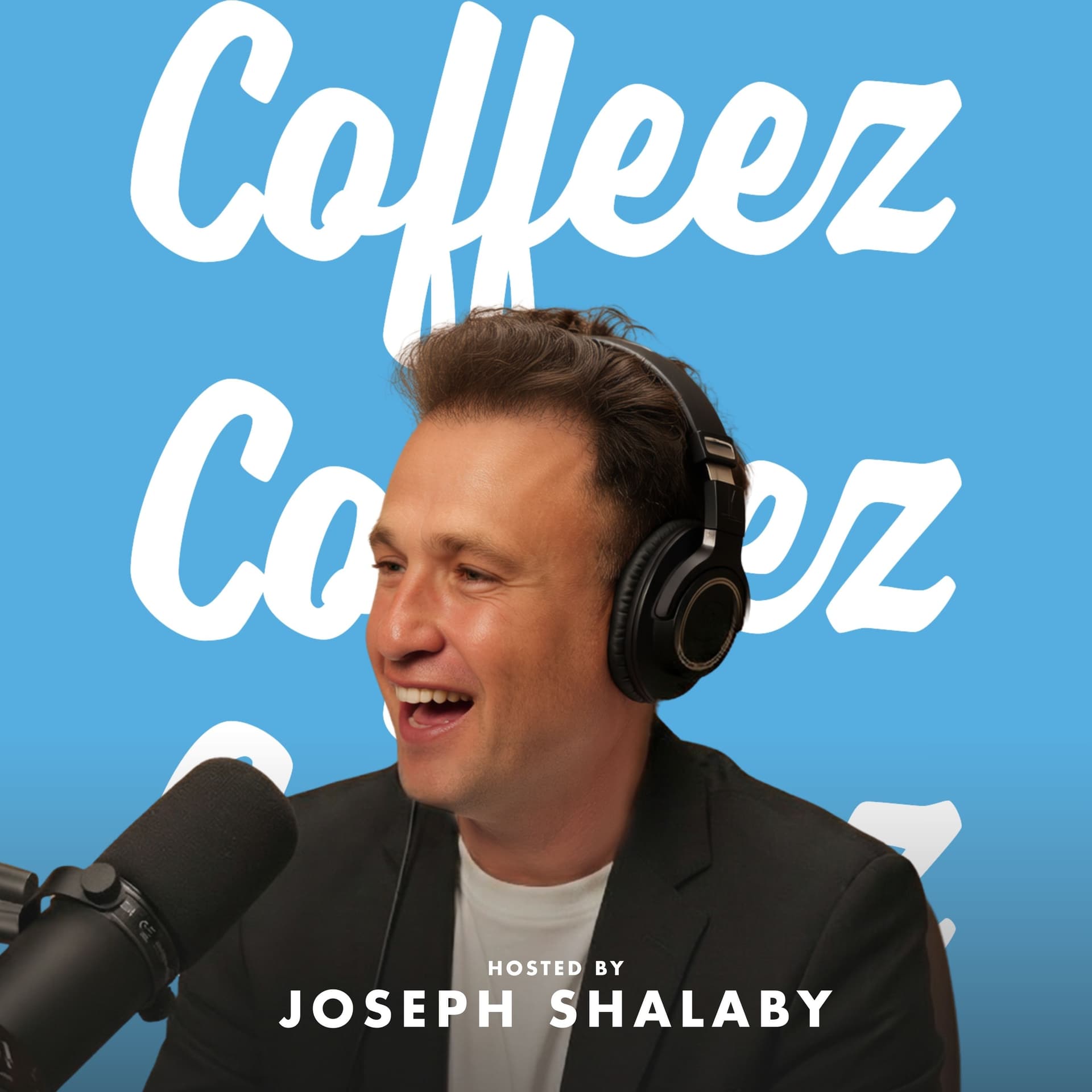
Podcast Overview Host: Joseph Shalaby Guest: Ted Dhanik Episode Title: From Myspace to AdTech Empire Episode Description: This episode dives into Ted Dhanik's journey from the early days of Myspace to building Engage:BDR, an AdTech company. The discussion covers growth tactics, the evolution of digital ads, team building, validation in entrepreneurship, and insights on leadership and legacy.
---
Key Highlights
Introduction
- Joseph Shalaby introduces the episode and guest Ted Dhanik, a prominent figure in the tech and advertising industry.
- Ted shares his background in Silicon Valley during the dot-com boom and his transition to Los Angeles.
Ted Dhanik's Journey
- Early Career:
- Started in the mid-90s at various dot-com companies.
- Played a significant role at Lower My Bills, which was sold to Experian.
- Myspace Era:
- Joined Myspace at its inception and helped solve monetization issues by building technology for better ad revenue.
- Contributed to the growth of Myspace into a cultural phenomenon before leaving in 2008.
- Engage:BDR:
- Founded Engage:BDR in 2009, focusing on helping brands maximize ad revenue.
- Discussed the profitability and success of Engage:BDR, including taking it public in 2017.
Current Endeavors
- Ted now focuses on:
- A short-term rental business with 50 properties in LA.
- A credit repair agency that has been thriving despite economic challenges.
Insights on the Real Estate Market
- Discussion about the volatility in the LA real estate market, driven by high rates and insurance issues.
- Ted shares experiences of significant drops in property values and the challenges faced by homeowners.
Leadership and Team Building
- Emphasis on building and maintaining a strong team.
- Ted highlights the importance of not chasing validation as a founder and focusing on adding value to customers.
Economic and Market Outlook
- Ted shares insights into the current economic landscape, discussing job losses and the impact of economic downturns.
- He compares the current situation to the financial crises of 2008 and 2009, noting significant distress in various industries.
Personal Growth and Well-Being
- Ted discusses his personal evolution, including managing stress and health through fitness, diet, and spirituality.
- He emphasizes the importance of having a balanced life, focusing on health, wellness, fitness, spirituality, and sleep.
Future Aspirations
- Ted expresses interest in integrating AI into various platforms, particularly in event apps and the credit repair sector.
- He shares personal goals, including the desire to get married and the possibility of expanding his family.
Closing Thoughts
- Ted reflects on the nature of life, purpose, and the potential for reincarnation, sharing a philosophical perspective on caring for animals and living a fulfilling life.
---
Key Takeaways
- Growth in AdTech: Understanding and utilizing monetization strategies is crucial for success in digital advertising.
- Real Estate Challenges: Economic fluctuations can significantly impact property values and market dynamics.
- Leadership Philosophy: Effective leadership involves building a supportive team and focusing on long-term value rather than immediate validation.
- Health Matters: Personal well-being is essential for sustaining success; a balanced approach to health, spirituality, and fitness can lead to better performance in business.
- Future Focus: Exploring new technologies, particularly AI, can open new avenues for growth and efficiency in various sectors.
---
Conclusion This episode of "Coffeez for Closers" offers an in-depth look at Ted Dhanik's remarkable journey from Myspace to his ventures in AdTech and real estate, providing listeners with valuable insights on entrepreneurship, leadership, and maintaining personal well-being in a challenging economic environment.
Written by AI. May contain mistakes. Listen to the episode to check what was said.
Transcript
Automatic transcript. May contain errors.0:28I've been doing for seven years. We go at Craig's. coffee in 10 years but since I'm a closer I guess I have to right today's a big day man you know 10 years deep and uh you broke the fast hopefully what happens to me hopefully it doesn't mess you up man you're a health nut so hopefully it doesn't throw you off yeah uh you want to give uh the audience like just a just a quick overview of who is Ted Danik sure so I started my career in the mid-90s in Silicon Valley I grew up in the Bay Area and um I worked for a lot of dot-com companies back in the dot-com boom, and some of them did well, some of them did not.
1:03That brought me to LA, a company called Lower My Bills. It was one of the original guys there. We sold that company to Experian. So I know the mortgage business pretty well and credit repair as well. And shortly after that, joined MySpace at its beginning, and we sold that in 2005, and I stayed until 2008, and the earn-outs ended. I was tasked with solving a problem for MySpace, which was MySpace had 7 billion ads per day. They were going under-monetized, and I needed to build a technology to help them monetize better. So I left, and in 2009, I started a digital ad company called Engage BDR, which is essentially tasked with solving a yield problem.
1:50So lots of ad companies or websites back then had lots of traffic, but they weren't monetizing it well. They had these rev share deals. They couldn't understand the value of those rev share deals in real time. So they were basically cannibalizing their own revenue. So I built a management system, supply-side platform to help digitize all the yield. And I did pretty well. MySpace was our first client, and we were profitable since the first month. We raised no money, no debt, no equity, did hundreds of millions in revenue, and in 2017, took it public on an IPO, raised about$80 million while we were public, and then merged it into another company, sold it, and left about three years ago.
2:35During that process, we came up with an idea to – it's pretty interesting – to figure out how to digitize lottery tickets in California. Like, you know, you couldn't buy a lottery ticket online. It was really weird, right? So I came up with this concept called Lotto Gopher, where we had relationships with liquor stores everywhere. Because gaming laws in California, gaming was sold to the Native Americans, online gaming. You couldn't do online gaming in any capacity in California because Native Americans own that. So it was illegal. So you literally had to do a gopher model. It's kind of like Postmates for lottery tickets.
3:12you put you know your information you know as far as like what kind of lottery ticket you want or you could be a part of a pool or something and then the bet slips would be printed at the liquor store and popped into the machine that was the workaround for digitizing lottery tickets online anyways we took that company public and uh and then sold it within a couple years so and then now it's like i don't know what happened somebody bought it and some somebody's still around but yeah it's a really interesting space so we did that and then now currently over the past three years. I've been focused on, I have a short-term rental business.
3:46We have about 50 properties in LA. And additionally, we have, I have a credit repair agency for 20 years. So that credit repair agency is thriving currently under, you know, unfortunately under the current economy and all the stuff going on with everyone. There's a lot of pain out there and we're helping people turn their lives around. So, um, it's still an exciting space 20 to 20 years later. Wow. So how many companies active right now? Two. Two companies active. What's your favorite one? Um, you know, after doing all this stuff, you know, it's like work is kind of like, you know, um, there's passion, you know, and I think that, do we have the burning desire at this moment right now?
4:28Um, I think there are some problems that need to be solved out there, but um you know i think the credit repair business is pretty exciting because we get to really have a pulse on you know personal finance and the finance everything that's happening in the world conversation you and i had about hey how's mortgage business impacted with all the stuff happening right now the high rates and fire insurance issues and all that stuff you know so we can't understand that pretty well we have the pulse on it so i think that that's an interesting space california is very tough for short-term rental business specifically los angeles because of regulation and the politics and there's a lot of lobby money from the hotel, you know, hotel lobby is very strong.
5:08So they've been successful at, you know, kind of breaking the Airbnb business out there. So, so where your properties are all out of state? No, they're all in LA. It's been tough, but yeah, we've figured out how to, how to, you know, maneuver for now, but there's always something coming up, you know, there's, there's always going to be, some change that's happening that's not in our favor. And it's been really rough. So possibly going to sell all those properties soon? We try not to sell any real estate, try to buy it. But it's been an experience. Even if we wanted to sell right now, we couldn't sell because all the equity that we thought we had is kind of gone because all the fire sales in all the neighborhoods, all the comps, right?
5:51So that's another discussion as well because we have so many properties, and we thought we have really great LTVs, like 50 % in most of them, and then you start seeing the comps. Next-door neighbors are selling for 50 % of the value, stuff like that that's happening. Comps are like that now? Really bad, really bad. So, yeah, so all this equity we thought we had is gone, completely gone. I mean, you're not in the Palisades, for crying out loud. No, we're in the Palisades. We'd be better there. We're in West Hollywood Hills, mostly. So you've seen massive declines in value. Massive declines, yeah, because people can't afford to hang on.
6:27And the fire insurance is gone, so you're on a state fair plan for only a portion of it. And then your banks are going to push insurance, which is pretty expensive. Some of our clients are paying like$4 ,000 or$5 ,000 a month on hazard insurance. That's the forced coverage from the mortgage banks. It's pretty insane. Dude, that's insane. Yeah, yeah, it's pretty wild. A lot of these people were forced to refi because the economy is so bad. They had to pull out cash. They're sitting at 7.5%, 8.5%. These non-QM loans and these DSCRs are so bad. So it's very hard. It's tough. And you can't refi anytime soon because we don't see rates coming down that much.
7:08And the fire insurance, you can't get insurance for the loan. Can't get insurance, especially all those$4 million,$5 million,$6 million homes. They're not selling because you can't get coverage for them. And it's like, what do you do? Um, so homes aren't selling, they're not selling because of fire insurance and because of the rates, both of them. Not, it's not just one. So if we had like one of them change, then stuff will start selling again. The only sales are fire sales, you know, and people can't afford them. And you can't remove them from the appraisals as outliers because they're actually good homes, you know?
7:38So we have no equity anymore. It's gone, you know? That's crazy. It's crazy. Equity gone overnight. I didn't even realize that LA is toast with their values. It's pretty bad. Yeah. And it was just like all these celebrities who own homes there are just. We're all fucked. So I had a home. I have a home up in West Hollywood Hills two and a half years ago. Last appraisal was 7.95 million. Next door neighbor right now is selling. And that's a 5 ,500 square foot home. Crazy views. Great home. All glass. Next door neighbor. Same home. Same kind of home. 6 ,700 square feet, much bigger than my property, selling his home for$4 million right now.
8:24$4 million. He's been on market for six months. He's getting an offer. He's going to break at$3.5 million. Dude, you can't even build half that house for$3.5 million. He's going to break at$3.5 million. And by the way— It costs more than$1 ,000 a square foot to build that. It does. But if he sells at$3.5 million, 6 ,700 square feet, what are we, at like 500 bucks a foot, basically. 500 bucks a foot. My last appraisal was 8 million bucks. What do you think? First of all, I can't tap any equity because technically equity is gone, right? Can't tap any equity. Equity is gone. You know, it's like your whole net worth is cut in half because all the properties are looking like that basically too, right?
9:03So it's been a year. Damn. It's troubling, you know? Time to move to Newport Beach, bro. Yeah, I don't know about the valuations here, though. We're overvalued here because everybody from L.A. came here. Yeah, that's great. Everyone's leaving, going to Miami over there. Yeah, here in Newport Beach, I can't tell you how many Palisades families are just on my kids' baseball team. Sure. Yeah, that's great. Just like 20 % of the team is from Palisades. So the Palisades is an interesting challenge. So I have quite a few friends that were in the Palisades, and some of them did really well with recovering their losses.
9:46The insurance covered 100 % for most people. Not for most people. Let me tell you what happened. And there's a vast majority of my friends who were affected by the fires that here's what happened to all of them. It's pretty crazy. So they bought their homes 20 years ago. let's say they paid you know three million bucks for their home they never updated the policies to increase coverage now this is the vast majority of the people okay so what happened was out of a three million dollar purchase price how much of it was dwelling like two million bucks or something right never updated the policies you can't build that house for two million bucks it's going to cost you like four or five now to build it maybe even more because you know all the crazy demand over there so what happens is they they get a check for two million bucks doesn't go to them goes to the mortgage mortgage company gets you know the the two million bucks as they have a balance on the home still and then they end up with hopefully their mortgage is paid off and they end up with a lot and then that's it they end up with a lot and they they don't have the means to go and build another home so they're selling you hear them you hear about them selling the lots right now even gavin newsom's out there buying lots for you know for um pennies for pennies he's buying lots to build you know housing for you know um the you know what how do we call that you know pc but you know you know i mean right so he's building privilege they're gonna put like yeah they're putting like canned homes on them um exactly you know homes for like you know manufactured homes low income homes tiny homes low income homes yeah so they're buying the lots for pennies because nobody can do anything with a lot.
11:26So I have several friends, the same thing happened to them. The insurance didn't cover some, most of the property in the home either. They got a limit on that as well from like back, you know, like whenever they bought the home, nobody updated their policy. So they paid out whatever they're supposed to pay out. Yeah, obviously it's the fault of the homeowner to not update the policy, but this happened to the majority of the people. And that's why you're finding all these lots that are available right now because they can't afford to build on them so it's a big problem people are out there buying lots right now and you know there's gonna be there's a pretty big opportunity from that perspective but it's pretty fucked up you know so there's a really big opportunity for those to come in yeah but man i would not buy in palisades i mean the probability of another fire if they build it again who knows i mean i love palisades though it's great but yeah it is you know that was i feel there was a manufactured fire it was not a real fire it was a manufactured fire Yeah, for sure.
12:20So that could happen again, too. But, you know, all of this starting to make sense where people are, you know, there's just a lot of like things happening right now that are, you know, that there's a lot of opportunity from demise. Right. So fires happen. A lot of people lost their homes. Guess what? Now people can now you now you can go in and buy, you know, these lots at the on the full they're sitting on the floor, basically, you know, like you could never buy lots in that neighborhood. you know now you can you know so i also feel like you know covid came and you know there was a lot of destruction from covid economy economic destruction we have not recovered since then you know there's so much pain from that and that created you know the bottom right again so there's a lot of moments where we see the bottom happening a lot you know again and so i you know we have a different perspective because when we talk to clients we're talking clients every day on the credit repair aside and all we hear is can imagine is demise right yeah and we're seeing more right now we're seeing more volume right now than we did in 2008 and 2009 which is crazy because you know i do economic updates every day and it's like oh you know job reports came in or we're seeing it bounce back and in in rates or we're you know inflation's cooling and all this high level economic upbeat stuff but really like if you get granular like a lot of that is just like there's so much chaos in the economy right now it's a lot of a lot of fluff like i i don't know you guys i don't know what you're seeing here but over there you know you drive around west hollywood and all these iconic places are all gone they're all gone like chin chin gone petite four gone um pink taco tessa um catch steak um mxo brand new restaurant just opened six months ago what do you mean like catch steak is gone in hollywood gone yeah they're gone what do you mean like they just shut down because they're all out of business yeah pink taco is out of business gone and i'm telling you there's countless more all these iconic places gone and this all happened this year so it's pretty um it's pretty concerning you know so there's a lot a lot happening that's uh you know that's a that's bit i don't know it's consistent with what i see you know on these credit reports consistent with what i see now your your perspective is different because you're here in newport and i feel like you guys are like a little bit shielded from you know from some of that stuff too but um in it you know you see the the loan origination volume you know that is a pretty good indicator you know yeah i I mean, right now, for my business model, I told you kind of like we thrive on bad economies, my specific model.
15:08But there's only a handful of us. We're considered a mega broker. And there's only five of us. So we thrive on other mortgage companies going out of business because then it's an opportunity for them to come cling to a mega company who has all the resources and the money and can withstand economic turmoil. yeah so as we grow there that's also kind of an indicator that other companies are going out of business so we're continuing we acquire companies for zero dollars sure you know and we're the larger the company that comes to us is an indicator like the more demise that's happening sure and so if a company with 100 guys comes over it's like dude this is tough times yeah because this company was making sure tens of millions you know albert presciato of course yeah i was talking to him the other days uh i think there are kind of feelings would love albert to join us i've mentioned it many times you know but big ego i'll get him here yeah i'm like albert you'd make 10 times more money and he makes a lot of money right you know if he's listening albert yo i'm still gonna tell you yeah he's got like you know he's got this whole hispanic community he does yeah i'll help him dominate yeah yeah that they're they're you know from that perspective he's got that world and he's got their trust and i don't know i've keynoted uh his driven events too they were fun yeah yeah he's a good guy on his podcast and stuff i like elbert um i saw a funny tiktok made that made fun of him one of his podcasts before it was hilarious yesterday i'm gonna send it to him there's a lot of that out there yeah he because he's controversial guy super controversial and i'd have to tell him he comes to my dinners on i have a boys dinner on thursday i have 80 guys in a dinner club in LA.
16:49I've been doing for seven years. We go at Craig's. I rotate 12 different guys every week on Thursdays. And Albert will come. And, you know, I would have to sit next to him and tell him, like, bro, what the fuck did you say in this podcast, you know? You gotta stop sometimes, you know? He's like, bitch, I've been driving to Rolls Royce since, you know, like something like that. I'm like, bro, come on, dude. It's so crazy. It's so funny. I know. Bro, I don't publish anything. Like, nobody knows anything about me, you know, like other than the shit they see. I wear beads. Yeah. We're third world immigrants, bro.
17:25Right, right, right. But at the same time, it's like I'm very spiritual, you know, so. Yeah. Yeah. Yeah. That's staying brooded in your spirituality and your faith is like what keeps you like grounded. Sure. Absolutely. It's all endogenous, you know. Yeah. It's a big part of my show here even. It's like, you know, everything I am is because I come from a persecuted Christian community in Egypt. Like we came because of that. So that's why I keep that mentality. I keep my, I say sixth world roots because I'm from a third world of a third world. Yeah. No, that's great. Yeah. You know, I believe it.
17:59You're not white. I got it. No, no, no. But it's, it's, you know, I say it, I say it on podcast, I say it in my book. I say it like. He's Egyptian guys. Yeah. Yeah. It's just part of my identity. And like, I, I, I come from like a really poor part of Cairo, the poorest part, you know, like there's like a handful of really, really poor parts and you just meet me. And then here I am in the richest part of America. So the dichotomy is insane. Here I am from the absolute poorest. Now I'm in the absolute richest. Trying to instill a mindset like that in my kids is the biggest struggle. My kids, their classmates, their parents won Super Bowls.
18:41Right, right, right. Yeah, it's crazy. I would have, you know, they come to, they, they know people that own sports teams. Yeah. Like I would have never even imagined going to a sports game, let alone like sitting in the owner's box ever in my life. You know, my kids just do that. Like if they're not going to a sports in a box, like, like what are we doing? That's wild. Yeah. So, you know, I don't have kids, but you know, eventually when I do, I'll just show them my film, the film I started. It was like Slumdog Millionaire. You know, that was me. You just kidding. I'm just kidding. Yeah. It's basically the same story.
19:11Totally. Yeah. I came from India. That's what it looked like. That's real. That's real. That was me for all intents and purposes. It's cool to have that root and then just maintain that mentality, especially in this journey of success that you've had. Let's dive into it, man. All these exits, all these brands, what was MySpace like? For me, I was intrigued by MySpace. you know like i loved myspace when it was around it started it was the catalyst of facebook it was the catalyst to this world we're in right now the social media dominant world we're in yeah i mean we uh pretty much you know for i would say like you know like the wide version we invented social media you know i think that we were like the we weren't the first social media platform there was a bunch of them before us you know it was like friendster and a couple others but you know for We're the one that took off pretty fast.
20:10We actually went after Friendster to copy Friendster and we ended up doing it way better. But that was the idea. Is Friendster still around? No, I don't know. Friendster's not around. But the idea really was we wanted to build a non-taboo dating site. That was what MySpace was supposed to be. So Tom, he was on Match.com way back in the days. And being on a dating site back then was super taboo. It was weird. you know so you know he wanted to do something that's a little bit more you know less taboo you know and so that's that was the idea we took off like you know you know like super super viral really fast within the first week we're starting to get offers you know like it was that crazy and we had no idea that it was going to be that you know that big or that great and you know we just kept growing and growing and then i felt like you know we we touched so much pop culture which was really exciting we were always around all these like nikki six and tommy lee and you know 50 cent and even diddy yes you know we were around i didn't go to those parties i went to a bunch of other parties you know we we discovered i'm sorry we toured danity kane one of his making the band um artists i think two like one or two of them testified against him in the trial it's so funny but i know those girls i've known them for we did like 50 city tour with them so i knew him really well.
21:28It was a really great time. It was so much fun. Like it was really, really was truly so much fun. My title was VP of fun. And so I was head of all strategic marketing and it was great. It was just, it was a different time, you know, and I came off of the thing for me, which was like so much contrast was I came off of a corporate job, lower my bills, you know, right before that I was at lower my bills and lower my bills was, you know, it was like 15 hour days selling to like countrywide, you know what I mean? And these big, huge banks, you know, and it was just all big business development deals and just selling leads.
22:04And, you know, at a certain point, you start wondering, you know, where's the value, you know, like, really, like, what change, what behavioral change are we making in people, you know, like, what are we doing that is really, that's really helping people, you know, I mean, besides helping them get a cheaper mortgage, you know, obviously, that's a commodity right so you get to a point where it's like i'm selling something for money and it's really just didn't sit right with me for a while and then so then i said i'm not doing sales or business development ever again you know so after that exit i just said i'm done and then myspace was purely marketing that's what my degree is in and it was completely different you know i didn't use anything i learned in college by the way so um besides the discipline and um you know it was it was it was great it was just tom and i running around the country you know was this you and tom just running the show no i mean there was a bunch of a bunch of people but i mean as far as like the people myspace people would see us we're the only real people that the myspace people that um they would see you know we were the tangible myspace face you know it was me and it was tom you know and tom would be you know everyone saw tom as their first friend you know and then he would make appearances you know we'd have parties all around the country everywhere that's kind of how we promoted myspace in the beginning it was myspace parties and we evolved pretty quickly to um other stuff like content acquisition deals and stuff but um that was that was kind of it you know it was so much fun and um myspace music blew up it was really huge and we had a record label with jimmy ivine interscope records called myspace records which is which myspace is now just music anyways right i don't know what it is now the guys in Orange County own it so basically what happened was MySpace was sold after us to um from News Corp sold it to specific media those two brothers it was like Vanderhoek brothers specific media was a media company that was based in Orange County here they bought it and then part of their launch they gave Justin Timberlake seven million bucks to do an endorsement deal right so it was just part of it you know like but it was an endorsement deal didn't work really work out they tried to relaunch it didn't work and then um and then they that company got rebranded and went public and all this stuff to viant uh and viant is still based in orange county their public company and um they still own it and i've been trying to buy it there's a lot of controversy around this publicly because i've called them out publicly several times you know i've been reaching out to the brothers chris and i'm like hey look we're the only ones that can reactivate myspace so why don't you give it to us what would you do to buy it or will i just want the domain i don't want the brand i don't want anything i just want the domain so what would we do build a like instagram or you know tiktok killer we know exactly what we need to do it's super easy but you know to reactivate tom you know in that world because tom's happy he doesn't want to work you know he doesn't need to do anything he just likes doing what he does which is golf He plays golf.
25:02Where is he at? He plays golf here in Irvine. He has a house here in Irvine. He plays golf here. There's some sort of golf course. I don't know anything about golf, but he's been trying to get me to play with him for years. Probably plays a big canyon here in Newport. That's some white people shit. Just kidding. Sorry, Tiger. But I feel that – so he lives here. He lives in Vegas most of the time. And then he comes here, comes to West Hollywood, comes to Hawaii. So that's his thing. But yeah, so, you know, I think that, you know, I don't know. I mean, it was great. It was so much fun. There was a lot of value that we delivered to people.
25:39We're able to, I mean, I still get DMs from people. I met my wife on MySpace. I'm like, fuck, I'm sorry. No, no, it worked out. Okay, good. You know, that's great. Stuff like that, you know, so many artists we discovered. Dane Cook was discovered there. Even Sean Kingston, who's in jail now. So many huge artists were discovered on MySpace Remember Sean Kingston? Yeah, yeah, the reggae music guy Dude, he's in jail Him and his mom The chubby guy, right? The chubby guy Yeah, we did a lot of work with him I've known him forever I didn't even know that he went to jail He just went to jail recently Him and his mom, some sort of fraud I don't know, some kind of fraud I don't know, man Some crazy shit in Florida You know, Florida There's a lot of weird shit happening in Florida all the time Florida used to be the armpit of the universe.
26:25Now everyone moved there, so I don't know. You know why, right? Homestead. Yeah, yeah. So you know Dan Bilzerian's dad story? No. Dan Bilzerian's dad embezzled$100 million from the company he was working for a long time ago, right? He embezzled that money, had to go to prison, went to prison. The government's been trying to recover that money for a long time. The government ended up spending more than$100 million to recover the money, and then they finally quit. what he did that was really smart he kept the money here but they couldn't get it because he bought really crazy homes for all his kids in florida and each one of the homes were their primary residence for each one of the kids and they had like columns made out of gold and weird shit like that so it's part of the home you know so in florida they can't take your home so they couldn't take any of the homes one of the kids expatriated gave up his citizenship moved to cook islands and they started selling homes and transferring the money over there couldn't touch him that's how he got his money that's how Dan got his money initially I didn't know that Dan's inherited wealth the Armenians are always just a head Homestead Act that was genius for him to embezzle money go to Florida and all the kids are made they're all made and he's still in jail as a dad no I don't think so I don't know how much time he did but I'm sure he's out.
27:51This is like something that happened in the 80s or 90s. Wow. Yeah. What kind of company was that? I have no idea. You know all the celebrities. Oh, if you look it up, you'll find it. It's all over the internet. It's crazy. So why did you start in the mortgage industry? How did you get involved with Lower My Bills? Okay, so interesting story. I worked for a lot of dot-com companies in the 90s, and I ended up at a comparison shopping engine. Do you remember Price Grabber? Yeah. A price grabber, and then there was a bunch of them. The next tag was another one. So I ended up at next tag. Next tag was basically comparison shopping engine.
28:27So it's for software and shoes and electronic products and stuff like that. So basically this was the buyer's behavior before. Before you bought a TV or something like that online, you'd go to comparison shopping engine like price grabber. You put in the model number and you'll see all these vendors or sorry, all these retailers selling them, right? And they'd see their prices. And basically you'd buy it from – you'd find the lowest price from that comparison shopping engine and you click on it and it would take you to that site and you would buy it there. And we would get paid for the click, right?
29:03So we were Nextag and we were a comparison shopping engine, one of the biggest ones. We get paid for the click. So we had all these guys. Imagine all these electronic retailers on the site paying us for those clicks. It's basically like another search engine, right? But very specifically for these types of products. So when I got there, I said, okay, this is great. But how about we're selling leads, right? Because that's a lead, right? So how about LendingTree? LendingTree is on fire right now. LendingTree is killing it. But they're only doing TV. They were only doing TV at the time. Why don't we have a mortgage product?
29:36or a personal finance product, like credit cards or something. Okay, great. Let's try it. So we started. We got partnered with a mortgage broker, and we're live in a few states, and we started running ads on our own site to market, refi, and home purchase. And so we did that, and the stick rate was really strong. It was converting pretty well. So we started selling the leads. We started doing biz dev deals with banks to buy the leads, and there you go. and we got to a half a million bucks a day pretty quick. So that's how we got to that. And then so I was one of the five people in the country who knew the personal finance lead space really well digitally online, you know?
30:18So when I went to Lower My Bills, Lower My Bills was doing credit card and debt at the time. They weren't doing refi or home purchase, any mortgage products at all. So they hired me basically to kind of grow that business. So were you one of the executives there as well? and then you had you were part of the exit so you got a earn out there too absolutely yeah it's fun i mean it was good so i was talking about this i just came from another podcast by the way but this other podcast um i was talking about this this recipe right so i've always been at the right place at the right time and i've done it like at least four times right like a bunch of times but how you know like how are you at the right place at the right time is it a fluke is it random?
31:01Is it like, I'm fucking lucky? No, I'm not lucky. I'm fortunate, but I have figured out the recipe for right place at the right time. And the recipe is basically you just have to be around the right people all the time, right? And so what does the right people actually mean? It's quite different from eliminating the wrong people. It's not that. It's not only eliminating the wrong people, but it's strategically placing the exact people that do things really well or perfectly that you want to achieve and you want to do, right? So if you want to be really great in the printing business, you should be around people that are in the printing business, right?
31:38That understand that business. You want to be, you want to take your company public, you got to be around people like Robbie Lee, who taught me how to take my companies public and buy companies with no cash. We're just selling a dream, right? Using private paper, you know, stuff like that. So it's always about, it's always for me, it's always been about being around those people. And I've never had a plan for the future. I don't know what I'm going to do next. I never did. Just being around the right people, I could pick up opportunities pretty quickly and figure out how to add value in that sector and run.
32:08And one other thing that I do that I'm focused on is I don't care about monetization. I only care about adding value. Figuring out how to add tremendous value, eventually figuring out how to monetize it once you build some critical mass. So that's my mantra is a little bit different than a lot of other people wanting to build businesses and trying to figure out how to monetize before delivering the value. So it's a little bit different. Yeah, I can see that cadence in your career path because you're like, lower my bills, came, added value, added mortgage. MySpace, came, added value. So, you know, but these companies like the credit repair and the Airbnb, I mean, not right time.
32:53Yeah, so credit repair business is like – Airbnb. Credit repair business is huge, huge, huge value, right, for people because it changes their lives, right? I mean we feel really good about what we do because we give people another start. Like we get countless people coming to us saying I'm about to file bankruptcy, but my cousin is your client. and he told us that you could be the alternative and we're looking at their debt and you've got$50 ,000 in debt and you want to file bankruptcy? Are you out of your fucking mind? You're crazy. No, here's what we're going to do. And so we save them from that.
33:24So we feel... I mean, how can you... If they don't have 50 grand to pay the debt, they can't afford the$1 ,500 payments. What can they do? Oh, there's so much we can do. First of all, they get sucked into debt settlement companies. Which destroy... It is like a bankruptcy. Which destroy them. So let me tell you what those companies do. debt settlement companies will collect all their fees well by the way their fees are like 75 percent of the amount that you agree to pay them in total right which i told i had someone come here in my office today like he had 40 grand in debt and he wants to like buy again i'm like dude i'm just going to tell you exactly the debt settlement company does yeah don't make your payments for four months call them in four or five months and settle them 20 cents on the dollar yourself i don't even do that i'll tell you what i do so basically so that's all my company is going to say you got $40 ,000 in debt, you're going to pay us$20 ,000.
34:11And out of that$20 ,000, we're going to save$5 ,000 to settle with them. And then$15 ,000 of it is going to be our fee. But by the way, we're not going to start paying, we're not going to negotiate a deal or start paying your creditors until we collect 100 % of our fees. So it could be like two years down the road, we've collected all of our fees. And then now we're going to negotiate a deal, right? They've already wrote off the debt. They've already wrote off the debt. But in this case, in the 24 months, if you stop paying them, guess what happens? Let's say you paid them$14 ,000 out of 15 that you committed to pay them.
Read the full transcript
34:45They keep the$14 ,000. You don't get a penny of it back. So that settlement business is a scam. What we do is I will tell you, because we have so much experience with these creditors, I will look at your credit report. You've defaulted on all these lines, all these credit cards, all these loans, all this. I will tell you exactly who's going to sue you and who's not going to sue you, and I'll tell you how to deal with service if they try to sue you as well. We have lawyers for that. We have attorneys for that. It will settle for like pennies on the dollar, but 95 % of these creditors will not sue you.
35:18So what do we do? We remove the stuff from the credit report. You can go get new credit. If they come at you, you don't have to worry about it unless you get served or you get sued. If that point happens, we give you our attorney, and they will negotiate a settlement with them. It will take two, three years to pay it off, and you'll get a crazy rate, and it will be pennies on the dollar. So it's a lot cheaper because 100 % of them will not sue you. Maybe 5 % of them will. And we already know. I know American Express will. Bank of America will. Cal Bank and Trust will. There's a handful of them that will.
35:53Majority of them do not sue. So it's like most people are scared. I'm going to get sued. I'm going to get sued. We remove it from the credit report. What incentive do you have to pay them? There's no incentive. It's gone. You start all over again. So most of these people that wanted to file bankruptcy, they don't have to. That's crazy. Yeah. What I say is deal with it now. But, I mean, you know, just like basically just remove it from the credit report. Ask for forgiveness later on. When they come at you. When they come looking for an apology, then you give them an apology and then say, here's my attorney.
36:25My attorney is specialized in it. It's all in contingency. You will pay them a fraction, and you'll get 25 % or 10 % of the balance negotiated over a three-year term. Why would you file bankruptcy? There's no reason to. I have clients that we've had to remove hundreds of accounts from their credit report, like one client with 100 accounts. When shit goes bad and these bigger people, they fall hard, right? They're brand new. They didn't even have to file bankruptcy or remove them. They get sued by American Express, sued by Bank of America. By the way, American Express sues you. Guess what happens?
37:00They dangle a carrot in front of you. You can have another American Express as soon as we deal with this. So you can negotiate a term with them, typically 40 % to 50 % of the balance. Pay them over like two, three years. As soon as you're done, guess what? They give you a new card. So why would you pay them 100 % right now? I tell them conserve your cash. People just don't know. They don't know. They don't know. They don't have resources like us. Yeah. that's the that's the difference they don't know people some people get suicidal it's really sad and tragic some people get really really depressed my credit's ruined i mean it destroys families it destroys you know one of the leading causes of divorce always financial hardship yeah it's pretty bad so i have these other clients so some of them um that they're trying to like you know rob peter to pay paul that kind of thing basically balance transfer hopping around and stuff you know and they're running out of cash you know because their income's gone you know it's a very common conversation right now a lot of people are faced with they just lost their income you know completely and for some reason a lot of my clients lost in March for some weird reason you know um and you know and I tell them your cash you need to conserve your cash if you have no income but yeah I gotta pay these I gotta pay no it's fine to default on this stuff right now I would I would always recommend the default versus you know the continue use your cash you have no income use the default and we can remove it.
38:25It's not a big deal. And I'll tell you who's going to sue you. So yeah, it's really sad and scary what's going on out there. Unbelievable. And people have been screwed so many times by credit repair companies. So it's kind of scary.
38:43This is a great question. There's a version of success where you burn out quietly behind the scenes. What did that look like for you? How did you reset? Yeah, that happened to me a lot during the credit repair. I'm sorry, during the last public company that I ran for about seven years. We went public and within a year or so I started having to deal with the whole being public CEO chairman thing, which was really painful. It was like I was, you know, paparazzi get me coming out of my Bugatti and then, you know, they'd write a fucking article about me saying that I'm overpaid, you know, like really crazy stuff.
39:18And then they short my stock the next day, like really wild shit. And I'm just thinking like, yo, this is not, you know, this is not what I signed up for. It was really scary. And that's why I stopped drinking coffee, by the way, because the coffee was amplifying my anxiety, you know, my stress. Like something would appear to be like really bigger than it was. And the coffee for me made it just worse, you know, or it was espresso specifically. not coffee. But anyways, so I had to, you know, I had to get my principle, my fundamental, fundamental values in line. And for me, the five pillars are health, wellness, fitness, spirituality, and sleep.
39:57Those are the things that are most important to me, you know, and I have to maintain that. Because once that is in line, everything else is just, you know, another episode or another era of my life you know and so when when i went into the i went into fight or flight for a year and a half or two years because of all the stuff that was going on the stock market stuff and you hear about people jumping off of buildings and share stock market stuff there's like 2017 2017 2018 you know it was like really really crazy and um and so i i started to transform you know like i started to look different my body changed you know i wasn't working out regularly because i was just engulfed by you know all the stress it was really wild so i had to snap out of it i did i did a lot of um i had to get my hormones balanced my hormones were endocrine was fully disrupted by all the stress you know so i hired um a hormone doctor you know to look at my hormones endocrinologist yeah and basically look at my labs and it was pretty bad you know so i had to get my hormones back in line um my hormones have been balanced for you know since by 2017 by by doctors and um everything's perfect at all times and we make adjustments because i'm 49 you know so we don't produce you know everything anymore um but back then my my testosterone was like down to like under 100 you know from all the stress it's really crazy because your Cortisol is a testosterone killer, you know?
41:30And then estrogen, right? Estradiol was up super high, up to like 200. It was really bad. Your estrogen should not max, should not be more than 20. You know, it was insane. So all of that was messed up. So I had to do a lot with hormones first and then get really focused on fitness again, get my health back in line. So fitness, wellness together, equal health, right? So those are the three most important things to me. And I say that because time is really critical. Time is the only currency you can't replenish. That's the one thing. You give someone your time. It's worth more than any money you can give anyone.
42:12And then the health. You can't buy your health back later on. You can't say, I'm just going to do this, whatever this project is, however long it's going to take. and I'll just, you know, spend a bunch of money to buy my health back later on. And it's a lot of times that can't happen. You know, it's just like, you need to maintain that. So the health part of your gratitude practice includes your health and wellness, right? That's a really important thing. Um, and then I really got, and I had to really become more spiritual because I was too externally focused with all the shit going on that's uncontrollable.
42:45So I started, you know, like really focusing on my TM practice. I've been practicing transcendental meditation for a long time and um that really that really changed a lot of things for me and they got me really back to where got my peace back so the hormones so you know the fitness and that the change of like the stuff i was eating and then the spirituality of uh you know of um meditation and and then in addition to that like my sleep you know my sleep was not great because of all the stuff happening. I'd wake up super anxious and just have so much cortisol and adrenaline. Doing all this stuff changed everything, and my sleep patterns changed.
43:26I started measuring my sleep with the Oura Ring. You still measure it? I still do. I haven't worn it outside of – I just kind of use it at home. I don't wear it out anymore. But it's really great because you can see what changes. your intake like food and you know whatever you consume will have on your if you eat a certain time it messes up your sleep yeah it does you shouldn't eat past a certain time you shouldn't go sleep past a certain time you know caffeine should be you know limited to you know i don't think you should have caffeine past noon i think you know yeah you could see all the changes you know for me my deep sleep was always fine but my rem was terrible you know and i think the rem was compromised because of maybe things I was, you know, consuming or, you know, maybe eating too late or, you know, maybe, um, whatever it was, you know, and I think that measuring that gave me, it was kind of like gamifying it a little bit, you know, so I could like make changes and see it, you know, materialize and it was really good.
44:31So then that's how I arrived at the five pillars, you know, health, wellness, fitness, spirituality, and sleep, because I went through that stage and And I was like, fuck, man, I was like 40 years old. And I was just really, I was feeling like I was 60, you know, and I had no energy and I had no, you know, all I was just imagine your test being under 100, you know, as a man, you know, and you're, you're like 40, not like 60, you know, like 50. I had no ambition, you know, like everything was just gone. I was just consumed. Everything for me was based on the numbers of that day. Right. And that's not how to live.
45:08That's what was happening. And so how I got out of it was getting my core values back, which were those five, and really just sticking to that. And no matter what happens to me in life, a building burns down or I lose everything, whatever, those five things will keep me and identify me. Those are part of my identity, and they're a little bit different than a few other people. So that's kind of how it was. That's what's important. That's why I've never been materialistic or never really cared about any of that stuff. you know because i felt like those are the things that really differentiate those are things that matter those are things that those are the literally the only things that matter to me so you know like the big house in hollywood boom gone who cares fires i moved to bali i don't give a fuck you know it's fine i love bali the bugatti you know and like you're probably not driving that like i don't know you know it's just all it breaks all the time right so you know something happens breaks you know who cares yeah but i was a car guy so i was never like oh my god these are like cool things like i'm not like albert out there posting pictures of my cars and shit you know um but it was always like you know i'm a car guy since i was a kid so that's basically what it was but yeah i don't nobody really knows about that stuff you know i keep it pretty private yeah i'm not trying to alienate people that's the other thing too i walk in a room i'm wearing beads just like you i'm not wearing a million dollar watch or you know whatever i'm not doing that i don't Nobody knows who I am.
46:44I'm dressed maybe a little bit interesting, whatever. I walk into a room. There are no preconceived notions about me. This is an interesting guy. He might be black. You know what I'm saying? Which is cool, you know? And then, you know, people are just like, yo, there's no like, oh, I see a watch. He demands some sort of respect. Like, what did, you know, like none of that. They will respect me if I say the right things. So that's my, that's my thing. You know, that's the thing is like, I need a chance. I want a chance to prove myself. Let me talk, you know? And that's kind of it. that's how it's been and you know i think that i i don't need symbolism i don't want symbolism to you know um to represent me you know so so when you keynote like what do you talk about like anything and everything do you hit because you're so well versed like thank you exactly for you know exactly what she says like you come in might be a black dude don't even know like and then you just start speaking yeah no damn yeah thanks man who is this guy thank you so you know the thing is like i don't prepare for any podcast i don't prepare for any any keynote i'll speak for an hour and a half or more whatever about you know i'll just wing it so i'll give you an example albert had driven seven it was like the set like it was like a year and a half ago whatever i keynoted that and that basically i was up there for an hour and a half i was talking about um private versus public equities and talking showing people how to raise money and like how you get to the point where you could do public, you know, you can, you could tap public equity and it's not as hard as you think it is.
48:14You could do it in three months. You know, you could take a company public in three months, you go to NASDAQM, list it, and then you could uplist to the, to the big board, you know, within a couple of months and people are like, what? Yeah. Yeah. It's not that hard. I'll show you. It's easier to do it in the first or second year of your business because you don't need three years of audits. You just need one or two years, you know? And they're like, what? You know, it's just like, oh, I've done it. I've done it several times, you don't know how to do it. So I talk about that. I talk about, I have, have done keynotes about, um, spirituality, about, um, health and wellness, you know, about, um, talking about programmatic advertising.
48:48It's just like so much stuff, you know, like I've been, you know, I've been, um, blessed with having all kinds of experiences, you know, and like one thing that has been, I've been really fortunate for is that I'm not shy, you know, I'll, I'll talk about, whatever I'm confident about. And I think that my basis is to deliver value to people and really to help them or inspire them and to get them to the next level. If they're thinking about this already, reach out to me. I'll help you get to the next stage. I don't want anything in return. That's what it's about, man. It's just serving, doing God's work, being of service to people, and you're always taken care of.
49:24Yeah, I think we're here for other people. We're not here for ourselves. I've never found any fulfillment in doing anything for myself. which is you know i learned that at a pretty early age so i've always been inclined to like you know let me let me add some value here so i could like you know justify my existence you know what i'm saying so yeah yeah i mean you've identified at a young age a life of purpose you know and yeah i don't have a why and i never did you know like i've been trying to figure it out but i felt like during the interim while i figure i'm 49 i haven't found my why yet but during the interim while I'm on this mission to find my why, let me do some things that could, you know, potentially help other people, you know, and that's like whatever it is.
50:06You know, you know, it's just, it's just like, I think stuff that's along the way. I mean, you don't even need to go out of your way for people as long as you're, you know, it's stuff that you're already good at and people need help figuring it out. Just, you know, I think it's good to, you know, to, to really just, you know, pay one forward, you know. i mean the the why like i think that comes once you like for me it's like fatherhood sure you know like i leave work every day three o 'clock just to drive my kids to jiu-jitsu and just sit there and watch them train you know it's like i don't care about work i'm sure like i'm here yeah like i'll go play basketball with them i'll go play baseball with them it's like my wife but that that kind of just happens like until then being of service being like helping people like and then boom your kids and becomes your wife yeah damn feischman like yeah his whole world like around one girl one little baby girl yeah you know it's just or it happens naturally you got plenty of time don't worry no i think you're reversing in age no i mean yeah i feel like i am reversing in age it's crazy it's it's good you know um no drinking no no alcohol no caffeine really other than this coffee here macho once in a while and i was carnivore for several years and you know one meal a day that kind of thing working out a lot yeah i have reversed my age effectively for sure because i feel a lot better than i did when i was in my four early 40s yeah i look younger people don't believe that i'm 49 and you know and the energy i'm around like really good people and i feel you know um ambitious you know i feel ambitious which is really a good thing and the Last part I was talking about ambition and the fire, you know, the burning desire.
51:50It's something that's really hard to train in people or to help people discover. I think that it's a thing that people have or they don't have, you know. And I'm fortunate to have it. I think I was exposed to some really good information at an early age. I was reading Zig Ziglar, Tony Robbins, and Brian Tracy and all this stuff as a kid. And I think that really helped me understand what the possibilities were. So I became super, super ambitious. and you know i think that that helped me quite a bit unlocks potential you didn't even know was possible i feel like yeah anything's anything is possible we've seen some weird really crazy shit happen you know in a good way and a bad way too anything's possible you know right when we met we were like immediately talking about like biohacking therapies like what's your what's your biohacking protocol like morning routine sure supplement stack yeah so i think okay so first thing i do i don't eat anything until you know later in the day i used to eat one meal a day Now I'm down to like two.
52:42I'll eat something like around, you know, maybe three o 'clock or something. And then again at like, you know, seven or eight, you know, I don't eat much. And then in the morning, first thing I have is I have about six ounces of water in a mason jar and 10 grams of creatine, three grams of HMB. I take the nitrous oxide mix. It's really great for vascular dilation. and also Symbiotica's adaptogenic mushroom pack. And they have L-theanine. That could replace coffee, right? Yeah, for sure. And then the L-theanine pack that they have as well. That's magnesium for your brain, and it really is awesome because it's mood-enhancing, and it breaks the blood-brain barrier.
53:35So it's really fantastic. and then eight ounces of water and i just six ounces of water and i just mix it and it's super small and i just down it it doesn't taste bad either and i think that you know the hmb is really incredible because the studies around it is so good you'll grow muscle mass without even working out so it's really great if you're not working out for a moment in time to help you sustain your um your gains and then the creatine i use the 10 grams of creatine in the morning as a brain supplement you know it's the best cognitive supplement you can have it's so good it creates atp which is fuel for your brain you know which is fantastic and then i take five grams of creatine post-workout as well because the post-workout is um you know it'll be great for your muscles as well but aren't you starving post-workout like you no i'm not i i have fasted workout and i'm not starving after my workout either it's really i'm just used to this, you know, um, but post-workout be probably around like two or three anyways.
54:33Um, and so I'll have, you know, like a 40 to 50 gram protein shake and then maybe I'll have some food with that as well. But generally I'm pretty carnivore. I mean, not fully anymore because I'm, you know, I just, I don't, I don't, I just want to live a little bit, you know? And I think that when I was full carnivore was a little tough, you know, but, um, I eat mostly meat, you know, and I think some vegetables are fine. There are quite a few vegetables that cause, you know, lots of inflammation in your body, which are packed with oxalates and lectins, you know. And so those are a lot of people that are vegetarian.
55:12I don't know. It's tricky. So kale and spinach and, you know, are very high in oxalates, you know. They cause all the kidney stones in your – and that's a pretty big problem. And then all the legume family is super high in lectins, and that causes all the autoimmune diseases known to man, the lectins. You don't have any legumes. I try not to because of the lectins. So, yeah, I mean, there's a lot of data around that. I think that – what's his name? Wrote a book. Do you remember? It was called Gundry, Stephen Gundry. Yeah. So the book he wrote was, it was about plant, it was called A Plant Paradox.
56:01It's a pretty good book. I mean, it's a good book. I mean, he has so many products online now. He does. My friend Craig is his partner. You know Craig? Which Craig? Craig, I can't remember his last name, but he's at Craig on Instagram. We've been friends for 20 years. Yeah, they've created a billion dollar empire, you know, over the Gundry stuff. They're doing pretty well. But yeah, so from that perspective and as far as the gear, the gears, BPC-157, some other peptides like CJC and there's a few others as well. Do you do any hyperbaric or red light bed? I used to do some more red light stuff and I have a panel at home.
56:42I haven't done it in a while. But I have a sauna. I have cold plunge, hot tub, pool, all that stuff in my home. um so you know i'm doing all that stuff and then you know i used to do cryo every day for i did that for like nine years man um yeah i haven't done in a while cryo was really great and i was super lean while i was doing cryo you know dude i got a guy coming on next week the podcast uh and all he does he's retired multiple exits and he's like you know i'm retired but you know biohacking takes a long time he's like i'll go from this therapy to that therapy it's like six seven hours is gone from my day yeah it's a lot it is it's truly a lot you know like if i'm gonna do the hyperbaric for an hour and then i'm gonna go in the red light bed for now and then i'm gonna go to the gym for now it's like you can spend your whole day if you're retired biohacking yeah yeah yeah it's a lot it's a lot and brian johnson too you know he's uh i mean the king of it all i think he was doing something that was actually accelerating his aging i can't remember well he's taking the kitchen sink approach yeah you know it's like which i kind of was doing for a while i'm like that's great you know like didn't like didn't work as much yeah the kitchen seek approach works for like a few months yeah then it's like okay i really got to like dial this in here i don't know about the blood transfusions with his son you know freaky stuff man yeah i don't know man but like as a like athlete hyperbaric chamber i felt like really leveled my basketball game i'm telling you the hyperbaric chamber is really really really great it's really incredible so if you have access to that you should try it and there's so much benefit to it you know yeah it's just an hour of your day yeah it's so great and the chambers are not too expensive either right they're like 40 grand yeah i guess that it's relative but we have like the you know places in the i got like membership you just go there you go to the red light you go to hyperic you go to theta bed you guys have like next health here or something yeah it's called delmar wellness centers are they're all yeah they have the whole thing you know yeah it's a thing this is a lot of it's like med spas yeah exactly there's one on every corner um so so what's next for you like what's what projects you got next like so i think that you know we're trying to scale credit repair to a point where you know i think um you know to to like an exit no i don't know we'll keep running i mean it's a big bit it's a good business the cash flows really well there's no reason to exit it you know yeah i think it's fine i build businesses that cash flow i'm I'm not looking for – I'm not trying to raise money or any of that stuff.
59:07Most of the stuff that we've done is just cash flows. Not looking for that, but just to grow it. And then I think that I'm looking at from a tech perspective, we're looking at some opportunities to enter in certain spaces. I haven't gotten the itch yet, but there is an event app called Partyful. Have you heard of it? Yeah. So there's a lot that can be done better, and they're kind of the marquee in that space right now. So I think that could be something to kind of come after potentially. There could be an opportunity there. Nice. A couple last questions for you. This is a three-pronged question.
59:47What's a personal goal you have for yourself, a family goal, a business goal? personal goal i think um is you know i think if i'm like 49 so i gotta get married soon so i think that's gonna happen potentially anybody on the radar right now yeah depending on you know how we're getting along you know that's part of the week so yeah um and then the family goal yeah i think i think to try like have kids on a trial basis to have like one one is a trial but you have four you know yeah i want like four more try it out you know have one you can't return them but like just try it out one is cool you know like maybe that's the family goal and then what was the other goal the professional goal yeah business goal business goal i think you know to have essentially as i was saying like the next you know the next uh tech itch you know potentially for me i think that you know have um ai really integrated into a um an event platform potentially you know like party full but that's not i'm not sure if we're going after that yet i haven't had the itch yet though so i think a broader professional goal is figure out the itch you know figure out what area i mean can ai be implemented in the credit repair space and scale that scale it that way so you could just like add more clients actually you know from the from that perspective we our back-end operation is super scalable we don't need ai for that what We need the front end to scale.
1:01:19So customer acquisition side is the side where there's a huge opportunity. The back end we handle with scale. That's easy and super fast the way we do it. The way we do it is very different than what everyone else does. Last question. When you're in front of the pearly gates, what do you think God's going to tell you? uh well i think uh i think it would be nice try you know um i don't know so like my cost you know like you know i would say my culture says we you know we reincarnate right so but we believe in reincarnation like every life is a life and so like we take another life potentially another form of life and it could be coming back as an animal or an insect i don't fucking know you know like whatever that is that's what our culture says so i don't think that i don't think there's any difference in value in life i think one life is as valuable as the next you know there's no like oh this life is better than this other life so there's just different experiences right so i don't really i really don't know but we got to do what we got to do you know to be to maximize this time, this time here.
1:02:37So I don't know, I have seven animals. I've been really great to animals. So hopefully it'll work out well for me. Come back as a solid, like a doodle or something. Yeah, like a fucking Yorkie. I mean, that'd be cool. In some baller's house in West Hollywood. You know, I've always said, sometimes I look at them and I'm like, man, I wish my life was like this. You know, maybe I, you know, be careful what you wish for, right? come back as a multi-poo. Yeah. People want to connect with you. How do they find you? You can hit me on Instagram. It's at Ted Skilla. At Ted Skilla. Perfect. Thanks guys for tuning in.
1:03:15The man, the myth, the legend, Ted Danik. Make sure you connect with him. God bless you guys. Thank you. That's cool, man.
1:03:33Bye.
From the publisher
Before TikTok, before Instagram—there was Myspace. And Ted Dhanik was behind the rocket fuel that made it go viral.
In this episode of Coffeez for Closers, Joseph Shalaby sits down with Ted to unpack his journey from launching Myspace to building Engage:BDR, a publicly traded adtech company that helps brands dominate digital distribution.
They dive into:
• The real growth tactics behind Myspace
• How digital ads evolved—and where it’s all going
• What it takes to build (and keep) a winning team
• Why founders shouldn’t chase validation
• How to think differently about influence, leadership, and legacy
If you're in tech, media, or marketing—this is a must-watch.
Top producers at E Mortgage Capital are earning more per deal—with faster closings, better tech, and no junk fees.
👉 Learn more: https://join.emortgagecapital.com
