Ask ChatGPT

 Design Better
25 Jun 2025 · 36m · 12 chapters

Sentient Design argues that designers should build AI-mediated, adaptive interfaces beyond “chatbots as default,” using AI as a collaborator and material. It proposes 14 experience patterns, culminating in an “intelligent canvas” where a blank canvas can become a needed UI on demand, plus new patterns for trust, transparency, and ceding control to users.
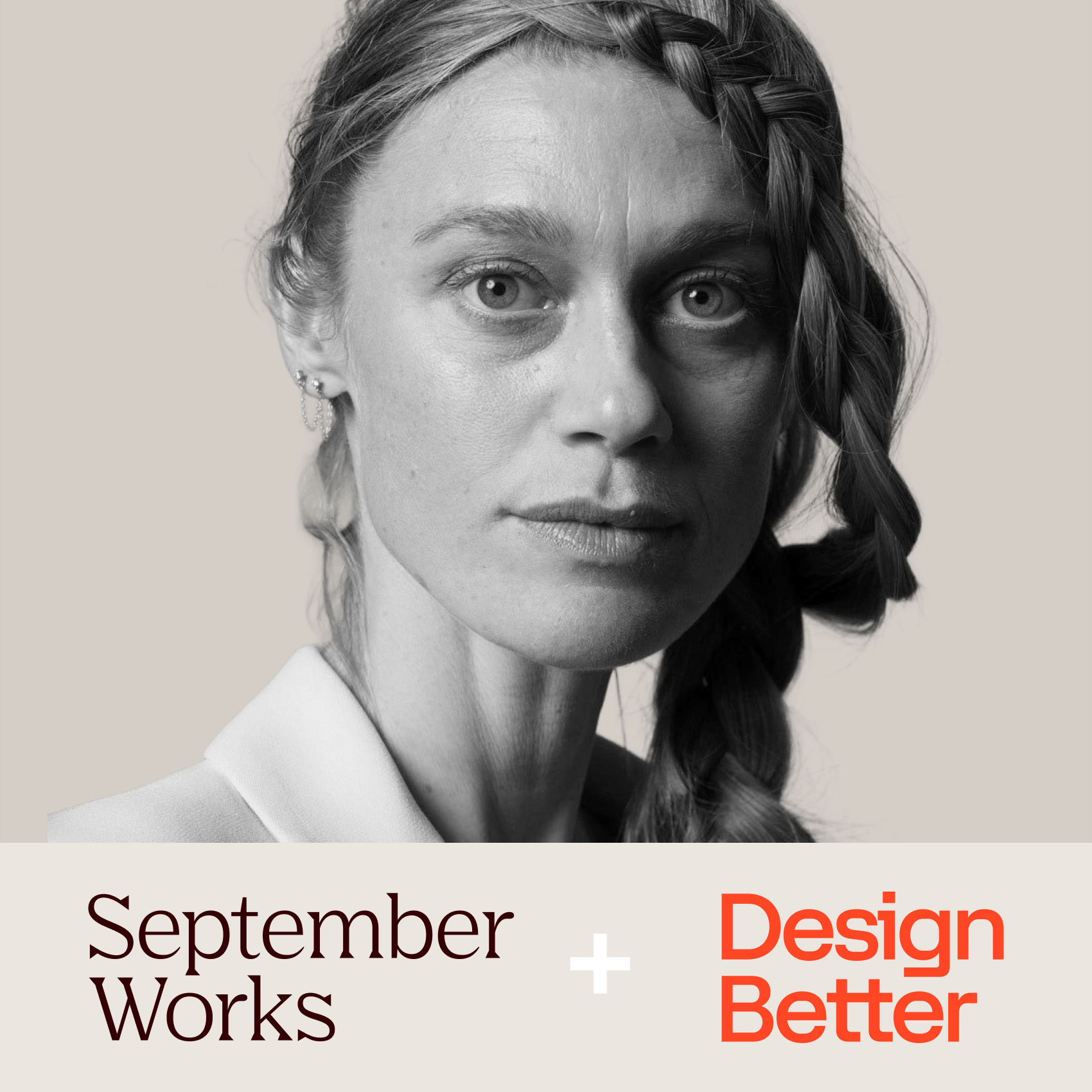
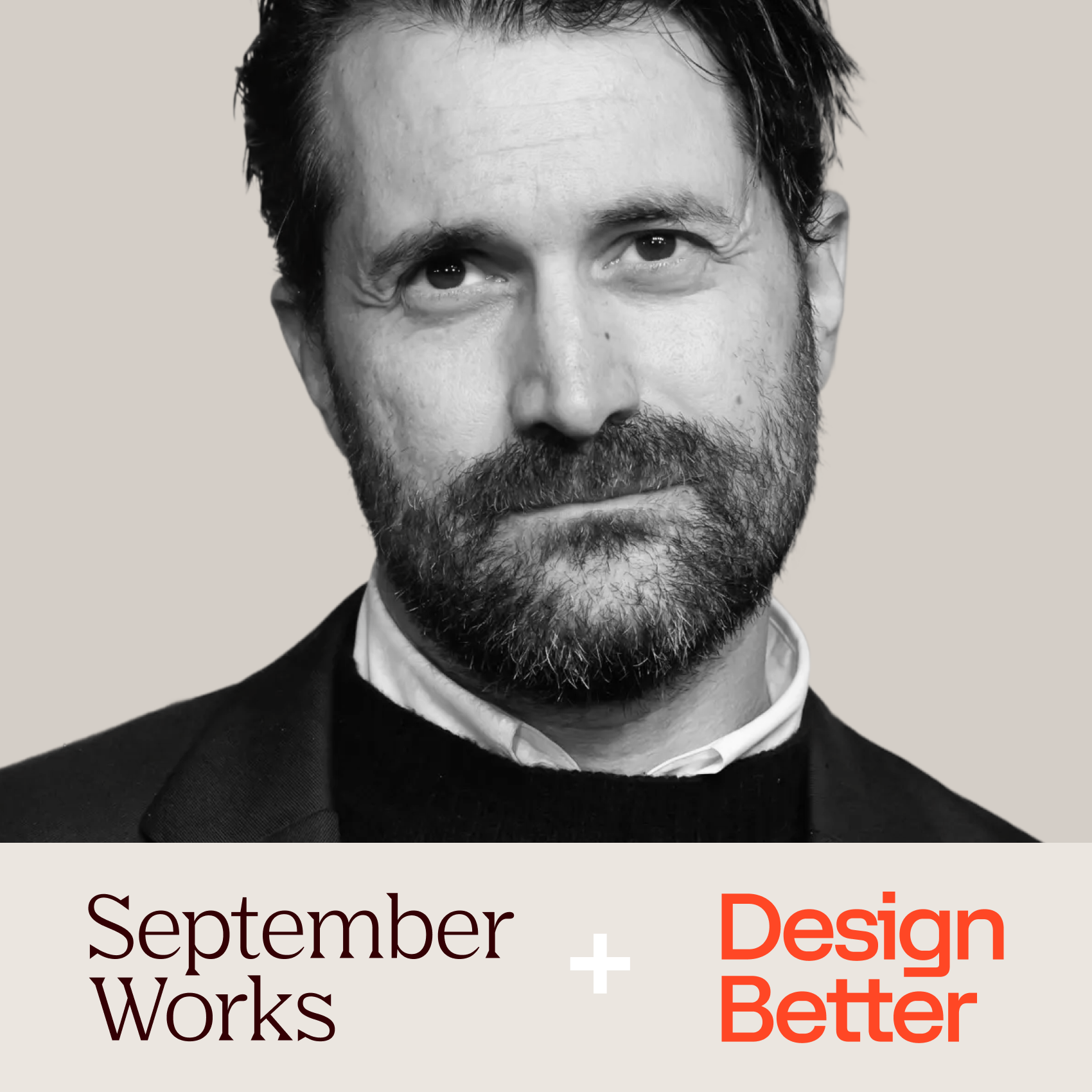
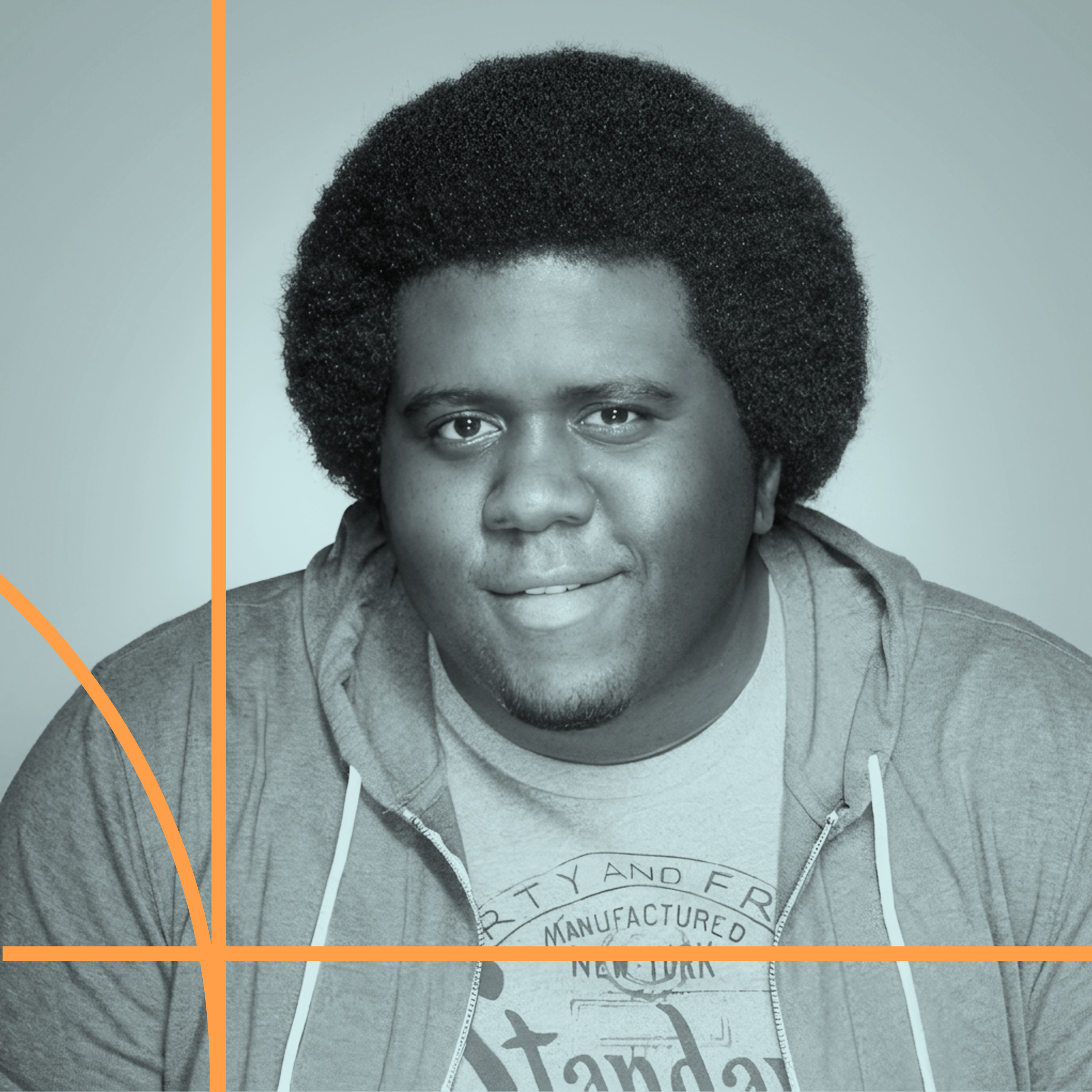
Josh Clark (co-author; 30+ years UX/product design experience; UX wisdom) and Veronica Kindred (co-author; “AI-native” designer ~2 years into career; Josh’s daughter; TikTok/voice-first upbringing; fresh generational perspective).
Chat interfaces are a “black hole” of attention and the Turing-test mindset; LLMs aren’t reliable answer machines, but good at parsing intent; designers should design interaction rules using design systems (“Legos” metaphor) rather than fixed user flows.
“Sentient scenes” toy where describing a scene (e.g., “submarine descends,” “Hal 9000”) changes tone/behavior; Salesforce generative canvas for on-the-fly dashboards; iPad math notes “magic crayon” style UI drawing.
Written by AI. May contain mistakes.
Discussion on the philosophy of the upcoming book Sentient Design and its implications for the future of user interfaces.
“If you're hearing this, you're not currently on our premium subscriber feed.”
Discussion about the evolving role of AI in design and the necessary skills for designers in this new landscape.
“Josh Clark and Veronica Kendrid, welcome to Design Better.”
Josh and Veronica discuss their generational perspectives on design, AI, and collaboration.
“One of the skills is just, frankly, learning the grain of this material.”
Exploration of potential advancements in interfaces and the relationship between users and technology in the coming years.
“And so, you know, as we look at the next generation of experience design, it's really helpful to be working with literally the next generation.”
Explore how designers can adapt to AI's impact on their role and the design process.
“our relationship with technology could look like if designers are smart about what's emerging.”
Discuss the implications of AI on traditional content creation and the importance of storytelling.
“Like, I don't see that, at least in the near future.”
Examine the shift from traditional search methods to more personalized discovery experiences.
“And so I think that there is this idea of sort of relationship and human relationship, even as we have some notion of content being commoditized.”
Learn about the innovative idea of an intelligent canvas that adapts to user needs in real-time.
“And known search in the age of AI is on lock.”
Discuss the need for designers to cede control and allow users to shape their own interactions.
“I think there's kind of this negative future where creativity is taken over by AI, but there's a more positive one where it just opens it up for more people too, which is an interesting way to go.”
Learn how user control and flexibility have become crucial in modern design.
“And designers, we really like to have control.”
Explore the complexities and challenges of AI integration in design systems.
“What we do know is that they weren't designed to be answer machines.”
Explore the complexities and challenges of AI integration in design systems.

Get the gist, explore an idea or ask about something said.
 Claude
On Design Better, what are the key points of this episode?
Searching your listeningAutomatic transcript. May contain errors.
0:01Right now they're such people pleasers. It's really their nature. They really want you to like them. They really want to say nice things to you, but it's not exactly helpful. Like that's not always a helpful stance for them to take. It's a nice stance for them to take. It makes a lot of sense why that would be their default tone. But in terms of actual helpfulness, it seems about time that we at least have an option where it's a bit more rigorous.
0:30As designers, we're entering a new era, one where AI isn't just a tool that we use behind the scenes. It's also a collaborator we're designing with and for. It's a shift that challenges our assumptions, pushes us beyond static interfaces that we're used to, and calls on us to rethink what it means to create experiences in an intelligent, adaptive world. In this episode of Design Better, we talk with Josh Clark and Veronica Kindred, co-authors of the upcoming book, Sentient Design, about what it takes to design for this new frontier. Josh brings three decades of UX wisdom, while Veronica, a rising voice in the field, and as it turns out, is Josh's daughter, brings fresh perspective as part of the first generation of AI native designers.
1:19Together, they offer a framework for designing interfaces that respond to context, intent, and user agency. without falling into the trap of chatbots as default. We dig into why chat interfaces might be holding us back. We explore new experience patterns that go way beyond conversation and discuss what it means to design systems where users can essentially draw their own interfaces into existence. We also tackle the thorny questions around trust, transparency, and what happens when we cede control back to users in ways that could make traditional designers a little uncomfortable. This is Design Better, where we explore creativity at the intersection of design and technology I'm Eli Waller.
1:58And I'm Aaron Walter. If you're hearing this, you're not currently on our premium subscriber feed. Design Better Premium subscribers enjoy weekly episodes. You get four episodes per month rather than just two. All are ad-free, and you get invited to our monthly AMAs with the smartest folks in design and tech. You'll hear a preview of this episode, but if you'd like to hear the full conversation, please consider becoming a premium subscriber at designbetterpodcast.com slash subscribe. That's designbetterpodcast.com slash subscribe. It's just seven bucks a month and it supports not only your personal growth, it also supports your design community.
2:39The podcast is available to everyone through our scholarship program. If you can't afford a subscription right now, just shoot us an email at subscriptions at the curiositydepartment.com and we'll help you out.
2:59We'll return to the conversation after this quick break.
3:06Design Better is supported by Framer. A prompt can get you a website, but it can't tell you whether that website is any good. It still takes a designer's experience, noticing that the headline runs long, the grid is drifting, and maybe the call to action is buried below the fold. Framer is built around that idea. It's an AI website builder with agents working right on the canvas with you in the same place the real website is designed, reviewed, and published. Prompt a page, inspect it, edit every detail, and then you can publish it when you're ready. Agents bring speed and scale. You bring taste, judgment, and control.
3:46Brands like Perplexity and Miro build their websites in Framer. Learn how to get more out of your website from a Framer specialist or get started building for free today at Framer.com slash design better for 30 % off a Framer Pro annual plan. That's Framer.com slash design better. Rules and restrictions apply.
4:11And now, back to the show.
4:18Josh Clark and Veronica Kendrid, welcome to Design Better. Hello. Thanks so much for having us. You have a very timely book coming out very soon called Sentient Design. It's going to be published with Rosenfeld Media. Publication date, still TBD, but it is imminent. We'll say it's summer of 2025. It's coming out very soon. Tell us a little bit about the book and the philosophy within it.
5:10intent in ways that allow them to be radically adaptive. And so these are AI-mediated experiences that are conceived and compiled in the moment. It's a new kind of experience of what happens when you weave intelligence into the interface itself. And it's pretty exciting and weird and hairy. and that's what the book is about is how to give designers literacy in machine learning and AI and to think of it as a material for creating dramatically valuable new experiences. That's right and I would just add to that I think as designers we've kind of seen a lot of experiences of AI being added to a product or an experience and it's kind of just a chatbot slapped on to whatever was already there in the first place which is not the best we can do.
6:02We can definitely do better than chat. Of course, chat is great and it kind of invites this whole new type of experience, but it's really only one corner of what's possible. So in addition to everything that Josh said, in addition to providing this framework and this philosophy, also just about teaching people how to design better with AI. I'm glad you mentioned that because chat has such a huge gravity. It's like sort of a black hole of attention when it comes to what intelligent interfaces are supposed to be, it's like for 75 years, we've been told that the Turing test is how we know if a system is intelligent, is if it can pretend to be a human, if it can have a convincing conversation.
6:48And somehow that thought experiment of the imitation game from 75 years ago became a design brief, that that's like the goal. And it turns out that there's a whole bunch of other really valuable experiences that you can create aside from conversational dialogue with a system that's pretending to be human. As designers, we're entering this era where we're both using these tools to create things, but also designing experiences that have AI at their core. So maybe you could talk about some of the skills that we should cultivate or think about as we work our way through this new era. One of the skills is just, frankly, learning the grain of this material.
7:32You know, I think we've all experienced that this stuff is weird. It's great at stuff that we wouldn't expect it to be good at and terrible at stuff that we would. It's obviously unpredictable in that context. And so a lot of the work, you know, I mentioned literacy before, is just finding out what the stuff is good and bad at and embracing the possibility that the weirdness of it can be an asset instead of a liability. and sometimes it's a little bit of stepping back and trying not to force it to be like computer systems that we've known from our past where it's like the goal is for it to have predictability and to give grounded answers especially when we look at large language models it demonstrably is bad at that although some other kinds of machine learning and let's not forget AI is a lot more than large language models there's a long tradition of machine learning that can be really valuable material too and more reliable.
8:36So I think the biggest skill is to work with this material, learn its grain, its strengths and its weaknesses, and how it wants to be used. And Veronica, you talk about that a lot in terms of just sort of starting to use it for everything to have that kind of intuition for it. Yeah, I definitely joke about like, oh, I use AI to like go grocery shopping now. But it's true, I do. And just like being able to use it outside of work, even just for like small tasks like that, it makes it easier to grocery shop for a specific recipe or something like that, like a very basic application that makes my life a little bit easier.
9:17I'd like to pick apart something else you said when we're talking about designers integrating AI into their processes. I do think that's a lot of what has been quite emotional for people in getting into how AI is going to impact them in their lives because there's a lot of talk about replacement. It's going to take our jobs or it's going to take the fun parts of our jobs, the part that I like, the creative part. And I really think that's why it's important to focus on how it can make the experience actually better. This whole perspective that we've kind of been seeing everywhere is really focused on efficiency.
9:55It's very corporate driven. It's conversations like how can we get the best ROI? How can we drive value and cut down costs? And all of that is important for a business, but it's not a human-centered way to look at AI. And for designers, that is the brief, right? To be human-centered, to think about how this can make a better experience for people. And that includes us as well. How can we use it to make our lives, our jobs better and more fun. And that is not necessarily going to come from the top down. Like that might be something that we need to figure out for ourselves. I mean, I think one of the interesting things, you know, is Veronica is speaking as a different generation of designer than me.
10:35Veronica, you are two years into your career. You are AI native as a professional designer. And you grew up with TikTok as a norm, not static websites. And so, I mean, I think one thing that I've found really helpful working with Veronica on this book and at Big Medium is the perspective that she brings to this, that I have 30 years of history in UX and product design. And while I think I've got a pretty good handle on the best practices of this stuff, the more that I've worked with these things, with AI, with machine learning, the more that I've realized that a lot of my assumptions need to be revisited.
11:22So old heads like mine need new heads like Veronica's. And so, you know, as we look at the next generation of experience design, it's really helpful to be working with literally the next generation. And in our case, literally so, because Veronica is not just my colleague, but my daughter. which has been a really special relationship to me, I think, in doing this. And I've just learned so much as a designer in the last couple of years. She said, wait, why do we do it that way when we have these tools available? So she gives her old man a kick in the seat of the pants here. I was sort of like, let's think about this differently.
12:01Right, maybe a bit quicker to try out new tools. Although, let's not give Josh no credit. He's definitely out there. Thank you, Veronica. Yes. Yeah, I think in some ways we kind of buried the lead because I think it's so great that you guys are working on this project together. I have a 14-year-old daughter and a 9-year-old son, so we're a little younger. But I do see that behavior where, I mean, A, they're very much like voice first in a lot of ways they interact with tech products. And we touched on chatbots a little bit. That's really not the only way to go, but they kind of get it in a way that I don't or think of ways of using it that I wouldn't.
12:34So I think it's wonderful that you two are able to collaborate in this way. Yeah, thanks. Me too, Eli. I want to dig deeper into some of the things that you've alluded to here. You're talking about understanding AI, understanding the grain of it or its behaviors, sort of a personification of what does it want. I often find myself, as I'm using Chad GPT, Claude, whatever, thinking of it as an entity. And I can't help but think, like, when I say, can you do this? Or, like, I'm talking to it not as a computer that's doing my bidding, but as a collaborator. I would talk to another human being. Because it is such a nascent space that is emerging, and we're constantly learning and constantly exploring new things we can do and how it enhances our lives, also how it will change our lives.
13:23Claude, the Anthropics CEO, co-founder, recently came out last week, I think it was, predicting maybe up to 10%, 15 % unemployment in the next three to five years, which is frightening, devastating. We've never seen anything like that in our lifetimes. So there's a lot that can happen with this. But what you're describing is not taking the current state as this is what it is. What can it be? And what can AI do for the things that we're making? Can you paint a picture for us two years, three years, five years out of what software could look like, the human interaction, our relationship with technology could look like if designers are smart about what's emerging.
14:09I think there's like two things to mention there. One is what is our relationship to the technology as designers? And then what is it for our users or for us as users sort of outside of our design process? And I think one thing is, and you've touched on this, Veronica's touched on this, is that right now there's this big focus on how do we use AI to do design work? In other words, how do we use it for efficiency to replace tasks that we've already been doing, which has a little bit of a nervous, anxious-making feeling of, wait, this is replacing design, maybe diminishing design. Where is my role in this?
14:48And those are important things to figure out. And there will be utility in that as well as we sort of find parts of our design process collapsing, shortening, being taken over by sort of automated systems. there's another way to create value other than grinding out efficiencies and that is to create valuable new experiences and when we talk about weaving intelligence into the interface we're talking about how do we take that machine intelligence as a material to create really new kinds of experiences you've talked about it yourself it's like wow i've got a different relationship to this interface than I've had to computing before in some ways that adds ease and gives you more value.
15:34So one of the things that we've done in the book is identified 14 new experience patterns that AI can take in addition to dialogue and chat where you can have these kind of intelligent new experiences. And at the far end of that is a pattern that we call the intelligent canvas, which is maybe the most radically adaptive, which is essentially have a blank canvas that can become whatever you need in the moment. So it's a kind of thing of, oh, let me sketch an interface. Let me describe a thing that I need. And an application spins up. It's similar to what designers are using right now with things like Lovable or other things like that to create applications for the users down the road to speed production.
16:21But what if it's just like, I'm creating it for me, software on demand that is essentially disposable. I need a thing for 10 minutes. Let me describe it. It appears, and then I put it aside and move on. There is this idea from some that something like a chat GPT platform or a single AI platform can eat all of computing. I doubt that's going to be the case. Like, I don't see that, at least in the near future. I think it's much more likely that AI becomes a capability that any application can bring into it and that things will remain somewhat domain-focused. It's just a little bit easier for us to use, frankly, I think, in that way.
17:04Can we push on this? Please. Because this I find really interesting. And for those of us who have been on the web designing and building for the web, for decades, I can't help but think that we might be a little short-sighted in not seeing what could happen here. So we just had a conversation, an episode that will come out very soon, a conversation with Google. And Google I.O. had some fascinating announcements. It's sort of like headless search. So it's AI, like this open mode, AI mode, where you can query the web for things. But that query is not just like, here are some links. It's all of the knowledge of the web and the conversation happening right there.
17:48So we no longer need to go to websites to do that thing because there are agents to do that stuff for us. It's not just bringing us information. It's also doing the tasks for us. And I can't help but think those of us who have been making websites for decades, do we need to make websites anymore? Or do we just fill in squares on a spreadsheet? that are part of the LLM. I think that content and informational sites, especially around somewhat commodity content, is really at risk with that kind of model. And I think we'll see what happens. Veronica and I have been working closely with one of the biggest publishers in the world as they sort of work their way through it and try to understand what is my value when information is being atomized and commoditized like that.
18:38And a lot of it is around storytelling. You know, it's like, oh, I'm coming to you because I trust you. I trust the storytelling that you're doing in the same way that I'm going to continue listening to this podcast, even though Jim and I could probably create an audio podcast on any topic that I want. I want to listen to you too. And so I think that there is this idea of sort of relationship and human relationship, even as we have some notion of content being commoditized. But I don't know, Veronica, it's like we've also been looking at a bunch of different models for experiences that we can create that sort of dismantle complex information architecture with like interfaces that are conceived and delivered in real time for the specific thing that you want.
19:24it. You know, it's like I'm thinking about bespoke UI and some of the dashboard things that we're seeing. Right. And also in our work, we've kind of come to make this distinction between search and discovery. So search being like a traditional like Google query and discovery being a more curated experience, like a social media algorithm. As you're saying, Aaron definitely feels like we're moving towards more of a discovery way of using the internet. And yeah, like as Josh was saying, what does that do for websites who get their revenue from clicks when you don't have to click on them anymore. I think Josh is absolutely right.
19:56It really becomes not only about the storytelling and the relationship that you have with the user, but also about the experience. Like I could go to people.com or I could go to TikTok to talk about like the latest celebrity gossip. But where do I think I'm going to have the better experience? What kind of experience do I want? Do I want to read or do I want someone my age to like tell me about it in slang that I would use type of thing. I mean, it's kind of good news for designers, right? Like we're practice and making experiences. That's what we are really best at. So it's like, yes, some websites and some types of information where it's really just about content might change, might not have the same models that they're used to, but websites that are really about the experience and dare I say, even the joy of being on the website, like maybe that will matter all the more.
20:46Yeah. This is interesting, Veronica, this idea of discovery. So the information architecture days, early 2000s, we often talked about known and unknown search. And known search in the age of AI is on lock. Like if you want to know any esoteric, bizarre, whatever, that can be answered very quickly, very efficiently. And you can go deeper into that quite well. the unknown search, the discovery part of not really knowing what your interests are, where you will go. The world is a rich, multifaceted place, and there's so much that can be discovered. Do the two of you have thoughts about what that could look like in the future, this unknown search part?
21:34One of the things that's intriguing is as we've gone from search to curation in social media, that what seems to be happening now is manifesting. Like, I just want to manifest the thing that I'm looking for. So I think that there is this thing, not only of I'm looking for information or to complete a task, but I want something right now that takes this form. This sounds very abstract, but kind of to come back to this intelligent canvas pattern, we see it in consumer products like iPad already, where we have the calculator for iPad. Calculator app is, I'm going to talk about something that's just like, make it anything you want, is that there's this math notes feature that essentially lets you scribble your own interface of a math-based function, and you've got like an instant interface.
22:24So it's like, great, I'm going to draw an interface for calculating how much soil I need for my garden and how much that's going to cost, and can sort of play with the variables. And it's like, put it aside. or an application to do recipe conversion. There's a platform of possibility, but I'm drawing my own interface. Magic crayon. Yeah, it is totally the magic crayon, exactly. I love the Herald and the Purple Crayon example, or it's also like Wile E. Coyote drawing a fake road and fake tunnel onto the cliff, and then it turns into a real thing, or at least when the roadrunner is running through.
23:02So it is this thing of changing and manifesting what you want in the moment. Again, sort of at the extreme of this. And then what that means is that we are designing systems that these can work within. So sometimes that's sort of saying, here is a tidy design system that we're giving AI the ability to use, and it can present the right component or interaction for the task at hand. So we're seeing things like that. Salesforce has this thing called generative canvas, which is basically like, build dashboards on the fly. What are you trying to do? Oh, great, here's the components from the Salesforce design system.
23:40Here's the content from trusted sources in the CRM. Fill it in. And this is like, you got something else? Rearrange and reassemble. So it's this kind of thing where for complex applications, as designers, we've had to design all of the possible paths and make users clamber through that information architecture. And right now we have the possibility to actually bring that interaction forward. So content and interaction comes to you. What's the one tiny thing you're trying to do in this complex system? Ask for it, and it appears. To me, one potential feature, too, is almost a reversion to the era where we had GeoCities or MySpace, where anybody can make anything, essentially, now in a more high-fidelity manner.
24:24But it might just open up creativity in a lot of ways, where you can make something custom in a few minutes, you can share it. I think there's kind of this negative future where creativity is taken over by AI, but there's a more positive one where it just opens it up for more people too, which is an interesting way to go. Those are the two things, right? It's like, here's what I can use AI as a tool and as an automator. That's one. And it tends to replace people. And then there's, here's something that I can use that as a material and make entirely new things, which we're only beginning to explore now.
24:57And that's exciting. One of the things that we do is we make a fair amount of kind of playful experiments. Again, as part of the practice of getting used to what the material can do, what's possible, what's newly possible. So we do a lot of things with play. So this is something that we made called sentient scenes. And the whole idea of it is that you can go in and describe a scene and it will act it out. We've got a few suggestions here. So if you tell it the submarine descends, it's going to change its color and tone and behavior to actually act out this scene. So it goes through and now it's like, all right, I'm going to be a submarine now.
25:36And it changes the vibe. Or I can be like, Hal 9000 can be the thing. And it's going to tell a little story and a little scene and change its behavior. The thing that's fun about this is it's doing a few things. One is, what is an intelligent interface beyond chat? where it's sort of like changing tone, style, content, behavior in response to user intent, either expressly stated or implicit. And it's sort of something that how do we have personality and presence without necessarily pretending to be human, right? What are we able to do and are able to sort of discern meaning beyond just the expressed words?
26:17Like here it's sort of getting, oh, it's getting some emotional context and mood into what I'm doing here. And it's taking a seed of an idea and turning it into a story. This is obviously a little toy. But I think that it has big implications as we think about, oh, how can we take little cues and actually really change the spirit of the interaction? Where it could be content or structure or the actual behavior of the system itself. What happens when you bring this to an enterprise dashboard environment of changing the nature of the experience based on these cues? And in this case, this was something that we're telling it to come up with four or five different things and then insert it into the page.
27:03And Veronica, how long did it take us to make this? Oh, like a day. Not too long at all. Yeah. I mean, just sort of really kind of easy experiments that are like, oh, what becomes possible texturally with this? So this is the kind of thing that we make often and bring back into our sort of serious product experiences as sort of ideas and material. But I think a big part of what we try to do is just play a lot and just develop an intuition for what this stuff can be and the new kinds of things that you can make with it. Because what I showed there, that's not the old website. And it has some interesting ideas of how does that change interaction on demand or content or structure.
27:47You know, in many ways, what the two of you have been describing is a different way of designing that is non-native to many designers, which is letting the user shape the interaction that makes sense for her, for him in that moment. And designers, we really like to have control. We like to design the space. There's lots of famous stories of architects who not only design the home, but they design all the furniture and they tell you how you're supposed to live in that house. And that transfers over to a lot of software designers, too. They want you to work in a certain way. It's just sort of the nature of our medium is that there's a lot of control.
28:28And now this is an era where control needs to be ceded back to the user. And we have to think maybe a little differently. How should we be thinking about our work differently? And I can't help but wonder how do design systems fit into this picture? Right. Got to give the design systems a shout out right about now. I think one of the interesting things to think about is there's no more happy path, right? Like there's no correct flow for a user to go through in a website. One of the metaphors that I use is we can build Legos now. We can design a Lego set, but who knows how someone will put together that Lego set or how they'll use the pieces afterwards.
29:11So you can have these intentions and you can have these building blocks, but ultimately once it's out into the world, you kind of have to respect that it can get used however a user wants for it to be used. This has been the focus of the last 10 years of the industry, I think. We've been through this period of design consolidation, identifying best practices, figuring out consistency and coherence, and how to communicate that among large groups of designers. That's been necessary as companies have brought design in-house, and now there's a ton of designers happening. That's why we needed design systems.
29:48What I think that's meant, though, is that the innovation in design has happened at the process and asset level in a lot of ways for the last 10 years and not at the product level. And so I think that that was necessary as sort of where design lives moved from agencies to in-house. So how do we sort of create some reliable process around this stuff in design? The exciting thing is that now we've got this material that's moving innovation into product with all the kinds of stuff that we're talking about. And now these systems can use the design systems that we've created. We've put a lot of effort into structuring and having common vocabulary for this, and we can teach AI to use this stuff.
30:36One of the things about large language models that they're really, really good at Is they're really good at parsing intent? And that used to be so hard. I mean, just like looking at Alexa. Great, Alexa could understand the words, but then didn't know what to do with them unless you had the exact right incantation, right? That's all totally sorted now with LLMs. They're like, oh, I know what you're talking about. They're not so great at necessarily giving reliable answers, but they are really good at parsing the request and saying, I know now I can go over here and ask this system for it through RAG or through MCP servers.
31:14So what it actually becomes that I think is like we've been trying to force large language models to be answer machines, to be reliable, to fight their propensity for hallucination. Maybe they'll get better at that, maybe not. What we do know is that they weren't designed to be answer machines. They were designed to understand and continue conversation. So let's use that as the front end of these things to understand what we're doing and then deliver the right design system components. And so as designers, the role then is not to design the specific path, but design the rules of the system for the system and the user to interact together in ways that are safe and feel cohesive.
31:57So just looking at that sentient scenes example, anything is possible. You can ask for anything and it will act it out. So a really wide variety of possibility. But it's all cohesive. it's like they all feel similar. It's the same stage and the same actor. The choreography changes on demand. The set dressing changes. But still, I understand, it's grounded in that experience. And that's exciting. Two things are exciting about it. It can create a system, a meta system, for how user and system interact. But then it's also super fun. It's a challenge and the opportunity to take open-ended inquiries and move them into deterministic systems.
32:37And so that's an example also of what Sentient Scenes was doing. It's like, ask me anything and I will interpret it and put it into this rendering engine to display what you're asking for. And so with simple design systems, we can do the same. Do you find that the tools sort of adhere to design systems or do they deviate? And one thing that just comes to mind based on our experience today is I was using Claude to just help me work through some writing. And then all of a sudden it started spouting out this code for something that I had previously worked on a Rick Rubin site. I was exploring with it.
33:10I was like, why did you render this? It's like, oh, you asked me to in a separate chat thread. So it was like sort of diverting into its own behavior. Like, okay, that is interesting, but it's not exactly what I was asking for. So, yeah, I'm wondering how you kind of adapt to that with these systems. If you run it 100 times and like 10 times, it goes off and veers into this like kind of wild direction that you weren't expecting. Even though maybe like with our sentient scenes example, we have it set up so that it should only send back JSON, right? It should only send back a structured object. What happens when it doesn't, you know, like you kind of just have to run it again.
33:46And like that's fine when it's something like fun and kind of low stakes. But what happens, what do you expect when you're in a higher stakes situation, like if you're doing financial regulation or air traffic control or something like that, where you really can't afford that opportunity? And I think that's when it's important to bring in those really, really grounded systems and to keep context windows pretty short so that they're not really able to amalgamate context and information over time. And they can kind of just like creating the most direct line possible between the query, the prompt and the output.
34:18Yeah, I mean, I think one of the things that we're seeing these systems wrestle with is memory, right? I mean, Eli, your specific example kind of brought that up as we're sort of trying to be like, oh, I know you. So I'm actually smushing together previous conversations into this one.
34:48all ad-free, monthly AMAs with inspiring people in design and tech, and recordings of all our past AMAs. The podcast is available to everyone through our scholarship program. If you can't afford a subscription, just email us at subscriptions at thecuriositydepartment.com and we'll help you out. Your support makes design better possible. Invest in yourself and the design community by subscribing at designbetterpodcast.com.
35:22Design Better is brought to you by Masterclass. For years, I treated design reviews like debates, thinking if my rationale was sharp enough, I figured I'd win. But I kept losing to leaders who just didn't like the direction we were heading. Here's what changed that for me. Nobody can hear your argument until they feel heard. So now before I defend anything, I try to identify the concern out loud. It sounds like you're worried that we're going to push the launch back. Then I just stop talking, and more often than not, the tension drops, and we start solving real problems together. That came from former FBI hostage negotiator Chris Voss and his class on the art of negotiation.
36:02He calls it labeling, and it works as well on stakeholders as it does across a negotiating table. That's one lesson from one class. Masterclass has 200 plus more, taught by people who define their fields in business, writing, creativity, wellness, and more. Audio mode turns your commute into a classroom and plans start at just 10 bucks a month, billed annually, and every new membership comes with a 30-day money-back guarantee. Masterclass keeps adding new classes all the time, so there's never been a better time to get in. Right now, as a listener of this show, you get at least 15 % off on any annual membership at masterclass.com slash designbetter.
36:42That's 50 % off at masterclass.com slash designbetter. Head to masterclass.com slash designbetter to see the latest offer. Designbetter is supported by Framer. A prompt can get you a website, but it can't tell you whether that website is any good. It still takes a designer's experience, noticing that the headline runs long, the grid is drifting, and maybe the call to action is buried below the fold. Framer is built around that idea. It's an AI website builder with agents working right on the canvas with you in the same place the real website is designed, reviewed, and published. Prompt a page, inspect it, edit every detail, and then you can publish it when you're ready.
37:27Agents bring speed and scale. You bring taste, judgment, and control. Brands like Perplexity and Miro build their websites in Framer. Learn how to get more out of your website from a Framer specialist or get started building for free today at framer.com slash designbetter for 30 % off a Framer Pro annual plan. That's framer.com slash designbetter. Rules and restrictions apply.
This is a premium episode of Design Better. You'll hear a preview of the episode here, but head over to our Substack and become a premium member if you'd like to access the full episode: https://designbetterpodcast.com/p/josh-clark-and-veronika-kindred
As designers, we’re entering a new era. AI isn’t just a tool we use behind the scenes, but a collaborator we’re designing with and for. It’s a shift that challenges our assumptions, pushes us beyond static interfaces, and calls on us to rethink what it means to create experiences in an intelligent, adaptive world.
In this episode, we talk with Josh Clark and Veronika Kindred—co-authors of the upcoming book Sentient Design—about what it takes to design for this new frontier. Josh brings three decades of UX wisdom, while Veronika, a rising voice in the field (and, as it turns out, Josh’s daughter), brings fresh perspective as part of the first generation of AI-native designers. Together, they offer a framework for designing interfaces that respond to context, intent, and user agency—without falling into the trap of chatbots-as-default.
We dig into why chat interfaces might be holding us back, explore new experience patterns that go way beyond conversation, and discuss what it means to design systems where users can essentially draw their own interfaces into existence. We also tackle the thorny questions around trust, transparency, and what happens when we cede control back to users in ways that could make traditional designers uncomfortable.
Learn more about Josh and Veronika:
Sign up for the Big Medium newsletter for fresh insights about Sentient Design, product design, and UX.
Learn more about the Sentient Design book from Rosenfeld Media.
Read more from Veronika and Josh at bigmedium.com.
Josh Clark is the founder and principal of Big Medium, where he leads UX design efforts that help complex organizations navigate digital transformation and design for emerging technologies. His work spans AI, connected devices, responsive design, and enterprise-scale design systems. Known for shaping future-friendly interfaces, Josh has helped organizations adapt their products and processes to meet rapidly evolving user needs.
Veronika Kindred is a designer and researcher at Big Medium, where she collaborates with leading companies to define and solve complex design challenges. She is co-author with Josh Clark of Sentient Design: AI and the New Digital Experience, a forthcoming book from Rosenfeld Media that explores how AI is reshaping user experience and digital interfaces.
***
This is a premium episode on Design Better. We release two premium episodes per month, along with two free episodes for everyone. Premium subscribers also get access to the documentary Design Disruptors and our growing library of books.
You’ll also get access to our monthly AMAs with former guests, ad-free episodes, discounts and early access to workshops, and our monthly newsletter The Brief that compiles salient insights, quotes, readings, and creative processes uncovered in the show.
Upgrade to paid
***