 Ask ChatGPT
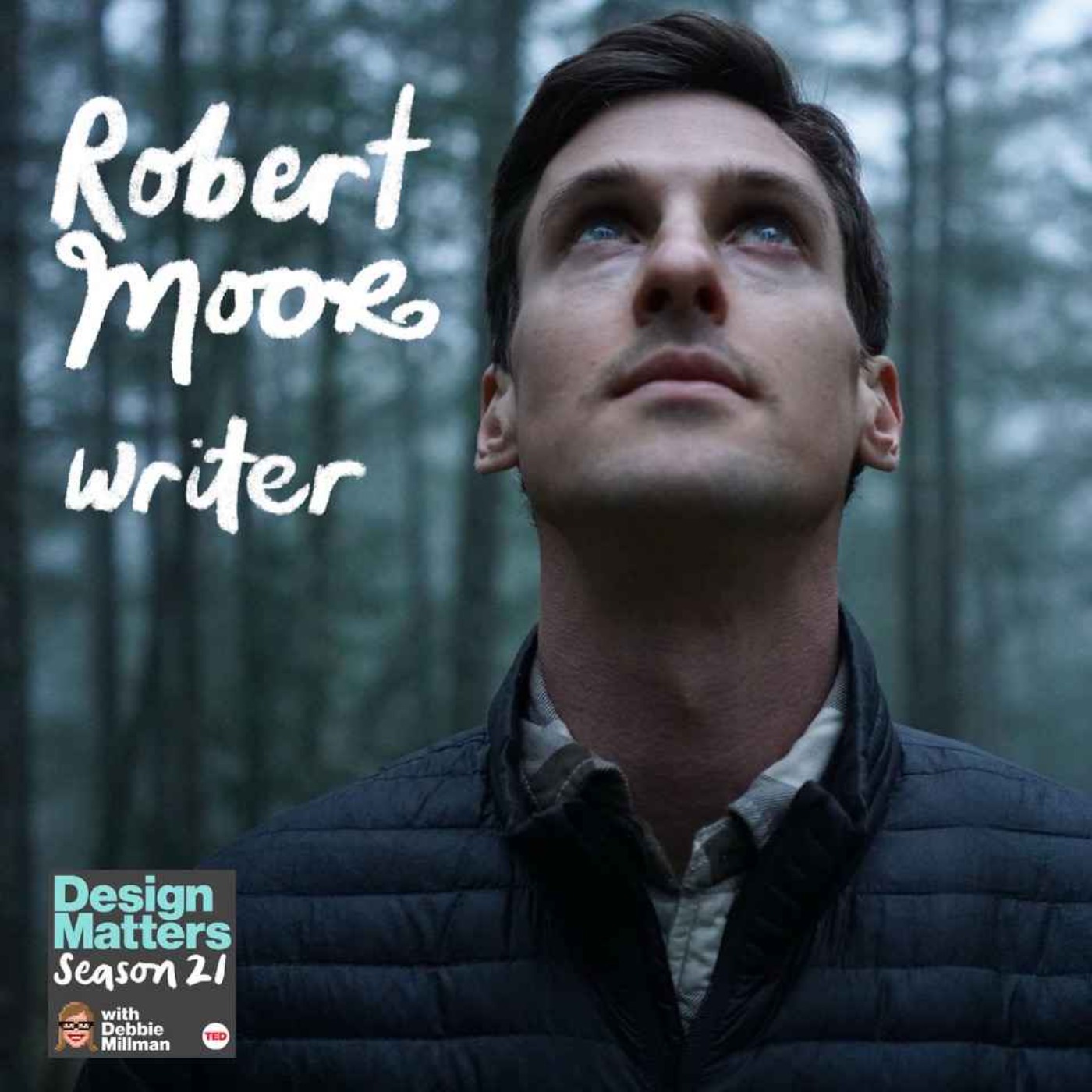


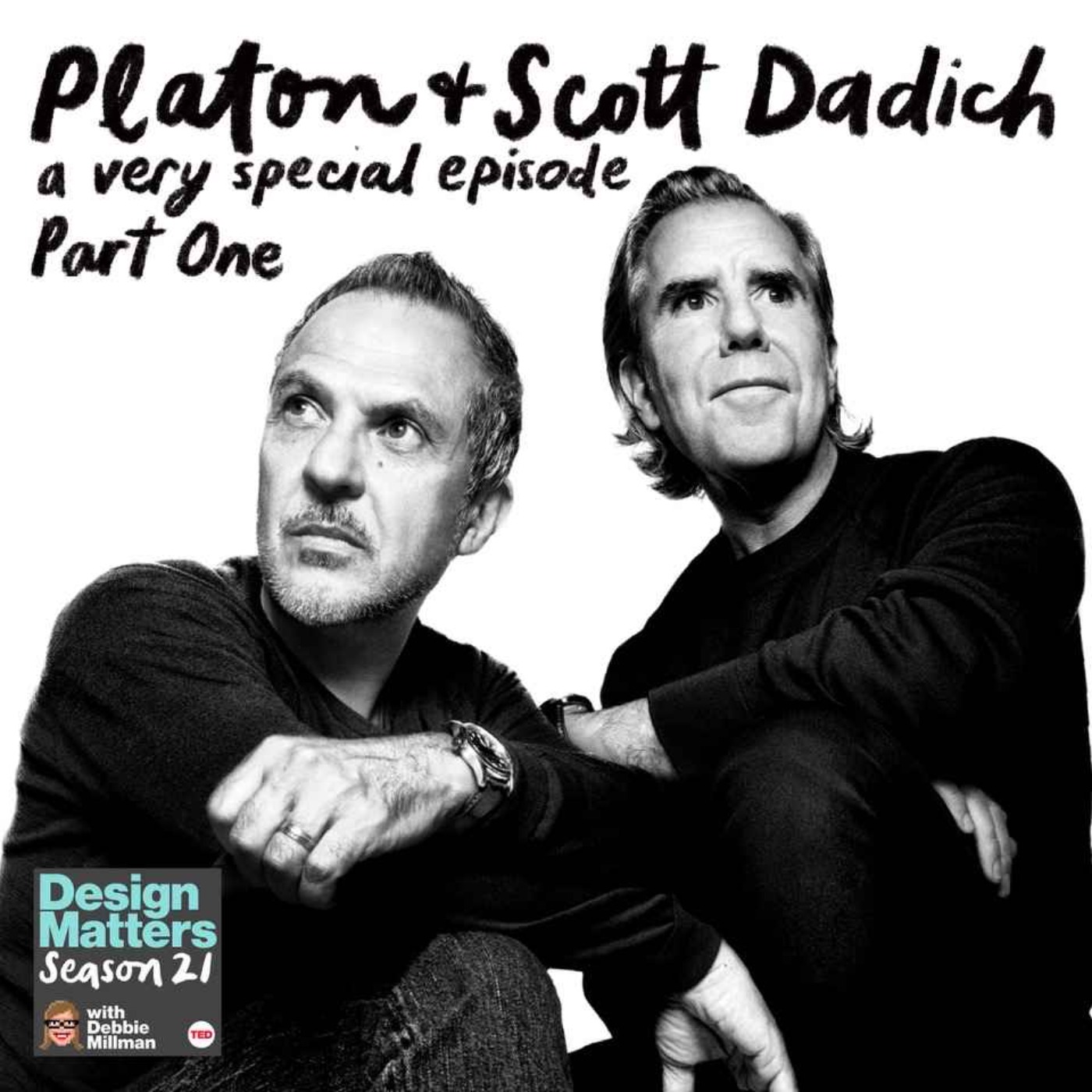
Part one of Design Matters with Debbie Millman focuses on portrait photographer and artist Platon’s career and his concerns about technology/social media, arguing that people risk surrendering authentic emotional intelligence to artificial systems. He also discusses authenticity vs judgment in portraiture, and how his Greek village upbringing shaped his observational skills and design sensibility.
Platon, Greek-born portrait photographer/artist raised between Athens and Paros; studied graphic design at Saint Martin’s and later at the Royal College of Art; longtime New Yorker staff photographer; known for human-centered portraits and ethics of design. Scott Dadich, designer/editor/filmmaker and longtime collaborator/friend of Platon (their work intersects for 25+ years).
Emails/scrolling are harmful; authenticity is a “superpower” and photographers should hold a mirror with curiosity, not judgment; power requires ethical restraint; life is “winning streaks and losing streaks,” and hard experiences can be transformed into compassion.
Platon’s “never sent an email” system via a chief of staff; critique of Vanity Fair’s unflattering White House portraits as judgment without curiosity; upbringing in Paros village square/post office/café; human-rights work with Esther (sexual violence survivor whose story helped inspire a Nobel Peace Prize-winning doctor); his 1990s street attack; Vanity Fair/George Magazine/JFK Jr. anecdotes.
Written by AI. May contain mistakes.
Discussion on the concerns regarding technology and its impact on emotional intelligence.
“handing over our authentic emotional intelligence for something that's artificial.”
Debbie introduces her guests, Platon and Scott Dadich, and their creative partnership.
“My guests today are the photographer and artist Platon and designer, editor, and filmmaker Scott Gatich.”
Platon shares his approach to email and the impact of dyslexia on his communication.
“Platon, in a World Economic Forum interview published last year, you stated that you have never sent an email.”
The guests discuss the effects of social media on mental health and the need for awareness.
“I mean, I'm still shooting all the time, but I'm very aware now of the broader the landscape of how we're all feeling, what our current history is, where we've just come from, and maybe where we might go.”
Platon discusses the importance of authenticity in his photography and the challenges faced.
“There's this work that needs to be done.”
Platon reflects on how his childhood experiences shaped his understanding of people.
“and the balance should always be curiosity is up there and judgment should be deleted from the process in my opinion but I felt there was a lot more judgment and I didn't see much curiosity at all.”
Platon describes the impact of his father's artistry on his own works and perspective.
“And then when they all go home, it all blends.”
Learn how the photographer developed skills in observing human behavior.
“My dad, when he was drawing, he would also draw villagers and their doorways and the houses.”
Explore the photographer's early dreams of being a musician and how it shaped his career.
“and we are all looking desperately for approval and validation.”
Discover the designer influences that shaped the photographer's understanding of imagery.
“Yeah, I mean, as I say, my heroes are designers.”
Learn about the importance of ethics in design through personal experiences.
“George Lois, Paul Rand, Charles Eames, Alan Fletcher, Scott Dadich.”
Understand the challenges faced during education and the quest for artistic identity.
“But my mandate there was to bring humanity to the pages of the New Yorker visually.”
Understand the significance of collaboration between photographers and designers.
“on newspapers, handled type and image, really respected photography.”
Learn about the surprising opportunity that led to a career shift.
“that have really amplified different stages of your life.”
Explore the rise of a new wave of British photography and its cultural impact.
“We would look at what was happening in America.”
Discover the memorable first meeting with John F. Kennedy Jr. during magazine discussions.
“And by the time John in New York started to think about doing a magazine, fortunately for me, he didn't know anything about photography.”
Understand the importance of trust in the relationship between photographer and subject.
“And I handed one of these notes to John Kenneth Galbraith, who worked for the president back in the 60s and was an incredible, incredible figure in American culture.”
Explore how to handle the ups and downs of a creative career.
“helped usher you into America and into a new kind of a career.”
Understand the lessons learned from both winning and losing experiences.
“Looking at your career, though, it doesn't seem like you've had a lot of losing streaks.”
Learn how personal experiences of winning and losing shaped resilience.
“Well, there are losing streaks and the losing streaks help you.”
Discover how trauma and kindness can coexist through the story of Esther.
“Gaddafi, when I photographed him, ultimate power, ultimate power.”
Explore the emotional nuances of connecting with individuals in difficult circumstances.
“Of all the well leaders I've ever worked with, no one has taught me that lesson in leadership, that you take considerable bad luck and trauma and adversity and you transform it into kindness and compassion for others.”
Learn about the pressures and emotional responsibilities of storytelling in human rights.
“minute i have a job to do i'm asked to tell this story by my colleagues in the human rights movement and they trust me with their stories.”

Get the gist, explore an idea or ask about something said.
 Claude
On Design Matters with Debbie Millman, what are the key points of this episode?
Searching your listeningAutomatic transcript. May contain errors.
0:00I've always been aware, okay, this is a winning streak, but it's temporary. And a losing streak is around the corner. That's a fact. That's what it is to be alive.
0:16From the TED Audio Collective, this is Design Matters with Debbie Millman.
0:23on design matters debbie talks with some of the most creative people in the world about what they do how they got to be who they are and what they're thinking about and working on on this episode part one of a conversation with the designer scott datich and portrait photographer platon part one focuses mainly on platon's career and they get into his concerns about what technology is doing to us. We're living in this time where we are consciously considering handing over our authentic emotional intelligence for something that's artificial.
1:02This episode is brought to you by Capital One. Capital One's tech team isn't just talking about multi-agentic AI. They already deployed one. It's called Chat Concierge and it's simplifying car shopping. Using self-reflection and layered reasoning with live API checks, it doesn't just help buyers find a car they love. It helps schedule a test drive, get pre-approved for financing, and estimate trade-in value. Advanced, intuitive, and deployed. That's how they stack. That's technology at Capital One. With no fees or minimums on checking accounts, it's no wonder the Capital One bank guy is so passionate about banking with Capital One.
1:38If he were here, he wouldn't just tell you about no fees or minimums. He'd also talk about how most Capital One cafes are open seven days a week to assist with your banking needs. Yep, even on weekends, it's pretty much all he talks about. In a good way. What's in your wallet? Terms apply. See CapitalOne.com slash bank. Capital One N.A. Member FDIC. With no fees or minimums on checking accounts, it's no wonder the Capital One bank guy is so passionate about banking with Capital One. If he were here, he wouldn't just tell you about no fees or minimums. He'd also talk about how most Capital One cafes are open seven days a week to assist with your banking needs.
2:18Yep, even on weekends, it's pretty much all he talks about. In a good way. What's in your wallet? Terms apply. See CapitalOne.com slash bank. Capital One N.A. member FDIC.
2:35Debbie Millman: My guests today are the photographer and artist Platon and designer, editor, and filmmaker Scott Gatich. They are two longtime friends and creative collaborators whose work has intersected for more than 25 years. We'll begin with Platon and the path that led him from a childhood in Greece to one of the most distinctive and successful careers in contemporary portrait photography. Then Scott will join us to talk about the work they've made together over the years, their collaboration on Platon's deeply personal new book, Paros, and the brand new venture that they are now beginning together. Welcome to Design Matters, Platon and Scott Dadish.
3:17Nice to be here. Thank you for having us, Debbie. What a thrill.
3:20Debbie Millman: Platon, in a World Economic Forum interview published last year, you stated that you have never sent an email. Is that true? That's true. How do you manage your life? I have the most incredible chief of staff called Michelle Murray, who runs my whole operation. I was always inspired by Winston Churchill's concept of letter writing. And so he used to have correspondence time. And we do that in my office. We do an hour of correspondence every day where Michelle reads to me the emails that came in and I dictate my answers. and it allows me to think really carefully about the language I use and how it flows and hearing someone read it to me humanizes an email but the real reason I do it is because I'm dyslexic and I have real trouble processing lots of visual information so when this email thing started I just said to myself no we're not doing that we're going to find another way and I'll pull out all the stops and see if I can create a system that helps me be at my best while still be very efficient hence my wonderful chief of staff I'm assuming you don't spend a lot of time then scrolling on Instagram you know I know the guy who invented scrolling so does Scott yes and he's he's a friend of ours and he's a really good guy and he realized once he'd done it that he may have invented something that will harm society and create addiction to our devices so he dedicated the rest of his life to warning us about the dangers of social media and ai now it's an addiction and i do have it especially with dyslexia it's the worst thing you can do to see something creeping into the corner of your consciousness and you're naturally like what is that and that's what scrolling actually is so I try to manage it I'm getting better but I have had moments where I do feel I'm addicted to it like so many of us are it's robbing me of those moments of clarity and pause and now more than ever I need those when I was younger I was like I was it felt like I'm just flooring the gas pedal 100 % trying to capture as much information as I could and document it.
6:01But as you get older, you kind of have to step back and you have to say, okay, now what does all that information say? What do all those pictures mean? And what connects them? Is there a narrative here? Is there an arc about the times we're living in? So that's where my mind is. I mean, I'm still shooting all the time, but I'm very aware now of the broader the landscape of how we're all feeling, what our current history is, where we've just come from, and maybe where we might go. So that's where I really need to spend all my time. And scrolling is just wasting time and resources. So I'm trying to curb it as much as possible.
6:45Debbie Millman: One of the things that I've been saying for years is that no one ever spends a half hour scrolling, coming away from that experience, feeling good. And we know the term doom scrolling, but we don't really have a term for the emotional state that one comes away from doom scrolling with, other than maybe despair. But I think that there needs to be a word that describes the emotional state one encounters when spending too much time on our devices. Without question. So I put that to you, Scott. There's this work that needs to be done. Resident genius. I have to say, I might be at fault for Platon's Instagram addiction because I started sending him Liam Gallagher memes.
7:34Because the top man is a big Oasis fan. And we really share an affection for Liam. And those are an unending source of joy. Those end up not in despair. That is a good and hearty chuckle.
7:47Debbie Millman: Yeah, those memes and gifs, those are fun. But everything else I put into a different category. That needs a term. It needs a term. It does. That's a great prompt. Platon, how hard is it for powerful people to become vulnerable in front of your camera? I wouldn't call it vulnerable. What would you call it? Because I'm not trying to catch someone out. Well, I guess I don't mean vulnerable as in weak or sort of wimpy. I would call it authentic. Yeah. Yeah, I was like who they really are. But in order to show who they really are, there is a little bit of vulnerability in that. Well, it depends how you regard authenticity.
8:27See, I think authenticity is a superpower, especially now. And my job is to actually help people become their authentic selves. And of course, it's not for me to judge whether that person is a good person or a bad person. that's for history to judge that's for you to judge your listeners to judge my role is to hold a mirror up to society and say look at your reflection and have a debate about it and i've had times i mean i can tell you sometimes where people have had wobbly moments because they have to let go of the chains that they carry with them and become free but in a context that i'm operating in where i respect authenticity i have to treat that with reverence and not take advantage of that and that's a really important thing i have seen photographers work who are great photographers make clear judgments about the portraits they're taking people you know they'll if there's someone they admire you know they pull out all the tricks to make it flattering if it's someone they don't like they'll pull out all the tricks to make them not attractive on purpose.
9:50And I think that's an abuse of power.
9:52Debbie Millman: How do you feel about the photo shoot that was done last year for Vanity Fair, wherein all of the White House officials were portrayed rather unflatteringly? I mean, this is only my opinion. So I have no authority over how we should read photography or anything. But my personal opinion is that those pictures just told me a lot about the photographer and told me nothing about the subjects. Whether we like the subjects or not, whether we agree with their policies or not, they are extraordinarily fascinating people and they wield extraordinary influence over our lives right now. And I think it would be a great opportunity to connect with them and find out what's really going on in their minds.
10:44And for me, those pictures, and the photographer is a great photographer, but those pictures look like the photographer was making a judgment. And the magazine too, if I'm going to be honest, it was the whole thing was one big exercise in judgment and not an exercise in curiosity. and the balance should always be curiosity is up there and judgment should be deleted from the process in my opinion but I felt there was a lot more judgment and I didn't see much curiosity at all.
11:20Debbie Millman: One of the things that I think defines your work is this innate sense of curiosity that a viewer can bring to whoever you're shooting. You look at the subject and you want to know more. And I was thinking about that as I was doing my research in preparation for our episode today. And you spent the first eight years of your life living between Athens and Lefkis, a village on the island of Paros. There was one telephone at the post office, which the villagers called parliament and everybody seemed to know everyone else's business and when i read that i thought aha that's how he was trained what did growing up in such a close community teach you about people i learned to study the human condition there there's a village square in the middle of the village there's a old neoclassical building called the cafe neon which was the local cafe and between that and the post office they were the two houses of parliament post office was all about communication because that's where the phone line was and mainly the old ladies worked in the post office and the cafe was really the old men would sit and drink coffee So those were your two, the women's opinions and the men's opinions.
12:50And then when they all go home, it all blends. And normally the women's opinions win. Of course. Obviously. But the village square, I used to draw first. My dad was an architect and he was an incredible artist. I've got a lot of his drawings upstairs, actually, because we're in my studio. And he did these beautiful pen and ink drawings. and I grew up watching him do that and I grew up watching him most of his drawings when I was young were were really graphic they were with pen and ink so there is no gray you make a commitment and where you put your line is that's that's the mark you intended to make and then the paper is just pure white so that made a huge impression on the visual language that that i was brought up with simplicity combine that with you know there were corbusier posters around the house um mese van der roe books everywhere frank lloyd wright manuscripts i mean the i grew up with this idea of design.
14:05My dad, when he was drawing, he would also draw villagers and their doorways and the houses. So I started to copy him. Now, for me, I have photographed buildings, but there's something magical about people. I was just drawn to them much more than maybe my dad was. My dad did buildings first, and then the people were in front of the building as a little bit of humanity to help with human scale and he drew people really well because they were really simplified and almost like little characters so i was just drawn to the people more than anything so then i started to try and copy him so i would he gave me a sketchbook and i would draw in the village and i would draw the old ladies as they're walking by and and i would set up in the village square now in the square if you're there for five hours and you're just drawing an old man across the square for two of those hours and then maybe there's no one to draw for an hour you are calming right down and your powers of observation go up and if if someone walks across the square you're that's a big event i mean in new york there's so much stimulation you almost don't see anything but if you're that calm and and the fact that there's someone walking across the square holding a bag of shopping.
15:30What's in the bag? Where are they going? Who is it? Are they in a hurry or are they taking their time? Why are they limping? You know, what's going on there? So I studied that. And when they started sitting for me, I started really understanding how people move. If they are in a good mood, then how does their body language change? What happens to the way they hold their head um what's the difference between an old person and a young person just with how the muscles work in their body let alone their psychology how do you relate to someone who's impatient how do you relate to someone who wants to play and by the time i picked up a camera i was very skilled at understanding how human condition works and it gave me a jump start to be honest and then when i found myself photographing middle-aged white men in suits in politics you know they all dress the same they all look the same they all behave the same but i would think back to the lessons the villagers taught me and hold on a minute they're not all the same look harder there's something going on in there and when you really look hard It's a whole universe of interesting stuff.
16:53The fact that they're all wearing the same mask becomes very interesting.
16:58Debbie Millman: What does that tell you about them? It tells me that our society is built on conforming and we are all looking desperately for approval and validation. And we go to extreme lengths and we give up a lot and sacrifice a lot for validation of strangers. Even at that level of power? Maybe most at that level. Platon, I read that you said that when you were young, you fantasized about being a pop star because you wanted to be part of something happening in culture. Yeah. So what did that fantasy look like to you then? my dad had this cassette player and he had a couple of jazz tracks on it and he had there was ella fitzgerald singing on it and then there was a couple of beatles songs on it and he used to listen to it while he worked and sometimes i would borrow it in quotes and play it as i was falling asleep at night and of course you know when you're either waking up or falling asleep Paul McCartney always said that's a magical time for creativity because you're not really trying too hard to force thoughts they just drift through and so at those moments I would picture myself okay it sounds like imagine there's a club somewhere a jazz club and you know you're part of the band how cool would that be and you can hear the chinks of the glasses while people are serving drinks and and i would picture that a scene of um you know trying to uh entertain people and inspire people eventually i became a musician and i did used to sing in a jazz band and for a while i when i started to discover how hard photography really is i did consider well maybe i should uh maybe i'll be better off being a saloon singer than this racket but um i stuck with it and eventually strangely enough there are a lot of similarities taking pictures of people and being a musician being a musician is you're aware of sensory emotion you're aware of harmony and dissonance and i see it play out in front of my lens so many times some of my subjects are harmonious and at ease and at peace and sometimes there's a lot of conflict and dissonance and trouble and I have to be equally curious and respectful of both poles you know and try to tune into that frequency and capture it.
19:49Debbie Millman: For a time you thought that you might follow your father into architecture yeah but mathematics made you question that path why again i think it's dyslexia to be honest all my heroes are architects not really photographers so i do think of myself my backbone is design which is probably why i connected so well with scott well you went to saint martin's and studied graphic design i did i studied design and um all my friends were designers and uh and even my friends in the fashion world were designers becausest martin's was the center of fashion i mean alexander mcqueen was at the same college as me we knew each other when we were students same with philip tracy when i went on to the royal college and they would lend me their unfinished clothes and i would photograph them as artifacts and give them the pictures back so those those design dialogues started at a very young age I think I speak the language of design and I understand the problems that come with design and I think I feel very blessed to think like that because I think a lot of photographers who weren't brought up as designers never really understood the role of a great designer that you're collaborating with when i'm working with scott and all the projects we've worked on you know i know exactly what scott means when he's talking about well we've got to allow space for the logo we've got what about the gatefold a lot of my pictures are actually designed knowing that they were going into a magazine and i knew that i can't put the face in the middle of a landscape picture because that's where the gatefold goes so you'll probably see very rare instances in my whole archive where the face is in the middle of a landscape 35 mil picture they're always put to one side because i know that those i grew up as a designer and gently organizing shapes on a page whether it's typography or whether it's um imagery doesn't really matter well it sounds like you were learning as you were learning graphic design how an image creates meaning.
22:09Yeah, I mean, as I say, my heroes are designers. So you start talking about an image creates meaning, then you're moving beautifully into the world of George Lois, Paul Rand, Charles Eames, Alan Fletcher, Scott Dadich. I was very privileged that I got. My dad worked with Alan Fletcher and he commissioned my dad to do a whole set of illustrations of Kazanjakis's books. For those who don't know Kazanjakis, he wrote Zorba the Greek and The Last Temptation of Christ, which is a Scorsese, great movie. So I got to meet Alan at a very young age before I was even taking pictures. And when I did my first book, Platon's Republic we did that with Fyden and Alan was then creative director of Fyden so it was really nice to as Alan was at the end of his career I got to actually work with him myself and with George Scott introduced me to George which was very generous of Scott to share that magical relationship with me and George became after my father passed away George became a father figure for me personally and he taught me so much about the ethics of design you know by that point i was fully formed as a visual creator but it's really important to to have ethics and a code that you stick to because there are powerful forces pulling us away from those ethics and codes all the time asking for compromise and George was so uncompromising how did you first meet uh George was giving a lecture right George was giving a lecture and uh I just signed the contract at the New Yorker and um you became a staff photographer I became the staff photographer they actually gave me Richard Avedon's contract which was a great honor at the time and um I think i just published my first portrait can't remember what it was just a jazz musician and um wynton marsalis maybe it was wynton marsalis everyone was a bit nervous at the new yorker because uh you know they had richard avidon and now they've got this punk kid what's going to happen here and as i just said i don't even do email i can't really read very well books So imagine me in the New Yorker offices.
24:47But my mandate there was to bring humanity to the pages of the New Yorker visually. It reads with humanity, but to bring sort of human character to the people they're writing about. so i'd done this one picture and uh george wrote in to david remnick and he said now we're cooking with gas or something he said something like really flattering to remnick so david remnick called me up and he said i'm so excited the great george lois just wrote in and he just said congratulations for hiring Platon he said I feel validated you know so we had a laugh about it but I was thrilled that you know I hadn't met George yet and then Scott invited me to this lecture and uh and afterwards Scott introduced me and it was just instant well that sort of
25:49Debbie Millman: reminds me of the feeling that you had when you first picked up a camera yeah I'm a very um determined person that makes quick straight decisions i don't really labor too much but you weren't preparing to become a photographer you were actually doing a design assignment you picked up the camera and that was your life changed yeah didn't care about anything they tried to throw me off the course because uh suddenly all my work was image based there was no typography in it they got concerned and i'm i'm militant i mean once i lock into something that's it we're not changing so i remember i was called into the offices of the bosses at st martin's and they said we have a big problem here you're clearly working hard but you're not doing what we're supposed to be doing here so i said well what are we supposed to be doing and they said graphics and i said well graphics is a greek word graphos it's made from two separate words graphos is to draw and foss means light it actually means drawing with light i said that's exactly what i'm doing here so you're going to throw me off a course that's called painting with light well i said well good luck with that one the press is going to eat that one up so they all got a bit confused and had to rethink.
27:17So then when it came to my end of year exam, I knew that the tutors, who I'm sure were really nice people. I mean, I was a brat, I have to admit as well. But, you know. You say that in past tense. What do you mean?
27:33Debbie Millman: That you're no longer a brat? Well, I think I'm a mature brat now. I mean, the brattishness never really leaves us. Nor should it uh yeah you need a bit of brat to fight the system but uh i remember thinking okay i don't trust you guys to judge me i think you're prejudice so i went to the boss and i said well i want my own external assessor they raised their eyes again oh god here we go who do you want to get so there was this legendary guy called simon esterson who was a brilliant designer uh worked on newspapers, handled type and image, really respected photography. So I said, I want Simon to be my external assessor.
28:17So Simon comes in, gives me a distinction, understood what I was trying to do. And the rest is history. So it was a designer that gave me the validation. and when I went to the Royal College of Art it was John Hind, creative director of Vogue who also, who was a designer gave me support that I needed so it's always been a marriage between my work and a deep respect for designers even though there's no type in actually what I do and I learnt well I'll focus on the image but let's work together, let's collaborate And I think that's why me and Scott, it's a marriage. You know, it works because I can't do what he does and he can't do what I do.
29:08And we need each other to tell a story. So, yeah, I have deep respect for good designer.
29:16Debbie Millman: If you look at the trajectory of your career, there have been quite a lot of different collaborations that have really amplified different stages of your life. Before George Lois, there was George the Magazine. So you, in 1995, as John F. Kennedy Jr. was preparing to launch George Magazine, his team called you in London and invited you to come to New York. You thought it was a prank. And I believe you hung up on them? Well, I told them to fuck off first. And then I hung up. I'm not sure if I'm allowed to say that on your podcast. Of course you're allowed to say whatever you want. But yeah, I thought it was a joke.
29:56I thought someone's winding me up. I didn't think it was funny. I was poor. It's always raining in London. I didn't know anyone really famous. And someone's offering me to fly me to New York and work on a secret project with the Kennedy family. So that just doesn't happen. I'd never even been to New York. Certainly never flown anywhere first class. Thank God they called back. And I realized, oh my goodness. okay, I think this is real.
30:23Debbie Millman: Bloody hell. And I think Kennedy wanted you to look inside power. That was the brief. Well, we met from opposite ends of the spectrum, and we met perfectly in the middle. The story goes like this, as far as I know it. When I started shooting, as I say, I was poor, we were in a recession. We would look at what was happening in America. and we would feel well we can't relate to this i mean i would look at the great annie leibovitz who i do admire greatly she's actually sat for me and she was a very nice lady i have huge respect for what she's achieved especially as a woman in this world but her work at the time i couldn't relate to it because it was so glamorous everything was perfect and everyone was so famous and successful so i was part of a new movement in london where we reacted against not against america but against that culture of success because honestly we didn't feel we could compete with it and yet we were burning with this creativity so we actually decided consciously to do something that was overtly british in terms of photography it was to photograph people as you really see them as human beings really connect with them fashion designers like alexander mcqueen went on to to create new types of designs that went deep into his soul about life and death artists like jenny savile damian hurst tracy emin like they all went into their direction And these Tracy Emmons stories about really painful experiences of being a young woman at that time, we were after truth.
32:19So that started and it started overflowing. We all started out as nothing. And then gradually we all gradually move up. And I mean, Scott mentioned Oasis. Imagine 94 happens and we're all starting to break through. and you've got oasis from you know a very working class neighborhood singing songs about hope trying to break through hoping not that you're going to die young like other rock stars have written but you're going to live forever we see things they'll never see the lyrics of noel's songs are just so optimistic and hopeful but honest about a hard life so we all had the same mindset but we were all coming from completely different creative sides and this thing blew up into what became known as a british movement of the 90s now okay so i started shooting for vogue but mainly id the face arena that's where i was based where i was really expressing myself with humanity.
33:29And by the time John in New York started to think about doing a magazine, fortunately for me, he didn't know anything about photography. So he sat with his team and they were having editorial meetings for weeks on end about how they're going to structure the company. And while he's doing it, he told his team, bring every magazine around the world in the last three years so I can just get a sense of what's happening out there visually. so while they're talking he's flipping through a magazine and no one was taking any notice of him and he would tear out a page every 15 minutes put it on a stack and then flip throw the thing in the bin and then start another magazine tear out a page put it on the stack eventually after a few days he had a stack of pictures then he hands it to matt burman who was his art director to be great guy and he said i don't know who these people are but uh this is what i want turns out most of them were my pictures at the time that's how i was told the story goes and so that's why i get this call this random call so i went and uh i walked in the room and obviously i'm introduced to matt burman the designer for me the designer is the one i'm going to connect with so i start chatting to matt burman and this guy at the back of the room says uh you know uh maybe we should get frank sinatra he'd be good for a cover and i turn around and say excuse me mate do you mind being quiet i'm talking to the designer and everyone went oh my god this guy we've made a huge mistake first he tells us to fuck off and hangs up and now he's saying to john kennedy jr shut up I'm talking to the designer I didn't know who John was so John rolled his eyes and eventually um they told me this is actually John Kennedy Jr everyone's boss and I went oh my god I'm so sorry please forgive me I was so reckless um but I think John liked that I do too so he I
35:35Debbie Millman: read that he would give you a sealed envelope when you were doing photographs um containing a handwritten note from him that you would give to the subject that you were photographing and the note asked whoever you were photographing to give you this unfamiliar young photographer inexperienced and unqualified photographer and sincerity yeah i love that he asked for you to give for them to give you your their time and their sincerity yeah i was i was blessed i i I didn't know was in the note until a year in. And I handed one of these notes to John Kenneth Galbraith, who worked for the president back in the 60s and was an incredible, incredible figure in American culture.
36:29Young listeners probably won't know who he is, but he was a tour de force. He was very old by this point. And I handed in the envelope as usual. and you know he opened it up read it and he went huh okay whatever you need and he put the envelope down on his desk and he said i'll be back in a minute and of course i saw the envelope on his desk and i thought it is open i'm gonna read this bloody thing what is in this letter and i read it and it's what you said yeah so that's the only reason i i know what was and i'm presuming it It was a similar kind of message of goodwill and ask. He was asking for trust.
37:10And I've learned over the years that actually leveraging your trust for new talent is really an important thing to do. And I am very grateful that some incredible people in history have leveraged their trust. and when i'm aware that's happening i carry that very very i mean that's very important for me when scott used to ask me to do a cover of his magazine i mean there's a lot of trust leverage there there's a lot riding on that that cover it's not just me looking cool it's actually i've got to make sure this works for a lot of people so yeah you you've got to carry that really well But then at the same time, you've got to allow a spark of natural human quality to spill over onto the page.
38:02So it resonates with people. And if you just think about the obligation, it can choke your creativity.
38:23and it's simplifying car shopping. Using self-reflection and layered reasoning with live API checks, it doesn't just help buyers find a car they love. It helps schedule a test drive, get pre-approved for financing, and estimate trade-in value. Advanced, intuitive, and deployed. That's how they stack. That's technology at Capital One. With no fees or minimums on checking accounts, it's no wonder the Capital One bank guy is so passionate about banking with Capital One. If he were here, he wouldn't just tell you about no fees or minimums. He'd also talk about how most Capital One cafes are open seven days a week to assist with your banking needs.
38:59Yep, even on weekends, it's pretty much all he talks about. In a good way. What's in your wallet? Terms apply. See CapitalOne.com slash bank. Capital One N.A. Member FDIC. With no fees or minimums on checking accounts, it's no wonder the Capital One bank guy is so passionate about banking with Capital One. If he were here, he wouldn't just tell you about no fees or minimums. He'd also talk about how most Capital One cafes are open seven days a week to assist with your banking needs. Yep, even on weekends, it's pretty much all he talks about. In a good way. What's in your wallet? Terms apply. See CapitalOne.com slash bank.
39:39Capital One N.A. member FDIC. Self-directed investing. Trading. Full-service wealth management. Automated investing. Financial planning. Thematic investing. retirement planning. And to think that's just a small taste of what Schwab offers, because Schwab knows that when it comes to your finances, choice matters. No matter your goals, investing style, life stage, or experience, Schwab has everything you need all in one place. So you can invest your way. Visit schwab.com to learn more.
40:13Debbie Millman: JFK Jr. helped usher you into America and into a new kind of a career. what did you have to learn to do for yourself after he passed away well I thought my time is up that's it you know like um Leonard Cohen came out of a monastery when I photographed him he'd been in for a year or two I don't know and he was like so zen at that point and he was everything was a whisper the most beautiful day I ever had actually with him and I said Leonard what's it all about can you slip me the answer and he said life is a set of winning streaks and losing streaks and that's it so i was very i've always been aware okay this is a winning streak but it's temporary and a losing streak is around the corner that's a fact that's what it is to be alive so you can't hope that this winning streak will last forever and you can't lie to everyone that it is lasting forever you've got to face it and deal with it and the quicker you come to terms with it and deal with it it allows you to enjoy the winning streaks more because you know how magical and valuable they really are but it also allows you to navigate through the losing streaks because hopefully they're temporary and you will bounce back.
41:45Looking at your career, though, it doesn't seem like you've had a lot of losing streaks.
41:50Debbie Millman: I mean, you were certainly impacted by JFK Jr.'s passing, but you bounced back. You met George Lois shortly thereafter. Talk about how you've navigated through some of what you might signify as losing streaks? Well, there are losing streaks and the losing streaks help you. I mean, one of the biggest losing streaks was when I got attacked in the 90s. I was having a winning streak at the time and I remember thinking, I'm a bit of a hotshot. It's coming true. I started working for George. I was traveling backwards and forwards from New York. I was shooting big ad campaigns. All my friends were starting to make it.
42:39We were winning. That was a winning streak. But of course, when you're young, you don't really understand that the winning streak is temporary. Age teaches you that. So I remember I had a girlfriend at the time, lovely young lady, and I decided let's go on holiday somewhere lavish. So we went to St Bart's. Now, this was a place where rich people went. and I just made a good chunk of money from an ad campaign and I shouldn't have blown it on a holiday but I wanted to know what it is to be rich what do they look like what do they where do they go on holiday so I heard everyone goes to some barts so I blew all my money on this bloody holiday and I sat on the beach and I was so bored I was so bored there was just nothing happening and so I was pacing up and down and my girlfriend got irritated so she handed me this self-help book she was reading she said for god's sake just read this will you what was it what book was I can't even remember what it was called but it was all about be kind to people reach out smile so I read this thing and I thought ah it's interesting but you know so we were back in London the next week and I remember going shopping to get a diary.
43:55So I went into a newsagents in a nice area in North London where I lived and there was a young lady behind the till and I was paying for the diary and I remember this book that I'd read and it said smile. So I smiled at her and I said, you know what? You've got a lovely smile when she smiled back. I said, you know, I was thinking of the book, be nice. I said, what a nice person you are. she gave me my change put it in my pocket and i left the the place with my girlfriend we walked out and what i didn't know was that this girl's brother uh had serious psychological problems and he was standing next to her and he saw me smile and say nice things to her and he got offended by it he followed me out of the shop and attacked me on the street it was like lunchtime and it was bad it was brutal he beat the living daylights out of me i was like a punch bag because i'm not a fighter i didn't know how to defend myself and um i remember my girlfriend was screaming there was blood everywhere part of my left eye socket was kicked into my right eye socket nose busted lost all my front teeth ribs busted skull fractured and i was lying on the ground they called the ambulance so you know what i thought about that's a losing streak the winning streak was abruptly terminated and i'm now in emergency room in hospital waiting for surgery not knowing if i'm gonna survive because i had a fractured skull and i remember sitting next to an old lady i was put in a temporary ward and she was dying of cancer and she said to me you know what you're in a mess young man and i was saying why me why me you know what the bloody hell have i ever done you know i was angry at the termination of the winning streak and she said why not you what's so special about you she said look at us all we're all in a mess here you're just one of us now and she said you're at the fork which which road are you going to take the why you rode or the why not you rode what's so special about you and then i it was like i i something twigged not totally at the time but as time went on and i recovered i started to think well why not me what's so special about me and once once you go down that path it's a much better path because you're aware of life is up and down and people have success and they fall the most powerful people I have photographed, so many of them tumble.
46:40Some of them are in jail. Some of them have been executed. Gaddafi, when I photographed him, ultimate power, ultimate power. And then it was like a year and a half later, he's pulled out of a concrete tube, on the run, covered in blood, shot with his own gun after being tortured. I mean, you know, I've seen it go up and down. It's gone up and down for me. I think we have to be grateful for the good times and we have to wade through and just keep marching when we're going through hard times. How do you pick yourself up when you're going through a hard time? That's a really good question because you can get very lonely.
47:27There's a feeling of isolation that so many of my sitters have gone through as well and I recognize it there was a girl I photographed in the DRC we were there working with my human rights foundation I was invited there by the doctor who runs a hospital who heals women and children who are survivors of sexual violence so I was there trying to tell what is actually an impossible story to tell especially for a white middle-aged man and this girl walks in the room her name is Esther and she's got a beautiful baby boy on her lap and I said tell me what happened to you so she says well I'm 16 now but when I was 14 and a half I was fetching water for my mum and dad in a rural area outside our village and this group of gangsters kidnapped me, took me to their base camp in the forest.
48:27She said they tied me to a tree and they all raped me for days on end. She said eventually the ropes came undone and I escaped. And she said she made it to a village. A man rescued her off the streets, brought her to his home and then he then raped her. so eventually he discarded her threw her out and she walked for days to get to the hospital because she heard that there was this amazing doctor healing women rumors get out she collapsed at the gates they brought her in and he operated on her successfully and healed her wounds only to find she's pregnant. All of a sudden, I look down at this little boy on her lap, whose name is Jose, and I realize, my God, he's born of rape.
49:24She's discarded from her family because they were ashamed of her. So she's now an orphan and she has a baby and she's living in a hospital temporarily. very uncertain future. My wife had just had a baby girl. So I was thinking of all the women I care about in my life, right? So all of a sudden, I started to cry. Now, you can't take a picture when you're crying. So I tried to wipe my eyes so I could look down into the Hasselblad because you look down into my camera. And as I wipe my eyes, I look down and I see Esther's face And she's looking at me with this stoic dignity that is just, wow, it's extraordinary.
50:07Kindness, radiating compassion. And I said to her, why is it I'm crying and you're not crying? How is that? You know, and she said, the reason I'm not crying in your picture is because I don't want to make you feel sad. And she said, my mommy and daddy told me when I was little that I'm on this earth to bring joy to the world. and I will keep my promise no matter what. Now, Esther is a leader. Of all the well leaders I've ever worked with, no one has taught me that lesson in leadership, that you take considerable bad luck and trauma and adversity and you transform it into kindness and compassion for others.
50:53So whenever I'm feeling a bit lost, all I have to do is think, well, I'm not really having a bad day, am I? Esther had a bad day and she was dealing with it as best she could. So I'm very grateful to have had that lesson in leadership from Esther. And actually that picture, because of that story, I'm very proud to say helped the doctor who operated on her win the Nobel Peace Prize. so uh esther showed the world what it means to be strong and walk through hard times
51:35Debbie Millman: you've described finding a person's frequency when you work how were you able to do that with so much grief that you also photograph you've photographed so many women that have had terrible experiences of sexual violence. You've done so much work in the human rights area. How do you hold yourself together when you're doing this and also able to tap into their frequency? Well, tapping into their frequency is, you know, that's my job. That's what I do. You know, it gets very volatile and you're dealing with the human condition. at extreme levels so as i said sometimes it's very joyous and funny and fun and then and it's inspiring and other times it's very painful you know when you break through into someone's spirit you know it's like you don't know where this is going to go so you've got to really concentrate hard and and not not abuse that position but how are you able to hold your center i read people well i mean that's what i do i'm so bad at so many things but when it comes to understanding people i think i really i it's something mystical that that i have i mean my my mom told me the other day and i didn't know this my grant my great-grandmother was a mystic on my english side from victorian times and she used to have people into her house and she would you know talk to spirits and stuff like that and my grandfather on my greek side this i remember he used to read greek coffee cups and he taught me how to do it when i was a kid it's passed on from grandfather to grandson in my family so i'm not saying i'm a mystic and i don't believe in any of that stuff but i do understand people and i can tune into your frequency and now i might not know why you're feeling the way you are because i don't know the information of your life but i feel what you feel so i kind of know what you know on an emotional level and of course when i've done a human rights mission um okay i'll explain it like this, athletes have told me at the highest level that we all have from zero to a hundred of our capacity to deal with situations in life, physical, emotional.
54:21But athletes know that there's actually a hidden extra reserve. It's an extra 15%, you might say, that's hidden. A car has it with your gas tank it says you're at zero but actually it allows you a little bit extra for emergencies to get you home so we have that and we often don't know it's there until we're in emergency mode survival mode now if you're running for your life and you're exhausted you will tap into that 15 percent extra reserve if you're an artist and you're pushing yourself to the level of pure flow you are operating in that 15 and if you are an athlete you are also operating in that 15 but if you're operating in that 15 that's really dangerous place to operate because you are dangerously close to the edge running out running out now so many people in history who operate in that space have gone over the edge because that's where they thought they were comfortable but it's really dangerous that's where i operate and i have had times where you are one percent away from that edge and i would come back from a mission and i find myself watching tv with my family i start crying for no reason that they can see but it's got to come out you know it's got it's got to come out but when i'm doing the job i'm thinking well hold on a minute i have a job to do i'm asked to tell this story by my colleagues in the human rights movement and they trust me with their stories.
56:12In fact, that's all they've got to share is their security and their stories. They've got nothing else to share. So that's sharing everything with me. And my promise back is that I will amplify their voices and deliver their stories to the world and get those stories out into the social discourse. So I've just got to man up and deal with it. And I can have my wobbly moments when the job is done. But if I allow myself to have a wobbly moment before I've delivered my promise, then I let people down. And, you know, whatever they went through, they're a lot worse situation than I am. So I've learned to sort of pace myself.
56:55But I have come dangerously close to the edge, I have to admit. But I'm lucky that I just always somehow pull through.
57:04Debbie Millman: you've said that the darkest loneliest place for you is about a half an hour before a shoot and that the pressure has actually become more intense as you've gotten older what happens in that half hour how do you do all this homework where do how do you know all this stuff you're serious powers you're serious my mystical I like that I like it um this yeah it's so true it's awful i mean scott's seen it actually when we filmed the um abstract episode when colin powell was coming it was even magnified because scott was here with a film crew right and it's everything is everybody's in his service tell us a little bit about that it was i mean scott sees it it's actually probably caught on film me pacing up and down for sure wild animal we built that into the seen i we knew i've known that about you since our very first shoot and i've seen that and i felt that and we've talked about that moment of contemplation and pressure that was amplified because yeah we had a film crew and we were well into you know what almost a year of filming your documentary that was a very high stakes moment and we had been talking about getting general powell for a very long time so that was a very he was finally coming he was on his way moment walking through this door really charming he seemed really at ease he was a wonderful episode of abstract funny and yeah he was lovely uh very interesting person took the hand of every crew member yeah he was incredibly generous but you know it is i've talked about this before compression expansion frank lloyd wright does it in his buildings i do it with emotion i have to compress everything so that when the person sits in front of my camera I meet them then I can expand so high level of concentration so that I see and feel everything I can and I'm trying to strip away all the distractions that would normally be in a situation and in this case I mean Scott I'm not saying Scott's a distraction but the the responsibility of giving Scott what he needed to tell the story was another level of responsibility.
59:18And I didn't want to let my friend down. I wanted this shoot to be something that would be meaningful to people. But of course, I'm only half of it. And the other half is unknown, which is Colin Powell. He could have walked in, had just had an argument with his wife or had a bad day. And the shoot would have been probably just as entertaining, but in a very different way. And I've had those ones too.
59:41Debbie Millman: I want to talk to you about a few of your sitters, as you put them. But I want to ask you another question about you. You are extraordinarily conscious of your own body language when you're shooting, and you've described tilting your head, changing your posture, bowing slightly, or softening your voice to change the space around who you photograph. How did you learn to use your own body as part of making a portrait? it oh the old ladies taught me that in the village and if you're reading someone's coffee cup long before i was even drawing and taking pictures you are trying to understand someone's story of life and they might be a stranger but you you feel that they are engaged and the stakes are high for them because you're talking about their journey and that's a really privileged position to be in.
1:00:39If I've got a coffee cup and I'm looking for a sign that I'm trying to recognize, my subject that I'm reading from, they will lean forward because they, what's he about to say? What does he see? What's in there? And you just start to see their body language express their interest, their fascination with what am I going to see? It's so beautiful, the human condition. it's so rich and there's so many sensory responses we have with each other and it's strange because we're living in this time of technology where we are consciously considering giving up handing over our authentic emotional intelligence for something that's artificial and like with even email let's even worse with texting you are taking the your capacity to understand someone and you are stripping it down to maybe one or two percent of information and that's how you are reading them you can't see when you're making a comment on instagram you can't see if you're hurting the person you're commenting on you don't know what response they're giving you back.
1:01:57But when you're in front of someone, you feel and know everything. So much so that many young people today are actually intimidated to sit in front of someone because we are not exercising that muscle of communication and mutual interest and respect. And everyone is making judgments about each other, throwing sort of knives at each other philosophically, and they're not thinking about, well, hold on, this person has a family. This person has a pet that they love. This person is very vulnerable. How can you say you hate them because of their political beliefs? It's just as an example. So I care deeply about where we're going.
1:02:40And I really want people to, I think we're all at a tipping point. I think we've all allowed ourselves to become too distracted, too isolated and too separated from ourselves. And I really think it's time for us to bring back the human condition. I think the most valuable currency in the next five years is not going to be power or money, but it's going to be authentic human experiences between people. And I feel very happy and grateful that my work is all about that. So instead of me becoming a dinosaur and brushed aside because I love the time I still shoot film as an example and I don't do email I actually think I'm on the right track here I'm actually celebrating the human condition and trying to tell everyone how beautiful and how important it really is you have photographed
1:03:35Debbie Millman: more world leaders and U.S. presidents than anyone in history and the fact that you're saying this is giving me a little bit of hope that maybe there is an optimistic future ahead. Oh, I'm incredibly optimistic. I should be by now very, very cynical. The things I've seen, the patterns I recognize in the system of how power really works, I should be really cynical. Why aren't you? Because I've photographed people at their most vulnerable and seen how strong they can be and how kind they can be when they've lost everything. Most of our concerns in a privileged world are losing the power that we have.
1:04:23But what happens when you've actually lost it? Then something different happens. Then you really start to value a different set of criteria. You start to value your friend. who will listen to your story. You start to value just someone touching your hand. You know, these are big things. And that's what you value when you've lost everything. So our biggest concern generally with the, you know, in our world is that we just lose what we have. Well, there's a whole other spectrum. And I've been lucky and privileged to photograph people who have lost everything. and they really are kind and gracious and hospitable and they will share what little they have with a stranger because they believe in friendship.
1:05:15That's a beautiful thing. I feel very privileged to have seen that again and again. So it leaves me thinking, well, hold on. I'm not so scared of losing everything. That's part one of two of Debbie's conversation with Platon and with Scott Danich, who will have more of a presence in part two. This is the first time we've broken up an interview into two episodes, and we hope you enjoy listening to both. Design Matters is produced for the TED Audio Collective by Curtis Fox Productions. The interviews are usually recorded at the Masters in Branding program at the School of Visual Arts in New York City, the first and longest-running branding program in the world.
1:05:54The editor-in-chief of Design Matters Media is Emily Weiland.
1:06:02This episode is brought to you by Capital One. Capital One's tech team isn't just talking about multi-agentic AI. They already deployed one. It's called Chat Concierge, and it's simplifying car shopping. Using self-reflection and layered reasoning with live API checks, it doesn't just help buyers find a car they love. It helps schedule a test drive, get pre-approved for financing, and estimate trade-in value. Advanced, intuitive, and deployed. That's how they stack. That's technology at Capital One.
1:07:00Member FDIC. With no fees or minimums on checking accounts, it's no wonder the Capital One bank guy is so passionate about banking with Capital One. If he were here, he wouldn't just tell you about no fees or minimums. He'd also talk about how most Capital One cafes are open seven days a week to assist with your banking needs. Yep, even on weekends, it's pretty much all he talks about. In a good way. What's in your wallet? Terms apply. See CapitalOne.com slash bank. Capital One N.A. Member FDIC.
1:07:59Advice, payment, purchase, or separate agreements with separate terms. Service plan for watch or iPad required. Additional terms apply for all offers. If you've got a teenager, it's time to have the talk. You know, about investing. With the new Schwab Teen Investor account, teens can gain hands-on investing experience and build positive money habits. It's an account co-owned by you and your teen, so you can monitor and engage with the account while your teen learns how to invest and manage money. Learn more at schwab.com slash teen.
Renowned portrait photographer Platon and acclaimed designer, editor, and filmmaker Scott Dadich have spent more than 25 years collaborating to create some of the most compelling imagery in contemporary culture. Part one of their conversation focuses on Platon's journey from a childhood in Greece to photographing some of the world's most powerful figures and the human stories behind his portraits.
Hosted on Acast. See acast.com/privacy for more information.