Ask ChatGPT


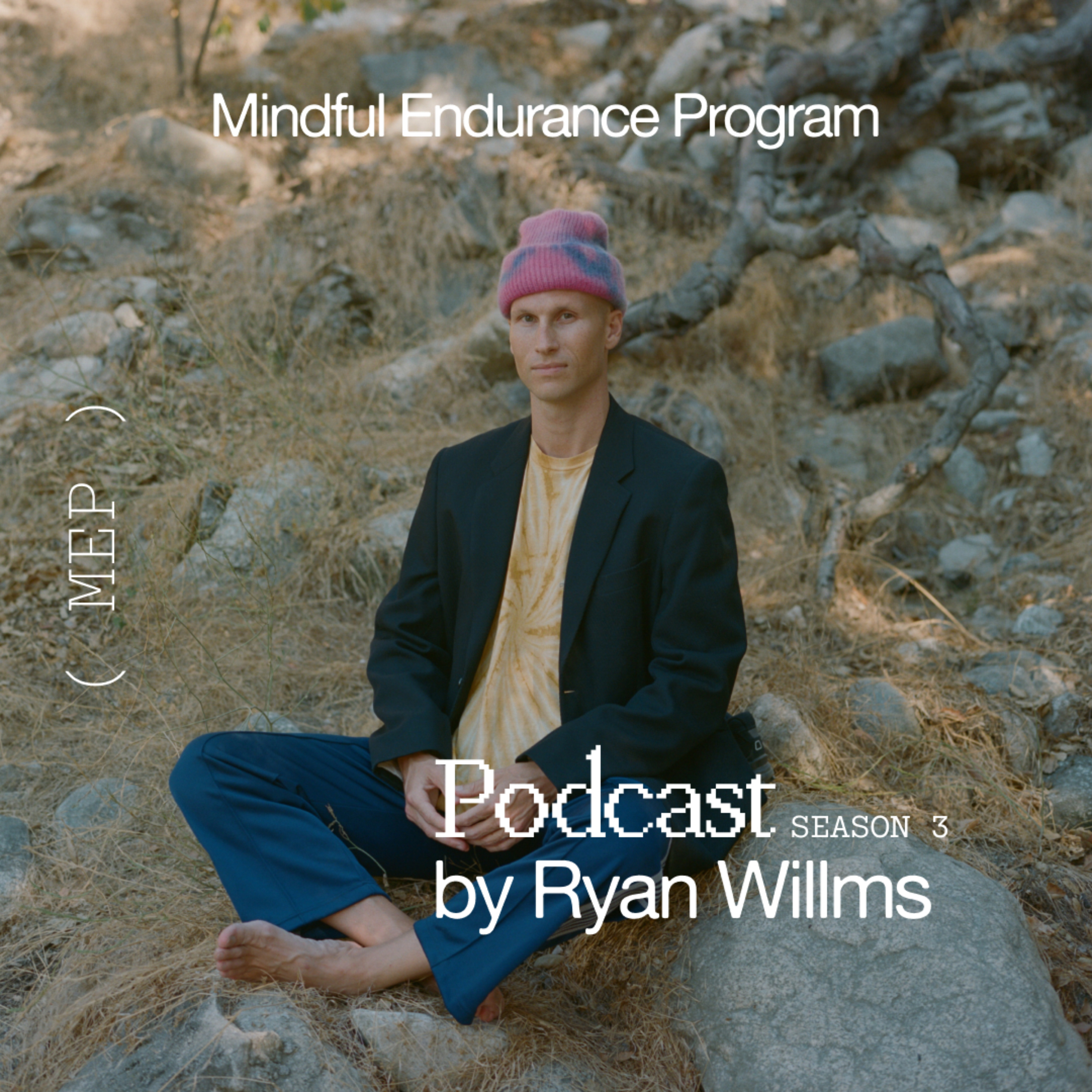
 DIALOGUES by Mindful Endurance Program
7 Nov 2026 · 1h 9m · 28 chapters
“The Collective Pursuit” explores how teams shape individuals and how sport/triathlon training can unite “human game” performance goals with a deeper “souls game” of self-realization. It contrasts racing as individuals on race day with collective training, emphasizing buy-in, distributed leadership, and emotional intelligence in coaching.
Ryan Wilms and co-host Ryan Lynch (both hosts). No other guests are named in the transcript.
Both draw on personal sports experience (soccer/basketball/baseball; high school basketball; coaching/volunteering on youth teams; leading triathlon/running programs). One host references holistic life coaching and leadership/facilitation in triathlon programs using Gene Keys; the other discusses team dynamics from athlete and captain perspectives.
“There is no I in team” (team requires shared responsibility). Teams work only with player buy-in and trust. Leadership must be distributed (captains/upperclassmen help; coaches “push and pull” without owning all leadership). Winning alone is insufficient; sport can be a Trojan horse for embodied growth.
high school basketball coach dynamics (including a “loose cannon” coach with team buy-in); captain/upperclassmen protecting teammates; triathlon/early-morning solo discomfort vs trail-run bonding; marathon camp with three people and shared reflection/hot springs/breathwork.
Written by AI. May contain mistakes.
Discussion on the significance of teamwork in endurance sports.
“Yeah, I feel like so much of what we've talked about up to this point is very focused on one's individual experience or individual program or individual journey.”
Hosts share their past experiences with sports teams and coaching.
“When you think of maybe the teams that you've been a part of in your life, are there any specific characteristics that come to mind of the types of teams that you've always looked for or gravitated towards?”
Exploration of leadership and responsibility within team dynamics.
“It was never something that I experienced as like led and supported by the coach.”
Discussion on the importance of trust between teammates and coaches.
“But what I feel as I kind of reflect back is like there was so much, like the actual buy-in was within the team.”
Analysis of various coaching styles and their impact on team cohesion.
“And I don't know, I don't have like a nice word for it.”
Final thoughts on trust in coaching and achieving success as a team.
“And the other coach is like, my way or the highway, like you freaking do what I say.”
Explore the importance of trust in coaching relationships and team dynamics.
Discuss the impact of coaches on personal development and leadership among athletes.
“teens or early twenties or something like that.”
Examine the distribution of leadership roles within teams and the importance of shared responsibility.
“Sometimes the coach could identify the thing that maybe I didn't see, but that's how it go.”
Reflect on the duality of performance goals versus personal growth in sports.
“And you've kind of got this, like the human game, right?”
Explore how athletics can serve as a transformative experience for youth.
“I'm trying to win trophies as a means of developing people to become adults.”
Discuss the importance of focusing on growth rather than just winning in sports.
“We want to like develop people or help boys grow into men or become adults and things like that.”
Understand how coaches can influence teenagers through their behavior and presence.
“And I think, but I knew for me, it was going to take a while, right?”
Examine how adults continue to crave team dynamics and how that differs from youth.
“And so I think over time, it was interesting to start to see that shift.”
Learn about the necessity of experiential learning and its impact on understanding.
“definitionally anything that I'm going to want to grow in that I haven't already done yet is going to require a lot of humility and a lot of not knowing.”
Reflect on the importance of humility and embracing the unknown in personal development.
“Like it has to be feeling and experience led and then true understanding lands, you know, it lands in the body and then the mind makes sense of it.”
Discuss the complexities of leading others while navigating personal growth.
Explore the balance between leadership and vulnerability in group settings.
“And, you know, that's been a challenging question to, to sort of sit with and know like, where am I best suited?”
Delve into the concept of self-realization through personal and collective growth.
“what those philosophies, frameworks, tools for growth and exploration are for you.”
Understand how shared physical challenges foster deep connections among participants.
“And that's where I think you create this sort of like tension and the potential is for this sort of alchemical process.”
Examine the dynamics of collective processing and insights gained from teamwork.
“And then you're sharing a meal, you're talking about it, you're talking about the interval, where did your mind go on the rest period?”
Explore the difference between celebrating wins alone versus as a team.
“like competing with there's, you know, it's so different.”
Discuss how to recognize and handle negative feelings towards team members and self.
“And I think like we can recognize like, that's not the deep, deeper truth of, of what we are and what we really believe.”
Learn about the importance of trust and collective responsibility in teams.
Understand how love and honesty contribute to effective teamwork and leadership.
“And he's still there's just like that deep level.”
Explore the concept of self-realization and its connection to the collective.
“That's yeah, that again, the beauty of the team is it brings you deeper in to yourself and it also takes you outside of yourself in such a beautiful way, which is, I think, another fascinating part of.”
Delve into the challenges of managing ego while prioritizing team goals.
“because like there's, you know, there's kind of truth to like, well, self-realization, like the mind can get hold of that and be like, yeah, myself, I am going to be myself.”
Reflect on the African proverb 'I am because we are' as it relates to teamwork.
“Yeah, I feel like there's so much there that can get, can wear many masks.”

Get the gist, explore an idea or ask about something said.
 Claude
On DIALOGUES by Mindful Endurance Program, what are the key points of this episode?
Searching your listeningAutomatic transcript. May contain errors.
0:02All right, welcome back. We are diving into episode four of Dialogues. I'm here Ryan Wilms with co-host Ryan Lynch. and yeah great to see you feels like it's been a while i think a lot's been happening on in the world and in our lives um but yeah good to hear you again likewise likewise so much to uh so much to catch up on and i'm i think i'm especially excited about today's topic because yeah it feels very omnipresent uh in moments like these yeah no definitely uh it's it's been something that now has been kind of yeah saturating my mind a little bit since you kind of posed the the topic in question and so we're going to explore this kind of idea of I guess a team training in a team racing with a team teams that are you know playing together and and also in the sort of context of mindful endurance program and how we do like running teams and triathlon teams where, of course, when it comes to race day, everyone is sort of racing and competing as an individual, which is an interesting dynamic as well.
1:20Yeah, I feel like so much of what we've talked about up to this point is very focused on one's individual experience or individual program or individual journey. and it felt like there was like this other thread that's also been coming through of the the broader group of people that that we've done this with at different phases in our life and what that what that affords and I've also been really interested in exploring how like a team impacts an individual and how the individuals and impact the team like the team also becomes its own thing um so yeah i'm super super excited to talk about this one i as always uh looked up the word and um this one actually kind of shocked me but it's fascinating because it dovetails into some themes i know we were talking about so team um essentially means uh offspring lineage brood or set of draft animals harnessed together uh that which draws or pulls a cord uh yeah i really love i really loved all of those uh all of those words i'm curious even in just hearing those if there's anything that you want to jump off from from there well i guess just that there is no it seems like in fact there is no i in team that is that is confirmed right um all right yeah i like that i mean it does sound cool like i guess the sort of imagery that evokes in me is like you know a group bound together moving as one that's kind of like the sentiment that i kind of take away from that um which i like yeah same it's um i'm fascinated by lineage as well i think that's another thing that we can talk about but the it's interesting to think of all of these themes are really about being a part of something bigger than yourself right or being a part of some sort of collective goal or way of being in the world.
3:49When you think of maybe the teams that you've been a part of in your life, are there any specific characteristics that come to mind of the types of teams that you've always looked for or gravitated towards? Yeah, it's interesting. I was going to actually ask you a similar question, but when I think back to like my useful days, um, like I grew up playing soccer, basketball, and baseball, um, you know, let's say like as a sort of teenager and beyond, um, I, I don't really feel like I can recall any specific team environments when I had a good coach. Um, I had coaches that, you know, were technically sound.
4:38I had coaches that some were nice, not too many, actually. Some of them were, uh, somewhat abusive, I would say. Um, and I don't think that's probably uncommon in this sort of era of like growing up playing sports that, that I was and we were in maybe um but what i do remember is like the the team members almost like taking a sort of maybe implicit or unconscious responsibility for the sort of bonding and group i don't know like direction in a sense like her energy or like just the the unifiedness of the group always kind of came on to the players. It was never something that I experienced as like led and supported by the coach.
5:29And I think that's interesting. Um, because I think like the idea of this team is like, there kind of needs to be some leader, right? There's needs to be some, I don't know if authority is the word and it can come from within the team and it can come from beyond the team and yeah I just think like there's a really interesting balance there of sort of the responsibility of the team members and the responsibility of the leader of the team and I don't know if that's like so often defined I'm really kind of thinking about it for the first time like as you asked me that question yeah it shifts it can shift so much and it it is, in my experience, rarely spoken about directly, which is kind of fascinating.
6:18Maybe there's a captain or something that is, you know, often democratically nominated by the players with, you know, affirmation of the coach. But, you know, I've never been on a team that works without buy-in. Like no matter how strong the coach is, if the players don't decide this is what we want to do and we want to commit to it and hold ourselves accountable it doesn't work you know and i'm always fascinated with how that coach is able to both like push and pull a team and but to do that i've always found there has to be a level of trust there like you have to be able to to believe that this person at the end of the day shares your your goals or your common interests at least like yeah in a macro sense and i've always found coaches that aren't able to establish that and like in the different ways that each player needs that and then to the team as a whole keeps it very very it makes it just really hard to push that person because you're just like you know um i don't even know if you care about me enough to feel like i'm willing to go into that level of yeah pain or something like that yeah but it's making me so it's making me think about my high school basketball team we had this coach who was a pretty like loose cannon i would say like just mentally and emotionally and um and i really did not feel like he cared about me or or even actually liked me at all um but he had coached steve nash in high school and so there was this kind of like general like well steve nash came here you know they were good and so So there was this like very generalized trust in his coaching.
8:31But what I feel as I kind of reflect back is like there was so much, like the actual buy-in was within the team. Like it was like, we are good. We could win the, you know, provincials or state championships. Like we believed it. And it was, it felt way more important and valuable for me to be able to trust the other guys on the team that like they believed it as well they believed in themselves that I could trust myself to pass it to them when they're open you know um and that they could trust me to like make a good decision like that felt so much more what my experience was you know it was like okay this coach kind of seems like he knows what he's doing but maybe like he's kind of a lunatic you know and so there was like there's so much more like human trust within the team which was which is just kind of interesting to now think about and i think like that requires like a serious level of like self-belief and self-motivated athletes i guess you know for that to potentially work you know definitely i've never i've never seen that work in a group that isn't isn't except exceptionally like self-driven um because i think it's it's it's just too hard to withstand um if you don't care enough like there just has to be a passion there yeah or it's you can't get through it and what you're describing is another interesting pattern you know if we're going to make it a a spectrum it feels like there's coaches that are more what is typically called a player's coach right like they they may sometimes almost feel like a friend there's someone you can go to um they're they're so clearly there to just support you in like a very legible way And then there's another style of coaching, which feels maybe more of an era, but still is like, I mean, there's plenty of very successful coaches that operate from this place.
10:44And I don't know, I don't have like a nice word for it. But essentially, the prevailing belief is, or at least like the mentality is, I have a big goal that I'm going to push those towards. And whoever can hang on, we'll make it. And I think what's also really clever that I learned much later in life is that often what they're doing is by making them the focus of maybe making them the enemy almost in a way, it bonds the team. Because they're not going at one another. They're going at, they're uniting. Yeah. Almost like against the coach. um but again i think that's like a very it's a very specific type of coaching and um i think some players respond to it really well and some really shut down yeah which i saw that certainly on on the team i'm talking about and in other teams um and it is interesting because i just you know i can't i would have to imagine a very very small percentage of coaches are like choosing that method consciously in the sense of like, this is my goal.
12:05I'm going to like, you know, use you to try to get my goal, you know, get the trophy. And I'm going to like, it's going to create a bond within you that's going to sort of like battle against me, but that's going to catapult all of us to this goal you know like i can it obviously has worked many times right um like no doubt but it's like i don't know if like you could do that consciously it feels like it's a pretty sort of unaware pattern that's not bad or good but um yeah it feels like a more sort of egotistical approach from a coach and not to say that the other version of the coaches coach isn't, you know, but it's a little bit more like, hey, I'm one of you guys.
12:54Let's do this together. And the other coach is like, my way or the highway, like you freaking do what I say. And it's the only way you're going to achieve your slash my goals. It's like separation. It's like utilizing separation versus like an attempt at unity.
13:17yeah yeah i do think it it's usually it usually just happens that way to your point it's like a um all of the motive all of like the individual motivators from coach to player manifests in that way i think there's a very few amount of coaches that are doing it super consciously yeah it's it's fascinating the ones that are able to do it consciously and speak to it are you here yeah i'm always interested in because you see this too when you see a player that played for an infamously you know coach that looks maybe uh not the easiest to play for and it's fascinating when you see that player years down the line or even in the midst of it speak so highly to someone like that or receive this like deep connection and I think I've also seen the ones that are actually I think very good at it they they find like trust in a different way maybe there's trust of success or trust of how well how well they've done because sometimes I'd imagine like let's imagine you know that you're a younger athlete or just new you know earlier in your journey at a certain point like you you don't really know what it takes you just don't you know and and there's a certain level of trust that has to be afforded that at times can can feel like a lot you know and can feel very risky or vulnerable and and this is also why I think in any style of coaching you have to be extremely considerate with how you go about that and like what teams you join because that can be it can develop very quickly into um a very difficult uh power dynamic but there are certainly examples of people that can do it in a way that is very demanding but ultimately does lead to the results that you may in fact desire but can't yeah see yet and i'm curious for you what teams come to mind or what maybe team comes to mind that had the most profound impact or period of growth in your life i mean i do think like yeah this high school basketball team was it was uh it was a great experience you know and i but i think this theme of these kind of coaches where maybe i could trust their like winning pedigree to some degree but like every time it was like the the challenge was like can you be true to yourself you know can you do this for yourself can you do this for your team for your brothers and like stick true to like you know your your truth like you know or you know how you feel and honor that and you know i think that was challenging me over and over again and i think that's a great lesson to learn um especially at an early age you know i think it would have been great to also have like a clear example of like a good coach or leader in my late teens or early twenties or something like that.
16:56Because I think at that age, especially boys are just so needing of that male masculine sort of archetype. And we often don't get the best one. And so it's, it's interesting, you know, thinking about this and like, there's just no way that like high school and like college coaches aren't going to get some projection of like the father. And I guess I'm just speaking as a, as a guy with mostly male coaches, um, like the father sort of projection, you know? And it's just, it's interesting to think about like how somebody would, you know, navigate that if they're even at all aware of it, because even in the work I do is like a holistic life coaching and on these triathlon programs, like as the, as a leader and facilitator, that is, that's often in the field, you know, um, even with like a very minor age difference.
17:57And so it's something really interesting to be aware of. And, you know, I also think of like coaching and, you know, if somebody is really skilled, especially if you've got like more than a few people, like to be able to know who needs the like hard ass coaching and who needs the like gentle hug and like words of affirmation, but to deliver that within the same team, you know like i think that would require such a skill that i've just not experienced that i'm aware of anyways that's for sure yeah it's it requires so much i mean just so much emotional intelligence yeah yeah um you know i actually think this is where of course you know there's there's plenty of male coaches i've had that shouldn't say plenty but there's a few that have had it but i also this is something that i i think you see a lot more in uh female coaches i think there's often a significantly more yeah just just awareness self-awareness i also think there's a lot more awareness of where the team is at and like how to um be very considerate of each of those different players and that was actually something i've been really i've like really noted in learning from from great great female coaches because it's so distinct and it's so um it's so different and i think it's it's really beautiful in all those forms.
19:40And, and I think, again, that's, that's why the coaches, the few coaches that can do both, they're usually the most successful coaches ever, you know? You know, there's quite a few that come to mind in that camp. But again, I think, I think a huge part of it is as you noted earlier they they also put it on the team you know they don't they don't put all of the leadership on themselves yeah like i remember you know i feel like if we're speaking about you know that that period of life i remember in high school for me as well there was there was i mean even in college like there's something so amazing about when you're coming into a team with like a different range of experiences and for me being the oldest in my family and not having any older brothers for example or older sisters it was so profound for me to like come into a team and have upperclassmen that I could really look up to and learn from and that was just so critical to my growth and there were also ones where when things got a little bit crazy it's kind of like you know in your family when your siblings look at you and they're like is this chill like is whatever you know you're maybe your parents are like saying something that feel a little bit wild and you kind of look you see them like you look to them it's like are we are we good are we doing this and I felt like I got to do that so many times and they just had my back in such an incredible way and made me really you know believe and then it was interesting as that progressed through I then became um you know the captain of the team and like it was fascinating how much I realized that the coach was also directing some of this right so by that time I'm an upperclassman and the coach would come to me and say hey Rai like we're having this with this player and this is what's going on uh can, I think you can handle this better than I can.
21:57And it should come from you guys. And that was also interesting, right? Sometimes the coach could identify the thing that maybe I didn't see, but that's how it go. Or other times I would see something and I would be the one to protect them from the coach being like, Hey, like that's our responsibility or Hey, let, let me handle this. Because it's just received in a different, in a different way. um and like i think i think for me even i was way more like a a lead by example type of person um i wasn't usually saying that much but when i did i felt like it was her and just because i was out there with them you know it wasn't i wasn't asking them to do something that i wasn't doing um and that's different than like a coach that's maybe not playing anymore or maybe their ears are far behind them and sometimes it's hard to be like you know easy for you to say like you're not out here running you're not out here doing this that and that and so um i am interested in yeah and i think it's just important to realize that that that leadership on teams has to be distributed it can't just come from from one person yeah i think so that makes a lot of sense There has to be like a personal responsibility and a leadership responsibility.
23:18And then, you know, the leadership also like spread around in a way. And yeah, it's really, uh, it's such an interesting dynamic. Honestly, we've been talking about this for like 20 minutes or something. And I'm like, man, there's actually just so much potential to bring this kind of thinking to high schools or colleges, I think, and really like amplify and create a more like healthy experience you know and i think i always am like curious about the the balance of like performance right like because in a way if you've got like a dictator authoritative like high school coach like that can produce good results right and it's like this fear and you're like fighting against your dad and you're like trying to prove him wrong and you know that that can be good for performance but like yeah to be to have like a more skillful coach that's like knows who needs the hug knows who needs the push you know to really like nourish the human would that will that lead to you know the performance goals and is that really the higher goal right um and i think like that leads me leads me to kind of think about like mep and my experience with that and kind of having this like clarity recently of of kind of what it really is about you know and i kind of really see very clearly like there's this sort of duality within the pursuit of performance and sport and, and life.
25:04And you've kind of got this, like the human game, right? Which is like, I'm going to win, I'm going to PR, I'm going to improve, I'm going to get better, I'm going to push myself either alone or in a team. But then we've got like, that's sort of like the finite game. And then there's more of this sort of infinite game like the souls the souls game basically and from there it's like we are here to experience everything as deeply as possible and evolve grow and you know embody the truth of what we are and i feel like those are the two layers right and they feel very at odds a lot of the time and but then they can really sort of unify as well and yeah that's kind of like really become like clearly like my intention and sort of the process that has emerged more than i set out to create with mep i think yeah i love that you bring that up because it it reminds me that the best teams they don't just have singular performance goals well of course that's often uh the maybe the more legible purpose or like the way in which you get people in it's i think the best teams they identify bigger goals maybe not bigger but but other goals alongside it that drive that why a lot a lot deeper and create a set of values that inform a culture that can cultivate that sort of thing and i always think it's such a bummer because if you're not in those teams and in those locker rooms i think you can miss that really easily and just think that they have these one-dimensional goals of winning a championship or a race when in fact the ones that are really really impactful I think almost all the time have have bigger things alongside it driving them yeah well I'm curious just from your personal experience and from the sort of like research and interviews you know like what are some of those goals that people have like explicitly named i guess that can sort of drive that deeper purpose yeah i mean i think one of the more cliche ones but i do think one that is important to note at the the life phase we were speaking about earlier that very critical kind of developmental period of coming into adulthood, right?
27:56Like young and coming into adulthood. You know, I think, again, it's a cliche one, but the one that you often hear is, you know, I'm trying to win trophies as a means of developing people to become adults. And I think the the athletic context is replacing um a lot of those maybe transformative rituals that are were so critical at that age um that in most cases i don't think uh at least in the west we don't usually go through and so i think it's like they're trying to develop the person but i also think the ones that come to mind are, you know, we don't want, we don't just want to win. We don't want to, it's how we play.
28:48You know, I want, I want people to come to our games and, and be inspired by either how brave we are or how creative we are, or, you know, it could be something like, I want to, I want to change the way, like when you think of maybe the more elite levels thing you often hear is like, I want to change the way that people see this game, or I want to change the way and here's why because it means there'll be more opportunities for young players you know like yourself or and i think there's something about that that helps people again get outside of themselves in a way that often makes them them better um because yeah i just don't think i don't think winning is enough
29:42no i mean yeah winning like a state championship in high school you know probably lasts a few weeks doesn't really affect your life like uh you know it's not like all right did it you know i'm done sure i used to like think like going to the gym and stuff it's like okay like let's say in the next three months i get like the physique i want it's like it's just gonna like fade away if i don't keep like working out so like why am i doing this you know sure um and so yeah i think there has to be a deeper thing and what interesting is i think we all have that right like we are all these really deep divine like beings here and so there is a really deep driver in everyone you know and i think like what happens is it just gets distracted and misguided by the human distractions right and that can be winning the trophy or getting the scholarship or getting to the olympics or you know whatever the things are winning your intramurals like it can be any level um and so it is interesting because i mean I guess from like a critical standpoint or a judgmental standpoint, I think of like a coach being like, we don't want to just win.
31:06We want to like develop people or help boys grow into men or become adults and things like that. And I'm like, wow, like, do you really know how to do that? Like, it's a nice idea, you know, but it's like pretty complex. And I also wonder like, can you do that implicitly you know right with let's say teenagers yeah and do you have to like if you were to start like you know quoting Carl Jung and talking about like stuff like that to teenagers are they just gonna tune out like do they actually just want to play basketball and you just have to like use that as a Trojan horse to to help them grow as as humans and yeah like almost like play the souls game without knowing it while you're playing the human game yeah but i and i think that's the when done with love and intention i think is is one of the most generous offerings we get from coaches especially at that age like you think they don't know that every you know all those kids don't care or think they don't know what's going on or whatever it is you know of course they do um but the great ones are able to create the conditions for for growth whether you understand that it's happening or not you know like the in my own experience when i i volunteered coached a little bit um on a yeah like a a fun little little high school team and a lot of a lot of teenagers like really coming into their own and uh yeah that i would they weren't going to learn anything from listening to me you know like what they were going to learn was from how i how i modeled a way of showing up not just in the game but how i spoke to the other coaches how i spoke to each of them you know or even knowing at that age especially that hey i'll praise you in front of the group and i'll push you privately.
33:20And I think, but I knew for me, it was going to take a while, right? Like, it was funny coming into a team like that, where I was still young enough where I had some game in me. And so I had the luxury of, hey, I'm not gonna, I'm not gonna say anything until I've shown you, I know what I'm talking about. Right. So I don't, there's nothing I need to say when I hop into practice it's evident that i i know quite a bit about this and um it was interesting just to kind of see especially at that age like how much they're testing you initially whether it's physically whether it's hey they're gonna get a little chippy or say something to you and um you know they came to learn that not only have i been uh been playing for a long time I've also been talking shit for 20 more years than them.
34:20And so I think over time, it was interesting to start to see that shift. But yeah, I think for me, it was very eyeopening. Like I don't, I just need to show, I don't need to say very much. And them just doing is going to be what's ultimately going to make them learn. And I'll tell them what they're doing later. Yeah. But they don't, they don't need to know how could they, you know? Yeah. Yeah. It's, it's definitely interesting. And it feels like such a different experience with like either leading or being a teenager in that regard and going through that stage of, of sort of our evolutionary journey.
35:03and I guess it makes me now think of like okay now we're adults you know technically um you know 35 40 45 years old um you know we still crave and want that team dynamic I think you know whether it's people at work you hear so often like oh I just want to work on like a good team or I want to be on a like collaborative team or like everyone's trying to do the same thing or I'm looking for a run community, you know, I'm looking, whatever it is. Like, I think we're still craving that a lot of the time, but I don't think it can be so implicit. And I think like that could be a great way to approach it with, with younger athletes.
35:51But I feel like as an adult, at least in my experience, it's like, we have to do it and then we have to really actually talk about it. Otherwise, all that conditioning just kind of like bulldozes over the real juice that's there for the squeezing. I mean, yeah, for sure. And I also think as you get older, understandably, you know, your time's constrained, you know, a bit more, like you're going to want to know why something is worth investing your time and resources into. It's very reasonable, very important consideration. I feel like, but in that, I've still at least had to try to remain humble to the fact that definitionally anything that I'm going to want to grow in that I haven't already done yet is going to require a lot of humility and a lot of not knowing.
36:55And I do think to your point, there is something about speaking about it that can make it can maybe make that insight easier to work with. Right. It's like, let me show you and then let's talk about it. But I think I'm actually in a period where. The doing seems so much more.
37:21impactful than the talking about it um where like i can't even really talk about i i just i can't talk about it until i've gone through it if that makes sense yeah yeah um and i think culturally though we're in this other paradigm of like well i need to know why this is going to be so important for me to like run the marathon and then and then i could be open to something up it's like well unfortunately i can't give you that um like no matter how much experience one has and um yeah that it's just such a
38:00yeah it's a tough thing it is tricky right the mind does want to know and i find this tricky with like mep and our programs and experiences sometimes because I want you to know just enough, but I also like to believe like you actually don't know at all what you're signing up for or what you're getting into, you know? Sure. And I think like that's... That can also be so important. Yeah. And so I love, and I think that's where sport is like so amazing, right? It's like, oh yeah, come do this running program or come do this triathlon program, like come to the cycling retreat. And it's like, okay, well, I like those activities.
38:40You know, I kind of know what those are, but then, you know, we open up so many more layers, um, you know, and people like dive into that and some people resist it. And so you get a different variety of like how deep and wide people will go into it. But I love this idea of sport being like a Trojan horse in a way. And so, yeah, providing just enough that it like resonates with somebody, but you know, the fact is you can't really know what it, what it is, you know, and until you experience and, you know, I really believe that like understanding actually only comes from through the heart and that comes through the felt experience.
39:24Like it has to be feeling and experience led and then true understanding lands, you know, it lands in the body and then the mind makes sense of it. and like that is the that is the way that we actually like know right like gnosis and i think like like you said like the the doing the experiencing is absolutely vital and we don't want to do the experience until we mentally know it and that obviously like really blocks or limits even the breadth of the experience potentially and so yeah it's like can we be explicit like okay i know just enough that i'm able to surrender to this you know and dive in but i also acknowledge like i don't know and that will likely evoke some fear right like the unknown generally evokes fear in most people and excitement and so then there's a little dance that is very worthwhile yeah i think what you just got out there is it's such an important point of even in your position as someone who who leads a team right there's the the understanding that the real transformation and and insight is embodied right it's it's embodied and then understood maybe maybe later but to do that with you there also is a and to trust you to do it there's also this critical tension of the humility to say but i don't actually know like i don't know everything that you're going to experience or exactly maybe where this is even going to go or what our results are going to be you know um you can have all these goals but um you don't know how it's going to go and i'm i'm really interested how you've how have you gone about taking on the responsibility of yeah other people's journey or at least like helping lead other people's journey um within that humility because i think that's a really that can be a really challenging but super important thing yeah no it's a good question and you know working with the gene keys for the last three years or so has been so helpful for me to like identify certain patterns and understand what is in alignment and what is helpful and where I'm showing up in the best you know because I've at times kind of battled between like do I teach this and guide it and sit outside the circle or am I in the circle breathing and crying and, you know, like in the trenches as well in a way.
42:28And, you know, that's been a challenging question to, to sort of sit with and know like, where am I best suited? And, um, and also, yeah, like humility and, you know, embracing the unknown, um, that I don't know, you know, and I don't know what's going to happen on my journey. And I'm right here with you. And I think like I have to lead, like you were saying, leading by example, you know, like in my gene keys, I do have this gift of leadership in a sort of important area of my profile, but it's, it's not leadership as in like, I'm, I want to be a leader and I'm like meant to be a leader. It's just by me following my heart, people sort of project this idea or archetype of leadership onto me.
43:18And, and that's for me to embrace, you know, but do it from, from humility, you know, and it's an interesting one because the, the higher expression is humility of, of that jinky. And, you know, it's been a tricky dance at times, but ultimately now I know, like, I need to just be doing it with everyone. You know, I need to be showing up and being really transparent, vulnerable, and honest. And that creates a container where others can feel safe to do that. And others can feel safe to feel. Others can feel safe to express more openly. and try and fail, you know, because I'm trying and I'm failing and I'm going into the unknown and I'm trying and I'm, you know, sharing my sort of insecurities and things like that as well along the way.
44:15And yeah, that's been, that's been my journey. And as I reflect back, it's like, that's always been my journey actually, but now to step into it more like with more awareness, or intentionality has been really interesting. And I think it has seemed to resonate with like a certain group or type of people. And, but it's been really beautiful. It's been beautiful to witness just like the sort of growth in others around me. And I think like I have this idea of, I'm kind of like, hey, hey, I'm going to the center of the earth. Who wants to come? And then like three or four people want to go. I mean, yeah.
45:05The center of the earth is not for the faint of heart. Yeah. I want to, before we jump into, I think some of the MEP genesis and learnings, I think it'd be helpful to expand a little bit on what those philosophies, frameworks, tools for growth and exploration are for you. You know, it's really interesting. Each coach, I think, really brings that to the team, you know, and that also is sometimes more widely shared or not. But I'm curious for you, with even something like the gene keys? Why has something like that been so impactful for you and useful as a framework for both yourself and leading a team?
46:01Yeah. I mean, that's a very challenging question to answer in a way, but what I, what I see, you know, and, um, like the deepest purpose for me in this life and for the people that join these experiences is, is self-realization. And you kind of asked me something like, what is the point of this or what's the actual goal? Like a couple of years ago, I think. And that was like the very clear answer that I, that came through and it was like, that's what the goal is. That's, that's the game actually, you know, to embody the truth of who we are, what we are is maybe more accurate. it. And so I do say that, you know, but I also, it's taken me eight or nine years to actually understand, right, through the heart and through the embodiment practice, like what that actually is, you know, and what that actually requires.
46:58So I don't expect anyone's going to complete the process of self-realization in four months, you know, but that's like the path that we're stepping on to that's the like lifelong journey that we can really intentionally engage with and then we couple that with the sort of like human game and the catalyst of sport and i think the sort of constraints and goals and challenges of setting a goal whether it's a you know whatever kind of race or team sport or triathlon, you know, in three to four months and setting that goal and then going for it is going to just bring up a lot of what is not who, what we are, you know, it's going to bring up the beliefs.
47:50It's going to bring up the mental, emotional, physical blockages. It's going to put, you know, put us in an intensified, like relational dynamic with our teammates and with the greater sort of sporting community and that goes on social media and so you know there's just this opportunity for um a really efficient and effective harvesting and healing of you know what is not us you know because the journey to self-realization is a journey of remembering it's not a journey of getting and achieving and accomplishing it's really of letting go of surrendering and remembering and so it's like how do you couple like the human pursuit of sport which is kind of about like achieving and getting and doing with this like seemingly total opposite of just being accepting surrendering letting go and remembering right and And that's where I think you create this sort of like tension and the potential is for this sort of alchemical process.
49:06And so that's really what I see as super exciting and interesting. when you were first starting MEP do you remember the catalytic event or moment for you when you said okay this is this is something that I I no longer want to do individually um yeah you know there's two two pieces of that I think I got into triathlon and you know you show up you get up at four in the morning and you get to the race and it's dark out and it's cold and you're like I'm about to like go in the ocean right now like why am I doing this you know by myself in the dark was like I don't know anyone here it's just like that was a little bit like challenging sometimes um but you know I just also remember going on these like trail runs with just like random people and you run like 10 12 miles in the trails you're out there for two two and a half hours and you don't like i just didn't even talk to these people you know but in the end you're just like you give them a dap or you hug them and you're just like you see them in such a like human way you know because you've just shared this journey.
50:39You've shared this experience, right? And I love the definition of love, like recognizing our shared being, you know, and, and the sport allows that right on like a, especially like a long ride or a long run. I think so often, right. People run a half or full marathon and you end up running with some stranger for hours potentially, you know, and at the end you've got this like really meaningful connection with them, whether you acknowledge it or not. And so I was like, well, let's acknowledge it, you know, like, let's have that experience. Let's share that. Let's like, and then let's like talk about it and then breathe together and, you know, like dive into it.
51:23And it was like this combination of like that experience. And then the sort of like not being able to have that with just being by myself, you know um i was like okay there's something here that feels just like ripe how has the process of actualizing that idea opened up just like new paths of exploration and deepening for you i mean it's like i think you know in this sort of deeper work there's lots of like references to like wormholes and portals and things like that and i really it kind of feels like it's just been a portal that's just like opened up a pathway for continued exploration and you know the words that come through are like experiment refining curiosity you know and it's like when I can really be like anchored in that type of energy and that sort of mental emotional state of being like it's just always interesting it's just always exciting and and it's just so fun for me honestly to like do that with other people like we just had our training camp for the marathon program and it was just three of us there doing the training and it was just like such a like continuity of like dropped in connection for three and a half days, you know, like running 40 miles over four or five runs.
53:08And then you're sharing a meal, you're talking about it, you're talking about the interval, where did your mind go on the rest period? Like, how did that feel? And then you're, you know, we're sitting in a hot spring reflecting on like the magic of the universe and then you're doing a breathwork journey and do that for a few days and it's just like so fun to explore that right and then the group dynamic there's such a like mirroring and we help each other remember the truth you know because it's so easy to get tangled back up in the sort of like human oh that pace wasn't good enough like says who you know is that not just a projection of this deep belief and lack now that's coming up and like it's hard to see that by ourselves so like we can remind each other and explore that and well where does that come from where else does that show up in your life and you know you see like the sort of epiphanies and insights and people's eyes just kind of crap like open up in a new way and like that is just so fun yeah i feel like we've talked a lot about just the the amazing catalyzing growth that comes from you know the competition or even maybe like the relativity and but we haven't spoken a ton about this side of the collective processing and the collective insights and the collective perspectives, you know, I'm always so interested in what everyone else saw there or experienced on this thing, because sometimes it's shockingly similar and other times it's so distinct and taking me to a whole other place that I just never would have, you know, come across.
54:59Yeah, it's, it makes sense to me why we, you know, the old cliche of if you want to go fast, go alone, if you want to go far, go together. Because while, of course, it can be cumbersome. It's like, oh, my God, we got to find this time to meet up and our schedules are crazy. And how are we going to do this? And this person has, you know, you could go on and on. But while it certainly maybe isn't the most logistically efficient for speed, oh my god can you go far when you have that level of uh support and and commitment and collective commitment and um accountability uh and even just like excitement you know there's nothing there's nothing more joyous for me than being able to to celebrate someone else on my team's success or, you know, or to receive it from somebody on your team, maybe even someone that you've been like competing with there's, you know, it's so different.
56:06Um, you know, celebrating a win with your team is so different than celebrating it on your own. Yeah, no, it's true. And, um, yeah, it's a beautiful experience. I mean, to feel that and, and feel that for another, feel it for yourself is, I mean, that's the reward in a way. But like also like being honest with ourselves, like sometimes we have teammates that are like, I don't want them to succeed. You know, I don't, I don't feel like they deserve to hit that goal, you know, and like that doesn't feel good. Right. And I think like we can recognize like, that's not the deep, deeper truth of, of what we are and what we really believe.
56:54but you know those are great opportunities that will illuminate some kind of wound right or some kind of belief within us and so i think like it's easy to kind of be like no no like i i'm happy for them right and like try to convince ourselves otherwise but to actually be like oh shit like that's that's interesting that that's coming up and to like feel into that right is like where's the anger where's the like what's what's creating that you know and so there's a skill of like feeling and seeing these thoughts or beliefs come up without getting attached to them that allows us to you know move through it right and i think like that is great in sport because yeah we have this very relational dynamic going on you know but it's also like our own goals um can and can bring that up within ourselves as well yeah for sure i can think of so many occasions where there's maybe tension with certain you know certain teammates and i have to ask myself like first and foremost is this is this something that i need to maybe face like are they actually doing anything that's not in line with like what we all committed to right is this me is this like a me thing but then you know if it if it if i've maybe gone through that first then i can say well is there something that i can be helpful here because you know the thing about the team is we got to do this together whether we like it or not and i think that's why that that trust building and that buy-in and the culture for that over time is so important because um the great teams when when someone's not performing or someone's maybe not at their best um there's a collective responsibility to to to help and sometimes help means snap out of it uh and sometimes help means hey like can i can i carry some of this load for you that's why we're here you know uh and like i i know you do the same for me and so i think you know it's so important to to just build a culture of that and and over time like it's not something you can snap your fingers and create but the more and more you're able to see each other go to those places i think the easier the easier that becomes yeah yeah it really is a skill i mean i think it's like the skill of of listening right to like there's a there's a deep sort of wisdom you know of the heart that can only be accessed in the present moment and it to me feels like the only way to know like what is needed right now and you know i kind of mentioned this in our chat leading up to this but in one of the gene keys you know there's this like little story about the buddha and like basically three different men come up to him and ask him like is there a god you know and he gives each of them a different answer and and it's like exactly what they need in that moment where they're at and but his like sort of disciples around him are like why did you give them different answers you know like Like even these ones like sitting in his aura, sitting in his energy and wisdom, like don't understand.
1:00:28Right. And he's still there's just like that deep level. Like if we are surrendered and we have no attachment to like our own identity and our own like ego's projections, then then we all have the potential to like do that. Right. And this question of like, what does love want to do? You know. because sometimes it is a it's a bit of a push sometimes it's a hug sometimes it's an arm around the shoulder sometimes it's like snap out of it you know and whatever words are required and yeah you know i think like there's an interesting challenge there to like be able to step into that knowing it might ruffle feathers at times even, but to trust in what love needs to do in that moment.
1:01:23Yeah, I love that story. It's so apt for what it takes to be a great leader, a great teammate, a great friend. I think to your point at the end there, the knowing you know what love really means uh in each of those situations is so important and again the beauty of these experiences and the intimacy and commitment required to be a part of a team affords it often just like a different level of honesty you know i think it's so easy to have the the fun happy-go-lucky sides of loving someone but uh that's only half the story you know the people who really love you also push you you know people be as much as I sometimes wish it's like oh just be supportive of me and affirm who I am like that's not what I actually want from the people that I love I want the people who I love to challenge me when they know that I'm not living up to my to my values um and i think ego doesn't want that oh hell no it doesn't want that but that's why i need teammates because if i'm left to my own devices it's gonna be hard to see that you know um and it's gonna be hard to receive even if i maybe come to that conclusion but if i hear it from somebody that i know really loves me and has shown has showed up for me in that way I'm going to hear it, you know, and I'm far more motivated to fix it because it's one thing if it's impacting my life, but it's a whole different thing if I'm if it's bringing the whole them down or my team down.
1:03:19That's yeah, that again, the beauty of the team is it brings you deeper in to yourself and it also takes you outside of yourself in such a beautiful way, which is, I think, another fascinating part of. you know self-realization as you as much as it's about the self uh it's often as much about realizing that you're part of something bigger and that um yeah you know yeah part of a very big team yeah i think like that term self-realization like you know language itself is obviously very limiting and the mind can grab hold of it in many ways and maybe a year ago or something i I thought I was so clever and, you know, I made a video, it was called non-self-realization because like there's, you know, there's kind of truth to like, well, self-realization, like the mind can get hold of that and be like, yeah, myself, I am going to be myself.
1:04:19And it's like, this is what I am. Right. But actually like the self-realization that that's speaking to is like the deeper self, which is the collective, which is everyone, you know, it's like, there is no one individual from that deeper perspective you know and so yeah I mean I've been part of my journey I feel like there's a funny Gene Keys team going for me right now but the 40th Gene Key is this amazing one that I is really interesting and it goes from exhaustion to resolve to divine will and then one of the taglines in it is like the will to surrender and it's really about like wu way and essentially surrendering the personal will to divine will right uh and that's very challenging to do but that is something that the team environment like really offers you know like what how can i best serve the whole how can i best serve this group dynamic right is it letting someone else lead?
1:05:27Is it dropping back and helping this person? Is it pushing off the front as hard as I possibly can and like slingshotting someone ahead of me? You know, is it, um, you know, saying something that somebody might not like, but feels like, you know, it needs to be said. Um, and the ego will not want to do a lot of those things at different times right um the ego is about like safety and self self-protection and survival and so you know there there's a really tricky sort of edge there to dance between not self-sacrifice but sacrificing the ego's sort of small desires for the greater good which of course includes us and is for our own good, but is sometimes doesn't feel like it.
1:06:21Yeah, I feel like there's so much there that can get, can wear many masks. You know, I think that's so much of the journey is creating these practices that allow you to continue to encounter the ego's mini masks and, you know, uncover them. And so, yeah, with that, I know we're coming up on just over an hour. I'd love to finish with, reminded of this, I think it's Ubuntu, African proverb that boys love that feels so emblematic of, you know, what it is to really be a part of a team on so many levels. uh i am because we are
1:07:15so with that that's my that's my my my takeaway from from many years of being on on teams yeah final thoughts from you yeah i like that and it reminds me of something um i don't know if paul check got this from somebody else but this kind of like just phrase and sort of progression of it just goes I, we, all. Right. And I think like, as we surrender the I to the we, we embody the all and the truth of our, you know, nature and the truth of humanity. And yeah, I mean, that's the purpose of sport. Right. And we can experience that sometimes spectating right in the Olympics or World Cup or I guess, you know, probably people in Milwaukee right now um and and it's really a beautiful invitation and so yeah i think like what gets me excited is like that's what's happening in all sports at all times on all teams and so like let's actually just really intentionally engage with it and like not let the juice go to waste amen amen thanks man this was great thank you as always Thank you.
This episode we dive into the dynamic of coaching, leadership and teams in sport—sharing our own experience, reflections and insights from both a spiritual practice and the pursuit of performance.
Contemplation: Is Running Dead?
After reading Jay Smith ‘s article, ‘Running is Dead,’ I share a contemplation on what he was saying, my place in the running space and where I can see it going from here. It’s an interesting idea to explore, as the popularity peaks, I don’t think running is dead per say, but it will evolve and we have the capacity to shape that evolution ourselves.
Acceptance: The Post-Race Depression
You trained for months. You crossed the line, hugged your teammates, maybe cried a little. And then, somewhere between day one and day five, something feels uncomfortable. You’re tired in a way sleep doesn’t fix, a little flat, maybe irritable, and quietly wondering now what?
If that sounds familiar, you’re not doing recovery wrong. This is one of the most common and least talked about parts of endurance sport. First we have to acknowledge it, and then learn how to move through it with grace.
1. The Purpose Vacuum
For months, your calendar, your food, your sleep, and your weekends all had one organizing principle. Then the race happened, and the principle is gone. The flatness many athletes feel afterward is often less about the race itself than about the sudden absence of direction. As humans, having a purpose is a potent catalyst for focus and energy, but we’re meant to oscillate between this intensity and periods of ease and rest.
Remember: The emptiness doesn’t mean the race wasn’t meaningful. It means it was. Something that mattered is complete. Don’t fill the space immediately. Resist the urge to sign up for the next race that same week. Give yourself at least a couple of weeks of open space and see what actually wants to emerge. This can be challenging but it truly where some of the deepest takeaways from endurance sport can come through.
2. Your Body Is Doing a Lot of Quiet Work
A big effort leaves real physiological debris: muscle damage, inflammation, depleted glycogen, disrupted sleep, and a stressed immune system. Many athletes also notice appetite swings, heavy fatigue, and a general sense of being “off.” Add the drop from weeks of heightened adrenaline and anticipation, and mood can dip alongside the body.
Remember: Feeling low and feeling tired are tangled together. Your body is rebuilding, and your mood is partly riding on that. Often we think we should be ‘able’ to get back to training a lot faster than we should. A half-marathon can take 10-15 days to recover from, a marathon 14-30 days. Unless we are professionals that have trained for decades to handle the load, there is a huge requirement for gentleness post-race, which feels like such a hard change of gears, it can be challenging for the mind, even of the body is screaming for restfulness.
3. Losing the Container
Training gave you more than fitness. It gave you rhythm, a community, and a reason to see people at 8 a.m. When the race ends, those structures often loosen, and the social and emotional benefits go quiet along with them.
Remember: What you miss may not be running. It may be the belonging, the ritual, and the sense of being part of something. You can keep the connective pieces alive on intentionally. Schedule an easy, no-agenda run or coffee with your training partners. A debrief with the people who shared the journey does more than most people expect. You are no alone in this part of the journey either.
4. The Story You Tell About the Result
This is where your Strava piece comes back in. After a race, the mind starts building narratives: I should have gone faster. It wasn’t enough. Was that it? Or, after a great result: who am I now that it’s over? Either way, the number gets attached to a story about who you are.
Remember: The race happened, and it’s complete. The finish time is data, not a verdict. You are not your result, and you aren’t your best effort either. Wait several days before you analyze the race. Then reflect with curiosity instead of critique. What did you learn? What are you proud of? What surprised you?
The only real question is did I give it my best? In training and on race day? If yes, then relish in the sense of fulfillment. If not, then what held you back?
Journal prompt
What did this race give me that has nothing to do with the finish time? What do I want to carry forward, and what am I ready to put down?
INDEX Latest products, updates and inspiration
* Wear: After a long quiet period at the top of running, Nike appears to be back. Worn by Vincent Luis winning KONA Ironman and Andreas Almgren winning the NYC Marathon, the yet-to-bet released Nike Apex is sparking a lot of interest. At $380 it feels pretty affordable compared to Adidas top-end shoe.
* Fuel: L-Theanine and Caffeine together. I’ve met many people that don’t want to give up coffee and also feel like its slowly wrecking their nervous system. This combination could be the answer, or at le
ast worth trying.
* Recover: The Hyperice massage gun and Normatec boots get a lot of love, but I find that the Vyper 3 actually gives me some of the best daily support before and after my runs.