
In short
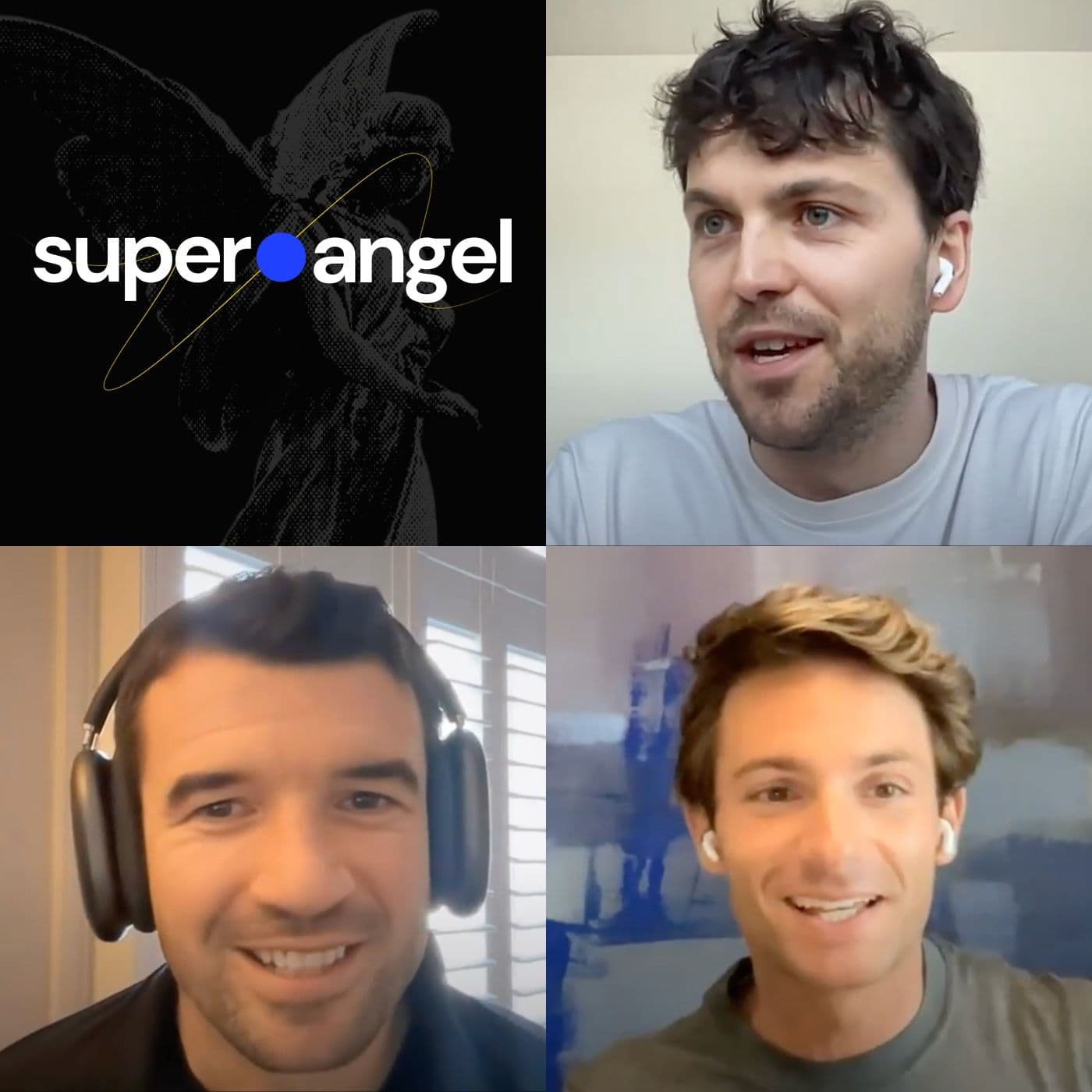
EUVC Podcast Episode Notes: E306 | Super Angel | Angel Investing Insights with Christoph Deckert
Podcast Overview
- Title: EUVC
- Hosts: Andreas Munk Holm, David Cruz e Silva
- Description: A podcast exploring European venture capital with insights from prominent figures in the industry.
Episode Details
- Episode Title: E306 | Super Angel | Angel Investing Insights with Christoph Deckert, Strategy Expert at Personio
- Guests:
- Tom Wilson, Seedcamp
- Anthony Danon, Cocoa
- Christoph Deckert, Strategy Expert at Personio
Episode Summary In this episode, Christoph Deckert shares his journey from working at Personio, a European HRTech unicorn, to becoming an angel investor. He discusses his motivations for angel investing, investment philosophy, notable deals, and how collaboration with other investors enhances his approach.
Key Topics Discussed
- From Personio to Angel Investing
- Christoph joined Personio early in 2016 and has contributed to its growth to over 2,000 employees and 12,000 customers.
- His transition into angel investing was organic, sparked by impactful conversations with founders.
- Memorable Deals and Investment Philosophy
- Importance of investing in products he personally uses or resonates with.
- Notable investments include:
- Car.com: Christoph found value in the product and used it frequently.
- Support co-browsing platform: Relevance to challenges faced at Personio.
- Emphasis on finding founders who are committed and seek genuine partnership.
- Personal and Professional Growth through Angel Investing
- Christoph highlights the fulfillment derived from supporting innovative entrepreneurs.
- Angel investing has expanded his professional network, exposing him to diverse sectors and ideas.
- Christoph's Angel Investing Strategy
- Over 30 investments in 2.5 years, focusing on various sectors including B2B, SaaS, and developer tools.
- Invests within Europe but open to opportunities in the US from promising founders.
- Networking and Collaboration
- Strong emphasis on collaboration with other VCs and angel investors to enhance deal flow and share insights.
- Building relationships leads to shared knowledge and co-investment opportunities.
- Core Learnings from Angel Investing
- Patience and Long-Term View: Acknowledging that investment outcomes take time to unfold.
- Learning from Failure: Adapting strategies based on past investment performance.
- Value of Relationships: The importance of nurturing a broad network for future opportunities.
Quick Fire Round
- Counterintuitive Learning: Strong teams matter more than great ideas.
- Tips for International Investments: Understand local markets and cultural nuances; network with local experts.
- Advice to Younger Self: Follow passions, prioritize relationships, and trust in self-belief.
Conclusion Christoph Deckert's journey illustrates how angel investing can provide significant personal and professional growth. His emphasis on collaboration, learning from experiences, and nurturing relationships highlights key strategies for success in the venture capital landscape.
For more insights and details, visit [eu.vc](https://eu.vc).
Written by AI. May contain mistakes. Listen to the episode to check what was said.
Transcript
Automatic transcript. May contain errors.0:00Welcome to the Super Angel Podcast. I'm super excited to have you with us, Chris. Thanks for having me, Tom. Here's a few words from our beloved sponsor. Welcome to a special episode of our podcast, proudly brought to you by Zero 100 Conferences. Join us for a unique networking opportunity like no other at the Zero 100 Conference CEE. This exciting event is set to unfold in the historic city of Prague from May 14th to May 16th at the luxurious Hotel NH Collection Prague, Carlo IV. Connect with leading names in private equity and venture capital, including Schroeder's Capital, EIC Fund, EIF, EBRD, PFR Ventures, Early Bird, 500 Global and World Fund, amongst many others.
0:44Whether you're a limited partner or general partner, this conference is the perfect platform to forge valuable relationships and explore new frontiers in investment. Don't miss out on this premier gathering of industry leaders in Europe. Mark your calendars from May 14th to May 16th. And experience the power of connection at the 0100 Conference SEE in Prague. It's more than a conference. It's where the future of finance takes shape. Save the date and join us in Prague. To learn more and register, visit our website linked in the episode description. See you there.
1:23Because God knows that everyone needs a little coaching now and then. I'm loving angels. I saw an angel. All angels say. For a long day. Please say it's me, an angel. The smile on her face. We're here to get that little angel. Things that's by an angel, girl. This show is not investment advice, and the hosts of this episode may be invested in the funds and companies featured. Thanks for joining the show, Chris. quite a fantastic mix of operating experience with seven years at Personio and your more recent foray into angel investing. But before I spoil everything, I mean, let's get started. You know, want to tell us a bit more about, you know, your story and also what got you into angel investing in the first place?
2:10Sure. Thanks, Anthony. So I'm based in Munich. I'm actually also from Munich. I joined Pisonio, a European HR tech unicorn quite early back in 2016. So I think like a couple of weeks or months after this year gone. And I've been with Pisonio now for more than seven years. And Pisonio scaled to more than 2 ,000 employees across seven or eight different offices in Europe and the US. And with more than 12 ,000 customers. And I joined quite early, took on kind of like different tasks and responsibilities. But in the end, I grew and led Pisonia's customer growth organization globally from one to 100 plus employees.
2:53And kind of like in the end, honestly worked on a bunch of different things from just shaping the culture, the organizational structures, hiring a bunch of people, working on long term strategies. So like whatever you might expect from an operator. And then if I remember how I got into into angel investing, it was actually a few years back when when I and my best friend, Viet from from La Familia and GC, we were chatting about kind of like how we could actually combine our strengths. his kind of like let's say very broad network but also deep technical understanding and my just operator knowledge and experience and we were let's say always fascinated about founders and fast-growing startups and companies kind of like the airbnbs and ubers out there technical teams who can kind of like in the end ship quite fast and in general just the trends So if I remember correctly, I just got an introduction to a founder.
3:58We were chatting and we had a really, really good conversation back then. And I asked him after the call if he would be open for an angel investment. And he said, yes, sure. Why not? I wasn't aware that you're investing. To be fair, at that point, I wasn't aware of that I'm investing either. So that was kind of like new to both of us. i hung up the phone called weird and said like look we have to go to the notary the next day we have to open up a business in germany uh open up the bank account and kind of like just just get started but that's how we uh get started with our first investment and uh from that one investment we got to kind of like a couple of uh of others and that was i would call it a pivotal moment back then and uh yeah i think like we're diving deeper into different topics um later but that's how how i got started very cool very organic way in as well and and love that i also love how you hacked it and you know first committed and then made it work right this uh says a lot about your operator mindset and execution side and would you remember what those that first deal was or do you want to share maybe if not or or generally speaking any other memorable deal you've done since i think like what is for me important to a certain extent is that i always want to invest if I kind of like personally also use it right so like those were kind of like the memorable um deals from from the past when when I had the feeling I could kind of like for instance car.com is one of the investments where I use the product um quite a lot and I really fell in love with the with the product from from the from the early point onwards and kind of like use it a lot with kind of like scheduling events with different people.
5:42But also, for instance, for you, I remember that deal as this is a kind of like support co-browsing platform. And I've heard a lot of kind of like those challenges and pains at Pisonio. And then kind of like a few months later, we've also implemented that tool at Pisonio. And I'm really excited about kind of like this one if like I personally, but also we at Pisonio can kind of like actually use those products in the end. but also I think like in general memorable deals are if it's let's call it very hard to crack the founders right so kind of like not saying they are not responsive but they are very they expect a lot from you right so like they want to have a real commitment on kind of like what I can deliver from a value add perspective so we want want to have you on kind of like certain calls and like want to join us on strategy topics and kind of like we need you on xyz so kind of like really before you can actually invest in the end, they want to have and see really your commitment.
6:39So those were also a few kind of like memorable deals. And I think like tactile, for instance, is one of them, but also combo that that's where kind of like I've seen very strong founders. And the last one I have in mind is two very technical founders from London, where they were, let's say so excited about kind of like pitching me their solution and their product, that they even continued or completed the sentence of the other, right? It felt like there were two brothers sitting in front of me and kind of like so excited and passionate about kind of like what they were telling and then saying.
7:13And I honestly only understood 50 % of kind of like all the technical nuances, but I was so excited in the end to see kind of like how they really completed each other sentences. Yeah, one of those favorite moments, I would call them. Very cool. Very cool. And I love the shout outs to multiple portfolio companies, particularly for you being a C-Camp co-investment. So I had to get that one in there. If you kind of look like thinking about obviously the story and why you're angel investing and taking maybe a step back a little bit and considering kind of angel investing and maybe what it's given you, like both like personally and professionally, like it just be interesting to get a sense for how you think about that.
7:56Yeah, I think that's a very, very good question. So on the one hand, I think like angel investing has given me like a big sense of like personal growth and fulfillment. I think like through supporting those startups, I've seen the power of innovative ideas and just kind of like super passionate entrepreneurs. And like I've never met kind of like so amazing people before kind of like really before I started with angel investing. So that journey really kind of like gave me something back, but also the professional network and kind of like opportunities tied to that. So angel investing has opened a couple of doors to like a very broad network of like just talented people, a bunch of different entrepreneurs and industry experts.
8:47and kind of like I believe engaging with with those people has just improved my understanding of various sectors and not only kind of like focused on the SMB ZAS piece of thing which I've what I've experienced and over the past seven years at Pisonio but I also think like you can learn a lot of of that community and or from that community and like just how they decide how they kind of like engage with people, how they learn and improve from them is also key. And I think like the third part to a certain extent, and I would lie if that's not an important part, is the financial aspect, the financial return and impact.
9:28I know not every investment yields success, right? So like that's key to understand in the first place. But the idea of backing just promising startups, that's I think like very rewarding and knowing that investments have the potential to make a meaningful impact on kind of like their business but also on the broader economy in the future that to some extent fuels my passion on angel investing and I think like I would call it yeah something from a personal growth perspective. Completely agree I think that kind of economic impact is definitely something which actually you know super attracted me to this space I think if You can find founders very early in their journey.
10:10You've gone to, you know, like a personio type journey and employ thousands of people. There's very few ways that you can make as big an economic impact as that. So it's super inspiring. Oh, no. Not about the thesis.
10:28Okay, so that was the sound of the investment pieces segment. That means now we'll move and kind of like change tact a little bit and start to dig into a little bit around kind of your strategy and approach to angel investing. So as a starting point, I'd love just to get a sense of, you know, where you are today, like, you know, number of investments, maybe, you know, you've talked a bit about some portfolio companies, but even some of the countries you invested in, you mentioned there about notarization. So I know, obviously, Germany is going to be one of those. But yeah, it'd be great just to dig into a little bit about that.
11:02And then we can, yeah, follow up with some questions around your strategy. So let me get started with the number of investments. I've done approximately 30 plus investments over the past two and a half years. So usually something around 10 investments per year. And most of them with the A16MZ and Sequoia Scout program. From the past, I can dive into that in a second, but then also some personal checks, mainly in startups. I've done a few kind of like smaller fund investments as well on the kind of like sector side. So like, I'm not very much kind of like limited to one specific sector. I do have a lot of experience from kind of like the B2B, ZaaS and S &B sector.
11:49So like I focus on that a lot. However, I'm also very interested, for instance, in developer tools, getting out of my comfort zone and kind of like really turning on my brain and kind of like learning new things. And I think that's very important to myself. But also I get deal throw from different receipts, you know, and I have kind of like a very broad network and kind of like they also focused on different sectors and different regions. So that brings me to the point where I'm not only focused on one specific sector. On the region side, I would say I do want to support the German and European economy.
12:29So I try to focus my investments on the European sector. However, if I do get kind of like introduced to an amazing founder in the US and like sometimes also German founders, for instance, they move over to the US, join the YC and different kind of like programs. I'm not limited to invest then also on the European side, but then also would consider investments in the US. A lot of diversity, right? I think it feels, you know, whether it's sector, whether it is geo and love that. And wanted to come back with kind of a follow up, which is, you know, when you take a step back and would you say you have some sort of common point on what is your value proposition to founders or like why would they seek you after?
13:21Or maybe a common point on the type of thing you tend to lend from your experience to them that tends to resonate to them. I think so, definitely. So like before I invest, I think like a couple of points I usually have in mind. So like I always look for outstanding founders, right? So like I'm not trying to compare founders a lot with kind of like, I don't know, the founders at Pazonio. But I sometimes try to find at least a few similarities because I've seen kind of like how it can potentially work. So for me, finding founders who are very scrappy and formidable at the same time, which is like rather a rare combination.
13:58But I think like that's a very important piece for me, very mission oriented. We've kind of like started with like a mission at day one at Pazonio throughout the entire lifetime. And I think that that's just key. But like also being obsessed with the company relentlessly and hardworking. I do love those type of founders. A second piece, obviously, is friendship slash network. So if I know people, if I follow people for quite some time on LinkedIn, on Twitter, I'm kind of like that's a type of investment where it's easier for me to take a decision. Or if other VCs do the investment and I trust those people a lot, then I think it's a very, very easy part for me.
14:39The third one is, I think, if I can really create some value and give them some sort of my knowledge. And I experience a lot on SMBs outside. So everything around retention, expansion, sales, customer success, and all those type of things where I can really give something back. Just jumping on a call and supporting them with different templates, workshops. like also obviously being conscious of my of my time but that's where i can support them the most and kind of like sharing how i build different organizations with different type of leaderships and kind of like hierarchies hiring developing and structures i think like very uh important part and where i can give something back and the final part is i think the the network and the interest um not only to other VCs, but also operators, founders, you know, angel investors, other scouts.
15:41And I think like that's just so helpful. If I just don't know a specific type of business, I definitely know someone from a VC angel or operator side who can then help that person. And I think that's just key. And, you know, kind of like writing an intro is just a couple of minutes. So like not a big time effort. Interesting. You mentioned about time there and you know you obviously you've got a full-on primary role that you're doing and you know angel investing kind of on the side and when we have the opportunity to speak to people who are you know during the on the podcast do you have similar things one of the themes which is always we're always curious i think anthony and i both to to understand is how you how you think about kind of the benefit of having portfolio diversification because obviously you know you're writing you know 10 checks per year or so that's that's fantastic i think from that side versus the question you said, the point you made there about time and the capacity to support these founders.
16:38So how do you think about balancing those two considerations? Yeah, I think like in terms of diversification, independent of the sector, the founders are always more or less looking for similar things, right? They have the same ask, like kind of like, what is the go-to-market motion and how do we find product and market fit? What about the first hiring? kind of like how to design a hiring process, how to kind of like just the basic, like how to come up with the right mission and vision for the company. Can you have a look on the OKR set and stuff, right? So I think like independent of the sector, like in the first place, it's a very common theme of questions.
17:22So I'm not afraid of continuing with kind of like that type of diversification in my investments. From a timely perspective, is obviously kind of like usually I do the calls in the evening. So kind of like that's rather I've been with my wife if I can kind of like stay up late and jump on calls instead of kind of like spending time together. But also here, like it's not a very scalable approach because like I haven't thought about that yet. Maybe like once I have 100 plus investments, it's something I need to dive into. But for now, I'm not like too proactive in the first place, but rather waiting for kind of like founders coming back to me asking specific questions i'm kind of like easily approachable on on whatsapp and then kind of like just answering that i'm happy to jump on a 30 minute call quickly to to answer a few questions some founders are are requiring a bit more kind of like support others are kind of like we just like engage once a once a year i would say so it's like a different uh different type of uh of of engagement most of the questions they have kind of like it's a it's a similar type of question so like it's nothing I need to really prepare for.
18:27I just kind of like know that from my past experience or from working with my portfolio companies. The only kind of like, let's say proactive way I do is if I, I don't know, read through an investor update or if I'm on a call and I have the feeling I need to connect two people, two founders, because they have kind of like a similar challenge, then I just proactively do that or ask if they want to be connected because I see similar our patterns and kind of like probably they can exchange on ideas. The value of the network, right? You compound yourself. So one, I mean, last question, my side for this segment, at least, is around basically collaboration with angels and VCs.
19:08You seem as someone much more sophisticated and average on the angel front on doing so. You did mention some of the scout programs. You've also mentioned that you collaborate with a lot and you even help founders with some connections there and that you've broken out of, you know, let's say Germany or some of the core European regions as well, right? So with some of that in mind, we'd love to hear a bit more, you know, what's your unique approach to it and how you think about that? In the first place, I really like collaborating with BCS and also other angel investors or scouts from, I don't know, it can be Sequoia, it can be A6 and Z, but also other scouts, obviously.
19:45The main thing is that we are all to a certain extent, frankly, honest, dependent on deal flow. So I think it's just a kind of like exchanging on kind of like what interesting deals or companies or founders do you see and kind of like see how we could potentially co-invest. And I think like as an angel investor, it's less, way less competitive than in the VC world. So that's very nice because I have the feeling people are really sharing deals and kind of like you can honestly and desperately talk to each other. And I think like also what I've mentioned with Vird and how we both got started. He's in the VC industry.
20:22So kind of like he had all the access and kind of like could share a couple of things with myself. And then kind of like that's how we got also started. But the second piece obviously is also, I believe I can learn a lot from people in the VC industry because they've seen a bunch of different companies, a lot of people, they kind of like know how to read people, how to kind of like get a first sense check, how to take decisions, right? So like that's for me very, very important to kind of like also develop personally and kind of like educate myself. And the second piece is I have done a few investments into ZoloGPs so far.
21:03I believe with kind of like an investment, just the collaboration and the relationship is closer because you have that type of commitment, you know. So both parties can kind of like really benefit from that. And like, as mentioned, sharing the deals, potentially co-invest, exchanging ideas, and just sparing on certain investment decisions. Sometimes it might feel that you're very alone and you have to take a decision, but you're not 100 % sure how to move forward. So it's great to just have one person where you can lean into and just ask for advice or just ask your very stupid questions, to be frankly honest.
21:40I think that's just super important. So I've done, I think, three or four fund investments, but only into Zologe piece because I really see the value add share. but I haven't done any investment into kind of like big VC companies. Gotcha. I love it. And you know, it resonates a bit a lot, right? Because a lot of what I've done is in some respects, both, you know, microphone strategy also being very collaborative and I can definitely see a lot of the value of that compounding. And let's, let's move to the next segment. You're out here learning more about them agents, are you?
22:17So if you heard that noise, we just moved into the core learning segment. And with that in mind, if you wanted to share three core learnings from your time in angel investing, what would those be? Even if you've mentioned some already, but we'd love to hear more. Very good question. I think probably I have mentioned a couple of them already throughout the podcast. But one learning I've experienced over the past two, three years is patience and long term view. And I think like at Pisonia as an operator, obviously, I also had to kind of like in my old role, kind of like the long term view, thinking at least one year ahead.
22:57So where should the team, the organization be in a year? And like, what do I have to prepare today? And like what foundational enablers I have to kind of like set and start today to ensure that like we are successful in a year. However, on the angel investment side, it's even a bit more different because you do an investment and you have no idea for the next probably couple of years if that's going to be successful or not. And that kind of like patience is something you have to learn and different to an operator piece where you kind of like hire a person and you like more or less immediately know if that person might be successful or not.
23:40Or you build out a new process and you see how it works. You get immediate feedback from either customers or your internal employees. And that's just different to the investment side. I think the second piece is around learning from your failure. So as an angel investor, I think you have to adapt to microchanges, probably similar to an operator, but kind of like take those kind of like learnings and the insights you just gather and then make the best out of it in the future. So like setting or turning setbacks into opportunities. and I think like what I'm doing also quite often is going through my investments and trying to understand kind of like what are my top investments and what I believe I rather kind of like the investments on the on the bottom end and trying to understand what can conflict what I can do better in the future in terms of like decisions and and reading people and doing my due diligence like even if I haven't had yet a real kind of like failure because I said like I don't receive the the immediate feedback from, from, from the founders, but I'm still trying to learn from kind of like from, from, from that angle.
24:49And the last piece, I completely underestimated relationship and network. So like how important it is to have like a broad network, a strong network, and then also nurturing your relationships with, I don't know, entrepreneurs, fellow investors, industry experts, where you can kind of like get a lot of knowledge. And then all of that can in the end, again, and potentially lead into new opportunities, but really engaging with your network and like really working on the relationship, that's so important. And I completely underestimated that. I really like those learnings very, very clear. I think that it's very interesting to hear that the long-term kind of mindset and the failures, and it's almost like from the failures, you're trying to get that feedback loop a bit tighter than the long-term will unlock.
25:39on that one I mean I guess just because it's helpful for other angel investors who are listening or maybe earlier in their journey like how are you tracking that how you have you got a spreadsheet are you kind of you know operationally thinking how you how you kind of keeping a track of your investments um I'm using Atio as kind of like um listing all the investments and having everything in kind of like some sort of of of CRM um and type where you can list it every kind of like when did you engage with them like what did you invest with whom did you co-invest is it like a is there already a follow-up round planned and so on and so forth and then when it comes to kind of like i wouldn't say ranking the investments but just adding a bit more let's call it scoring i just use a google spreadsheet for that and then once i don't know it's not a it's not a recurring um thing i do but just once i feel uh let's look into all the investments and try to kind of like recalibrate to a certain extent maybe once a quarter um just just doing that more out of fun i would say in the first place because there's no no one pressuring me to do that but it's just trying to understand like oh how i'm doing with my investments is there kind of like anything i i need to look um for uh with future investments and kind of like what i also try to keep in mind always um when i'm jumping on a on a call with a founder do i have the feeling that that type of person or that investment is at least above the average of investments I've done so far.
27:08I think like a similar approach or model I've used also for hiring, always look for people who are kind of like at least above the average, which you kind of like already hired or invested in. And then on the third learning, the kind of relationships and network, obviously, I think, you know, throughout this conversation, you've mentioned some kind of like relationships, which I guess you get from Sonya, relationships from LP commitments, which you've made to solo GP funds and the kind of scout networks that you're part of. Do you think almost quite strategically about sometimes building out your networks and areas where, you know, you feel like you'd love to develop more and if so, how are you, how are you doing that?
27:48Is it just something which happens organically or is it something that you take kind of proactive steps around? I would say like in general, rather more organically. however what I do is like once I had a very good conversation and I I do believe that kind of like I also can give something back or have some kind of like value add I'm also asking always for kind of like what's the one person um I should meet in your um from from your perspective so can you give me kind of like one introduction to one amazing person and I think like that's then helpful to kind of like just um broaden the the network and um but like in the end I wouldn't call it like a very strategic um approach maybe something i have to write down and uh note as a as a future task no i think it makes sense like i mean i think that is is you've kind of highlighted you know as we've been chatting i think that those organic kind of relationships that just develop and you know i think if you keep putting the kind of the reps in on a on a continuous basis and that's one of the the amazing things about angel investing and working in this industry you get to meet incredibly interesting, talented founders on a, you know, daily or at least weekly basis.
28:56And it just expands that, that kind of reach in that network. So organically, when you get to partner with them, so I would not make sense, but it's always interesting to see if anyone has any other tips to, to kind of like think about things any differently. If you as a person are like authentic, and if you like to engage with people, and if you like to meet people, I think it's just easier to kind of like organically grow your network and engage with people because you're not afraid of or you're really willing to do so. And so I think like that's a very, very important piece. And it's probably not for everyone.
29:31But if you kind of like love that piece of angel investing, I think like it's very helpful. And that's a really important point. I think it is something that has to be natural. Clidius with you, Chris. So let's go to the quick fire.
29:51So we love to end the episodes with this. It's kind of quick fire round, quick answers, about 30, 60 seconds each. How's that sound? Good. I think so. Let's see. The hesitation's good. I love it. First question. What is the most counterintuitive thing that you've learned since you started angel investing? So I think the most counter to thing I've learned since starting is sometimes it's better to invest in a very strong team and a mediocre idea than in a fantastic idea, but just a weak team. So the idea, I wouldn't say it doesn't matter that much, but the team is so much more important and they will figure it out.
30:32I'm not judging them on their ideas, maybe rather supporting them in the future to pivot, but that's key. What would be your top tips to angels wanting to do more international investments? Just get a deep understanding of the local markets. All the, I don't know, all the regulations and like specifically cultural nuances. That's key. And then, like I said, networking. Networking with local experts, with operators, other investors, founders, meeting the people. So last question, last of the quick fires. I know it was a good one. What advice would you give your 10-year younger self if you only had 30 seconds?
Read the full transcript
31:09That's a very good question. Passion. I'm a very passionate person. So I was that or I still am the person at Pisonio, but also when I'm doing angel investment. So invest in your passions. And I think that's just key and priorities relationships. I've learned that as an angel investor and not only the professional relationships, but also the private ones, family and friends is just key. they will always back you and support you. And the last part probably is never really underestimate the self-belief. Trust in yourself, trust in your skills and trust in what you can achieve. And if I look back to what I've achieved at Pisonian, would ask myself back in university, would you think you can do that?
31:57Most probably I would have said no. So really trust in yourself. Since I'm a father, I'm also thinking a lot about how can I, I don't know, transfer that or pass it over to my daughter and kind of like those kind of values. And it's a very important piece for myself at the moment.
32:19I love this. And follow your passion and just take the leap, right? I mean, many people can also benefit from that. I mean, quite the track record, right? For just above two years of angel investing. Operators and angels alike have a lot to learn from you. Thank you for sharing some of those tips and tricks. And thank you for joining us today, Chris. It was a pleasure. Yeah, thanks a lot for having me. It was a pleasure talking to you both about investing in the experience and very looking forward to follow your podcast and the series. Thanks, Chris. Here's a few words from our beloved sponsor.
32:51Welcome to a special episode of our podcast, proudly brought to you by Zero 100 Conferences. Join us for a unique networking opportunity like no other at the Zero 100 Conference CEE. This exciting event is set to unfold in the historic city of Prague from May 14th to May 16th at the luxurious Hotel NH Collection Prague, Carlo IV. Connect with leading names in private equity and venture capital, including Schroeder's Capital, EIC Fund, EIF, EBRD, PFR Ventures, Early Bird, 500 Global and World Fund, amongst many others. Whether you're a limited partner or general partner, this conference is the perfect platform to forge valuable relationships and explore new frontiers in investment.
33:36Don't miss out on this premier gathering of industry leaders in Europe. Mark your calendars from May 14th to May 16th and experience the power of connection at the 0100 Conference SEE in Prague. It's more than a conference. It's where the future of finance takes shape. Save the date and join us in Prague. To learn more and register, visit our website linked in the episode description. See you there.
34:23by an angel, girl.
From the publisher
Christoph joined the company very early on and took on different responsibilities to take Personio’s customer growth to the next level, shape the organizational culture and structures, and hire the right people to support this mission.
His passion and journey towards angel investing became very organic after having different conversations with other founders. After one particular talk that he enjoyed, he decided to support that startup without being fully aware of what angel investment is.
Go to eu.vc for our core learnings and the full video interview 👀
Chapters:
00:36 From Personio to Angel Investing
03:43 Memorable Deals and Investment Philosophy
06:22 The Personal and Professional Growth from Angel Investing
09:18 Chris's Angel Investing Strategy
17:43 Networking and Collaboration With VCs and Other Angels
21:02 Core Learnings from Angel Investing
26:05 Building and Leveraging Networks
31:19 Closing Thoughts and Future Aspirations


