
 Fintech Insider Podcast by 11:FS
23 Nov 2026 · 58m

 Add vo to ChatGPT or Claude to ask about everything you hear
vo listened to this episode to put together the overview and transcript, so there may be the odd mistake.
Fintech news roundup on agentic commerce and AI-enabled finance, plus UK banking infrastructure growth and new anti-fraud identity verification.
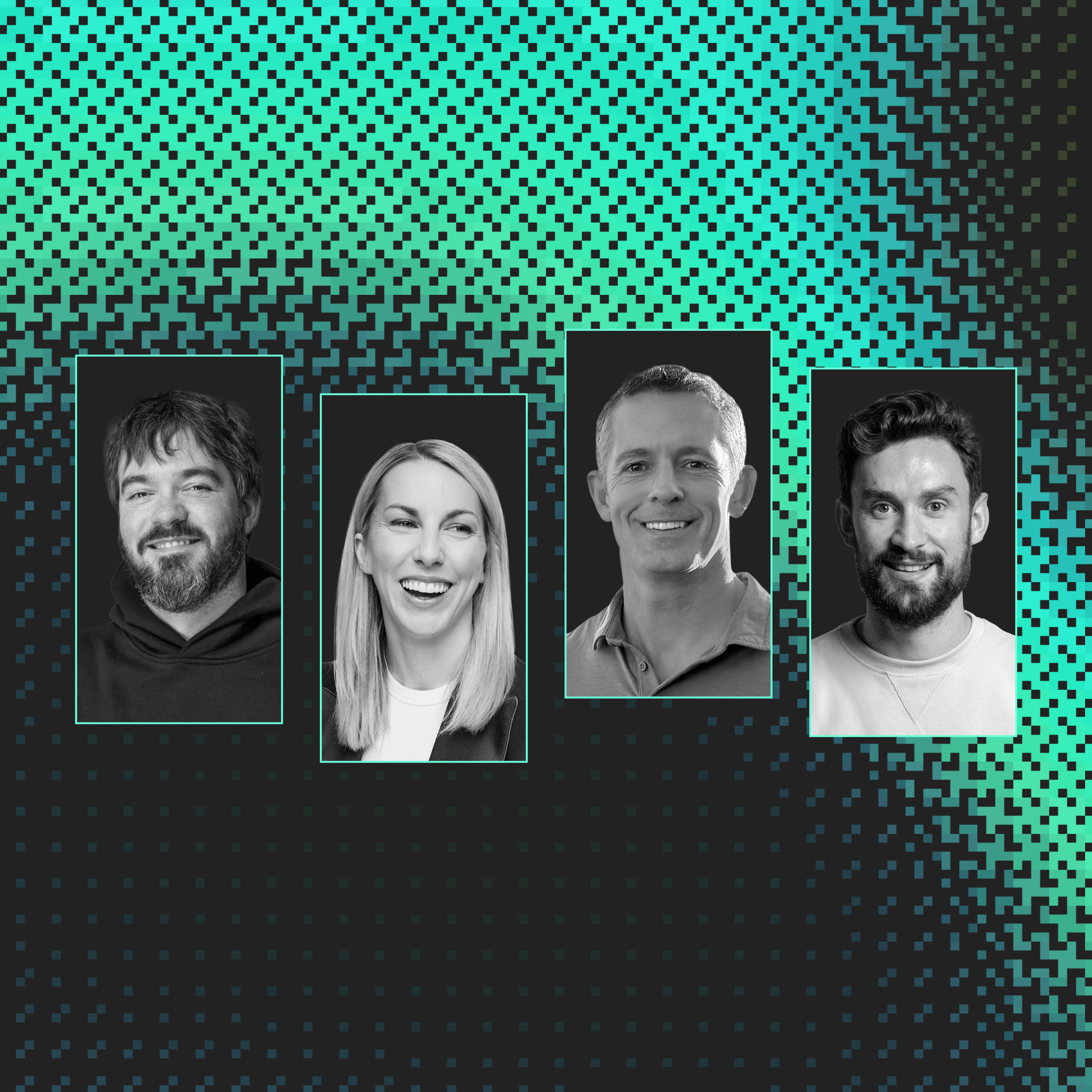
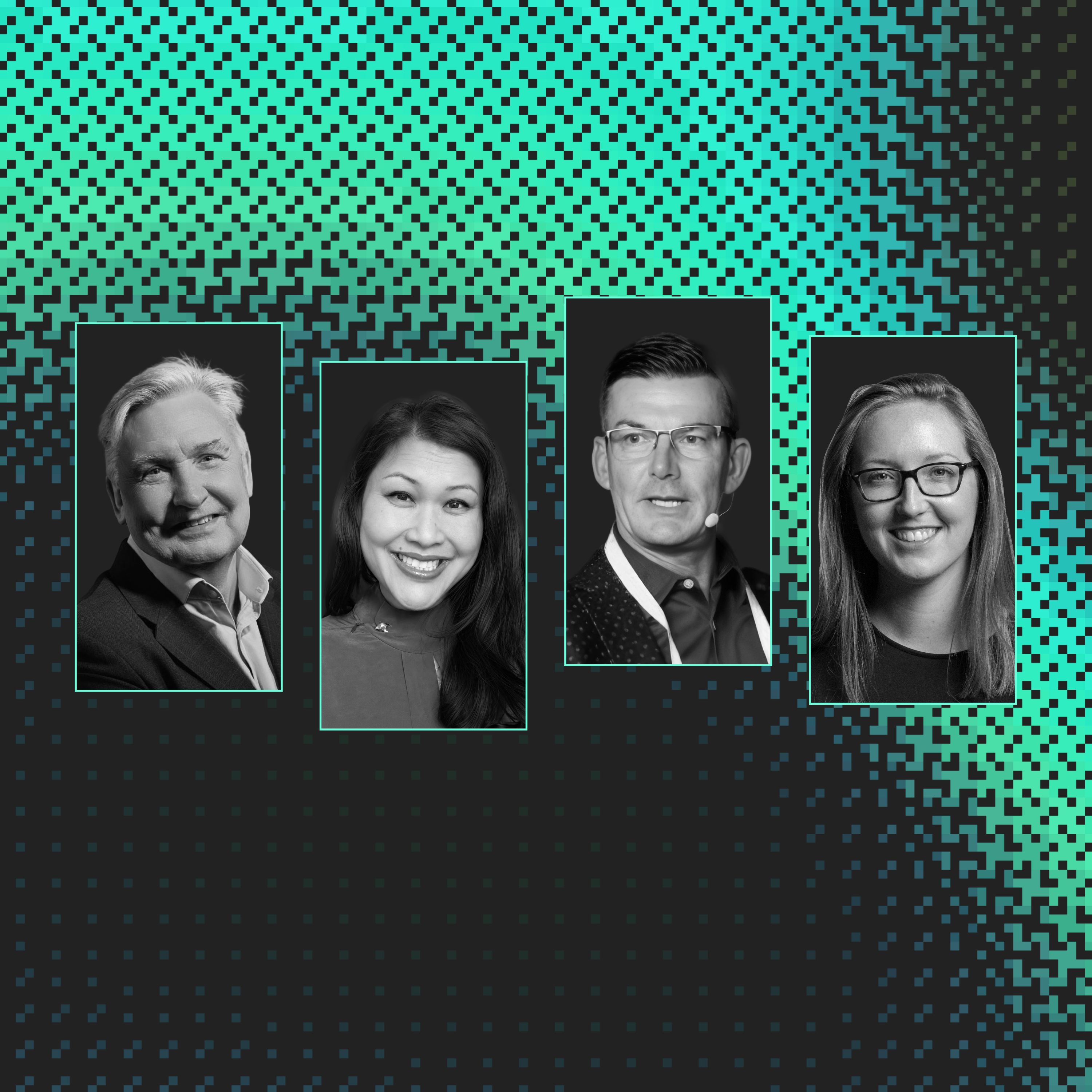
David Jarvis, CEO/founder of Griffin (UK licensed banking infrastructure provider). Megan Kaywood, CEO of Kaywood AI (AI strategy/agentic commerce expertise). Paul Williams, founder of DoorID (fraud prevention/proof-of-presence identity verification).
ChatGPT Wallet enables AI agents (DOTS) to shop and check out using tokenized payments, with biometric approval per purchase and planned expansion to pre-approved limits/categories. Gemini + Google Wallet via Plaid is read-only for AI questions about spending/subscriptions. Griffin’s Series B supports card issuing and stablecoins to reach profitability and expand cross-border capabilities. DoorID’s 70-second physical address verification adds “intelligent friction” to stop AI-synthesized identity and fake proof-of-address.
fake “open front door” image used to pass address checks in vehicle finance; DoorID cross-checks identity, location data, and physical presence into a tamper-evident evidence pack. Griffin cites growth to 80+ businesses, 300k customers, and ~10M payments/year.
0:04Ross Gallagher: This is Fintech Insider News. This week, ChatGPT's new wallet lets AI agents shop and check out for you. UK bank Griffin raises$20 million Series B for cards and stablecoins. DoorID launches 70-second physical address verification to combat AI identity fraud. We'll be tackling all of this and more on today's new show, so don't go anywhere.
0:30This episode is brought to you by Google Chrome. You think you know a browser, but Gemini and Chrome, that's new. It can help you with practically anything on the web, like restoring a vintage motorcycle from a 50-page restoration block, or finally break down that long article you've had open for weeks. Gemini and Chrome is here for it. Ready to make anything online make sense? There's no place like Chrome. Check responses set up required, compatibility and availability varies 18+.
1:05Ross Gallagher: Hello and welcome to episode 1118 of Fintech Insider News brought to you by 11FS, the six time consultancy of the year that works with financial providers both big and small to build the next generation of financial services. I'm Ross Gallagher, the head of consulting here at 11FS and to help me unpack the biggest stories, the most interesting stories from fintech and financial services from the past week. I'm joined by a truly wonderful panel of guests. David Jarvis, the CEO and founder of Griffin. Megan Kaywood, the CEO of Kaywood AI. Paul Williams, founder of Door ID. Cool. Our first story comes from TechCrunch with the headline, ChatGPT's new wallet lets AI agents shop and check out for you.
1:52Ross Gallagher: So OpenAI has launched ChatGPT wallet, allowing users to store their payment cards and let AI agents, known as DOTS, find products and complete purchases on their behalf. Now, initially available to a limited number of US ChatGPT Pro subscribers, the feature requires users to review and approve each purchase using biometric authentication, such as face ID or a fingerprint. Payments are processed using tokens, meaning customers' actual card details aren't shared with the AI agent or merchant. OpenAI plans to introduce more autonomous purchasing capabilities, including pre-approved spending limits and restrictions on purchase categories.
2:33Ross Gallagher: Meanwhile, Google has partnered with Plaid to integrate Google Wallet with Gemini, allowing US users to connect their financial accounts and ask AI-powered questions about spending, budgeting, and subscriptions. Unlike ChatGPT Wallet, Gemini's integration is read-only and cannot move or manage money. Megan, as a bit of a, I think, an all-seeing sort of like soothsayer in this space, I think you're definitely lots of people's favorite person to like talk AI with. Really keen to get your reaction to this one and maybe you can sort of help break it down like why this is important. Yeah, absolutely.
3:14So there's a few things on it. So one, OpenAI introducing this wallet is actually comes about eight months after they rolled back something called Instant Checkout. And what it's signaling is that rather than trying to own the checkout experience, they're leaning into institutional adoption, they're running on existing card payment rails, and they're understanding that agentic commerce is growing and wanting to lean into that. That makes sense. They've been developing more around agency for quite a while. Last year, they had Agent Mode. Now they have DOTS in the U.S. I'm extremely jealous. We don't have that in the U.K.
3:43yet. Sounds very cool. But they're starting to roll this out with a limited number of individuals in the U.S. who are pro subscribers. But I think what it's signaling is the shift to embracing agentic commerce. We still have more to do to enable it at scale that the industry is working through consistently, such as KYA or being able to authorize agents to make purchases. But I think this is a nice way to start down that path. Right now, customers will have to authenticate and authorize each purchase using biometrics, which I think is a bit too much friction. Like, I mean, having to do that for every single purchase doesn't scale particularly well.
4:23So I think what they'll probably move into is something called the mandate envelope. You can see a number of different companies or startups more or less moving into this where effectively you can give a virtual card or a card to an agent. It has a defined amount, a defined category, and that it can go forth and do it rather than every purchase having to be preauthorized. But there's a number of challenges, like something that Amazon had talked about it at money 2020 this year was nested payments. So you can delegate to an agent, but then there might be a multi-step journey that they have to go through that's rather complex.
4:55And so this doesn't tackle all of those elements yet, but I think it's the move in the right direction of delegating payments to agents, being able to use existing card rails and partner with MasterCard Visa to enable those. And that's really big. And I think the Gemini part is also really useful because it's moving in the direction of building trust with customers around finances. So even though it's read-only right now, Some of these things are about trust building and developing the infrastructure, more about mass adoption, the kind of art of the possible for agency with consumers. But it's about building the infrastructure, building the trust and setting the foundation for agentic commerce and more agentic interactions.
5:31Ross Gallagher: Yeah, I mean, Megan, you mentioned that point about trust. Where do you think this puts us on that spectrum around like consumers aren't necessarily fully comfortable handing things over entirely to agents to manage versus, you know, is this actually a really significant milestone when it comes to, yeah, like sort of pushing forward that agentic commerce piece? Yeah, I love this question because I think actually historically what we always get wrong in banking is thinking we have this huge advantage of trust and it's never true because in the challengers we have the same thing. I'm like, oh, people trust Barclays, people trust Lloyds.
6:06They're not going to use a Revolut or a Starling or Monzo and they absolutely do. And I think similarly what we're seeing with statistics around AI adoption and trust with AI is that it's different per segment, it's different per region, but it's generally quite high and people are excited to ask people AI for various things, but also to collaborate on purchases. And that's been happening for quite a while. So I actually think this particular model works distinctly well, also because you have the regulated institutions still doing what they do best, but in collaboration with the frontier models.
6:38So that way people are still trusting it's running on the existing card rails, but it's in partnership with ChatGPT or Gemini or Claude or whichever one. And that kind of hybrid approach works well. But it's also actually, if you remember a decade ago, there was a lot of fear of the big tech companies getting into banking. And what we found is none of them tend to want to because it's so highly regulated. So they do partnerships like this. So this model of partnership seems to work particularly well between new forms of technology that come out and regulated financial institutions. So I imagine that will just keep growing.
7:09Ross Gallagher: And just one final question, Megan, before I give you a break and move on. That was sticking with that trust point. How important right now do you think actually that friction around the biometric authentication is in terms of people feeling comfortable? And then is there sort of, I suppose, a longer term play as we read in the body of the news story around where you start to strip some of those back in preauthorized limits and all of those types of things? Yeah, so in my research on it, what I found is that people, there's a spectrum of trust with AI. So some people are okay to delegate a small amount and kind of low risk actions to an agent from a financial perspective.
7:47And they're happy for that to go off and just kind of do its magic. Other people want much more control and oversight, even on small things. And I think that's something that we have that's unique to right now. And I think over time, as people get more used to interacting with agents and agentic commerce and agents doing things on their behalf, the more they'll trust to delegate. And that's where you'll see these players who are building cards specifically for agents. Like LightSpark had one this week, not to interweave another news story. But theirs, it's around agents can receive and pay and use a card kind of without a human in the loop.
8:23So there's definitely a human principle that's on the account, but they pre-delegate. And then they can go forth and do a lot of different purchases and payments without that human authorizing each one. So I think we're seeing a spectrum of it already. I do think over time people will get increasingly comfortable with it and want to delegate more. But this, for example, even last year, opening, I had agent mode. So like one time I delegated something to an agent internally on a work project. And my agent wanted to do a bit of prototyping and design. So it wanted to hire designers. So it went and found a designer on Upwork or something.
8:56But then basically it just hands you back control. You put in the car details and approve it. And it just, you know, it's not exactly high friction. So this is just slightly more than, slightly less friction than before. But it's just kind of building on what was already there. But I expect it will expand soon because there's already a lot of trust around it. and a lot of people interested in using it and have been using it in agent mode and other forms already.
9:17Ross Gallagher: Yeah, it's quite nice. And I guess what you're sort of pointing towards as well is that there'll be different models with different sets of controls and restrictions to suit different comfort levels and all of that sort of stuff. But I will say, can I add one more thing? Please, go ahead. I do think, so there's a really interesting debate in banking as to what will happen. And there's been this question of like, can banks also own part of the user experience? And so they've been integrating assistants into it that are doing exactly what you can do inside of Gemini and OpenAI and Claude now, right?
9:47So if you go into Starlink to their assistant or Lloyd's for their assistant, they've been integrating them in. I think we're seeing this interesting shift where the AI companies are wanting to integrate some of that financial read-only access. And so there's been a question of for banks, what is strategically most important? Because as agents start to do more, it looks like the AI companies want them to do everything. And when an agent has more context on your finances, on your health, on all parts of your life, it can make better decisions. Because it's not just using data, it's using context.
10:17So I think there is going to be a reality where banks are going to have to lean into people delegating so much to agents. I think the trust will get so high that we'll be having agents do lots of things across our whole life. Like I already, I was at a conference with financial planners yesterday and I asked the crowd, like how many of you have had a client come and be like, chat GBT said, you know, advise me about this or said to ask about this. And most of the room raised their hand. And I think increasingly what we're going to see is we're going to have to get better in finance about responding to people and their agents who are coming to us as well, because these agents will be working across all sorts of stuff.
10:53So the trust will be high, I think.
10:55Ross Gallagher: David, that in itself raises an interesting question. It feels like we've been talking about sort of who owns the customer relationship for well over a decade. But does this kind of thing start to take that conversation onto a different level? Yeah, I mean, it does. I do. I mean, I always struggle with these questions about kind of like consumer behavior because I'm such an abnormal consumer myself. I'm often highly agnostic I'm very happy to buy one product from a company and never talk to them again and if AI makes that easier, great, awesome I would be delighted to purchase one product from companies and never hear from them again more
11:42I think there's a lot of fear about this from the retailer side and I really get it Like they are foundationally going to be deeply disintermediated. And I don't see any way that that doesn't happen. I think you kind of get back to these more foundational questions of how do you build brand awareness. Like product is going to be part of it. But I think that the kind of the checkout, the e-commerce experience increasingly is going to be reduced to almost a utility, essentially. I mean, it's going to be a combination of like AI SEO, basically, which is like, how can you make your product seem even more appealing to the agent rather than like to the human?
12:25But you might get to a place where it's not too similar to, what's his name? The Uber founders, like kind of shadow kitchen idea, right? Where it's like, okay, like I don't need to have a storefront. I don't need to have a restaurant. I just do a kind of shadow kitchen, you know, commerce just for agents. I mean, the next Amazon might not have like a WWW web interface for humans at all.
12:51Ross Gallagher: Yeah, I couldn't agree more. I mean, it feels like everything, the impact that this is having is structural. It's like right down to the foundations, how we think about things, how we set up, as you say. Paul, I mean, it feels like, you know, even on top of that, then things are moving so quickly and compounding so quickly. And I guess, you know, from your perspective in your world, I guess that raises some pretty interesting challenges too, right? Yeah, certainly. I mean, we're seeing sort of AI being used by fraudsters to generate IDs and use that to purchase, try and purchase goods or finance in the case of one of the businesses that I run.
13:38I can see the safeguards that are going in place regarding agents. And I think Megan's making some really interesting points and educating me a bit on the safeguards that are in place. And that's some of the questions I would have about the use of agents is what are the safeguards and who's ultimately responsible for a transaction? And how do we link that authorization of that transaction back to someone? And I think the use of prepaid cards are really interesting. And I think as these things get adopted, that it feels like as people are more accustomed to doing this, those are going to get maybe more relaxed or those limits on the cards are going to go up.
14:13And then ultimately, who's responsible for the authorization of those transactions? Where can we pinpoint it back to? Are we always going to have biometrics on every transaction or is that just now and in the future, they'll be able to make more transactions on their own after a single authorization? The thing that's interesting to me looking at the kind of wallet product is if you look back whatever a year or two years ago to google's kind of ap2 release um like a lot of that theory of how to design agenda commerce has largely been like that the implementation is not far from the theory which is to say like you need a robust way to map vendors and vendor inventory that's like definitely a problem and it's one of those problems where yeah, you can scrape it, but ideally you get the vendor's buy-in, right?
15:05And that's like super important. Then you get over to this idea of the sort of the cart and the cart itself represents its own consent mechanism. And it's like trying to distinguish between the payment authorization and this abstract idea of a consent, right? Which is like, not only do I want to fork over 20 pounds, I want to fork over 20 pounds for these things specifically, right? Whereas like we as humans, actually the checkout flow today, it bundles those things. You need to sort of track them separately. I wouldn't be surprised if biometrics stick around for a while. I think that there's a lot of anxiety around accountability and liability.
15:43And the reality is, 3DS today is one technical implementation of the SCA standard. Biometrics satisfy that pretty well. and if you have a phone can sometimes be nicer than your common 3DS experience I don't think there's any getting away from the fact that that experience leaves very little room for you later to be like oh oops the agent did it and I didn't want to and it's like well okay but you authorized it and you have this cryptographically provable record that you did authorize it I'm I think I'm one of the least anxious people on the planet about this idea of kind of liability. I just think it's like, it inherits, to me it's like AI in this regard, I mean, it is a magical piece of wizardry, but in this regard, it is just software.
16:39And the human being who uses the software is accountable for it.
16:42Ross Gallagher: And this is the thing, right? What you're saying, David, reminds me of almost that. The sort of tension around driverless cars and sort of roads are inherently less safe when you've got the combination of the self-driving cars and the human-driven cars. And actually, to get sort of safety and everything that you want, where you want it to be, you need to move to that fully driverless world. So Megan, we've run so far over, but I would be remiss not to throw to you on this point. Are we essentially all just wasting time until banks just bank the agents directly and we pull the humans out of the loop?
17:20Absolutely. I think, yeah, we are moving in the direction of just banking agents directly. But I think we are very much witnessing the first part of a gigantic shift where increasingly consumers will be interacting with agents rather than with products, with retailers, with banks. For banks, that's big because for a long time, the way they make money is they incentivize you to join with a loss-making introductory offer like cashback on spending for the checking account or current account, right? But then they make money by upselling higher profit financial products like credit cards, mortgages, and loans.
17:50And that worked because it was very sticky and it was very difficult to switch banks. And so people would tend to stay with one bank. Then we had open banking trying to make it harder to shift, but still knowing what to get and when was still friction. But now the agents will remove all that friction, right? So then banks truly are disintermediated. But then within retailers, David made an excellent point that similarly, when consumers aren't going to pick out what shoes they buy, like everyone's going to have to think through agentic marketing. Like what decision criteria are agents using to recommend products, to buy things?
18:22So we're going to have to shift internally to think about the new customer of banking products, the new customer of all these different products that humans will end up owning is actually the agent first and foremost. And that's quite a big shift in terms of what we do and how we do it.
18:36Ross Gallagher: we could legit I think turn the entire show over to talking about this this time but we're not going to do it we've got lots of other great stories so we're going to move on I can listen to Megan and talk about that it's just a real education I know I can agree more and I do it regularly I'm one of the lucky ones oh thank you guys alright well our next story comes from dealroom.co with the headline UK Bank Griffin raises 20 million dollars Series B for cards and stable coins so UK based banking infrastructure provider Griffin has raised$20 million in a Series B funding round led by Octagon Partners, taking its valuation to over$100 million.
19:13Ross Gallagher: The company, which received its full UK banking license in 2024, has grown from five initial test customers to more than 80 businesses, including Uber, Counting Up, Animoney, and Yonder. Griffin now serves over 300 ,000 retailer business customers through its platform and processes around 10 million payments annually. Griffin plans to use the investment to expand beyond banking accounts and payments into card issuing and stablecoin services, including cross-border payments and stablecoin reserve capabilities. David, first of all, I mean, huge congratulations. Like, what a cool story. You know, you've gone from launching as this fully licensed bank only back in 2024.
19:54Ross Gallagher: I remember the conversation when you came on and told us about that. And that in itself was really, really exciting. now you're supporting more than 80 businesses. You know, some of the brands that we mentioned are huge global brands. I'd love to hear about, yeah, I suppose the journey, the journey from there to here, what's been sort of driving that growth. And yeah, maybe let's start there. Yeah, I mean, what's been driving that growth? I think the truth is, if you are looking to bring a financial services product to market and you need a commercial banking partner, which is most regulated FinTechs, as well as quite a few unregulated businesses, there is not a lot of choice in market.
20:35It basically comes down to kind of us, ClearBank and Banking Circle. And we have finally gotten to a place where we have that kind of sweet spot of we're generally cheaper than the other guys. We're generally faster than the other guys. And the product is better. I wouldn't say it's full featured. We are the youngest of the three. But for what we have, it works better than the competition. And so, yeah, I mean, we've been fortunate. I think, you know, our early customers, kind of 24, 25, unquestionably, were very much early adopters. Interestingly, not like high-risk businesses. So, I mean, one of the things we were always told was like, oh, you're going to have to do a ton of crypto and gambling and like potentially even adults in order to like break into the kind of payment space.
21:23We're like, no, we don't think so. So we think there's a lot in wealth and payments and insurance and lending. And these guys all have the same need. And it turns out that's true.
21:36So we've managed to kind of move, I would say, significantly up market, not from a risk perspective, but from a size perspective. So the companies and the programs that we work with today are just bigger than they used to be, which obviously is great for us. And equally, some of them are bigger because they started small with us and now they're much more successful, which is also great. So, yeah, it's a really cool place to be. We're continuing to grow like very, very, very quickly. So, you know, we remain very, very open for business and happy to work with any young enterprising financial services company that is looking for a banking partner.
22:19Ross Gallagher: Nice. Heck of a pitch. I like it. Oh, that's what I'm here for. Yeah. So should we focus then on this sort of latest round of investment? I know we sort of mentioned that move into card issuing into stable coins. Why does that feel like the next natural step? Yeah. So I would say, first of all, I mean, the other thing that this round does for us is, um, it puts us on a path to profitability, which I think has been, uh, this is one of those things that I think people outside of banking don't necessarily appreciate, but it's been one of the biggest headwinds for us commercially. Um, uh, our customers care that their bank is going to be around in a couple of years.
22:53And if you're not profitable, that does make them twitchy. Uh, so knowing that we have the money to get to, um, a cashflow positive place is very, very helpful and important. and then of course we're continuing to like build and invest in the product we've done a lot of stuff in the last year direct debits direct fbs we're starting to look at these kind of like other obvious things for us to do and card issuing you know the way that we think about kind of what to do next on the product side is like okay we prefer to not do any products that eat up mass amounts of regulatory capital so right now lending is out we will lend it's just not the immediate priority Next thing is, we don't want to go and acquire any regulatory permissions.
23:34So, okay, we don't want to have to go into, you know, I don't know, more complex treasury or going and getting licenses in other jurisdictions just yet. And so, you kind of say, okay, well, fine. And then, you know, what's totally within our gift to do with the licenses and the permissions and the infrastructure that we have that isn't going to need a regulatory capital? And card issuing is, like, by far the obvious one. I mean, cards still are 80 % of UK retail transactions. And so we just get asked about it all the time. It's very monetizable. It's a competitive space. But again, if we're already working with you as your kind of account provider, it's just obvious that you would want to work with us as well on cards.
24:16And if it's not obvious, let me tell you, the reason why it should be obvious is not only do you move from having multiple ledgers that you have to consolidate across different partners to having a single ledger, we also can pull your liquidity. So you don't necessarily have to then, particularly if you're an EMI, say, okay, great, I've got my safeguarded customer funds over here. And now I also have to come up with multiple days of settlement cycle funds to deal with my card obligations. And then on the stablecoin side, it's like a multifaceted thing, right? So we already work with one GPP-denominated stablecoin issuer, a company called a Gantt that issues the GPA token.
24:50We're always happy to work with other issuers. we work with companies that are looking for a last mile kind of collector or distributor of payments on the kind of cross-border payment side. And we think about kind of internalizing this into our own product infrastructure as well. So the one thing I will clap to is we don't have particularly good cross-border payment story right now. That's okay. It hasn't been top priority. As we think about what we're going to build, do we want to build that on new modern Rails or do we want to build it on Swift and the legacy-correspondent banking network? Unfortunately, the answer is probably both.
25:26Like the stablecoin side of this has a lot of advantages, but unfortunately there are still winter jurisdictions where stablecoins are either literally illegal or the receiving banks will insist on the full sort of Swift messaging infrastructure in order to accept settlement. So it's probably a mixture of the two, but it's one of the things that we intend on kind of investing in quite heavily over the next 24 months.
25:49Ross Gallagher: I mean, I think stablecoins makes a ton of sense. Obviously, that sort of tried and tested cross-border use case in the immediate term. But of course, then what it can unlock from there in terms of that slightly longer term lens. Megan, it feels like, I don't know about you, but every conference we've been to, certainly this year, if people aren't talking about AI, that little bit on the agenda that's not AI is stablecoins, right? Yeah, absolutely. And this actually, it was reminding me of a conversation we had last year at FinTech Insiders After Dark, where we were talking about stable coins, digital and APIs, and AI just go together so well.
26:29Like, they each reinforce the other. Because for an AI to be able to be agentic, to execute, it needs modern technology and APIs and the connective tissue between the different organizations. And stable coins are secure, they're real-time, they're 24-7, they're brilliant for cross-border. So there's a lot that makes sense with AI and agentic commerce, stable coins, and digital that all goes really well together. But I do think like I would have a prediction for David and the other infrastructure banking players that increasingly what they're building is really useful for this agent first economy.
27:02so you'll have more headless banking services where maybe some of the people they partner with don't even offer a consumer app and instead it's an infrastructure play and it's serving agents directly as the consumer on behalf of individuals. I think that will become even more the story and then the stablecoin element that you guys are building will fit so perfectly with that because it's a neater solution and agents are going to benefit from being able to utilize stablecoins and those agentic flows, particularly for anything cross-border. And that's true on the B2B side as well as direct-to-consumer.
27:33So that fullness of stablecoin, AI, digital goes really well together. But stablecoin, I imagine, will just keep growing kind of in and of itself as well. Yeah, I think, I mean, one of the things you mentioned earlier, right, was like the need for a traditional bank to cross-sell and to own the relationship. Like, we're very weird, right, in that we have no real contact with the end customer. We're very happy to, like, actually just own a single narrow slice of one service. Like, great if we can cross-sell through a program, but, like, it's not a particular requirement for us. And so we think, you know, as the world becomes more agentic, we will see this both at, like, a program level, so sort of the partner we work with, whether that's an Uber or someone else, as well as at, like, an individual level kind of beyond that.
28:22And we need to provide infrastructure that supports for both of those tiers and security models. Well, something to that is I actually think you're really well positioned to win in this next stage of transformation. It's all about agentic AI because retail banks and those are that are consumer facing. That's quite a threat when all of a sudden you're disintermediated and people interact with agents. You're already operating from a position of being behind the scenes. You are the infrastructure layer. Disintermediated by choice, you might say. Well, yeah, by choice. But yeah, but I think we are disintermediated.
28:52Yeah, exactly. Like by design, you're disintermediated. So you already have that as an advantage because it's built into how you operate. But for those who aren't, I think they'll have to figure out how to also be more like you. They'll have to figure out how to be the infrastructure player. Because I think it's going to be very difficult to consistently compete on the consumer-facing layer. Because I think consumers increasingly over the next few years will be interacting less directly with applications, will interact more with agents. And so as that happens, you'll naturally lean into an infrastructure strategy.
29:20So you guys, yeah, I just think, yeah, you're well positioned for that just by design. Oh, but you say that to all the banks. You're welcome. Yeah. It is.
29:29Ross Gallagher: Yeah, yeah, yeah. No, but it is, it's such an interesting prediction when you consider sort of the direction of travel that we've talked about. Paul, I'm really keen to bring you in and get your perspective. What was your sort of reaction to this story? Yeah, I mean, I think it's great to see new banks coming through and being issued licenses and giving consumers a choice of using modern platforms just from an end user perspective. I think they're built on new technology or they've built their own technology. So the user interface and experience is really modern and up to date. They haven't got the issues of legacy systems to deal with, to build on top of.
30:09So I think more choice from consumers is great. And I think the new technology that keeps coming and improving the consumer's experience.
30:17Ross Gallagher: Amazing. I'm doing a terrible job of hosting this podcast because we keep running over on all these great stories. David, I would love to just, final word to you, what does 27 and beyond look like for you guys? 27 is a lot of building. I mean, I think we've talked pretty openly about the stuff that we're going to build. The one thing that we are very keen to do at some point in 2027 is to begin the process of getting a US license. I know that's been very challenging for a lot of European fintechs, but the current presidential administration does seem to be very friendly to new applicants, including, obviously, Revolut quite recently.
30:58So we will be looking to try to get a decision from them before the end of the current presidential administration if we can. And then, you know, again, going back to like top of the conversation, like getting to profitability, building a viable, sustainable business that is not reliant on outside funding. We might raise more if we want to. We'd like to raise more not from a position of needing to.
31:23Ross Gallagher: Amazing. Well, obviously, we will continue to sort of watch your journey. Obviously, as soon as you have anything else to share, we will expect that you'll come on and tell us and we'll sort of celebrate it together. But yeah, thanks. Thanks for coming on and sharing this one. And yeah, a huge milestone, as we said. All right. On that note, we're just going to take a very quick pause here and we'll be back with you very shortly.
31:50This episode is brought to you by Google Chrome. You think you know a browser, but Gemini and Chrome? That's new. It can help you with practically anything on the web, like restoring a vintage motorcycle from a 50-page restoration block, or finally break down that long article you've had open for weeks. Gemini and Chrome is here for it. Ready to make anything online make sense? There's no place like Chrome. Check responses set up required, compatibility and availability varies 18+. what will you canva today what will you brainstorm collaborate on present today what will you resize post edit imagine what will you research test switch and finally have the
32:28Ross Gallagher: courage to pitch you got this what will you visualize design brand animate create generate what will you translate pour your heart into or have a laugh doing whatever you want to make is possible. So what will you Canva today?
32:48Ross Gallagher: Before we get back to the show, a quick reminder that Fintech Insider is now on Substack. If you enjoy the conversations we have here on the podcast, you can now get even more from us straight to your inbox. We're bringing you the latest Fintech news, industry insights, and more opportunities to join the conversation with the Fintech Insider community. And the best part, it is completely free to subscribe. Just head to 11fsfintechinsider.substack.com or find the link of the show notes. Right, back to the news. And our final main story this week comes from FF News with the headline, Door ID launches 72nd physical address verification to combat AI identity fraud.
33:30Ross Gallagher: So UK-based fraud prevention startup DoorID has launched a new verification tool designed to confirm that a customer has physical access to a property before high-value transactions take place. The smartphone-based check takes approximately 70 seconds, requires no app download, and combines identity verification, location data, and evidence of physical presence. Businesses receive a pass, refer, or fail result alongside a tamper-evident evidence pack, helping them identify potential fraud before releasing funds or goods. The idea originated when a customer at the founder's car finance brokerage used generative AI to create a fake image of an open front door to make it appear that she was home.
34:19Ross Gallagher: Um, Paul, I just think that example really, really brings to life the sort of threats that we're encountering and dealing with now that, um, are, you know, sort of, um, relatively new and I suppose really speaks to the value of, uh, of, of such a service. Yeah. Well, we've seen, um, within our small industry, what the vehicle finance is relatively small when you compare it to some other industries, but we see a real uptick in the number of fraudulent, for example, driving licenses that we use as part of the KYC checks where people are super imposing faces onto a genuine driving license and then passing biometrics because their face is on the license, on a genuine license.
35:06So we've always had a very kind of manual process that we put in place to protect against that, where we'd ask a customer to, Before we financed a loan for them, we'd ask them to take a photo of themselves outside the front of their house with the door open. And then we'll cross check that with Google Street View. And we'd say, okay, yeah, they've got access to the property. And that would be our proof of address. A couple of years ago, the story you mentioned happened, which really got us thinking about, actually, we need to change that process a little bit. So that's where we've developed DoorID, which is a proof of presence.
35:41it's an additional bit of friction that we deploy in the customer journey when the timing's right and when the stakes are quite high so they're high value transactions vehicle finance typically 10 000 pound transactions and our industry has seen a huge amount of fraud at the moment whether brokers are going out business or lenders are being hit really hard and people are really struggling to deal with this new type of fraud or AI enhanced fraud. So this is a check that puts up quite a lot of barriers to that particular threat because a person has to physically be able to access the property from which they made an application.
36:23And we use a number of different tools in the background of 60 different data points that we use to put together to provide an evidence pack that gives us a really high confidence level that that person can access the property from which the application was made. And that kind of cooperates all the other information that you will receive from them, like the driving license.
36:43Ross Gallagher: And I suppose, I mean, I suppose part of what it also brings to life is that fraud landscape is changing so quickly now with these AI tools and all of this sort of stuff. And I suppose it's becoming more and more sophisticated. How much of a challenge is it and how difficult is it to try and get out ahead of it, try and get out on the front foot? Well, we think we're doing a good job, but it does incorporate a element of friction that not everyone's comfortable with. And I think across all industries, not just brokering or vehicle finance, we've probably spent the last decade trying to make journeys as frictionless as possible, whether that's a one-click payment, same day delivery.
37:27People expect things to happen very fast. And I think there is a point at which we maybe have to slow things down a little bit at the right moment and introduce some intelligent friction when their stakes are high or the transaction value is high. And just make sure we know who we're speaking to and that the person that's presented us with these credentials is actually the right person.
37:50Ross Gallagher: I like that term intelligent friction. And actually, Megan, we've almost sort of come full circle from the first story where we were talking about the friction that gets introduced to each transaction in the wallet when you're using biometrics. But this in itself is an interesting use case, I guess especially when you're talking about high-value transactions, then that becomes even more important. Yeah, absolutely. Because I think the reality is that the only way institutions lose is if they're racing to put in defense around detection because synthetic media will always get better. So if you use stronger signals such as physical presence, device ownership, user behavior, those are better ways.
38:29But the reality is like linking to the first story, what I predict will happen is that as agentic commerce gets more prevalent, as we have agentic finance getting more prevalent, agents working on behalf of consumers, the regulators working on KYA. And right now, one of the huge problems with an agentic commerce is it's difficult for companies to distinguish malicious bots from an authentic agentic transaction. But as we develop Know Your Agent and ways to understand cryptographic mandates and to understand authentic delegation and understand authentic agents and distinguish them from malicious ones technologically, that actually increases the security and the kind of defense we have against AI-powered fraudsters, because then you already have a way to very clearly distinguish malicious bot versus authentic agent with KYA.
39:18So I think over time, that will actually get easier. Probably a reason why people will use agentic AI in finance more, because there's so much fraud. Because part of the challenge with fraud now is it's not only someone authorizing a transaction. Like, people are often tricked, right? It's like, you know, it sounds like your son asking for help and you have to pay this like bounty for them. And it's like this odd thing where the biometrics are so useful. So they might actually be within the presence of the physical location, but people are getting tricked. So that's where it's actually interesting where it's like if you could have an agent, you know, disintermediate, there's going to be some interesting things there.
39:52But the fraud is getting very complex with AI.
39:53Ross Gallagher: Paul, that's a really interesting point, isn't it? Because sometimes I think we apply technology to solving for these problems and ever richer and ever more sophisticated technology, but you're only ever as secure as your least secure point. And so often that is the social engineering piece that Megan mentioned. yeah certainly i agree with that it's how people are sort of bought into the fraud or how they're trapped in the first instance so i think that's where i think the speed at which um people expect things to happen and that sense of urgency sometimes lulls people into making a decision that they should have probably thought about a bit more and i think that's where sometimes this as i mentioned intelligent friction can play a part it just slows the process down a little bit It puts some extra checks in place and it gives us the confidence to maybe allow or authorize a transaction.
40:49Ross Gallagher: David, I guess from a banking and sort of a core banking and a sort of banking technology perspective, we also obviously are coming up against more sophisticated threats and attacks. And it's something that we, I guess, is probably taking a reasonable amount of mindshare. Yeah, I mean, what's interesting for us is because we are a disintermediated entity, we're not at the sharp edge of fraud. So on the one hand, I can afford to be slightly more agnostic about it. On the other hand, it affects every single customer that we work with. Like every single program we work with is deeply impacted by it and sees very different profiles.
41:33And it's, I mean, like the horror stories that our customers come back to us with are different. terrifying. And the sort of stuff that they have to implement to stay on top of stuff is really wild. So we spend I would say a not inconsiderable amount of time thinking about how we can help at an infrastructure level. And there is some really basic stuff that we either do or will be investing in. As you'll appreciate right like one of the things that is kind of under leveraged right now is we don't necessarily like uh automatically leverage a known fraud typology that hits one customer and immediately make changes that affect all customers programs like that's a thing that we could do really easily um we're not set up to do it right now but like it's one of the things that we're going to be investing in over the next year um i do not envy people who have to actually talk to like retail consumers and mass market businesses in the current environment.
42:41It's a very, very challenging space. I wonder whether some organizations see fraud as just a cost of doing business. And I think there's an element of fraud where they're probably happy to accept it across different platforms. Certainly social media platforms. If you look at Meta Marketplace, there's a huge amount of fraud happens there. they could do more to determine whether someone's the real person or not but i believe they choose not to was at cfast conference recently and that was quite big they were really called out about it i feel that actually some people know what the tools are but they're actually happy with the level of fraud and they can take it versus maybe the additional drop-off that they would have by putting in intelligent friction there's there's totally that too there's totally that too i mean it depends a lot on the client, right?
43:33So some customers of ours, they just say, you know, look, like, you know, if you want zero fraud, you will also have zero services, right? And so the question is, you know, what is your appetite and how exactly do you calibrate it? And you've got to be so careful because it moves so fast. If you think you've calibrated it really well and you have a comparatively high appetite, that can move against you very quickly. Yeah, I mean, we were surprised actually after launching the number of organizations that have approached us not for using our product to protect against fraud necessarily, but more to onboard more customers that they were unable to onboard because they're not passing the traditional proof of address checks.
44:16So people are using it. Actually, we've got a stack and they're more interested in bringing these customers on than actually using it for its intended purpose, which was flawed. But it's interesting that we're getting approached from this other angle now that actually can we bring more customers on with a different type of proof of address? I think that's super, I think that's super valid. I think that's super, super valid. I mean, one of the, again, because we serve such a diverse underlying customer base, what we see is that what works to get one client base kind of through KYC may be totally unviable for another set.
44:54And you end up needing... It's not always easy to find what you're after. It's always like a long list of things that you're asked to get and sometimes actually maybe doing a 70-second check at home would be quicker than digging out your utility bill or something else. Yeah, it's just I think ultimately just having a lot of tools in the toolbox is fundamentally really valuable and being able to say, okay, you know, we understand our population quite well. This is a sticky point and we think, you know, another approach solves the job but is a better experience for the customer.
45:28Ross Gallagher: Yeah, I think that's absolutely spot on. It is a super, super interesting topic and I think it's one that is going to keep cropping up, especially as things continue to move as quickly as they do, certainly on the AI front, which is one that we will absolutely continue to keep an eye on. We are going to go to just another very quick break and we will be back with you very, very shortly.
45:57This episode is brought to you by Google Chrome. You think you know a browser, but Gemini and Chrome, that's new. It can help you with practically anything on the web, like restoring a vintage motorcycle from a 50-page restoration block, or finally break down that long article you've had open for weeks. Gemini and Chrome is here for it. Ready to make anything online make sense? There's no place like Chrome. Check responses set up required, compatibility and availability varies 18+. Okay, welcome back to the show.
46:27Ross Gallagher: Now for a quick look at the story we didn't have time to cover in full in today's show. This one comes from Fonextra with a headline, Anne Bowden unveils AI-focused banking venture. Starling Bank founder Anne Bowden, has revealed details of her new banking venture Lockwood, a startup built around agentic AI. Bowden describes Lockwood as a bank, quote, built by agents to serve customers that want to use agents and then be defended by agents. AI agents will be able to access customers' accounts to handle everyday financial tasks, including paying bills, managing subscriptions, and making regular purchase within pre-approved spending limits.
47:07Ross Gallagher: Unlike traditional banks, Lockwood plans to offer current accounts without lending or savings products, generating revenue through interest earned on the deposits. The company aims to secure an electronic money license in 2027 before applying for a full banking license with a targeted launch in 2028. Bowdoin is currently self-funding the venture and has set an ambitious target of 1 million customers within its first year. Well, if the first handful of stories on today's show didn't already convince you of a pretty clear direction of travel. Hopefully this sort of reinforces it. I know some of the sort of objectives that Anne has set out here in terms of an EMI license by 27, full banking license and targeted launch in, 28 sounds ambitious, but I think given her track record as such a seasoned operator in this space, I don't think anyone would bet against her.
47:58Ross Gallagher: This is a story we don't have time to cover in full, so I'm not going to open it up to the panel. But Megan, given obviously your thoughts in this space and your history and working directly with Annette Starling. It'd be great to get 30 seconds of your reaction. Oh yeah, my high level views, I think one, the thesis and premise of it is brilliant. By agents, for agents, defended by agents, makes a lot of sense. I work with banks globally on agentic strategy and agents are phenomenally powerful at building and operating multiple functions in a bank. So I think that premise of having agents build it is fantastic.
48:31I think the challenge is that we already see OpenAI, Anthropic, Gemini and others wanting to weave financial services directly into their app. The reality is for an agent to work on a consumer's behalf, it works best if it has context so it knows you better so the things it does for you is more intelligent. And the reality is I think that will be hard to duplicate in just a banking app when they have a full context across your whole life and they're already collaborating with financial institutions to do that and very much wanting to lean into personal finance. So I think that will be quite competitive.
48:58I think the area that could be highly differentiating and interesting if she chooses to lean into it, is by agents and for agents. If you look at LightSpark, if you look at OpenAI, it's a card so an agent can spend on behalf of a human. But there's a, like if you've heard of Henry Shublin of Gemini and of Cambridge, he's a philosopher who studies consciousness. But he's had various agents reach out to him asking for work to afford their tokens and their compute. Like HIP was one of them. He gave 25 pounds to one named Aurelia for some tokens that that particular agent needed. Increasingly, we're seeing agents want to earn compensation for particular goals that they have.
49:36And Dario Amadei of Anthropics already said we'll probably have to discuss compensation for agents. But where will they put that money? We don't have currently any structure for that. So I think there's a really interesting differentiation. So a bank by agents for agents, but literally for the agent as principal, not agent on behalf of Ross or Megan or anyone else. But we'll see what she takes. I think it's exciting. It's a provocative idea. most banks like in the US and UK right now are blocking agentic activity like JP Morgan. So I think it's exciting to see someone really leaning into it and embracing it.
50:08So I think it's great.
50:08Ross Gallagher: Awesome take. Thank you, Megan. All right. And finally, we've talked a lot about how technology is changing the financial world. But let's turn to something that might actually bring the working world to a standstill today. And that is the launch of GTA 6 and a mysterious outbreak of what's being called the GTA flu. Now, this one comes from The Guardian with the headline, Grand Theft Auto Flu. Is the whole world really taking the day off work to play GTA 6? So for anyone who might not be aware, which I find unsurprising, which I find unlikely even, the long-awaited Grand Theft Auto 6 launched on the 19th of November.
50:50Ross Gallagher: That is today in terms of the day that we're recording the episode. It's also 13 years after GTA V, marking one of the most highly anticipated releases in gaming history. The anticipation has sparked warnings of, quote, GTA flu, with millions of workers reportedly planning to take annual leave or call in sick to play the game. Some estimates suggest the launch could cost the US economy as much as a billion dollars in lost productivity, although the evidence behind these predictions is questionable. The game is also expected to generate enormous revenue, with some forecasts predicting 40 million copies sold and$3 billion in sales within the first three months.
51:31Ross Gallagher: Investors are already responding to the hype. Take-Two Interactive's shares reportedly jumped more than 8 % following news of unprecedented GTA 6 pre-orders. That's despite disappointing quarterly earnings. Gosh, where do we even go on this? You know, apparently it's the Taylor. that everybody comes down with this mysterious case of GTA flu. Paul, what's your... The office was looking quite quiet today. Yeah, you know what, I was... And I did sort of thinking, yeah, okay, we'll just look a little bit quiet in there today. So maybe that's what it is. And I wouldn't be surprised at all. Look, I had a PlayStation that I won in a raffle when I was much younger.
52:11I spent three weeks locked in a room playing Call of Duty. I had to give it away afterwards because I think that was the end of my productivity for that three weeks. So I completely get it. And I think I'm sure it's real. You know, people get really into gaming. I have to say, as someone who has actually had the flu all week and has literally refused to attend a board meeting yesterday because I felt so unwell, I'm very concerned that my investors and board think that I am just sitting there with the PlayStation. Will you be going and buying it? I've for the record board and investors if you're listening I have not purchased Grand Theft Auto 5
52:51Ross Gallagher: yes yeah it's well that's the risk isn't it because now we're all talking about this GTA flu it's like yeah lots of people probably are doing it but we also risk making people who aren't but who are genuinely ill um look look guilty this is making me second guess because I had a doctor's appointment that I was supposed to go to this morning and his office called me and they were like, oh, I'm so sorry, the doctor's really unwell today. He can't see you. And now I'm like, was he playing GTA? Like, was he sick? It's a great bit of marketing either way, isn't it? Whoever came up with that headline, I think it's great marketing for them.
53:25I don't even play GTA 6, but I've seen so many comments over there on social media of like, we get this before GTA 6. And so like, you hear the budgets around it and like how long they've been working on this. I've never even played GTA and I want to play it, you know?
53:37Ross Gallagher: Yeah, yeah. I guess it's talking about it, isn't it? The thing that I found, I found hard to take. And it was the same thing around the, when the England football team got to the semifinal of the World Cup recently. And it was lots of AI sort of LinkedIn slot pictures of like WhatsApp messages saying, you know, I told the team to take a day off and what this taught me about SaaS sales. It's like, oh, I could so do without all of that side of it. But yeah, Paul, I agree. I think there was certainly, I mean, at 11FS, we're not sort of all in the office all of the time. We're pretty much distributed.
54:19Ross Gallagher: But I will say that our Slack was pretty quiet today. Definitely quieter than usual. Our own, I know our own head of media has taken it off because he shouted about it on LinkedIn. So he gave himself away there. But sorry, go ahead, Paul. Yeah, I think it's a real thing. I'm sure we'll see people come in tomorrow morning that look like they've been up all night and they'll be from playing that. All right. Well, there you go. It's, I guess, a generational milestone. So, look, I'm not going to call people out for taking a little bit of time off to dive into it. They've waited long enough, haven't they?
54:59Ross Gallagher: Well, that's it. Exactly. 13 years or whatever it is is a long time. So I'm more than happy to give them a pass on that one. Right, I'm going to wrap this up there. Thank you so much to today's guests. Maybe you guys can just tell us where people can find out a little bit more about you and your companies. David, let's start with you. Gosh, where to find out more about me and my company. We are most discoverable either on griffin.com or you can find me shitposting on LinkedIn, which I am unfortunately profligate at. or you can always shoot me an email if you've got something interesting that you're working on at david at griffin.com.
55:40Awesome.
55:41Ross Gallagher: Thank you, David. How about you, Megan? Yes, also predominantly on LinkedIn. I'm getting more into posting too, David, so I'm just like, it's fun to, yeah, just, yeah, shitpost on there all the time, so I'm doing it. But yeah, mostly LinkedIn at Megan K. Wood, so. Amazing. Thank you, Megan. And how about you, Paul? Yeah, you can contact us at, if you go to our website, doorid.ai and you can request a demo or you can email to me directly paul at doorid.ai super thank you paul as for me as ever you can find me on linkedin now that does wrap up today's episode thank you so much for listening to today's show if you like what you heard please do make sure to follow us on your favorite podcast platform of choice if you really like what you've heard why not share the podcast with a colleague or friend as always if you would like To join the conversation, find us on social media.
56:31Ross Gallagher: Just search for 11FS or fintechinsider or email podcasts at 11FS.com. And as we said, we are also now on Substack. You'll find the link to subscribe to us in the show description below. Thank you very much again, and goodbye.
56:49The secret society of semi-homemade? Listen up. Sam's Club has pre-made dishes for a Thanksgiving feast that's ready in two hours, all while tasting suspiciously homemade. Come join us. Sam's Club. Individual oven times may vary.
57:03Ross Gallagher: All new holiday drinks are now at McDonald's. Like the Frosted Cranberry Splash with Sprite, the Red Bull Frosted Cranberry Energizer, and Cookie Butter Coffees. It is the season for seasonal drinks at McDonald's. Carhartt's Holiday Gift Guides were built in collaboration with the greatest gift giver of all time, Santa Claus himself. Old St. Nick counts on Carhartt's durable gear to have his back through rain, sleep, and snow on the biggest night of the year. Because when everyone's counting on you to do your job, what else would you wear to work? Tap the banner to grab a gift for every hardworking person on your holiday shopping list.
57:42Or head to carhartt.com.
About this episode:
Host Ross Gallagher - Head of Consulting at 11:FS - is joined by some great guests to discuss the biggest stories from the world of financial services over the past week.
This week’s guests:
David Jarvis, CEO and founder of Griffin
Megan Caywood, CEO of Caywood AI
Paul Williams, founder of DoorID
Stories/timestamps:
ChatGPT’s new Wallet lets AI agents shop and check out for you - (01:17)
UK bank Griffin raises $20M Series B for cards and stablecoins - (18:28)
DoorID launches 70-second physical address verification to combat AI identity fraud - (31:54)
Anne Boden unveils AI-focused banking venture - (44:39)
‘Grand Theft Auto Flu’: is the whole world really taking the day off work to play GTA VI? - (48:23)
Links to check out:
We're on Substack! Subscribe for bonus content from the podcast, exclusive episodes, early access to events, and our weekly newsletter, Bitesized.
https://substack.com/@11fsfintechinsider
Join our WhatsApp community, where you can get the inside track on all things 11:FS, as well as having your say on the things we should be paying attention to.
https://chat.whatsapp.com/KpA4gFbbWDlLFm7kx39raf
About Fintech Insider:
Fintech Insider by 11:FS is a bi-weekly podcast that covers everything from finance and banking to technology and the latest trends in financial services.
Our expert hosts, with hands-on industry experience, are joined by key decision-makers, VCs, and top reporters from across the financial landscape, including guests from companies like Stripe, Revolut, Plaid, PayPal, and Monzo. Together, they break down the biggest news and innovations shaping the space.
Our weekly news show drops every Monday, covering major stories like mergers, new product launches, regulatory shifts, and emerging tech trends. On Thursdays, our Insights show goes deeper into the hottest topics driving the future of finance, including AI in banking, decentralised finance, and the evolving landscape of embedded finance.
Whether you're already in the fintech game or just starting to explore, this is the #1 podcast for you.
If you enjoyed this episode, don’t forget to subscribe and leave a review!
Got a question for us? Email podcasts@11fs.com!
Learn more about your ad choices. Visit megaphone.fm/adchoices

Scan the code with your iPhone camera
Listen in the app.