Ask ChatGPT
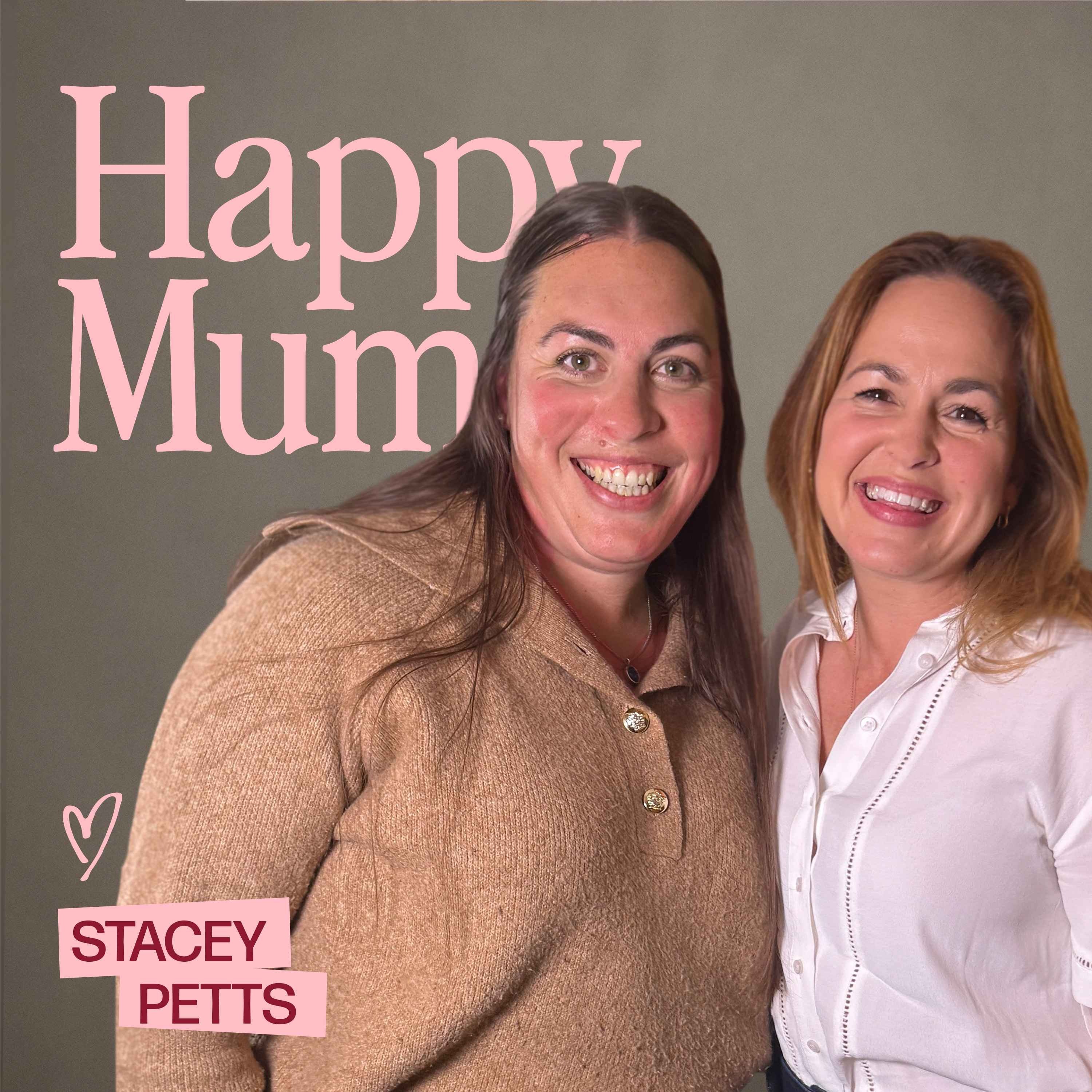

In this special episode dedicated to breast cancer awareness, host Giovanna Fletcher converses with actress Ali Bastian, who shares her personal journey through motherhood and her experience with breast cancer. Ali discusses her diagnosis, treatment, and the importance of support from loved ones during this challenging time.
Written by AI. May contain mistakes.

Get the gist, explore an idea or ask about something said.
 Claude
On Happy Mum, what are the key points of this episode?
Searching your listeningAutomatic transcript. May contain errors.
0:01Coming up on Happy Mum, Happy Baby I had had a block duct before. It was quite similar and I kind of understand why the doctors could confuse it. And also because your boobs change so much when you're feeding. They go hard. Oh my God, and the size of my head. I did have this feeling of like, this isn't changing. This is actually feeling like part of the structure of my breast. And I had this sort of like sinking feeling about it as the days rolled on. The first step for me to move forward felt like really owning where I was. this is it this is me right now showing up felt important being like here I am with my bald head doing chemo this is what's happening and then so many other women being like I'm doing it also yeah felt really like um connecting it does feel like a lonely journey when you're on this one I don't even know really how to put it into words but there is hope and there is there's love and there's support that comes from places that you never would have imagined.
1:09Hello and welcome to a very special episode of Happy Mum, Happy Baby, the podcast. Today's guest is an actress and she has two little daughters. Now it was feeding one of those daughters that she found a lump. So today we are going to talk about her journey into motherhood, about her breast cancer diagnosis and life now. Hello. Alabastia, how are you? I'm all right. That's a big loaded question after all of that. I think I'm all right. I think I'm okay. You're here in the chair. I am. I'm really happy to be here. Thank you so much. Thank you. Thank you. I mean, first of all, you live in Cork now, so you've flown over.
1:43I do, yeah. So I came over yesterday. I had booked a flight for first thing this morning and then did the calculations yesterday. I was like, oh, I'm going to need to get up at three in the morning to flight. so things like that are actually a bit off the menu at the moment. So they're actually giving you a little night away. Yeah, quite nice actually. I don't know, I do always, you know, mum girls and all of that do and especially given the last year we've had that I'm just feeling like we're getting, like the family, you know, when you feel like, okay, everything's coming into like a little bit more balance and then I'm sort of coming away and then going back in and yeah, a bit back and forward so I probably, when I get back I'm looking forward to maybe a bit of a longer stretch at home and just trying to settle, steady the ship.
2:23How old are the girls now? Two and five. Oh. Are you sleeping? Do you know what? To be fair, my husband has been incredible the last year and he does look after them through the night so I can sleep. I have found the fatigue after all of my treatment I've had. Yeah. You know, after my breast cancer diagnosis, I had chemo and radiotherapy and a mastectomy and it's just my body's had a bit of a smashing to say the least. So sleep is like key at the moment. When you thought about your future when you were younger and when you were acting, did you ever think I want to be a mum and that's where I'm heading?
3:03I always knew I wanted to be a mum. I always knew I wanted children absolutely without question actually. I'd never done the calculations about how that would fit into this life in the arts that I was pursuing with a lot of passion and gusto. And so that's been a journey itself, like how you navigate a career as a freelancer, a career in the arts. Also, because we're so trained to kind of go, and we'll take that, and we'll take that, and we'll take that opportunity, and we just say yes. Absolutely. So the idea of having a period of time, are you going to say no? Yeah. What point did you and your husband kind of go, okay, now's the time?
3:38Because you're both freelancers. You know, it's all a crazy world when you're freelancers and you don't quite know what's around the corner. When you say it like that, we sound like idiots. There you go, we are talking freelancers. There are loads of people who are freelancers. But it's that thing when you're, especially if, you know, doing what you both do, it's that thing of you don't know what each year is going to look like. No, not at all. So we met, I was 34, I think, and he's about three months younger than me, which he will never let me forget. Six months younger than me. Nice. So same thing.
4:06Yeah, it's good. I really enjoy that joke every year. It's really funny, David. yeah so I think when we met we were had one of those maybe it's terribly grown up or I don't know what but we were like what are you you know what are you looking for what do you see and you know see for yourself moving forward and we had these really sort of upfront conversations and for both of us having children from the off was something that we both wanted and wanted to have a family so it was we were pointing in the same direction from the beginning we got married I I think after a couple of years and we started trying for babies before that.
4:44So if we weren't on it, I'm making it sound like it was we were on this mad baby making mission. More of a case of if it happens, it happens. Yeah, exactly. Thank you. Yeah, I fell pregnant. Stumbling already saying it out loud. But I fell pregnant before we got married and I had miscarriage first. And that kind of blew my mind because I just I don't know. even though you kind of know it happens for so many women like unbelievable amount of pregnancies I don't know that first time that I saw pregnant my brain didn't go completely like oh this might not you know this might not be and your god I remember he was doing panto in Bradford and I just yeah was losing the pregnancy and lying on the floor in his dressing room and like this kind of mad yeah how many weeks quite early it was an early one it was about five weeks it was it was over before it started really but still you know I think they all you know yeah and it's all relative and like you say that first pregnancy test where you have you have no idea of the the losses and everything else yeah so there is the pure joy and that feeling of life taking on this new new road and this new journey and absolutely you're all you're all going there yeah and I did I felt you know yes I think you're absolutely right five weeks or later on or whenever it is that loss is it is huge and I really grieved that and then we did then it took us a little while I think after that and then because I think I don't know I felt that my body needed to kind of right itself and probably on every level but then yeah had yeah got pregnant with Isla a few months after I'm smiling because what always comes into my head with this story was I had a couple of bananas nights out which I hadn't done for ages like I can't think about that without remembering you know those kinds of nights where you go out and you just go where the wind takes you you're sort of gallivanting and having adventures and it was kind of a bit like that David's like what time what time are you going to be home it's like oh soon you know shall I come and meet you no I'll be back I'll be back and then like four o 'clock in the morning which isn't really like me but now I look back and I'm so glad I did that.
6:55Yeah but also your body and your mind probably needed that just to kind of like let loose. Yeah let the wheels come off a little bit yeah and then yeah sort of fell pregnant with Isla not long after that. We were about to start IVF as well that was the other thing. Really? Yeah it had been a little while we'd been trying and then just it's all sort of coming back. I remember we got the referral letters to go for sort of the first stage of starting to talk about it and the referral letters were on the kitchen table. I I looked at them and I thought, just going to check, just going to check and see just in case.
7:25And yeah, I was pregnant. I remember going in to see David was asleep and I sat next to the bed and I woke him up. And then he just looked at me and then he just lifted up the doobie and was like, get in. Can we talk about it in a couple of hours? It wasn't like, it was, we were really happy that he just knew without me saying it. How did you feel heading towards the birth? I was huge. I got a late diagnosis. Yeah, we had some anxiety sort of moments as well towards the end. We had a scan that suddenly meant we had to go and see a specialist. And then that was quite, we went for fun actually for a 3D scan that just suddenly became not fun at all and actually redirected to a fetal specialist.
8:08And it looked like there was something going on with Isla's brain. But that was actually fine and resolved itself. But God, in that moment, I was absolutely terrified. And that wait to see what that was going on. Yeah, to find out what it was. I felt like, thank God, that actually had all resolved itself by the time she was born. But that probably also was like another stepping stone into quite a lot of anxiety post birth. And oh, yeah, I had a late diagnosis of gestational diabetes. Oh, really? Yeah. So I just kind of was plodding along. Nothing too complicated happening with the pregnancy, thankfully.
8:45and then suddenly like, it was just, she grew, I grew and so they had to look into that further and so it turns out I sort of slipped through the net with that I think or it had come on later than the 20 week test that they do. Then I had Isla, I had a C-section. Was that a planned C-section? That was a planned C-section, yes. And did you feel comfortable as soon as you had the day and you knew that that was the plan? Yeah, and I think there was, the thing that was happening there with the timings of things it was that covid was very much coming at that point and she was born a week before the lockdown in the uk so everything was a bit bonkers and i'd gone to like antenatal classes and then that was all sort of starting to wrap up and people just was it it was like everyone knew something was coming but nobody knew exactly what it was so in a way i think that may have to be honest slightly influenced my decision to have a c-section and to just think go and have her get home yeah I guess to me looking back I just felt so unsafe like suddenly the outside felt very unsafe but then we had this sort of with Isla she has multiple severe food allergies so then she started having reactions and anaphylaxis during weaning and everything and so then the inside felt also like the kitchen did not feel like a safe space to be in so it's been a real journey with that to the point where we're at now which I do feel like we found some strategies that are healthier and that allow you know you really want it's like you have to find the balance of keeping them safe enough which is a hard concept to kind of wrap your brain around as a parent because you just want to keep them safe but she loves people she loves new experiences she just wants to be in amongst it and I don't want to be passing my you know anxieties on to her about it so we've had some support for starters so there was thankfully like really good psychology services attached to St Thomas's in London where she was being seen over here and so yeah we had support with like how do we you know we wanted to go at one point a goal was to get on an airplane and go to Ireland where we now live but that was and that felt I actually want to cry just saying that because that felt so far away that you just yeah that that felt impossible and so the um funny isn't it until you say these things it's like oh my god actually still really feel that so we step by step it was like okay could we take her to a playground could I take her to a playground and not feel like I need to wipe down everything before she gets on a swing or could we go to a cafe and her not order something but she be around while other people are ordering you know and you just kind of graduated exposure bit by bit kind of build confidence um but also isla as well at five she can advocate for herself she could she yeah she knows she has allergies and everything but she also has this little desire that's come in recently to want to change it and she keeps saying because we hadn't been able to go for her appointments over the last year and uh so she keeps saying mommy can we go back to the allergist because we're going on holiday and my brother's getting married abroad and so we're going to do it and that's quite a big deal for us as a family to go on a trip like that and she's like, I really want to go back because I'd like to try some things on holiday.
12:05Oh, please. Like, yeah, it's nice that she has that want for it to change and I want that for her but that is also that, oh God, I don't know whether that will be possible. Yeah. That's quite amazing. How long did you leave it until you tried to go again?
12:26What's the age gap? Three years. Can't really do the maths. But I remember we were like, we're getting on a bit. If we're going to do it, we probably ought to try, thinking it would take a really long time. Were you still living over here at that time? Yeah, we were. So we've only been in Ireland for a year. Right. So, yeah, and the first month, then Izzy. Yeah. And she came in with that energy. like she's just it's funny baby number two like I don't know if you've found this from kids but it's a different different vibe completely and I love it you know watching her and seeing her kind of grow into this little person she's very I don't even know how to describe it but just runs at life really yeah I always feel like second children come out with their elbows out yeah like a neck sale in the 90s you're doing that I can literally see her that is her she's ready Yeah.
13:19And exhale. That's brilliant. Yeah, that was her. What was your pregnancy like with her? Similarly, gestational diabetes all the way through. Were you sort of flagged at that time? Yeah. Yeah. So I had to sort of treat myself as if I had it and then I did have it actually. And so I was really careful with my diet and that worked for me, thankfully. Or, you know, I don't know, managed to kind of control it. But yeah, trickier birth with number two. Really? Again, C-section because I'd had C-section the first time. I remember going into hospital to have her and then they were crazy busy with emergencies and I sat there all day, nil by mouth, and then went hypo.
14:01And then they had to sort of, having been sort of steady all the way through, and so in the end they sent me home because they didn't have time to do it that day and they said, oh, come in Saturday, we'll try, get you in. Like, oh my God, what is happening? I got back on the Saturday same thing sat there all day went hypo again yeah and literally I that time felt like I was going under the bath water I was almost sort of blacking out and the midwife came in and she was like okay right your turn let's get someone gave me some orange juice sort of straighten me out and then I went down and had Izzy it was a bit more of a um I don't you know how I don't know if they said this to you or if you've experienced it how people say it'll feel like washing and it did not feel like washing.
14:43It did not. No, it felt like she was really stuck, I think, and so it all became a bit more of an emergency as it went on. So, yeah, I feel like I'm like, one, that's like a disaster movie in the folding in front of you. There's definitely been like massive highlights and moments of joy. You know, that is life. It's highs and lows. I don't want to wear you, by the end of this, you're going to be like, oh my God. And, yeah, I had delayed healing, wound healing and everything after that one. So that was kind of what led us, I suppose, in a roundabout way, the island thing for us was that I was really struggling with the two of them.
15:23I wasn't healing. Yeah. How long did it take you to heal? About seven or eight months. Wow. Yeah, so it kept opening, basically. And so I had to have some investigation in the end and find out why that was. and I did find out that it was a kind of complicated wound situation, probably from an infection, quite deep. I wasn't healing. And so I said to David in the end, like, this is crazy. Like, my nervous system's in tatters here. We need a circuit breaker. We've got to do something. And so we went out. His parents, his father's from Ireland, and they have a family home by the sea there. And I was like, can we just go there for a few weeks and just stop?
16:01And I don't think he and I had ever just stopped before because we'd been, I suppose, a bit from hearing all of this, you'd really get a sense, but it felt like ricocheting from one sort of crisis to the next and we were also trying to work in this freelance capacity within that as well. So we were never settling ourselves. So we went out there and three weeks into being there, it just closed up and it's never opened up again. But I felt like my nervous system for the first time just settled and I settled. And I guess part of my own growth is realising I actually need to be responsible for making sure there is that time for me to heal.
16:40So after breast cancer treatment, there's almost this chapter that we don't really, there's like, yeah, you ring the bell if you ring the bell or you get to the end of it. Thank God, like I got to the end of that active treatment. And now I'm in this next chapter. And I'm realizing now, it's a weird parallel to draw. But I guess similarly, it's just a time where I almost need to be in a bit of a cocoon and kind of be really real with how I'm feeling right now. And that is hard for me for some reason. I'm trying to navigate that again. But I think boundary like soft time is important. And we kind of gave ourselves a flavor of that going out to Ireland for a few weeks and just settling the hell down.
17:24and it's something about where I'm in West Cork and I just feel like it's an incredibly healing place. Really? Yeah, and it's a different pace. They've got their own time there. Literally West Cork time is its own thing. It's just different to anywhere else, I think. So while we were there, we had this little seed of an idea of like, oh, could we make a really big change? Like maybe we really need to just shift everything, just change everything because what we're doing isn't working. and then I will just say this bit really fast but I came back and I lost my mother in the autumn of that year.
18:02Probably can't go into that right now. It will probably always be incredibly raw for me. But after that I was like I don't know even how to be here in the UK in my old life. I didn't know how. Couldn't do it. Couldn't make it. Couldn't figure it out. and so yeah amazingly I David was really with me on making a big change that really was it came from me really that desire to change everything it was only three months after your mum died that you found your lump is that right a bit longer than that was about five months yeah five months we yeah we were not long we were only a few weeks um because it took us quite a long time to get out of London and sell the flat and and buy over there which we've done amazingly um and David had gone back to England to do some work and Izzy went on a feeding frenzy which I look back on now and I'm like really thank god she did actually because I got really sore and I was like god I really like this I'm really hurt and I felt into my breast and I felt this lump and absolutely panic stations Did you panic straight away?
19:11Yeah, I did. Yeah, I really did. And I rang the out of hours and I had an appointment there within a couple of hours. And then they were quite reassuring at the time that it was breastfeeding related and that I'd had a blocked duct or a cyst or something. He was, I remember the doctor saying to me, you know, here's some antibiotics. If this doesn't clear, though, we send you up to the city to the breast clinic. Yeah, and I went home and I took the antibiotics and I was doing all manner of random things, even castor oil, somebody had said, and like trying to do energy shower heads, all of this.
19:48And I was like, this is not... Trying to sort of clear the duct. Trying to clear it, yeah, because I had had a blocked duct before that I was on this side and it was quite similar and I kind of understand why the doctors, you know, how you could confuse it. And also because your boobs change so much when you're feeding. Totally. From the moment you get pregnant, I think they just are completely different. Yeah. And so, you know, when you're feeding, they go hard. Oh, my God. And like the size of my head and everything is just kind of completely different terrain. Yeah. Everything felt so different.
20:20But both sides felt quite different, you know. Yeah. Yeah. In a way, like the whole tissue feels different when you're breastfeeding. I did have this feeling of like, this isn't changing. This is actually feeling like the structure, part of the structure of my breast. And I had this sort of like sinking feeling about it as the days rolled on. And I saw a GP again. She was like, give it a bit more time. And then I went back in. I was like, no, I need to go now to the clinic. So I got a referral and went up there. And yeah, I've just... I mean, I guess from this point, we should just sort of talk about the symptoms of breast cancer.
20:57Yes. So for anyone that doesn't know, I'm a patron of Copperfield. We're an amazing breast cancer awareness charity. You should always be sort of checking your boobs and knowing what your normal is. And I think that's so hard when you're breastfeeding because your boobs are changing all the time. But when you are checking yourselves, first thing just to know what your normal is, so just, you know, do it monthly at the same time so you know where you are in your cycle. But you're looking for obviously a lump, but it's not always a lump. It's dimpling, it's puckering, it's changing the nipple if your nipple's inverted, if there's a discharge, any pain, any swelling, any change.
21:29and you've also got to go up to your collarbone and under your armpit as well because that is all breast tissue. But like we were saying, when you're breastfeeding, it's a complicated thing to work out what is going on. So if there are any niggles, it's so important to advocate for yourself in the way that you did. Absolutely. And just go, see somebody. And if you're not sure or anything or nothing's changing, just go back and just keep going back until you get a referral. And that's the thing, it doesn't always mean that it's breast cancer. No. I have been in situations where I've been in and had a biopsy and it's been fine and not been anything.
22:04So that was years ago. So, yeah, it doesn't always mean that. But just that getting to the root of it and finding out is just it's just imperative because having now been through this journey, my God. And still, you know, to agree on on this journey, because it doesn't just sort of end. You know, you see the difference between catching something early, like early diagnosis is just huge. It's vital, yeah. It's vital. It really is. It really is and can, you know, profoundly affect, you know, what. The outcome. Yeah. It's hard to say those words. Yeah. But yeah. So take us back to that day. Did you get your diagnosis straight away that day?
22:46I didn't, but I knew something was really off. Like they are amazing at this clinic. It's the Orchid Clinic in Cork. and I went in in the morning. I suppose I should, like looking back, I saw all the, by lunchtime I'd seen all the top brass basically there. So I was like, shit, I'm in trouble here. Like this is, they were taking it really seriously and they mammogrammed me that morning, they biopsied me that morning and they could see things they weren't, you know, they weren't sure what they are. But obviously it's, sorry, not obviously at all, but the biopsy results were really, for me, like you know that's when you really know what you're dealing with or you begin to understand what you're what you're dealing with and am I right in thinking that your doctor your oncologist phoned you you said that you wanted it yeah yeah that was completely like agreed by me I live quite far away from the hospital and we agreed that it would be that way so I text her we agreed that I'd text her and then she'd call me back and then she'd talk to me so that yeah that that's how it happened I mean I can't even imagine what that phone call was like no it's hard to take myself back there actually I did a um I did a tv interview I did some work for uh the Irish Cancer Society because I had this real strong some something that sort of drove me through my treatment was feeling like my god I've just like exploded on impact with the runway and cork and now I'm having treatments in Ireland having like literally just arrived here and I was like oh how do I pay this forward how do I there has been so much like incredible support over there yeah I can't even believe it and so trying to think of ways to that I can do something as I move through this and yeah so I was doing the Irish Cancer Society Daffodil Day which is their huge day and I went onto the six o 'clock show and they were so lovely and I was interviewed on tv and it felt great to get back on a set as well just like I was like oh I love it yeah it felt nice to be in that environment but yeah I remember them asking me like take yourself back to this day and I it was like god there is a lot of trauma were there for me because I yeah go back there and I could yeah basically just cried on the telly really but yeah it's it's it's hard sort of even to to think about it but yeah having that news is just it's kind of earth shattering um yeah it is yeah were you and david together at that point yeah he was actually on the phone with his dad with the kids in the room i'd just gone out into the hallway to take the call and then i came back in and looked him in the eye and i was just like no you know those moments again you communicate kind of without words yeah and I actually can't even remember what sort of happened after that but I think it's very visceral for me yeah yeah I imagine when you get a diagnosis as well because there are so many different accounts out there you know and every every journey is so personalized to you you don't know what you are about to face no and you can't compare I think that the amazing thing about the treatment is that it's very individualized so you know you're going to if you're if you find yourself on a ward having chemo with other people having chemo you're not going to be having the same on the same path as the woman next to you it's just it is different for all of us and so in that respect you can't compare yourself and got to resist that urge to kind of compare yourself like with everything in life with where you're at and where somebody else is but again another moment though where there's an amazing amount of support out there as well And I think when I did come out and say this is what I'm dealing with, like the love and support and kindness was incredible.
26:39And I always sort of I never know what to respond to those moments. You know, it means more than you know is what I find myself always saying. But I really, really mean that. Like it really does. And yeah, I hope that I could also help somebody else feel less alone because it can, you know, it does feel like a lonely journey when you're on this one. it's you know it is I don't even know really how to put it into words but there is hope and there is there's love and there's support that comes from places that you never would have imagined like honestly and I had this amazing thing happen for me that my step-mom who I hadn't seen for 20 years who parted company with my dad when I was about 20 when I lost my mom she reached out to me and she was like I'm you know hi I'm here and I'm here for you if you need me and was just kind of checking in on me she knew I had a nine-month-old baby she knew that you know was a really really rough time and so she just sort of kept an eye on me and then when I got my diagnosis she was like I'm coming to Cork can I come and can I come and see you and I was like yeah of course and she spent a week with me and my family her sister's and was an oncology nurse so she had a sense of the treatment plan that I was on and what the months might look like and so she said oh can I come back and I'll nurse you through this bit and so she was with me for five weeks through the sort of real tough chemo part as I was yeah the way my treatment went towards the end and it's quite accumulative so she came and helped with the kids and helped me and talked to me and looked after me basically and then came back again when I had my mastectomy and was just like just how it helped me I think so having someone like that who just goes this is what I'm going to do yeah you know taking out the the kind of I was talking about the other day that that feeling of let me know if I can help yeah totally different literally sleeves up like yeah it's a really different energy when somebody's like I'm I see you in that hole I want to climb down with you and help you and that please let me do that and uh yeah that's been incredibly healing like amazing amazing and even when I come back to London now I stay with her and I have a home here to go to because I didn't I hadn't taken that on board with moving out to Ireland but there's no way actually to come back to yeah but she's uh yeah which is strange and it's like you know was born here and my life's been here but yeah I have a place to go and like a soft place to go and that just means so much I wonder if there's that thing of because there's been a 20 year you know period where you've not been together, whether that almost, not an outsider because she's obviously someone who means a lot to you, but almost that someone who you don't need to worry about her so much.
29:28No, totally. Because also the type of woman that she is, after she and my father parted ways, she went on to become a social worker and become really experienced in that. And she was, what do you call it? Oh, my brain. Forensic social worker. because she's done incredible work in that field for years and years, had an amazing career. So of all the people that I know that would be able to hold that space for me, for me, my children, my husband, all of those dynamics and, you know, the way a family undulates at the best of times. But when there's something going on as well, there's, you know, constant shifts and everyone's ups and downs.
30:09And, you know, we were kind of just in this crazy little bubble going through this nightmare altogether. together yeah she just had a way of of being able to be there for us and that not be complicated yeah yeah and like you said me not she wouldn't have it that way that I that if I started because it is in my DNA to be wanting to make sure she was okay make sure I've sorted the sheets I've done this it should be like she even gave me a mug of tea last night and I looked in the room and it said I told you to sit down and I'm like that's amazing
30:51how was it at home because obviously you've got this diagnosis but you're also a mum of two little ones so in those early days you know Isla would have been four so she How much did you allow her to know? You know, it must have been a tough thing to navigate. Yeah, I mean, I tried to find out really. I got some advice about how to communicate with her, what was happening. And actually that was where my relationship with the Irish Cancer Society began because I went to their office. They have a space at the hospital and I went in really early on and just talked through my situation. and she gave me resources and gave me the language really for how to have this conversation in an age-appropriate way and we muddled, you know, we just muddled through it.
31:43It's never like anything. None of it was perfect. None of it was how I imagined or how I wanted it to be but we muddled through and we found, yeah, we found a way. And so she had, she's quite perceptive, you know, as with a lot of children, like they're very perceptive And they I think the hardest bits is where you as adults, you know, when we were like full crisis mode, having the panic sort of hush conversations and everything. Then they really get a sense, I think, that some things up. But like once, you know, once I knew what my I think one of the trickiest patches with this is that bit where you've had your diagnosis, but you don't know what the plan is yet.
32:23I feel like once you've got the plan, you know what the plan is, there's a, you know, you can, you know, the next step. And sometimes that's all you can do is just take the next step. But there's this moment in time where you don't know what the steps look like yet. And yeah, that was a tricky time. But once I, so I held off saying anything to her until I sort of knew what the plan was, because I needed myself as well to catch up with where I was at to whatever degree I was able to do that. and then found a way to tell her that basically I was going to, you know, they knew as well because they'd been with me, the pair of them, when I was going back and forth for doctor's appointments and they knew there was something up with mummy's boobie but they didn't know what the story was or the extent of it.
33:07So, yeah, it was basically, I told them I was having very strong medicine and it would change how I would appear and it might make mummy really tired but there'd always be somebody there. if someone would always be there to look after them and take care of them. So trying to let them know that they're still going to have that stability. Yeah. It's all going to be, you know. Yeah. That was the kind of best I could do at that time. I mean, it's fair to say the last year of motherhood hasn't looked like you thought it would. I don't even know what it looked like, really. It just happened. It just happened.
33:40Just kind of got through it, I think. um but yeah so much to process there probably still um but very relieved to be you know out of the um you know the chemo the radiotherapy that that part of the active treatment i'm on there's ongoing preventative stuff and on all the hormone treatment and and all of that which you know on the one hand you're like okay menopause on top of the head let's throw that into the mix but also grateful that this stuff exists and that I get to have it you know but when you're going through each section as well it's that new thing to learn right going through chemo what is the pattern of that yeah when am I going to feel terrible going through radio what is that you know and then surgery prepping for that and then afterwards that's those are stages where you've got to it must I mean what was that like kind of trying to figure out those patterns or what that's like and how you can then be within the family and how that looks like for all of you it's exactly exactly what you just said really uh yeah totally and just feeling my way with that and also trying I got I tried to exercise and move a lot that was one thing that I'm so glad my oncology nurse really early I remember the night before my first chemo I had to stay at the hospital because they didn't have a chair for me and so they were like we want to get you to get you started so stay the night and we'll give it to you on a ward so I had it that way and she came and sat on the bed and she was just like if you can do one thing for yourself just keep moving just try you try to exercise you know gave me a pamphlet about exercise but there's again I don't want to be giving out advice that you know might be conflicting and it is one of those I have to check everything I mean literally everything I change skin cream and I contact my college almost to that point like yeah check everything and make sure you're clear for everything don't go off you know that's how I've approached as well because I also have trust them I do trust them and I needed to trust my team and I there were times like through all of this where if I ever felt alone probably sounds bonkers but I kind of pictured the faces of all these new characters that were in my life like the oncologist the again I don't feel the emotion coming up just saying that out loud but like the surgeon the nurses the the lady that brought the tea round um Steph in there she's probably bored of me I always talk about Steph she's like why does she keep mentioning my name but because it made a real difference that she got to know us all and yeah so yeah my nurse said to me if you can do anything for yourself try to keep moving they're really you know it's worth looking up it's worth understanding the relationship of exercise with oncology and you know with going as we go through these medications and treatments and and everything and uh moving forward like she said to me if exercise was a drug it'd be worth a fortune and they'd be advertising it like crazy but it's not so I'm telling you now like it's important but you know again I have to learn because I can be a bit extreme as well so I'm like you tell me this I will do it but it's that right so it's having someone say you should exercise it's going to help you but then you be in charge of how much you do and knowing that you don't in the same way that you don't push yourself with the kids and you kind Kind of try and give yourself space.
36:54Yeah. Not doing that with exercise. No, you're so right. And that movement can look like anything. Movement can be just make sure you trot around the house and go up and down the stairs. And, you know, when you're picking up a load of washing or something, that's exercise. That is, you know, it doesn't have to look like anything. You don't have to be lycra for it. But that, again, is my part of my own journey with all of this because I want to do it the best and the harder, not the best, better than anyone else. But for me, I think my expectations on myself are a bit ridiculous. Like, oh, you said exercise.
37:27Watch this. Like, I'm really going to go for it. So I'm having to constantly be with how I am right now today, which is actually not feeling like doing a crazy spin class or anything bonkers. Just, yeah. And even that with motherhood, right, I think we all put on so much expectation and pressure on ourselves to be a certain way. how have you or do you think you know what you've been through over the last year do you think that's kind of let all of that go anyway you know the just being here and you know kind of taking away all of that pressure and all of that nonsense and all of that noise to some degree I think so yeah actually there probably has dialed that all down to a degree but at the same time I do I'm always kind of trying to look at where they are and what what they need and what adjustments we might need to make as a family and I'm constantly kind of I don't know I think I do fall into that trap with it of wanting do you know what I was thinking about today actually was that some of the generational stuff that I think a lot of people I don't want to make huge sweeping statements but that we're trying to sort of change things maybe the way that we have more insight more not you You know, everyone has insight, but more conversation around how we parent, what we're passing down.
38:48Do we want to do things the same way? And we have this choice whether we want to do it differently or not. But within that can become this whole other thing that is really perfectionist. And like, I need to be the perfect gentle parent and get this right and be completely regulated all the time. And it's just not possible. So I think there's a lot. And that has really been a thing over the last year. Like it's just not been possible to do that. And actually trying to be these perfect, you know, completely regulated people that are, you know, I don't know, we're human and we've got to allow ourselves our own emotions and reactions and actually can be in danger of even more suppression.
39:32you know I don't know if you ever feel like this but if I you know we're not a shouty family at all and I try really hard to not be but if I get cross or something and I do raise my voice which isn't very often oh my god I feel awful for it like really will give myself a hard time absolutely I feel like for us it's always bedtime although it's sort of lessening now that they're getting slightly older I feel like there was a period of time where things were quite hairy and now it's calming down again. But it's that thing of everyone goes to bed and it might start well, then it's chaotic and then finally everyone's asleep and you're just left with this anxious feeling of I'm terrible.
40:10Yes, completely. I failed. Failed bedtime completely. This was so far from the reading, you know, nice soft bedtime stories. When is it ever like that? It's a complete shambles in our house. Like crazy. Crazy town. We just get everyone running around. Willy's out. Just please! No, Tom.
40:35That's funny. One thing you did post online was you cutting your hair shorter and shorter. Yeah. For you, was that a way of kind of doing it in your own way at a pace so it sort of controlled it? And was part of that also for the girls to kind of see that transition? Yeah, I think so. Definitely part of that was for the girls. I think they knew that I basically I think the way I phrased it was like, mommy's going to have a crazy short haircut for a while. It'll grow back, but it's going to be bonkers for a bit. And now they come and like they're like, mommy, look, it's growing. Which is nice. But the thing with that was I just documented it a little bit myself.
41:18And I had no intention of posting it. Actually, I just for some reason, like this strange robotic thing that we all do now, like just filming, documenting things that are happening and I wasn't even sure what to do with it. And I was going to shave it. And then David, who's got really good at haircuts randomly since COVID, he's so confident now, can cut everybody's hair and his own and does quite a nice job. I'd love to know how many people own hairdressing scissors simply because of COVID. We've got dog hairdressing scissors. It's all been done with the dog curved, like dog hairdressing scissors and clippers.
41:54but yeah I was going to shave it I basically I didn't do it straight away again I think it was another nurse who'd said to me don't feel like you have to do that take that big step like before you start chemo because it can take a few weeks and I think she was trying to say just go easy with yourself like this first little bit just let it you know you'll know basically when and if it's time because I didn't do the cold cap either so yeah that was just I knew I would lose it but um yeah it started to go and I started to really be there's this sort of moment where you have your hair and then there's like more hair just kind of drop drop down and everywhere and that was quite that had got to a point I was thinking oh I'll keep it going a bit longer if I had this weird target in my head then of getting to a certain point and I was like no this has to.
42:43There must be a fear of brushing it or even touching it. Yeah or you wake up and it's on the pillow and all this kind of stuff and I was I remember just sort of like oh I've got to get this off and as I was doing it more and more was coming out of my hands. And I was like, this is like slow motion now, awful. And so I then decided to do it. But then David cut it really short. And I was like, actually, I really like that. I might just be with this for a bit. And then I'll know when to do the next bit. So I just did it in a graduated way. And then again, there was just a point where it was getting so kind of patchy and everything.
43:16It's like, OK, I have to do the whole thing. So I sort of just took little snippets over that period. And then actually I posted that as I was going through it, I was didn't want to say for some reason exactly where I was in the treatment and what was happening, I think, because I was just so in it dealing with it. But when I'd finished the first drug, so I did 12 weeks of a weekly drug. And when I finished that, I was like, I kind of wanted to mark it because I felt like I'd done it. Oh, my God. I had at one point I was looking at this mountain and I've done it. And I wanted to mark that for myself.
43:49So I cut this little video and I showed it to my husband. I was like, what do you think? Should I post it? And he was like, yeah, baby, I think you should do it. And I was like, OK, click. Like, no, God, no, my God. And I was like, no idea what would happen. And it just went far and wide. It went crazy. And I didn't, yeah, I don't know what I expected, really. But I think for me, it was around that time after that first drug, I was starting to allow myself to imagine a life beyond it because I was so in it. And little things, yeah, just very tentatively starting to think about little future, even things like, oh, I'd quite like to do Pilates or something like that.
44:31You know, when I finish the next one, I was like, oh, my God, I haven't hadn't allowed myself to think in that way. But the first step for me to move forward felt like really being really owning where I was. and like this is it this is me like right now this is where yeah showing up kind of felt important um maybe I didn't realize how important for me actually at the time when I did it but actually being like here I am with my bald head doing chemo this is what's happening and then so many other women being like I feel I'm doing it also and all of that yeah yeah felt really like connecting. Because it must be a weird feeling of, like you were saying, feeling alone and doing it on your own because it is a journey that you are on.
45:20You're on it. And there must be a weird feeling of kind of wanting to protect yourself and keeping it within you. But actually knowing that there are an army of people there ready to, you know... To, like, cheer you on. Cheer you on and gather you up. But it must be that weird thing. You can only do those things when it feels right for you. Yeah. You know, like you were saying, I filmed it. I didn't know why I was filming it. But the why sometimes doesn't matter in those. The why I always think presents itself or, you know, the when. Yeah. It must just be a weird thing of kind of going, I want to keep this private for now.
45:58But only you can set those boundaries. Yeah. Yeah. And I don't even, with me, I'm never very structured with how I do anything really. it's often more, not impulsive, but more of a like, this feels like the right time or that sort of trying to connect with what feels right. And I didn't, yeah, it's not a time I don't think for having too much, you know, when you post something and you're like, oh God, like should I have done that shit? Almost like that feeling when you've had a night out and you've got to hang over and you're like, what did I do? Not that that's been a long time, but that sort of feeling, it's not a time for, I think, putting yourself in that degree of like vulnerability.
46:36So I think it's kind of important to feel like actually I'm ready and it's maybe an important step for me. Because I was also living a bit like strangely with COVID times. It's quite isolated where we live. So we're out, you know, and I just moved into this new community who are incredible, by the way. That's another thing. I'm talking about the women just appearing from nowhere and people that I haven't met before and everything just helping me And yeah, there's an amazing lady called Esther who's just been like my angel as well through this and was helping me with the kids and just working out.
47:15Literally, she was working out how she could help me and what she could do and how she could bring other people in to help too. And yeah, crazy. Like I'd never experienced anything like that. I mean, I know this isn't how you would have imagined your first sort of year in West Cork being. It's a wild way to meet your neighbours. But is there also a part of you that kind of goes, you were meant to be there for this chapter of your life? It does feel a bit like that. It does. Because I don't know how I'd have coped, actually, if we'd been in London for all of this. I mean, you know, people do go through this in London, same as anywhere else.
47:50But for me, with the run-up to this, I think I really needed this space. And I have met a lot of really incredible people in the last year that have, yeah, it's amazing. I'm very grateful. And obviously, with motherhood as well, with motherhood, and then going through a breast cancer diagnosis and all the treatment, your relationship with your body changes so much throughout that time. You know, I think if I if I look back to my body when I was 18, and think about how I spoke about I thought about it, and you know, but everything that we've been to together to get to this point, you know, where are you with with that?
48:29In some ways, better than I would have imagined I'd be actually even the sort of gearing up for a mastectomy and what that might feel like and how that might be like I've got a really good prosthetic that makes a huge difference means in clothes I feel normal they're called we are boost and I'm really I actually wrote to them and said could I I would really like to work with you guys is there anything we can do and we're in the process of working that out because it doesn't exist in Ireland at the moment and I really would love to bring it over there and also let more women know about it here so I hope in the future that's actually like a future thing but I want to mention it because I feel really passionate about it I would show you if that wasn't weird but if I had a different one maybe I should show you that I'm quite yeah never always like have a look at this because it's bright pink really yeah it's like an aggressive pink which as you can tell like it makes me happy and it's got little star cutouts and things and it's just very different to the lump of silicone that you get handed in the hospital which is a hell of a moment that is definitely a hell of a moment but I never got comfortable with that because it felt so much pressure on my wound and everything and so this is a lot lighter and easy to wear I guess I quite for me I quite like that it doesn't look like a chicken fillet or like rotund boob it's its own thing yeah but it was something I could show the kids as well because it's so visually appealing that it's taken away that sting.
50:00By the way, you're visually appealing. Visually appealing. I like this. How weird is that? We're talking about that. But yeah, I mean, I can't. I'll show you the colour. I mean, that's lovely in pink. It matches your top. You've literally matched your top to your... And it's got like things, yeah, like little cutouts. Yeah. So that's that. Yeah. It was one of those little bridging things that made it possible. It was like early doors. I was like, okay, I can wear this. this isn't uncomfortable it's light and in clothes I feel normal and that was important an important step I think I just keep saying to myself really I'm still under construction yeah I've been through a lot I'm healing at the moment and my body just needs a chance there's such a nice Irish thing as well I remember standing with my surgical nurse and she just fit me for my first bra afterwards and I I've got a big old hernia for my babies as well because of because of all of this I haven't been able to have that done and actually I'm more keen to get that done than anything else because that is harder to hide it's like a tennis ball and I'm really bored of it because I've had it for five years and it needs to go now I was looking at my hernia my tummy and my one boob in the mirror and it's like what has happened and I was like I'm in such a mess my body's in such a mess and she just said to me your body needs minding I was like god yeah it does it's this minding thing like word and the way it's used there that just feels so gentle and kind and kind of respect maybe it's in the delivery as well but like respectful and like just needs holding it just needs protecting you just need nurturing that i think is not language that we're used to using about our bodies at all at all i think we're so used to beating ourselves up about the way that our bodies look you know and your body has been through so much and your body is is here yeah I mean that is also the main thing really really it is and I want it to stay that way you know so that is the priority but yeah I will explore you know possibly I couldn't have a reconstruction at the time because I need they we always knew I'd have to have radiotherapy So, yeah, at some point there'll be some kind of something.
52:16And that's something that might, you know, knowing lots of people who have had a breast cancer diagnosis, you know, some people decide to stay flat, some people use prosthetics, some people have surgery. You know, it's such a, I think it depends where you are in your head. For some people, they're like it for so long that they're just like, this is me. Yeah, I can see that, actually. Like, I could go that way, I think. Now, initially, I was like, 100 % it's happening. But now, no, I want to have the conversations and talk through what the options are. But I'm not actually married to any of them at the moment.
52:51I kind of feel like also just everything needs to settle. And I don't think after the regime that I've been on, they wouldn't do it for a year anyway. So I just need I've needed to let go of that idea of like, it's like all of it, isn't it? like I have to go get back to a certain way. There's no getting back from this. Like that's for sure. It's just how I move forward and in what way I move forward. But also as women, like why are we always trying to take up less space? Like why do I need there to be less of me to be happy or to feel acceptable? Like it just kind of strikes me as bonkers really.
53:30I completely agree. I think it's people just trying to make us small. Yeah, just less. so that we don't... Like, fuck that. Or think about, like, how we look so much that we can't focus on the things that we can actually do. Yeah. And our strength. So true. I think everything is geared towards us being less than what we should be. Yeah, keeping the kind of focus on a... Yeah, absolutely. Yeah, distracting us. Yeah, totally. You know, I think when it comes to giving birth, say, you put so much effort, like, focus on that day. That's the day. And then when you're going through treatment, the end of your treatment is that.
54:04and then in the same way of birth and with everything you've been through, there's that period afterwards where there must be that sense of... And now what? Yeah. What? Yeah, there is massively. Definitely for me as well, there's the ongoingness of it because there are treatments, there are regular appointments and all of this kind of stuff. So they only told me what they told me as it was sort of unfolding because I think my belief is they didn't overload me. like in the beginning they got me through the first bit and then I got through the next bit and now I'm into this part and there is um in Ireland there's a the workshop that you can do at the end of it for when you finish your active treatment yeah that was helpful and had a big old cry and sat and talked with other women and yeah that was good yeah it is this it is a time where I'm trying to kind of recalibrate trying to work out okay what do I want life to look like whilst also really honouring where I'm at at the moment in terms of my own energy levels and what is actually possible and just trying to feel my feel my way really yeah but has Isla sort of revisited the conversation yeah she has and I think she picked up because as I was coming towards the end of radiotherapy I'm like during that time I was driving up to the hospital so I was three hours driving a day and having my radiotherapy it was just kind of bonkers three weeks and then got to the end of it so I was saying at home you know mommy's nearly mommy is nearly there now hold tight everybody yeah and then when I do go up for appointments what I do see sometimes is she's like but you said it was finishing and you know so even she has the same as me this sense of like oh but this you know I thought there was going to be a great big full stop on this my sense is that as it can breathe a little bit more afterwards a little bit more space between appointments a little more normality coming in hopefully things just begin to settle more and more and i'll get you know more confident as well like getting into back into life and back into the things i mean back into normality must feel like such a i don't even know yeah a bit but what what does that look like because you know you've got you've got two kids you've you've done that big move yeah you know so much has changed within the years it's it's it's it's that finding your new normal yeah as a family a lot of us seem to have to keep rediscovering what the hell that looks like and for me it does feel more about I'm craving a sort of simpler softer life and I think that's what I feel in West Cork do you also have a sense of what you want to focus on with the girls like what you want to see what what you want them to see is what is important you know that that a thing of slowing down, having time for each other.
56:49Yeah, and a slightly longer childhood, if that's possible. I don't even know if that's possible. But, yeah, I think definitely I want more of that. I want more of the good stuff, really. Has motherhood been what you thought it would be? What's been going on with running alongside motherhood? Not in the slightest, no. Not in my wildest dreams, did I imagine. the last few years would be how they've been but in terms of my feelings as a mother and my children and my husband and our little family it's like far surpassed anything I could have ever dreamt of really in terms of like the that love and you know I don't even know the words but just through these little watching the absolute privilege of watching these little people turn into who the people that they are and I suppose we started this conversation talking about anxiety and health worries and everything and I hope in getting for myself what I think I needed which was space to heal from everything that's happened that I hope that I'm also able to give them the space to grow and be the people they need to be without me putting too much of a imprint on them from the things that I've been going through yeah if you could write a letter on motherhood who would it be to and what would you say it would be to other mothers I think and and new mothers, and it would say, we're not meant to do this alone.
58:19Life is tricky enough, and I think when you're becoming a mother, a lot of us are also simultaneously learning how to mother ourselves, and that is a hell of a journey, and it's a brave journey, but just keep going and find your people, your chosen people, because they are out there. with losing my mum and I was only open about that really recently because my family are very private but again I am more of a sharer and I needed that to be known and also in that there were people that didn't know that knew her and loved her and those people were a lot of them were her sisterhood from when we were kids and they're mothers that knew me as a child and knew my brother as a child that have written to me and shared stories about childhood and when things were tough as well and that there were families that we would go and spend time with and everything and spent a lot of time through some really important periods and that sisterhood has kind of appeared out of nowhere sort of 30, 35, 30 years later to try to offer some kindness and comfort and support and I think that the value, so that would be in the letter the value of the sisterhood and of finding it because it can feel really lonely and it can be hard to think, oh, I'll go for that coffee, but I'm tired.
59:41But like those connections that you make through this time, like you don't know when that might, with the whole fabric of life, you don't know when that might weave back in again. But it might and it's precious, I would say. Absolutely. And I think it's those big things that happen in life that really make you realise how important those people are. Yeah. You know, and actually everything else. And also I think there are always those people that life happens But when you are together, it's just it's like no time has passed at all. Yeah. Essential. That's those are the chosen family people, I think.
1:00:14And that's really important. Absolutely. We end the podcast with you completing three sentences. Gosh. The first one is being a mum means. What I want to say, it sounds so generic, so like broad. It's like means everything, really. It means everything. It's more important than for me. has been more important than anything. At the same time, I think people would say to me through the last year, like, oh, your kids will get you through it. And I get what they're sort of driving at. But at the same time, being a mother means we get ourselves through the shit sometimes for them so we can show up for them and for us, really.
1:00:58For us first, actually. It's their own oxygen mask thing, isn't it? Yeah. next sentence since having children i haven't slept a whole night that's not completely true because david david has been doing the nights with my children my children sleep for no woman really yeah rascals even now full rascals isla's better she just is low sleep needs and she always has been she has energy she's a lot like my husband in that way and yeah. Final sentence I'm happy when? I'm happy when I want to say that mum thing of like I'm happy when my children are happy and I'm happy but I feel like I really want to reverse engineer that somehow in my life and that I I'm happy when I'm feeling more present when I'm feeling more grounded when I'm doing really like this you know the simple simple things and just enjoying the day-to-day actually makes me very happy.
1:02:01Ali, thank you so much. Thank you. I absolutely love this chat and it's so important, you know. I think that whole thing of capturing moments and not knowing when to share them, we both know that you speaking about your diagnosis will ultimately make other people check and make them more breast aware or chest aware. God, I hope so, yeah. And that early diagnosis is vital, so thank you. Absolutely, thank you so much. Thank you.
For a special episode dedicated to breast cancer awareness, this week Giovanna sits down with actress and mum of two, Ali Bastian
Last year, while breastfeeding her youngest daughter, Ali began experiencing severe pain and discovered a lump in her breast. Despite her concerns, she was told it was likely a blocked duct from feeding.
Ali opens up about what followed - her breast cancer diagnosis, chemotherapy, and a mastectomy. She reflects on what it meant to really show up for herself during that time, and the love and support she found in unexpected places in what can be an incredibly lonely journey.
TRIGGER WARNING: This episode contains discussion around cancer. If you think you may find this difficult to listen to, please choose another episode x
Hosted on Acast. See acast.com/privacy for more information.