 Ask ChatGPT

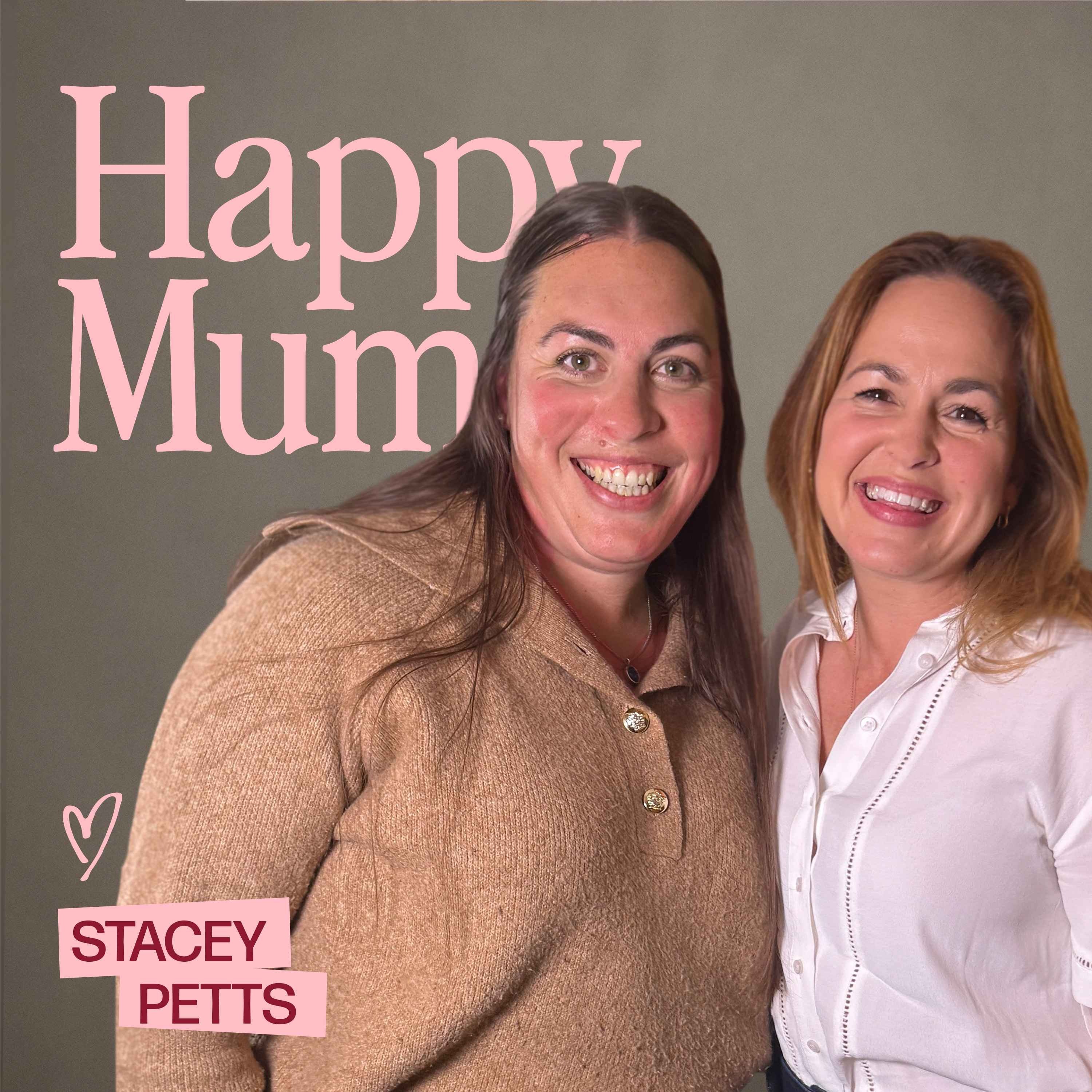
A UK Government–partnered conversation about fostering, told through Stacey Petts’ 11-year experience as a foster carer and single mum, including how fostering types work, training, support networks, and the emotional realities of moving children on.
Stacey Petts, foster carer for 10+ years. She and her ex-partner fostered alongside their three children (between them). She has fostered multiple placements, including babies and teenagers, and now fosters as a single carer with support from her ex-partner and other foster carers.
Foster carers are “normal people” and fostering adapts as life changes. The assessment process is intense but guided by a supervising social worker. Training and ongoing support help with trauma, attachment, and transitions. Moving children on never gets easier.
Her daughter (now 12) was two when fostering began and became highly “maternal.” Stacey has done short-term, long-term, respite, emergency, and adoption, and even received a Buckingham Palace tea party for her fostering contribution.
Written by AI. May contain mistakes.
Stacey shares her personal journey and motivations for becoming a foster carer.
“We've kind of gone through lots throughout our fostering journey.”
Discussion about the challenges and emotional considerations of fostering.
“So your daughter's age was obviously something that you were worried about.”
Detailed explanation of different types of fostering arrangements.
“but there's definitely, she has to not be a certain way, but she has been opened up to what it is to care and to be kind and to be welcoming.”
Discussion on the significance of a support network for foster carers.
“we've adopted through the process, respite and emergency.”
Stacey discusses the training involved in fostering and its impact on her parenting.
“When it comes to training and things like that, because, you know, parenting is a tricky old thing anyway.”
Final thoughts on how fostering affects family life and personal development.
“Yeah, that's, I feel like I would quite like to go on some courses.”
Learn about the preparations needed for becoming a foster carer.
“down and really think about those things as well?”
Understand the ongoing learning process in fostering children.
“Was that quite nerve-wracking because it's one thing to go through the process and go yep this is what we're doing this is what I want to do in my life but then actually when it starts.”
Discover the importance of support networks for foster carers.
Explore how fostering impacts family dynamics and adaptation.
Learn about the differences between expectations and the reality of fostering.
Gain insight on managing fostering as a single parent.
Understand the rewarding experiences that come with fostering children.
“How, I mean, from the outside, I've always thought that being a foster carer, a foster parent must be a really rewarding experience.”
Explore the emotional challenges faced by foster carers.
“And that must be really difficult to navigate.”
Discover how foster carers learn from both children and their own kids.
Explore the emotional journey of fostering and the growth it brings.
“Do you learn a lot from your own children within this process?”
Learn how to take the first steps towards fostering and what to expect.
“and that actually she was okay, I kind of just then started to enjoy it and was just like, she'll tell me if she's not okay.”
Understand the valuable lessons fostering teaches about empathy and parenting.
Discover how personal tragedy can lead to a deeper commitment to fostering.
“So, yeah, I think I've, again, it's helped me be the parent I am today because I have to parent in lots of different ways.”
Discuss the importance of raising awareness about the need for foster carers.
“has also kind of helped in the way I parent but also kind of how I can give back and you know Especially after my mum died, it was kind of like, this is really rubbish.”

Get the gist, explore an idea or ask about something said.
 Claude
On Happy Mum, what are the key points of this episode?
Searching your listeningAutomatic transcript. May contain errors.
0:05Hello and welcome to a very special episode of Happy Mum. Today I'm partnering with the UK Government to have a really important conversation about fostering. I'm joined by the lovely Stacey Petts who's here to share her own experience of being a foster carer for more than 10 years and what fostering has meant for her, her family and the young people she's supported. So if you've ever thought about fostering or you're simply curious to hear what it's like, I hope you've enjoy this conversation. And if you'd like to find out more about fostering and whether it will be right for you, head to fostering.campaign.gov.uk.
0:37Let's get into it.
0:42We've kind of gone through lots throughout our fostering journey. We've had lots of children. We also have three children between me and my ex-partner. And yeah, so now I'm just finding my feet on a new pathway of becoming a single carer so yeah lots and lots of packs in in the last 11 years yeah but also I think that's why it's so great that we're talking today because I think the realisation that life changes and actually your role as a foster carer it can adapt with that yeah and the thing is with foster carers is we're just normal people yeah we're normal people like every other joe blogs out there you know we just do something because we love it and our life changes, you know, our family dynamics change, big life events happen and we just muddle through it like any other family but whilst fostering alongside.
1:29So, you know, we do the same as everybody else. Yeah. What was it that drew you to the idea of being a foster carer in the first place? So when I was a lot younger than I am now, I had a friend whose parents did it on like a respite basis. So they used to help out other foster carers over weekend and look after their children. So they could either have a break or they were going away or whatever the situation was. And I kind of was like, oh, I've never not heard of this before. So I did a bit of, you know, investigating and Google searching and was like, wow, this is incredible. Like, I'd love to do this.
2:05I'm quite a giving person. So I was like, this is right up my street. But at that point, I was still going out, you know, still at that like college kind of. I was out with my friends. I was like, now is really not the right time. But you know what, when I found my family, had my family and I'm older and kind of they don't need me anymore. Maybe that's the time I go into it. I love that you just kind of put that little seed in there. It was like a little spark. I was like, I'm just going to park that and then we'll go from there. And then unfortunately, my mum passed away quite suddenly. So then we moved areas.
2:36And then the conversation between me and my partner at the time was kind of like, what about fostering? I love the fact that you had the idea years before. but it was him that kind of yeah because i'd obviously blabbed along to him like throughout the years of us being together of you know i'd really like to do it and that would be like an end goal for me so then he was like well why not and i was like really and he was like why he was like you could be at home with my child you can give what you want you know you can do what what you want to do but do it now and i was like oh okay so then we inquired and i was worried because my daughter at the time was only two and a half or she's only two so she was two and a half when we kind of went through the process but I was like how's she going to cope with it especially when you first would have thought about it all those years before it was that thing of when my kids are older when I'm at this stage in life and actually when you actually are ready to sort of look into it it's a different point.
3:32I mean I was thinking in my head I'm going to do this when you know my children are 16, 18 you know they don't need me anymore they're out of their friends they just need mum taxi type thing and that's all I was needed for. And then all of a sudden I'm kind of in this position where I'm going through a grieving process, I've got a new daughter, we've moved areas and then I'm like, oh, okay, do we throw this in the mix as well? So it was kind of, like I said, my partner at the time was like, just go for it. Why not? Like, what's the worst that can happen? They're going to say, now's not the right time or, you know, let's just see what happens.
4:04So we went for it, went through all the assessment stuff and 11 years later, here we are. So your daughter's age was obviously something that you were worried about. Yeah, really worried. Was there anything else that you were worried about at that point? I only really hurt, and obviously the fact that I'd just lost my mum. So obviously it had only really been a year, and obviously there's a lot that goes on after someone passes away. So I was doing all of that anyway, so I was busy. So it was just kind of how would fostering impact my emotional state with that? You know, my daughter, how will she, how do I explain it to her?
4:37So they were really the only two kind of issues I was worried about at the time. Did the process help make you feel more secure in those? Yeah, yeah, because they were very much kind of, we'll go through this and we'll talk about everything. You know, obviously, when you go through the fostering process, they're bringing up your history and what you've been through and kind of all the way from childhood, all the way up what you've done for jobs and your kids. and obviously your children are involved in all of the process as well. So if there is anything they're worried about, they kind of flag it as you're going along.
5:13So it's not just you do a process and then right at the end they say, actually, this isn't going anywhere. It's very much like you're kind of guided all the way through by a social worker. Were you surprised by how intense that, I'm saying intense, was it intense? Yeah, it is. Yeah, because we need people to be vetted properly. they were actually really good in terms of how the process went. You know, it was kind of done around our time. My partner at the time worked full time. So it was obviously adapting that to make sure he was part of that and things like that. And getting you ready as a family to welcome children in.
5:48Yeah, exactly. And obviously with a two-year-old at the time, trying to explain to her who's been an only child for two years, like, oh, you know, mummy and daddy are going to go on this new life journey and we're going to have children in the house. And, you know, and so we actually with her just as the journey went, we just took her on it. But I was very clear, to be honest, at the very beginning. And, you know, and when we were our assessment finished and we passed and I was very clear that if at any point she's not coping or something isn't sitting right with her, then we're going to have to pause.
6:20So it was very something I was very aware of as we then went through the journey. And now, I mean, she'll tell you herself, she's the most maternal 12 year old you've met in your life. So, yeah, and she just gets really involved. She absolutely loves what we do. It sounds like you've actually, with the life that you have, you've actually given her, you've opened up this new set of skills, maybe, although it was always inside her, but there's definitely, she has to not be a certain way, but she has been opened up to what it is to care and to be kind and to be welcoming. Exactly, and it's kind of taught with her as well that there is another life outside ours and there is children that don't have the same upbringing as you and that's why people like us are required.
7:05So I think it's also kind of made her really appreciative of what the life she's got. Is it something that you've had to address over the last 11 years with her? Because obviously when it started she was, you know, only two, whereas I would imagine that she's started to understand a little bit more. Yeah. So those conversations must have to change. Yeah, so as she's got older we've always led by kind of her and what her understanding is at the time and what pathway we're on or what child's journey we're on at that point. And then we would always use language that is appropriate to her. She kind of knows that we look after them, we keep them safe, we give them lots of memories.
7:43This is probably a good point to talk about, the fact that there are different types of fostering that you can do and that you have done. Can you talk me through those? Yeah, you've got short-term fostering, which is anything can be up to two years. Then you've got long term, so you can be matched long term with a child, which means that nothing really changes. They stay within the local authority, but you are just their carer for the longevity. Then you've got respite, which is, so if another foster carer wants to go on holiday or needs a bit of a break, you can kind of look after them. A bit like when you send your children to your mums or, you know, aunties or whoever.
8:20It's basically just like that. We're all just aunties and uncles to lots of other foster carers and we're there to pick up what they need. So you can do it on that basis. So you can be approved for just be a respite carer. You don't have to. You kind of when you go through assessment process, you go in based on your current life, what fits better. Right. And then you kind of work out how you can what what care you can provide. Then you've got emergency. So they're kind of like your unexpected situations occur. And normally you'll have them for a couple of days, three days while they figure out what's happened.
8:51and then they either return home or they can move on to a different foster carer that is approved for them. But you've also got friends and family, which is obviously if that child's friend or family member steps forward, they can go to them on a fostering basis, but obviously they're a friend and family. So it's kind of the same thing, but they just have that connection with that child, as opposed to we don't have that connection. And what age does fostering go up to? so normally if you're kind of matched long term it will go up to 18 and then once they're 18 there's lots of different options that they can do but if they're still within the fostering placement and the fostering placement is going really well you can then do staying put so it's like just a really good because obviously they become an adult at that point so they can just do staying put where it's an agreement that that child is going to stay with you just for a bit longer And what age does that go up to?
9:46They can stay with you from 18 and then up to 21. And have you done a variety of these different types? Yeah, so so far I've done short-term, long-term, we've adopted through the process, respite and emergency. So we've ticked a few boxes along the 11 years. You've already seen what the system's all about. And your own friends and family, I would imagine, are a massive part of your support network. Yeah, we call it a bubble because it's such a strange place that it's like a bubble that nobody on the outside really gets when you're in it so it's really important as well to find your people in fostering so find other foster carers once you're in going to social groups and events that that you know whoever you're fostering for run and and obviously now being a single carer I'm relying on my support network a lot because I've lost my second adult in the house so now I'm obviously having to be like oh okay I want to go and do this oh there's no second adult so now I need to rely on that person or that person so it just takes a little bit of adjusted thinking yeah but it is you know it is really important and I love the fact that you said as well before we started recording that your that your ex-partner is still very much part of your support network yeah he is yeah so as much as he's not fostering with us anymore he kind of still is because you know we all get on it's all very amicable and he is still part of it because you know he has all the children and he sees them loads and so he is still part of it so So he's kind of the door hasn't shut completely.
11:12He's still part of it and he's still a big part of our support network, which is, you know, which is really lovely. Yeah. When it comes to training and things like that, because, you know, parenting is a tricky old thing anyway. And I think we should all go on a lot of parenting courses before we become parents because there's so much. But obviously this is a different world. We're talking about vulnerable children. it was their training in place to help you through different parts of it or to navigate certain aspects of it before you even started yeah yeah yeah so when you go through your assessment process um you do what's called um a it's either called skills to foster or journey to foster or it can there's different names for it depending on what authority or agency you're with but while you're doing that that's kind of teaching you the basics of fostering so what you're going to be letting yourself in for what's what types of children you know you're going to be looking at the admin side behind it and then you do other courses like your first aid attachment there's all there's there's certain courses you have to do before you can even be approved as a foster carer then once you're approved you just pick ones that then apply to you and your fostering and your journey.
12:22So I do a lot of care with babies at the moment. So I kind of look at the types of babies that are coming in and what can I learn, whether it's, you know, about withdrawing babies or, you know, neglect and things like that. So I look at what I've got and now I've obviously got a teenager in the house. So it's navigating a teenager but also the trauma as well and navigating how I can best be a best parent for him so I can kind of pick what I want. And you can do that either through them or you can find your own. So you can really kind of make it what you want it, really. Do you feel like you've learned a lot that helps you just generally in life?
12:58Yeah, massively. It really opens your eyes to things. It kind of helps you become a better parent because it really does give you a lot of empathy and it makes you kind of step back and assess a situation. It makes you become a lot more therapeutic in the way that you deal with certain things. because, you know, as mums, we're all busy, we're all juggling God knows how many plates. So it's just, it just allows you to go, hold on a sec, take a step back, assess the situation and then deal with it in the best possible way. So I do think it's given me a lot more tools, not only for my fostering journey, but also just being a parent.
13:36Yeah, that's, I feel like I would quite like to go on some courses. Yeah. Just channel your zen. Yeah. obviously we talked about family and that support but there are so many different aspects of life that I would imagine that before going through the process you're like well how is this going to impact our family life our work life our finances things like that did you have to sit down and really think about those things as well? Yes to a certain extent we knew that it would change life slightly yeah but for us we kind of had we because we'd moved we already had like the accommodation so to speak that was kind of sat there that we could welcome more children into yeah so for us it was just kind of looking at the logistics of we when we're talking about training you can do loads and loads of training and really get prepared but nothing prepares you until you're on that journey and you're really like on the ground doing it day in day out you know I learned stuff now even after 11 years I'm like you know you'll get a different placement and it teaches you something new and you're like oh oh okay oh I've learned that or actually I don't know too much about that I'm gonna go and find out so it makes you you know you then look into it and you're researching.
14:48That's quite a brilliant thing to have the awareness and the knowledge that you aren't meant to have all the answers. No. And as a human that's quite freeing to be able to go I don't know this so I can go and look it up or ask for help. Yeah do you know what I'm the first to say I don't know but I'm gonna go and find out you know I'm not perfect but I'll figure it out you know none of us are perfect well there's things happen in life don't they and we all muddle through so yeah it's just I think it's just allowing yourself to not be perfect and just let things take its course and then figure out what you're going to do how you're going to do it you know whatever it is so yeah how did it feel when you were approved oh I loved it I was itch I was itching to then you know really get involved and we didn't wait long actually we were approved in the March and our first child came along in the April.
15:38Was that quite nerve-wracking because it's one thing to go through the process and go yep this is what we're doing this is what I want to do in my life but then actually when it starts. So it was it was quite an anxious time like am I doing everything right you know what do I because obviously you have to make sure you're you're under the local authority but actually you know I've been really lucky with the local authority that we are with and they have been so supportive throughout our journey and you know anything that I've had or any support I've needed they've always been there and that's why for me having a so when you get approved you get allocated a supervising social worker who is your social worker for you and your family so they are there to guide you make sure you're doing the right things for me it's so important for all foster carers to have a really good relationship with their SSW so that they can be there to kind of nurture you and to realize that you're part of a team that are not against you or like checking to see what you do wrong yeah exactly because we're all working together you know we're all under we're all under the same team you know yes there's different aspects of you know children's services and you know but actually we're all we all want the same goal we all want to reunite children with their parents and sometimes that's not possible but then we find the next best thing and it's about all working together and you know especially when you've got when you're fostering and you've got your own children it's also making sure that you've got people that you know because we're adults we can look after ourselves you know and I always say that I'm a big girl I can deal with my own emotions you know I know when I've hit peak and I need to go and go for a walk or you know just kind of that support yeah exactly use my support network but obviously my children need me and their dad so it's really important that you know we're there for them as well and that your the team around you from the local authority recognize that as well and and make sure that support's there when you go through your different journeys because that is a massive thing because you are having to be that that um that pillar of support that is stable yeah that you know you have to give over i would imagine and this is what my perceived idea is right that you have to be able to seem like you can hold whatever that child gives you yeah that whatever they are feeling that is too big for them to express to you know to carry that they can give it to you and that you will kind of accept it yeah and that's kind of what we do in our house you know we will check in with them all the time and like you know now once a child has left us we always have a check-in so I always make sure now we have a little break we don't go from one child to the next to the next you know we have a break of just us and we talk and we talk openly and freely about how we're feeling making sure that the children are on board still and they're still enjoying it and if there's any issues or anything that's come from having that placement you know they're still they're giving that out to me and I can kind of reassure them and and and I feel like that that those talks with your three are really important because obviously with any person that comes into the house that's a new energy that's a different demand that's a different way of working out how your family can can care for and welcome that that child in yeah exactly and I think you know for them they're sharing mum again yeah so they get me for a bit just mum and then they have to share me again I mean they have to get used to it because there's three of them but you know having another one especially when they're like they're really little ones that need that kind of adult to give them that care and to meet their needs they are a bit like oh okay so it's just adapting all the time but you know I always like I said I I adapt my conversations with each child very differently I'm really open and honest with them about what what's going to happen or if there's a potential kind of child coming to stay with us and help where I can so like doing things like this helping like new foster carers that are coming in and being like mentors and doing that sort of thing I get involved in that um foster carers that want to like want a look into become a foster carer like speaking to them and explaining the world of fostering so that it really gives them that good energy to kind of go through the process the expectation versus reality is a massive thing so what did you imagine becoming a foster carer would be like and what has the reality been like it's just life and it just runs it just merges in with your own life and yes there's certain things you have to tweak and do a little bit differently you know and I think that's where it comes down to as you as a person as a couple as a family it's looking at what you can give what other people in your family need from you looking at a referral when it comes in and saying right what does this child need and how does that impact my other children or my partner or you know how does that take me away so for us we stick to the littler ones at the moment because I can do everything I need to do all my meetings any family time anything like that can all be done while the kids are at school yeah so I'm mum and I ship them all off to school and while they're at school I go and do my other life and I go and get all of that done and then I'm back to being mum after school after school clubs you know all the other stuff that comes with it taking them out the weekends and nothing's different so I do think it's really important as a foster carer that you get matched with the right child and what that child's needs are are really looked at and you're honest with yourself because it's really easy to just go yeah yeah I'll do it I'll do it because you want to help but you have to be you know I've learned that along the way I used to just kind of before I'd be like yeah I can do that and then I've learned the hard way you know because actually when I've then looked back on I'm like actually that didn't really work and you know so now I'm a lot more like right does that work does that yeah okay I can do all that um and I can give everybody what they need but again I've learned that over the 11 years and it's kind of it comes with time and just learning your family and how you adapt and yeah and and with that you know the the theme of adapting I guess when when you and your partner split were you worried about how that would impact stuff or did you already know from your training and from the relationship with your social worker that it would all be okay yeah so I've got a really good relationship with my supervisor social worker so I knew in fostering terms it would be okay because obviously I was doing the foster that well I am doing the foster fostering full-time so nothing would change in that respect I knew admin side behind the scenes things would have to be tweaked and I'd have to change some things but actually the only things that really changed was just all of us you know getting used to this new kind of change and for me it was just about being more aware that like I said earlier that second adult isn't there yeah so I need to use my support network and if I need to go somewhere I need to make those allowances because I've got to go and drop that child off there or you know oh can I do it on the weekend with their dad because then that makes it easier because then I've got one child to worry about instead of four yeah so it's like you know it's actually just re-looking at life and um it's been more about just getting the kids through it and getting them used to this new normal for us yeah um so yeah I wasn't actually too worried about that it's just my brain having to adapt to that second adult not being there and do you feel like that's because of your training and because you've been told that you don't have to be perfect you know that life changes yeah and so therefore your your uh your place within this is is going to you know it's life changes and that's okay exactly and that's the same for everybody and I think when you become when you enhance your support network of fellow foster carers you see their lives changing yeah so you know I've seen other foster carers that have you know gone from being in a family to becoming a single carer and it's all you know it's worked out and you know all things like all different life events that have happened and because I've got quite a few fostering friends you see it all and I go to a lot of events and social groups so you see it all happening so you kind of when it happens to you you're like okay it's fine yeah it's fine I just need to I'll deal with them and they'll do everything else and then and that's kind of how it's worked really yeah Yeah.
23:31How, I mean, from the outside, I've always thought that being a foster carer, a foster parent must be a really rewarding experience. But what is that like for you to actually experience the rewards that comes with what you do? I feel like I found my calling with fostering and I absolutely love it. And being part of all these children's journeys and impacting their life. and it's just, you know, you can't, there isn't anything else that matches it. And what about challenging moments? What's been the most challenging part? There is hard times. There is, you know, when you have to move children on.
24:09You know, people say, oh, it gets easier with time. No, it doesn't. No, that's got to be a really difficult thing. When you've been with that child, when you've seen them come in and however, knowing that they can be with you for years and then go. Yeah. I guess being part of every journey is rewarding in its own right. because you've done so much and put so much into that little person that you know when that when they move on and you have that time to sit back and go and look back at what you've done and and also then see them like I said like when they're older to sit there and go I was part of that like it's just yeah it's just it is the most rewarding thing I think is being part of all of their journeys what you learn to do is you learn what's coming right you learn what's coming you learn the emotions that you're going to be feeling you learn kind of how your kids are going to be as you go through the process and but yeah it never gets easier must be so tricky because you must you have to be all in yeah right and you have to give your whole heart and to not do the thing of kind of disconnect and put back to help that child selflessly through that process because they're also moving on that they are leaving that stability that you've formed for them that that Whether they're going back to their family or to another foster family or being adopted, they are moving on to something new.
25:29And that must be really difficult to navigate. Yeah, it's a really hard one because you've got to help this little one detach from you to help them reattach to somebody else. It doesn't matter who that person is, even if it's back with their family because they've attached to you and they have seen their family throughout the time they've been with you, but not all day every day so there's still some form of attachment that you still have to help them form so that's a really tricky one to navigate to to not just put your barriers up and say right you're moving on now so I'm going to stop and off you go you know it's you've you've just got to carry on right till the end um and they feed off you know we know with all our kids that they feed off of us if we're stressed if we're they that you know especially babies you know they everybody knows don't they if you're feeling stressed they pick up on it and then they get upset and so you've got to try and make it as positive as possible and is that stuff that you've learned over the years and has was there training within that as well so that someone's helping you you know move through it as well as you helping as helping you move your child through it you know what I mean yeah I know what you mean so there is like training sessions that are for adoption and and how to kind of how to deal with like moving on regardless of where that move is but just moving on um but then i was also really lucky when my it was when my second one moved on i think i had a mentor that helped me that was like i had done quite a lot of um kind of adoption moves and stuff like that so she guided me through it as well so that really helped as well because you know she gave she said you know it's all right to get upset like you know because we do our whole family we foster with our hearts like they when they come in the door they're ours we treat them exactly the same as everybody else they come everywhere we go they go i don't leave them with anybody apart from the people I'd leave my own children with so you know so then to all of a sudden be like oh bye um but then you've also got to help your other three like my other three out with that so I've got a like you were saying earlier you know letting them give me their baggage I've got to carry that as well because I need to make sure that they get through this process every time and obviously normally we go through it about once a year in the cycle so obviously but then they're another year older so it's you know they're another year more another the year aware and you know their emotions change and so yeah it's adapting to all of that all the time as well so no process is ever the same yeah um and you don't know how the child's going to respond either you know the child could just you know happily just move on and it could all go really smoothly but also they could really struggle to attach and not want to detach from you and you've just got to work a little bit harder and a little bit you know do it over a little bit of a longer period of time to really allow those bonds to to nurture and attach and then yeah we're really lucky to be fair as well all of our children have moved on we still have some form of communication with or see them and to just see them all now is just again you were talking about like proud moments just to know that you were part of that beginning part and now you see them at like eight nine and you're like oh my god it's just and see how their life is you know just flourished is just something that you can't even explain.
28:34Do you learn a lot from your own children within this process? Have they surprised you? Yeah, they have. They're a lot more robust than I thought they would be. And they deal with it in a way that I probably didn't think they would. I thought maybe they'd need a bit more of kind of guiding and that. But I think because I suppose because my daughter was so young, she's kind of grown up with it. So to her, not doing it would be really odd. And then when our middle boy came to live with us at three, he doesn't know any different because we've done the same thing. You know, they grew up as siblings and then we've always kind of fostered alongside the two of them.
29:17So none of them really know any different. So they've kind of grown up with it. So we've kind of all done it together. Yeah. So it has helped instead of, I guess, just randomly coming into it like halfway through their life. Yeah, yeah, yeah. Yeah. Whereas everyone's been there from really outdoors. Yeah, exactly. Was there a moment, especially early on in the process, because I think we all panic, right? We all worry that, am I doing this right? Is this the right? Was there a moment where you suddenly went, yeah, this is the right thing for me? To be honest, I kind of got that feeling quite early on.
29:52Really? Because I think, like I said, I had this spark so many years before and then it obviously all happened a lot quicker. So once I'd kind of got over the fact that my daughter was coping and that actually she was okay, I kind of just then started to enjoy it and was just like, she'll tell me if she's not okay. Like, oh no, by her body language and stuff. And so probably from, I'd probably say about a year in, I was like, yeah, this is what I'm doing. This is what I'm going to do for the long term. And, you know, no one's stopping me. You know, I'm going to be old and grey and I'm still going to be going.
30:29so I can't I genuinely can't see the whole fostering for me just makes me so proud and happy as a person and I just love being part of these little ones journeys and you know just giving them something and yeah I just I can't I couldn't think of doing anything else to be there funny because I was going to ask you do you allow yourself to feel proud of everything that you've done I'm getting better at that are you yeah I'm not a very good person when you know people say oh you're amazing at what you do I'm always like thanks because for me I do it because I love it yeah um there's no other reason I do it I do it because I want to help I want to give back and I absolutely love being part of fostering and these little ones lives and and the changes and stuff and and giving them what you know whatever that it is they need and just watching the changes like happen in front of you um but yeah I yeah I couldn't I couldn't think of I couldn't think of anything else but I'm getting better at people saying nice stuff and going oh thank you but I'm not yeah I'm not very good at that I'm not very good at that what would you say someone who who's listening and might be thinking about fostering themselves I would say turn them thoughts into a phone call like just make the call because just because you make a call doesn't mean you're not signed up you're not signed up straight away and you know just making that phone call to say I'm interested in fostering I just wanted to find out a bit more about it you know those very very early stages you can talk to her like for us in our kind of region if you call up and ask you can say oh I'd like to be I'd like I'm thinking of becoming a foster carer you can speak to a foster carer and they can you can talk about all the you know the real honest truths that you probably don't get from social workers because they're social workers not foster carers yeah but the emotional side they can tell us their situation and we can be like yeah actually that would work because you can just look at this or do you know what actually i'm not sure now's the right time but and these are my reasons for it but actually if you feel like it's the right time then you carry on you know um that's a really lovely way of doing it yeah i mean not kind of having these rose tinted glasses yeah of what the role is and what's being asked of you kind of going actually i'm going to speak to someone directly yeah uh and and the fact that at that point like you said it's just it's just chats for me when i talk to anyone i'm just i'm always just really real because i think we took a gamble at the beginning and our gamble has paid off but it might not have done it could have been very different we could have had to have paused and revisited it further down the line when my kids were older yeah so i think it's yeah it's just having those real real conversations about people's lives and and I think as well there's so many myths out there about fostering and oh you can't foster if this you can't foster if that but actually like there's lots loads of different situations that people can foster in um so it's just about if you've got that thought or you know you're listening to this conversation you see an advert on the side of a bus you see absolutely you know you see anything any videos on social media because obviously social media plays a big part in our recruitment now anything like that if you just if it just makes you sit there one evening and think hmm I think I could do I'd love to do that just pick up the phone just pick up the phone to your local authority anyone and just ask the question and just speak to people like me or the local or you know someone from the local authority and just you know see what happens because honestly like it's I just can't describe it I don't I don't think anyone would regret it do you feel like you've learned a lot about yourself during the process yeah yeah I do So, yeah, I think I've, again, it's helped me be the parent I am today because I have to parent in lots of different ways.
34:13It's taught me life, you know, like actually, yes, you know, I've been very fortunate to have a nice, you know, stable life. But lots of children out there don't. And, you know, just it has taught me a lot. It's opened my eyes a lot to, you know, how I parent, how my thought process is, just general life, really. So what has been your most rewarding moment as a foster carer? Oh, God, there's been so many. There's so many. I think it would just be being part of all of their journeys. I have been very lucky as well. I went to Buckingham Palace for the tea party for my contribution of fostering. So that was really rewarding as well, just to know that other people appreciate what you do.
34:57And when you stood in the middle of the King's Garden and you're looking around thinking, what am I doing here? Yeah, you know, like things like that where people really, you know, they show that appreciation. You kind of think, oh, that's good. Were the biscuits good? Yeah, they were. That's good to know. I'd be really disappointed if they weren't. Yeah, they were. What's been the most surprising part of it all? I think it's actually how easy, and again, this isn't for everybody, for me personally how fostering and life merges I think I like I said I always thought it might be quite you know run two different parallels but actually the way that you can make if you make the right decisions you can make life and fostering big be one um yes you have to do different things but you can just run them together um and I think that surprised me more because I thought there'd be there'd be more separation yeah and you I'd really feel that but actually you know we just live daily life all the time and you know sometimes we have to adjust things but actually not that anyone knows if you could write a letter on being a foster carer who would it be to and what would you say oh that is a good question if I was going to write one I'd probably write one to my mum and dad it's kind of be like look what I'm doing like I'm I'm doing I'm look what I'm doing mom look what I'm doing dad I hope you're proud of me and do you feel like the way that they parented you and brought you up has impacted the care that you can give now yeah I think so my upbringing has also kind of helped in the way I parent but also kind of how I can give back and you know Especially after my mum died, it was kind of like, this is really rubbish.
36:51What am I going to do? But actually to find what I found because of that situation. Because if that situation hadn't have happened, I wouldn't be fostering now. It's pretty remarkable that losing your mum has made you mother in this massive way. Yeah, and actually you saying it like that, I've never really thought about it like that. So yeah, and I always say, if that hadn't have happened, I wouldn't be doing this. Not yet. No, not yet. I would be at some point, but it wouldn't be at the point it was then. You know, my kids are, what, 12 and 13 now and six. So it still would be a long way off.
37:25Yeah, yeah, yeah. But then I guess life moves in weird ways. So if I hadn't have lost her, I wouldn't have my three beautiful children. Yeah. Because, you know, one was already there, but the other two have come from my fostering journey. It's a really weird one. It's funny how those little things in life, how they move to give us what we are and where we are now. Yeah, they absolutely do. We end the podcast with three sentences. I'm going to slightly adapt them for you. Yeah. Okay. Being a foster carer means? Being a foster carer means giving back and sharing your love. Since being a foster carer, I?
38:01Since being a foster carer, I have learnt a lot about myself and how to be the best parent I possibly can. And I'm happy when? I'm with my children. Stacey, thank you so much. I've loved this chat. I have notes in front of me that I've not looked at. Thank you. Honestly, I think it's so clear how passionate you are about what you do and the love that you give to the children in your care and the support you give to other foster carers in the process as well. So thank you for all that you do. No, thank you so much for having me. I think it's, I love talking about fostering. So any time I get to, you know, talk about it and, you know, really just hope that somebody will listen and go, oh, because, you know, we need so many more foster carers to help these vulnerable children.
38:51So, you know, if anything can help, it's just getting the word out there. That must be really hard when you're so aware of how many children are out there and how many foster families there are or foster carers there are. It must be really difficult to see the disparity between that and kind of go, to be aware that what you are doing is enough. Yeah. Not to feel like you're constantly like, oh, if only I could do more. It's a really hard balance because you know what the world's like out there. And I guess when you're in it, you know the phone calls that are coming in. Yeah. And you know the situation that we're in, you know, and that's just our local authority.
39:28But we know as a country, like, we need more foster carers. so anything that I can do I'll get involved in anything to try and promote foster care me and my best friend Sharon I've met her through fostering and through the support and the support she gives me or we give each other so we do lots of crazy videos to try and promote fostering just to be like, if one person sees this that's one extra person and all the children that could be filtered through their care yeah, exactly, exactly So, yeah, you know, I'd help everybody if I could. You know, I'd literally move into a castle and have every child that needed help.
40:06I'd have them all. I can see the GoFundMe page already starting. Get Stacey a castle. I was going to say, can you imagine?
40:16And if you're listening and want to find out if fostering could be right for you, visit fostering.campaign.gov.uk for more information. Thank you and goodbye.
40:29Thought
There are so many different ways to become a parent, and one you might not have considered is fostering!
So this week, Giovanna sits down with Stacey Petts, who has been a foster carer for more than 10 years.
Stacey shares what the experience has taught her, the realities of welcoming children into her family, and tackles some of the common misconceptions surrounding life as a foster carer.
This episode is in partnership with the UK Government. If you want to find out if fostering could be right for you, visit fostering.campaign.gov.uk for more information.
Hosted on Acast. See acast.com/privacy for more information.