 Ask ChatGPT

In this episode of the Happy Mum Happy Baby podcast, Giovanna Fletcher speaks with comedian and author Cariad Lloyd. The conversation centers around the sensitive topic of discussing death with children and how personal experiences shape our understanding of grief. Cariad shares her profound insights gained from losing her father unexpectedly as a teenager and how this has influenced her parenting. They also touch on Cariad's new picture book, Where Did She Go?, which serves as a resource for parents navigating conversations about grief with their children.
Written by AI. May contain mistakes.

Get the gist, explore an idea or ask about something said.
 Claude
On Happy Mum, what are the key points of this episode?
Searching your listeningAutomatic transcript. May contain errors.
0:01Coming up on Happy Mum, Happy Baby Like any conversation with a child, it's practice. So the first time I had to say to my daughter, when she was like, oh, where's my grandpa? I was like, he's dead. The first time I had to say that, 100%, I was like... I went to another room. The second time I did it, it wasn't that bad. The third time I did it, it's fine. With my son, he's like, Grandpa Peter's dead. Yeah, he's dead, yeah. Yeah, he's dead, isn't he? Yeah, yeah, he's dead. Yeah, he's dead. There's so many cases of being told they've gone to a better place and like a child obsessively looking for them or thinking that they can see them.
0:38So they worry that if I'm naughty, do they see me? Do they know what I'm up to? Especially when you're a teenager and someone goes, your dad's watching over you. Is he? Like how much is he? Because I don't want him to see some of this stuff. The sonographer said, because I've written on your notes, I strongly recommend this woman does not attempt to have this child vaginally. Really? He was so big. It took two men to take him out. He could hold his head up from like day two. Honestly. I call him Beefy Baby, that's what I call him. He looked like a rugby player.
1:13Hello and welcome to a brand new episode of Happy Mum, Happy Baby, the podcast. Today's guest is an actress, a comedian, a podcast host. She's not got one, she's got two podcasts. Grief cast, she's greedy. Grief cast. More pod, more pod for me, please. And Weirdo's book club. She's also the creator of Ostentatious, which I've seen little clips on Instagram, and every time I see them, they make me howl. She has two children. She's also got two books. It's Cariad Lloyd. Hello. How are you? Howdy ho, neighbour. I'm good. I'm tired. Are you? I'm always tired, yeah. But above that, I'm good. I think that's just a prerequisite, isn't it?
1:53Are you tired because of kids not sleeping, the juggle, work, just life? Yeah, all of that, the juggle. and my, yeah, so I have an eight-year-old and a five-year-old and the five-year-old still gets up at like half, five, six. And I've been doing that thing where I was like, yeah, that's normal, he's young. And he's just started school and I said to a couple of parents, well, you know, he gets up at six, really, still? And I thought, what? What do you mean still? We're all, we're all, we're all there. And they were like, no, we wake him up at eight. I'm like, what the fuck? So I'm a bit annoyed because I was very accepting.
2:25I was like, he's five, that's normal. Now I'm like, oh, your whole class can sleep till eight. apart from you. We've got the thing now where everyone goes to bed later. Oh, that's... My daughter already, at eight, goes to sleep at 9.30. How do you cope? I am a full... They don't pay me, but Yoto. That Yoto box. They don't pay me anything, but I'm constantly talking about how amazing the Yoto is. So do you put her to... She listens to the story, yeah. We read to her, and then she is like the most amazing listener of things. So she'll just listen. She'll just be like... But you think, oh, she must be asleep.
2:59and she's like, I've done that book, I've started another one. Like, oh, it's 10 o 'clock. Yep, still awake. So at least she will just sort herself out. But she's always been like that. So you can step downstairs or into the light, you can step away from the bedrooms early and like that. Yeah, yeah, yeah. I mean, nine o 'clock. Yeah, see, that's the shift. I think that's such a difficult... Because then, I don't know what you're like, but when I then leave them, I'm like, I need to have at least a couple of hours doing... But just nothing that I'll call my shit. You have a couple of hours, but then you also need to tidy the kitchen, put the dishwasher on, sort that washing out, reply to that email.
3:33Start prepping bags the next day. And then you're like, well, it's midnight and I haven't had my hour. So then I want to read my book. And then I'm like, it's half midnight. So then I'm also a night owl. So then I try and do too much because I try and think, oh, maybe I can just... And then my husband's like, come to bed. What are you doing? I'm like, I'm just going to enjoy this programme because I should get some time. so yeah it's quite but yeah you can leave her but then we've got they are such opposites so yeah she's night owl and then he will like pass out at seven but be up at like half five so it's a bit of a but maybe he's five maybe he'll find his way he'll find his way he'll find it we've only just got to the point where you know ours are eleven nine and six so we've only just got to the bit now where we're having to wake them up yeah I have to wake my daughter up so at least like mornings are just like him being like I'm hungry, get out of bed.
4:24And then I have to go and be like, come on, get up. But then she's really grumpy about it. She's like a teenager. Like, I don't want to get up at eight. At eight, she's like, don't pull the curtains. Put the radio on. See, mine will wake up really early at the weekends when we don't actually have to wake them up. Oh, that is, why do they know that? And now I think my mum was really strict with bedtime. She'd be like, you're in your bed, goodbye. Why am I staying here? Because she was trying to get downstairs for Corrie. And like, if I had, my scrolling was on a television, I'd be like, okay, night.
4:53Whereas we can sit there and do it. So you are a bit more like, oh, okay, I'll hold your hand. My mum never did this. And it's like, yeah, because her phone, her scrolling was like a soap opera. She wanted to see what Ken Barlow was up to. Got to see what Ken and Deirdre were doing. Absolute nightmare, as usual. And so she always says, oh, well, I never let you do that. And I was like, if you could have watched Corrie on your phone, you'd have stayed in the bedroom. But we don't have that. You know, you're not racing down to a television to kind of decompress. Yeah. So it's like, it's the danger, the horrible thing about phones is that you can look at it anywhere.
5:23It was actually, when it was plugged into a wall, that was probably a bit better for us mentally. I would agree. I would absolutely agree. But then the phone line would go, you know. Oh, the phone. Can you imagine that? Your kids almost being asleep and the phone going. Yeah. Our smoke alarm went off the other night and my son slept through the entire thing. Oh, I was doing the same thing. Yeah, I like ran upstairs to be like, it's just daddy cooking. Oh, and he was like. And she was still awake. She was like, yeah, I can smell it. It was like 10 o 'clock. Oh, okay. Okay, bye, guys. What was...
5:53I would say... So I always ask what someone's childhood was like. What was your childhood like? And I know that it kind of comes in two parts, Gary Ad. Yes, yes, yes, of course. That's a better way of describing it. Yeah, I would say... So to get it out straight away, my dad died when I was 15. So I was... Pre that, I would say it was very normal, suburban, kind of like nice house, nice garden. You know, we weren't like rolling in money, but equally I never wanted for anything. And my mum is from a very working class background, really, really grew up with really, really harsh circumstances and she really wanted us not to have that.
6:28So I was very lucky in the way that we lived. I would have said pretty normal. Although my parents were weird. I should caveat that. They were weird. In what way? I mean, it's too long to go into, but they were like a bit hippie. It's the easiest way to say this. They were a bit hippie. So it wasn't like, when I say normal, it wasn't so normal. and then yeah then my dad got diagnosed with pancreatic cancer in the february of that year that i was 15 and then he was dead by the april so it was extraordinarily quick which often happens with pancreatic cancer because often it's not discovered till it's spread to another cancer so they thought he had liver cancer and then they realized it was pancreatic and there's really no cure for most pancreatic cancers although obviously there's amazing charities like peace UK who were trying to bring about genetic testing but especially 27 years ago it was pretty dire and so that point I would say like my childhood just ended it was like boom done because it was like I'd gone from this oh what should I wear on Friday and my friend isn't talking to me at school and the maths is worrying to oh people die so it's like all of that little shit that you kind of you know the ephemera that's in your life that as a teenager you should have you know you should be worrying about not really important things and getting really stressed about what top from Miss Selfridge to wear to Sarah's party just like got wiped and I was like oh right I see there's this whole room of life I didn't know about yeah it just turned everything upside down my brother was 19 so he was a bit older but still was he still at home he was kind of at home he'd like left and he'd been like working abroad and so he was like you know not really properly living at home but he was, you know, he hadn't like moved away or anything.
8:13So yeah. And then my dad, as you know, was a very, very loud character. And I've talked about him a lot. He, we now know 100 % had ADHD, but at the time it was obviously undiagnosed, but it was a very loud ADHD man. My whole world changed in those two months. And I had to take my GCSEs about two weeks after he died, and then sort of turned 16 and, you know, went and tried to be a grown-up, really. It's faced with, like, really big, real-life things. Yeah, I think, I mean, you know, I've written about it in my book, You Are Not Alone. There's a very particular flavour of grief, of the Teenage Grief Club, the TGC, as I like to call us.
8:56And it's a really distinct flavour because when you lose a parent, when you're sort of, I mean, you know, even 2021 is young, but you've gone through almost adulthood and you've known them as an adult. When you're a teenager from 10 to 18, I guess is roughly the best way to say it. You're not fully a person. Are you still discovering who you are? So your relationship to this person isn't finished. You're sort of midway in a conversation with them. And you also have like taken lots of stuff out on them. You screened at them. You know, you think they're an idiot. Like, I just thought my parents were like the sofa.
9:27They're just there. They're always going to be there. I don't need to discuss it or think about how I feel about it. You know, it's just... And then when, obviously, the sofa goes, you're like, oh, that was... I did like that, actually. I liked that it was there, even though I didn't want to talk to her. And I thought it was actually the most embarrassing thing I'd ever seen. I was quite glad that when I came home, it existed. So you lose your sort of, you know, 50 % of who you are at a very formative time when you're trying to figure out what you think about the world, what your place is in the world.
9:56And it gives you a very unstable feeling. yeah lots of teenage griefers talk about like it's like the magician's tablecloth like it's gone like that and everything looks the same but it's like slightly moved but your sense of yourself is like it looks the same i'm in the same house i'm going to same school my mom's still i've got same friends but something's wrong and it's a really unnerving feeling because what you realize is people can just die they can just die anyone can just die if your dad can do that anyone can do that so I had anxiety before that but like obviously my anxiety was like like well now I've got evidence yeah whereas prior to that like I was quite an anxious person and it really just gives you like solid oh you do need to worry because people can just get cancer and die in two months and like you're saying that that very different shift at home of it being quite a having a very loud character in the house and therefore a loud house yeah to suddenly not having that yeah it was so weird.
10:50It was so quiet. Really? It was so quiet. I've described him, which is again quite common with ADHD dads, like tornado dad. You knew he was in the room, things were chaos or shouting or getting lost or being late or you know. He worked from home as well. He worked in the study and I was trained from the age of 12 to pick up the phone as if I was a secretary and take notes. We were always I'll give you 50p if you do this photocopying or I'll give you this if you ring this person. So we were working for him without any choice. And that just went overnight. Like, we didn't need the photocopier in the dining room and we didn't need this special modem that connects three different computers and that.
11:26Like, all this stuff was just pointless. Yeah. Yeah, it was a completely different household. And obviously my poor mum, now having two kids of my own. It's that, isn't it? I just think, fuck, how did she, how did she carry on? But she did. She just, you know, got us to school and I did my exams and she was just very, very stable and secure, which is really important when you've lost a parent to have the living parent be like, I'm not going anywhere. I'm not changing, don't worry. Which obviously is not easy for a grieving parent to do. But she was amazing. And I know we can touch on the picture book later as well but Where Did She Go is your latest picture book which obviously you were 15 but this is aimed at...
12:07This is aimed at much younger ones. Much younger children talking about death. And that whole thing of they're sleeping or they've gone to a better place or in the sky. Even looking at you at 15, do you think there's no skirting around actually what happened when you're 15? It was fact-based. Yeah, I mean, so look, I did the Grief Plus podcast for seven years and I wrote this book about grief. So I spoke, I started out talking to comedians, but I ended up talking to like palliative care doctors, death doulas, like bereavement psychologists. Everybody agrees. Don't use a euphemism. Like it doesn't work.
12:44Now, obviously, when you have kids, like if a kid is zero to 10, they don't have a concept of forever. Yeah. So it's hard for them to understand. I will never see them again. Like, it's really difficult. But saying things like they've gone to sleep, they're watching over you, you know, they're in a better place. All of this stuff is so confusing and makes it worse. We use this a lot with parenting. Like, you need to use the right language in the hope that that language starts getting embedded. and when they're older, there will be more understanding of the language. So obviously if you say like they've died, that means they're never coming back.
13:21You might need to say that to a six-year-old more than once. Whereas if a 15-year-old, you're like, yeah, I got it. I know what forever means. But I don't know how it really, I don't know how it feels. I'm going to have to learn to live with that. But yeah, with kids, it's everybody agrees, you know, all the amazing child bereavement charities that exist now that did not at all exist when I went through this and it was like pre-internet and you couldn't just Google something and you couldn't like be on Instagram and go, oh, other people are going through this. You know, I just thought I was like the only woman, any 15-year-old whose dad had died.
13:53Even though there was then two girls in my year whose dads also died, you know, we still struggled to be like, oh, hey, me too. Because it was like, oh, I don't know if you want to talk about it. Okay, fine. That's the end of the drama lesson. So it makes it so confusing for children. So for examples, if you say like they're watching over you, they look for them. If you say they are going to sleep, they're afraid to go to sleep. So what I wanted with the picture book that I wrote, Where Did She Go?, which is about a little girl whose grandma dies and lots of people say kind things to her, which confuses her.
14:23And then eventually the mum has to say, no, she's died. And that means we'll never see her again. But what we have is her love. So there's, I mean, I'm not an advocate of like, they're dead. That's it, kid. Like you need to. But we are scared. I feel like we're scared of using the word dead or died. We're so scared. I feel like we have a thing where it sounds too harsh. Yeah. That is actually the reality. I think it's really interesting. You know, we're all getting better at like having these conversations with children, right? Like about the internet or sex consent, like mental health. And death seems to be the one that everyone's like, oh, but I'm not going to say that.
14:56And you're like, well, we all know we should use like correct terms for bits of the body. Or when we're talking about the internet, we have to like be very specific about what's safe and what's not safe. But with death, it's like we still want to use kind of this fairy tale language. and I do a lot of talks about grief and I get asked a lot, what should I say to the children? And what I always say is, like any conversation with a child, it's practice. So the first time I had to say to my daughter, when she was like, oh, where's my grandpa? And I was like, he's dead. The first time I had to say that, 100 % do you?
15:27I was like, I went to another room. Really? Because it's like, oh man, I've got to tell you this. He's not here and you're not going to grow up with it. grandpa and I don't have a dad and this is so shit and I wish I could tell you he's you know all that pain that grief is very present but that's okay because it is sad that you don't have a grandpa the second time I did it it wasn't that bad the third time I did it it's fine with my son he's like grandpa Peter's dead yeah he's dead yeah yeah he's dead isn't he yeah yeah he's dead yeah he's dead and I'm like buttering toes I'm like yeah yeah he's the one that he's dead guys yeah but grandma's not dead okay great like you just get you get better it's like ripping off a plaster and you realize this was about me i was afraid and i was sad that i didn't have that to give you yeah but a child doesn't know that a child doesn't know what they're missing and also it's okay for your child to see that i'm sad and i will say sometimes yeah i'm really i'm really sad that grandpa peter's not here and i will tell them oh he would have done this so he would have said this he would have liked that like we talk about him he's kept alive in that way but I won't let them grow up thinking that death is this like really scary thing and don't ask mum about her dad yeah don't ask mum about him because you know she gets upset and I think that's where you lose someone because they become this like mythical creature in one picture that no one says anything in case mum starts crying and obviously everyone grieves differently if that's your experience of course you know you've got to deal with what you've got to deal with but I wanted it to be that death wasn't something that was terrifying to them it's something that i say all the time and my son at the moment is in the phase of like but why do people die why why i don't want to no but you're going to we're all going to die i'm going to die daddy's going to die we're all going to die my house is like the other way but why well you wouldn't want loads of people who are 150 walking around the place like our bodies age and it gets painful and it's hard and that's the right thing to happen that's what life is we're born we live and we die and that's okay but you have to practice that that's the thing people are scared of they don't want that first conversation where it's like but if you do it once it's like you say every time you talk about it it's going to get it gets easier it gets easier and then the more you say it the more you think yeah that is life why would i tell my children anything else i feel like you're setting up also a contract with your child of like if you come to me with something i will be honest about it rather than like them realizing when they talk to friends oh my mom and dad don't tell me the truth so if i want the truth you know even with you know we're saying about using different language for little ones and how that can be confusing i think with teenagers or any any child it's the missing bits of information that they will fill up yeah they will they will fill that space with something that's not come from you and it's not fact.
18:20I haven't read anything that disagrees with that. Like all the child bereavement societies say they will fill it up and there's so many cases of being told they've gone to a better place and like a child looking for them obsessively looking for them or thinking that they can see them so they worry that if I'm naughty do they see me do they know what I'm up to? Especially when you're a teenager and someone goes your dad's watching over you is he? Shit shit. How much is he? Because I don't want him to see some of this stuff so it's like it's such an unhelpful thing to say and you know obviously if you have religious beliefs that's completely different you have a a language and a vocabulary that you're offering that you hopefully or potentially share a faith with your child that's completely different but for those of us that are more secular or more relaxed about these things and don't have such a definite I can tell you for a fact they're in this place it's really hard like the euthisms don't work.
19:15They're confusing and they don't work. And yeah, little kids especially will go and make up something more nightmarish. You know, they will believe that they are not at rest or they can see them or they're under the bed or they're coming back. Or if they just believe hard enough, if they really, really wish it, they'll come back. And it's their fault. You know, there's all sorts of horrible stories of what children have made up in their heads. So I think if you make yourself the island of honesty that they can come back to. And like I said, I started telling my daughter when she was about two, I said, oh, you know, he's dead.
19:49And she has come back several times to what does that mean? And how old were you? And why did that happen? And will that happen to me when I'm 15? And I don't give up all the scary facts about pancreatic cancer, but I'm like, it's really unlikely. Most people do live to a long age, you know it is an ongoing conversation as all parenting conversations are right like the conversation about consent or sex or mental health or money or politics you know they hear something on the radio you don't go into the details but you will have to explain well the reason they said that is there is a war and that is what's happening at the moment and you know you won't sit them down with like this is the history of a colonization of the past 300 years but you do want them to understand where they are in the world and it's the same with death and grief she's come back so many times just to sort of check in and be like well what did that mean and what what how do you feel about that and then she just goes oh okay and that's how children learn about grief and that's how they grieve they call it puddles of grief so children will often when they're grieving dip into the puddle be very sad and then the next minute absolutely fine playing and that's where we get this lie which is like oh children so resilient look they're fine and it's like they're not fine they know how to jump in and jump out whereas when you're an adult it's very hard to jump out of the grief you often can be in it for months and months and months but also you you do sometimes have a moment where you're like oh i'm just gonna watch netflix and forget about it and we feel guilty about that but actually that that is how humans process a loss did your your dad dying and you know that huge shift in your family unit did that have an impact on how you thought about your future and you know you having children of your own one day um I don't think it affected that I always knew I wanted kids it definitely made me when my husband was like oh we got loads of time I was like we've not got loads of time you don't know what's gonna happen yeah and I'm unfortunately I am like an anxious person I do when people like oh I've got a time in the world And I'm like, so you think, so you hope.
21:53Like I was a goth as a teenager. It's still there. The biggest challenge, I think, if you've lost a parent at young age, the biggest challenge when you have kids is the grandparental role. So my husband's, both his parents are dead. And so we only have my mum. So we're quite protective. She's not allowed to go up too many ladders. She will insist on doing things by herself. and I think what's challenging is seeing other people with grandparents right so that's I think is for me maybe I'm wrong for other people but that's what's been challenging for me is like in the park seeing a grandpa some like you know silver head with his M &S jacket like pushing them too high on the swing and you I still get moments when I'm like fuck you fuck you how come you get that like and I I just let myself think it I feel sad and then I'm like oh yeah it's a bit sad sad that they don't have that but you know this they also have an amazing grandmother and you know lots of people don't have any grandparents that live near them they are very close to her she lives near to us but I allow myself those feelings and I think that that's what I found challenging is is when you see other families and you all you get that sliding doors glimpse yeah it's like oh oh yeah, that is sad, isn't it?
23:10Because that's what he would have looked like and that's what he would have said and he would have been, right, giddy wings, come on, we're going to do this, we're going to do this. And I think you just have to not have a go at yourself. You know what I mean? Be kind to yourself. Oh, so what? It was 27 years ago. Come on, put yourself together. Just be like, yeah. That's sad, isn't it? It must feel very different in this book compared to You're Not Alone where there was so much of you. Well, that was you. So it's that thing of sharing that and then having to go into promo for it. It must just have felt like give, give, give so much.
23:42So You Were Not Alone was written about, so I had been doing the podcast for seven years and I decided to write like everything I knew about grief and I got the book deal and then two weeks later I found out I was pregnant. Oh God. And then my son was born in March 2020. Oh. So I had a three-year-old, a newborn and a book to write about grief in the start of a global pandemic. Wow. So it's quite a difficult write. Yeah. You know, there was me trying to like research Victorian grief rituals and also getting phone calls going like, can you come on and talk about grief? And can you explain to people?
24:15And it was like the whole world has suddenly caught up with my way of thinking and my world, which is like, yeah, death happens. It's present. It's everywhere, guys. And everyone was like, yeah, we want to talk about it. I was like, oh, I've been doing this for a while. You didn't want to. Oh, OK. Hang on. I'm just finishing writing about the day that my father died and I watched him die. And then I'll just come and talk to you. And also the baby needs, you know, so it was, yeah, that was fucking nuts. Yeah. To put it bluntly. Whereas what this, again, it's about a little girl who loses her grandma because I can't write about grandpas because I don't, I don't know them.
24:48And this to me felt like writing this book, I knew exactly what I needed to say. Yeah. Because it was like I had had so many conversations with people about how to talk to kids. I'd been sent so many books about the bunny that died and the badger that was sad or the magical place that they've gone to but you can't go there because you don't have the boat and everyone and I just got to this point I was like what the fuck is the bit where you say they've died yeah I don't understand why you don't just tell the child they've done like this is so you know I'd get books out and be like this isn't helping me this is me so mummy rabbits go to an island no they don't like they die and they so I wrote this from that sense of like I just want to have a book that that says people die it's very sad but you are left with their love and that is incredible
25:45can you remember when you and Ben decided to start trying for a family oh I mean I can how much detail do you want sure I can remember do you want the pictures I don't want the night can you like because it's such a massive shift isn't it because you two got together really young didn't you yeah we've been together a long long time we had some breaks in between I like to like caveat yeah yeah yeah because otherwise people look at you and they go how old and you're like there were some breaks there were some breaks I went to university there was a break but yes I've known him a very very long time and basically I'm very very lucky very very privileged in one way obviously I'm not that my dad died very young but like when it came to having kids I you know I was getting really stressed I was like we gotta get moving we gotta move and you know I'm getting old like you know I was in my 30s and I was like it takes ages it could take ages it takes ages it's gonna take so long and he was really like oh I don't know you know we're both freelancers and yeah like within two months I was pregnant yeah and he said what you said it would take ages I was like, I really thought it would.
26:47And exactly the same second time. I was like, well, loads of people have trouble a second time. You can have one. It doesn't matter. Such an anxious person. So we should get moving. We should get moving because you just never know. And then what we're going to do. And then, oh, I'm sorry, I'm pregnant. What? What do you mean? We just, I know, I'm really. And I feel I've got friends, obviously, who have not had that situation at all. So I, you know, everyone's on their own. Everyone's on their own, Jo. But yeah, I felt I was extraordinarily lucky. You know, I've had friends who've really, really tried for ages or had IVF.
27:15And then when it happens, it's such a joy. Whereas if it happens very quickly, you're just like, you're in shock. You're like, what? What? And it's a very different experience. You know, you do feel, I just felt slightly taken aback the whole time. Can you remember the symptoms early on that made you test or were you simply late? I was, I was saying this the other day. I went out, I had oysters, I had loads of seafood I was drinking. And I'm an absolute lightweight, like honestly a thimble of wine. And I'm like on a table shouting. And I had a glass of wine and I wasn't drunk. And I was like, that's weird.
27:49It's not doing anything. I've had a whole glass. Weird. And both me and Ben were like, that's weird. And then I went out with some friends and I had a cocktail. And I was like, that's weird. Not touching the sides. Not doing it. And normally I am such a... And I remember being out. I'm thinking, I just want to go home. I don't feel right. I feel really weird. And then I was like, oh. But again, I thought it can't. It was so soon. Yeah. For a month. I thought, I can't be. Can't be that. Can't be that. I've been mad. I've never heard of this symptom. I love this. I don't know if it's a symptom or just what happened to me.
28:19It just happened twice. Yeah. Yeah, it just didn't, just didn't, because I'm someone who normally, I have a sip and I'm like, oh, my head is spinning. Yeah. Come on, get it together, stop. Obviously, and I talk a lot and I'm quite fast anyway. And it gets worse when I'm drunk. That was with my first pregnancy. And then, yeah, the second time, I was supposed to go for an MRI. I've got dodgy knees. Right. And as I was leaving the house, you know, I glanced at the form. it was like oh you can't have an MRI if you're pregnant I thought well I'm not pregnant I thought oh am I maybe I should just so I left that like nipped to the corner bought pregnancy test like ran back I had like I've got five minutes for this MRI so I was like I'll just do it I'll just do one because then I'm not won't be stressed so I did the pregnancy test boom boom waiting for it to say not pregnant then I can go to the MRI and it said I was like shit I had to ring because obviously don't want to like those appointments are really stressful so I was like oh I'm supposed I'm supposed to be coming for an MRI, but I can't.
29:11Why? I'm pregnant. Oh, OK, bye. But when can I come for this? Because my knees are quite bad. Then I'm going to get better. I'm going to be going for a baby. Yeah. And then we were at this point where we didn't let her watch that much telly. And I came in the room and I was like, let's put the telly on. You can watch Sarah and Doc. He was going, she's playing. Well, you, I've just got her to do something. No, but let's watch Sarah and Doc. Let's watch Sarah and Doc. He was like, what's wrong with it? Let's put this one on. What do you want to do? You can do anything. and then like dragged him in the kitchen was like i'm pregnant he went white was like what how yeah how yeah how both times it was like extraordinarily fast so yeah yeah i don't know it's genetics isn't it it's like what why these things happen it's just yeah yeah yeah and how did once the shock could sort of waned on both of those that what was the rest of the pregnancy like how did How did you feel throughout?
30:02So my first with my daughter, I had a really normal pregnancy. Like everything was fine. Very healthy, no problems. I had really bad, more like sickness, really bad for like 16 weeks. But like after that, I was fine. And the same with my son as well. Really terrible, nausea, awful. Couldn't like, you know, constant seasickness. But I knew when I got to like 14, 16 weeks, it would go. So her pregnancy was absolutely fine. But then after her birth, like loads, that's when like the shit hit the fan. But with him, he was nearly 10 pounds. And you're a teeny tiny lady. I'm a teeny tiny lady. Yeah. She was eight pound six.
30:40Yeah. So she was quite a chunky gal. Yeah. And I had an emergency C-section. Right. Which was not very pleasant. Had you had plans to? Oh, yeah. Oh, okay. I come from a hippie family. Okay. I'm hypnobirthing. I'm going to breastfeed. It's going to crawl up my stomach and like just latch on. And then it's going to like write its own poem about its birth. Like I was ready for the water and I had every single medical intervention that you can think of. I had like the complete antithesis of what I had gone in wanting with her. She was two weeks late. Right. And I'd done all this hypnobirthing. Look, I'm a fan of hypnobirthing.
31:19It breathed me through an emergency C-section. Yeah. But the rule that you will not have a baby that's too big for your body just isn't true. but they do say that a lot. They're like, your body wouldn't do that to you. And you're like, my body has done that to me. I'm like, it has. Bodies are arseholes, right? Like, bodies don't listen. I had to be induced first of all so they were like, we need to induce you. And I waited to like 14 days. I went 42 weeks. Did you feel like you were trying to hold on to the hypnobirthing things or did you just, when there's a medical professional telling you, were you just like, yes, please?
31:54I just, my mum had two really easy births. Yeah. But she's a completely different shape to me. So, like, my brother's labour was four hours. I was two. And she had no painkillers for either. Yeah. So I grew up believing that, like, labour's not that bad. Yeah. She was like, it's not that bad. Don't want people going about it. It's not that bad. Because it wasn't for her. She was like, you know, your brother popped out. You popped out. No problems. She basically birthed me by herself because the doctor was pissing her off. So she didn't tell them she was in labour. She was like, oh, they came over to check for.
32:24I'm not going to tell them. I'm just going to keep it a bit longer. In other words, they're going to start bothering me. Strong woman. And so I went in thinking, yeah, yeah, if you do the hypnobirthing, you do the work. So I read the books. I did lots of meditation. I went on courses. And I was just at the point, like, I had no signs of labour. I knew, like, nothing was happening. Like, I had no practice in it. Like, I could feel, basically, she was like, I don't want to come out. Which reflects her personality now. It matches. She likes a little cocoon. Oh, she doesn't want to get out of bed.
32:55she was in there and she was like no I'm all right thanks so then they said look we need to induce you and they sent me they were like go away it will take hours right I walked down the stairs and I was like I'm in labour like and then we attempted to like walk further and I was like you know you know don't you I was like I've got to go back and again I was like on the floor in the corner in labour and my my husband had to get a midwife and she was like I don't think she is because we only gave it half an hour ago and they came to find me and she was like oh oh she's two centimeters okay so my body just went vroom and there were women around me was in the forebed who'd been there for like 48 hours nothing so it is unusual i was obviously ready to go yeah and then i did i think 27 hours of labor on like i don't know two paracetamol just breathing i was at eight centimeters everyone or the midwives were like gold start did you feel quite calm during that i felt calm i breathed my way through it i was like i got this i can fucking do this I know how to do this like I had him I had all my lavender my dark room and um then my contraction stopped everything stopped because she got stuck but no one knew she got stuck and because I've been like a grade a student from this point every midwife was like don't worry you're gonna do this we're gonna keep the doctors away from you and I was like yeah team women we got this and um she carried on being stuck everything stopped and um they kept coming in and then they gave me an epidural and then they gave me the drip.
34:20Like everything was like, let's get this started. And nothing. Like I went from being in labour to just like sitting there like talking to people as if nothing was happening. My body just stopped it. I just remember like, you know, at this point it was still lavender and misty and a doctor came in, switched all the lights on, everything. And went, when are you having your cesarean? And I went, what? I just threw up. Did you? I just instantly threw up. his information. What? Because my body went, no. I just was instantly sick into like one of those horrible cardboard things. And he was like, you need a cesarean.
34:55I was like, no, no, no, I don't. Everyone's saying I'm doing so well. And he was like, yeah, you're going to have a C-section. When's it happening? And I was like, they kind of... What a way to kill the vibe that you created. He couldn't have killed it worse. Like, yeah, he didn't even have a party popper to be like, congratulations, it's a C-section. And that was my absolute nightmare. My nightmare was emergency C-section. So I fought it for ages. And then a really amazing, a really amazing surgeon. Because I know, obviously, midwives are amazing, but I'm someone who really didn't, I needed the other way.
35:26And this surgeon came in and she said, I really think you need a C-section. And I was like, yes, I know, but everyone's saying, just need a few more hours. She was like, yeah, yeah, yeah, yeah, okay. If I was you, I'd be saying yes to a C-section right now. And she was really trying to break down the information. You know what I mean? I was just like, she's really, she's really trying to tell, like when a friend's like, if I was you, I would not wear that dress. Okay. I'm just saying like, they're trying to let you know your ex-boyfriend is there with his new girlfriend and she's wearing the same dress.
35:55Like, I'm trying to tell you. I was like, what would happen if we carry on? She was like, we could get the head out a bit and then you have to have one anyway because you're going to have to have one. And I was like, okay, I'm having, okay. And I'd spent so many hours being like, no, let me think about it, guys. I was like, okay. And then they like, yeah, red alarm, you know, and I got rushed down. And it was by by that point, I think it was like 48 hours. So it was by the time they handed me a baby. I hadn't slept. I'd been sick. And then she was born with hip dysplasia as well. So like, yeah, like everything.
36:25And then I had I nearly got sepsis from breastfeeding. So, yeah, it was like like up until I had like this great pregnancy, everything basically fine. And then like it just like as soon as she was out, like everything that could go wrong went wrong. Was there a moment of relief after the C-section where it was kind of like, and here we are? No, I was in shock. I was just like, what the fuck just happened? And they just handed me a baby. And sometimes with anaesthetic, you get the shakes. So I couldn't hold her. I was doing this and they were trying to hold my arms and just put her on my boob. And I was like, I don't know who I am.
36:59They just took me upstairs. And then by that point, my husband needed to go and get some sleep. And I was just left and I couldn't. With emergency, you can't pick them up. You can't move. Yeah. So I have to press the button and I had like a grumpy midwife who was like just about to get these wipes. I was like, could you just use the water? I wanted to avoid the wipes. She was looking at me like, fuck's sake, if you don't mind. I couldn't hold her. Yeah, it was complete and utter like, it was so bad. I felt like I'd been in a car crash. Really? I didn't know what way was up, what was happening.
37:32And then this surgeon came to check the hips. And he was like. And those moments are horrible anyway when they're checking over your baby. I was out of it. I was lying. I was not here. And my husband was down at the end. And he said, he was a student. He said, I think she's got hip dysplasia. And I was like, she's perfect. There's nothing wrong with that. And then they went down and they scanned her. And then this very senior consultant was like, no, no, no, you've got it wrong. But this student pushed and was like, I think we should come back in two weeks. And again, I planned to draw up, what is it called?
38:04Draw up the bridge and hide. I had to go back when she was a week old to do an ultrasound and they all said she didn't, apart from the student, and then they were like, oh, her hips are absolutely fucked. They're not in place and you have to be in a Pavlik harness. Yes. So Pavlik, people who've been through this, it makes their legs go up like a frog and you have to Velcro them in and they give you one harness. You're not allowed to. So obviously it's covered in shit all the time. Yeah. And they tell you this child must be in this harness constantly and they show you once how to put it on. So they showed us, then they, you know, obviously they're very understaffed.
38:40I totally understand. It wasn't their fault and I was not with it. Also, there's so much that you're learning at that period of time anyway. Like everything is new and overwhelming. Everything's overwhelming. And then you've got a harness and none of the clothes fit. You can't put on a baby grows. You can't, like, the nappies don't work. Like it's really, it's a really stressful thing to deal with. And we went home and had to change her and we had to take it off to change her and she just, trying to put it back on, she just started hysterically screaming. She was basically like, don't put it back.
39:11We were holding a phone with a YouTube video of how to do it whilst there's shit everywhere. Whilst you're trying to bend a newborn's legs, she's literally locking them, looking like, no! And we went to see a consultant, we took her back and this consultant tried to put it on once and she locked her legs and he went, oh, that's funny. It seems like she, it's almost like she doesn't want it on. and I was like yeah this is what we do he's like but she's just a two week old baby of course she doesn't know what she's doing and we were like she fucking does mate and now it fits it matches this girl you don't get this girl to do anything she doesn't want to do but yeah she literally would lock her legs I've totally forgotten about the locking leg situation the kids go through where they sort of flex their feet and everything's and you have to put them in this like to get the velcro up and by the end it's fine if anyone's going through this it's absolutely fine she was in it till she was like 16 weeks you get really good at it.
40:01It's like a nappy change. You get amazing at it. And when we took her out of it, she kept her legs up. She was like, this is my... I'm a frog now. Yeah. But we meant we had to go for x-rays constantly. And then I had all this trouble breastfeeding and I went to a breastfeeding place and they were like, oh, she's got a tongue tie. And then they were like, you need to do this specific hold. And by this point, she split my nipple. I know, everyone grab your boobs just for a second. And it got worse and worse and worse and I was feeding through it. And then the feeding through it. Yeah. And I kept going.
40:35I kept being put on antibiotics and I finally went to a GP who was like, you have to go to hospital. This is really bad. And I was like, well, OK, fine. Went to the hospital and I got referred to like the breast cancer unit. And then this woman said to me, you're about to have sepsis. So she got a Sharpie. She drew around my boob and she was like, see this red line? If that red goes over this, the black Sharpie line, you've hit sepsis. It's just currently all in your boob and your milk is full of bacteria. So we can't get rid of this infection unless you stop breastfeeding now, today, immediately in a clinic, in a breast cancer ward without my baby.
41:11Because I left her at home thinking I was just popping to the doctor to get the antibody. So then they kept me in to deal with this like massive infection. Oh, my God. Yeah. I went like everything that could have gone wrong. My mom always says, you had a rough start. I was someone who wanted to just pop out a tit anywhere. I would have been feeding whenever I felt like it. And when your boobs don't behave, it's really hard. And this amazing surgeon said to me, she was like, it's a lock and a key. You know, you've got the wrong key for the right lock. So she was like, it's nothing you can do. It's not her fault.
41:44It's not your fault. But her mouth shape and your boob shape and the amount of milk that you have. I also got thrush on my boobs and my stytos. and I was told to pump every two hours. And so I pumped every two hours, but then I had, because the thrush, had to sterilise everything. And then we were told it must not in any way be wet. So I would pump, wash it, sterilise it, put in the oven to dry it, get it all ready. And by the time I had done that, I'd have to start pumping again. Yeah. And so I didn't sleep because I was just on this like cow rotor. When I say it out loud, I'm fully aware that it's fucking mental it was insane but at the time of going through it I think there's always there's just that thing but this is what I must do there doesn't seem to be an alternative well someone just tells you some person comes around and says this is what you should do and you've paid them I had the breast milk massaged out of my boobs which is the Japanese way of dealing with it my sister in order to Japanese so she was like oh you can when they have mastitis they get a woman comes around and puts towels on your boobs and massages every single inch of milk out of your boobs so the towel is like dripping.
42:52And is that to help with the moustache sense? That's the Japanese way of dealing with moustache is because it's like you just clear all the milk, you clear all the blockages, and then you can start again. But unfortunately, like, the problem was a deep infection, so it just gave me like... But I lay on the floor while a woman massage my nose. I can remember early days of feeding and just being like, I don't know how to express into this room. Someone else, just please do it for me. And then because of this pumping advice, what is that small bottle? or was it like 190 or 200? I could get 200 mil out of both boobs in like 20 minutes.
43:25Like it was insane. And one midwife was like, your body thinks you've had like triplets. She was like, your boobs are producing as if you've got three babies to feed. So it was like... I guess it's supply and demand, right? So if you were expressing so much, your body just goes, well, she needs it. I think I got like wrong advice at the wrong time. I just got bad luck. I got bad luck, which happens. But you, you know, you've just had a baby and you feel so in pieces and your life has fallen apart and you feel so vulnerable that it doesn't feel like bad luck or bad advice. It feels like I did it wrong.
43:57I did it wrong. So I didn't really, all this shit was going on. I would say by the time she was about 20 weeks, we were like normal people again. Like that's when I first went to a class and could sit down. And that's when like, I remember seeing other mums being able to like move, like I couldn't move. So it was agony or like I had all this, you was constantly on medication and when she was about 18 20 weeks I was like oh I see that's what everyone else has been doing they've just been like doing tummy time going to zip zap and then coming home again whereas it's like we've been harnessing and going for x-rays and then yeah I was completely delirious because I was infected or I was in hospital so yeah it was it was a really rough well after that stay in hospital was there a almost a sense of relief in the sense that at least that part was now taken away yeah i think i'm a very extreme person and unfortunately i will do things at my own detriment until i end up in the hospital and when she said to me you got to stop she said she said to me you can either carry on breastfeeding but you have to live here in the hospital and we'll deliver the milk to your baby at home or you can just take this pill stop it and you can go home and i was like oh okay that's thanks thanks for making that decision and i I realised that the milk was causing such a constant deep infection.
45:14And anyone who's been through this knows, like, your brain's not OK. You're not right in the head. Like, I was not fully functioning. The moment they gave me the drug to stop the milk, I felt like a cloud lifted. And I turned to Ben and I was like, I'm so sorry. What have I been doing? He was like, yeah, it's been quite a long time. He was like, I've been trying to say for weeks to stop breastfeeding. And I'd be like, no, why would you try to kill my motherhood? with these lies. And he was like, I just don't think it's working. Oh, you think I can't? Oh, you think I don't care? I'm like, no. So he was like, yeah, you've been really, really hard to talk to.
45:50And I really, I have talked about this before because I think so many women with the breastfeeding feel like they have to do it, push through, keep going. Yeah, absolutely. And I'm just like a fucking advocate of like, if it doesn't work, it's fine. She's fine. She went on formula. Everybody was happy. I stopped being insane. People get saying to me, happy mum, happy baby. So many people kept saying it to me. And I was like, I'm not remotely happy. I'm miserable. And I was like, OK, it's not. I thought what she needed was my breast milk. But what she needed was me. And I was the first of my friends really to have a baby as well.
46:27All of my friends have had them much later. And I just thought I was doing everything. You know, you just think you're doing everything wrong. And it's so lonely and sad. And like the moment she got out the harness, We dealt with the breast milk problem. It was like, well, now I can be a mum. Yeah. But for that point, I was just surviving. It was just like take it hour by hour of like. Which is why it's so difficult when people say enjoy it. Oh, fuck off. Literally fuck off. Because you can't always enjoy it. Like shit's going on. And that's, it's like we're grieving when people are like, well, it's been a year.
47:02It's what he would have wanted. He wouldn't want you to be sad. Fuck off. You don't know what he would have wanted. because he's dead. And also, I don't feel like that. So just you telling me that's how I should feel doesn't make it happen. And, you know, I couldn't sit on the floor. I couldn't, like, get up and down. And I couldn't feed without, like, needing all this, you know, pumping and disinfecting, like, all of this stuff. I couldn't leave the house. So, no, you can't enjoy that. That's absolutely awful, Beryl, on the bus. Please leave me alone. So sad when mums look at their phone. Fuck you, Beryl.
47:37I'm replying to a message from a friend I haven't seen for six months. Let me live, Beryl. It just drives me mad. You're like, I've been with her all day. All day I haven't been on my phone. I've got five minutes, Beryl, on the 47, to just go, yes, I will meet you. That would be really lovely. Thank you so much. Yes, it's hard. How are you? And knowing that you're going to cancel those plans anyway. Let me live in this moment, Beryl. Let me live, Beryl. Yeah, so I found the first bit just absolutely awful. So how did you change things going into the second time round? What did you? So second time round, I had to tell people I was pregnant at eight weeks because it was so large that people were staring.
48:18Yeah. So it was like ridiculous. I looked three months pregnant. So immediately I had to. I didn't want to. I wanted to be a bit, I'll wait and see, you know, but people would be like, oh, hi. He was ginormous. He was ginormous from the very beginning. My husband is six foot four. Okay. Yeah. And he's a boy. Don't know if that makes any difference. No idea. But they were obsessed. They were obsessed with measuring me, telling me he's four weeks over. He's four weeks over where he should be. Right. Great. Thanks. He was born in the March. In the December, someone stopped me and said, any minute now?
48:51Twins, any minute now? I said, no, March one. And then they'd go. Well, even going into your first gown, though, if you could feel like. Was part of you going, is it twins? No, I just knew he was a whopper. I could tell. I was like, it's a whopper. He's a whopper. I knew he was going to be big. And as I said, she had got stuck and hadn't been massive. So I went in being like, hello, where is the elective C-section queue, please? Where do I go? Because I was like, I'm not going through this. And it was interesting. I had midwives take me aside and say, if you want to be empowered, we can empower you to do this.
49:28And I'd be like, I know you're being very kind and I'm sure some, but I was like, look, look at me. Look at me. I will show you a picture later. People thought it was, I filmed a show. I filmed Sarah's brilliant sitcom out of her mind. Yeah. And Sarah brilliantly wrote the character to be pregnant. And the entire season I filmed pregnant. At the end, Adrian Edmondson came up and said, amazing fake bump. I said, hey, I'm pregnant. He was like, yeah, yeah, yeah. But like they've made it. I was like, no, no, there's a. it's they're founded to have a comedy effect he was like that's real I was like yes it's real it's the real people thought it was fake like it was so ginormous they were convinced I had gestational diabetes I got tested again and again and then they would say to me where did you get tested at this hospital yes at this I think you need another one they would not believe that he and every scan if my husband came with me I would say um they go so big so big and I'd be like yeah he he's quite big and one said we don't take the father into account i was like what he's six foot four i'm five foot three like yeah and um they kept saying so i had to go for weekly scans because they were like he's too big and then one of the last ones she said to me the sonographer said i just want are you i know it's your choice but um are you planning to do you want to and i I said, oh, I'm having an elective.
50:53She said, because I've written on your notes, I strongly recommend this woman does not attempt to have this child vaginally. Really? He was so big. And he was nearly 10 pounds. It took two men to take him out. Two of them. They couldn't get him out. They had to also, when I lay down, the bump was so big, it was like sliding off. And he was like, I'm sorry, I've just got to put a piece of plastic head to hold up your stomach. And then I saw two men be like. and then they held him out there and he went whoa he was so massive he could hold his head up from like day two honestly i call him beefy baby that's what i called him he looked like a rugby player so i went straight for elective i was like let's not that's nobody let's not muck around here i'm having an elective how long until someone actually went yes okay you can have that elective Pretty instantly because of my size.
51:44Right. Yeah. And also because I'd had the emergency and she'd been stuck at eight pound six. So basically her head got stuck in my pelvis. So it was on my notes that my pelvis was too small. Small pelvis woman. So every doctor was like, yeah, it's fine. If you want an elective, we're absolutely happy to recommend that for you. So I know people have had to really fight for electives. So other than the midwives in your ear sort of saying. Yeah, I had a couple who really, obviously midwives are amazing, But it's the thing of when you don't fit. I wasn't a woman that needed to be empowered. I was a woman that needed to be, the facts need to be pay attention to.
52:19Like I am very slight. And yeah, he was like£9.14 or something. Like, yeah. Wow. Yeah. And again, at the beginning, I was trying to do breastfeeding. The same problems happened immediately. And a brilliant midwife came around and I was like, I'm trying to express. I'm expressing, I'm just going, because it was also about five days before lockdown and she just looked at me, she was like, should we try formula? And I was like, yeah, okay. And she got a bottle, you know, like one of those bottles and they just put the teat straight on the bottle. She held him and he downed it like a pint. He went, and she was like, looked at me like, yeah.
52:55I said, yeah. Also, it was a big baby. It was a big baby. It was a massive baby. And yeah, it was a bit shit because I'd planned, I put all this stuff into plan. And I'd already got this breastfeeding lady. She'd seen me before. She came around day one time, fine. We finally got out of the hospital. And she said to me, you already have mastitis already. Wow. So I was like, oh, this is what happened to me last time and no one knew. And she was like, yeah, yeah, your boobs overproduce milk. That's just what your boobs do. So she's like, you've already got it. You're going to need this specific way to do it.
53:24You're going to need this. You're going to need someone with you for the first few days. Unfortunately, it's about to be locked down. So I have to go. So I was like, okay, what should I do? And she said, she was very harsh. She was like, it's a pandemic. Do you want to be in hospital with an infection again? Or do you want him to have formula? Wow. And I just think there's such a kind of demonization of bottle feeding, of medical birth. And even I'm someone who gets really annoyed when people say, oh, I had it naturally. It's like vaginally, please. You had your child vaginally. It's not natural.
53:54Like people have been doing C-sections for thousands of years. And it makes, you know, C-section mums, we always feel like we did it not as well. we didn't get the amazing experience we missed out on this magical fairy tale ancient pagan ceremony that we didn't get to have because we just weren't allowed in that room and it feels really shit so just to be like no it's just a different way of doing it and it's totally valid and actually it's fucking great electives I can't believe how great electives are in some way did it feel were you able to just lean into newborn stuff the second time around because everyone was forced into a lockdown.
54:32Yeah, and funny enough as well, because I had been, I had really decided I was going to like not work and I was going to like, my mum was going to help out. So I had like stocked the house up. So, you know, there was all this toilet roll. I had like, without meaning to, like the cupboards were full. We'd got everything. So I was like, so I don't have to go anywhere. So it was actually like I'd accidentally planned for a lockdown, maternity leave. And yeah, weirdly, it was very difficult because I knew I had a book to write. and my husband was supposed to be editing a television show which he suddenly couldn't do.
55:03But weirdly, that first three months, you know, and you do have to do a lot of stuff, it was quite nice that we just, with the four of us, and we would just go for a walk. We'd have been doing that anyway, one walk a day, come home. It was after three months that I was like, oh, God, I would love to go and just go for a fucking class where you just clap hands because I'd missed that with her. I'd missed the beginning with her. It felt the same. It was like, oh, I'm stuck in again, but this time I'm mentally sane and can dance. One thing you've also talked about is having death slash health anxiety.
55:37Yes. Which I've heard you say sort of really, you've always been anxious, but actually having your kids, it really did impact that feeling of I could die. They could be without me. Yeah, I think that's, again, it's hard. It's really hard. Obviously, I talk so much about being honest with the kids. But when you have had a parent die at a young age, it does make you really nervous. So one of my greatest fears is leaving them. It's so complicated with anxiety because if somebody's ill, obviously you don't want them to be ill. But then your brain rushes to like, well, what if they're dead? Like, what if they die?
56:17And you have to step back and go, well, you're not there yet. But also what you're rushing towards is the pain you felt a long time ago. and I have had a lot of therapy to be able to do this like just in case anyone's like how do you do that therapy so you kind of go well what I'm panicking is that they will have the same experience as me and that was very sad but you will be okay it is awful and you'll be okay and two things are true at the same time and that's really hard for us as humans we want one narrative we want a linear narrative that everything's going to be okay they lived happily ever after the end and that's not what life is life is not that and it'd be really boring if it was if it was that so it's again trying to separate well i'm projecting all my pain onto a child which they would have a different experience i don't you know you just have to kind of grab things that made the anxiety calm for a bit yeah and then be like did you try cowbell we haven't given cowbell let's give her some cowbell you know sometimes you get so stressed you just forget don't you yeah she's got a test tomorrow that's what she doesn't want to go oh like you know you're just looking for that with parenting aren't you like all these little roads you've got to try and then just lots of breathing exercises as well do you do a lot of i still do my hypnobirthing do you tell you what i won't slag them off because that in for four out for eight is when i learned and yeah i mean there's science to that you're trying to tell your nervous system to go into whatever it is parasympathetic i can never remember the name but sometimes i'll be like oh my nervous system thinks there's a tiger in the room there isn't let's do the breathing which is what got me through that surgery the emergency surgery and I remember doing it and thinking well I got this I didn't get a water birth and I didn't like breathe my baby into existence but I'm learning how to cope with surgery so hey it was not wasted there we go it was not wasted how has your relationship with your mum changed since having children well and you know it's it's it's a big question No, just because I just basically apologise a lot.
58:19Do you? I just say, I'm so sorry. I'm so sorry. And she goes... Which one does she say you were more like? It's difficult. I mean, I tease her a lot. She's a bit of a boomer-parenter. Okay. So we get a lot of conversations. She's like, well, I would never have let you act like that. That's because our parents were sat in the garden drinking wine and completely ignoring what we were doing. And also, like, we weren't allowed to express emotions. Someone would have just said... My mum's thing was, is your leg bleeding? Have they fallen off? Get over it. You can go to school. If your legs are attached to you or there's not blood somewhere, you're fine.
58:56Whereas now I'm like, oh, are you feeling a bit anxious? Are you sad? Let's talk about this. And my mum's like, not in my day, mate. And it's like, yeah, 80s parenting was rough, right? Like, it was just like, you just get on with it. Now, we are very resilient and strong, but we are also quite damaged. and like internally there's quite a lot of like anxiety but I do you know my mum my dad was working all the time and my mum did everything yeah and I you know I don't I really co-parent like we both work from home he absolutely does 50 percent oh and my mum comes over and she sees Tom it's all that any good any good yes I know mum it's not it's not good it's normal my mum oh they You are lucky.
59:39Yes. You are lucky because he does what? Like them. Spend time with them. Or she said, I'd have never left you alone with your dad. You'd never left alone with him. Like, okay, there was that time you left me alone and I went and cut an apple and I still have the scar because he was not supervising me to cut my own apple with a giant kitchen knife. So I understand why my mother did not leave him alone. But it's like, mum, that's not right. That's not right. And she always, oh, you're so lucky because he's so good. it's like he looks after them and I you know freelance parents it's fucking hard and I know a lot of freelance mums where they still do more even though they're the freelance and they're they're struggling and juggling and all this stuff but like 100 % ours is 50 % and I am I could not write these books I could not do ostentatious I could not do my comedy or my podcasting if I didn't have the support of my husband like he is amazing at you know he does pickups he does bedtimes he will read tintington for like two solid hours like the amount of stuff that i'm able to do because i have support but that's treated as a lucky thing yeah she shouldn't be it should be normal they're his children as well yeah i didn't trick him into that if you could write a letter on parenthood who would it be to and what would you say i think if i could write a letter on parenthood i would i would write it to myself after my first child and I would also include anybody who's going through breastfeeding hell yeah which should be a podcast in itself um and I would say if things don't turn out the way you expect it's not a failure I think that's the really the really hard thing we do as mums is that we have a picture in our head and if it's not that if it's different we think it's a failure rather than it's just different and I would say you know yes motherhood does not look anything like you thought it was going to the exact opposite there's not even a tiny bit that looks like it but it's not you haven't failed you're just doing this differently to your mum to your friends to the nct group your path is just different and i would say to anyone going through breastfeeding how like you're not a failure if it doesn't work you are not a failure if it doesn't work you are allowed to stop it is not that you've done something wrong and it's so pushed in this country very particularly it's not pushed like that in in europe at all and so i think we have such a like weight on our shoulders of like if i don't do this i'm one of the bad ones and you're not cariad i end the podcast with you completing three sentences yes the first one is being a mum means being oh being a mum i could say something silly but i think being a mum means different things at different times and that's what i especially say again i'm getting into like the next bit of not being little, accepting that being a mum means totally different things and they need totally different things from you, from baby and toddler to being a child.
1:02:40And that's good because if you hate one bit, it will change. Yeah. Since having children, I? Have learnt patience. I was not a patient person. I'm still not great, but my God, if you knew me before children, you saw me now, you'd be like... Look at how far she's come. Look at her. She's not screaming. She's just listening. And they have been talking about that book for 25 minutes. The whole plot. The whole plot. Good on you. Yeah, I've learned patience. And I'm happy when? When everyone agrees on the same film. Oh, this is the bane of a Saturday night. When everyone, you say one film, and you think, it's not going to be this, and they both go, yay!
1:03:22What? Oh, okay. And you think, I want to see that too. Do you want to watch it? Yeah, I'd like, well, we all want to see this film. And no one's complaining and no one's crying and no one's screaming. It's like, she got to watch it last week. Or saying, it's scary. When that happens, magic. And I would recommend My Neighbour Totoro, guys. Oh, really? Oh, so good. My neighbour Totoro and my daughter is scared of everything. She is not scared of this film. So anyone who has a super, super scared child. Okay. Totoro's a little, like, I don't know why she's not scared. but he's like a giant sort of rabbit thing that goes rah!
1:03:58But it isn't scary and it's lovely and it's also a good adult film. Nice, okay. That's going, I'm going to put, I'm going to suggest it for this weekend. See, see how it goes. I can't promise you. Carrie-Anne, thank you so much. I've loved this. Thank you, thank you so much for letting me waffle on. Thank you. A pleasure.
1:04:25Thank you.
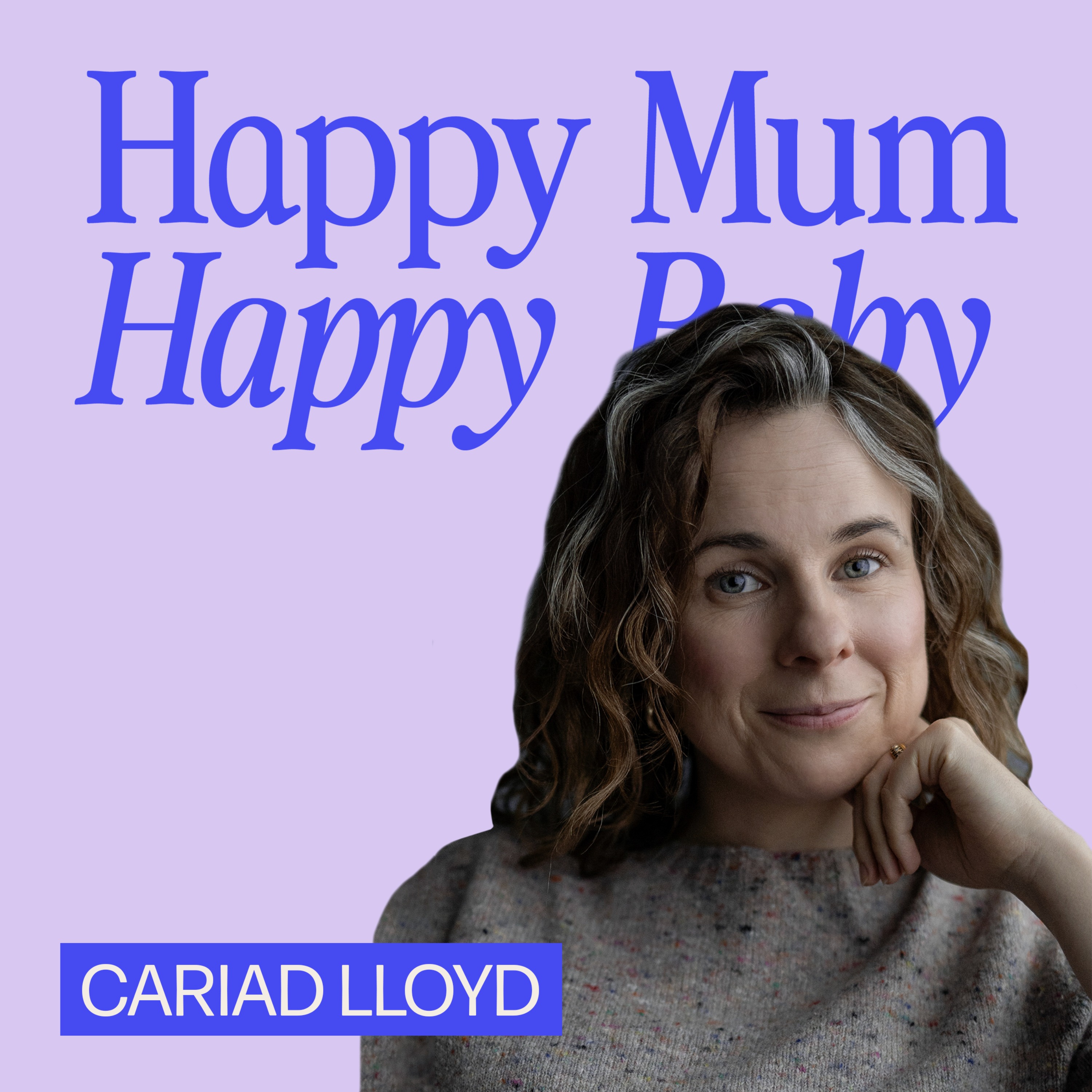
This week Giovanna is joined by comedian and actor Cariad Lloyd.
Cariad is also the creator and host of the award-winning podcast Griefcast. She shares with Gi the profound impact of losing her father unexpectedly as a teenager and how that experience has shaped her life and work.
They also discuss the importance of language when talking about death and Cariad explains how she has approached conversations about her dad with her own children.
Look out for Cariad's debut picture book Where Did She Go?, a reassuring resource for any parent worried about discussing grief and death with their little one.
Hosted on Acast. See acast.com/privacy for more information.