Ask ChatGPT
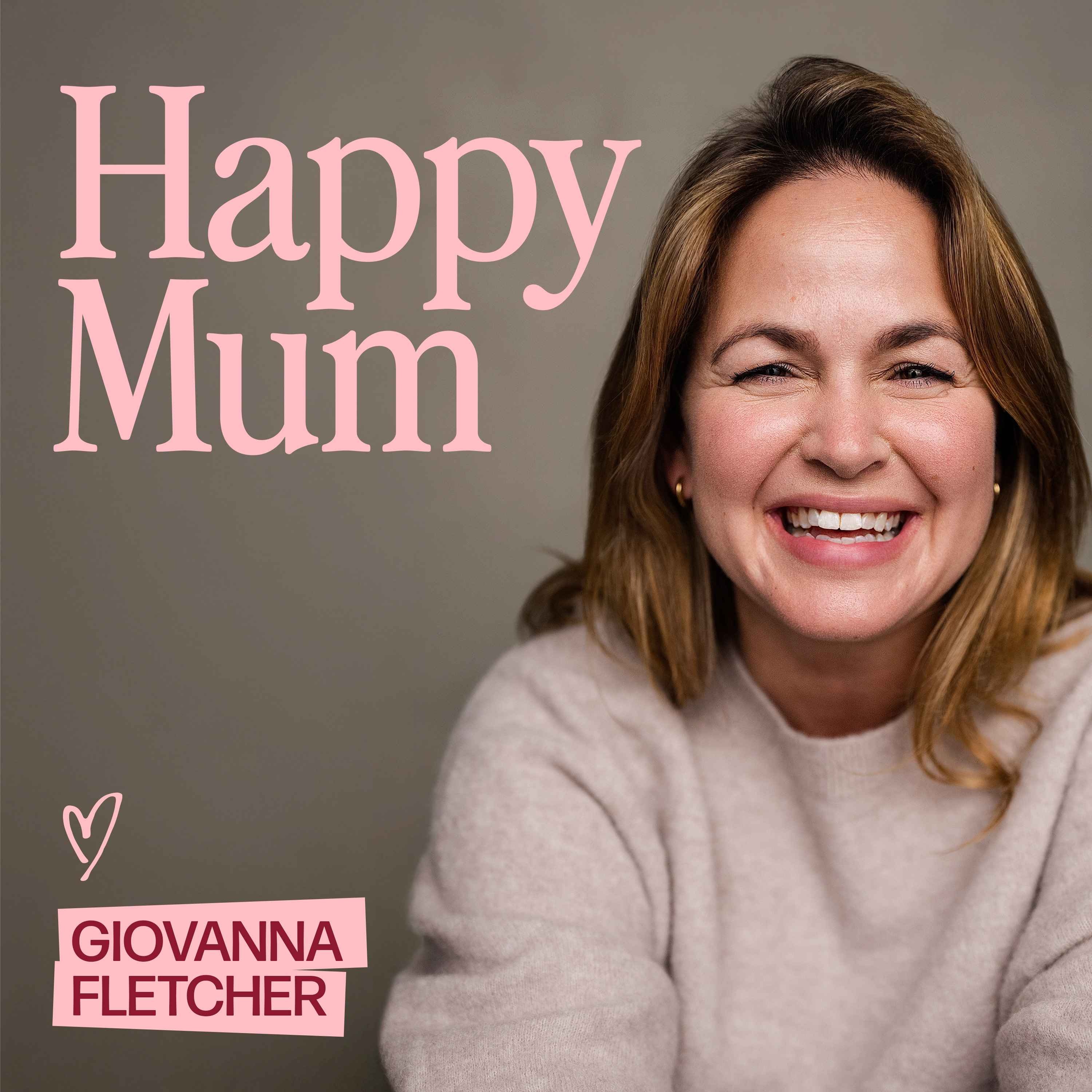

In this episode of the Happy Mum, Happy Baby podcast, host Giovanna Fletcher engages in a heartfelt conversation with Dame Denise Lewis, an Olympic champion, TV presenter, and author. The discussion revolves around the challenges of balancing motherhood with a successful career in sports, particularly focusing on Denise's experiences of professional isolation after becoming a mother.
Written by AI. May contain mistakes.

Get the gist, explore an idea or ask about something said.
 Claude
On Happy Mum, what are the key points of this episode?
Searching your listeningAutomatic transcript. May contain errors.
0:01Coming up on Happy Mum, Happy Baby At the height of my career, to have my daughter, but have the level of, I feel like, abandonment, actually. The support just fell away. There was no support in how I would transition from athlete into athlete mother. It was like, this is performance over here, and anything else does not exist. I have felt guilty, and I have felt bad that maybe I was not a good enough mother at that time to Lauren, because I was out of myself, out of my body. I was fast-forwarding to getting back on the track, to proving myself to everyone else. I don't like the term geriatric mom.
0:42I wanted to almost celebrate the fact that it can happen and maybe don't fear it. I wanted to turn that whole, what seemingly could feel like a negative narrative into a positive one.
1:04Hello and welcome to a brand new episode of Happy Mum, Happy Baby, the podcast. Today's guest is an Olympic gold medalist. She was a huge athlete when I was growing up. She was the athlete that I really knew the most about and I felt like I saw her everywhere. She's a TV presenter, she's an athletic pundit, she's the president of the UK Athletics, She's mum to four children. She's an author of a book called Adaptability, which I have been reading and absolutely love. It's Dame, because she's a Dame, Dame Denise Lewis. Hello. I love you. I'm just D. Just Denise to you. A Dame. That's just wow, isn't it?
1:49Yeah. But so well-deserved. I know I kind of waffle sometimes, but it is that thing. growing up you were the athlete it's incredible the thing is I think depending on your era you know for some Davy Thompson's the athlete for others it might be Sally Gunnell who was you know my team leader a team captain and and the woman that we all wanted to emulate yeah and so to hear that from you makes me feel really proud that obviously what I did on the track resonated it made an impact some way shape or form even though we come from both totally different backgrounds I'm not sporty you might be surprised to hear but I could appreciate you being sporty yeah and so you know it was about making the most of the opportunities in that very very obscure event of the heptathlon as it was then and just you know making your mark when it mattered that's I think how I did it basically and I love the fact that you've taken your learnings and your wisdom and turned it into a book like adaptability is um so it's adaptability seven lessons to thrive in a world of competing demands i love it because we are all so multi-faceted but we all have such different demands placed on us all the time all the time writing that book for me was almost cathartic in some ways really yeah it really was because i've been living in despite the public persona in my private life in a little bit of a state of rage.
3:24What a better word. And I'm normally quite a calm, fun, loving person. But that's what makes the rage so difficult to talk about, because it comes with a load of shame and embarrassment that you might feel that way. But so many people do have that rage, but it's then not talked about because we think, oh, I can't talk about that because I'm a calm person. People will be really actually quite shocked and disgusted that I feel like that but it's there but it is there and it's real and and the more you don't talk about it the more it intensifies to the point some days you're kind of like who have I become yeah what is this about this is not the glorious journey motherhood and parenting in particular that I envisaged you know I was a single child I had I would say borderline deprivation I wasn't you know down and out by any stretch of the imagination but I didn't have plenty yeah fast forward to becoming a mother in a lovely home I drive a nice car I have friends I have a support network and I can afford afford my life yeah because I work hard and um I have these children and I've still got rage you know and so I just had to just pause and think what am I doing so wrong well why am I feeling like I'm failing when everything I know about giving more produces better results.
4:44And this isn't happening. Or, you know, where's that book to help me? And so I just had to sort of own it and say, look, I don't like who I'm becoming, you know, as a parent. I'm just running around. I don't have time to engage properly sometimes. And it's just like a, just a Rolodex of stuff that I have to keep doing. And every minute that I'm awake, something has to be done. I literally write myself out to-do lists now and I put them on the side. So not only I can see what I'm doing, but other people can see what I'm doing. And I might add to them during the day or whatever. But it's that thing of every minute has to be spent doing something.
5:26And yesterday it was something stupid. So I had an alarm that was going off, beeping, a smoke alarm. So I thought, right, it's been going off for a week. I've not been here. No one else has done it. I'm going to do it. So I started doing it. I don't have the right battery. so now this job that should have taken me two minutes I've now got to go to the shop to buy the right battery to put it, you know it's just that thing where I know it's such a tiny thing but it just, I think for me it really showed the fact that you go in and do one thing and actually that ends up giving you another job you know and it's that time just seems to be slipping away and there's not enough for us to do all the things that we've placed on ourselves Correct, and how do you then press that pause button you know because I don't know whether we're very similar in that way that we just think we need to accomplish and get it done tick off those jobs on the list yeah but within that you have to understand that you can't do it all in a day and you have got to start delegating and I think that's that was a game changer for me I read a book by Eve Rodsky yes about fair play yeah yeah yeah and I remember crying reading that first couple of chapters where she talks about her realisation because I didn't realise it was real that this thing that I was experiencing was real that this overload and this you know compulsion just to just keep going was was there and so I I just thought okay yeah this is what some women do some women aren't brilliant at delegating or actually explaining that I'm tired and I'm overloaded and although you see the top line jobs that I do and these are not work as in paid work um and then there's a whole plethora of other jobs that are needing doing and I feel that I'm the only one getting through it what I feel like in those situations as well is that sometimes I'm the one that can do it properly it's a standard thing do you know what I mean and letting go of that and kind of going we've all got different approaches and different ideas of what is a good like so letting go of that because actually if we're constantly going that no no no that's not how you do it correct no one's going to want to help or in the household anyway not help you but help within the house and you turn the your your team you know your family off usually and that's what i found because i was my standards in their minds were too high yeah and so you end up saying, well, I'll do it for speed because I know how it's done and I can do it better and so I'll just do it and it will save time and then I can move on to the next job.
8:07Instead of, actually, it doesn't matter if it's, she's going to say it and actually eat her words. It doesn't matter if it's not right up to your standard. But as long as it's done, then we can move on. I don't know, it's that thing of, you don't want to feel like you're nagging. Don't say that word. Gosh, I feel faint already. That is just the word that is so triggering for me. And maybe stops us all from even asking in the first place because we don't want to feel like a nag. Yeah, that word. And complaining. Yeah. You're always complaining. No, I'm not. I'm always requesting help. So then writing adaptability, did you feel like you were still learning during that process of writing?
8:53Because I write fiction and I write a bit of non-fiction. That's where mum had baby come from. But I even feel like in my fiction, I learn things as I write. And that's what makes it such an amazing experience. Yeah. And also there was a lot of acceptance for me writing as well. That, you know, accepting that I have never really spoken about how I feel. People do have this perception of this strong woman because it's a label that I used to claim for myself. It's something that I think we celebrate a lot being a strong woman. But what does that mean that you sacrifice in the process sometimes? And so for me, it was acceptance that, no, I'm not always strong.
9:36And I accept that I haven't always asked for help. And so the lessons and the tools that I tried to impart were my almost almost my failings to support whoever wants to read the book to think differently about themselves. and how they go about doing things. You make the point as well in the book that, you know, during your career, you absolutely rely on other people. You have a coach, you have a team that help you succeed. Whereas in life, so many of us are just sort of going, no, I must do it all and I must not ask for help. And not seeing the beauty that can happen, actually, if it's not just claimed by yourself.
10:15Yeah, yeah. And again, that was a revelation to me, thinking I'm so wise and worldly. and realising that the contrast from the working woman to the wife and mother at home can be completely different sometimes but, you know, in the same time I think I did lean into the working Denise, working woman Denise, into the home thinking I can do everything, I can do everything because I'm used to pushing my boundaries, I'm used to excelling and doing as much as I can to make things better and feel like I've reached my peak. Yeah. Now, we talked about your childhood a little bit when you were talking about your mum, and I know it was completely different to the life that your kids have now, but you grew up in Wolverhampton.
11:02You were the only child. What was life like back then? Simple, I guess, because I think I just fell into line and life of what my mum expected and needed from me. so it was very much you know you wake up you do the small routines so you're making your bed you know you're brushing your teeth you're doing everything right and um when she needed me to go shopping with her I was there because there was no one to stay at home and look after me so I was her I just accompanied her everywhere yeah until you know I was in nursery from a very young age young age my mum worked full-time and so we had a daily routine so she picked me up from nursery go home prepare food very very simple yeah and only things changed I think when I started to introduce sort of athletics into my life and then my evenings became sort of my own and I took ownership of my just my my life a little bit in a different way I know it sounds really crazy but But my mum will also echo that my athletics was all about my determination and I wanted to do it.
12:16So the ferrying me. It's one of those things, isn't it? You can't force a child into that. Like that has to come from within that drive, that determination. Yeah, for some. You know, you've heard people like Andre Agassi talk about his father's desire, Tiger Woods' father's desire and the Williams sisters' desire. So it can be done a different way. But for me, it was very much, I love this. I want to do this. I'm curious about, you know, the end result, which for me was the light bulb moment of the Olympics, watching it on TV in these long summer months. And this week we talk about the power of sport, you know.
12:54We've all witnessed the Lionesses. We've got the Women's World Cup rugby just on our doorsteps in a minute. And so it's that power of sport that attracted me to the whole dream. And so every week, without fail, I was there. Yeah. For me, growing up, I had acting and that and performing, and that was a bit of escapism. You know what I mean? Was sport for you the same thing, kind of having that focus, kind of nothing else exists other than that when you're doing it? It was a feeling, for sure. whether I was on the school's sports playground or when I went to the track it just felt it was passion it was a feeling of feeling free feeling like I was testing my body in ways that I couldn't imagine escapism I don't know about that but it was something to do and a new community at home I was on my own apart from my little cat um but I was home and I was on my own and so being out with people people my age mixing with others was just was glorious for me yeah was there a point where you suddenly realized oh this is actually going to be my career and this is what I'm doing much later because it was still very much um an amateur sport for so long um it was supposed to be a pastime and a hobby.
14:26It was never a career pathway. It was just something to do, but do it really well. And so probably not until I was turning 20 did I realise that actually I could get paid for this, you know, a little bit. You know, you saw the likes of Linford Christie, Sally Gunnell, you know, having contracts and sponsorships. And so that's when you think, okay I could make some money from doing this yeah but it has given me so much more because it has given me a career in a different way and it allows me and has allowed me to to diversify and into other areas in of careers and so I feel very blessed by that very innocent passion yeah that has now blossomed into something more yeah you've talked about um before about when you got pregnant with your daughter and how there was just this sudden switch from the career from the people that supported you and at the time there were no other female athletes becoming pregnant and having families that must have been so tough to go through well none that i was aware of yeah you know it was very much a case of um my goodness most most women got to the end of their careers then they made the choice to have children or not um and so for me at the height of my career to have my daughter but have the the level of um I feel like abandonment actually um the support just fell away and there was no conversation there was no signposting there was no support in how I would transition from athlete athlete into athlete mother do you think that's because Because they just didn't know then.
16:19They hadn't done the science and the research or anything like that. Definitely. I'm literally a product of an era. Yeah. You know, of just no one talked about those type of things. And whereas now, you know, I'm sure there are athletes that when they get pregnant now or are thinking about it, there are other athletes that they can look at or speak to. You know, you can slip into someone's DMs. You can be contacted somehow. Totally. Whereas back then you wouldn't have necessarily had that. No, not at all. So the network is so great, so much greater now. Last year at the Olympics, there was such an emphasis on...
16:51The mums. The mums. Yes. And the dads, to a little degree, but on the mums competing and how some were bringing their children into the Olympic village. And this was just like a no-no back in my day. It was like, this is performance over here and anything else does not exist. and um I I became quite emotional again at one stage just thinking how it could have been so different um I didn't feel like I was thriving I felt like I had to be more stoic more strong just to prove people wrong that I can be serious I could be serious um as a as a mom I'd still train as hard. I would still work and be ambitious and have aspiration in my career as opposed to just becoming this light, fluffy mum who can't manage.
17:46Yeah. Had you had a break when you found out you were pregnant? No. You were still. I was still. So it must be difficult in that period kind of going, well, this is a chunk of time where I am pregnant. They're probably not going to let me compete. Yeah. So what does that look like? That space where, again, you know, it's like, well, my body's going to change. Remember, I'm not having a conversation with my team doctor about, you know, how long it's going to take me to get back. It was just, you know, we'll see you at the other side kind of thing. And even then you don't know what your recovery is going to be like the other side.
18:23Nothing. And, you know, our local GP, God love them. They don't know your body in the way that you do and what a body to be an athlete takes. Absolutely. And I'd lost my coach and I say lost, but he literally was so unimpressed that I was pregnant and he felt that he couldn't work with me during that time. So he just said, no, you're off. I got red carded, basically. I'm laughing now. Have you seen him since? Yes. We're good friends since. We've broken bread. We've talked about it. You know, he said he was wrong. He was so... It was just such a shock for him. I mean, indeed, it was a shock for me.
19:08Sometimes we react in ways that aren't... Yes. You know, we look back. With no compassion. You know, he didn't have any compassion at that time. And actually, what you just said, that it was a shock to you to be at the height of your career at that point and to kind of have... That you've worked so hard towards and to suddenly go, oh. Yeah. like what was that like forget about the coaches and everything like that that that moment it was will my body be the same will I be able to do what I love and just waiting so there was always that sort of fine line between I'm so excited about this that this is a real I'm honoured that my body is going to have an opportunity to do this and a little bit of fear as well and I know that goes together with with any mom actually yeah you know so those those emotions are still real but my my sense after giving birth was very much can my body perform at its highest again because I rely so much on my body that is such a massive pressure yeah and it's it was a lot of pressure and maybe did I don't know whether I skipped anything but I I just didn't know enough yeah I just didn't know enough so during your pregnancy were you trying to be as active as possible yes yes I was I was still trying to jog and I did jog I was in the weight room I had very basic information about you know lifting above your head yeah overheating so all the practical things that you need to know but again it's it's the timeline post you know postpartum you know how how much time does one give oneself when you're on the clock, basically, contractually from your sponsors, timelines in terms of competition, you know, those dates are already set.
21:01But you don't know what your body's going to do. I can remember going for a walk simply because I'd seen online that other people are going for a walk and I thought I should really go out for a walk and having to stop because I felt like my insides were going to fall out. You know, you don't know what your body is going to do in that time, but it is so important to listen to your body. And I wonder, actually, if as an athlete, you do have that skill of knowing what's going on in your body and kind of going, well, I'm not going to push further than this. Yes. But then you also at the same time, you're thinking, but I know I need to push more than this because this is not enough.
21:31Yeah. And so I remember that first sort of track session back, having done sort of like general preparation. So in the gym and circuits and, you know, that first running session, you know, I literally felt like a duck. I just couldn't, you know, the feet were going all over the place. They didn't feel like my rhythm, my foot placement. It was just so alien to me. And I was just thinking, my goodness. And I remember at that time I was thinking, I've got literally nine months before I'm about to put on, you know, England or Great Britain kit again. So I just need to get my act together and get moving.
22:09So it was just a weird time. And also, well, I look back now at my parenting and Denise the first time round. I was in such a rush to become an athlete again because that was my identity. You know, Lauren went everywhere with me, but my brain was so focused on getting back. Yeah. How do you feel looking back and knowing that that was where your head was at? Like I said, I've made a lot of peace with myself. Yeah. And, you know, subsequently having my other children and particularly Troy now having him at 46 and how much time I spend with him, not rushing my time away and enjoying those milestones.
23:01I do I have felt guilty and I have felt bad that maybe I have not been I was not a good enough mother at that time to Lauren my first daughter and my only daughter and because I was just I was out of myself out of my body I was fast forwarding to getting back on the track to proving myself to everyone else yeah we had Arlene Phillips on with her daughter Alana. Yeah. And so Alana had just had her little girl and they were both on together and it was really fascinating because Arlene basically said exactly the same as you've just said. You know, I felt guilty two weeks after a C-section, or less than that, she was on a plane going to somewhere.
23:50I think she was literally choreographing, I'm still standing for Elton John, something like that. And Alana turned to her mum and said, absolutely not like do not carry that guilt because I went everywhere and I did everything and I could see you know what you were doing for me and and I think we all have to let go of that guilt that doesn't serve us because you gave Lauren something that no other parent can give her yeah and it's all still driven that you're providing and you're still doing all that stuff for the family yeah yeah she's an interesting one my daughter because so building on on from that you know then I have other children yeah and I did spend more time with Ryan my number two because I had retired by then and I just I was just in I thought I'm gonna I'm gonna do this motherhood properly I'm gonna stay at home for a little bit and make sure I'm there for everything and then I had Cain and so it always felt like maybe she didn't have enough of me and only me because then I was really in the rat race because I was literally I'm working, careers changing I'm flying and moving around creating a home she's at school so that quality time and of course we did family holidays but it was always she's still got the brothers and sometimes if you're the easy child, you know what I mean?
25:24You don't get the focus because actually these ones have to be entertained, but you'll be fine with the book. Do you know what I mean? It's a very, very different thing. Yeah. I don't know. So it's, you know, I don't know. Motherhood is, yeah. I think you called it already. There's so much second guessing sometimes. Yeah. Guilt. Shame sometimes, but not really, but it's the guilt. And we know we talk about the mummy guilt and how we could do things better. But we're all just trying to do as much as we can to the best of our ability with the time that we have. And so, yeah, and I think I'm learning that.
26:06And it has taken this long to get it. Yeah, to get it and accept it and be good with myself about it. When you look back at that time in your career, can you look back on it with pride? Is there a touch of kind of feeling torn still when you look back at it? It was such an unhappy time, if that makes sense. You know, I was going through so much as an athlete versus what felt like the rest of the world, not being present, in mind present, mother, relationship breakdowns. So, you know, and that was, again, personally and professionally. And so I don't look back at that time with fondness, if I'm being really honest with you.
26:55My coach recently, he's been going through his garage and, you know, cuttings and whatnot, paper cuttings that he's stumbled on and articles. And one of the headlines, which, again, put a lump in my throat, where I describe not enjoying my reign as Olympic champion. Really? Yeah, and it is all about what we've just discussed. It's all about that whole change, feeling guilty, trying to prove myself and not being. And so I admire the athletes of today that can step back and say, this is actually too much and I'm going to just do something else for a little bit. But I mean, also the flip side of that, To have you talking in that way back then would have been huge.
27:46Yeah, I think so, but I'm not even sure. You remember women's... I can't explain women, sportswomen, weren't really headlines. You have to remember that, really. It would have been a footnote on the back page somewhere. So I don't know how much traction that would have got. But, you know, if it was on my Instagram now, I'm sure it would have gone viral. but yeah I yeah it made a had a lump in my throat but I'm pleased and proud that I've managed to recover from these things yeah because recovery is everything yeah and talking to Lauren about it yeah I mean a kind of I think that's and maybe that stuff happens as our children get older as well kind of looking back and being able to reflect on it together because I think sometimes we are so hard on ourselves.
28:33And also, as kids go through puberty and all that stuff, I'm sure they're hard on us as well. Oh, that's a whole new podcast. That's a whole new podcast. You've had three go through it now. My boys bring me to tears. No. Oh, yes, they do. Oh, no. I love them dearly. I love them dearly. But sometimes they are horrible. Horrible to me. I've seen the sudden switch sometimes when I ask the eldest to do something and they just go, no. Yeah. I don't know what to do with this. You don't even see me, you know. And, you know, as a parent, you know, I still watch my children, you know, I watch them eat and I'm looking at the balance of their food and they just want to be young men.
29:20Yeah. And they want me just to be in the backseat and shut up. And I'm going to get there. I hope. It's so hard when you're devoted. Yeah. Decades. Decades. Decades. But it's sometimes real. It's not every parent. Yeah. It's just I have children that really are pretty self-assured and confident. And so I've probably made them that way. Right? But it's difficult. When we look back at our childhood, my kids say stuff and I'm like, I would never. But I know that my dad would also say about us, I would never, you know, talk to my mum in that way. So it is that thing where maybe every generation is feeling it in some way.
30:07And also because that behaviour is usually displayed in the house, it makes us feel like it's only us. Correct. Yeah, totally. Because I know when we're out and about and we have a lot of fun together. Yeah. So, what is it about the home that compounds all this energy? I like to tell myself that basically it's their safe place where they're allowed to sort of switch off so they don't have to be. All of us have to be a certain way, don't we, when we step outside. Whereas when they're at home, they can just go, and then the devil comes out.
30:42That's what I like to tell myself sometimes. They just feel so safe at home that they can let it out. I think I need to listen to more podcasts. I think you do. I think I really need to listen to more podcasts to actually keep reassuring myself that you are not alone. Yeah, absolutely. And it will be all right. Thank you. It will be. It will be all right.
31:14How did your pregnancies differ? because obviously in one you know that you want to compete, in the next two you're not competing, and the next one you actually think you're in perimenopause, so that's quite a surprise one when you're 46. So how did all of those differ to each other? I think, where do you want me to start? Number two? Yes. Number two, easy, again, easy baby as well. Did you feel that's because the pressure was off? Yes, definitely. I had all the time in the world. Yeah. All the time in the world, this was now my new brand, brand mommy. And so I was determined just to enjoy it and just ride the wave.
31:56And, you know, I was not going to do as much as I did with Lauren in terms of I bought Lauren everything. Really? You name it. If it was on the market for babies, I would have bought it for her. So I was smarter in terms of my purchases. Yeah. But in terms of my time, I was absolutely more there, more present, more giving. It's that thing of, you know, when you're having your first think, when you're told this helps them sleep, this does this, this does this, you're just like, yes, yes, yes, yes, yes. Yeah, despite all the books. Yeah. No podcasts or anything back then. You know, but the books I read cover to cover.
32:29Yeah. You know, how is this going to work? How is that going to work? Yeah. This is what you ought to do. This is what you should do. But that book isn't working. Why isn't it working? She said if I did this. They hadn't read it. That's what I always say. They've not read the book that tells them how to act. Correct. And so then Ryan was easy. Got on with heavy baby, very holistic, beautiful pregnancy. Really? Delivered him in a birthing pool with music, aromatherapy, and just lovely massages from my husband. It was just really what you envisage a pregnancy or a birth should be. Was it very different to the two previous ones?
33:13It was very different to Lauren's. Yeah. Yeah, very much so. She was epidural because I thought, gosh, the pain. Everyone's talking about the pain. Don't feel the pain. But the epidural didn't work. So I have like a septum. So I only got numb on one side of my body, which actually isn't useful. So I was having these weird sort of contractions, but it didn't work. And I didn't come off my bed. Really? That was the first thing. Right. So it wasn't great. She had a vantouse. And those days, it was really like a whole cap. Yeah. And so she had a cone head. So poor child, poor baby was in agony when she came out.
33:55So that was difficult. Good baby. Ryan, easy, nine pounder. But he came out with a push. Yeah, but he got, he came out. Still an epidural or no epidural? No epidural, gas and air. What made you kind of go this time around, I guess it didn't go right. Well, it didn't go right. More knowledge that you are, moving is good. You know, if you can move, I'm trusting the body's ability for me. Yeah. Great midwife environment just made me feel good. And so I believed I could just breathe it out. So gas and air and, you know, listening to my body. I did pregnancy yoga as well, which was great. So that whole controlling the breath and pain helped me massively.
34:42Also, lovely to have that little bit of time each week that's yours. Yes. I loved pregnancy. Yeah, it was really good. Cain was, again, easy pregnancy. I've been so lucky with my pregnancies. They've been great. So he started off in, he actually came out in the water. So he came out in the birthing pool like a little torpedo. So that was amazing to witness that. More challenging baby. Really? Definitely. Did not sleep. A wink. He nearly broke me. Really? Just physically, mentally, because he was latched on what felt like every minute of every day and wouldn't sleep. How much time did you give yourself off with those two pregnancies?
35:30With Ryan, I had a good sort of year because I was just transitioning into whatever I was going to do next. Yeah. Working part time. So I hadn't found my feet yet. Yeah. And so I had time. Yeah. Kane followed sort of two years later. Yeah. So it was just all good. And then I started working for the BBC in sort of 2009. So I'd had three children. You know, Lauren would have been seven. Yeah. Yeah. Yeah, so it was busy. But when you're doing things like that and, you know, it's live TV, one thing I always think is if you're a mum, not having had the sleep. You know, if you've got kids that aren't sleeping, that's a very difficult thing to kind of go, and I'm on, you know, and I know everyone's names and all the things.
36:19Yeah, but I was much younger and much more capable. I was fit, still relatively fit. and so I felt I had a reservoir of energy and sort of coping with not that much sleep but I did it. Kane I had to give over to my husband at the time because he was difficult. It was just unsettled and that was a bit of a curveball because Ryan and Lauren had been so good. You know what you're doing. You've done it before, it's fine. Yeah, and travelled with them both. I was never a stressy parent. I didn't stress much. Again, big arenas, you know, handled pressure. So what's parenting? That's going to be a breeze.
37:08But Kane was difficult. But, you know, fast forwarding to Troy at 46, I would say the biggest difference between the Lauren experience where I was in a rush to get back to competing, I was equally in a rush to get back to working. Because I love working, you know, live television. It's just thrilling. Yeah. But it felt like it was on my terms. That's good. As opposed to, you know, feeling the pressure of others and the expectation that I was a competing athlete and I ought to be back in that arena. I wanted to be back, but I was determined to do it my way. Yeah. And with that, you know, the wealth of experience I had as a parent, I felt I could.
37:56Yeah, absolutely. So I've had a really glorious time with Troy at 46. I feel like I've defied what being a geriatric mum is supposed to be. Well, so after having the older three, were you, in your mind, were you like three and done? Or were you just, was there a part of you that thought, well, maybe there's space for more? I love babies. Do you? I've got to say, I do. I think all that hope and enchanting, you know, everyone just stares at their babies. But, you know, realistically, I had lost a baby in between and I didn't feel I was completely done. And so when that yearning started to really consume me a bit more and, you know, the husband's eyes were rolling back, here we go again.
38:53It was it was definitely kind of like, no, I do want another one. I think I can do it. I think sometimes a loss can really it can really settle that for you. Yeah. Which camp you're in, like, do I want more? Or actually, am I sort of happy as? Yeah. And there was a lot of soul searching because, you know, again, it's like you've got three healthy children. Do you really want to upset the balance of everything? But I did. And, you know, I honestly don't regret it. And I'm not going to say it's easy all the time because it never is. You know, while I watch my 50-somethings, you know, living their best life and going off and free and their children are doing their thing and they've got what they claim as their lives back.
39:45I'm still on the school run and I know I will be for the next, what, 18? No, 10, 12 years, you know. We were talking about this earlier, how long we actually are going to be spending on the school run. I know that I'm going to be doing it for 19 years. 19 years of my life on the school run. how long do you think you've been doing the school run? I'll be literally half my life. That's great, isn't it? Half my life. There's got to be some t-shirt there, isn't there? Yeah. To wear. Half my life on the school run. Yeah, but I'm doing the school run differently. Are you? Because I'm more, I'm all up in myself at the moment and I just kind of want to retain a semblance of me again because I am in my 50s and my tolerances to certain things are less.
40:38And so I am doing the school run differently. I made sure that I told all my parents that, you know, I'm slightly older. It's not my first rodeo. And I possibly won't be engaging in some of the activities. Troy didn't like parties for the first couple of years. Really was nervous. Didn't like it. Was a bit overwhelmed. and so I got out of that as well. Have you ever been the class rep? No. Four children have been able to get out of me in the class rep every time. I've swerved that. I've swerved it. I've seen the devastation it can cause. I've been very clear. I've been like, guys, I'm not the one.
41:25I will let us all down. You know, I am. Please. Every child will not have their wellies when they need them and I'm so sorry. I know, I feel like I'm due. I should really do one before the last hurrah. Heard it here first, year three. It's going to be the last year.
41:49What's that group's going off now? It's literally, I can't wait for that one. We'll be going into London most of the time, you know. The parents will be like, come on ladies, let's go. No, no one wants to see that. Was it weird when you fell pregnant with Troy, having the emphasis of you being pregnant about your age? It didn't get tiring, but I felt like, I'm going to champion this. Really? I'm championing the hell out of this. A, I don't like the term geriatric mum. Well, it's ridiculous, and it comes from the age of 35, I think, a geriatric mum. Yeah, 35, 39, something like that, but it's so unattractive.
42:26I wanted to almost celebrate the fact that it can happen and maybe don't fear it. So I wanted to turn that whole, what seemingly could feel like a negative narrative into a positive one. Well, I mean, I look at you and I look at Tana Ramsey and I just think, you know, You are both leaning into motherhood in a very different way to what you had at the time with your firsts. And it feels like you're able to really enjoy that time with your youngest ones. Yeah. And, you know, I talk about lockdown. I can talk about how that really made me get to know my baby, you know, and gel and let him settle into his family.
43:15Yeah. It's like this, get to know each other instead of everyone sort of being out and about. And we were a unit, we were a proper unit and he just got the best of everybody. What was it like seeing the elder kids with the youngest? Kind of beautiful. I think they saw themselves in him. Like, you know, this is what mums do. They nurture, they love, they're micromanaging, if you like, in a positive way. and then nurturing, you know, and I think they got a snapshot into what it must have been like for them as babies. Yeah. And they thought, I couldn't believe how small he was. You know, that was so beautiful, you know, the opening his fingers and looking at his fingers and obviously being very disgusted when they saw the nappies and a little bit of the vomit.
44:08So it's like, you know, they got to see things, which is a great experience. And they adore him. They absolutely adore him. We talked about your body in the first three pregnancies and how they fared with the pregnancies and then the birth. With Troy, what was that time like? Body has been amazing for me, but I was really conscious not to overtrain at all. Really? I didn't feel like it, to be honest, especially during my pregnancy. So I did very, very basic, simple exercises. sizes so I didn't run at all so I walked on the treadmill you know slight slight elevation every now and again but really simple very small sort of dumbbells bands but just everything just ticking over it was about you know the rounded approach to staying healthy yeah thankfully I don't have crazy cravings I'm I'm really lucky I have good pregnancies and hence why I've done it four times I guess and so I enjoyed I enjoyed everything about it and getting my body back I was more determined again because of my age but I had to invest a bit more time really yeah how was that different every time that the recovery I guess the first time around you were so focused on you know what you what you were going to do yeah I think with Ryan um I was at the stage of enjoying, you know, marital bliss and cooking with butter and showing off, you know, my creative mummy skills.
45:44I was putting on weight. Yeah. And I was fine with that for a little while. And then I was like, that doesn't feel like me. And so then I started to address that, but never really, you know, I think we're not talking about the horrible D word, never dieted. to just start to eat just a bit more sensibly again. And less wine. Just a little bit less wine. Just a little bit less. Less, not done. Yes, yes. That's where we go. No, that's not my life. And with Troy, it was very much based on lockdown. Yes. But there was nothing else to do. Yeah. So I got back into my training and sometimes training twice a day, online, catching up with my friends.
46:25We'd do little circus in the garden. you know obviously remotely and I found the bug again yeah for exercise in a different way that I need it it is my go-to it's my go-to for stress it's my go-to for my own physical wellness yeah and so yeah I realized that this is me I am a sportswoman I love my body and I love to feel sweaty I love taking on challenges they make me feel alive yeah and it's okay it's not for everybody yeah I've also found a new love for walking which I never had before and that's my calm moment because we need the balance yeah absolutely what was your birth like with Troy was it in lockdown just no no no before lockdown 2018 again it took me a long time to settle on where and what to do because I'd had both, you know, both experiences of not so good and amazing.
47:25And because of my age, amazing wasn't an option for me. I couldn't go into the birthing pool again. You know, I had to have a consultant-led process, which grated me. And so it just took me a while to settle on where I was going to have my baby and how. So I hardly did any of my antenatal clinics. I just didn't bother. like you know having having done it in a pool and been relaxed you know how much of that is being in the in a positive mindset how being calm and and actually if you're already in that state where something's happening that you're not comfortable with and you don't want that's really going to like mess with that a little bit totally totally so I did just sit back and just let the body do what it needed to do okay I took you know obviously the screening um at vital times But I felt good and I was going to trust that I felt good throughout.
48:20And, you know, I had a positive attitude to the whole process. And so, yeah, I went into the hospital. Again, a totally different pregnancy in terms of, you know, Lauren had a partial rupture. So I started, my water started to break, but not the gush. It was just a trickle. The boys, Ryan and Kane, were very much in the hospital. You know, waters break, contraction start, we're on. With Troy, it was waters broke and nothing. Really? Nothing happening. 24 hours. And therefore it was like, okay, you're going to have to come in now and we're going to have to start your contractions for you. And I was like, no, because that means I'm having a C-section and I didn't want to do that.
49:11So I was kind of willing this baby out. I was walking. I was, you know, you know, walk to the hospital. He will come out. But no, in the end, they had to just intensify my contractions because it wasn't happening. So I had a couple of scary moments during giving birth. Yeah. The heart rate dropping. Then the, you know, almost like drama. where everyone bursts through the door and it's like, are we going to take her down to surgery? Are we going for the C-section? I had a little tearful moment because I was like, just as long as the baby's okay, that was fine. Please, I don't mind having that C-section that I really didn't want.
49:51But there was one consultant who came in and then looked at me. He's like, I believe you can do this. And I did. And it was, again, the most magical thing when I saw him. It's like, thank you. Just thank you for blessing me. Great gift. Also, having a baby after a loss is that thing where, you know, I think when you've had three children without that, not that you would ever take it for granted, but it really does kind of make you go, aren't I lucky? Yes. And you're so much more aware of what can go wrong. Yeah. And that you can't take anything for granted during that whole process. pregnancy, giving birth, it is really, really, it's a big deal.
50:40Yeah. It's a big deal. And sometimes you're just not in control. Mm-hmm. And you have to accept that. Is that difficult as an athlete? You know, that control not being there. Well, I think the difficulty with an athlete is always you think you can. Right. And actually, sometimes you can't. Mm-hmm. And so I think you have walking that line for yourself all the time and understanding when it is time to let go and let someone else take control who might know more and do better for you. What would you say has been the toughest stage of parenting?
51:20toughest in as much as i think when the children turn 18 there's this final this almost kissing goodbye of of don't use the control but that connection in a way that you've always been there and you have to literally give them to the world and i remember when lauren turned 18 I sobbed really? yeah I cried because I'm like this is this is really as much as you think you can protect them you just can't they get to an age you just gotta let them be how's your relationship with your mum changed over the years? oh that's an interesting one because my mum always said I was always said that she never felt that I was going to stay at home really?
52:11thought that my wings were always there to flap and fly. And I think we've got better because she has allowed me just to be without putting too much guilt on me. Because, you know, when you're an only child, there is an expectation that you, you know, you need to be there. Yeah, yeah, yeah. Everything's on you. Everything is on you. And so she's had to make peace with that for herself. And my relationship with her is a good one now. Yeah. It's always been good, but it's even better now. I think because she's been there. Oh, my gosh. She is my go-to person for childcare support. Yeah. Advice? Not always.
52:58Not always. And not because she hasn't wanted to give it, but I think sometimes I've felt that her ways has not evolved enough for the current modern life that we lead. and so you know I felt sometimes that she's judged me harshly but I'm like mum I have to be I have to be nimble with this level of parenting now and so maybe that way is not going to serve me in order to help these guys. Does that give you some level of reassurance of you know the fact that relationships are ever evolving it might be that this intense mummy stage of your life has you know It's starting to come to an end with the older two.
53:39But actually, there's a whole new chapter waiting for you that will still evolve as their life changes. Yes, completely, because I think back to my teens and how stressed out my mum was. And I think I was quite good, to be honest. And we all say that. And so, yes, you're right. That moment where I know we can be two adults together with my children, the adults, and enjoy each other in a different way, gives me comfort because it has been a challenge the last sort of four to five years with the older ones. Yeah, it has. It has. It just, you know. It must be so hard when you're so used to, like, them being the ones that give you all the kisses and the love and having those memories of, you know, how actually different and magical it felt when they were younger to be that really there present mum to kind of feel like you're losing them.
54:31And I know it's hormonal. I know there's all scientific research about why that happens, why they've got to detach from you and feel like you're annoying and, you know, that everything you say is wrong. I know that there's scientific base, like scientific stuff around that. However, it's so heartbreaking. But it doesn't, yeah, you can apply all the logic and all the science, but, you know, we are feeling people. We have feelings. We have emotions. And sometimes the logic and the emotional heads, they're not on at the same time and so naturally you the pendulum swings right but you know eventually that in the logical kicking and that is yeah they have to grow they have to we can't scaffold them all the time we can't think for them we have to let them be and let them grow and you have to then turn inward a little bit more which is what I've been doing the last few years turning a bit more inward and thinking about how can I be better a better person so we can have better communication ultimately um even when you do blow a fuse or you know the relationships are strained i think if you're if you are you know self-aware and show some vulnerability you know as parents you always sometimes you know i'm right and that's it you know if you show some vulnerability and and open those channels of communication you will get there yeah if you could write a letter on parenthood who would it be to and what would you say oh my goodness I love your questions I'm thinking whether whether a letter to my actual mom yeah mom or Lauren I think those are my the two that really springs to my mind um Lauren again it's it's part of the the work that I would I would write to her and explain to what motherhood feels like and how it felt like for me and what I would hope I could do better or hoped I could do better, but what she has given me in terms of perspective.
56:39Because I think that's one of the best things I've gained. Not everybody wants to be high performers and competing and competitive. Some people just want to be. Yeah. And that's okay. Yeah. Do you carry a lot of guilt when it comes to Lauren? Still? Or do you feel like you're forgiving yourself? I'd say I'm still a work in progress. Yeah. I think we've got a lot of conversations that are yet to be had. Yeah. And maybe that letter would make, I guess, a really good bridge. for her to understand just what it might be like. Yeah. And maybe vice versa, you know, how she felt. Still haven't got there on that one.
57:33Yeah. It's funny, I talk to, you know, we joke with my mum sometimes about some of the things that, you know, she did when we were younger. And we are absolutely joking. We had an amazing childhood. Like, my mum couldn't have done more for us. She really could not. However, we'll poke fun at the things that, you know, that when we used to leave somewhere and we'd get into the back, and we might have had a bit of a rather, or three of us, we'd always squabble, and we'd get into the back of the car and we'd just feel the tension and mum would start clapping. Yeah. Well done. We're not going there again.
58:07Little things like that that we really all laugh at. You know, we find those things funny. That was our childhood and mum did what she could. But, you know, if mum said, you know, if she was taking us on the bus somewhere, because for a long time she didn't drive, if she was taking us on the bus somewhere and we were squabbling, she would say to us, I'm going to take you home if you don't stop. And if we didn't stop, we would get off the bus and go home. And I really love and admire and respect that. But when we do poke fun, I know now that it does make my mum go, I was trying my best. Yeah. You know what I mean?
58:38And that does hurt my heart because I just think this guilt that we carry, it doesn't stop. It doesn't stop. We just carry it forward. Yeah. And I think, you know, I'm just going back to my mum a little bit. She recently went to Bali and, you know, it was like a yoga retreat with a difference because I think it was, you know, a bit spiritual as well. Right. So she danced, she chanted, she cleansed waterfalls, she went to temples. She lit fire to the shame, literally burning fire. Broke down 20 women, broke down the things that she wished she could change her life or things that she wished she'd done better.
59:28Spoke about her journey. My mum never spoke about her journey. Really? Always living in shame. And perhaps because she was a young mum, society had made her feel that way. But she got rid of it all. And that for me was, again, this feeling of being able to exhale for her. Really? You know, really just incredibly proud of her journey and that she'd got to this point where she knew she had to do the work in order to free herself. Also, that's a difficult thing, isn't it? Because in some ways, I'm like, if we all just did that earlier, then we'd be free of it earlier. But I think maybe we have to carry things for as long as we do to make that release what it is, to actually come to terms with it or to process it or to see more of life so that we can go, that's not, that's not it, that's not.
1:00:26what life is. Yeah. I don't know. But, you know, it would be nice if we all could go in our 30s. Yeah. That's, I mean. Let's get rid. Completely. I mean, the one thing she said to me, she said a few things about that experience, but she did say to me, I just wish I hadn't lived in so much fear of what's around the corner or what people think of me. Yeah. Because it just prevented me from doing so many things. Were you aware of that when you were growing up, that you felt that way? Not really. but I felt it for her if that makes sense I felt are you really living or just surviving and I remember feeling I don't want to be like that and you know if you look sometimes I try to maximise every opportunity I have I feel that's my daughter responsibility for the life that perhaps my mum didn't have, wasn't able to have, that I want to grasp as much of it and take it with me, take it forward, relate to her as well.
1:01:38And I hope, you know, one of my hopes I know is that my kids understand that it's there for you with a certain behaviour. Yeah. Might not take you to the White House or have other glorious highs, but it can be enriching. But I feel confident that one day that my daughter and I will have that deep, deep conversation. And for me, maybe I can put to bed some of the feelings that I know I have about her. But she's still young. We've got time, hopefully. Loads of time. We end the podcast with you completing three sentences. The first one is being a mum means. it means it's me plus. Yeah. I love that.
1:02:30Yeah. Yeah. Since having children, I? Definitely less selfish. Mm-hmm. Good thing. Yeah. And finally, I'm happy when? I'm happy when they're all together, when they're all together and they're eating. because they like to eat. That's generally the one activity that everyone does that no one argues. Yeah. The same in our house. They're eating and it's blissful. Yeah. Denise, thank you so much. I've loved this and I've loved the book. Not quite finished, but I've loved it. So anyone that wants to pick it up, it's Adaptability by Denise Lewis. Dame, Denise. It doesn't say Dame on the cover. That was intentional.
1:03:13Really? Yeah. Why? People know me as Denise and Denise Lewis and they understand that. You know, the Dame Hood, it's just solidified, you know, how the committee felt about me at the time and the work that, you know, I've done in sport. But this is about Denise the woman very much more than Denise the sportswoman. Yeah. It's lessons learned about womanhood. I love it. Thank you so, so much. Thank you.
1:03:48Oh
Olympic champion, presenter and author Dame Denise Lewis joins us this week for an inspiring chat about balancing ambition and career with motherhood.
Denise discusses the lack of support she experienced in the sporting world when she became pregnant at the peak of her career.
Plus, she recounts an unexpected chapter in her life when, at 46, symptoms she attributed to perimenopause were actually signs of her fourth pregnancy!
Hosted on Acast. See acast.com/privacy for more information.