Ask ChatGPT
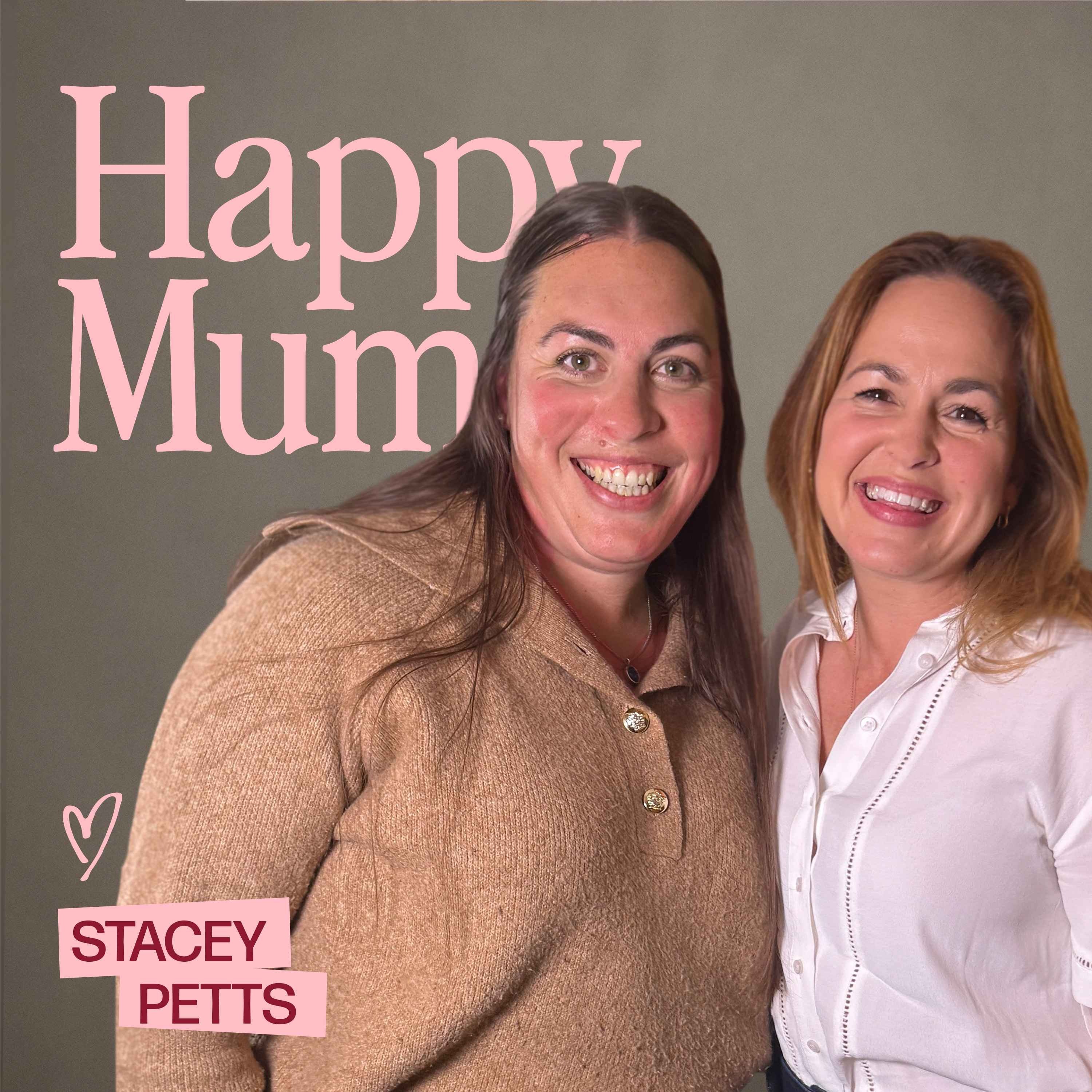

How midwives support families after pregnancy loss or birth complications, emphasizing that grief and communication needs vary, and that “duty of candour” should prioritize the family—not institutional learning.
Marley, a midwife with ~17 years’ experience; originally studied digital broadcast media, then became a midwife after losing a baby at 22 weeks and being cared for by Naomi. A Marie, a long-time midwife involved in serious incident investigations and “duty of candour” conversations when babies die or birth doesn’t go to plan.
Grief differs; follow parents’ lead, use the baby’s name, handle the baby carefully, and provide signposting and postnatal care. Explanations must be honest and empathetic; don’t frame apologies as “learning curves.” Debriefing can matter decades later.
Marley recalls working in the same “Daisy Room” where she’d once been a patient; Marie recounts a mother snapping “my baby is not your fucking learning curve” and later stresses cognitive empathy and answering lingering questions.
Written by AI. May contain mistakes.
Discussion on how personal experiences of loss shape midwives' practices.
“What if you had a room where no one interrupts?”
Discussion on how personal experiences of loss shape midwives' practices.
“But what happens when it leaves a mark that doesn't just disappear?”
Marley shares her journey to becoming a midwife after personal loss.
“For Marley, it was the compassion of one midwife that set the course for her entire career So I'm Marley.”
Marley discusses how she supports families dealing with loss.
“Some people want to sit and talk to you about it.”
Exploration of the importance of compassion in midwife practices.
“and anything else that they need afterwards.”
Marie discusses her experiences with difficult conversations after loss.
“One shared business number for calls and texts.”
Discussion on the importance of empathy when dealing with grieving families.
“I genuinely remember thinking it's a privilege, right?”
Explore how unresolved birth experiences shape a woman's identity and emotions.
“because that's the kind of stuff that takes forward for you know for years and years and years that you ruminate on.”

Get the gist, explore an idea or ask about something said.
 Claude
On Happy Mum, what are the key points of this episode?
Searching your listeningAutomatic transcript. May contain errors.
0:00Are you really buying a car online on Autotrader right now? Really? At a playground? Yeah, really. Look at these listings from dealers. Wow. Your search can really get that specific. Really? And you just put in your info and boom, car's in your budget. Mom needs a second, honey. You can really have it delivered? Really. Or I can pick it up at the dealership. One sec, sweetie. Mommy's buying a car. Mommy, look. Uh, I think your kid is walking up the slide. Kyle, again? Really? Auto Trader. Buy your car online. Really? Hey, it's Paige from Giggly Squad, and I want to let you know that if you want the newest and hottest beauty products, you have to go to Sephora.
0:36I'm obsessed with the one-size liquid blotting paper spray. It's the first of its kind blotting spray that mattifies for up to eight hours. It's unreal. There's also the Summer Friday Shade Drops SPF 50, which basically lives in my bag at this point. Oh, and the Kayali Eden Plush Pear smells so good. It's sweet, warm, and addictive. Like people literally stop me and ask what perfume I'm wearing, which you know I love. So if you want the makeup, skincare, hair, and fragrance products everyone's about to be obsessed with, shop only at Sephora. A BetterHelp ad. Hold on. One second. I just need to...
1:20What if you had a room where no one interrupts? No notifications. No expectations. Just space to talk. With BetterHelp, therapy happens in a space that's yours. Visit betterhelp.com slash randompodcast for 10 % off your first month of online therapy.
1:49Birth is supposed to be the beginning. But what happens when it leaves a mark that doesn't just disappear?
1:59In this episode, we hear from two midwives who understand the lasting impact of carrying that weight. The first is Marley, whose path into supporting women through birth was carved by her own experience of loss. A Marie, who has spent her career asking what families truly need when birth doesn't go to plan. I'm Giovanna Fletcher and from Happy Mum, this is Life of a Midwife
2:37For Marley, it was the compassion of one midwife that set the course for her entire career
2:51So I'm Marley. I've been a midwife for coming up 17 years now. So it's been quite a while. When I say 17 years out loud, it sounds like it's been forever. Yeah, it's been an experience. It really has.
3:10I was actually going to be a journalist. I did a degree in digital broadcast media after I left college, but I felt pregnant very early.
3:24I sadly lost the baby at 22 weeks. During that experience I came across a midwife by the name of Naomi and she was absolutely amazing. So she was the one that looked after me. And I remember thinking to myself, gosh I wish I could make women feel the same way she made me feel. that kind of idea came in and then out of my head and then I carried on down the journalism route once I'd graduated I kind of thought to myself I was in my early 20s I thought no I actually want to be a midwife again so I decided to go straight from one degree to another and yeah that's how it all began really that's why I decided I wanted to do it was to help women through their experiences.
4:14You know, I know like some people, they'll say, oh, I've wanted to be a midwife since I was a child because I love babies. But for me, it's not all about babies. It's about you're looking after the woman and you're trying to make her experience great. So that's what kind of did it for me. Everybody grieves differently. Everybody takes the news differently. Some people want to sit and talk to you about it. Some people don't want to say anything. So to take their lead and kind of get a feel for what they want to do and to and to treat their babies like they're human beings. And, you know, so like if someone loses a baby afterwards, being careful when you're dressing them and looking after them and talking to them and asking the mum or the dad, what you know, have they have they given the baby a name and referring to the baby by their name and just following their lead, really.
5:08and not having any expectations from them and just trying to protect them from things like other women walking around with their babies, you know. Every hospital that I've worked at, they've had like a designated room, usually at the end of the corridor, away from the main area where mums and babies are, so that when they recover, it's a lot less likely that they're going to have that interaction with those mums. So, yeah, I mean, that's kind of what we try to do. And then signpost them and offer them bereavement support and anything else that they need afterwards.
5:51If somebody loses a baby, it doesn't just stop on the day that they lose their baby. Their body is still going to go through postpartum changes, particularly if they are, you know, second, third trimester onwards. so to make sure they do get that postnatal care.
6:09I mean, I can't speak for anybody else. I mean, I know of other midwives that have had stillbirths and that have had late miscarriages and, well, just miscarriages in general, and, you know, they all have their own way of dealing with things.
6:23When I qualified as a midwife, I worked in the hospital that I had my baby and the baby that I lost. and I remember the day I was working on labour ward and I was assigned to a lady that had lost a baby because I had never told any of my colleagues because by the time I was a midwife I was 20, 29, 28, something like that. So it had been 12 years since I'd lost this baby so it's not something I would just go around telling people.
6:51So I was assigned a woman who, she hadn't had the baby yet but she'd been told that there was no heartbeat and she was waiting for her labour to be induced. And she was in the Daisy Room. And I remember thinking, oh, gosh, I remember the Daisy Room. I was there 12 years ago. That was the last time I was ever there. It's not a room that's used every day. It's kind of right at the end of the corridor. So even though I'd been working there as a midwife, I would walk past the room, but I never used to go in there.
7:23I remember walking in to greet this lady and I'm thinking, oh my gosh, the room looks exactly the same as it did when I was here as a teenager. But I just think I just... It's not that I just sort of buried it. I just... My focus was to look after this woman and I think my experience meant that I had that extra bit of compassion maybe because I kind of understood what she was going through and I think so. I kind of used that as a tool that could help me look after women that were going through a similar thing. That was the first time, really, that I thought, oh. But then after that, it just became easier because, you know, I'd been in there, I'd done it, I'd looked after this.
8:06This was actually the first person that I'd looked after who had had a loss. But it helped me learn, it helped me grow, and it helped me develop and learn how to care for people who are suffering from, you know, losses.
8:42I'll see you next time.
8:53Really?
9:23One shared business number for calls and texts. So every conversation stays visible, organized, and accountable. It works from an app or computer. You can keep your existing number, add teammates, and sync your CRM. Letting you scale without adding complexity. And with built-in AI, Quo logs calls, summarizes conversations, and flags next steps, even after hours. Stop missing customers. Stop leaving revenue on the table. Try Quo free and get 20 % off your first six months at quo.com slash tech. That's Q-U-O dot com slash tech. Quo. No missed calls, no missed customers.
10:12Over two decades, Marie has seen what happens when birth doesn't go to plan and how often families are left without clear explanations afterwards.
10:29When I first started in serious incident investigations, you know, one of the main sort of starting points is going to have what they call a duty of candour conversation. So you go and explain to the woman and her family that, you know, this has triggered ABC, that you're really sorry and this is going to be the process from here on in and you know try and start to build some sort of relationship where they feel that they can ask you all the questions that they need and you know it's going to be useful part of that I was trained to say and I did say um that we're really committed to learning lessons from this we're a learning organization or something that you know along those lines and this woman's baby had died uh and so I was I was busy explaining this and she said my baby is not your fucking learning curve
11:24and I totally got it and I never said it again because I just thought yes what on earth are you meant to take as a crumb of comfort from me saying oh well as an organization when and probably we wouldn't have learned that much anyway um because it's that's a whole other subject of how difficult that is to disseminate any sort of you know meaningful lessons from that but I just thought you're entirely correct yep exactly you want your baby and I want you to have your baby as well and I don't want you know what I mean me saying oh well you know we'll look into it thoroughly and this and the other what did I expect and I never said it again and that was a real um because it's almost part of the patter that you would expect for that you know and if you do learn lessons then good that's exactly what you should be doing but that shouldn't be framed as comfort for somebody who's been through something absolutely awful and yes that was my big I learned from that for sure
12:32I went to a um I don't know what it was some study day or something once it was all people in a similar sort of field and we're all talking about duty of candor conversations all these conversations that you were talking about there and you know there's lots of hand wringing and just saying oh god it's awful isn't it and you know blah blah it's really bad and well what could we possibly say and you know nobody wants to be the one that goes into the room and faces that nobody wants to go into the room do they you know I mean they don't want to have those conversations. I genuinely remember thinking it's a privilege, right?
13:07You've got an opportunity there to make a difference to somebody who's had the shittest experience going and if you really switch on and use some cognitive empathy and use some, you know, and keep your promises to that person and show them through your actions how much you're committed to making their experience better how much you're committed to getting them the answers that they deserve and how much you're committed to trying to make something that is awful a little bit right you know I can't change what's happened but we can try and do something that makes it feel safer for you feel you know resolved for you in some way whatever that is whatever questions you've got because inevitably they come with oh you know at 34 weeks I ate a pack of ham that was you know a day out of date do you think that's contributed to this?
13:58I want them to be in a space where they're asking that because that's the kind of stuff that takes forward for you know for years and years and years that you ruminate on. I had a woman ask me for a debrief 46 years after she had her baby. Now if I don't need any more compelling evidence of how that stays with you that if you don't get it resolved how much that stays with you it's part of your identity it's part of your story it's part of who you are as a woman, as a parent. And so I genuinely thought, actually, I feel honoured that I can go in and have those conversations. I want to do the best for you in this situation that's absolutely horrendous.
14:39So obviously I thought hard about them, but I never dreaded it. I wanted to, you know, and whatever's in the room, whatever that's going to be, if they're angry or they're grieving well that's okay that's completely fine and we can't just be comfortable with joy we can't just be comfortable when everything's gone well we have to be comfortable with emotion that is difficult and I would feel exactly the same I would be really angry as well if you know I'd spoken up and you hadn't listened and now I didn't have my baby completely justified
15:13the threshold to have your care reviewed by the NHS is insanely high insanely high I was so mindful that for every case that floated up to my desk there were hundreds of women that wouldn't have triggered anything
15:42that was where the germ of the idea came from because i just thought there's so many that could benefit from having this treatment somebody looking over your timeline somebody sitting with you looking at your notes somebody piecing together those bits of labor you know because it's it's just interspersed with these periods of absolute intense lucidity where you remember the look on somebody's face or the word that somebody said but then there's you know three hours where Gandhi could have been in the room and you wouldn't have had a clue because you you know you're just in some sort of blur and then you're back in again and you know it's just nuts.
16:17We just don't give it enough space at all and especially cases where things are very speedy so second time mums notoriously speedy an absolute favourite for student midwives because they're pretty much guaranteed that they're going to get a birth you know out of this situation. Sometimes you know they've misjudged it because they had a long labour the first time and they end up giving birth in the car park or on a wheelchair in reception or they've got two minutes into the room you know and maybe the head's already delivered and the midwives wittering on about the traffic we create a language around that of positivity of well done congratulations oh my god you've done so well this is blah blah blah where actually it can be horrendously traumatic you've completely lost control.
17:01Anything you might have planned has not happened because I doubt anybody plans to give birth, you know, in reception on a wheelchair, but we don't give it any space. We just, oh yeah, oh great, and oh your baby's doing so well and blah blah blah, and we just squash it there in all our rhetoric, in all our well-meaning terms. I was really jaded, I think, about midwifery and it was the right decision for me to step away but I can't not love it and I love the profession so much and I feel really it's a really trite overused phrase and I sort of hate myself a little bit every time I say it but it is such a privilege to be able to pick up somebody's notes or just to feel somebody's trusted you they've contacted you I really want to know what's happen with this blah blah blah get the notes and it's easy it's easy for me it's so simple to be able to go through the notes with somebody and there's inevitably a moment where they're like oh oh that and it's just peaceful then at their child's birthday or whenever they talk about birth or they think about their next baby or that maybe they're pregnant and they're about to have another one it's better and I just can't think of something more rewarding from my selfish side of the fence that I could have used that and all that experience I have and I understand how the system works I know how complaints work I know how serious incident investigations work to be able to put that to good use so I just want to use what I know to be helpful in a way that feels beneficial for everybody basically.
18:52Thank you so much for listening. Please do like, subscribe and leave us a review. We would love to know what you think. And if you're a midwife and would like to take part in this series, you can find contact details in the podcast description.
19:43We'll be right back. Uh, I think your kid is walking up the slide. Kyle, again? Really? Auto Trader. Buy your car online. Really? Hey, it's Paige from Giggly Squad, and I want to let you know that if you want the newest and hottest beauty products, you have to go to Sephora. I'm obsessed with the One Size Liquid Blotting Paper Spray. It's the first of its kind blotting spray that mattifies for up to eight hours. It's unreal. There's also the Summer Friday Shade Drops SPF 50, which basically lives in my bag at this point. Oh, and the Kayali Eden plush pear smells so good. It's sweet, warm, and addictive.
20:18Like people literally stop me and ask what perfume I'm wearing, which you know I love. So if you want the makeup, skincare, hair, and fragrance products everyone's about to be obsessed with, shop only at Sephora.
What happens when birth leaves a mark that doesn't just disappear?
In this episode we hear from two midwives who understand the lasting impact of birth trauma and what it means for the families who are left without clear answers.
If you’re interested in being part of the next series of Life of a Midwife, we’d love to hear from you — just drop us an email [email protected]
Links from our midwives:
Little Light Support offers independent, trauma-informed birth debriefs for women and families — particularly those who’ve had complex, confusing or difficult experiences
Hosted on Acast. See acast.com/privacy for more information.