Ask ChatGPT
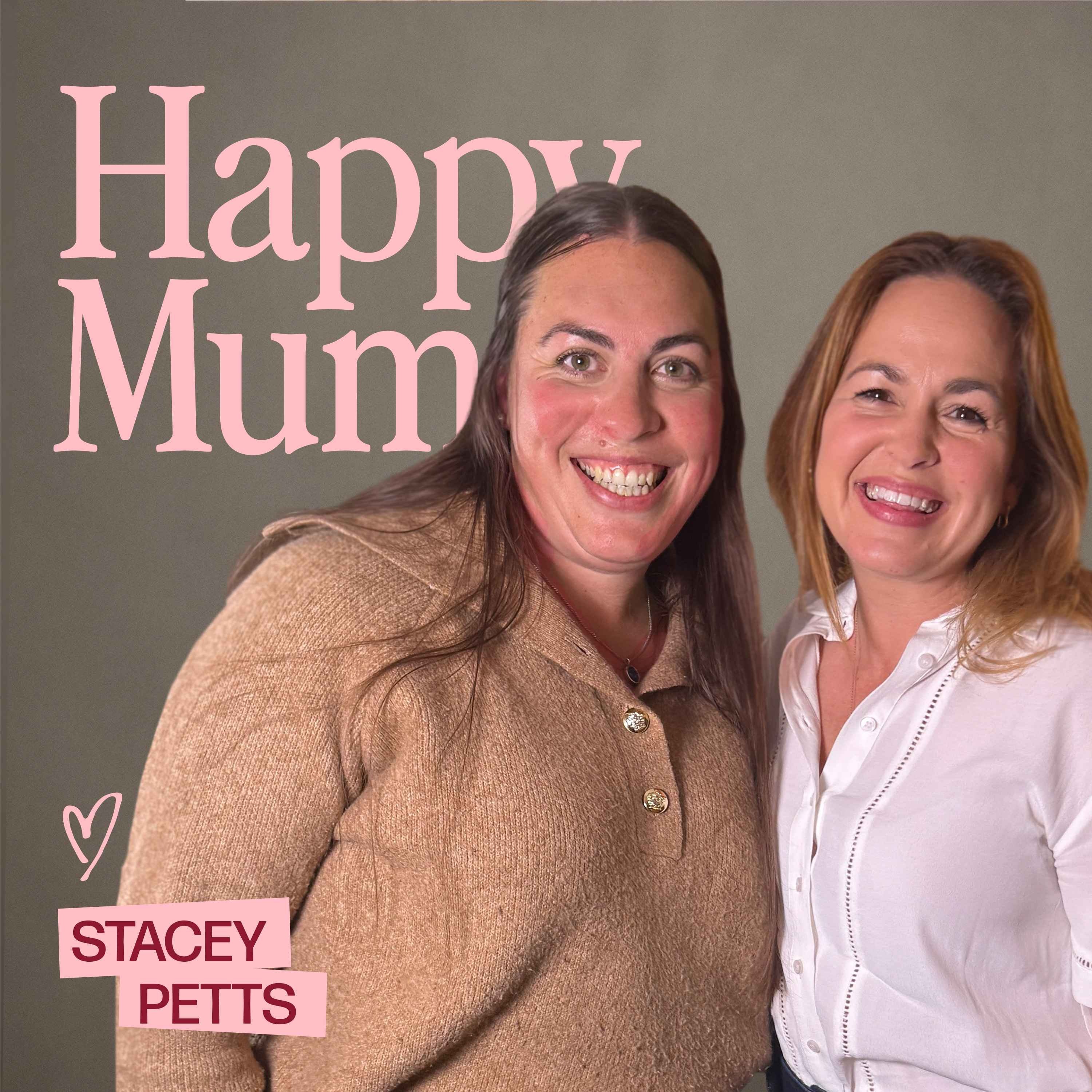
 Happy Mum
21 Apr 2026 · 1h 11m · 35 chapters

Catherine Simpson recounts raising her autistic daughter Nina, describing how she was repeatedly told for about 10 years that the problem was her parenting, not Nina’s wiring, and how a later diagnosis changed everything.
Catherine Simpson is an author and journalist with three memoirs: One Body, When I Had a Little Sister, and Hold Fast, Motherhood, My Autistic Daughter and Me. She grew up on a farm, later moved to Edinburgh after marrying an Italian man. Nina was diagnosed with autism at age 10; Catherine had sought help starting when Nina was about 18 months.
Early professionals and parenting courses blamed Catherine (“the problem was me”), including advice to ignore meltdowns and use reward systems/“naughty step” approaches. She argues girls were less expected to have autism and that masking delayed recognition. A CAMHS doctor prescribed melatonin for chronic insomnia, then ordered autism assessment; the diagnosis provided a “guidebook” and reduced self-blame.
Nina cried, didn’t sleep for years, and hid under coats at school, self-harming by biting herself. The autism outreach service used “anger management” and worksheets like “how interesting are you,” which Catherine says undermined Nina’s confidence. The episode ends with Nina graduating from Edinburgh University, waving in her gown.
Written by AI. May contain mistakes.
Catherine shares her journey and the challenges faced raising her autistic daughter.
“I mean, my children now are Nina's nearly 31, Lara is 28.”
A discussion on the contrast between Catherine's expectations and the reality of motherhood.
“And I put myself at a disadvantage because I had a fantasy of what motherhood would be like.”
Catherine reflects on her childhood and its influence on her parenting style.
“This is actually, Hold Fast, my memoir about raising Nina, is actually my third memoir.”
Exploring the differences in parenting styles from Catherine's upbringing to her own parenting methods.
“And she had this life, but she somehow lost the nerve to follow that life, became a farmer's wife, which was what her family did and was, you know, great for everyone.”
Catherine discusses her hopes for her children and the fears that come with motherhood.
“That wasn't even a decision I had to make.”
Exploration of how childhood influences perceptions of motherhood.
“I think I got my idea of what motherhood would look like from books.”
Discussion on the challenges of meeting expectations as a mother.
“I wanted to have a child that was involved and loved and, you know, got everything that they needed and wanted.”
A recount of the pregnancy journey and its unexpected challenges.
“And I think I was so invested in this project, this project of motherhood was so important.”
A traumatic account of giving birth and the feelings of disempowerment.
“And this was four o 'clock in the morning and I hadn't got any effective pain relief.”
Reflections on the early days at home with a newborn and feelings of isolation.
“Rather than going, would you like me to take care?”
Experiences of attending mother and baby groups and their impact.
“You know, I just needed to get back to my own space.”
A story about Nina's nonconformity in social settings and its implications.
“I was walking through the park or, you know, sitting under some trees or just not doing anything very much.”
The journey of seeking help and understanding Nina's behavior.
“you go to, I'm not sure if it's a bookshop or a library, and you find yourself reading a book.”
An account of a disappointing consultation with an autism expert.
“And that's interesting in itself, isn't it?”
Explore the journey of a mother seeking help for her daughter's behavior and the misdiagnosis that followed.
“I don't know now whether there's so many people needing assessment because they're more aware of it now, that they're more aware to ask for help.”
Discuss the various parenting courses and strategies that failed to address the real issues with her child.
“So from that point, where did you go with the ignoring?”
Learn about the pivotal moment when a proper diagnosis was made, changing the understanding of her daughter's needs.
Learn about the pivotal moment when a proper diagnosis was made, changing the understanding of her daughter's needs.
“that I've been dealing with before have been psychologists who are all behavioral and they're not medical.”
Learn about the journey of accepting and advocating for an autistic child.
“Because I realised at that point that I had been apologising for my child for a long time.”
Explore the misconceptions and realities of autism, especially in girls.
“How did you let go of the eight and a half years of being blamed?”
Discover the importance of understanding autism as a way to provide better support.
“And suddenly to realise, oh, there's a reason for it.”
Reflect on the significance of graduation for parents and children with autism.
“The book ends, the very last scene in the book is actually when Nina was 80.”
Discuss the lack of understanding in schools regarding autistic needs.
“to do all the trips, the days that they didn't want to go to school, the schools that they had to leave behind.”
Examine the ineffectiveness of support measures provided to autistic children.
“is what happened to Nina was that this lady would come in and say to her well you've got autism so I'm here to help you work out how you feel because autistic people don't know how they feel.”
Analyze the emotional safety concerns of an autistic child in school.
“You see, you say that you're sending your children to school and expect them to be safe.”
Learn about the severe effects of bullying on children with autism.
“She was, all she wanted to do was read books and play and go for walks in nature and learn.”
Understand the transition to a Steiner school for a safe learning environment.
“As a mum, like when mum tells us that story now, it really affects, because we see that, we know what that would be like to have our child so unhappy and in that situation.”
Learn about the benefits of a Steiner school for children with special needs.
“And then fortunately, like I say, there was a Steiner school there.”
Explore the impact of adolescence on an autistic child’s social acceptance.
“Not, I would say not really, because it had been so difficult all the time that I'm not actually sure it did change.”
Understand the worries parents have about the future of their autistic children.
“And the girl said, yeah, no, I spotted that straight away and then just moved on.”
Discover the importance of accepting imperfection in parenting and child development.
“Obviously, the conversation over the last two decades, I guess, since Nina's diagnosis, has changed so much.”
Learn how to focus on small daily joys and their significance in parenting.
“actually where your mum's asking you, is Nina doing this, is Nina doing that?”
Learn how to appreciate small joys in everyday life and motherhood.
“And I used to get the children to write a gratitude, not a gratitude journal, it was like a joy journal at the end of the day.”
Discover the evolving role of a mother and the balance between personal life and parenting.
“And also finding each other after, you know, that busy period of raising children to actually kind of go.”
Understand how children's laughter brings joy and fulfillment to a mother's life.
“And nothing is better than hearing both of my children laughing with each other.”

Get the gist, explore an idea or ask about something said.
 Claude
On Happy Mum, what are the key points of this episode?
Searching your listeningAutomatic transcript. May contain errors.
0:00Have you ever been stuck on a weight loss plateau, trying everything and anything you can to lose that extra weight and reach peak health? We've all been there, but Noom's unlocked the secret to reaching the mountaintop. Go in micro. The Noom GLP-1 microdose program starts at$99 and is delivered to your door in 7 days. Start your microdose GLP-1 journey today at Noom.com. That's N-O-O-M dot com. Noom. Microchanges. Big results. Noom GLP-1-RX program involves healthy diet, exercise, and support. Individual results may vary. Meds and personalization based on clinical need. Not reviewed by FDA for safety, efficacy, or quality.
0:37No affiliation with Novo Nordisk, Inc., the only U.S. source of FDA-approved semaglutide. Not available in all 50 U.S. states. Hey, it's Paige from Giggly Squad. You already know, once I'm in my jammies, I'm in my final form. And lately, my last step before fully clocking out is the CoverGirl Jammie Lip Sleeping Mask. I just twist, apply with the mess-free applicator and let the dreamy lavender scent literally tuck me in. By morning, my lips feel smooth, revitalized, and baby soft while I'm doing absolutely nothing. Iconic behavior. So shop CoverGirl Jammy Lip Sleeping Mask at your nearest retailer now.
1:14Only from easy, breezy, beautiful CoverGirl. Ready for the best summer ever? ID Tech is the original and most trusted tech camp for kids, ages 7 to 17. offering over 50 epic courses like Camp Crunch Labs IRL, BattleBots with TakeHomeBots, AI and Machine Learning, and more. Camps are all about high-energy fun, new friends, trusted instructors, and exclusive tech partnerships. Experience ID Tech at 75 college campuses nationwide. Visit IDTech.com and use code IDTech to save$150 on a week that's guaranteed to be the highlight of your kid's summer.
2:00Hello and welcome to a brand new episode of Happy Mum, Happy Baby, the podcast. Today's guest is Catherine Simpson. She is an author and a journalist. She has written three memoirs. One is called One Body. Then she followed that up with When I Had a Little Sister. And then her latest offering is Hold Fast, Motherhood, My Autistic Daughter and Me. And I found Catherine absolutely fascinating. She grew up on a farm, then she essentially married an Italian man and moved to Edinburgh, as you do. She'd always wanted to be a mum, she knew that was in her future, but we talk about how when that dream becomes a reality, and actually it doesn't look quite how you imagine it would.
2:45What I find striking is she gave birth 30 years ago, so actually she was going through this a long time ago, and we talk about the fact that, you know, things are different now, even the way that we talk about autism is different now. But back then for girls, it was very, very different. And even reading the book, I was taken aback at how many times Catherine was simply told that, no, her daughter was absolutely fine. And in fact, it was her parenting that was the problem. And I can't imagine what it was like to be gaslit as a parent, as a mother for 10 years before she actually got her daughter's diagnosis.
3:21I imagine even just writing the book would have been quite the journey for her of kind of going, God, and then I went through that, and then I went through that, which is quite a lot. So yes, please enjoy this episode. It's Catherine Simpson.
3:37In a way, you forget what you've included in the book, but all the events in the book, they feel like they were yesterday. Yeah, yeah, yeah. I mean, my children now are Nina's nearly 31, Lara is 28. And it's still, I would say, raw, some of the experience of motherhood. Yeah, I would say so. It doesn't really fade. Writing about it is a good way of dealing with difficult experiences and difficult emotions. And it does help you put certain things into perspective. but some things, many things are still quite raw. It's funny when you think that a lot of it especially when you're going back to back to the early days of motherhood it's nearly 30 years ago it is 30 years ago some of it's obviously less but the fact that you are able to write about it in a way that it feels like it's happened yesterday proves that?
4:30That it feels so like it's something that actually feels really raw and you're still really connected to? It really does because it's still there in your gut you know the feeling of fear and sort of helplessness at times, you know, when things are outside of your control and you don't fully understand things because Nina was diagnosed with autism when she was 10. So we had 10 years of knowing that something was different, definitely something was different, but nobody could seem to explain to me what it was. And in fact, I kept getting sent on parenting courses. I was sent on at least three parenting courses and told in no uncertain terms, actually, that there was nothing wrong with Nina, wrong in inverted commas.
5:16There was nothing wrong or different about Nina. The problem was me. The problem was my mothering. And I was told, if you treat your child in a different way, you will have a different child. So it was no uncertain terms that it was my fault that Nina seemed to be struggling and unhappy and didn't seem to fit in to the world. And when you're, she was my first child. So when you're a first time mum, you're already nervous and apprehensive about what to do. And I was so keen to get it right, as everybody is, but I was so, so keen to get it right. And I put myself at a disadvantage because I had a fantasy of what motherhood would be like.
6:02I think so many of us do, though. We romanticise what that is going to be. Like when I was a kid, I used to have all these dreams of I knew I wanted to be a mum. You know, I love playing with my dolls. I knew what kind of mum I was going to be. I was going to be the kind I was going to be like Maria from The Sound of Music, mixed in with the Oxo mum. You know, that's who I thought I was going to be. And actually, then when you have a baby and you realise, oh, this isn't what I thought it was going to be. Absolutely. It couldn't have been more different. Yeah. Because I thought, and it doesn't even seem unreasonable when I say it now, but I thought, if I love this child enough, I can deal with anything.
6:39That's what I thought. That's how I went into it. I thought, I am so willing to put the effort in here. I'm so conscientious. I gave up my job. I didn't want to go back. I wanted to be a full-time mother. I wanted to give my all to this role. and I wanted to give the child everything that I had had but a lot that I hadn't had as well. And I had this fantasy about motherhood being about a closeness and a warmth and love and all these very, very positive things. And then I got a baby that I didn't seem to be able to make happy. And it was a shock, big, big shock. because when it was just me and her, we had some lovely times.
7:30And I could tell she loved me. I loved her. So that was there. But when I took her out into the world, and when I tried to get her to interact with other people, or when there were other people around, even when she was a very small baby, she didn't like it. She wasn't happy. She cried a lot. She never slept. She never slept, so I never slept. Yeah. And the more tired you get, you know, the more difficult these things become. And it was pretty soon that I began just to feel totally overwhelmed by everything, really. Yeah. Yeah. Can we talk about your childhood? This is actually, Hold Fast, my memoir about raising Nina, is actually my third memoir.
8:12And my childhood, I've written one memoir about the suicide of my little sister. That's called When I Had a Little Sister. And then a memoir about growing up in a woman's body. And that's called One Body. but my childhood looms large in everything I write. It's huge. My mother was a very, very strong character, quite a difficult character. And when I wrote my first memoir about my little sister, Tricia, I thought I was writing a book about Tricia but it turned out I was actually writing a book as much about my mother. Really? She was a very strong character, very... I couldn't have written a word while she was still alive.
8:50my mother died when I was I think 42 and that's when I started to write so yes so my mother was a farmer's wife who should never really have been a farmer's wife she was married in 1959 you know a very beautiful creative talented woman farmer's daughter who stage fright stopped getting the equity card that she could have had because she was a singer and she was Ken Dodd's backing singer at one point in the Palace Theatre in Manchester. And she had this life, but she somehow lost the nerve to follow that life, became a farmer's wife, which was what her family did and was, you know, great for everyone.
9:36But I'm not sure it was great for my mum. So then she had three daughters and I think she wanted sons, to be honest, or at least one son. I guess when you've got a farm as well, Are boys more sort of considered back then to be handier? Yeah. It was naturally assumed that a son would take over the farm. As it was, my younger sister ended up doing that. Really? Yeah. But so to me, my mother was, she was living a life that was too small for her. And she was quite typical, I think, of a lot of women in the late 20th century when opportunities appeared to be arising. but in reality for working class or you know women certainly in the north of it I don't you know there weren't that many opportunities really so so she's a really an interesting character and my father was a very different character and I used to think I used to think that when you got married you got married because you had to somebody somewhere must have told you that you got to get married.
10:42And once you got married, you were married for life, whether you liked it or not, and you probably didn't. And that was the kind of, that was the attitude that I had, because that's what I saw in front of me. Two people who didn't really seem to get on that well. Do you think that was the stress of raising three daughters and running a farm? Do you reckon they just didn't have enough time left over, enough patience and energy left over for each other? I think my mother would have wanted, she always used to say to us, I thought I'd marry a man who went to work in a suit. She envisaged another life somehow.
11:22My mother was somebody who sat and listened to classical music, but that would get turned off and the telly would get turned on. Right. Do you know what I mean? Her needs weren't met. No, they didn't seem to be, but she didn't seem to be able to express that. Instead, there was just a simmering anger. Yeah. So she was an excellent farmer's wife. You know, she was a wonderful cook and she did the, you know, the farmhouse garden and she looked after us three girls and she made all our clothes and she was a domestic goddess. But I feel that she should have had another life. Yeah. and I think there were a lot of women born in the 30s and married in the 50s that were probably like that and later and earlier so it was an interesting life and looking back at my childhood and it's not not until I had children of my own that I began to consider well what kind of upbringing did you have I mean I just had an up out you know I just grew and so I never really thought you know what kind of upbringing did I have and then I came across the phrase benign neglect.
12:30So, and I realised, oh, that's what we had. You know, my mother, clearly she was depressed quite a lot. So she would lock herself in her bedroom, say she was tired, she probably was tired. But anyway, so she would, she would get out of the way, basically. And we were left to our own devices. So we would be setting off on our bikes. We had two bikes and a horse. The bikes had no brakes. The horse wasn't trained. We didn't know how to ride the horse. We'd set off with two bikes and a horse and just set off around the village and lanes and all sorts. I mean, it's just, it's a wonder that we survived.
13:02And then if it was raining or if it was, you know, winter time, we would be in the house and the telly was on all the time. And we would do things like roll up the Daily Express and set fire to it and pretend we were smoking. I mean, I just don't know how we survived to adulthood, really. But we did. And then there was a 180 degree turn in parenting, it seems from when I was growing up to when I was being a parent because suddenly in the 1990s or probably before if you had a child that child was the that was the centre of your universe yeah child-centred parenting became the thing so I went from somebody who really had very hands-off parenting to being a total hands-on mum and you always knew that you wanted to be a mum always knew I wanted to be a mum.
13:54That wasn't even a decision I had to make. I just knew I had the dolls. In your mind, would motherhood have looked like a hands-on, like child-centred approach? I think I got my idea of what motherhood would look like from books. Right. So it was all about, you know, although the Famous Five was actually like I was brought up. That's very true. Okay, so summer holidays, kids, off you go. Go to the haunted house. We'll see you in six weeks. so I don't know quite where I got my idea of mothering from it could have been from Beatrix Potter or more of that cosy those maternal figures yes in the burrow with the cosiness and the little tucked in beds and the hot drinks I'm not quite sure where I got the idea of what it should be like but it must have been books because it wasn't reality yeah and then because I think I'd felt quite lonely as a child so this was a dread of mine that my child would ever feel lonely Yeah.
14:50So this is what I wanted. I wanted to have a child that was involved and loved and, you know, got everything that they needed and wanted. So then to have a baby that I couldn't satisfy, apparently, or couldn't, I couldn't make happy. It was a it was a bit of a blow. yeah when you were pregnant you um you really you took motherhood as you know you said about stopping work and that that was going to be your full-time thing was focusing on your baby um and even then you talk about how back then that was kind of people weren't doing it people were starting to go off and continue their careers so it was quite a big thing for you to to say no I am a full-time mum it was and you felt proud within that pride within that but you even I loved reading about the care that you put into Nina's nursery and all the things that you made and all the things that you maybe bought from shops and painted chairs and things like that.
15:46Oh, I did. I was a bit insane, I think. But I'm quite a creative person. And I think I was so invested in this project, this project of motherhood was so important. And again, I was sort of making this fantasy, idealised version of motherhood. So, yes, it was all, and of course it was the 90s. So everything was stippled and distressed and decoupaged to the nth degree. And, yeah, this nursery was set up like a stage set, you know, just waiting for this baby to arrive. Everything was perfect. How was your pregnancy? Well, it was okay. I didn't, I got married and thought, and we both said, we're going to try for a baby straight away.
16:38But we had a honeymoon booked about two months after for one reason or another. So I went to the doctors to get the jabs for the, because we went to the Far East. And she was just about to put the jab into me. And she said, you're not pregnant, are you? And I said, well, I don't think so. I said, you know, I've just got married. I don't think I am. She said, I can't give you the injection. I need to do a pregnancy test first. So she did a pregnancy test. I went off because in those days you couldn't get an immediate result. I went off back to work. My phone rang on my desk. This nurse said, are you sitting down?
17:16You're pregnant. So then she said, the doctor said to me, well, you can't have the jabs. And some people wouldn't go on that holiday. And I thought, well, I'm not some people. I've got this holiday booked I look back now and I think that was a bit crazy really why did you do that but anyway I was so determined because I wanted to go to Bangkok and Hong Kong and Sri Lanka that's where we were going so no I'm going on this holiday I said so off we set the minute the plane touched down in Sri Lanka I got morning well I didn't get morning sickness I got all day sickness it was terrible I just longed to be back at home and then we flew on to Hong Kong by which stage I was so ill we just had to move out the hotel go and stay with a friend and just lay on a settee for two weeks they wouldn't fly me home they said you're too ill you can't go home we can't risk yeah I had to go to the hospital in Hong Kong and get a certificate to fly and then British Airways gave me two or three seats to lie across to get me home it was it was a nightmare so that it so it was a bit adventurous right from the get go you know what I mean um did you go into that birth thinking it's okay I've done all the work I know what I'm doing or did you feel apprehensive about what was to come I did feel prepared yeah I was wrong to feel prepared I did feel prepared um because I thought again I was thinking that I'm willing to put the effort in and you know I've got high pain threshold I can handle this it didn't work out that way it was quite a traumatising experience and I felt completely out of control I thought that I was treated quite cruelly by the staff I felt I wasn't listened to there was staff coming and going and chatting and laughing amongst themselves and then eventually one shouted across I'd been in labour whatever 10 hours or something and they shouted across, that baby's not out in half an hour and I'm coming with the forceps.
19:21And this was four o 'clock in the morning and I hadn't got any effective pain relief. It was all quite, it was hostile. It was actually a hostile environment. So eventually I got an episiotomy, which I think is probably rarer these days than it was in those days. Then I couldn't get her to feed. So I ended up being in the hospital for a week, which sounds like eons now. So in those days did they not let you leave? right no they wouldn't let me go until she was feeding properly and she just wouldn't feed she wouldn't latch on she wouldn't stay latched on and and it was really really you know it was really upsetting because again you know right from when you're really tired and you I haven't even had a bath for 24 hours because you know and you've given birth you've given me the bath yeah and you haven't had sleep by this stage for two days or something I remember wandering off down the corridor just wearing this nighty I write more about this in one body actually this is not really in Hall of Fast but I wandered off down this in this old Victorian hospital wearing this night looked like a Victorian ghost carrying my baby and you're not allowed to walk around with your baby as you know you're supposed to have them in the little trolleys and I set off down this corridor with her and I didn't know where I was going but I had no money I had no mobile phones I had no money for the pay phone um and this nurse found me she said what are you doing I said I don't know and she said come back come back and she took me back and she said I'm going to take your baby for the night and she literally tucked me into bed really yeah and she put the curtain around I was on a ward and she put the curtain around me and she took me in and she said I'm taking this baby away for the night just sleep and it was the kindest thing that anybody's ever done And also it's having someone say, I'm going to do this.
21:10Yeah. Do you know what I mean? Rather than going, would you like me to take care? Because at that point you'd have gone, no. I can't say yes to that. Whereas if you're saying this is what I'm doing, you lean into it. She took charge. Yeah. And that's exactly what I needed. Yeah. And eventually I was begging to go home at the end of the week. You know, I just needed to get back to my own space. Yeah. Yeah. What were the first few weeks or months like with Nina at home? My husband went back to work after four or five weeks, which is quite a long time. He took holiday. There was no such thing as paternity leave then, so he took holiday.
21:48So suddenly when he went back to work, it was just me and her. And there were lovely moments where I'd just dance with her and cuddle her. But it was also really, really, it was lonely because my own mother was a long way away. my father-in-law had had a stroke by then so my mother-in-law was busy and I did try the mother and baby groups but she could not settle in them she found them very upsetting I don't know whether they were too noisy the smells, what it was, I don't know she was not happy, then I wasn't happy and then there's a downward spiral of neither of you being happy but I kept trying because I couldn't let go of this, what I should be doing I should be going to the mother and baby groups I should be doing this, I should be doing that And you get this romanticised view of what that baby group is going to be like, you know, it's all about the mother and baby bond.
22:34And actually, if you spend your whole time in that mother and baby group worried about your baby crying or worried about, you know, they're not settling, people are going to think I'm a terrible mum, you're not making the most of that anyway. No. Actually, it's a really negative experience. Absolutely. They were very negative experiences for me. We were happiest when it was me and her. I was walking through the park or, you know, sitting under some trees or just not doing anything very much. Yeah. But just the two of us, because the minute I started to try to mix with other groups, that's when the problem started.
23:11Yeah. And, I mean, but I was persistent. With those groups, did you find yourself reacting to certain situations differently or with a bit more, I don't know, heat under your collar or the mum sweats when things weren't going as, you know, as the other babies, what they were doing, and you felt like the eye of other mums on you. Oh, definitely. Yeah, definitely. I always felt that. I mean, looking back now, I think, well, other mothers were probably that busy looking at their own babies. They probably couldn't care less about it. Well, it's that, isn't it? I'm sure most mums would be feeling that in some way.
23:44Yeah, they probably couldn't care less about what I was doing. But because Nina did cry quite a lot, sometimes she used to cry so much that she would make herself sick. Right. And then that, obviously, other mothers would be grabbing their babies. oh my god you know what she got um so you did you did end up feeling a bit like a pariah actually you know if your baby really can't settle and then when she got older maybe to two and i was still persisting with the groups uh you didn't get nursery quite as early as you're getting now um but i used to take when she was two i took her to this group where you had to sit and sing songs and um you had to have your baby on your knee you sit on the floor have your baby on your knee but Nina was her own person Nina's always been her own person even then so Nina decided on this particular day I'm going to sit in the middle of the circle I'm not sitting on my mum's knee that's dull so she went and she sat in the middle of the circle and other babies saw and thought that looks more fun so then one by one they started going into the middle of the circle and the lady running the group no stop the music this is not happening there will be anarchy at tumble teds unless we take control she said you must have your baby on your knee and do the actions so we were all told to take our babies back on our knees so you know she didn't conform but even in ways that didn't matter she seemed to cause chaos and also then you're feeling like oh god like that's my baby now now i'm making it difficult for everybody and i'm not really fitting in and i'm not doing what i should be doing and yeah there's a point where you go to, I'm not sure if it's a bookshop or a library, and you find yourself reading a book.
25:21Yeah, that was, on a Sunday sometimes I used to get a chance to get away, because my husband and my in-laws would take over the baby. By the way, I love your in-laws. Rosa sounds like an amazing woman. Rosa's lovely, isn't she? She was 93 the other day. I love the fact that you the way that you write how she speaks as well. I just love it. I completely hear any of my female relatives speaking. No, she's a sweetheart. She's a sweetheart. so she would look after the baby on a Sunday afternoon for a couple of hours I would go into Edinburgh City Centre and go to Waterstones and I knew that there was a family section and in this family section there was one book called Hidden Disabilities and I didn't say anything to anybody but I was worried she was still a baby I mean she was one, 18 months old she was very young but I just sensed that there was something different about her Is that because you were comparing her to other babies or something just didn't feel settled?
26:14I think I was comparing my experience to other mothers and I'm thinking, well, I'm really struggling here. I'm really struggling. And if I'm struggling and I'm willing to put everything into this, why are other people not struggling? Why is nobody else talking about this? So I thought there is something different about my experience of motherhood. So I knew about this Hidden Disabilities book, so I'd go to Waterstones and I'd work my way through it. So I love the fact that you're never buying it. You're going there. I don't buy it because that's admitting something. I don't buy it. And so I just go and try and gather information.
26:55But it didn't seem to really answer my question completely, but I knew there was something. So eventually, when I was pregnant with Lara, so Nina would have been two and a half, I went to the GP and I said, I think there might be something different about my baby and they could see how much I was struggling and they said we need to get you some expert help before your second baby's born so that you can know what you're dealing with here so then they got me the appointment with a chap who was supposedly the world, you know, Scotland's expert the leading expert in autism Scotland, yep, yep and I went along to see him Now, I don't know now how long that would take to happen.
27:40And that's interesting in itself, isn't it? I feel like the whole conversation around autism and diagnosis and awareness has shifted over the years, which in some ways must feel like a comfort knowing that that has moved on, but that doesn't detract from your experience of it 30 years ago, where you were basically gaslit for 10 years. Gaslit for 10 years. But at least I got to see somebody. I don't know now whether there's so many people needing assessment because they're more aware of it now, that they're more aware to ask for help. I don't know. But I asked for help and I did get to see somebody within a matter of...
28:16I stopped myself saying help there. Let's be careful here. Yeah, so I got to see somebody. So about which time Nina was two and a half and she was toddling around his office and he literally laughed in my face and he said that child does not have autism. He said you're giving her too much attention for bad behaviour and that's why she's behaving badly. And I'm thinking how can this be? How can this be? I've given her so much attention when she's been good, bad and indifferent. I've just been loving all the time. How can I have got this so badly wrong? How did you feel in that moment? I suppose I was happy that he was telling me there's no difference in your child there's no, this is up to you because then I think, well, I can maybe put it right Right, like an answer Yeah, maybe this is the answer It's me, I need to do something different So, you know, he's saying to me you must ignore the bad behaviour and if she starts having a tantrum which I now don't look at what she had as tantrums I think of them as their autistic meltdowns which were like overstimulation when she starts having a tantrum he says you must ignore her because otherwise you're just reinforcing the bad behavior and she'll keep on doing it to get your attention so I left his office thinking okay this is my responsibility I've got to do this better almost gives you something to work on right yeah I can do something now exactly exactly and that's how I you know that's how I kind of operate so the next day or the day after I'm out with her in the buggy and I know that she's she's been fed she's got she's got a drink she's not ill and she starts um having a meltdown yeah um she was maybe just overstimulated or I'd I'd been in one shop too many or something had upset her so I'm thinking to myself right I've got to ignore this this is a tantrum I've got to ignore this and I'm pushing her around trying to pretend that I'm not you know My stomach's not in knots and I'm not about to be sick with anxiety.
30:20When a little old lady came up to me and said, you're not fit to be a mother, letting your baby cry like that. And I thought I was going to, I thought I was going to, it was like somebody kicking me in the stomach. It really was. It was the most upsetting experience. And I actually shouted at this lady, you don't know, you don't know. the psychologist said I've got to do this I just sort of lost it and I was like seven months pregnant and this lady from behind the till came the fact that she didn't even stop there you shouted at her she clearly has heard that information you know there is something more going on and she then shouted to you well I'm glad you're not my mother yes she did and this lady came running out from behind the till and put a chair down she thought obviously I was going to give birth there and then she'd sit down sit down she says some people just don't understand some people just don't understand And this little lady just wandered off, having been devastating.
31:18You know, I mean, yeah. So from that point, where did you go with the ignoring? So over the next several years, I kept getting sent on different parenting courses and they had slightly different approaches. So the next approach was, oh, your child definitely doesn't have a hard wiring problem. you're just overcompensating for not having that because you didn't get a lot of attention as a child so therefore you are overcompensating and giving your child too much attention again you are the problem yes i'm the problem yeah i'm the problem yeah so you need to work on that you need to work on that and stop overcompensating for your own childhood so that was when she was seven that didn't really help and then so we're still having problems and then she's about nine I get sent on another parenting course.
32:12And by this stage, they'd started on the star charts and the reward systems and all that. You know, you have to have a firm set of rules, firm boundaries. When they stick within the rules, you give them the stars. When they infringe the rules, you put them on the naughty step. All this 1990s super nanny nonsense that we had, which is frowned upon now as a transactional system that doesn't really help children at all. But that's not what the 1990s was about. and so but basically it was just another system for me to administer yeah there was rules and charts and stickers and something to throw yourself into again feeling like you're leading with it you're doing you're doing something yeah that's right that's right but it was quite um what's the word you know that bureaucratic it's quite bureaucratic quite and again it didn't do any good because you know it's all very well saying you're going to sit on the naughty step which It sounds awful.
33:09I mean, it just sounds so awful now. But that's what we were told to do. You know, time out and all that. Give them time out, you know, just to admit. She was sitting time out on the step, biting herself, self-harming. How could that be a good thing? Yeah. So basically, we were getting nowhere. And with all of those different steps, can I just ask, when you tried to implement the different things, how did that affect your bond and your relationship with Nina? Well, he can't have done it any good. I think I probably lost faith in the systems fairly soon and reverted to my... Because I always felt close to Nina.
33:47I always felt that I understood her. I didn't understand her, but I sort of... I didn't blame her in a way. I didn't understand why she was upset, but I understood that she was upset and that she wasn't just doing it to try to upset me, which I think other people felt. There's always that thing, isn't there? Yeah, there's the whole, she's just manipulating you. Yes, I was told that so many times. Oh, you're just too soft. She knows that you're too soft. She knows she can get away with doing that. That's why she does it. She's a baby. Yeah, or even just a toddler. No, she doesn't need to do that to get my attention.
34:25I'm here. I'm willing to, you know, give my all to this relationship. She didn't need to do that. So it didn't make any sense. So eventually, when she was 10, I actually got to CAMHS which is the Children and Adolescents Mental Health Services which I got access to through my GP so she's 10 now and I'd first asked for help when she was 18 months and I walked in to see the doctor and the first thing that I brought up was she's not had a night's sleep in 10 years. Neither have I. And she would go to bed and she would literally just stay awake. Lie awake. Yeah. She'd just lie awake. Yeah. And the only thing that we got to help with that, we tried everything.
35:19You know, we tried the, oh, well, get a milky drink. Yeah. Okay. You know, be there. Don't be there. Keep the door open. Shut the door. Make some noise. Don't make some noise. Have the curtains shut. Have the curtains open. Everything. Yeah. The only thing that helped at all was when next door neighbour's cat decided to move in and started to sleep on her bed. And even then she didn't go to sleep, but she was comforted by that cat being there. You know, she was exhausted. She was exhausted. So she would fall asleep eventually. I mean, I don't know when it would be in the small hours. So I was always waking her for school and she was exhausted and I was having to dress her like a dead weight.
36:00Yeah, yeah. And nobody's at the best when they're exhausted like that. I don't know how she learned anything, but going to see the doctor at CAMHS when she was 10, and I said, you know, she never sleeps. And the doctor just said, oh, I can do something about that. I know, that was my face as well. I was, what? What? And she said, no, I can do something for that, yeah. And I said, so you can give her something. Melatonin is what she could give her. She said, yeah. And I said, so will she sleep tonight then? And she went, yeah. And she did.
37:04One journey today at Noom.com. That's N-O-O-M.com. Noom. Microchanges. Big results. Noom GLP-1RX program involves healthy diet, exercise, and support. Individual results may vary. Meds and personalization based on clinical need. Not reviewed by FDA for safety, efficacy, or quality. No affiliation with Novo Nordisk, Inc., the only U.S. source of FDA-approved semaglutide. Not available in all 50 U.S. states. Hey, it's Paige from Giggly Squad. You already know, once I'm in my jammies, I'm in my final form. And lately, my last step before fully clocking out is the CoverGirl Jammie Lip Sleeping Mask.
37:39I just twist, apply with the mess-free applicator and let the dreamy lavender scent literally tuck me in. By morning, my lips feel smooth, revitalized, and baby soft while I'm doing absolutely nothing. Iconic behavior. So shop CoverGirl Jammie Lip Sleeping Mask at your nearest retailer now. Only from easy, breezy, beautiful cover girl. I mean, that must have just blown your mind that after 10 years of either trying to get her to sleep or just being aware that she's not asleep and just worrying about that and just kind of going, well, now she's sleeping. Just like that. It did blow my mind. And I think looking back, it was because this doctor was a medical doctor, whereas the people that I've been dealing with before have been psychologists who are all behavioral and they're not medical.
38:27so this doctor was a medical doctor who could prescribe and so we tried it and she slept it was a miracle and then this doctor said we need to assess her for autism now I've been told quite categorically over the 10 years that I've been waiting that child does not have autism that child does not have a hard wiring problem that there's nothing different about your child it's you time and time again I was the best qualified mother in Middle Othian I've been on more courses than super nanny, right? So suddenly this doctor says, we need to get her assessed for autism. So anyway, so we went back for this assessment and me and Nina had to sit with one doctor.
39:09Nina had to play and chat and interact with this doctor while two other consultants sat behind a two-way mirror. So there were three doctors there assessing her. And she was very happy that day and she was very relaxed and she was chatting away to the doctor. and I'm thinking they're not really seeing Nina at her most stressed here. They're not really getting an idea of what it's really like. So I wasn't sure what would happen. So the next week we went back to get the results and the doctor was absolutely categoric. We just walked in and she said, yes, she's got autism. And that was a very strange moment.
39:43Really? Yes, because I was very glad to have more information and to know what I was dealing with. But it was also a moment where I couldn't deny that this was something that was going to change her life. Well, was it going to change her life? Because she'd always had autism. It was just now we knew. But it's still a shock. Shocked but not surprised is what I was. And also, were you surprised, in your words, not seeing the other side of Nina, seeing her at her best and engaging and doing the tasks. Were you surprised that... I was. I was very surprised that there was absolutely... They were absolutely categoric.
40:24What was it? Well, the doctor said that in watching her closely, because our more familiar doctor was behind the two brain mirrors, so she'd been watching Nina. And she said in watching her, the way she interacted with the other doctor, it made her realise how much Nina's charm and intelligence and articulacy had covered up her difficulties. Right. And she got that much more clearly sitting behind the mirror watching. Because Nina is very, very intelligent. She's very charming and she's interesting, she's funny and she uses these things to mask, to get by, to survive in the world. But all the time I think her brain's working so hard to do that masking.
41:08But because there were three doctors there, they could see beyond that masking. and what, I mean, such a relief, really. Once the initial shock and you get out of the place and you have to get your head around this, the world has shifted on its axis. But suddenly then I felt I have been driving a Rolls-Royce and I've had the handbook of a Mini. Now I'm going to get the handbook for this Rolls-Royce that I've got. And I did. I could suddenly start to find out the right information and I could use that information to pass on to other people and say, well, this might happen because of this or, you know, she may not like that or you may, don't be offended if this or that.
41:53So it was very useful. And doing it like it's useful information to hand on rather than going, my child's picky and, you know, this might, you know, rather than making excuses for it. Because I realised at that point that I had been apologising for my child for a long time. Oh, I'm sorry if she upset you. I'm sorry. Did she offend you? Oh, I'm sorry. Because she can be very honest. She can be very blunt. And, oh, I'm really sorry. And at that stage, or maybe it was a little bit later, I thought, that's it. I'm done apologising. I'll explain if necessary, but I'm done apologising for this child.
42:28So that was, it was, from that moment on, we've had lots of difficulties, and the world doesn't suddenly become autism friendly. Yeah. But you know where you stand. You know where your child stands. And you're in a much stronger position to fight for them. Yeah. And to understand them and to never blame them. Mm-hmm. And not blame yourself either. Just know this is the situation. This is what we're dealing with. How did you let go of the eight and a half years of being blamed? I didn't. I'm furious. So you should be. that would have cast such a shadow over your first 10 years of being a mum well it was funny but you should say that because a friend about two weeks after we got the diagnosis a friend said oh have you got over your news yet and I just thought got over the news I haven't got I've got 10 years to get over first before I get over anything you know because I still hold a lot of anger I think about that why did they Why do you think they never picked it up?
43:33Well, they didn't expect girls to have autism. I mean, at one time it was just considered a boy's condition. And then as the years went on, they started to say, oh, no, there are some girls that appear to have autism. I have so many friends in their 40s, late 30s, who are being diagnosed now or have been diagnosed in the last few years. And they are massive maskers, you know, And it's such a relief to them to be able to start to understand that part of themselves. Absolutely. Always manage to manipulate to people please other people. Absolutely. It's such a relief. I think, you know, to think, you know, you've been trying so hard to fit in, to do the right thing, to not offend people, to know how to behave in certain situations.
44:20And suddenly to realise, oh, there's a reason for it. this is what it is it's not that I'm doing anything wrong we're just wired a bit differently um so yeah that was it was yeah it was a huge relief a huge relief too and I people used to say and I'm not sure they still say they probably still say it to an extent oh we don't want to label a child we don't want to label labels are so harmful you can they're very sticky you put it on you can't get it off but we we name things to understand them yeah and in putting a name to Nina's condition meant that we could understand her better that's not to say that everybody with autism is the same of course they're not everybody has their individual personality but overlaying that is you know are the attributes of autism to some degree or other yeah and again there's no autistic person's autism is the same they're all different but it was it was like being handed the guidebook and also then being partnered with a doctor who she was wonderful like you can trust and is going to yeah help you she was very very helpful she kept us on the books until Nina was 19 she should have actually handed her over you get handed over to nothing really right um after you leave cams you know when your child's 18 you just get go back into the general population of people and have to go back to your GP to get help and it's it's a long you don't really it's a long-winded way to get help yeah so she kept her on the books till she was 19 which was very helpful even just for therapy just to go and talk about things um I found it very helpful as well sometimes I would just go on my own and she would just talk to me about anything difficulties we were having.
46:07So that was great. The book ends, the very last scene in the book is actually when Nina was 80. No, she's not. She was graduating. The 21. 21. It seems so long ago. She's nearly 31. So she's graduating from Edinburgh University and it's a scene that is etched on my memory because we were way at the back in this huge fancy hall, McEwen Hall, and the man who was running the graduation said, congratulations to all you students, you've done so well. She said, but you wouldn't have managed it without all the people who are here today. Turn around and wave, give them a wave. And Nina was right on the front row and she turned around and she was waving with both hands and her gown was flying.
46:58and I just thought, how did we get here? You said to me earlier about graduation actually and you said graduation is like the parents graduating as well. You've got them to that point. You have got them to that point. What an achievement. What an achievement for them and what an achievement for you. You think about all that homework that you had to cajole them to do all the trips, the days that they didn't want to go to school, the schools that they had to leave behind. I'd love to talk to you about this, Nina, within the education system, because at that point, especially without a diagnosis, was she understood in any way, shape or form?
47:42Were her teachers kind of understanding of her around different environments and needing different things? No, I would say that no, not really. They weren't. I mean, there was this thing at school about, oh, well, we're all equal here. We're all equal here. Well, of course, we are all equal, but we're not all the same. We don't all need the same things. But she did get the diagnosis at 10, so it was before she left primary school. So during that transition period from primary to secondary, she did have the diagnosis. And we got help in inverted commas. now I'm not quite sure that any of the help we ever got was ever in use because what we what what we needed was kindness yeah and understanding and we didn't we never really got that what we did get was the autism outreach service coming in to work with Nina one-to-one so what they would do is what happened to Nina was that this lady would come in and say to her well you've got autism so I'm here to help you work out how you feel because autistic people don't know how they feel.
48:56Now Nina knew exactly how she felt. She felt angry. Why did she feel angry? Because she'd been blamed, ostracised, bullied. But there was no acknowledgement of that. It was, I'm here to do some anger management with you because unless you start being assertive and not aggressive, nobody's going to like you. I mean, it was as straightforward as that. so basically the help that we were getting was somebody coming in to try to train Nina not to be autistic how's that ever going to work how's that ever going to work and as Nina said you know she said I always knew exactly how I felt I didn't have any difficulty whatsoever naming my feelings and she said and I didn't want to let go of my anger because anger felt like a survival strategy because being angry was all I had left.
49:49And if I let go of my anger, I thought I might die. So she needed understanding, not retraining into being somebody that wasn't her. She said she was taken out of the classroom to do worksheets on, for instance how interesting are you one of the worksheets was how interesting are you this was supposedly trying to help her make friends what it really did looking back at it we were absolutely amazed looking back at it would have just undermined her self-confidence yeah absolutely how many how many children who aren't autistic have to sit down and do a worksheet saying how interesting are you do you bore people do you talk about the same subject for too long do you dominate the conversation it was literally all those questions so that was the help that we got not helpful at all in the book actually you talk about when Nina is um younger so I think it was before her diagnosis and you're at the school gates and you go into the school and you find Nina I found that really um difficult to read because as a parent I think you expect your child to go in and be in this place that's safe for them, mentally, emotionally.
51:04And actually, you found Nina in school. Was she under pegs? Was she under the clothes? Yes, she was hiding under... You see, you say that you're sending your children to school and expect them to be safe. I didn't because I'd learnt that early on that she actually wasn't safe, not emotionally or physically safe, actually, in school. But on this particular day, yes, I went into the school, primary school. she must have been maybe nine maybe it was before her diagnosis I think and she found the schoolyard overwhelming so I kept saying can she sit somewhere quietly no she has to go out into the yard so to avoid the yard she was hiding under the coats biting herself so self-harming under the coats and the only reason I found it was because I went in to drop something off or pick something up or something and I took her out from under the coat and I told the school you know what's what's happening here and I found a lot of letters under there as well that she should have been bringing home so I think this had been going on a while that she'd been using this as some kind of hiding place and the only thing that really happened after that was the parents were banned from going in the school very shortly after that they were banned and I'm absolutely sure that that was why that's why yeah you say in the book that you regret not taking her out of school I do I do regret not taking her out of primary school um I had two children I was worried that if I took her out how would I manage with with Lara going to school I don't I'm not sure that that was a good enough reason not to do it looking back but that's how I rational that was rational at the time.
52:47She was, all she wanted to do was read books and play and go for walks in nature and learn. She was an absolute, she loved, loved learning. Instead, I was sending her to school where they were stopping her reading because they said that she had to, during, she was reading once at lunchtime and they said, stop reading and talk to people. And she said, it didn't matter that nobody wanted to talk to me. They just took my book away. and then when they're reading a book in class she would read too fast and they'd say that's not fair on the other children stop reading, you're reading too fast and then the rest of the time half the time it was worksheets and word searches and things that were she was just not interesting enough so I could have done a better job really but then when she got to secondary school she was very badly bullied physically bullied and that's something that a school can't ignore no but they can ignore the emotional stuff or it's just teasing it's just teasing she's got to learn to she's got to learn to deal with a bit of banter in the classroom when it's actually horrible bullying and um so when she went to secondary school and she was physically attacked they couldn't ignore it yeah except they tried they got the girl in who kicked her down the stairs and and said don't let that happen again and she didn't even get suspended for a day they got her father in they told the father what had happened she didn't even get suspended for a day and the bullying carried on the day after that must have been so horrible sending her in every day knowing that that was happening like my I was bullied when I was younger not to that extent whereas my I know that for my sister I can remember my mum telling me that she went into the school to find Georgie in the bathroom, literally scaling the walls because she was so unhappy and she was being bullied so badly.
54:45As a mum, like when mum tells us that story now, it really affects, because we see that, we know what that would be like to have our child so unhappy and in that situation. But knowing that you're sending them in every day, maybe today will be better. Maybe today will be better. And what's the alternative you see? you start thinking, well, eventually, shortly after the, when she was kicked down the stairs, she phoned me from school and she said, because it was still going on, she was given, they said to her, go to the special needs base. If you ever need a secure place, go to the special needs base.
55:19Well, she was going to the special needs base when she was kicked down the stairs, she was running to the special needs base and she was still kicked down the stairs. So there was nothing put in place and she wasn't safe. And she phoned me up and she said, please let me come home just back please let me come home and at that stage I knew I couldn't keep nothing nothing was worth it yeah so I said come home you're not going back there she was 14 and and very very clever but if we hadn't been able to afford to pay for her to go to the Steiner school she would not have had another day's education after that because she could not go back to that school it was not safe it wasn't even safer to get there because she was bullied in the park on the way.
55:58She was physically attacked on the way to school. It wasn't safe. So we took her out of school. And then fortunately, like I say, there was a Steiner school there. We could afford to pay the fees and they did accept her. For anyone that doesn't know, can you explain what a Steiner school is? Yeah, a Steiner school is a private school, essentially, who have a particular way of working. It was devised by Rudolf Steiner maybe 100 years ago or so. And they tend to have a slightly different way of teaching. They have a more holistic approach to lessons. So, you know, the children may study two hours every morning for a week architecture or Aristotle or something like that.
56:42So they have non-exam subjects just for the sheer joy of learning. So they just have this different ethos. The children have a classroom to themselves so that the children don't move around the school the teachers do and they have one teacher that stays with them right from the age of four to the age of 18 so there's a lot of continuity yeah if they go from the age of four to 18 my daughter didn't unfortunately go except for four years i mean they don't have a uniform policy so she that was great for her because you know the uncomfortable uniform or she could wear what she felt comfortably and and that's something that's so i don't think that's talked about enough actually the textures of the uniform that like trying to get your child into a uniform that literally itches their skin and makes them feel uncomfortable and, I don't know, imprisoned.
57:29Even that little part of it, it's such a huge demand. It is. And that's often what a school will hide behind. They don't do any, like this particular school that Nina was at, they didn't do anything to stop her being bullied. But they would say, oh, yes, but we have a very strict uniform policy, which means that we're We're on the ball. We're a good school because we have a strict uniform policy. Yeah, but we have kids being bullied. So, yeah, so off she went at 14 to this new school and immediately there was an atmosphere and an ethos of kindness and acceptance. And she didn't need one-to-one care.
58:11She didn't need extra help in the classroom. She didn't need extra time with her exams. She didn't need any of that. She just needed that acceptance and that kindness and that allowance to be yourself. Yeah. And she thrived. Did things change when hormones came into play? Not, I would say not really, because it had been so difficult all the time that I'm not actually sure it did change. I suppose the thing with boys, because boys start to give unwanted attention and that's just another layer of stress on a young girl in a school environment. That wasn't helpful. And then there's all those terrible things that schools do that you think, why are you doing this?
58:58Like, line up girls. Now, boys, you go and choose a girl to do the country dancing with. I mean, what? Are they trying to get people bullied? You know, so I would say it was pretty difficult. Once you had your diagnosis, you decided to also sit Lara down and have a conversation with her. What was that experience like? And obviously every family will deal with that diagnosis differently or, you know, talk about things differently within the family. But you decided to sit Lara down. We did. We got a book, as I always fall back on books, about it was actually my brother with Asperger's as it was then because there wasn't a book called My Sister with Asperger's.
59:41So we got a book and we read it with her. So it was aimed for her age. She was seven. So it was aimed for young children. And we just explained that this was a way of being and that's how Nina was. And that's why maybe she did this, that and the other, or maybe that's why she thought this or did that. And Lara just seemed to take it in her stride and never mentioned it again. Really? Yeah. Which seems a bit odd now. And I think I did that wrong because we didn't tell Nina that we were telling Lara because we didn't want Nina to feel that we were talking about her behind her back. We didn't want her to feel that...
1:00:21I'm not quite sure why I did it the way I did it, but I think in doing it that way, I made it look as though it was a bit taboo. Right. You know, not having an open conversation. Do you feel like it would have been better having everyone around that table now? I think so, although Nina wouldn't have wanted that, you see, either. So it was a tricky one. Anyway, so we decided to talk to Lara separately. And then eventually, so Nina was 10 when she was diagnosed, and I think she was about maybe 14 when she felt happy to tell people. And that was up to her, her friends. Do you think that's also because, because 14 is obviously when she went to the Steiner School as well, Was there an element of, like, I don't know, being relaxed actually within herself?
1:01:10I think that people accepted her. Yeah. So then she must have thought, I am acceptable. And so she said to a girl that she became friends with right at the beginning, she said, oh, I'm autistic. And the girl said, yeah, no, I spotted that straight away and then just moved on. So it wasn't a big thing. Yeah. And that was great. she just felt as though I'm alright I'm acceptable, this is me and that's fine which is all we can you know, that's all we ever wanted was for her to be happy being who she is and for the world to be more accepting and to be kinder Was that a worry when she was growing up and when you got the diagnosis of what life would look like because we don't, you know things happen when our kids are so young and you can kind of think, oh, you worry about what the future will look like for them.
1:02:06And you think this diagnosis is going to overshadow everything. But the reality, you've got an amazing 30 year old who's, you know, living her life to the full. But when she was younger, was that a worry in your mind? It was. I'm not sure that you ever really dare look much beyond the next really quite a short time. I mean, you know, when she was 14, I didn't know that she would go back to school again when she was 16. She really found, you know, she was stressed by her schoolwork. I don't want to sugarcoat it. She was very stressed because she's a perfectionist. So there was always that worry that she would drive herself to, you know, ill health by all the perfectionism.
1:02:52So there's a lot to deal with. but she got through her O-levels and then she got through her A-levels or highest as they call them in Scotland and then she got into university and then she graduated from university and then she got a job, she passed a driving test she's had relationships, she's got her own flat so these things keep on happening but you can never really, you know, you don't want to take anything for granted and the trouble is that as a mum of a child that you've worried about, well everybody worries about the child all the time anyway but um you have to learn to let go and that is hard that is but that's my problem especially I think when you've had a child who you know you feel like the world isn't catering for and and then so so much of that will fall on you and actually as they get older they have to learn to sort of make their own way without you there all the time and not being able to monitor not being able to help in any way well you're always at the end of the phone though so there are lots of ways you can't help yeah I think I don't think I've got the balance right because I think I I do worry too much and I do yeah and I do try to not contract hope I don't try to control but I try to help probably too much and I think I get on her nerves do you I think so yeah which is fair enough you know she doesn't know what a 30 year old wants the mother saying and have you got lots of nice food in your fridge at the moment and have you not spent all your money?
1:04:20You know what I mean? Nobody wants it. I didn't want my mother doing that when I was 30. But it's very hard to stop. Yeah. But I have to stop. And I love the fact that from the Steiner School where they were taught, made to learn German because that's obviously the origin, that that's kind of led to her career. Well, she graduated from Edinburgh University in German, having not spoken a word of German until she was 14 and went to the Steiner school. And I was actually saying to the Steiner school when she went there, oh, you know, she's not done German because this is me trying to control things again.
1:04:54Oh, you know, it might be a bit much for her. And they just said, look, just let her try. Just let her try. And that is something that I need to do. Just let her try. Yeah. Let her try. Let her fail. Let her try again. But it's so hard. When you've had a child that's been hurt, unnecessarily hurt by the world, you get overprotective. Obviously, the conversation over the last two decades, I guess, since Nina's diagnosis, has changed so much. Not only has the conversation changed, there's more awareness, but even the way that certain terminology is used, it's all changed. Do you feel like you're always learning?
1:05:37And is there a relief that comes with the fact that autism is now spoken about so widely? Yeah, I'll tell you the biggest difference, I think, is that, well, is social media. Because when I first learned about autism, I had to go to the library. I had to get books. Books may have been, you know, written by people who, well, they were written by people who mainly didn't have autism. you never got to actually see people with autism you never got to hear their words really now you can hear people with autism talking about what it's like to have autism that is the biggest difference because all these people were being talked about I mean I'm talking about my daughter today but I'm here talking about what it's like to be a mother it must have been so frustrating for people to be talked about so much rather than allowing their own voices to come out and say what it's like and what they need.
1:06:36And, you know, how amazing they are. So, I mean, my daughter, I'm going to talk about my daughter, she's so funny and so intelligent. And when the book came out in September, she chaired my launch at Waterstones. The very same Waterstones, actually, just beside that, where there was the family section with the Hidden Disabilities book. she chaired the the the launch event absolutely brilliant absolutely brilliant had everybody laughing you know i mean people are coming up to me afterwards and saying i'm really sorry but you were not the star of the show i said i know and that's great i wasn't um and she kept she's been to other literary events with me and she's just fantastic i think there's a big lesson here in advocating for your child and perseverance.
1:07:24You know what I mean? For so long, you had to push. And, you know, I think that's a massive part of the book for me. I think that's right. I think it is about perseverance. That is what motherhood has taught me, is you have to keep going. You have to keep going. And, you know, every day can seem awfully long. but the years do seem quite short and so when you get to this end and you can look back you can think I made some mistakes but I always did my best and I kept on going Is there anything you wish you'd have known or could tell yourself back then? Yeah, definitely if I could sit myself down I'd say don't try and be perfect there is no such thing as perfect enjoy your baby just enjoy your baby for whoever they are and do not compare yourself to anybody else uh comparison is the thief of joy as they say and that is so so true you know trying to make your baby fit in whatever that is trying to make your baby normal whatever that is no no just enjoy your baby and try to ignore a lot I mean you can't ignore the world if you're going to send your child to school at all but don't be beholden to other people's opinions about what's right and what's wrong what's good and what's bad don't try and impress your mother don't try and lie to your mother if necessary yeah um well there's an amazing part in the book actually where your mum's asking you, is Nina doing this, is Nina doing that?
1:09:09And your friend says to you, she lives so far away, just lie. I know, and it had never, ever crossed my mind because my mother was comparing Nina to another baby born in the family at the same time. Can Nina say Grand Old Duke of York? Because the other baby can. Can Nina count to five? Because the other baby can. And it used to really, it used to get so stressed. and then I would probably start putting pressure Nina, Nina, we need to learn how to say you know, what a lot of nonsense If you could write a letter on motherhood, who would it be to and what would you say? Yeah, I would write it to myself I'd tell myself to relax which is a lot easier said than done but I would just say be good at finding the joy in every day and appreciate those small joys because that's what life's all about.
1:10:05Just the small joys. And I used to get the children to write a gratitude, not a gratitude journal, it was like a joy journal at the end of the day. You know, what's the best thing that's happened today to you? And I do it now still. I'll find the highlight of the day and I'll write it down. Because that's all you can, you know, don't go for the big grand plan because it won't happen the way you want it to happen. Just enjoy the small things day by day. Yeah. I really love that. We end the podcast with you completing three sentences. Okay. The first one is being a mum means. Right. To me, being a mum means always being aware of my children, their happiness and their lives, no matter how old you are or how old they are.
1:10:52I am aware I have to work on this one. But once a mother, always a mother. Yeah. Always a mother. Yeah. Do you feel like now that the girls have grown up, that they're not living with you, do you feel like you're able to now have that time for you? Do you feel like you're able to focus on you a bit more and find joy in just the things that you love? Yes, I definitely do. I definitely do. And that's fantastic because I do remember what it was like when you don't have a single minute. I remember that very well. You don't have a single minute and you can't guarantee a minute's sleep. I can go and lie down.
1:11:28I can put my head on that pillow and I can know that nobody, nobody is going to get me out of that bed for eight hours. That is a wonderful feeling. So, yes, I have me and my husband, we have our life together as a couple. But we also really enjoy being with the children. And, you know, they're both they both we all four of us went on holiday together to Japan just a few months ago. And we have the best time. Yeah. You know, so you have your family, but you also have your your relationship as a couple as well. That's great. And that's lovely. And also finding each other after, you know, that busy period of raising children to actually kind of go.
1:12:10And now it's us again. Yeah, it's yeah, it's quite an adjustment, really. I don't think we've done very well at letting go of the children, like I keep saying. You know, we involve them in everything. They'll start their phone in and go, mum. We do involve them in. My husband keeps saying, you know, if we keep going to more and more exciting places on holiday, they'll still keep coming with us. How about Australia? So, yeah, once a mum, always a mum. Yeah, absolutely. The next sentence is, since having children, I. Right, well, since having children, I have tried to learn and accept the limits of my own power because I can't solve everything for my children.
1:12:52I can't take away all their pain. So I've got to accept that. And I've got the best way that I can help them is, I think, by leading a good life, leading a full life of my own and setting that good example to them. You know, I can't just live cariously through my children. I can't fix everything for them. I've got to lead my own life and have a good life myself, but always be there for them when they need me, if they need me. And finally, I'm happy when? I'm happy when my children are happy. And nothing is better than hearing both of my children laughing with each other. I love that. That's so true.
1:13:33Yeah. So, I mean, it's great when you hear your children laughing, but if they're laughing together, that's just everything, isn't it? Absolutely. Catherine, thank you so much. I've really, really enjoyed this. I've loved speaking to you. Thank you.
1:14:20We'll be right back. built for big swings and big dreams with intelligent suggestions powered by AI and your data. Generate ideas in seconds, import your brand, and create full campaigns with simple prompts. Send personalized messages backed by real-time feedback, smart segmentation, and effortless reporting that tracks every win. Let's redefine what's possible together. Get started for free at ActiveCampaign.com. Hey, it's Paige from Giggly Squad. you already know once I'm in my jammies, I'm in my final form. And lately, my last step before fully clocking out is the CoverGirl Jammie Lip Sleeping Mask.
1:14:59I just twist, apply with the mess-free applicator and let the dreamy lavender scent literally tuck me in. By morning, my lips feel smooth, revitalized, and baby soft while I'm doing absolutely nothing. Iconic behavior. So shop CoverGirl Jammie Lip Sleeping Mask at your nearest retailer now. Only from easy, breezy, beautiful cover girl. Hi everyone, it's Paige from Giggly Squad telling you about the 20th Century Studios' The Devil Wears Prada 2, only in theaters May 1st. 20 years after the generation defining classic, Meryl Streep, Anne Hathaway, Emily Blunt, and Stanley Tucci returned to the healed streets of New York and the halls of Runway Magazine in its next chapter.
1:15:41The industry has changed, scandal dominates, and power always comes at a price. Don't miss The Devil Wears Prada 2, only in theaters May 1st. Get tickets now.
Catherine Simpson thought she was failing as a mother throughout the first 10 years of her daughter Nina's life. After a decade of misdiagnosis, blame, and searching for answers, she finally discovered the truth: Nina is autistic.
In this episode of Happy Mum Happy Baby, Catherine sits down with Giovanna for a conversation about the journey to getting Nina—now 31—her diagnosis.
This episode is all about letting go of perfection, and learning to navigate a world not built for autistic children.
Catherine’s memoir, Hold Fast: Motherhood, My Autistic Daughter and Me, is available now.
Hosted on Acast. See acast.com/privacy for more information.