Ask ChatGPT
 Happy Mum
29 Sep 2026 · 55m · 25 chapters
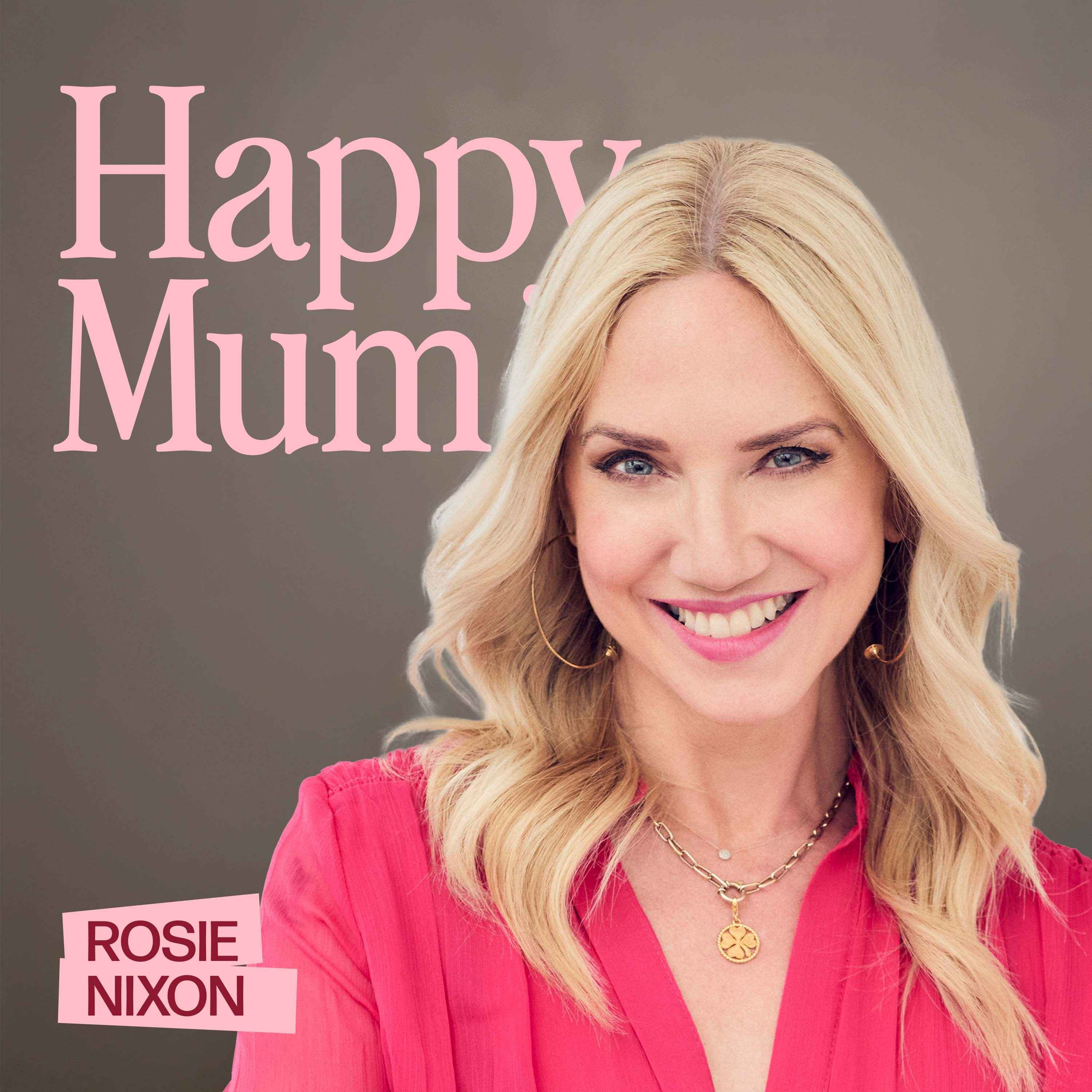
Rosie Nixon discusses burnout, motherhood, and leaving her long-time dream job as editor-in-chief of Hello! magazine. She explains how perimenopause symptoms, a 24/7 media workload, and guilt/identity tied to her role contributed to a breakdown in October 2022, and how she rebuilt health and clarity through “Pause, Reflect and Organise” (PRO).
Rosie Nixon is a former editor-in-chief of Hello! magazine (about 16 years). She previously worked in journalism/photo shoots and became known for promoting kindness. She is a mother of two boys (Heath and Rex) and later moved out of London.
Therapy and small “pause” moments matter; stress can affect physical health; burnout can be physical (her doctor warned she was tipping into burnout); women need GP menopause specialists; supportive workplaces improve productivity; endings/identity shifts are necessary for sustainable vitality.
Unexplained infertility resolved by keyhole surgery to remove a uterine polyp; planned C-section for Rex after an emergency C-section for Heath; a breakdown day in a London hotel after unanswered messages and missed calls from her children; using coaching and long walks to recover.
Written by AI. May contain mistakes.
Rosie discusses her breakdown and the shift in her life perspective.
“Have you been putting off that annual doctor's appointment because you don't want to make the call.”
Rosie discusses her breakdown and the shift in her life perspective.
Rosie shares her PRO method: Pause, Reflect, Organise.
“You know, it's not just about that one moment that's important.”
Discussion on the importance of motherhood and personal experiences.
“My parents were quite values-driven, I think, in that they had a strong sense of what was decent and right.”
Challenges of balancing a demanding career and the desire for a family.
“and actually meeting my husband and him proposing is a classic example of that because it took me a while to say yes.”
Rosie opens up about her journey with infertility and eventual pregnancy.
“And during that period, obviously, we evolved.”
Rosie recounts the moment she discovered she was pregnant and its significance.
“So that polyp could have been stopping implantation for all of that time.”
Explore the emotional journey and challenges of becoming a mother.
“And I think I was probably too, yeah, picking him up the whole time.”
Discuss the pressures and feelings of returning to work after having a baby.
“And I kind of felt a little bit resentful, if I'm honest, now looking back.”
Delve into personal experiences of pregnancy and the realities of childbirth.
“and that I wanted to work from home on a Monday so I could do the nursery drop and pick up.”
Understanding the struggles of early motherhood and breastfeeding.
“really kind of blindsided me, having had no major operation like that before in my life.”
Discover the challenges and strategies of balancing work and motherhood.
“$25 minimum and loyalty membership required.”
Explore the complexities of choosing childcare and the importance of support.
“But it was, there's always been so much love and talking to my boys about it now, I think they will say that but they've always known how loved they are and how, you know, we would race home.”
Understand the need for flexible work arrangements for parents.
“And if someone said, gee, I need this, you know, 300 words of this.”
Learn how to manage a professional image while dealing with personal struggles.
“You do, because I've always believed you bring your whole self to work.”
Identify signs of burnout and the importance of seeking proper medical advice.
“Well, so I'd been in that role for a really long time.”
Hear about a pivotal moment that led to significant life changes.
“And it all came to a head for me in a moment I describe in the book.”
Rosie shares her overwhelming experience of burnout after intense work commitments.
“It was shortly after the Queen had passed away, which had been a really busy time on the magazine, you know, two weeks of things happening every day, specials going to press.”
Rosie discusses the realization of her physical and mental health deterioration.
“It's funny, even now people say to me, I've still got you in my phone as Hello Rosie.”
Rosie reflects on her journey to seeking medical help and understanding burnout.
“You tell the person that needs to know and then we'll make an appointment for you to come in.”
Rosie describes the journey of exploring new opportunities after burnout.
Introduction of the PRO method as a framework for managing life changes.
“Oh, well, I think going through that process, obviously, you know, first of all, my pause was brought on through doctor's orders.”
Rosie talks about how she teaches her children the PRO method for emotional regulation.
“I mean, ultimately, it's just my deep hope that this gives someone somewhere to start.”
Rosie discusses the lessons learned from motherhood and the importance of resilience.
“to have a mum like you who's made this change, I think it's going to, what a massive gift you've given them even in that.”
Rosie discusses the lessons learned from motherhood and the importance of resilience.
“including but not limited to contract and or special pricing.”

Get the gist, explore an idea or ask about something said.
 Claude
On Happy Mum, what are the key points of this episode?
Searching your listeningAutomatic transcript. May contain errors.
0:01When you've got a job to do, Lowe's knows how to help you keep it moving. My Lowe's Pro Rewards members save more with member volume discounts on eligible orders through a quote of$2 ,000 or more. Plus, save time with job site delivery on select purchases. Not a member? Join for free today. Exclusions, more terms, and restrictions apply. Can't be combined with any other discount, including but not limited to contract and or special pricing. Loyalty programs subject to terms and conditions. Details at Lowe's.com slash terms. Subject to change. Therapy's biggest impact doesn't show up in some dramatic breakthrough.
0:34It shows up in the smallest moments. You bite your tongue instead of escalating. You put your phone down instead of firing off that text. You say what you actually mean instead of what would hurt someone else the most. Nobody applauds those moments, but they quietly change your life. That's what growing feels like. And that's exactly what Grow Therapy is here for. Grow is therapy that works, covered by insurance. Sessions average$21 with insurance, and some pay as little as$0, depending on their plan. There are no subscriptions, no long-term commitments. You just pay per session. Grow connects you with thousands of high-quality, licensed therapists across the U.S., offering both virtual and in-person sessions, nights and weekends.
1:18You can search by what matters, like insurance, specialty, identity, or availability. And you can book a therapy session in minutes and begin in as little as two days, not the national 48-day average. See if you could pay as little as$0 for therapy in seconds at growtherapy.com slash ACAST. That's growtherapy.com slash ACAST. growtherapy.com slash ACAST. Availability and coverage vary by state and insurance plan. This ad is sponsored by ZocDoc. Hi, it's Danny Pellegrino from Everything Iconic. Have you been putting off that annual doctor's appointment because you don't want to make the call. Or maybe you've been meaning to find a new dentist, but you have no idea where to start.
2:01I find that's especially true when you move. It's hard to find your people. I've been there, which is why I use ZocDoc. Now, as a busy podcaster parent and someone who's always juggling a million things, I love anything that makes life easier. And ZocDoc lets you search and compare local in-network doctors with over 250 ,000 providers across more than 200 specialties. You can read reviews from real patients, find a provider who feels like the right fit, see actual appointment openings, and book instantly. I recently had a last-minute health issue pop up and needed to see someone fast. And instead of calling around or sitting on hold, I found a doctor on ZocDoc and booked an appointment in just a few minutes.
2:38It made the whole process so much less stressful. Now, taking care of your health just got easier. Download the ZocDoc app today. That's ZocDoc, Z-O-C-D-O-C, and book that appointment on your to-do list.
2:59Hello and welcome to a brand new episode of Happy Mum. Today's guest is the incredible Rosie Nixon. Now, I first met Rosie when she was editor-in-chief of Hello! magazine, a role that she did for many, many, many years. We'd see her at, you know, different events, and she'd be on photo shoots, all things. And she was always the kindest, most warmest person to be around. It was very hard, actually, in my head to marry her with the version of what an editor in chief looks like. She is no Miranda. Is it Miranda? Miranda Priestly? She's not that. She is so far from that. But back in October 22, she actually had a breakdown.
3:43And that is the moment that her life completely changed. She started looking at life and what she wants from life in a very different way. I was very aware actually at the time that there seemed to be a big push for kindness in everything that Hello was pushing out, what Rosie was pushing out. She did various podcasts and stuff around the time, around the topic of kindness. And now I can absolutely see why. She's been working on something called the PRO method, which stands for Pause, Reflect and Organise. And that is something that she's going to talk to us more about because that has really helped her over the last four years.
4:19and given her purpose and a focus when it comes to where she wants life to land. And I think, you know, so often we get to our 40s and it's a case of we've settled this stuff up and we're on that little hamster wheel and we'll just keep going and we'll keep going and we'll keep going and we'll keep going. And I think so many of us relate with the fact that we will keep going until we have something happen that forces us to stop. this chat is with a woman who I really adore and I think it's a lesson to all of us that you know no matter how busy life may be no matter how much you might have wanted something at some point you can always stop reflect and question whether this is exactly what you want for your future there is always time to change this is Rosie Nixon enjoy I know all of our books are always our babies and they mean a lot yeah but i feel like this one and we'll get on to why maybe later on but the simple fact of the fact that it's out now and you're mid like still doing promo for it how does that feel yeah i mean it's definitely my most personal book i think when you write fiction as you all know you're sort of hiding behind your characters a bit so it's a different thing when you're promoting it yeah this definitely feels more personal but i'm just trying to not burnout on the burnout tour because that wouldn't be a good that's exactly the opposite of what this is about so I'm consciously you know really being alive to that yeah and having to build in pause moments so that I don't tip into that overwhelm yeah and just enjoy it you know I've spent so much of my career grafting yeah now I've reached a point where I really want to enjoy this because I've made consciously made this decision to change things and it is I know it's a cliche to talk about the journey rather than the destination but it is this is what we've got today tomorrow these are just as important as to where you might think you want to be in the future so I'm really keeping that yeah front of mind I always think it's a bit like a wedding day yeah a wedding day happens so quickly yeah and and we put so much pressure on that day But actually, it's all the stuff around it.
6:36It's the lead up. It's the actual marriage. You know, it's not just about that one moment that's important. No. And books especially. Because obviously, you know, it takes a while, doesn't it? The whole process. And I wrote this book fast as well in sort of eight to ten weeks. Wow. Because it was just poured out of me. And I was doing a lot of research. Obviously, my journalistic kind of experience came into play there. I really wanted it to be based on the neuroscience of navigating change and creating sustainable kind of vitality, really. So there was a lot of research. And then I already had, obviously, my own story.
7:14And journaling was therapeutic, actually, getting it down. Yeah, it's amazing. Can we talk about your childhood? Yes, of course. Where did you grow up? So I grew up in North London. It was just a very loving, normal, I'd say, kind of upbringing. How many of you were there? Three. So I'm the oldest of three. My parents were quite values-driven, I think, in that they had a strong sense of what was decent and right. And my dad, very left-wing socialist, strong Labour Party supporter. We always had the posters in the window growing up and still is. and that ethos was really in me of a feeling of equality and democracy and that you treat everybody the same and you give people a chance and I think that definitely came from my parents from an early age and was something I've tried to carry through in my role in the media.
8:13Being from such a close-knit family, did it make you think to the future and think I'd quite like to be a mum one day? Definitely. Definitely. I think it wasn't, yeah, I couldn't really imagine it, but I suppose I thought it wasn't a be-all and end-all to me, if I'm honest, and actually meeting my husband and him proposing is a classic example of that because it took me a while to say yes. No, it didn't. Rosie! I was quite an independent 30-something. How long had you been together by that point? Well, we had only been together for a year. Oh, fair. And it did take me by surprise. and I was just getting over being very sick the day before.
8:50So I kind of blame a number of... But, yeah, I think I probably always thought I'd probably have children, but it wasn't, like, tangible to me or the I must have that picture-perfect wedding and 2.4 kids kind of thing. But, you know, I did struggle to have children later. It just took a while to happen and now they are, oh my God, I'm so grateful that that all happened because it can be a lottery for some women. Yeah, yeah, yeah. But I guess perhaps one big factor in that as well is that career-wise, by that point, you were editor of Hello and that must take so much out of you. And time-wise, it must feel like your head is in so many different places and that actually the weeks and the months just kind of fly by.
9:43I would imagine. Yeah, well, that role at Hello, I was in for a very long time, almost 16 years. And during that period, obviously, we evolved. I met my husband while I was at Hello. Yeah. And I'd been sort of dating and making mistakes and, you know, had some good relationships previous to that. And then when I met Cal, he was quite like he'd lost his both his parents, sadly, through illness. And they were quite a bit older. in just a couple of years before we met. And I think he was ready. He's always said, I wanted to get you down the checkout. I was just ready for kids. Perhaps he could see what I couldn't yet see or wasn't ready to kind of commit to, perhaps.
10:28And I was on a trajectory, you know, to be editor-in-chief and that's what I really wanted. And perhaps in the back of my mind was that feeling that if I stop all that, will that happen? but then I hadn't met the right person I don't think until I met Cal either so I wasn't really thinking I was putting it off yeah but I think then obviously when you decide you do want children and then that doesn't happen straight away you suddenly think oh god so what is actually going on here I don't do I even fully understand you know it'd been two years without getting pregnant where yeah I had all the tests and everything seems fine so I remember them saying oh it looks like unexplained infertility which is a terrible thing to tell a woman because there must be some explanation but there is and then I had some further tests and we discovered a polyp on the lining of the womb that was stopping implantation and it was so quick to get that removed through a keyhole surgery like literally in and out and then the doctor that did that said I've just got a feeling you're going to get pregnant really quickly now there's absolutely no reason why you're not and I got pregnant the next month.
11:39No! Yeah. So that polyp could have been stopping implantation for all of that time. But in that, if it had changed, any part of, you know, how things worked had changed, then you wouldn't have heath. No. I mean, isn't that, I find that, you know. And if I hadn't just really persevered with, actually, I feel like I need to get to the bottom of this. I am going to have that extra scan because it hadn't been caught up on a first scan. Yeah. You know, you have to keep going and going, but that's obviously really tough. And then we were considering, well, would we look at IVF or whatever? And I don't know, and perhaps there was a mindset shift as well after having that polyp removed, just thinking I really believed it was going to happen, and it sort of did.
12:22Did you have any symptoms? It feels like a miracle. Did you have any symptoms before you tested? No, absolutely none. Really? Yeah. I think I did have a feeling that it was just going to happen that month, but then I had had that feeling in other months. I remember that disappointment of doing the test and thinking or being a bit late because sometimes my periods could be irregular. I always used to get really caught up on, oh, my gosh, it's Valentine's Day. It's absolutely going to happen. Oh, my God, it's my birthday. Oh, my God, it's my anniversary. Oh, my God, it's Christmas. It's definitely going to happen.
12:51This will be my story. Yeah, yeah, yeah, because we romanticise, you know. We've seen so many different things in films and books. So it becomes that it's going to happen now. It's got to happen now. And it is. It's that heartache. Oh, God, it is. And I remember we went to Australia, to Sydney, to sort of visit a friend. And I really thought I could be pregnant. I remember you on the plane over going, I'll just have like a few sips of champagne. And I just really felt like I was. Because that feeling of being premenstrual as well was often very similar to feeling pregnant, wasn't it? And I just was convinced.
13:24And my period was late, I think, on the way over, which again made me think. And I got a test over there. And I just remember being so crushed. And it was negative. And I was like, it must be wrong. But then just thinking, oh, it's not again. And then you're like, why isn't this happening? Because it's such a life changing moment. Well, and I think being at Hello for so long, you've taken pictures of so many people with their babies, you know, and doing that whole thing. And so, you know, even more so, I think, than just feeling like everyone around you is getting pregnant. Like you're in that world so often.
13:57And it would be you turning up because you're the trusted face and you just exude kindness. you're the one that you want there you know and and so for to be seeing that all the time and it not happening to you I think I just think that's well it does how our brains sort of you know start to hone in on everything don't they when it's when when it's something you really want how did it feel when you did take a test and it was positive well I remember Cal was away he used to he worked in the film industry and he was away on a shoot and I just couldn't wait he was back like at the weekend and it was like Tuesday or something and I was like I just can't wait and I think you know I was late again a few days and I just had a feeling because I was like there's no reason why not I kept remembering when the doctors were saying that there's no reason why you wouldn't get pregnant straight away and I just thought I'm gonna do it so I did the test and then just sent him a picture of it and um yeah I was just over the moon then I was lucky I did get pregnant again fairly soon yeah nine months heath was nine months when i was pregnant i mean talk me through that like i know it's one thing thinking this is a great idea but it's another thing i think when it comes up positive yeah your actual thoughts become a reality well if i'm totally honest the first six months of rex's life are slightly a blur because heath was very late walking right he only started walking at like 16 months and there's sort of 18 and a half months between the two of them So I remember he was only just mobile.
15:31And I think I was probably too, yeah, picking him up the whole time. And he was like, why would I learn to walk? And then Rex came along. And I opted actually for a planned C-section with Rex because I had a very difficult birth with Heath, which ended up in an emergency C-section. So I thought I wanted a bit of control over what was going to happen the second time. Knowing it was another boy, I found out the sex with Rex. I thought, I'm going to have another big boy. Heath was a big boy,£9.10. So that had to come out the sunroof. Two weeks late he was, he was so fully cooked. So thank goodness for our amazing NHS, because I'm sure we'd have probably both died in childbirth had this been another time.
16:15So planned things with rape. So the birth felt a lot calmer, but just that moment when you get home and it was like, oh my God, I've literally got two under the arms. and Cal was working for himself at that point and he had a studio very close to home so he was back and forth a lot which was amazing which was such a great help. And I didn't take a huge amount of time off work probably. Well did you go back after? I did. Yeah and if I'm honest I went back probably a bit early after the second baby Rex. How long did you leave after Heath? So after Heath I went back after about seven or eight months I think.
16:57and at this point you don't know you're going to get pregnant and I was sort of thinking I do want to have another baby which obviously then I did quite soon after and then the second time with Rex I went back after six months and I did feel a bit of pressure to return I was made editor-in-chief and I felt that happen over my maternity leave there were changes internally somebody key left and my boss called me to say that they wanted to promote me to editor-in-chief and I think I probably did feel probably my own pressure, you know. Yeah. And I kind of felt a little bit resentful, if I'm honest, now looking back.
17:43But I went back a bit soon because obviously if you're breastfeeding, you've got to think about stopping that. And Rex was a dream to breastfeed. I remember I struggled quite a lot with Heath, although I persevered, but it was painful. With Rex, it was a dream. But I went back to work. The resentment thing I can definitely relate to, because I can remember even just having to go back to writing and knowing that I gave myself six months to kind of go, OK, and then I'll be back writing. And we sort out so that Tom's mum would have buzz. But all of a sudden you're on a countdown. that's very different from other people as if they've got a year.
18:22And it just feels like, and there is that resentment of having this thing that's going to take you away. And it's a really difficult thing to come to terms with. And that whole question of who am I now? You know, I did love my work too. So half of me did want to be back doing that because I really enjoyed it. And I was lucky that my parents lived in London. So we had a nanny too, but my parents did some of the week. So it felt like we had a stable set up in that regard. And my husband, as I mentioned, his studio is very near to our house. So actually he was more on call than I was if I was in the office.
19:03And the media world is a 24-7 kind of operation. And I remember having to, after going back full time, and this was at a time obviously pre-COVID when we were all in the office Monday to Friday, thinking I want to work at home on one of the days. So at least I think we had a piecemeal nursery like a couple of days and then my parents and then a nanny on other days and that I wanted to work from home on a Monday so I could do the nursery drop and pick up. And that was a really tough conversation with my boss. Really? And the whole sort of question of will it will set an example and I look back now and think, God, I wish I'd handled that differently.
19:43How was working during your pregnancies? I had really good pregnancies. Yeah, not so great at the birth, the first one, but I enjoyed being pregnant. I felt fit and healthy. And I mean, except for getting unbalanced, I remember falling over quite a lot with me, probably because I was half looking at my phone and some emails walking down the street. I remember turning up at the office once and I just tipped over completely laddered my tights and was sat at the side of the road had a little cry somebody stopped in their car was right near the hello office I was like I'm actually I am all right I could feel the baby kicking you know but so that reminder again the warning signs are probably back there that this pace of life is quite unsustainable um but I enjoyed being pregnant and I think again I was so grateful for it that I was going to enjoy it.
20:40Yeah. Yeah. So how long after you left for maternity leave? Because if Heath came two weeks late, did you have a long period of time? I think I worked pretty much quite near the due date because I did feel good as well. And I've always been a fly by the seat of my pants. But also there's that thing, it kind of feels like it gives you more time the other side. Yes, it does. Exactly if you're on the clock and you don't want to start eating into it before you have to. And then I really hoped to have a natural birth. That was the plan. And then he was just later and later and just not moving. Had you done any hypnobirthing or anything like that?
21:16Yeah, I tried loads of things. I did hypnobirthing. Yeah, I'd kind of ruled out having a home birth and stuff. I just, you know, first baby maybe for me. I just wanted a safe arrival and was happy to take the advice of my midwife. I've had the most amazing midwife, Joanna, who was actually just from the local Clapham doctors, who was there for both of the births, who was an angel. I mean, I love midwives. They are so special. They do an amazing job. And the care was really great. But he just wasn't coming, so I had to have sweeps. Do you remember all of that? And eating the curries, doing everything.
21:56I can't remember what else you may have. Yeah, everything. And he was just kind of stuck, but he was also sort of sideways, sort of not in the right position and just not moving. And I just thought, this is a big baby. And he was just a bit too comfortable. So day 14, which they don't really like you to go beyond, they were like, right, we're going to have to get you in now and be induced. I was in St. Tommy's right at Westminster Bridge. I remember it was a beautiful, bright day in March. and I was induced there, went for a walk by the side of the river with my husband, the waters broke and still like nothing.
22:38He wasn't coming. So finally, after trying to have him naturally for a number of hours, it turned into an emergency C-section because the heart rate started going down. So there was that moment where the alarm starts ringing and everybody's in the room and they're like, right, we need to get you into theatre. and I was like, whatever, to get a safe baby. You've done all you can. Oh, you can. Yeah, I tried and I did feel much as you, it's important women, you know, are empowered to advocate for themselves in birth. I trusted the people that were around me. My lovely Joanna was there. She kind of stayed with me.
23:15It was amazing beyond her shift. And I felt like I was in safe hands, although, gosh, I don't think having a C-section is an easy option. Certainly. It's the recovery, obviously. really kind of blindsided me, having had no major operation like that before in my life. Well, and also having it sort of referred to as the easy option to push the push over the last couple of decades, it kind of, it does mean that when you go into it, you maybe have that thought of, well, this is going to be easy. Yeah, in and out. And it's not. No, absolutely not. Although, I mean, it was so unplanned. And I remember the time I was very friendly with Tamara Eccleston, who had her baby on the same day as me.
24:01But hers was this planned C-section in the Portland. I remember she was up the road and I was down there and Tommy's like haggard, you know, thinking, OK, it's probably not the same C-section experience. But we had loads of messages over that time, as you and I did. You're going to see how we've first been born just before. And you kind of find your ones that are right in it. And you say, God, nothing can prepare you, can't you? But I remember we had a very funny moment, actually, the morning after. So my husband had gone home to get some sleep after Heath had safely arrived. And I, you know, had that fairly sleepless first night, as you do, trying to get used to breastfeeding.
24:41And I remember he'd drawn blood the first time because he was so overcooked. I mean, he almost had a tooth, you know. Yeah. I really struggled to breastfeed and the nurses going, oh, try and get something out, you know, and you're like, oh, my God. Of course, we don't know what's normal in those times either. So, you know, you're trying to do these things. You don't know what you're doing. You don't know what's normal, how it's meant to feel, if it's right or wrong. That's it, the colostrum. I'm like, well, this isn't it? And I had the breastfeeding specialist came over, all of that. I was exhausted.
25:11I'll never forget my husband arrived back the next morning all fresh, having had a really nice night's sleep. and he had like this lovely shirt on and then I was like, why has he got like a camera crew behind him and a photographer? And he was like, oh, I just met these guys. They're from the Nursing Times. They were just in the corridor. They've just asked if, like they're doing a feature on New Dad. Is it all right if I take these and basically do a photo shoot with him? And I'm there going, do you think you can pass me some water? Because I can't actually reach anything. And he was stood by the window then doing a photo shoot on how lovely it was to be a new dad.
25:52The nursing times. I like to rib him a lot about that. But in those moments then, you know, those first few days or that first week, did it make you reflect on those shoots that you've done? Yes, that was the irony of it. Yeah, but did it make you kind of go, gosh, how did those women do it? Totally, and look all amazing in those pics. But I did always feel, though, that sense of responsibility, even with a hello baby shoot, that we do ask the real questions. Because otherwise, what are we peddling here? I mean, yes, you would buy a magazine like Hello for the escapism and the glamour and the sneak peek at somebody's home.
26:32And they'll, wow, look at them and they've just had a baby moment. But we try not to sit in judgment as well and let people tell their story in their own words. but yeah the irony was not lost on me in that moment when I was like would you like a few quotes from the mum that's done all the work over here
26:57Therapy's biggest impact doesn't show up in some dramatic breakthrough it shows up in the smallest moments you bite your tongue instead of escalating you put your phone down instead of firing off that text you say what you actually mean instead of what would hurt someone else the most. Nobody applauds those moments, but they quietly change your life. That's what growing feels like, and that's exactly what Grow Therapy is here for. Grow is therapy that works, covered by insurance. Sessions average$21 with insurance, and some pay as little as$0 depending on their plan. There are no subscriptions, no long-term commitments.
27:34You just pay per session. Grow connects you with thousands of high-quality, licensed therapists across the U.S., offering both virtual and in-person sessions, nights and weekends. You can search by what matters, like insurance, specialty, identity, or availability. And you can book a therapy session in minutes and begin in as little as two days, not the national 48-day average. See if you could pay as little as$0 for therapy in seconds at growtherapy.com slash ACAST. That's growtherapy.com slash ACAST. growtherapy.com slash ACAST. Availability and coverage vary by state and insurance plan. You need something from Lowe's, but your day is already jam-packed.
28:21Since Milo's Rewards and Milo's Pro Rewards members get free same-day delivery, we'll make the run for you. Seriously, just lock in your order and we'll do the rest. See you soon. Members get more at Lowe's. $25 minimum and loyalty membership required. Order eligible items by 2 p.m. Subject to weight and size restrictions and availability. Terms at lowes.com slash shipping terms.
28:49What were those early years like then, juggling it? So the early years, it was a juggle. It's a very good word, isn't it? Describe how it feels as a working mum. We had a nanny who would come into the house and then later we had a nanny that lives with us because it was the only way to manage it with two working parents. Because you can't. You can't be a nine to five. You can't. It's very different. I just don't think it's possible to have that kind of job where you're out of the house full time and going to things in the evenings and expected to be on call and to be able to be there as a hands-on parent as well.
29:26Yeah. and we've been really lucky that we've had sort of two amazing amazing nannies so which has been a very constant in our boys lives I mean they've have felt like they've become part of the family we've still got one of them now that we're kind of tapering up now that they're both kind of walking to school it's like when do we change this but I would have there's no way that I could have done that before so that is the payoff and that obviously costs money so you kind of both need to be earning to do that. My husband's always run his own business, so his schedule can be quite unpredictable.
30:01And there were times kind of more sort of 10 years ago when he would be away quite a lot. And I'd be more at home, but then obviously had this big job too. But it was, there's always been so much love and talking to my boys about it now, I think they will say that but they've always known how loved they are and how, you know, we would race home. I think we've pretty much always done bedtimes. We've only had childcare maybe for one night of the week when necessary. We never have childcare at weekends at all. You know, we're hands-on parents. Was that something, though, that you had to really, like, think about and consider and put in place?
30:42Even going back to work, kind of saying, well, this is how I'm going to do it, and this is the only way it's going to work. And we tried different things to see how they would work. You know, we felt we needed a nanny because I needed to be sure that, you know, if they're having those days where they're not quite well enough to go into or a bit sniffy and can't go to nursery or I don't know for sure that I can do the pick-up from nursery before 6 o 'clock. And I always felt when I was at work, you've got to be able to imagine your child and feel a sense of calm. And if I was imagining them being at home with a nanny, that just made me feel so much calmer because they're in their own environment um there was a period where they went to a nursery for half a day so that they could again have that socialization and fun with other kids yeah but then the nanny would pick them up at midday and take them home and i always felt calm knowing they'd be at home with somebody that is dedicated to them and that i could say look i'm running 20 minutes late or the train's delayed and it's not the end of the world you know so I think you've got to come up with a plan that enables you to be able to do your job with a feeling of peace at what point did you ask for that one day off or one day working from home that was soon after going back for the second from the second um maternity leave and how was that received it was a tough tough conversation I think I got it in the end and I had child care for that day I think you need to see proof of that I mean it was really and I'd always felt members of my team I'd often let them do that and I remember as more were beginning to become mums and the shape of the team was changing and we had more women that were becoming mums with young children or joining us but I really felt passionately that they should have that flexibility because as we all know you give a mum a supportive environment she will give you 200 % we make it work I cannot tell you how much work I got done when my kids were little.
32:42Yeah. Book-wise, I was prolific. Yes. I would have lists of stuff. Totally so much more time. And if someone said, gee, I need this, you know, 300 words of this. Organised. Amazing, I'll do it right now. Yeah. That's going top of the list, get that out. It was kind of like, I felt, I mean, I also wasn't sleeping, definitely probably not very healthy at all in that way, but there was something about someone asking me, just kind of, yes, done. You know, it was something about being able to tick things off. Absolutely. So industrious and kind of capable. But if your child is not well and you've had a call from the nursery and they're in tears on the phone, the idea that you shouldn't be supported to leave and go and do what you need to do for your number one, you know, family has to come first.
33:26And your own health and well-being, you're not going to be able to concentrate on the work you're going to be doing. My thing is I always say, but that's real life. Yes. You know, I think all this other stuff that we do keeps us busy, gives us a different sense of purpose. But actually, that is the real stuff that needs to be sorted out. If a parent is sick, if a child is sick, you know, if there's stuff going on, I just think you need that space. You do, because I've always believed you bring your whole self to work. It's really hard to say, oh, I'm a mum at home and I'm this person at work. We're not.
33:59We're a whole, you know, we're messy and things are difficult and they'll be playing on your mind during the working day if you haven't had a good morning or you're worried that you've sent them in and they're not quite right. Like we bring our whole selves, so we need an understanding of our whole selves in the workplace too. It's an awful thing when your child, if something happens that means that your child maybe can't go to school and be leading with, what's that going to do to my day? I know. Not, oh my gosh, of course you're not well, you should stay at home. Totally. But I would imagine that a lot of parents have felt that, you know, the wrong thing first.
34:37Totally like, oh God, not today. Yeah. And it always seemed to happen that they'd be up in the night. It's like they knew if I had a big day the next day, there would be the face at the door. I don't feel well. You'd be like, okay, get in. I've always been like, if they need you, they need you. We got the biggest bed we could get because we got big boys. And still I might get one in the bed, you know, if they're not. and I've always felt like you come to us if you need us, like I don't send you away or could you never do that, probably too much of a softie, but it would always often happen the night before a really big event because maybe they would sense my tension of I really need a good night's sleep.
35:19So I think I got very good actually at probably portraying that image of this swan that was nailing. That's really interesting because when I was reading the book, I was thinking about you and all of the times that we've seen each other over the years and I literally had that thought of you are so swan-like. Any time I saw you back then, you're so swan-like, so chilled and then you literally, a few pages later, describe yourself as it. And I was like, that is totally how I would have described you. Yeah, well I think, you know, in that role as well I was very conscious that I am upholding an image of a brand.
35:56nobody wanted to see me kind of looking really haggard you were never stressed you were always just this this so warm, so inviting so kind, so caring I can really remember that shift actually when you all started, when Hello started really pushing kindness when you did it felt like it was very much this is something that we're actually really really focused on not on the back of something where you know something devastating happens and everyone kind of jumps on it it felt like it was a a really authentic meaningful message that you were pushing well it was born from a lot of unkindness that we were seeing especially in the online world digital world social media especially a lot of negativity around the Duchess of Sussex as she is now Megan and the relationship with Kate you know the Princess of Wales we were seeing so much negativity around these two women pitting them against each other often racist bullying just horrific commentary and we felt like we had to make a stand and say we don't welcome this commentary on our channels or on our platforms and we will block users and we will delete comments that don't meet that standard because we believe that the online world well any world you know be a kind place and you should only speak as you would to somebody to their face so I felt really really passionately about that course yeah well it came across as a real thing and I loved it um so the juggle was happening quite well you got well as well as the swan makes it look at what point were you aware that actually that it's it's not going as it might appear yeah Yeah.
37:46Well, so I'd been in that role for a really long time. And as we've discussed, the media world had evolved all around it. So actually, as can sometimes happen when you're in a job for a long period of time, you end up getting more and more removed from the reason why you got into that job in the first place. And so digital was becoming a bigger part of the hello operation. And then therefore, you're responding to news stories on a 24-7, minute by minute basis and there's less curation of amazing exclusives which was what I really loved and getting that real one-to-one exclusive access to a personality and working with them on the look of the shoot and budgets were kind of being cut in that area with you know sales were tough market even though you know under my editorship hello had become the number one glossy weekly in the market, which was amazing, was my aim.
38:42So that was kind of going on at one backdrop, but also I was evolving as a person. My kids were getting slightly older and their needs becoming less sort of the physical kind of basic stuff. I wanted to be around more for those chats after school, the pick-ups, the kind of the presence within the home for those after-school chats that can be some of the most important. Yeah. And I was sort of by this point kind of beginning to enter my late 40s. Definitely what I now know is perimenopause symptoms were having an impact. My sleep wasn't great. I was waking up with quite a sense of overwhelm every morning, that racing heart feeling.
39:28And that had been another thing on my list to try and get to make an appointment with that. I mean, ironically, I was fronting a menopause campaign for Hello at the time. and I remember doing, actually it was an interview with Gabby Logan talking about her symptoms of perimenopause and I remember sat there thinking, oh my God, this is exactly me. She was saying she was 47 and she started feeling overwhelmed and anxious and running on empty and not sleeping and hot sweats at night and I was like, check, check, check. I spoke to her afterwards and she said, how old are you? I was like 47 now and I was like, I think I'm going to go and see the doctor.
40:02And did you at that point? I had been to the doctor at one point sort of describing some of these symptoms and I got prescribed antidepressants, which is a similar story. And I now realise I probably wasn't in front of the right GP. So if anybody is listening to this, feeling as though they might have some of these symptoms. And it's tricky because they are so similar to the symptoms of stress and overwhelmed from just general life and the amount that we all juggle and all the balls that we keep in the air. a game changing piece of advice that I would give was to call up your GP surgery and ask if you could book an appointment with the with the surgeries kind of resident menopause expert right because not every doctor can be a specialist in everything I think I was just in front of the wrong person because I'd taken whatever appointment was first with whoever yeah and actually when I did have another appointment um with somebody that had a specialism in that area it's a completely different conversation um and I yeah now have an HRT patch and it's really helped but but it all came to a head for me the sort of collision of all of those things and also my own evolution and just my own interests um had evolved and as we do as we go through life and the things that matter the most to us change our strengths evolve all of that wisdom from the first part of our working life kind of evolves as well and we start thinking a bit differently about what we might like to create next.
41:35And it all came to a head for me in a moment I describe in the book. On the 4th of October 2022, I remember that date so vividly, when I woke up in a London hotel room the morning after having hosted a big event for Hello, and again you would have seen the swan on that stage. You might have been there or I don't know whether you came to the Inspiration Awards. and I had been in my, yeah, kind of, yeah, game face on doing all of that. It was shortly after the Queen had passed away, which had been a really busy time on the magazine, you know, two weeks of things happening every day, specials going to press.
42:14I'd worked every weekend. We'd put a book to press as well. I mean, it had been mad and then straight into this event. And I woke up in this hotel room, looked into my diary, and I'd been up late. I was really tired. my diary was packed again for that day I couldn't flicked into you know Instagram social media everything was kicking off because it was in such a big day and it can be quite overwhelming as you know as well when you've done something big just taking in a lot of message lovely messages of praise but I couldn't even register it all millions of whatsapp messages unanswered missed calls, flicking in my door, I think, God, I really wanted to pick up a child from judo later that day, a class that they'd been at because I hadn't been around earlier in the week, had my trainers in my bag because I don't think I ever walked into a train station, was always used to, well, I'm going to have to sprint from, you know, the office back to get back home.
43:11I was due to have a breakfast meeting in the hotel in about half an hour's time. And it was as though all the adrenaline left my body and I just had this overwhelming urge to throw my phone out the window and I just thought I am done and I threw my phone down on the bed instead swiftly picked it up again thinking oh my god what you know what am I meant to be doing first and then I saw two missed FaceTime calls from my boys from early the day before before they went to school and that was just the last straw and I just thought I'm done I just don't want to do this anymore I cannot have this frenetic lifestyle where I feel really torn and I talk in the book of it was like an umbilical portal that I'm not where I'm needed to be and I don't want to do that anymore but that must be such a difficult thing right when you are part of this juggernaut like how do you yes sidestep that Like, how do you make those changes?
44:14Well, and when your identity, obviously, you know, we've done something for a really long time and a lot of my identity was wrapped into that job title and that role and a bit of me thought, I don't know who I am if I'm not that. It's funny, even now people say to me, I've still got you in my phone as Hello Rosie. Rosie, hello. Yeah, am I that as yours? Thank you. You're so funny. You need to change that, G. Yeah, probably. I was, hello, Rosie. And a big part of me was like, oh, my God, but what am I going to do? Like, who am I now? But it was, so that began like a real major period of self-discovery, actually, and reconnecting with the real me.
45:00But isn't that swan? And that day, though, that was, you know, you phoned your husband. I phoned my husband, yeah. I'm so lucky to have such a strong relationship. and actually he wasn't surprised. And I think the thing that he and others that are close to me have now said that had seen building this level of sort of frenetic lifestyle, he used to say to me, actually, you're in hyper-cluck mode. He had an actual word for it where the kind of bits of, like on my cheeks would go red. He'd say, you've gone into hyper-cluck, which is that I can operate up here and anything you throw at me, I'll get it done, you know.
45:39And it was unsustainable. And he was really lovely and was like, right, we need to call the doctor because this is unsustainable. You're really making yourself unwell. And I couldn't even string a sentence together. And I think you don't really understand what a mental health breakdown is until it's happened to you. And I don't think I understood it before. You know, I was a champion of mental health, but you don't get it until it's happened to you. and I couldn't pull myself together and phone the doctor. I just couldn't. It was like almost being childlike again and he said, I'm going to phone the doctors and he did and then the doctor ended up calling me and between sobs I tried to explain that I just couldn't pull myself together and she said, well, you need to be signed off work this week and that means you come away from everything to do with work.
46:32You tell the person that needs to know and then we'll make an appointment for you to come in. You could be tipping into burnout. And why do you think somebody keels over from a heart attack in their 50s or bursts a blood vessel? This is stress-related. And that was quite shocking to hear because I think, naively, I hadn't really thought about stress being related to your physical health until that moment. Stress lives in our nervous system. Hearing her kindness and compassion in that moment, did it alleviate the inevitable feeling that we would put on ourselves of failure? Not in that precise moment.
47:20I did think half of me battling with that internal voice that was saying, Rosie, just pull yourself together. What are you doing? This is like just get in the shower. Because you've been trained. Put your make-up on. this is what we do just go out and do it and also guilt thinking but you're just editing a glossy magazine this is ridiculous here you are sobbing about your life you're so lucky and I think for lots of women as well you know yes we have lots to be grateful for in our lives but that feeling of failure or unfulfillment or unhappiness in some way you know is so shrouded by the guilt of it that we don't seek the support or the help that we need.
48:03So, you know, whatever you are going through, if it feels big to you and it's impacting your well-being and you're in tears or whatever, you know, then that is, you know, valuable to you and you deserve to be able to seek the help that you need to get through that. So after that, that moment of pause that you were, you know, put into, I guess, by the doctor, when you did start making those decisions to leave to to change how things were run were you surprised by I'm guessing a sense of relief that you felt yeah I have to say when I so the weeks I had off you know I spent a lot of time just regaining my physical health and that was through trying to get good sleep going for these long walks we'd moved out of London as well I'd barely explored the area we were now living in I found all these country paths I didn't know existed and like really tried to connect with being outside was very grounding for me and once I'd sort of regained my physical health there began to then be a little bit of a seed of kind of excitement of like my god this is an opportunity to do something now to actually tune in to that little voice that I've been batting away the swan has been kind of yeah flapping away that's telling me that things are not working as well as they once did that you've evolved publishing's evolved your body's evolved your kids have and isn't it natural that you might want something else at this stage of life and then that reframe of starting to see perhaps it not as a crisis but a calling into a new chapter was really really powerful to me and holding on to that thought that I'm being called that I'm ready for something else now I don't know what it's going to be yeah but it's going to be okay my family's still here and coaching was so helpful to me in that I was lucky that I reached out to a friend who was a coach and she did some sessions with me and when I started to really dig into my values the things that I really cared about in life and started to see how they were not being fulfilled in my day-to-day working life and this kind of busy lifestyle I created it began to be quite obvious why I'd be tipping into burnout and when I'd realized that you know sort of running a magazine I'd done that and I thrived in it and I'm so grateful because I'm very aware that that has given me a platform to now do you know the stuff that I do but you have to know when to close one chapter and begin another one and that's hard we don't talk about endings we really don't no but it has led you to the pro method yes um which is your new book so now please tell me about pause reflect organize and the impact it's had on you?
51:03Oh, well, I think going through that process, obviously, you know, first of all, my pause was brought on through doctor's orders. But before we can make any decisions about anything, actually, even small decisions that we make on a day to day basis, like what am I going to have for breakfast? And, you know, decisions that we make to do with our children the pause has to come first and we live in such a fast-paced world it's like we almost lost touch with our natural physiology of periods of rest and recovery before we go again I mean you look at the animal kingdom you know you look to the sporting world it's impossible to be running a marathon unless you're some super athlete constantly and um so the pro method sort of was born from my experience.
51:55The PRO stands for pause, reflect and organise. And once I had regained my own health and started to reflect on my experience and being a journalist got quite interested in the science of burnout and creating some change in your life. So when I layered sort of the neuroscience onto this and realised that in order to navigate a period of change, change because we're in fight or flight so much and our amygdala is all fired up we need to first calm the body so the pause moment has to come first and then after that we go into a reflect mode which is getting really curious about things engaging emotional regulation asking what could be going on here and coaching is very good for that creates a brilliant environment to reflect and then when you have done that and you are able to make decisions from a much calmer clarified position so then you could go into organized mode so it's a very simple three-step framework yeah that you can use for big life-changing moments sometimes for people the pause is the most powerful thing you can do for a period of time so don't we don't pause we never stop no and the pause doesn't mean lying in a dark cabin and you know being doing nothing it's actually really dynamic it's consciously building in thrive time you know the ability to just stop the treadmill quieten the noise and and consider how you are now without rushing to fix it yeah is the important thing yeah i i i actually listened to this um and and i i found it really inspiring and um and i think so often in life we can find ourselves on different treadmills that are kind of forcing us in different directions or just taking us not forcing us yeah um and and i think you set a really great example from someone who is in a role that you know that we all look at and go wow look at that to to have the bravery and the courage to kind of go well actually what is it i want and actually this isn't i just think it's really really inspiring um because i think there's so many people who just go no this is what i'm meant to be doing this is you know this is this is this is what success looks like and actually if we actually stop and like you say and actually ask ourselves is it actually what we want is it actually what we perceive to be success um then i think a lot of us will be changing things about how we live our lives?
54:36Oh, well, I hope so. I mean, ultimately, it's just my deep hope that this gives someone somewhere to start. Yeah. Because when you are feeling that overwhelm and anxiety, it's hard to know where to turn first. And so this brings it back to something that is always within your control and it's not reliant on anybody else. And you always have the ability to pause and then reflect before you organise. I use it on my kids as well. Yeah, if they come home riled about something or upset and they're all fired up and the amygdala's there, you know, and they're in fight or flight, we'll just say, hang on, what do you need to do?
55:15And now they say, pause, reflect, organize, slightly roll their eyes, and they'll just stop. And I'll just say, just take a breath, calm the body, and now reflect, you know, so what could be going on here? Yeah. And they'll kind of explore it a bit. So what are you going to do about it? Because you want them to become self-reliant rather than just coming to us to fix everything. And often they'll say, actually nothing. They just needed to get it out. Get it out. Yeah. So we're not firing off the email to the headmistress like we were going to do five minutes ago. Oh, it's always that thing. You write the email.
55:51You don't send the email. No, exactly. It's incredible for your kids to have seen you make this massive life change. and I'm sure that's something that you know and cherish but I just think knowing that wherever life takes you, to have a mum like you who's made this change, I think it's going to, what a massive gift you've given them even in that. Oh, well I hope so, thank you for saying that and it's really nice taking them along on this journey actually now because they've got very involved with the pro method and yeah, so I hope, hopefully it's given them some tools as they go through their life.
56:30Rosie, if you could write a letter on motherhood, who would it be to and what would you say? I think I do love that idea of writing a letter to your younger self because I think we have a responsibility as we go through our lives. If we can't fix things for ourselves, I know often women find that hard, then let's do it for those that follow us and the young women that come in our footsteps. So just that feeling of you've always got the ability to make change. I think, you know, when I was feeling in the midst of what felt like a crisis, to sort of know that actually there are things within my control, it may not happen overnight and it has to be rooted in reality and the financial planning was all part of me making that change and it happened over a period of years.
57:20But there is always the ability for something new to come out of a challenging time. And it might just be the best chapter yet. So I think I would probably tell myself to just keep going, keep moving forwards, you know, even if those steps are really small sometimes. Yeah. And we end the podcast with you completing three sentences. The first one is being a mum means? everything to me it is the greatest privilege and I am so grateful to be a mum since having children I have become a lot more patient able to pause more to meet them where where they're at as well I think patience is a huge one sometimes kids just need you to be there and to listen and I think that doesn't change as they get older they perhaps need you to be there even more Final sentence.
58:16I'm happy when? I'm sniffing my boy's neck. I really try and get a neck sniff these days. And it's hard because they don't always want it now. One of them does, the other one less so. It's heartbreaking, isn't it? They're growing up fast. I feel like the days of them still being really cuddly and I'm expecting the teen to emerge soon. but there's just I mean it is completely that's a way to calm the nervous system for me I actually said to one of mine today because I asked for a hug um I said give me a hug and he gave me a hug but it felt like he was I was like I just felt like I had to clarify the hug can be for you too I mean it's a hug for both of us it's not just me like I it's I want to hug you and I'd love you to hug me.
59:10And then he properly let into it. And I was like, oh. And it's so nice because it's scientifically proven, isn't it? If you do a hug for, I think it's more than 20 seconds or 30 seconds, the endorphins, the impact that that has on your body, and you can feel it. Oh, my God, a proper belly-to-belly hug. And they're almost both taller than me now, so it's a proper big bear hug and a good old sniff. Well, I'm going home to sniff my kids. and to have a 30 second hug. Oh, yes. Rosie, thank you so much. I've loved chatting to you and I've loved catching up. I honestly find it so inspiring to see the shift that you've made over the years.
59:49You've always been this beacon of warmth and joy and now you're giving it to people in a very different way and I think that's amazing. That is so kind of you. I have absolutely loved chatting to you. I adore you, too.
1:00:23We'll be right back.
1:00:37including but not limited to contract and or special pricing. Loyalty programs subject to terms and conditions. Details at lowes.com slash terms. Subject to change. I'm Jake Stouck, co-founder and CEO of Serval. We built Serval to automate the IT work that slows companies down. Onboarding, password resets, access to applications, my laptop stopped working. While employees wait for help, their real work is put on hold. IT desperately wants to automate this work, and that's why they need Serval. You just tell Serval what you want to automate in plain English and it's built. No drag and drop workflows, no expensive consultants.
1:01:13Employees get unblocked and IT teams go from drowning in tickets to building what actually matters. With Serval, IT becomes the AI engine powering the entire company. This is a new way to run IT. We guarantee you'll automate 50 % of all tickets and we'll prove it to you in a free four-week pilot. Go to serval.com slash tickets. That's S-E-R-V-A-L dot com slash tickets.
1:02:02It doesn't interrupt the experience. It's part of it. With Acast, you can access the world's largest podcast marketplace. Choose the right shows, the right audiences, the right format. Then watch the data tell you it worked. You're not buying impressions. You're buying influence. Learn more by visiting acast.com slash advertise.
What happens when you’ve spent so long holding everything together that you simply can’t anymore?
This week, Giovanna sits down with former Editor-in-Chief of HELLO! Magazine Rosie Nixon to talk about the breakdown that became the catalyst for transforming her life.
Rosie opens up about motherhood, the pressure to keep going and the guilt that can come with admitting you’re struggling.
Rosie’s book, The PRO Method: Pause, Reflect & Organise, is available now!
Hosted on Acast. See acast.com/privacy for more information.