 Ask ChatGPT

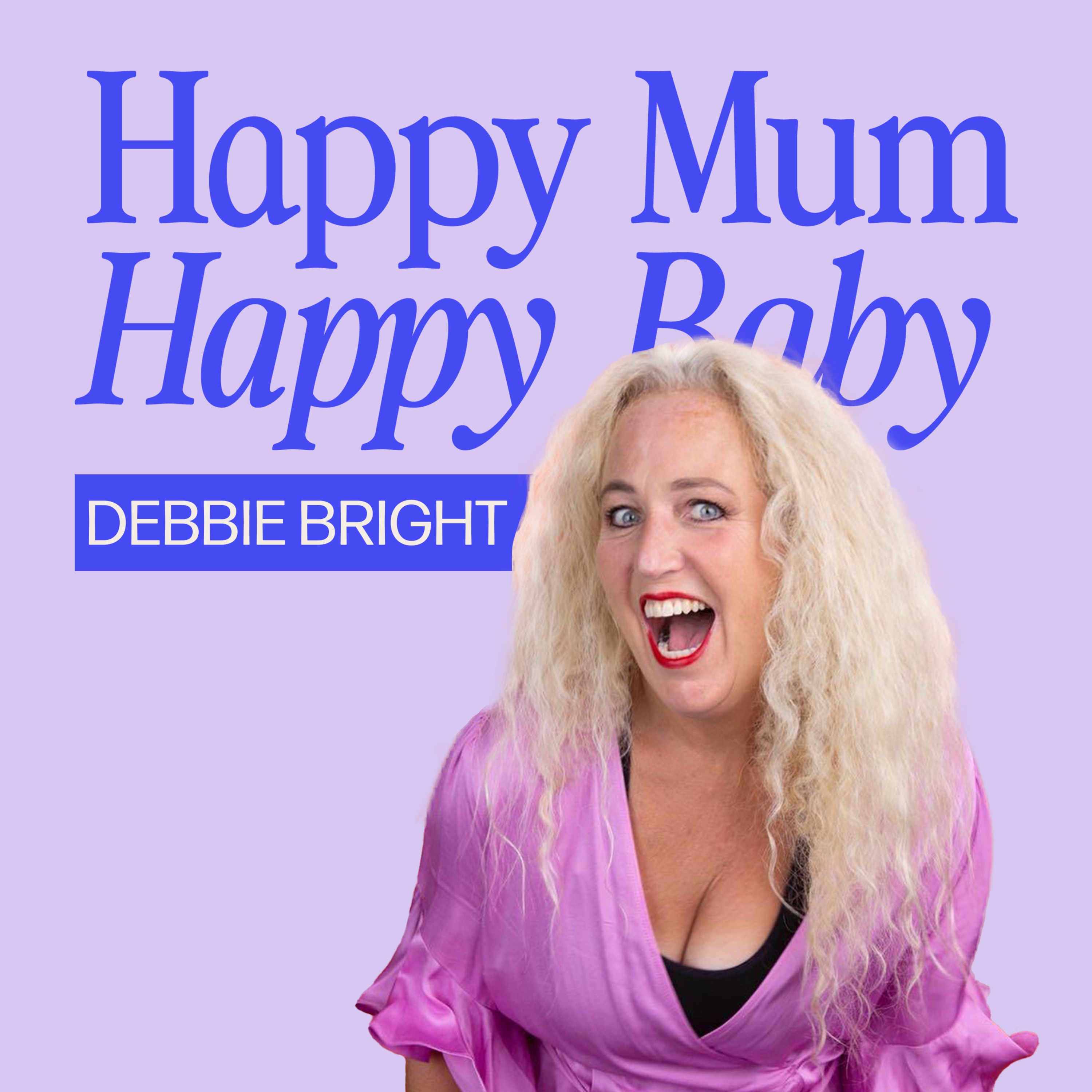
In this enlightening episode, host Giovanna Fletcher converses with Debbie Bright, renowned for her role on TOWIE and as one of the UK's longest-serving foster carers, who has cared for over 200 children across 35 years. The discussion delves into Debbie's personal experiences as a foster carer, her insights on the fostering system, and her reflections on motherhood.
Written by AI. May contain mistakes.
Explore Debbie's large and diverse family structure and her role as a hub carer.
“It's an amazing insight into foster care and what it means to be a foster family.”
Learn about the significance of individual attention in family relationships.
“So you have to have a room where the children can come and go.”
Understand how to lean into the chaos of parenting rather than fight it.
“Like, I think if you're trying to fight the chaos, it just doesn't work with your nervous system.”
Debbie shares insights gained from decades of fostering children.
“So you had that chaos even in childhood?”
Discover strategies for managing emotions and resolving conflict effectively.
“I know I don't look at a day over 21, but I've been fostering 35 years now.”
Debbie reflects on her childhood and its influence on her parenting style.
“I mean, she makes me look like I'm a flicker.”
Explore the complexities of parenting and how childhood experiences shape individuals.
“and we sometimes look in the mirror, I do, and I think, oh, God, mirror, mirror on the wall, I've become my mother after all.”
Debbie shares her childhood experiences, family dynamics, and cultural background.
“So whether it be playing an instrument or achieving, running a marathon or everyone's good at something, you know, or just, you know, sitting, reading books with them.”
Discussing the importance of understanding and supporting those facing challenges.
“So she probably thought, you know, how has my life turned out like this?”
Explore the critical need for stability in the lives of children in foster care and how it affects their well-being.
“And after a few days, I wanted to go home, you know, and the same with my aunt.”
Debbie shares her unexpected journey into motherhood and fostering, revealing the challenges and joys along the way.
“You know, you think with your own children, do you not get up some mornings and think, oh, God, like, you know, I've got to get through another day, you know.”
Debbie shares how a chance encounter sparked her interest in fostering.
“And she just spoke about it very negatively.”
Debbie discusses the emotional challenges of saying goodbye to foster children.
“Wow, so you're in the thick of that as well.”
Exploring the complexities of love and loss in fostering, and its impact on her children.
Debbie explains the importance of maintaining connections post-adoption.
“it but actually you're you're doing the best thing by showing this little baby you know complete love complete you are you are oh I never hold back no but also I guess it's also that thing with a baby you can't.”
The discussion reflects on the balance between biology and upbringing in children's lives.
Explore the dynamics of parenting, fostering, and the impact of nature versus nurture.
“How old were your older two when you decided to add more birth children into the mix?”
Debbie shares her thoughts on motherhood, legacy, and personal growth.
“I mean, actually, if you look at it, the Gwyneth Paltrow version of Sliding Doors isn't as interesting as what yours would be in film version.”
Debbie offers invaluable advice for those considering fostering children.
“Everyone's got to kind of be game in that way, haven't they?”
Discusses Debbie's influence and contributions through her fostering career.
“Next sentence is since having children I?”

Get the gist, explore an idea or ask about something said.
 Claude
On Happy Mum, what are the key points of this episode?
Searching your listeningAutomatic transcript. May contain errors.
0:00Most all-in-one HR systems are a patchwork of disconnected and manual tools. Rippling is totally automated. If you promote an employee, Rippling can automatically handle necessary updates, from payroll taxes and provisioning new app permissions to assigning required manager training. That's why Rippling is the number one rated human capital management suite on G2, TrustRadius, and Gartner. If you're ready to run the backbone of your business on one unified platform, Head to rippling.com slash AcastBiz and sign up today. That's R-I-P-P-L-I-N-G dot com slash AcastBiz to sign up. Hey, moms and dads.
0:38If you're tired of getting the deer in the headlights response every time you bring up family plans with your kids, let me introduce you to your new best friend, the Skylight Calendar. Skylight Calendar was designed to help you manage the chaos of family life. Ditch the mental load of juggling everyone's schedule by pulling it all into one clear place. This all-in-one touchscreen calendar brings visual structure and color coding across your schedules, tasks, lists, and other family needs. Right now, Skylight is offering our listeners$30 off their 15-inch calendars by going to myskylight.com slash get30.
1:14Go to myskylight.com slash get30 for$30 off your 15-inch calendar. That is M-Y-S-K-Y-L-I-G-H-T dot com slash get30. You know what's wild? Most people are still overpaying for car insurance just because it's a pain to switch. That's why there's Jerry. Jerry's the only app that compares rates from over 50 insurers in minutes and helps you switch fast with no spam calls or hidden fees. Drivers who save with Jerry could save over$1 ,300 a year. Before you renew your car insurance policy, do yourself a favor. Download the Jerry app or head to jerry.ai slash ACAST.
2:00Hello and welcome to a brand new episode of Happy Mum, Happy Baby, the podcast. Today's guest is Debbie Bright. You might know her as the mum on Towie, you know, Lydia's mum, the one with the, you know, the wild hair. Debbie is so much more than that. I am recording this at the end of having this chat that you're about to listen to. And at the end of it, I properly weep. I don't know if Alex, the producer, is going to even keep that in or whether she's going to be like, let's take that out. But I just think Debbie's an exceptional human. She is one of the UK's longest-serving foster carers in the UK.
2:42She also has four birth children, two adopted children, two grandchildren. She is a woman that likes to keep busy, constantly has children around. And the most ironic thing of all is that she never wanted children to begin with. Yet here she is. She is exceptional and I really hope you enjoy listening to this. It's an amazing insight into foster care and what it means to be a foster family. Here's Debbie Bright.
3:12Talk me through your line-up because I will get it wrong. Okay, so I have four birth children, two adopted children, two grandchildren. I mean, I always say six children. I don't like to differentiate, but just because people think, I don't remember being pregnant six times. I wasn't pregnant six, I was pregnant four times. And then I've got three foster children who are 10, 9 and 8, 7. and then I'm a hub carer, so a village carer. So a hub carer, it was introduced by Fostering Network. It's called the Mockingbird Model. And so it is basically to stabilise placements, foster placements, to stop foster placements breaking down and to give support to foster carers 24 hours a day.
4:07So to be a hub or a village hub carer, which we call it, We call it a village hub carer. You have to have lots of experience. You have to be available 24-7. You have to be very flexible. And also you have to have the room in your house. So you have to have a room where the children can come and go. The real positives about that are incredible because the children never go to strangers. So I'm like their auntie. I mean, you know, I don't really want to say nan, so I say auntie. It's like going to their aunt's weekend. And I don't know whether you had the same, but my aunt was my saviour. Her name was Auntie Joan and she had a big house in Hockley near Southend on Sea.
4:57And when she'd come to pick me up for the weekend from my mum's, it was like I'd won the lottery. And she'd spoil me rotten for the weekend. and I never wanted to go home, but I probably, if I lived there forever, I wouldn't want to be there. It's very funny. I had my Aunty Kay, but it was very different. She had a tiny little mini, so not the new mini, the old version mini, that had a hole in the floor. You had to keep the door shut with a rope while you were sitting in there. She lived in a flat, like a studio apartment. But we all loved it, because Aunty Kay just loved to spoil us and make cakes and, you know, It was just like that child-focused.
5:36That was her time to spoil her. She didn't have any of the other stuff that my mum had to do. No, no. Just that. No, and I think as well with my auntie-chan, she always sort of picked one of us up. I'm one of three. And you know yourself because you've got three boys, isn't it? It's very important to have that one-to-one time with all of them. And it's so hard for me. And it was hard for my mum because my mum was a young mum. like she had three by the time she was 21 and she worked full time so I got that like undivided attention and I think sometimes when we're mums well I know I beat myself up quite a lot about it is you know time is precious and it's trying to find those moments in the week or moments in the year even if you do it a couple of times yeah where you just have that one-to-one so anyway these other children from I look after between the minimum I have is nine and the most I have is 14 foster carers yeah and so all the foster children that are with those carers will come to me for short breaks overnight stays it could be I'd have to have had up to seven eight children of a weekend Debbie I always talk about you know having three I feel like three boys I I feel like I have to lean into the chaos.
7:01Like, I think if you're trying to fight the chaos, it just doesn't work with your nervous system. Your nervous system has to lean into it, and then it feels more relaxing. I mean, you have that, but on steroids. Oh, I know. I mean, I think... I mean, I do... I've always been like it. I can't ever look back at my life and think... I remember being... When I was a little girl, I always had to have everyone's pets. So whoever didn't want something, I'd go, I'd have it. So I'd have like kittens and puppies. My mum used to go, oh, my God, like you've brought another pet home, like hamsters or anything that didn't have a home.
7:40I'd go, oh, yes, I'll have it. So I've always been a nurturer, I think the word is, a nurturer. And I've always lived in a world of chaos. But it's like a bit organised chaos. I always manage to get everything done, but by the skin of my teeth. Or I'll look at the list and I'll think, oh my God, I've got to. And I manage to get everything done. So you had that chaos even in childhood? Even in childhood. Really? But in childhood it was with animals. Yeah, it was with animals. And I always wanted to be a vet as a child. Oh, really? I dreamt of being a vet. But people say to me, you must have so much patience.
8:20Surely you do. But all my children will tell you I've got no patience whatsoever. I mean, I lack patience. Really? None whatsoever. Like, literally, no patience at all. I always say about me, I've got that Italian Essex cross, which obviously you have. Like, don't cross me. Don't mess with me. Yeah, I say what I've got to say. I mean, I blow hot and cold. I literally blow hot and cold. But I say what I've got to say, I never go to bed on an argument. Yeah, absolutely. So I always go, no, then tomorrow's another day. You know, they might go, I hate you. You're the worst mother anyone could ever wish for.
8:59You're the worst foster care anyone. I go, OK, I'll see you tomorrow then. And life moved on. And I think, you know, again, you could get stressed about so many things, wouldn't you? Like I look back at my life and I think, oh, God, you know, There's so many really tragic, horrible things that have happened in my life and I could get stressed about so many things, but I've learned over the years that when you stress so much about something, it doesn't change any outcomes. It doesn't change the outcomes of anything. What's going to be will be and what's going to happen is going to happen. And actually when you go through those awful moments, you learn something from it.
9:45I think it gives you a bit of perspective as well. Yeah. Sometimes those little moments that might stress you out. Actually, in the grand scheme of things, they're tiny little moments that tomorrow you'll never know. Yeah, I mean, I literally have learned over the years, and I mean, I've been fostering now. I know I don't look at a day over 21, but I've been fostering 35 years now. Debbie, that's incredible. I mean, it's just, it's a lifetime. How many children do you think you've been fostering? So over 200 children I fostered over 35 years. So that might be short term can be from anything overnight, weekend to a year, 10 years, 15 years.
10:25It just varies because plans change on a daily basis. And I just think when I look back at my life and that 35 years of fostering, the things that I've learned is I've got three boxes I've got a box that you know if things happen they stress me out I'm not saying I'm not well I'm not stressed no I'm not sure but I'll go oh my it will really annoy me and make me angry rather than stress me annoy me and make me angry and then I feel my whole mood changes, that I think, well, that's really, that's not kind, that's not nice, that's horrible, it's nasty, but, you know, I can deal with that, I'll put that in that box.
11:14Yeah. And then there'd be the medium box, I think, well, that's not really good, it might be something that's happened at school, it could be police involved, you know, I mean, there's so many stories I could tell you, but then I think, well, I've got to deal with this, but I'll deal with it when I'm in a much better place myself because there's no point in me dealing with it now. If I deal with it now, this whole thing is going to erupt. And that was hard for me because I'm a very fiery person. I mean, I'm a combination of Aries, Irish and Italian. I couldn't really be anything else. I'm a very fiery person.
11:54So I know I've got to deal with it but I know I have to be in a better place to deal with it. I always say, with one of my kids in particular, who's fiery, who shares that fiery side with me, you can't fight fire with fire. So you do have to get yourself out of that and get yourself into a mood where you actually are ready to help, ready to see the situation in a different way. Absolutely. Because what's going to happen? I mean I've been in this situation so many times You're screaming and shouting And you're getting annoyed But that person can't actually hear anything you're saying And you can't hear anything they're saying Because your temperature's at such a high rate That I'm not listening to anything you're saying And that took me quite a long time to learn And I made lots of mistakes along the way with that I think especially with my eldest daughter who is fiery.
12:56Right. I mean, she makes me look like I'm a flicker. I'm just a flicker. I'm like a tiny flicker compared to her. So our relationship was always very volatile. And I just wished I knew what I knew now than when she was younger. So, but then again, we all... Also, we weren't talking about things in the way that we are now. We weren't talking about the child's brain and how different things are engaged at different times. And actually, you can't override that. Once that's activated and they are firing, you cannot override it. Nothing you say will override that part of the brain. No. And I think we've got, you know, parenting is parenting.
13:43I don't think anyone's perfect. And how I parent might be very different to how you parent, but it doesn't mean to say I'm wrong and you're right, you're right and I'm wrong. We do the best we can and we are all a product of our childhood and we will all parent how our parents have parented and we sometimes look in the mirror, I do, and I think, oh, God, mirror, mirror on the wall, I've become my mother after all. You know, and that scares me and then I pull myself back, but I don't want to make the same mistakes as my mum did. but then on the flip side I think my mum done the best she could she was a young mum who worked five jobs and had a husband who gambled all the money away so and she brought up a daughter who became a foster care and has been in the business for 35 years so do you know in lots of ways you are you are you because of her input as well you know I know that we all pick our own different things and there's loads of things that we latch on to our parents don't dictate everything but you whether for good or bad they have a massive part to play in the person that you become oh absolutely whatever way we look at it and I think also I mean I think they you know I mean don't forget as well I have all of these children who come into my care whose parents you know I would say 80 % of maybe even higher of children who come into care is because drug and alcohol addiction it's absolutely huge it's always been huge that hasn't changed in 35 years so there's no oh I've seen a change in why children are coming into care I haven't I've seen children more angry but not necessarily the the reasons they come into care the reasons they come into care it's because of alcohol and drug abuse but you know even with these children I watch their journeys and and I watch the way they regain relationships with their parents and it might be 10 years time it might be straight away it might be once they're out of that situation they want to gain a relationship with their parents and it may be they never regain a relationship with their parents but but my role in that is to support them through that and not to well I you know Another saying is, you know, children come through you but not from you, you know.
16:10And so my aim is to make, you know, childhood is such a small part of our lives. We all think we've got childhood for a long time. I mean, you know, if you're three children and I know with all of mine, that flick of an eyelid and you think, oh, God, they're going to school and then they're going to secondary school and then they're going to uni or college or they're getting a job. And you think, where do those years go? And you look back and you think, realistically, with everything that's happened in their life, that very small part of childhood is the most significant part of their life. And if we get that wrong, it affects the rest of their lives in one way or the other.
16:56and we can all talk about therapy and, you know, and all kinds of different books that we're reading about how to help us, but at the end of the day they have to muddle through that themselves. And I think as social services and as their corporate parent and us as foster carers, our main aim is to give them a happy childhood. and happiness comes from finding things they love and enjoy. So whether it be playing an instrument or achieving, running a marathon or everyone's good at something, you know, or just, you know, sitting, reading books with them. I mean, I was reading Polar Express till late last night and I got really fed up halfway through it.
17:48I said, can we finish this tomorrow? You know, but those moments are like what you said, are moments they will remember and nothing's pushed upon them. Like childhood is a small part of their lives. Just let them be kids. What was your childhood like? My childhood was I was born in the east end of London, so I was born in a two-up, two-down house in Walthamstow, so I'm E17 girl. I'm an E17 girl and I went to obviously Catholic schools so I was taught by the nuns and there was good and bad in that like there is in all schools I went to Italy for the whole summer every year since I was born and you still do which was my saving grace really Because I felt so at home from such a young age when I stepped off a plane in Italy.
18:50I was very spoilt by all my aunts and uncles in Italy. I mean, they absolutely idolised me. So I was very privileged to have a very huge, massive, loving family in Italy. In England, I come from the Irish side, my mother's side. Again, very big family, loved by all my aunts and uncles. My mother and father got married at a very young age. They got married in St Peter's Church in Clerkenwell, which is an Italian Catholic church. My mum was 17 and my dad was 19. And when I look at photos of both of them, they were babies walking down the aisle. My mum was pregnant with my sister. It was a very volatile relationship, Irish-Italian, so there was lots of screaming, shouting, frying pans coming across the kitchen table.
19:50It was a very volatile relationship. And I think they both muffled through life the best they could. You know, my mum worked so hard and I think, you know, when I look back, I was horrendous to my mother. Really? Absolutely horrendous because I absolutely worshipped my father. I was a daddy's girl. And so I never blamed my mum, sorry, I never blamed my dad for anything. It was always my mum's fault, my mum's shouting, my mum's screaming. I mean, my mum's not giving me this, my mum's not giving me that. When I look back, all I can say is sorry, mum. I mean, she's got dimension now, so she won't know that I'm saying sorry, but sorry, mum, because, you know, she had the strength to bring us all up, all three of us, on her own really, because she had three by the time she was 20.
20:50Thank God she did have really good sisters that helped her out. and my dad gambled most of the money away and when he did win, he'd buy me a chopper or buy me something that was worth, so for me, I got all the best presents, so instead of coming home and giving my mum the money that he'd won that day, he would buy me a truckload of presents. So for a child, I mean, he was my... Yeah, yeah, he was the one you go to. He was my saviour. Yeah. But, you know, growing up, I had that connection with my dad more than the other two siblings, which is my older sister and my youngest dad, because all I wanted to do was be in Italy with him.
21:36Yeah. Whereas the other two wasn't so connected to Italy. So even now, my brother and my sister don't go back so much to Italy and they haven't got that, you know, really massive connection to a country that's in my bones basically so I remained a daddy's girl to the day he died and my mummy's got dementia now she's got vascular dementia so she's just recently gone into a care home and we've worked at our relationship even through the dementia and I tell her that I love her and she tells me she loves me which a lot of the time she never had the time to tell me that because she was working so hard so hard isn't it because only as an adult can you look back and see that as a child you just see she's not there absolutely as a child I just thought she's never here she's always working when she does at home she's shouting because she was tired and also she was frustrated because did she want to be a mum at 17 you know who does you know who who does want to be you know you're a kid at 17 you've got your whole life in And the other thing for my mum, when I looked at it, she was the youngest of six children, and her two sisters, her older sisters who were a lot older than her, they were very successful women, strong, successful women.
23:01So she probably thought, you know, how has my life turned out like this? And they're both living this successful life. Would she have changed her life at all? absolutely not because she loved her children so and she went on to love all her grandchildren yeah um whereas the other two the two successful sisters who were much older than her one of them my auntie doris never had children because she chose a career so when she got older all her nieces and nephews looked after her but she didn't have any children of her own and i feel she you know she told me many a times I don't feel that she felt a big void in her life but by the time she decided it was too late and my auntie Joan only had one son and he committed suicide so she committed suicide two years later so it was a very tragic end to a life so and at a time as well where you know it was very much women chose a career or chose a family that that was how it was.
24:09Absolutely. Whereas now everyone's trying to juggle and do everything. Like your mum is kind of, and it's really interesting actually. Now I think a lot of women can actually, they know what your mum's going through. Do you know what I mean? That thing of having young kids in the house, but I've still got to, I've got to keep the house, you know, clean and feed everyone. I've got to go out and do the work and provide them that way. It feels like everyone is trying to do everything. And actually, if your dad was going out gambling, that's what your mum was doing even back then. Oh, absolutely. But did I understand that?
24:38Of course he didn't, you were a child. Absolutely. You know, to me, as long as my dad was buying me presents all the time, and, you know, he never shouted at me, my dad, ever. I mean, my dad never shouted at me. But my mum was the very vocal, vocal shout, because she was frustrated, you know, most of the time, and probably also exhausted, you know. So she was running from one job to another. but as we said we muddle through life the best we can and there is no such thing I truly believe as a perfect parent yeah but we only realize that when we're older and I think when I when I sort of look at things now and the way society are are I think a lot of the time people blame their parents and then you know or I'm like this because my mum was an alcoholic or I'm like this because my dad was a gambler you know I could have quite easily said that couldn't I but it's a very blaming culture and you shouldn't blame people I never I don't ever judge any of the parents whose children I'm caring for and the first thing I do when I care for children if there's contact set up is try and make a really positive relationship with them and a lot of the parents I've become extremely good friends with and support them you know even supporting them now after their children may have moved from me 10 years ago 15 years ago I'm still at the end of the phone for them because we must never judge people that's the thing isn't it it's taking that judgment out of it it's very easy to judge but actually if you take that out that's just a person that's struggling and they need someone there and do we know what you know and do we know why they're struggling no we just we just look at them and we go you know no one ever must say oh these when people say to me oh why are these children in care I don't divulge that information because that's their information I just say oh they're just in foster care you know that's that's up to them to tell you when they're ready to tell you if they are ever ready to tell you but alcohol destroys lives and drugs devastate families and you know thank god that I'm in a position where I've never been like I've never you know been an alcoholic or took drugs thank god i'm in that position but we don't know how they got to to that point and and we must never judge people and you know even some of the children this is a you know very recently one of the child one of the child one of the boys that i used to look after many many years ago has ended up in prison um because we all know there's a high statistics of children who leave care who end up in prison a very high percentage and I you know waddled along to go and see him and and went in and the first thing I'd done was give him a cuddle and a hug and just said right well let's learn from this you know how have you got here how can you make sure you don't get here and I'm still here for you yeah you know all the years later you know I'm still here for you and then messaged his mum to see if his mum's okay and told his mum to ring me if he needs anything and it's keeping those connections going because we're very fortunate me and you we've got big family and we've got massive of family support but I think society and people do not understand how many people are trying to do it alone yeah and when you have children and you try to do it alone the world will just swallow you up because as you know what is the saying it takes a village to save the child and that's why we're called hub village carers because we're trying to ensure that these children when they get placed with a foster carer stays there until it's either ready to go home or move on because we also know through research and through statistics that the more children move in the care system the less chance they have of survival right it's that it's that um stability isn't it it's having that place that knowing that that's where you're going to stay for a thorough time you're not going to be moved around so having a place that you can just go to for a night so that that foster carer has a little bit of you know respite themselves i mean i don't know about you because you look like a perfect child to me I definitely wasn't I mean when I used to kick off at home and there was many a time that I used to kick off I wasn't the easiest of children not that you can believe that but I wasn't the easiest of children I went to my nan's or my aunt's so even I remember packing my suit I hate you I'm never going to speak to you again and I'd go to my nan's and then my nan would make me eggy dip dip in bed and, you know, cover me up and make me a cup of tea.
30:05And after a few days, I wanted to go home, you know, and the same with my aunt. Well, foster carers don't get that. So when there are these eruptions or when the child is being extremely challenging, what are they going to do? What happens is it just gets worse and worse and worse and worse and then the placements break down because in the end, And, you know, I have been in that situation where you just think I'm absolutely exhausted. I can't take any more. And then what they do is they phone up the social worker and then give in their notice. And then the child's moved. Whereas if they can have that little bit of a break.
30:49And people feel helped along the way. And it may be that they're not even coming to me for a few nights. It might be that just they want to talk to somebody. You know, it's very different. They can't talk to, I don't know, their neighbour or a friend who doesn't know anything about fostering. And that's the thing, so that support isn't only for the children, it's also for the family. Yeah, it's amazing. It's for everybody. And what I've noticed over the years is it's equally as important. But what I didn't, I didn't see the impact it would have as much as like now I'm doing it. You read about it, but until you're doing it, it's like anything.
31:32It's like for experiences. Yeah. It's the impact it has on children in care is absolutely magnificent because a lot of these children think they're the only children in foster care. and they think they're the only ones that mums and dads have done what they've done. You know, whether it be they've witnessed alcohol abuse, drug abuse, mental health issues, they think they're the only children and the amount of children that I've had that have come to my hub and then I've got other children and I'm cooking dinner and I can hear them talking in the toy room or talking at the kitchen table. And finally they've found somebody that they can talk to that understands them because they can't talk about it at school to their friends.
32:27Very rarely do they talk about it for their friends because the ones that do, often they ridicule them after. So, you know, it might be that in a weak moment they go, oh, that's not my mum or that's not my auntie picking me up or my nan picking up that's my foster carer because I'm in foster care because my mum and dad can't look after me at the moment you know a week down they go oh your mum and dad don't want you your mum and dad don't like you and then of course we have all the tears and the upset so very few children in care share that information with friends yeah until they feel 100 % comfortable and that might be years and years later.
33:14So at last they can sit on the settee with somebody sitting beside them and know that they feel exactly how they feel and they're not with their mum and dad or they're not with their mum or their dad or whoever they were. Also with children, we never know quite. I think as adults we know that there's lots of foster families. We know that this happens, but for children, we don't know how they are reading that situation. Well, children in care are very hypervigilant. Yeah. So they're very, they watch everything. I mean, I swear, if I go, I can't find my car keys, four of them will go, I know where they are.
33:55And I think, well, how do you? Like, they know where my car keys are. Yeah. I don't never lose any, well, I lose everything, but they tell me where it is because they'll watch everything. I'm doing their hypervigilant. that's the first thing which means they're never really fully relaxed and it takes time to do that so that's what I'm saying children will trust children yeah long before they trust an adult and that's something that you found at home as well your your kids were the ones that were trusted yeah but they trust foster children trust foster children long before they they trust birth children really long before they trust birth children so that mechanism is already in in them yeah who they can talk about things who they can share things but I mean I've listened to conversations over the years which you know they've not seen me but it's brought me to tears where I'm you know loading the dishwasher or you know and they don't know I'm listening you know where they've both shared that they've lost their mum to drug addiction so both of them know that their mothers have died of heroin overdoses who can they share that with yeah and know that they know exactly how they're feeling there'll be very few people in the world they can do with that so finally they've made a connection and you feel exactly how I feel and the friendships that I've seen blossom is the word blossom is is is more than inspirational you know because their faces when they see each other because you know I might have two from that foster carer and two from another foster carer and I go oh okay I have them for this weekend contact and they all meet up their faces when they see each other and how they embrace each other you don't see it unless they're with children they feel comfortable with.
36:01And the amount of children, in fact, probably nearly all of them have said at one point or the other, or they've written or they've drawn, is we thought we were the only ones in foster care.
36:20Hey, Moms and Dads, if you're tired of getting the deer-in-the-headlights response every time you bring up family plans with your kids, let me introduce you to your new best friend, the Skylight Calendar. Skylight Calendar was designed to help you manage the chaos of family life. Ditch the mental load of juggling everyone's schedules by pulling it all into one clear space. This all-in-one smart touchscreen calendar brings visual structure and color coding across your schedules, tasks, lists, and other family needs. Right now, Skylight is offering our listeners$30 off their 15-inch calendars by going to myskylight.com slash get30.
36:59Go to myskylight.com slash get30 for$30 off your 15-inch calendar. That is M-Y-S-K-Y-L-I-G-H-T dot com slash get30. You know what's wild? Most people are still overpaying for car insurance just because it's a pain to switch. That's why there's Jerry. Jerry is the only app that compares rates from over 50 insurers in minutes and helps you switch fast with no spam calls or hidden fees. Drivers who save with Jerry could save over$1 ,300 a year. Before you renew your car insurance policy, do yourself a favor. Download the Jerry app or head to jerry.ai.acast.
37:41in doing what you do and meeting so many families and meeting so many children it must be really sad to to know that the number of families signed up to be a foster family is declining absolutely it is sad but it you know i'm sitting here now i'm telling you it is it is hard Because how do you say to people, you know, I don't want to paint this picture that fostering is raising. You know, you think with your own children, do you not get up some mornings and think, oh, God, like, you know, I've got to get through another day, you know. Of course we do. You know, and I don't want anyone to ever go in fostering with rose-tinted glasses.
38:31But then again, did I? Yes. Did you? Yes, I did. Well, let's talk about this because you... I'm guessing you always knew you wanted to be a mum. I'm guessing that there was a moment where you thought... Absolutely not. Really? Just look at your face. My kids will tell you this because I've told them a story. I can't believe that you can't. No, absolutely not. I never wanted children. That is the truth. I didn't.
39:01No. No, and my husband will tell you that. It's like saying I never want a pet and then opening a zoo. Yeah, I mean, he wanted children more than I did. Really? I was a career girl. I was like, you know, I worked for a jean company called Gloria Vanderbilt, which were like the first designer jeans ever to hit the world. Right. And I was very fortunate to get a job with them at a very young age. I travelled really a lot with them and I loved my job. Yeah. And then he, my husband, Dave, sorry, not he, Dave, really wanted children. I felt a bit pressurised. Really? If I look back, I felt pressurised to have a child.
39:43But also the wider family, were they all very much like, come on, Debbie? No, I don't. They were because they knew that I was a bit of a wild child. Yeah. I mean, all my family always said you was like the wild child, like the hippie wild child. I should have just been like, I should have. If I look back at my life, I think I should have just had dreadlocks and travelled around the world with a rucksack and got lost in the Himalayas or something like that. I'd been quite happy. But no, I didn't. I ended up the flip side. It's so funny because I can literally visualise you doing that even now. I didn't.
40:19I ended up on the tube every day, you know, up the West End, like high-fly job, like travelling with a really multi-million pound company. You know, it was an American company. And I just, it's the way that life turned out. And then all of a sudden, I thought, oh, Dave kept saying, oh, you know, I want children. I want children. So I'll be totally, I think I was pressurized into having children. It wasn't like I went, I'm so, like, want a child. It wasn't. And then I had my first daughter, Georgia, who's the fiery one of the family and keeps us all in tow. Like literally, she keeps the whole family in tow.
41:02She's like this duckling that walks around and makes sure we're all following behind her, including me.
41:11And, you know, obviously the minute she was placed in my arms, I fell madly in love with her. She was just her dad's double. Do you feel like that's when maternal thing just switched on? Yeah, I loved being pregnant. There wasn't a bit of me with any of my children that thought, oh, how much... I generally loved being pregnant. And then as soon as she was put in my arms, it was like Dave being put in my arms with a baby grow. I just thought, oh, God, it's a dad in a baby grow. She's still like that now. She looks like him now. and then I fell for Lydia and they were close together weren't they?
41:50three months after I had Georgia so like literally they was born in the same year more or less well one's November and one's January. And when you realised you were pregnant with Lydia was that a moment of like oh wow? No I was so happy really? Yeah I was so happy because I wanted children together, I wanted them close together and then Lydia come along and then like I had them two in a double buggy yeah and this is no I didn't know anything about fostering I mean the only thing I knew about fostering was very negative yeah because my mum was sent to Wales in the war yeah with her brother and she was evacuated to Wales with her her little brother just them two because the rest were older.
42:38And she just spoke about it very negatively. She said that it was really horrible and they were treated very differently. I mean, occasionally, even with dementia, she still talks about that. Really? So it's obviously had a massive impact on her. So I didn't know anything about fostering and I went to Pizza Hut, I can do exactly in Stoke Newington, and I was sitting there and a woman was struggling with lots of kids and she said, oh, I need to take it. I said, oh, don't worry, leave them eating their pizza, take that one, take the baby to the toilet, I'll look after them. She said, okay, when she come back, we just started talking.
43:26And I said, oh, yeah, I had George and Lydia in high chairs. I said, I'd quite like to do that. So she said, oh, they're really short of foster carers at the moment. I was 30. Yeah, 30. And I said, okay. I said, oh, here's my number. Just give her my number and tell him to give me a call. I don't know her name. You haven't talked to Dave? I don't know. I've never seen her since then. Really? Since that day, I've never seen that woman since that day. Wow. And that's why I say to my kids all the time, talk to strangers. Yeah. Talk to strangers because those strangers will lead you to different places in life.
44:08And those strangers may even become your best friend. Yeah. I talk to everyone. I mean, I drive everyone mad. And that one encounter that's literally changed. One encounter that changed my life, but also so many children's lives. Yeah. And she doesn't even know it. Yeah. Don't know her name, nothing. so I went home and then about a week later the phone and I went hello so he said oh hello I'm phoning from social services you've got interest in fostering I went oh yeah I forgot about it by then and he said can I come and see you I said oh yes I made an appointment I said to Dave oh a man's come around talk about fostering and he went what I said fostering what's that so I I said, I don't really know.
44:55I said, but he's coming. He said, I'm not doing that. There's no way. How old were the girls at this point? One and two. Wow, so you're in the thick of that as well. One and two. And then by the time I was assessed, I think Lydia was coming up for two. And then I got an absolutely, I think, seven-day-old baby girl. Oh. And she was Italian. Yeah.
45:26and that was it it's like a roller coaster I mean that must have been I imagine the first time like going through that process and then being just not certified but sort of given the go-ahead to foster and then actually having a baby with you that is it at that point the the weight of it or the actual journey that you're about to go on is that the point where it actually becomes really real yeah I think it happened so fast for me and uh I mean the girls were just ecstatic because it was like they had their own very baby doll didn't they I mean they they used to help me like bath her and change her and feed her and it's like they had their own little baby doll and it just yeah I mean I just loved it I absolutely loved it um I mean in those days we didn't keep in in touch things have changed immensely especially with adoption yeah open adoptions and stuff but she was a she was uh they found an auntie with her and she went to live with an auntie how old how long was she she was with me for about a year gosh that must be like i don't know that's what you sign up for and you know that's going to happen but knowing something but the reality of than saying goodbye to that baby who you've absolutely loved and you would pour so much love into and saying goodbye must just break your heart.
46:56I think that, for me, is the hardest thing about fostering. Yeah. And you think she will be, this little girl would be 35 now. Yeah. 34, 35, yeah, now. I could be sitting next to her on the train and she wouldn't know that I had her for the first year of her life I could be sitting it could have been you could be sitting opposite you you know she doesn't know the impact that she had on our lives for that year and when they come and they you know they take the children it's like your heart is shattered into a million pieces that's the only way I can describe it I remember sobbing on the bed and crying for nights on end and I remember thinking I can't ever do that again I can never ever do I can't put myself I can't put myself through that ever ever again and I did and then people then go to me now oh yeah but it must have got easier over the years because I've had many many many many babies from you know newborn till they're about a year and and I say to everybody no it doesn't get any better in fact I think it's got harder because I realize that how precious those years are as you get older you realize that how and I think when I was younger like you know you love them all the same and you cherish them and you know I remember I love I love night feeds because it's the only time in my house is quiet so I love waking up with newborns and just sitting there and it's quiet and I've got that baby to myself yeah and it's a really funny thing because when I'm holding them and I've got them to myself it's almost like I can feel my heart my heart literally exploding we'll both be crying where's my tissue because that's how you feel you feel like your heart's just exploding when you're feeding them and I think as I've got older I mean one's just been adopted not long ago um that was a little boy and he's um I mean he's he's flourishing now look she's got the tissues out for me sorry guys I've got to blow my nose and wipe my eyes he's absolutely gorgeous but the same thing happened with him yeah I mean we all adored him that whole family adored him and I see I see him occasionally now because he was adopted by two daddies which was lovely they're really lovely lovely couple and they keep in touch and I see him flourishing yeah I see him growing he's like a massive huge ray of sunshine he's like huge sunflower now um and you you have to come to terms with you it's like a book it's like a book you was the you was you wasn't the first chapter of his life because he's got his birth birth mum and dad will with his first but you've been a part of it two three chapters of his life and then his life will carry on and you know that first year of his life we put as much fuel of love that we possibly could put and you have to right I mean because in some ways I wonder if if some people's heart might be like well I have to sort of toughen up and not kind of lean into it but actually you're you're doing the best thing by showing this little baby you know complete love complete you are you are oh I never hold back no but also I guess it's also that thing with a baby you can't.
50:48Of course you can't. I mean, we used to, I mean, he used to smell of kisses. We'd all be kissing him the whole day long. I mean, again, on the flip side of that, I look back and beat myself up again because I think, did I damage my own children with that process? Because they've loved and lost, loved and lost, loved and lost, loved and lost and I do beat myself up about that so because I think there isn't really any children that now that have loved and lost as much many times as my own children but again you could say that you've actually taught them the power of human kindness and how you know you open your doors to other people and you let them in and you show them on unconditional love even if even if it means you do have to say goodbye which for me is well that's such a beautiful lesson to teach them yeah i i that's a that's making me god i mean that's a lovely way of putting it yeah but the reality but is that the reality is it's it's hard because i just think i've seen you know i've watched them break down yeah and as a mother i think that i've watched my own children break down and cry and sob you know because this baby that they've all loved especially if they've got older yeah and I think as you know children are so we all think that they're not going to cope with things but they're so resilient and flexible and even when children come into my care like you think they're coming to a stranger yeah so they're coming from their parents and all they've known to a stranger but you'll be so surprised our children adapt so easily and quickly not always but in the majority of the time they will adapt so quickly because you all think you yourself like and me no one can love my children like I love them and you know if anything happened to me who would love my children like I love them but children adapt very quickly and not to say that they're never you know that they don't remember or forget or have troubled times or nightmares they do but they also develop and adapt but as you get older that's much harder yeah so I have noticed what I did notice now I do notice with my children my birth children that become harder the older they got yeah so even And recently, I mean, when the baby was adopted from me, which wasn't that long ago, you know, they're in their early 20s.
53:34Roma's only 21. They're early 20s and 30s. Yeah. And I witness them take it so much harder because as you get older, it's harder to have that heartbreak, isn't it? Did it feel comforting when that shift happened where all of a sudden you were allowed to sort of stay in touch with the children once they're adopted? Absolutely. Absolutely. And I think, you know, it doesn't always happen. I'll be honest with you. It doesn't always happen. And I'm quite lucky in the majority of the time it has happened that the adopters have promised to keep in touch. And that promise has been kept up from both sides.
54:23But I know lots of foster carers, because I do know lots of foster carers, that there's been lots of promises and it hasn't happened. Yeah. and for various reasons and you know I accept that when you adopt a baby you know people adopt and they believe that they're theirs and that's it they're going to start a new life and everything but you can't erase history and you can't erase what's happened before and and the life they've had before and there will be a time that these children grow up and we all want to know things so isn't it easier to to start that at the beginning rather than it be sort of like um it's like holding a hand of sand isn't it like instead of like letting it all go at the same time like letting it go slowly yeah and that fed into them slowly um and I do try and pass on as much life story work to the adopters as they can and including whatever because you've got to mind I'm in again a very privileged situation because I'm having contact with the babies parents at the beginning so very rarely do the babies come to me and then have no contact at all most of the time there's lots of contact before the adoption order is granted and then it's window down yeah um so I get as much information as I possibly can because all of that information is vitally important and I do pass that on as much as I can and actually it's very very for me as well like where I've made a relationship with these parents I mean most of the time there are times that they don't want anything to do with me and it don't matter how much I try yeah have to respect their wishes but then when I see the children grow up because I've got that privilege of the adopters yeah and watching them grow up there's many a times I think oh my god they're just like their dad just like their mum because it's nature versus nurture yeah and we have to all accept that no matter whether we're foster carers birth parents or adoptive parents we have to all accept it's nature versus nurture.
56:46And that's, I've seen it so many times. How old were your older two when you decided to add more birth children into the mix? Because that must be difficult as a foster carer to kind of go, actually, I want to grow my birth family as well. See, this is the problem. I don't ever think about anything. I don't. It just happened. So I didn't really think about it. And then I fell pregnant with Freddie when I was 35.
57:26And it wasn't planned. None of them really were planned apart from the first one because Dave put pressure on me to have the first one. Other than that, none of them were really planned. and then after we had Freddie, Dave was going to have the snip. Right. And I don't know what happened. I can tell you what happened. Yeah, I just got this like really weird feeling. I thought, oh my God, that means I could never have another baby. Really? And it was a horrible feeling. It was just a really, because the thing is, it's choices, isn't it? If you have something like that, it's very final and you lose those choices.
58:09And I just felt really, really overwhelmed with like, no, I can't. I can't. No, this just doesn't seem right to me. So I phoned him. I said, there's... Sorry, but I... I said, there's been this article I've read, Dave. Have you lied?
58:30There's this article that I read, Dave, and you better not have it. it's really linked to lots of health issues. And he went, what do you mean? I said, you have to cancel it because it's linked to lots of things that could go wrong. He went, like what? I said, well, lots of things because I couldn't think of anything off my head. I said, but I'd rather you not risk that. So he said, OK.
58:54At what point did Dave realise that you maybe done a little while like that? I think when I got pregnant, I think. And then I got pregnant. I mean, I had Roma at 43. Wow. Yeah, so my last one was at 43. And obviously she's been wrapped in cotton wool ever since. I mean, she's the baby, isn't she? So, yeah. But saying that, so Roma I had when I was 43. But then I had a little boy placed with me when she was six months old. And he was six months younger than her. No, she wasn't six months. She was about 18 months. Yeah. I had a baby place with me. Yeah. Who was six months younger than her. So they're six months between them.
59:41Yeah. And he's still with me now. I mean, they're the same age. They're 22. So they've been brought up as twins. Yeah, yeah, yeah. So everyone thought, because I had the double buggy, everyone thought that they were twins. So although she's the youngest. She's not. She's not really because she's been brought up with a little brother. Yeah. And she was, she was brought up like she was a twin. Yeah. She thought she was a twin. I'm blessed. Yeah. I'm blessed. You know, how do you count your blessings, like, with love that you've got around you? Yeah. And I've got just such beautiful children, all my children, you know, all my foster children.
1:00:19I mean, I've got children, foster children and adults that live, one lives in Japan. and she's always messaging me, you know, and saying, oh, when are you going to come over and see me? And I go, soon, I'll be over soon. And she's a teacher over there and she always says that she's a teacher because all I used to do is go, reading time, reading time. And at the time she'd go, oh, I haven't got to read again. But she just got a love for books, you know. Yeah, yeah, yeah. We've all got to leave these little marks in the world, haven't we? our little infant, what we think, some of the gestures we do, not just to our children and our family, but to strangers, we do not realise the impact it has on them.
1:01:05Just do your best in the world to make the world a better place. I mean, from going from not wanting children and being pressurised into having one. Yeah, pressurised. To this point. I mean, if you could go back and tell that young career woman who was getting on the tube into London every day, travelling the world, look in 35 years your life's going to look like this. I mean I would never have believed it. And even like I've got a picture beside my bed when I got married so I'm with like I think 12 of my friends that we've been like big friendship group that we've been friends for a very long time some since school since I went to St Patrick's Catholic school in Walthamstow.
1:01:47Her name's Janet, Janet Steptoe would you believe. I mean, we started school the same day together at five, up until, like, friends I made in secondary school and when I used to go clubbing it and stuff. And there's a big group of friends, and every single one of them, if you said, is this how you thought Debbie's life would turn out, they would all say no. Or every single one of them would say no. Really? Yeah, because they, you know, I think they thought that I would carry on, like being this wild career girl. And I got stopped in my tracks by some woman, some stranger in Pizza Hut in Stoke Newington.
1:02:26Otherwise, who knows how my life would have turned out. Yeah. And what do you call that? Sliding Doors. Absolutely. Sliding Doors. I mean, actually, if you look at it, the Gwyneth Paltrow version of Sliding Doors isn't as interesting as what yours would be in film version. Is it? It's just not. No, yeah, no, I mean, she's got nothing. She's got nothing. See, Hollywood, right, if you want me, my agent is sitting opposite me. Yes, I have. I'll do it, good I'll do it for you, for us. I mean, if you could write a letter on motherhood, who would it be to and what would you say? A letter on motherhood would be to my mum.
1:03:11So I'd say, dear mum, I'm sorry. for not understanding the struggles that you had. Yeah. And for being such a pain in the backside. And I love you. I love that. That's what I'd write. You've done the best you could. Yeah. It's hard, isn't it? I think we come to that realisation with our parents far too late. Absolutely. Absolutely. I mean, I think she can hear me sometimes, but should I have told her before she had dementia? Yeah. So anyone who's got elderly parents out there, and I'm sure there's a lot of you, you know, put your arms around them and tell them you love them and don't blame them for anything because they've done the best they could and that's all we can do in life.
1:04:06Yeah. That means we focus so much when it's with our children and toddlers and stuff. I read so much stuff about the repair. You know, don't worry if you get stuff wrong. Repair, repair. I think that's so important in life, that whatever happens, the repair is possibly available. Absolutely. And, you know, even if you put a sticky plaster over it, you know, it's repaired. It hasn't got to be glued exactly to the point. You know, it's like if you drop a vase and it smashes into a million pieces, it's never going to be perfect, but it's going to be repaired. Yeah, yeah. if um someone's listened to this and they were thinking about becoming like going down the route of fostering what would your advice be what would you say to them my biggest piece of advice will be follow your heart and not your head really if you went through everything that could possibly go wrong you won't do it yeah right so just follow your heart if your heart's saying this is for you then do it if your head's saying no because of this or because of that because just ignore it because follow your heart and the second piece of advice I can give you is you'll need a huge village wrapped around you um because you need a village to support you and that child will need a sense of belonging not just from you but from everybody around you because you're never going going to be able to do it alone.
1:05:42Such an important point, isn't it? Everyone's got to kind of be game in that way, haven't they? They've all got to see what you're doing and go, yeah. Absolutely. And not just your family and friends, your community. You know, whether you belong to a local church or a mosque or a synagogue or whether you belong to like, I don't know, a community group that, you know, you go knitting with or whatever that, you know, you have to be community based. Yeah. You know, because that child will want to feel a part of something, a sense of belonging like we all do we all need a sense of belonging that child will need that as well yeah debbie we're in the podcast with you completing three sentences the first one is being a mum means i'm exhausted
1:06:27being a mum means that i have got the privilege privilege of leaving a legacy in this world and whatever legacy that is you know I want my children to talk about me to their children and their children to talk to their children about differences if I'm made in their life yeah and that includes all my foster children if they can tell their children one thing that I've done that made a difference then it's worth living. Next sentence is since having children I? Since having children I have realised that I'm never going to get everything right. I'm going to learn by my mistakes and also I think the most important thing is you learn more about yourself from your children than anyone else in the world.
1:07:28And finally, I'm happy when? I'm at my happiest when I'm swimming in the Adriatic Sea on the shores of Porto Reconati, which is in Lamarca in Italy. And I can feel the presence of my dad. And occasionally, a white feather might land in front of me to remind me that he's there. Yeah. Yeah. Debbie, you are such an exceptional human with an incredible story. And it's so funny, isn't it? I think when people think of you, they might think of, oh, Lydia's mum on Towie. You know, you know what I mean? It's such a, but the life that you have had, the impact, the input that you have had into society is such a huge thing.
1:08:16Like, it's not a... You've opened your doors and your heart in just the most beautiful way. And I just think you're one exceptional woman. I won't be crying again, Ma. I do. I just think... I mean, I've got a lap for the tissues. But I just think it's absolutely unbelievable, the work that you've done over the last three and a half decades. Oh, thank you. Thank you very much for inviting me. And thank you for making me cry all morning. I mean, it's been wonderful. We've got a therapy for you. There we go.
1:09:13with real life. Now, I know that we've all been there. We've all been there when suddenly the kids tell you, oh, I need that uniform tomorrow. And you can see it all. You know, where's the sports kit? Where's the PE kit? It's in the washing basket and it's not been touched for a week. But suddenly the plans have changed and you're told there is a game tomorrow and they need that PE kit pronto. Well, that's why I am loving the new Vanish Turbo. Why do I love it? Well, it's built for quick washes. It lifts those stubborn stains and tackles odours in just 30 minutes, so every short cycle delivers a proper deep clean.
1:09:47I can save so much time. There are also more benefits. It's chlorine bleach free, so it's safe on everyday fabrics and colours while still being tough where it counts. It delivers this through boosted oxy action with a unique accelerator. The turbo powered formula works super fast, removing tough stains and locking in intense freshness. Oh, love. So don't wait any longer. Vanish Turbo is in stores now.
In this episode, Giovanna sits down with Debbie Bright for an eye-opening conversation about what it’s really like to be a foster carer.
Best known to many from TOWIE, Debbie is also one of the UK’s longest-serving foster carers, having cared for over 200 children across 35 years.
Gi and Debbie talk about why children enter care, the importance of showing compassion rather than judgment toward birth parents, and the emotional reality of saying goodbye when children move on.
Debbie also opens up about her own turbulent childhood, and offers heartfelt advice to anyone considering fostering.
Hosted on Acast. See acast.com/privacy for more information.