 Ask ChatGPT
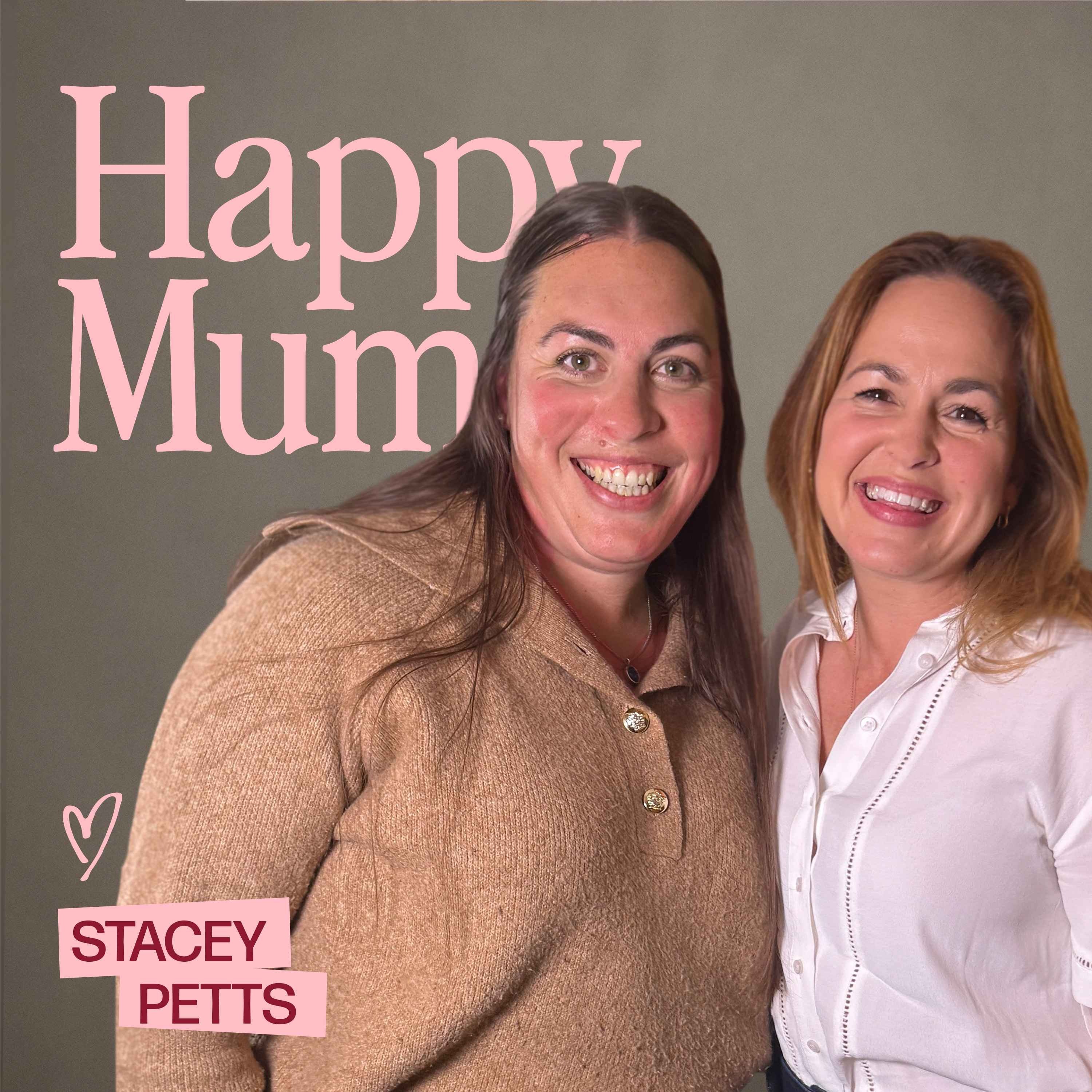
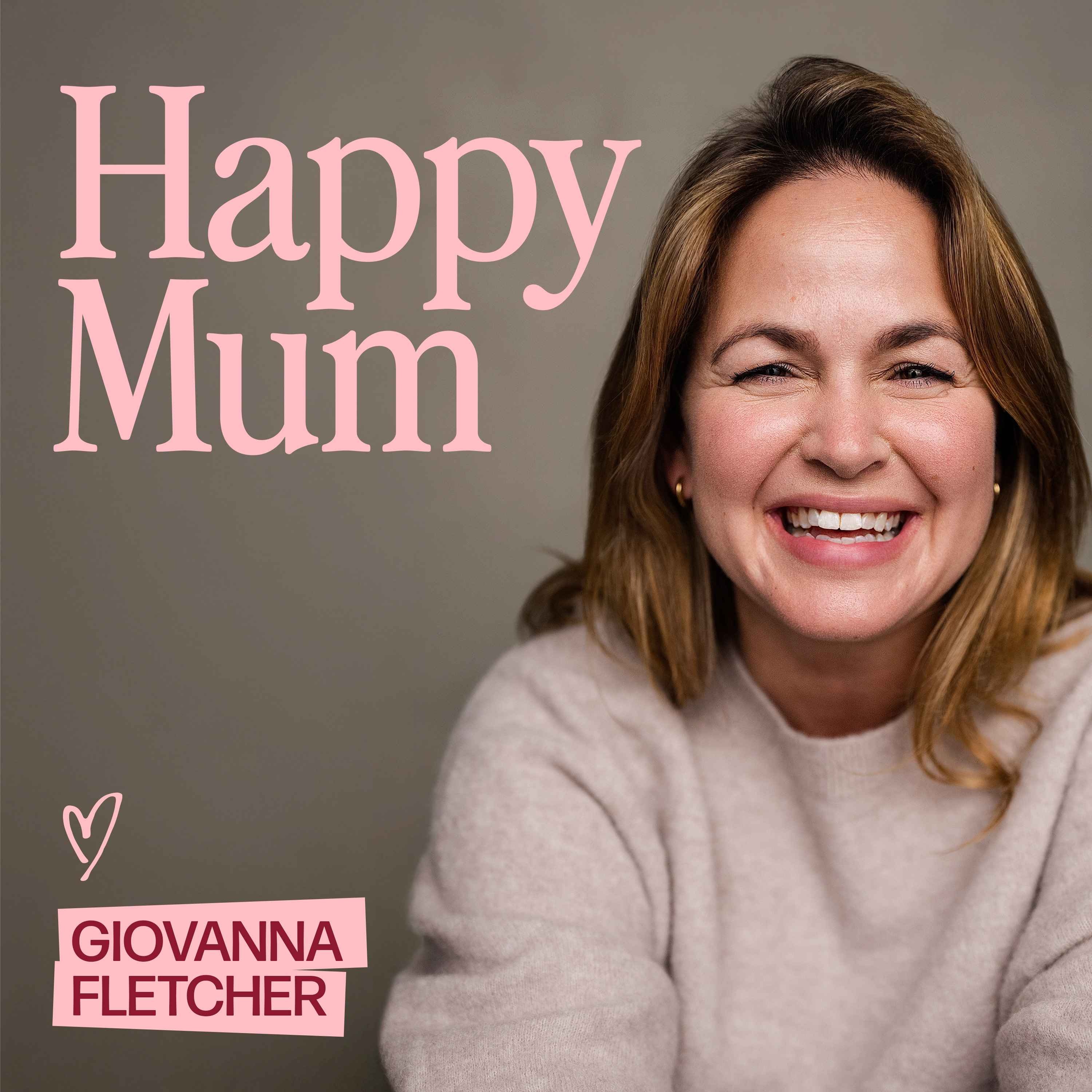

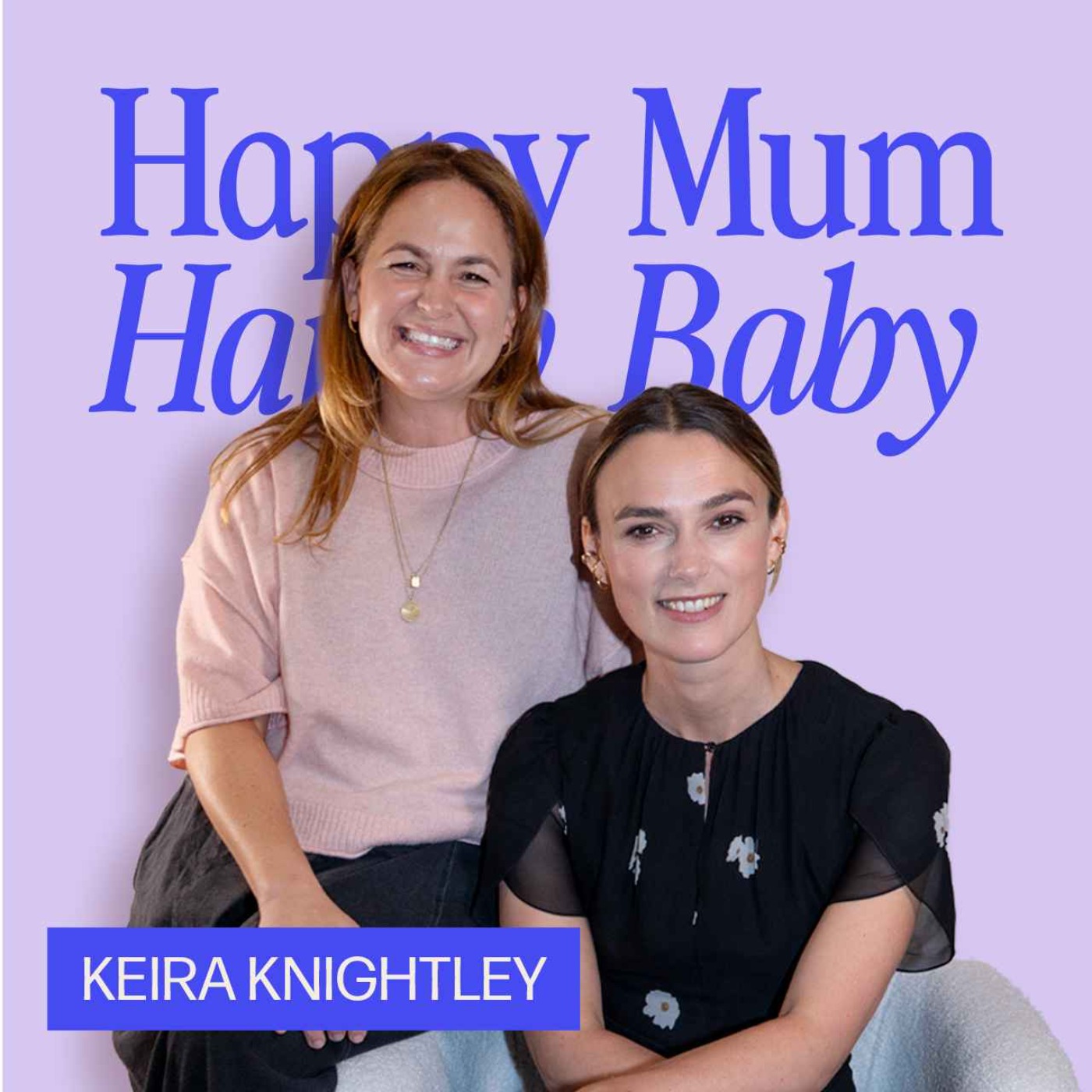
In this episode of the Happy Mum Happy Baby podcast, host Giovanna Fletcher welcomes actress Keira Knightley, known for her roles in iconic films such as Pride and Prejudice and Pirates of the Caribbean. The conversation touches on the realities of motherhood, the intricacies of balancing a career with family, and Keira’s personal experiences as a mother of two.
Written by AI. May contain mistakes.

Get the gist, explore an idea or ask about something said.
 Claude
On Happy Mum, what are the key points of this episode?
Searching your listeningAutomatic transcript. May contain errors.
0:00Are you ready? I'm so ready. I don't know what's going to come out of my mouth. I'm so ready. Isn't that exciting? Hello and welcome to a brand new episode of Happy Mum, Happy Baby, the podcast. Today's guest is an amazing actress. She started her career, she kicked things off with films like Bend It Like Beckham, Pirates of the Caribbean, Atonement, one of my all-time favourites. And her career has just, it's gone on quite the journey since then. She's just written and illustrated a children's book called I Love You Just The Same. She is a mum to two daughters. Today's guest, I'm so excited that you are here in front of me.
0:37It's Keira Knightley. Hello. Hi. Thank you for having me. We have chased you for quite a while, Keira, to get you on the podcast. I'm thrilled. I love being chased. I actually don't love being chased. Let's not go there. But thank you. That's very sweet. I'm very excited that you're here. There's cake upstairs. There's never cake here in the studio. Is it just for me? It is. So you're going to sit there and eat it all before you leave. I will. I won't be allowed out until I've eaten all the cake. It's fine. I can do that. How are you? I'm really good. I mean, I'm really good, yeah. Yeah? Are you excited about being on a podcast?
1:07I'm very excited about being on a podcast. Okay. I don't know what I'm going to say. But I mean, but I'm excited to be here with you. But it's an interesting thing, isn't it? Because usually when you're sitting down doing an interview, I know we're talking about the book today. Yeah. But you are there to talk about a film that you've worked on and you have a set amount of time. Yeah. And it's very driven. You want to get those things in. And this is why I started the podcast in the first place, actually, because I think so often when you see people on sofas of like This Morning or Lorraine or, you know, talking about motherhood, you know that you're not there to talk about that stuff, actually.
1:40You're there to promote your film. And you want to quickly go, yes, it's amazing. Move on. You know what I mean? You don't want people to pry. You've got your nice little bit, your sliver of things that you're going to say, and then you're moving on to actually trying to sell whatever you're trying to sell. Yeah. That's true. So this is very different. It is very different. How does it feel? I mean, it feels good. I'm slightly apprehensive. You know, because, okay, this is where I'm apprehensive. We were talking about this before. You go, I mean, there's such a lot to say. Yeah. And there's such a wealth of experience.
2:07But obviously for me, I'm very aware of being very careful not to, you know, go into my kids. I've got to be careful of like not giving away all of their secrets. Yeah, yeah, yeah. And mum chats, normally you do give away all of the secrets, don't you? Because you're trying, you give away everything because it's so. It'll be an interesting kind of exercise of speaking and not speaking at the same time. Speaking and not speaking. Oh, no, don't say that. Okay, say that. I was talking to someone yesterday, because you are so private and you don't go on things like social media. Nope. This is going to sound really weird, but I feel like you've got free thought.
2:39Do you know what I mean? You're not stuck in an algorithm. You're not thinking, oh, this is how we say this. This is how we talk about these things nowadays or, you know, things like that. You're actually able to just sit and deliver your own experience without worrying about these other things that are going on. Yeah, but maybe that's stupidity. Is that now stupidity? No, I think it might be because the world is now in those algorithms and actually I just have no knowledge of any of it at all. I think we all flock and we all worry about what we're saying. Oh, OK. Whereas you, you can just talk freely.
3:05OK, fine, I'll talk freely then. Oh, how exciting. What trouble I could get into. Gosh. Let's go back to the very beginning and talk about your childhood. because I know it was a very creative house that you grew up in. Yeah, it was. So my dad is an actor, was an actor. My mum was a writer. And we lived in a very lovely house that they still live in, which is probably one of my favourite buildings ever, which says I have had a happy childhood, right? It was all wooden floors and incredibly colourful and books everywhere. And my mum's garden is still one of the most magic spaces ever. She's done it all herself.
3:41It's very small. They were terraced at Wardian houses. But it's got rocks in the garden and it's got mirrors on the walls and it's like this magic kind of fairyland that she sort of created in the back. So it was very creative and it was a lot of talking about stories. They were, you know, both predominantly worked in theatre and were obsessed by theatre and obsessed by storytelling. So I very much grew up with them discussing plays and books and all of that. And how did that impact you? Because obviously if you've got two parents who are freelancers and coming and going and doing different things.
4:14What did family life look like in that way? Well, my dad was on tour a lot, so he was away a lot and my mum worked from home. And so her office was a very brightly coloured room at the front of the house and I knew the door was always open, but she was always away in a story land in her head and I used to get really angry that she was away in her story land and she wasn't there with me and I was always like, where are you? Because you're there, but you're not there. You're somewhere else. And I think probably my kids recognised that a bit from me. You know, that kind of like, I'm in a, I don't know.
4:54I'm here, I'm present, but I'm not. I'm somewhere deep inside my own head. So my mum definitely had that. But I mean, on a day to day, she literally, you know, she would take us to school. She would pick us up, bring us home again. We had friends that lived around the corner, so we'd be wandering around to them. all the time and yeah it was a good community. Yeah did it feel like a very creative house to be in? Yeah definitely I mean definitely definitely and it was it felt magic it felt you know they really believed they were very much part of this kind of 70s left-wing theatre scene and they believed they could change the world and so it was a very powerful thing to be a part of that like art and theatre and that kind of creativity was important and political and yeah I think watching them was extraordinary.
5:40Now, the other side of that, we had a, I'd say a middle class, I went to comprehensive schools. It was a middle class upbringing. But you know, there were years where it was tough financially. So I definitely grew up with a kind of the financial instability that you get from freelancers who work in an artistic profession. But I think also for my own career, it was sort of really helpful because I never saw, I didn't think that the streets were paved with gold going into, you know, being an actor or being anything else. I always thought, you know, you probably have to do other jobs. Sometimes my dad was a taxi driver.
6:15Sometimes he worked, you know, he worked for a company called Book Data for a while. And my mum would work, she was terrible, but she worked in a delicatessen. She didn't do that well at all. But she, you know, she'd work in a bookshop. And so I had a view of it as being, you know, that, yeah, you were a writer or you were an actor, but also you might have to be a waitress and you might have to had quite a real, I mean, I'm fortunate to have had a very realistic view of what it was. Does the whole Nepo baby thing then annoy you? Because I think it's, it's a really difficult subject when you've got parents who they are working, they're jobbing creatives, you know, everyone is a jobbing creative.
6:49And actually, you might be around certain people, but you still have to deliver, you still have to have a talent. Yeah. For even to go anywhere. I don't know about annoyed. I mean, you know, I think, I think I am a Nepo baby. I mean, my mum, I mean, my first proper agent was because she was my mum's best mate and she's still my agent today. You know, so I mean, I think it is true that there are connections that are made. And it's true that within creative families, you know, a lot of the actors I know, it is generational. Yeah. And I think partly that is because it is a life. It's a lifestyle.
7:22It's it's a way of life that is quite other from a nine to five job. So do you think it's more a case then that we have to change our view of how we perceive that, even the word, that actually it should be something that's not used as a way to kind of go dismiss someone, but actually kind of go, what's wrong with that? I don't know about that. I mean, I don't know. I think it's a similar thing to, you know, quite often builders. You know, I was doing a lot of work on my house recently and it's a family of builders, right? you know building companies it goes through generations doctors tends to go through generations you get a lot of lawyers or you know yeah i mean i think you grow up in a particular environment and if you like the environment you grow up in you will gravitate towards that it's so true though you don't see a doctor whose dad's a doctor and go no baby yeah no you don't i mean or a builder you know oh work for your dad's company you know i mean but i look the the always the entertainment industry is very loud the noise around the entertainment industry and I think you know that going into it.
8:26So if my children, neither of them are showing any interest whatsoever, but if that's what they choose to do, then that's what they'll have to deal with and I'm sure they'll have an answer to it. It will ultimately, with every job, no matter what it is, you might have help through the door, which is not nothing, but unless you bring the goods, you're going to be chucked out very quickly. So, you know, I mean, that's just the way. You knew that you wanted to be an actor from three? From the age of three, apparently. Yeah, yes. I asked for an agent when I was three, which I think has to do with the landline.
9:00We don't have landlines anymore. No. But I remember always picking up the phone. Loved picking up the phone. And it would be my mum or dad's agent. And I was always like, why don't... And they'd say, hi, it's your mum's agent. Can I speak to your mum, please, or something? You know, and I'd be like, why can't I have an agent? I want someone to phone me. Why aren't they phoning me? Yeah, I don't know. But also they talked about theatre all the time. They talked about films all the time. They still are obsessed with storytelling. And I loved it. And I wanted to be a part of it. I love that. What was life like outside of the house?
9:37I loved my primary school. Absolutely loved it. Had my friends living around the corner. Got an older brother. We didn't get on until I was about 12 and then we really got on. he's about five years older than me you know I remember playing in the street I remember walking on my own round to my friend's houses who were around the corner I remember us climbing over fences into other people's gardens you know I mean it was a proper suburban yeah yeah yeah it was it was very it was very happy it was very happy yeah I remember holidays in North Devon and hiding under like surfboards and eating bacon butties and loving hiding under the surfboards in the rain, eating the bacon butties and then waiting for it to stop raining and going surfing.
10:23And that was still, I think, the best holiday in the world. I mean, normal, my normal. It was my normal. It was very happy. I love that. Yeah. Did you enjoy secondary school? I found secondary school hard. I think hormonally, probably hormonally, I should imagine. But I think just it was bigger. like much bigger. And I couldn't find my feet in it at all. Socially, I found it really, really, really hard that just that move from a small school into a big school I found really difficult. And I don't think I ever properly recovered from that move and finding it too big. I found that really tricky.
11:04But it was a really good school, you know, and it wasn't I didn't have any particular problems in it or anything like that. It was just I think I think it was literally just going from a small primary school, I mean, not particularly small, like a completely normal primary school, but they are all smaller, aren't they, into one of those big sort of comprehensive secondary schools. I found it really tricky. When you were younger, did you ever look ahead to the future? I know that you saw, you know, you wanted to be an actor. Yeah. What about a mum? I never thought that I wouldn't be a mum. Yeah.
11:33So I didn't, I always thought I would be a mum. Yeah. but I didn't class myself as like maternal okay or like I wasn't particularly interested in like if somebody had a baby I wouldn't be like oh you know baby yeah but I always thought I'd have kids it's funny isn't it that thing of kind of knowing it's going to be there yeah whereas for some people it would be kind of like I know I want to be a mum and at some point that is you know I'll play with my dolls and be maternal and play yeah I definitely did play with dolls. Yeah. So I guess there was that. But I just remember being sort of in early 20s or whatever.
12:12I mean, I wouldn't look at them and be like, oh, I want one of those. I'd be like, oh.
12:19Did that shift at all when you met James? No, again, we were always like, well, that's just going to happen at some point. Really? Yeah. I mean, you know, in that way of I don't remember ever having a conversation about it. I don't remember ever, you know, but just that that was an obvious thing and there would be two. and we were both kind of the same about it it's like obviously we're having two kids at some point it's funny though isn't it what about you, did you have a in my head it was three but because I'm one of three well there you go and I'm one of two so two makes sense and he's one of two so two makes sense yeah, whereas I think, I don't know whether because me and my husband have been together since we were 18 so I think there was always that sort of chasing of can we be adults do you know what I mean?
13:01and also I think because it was at a time where I don't know, maybe you know you're chasing that ring that commitment that whatever it is yeah and i think you kind of all your energy is kind of going towards that yeah yeah you see he we met and he started proposing to me two weeks after we met so i mean it was always you know chill out mate you're all right um and we used to get drunk and tell everybody we'd get married it got really embarrassing and then we'd have to kind of walk it back and be like no i think we would oh god So it was just always sort of happening. I mean, it was always just happening.
13:35As soon as we met, it was... Did it feel different to any relationship before then? I mean, yeah, they all feel different, don't they? But, yeah, I mean, it was just always happening and we were always having children and we were going to get married. Did you worry at all about career? No, stupidly. Really stupidly. But I guess you've seen your mum and dad, and although your mum was able to work from home, you've seen them do the career, have the children. so maybe you hadn't questioned how you managed to. No, I hadn't questioned it. And actually, and she's proper second wave feminist. You just get on with it.
14:08Just do it. That's what you do. You have the babies and that's what you do. You know, thanks, Mum. Was it that simple? You know, I mean, I think she's a writer. So she was an actress. And by the time I came around, she wasn't acting anymore and she was just writing. And she was successful as a writer. Writing is a very good thing for being a parent. Absolutely. You know, because you are working from home. You do have, you know, that structure of that school day is very helpful to make you sit there and work. And then the kids go and she said, you know, put you to bed. And we had bedtimes and, you know, put us to bed.
14:43And she said, and I'd write afterwards. And so she had good, she had chunks. And I can now see how that works, you know, quite nicely. Oh, but 13. So absolutely does work. Yeah, there you go. Although the chaos of the last couple of years has made me go. I mean, it doesn't work. I'm trying to chase the time. And COVID, COVID doesn't work. I mean, that doesn't work for anybody, but that doesn't work. You know, so obviously some holidays definitely don't work. That's a nightmare. But, you know, but there are those moments where you're like, okay, that actually makes sense. You can be a completely present mother and you can do the creative thing.
15:15And, you know, which is great. The acting of it makes it a little trickier. So when you decided that the time is right to start trying to, did you decide that time is right? No, not really. I mean, we decided, no, not really. We decided that we would stop being so careful. Okay. And I was pregnant. I mean, literally then. Twice. So it was quite, it was both a shock and not a shock. Yeah. I mean, I'm really, we thought, I definitely thought, you know, I'd already had friends who'd been having babies and some of them had had a, you know, really tricky time getting pregnant. So I absolutely thought I was like, you know, well, just, well, just, I was always incredibly careful.
15:54Yeah. Being very career minded, I was incredibly careful. And I was just like, I'll just be a little less careful. Boom. Were you in the middle of filming anything? I don't remember that. Was I in the middle? Oh, God, isn't that funny? The second time I was, but the first time, no, I can't remember. I was definitely promoting. So I remember Imitation Game was coming out. Oh, actually, it was quite a good time. So Imitation Game was coming out and there was a big Oscar campaign. And when there's an Oscar campaign, you can't be filming at the same time. So I wasn't filming. but uh so it was it was in that bit where i was suddenly pregnant doing an oscar campaign yeah how was that the first pregnancy was do you know i had the great bit at the beginning you're really sick so i was obviously trying to hide that but i had that great moment where suddenly your boobs go you're really looking very thin but with these amazing boobs and i never had boobs in my life so i was like god looking amazing uh and then this is my oscar a look this is yeah this is this is incredible and then very quickly you know it all started um everything else started happening as well I this the first pregnancy I felt incredible right so I was sick for the first trimester and then really got that famous sort of energy and like whatever the hormonal thing was I just felt great I was like the happiest I've ever been like extraordinary kind of I'm normally quite a kind of introverted I find like parties and big gatherings I find all that quite tricky I didn't have any of those problems I was like out and just it was yeah I was I was again I'd take a bit of that hormonal ride again from that first pregnancy that was great really yes and then there's always an end there did that sustain throughout the whole pregnancy after that sustained from the second trimester all the way through to giving birth and how did you feel about birth because I know you did hypnotherapy for anxiety years before yeah had you looked into hypnobirthing or anything like that no no no because when i saw you do hypnotherapy i was like oh well maybe that route yeah no i didn't i just went because you did you said you did right um i'm very strange i i was just i didn't connect to any of that i didn't connect to any i was just very much like she's got to come out don't care how she comes out yeah I don't I didn't connect to a kind of it has to be natural I didn't connect to I wasn't scared of it I was just like one way or another I have to survive she has to survive she has to come out yeah I don't care how so I didn't have like a birth plan or I didn't have you know I vaguely said yeah sure if there's some water that sounds like that might be nice so there was I was in a suite with a water thing didn't get into it um but I was very non-connected to an idea of control.
18:46Yeah. Or an idea that, yeah, I just, I didn't feel like I wanted to dictate anything. I just felt like I have no idea. My body's going to do something and we both have to survive. And that's it. Which means that you weren't married to it looking a certain way either. I was not. And actually now I'm pleased that that was the case because a lot of friends had that and then they felt like they'd failed. And maybe actually that's why I hadn't because I'd already had a couple of mates who'd been through it and had that. It's got to be natural. It's got to be this. It's got to be that. and then it had all gone wrong.
19:15And the worst thing was that they felt like they'd failed. So I had seen that with a couple of mates. So I suppose maybe that was why I didn't. I was just like, it's just got to come out. One way or another, she has to come out and I don't care how we get there. Did you find out that you were having a girl? I knew I was having a girl. Really? Yeah, both times. Really? It is girl. And actually with my first pregnancy, we did the first, you know, when you go and you find out the sex, And he said, it's a boy. And I said, no, it's not. I was like, I mean, it is. It's a boy. And so we had then until the next scan, my husband going, you've got to stop.
19:55You've got to get your head around the fact this is a boy. I'm like, it's not a boy. It's not a boy. It's like the doctor has said it's a boy. It's not a boy. And my mum's a bit witchy too. And my mum was like, it's not a boy. It's a girl. It's not a boy. And then the next one, we had the scan. He's like, oh, it was the umbilical cord. It was in the wrong place. It's a girl. I knew that was a girl. I knew that was a girl that was a girl I mean imagine if you spent that time getting your head around the facts I did I did try I mean I wasn't completely insane you know I was completely insane I was like okay let's I mean I don't care either way so let's have a couple of boy names we had a couple of boy names and I was like maybe I could get into you know I'm totally again didn't care like whatever I kept going it's a fucking girl it's a girl it's a girl they were both girls just you know So, yeah, and then James was really worried because he was like, oh, my God, it's a boy, and now you can't get your head around it.
20:49Is this because you don't want a boy? And I'm like, no, I'm fine with a boy, but it's a girl. It's not that I don't want it to be a boy. It just isn't. It just doesn't feel. This feels girl. Anyway, it was a girl. It was a girl. It was a girl, yeah. How did you feel heading towards the birth? Did you feel nervous about it? I was convinced she would be early. No, for no reason. Yeah. Apart from that, my mum said that we were both a month early. But my mum's quite scatty, so possibly she just got that wrong. So I was convinced that she'd be early. She wasn't. She was three days early, I think. And then because she was three days early, she felt late.
21:24But she wasn't a month early. She felt late. I was, no, both times. I don't know why I was not scared of it. I just felt like, I felt like it was fine. And maybe you do know, because again, And I think I've had mates who they felt like it wasn't fine and they were right, you know, and I felt like it was fine. She was engaged for like a month before she came out. I think that's also why I was like convinced that she was coming out. I had a head stuck between my legs for a month. So I remember this kind of just being like, OK, OK, this baby has come out. The second pregnancy was very different. And the not very different yet.
22:06But yeah, but I had sciatica for that. She'd sat on one side in a ball and I had massages trying to get her to move over because all of the pressure then on the back as she grew, she absolutely wouldn't. You'd feel her moving out from her little and then almost scurrying back to that one side and being curled up again. So my back was just in pieces. So I was a very angry hippopotamus. That one as well, you've got the first one to look after at the same time. You've got the first one to look after at the same time, Which is a whole other scenario. So, yeah, so the first, yeah, first one, super happy, super great.
22:41Especially if you're not a filmmaker. You've got a bit of promo. You've got promo. You've got the Oscar, big things. Big things, yeah. But essentially you're not on a grueling film schedule. No, I wasn't. You have a bit of time. You can have all the naps. Yeah. You can have all the prep, all the stuff. Yeah, but also, like, you know, you just don't have other kids to look after. Yeah. So you're like, what are you doing? I mean, you're getting a pregnancy massage. You're seeing your mates. You're going out for lunch. You're, you know, doing a bit of work here and there. But I mean, no, it was totally great.
23:05The second one with a three-year-old was a whole, was a very, very different scenario. Because it was, so I was filming the second time, filming up until I was about three months. But it was, it was literally like I went from not pregnant to five months pregnant within five seconds. So I had none of that, oh, don't I look glowing and lovely and this is all lovely and look at my boobs. It was like my arse just expanded. It was like I was carrying the baby in my bottom. I was like, I don't understand. Like it just, my whole body just went doof. Like it was, it was astonishing. So. What were you filming?
23:46I was film, what was I filming? I was filming Feminist, what was it called? Misbehaviour. Okay. I was filming Misbehaviour, which was about the storming of the Miss World competition. Okay. By second wave 70s feminists. So I was filming that and being violently sick, running off, obviously not telling anyone. Actually, what was amazing was I, so I was about six weeks pregnant and I obviously not telling anyone, totally knew, felt awful. And my hairdresser, do you get your hair and makeup done every morning, you know, going into the hair and makeup, and she just touched the back of my hair and she went, you're pregnant.
24:23And I was like, what? She said, the whole of the back of your hair has just curled. She said, yesterday it wasn't curly, and today it's curly. And it's proper, like proper, proper hard curls. Your hair is completely different. You're pregnant. I was like, I am pregnant. And it's true. It's like I've now got a funny patch at the back of my hair. Yeah. Which is totally like zigzag curly from this second pregnancy. Wow. Yeah. So isn't the hormones a weird? That is weird. It's weird. Did you have to tell people on set that you were pregnant? No. I was like, shut up. Really? Yeah, shut up. Very early, shut up.
25:02She was like... Wardrobe for the bottom? I did start expanding, obviously, but fortunately on film sets, everybody's just eating junk food the whole time, so everybody's expanding. So I think they were just like, wow, you need to really... And I was also, I was eating ginger biscuits because that was the only thing that made me not feel sick. So they were obviously watching me eat all of these biscuits, being like, of course you're going to get bigger if you're eating the ginger biscuits all the time. So they didn't say anything. Maybe they did know, but they didn't say anything. Oh, bless you.
25:31And I was a bit funny. Yes, anyway, so that was, yeah. And then, because my first kid did not sleep, so still by the time she was three, she was not sleeping through the night. That's hard. That is hard. Yes. Did you have one like that? Yeah. Yeah. Yeah, and then I had the second one did sleep, and it was amazing, and then I decided to put them in a room together, which meant that then... Neither of them slept. It wasn't, actually. When they first put it in the room together, mum would have night terrors, and they wouldn't wake the other one up at all. No, amazing enough. But it was the getting to sleep that was the big thing.
26:03You see, mine would always, she'd get to sleep, but from midnight, she'd be awake. Wow. Just awake. So how old was yours when they finally slept through? Do they sleep through now? Yeah, now we have to wake them up. It's amazing. Yeah, those hormones. It's a very different thing. Yeah, yeah, those hormones. Yeah, so yes, so she didn't sleep until she was five. So I think because I was then pregnant when she was three, I would literally she was at nursery and I'd send her to nursery and I'd crawl up in a ball and I would sleep the whole day she was at nursery and I remember even making those days longer because I would literally just be and I think it was very much my body just it was like my body went into shutdown yeah and I've never experienced tiredness I mean there's the obvious tired because the kid doesn't sleep anyway and you haven't slept a full night in three years but it was it it was like something chemical in my body just shutting the whole thing down and making me sleep during the day so thank god for nursery were you worried when the when the second one came along then the fact that you still you already had one that didn't sleep yes i thought it might die uh thought it might die uh yeah and my second is i mean and from the get-go love sleep i mean she literally she slept through she was one of those babies if you have a non-sleeper you hear about these babies and it makes you want to kill the parents.
27:24She slept through from four months. She just, she loves it. She still loves it. I mean, like, you go, it's bedtime. She's like, oh, good. She just loves it. She's like this little, I think also she's a thumb sucker. Right, so she's got her own comfort attached to her. And literally that thumb went in. I mean, I swear she was born with her thumb and she wasn't. But, you know, I mean, it was like she found it so quick and I think that just made... I feel like we had years where we were just like, I don't care where anyone sleeps. No, just as long as there is some sleep. I don't care if you have to get into our bed or we have to be in your bed.
27:55Yeah. Just as long as everyone actually sleeps. No, I think I slept in Edie's bed for, you know, years. It's a miracle we had the second time. Yeah, I mean, you just, it's very, very intense, that one sleeping. I mean, you go mad. I was doing a film called Official Secrets in Leeds. And for some reason at three, she really, yeah, she really just went through a period of it was like a complete regression to I mean every hour on the hour it was you know and I just remember it was my birthday and I had this enormous scene and I hadn't slept at all I remember turning around to the director and my neck cricked as I turned and I just sitting there sobbing and sobbing and you know and you're just like oh this is sleep deprivation to like a whole she was always fine she was so happy she was like she's got a daytime nap she's good she's good she's got that lovely you know she were but i think that not sleeping trying to work yeah thing is very hard well because you just don't know how you're going to function no i mean i don't think you do function especially on something like a set where you've got i mean everyone everyone different pressures but when you're on a set and other people are relying on you to just and you're used to going there and being prepped and Yeah, yeah, yeah.
29:12Yeah. It's no, it was it was a very, yeah, it was a five year period of very, I mean, I don't think I realized how I'm saying mad, mad is probably but. Oh, no, the only word I can find is mad. I think I was mad for about five years. I think sleep deprivation makes you go mad. And it's only when it finishes. And you can suddenly look and you're like, Oh, my, I mean, my emotions were up here, you know, and my bandwidth for dealing with things was like, this big you know so it was sort of I could kind of go in a straight line I could learn the words I could do the thing but it was it was like gripping on with fingernails you know so it's just it's night and day if you have a sleep and it's having something that's completely out of your control as well you know you're able to before becoming a parent control things to a certain extent you can control you know how you sleep you can control so much and then all of a sudden or if you don't sleep it's the really stupid one I love it when I hear people say this it's like oh my god you know I've been a partier since whatever I know what no sleep is like and you're like bless you oh no you don't uh yeah I think just that never being able to catch up yeah and I think literally when she started going to nursery when she was three that was when I could finally actually sleep because up until then I wasn't napping I was working all day yeah or I mean not all the time but you know I was I was definitely not napping during the day so it was a really interesting thing it feels like your body just your body does what it needs to protect you doesn't it maybe maybe I'm basing that on nothing other than my own experience so maybe it doesn't but that's what it felt like to me I used to um when the kids all uh well when it was daytimes and I knew I shouldn't be napping I used to go and nap in their bed because it makes it used to make me feel less guilty oh that's an interesting one yeah that's like got back into my bed it made me feel a bit no like I'm being lazy yeah yeah no I do you know I never slept in my bed that's interesting it's always on the sofa so I'd be sat there kind of going oh no I'm sure I'm reading a script or doing something and just like you know have curled up and suddenly would wake up and it would be the end of the day I'd hear Tom in his music room sometimes playing something on the piano and all of a sudden it would stop and I'd go in to his office and he'd literally be starfished on the floor just completely wiped out there is nothing that sleep deprivation and it's also the and you see look I'm completely through it they both sleep they're 10 and 6 I see two of my best friends they both happen to have 2 year olds right now and neither of them sleep through the night and it's the look the panic the panic and people say it's just being a mum I just remember reading articles at the time of being like how important sleep is you must get your 8 hours and being like fuck you I would like to I am trying talk to her
32:09but that's another pressure isn't it all those things we're told that we should be doing how am I meant to fit all this into my day how am I meant to sleep when I've got a child who doesn't sleep and doesn't seem to find it a problem that she doesn't sleep but doesn't sleep I mean it's it's such a particular form of crazy, torture, torture and the panic in parents' eyes and you just now having come through the other side it will end but when I say when my kid was five, it doesn't make anyone feel any better it's like especially my friends are two year olds don't worry, you've got another three years to go it's going to be alright I have a lot of grey hair but it's going to be alright and people mean to, they mean to be helpful but they go have you tried a sleep routine and you literally want to you want I mean I've never felt rage like the have you tried a sleep routine have you just tried putting her to bed later
33:14you think I haven't tried all of the things you know you just have I think they come out the way they come out yeah you know you get a sleeper you don't get a sleeper I feel actually very fortunate that we that we got the non-sleeper first because there was at no point going into the second one that we thought we were good parents we hadn't made that mistake of going god we're really good at this you know we were just like oh um yeah and then just happened to get happened to get the i like sleeping one and can i just say for all of the people out there parenting is easier if you have the sleeping child.
33:55Yeah, absolutely. Like 100 % if you've had a night's sleep, you can deal with anything during the day. If you have not, everything is hard. And that is not your fault. I feel very important, like it's very important to say that. Because, you know, I remember at the time looking at mates with babies who slept and they were so glorious. They were dressed well. They looked great. They were having a lovely mother and baby time. You know, it was all lovely. And you're sitting there going, look, I'm so lucky. My daughter is sensational. She's like all of the wonderful things. But I'm in pieces. And how are these women not in pieces, you know?
34:36And you go, you're not in pieces because you haven't slept in. How does it feel like looking back at that version of you and kind of going, fuck? Did you feel like you could talk to people and go, this is hard? I'm really lucky. I had a couple of really good friends. And also my mum had two non-sleepers. So you were one of them. Yeah. My brother for six years and me for two. Okay. So you didn't deserve five years. I didn't deserve five years. I think actually maybe I'm lying about two. Maybe it was a bit longer. Actually, no, do you know what? I'm lying because I always used to get up in the middle of the night and I distinctly remember I would get up in the middle of the night.
35:10Their room was on the top floor. We were in the middle. I'd get up. My dad, literally not even awake, would get up and he'd go down and he'd finish the night in my bed and I would be up there in my mum's bed and that was until I was six. So actually me saying, so, okay, I didn't sleep. I'm just like, I didn't. Retract. Retract. So they had two kids that didn't sleep until they were six. And when I did get, when I told my dad that I was pregnant, he went, comeuppance.
35:44And he might have had a point. I was like, all right.
35:55Was there a point within that five years where you kind of felt worried that it would never end? Yes Especially if you're feeling that anger and that kind of Yeah, I mean, yeah, you do Because it, yeah, it feels, that kind of sleep deprivation feels endless And therefore that kind of, within your own brain, sort of feeling like somebody's putting their nails down a blackboard. You know, that kind of thing. Because you don't know when it's going to end. And, you know, and it becomes your life, right? It becomes, so you become, and you also think, am I always going to be this short-tempered? Are we always going to meet this, you know?
36:36And everything, I mean, I think from the birth, my body didn't heal very quickly. I mean, actually, it was very straightforward, but I got induced and then I took all the drugs. did then tear, so had stitches. But the healing was really, it really, but you're like, of course you're not going to heal. You haven't, there's no chance to take a breath. There's no chance to heal, right? You're just on it from the moment they come out. Like you are on it. Yeah. I mean, it's not the best place to have stitches, to be fair. It's not. It's just sitting down and chilling out. I mean, it's not. For anything.
37:11For anything. You know, it is not ideal. If you're sitting, if you're moving, it's just not great. Anything, looking after a child the whole time. You know, I mean, it's not ideal. I remember walking at various times and just feeling like something had been caught. Oh, that. Oh, my God. Yeah. Not great. Oh, my God. Not great. And the pads and the thing and the, oh, God. I mean, it's so awful. It's so awful. And people going, God, you must be so happy. And you're like, have you tried ripping open your vagina recently? Yeah, I don't know. I'm not that happy. But again, very lucky she did come out the way she was.
37:49Well, let's talk birth. Let's talk birth. Where were you when things kicked off? So because I'd felt like she was late, even though she was early, I'd been walking. I'd been walking and eating. Try and get her out. Oh, my God. I'd been walking that child out. So at that point, I lived in Islington. And I was going to Rochelle Canteen for lunch, which is in East London, just up the road from here. and I was like, we're walking. Fine, okay, my husband. I walked all the way to Rochelle Canteen. We're having lunch with friends. That's like about a mile or something. And I had two puddings because they were great and I was like, right, great, you know, three-course meal, two puddings, please, great.
38:29And I had a hospital appointment after that. Right. And I went to walk to the hospital and that was in the centre of town and so that was another two and a half miles. Did you have your hospital back with you the whole time? No, because I wasn't going to give birth because I was early. so it was still three days before my due date but I had like the check up and so my husband was like okay so we started walking and on Clerkenwell Road I thought I'd pissed myself and I was like I'm not getting a cab because well no I said to him I was like either my waters have gone or I've pissed myself and he was like okay did you feel anything pop or did you just feel a trickle it was a trickle okay and again like you know it's the funny I didn't know what being in labour felt like.
39:13So I was like, I don't know. I've had a child wedged between my legs for a month. I mean, it all feels pretty weird. I mean, I don't know. So I've been having, actually, now what I understand were actually really early contractions, but for like about two days. Right. But I just, I mean, it all felt, honestly, she was wedged between my legs. So I was like, it all feels weird. I don't know what's going on. And I had this hospital appointment and nothing felt like it was dangerous. It just all felt weird. So we're walking now from up there, I don't know, along the Clark and Well Road. And I feel this trickle.
39:42And my husband's like, let's get in the cab and we're going to get to the hospital. I'm like, no, no, because I'm too vain. And if I've pissed myself, I'm going to smell of wee and I'm going to be in a cab. And the cab driver will then be like, you've pissed in my cab. Are you not tempted to get him to sniff it just to see what it was? Oh, I didn't think of that. Should have done that. Of course, hindsight is a wonderful thing. But I was also just, I felt like I had so much energy. So I was like, no, we just keep on walking. So I ended up walking. I'd walked the one mile to there and I walked two and a half more miles to the hospital.
40:13And I got in and I was quite flushed. And the doctor was like, you're all right? I was like, either I've pissed myself or my waters have gone. And she's like, I'm going to have a look. You're in labour. Your waters have gone and you're in labour. Are you OK? And I was like, yeah, fine. Great news. Great news. Yeah, she's like, it's super early days. Why don't you go back home and get your bag? I was like, fine. Walked all the way back home. So by that point, I think I walked over five miles that day. And then my husband was like, we are getting a cab to the hospital when we were going back. And then we went back.
40:45And then actually, so I was sort of, it was contracting everything, but I wasn't dilating. So they ended up, she was like, it was the backwaters that had gone. So there's a particular amount of time. She's like, we're going to induce you. Again, I had no, I was like, do what needs to be done. She said, if you're being induced, my recommendation is take all the drugs. I was like, absolutely fine. Totally fine. I'm taking all the drugs. I took all the drugs. I was induced. I mean, I think she was out within 45 minutes. Really? Maybe an hour. But I had split. She was back to back. So, you know, I think that it's a really weird one that when you've taken the drug, I mean, thank God.
41:21Thank you for the drugs. Yeah, yeah, yeah. I'm all great. But I think the recovery, because you haven't felt it, is incredibly confusing. so the battered nature of my body afterwards I think that was it was just it didn't make sense I remember the kind of hormonal crash so I'd been on this kind of amazing hormonal high and there was a crash down and I think then it was postnatal depression for you know I did like lots of therapy about a year later a couple years later to sort of deal with all of that but I think it was confusing not having whatever that physical side of it was confusing now I would not say don't take the drugs I'm still like you know what I'm all for you do you you do what feels right for you it's all but that side of it for whatever reason for me was I found it very difficult to kind of connect with what had happened physically to me probably because of that well it is such a it's such a huge thing that's not really discussed you know and and you wrote an amazing essay actually in feminist don't wear pink about that time and about how raw it is yeah you know and actually there's no way that you can prepare anyone for that i think it is something about being in it and feeling it no and you don't you just don't get it yeah until you've experienced it and it It doesn't matter.
42:50You know, even these two really close friends of mine, they've got two-year-olds now, you know, they'd watched me and their other friends go through it twice, you know. And still on the other side, they're like, what? Why didn't you tell me this? Why didn't you tell me anything? I've been telling you for years, you know. You don't have the imagination to understand, I think, what it is and what physically it is and what mentally it is and, you know, where you're going to be, where you feel just... I mean, I just remember every, I could hear the trees felt too loud. You know, I could, everything felt like I was in a whirlwind of, like a wind tunnel of, you know, just experience and emotion and, you know, it was huge.
43:38Even though I hadn't felt what had actually happened. You know, I hadn't been through the pain of what that was. I mean, I'd been through the beginning bits. But you also were very aware of what's happened to your body. Yeah. I mean, I was very, you know, I was very present. Yeah. So knew what was going on, obviously. But but yeah, that recovery and also the non-recovery, right. The the but I just need to get some sleep. Like, yeah, if I could sleep for two weeks, I'm pretty sure this would all heal really quickly. But there wasn't any sleep for three years, you know. So and that's for a completely normal birth where actually it was all fine.
44:13You know, there were no major things that was totally actually it went pretty, pretty well for a first birth. It wasn't the kid was fine. You know, I was fine. It was all fine. And still within the everything was completely fine. It's still this huge, huge life altering thing has happened. And at that point, I felt like the public discourse around it was great. Can you get back in your jeans yet? Right. Back to work. You know, nothing's happened. Carry on. You're going out. And, you know, all of this kind of, it felt like there was no discussion. Yeah. And no interest. And no, it was just like, when are you getting back in your genes?
44:55What? You know, I'm on a different planet. I've just travelled from one planet to the other. I don't care about my fucking genes. What about the fact that I think when you visit people with newborns, it's very different to experiencing you with a newborn. Yeah. You know what I mean? And I think I don't I don't know whether it's because we're just so used to going over to people's houses when they've got babies. And I don't know. The babies are always sleeping. It's always very. It looks great. Yeah. Yeah. The mum's sitting down. Yeah. You know, she's making us a cup of tea. Yeah. You know, she's bringing out biscuits.
45:29Yeah. We don't see it in the same way as we do when we're experiencing it. No. And even being somebody that works on film and being therefore interested in how do you how can you show this? you can't no because it's actually inside your head and it's inside the most intimate part of your family yeah and a lot of it's in the middle of the night right yeah and then it's about what the feelings are during the day and getting through the day and maybe feeling like you're failing or maybe feeling you know having all the feelings and it's such a personal private enormous thing that it's normally held inside the head of the woman that's going through it right and there aren't actually words to describe what the experience but also because we think that motherhood should be amazing you know like the whole thing of sitting on a sofa and going it's amazing gotta promote this yeah because we just want to we're just so used to having it's amazing it's wonderful it's the most amazing thing that we could ever do for humanity whatever then when those feelings of failure pop up we feel ashamed about it we feel guilt and that is what holds it in and actually makes it so much stronger in our heads yeah well and I think everybody is you're just terrified that either you aren't good enough for your kid or that somebody will think that you're not good enough and well they take the kid away will that you know all if I say anything negative will it you know everything gets internalized yeah and if you're really lucky then you have a group of friends that you can be incredibly honest with and if you're not and I think a lot of people aren't it it can whir and whir and whir and whir and it it can get very tricky and I think it it is what you just said it's like because the image of it is meant to be here I am serene this is the most fulfilled and I just naturally know what I'm doing and I'm fine with no sleep and I can fit back in my jeans and here's my head you know I mean it it so undervalues the experience like the experience is so much more than that it's so much more than easy it's so much more than amazing it's so much I mean it can incorporate that right you have amazing days where you're like god look at me I was just amazing you know my baby's amazing and it's all amazing and they're great and they happen and that's great but it's it's a universe that's happening between a mother and child.
47:56It's every emotion. It's all of the emotions. And I think it's also, you know, particularly with that first child, it's you have no concept of the life change that is going to happen. And it's not just like a few changes. It's everything. and I think that there is allowed and should be a period of mourning for your previous life and your previous self and your previous relationship and I think that's allowed. And the fact that you're allowed to be selfish and think about yourself. Yeah and you are still. First of the situation. Exactly and you are still allowed to want to be you and you are still allowed to want to go out and you are still allowed to want to be on your own and I think people feel so guilty about that and they feel so guilty about any negative feelings that they might be having that it can get worse instead of actually going, there is a life-changing thing and it is amazing and if you're really lucky, that kid is well and you are well.
49:02And that's still really hard. And you are still allowed to have moments where you're grieving your past life. That's okay. Sit there and you can grieve it and then you can move forward and then you can figure it out. You're allowed to want to go out with your mates and get pissed. You are allowed to want that. you're allowed to want to be that version of yourself. But it might not be there for a while. Yeah. You know. Did you allow yourself to grieve? Yeah, I think when I understood it, I think I did. I was then like, oh, I don't need to feel bad about going, oh, we were really, we as a couple were out there and we had fun and we were out all night and, you know, we were, and we went to parties and we did all the things and, you know, And that doesn't exist and will never exist in that way.
49:49And I don't think I realised it would never exist in that way again. It looks different now, right? We've got a 10 and a 6-year-old. We definitely aren't hedonistic. And I'm really glad that we had the moment where we were hedonistic. Like, what fun. But we do go out and we do see friends. And we do now. We've built a life. But we both had to acknowledge that we did miss that. You know, and there was a bit of us that wanted to still be that and be in contact with that. and that there was a sadness that you couldn't, you know. But also you're on a journey which is a new journey which has amazing things and which has the most amazing things, which has the most important, which everything feels ten times bigger than anything felt before, you know.
50:30But you're not going to be able to go out and get pissed as much. And also you look back at your childhood and, you know, the fact that it was a creative home and so much joy and everything like that. But actually, it makes you realise how much goes into creating a family like that. When you've got things like kids who aren't sleeping or, you know, different pressures from different places to be places or for the kids to be at school or whatever it is. You know, there's actually so much else that goes around that home life that can really interfere with it. Yeah. I mean, it's the community that you need to build around you that makes it all possible.
51:06It's the people whether you can afford, I mean, if you can afford the childcare, obviously super lucky we can afford great childcare. We could send the kid to nursery, you know, all of that. But it's the people. My mum is hugely involved. I mean, with me growing up, my grandmother was involved. We did have childminders and there was a tight group of friends. And so it was the mums and dads, other mums and dads on the school gate. And we would stay over at their house a lot and we would do that. And, you know, now it's building those communities around you to allow life in its full to happen. You know, but I think at the beginning, you have no idea how you're going to.
51:41This is just, this is life now? This is life. This is life. And I don't sleep. How did you feel going into having a second child? I must have been mad. But there must have also been a feeling of, you know, well, I'm not sleeping now anyway. I think it was a bit of that. Yeah. Yeah. And I think we'd always gone, we're having two. I mean, it's so weird. I mean, it's so weird. We'd always just gone, we're having two. We're having two. So now we're having two. And again, it was like, let's just not be as careful. Boom. Straight away. Yeah. Again, lucky, you know, obviously very lucky. But literally, again, first time.
52:20But also the idea of something versus the reality of seeing that pregnant. Yes, you have one second of being like, oh, yeah, we should and we always wanted to. Oh, hi. Hello. And then the second. How did your eldest react to the news initially? She was so excited. Really? She was so excited. She said, it has to be a girl. And at that point, we hadn't found out. We were like, oh, it'd be interesting if it's a boy because she's very adamant about this. And again, I'd gone, it is a girl. I mean, I didn't say that to her, obviously, because I didn't know. But in my head, I totally went. By that point I was 34 so officially what is it geriatric mother?
52:56So we got the test the early one so I knew very early that she was a girl and I have to say Edie my oldest was so excited she was gorgeous I mean all the way through so she was four by the time Delilah was born and for us it was great age difference it was you know she's an amazing and I say this honestly thank God she is an amazing big sister. She is, and she adores her and always has done from the moment that she came out. And she's just been, they're quite heartbreaking together. They're just, I think they're very different. So they don't occupy the same spaces. And I think that's, but I put that as a great credit to my oldest kid because she's pretty glorious with her.
53:44Really? Yeah. And that's not to say that that's always easy. And that's not to say that she doesn't have moments where, and particularly at the beginning, where she, her kingdom was taken away. Yeah. Right? You've changed her life for forever. You've changed her life forever. And as much as she wanted that baby, you know, she did. She really, I mean, she'd been asking me for, you know, always loved babies, always, you know, always wanted another baby. But that moment where that oldest kid, and look, again, super lucky because that's the way it was. obviously you get some oldest kids who are like I hate it what is this I don't you know but even on the side of it where you have a kid who's just glorious with a younger sibling they still have moments where their kingdom has gone and they're being asked to share their people and that baby takes up a lot of space and it cries and you watch these oldest ones and And I think for me, I was like, I view her as she was so courageous in dealing with those emotions and in dealing with that space and in loving this small child, but also looking at this altered world and trying to figure out her way through this altered world.
55:03Is it something that you were aware of? No, I'm a younger sibling. Hard to be aware of these things. I'm not aware at all of it. No, no, I wasn't. But there was a story in my house that my mum with me, she had a home birth. She'd had a horrible time in hospital the first time with my brother, so she decided to have a home birth. And that was the first night he slept through was when I was born at home on the kitchen floor. And she'd been playing table tennis with him. They'd got a table tennis thing. So she'd been playing table tennis until she put him to bed. And he miraculously slept through and she was in labour on the kitchen floor all night and gave birth to me on the kitchen floor.
55:38and he came down in the morning and he had half an hour where he quite liked me and then he said, when's she going back? And it's understandable, right? It's so... You're like, yeah. I mean, this has been great. Because now we've got this nice bit. That's nice. This is what I wanted. Yeah, and we're all on the sofa and we've got a nice cup of tea and everything looks nice and then it starts crying and then my mum starts crying and then everybody's crying. But I want you to play with me now. Yeah, now play with me. Yeah, exactly. and now play with me again and what do you mean I've got it? You know, it's like...
56:10For all of this, it feels like you've really dived into your daughter's head because you've used it as inspiration to write and draw, illustrate your picture book. I love you just the same. It's beautiful, Kira. Oh, thank you very much. It's so beautiful. The pictures, the illustrations are gorgeous. But also diving into that child's brain when their kingdom has been taken. Yeah. When life isn't the same and, you know, it's really... Yeah, well, I feel like you, so the book came around in a very strange way and it massively came around because of the sleeplessness. Because in all of the trying to find ways where she might sleep through the night, I don't know why, but we came up with, she would go to sleep and then I would draw her a picture.
56:53And so when she woke up, I'd make sure that the picture was beside her bed. So she'd see that I'd been thinking about her and she knew that I was there and she didn't feel, she felt connected, but she didn't have to wake me up. It didn't work. And it was like five months of doing this. You know, because she kept saying, but what have you forgotten about me? And I was like, but I have promised. I promise. Chance would be a fine thing. I haven't forgotten. So we went through this thing and she started. Real separation anxiety. Real separation anxiety. Real, real separation anxiety during the night.
57:23Again, super happy being put to bed. No problems at all. But during the night, coming and waking up and actually wanting to be in her own bed. because, again, I literally at this time, I didn't have any rules. You know, I would have done anything. But wanted to be in her own room, wanted to be. But from midnight, every hour on the hour, Mum, Mum, you know, coming down, go back up. And, you know, she'd mostly go to sleep very quickly afterwards. But I was then awake. You know, I'm then awake. Anyway, so we're doing this drawing and she's like, she's like, OK, you know, sometimes it would be a love heart and sometimes, like, can there be a bird in it?
57:55Yeah, sure, there's a bird in it. Can there be a cat in it? Yeah, sure. Can I be in it? Yeah, sure, I'll draw you. Can I be in a swing? Yeah, sure. and it goes on for five months and there's no story, there's nothing but one day she'd wanted her sister in it too and there was this bird and her sister had been teething and crying all day and she said, can you draw a picture of the bird taking the baby away? I'm like, sure, that's amazing. What a great idea. What a great idea. Yes, darling, I can do that. Anyway, so at the end of it I had all of these images but didn't really think much of it and thought, oh, I'll put them into a book for her.
58:30and she said I don't want them in a book because they're all just black and white and you know she was sleeping after five months that's when she started sleeping through I am not going to try and say to anyone it was because of the drawings I have no idea why at that point but that's what we've been doing that was our last attempt at this bedtime routine to try and make a sleep through and I had all these drawings they didn't have a story I tried to then colour them in for her because she didn't like them just black and white quite a critic very definitely a big critic and then I thought well maybe I can try and see if there's a story somewhere and maybe I can put them in some order and I put them up on the wall in my office and they sat there for about a year and a bit and I sort of played with the order of them and played them around.
59:05And then it was just this little bit of the bird taking the baby away and then I think at some point I'd gone, I must show that the baby's okay, so I'd put her in a nest and at some other point Edie had gone, that looks fun, can I go in the nest? So I put them both in this nest and there was an image of that. And that's sort of how it came about. And then as I was looking at it, I was like, oh, well, the story is the girl wishes the baby away and then has to go on an adventure. And I think partly because I view her, my oldest child, as heroic. I think watching her struggle with things and watching how she comes through things, I view it as heroic.
59:44I view those older children. And also the mess. You don't know what you're doing with your oldest kid. You make all the mistakes. And what they have to put up with, with their parents learning how to be parents, the youngest ones just sail through. You're like, oh, yeah, I've got it. however different they are, you know. You've just been through it so you know. And those older ones are really putting up with a lot. There's a lot of pressure. My dad said to me once when it came to Buzz, you've got to remember that he is still a child. Yeah. Because all of a sudden they have so much responsibility put on them.
1:00:12And, you know, the whole of you've got to share, you've got to almost sort of make life easier. And can you help me with this and can you bring me that? And yes, actually, you know, and you're treating them 100%. Also, they're so much bigger than the baby. Yeah. So, you know, and I now I even think, you know, she was four when Delilah was born. I didn't ask Delilah to go and, you know, look after your sister for a second. I mean, you wouldn't dream of doing that to a four-year-old. And yet those older ones. I think it's only when you see the younger ones at the age that the older ones were when they arrived that you kind of go, oh.
1:00:43Oh, I shouldn't. Maybe I. So she was four, five during the lockdown. And Delilah was like six months or something. And so the book that I originally did for her is not the book that this is, right? I kept, there was a private, it was totally, you know, this her thing. But there was an amazing time. She turned around to me and she went, Mother, I am not childcare, I'm five. And it was clear, I just asked, I was like, look after the baby, you know. It was the most amazing. Oh, yeah. And she clearly heard me on my phone. You know, people are asking me to do work and I'm like, I've got no childcare, I've got no childcare.
1:01:16You know, so she's clearly picked this up. I am not mother. I am not childcare. care I'm five good point I'll make up the arrangements as far sorry sorry sorry about that no I'm not doing that job sorry
1:01:37it's hard as well isn't it with the sleep deprivation or the sleep anxiety or the separation anxiety that your your daughter experienced we all know how difficult it is when thoughts come in the night no so you can be a happy person in the daytime and you know go to bed well but actually when you wake up in the night it doesn't matter what the problems are no your problems at night when you're awake just seem far bigger and they and they and and the panic as well you know the panic of it being dark yeah but actually she she really wanted this is what i mean about the courage of her she really wanted to do it she wanted to be in that room she wanted you know like she really she was like she was really trying and i think that was what was sort of again like the heartbreak of those first kids who are you know yeah doing their best absolutely everyone's doing their best everyone is and it's a it's a group effort when it comes to yeah everyone's sleeping or everyone yeah i mean it's the main thing that parents talk about really isn't it how's the sleep yeah did you get any sleep but not now you know and i say even when no i mean even where we are you mean yeah or when you know your eldest was five they wouldn't have been asking you how she no do you know what when they were three they weren't asking me and I needed to talk about it because she wasn't you know but again the second one like after four months it wasn't even a discussion yeah so and that's probably the part when parents actually really do need to talk about the fact that their kids aren't sleeping yeah I think you just need to keep talking all the way through yeah I think that's why you need your group of people around you who are going through the same thing at the same point I mean even though some of them are really annoying and it's all easy and it's all fine you know you need to find the ones who are horrifically honest and you can all just be like blah this is what's happening because it makes it better right it makes it better to know that you're not alone in your experience absolutely and that there's a wealth of experience and you can sit there and be like i'm so lucky like they are great we are great it's all great but it's still even though that's the case this is still so my god for the people where they've got kids who've got problems or kind of got health issues or whatever.
1:03:37You know, it's a whole other story. So I'm very aware that I'm talking about this from the point of view of somebody where it's all gone completely fine. My best mate, the first ever episode of this podcast, Emma Willis, I asked her to come on. And she said to me when I asked her, because I've always been quite open about how I'm finding family life. And I think because I write, I always had that bit of an outlet. And Emma was like, you know, how can I come on and talk about struggling when I have a nice house? I have an amazing supportive family. I've got a great husband who, you know, we're very much in it together.
1:04:08Yes, I struggle, but I'm so... How can I possibly talk when people are actually having problems? But it's that, isn't it? Because actually, we all struggle. Yeah. And I think that's what's important to know. You're like, okay, if I'm struggling and I've got the husband and I've got the house and I could afford the childcare, struggling is maybe the wrong word. Maybe it's just, again, this is going back to your look at the nice baby and aren't we all, you know, the experience is so much bigger. You know, it's bigger than struggling, right? It's bigger than it's just so your responsibility is so massive that, of course, you're going to find times where you're totally overwhelmed by it.
1:04:47Because ultimately, it's the most important thing in your world. Right. Or I mean, it should be. It mostly is for most people. Like that's what that's what it is. So, of course, you need to grapple with that. And I think if we all shut up and go, I mustn't speak at all because I do understand how lucky I am. But if I therefore shut up, then what good does that do for everybody? Because you can always find somebody that's in a worse position. Therefore, we're not allowed to talk about our experience at all. And I think actually that's where motherhood, it seemed when I gave birth to my first child, that's sort of where it seemed to be.
1:05:22Like we were allowed to say nothing but this is lovely. This is lovely and look, I'm this content. Beautiful baby. Beautiful baby, beautiful mother, beautiful baby. Jeans fit. Jeans don't fit. Jeans never fit again. That's just what it is. That's the reality. You know, it's that taking on the biggest responsibility you're ever going to have whilst you're most depleted. Yeah. You know, you're not at your strongest. Do you remember, I still remember the first weekend where it was like, I don't get a weekend. Yeah. This never stops. This never stops. Or the first holiday. You're like, but we're on holiday.
1:05:59I've just taken us to a hot place with none of our things and nobody to help. what were we thinking? I've just literally started going on holidays where I can sit by the pool with a cocktail and read a book. It's so different. Well, they suddenly play or they're playing together or they're playing with and you're like, oh, oh. But that, I mean, and I remember we went with some really close friends when Edie was three and they both just had their baby and we all went to Spain and it was their first two couples, their first holiday without a baby. And so we experienced again their... we don't get a holiday firsthand.
1:06:37And you do look at them or you hear people going, I've just had a baby. We're going to go to blah, blah, blah, and it's going to be 40 degrees and that's going to be great. And you're like, have fun. That's going to be fun. It does change everything, absolutely everything. Yeah. Your mum's attitude of, boy, just make it work. How has the juggling been with the just make it work attitude? Well, you know, I think there is a reality to it. You do just make it work. It does look different for absolutely everybody. And it's always a mess. And I think this is what I've come to just accept, is that it's always messy.
1:07:18And we sort of, and again, I'm really lucky. We've got, so my mum and my husband and we tend to work, so I'm about to go into this big period of working. So they're on it. and we've got jobs where we can kind of do it like that and he works from home so that's kind of, you know, it sort of works well from that point of view but it's always a mess. Has it got slightly easier now the girls are older? Definitely. And definitely just from, you know, from being able to, if there's a problem they can call me. They don't have phones. But, you know, they can... There's a receptionist at school. There's a receptionist at school.
1:07:48You know, people can get in touch and they can explain what's going on and, you know, I'm really lucky the next job I'm doing is in London so I'm not disrupting their life. Their life is set. They're at school. They've got their friends. They've got the stuff. We've got our support network around us because we're at home. Is that what you try and do as much as possible? They stay exactly where they are? Well, for all of us, I've tried to get as much work as I can in London so that for this bit, I mean, at least it was mostly because post-COVID, you know, it was like, my God, these children just need some, to be in a life that is regular, I felt for me, you know, and I think for actors, that's very difficult because we move all over the world.
1:08:20So I've really tried to kind of keep it in London and been really fortunate that I could kind of, I could make that work. Yeah. Do you ever feel like you're getting it right? No. Do you know, I did an interview just before the summer holidays and she's a very nice journalist, but she asked me to mark myself out of 10. What, on motherhood? On motherhood. Wow. On everything. I have lots of questions to mark myself out of 10 and I was clearly having one of those days. I was feeling pretty groovy. That's always a dangerous place to be. It's so dangerous. So it's been haunting me because I gave myself a 7 out of 10.
1:08:50I mean, I gave myself high marks for everything, But I was like, I gave myself a 7 out of 10 for motherhood. Let me tell you, this morning with book bags and screaming and now we're post-summer holidays and everything was going on, I was like, 3? 3 out of 10? 2 and a half maybe if I ask my daughter 1? I don't know. Yeah, God. It's the whole retracting. Look, we all go through moments, I think, in motherhood where things happen. We don't react in the right way. In the moment. In a way that we're proud of. No. And you kind of wish that you could take things back. Yeah. You can't. You keep moving forward.
1:09:20Keep moving forward. But I also think you can always say sorry. Yes. And like it's so important as a parent to acknowledge when you're like just wrong. Yeah. And actually it's been a really lovely bit with both my girls of like of being able to go. I'm really sorry about that. I was totally wrong. I got that totally wrong. Yeah. I love you. I am so sorry. I don't feel like my parents, you know, we just not that we did what we were told, but there there wasn't any. And this isn't a dig at my mum and dad at all. I think they were both working, they were both very busy, they were both, you know, had different pressures.
1:09:56There was no reasoning, you know, we had to do things because. Yeah. Because I said so, you know, there was. Yeah, yeah, yeah. Whereas now, when my kids go, but I was only, I was only doing, and you're kind of like, ah. Yeah. Because actually you have your own life that you want to live and you have your own thing in your head. Yeah, and you're trying to move forward and you're trying to do things. And actually, quite often, the behaviour when it is bad or when you've all blown up, it all actually makes sense why you've all responded or, you know, in the way that you have. And actually a little bit of moment when you're all a bit calmer to kind of unpick it and go, sorry, what were you doing there?
1:10:30And what was I doing there? And if you have got it wrong, I think because you've got to teach them to say sorry as well. It's got to be okay to make mistakes and then say sorry, hasn't it? Absolutely. So I think that's been a big learning curve for me. My middle child, when we used to say, say sorry, which I actually completely disagree with now. But whenever we used to say, say sorry, he used to go, Laurie, Borey. you don't know sorry yeah Corey it's amazing how difficult it is to say those yeah my little one I mean again we don't go you have to say sorry but she sometimes I'm like you know I mean the other day she accidentally she like jumped on her or something and it was a complete accident I saw it was a complete accident I was like you know if you said sorry then she'd know it was an accident I cannot do it it's like but you kind of are sorry because you actually didn't mean to do it she's like I can't say it you do you I think that's great though, right?
1:11:21Like we all do things where we're just like Yeah, I don't want to And I'm not ready to say sorry I'm not ready to say sorry I know if I have an argument with Tom I'm not ready to say sorry straight away But when you do say sorry It does feel quite good, doesn't it? It does I was like, this is what I've noticed with my kids I'm like, actually, it's much better if I get it wrong And it takes, I'm a terribly proud creature That doesn't like to get things wrong But it's been an awful, you know, to actually go You know what, we're muddling through We're all doing our best. We all love each other. I got that wrong.
1:11:51It takes the kind of air out of it all. And then actually I've noticed with them, then they're less cross with me. Which is always nice. Which is really helpful for family life. Yeah. Kira, if you could write a letter on motherhood. This is such a nice question. Who would it be to? What would you say? I don't know. Because wouldn't everyone say shut up? What do you mean? Well, who would you say it to? Because I suddenly thought about anyone writing me a letter, like if my mum had written me a letter about motherhood, I would have just been like, shut up. I'm doing it my own way. Wouldn't you? It's very true.
1:12:19It's very true. But who would you write your letter to? Well, so this question exists because I wrote a whole book. It was a collection of letters. Yeah. I wrote to the boys. I wrote to my boobs. I wrote to my mobile. Oh, my God. I wrote to my mum, my dad, Tom, my past self. I think past self is an interesting one. Yeah? Yeah. What did you say? Good luck.
1:12:43That body's not coming back. Enjoy it while it lasts. Did you feel a pressure with that? Because your body is talked, you know. It's talked about, yeah. Yes and no. I was very surprised that it didn't. I've always had a body where I had to do very little and it was just one of those thin bodies, you know, it came back. And it didn't. And it hasn't, you know. And so, yeah, I was surprised. But I was also like, it's more important than things. I'll just buy a bigger size of jeans. I mean, I kept my clothes from pre thinking that I would be able to fit. How long did you keep them for? Until after the second child.
1:13:21Really? Yeah. So until Delilah was about one. And then I was like, I mean, my shoulders are broader. But I always wonder what is having a baby and what is getting older? Well, this is a very good question. I mean, this is a very good question. No, I think a lot of it is. I think my I can say my rib cage and my shoulders yes yes right I mean like I am just shoulders I understand rib cage same but I put on like I've never been able to wear across my shoulders is bigger really now is that just because I'm stronger because I'm lifting things maybe you're hench I'm hench buff that's it actually that's it just claim it do you know what I will just made me feel great amazing I love it when something needs to be done at home and you know maybe Tom's busy or whatever and I'm just like I'm gonna just do it and the boys reaction where they're like wow mum's just lifting stuff yeah but I might I mean you must be I'm strong yeah I've carried those children those children were well and truly lifted in every single which way I'm actually quite worried because my six year old is now she's just getting that bit where she's a bit heavy I'm like I've got to think about working out again because that's gonna That's going to go in a minute.
1:14:37It's all right. You're still buff. You're fine. Cheers. Okay, so letter is just saying good luck. Good luck. Good luck and say goodbye. See you on the other side. Yeah, yeah, yeah. See you on the other side. It's going to be fine. Yeah. We end the podcast with you completing three sentences. Okay. The first one is being a mum means. Everything. Since having children, I. God. Since having children, I really value sleep. And I'm happy when. My kids are happy. Kiba, thank you so much. It's been an absolute delight. You've delivered. Thank you very much. I'm glad I've delivered. I really hope I haven't said anything that's going to get me into trouble and I probably have.
1:15:17But I'm glad I've delivered. That's tomorrow's problem. Don't worry about it. It's fine. Brilliant. Thank you so much. Thank you.
1:15:36Thank you.
Roll out the red carpet because this week we welcome the one and only Keira Knightley to the Happy Mum Happy Baby studio!
She's known all around the world for her unforgettable roles in Pride and Prejudice, Love Actually, Pirates of the Caribbean and Bend It Like Beckham (just to name a few!). Now a proud mum of two, Keira sits down with Giovanna for a brilliantly unfiltered conversation about the highs and lows of motherhood.
Expect laughter, honesty, and a whole lot of heart — this is Keira Knightley as you’ve never heard her before!
Keira's debut children’s book, I Love You Just The Same, is available now!
Hosted on Acast. See acast.com/privacy for more information.