Ask ChatGPT

Ruthie Henshall discusses her book The Showgirl and the Prince and reflects on motherhood, mental health, grief, and her relationship with her mother. She connects her past (musical theatre, I'm a Celebrity) to how she became Ruthie, and to the fears and guilt she carried while raising her daughters.
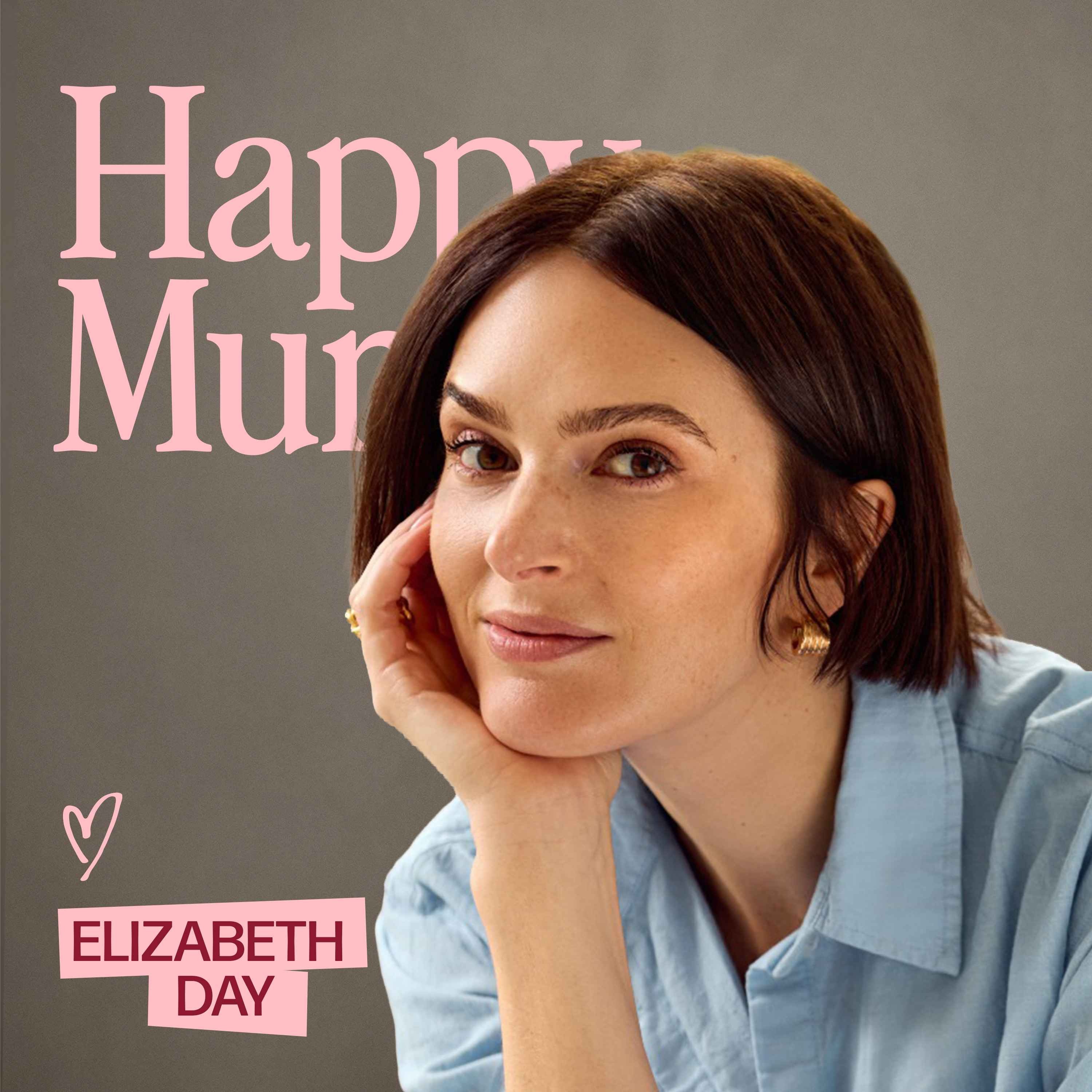
Ruthie Henshall, a major musical theatre performer (massive West End star) and author of The Showgirl and the Prince; mother of Lily and Dolly. The host is “G” (the interviewer), a friend who met Ruthie during I'm a Celebrity…Get Me Out of Here! in 2020.
Ruthie says her mother told her she didn’t want her; she was sexually assaulted; her sister Noel died by suicide; these shaped her fear and her “anger first” reaction to suicide news. She describes imposter syndrome and press headlines that misframe her story. She says she had no prenatal/postnatal mental health issues, but later struggled with emptiness when not working.
clearing her garage led to writing the book; in the castle she sought privacy to sob in a “telegram/diary-room” style space; she campaigned for “Gloria’s Law” after her mother’s care home isolation.
Written by AI. May contain mistakes.
Discussion about experiences in the 'I'm a Celeb' castle.
“because for the first time ever in a studio, it feels weird to be across the table from someone and not really close where I can just cup your face.”
Ruthie discusses her book and its significance.
“And if there's a laughter we had, or if there's something naughty that can be done, you are doing it.”
Ruthie shares what inspired her to write the book at this time.
“It wasn't a conscious choice about it being now.”
Ruthie discusses her journey of finding her voice after personal challenges.
“So, you know, reviews mattered and, you know, trying to become a star in, you know, where you couldn't just, you know, it wasn't about followers and that kind of thing.”
Ruthie talks about the challenges of publicity and how her story is perceived.
“It's laying them again and standing firm in what those are.”
Explore Ruthie's childhood experiences and family dynamics.
“That's a weird, that's a loud household.”
Ruthie discusses the impact of family trauma and personal loss.
“Your mum told you that she didn't want you.”
Ruthie shares her complex feelings about suicide and loss.
“And that was one of the interesting things in the castle, was starting to talk about this voice problem and it all coming up.”
Discussing the challenges and guilt of being a single mother.
“And didn't realise but was starting to get dementia then.”
Ruthie's early aspirations for family and children.
“did part of you always think at some point, I'm going to have a family, I want children?”
Ruthie discusses her strong desire to have children and the impact of that decision on her career.
“America had offered you a TV show and you went, no, I'm going back.”
The challenges and realities of balancing a performing career with motherhood are explored.
“And were you working then during that pregnancy?”
Ruthie shares the emotional struggles she faced while balancing her career and being a mother.
“And I sobbed all the way through the scene.”
Ruthie reflects on her identity as a mother and the challenges of finding purpose post-children.
“And I didn't want them to have to deal with anybody else.”
The conversation shifts to Ruthie's struggles with body image and her relationship with food.
“It's interesting that it's something that has remained.”
Ruthie discusses her approach to aging and her decisions regarding appearance and self-acceptance.
“I don't finish a coffee, a drink, and I never finish them, I think, because if I don't eat the whole plate, then I can't put on the weight.”
The speaker discusses the challenges of aging in the public eye and reflects on motherhood.
“Because it's, you know, and I've just put a load of blonde streaks in my hair because I've decided I'm going to go grey.”
Deep insights into the speaker's relationship with her mother and the impact of past experiences.
“Funnily enough, I would write to my mother.”
An emotional moment reflecting on how dementia transformed the speaker's mother for the better.
Discussion on the impact of loss and the healing process after the death of a child.
“I still campaign for Gloria's Law in my mother's name because it will happen again.”
Exploration of how the speaker's relationship with her mother evolved and affected her family.
“and they put her back in a ward of nursing mothers.”
Insights on love languages and the absence of regret despite past challenges.
“which, of course, when she went into the care home, they took.”
Explore the complexities of motherhood, regrets, and personal growth.
“There are, you know, I look back and I think everything has led me to where I am.”

Get the gist, explore an idea or ask about something said.
 Claude
On Happy Mum, what are the key points of this episode?
Searching your listeningAutomatic transcript. May contain errors.
0:00At Boar's Head, we've been going back to school for over 115 years. And this year, every school lunch is reason to celebrate with the flavors your kids love and the exceptional quality you expect. Helping you make school lunch fresh, easy, and delicious. Ring the bell. The deli is open. Boar's Head. Committed to craft since 1905. Back Market is the best place to get the tech you need for back to school, for less. Like professionally refurbished smartphones to take those first day picks. Mom, your finger's blocking the camera. Or so they can ask you to buy a poster board for the science fair tomorrow.
0:46No matter what you need it for, the premium refurbished tech on Back Market is guaranteed by the Back Market Promise. Professionally refurbished with a one-year warranty and free 30-day returns. Save now at BackMarket.com. Quick question. When was the last time a display ad changed your mind? Now think about the last time a friend told you about something they loved. Different feeling, right? That's how podcast advertising works. A host who's built real trust with their audience talks about your brand in their own words, in their own voice. It doesn't interrupt the experience. It's part of it.
1:20With Acast, you can access the world's largest podcast marketplace. Choose the right shows, the right audiences, the right format. Then watch the data tell you it worked. You're not buying impressions. You're buying influence. Learn more by visiting ACAST.com slash advertise.
1:40Just to note, we have now released all 12 episodes of Life of a Midwife. They're all there, sitting, ready for you to start listening. They are absolutely beautiful. It's a real insight into what it is to be a midwife and everything that goes around it. So please do go to wherever you get your podcasts, type in Life of Midwife. It's on the Happy Mum feed and have a good old listen.
2:11Hello and welcome to a brand new episode of Happy Mum. Today's guest is a dear old friend of mine. We got very close in 2020 in I'm a Celeb, in the castle. And I can remember the first day, because Ruthie was sort of a late entry to camp, and I can remember having so much love for her instantly. She was vulnerable. Her heart was just out in her hands the whole time. It was just literally like she was carrying around her heart. She's absolutely massive in musical theatre. And she's just released a book called The Showgirl and the Prince, which I read and it was fascinating to see her journey to being who she is now and how she became Ruthie Henshaw, you know, the great musical theatre.
2:59But she is, I think she remains one of the cheekiest women that I know in that professional world and that to me is very, very inspiring. She's got two daughters, Lily and Dolly, who are all grown up now and is now a very different phase of life, phase of motherhood. It's been lovely to sit and reflect on motherhood, on the relationship that she had with her own mother and where we are now. So this is me chatting to Ruthie Henshaw. It feels so weird being with you because for the first time ever in a studio, it feels weird to be across the table from someone and not really close where I can just cup your face.
3:41Because that's what you did to me. the whole time. You were, oh gosh, you saved me in there. Oh, you, as soon as you came in, I can remember we'd done the trial where you and Russell had to do all your stuff. And I can remember just wanting to smile at you the whole time to kind of go, we're here, you're one of us, it's amazing. And then when we got back to camp and realising that we had two new camp mates, but they were giving you hammocks. And I was like, they can't put Ruthie in a hammock. No. They can't do that to Ruthie. She's Ruthie. So, yeah, I gave you my bed and swung in a hammock for you.
4:24I remember that. And I was very, very grateful. But it was quite a hard bed. It was actually a hammock that was quite nice. Yes, it was. Funnily enough, I tried it. Did you? one, I think it was an afternoon, I was like, I need a nap and I can't remember why I didn't go in the bed. And it was like a cocoon. It was deeply lovely. I think actually on reflection, because I was doing it out of kindness, but you probably would have been okay in it because you could, you could actually, I could turn around and I could stretch out my legs and arms in it and just like that would give you a gentle rock and you kind of go back.
5:03Yes, yes. I've been a baby. It's very nice. Ruthie, you are here because you're currently in promo which means I get to spend a bit of time with you but you've written a book called The Showgirl and the Prince so because all of this happens pre-kids I think we should start with this I've got to say, I have absolutely loved reading it I can remember in the castle, Shane talking to you a lot about the showgirl and the Prince I remember him talking to you about it and not knowing much about it before going in this is such a beautiful love letter to that time not necessarily to him but to that time and and the respect that you clearly both have for each other still now uh that is so apparent um I loved I actually listened to it I listened to you reading it and uh and I just loved I think I think it captured um your the way that you you fight for what you love um your tenacity uh your wickedness in terms of your sense of humour and your naughtiness, which I think everyone knows about you, but you are ridiculously funny.
6:09And if there's a laughter we had, or if there's something naughty that can be done, you are doing it. And just it was a it's a glorious reflection on on that time that is so formative of who you are now. Oh, that's, that's a lovely thing to say. I think Like, I feel like it was a school in itself back then. You learnt on your feet. And it was such a golden era because it was when all the juggernauts were coming in. You know, the cats, the Miss Saigons, the Les Mis, you know, the phantoms. It's crazy that that was that time. You know what I mean? All of that came in that moment and it has had such a massive impact on what's come next.
6:55And if you look, they're still there. Yeah. They're still going, especially Les Mis and Phantom, but they're still going, whereas very few shows now sit down for too long in the West End. They are legendary, and that's what I feel about that time, was it was a sort of legendary time. It was a second golden age for me. Yeah. What made you want to write this book right now? Do you know what? It wasn't a conscious choice about it being now. It was, I was clearing out my garage and because I had so much stuff and it was all in different boxes and I just, every time I'd moved, I'd shoved it into a box.
7:44Well, the joy of the girls leaving and you kind of having a bit of time to sort of do your stuff. That was exactly right. You know, they had grown up. And I came across Edward's letters and I came across my diaries and I came across, you know, I was looking at all this memorabilia. And it was like one of those moments that you kind of go, this was an amazing time. And this is quite a story. And my experience of that time, this, you know, love story, it's pretty unique and a totally different time. I mean, we didn't have social media. We didn't have any of that stuff. So, you know, reviews mattered and, you know, trying to become a star in, you know, where you couldn't just, you know, it wasn't about followers and that kind of thing.
8:48And so it sort of just came together like that. And it wasn't the book that I intended to write. Oh, really? I was going to be writing a book called Finding My Voice, which came from being in the castle and realising that the negative voice that shouted at me had to go. because, you know, we got all our phones and everything taken away. Mine was nine days before. And suddenly my head got really loud. And the worst part of I'm a Celebrity was sort of sitting in there and feeling no sense of value for myself at times and knowing that you're being judged. and so and and I had and the second part of it was that my voice had I lost my singing voice as I knew it after doing a show called Marguerite and it was after my sister Noel had taken her own life so and it was like the grief all went there but instead of sorting it I just sang on it and made bad habits so I was going to do my journey finding my voice so finding the love and finding my singing voice so I started rehabbing my voice I've got it back now which is just a relief but it just started turning into something completely different because of that one moment It was like, that's my voice.
10:40You know, and... Well, sometimes going back to your foundations, that is it, right? Yes. It's laying them again and standing firm in what those are. Yes, completely. I'm with you because going back, I reclaimed me as well. And that feisty little girl who I suddenly thought, you did okay. you've done okay why can you not embrace that I mean I've got a home that has got nothing that you would walk into it and not know that someone from musical theatre lived there you wouldn't have a clue there's nothing on the walls none of my pictures they're all in those boxes I think because I couldn't nothing meant I'd done all right and there's there was also a sense of you know um feeling uncomfortable about celebrating success how are you actually feeling now this is out there because I always say that it's one thing to sit down and and write it and I know that you and Edward sat and you sort of, he gave you the blessing to absolutely tell your story and everything but it is also your love I would imagine has, you know your relationship was talked about, hence the showgirl and the prince, it's not the first time that is what you were referenced as so what has it been like to actually sit down and write it and now know that other people are going to be reading it and then coming out and talking about it as well.
12:26It's very, very odd. I mean, it wouldn't occur to me that it would be successful, because that's Ruthie's imposter syndrome. Someone wants to read about a show guard and prince. Someone wants to. But for me, the hardest thing has been, you know, you have to do the press and publicity to get it out there. And so there's been headlines like, you know, my passionate affair with you know and um I had hot sex with Prince Edward I didn't say that and you have to see these things and cringe and you know I know that it will look like you know a kiss and tell and that you know oh she's you know trying to make money out of it that's not what it was and it's not what it is at all it is just such it's really beautiful and I think the way that it's all framed and it's done with utmost respect and love like it seriously is um but it is really hard I think at this point to kind of have your story and really think about how you've you've framed everything and how you've structured it to suddenly be off out there and have people sort of dissect it a little bit and in interviews you know you've thought about how you write it here but then when you're a live tv doing an interview something you say there might be taken completely the other way and that's not what you intended.
13:51So I absolutely love it, Ruthie. Thank you. You did an amazing job. Oh, thank you, G. It's a pleasure. Where did you grow up? South East? Bromley and Kent. Yeah. Yeah, South East London girl. Had my first snog behind the wimpy. Did you? Yes, yes. With Chippy. Always classy. I know that. Always. I know you don't have to tell me. And there were four of you, four girls. That's a weird, that's a loud household. Well, it would be with you in it. Well, the twins, Noel and Susan, were nine years older. Oh, OK. So they were kind of, I remember them sort of half bringing us up. Mum worked so hard. She loved her teaching and was very rarely home.
14:39My father was a journalist, so he wasn't home till late. So we were latchkey kids. But it was like having, I mean, to have the twins was just brilliant. Abby and I, it's an odd one because we have never been close. I was, yes, it's almost like we were 18 months between us. and we go through our moments of being, you know, getting on really, really well and then there's this, I don't know what it is, we just... There's so much stuff between us that, you know, and then we're, you know, having an argument. Yeah. Whereas, and I think that's why, you know, Noel not being here anymore was such a hard blow because I was so close to her.
15:45And, you know, she would know when I needed her or was in trouble. And so, yes, I have always waited for my relationship with my sister, Abby, to be better, but it just isn't. It's really hard, isn't it? It is. And I hear other people talking about how close they are with their sisters and siblings. And it's something I wish I had. You know, I get on famously with Sue, but I don't see them very often. Really? No, it's really rare that I get to see them, especially when I'm doing eight shows a week. So and with, you know, I think my mum and dad kind of kept us all together really in some way. You've got that, those people who keep you coming home.
16:48And then when you lose them, everything, it's sort of gone a bit adrift. Yeah, which makes total sense because they're the ones that, you know, that's home. You keep going back for that. I think you talk really honestly in the book about your mum and dad. You don't sugarcoat anything. And I know that you absolutely adored both of them. Yes. You know, you talked about your mum a lot in the castle and you'd not long lost your dad when we went in. So for me, having you being able to talk honestly about your childhood and about your mum and dad's relationship was really important because you could so easily, through grief now, kind of not go there.
17:37There's so much happening, Ruthie. You were sexually assaulted. Your mum told you that she didn't want you. You constantly know that your mum wanted to kill herself. Like, that is so much for a little child to be exposed to. And now, as adults, we look back and we see little children and you can kind of go... Yes. And that has left me with a huge fear because my mother talked about it. My sister Sue tried. My sister Noel actually did it. She managed to, you know, commit suicide. So in my world, people do it. And two things come out of that. Number one, if my girls are in pain, something in me panics that they are going to do something stupid because people do it in my family.
18:35And do you remember when Robin Williams took his own life? And there was this outpouring of grief for him. And I felt nothing but anger. Really? And first of all, I felt really angry because I thought, yeah, you're out of pain now. Your family's has just begun. And that's where I went with it. I can now absolutely, I have, you know, a lot of sympathy for him, for my sister. But I had to go through a lot of anger as well. You left me. How could you leave me? How could you not call me? What did I do? Should I have picked up the phone then? And the grief that goes with that is so enormous. And so whenever I hear about somebody taking their own life, my first reaction is anger.
19:32And then I can sit with it because I will never get over. And that was one of the interesting things in the castle, was starting to talk about this voice problem and it all coming up. Yeah. And going to the... What did we call it? It wasn't the diary room. It was the telegram. I was wondering about that. Telegram? I can't remember. The room. It was like the diary room, but it wasn't the diary room. It was where you went when you were having meltdowns or you were telling about your day. And I walked in there and I knew that I just had to sob and I didn't want to do it on camera. Well, not on camera, but do it in a place that they might not take care of you a bit more.
20:29So I sobbed and sobbed and sobbed and said, you never get over it, you never get over it. And, of course, the next day I was called in to... The doctor. The doctor, who said, give me one good reason why I shouldn't pull you out of there. And part of me wanted to go. Really? Part of me wanted to go because I didn't want to hear this voice anymore and think about these things that you've got 23 hours a day to think about. And that's fascinating as well because within the first, literally the first 24 hours of you being in, I knew about your sister. I knew, you know, it was like all this stuff had been bottled up and you just needed to go...
21:18It was right there because I would busy myself into, you know, shoving it down. Yeah, whereas when you're sat there and you've got nothing to do but chat. That's it. And so, you know, and it was Bev who said to me, She said, you will be so upset if you go out the back door now. And I'm so glad she did say that because it would have been ridiculous. It was just a moment of being overwhelmed by old stuff.
21:55and it has turned out to be a really pivotal moment in my life. It was life-changing, that experience. When it comes to your girls, because I would imagine that the girls going through their teenage years would have been the bit that, I guess for me where I am now, the teenage years is the bit that I fear most, I guess because in life the teenage years were so turbulent being a mum to teenage girls when they were teenagers was how how did you navigate that and with this all this other stuff going on because how do you open those conversations up about mental health oh yeah it's a hard one I mean you know it to a certain extent it was uh a conversation we could have because grandma was, you know, a bit batty.
22:48Yeah. And didn't realise but was starting to get dementia then. You know, it was a conversation we could have about, you know, depression and... And you are so right, you know, the angst in your teenage years and that set off, I felt bonkers during that time because it was, you know, they go up and down and up and down. Did you feel like you were on high alert the whole time looking for what's happening, what's happening, someone's down? Absolutely. And because I was a single mum, you've got nobody to hand them off to or to say, what do we do here or what should I say or, you know, know when to be tough and know when to be, you know, wagons around.
23:44So that was hard. And they're my children, so they were never going to be uncomplicated. If you know what I mean. And what's very, very interesting about, you know, when I first, because I decided the marriage was over, I couldn't live with him anymore. And I think my children, you know, there was something in them that thought, you know, why couldn't she, you know, still be with Daddy? And they've grown up and they realise why I'm not with Daddy. But before they got to that, do you feel like you carried guilt for doing that? Yes, tons of guilt. And I think that as mothers, I mean, it's like I feel guilty, fill in the blank.
24:41I feel guilty because I only gave them beans on toast tonight. I feel guilty because I wasn't there. I mean, I felt guilty all the time because I had to earn the money because the dad was not giving what he should and sometimes not at all. a lot of the time not at all so it was down to me and so I had to go off and do eight shows a week so they were with a nanny hated that but what else could I do and that filled me with guilt and when you are doing it on your own you are you're everything right so you are you're also the only person that could be the punching bag. Yes. Which we know with kids and especially with teenagers, like when they get home, they have to shed everything that they've been holding all day and that always goes to the parent.
25:43Always. And I found, and this is a hard thing to admit, but it stopped being fun to be a mother. Yeah. There were moments, but it just became hard work because I was trying to spin all the plates. And I feel that, you know, I found it hard. I find it beautiful now because I look at them and I'm so proud of who they are. Backmarket is the best place to get the tech you need for back to school, for less. Like professionally refurbished smartphones to take those first day picks. Mom, your finger's blocking the camera. Or so they can ask you to buy a poster board for the science fair tomorrow. No matter what you need it for, the premium refurbished tech on Backmarket is guaranteed by the Backmarket Promise.
26:48Professionally refurbished with a one-year warranty and free 30-day returns. Save now at backmarket.com. At Boar's Head, we've been going back to school for over 115 years. And this year, every school lunch is reason to celebrate with the flavors your kids love and the exceptional quality you expect. Helping you make school lunch fresh, easy, and delicious. Ring the bell. The deli is open.
27:28Before you had Lily and Dolly, did part of you always think at some point, I'm going to have a family, I want children? Yes, I've always wanted children. Really? And apparently at 19 years old I said, you know, the first girl I have will be called Lily. And that was when Lily wasn't in as a name. It was old-fashioned. And then I named her Lily and it was the name of the year. You're like, go! Well, before you had Lily, you were on Broadway. America had offered you a TV show and you went, no, I'm going back. I'm going to have kids. Yeah, that's exactly right. and my English agent, who happened to be in New York, went to the airport to try and stop me from getting on the plane.
28:21What do you think it was about that time that made you go, no, no, it is now? Because it's very hard as well as a leading lady, isn't it, to kind of go, I'm going to do something now that's going to throw a bit of a grenade into this career that I've spent so long, you know, working on and getting somewhere with. Yes. I couldn't think of anything I wanted more than a child. It was that overwhelming to me. Yeah. And the father of my children, I went up to him. We were in a show together and I'd gone up to him and said, you're going to be the father of my children. Just like that's how I'd led my life.
29:04He was seeing someone else. No. Yes. Yes. I wasn't even with him. I mean, that's how single-minded I am. Who does that? You do. Who does that? Isn't it what, that feeling of just knowing? There was nothing else that was more important and I couldn't explain that to the two men who looked after my career. Could not explain that to them. And especially to do it before you've even got pregnant. Yes. I mean, that's kind of to step away because... I wanted to fly back to England to... Jump on him. To jump on him because I knew I was ovulating. It was that simple. What's wrong with me? The time is now.
29:59And you will do it. What is wrong with me? I love it. Did it take you long to get pregnant with Lily? No. Just that one jump? Just that one jump. So I got what I wanted. And were you working then during that pregnancy? No. No, that's nice. No, I wasn't. But then I went straight back to work three months after I had her. When I read this, I mean, I feel like it's something that happens a lot because when someone offers you something when you're pregnant, when you know you've not been, you know, when you can't do anything now And there's something about the idea of stopping what you're doing to have a baby, but then someone going, oh, but you can come back and be like, yes, I can.
30:45Yes. This isn't going to be a disaster. I can absolutely have both worlds. Yes. Which is why you see people signing up for stuff six weeks after birth, three months after birth. And I think anyone that's on the sidelines goes, oh, no. You know, it's going to be like, don't do it. It's so hard, especially when it's something that's so physical, like going back into Chicago. Yeah. It's not like you're just going to go, like, plonk and sing. You're... It was so tough. Yeah. I remember, I mean, I don't know how graphic you can be on this. You can be. But I remember going to my first aerobics class.
31:26Yeah. What was it, about six weeks after I'd given birth? and there I was doing the exercise and I suddenly realised that I was wet and that I'd weed myself because my pelvic floor hadn't got anything back yet and I was so embarrassed and I knew that I had four weeks to go before I started rehearsals and that was a kind of... And my dresser in Chicago, I mean, please, ladies and gentlemen, if you are in show business and you have just had a baby, ladies, do not go back, not for a while, because I wanted to nest. And my dresser, what was interesting about going back into Chicago was that I did get back in shape quite quickly because, I mean, it just falls off you in Chicago.
32:31And she would, when I first started, I had four back baps, we called them, at the back where, you know, they were falling over my costume at the back. And she would then go, you know, after a few weeks, oh, there's only three. Oh, two back baps. And then, darling, you've got none. And so watching that weight dropping off, the baby weight, but that was too much pressure. Confidence-wise, though, coming back after having a baby, your body's changed so much, voices change. What did that do to your confidence? That's an interesting question.
33:19I enjoyed it but Lily was always in my mind and there was one particular time when my husband at the time was ill I was ill but I went into work and because he was ill I took Lily with me and there was one time when I went off on stage and I handed Lily to my dresser to hold while I was... And all I could hear was her crying. And I sobbed all the way through the scene. Really? I could not stop crying. My little baby was crying and I couldn't stop crying. But your body is so connected to that baby. So connected. I don't believe the umbilical cord ever gets, you know, Truly cut. Truly cut. Yeah.
34:11Yeah, so it changed everything for me. I think that's when the real ambitious Ruthie went in, retreated. Really? Mm. And that's what this book has done for me is kind of gone, you don't you there are other things you can do there is another you know there are other ambitions out there and sort of reclaiming that a bit because I have been a mother and that's been my main concern for the last 23 years and it's still my concern but they are much more independent of course and it will never stop being my first concern ever but now that they are they're women you know I wonder if there is something that they're not teenagers making the same mistakes you know what I mean that they're much more formed as adults right so so actually it's very different to worrying about their every move when they're teenagers when they're sort of leaning into that independence and they're and they're acting up and they're maybe sort of seeing what those boundaries are and um you know it's it's it's very different now i would imagine very different um they now advise me which is gorgeous and uh their main concern at the moment is mum you need to get out more yeah mum you need to go dating oh really um yes you you need to have some fun mum you need to have some fun now because my life has been them and work.
36:03And also when I split up with their dad, I purposely didn't bring anybody else into their life because I think that it's a difficult one for kids because they have no say in who gets moved in sometimes, male or female, you know, whoever. And I didn't want them to have to deal with anybody else. I wanted to hold them through it. And then, you know, for the longest time, I just didn't want a man. And because I, you know, I've got a bent radar and I pick so badly. If they're unavailable, bring them. Bring them in. and physically, emotionally or in a relationship or whatever it is, throughout my life I've always gone for the unavailable because that plays into my pain.
37:08And, you know, things have definitely, you know, changed for me, but I know I need to get a life now. And like my, you know, people talk about emptiness, but it's true. what's my purpose? Now they've gone, especially when you're not working. What is my purpose? Because what I do for a living is my passion. And I don't really have much else in my life apart from what I do for a living. And, you know, for 23 years or, you know, 18 years being a mum, I can go to very dark places when I'm on my own. It's interesting that it's something that has remained. You know, I think so often when we talk about mental health, it's kind of that period, but actually it's not that period and done, dusted and forgotten.
38:04No. Prenatally and postnatally, did anything happen? No. Mental health lives? No. No, I had none of that. The only thing that happened with Dolly was feeling like I was never going to work again, And that came from a manager that I was with at the time who said, I said, is there anything going on? And funnily enough, I ended up working four and a half months after Dolly. But is there anything going on at the moment? He said, no, not really. He said, have you ever thought of opening up a shop? Yeah. That was when I left him. Who says that to a woman who's just given birth? Wow. have you thought of opening up a shop?
38:51Also the fact that after Lily, you went back so quickly and you know what that was, you know the juggle, you know the pull that happened there, but then still with Dolly kind of going, yeah, but I still need to get back on it, I still need to do it, and nothing's booked before, I've had it, oh, no, no, no, now I may never work. Yeah. How about our heads spiral? What? I mean, definitely, you know, you realise that your brain is not quite firing the way it was when you just had a baby. But the one thing that I did find that I loved, after I'd sort of dropped some of it, some of the weight, I loved my body.
39:39Really? I never liked my body, ever. Is that because as a dancer, and also at drama school, I know that you were sort of told if you put on weight and stuff as well, but you were constantly told to scrutinise the way that it looks, all of that. So to suddenly be a little bit different and for good reason. Yes, it was liberating. And then my body changed shape for some reason. And I liked it. the weight thing in an industry where there is no control yeah you're waiting for someone else to to give you the part to allow you through that door weight is the one thing especially when you're younger that you can have that little bit of that's it that's it um and i definitely i talk about it in the book i've definitely had uh a relationship with food that's not healthy yeah but you know my mother was anorexic my sister was anorexic another one of my sisters was anorexic so the way we dealt with it was either to not eat or to throw it up and so that was a very
41:01what's happened since I've got older and I've noticed this is people say to me you never finish anything, do you? You never finish a plate. Food-wise, really? You never finish a plate. I don't finish a coffee, a drink, and I never finish them, I think, because if I don't eat the whole plate, then I can't put on the weight. And that's bizarre. I'll have everything on the menu, but I'll just leave a mouthful. Yeah. And the other thing is, is I think that I never, I don't like the feeling of being full. So I will stop before I'm full. Because being full makes me want to go back to old habits of throwing up.
41:56So I don't go there anymore. My way of doing it is I don't get full. and as I said that sort of wiring that's that's there from mother from dancing from you know because in our business if you want certain roles you have to look a certain way and I feel sorry mainly for people who are on screen because I can't imagine how it must be watching yourself getting older on screen, you know, in high definition. Because it's, you know, and I've just put a load of blonde streaks in my hair because I've decided I'm going to go grey. Oh, really? I'm going to let myself go grey. I've decided I'm embracing getting older.
42:48I will not be, you know, for me, and I have no judgment about this but I shall not be going under the knife. I want to, if I'm going to grow old, I want to grow old and look my age. And I'm done with doing the dyeing. I don't have much grey but I just... I like it, you're inviting it in. I am inviting it in. I am. If you go write a letter on motherhood, Who would it be to and what would you say?
43:28Funnily enough, I would write to my mother. I would start with, funnily enough, a Sondheim song. Careful the things you say, children will listen. Careful the things you do, children will see and learn. children may not obey but they will listen and I would start with that and then I would say you did your best we're all trying to do our best most people so I would write those Sondheim lyrics to her just to say
44:19just if I could go back in time, look at these mum, please don't say the things that you're saying. And just we all need to be aware that they are sucking up everything you say and do. Do you feel like having Lily and Dolly has made you reflect on her time of being a mother in those early days? Yes, very much so. My uncle once said to me, he said, I don't know what's happened to your mum. He said she was so full of life and such a, loved a good time and she was fun and he said, I don't know where that girl's gone. Yeah. and I think she was very disappointed with her marriage. I think, you know, they were sort of fairly obsessed with each other in a way that wasn't healthy.
45:22Yeah, I feel for her because there wasn't the help available that is today for us to go and there weren't even discussions. No. so you didn't know that there was help out there. That would have been nice. Did you ever talk about your childhood with her? Well, every so often, and it was always, bless her, when she was drunk, and she would say, do you forgive me? And it never felt real. But then this was what the huge blessing, I can't believe I'm saying it, of her getting dementia was. It was because this difficult woman turned into a honey and for six months, a year, she turned into the woman that God intended her to be.
46:28the alcoholism the negativity the anger all fell away and it makes me very emotional when I talk about this because she would say things like there was so much healing she would say things like I would tell her about something she'd done and I'd have a laugh about it and she'd say why are you laughing that's that's not okay I'm really sorry and so for me that was incredibly healing yeah to have a chance to see who that woman was and then she got this huge kick out of life for the last you know five years of her life which is what made me so angry about the care homes shutting down yeah because that was a basic human right that they took away from people, people having babies on their own, people dying on their own, people dying of loneliness in care homes.
47:28And so I still campaign for Gloria's Law in my mother's name because it will happen again. And because they are a business, care homes and care facilities, they will do whatever it takes to protect their money. And, you know, I lost a year when my mum was 24-7 in a room on her own. I lost a year of being able to take her out and give her that joy. I mean, she loved my dad again. He was her man. You know, he would call her, you know, his girl because suddenly she wasn't this angry woman anymore. Free of whatever was... Free! And not all dementia patients go that way. They can go the other way and get really, really angry and frustrated.
48:28So it was a beautiful but frustrating thing to happen. But she, you know, her and my dad suddenly back together again in a way that was really rather beautiful. It's something to see. It was, it was very healing. The most powerful thing that I think has ever been said to me in therapy, I won't say verbatim, but it's that, right? It's calling out someone else's behaviour that's had a massive impact and having someone go, no, that's not OK. She's a bully. She's this. so I can't imagine the impact of that person saying that to you being your mum. Yeah, yeah it was. It was, there was so, as I said, so much healing to see.
49:25It was like everything bad that happened to her, she wore like a piece of clothing and so by the end of her life, before she got dementia, she was just weighed down with all this stuff. I mean, I think it started, I think, you know, she lost her first child at five and a half hours old, you know, and they put her back in a ward of nursing mothers. Get back on the, you know, on the horse. That little boy was buried with a felon, with a, you know, somebody, because in those days when you couldn't afford and they were quite poor at that stage, my mum and dad, they buried them with somebody else, another adult.
50:17She didn't even get to see him. Didn't even get to see him. And then it took seven years to get pregnant after that. You know, she couldn't get pregnant. And so I think all these little things, just instead of being able to talk them through, let them go, have experience with somebody else, it just, it took her down. Yeah. And to watch her take off all that clothing that she'd put on through her life was a privilege. Do you feel like that had an impact on you and the girls? Yes. I mean, we used to laugh in the end. And the girls would want to come and see Grandma because, yeah. And this was a woman who used to kick over their Lego if it was in the way, you know.
51:19It was literally like, oh, God, Grandma's bonkers. She turned up one day. I was on the train and I said, the train's delayed, Mum. Please can you pick up the girls from school? And they're in primary school and they're like four and six. And she turned up in her night dress with a pair of sunglasses and her driving gloves. They were mortified. So she was bonkers. and suddenly she turned into this honey and she was interested in them and she was, you know, it wasn't just can you look after the girls? I mean, on my wedding day I asked her to do up, she never came to choose my wedding dress with me, no, can be asked and I asked her if she could do up the back of my dress and she tutted before she did it And then she tried to do up the buttons and it was like, behind me.
52:25But in the end, I was just like, please stop. Please stop. Dad?
52:32So then you suddenly getting your mum, like having that figure who is actually being maternal and giving you all that love, the girls having their grandma. Yeah. How did that impact you and the girls' relationship? Did it bring you closer together to see that? Because obviously that's something that you've carried and surely that was also part of you being able to let a part of that go. Yes, definitely. And I think it was lovely for them to see a part of grandma that wasn't irritable. And, I mean, my mother's way of giving was money. She squirrelled away everything. which, of course, when she went into the care home, they took.
53:19Right. But it was nice. But, yes, so she would give money, and none of us wanted that. We wanted something else. That was clearly her love language and how she felt safe giving and showing love. That's it. And we have to, and I think you've just said that, we have to learn someone's love language. and it's all different. Yeah. And, you know, I want nice things said.
53:56It's never about, it's not necessarily about gestures. It's about telling somebody and looking in their eyes and saying. I mean, I remember doing something called the Hoffman Process in America and one of the things you had to do at the end of it was to go to your parents because it was like having seven years therapy in a week. It was amazing. And I went to, I had to go to my parents and sit down and just say, I love you. You have to look into their eyes and say, I love you, and then not say anything else, just let them respond. and it really was quite powerful. Really? Yeah. And forgiving to be able to say, I love you and I know that you're not going to be perfect back.
54:52You know, especially my mother. My father made amends in such a brilliant way. He was always there and he was my confidant and he was always there for the grandchildren and he was such a family man. And he didn't really want to talk about the past. That was his thing. And I always respected that. You know, it was too painful for him to think about what had gone. Yeah. It's a life lesson in that, isn't it? Yeah. what is someone's love language? I love that. Yeah. Well, and the fact that you can't undo it, and actually it is that, it all goes so fast, and then to be able to look back and kind of go, fuck.
55:49Yeah, and have regrets. My father had regrets. I don't have any. Don't you? I say that genuinely, don't you? That's not a don't you. it's not it's not don't you are you sure it's a don't you I'm really worried about how I'm how I'm putting the emphasis on this don't you there you go that's good me sure no I don't because even you know the mistake of having children with somebody who didn't really show up but without without him you wouldn't have those girls I wouldn't have him Yes, yes. So there's no regret there. There are, you know, I look back and I think everything has led me to where I am.
56:43I've had this fairly amazing life where be careful what you wish for because you're going to get it, clearly. So I can't say that I would have any regrets. Yeah. I love that I wonder I would say over the last few years there's been a lot more talk about mothers and anger and rage which I think for a lot of women has been quite healing to kind of go oh I'm not the only one that feels that, that kind of, because there's so much pressure on us to do all the things and be all the things right, so you're kind of constantly running around like a headless chicken and then when there's some pushback and all of a sudden no one's getting their shoes on it's just those little things that kind of tip you over Absolutely.
57:32Right. So I think it's it's a really good thing for our generation to be able to to have that awareness that when those moments do arise, it doesn't mean you're a bad mum. It means that there's so much pressure on you. And I wonder if for your mum that would have been a blessing to have those conversations around them. And I think that a lot of women who don't have little kids now but can kind of look back reflectively and feel some sort of healing even hearing those conversations happening. Yes. You know, sometimes people say if you could invite people dead or alive, sit round a table with them, who would they be?
58:18And one of them would be with, you know, my mother. I know, I don't know what I believe right now. I was, I always believed in God. Right. I always believed in a God. And I have definitely lost faith recently. But there's a part of me that feels she's perfect now. because all that stuff does drop away. And I would like to think that there is something else, but I would love to get to know the woman she was supposed to be. I would like to get to know my young mother. I think I would have adored her. Yeah. Yeah. We end the podcast with you completing three sentences. The first one is being a mum means.
59:29For me, I am complete. Since having children, I...
59:42Have been bust open. And I'm happy when... they're happy. Yeah. Is it very different now in terms of when you get together?
1:00:02Do you have to, is it very different going, stepping into that world where you actually have to make plans to be together now? Yes. Yes. I mean, Lily is in uni in London. she is always needing her mum. She is always coming to the dressing room and sitting in the dressing room, which is gorgeous. It's Dolly I don't see very much because she's in Bristol. And she's got this life there. You know, she's living with her mates and she is living the dream. So I don't get to see her. I've just got to see her because of the book launch. and she brought her very lovely boyfriend with her who I was in a hotel room with last night, both of them.
1:00:50He was on the floor and Dolly was in with me. So, yeah, and it's always very, very, very special and the notes that they write me now, I just stick up all around my mirror because I must have done something right. Yeah. With the love that they seem to have for me. Must have done something right. I love this for you because I know five years ago when they were teenagers, you just kind of, or six years ago, you just didn't see that. No. So the fact that you are here six years later and know that, you know, I just... That feels more joy. Thank you, Ruthie. You fill me with joy. Ha ha ha ha! Ha ha ha!
1:01:58At Boar's Head, we've been going back to school for over 115 years. And this year, every school lunch is reason to celebrate with the flavors your kids love and the exceptional quality you expect. Helping you make school lunch fresh, easy, and delicious. Ring the bell. The deli is open. Boar's Head. Committed to craft since 1905. Here's a tip for you. There's a podcast out there with fans waiting to be your next customer. They tune in every week. They trust the host. And that host wants to talk about brands like yours in their own words to their audience. The problem is you just haven't been introduced yet.
1:02:45We're Acast, where that introduction happens. As the world's largest podcast marketplace, we let you browse shows, see who's listening, and book host-read sponsorships or run your own ads all from one platform. Transparent pricing, real-time data, complete control. Start advertising on podcasts by visiting acast.com slash advertise.
Trigger warning: this episode contains discussions of suicide, mental illness and childhood trauma that some listeners may find upsetting.
Ruthie Henshall has spent decades captivating audiences on stage, but in this episode she joins Giovanna to talk about the role that has shaped her most: being a mum!
Ruthie reflects on choosing motherhood at the height of her career, raising two daughters as a single parent, and how becoming a mum changed her ambitions forever.
She also opens up about her own childhood, the lasting impact it had on her parenting, and the unexpected healing she found with her mother later in life.
Ruthie's new memoir, The Showgirl and the Prince, is out now!
Hosted on Acast. See acast.com/privacy for more information.