 Ask ChatGPT

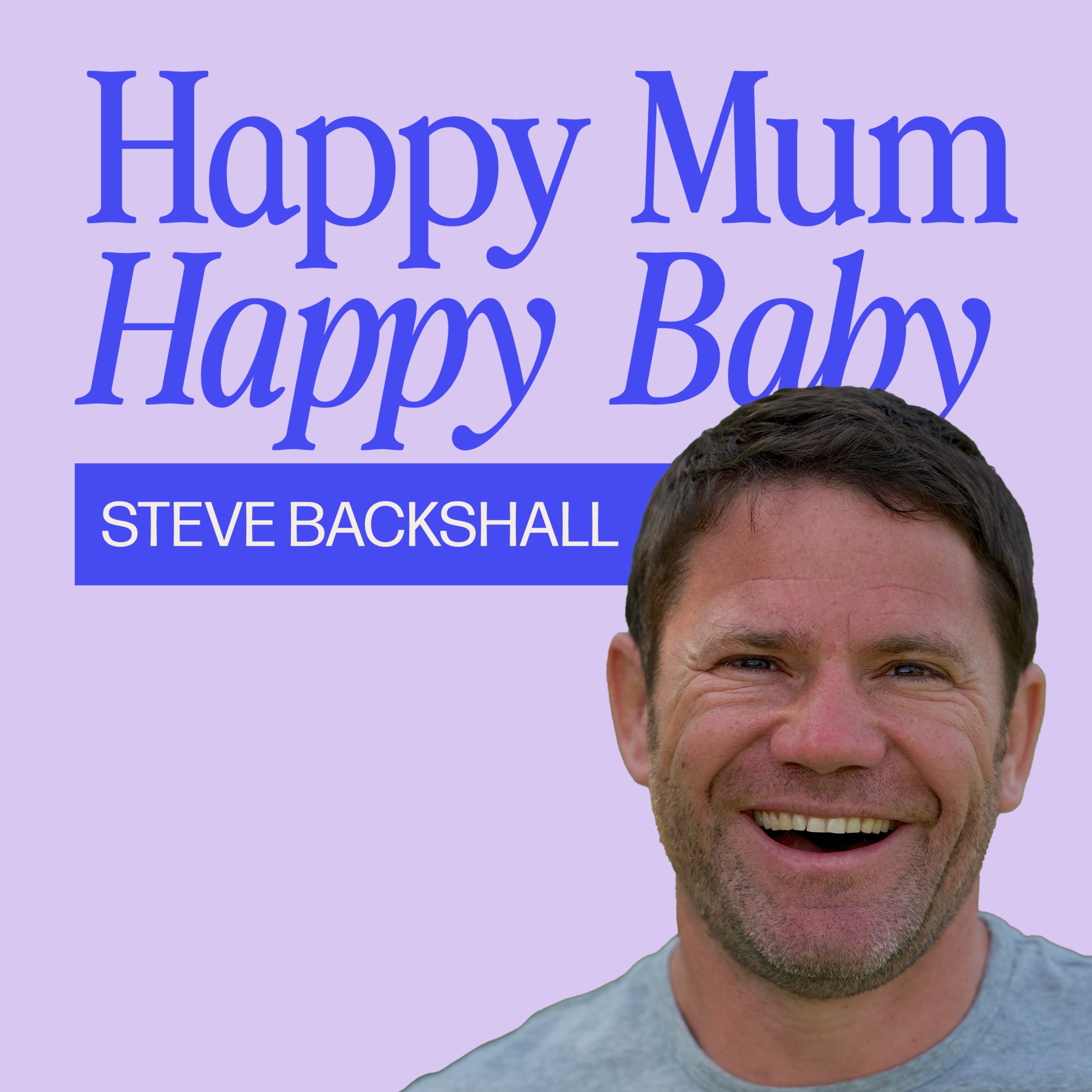
In this episode of the Happy Mum, Happy Baby podcast, Giovanna Fletcher welcomes adventurer and explorer Steve Backshall. The conversation delves into various aspects of parenting, particularly the challenges of raising children in today’s world, while also touching on Steve's extraordinary career and personal experiences as a father.
Written by AI. May contain mistakes.
Steve shares his experiences and wildlife encounters in Oman.
“So I head up treks for Copperfield, the breast cancer awareness charity.”
Discussing the significance of curiosity and creative problem-solving in education.
“Steve, before we go, we've never had an adventure on before, and I'm so excited.”
Steve reflects on his difficult school days and the joy of rediscovering learning.
“I've got one of my kids, he's a homeschooler, and his confidence got completely knocked, which is why he was no longer at school.”
Steve reflects on his difficult school experience and the joy of discovering learning later.
“I went to quite an average comprehensive school and frankly, just got really bored and really switched off learning.”
Steve shares the story of his family's unconventional move to a farmhouse and its impact on his childhood.
“Well, I probably wouldn't be here if they had.”
Steve describes his extraordinary childhood surrounded by rescue animals and nature.
“and agreed to swap his house or a loan on his house for our house.”
Steve talks about the adventurous travels his family undertook during his childhood.
“and still in my heart, if someone mentions home, that's the place I think of.”
Steve discusses how his travel experiences shaped his career in exploration and media.
“I'm never going to make them work 12 hours a day in a fruit market.”
Steve elaborates on the hardships and sacrifices that come with a career in adventure and exploration.
“So, yeah, I mean, it kind of started in the early 90s and it has never stopped.”
Steve shares his transformation into fatherhood and how it has given his life new meaning.
“If you could bottle that and sell it, you would be a multi-billionaire.”
Steve reflects on the balance between pursuing adventures and nurturing his family.
“And then for both of us, the moment of parenthood was a lightning bolt.”
Steve recounts the challenges and excitement of becoming a parent, including the birth of his son.
“You get to the top of a mountain and you're already thinking about the next summit.”
Steve discusses the challenges and emotional rollercoaster of childbirth and early parenthood.
“So without going into too much detail, the female athlete has enormous drains on their body, which can make normal processes challenging.”
Steve reflects on balancing his adventurous career with the responsibilities of being a new father.
“So I was in the midst of a mega project.”
Explore how major life changes affect family dynamics, especially with young children.
“And there'll be dolphins, might even be whales.”
Hear about the extraordinary efforts of an athlete balancing motherhood and elite sports.
“than I think if we'd even left it a year or two.”
Discuss the unique pressures and obstacles encountered by women in sports.
“And I know quite a lot of, you know, elite athletes, adventurers, expeditioners who could not come close to what she did in that year.”
Learn about the importance of making the most of family experiences and outdoor activities.
“I always say this because I'm someone that has always prided myself for being super fit, being really into my sport and stuff.”
Listen to a touching tale about the birth of twins and their unique bond.
“I can have that little bit of pushback with the kids because it's mum trying to give them a bit of adventure or kind of trying to get them out.”
Explore how twins develop their own identities despite shared experiences.
“Everyone going crazy as happens in these moments.”
Understand how becoming a parent changes perceptions of risk and adventure.
“We tend to think that so much of what our kids are and what they become are things that we bring to them, an external influence.”
Discusses the challenges faced by parents today compared to previous generations.
“So, yeah, what are you like in that world?”
Explores the importance of risk-taking and real-life experiences for children.
“So I try and afford them as much independence as they can.”
Steve shares his experience taking children to swim with sharks and its impact.
“Life-changing experience, not just for them, but for me too.”
Discusses the challenges of sharing family experiences publicly and its implications.
“I mean, I think that it's a transformational thing.”
Steve reflects on the meaning of being a dad and the joys it brings.
“Children Need um single and you know Buzz is sung on Thread of Hope with Tom a song that Tom wrote And, you know, that was an amazing experience for Buzz to go along at 11 and sing on Children in Need.”

Get the gist, explore an idea or ask about something said.
 Claude
On Happy Mum, what are the key points of this episode?
Searching your listeningAutomatic transcript. May contain errors.
0:00Steve Backshall: When people talk about energy, recovery, and performance, they usually jump straight to training, protein, or supplements. But one of the most overlooked pieces is gut health. If your gut is not dialed, everything else struggles to work the way it should. That is where Momentus Fiber Plus comes in. When gut health is not dialed in, other supplements and training habits don't work as well. You can be doing everything else right, but without a strong foundation, results fall short. Fiber is often the missing link. That's why Momentus believes in a relentless commitment to fundamentals and doing them differently than they have ever been done.
0:35Steve Backshall: Fiber Plus is built to support the entire gut health process, not just one piece of it. And if a product doesn't meet their standard, it never hits the shelves. Right now, Momentus is offering our listeners up to 35 % off your first order with promo code ACAST. Head to LiveMomentus.com and use promo code ACAST for up to 35 % off your first order. That's LiveMomentous.com, promo code ACAST. When you think about meal kit companies, what do you see? Probably long, complicated recipes and subscriptions you can't escape. But with the new Blue Apron, we're doing meal delivery differently. No subscription needed.
1:14Steve Backshall: Faster, easier meals. And the same dedication to quality we've always had. Shop 100 plus meals at BlueApron.com. Get 50 % off your first two orders with code APRON50. Terms and conditions apply. Visit blueapron.com slash terms for more. We live in a culture obsessed with dieting, weight loss, and exercise.
1:33Giovanna Fletcher: And that can make eating disorder behaviors easy to miss. But the reality is, eating disorders are serious mental illnesses that take a major toll on your health and your life. But recovery is possible. Eating disorders are more common than you might think. Chances are you know someone who is struggling with one. Or maybe you're struggling yourself. If you're concerned about an eating disorder in yourself or a loved one, I want to introduce you to Equip. Equip is a fully virtual, evidence-based eating disorder treatment program that helps patients achieve lasting recovery at home. Every Equip patient is matched with a multidisciplinary care team that includes a therapist, dietician, medical provider, and mentors.
2:13Steve Backshall: And you get a personalized treatment plan that's tailored to your unique goals and challenges. Equip treats patients of all ages in all eating disorder diagnoses. It's covered by insurance, and there's no wait list. If you think that you or a loved one could be struggling with an eating disorder, don't wait to get help. Visit equip.health to learn more. That's equip.health.
2:42Steve Backshall: Hello, and welcome to a brand new episode of Happy Mom, Happy Baby, the podcast. Today's guest is the incredible Steve Bakshall. M-B-E. Let me tell you, I feel like I always have to, when they've got those by after their name, I feel like I've really got to put them in because they've been earned. Steve is absolutely incredible. For anyone who doesn't know, he's a naturalist, an explorer, an adventurer. He's a writer. He is best known for presenting CBBC's Deadly 60 and The Really Wild Show. I say this to Steve in the actual episode, but out of all these years I've been doing this podcast, I've been doing it for nine years, my kids couldn't give two hoots when I get home or before an episode recording and I say oh guess who I'm talking to today they're like who?
3:28Steve Backshall: But last night at dinner I said guess who I'm talking to tomorrow and Buddy was rolling around the floor and even he stopped and was like what? What? But he will be upset tonight when I go home and tell him that no snake was present because he really did think that Steve was about to whip out a snake different show
3:51Steve Backshall: but Steve you'll hear it he is an absolute delight of a human he just has this curiosity and this enthusiasm that is real and there and wants to explore and wants to see what and why and he talks about his wife Helen Helen Glover OBE in the most oh honestly it's the most gorgeous thing. It's the most gorgeous way I think I've ever heard a husband talk about his wife. It made me want to phone up Helen straight away and go, oh my God, you never guess what he said about you. There's just such pride. And I think when you are part of a couple who are both very much in careers that might pull you away from the home and therefore put pressure on the other person that's at home, it can be very easy to build up resentment.
4:39Steve Backshall: From this conversation, It doesn't feel like that resentment is there. There's just pure understanding and awe of watching that person go off and do that job with such strength, passion and dedication. It is astounding. I just love it and I think you're going to love it. So here it is, Happy Mum Have a Baby with Steve Backshaw.
5:05Steve Backshall: Where have you just come back from?
5:07Giovanna Fletcher: Amman.
5:08Steve Backshall: I've been to Amman. My first ever trip. So I head up treks for Copperfield, the breast cancer awareness charity. So we used to only do one trek a year, but now we do five. But my first ever one was in Oman.
5:19Giovanna Fletcher: How awesome is Oman?
5:21Steve Backshall: It's incredible, but the terrain is so unforgiving in the sense that if your leg touches anything, it's shredded.
5:27Giovanna Fletcher: Yeah, I can see that. I can see that. But I mean, from my perspective, in terms of desert wildlife, it's probably the best place in the world. Other than maybe Namibia, you know, we had one of the coolest things was at six o 'clock every evening where we were, call to prayer would start off and the Arabian wolves that we were there to film would hear the sound of the call to prayer and they would respond. So they would start howling along too. So I've been to lots of places around the world where, for example, police sirens will set wolves off and chainsaws will set them off. But here, the call to prayer, that incredible thing you get in Islamic countries, would set off, six to look at night, and you'd get alongside it.
6:06Giovanna Fletcher: It was spine chilling.
6:08Steve Backshall: I mean, a very different vibe to police sirens setting them off.
6:12Giovanna Fletcher: Very different.
6:13Steve Backshall: It feels like nature is coming together. Do you know what I mean? Yeah. That's very different. I like that a lot. Steve, before we go, we've never had an adventure on before, and I'm so excited. I've got to say, I've obviously been doing this for a long time now, nine years. and I said to my kids last night at dinner about who was on today and they were like, oh my God. I've already told you, Buddy has asked, he's like, is Steve going to bring a snake? Is he going to just pull a snake out? And I was like, tell him I did.
6:41Giovanna Fletcher: Don't crush his dreams. He's going to ask me questions. Tell him I brought a boa constrictor. Okay.
6:48Steve Backshall: It's very sweet. But it's just so amazing to have you here. It's incredible. Thank you.
6:53Giovanna Fletcher: It's very good to be here.
6:54Steve Backshall: And your career is obviously so varied and it sort of targets everyone. Whenever I, you know, see the kids on, if they're on a screen and it's you, I'm like, it's okay. Whereas usually I'd be like, what is it? Turn it off, get it off, did you ask? Whereas if it's you with something, I'm like, it's fine. Because I know that in five minutes you're going to come into me and you're going to say, guess what? And you're going to tell me loads of different facts. So it is, you know, with everything, it's about feeding their curiosity, which I, yeah, I just think you're absolutely brilliant at and you play such a massive role.
7:26Steve Backshall: you have done for decades in that world. And now you've teamed up in a different world as well with Lego Group. Yeah, that's right. Which I love the fact that you're, I love Lego. My kids love you. I love you. And I love the fact that the worlds are colliding.
7:41Giovanna Fletcher: Yeah, it's a really intriguing one. You know, Lego was something that I can remember having in my childhood. And we had just like a bucket of, you know, odd bricks that we'd sit around for hours making, you know, whatever came to mind. We can make the Great Wall of China and then the next minute we'd be making a space carrier or something. This is a little bit different. So this is a new range that Lego has coming out, which is all about STEM. They have a range of problems that you can solve. So you do a particular build, and then at a certain section of the build, there will be a task that needs to be fulfilled, and there's not one set way of doing it.
8:17Giovanna Fletcher: So youngsters have to be creative in the ways that they will come to solve the puzzle. and that I think requires their curiosity, it requires them to be engaged, not just in creating, constructing the thing, but in figuring out the engineering, the mechanics behind solving that particular problem.
8:38Steve Backshall: I love the fact that there's not one right way that can be inventive within that.
8:42Giovanna Fletcher: Yeah, and I think that's really important because there are very few problems in life that have just one simple solution to them. We need to be able to explore lots and lots of different ways of solving the problem. It also means that you can do it again. You can do it again and again, trying different solutions. And if you get it wrong, then that's kind of the point. We always obviously learn far more from our mistakes than we do from the things that we get right and we succeed with.
9:06Steve Backshall: Absolutely. I've got one of my kids, he's a homeschooler, and his confidence got completely knocked, which is why he was no longer at school. But it's been fascinating over the years to see his curiosity grow, growing in nature, but growing and being able to kind of sit with his Lego and to build different things. And I think sets like this are amazing for kids like him. We can do that outside of the classroom. We don't have to be in a classroom to learn in that way.
9:34Giovanna Fletcher: It's really interesting that you've used that word curiosity twice in quick succession. Curiosity to me is one of the most important things that we can try and engender in our kids. And as a naturalist, it is the number one facet you require is just that ability to look at the world as something that requires explanation, to be constantly asking questions. As a naturalist, the number one thing that you can do is to wander through a woodland and go, what's that sound? What's that bird? What's it saying? Where is it? Where does it come from? Where does it go? So those simple questions are the things that turn you from being, you know, just a normal person wandering through the woods and someone who is properly engaged and is in the process of becoming a naturalist.
10:17Giovanna Fletcher: And, you know, the more that we can do that with all sorts of different things with our kids, just have them asking questions. And frankly, it can be pretty annoying. You know, this morning, my little boy got into bed with me and he said, Daddy, why is the sea blue? And why are there fish? And why is there oxygen? Why do they need oxygen? And after five minutes when you've just woken up and you can barely say your own name, you're kind of like, oh, come on, seriously. Go and crack a book. I'll be with you in a second. But the more they are encouraged to have that sense of curiosity about everything in the world around them, the more it is a positive thing for their development.
10:54Giovanna Fletcher: I have spent my entire adult life completely immersed in science. But I'm terrible at science. I have no natural aptitude for it whatsoever. I really struggled at school with maths, with stats, with physics and chemistry. Just even saying the words right now makes me feel a little bit sick. And yet I have managed to go through the whole process of getting my biology degree and getting further qualifications after that. And I do sometimes wonder if at an early age I've been made aware that science can be for everyone and it doesn't have to be in the very old fashioned, conventional, fusty way that science is sometimes thrust upon us at school.
11:40Giovanna Fletcher: If I'd embraced it earlier, maybe I wouldn't have found it quite so challenging in later life.
11:45Steve Backshall: Well, I wonder if that's the same for every subject, right? Even if you look at English, the way that English is taught, the books that we study, everything can be taught in such an engaging way that it can really sort of capture people's attention, children's attention. So I think that is something across the board that so much feels locked out. We've got kids that aren't reading, kids that aren't doing STEM, you know. So actually, a large part of it is things like this that can kind of chip away at that idea that it's not for you. Yeah. And actually look at this. And if you enjoy it, actually, maybe there is something in it that you'll enjoy.
12:18Giovanna Fletcher: Absolutely. The English thing is a really intriguing one, actually, because I spent most of my young life thinking that things like Shakespeare was the most boring thing on the planet. I couldn't imagine for a second anybody being entertained by Shakespeare until when I was at college. I had coming up to my A-levels, which I was set to flunk and fail in cosmic style. I had one teacher who rocked up and all of a sudden turned Shakespeare into a detective story full of sex and lust and violence and, you know, all the stuff that is absolutely there, but that just hadn't been brought to life before.
13:00Giovanna Fletcher: and I was so inspired that within a matter of weeks it turned my entire life around and it turned me around from someone who was set to absolutely dismal fail to, you know, someone who is where I am today. It was very much down to that simple shift, that shift of all of a sudden just seeing it as a puzzle that needed to be solved that, you know, turned Shakespeare into the most exciting thing I'd ever read.
13:28Steve Backshall: So school was a bit of a, not a happiest of places for you then in terms of academically?
13:34Giovanna Fletcher: No, it's really difficult to talk about this because for lots and lots of different reasons. I think, first of all, I am quite a cerebral person. It's difficult to say that without sounding a bit smug, but I am. If I had gone to, I think, a kind of, you know, posh, expensive school, I probably would have cruised through and ended up, you know, going to Oxbridge and all of that sort of stuff. I didn't. I went to quite an average comprehensive school and frankly, just got really bored and really switched off learning. And when I switched off, I properly switched off. I barely went to school most days, most weeks.
14:16Giovanna Fletcher: I struggled with my peers. I struggled with bullying. I just had a horrible, horrible time at school and I was just desperate for it to be over. But always there in the back of my head was this deep kernel of joy in learning, which wasn't really ignited until much, much later on. And, I mean, it's hard to talk about regrets because I've had such an amazing life. And a lot of that has got to do with the challenges that I had to overcome and I had to get past. So saying, oh, I wish my school days had been better. Well, I probably wouldn't be here if they had. That's so true. So having got through all of those challenges and then rediscovered at the right time so I was properly self-motivated to learn that it wasn't coming from other people, that it was coming from me is the reason why I then went so far with education, whereas I probably wouldn't have done otherwise.
15:12Steve Backshall: Your mum and dad, they both worked for BA, is that right?
15:15Giovanna Fletcher: That's right, yeah. I mean, every time I tell this, I kind of can't quite believe it's true because it's such a halcyon view of family life. Right. But mum and dad both came from working-class families. Neither of them got the opportunity to finish school. They both left school at 16 and went to work for the airlines because they both wanted to see the world and to travel in a way that they'd never had an opportunity to do. when we were probably four or five years old we were living in a two up two down terraced house just down the road and we went to get horse manure for the garden from a ramshackle old farmhouse that was around the corner and the guy who was living there said I can't take care of this place any longer and agreed to swap his house or a loan on his house for our house.
16:10Giovanna Fletcher: So he moved into ours and we moved into his. And for the next 16 years, we lived in this ramshackle, broken down old farmhouse surrounded by rescue animals with the woodlands and the Surrey Heaths beyond and had this just extraordinary childhood with mum and dad who are just amazing human beings. and it was amazing.
16:36Steve Backshall: What were the rescue animals?
16:37Giovanna Fletcher: Oh my gosh, everything you can possibly imagine. Really? Everything from guinea fowl and peacocks to donkeys and geese and rabbits and goats. I used to milk the goats before going into school every day in the morning, which was good up until the moment they kicked the bucket of milk all over you and you end up in first break stinking of stale goat milk. And yeah, it was really quite something.
17:01Steve Backshall: Yeah. And would have been so... If your mum and dad hadn't gone to pick up manure that day, if it had been someone else.
17:08Giovanna Fletcher: Exactly. Yeah, exactly. And I mean, I still don't really know how that actually worked. I know that financially it ended up being really challenging for mum and dad, particularly when the loan came to an end and they were struggling to manage to keep the place. But it's really weird. That was 35 years ago now. and still in my heart, if someone mentions home, that's the place I think of. Isn't that weird?
17:37Steve Backshall: That's pretty magical.
17:38Giovanna Fletcher: It is, yeah.
17:39Steve Backshall: And did you always know that you wanted to go travelling?
17:42Giovanna Fletcher: Yeah, yeah. I mean, I think that, you know, mum and dad and their kind of, this nomadic sense that they had meant that from a very, very young age we were being dragged all over the world to developing countries. They never planned anything, never prepared anything. I think we'd rock up with a rucksack in Sri Lanka or India or Africa. We got there for free because of the airline connection. And then they would just go, right, we're going to find someone to sleep tonight for 50 pence. And if we can't find it, then we're going to go to another 20 places until we find our place at 50 pence. And they'd be dragging us as like eight, nine year olds around the street with our suitcases at two o 'clock in the morning.
18:21Steve Backshall: Or was that just the way that you rolled? I think that was just what life was like.
18:26Giovanna Fletcher: And we just kind of took it for granted. And we also knew that there was going to be a really good adventure ahead. So, you know, that little bit of discomfort didn't. I mean, my mum and dad might think differently. They might tell us that we were in absolute pain. But I don't think so. Now, you know, I do my best to try and give our kids all kind of incredible adventures. But I would never be able to do what my mum and dad did with us as kids. I mean, that terrifies me.
18:54Steve Backshall: Do you think that's because you know so much now and because we all as a society know so much about the world? We can't go into things naively now. We know the dangers.
19:05Giovanna Fletcher: Honestly, no. I think it's laziness. I think it's knowing that it would be really, really hard and that actually it would be much, much easier for me to just sort it out beforehand and make sure that we had somewhere to go. and actually that part of the challenge is one that I sort of have sidestepped and I don't know, there's an awful lot of things that I look back at that my kids will never have to do, challenges they'll never have to go through that I went through as a youngster and I think, are they going to be lesser people because of that? Like a lot of the stuff that I did as a kid, I would say some of the most important things for my development as a young person were some of the worst things it was the Saturday job working on a fruit market getting up at 3 o 'clock in the morning and working 12 hours a day chucking around sacks of potatoes it was working in a kebab shop out the back as a 12 year old which for now I'm pretty sure you get some kind of prison sentence it was all of those things that I did as a youngster which gave me value for money and for work and for an understanding of how the world works Well, my kids are never going to do any of that stuff.
20:18I'm never going to make them work 12 hours a day in a fruit market.
20:22Giovanna Fletcher: Are my kids going to be, you know, entitled little monsters because they'll never have to do that? I honestly don't know. Gosh.
20:31Steve Backshall: I mean, we can only hope. We're not.
20:37Steve Backshall: You went on, like, so from the point of going on your year travelling, your year travelling, basically the adventure started then and they didn't stop.
20:47Giovanna Fletcher: That's right, yeah. And when I finished university, I went out to Japan for a year, lived out there, and then I started working for the Rough Guides, the travel guidebook company. Yeah. And I had a few years just basically wandering the planet, having amazing adventures, having it paid for, before going to the National Geographic, which is more of the same. So, yeah, I mean, it kind of started in the early 90s and it has never stopped.
21:12Steve Backshall: It's incredible, Steve. Like to turn your passion and your love of travel and being outside into a career. It's very clever.
21:21Giovanna Fletcher: Well, yeah, it is.
21:22Steve Backshall: And it's also not easy.
21:24Giovanna Fletcher: No.
21:24Steve Backshall: I've got to say that.
21:25Giovanna Fletcher: No, it's not. I think that a lot of people will look at the really, really great stuff, which is just as great as we say. You know, the moments that you're standing on a mountain that no one's ever climbed before and thinking my feet are in a place no human has stepped before or entering into a cave and, you know, sweeping around your torchlight and it's illuminating darkness that has never been illuminated before. All those moments are just as sweet, if not sweeter, than we make them out to be. What it takes to get there, you know, is not just the nights sleeping under a leaky tarpaulin without sleep, bugged by mosquitoes, catching malaria.
22:08Giovanna Fletcher: you know and it it's the the sacrifices and the huge amount of work and heartache and letdowns that it took to get to that place the years and years and years of working side jobs as a you know as a waiter and a bartender and all these other things just to make ends meet the years going back to live with my family when I thought I was independent and already you know already launched myself and had to you know endure going back to go and live with mum and dad because you know you can't make ends meet and that was a very very long time but it it has been worth it and the tenacity that it took to get here I think makes every one of those moments all the more precious
22:51Steve Backshall: does it ever feel like this again or are you always just like this is incredible I think I
22:57Giovanna Fletcher: don't know if this is something that I people have always ever since I was a kid uh taken the mickey out of my my enthusiasm my excessive enthusiasm like when I when I was at university everyone used to you're always the best ever everything you've done is always the best ever and it wasn't uh it wasn't something that I was pretending I genuinely feel that way and I still do now in my 50s you know I I see a a teeny tiny bug that I've never seen before and I hold it in my hand and for the second that first second the cameras aren't there nobody else is there it's just me and this little invertebrate jewel in my hand and the excitement that I get from that.
23:38Giovanna Fletcher: If you could bottle that and sell it, you would be a multi-billionaire.
23:43Steve Backshall: But the things that you pick up, Steve, at any point are you a bit like, I hope this new thing that I've never seen before isn't poisonous. Do you know what I mean?
23:50Giovanna Fletcher: Well, no, because if it was, then I'd be the first person to get bitten by it. That would be awesome too.
23:58Steve Backshall: That's a brilliant answer.
24:00Giovanna Fletcher: Yeah, it would be a great thing to have on your gravestone as well. Steve Batchel found new species of scorpion, got stung by it, died on the same day. I mean, it'd be a great way to go.
24:11Steve Backshall: Oh, my gosh. So when, obviously, you're off travelling and seeing the world and following your curiosity and stuff, at any point do you look to the future and think of your own family life? Because, obviously, you've had this amazing upbringing with your mum and dad. You've got these incredible foundations. Was there a part of you that was thinking, when I have my own family, I'd love to pass this on? Or was that just not now, I'm off on my travels? That's really interesting because I think that I had, actually I would say that both Helen and I,
24:43Giovanna Fletcher: so Helen, to anyone who doesn't know, my wife is an Olympic athlete. She's epic. And I think that both of us had incredibly selfish, self-serving lives before we had a family. and everything was about us and our achievements and where we were heading and where we were going.
24:58Steve Backshall: But you also have to be in the fields that you're in.
24:59Giovanna Fletcher: You do. There's no getting around that. And then for both of us, the moment of parenthood was a lightning bolt. And I mean, I can speak from my own personal experience. It was the thing that has given my life meaning and purpose. And everything has changed from that moment of becoming a dad. and beforehand I mean I could I could I could lie to you now and say yeah of course I thought about all those things I didn't I didn't at all I just thought about wanting to do cool things wanting to get exactly where I wanted to be in my career yeah do amazing stuff find new species etc then I became a dad and it was all like I want to do that with my kids I want to be able to make sure that they have the same opportunities that I had if not better I want to be able to share all of the knowledge and experience that I've managed to gain with them I want them to admire me I want them to to to be interested in the things that I've done and I want to be able to share it and do it with them and that was the lightning bolt that happened the second my my little boy was born yeah and I think it almost is almost as being like an existential thing almost as being like you know I've been searching for something I'd always been looking for what it was that I was put on this planet to do and never really knowing until I became a dad and I was like oh oh it was that.
26:17Giovanna Fletcher: It was that all along.
26:20Steve Backshall: You've done all these incredible things but actually when it comes down to it the purpose and the drive is the family.
26:27Giovanna Fletcher: Yeah but do you know what I'm also a biologist and as an evolutionary biologist you have to kind of see that the massive drive for all organisms is to replicate your own DNA and to pass it on. And in us even as modern humans in a big city that still has to be there sometime somewhere in the back of our reptile brain that we have this drive to successfully bring up parent our offspring yeah and i think that sometimes we can we can lose sight of a lot of the really really simple things that drive us and at our peril because they are they are still intrinsic to everything that makes us what we are and and for me you know and i think for a lot of people that are adventurers or explorers, we're chasing a dream, we're chasing something and nothing's ever enough.
27:20Giovanna Fletcher: You get to the top of a mountain and you're already thinking about the next summit. You're not even treasuring that moment. You're already thinking, well, there's a mountain over there that hasn't been done before and that one looks harder. I'm going to do that one next. And what is it you're searching for? And I could never really put it into words. And then I had a kid and I was like, this is what I've been searching for. This is that meaning of life that that is absolutely everything and for the first time I didn't feel that pressure that I needed to be dashing off to do the next awesome terrifying adrenaline filled thing because all I really wanted to do was to be there cuddling my little boy yeah how did it feel when Helen found out she was pregnant oh it was it was it was hard for us to get there um so So without going into too much detail, the female athlete has enormous drains on their body, which can make normal processes challenging.
28:20Giovanna Fletcher: So it wasn't a simple process to get there. And I can remember feeling just when she found out when she told me that she was pregnant, just the sense of excitement, relief as much as anything else. You know, just that sense of finally. Yes. OK. Right. Great. Now the new chapter begins.
28:44Steve Backshall: What was it like when Logan arrived?
28:48Giovanna Fletcher: It was it was a very, very challenging delivery.
28:53Steve Backshall: Really?
28:53Giovanna Fletcher: Very challenging.
28:54Steve Backshall: And how was that for you? Because obviously, as the male in the room, you're there as a support. But it's very difficult, I would imagine, to see the person that you love delivering your child and you not being able to help take on that pain, take on that, you know, that experience.
29:13Giovanna Fletcher: That's very astute. Do you know what? An awful lot about my relationship with Helen has been about powerlessness. I've always been someone who is a bit of a control freak. I want to grab a hold of everything in life and I want to do it my way. I trust that my way works therefore I will do it my way whatever happens and then I've got involved with an Elise athlete who is the same and also in everything in our life I have no power I go along to watch Helen rowing at Olympic Games it's the most important thing in our life and I have zero impact there is nothing I can do that can impact it any way I sit there powerless watching her rowing and it's horrific having something so important that you can do nothing about.
29:57Giovanna Fletcher: And it was very much the same with pregnancy and with having Logan, you know. You are there watching, you know, this person that's everything to you, this process which is life-changing happening and all you can do is give, you know, your most possible support, but in the real knowledge that you're not really doing anything. And it was awful. It was absolutely awful. and that you know thankfully Helen brought all her skills as an elite athlete to giving birth to I mean I can remember this moment towards the end and the surgeon said oh listen this just isn't working we're going to have to go to a c-section and Helen went you are not doing that and she decided that she was going to make it happen and I can just remember hearing this surgeon go my goodness madam you can certainly push and then the next minute it happened it was
30:56Steve Backshall: it was all you know all absolute joy what was it like meeting him um I have a photo that's still on
31:03Giovanna Fletcher: our wall of his tiny new hand with crazy long fingernails clasping onto my little finger and the whole hand all around my little finger and just looking at this this you know strange pink balling bundle of bundle of tissue and thinking oh my gosh that's it everything everything's changed it's you know my world is in this instant never going to be the same again and it was it was thrilling it was emotional I cried so much I cried quite a lot Do you?
31:41Steve Backshall: It's the enthusiasm. I think it is.
31:43Giovanna Fletcher: I think it is. But it was, yeah, it was just pure, pure joy. And it's got better every day since.
31:50Steve Backshall: Did it make you look at Helen differently?
31:54Giovanna Fletcher: I mean, I don't think there are many people who, I mean, I'm sure lots of people think this and say this. I can't imagine there are more people who have more pride and respect in their partner than I do in Helen. I think no one knows quite what she's capable of quite as much as I do. And she is quite something. And that, you know, I'm a biologist. It shouldn't surprise me that a human can produce another human. But until you're actually there and until it's your little human that's being created, it's never the same.
32:30Steve Backshall: What was it like when you went home?
32:33Giovanna Fletcher: I mean very very weird I had to go home on my own because of you know all of the challenges around the birth they needed to stay there in intensive care so I went home on my own and I can remember just walking into an empty at the time we were living on a boat to walk into this of course we were to walk into our empty houseboat and just I mean I crashed because it had been 36 hours of labour and just crashing out and coming around thinking, oh, my God, I'm a dad.
33:07Steve Backshall: But also within that, that's a lot of process, isn't it? I think having that time on your own to kind of go, whoa, that all just happened, but also returning to the boat on your own, which isn't how you would have imagined that to be, that's a lot to wake up and kind of go, wow.
33:23Giovanna Fletcher: Yeah, yeah, it was. We had a really, really hard summer as well. He was born in the summer and it was an unusually hot summer. And we also had a plague of flies on the river where we were living. So Helen came back with a teeny tiny baby into a houseboat, which was kind of like a sauna. It was about 40 degrees inside, plus a plague of flies everywhere. And it was like, you know, the one job, the one job I had was for her to come back to a sanctuary to, you know, be able to have as a haven for our little one to grow. and instead I brought her back into a biblical testament of hell.
34:06Steve Backshall: This episode is brought to you by Vanish. So let's be honest, no one has time to sit around waiting for a proper wash cycle. At least I don't. In my house, laundry needs to keep up with real life. Now I know that we've all been there. We've all been there when suddenly the kids tell you, oh, I need that uniform tomorrow and you can see it all. You know, where's the sports kit? Where's the PE kit? It's in the washing basket and it's not been touched for a week. But suddenly the plans have changed and you're told there is a game tomorrow and they need that PE kit pronto. Well, that's why I am loving the new Vanish Turbo.
34:42Steve Backshall: Why do I love it? Well, it's built for quick washes. It lifts those stubborn stains and tackles odours in just 30 minutes. So every short cycle delivers a proper deep clean. I can save so much time. There are also more benefits. It's chlorine bleach free, so it's safe on everyday fabrics and colours while still being tough where it counts. It delivers this through boosted Oxy Action with a unique accelerator. The turbo-powered formula works super fast, removing tough stains and locking in intense freshness. Ah, love! So don't wait any longer. Vanish Turbo is in stores now.
35:22Giovanna Fletcher: Busy work weeks can leave you feeling drained. Prolon's five-day fasting mimicking diet works at the cellular level to rejuvenate you from the inside out, providing real results that include fat-focused, sustainable weight loss with no injection needed. NextGen builds on the original Prolon with 100 % organic soups and teas, a richer taste, and ready-to-eat meals.
35:44Steve Backshall: Developed at USC's Longevity Institute and backed by top medical centers, Prolon supports biological age reduction, metabolic health, skin appearance, fat loss and energy. Get 15 % off plus a$40 bonus gift when you subscribe at prolonlife.com slash start. That's prolonlife.com slash start.
36:09Steve Backshall: What was parenting with a newborn like in those early days?
36:14Giovanna Fletcher: I had to do quite a lot of traveling. So I was in the midst of a mega project. So I was doing 10 world-first expeditions over the course of a year.
36:26Steve Backshall: Right. And how far into that were you when he was born?
36:29Giovanna Fletcher: I was, I'd done two of them already.
36:33Steve Backshall: Does it feel different at that point then when you know, now that you've had this moment of actually this is what life's about, but you know you've got to go on these eight trips, these eight big expeditions and there's always risk involved with those as well like does risk look different at that point when you've got a baby at home everything looks different everything
36:54Giovanna Fletcher: looks different it's it's impossible because I you know I've managed to as I said earlier on over phenomenal self-sacrifice and you know occasional heartache and being a workaholic for 30 years, managed to get myself into this position where I have this job that I love, that works, and that pays the bills. And suddenly I've got something that means that I don't want to be away anymore. I certainly don't want to be on an expedition for five weeks where I've got no contact with the outside world, where I can't even make a satellite phone call and I can't contact my wife and baby. But that's what we've got.
37:40Giovanna Fletcher: That's the cards we've dealt. We couldn't tear them up at that time. And it was really, really hard for both of us, you know, being in a situation where we couldn't give each other the support we needed to. But at the same time, you know, at least I had a job. At least we had a house. At least I was, you know, doing something that was going to continue to provide for them. There's an awful lot of people I know that don't have that. And also, you know, some of our best friends are in the military and they end up going away for far longer than I do and they managed to make it work. So we just kind of knew that we had to too.
38:18Steve Backshall: Yeah, absolutely. Can you remember the first time you had to leave though?
38:22Giovanna Fletcher: Yeah. He was very young at that point and I went away on an expedition to Greenland And we were doing the first ever ascent of a mountain in the Stalding Alps in the centre of Greenland. We'd sea kayak down this big long fjord to get to the base of this mountain. And I'd spoken to the local Inuit who lived several hundred miles away from the mountain. And they'd given me permission to, if we made the first ascent of a mountain, to give it a name. Right. And so we climbed this mountain and we named it in the local tongue Angunasiliak, which means firstborn son. So there is a mountain in the centre of Greenland which is named after my little boy.
39:07Steve Backshall: I mean, that's one way to make the trip easier, isn't it? Yeah. That's pretty special.
39:13Giovanna Fletcher: It was. Yeah. Unfortunately, now we also have twins and they haven't got anything named after them. And this is something that, you know, I almost feel like I should maybe pretend. Maybe I should just make it up. They'll never know.
39:27Steve Backshall: They will at some point.
39:28Giovanna Fletcher: Yeah.
39:28Steve Backshall: And they will absolutely get teased. Like, maybe your dad didn't name that after you. Or no, maybe pick one that already exists. That's possible. It already has a name that you can possibly tie in.
39:38Giovanna Fletcher: That's what I should have done. Somehow.
39:40Steve Backshall: Yeah. I just love it. My kids, literally, we were looking at a map last night and we were, you know, looking at Greenland to see how big it is and stuff. But I can't imagine how that would be if they were not only looking at Greenland, but also trying to figure out where their...
39:52Giovanna Fletcher: Where their mountain is. Yeah. Yeah. I'm not even sure I could find it on a map, to be honest. Really? Yeah. One of the coolest things was, though, you were standing on this mountain in the middle of Greenland and it was vast and stunning and beautiful. And you're looking out to the horizon in every direction and almost all of the other mountains that you can see are also unnamed and unclimbed. And in that moment, there's that sense of, you know, maybe one day I could come back here with my kids. We could do this together. Maybe we could, you know, head up one of these mountains as a family. Maybe I could get the chance to name a whole bunch of these mountains after them.
40:27Giovanna Fletcher: Who knows? And, you know, that's a wonderful sensation. And I think, you know, the big drive since then really has been figuring out ways that we can do this together. That rather than me thinking, right, OK, so this is my time away. This is when I go away and I, you know, earn the money that I need to earn the money for the family so we can do the stuff that we need to do together. Finding ways that we can actually do it as a family because that would be the dream.
40:52Steve Backshall: Are there places that you want to go together?
40:53Giovanna Fletcher: Everywhere. Everywhere I want to go and take them to.
40:56Steve Backshall: Number one destination, Steve.
40:58Giovanna Fletcher: I'm desperate to take them to the jungle, to the rainforest. So my oldest is obsessed with wildlife and nature. And the coolest thing for me about the rainforest, first of all, obviously it's somewhere that I know very well. And I know that I could, you know, take them out after the rains on an early evening with a head torch and find 30, 40 species that will, every single one of them, blow their minds. and just the absolute joy in that is going to be something else. We've had the opportunity to do quite a lot of stuff in marine environments, so we've moved down to Cornwall now.
41:32Steve Backshall: I love this.
41:33Giovanna Fletcher: Oh gosh, so great. We've taken them out swimming with grey seals.
41:37Steve Backshall: I felt instantly jealous when I saw one of your, one of your Helen had posted about the move and I felt instantly jealous that you'd done it.
41:44Giovanna Fletcher: It's a big move, but it's, you know, we did it for very definitive reasons and all of those reasons so far, Touchwood have, you know, have worked.
41:53Steve Backshall: Yeah.
41:54Giovanna Fletcher: Do you know, I think the best thing is getting up in the morning and going, oh, there are gannets diving out over the bay. Let's get the scope out. And there'll be dolphins, might even be whales. There'll be seals. There'll be giant tuna leaping out of the water. And that's on our doorstep.
42:09Steve Backshall: And the fact that you're there and the locals will be like, yes, Steve, they're there all the time.
42:12Giovanna Fletcher: Yeah. Do you know what I mean? Yeah, exactly. I'm getting excited.
42:14Steve Backshall: Here he is. Excitable, Steve.
42:20Steve Backshall: Did it feel like a massive leap before you made that move or did you always know that that was going to be what you were going to do?
42:26Giovanna Fletcher: Helen and I had talked about it ever since we got together. And I think it was a question of when she stepped back from competing because for her to continue going to the Olympics, she needed to be close to Caversham, where the centre of excellence is for rowing. and for us to make that move was just not going to be possible while she wanted to continue to be an elite athlete. So I think that following the Paris Olympics, I mean, she still hasn't retired. Let's not, I would never say never with Helen. But following the Paris Olympics, it was kind of like, let's do it. Let's give it a go. Let's see what happens.
43:08Giovanna Fletcher: And I think in terms of the age of the children, There is a plasticity and a malleability at their age, which means that the move was not going to be brutal for them in a way that it would be if they were, say, the age of your kids. Just those extra couple of years, I think, makes all the difference. They're not as set into a school schedule. They don't have as firm friendships. and, you know, frankly, it's just been a lot easier than I think if we'd even left it a year or two. Yeah. And so far the experience has just been amazing.
43:45Steve Backshall: The way that you two juggle your workloads around the children is quite spectacular. And I say that as someone that comes from a busy duo as well. But the fact that you two have jobs where when you are doing that job, you have to be on that job and not part of, you know, you can't, whether it's a satellite from whatever that is or whether Helen's really busy, you know, competing. and you know that you can't get in her head with a school question or, you know, it feels very much like, especially when Helen was competing and training for the Olympics and stuff, you have to let that person, let that side go off and do their thing and you figure out what's going on at the home.
44:21Steve Backshall: It felt very much like there's sort of a lot of tag teaming going on.
44:24Giovanna Fletcher: Yeah, I think that of all of Helen's incredible achievements, I think the Tokyo Olympics is the one that blows my mind the most. Really? And she didn't win at Tokyo. She came fourth. But 2020, COVID year, pandemic, she had twins just as the first lockdown was about to start. She was not at that point in particularly good shape. She wasn't training. She'd just been pregnant with twins. Twins, yeah. Five weeks after she had the twins, she started from home in the front room. She started training. And she would get up after, you know, a sleepless night, breastfeeding the babies through the night.
45:07Giovanna Fletcher: And she would get up and do a two-hour ergo. And without a coach, without a training plan, without a dietician and all the other things that come with being an elite athlete, just purely at home in our house during lockdown. she got herself to a standard where she was breaking her own PBs.
45:25Steve Backshall: Really?
45:26Giovanna Fletcher: And she went to the Olympics and she didn't win, no, fair enough. But she was the first mother to go as a rower on Team GB.
45:35Steve Backshall: Which you just know, the way that that will ripple through, the what's to come within athletics is absolutely huge.
45:43Giovanna Fletcher: There are already now women on the team, on the rowing team with kids. And there are others who are saying, I'm going to have a baby and then I'm going to come back, which was never a question until Hells broke that barrier. But for me, it was just seeing moments where I was wrecked, where there was just no way I could have considered exercising and Hells would be up and out. And that determination, that focus, that ability to put herself through pain over and over again, I've never seen anything like it. And I know quite a lot of, you know, elite athletes, adventurers, expeditioners who could not come close to what she did in that year.
46:25Giovanna Fletcher: And in some ways, in every way, it was a greater achievement than her gold medals, I would say.
46:31Steve Backshall: Yeah. To see that drive and that passion, especially when someone doesn't have that team around them that they should have. Yeah.
46:39Giovanna Fletcher: Yeah, absolutely.
46:40Steve Backshall: Well, we've heard that so much from different Olympians that have been in, actually, that kind of, especially when they're the first in the sport to go down that route of the team just going, I don't know what to do with you. And then them kind of having to find their own way. But COVID must have added another layer on top of that as well.
46:56Giovanna Fletcher: Yeah, it did. I think also it's something that, you know, I find it very, very difficult not to get cross about this, but women's sport is often denigrated and often put into second place alongside, you know, male sport. And you see the challenges that female athletes have to go through that men will never have to consider. You know, Andy Murray won Olympic gold and won Wimbledon within months of Kim having their first kid. And, you know, the incredible pressure that having children puts on the female body to go through that and then come back and continue competing, to go through, you know, just simply the monthly cycle and carry on competing to a high level.
47:41Giovanna Fletcher: for women's sport to struggle to get parity is absurd. And seeing what Hells does over and over again gives me so much more respect for her and what she does than for all the male athletes that I know. So, yeah, she's quite something.
47:57Steve Backshall: I just love your pride in her. It's just amazing.
48:01Giovanna Fletcher: Yeah, yeah, she's got something. I always say this because I'm someone that has always prided myself for being super fit, being really into my sport and stuff. And I'd always kind of thought, you know, I could have gone to the Olympics. I could have won a gold medal at the Olympics. I mean, I just didn't find my sport. I just didn't find the right sport. Just didn't get the right coach. And then I met Helen and I went, no, no, actually, no chance. I just, I don't have that killer thing that Hel's has. You both have your strengths, it's fine.
48:35Steve Backshall: One thing I love about you as a family is that whether one of you's with the kids or all of you together, you make the most of that time because you know you're away. When you are together, you make sure that it is packed full of quality time.
48:48Giovanna Fletcher: I think that, you know, you don't want to drive home your own passions too much. But I know from experience that nature and adventure and paddling and climbing and all these things can make kids happy. and I know that I see my kids at their happiest when they're doing things outdoors with mud under their fingernails and it might take effort to get them into that situation but I know that's when they're going to be most happy and so I have to be always having that balance between reading the signs, reading what they want to do reading where they're at at any one time of the day and getting them to do the stuff that I know is going to really make them happy
49:30Steve Backshall: I love the fact that even with you in the house they're like, oh I don't want to adventure today Do you know what I mean? I can have that little bit of pushback with the kids because it's mum trying to give them a bit of adventure or kind of trying to get them out. Whereas it's you and you are still dad to your kids. Do you know what I mean? You're still dad who's trying to make them go off and do things. Yeah, it's going to be fun, but God, dad, here he comes. Excitable Steve again.
49:51Giovanna Fletcher: And I'm also very aware that it's going to get worse, that, you know, once they get into their teens, they are going to find me so embarrassing.
49:58Steve Backshall: But then you look at what your mum and dad did and you know that that infused everything that you do now. That's true. You don't know what's going to come of it.
50:06Giovanna Fletcher: Yeah. But I think that, you know, all I can do now is to make sure that they have as much of a grounding as possible to make sure that they are they go into their teams when they start making their own decisions as as happy and healthy and with as many different experiences and passions as they can possibly have. And then they'll make their own minds up. And it won't be the thing that, you know, we've tried to impress on them. It'll be something completely different. but all of those foundling experiences hopefully will add up to something and they'll add up to a grounding that enables them to make different choices.
50:41Steve Backshall: And a choice obviously that doesn't necessarily mean that they're going to be out in nature and going on adventures or taking off something physical but the skills that they learn in that environment will feed through to whatever they take on.
50:51Giovanna Fletcher: I hope so.
50:52Steve Backshall: How was it the second pregnancy finding out that, well first of all finding out that Helen was pregnant but again with twins?
50:59Giovanna Fletcher: You know, there's obviously throughout the entire pregnancy, you're always on tenter looks waiting for something awful to happen. And then in the birth itself, our little girl arrived in the world not breathing and blue and, you know, took a good while. Beautiful story. according to Nana, who was there at the time. Bo was lying there, blue, not breathing. Everyone going crazy as happens in these moments. You know, there's doctors racing everywhere. And they took Kit, her twin brother, and placed him alongside her. And she went, and started breathing.
51:44Steve Backshall: Oh, Steve, I can't cope. That is so amazing.
51:48Giovanna Fletcher: Isn't it?
51:49Steve Backshall: That is so beautiful.
51:50Giovanna Fletcher: Yeah. Yeah. And I mean, there's there is something so, so special in that connection in twins. But that one moment, you know, it all started with this just perfect synchronicity between the two of them. Yeah.
52:06Steve Backshall: I mean, do you remind them of that when they fight? They would get very, very bored of that same story if that was the case. Do you know what?
52:17Giovanna Fletcher: They don't fight as much as you might expect. And I think one of the coolest things about twins is that every single thing you throw them into, they've always got someone familiar who's got their back. And it makes life in many ways so much easier for them. You know, particularly starting a new life down in Cornwall, you know, taking them to the gym club. They're going to a gym club for the first time, but they're going with Kit. They're going with Bo. So it's going to be all right. And you cannot underestimate how incredible that is. Helen is a twin herself and you know that they are so different Helen and her twin brother and seeing how different our twins are I mean sometimes you'd struggle to believe that they're twins but at the same time they are absolutely cut from the same cloth I wonder if having a girl and a boy really stops the comparisons as well that might be true that might well be true I find it really incredible actually how both of them as pandemic babies who didn't go to a nursery didn't really have much socialization from external sources until well into their development, quite how much they turned out to be their own people.
53:22Giovanna Fletcher: And, you know, it makes you... We tend to think that so much of what our kids are and what they become are things that we bring to them, an external influence. But, you know, it's very, very clear. If you were to take our twins as a case study, that there's a lot of it that's there, that's the kernel of them right from the start.
53:40Steve Backshall: and it's yeah it's really intriguing the old nature versus nurture yeah exactly do you look at your adventures now and the risk attached to them differently to what you did before
53:52Giovanna Fletcher: so my take on risk is going to be very different to anybody else's because you know we i am a professional risk assessor i spend all day of every day looking looking at everything and doing a dynamic risk assessment and from having been climbing for 40 years having been diving with sharks for 30 years I have a very different take on those those things to just about anyone else and there are certain things that I think are doable and safe that other people would think
54:25Steve Backshall: was completely mental but maybe it would be for them because they don't have the experience Absolutely true.
54:30Giovanna Fletcher: Absolutely true. And, you know, maybe it would be. I think that I will still continue doing the vast majority of things that I've always done because I kind of feel like there are there are ways I can work and there are people I can work with that can make those things safe and in some ways can make those things safer than it is just wandering around the streets of London on a Saturday night after closing time. And I think that it is a question of perspective. There are some other things that I actually find much harder now. I struggle with heights in a way that I never did. Really? And I struggle with heights because I find myself in a high environment and my mind starts thinking about what it would be like if my kids were there.
55:16Giovanna Fletcher: And I start and I could feel the panic starting to rise in my chest. and that has you know put a bit of a spin on things that I wasn't really expecting and it's not because I'm I'm thinking to myself oh my gosh as a dad I've got a responsibility to make sure that I'm gonna come home and I can still it's not that it is literally me seeing in my mind's eye my little boy hanging by his fingertips or what what would happen or what would I feel like if he was wandering around that edge and all of a sudden you can do for that is there any like hypnotherapy or anything like that honestly I don't know I don't know I mean it's don't get me wrong this is still not a level that anybody else would think adventuring you're fine yeah yeah exactly but i think that so my first year of fatherhood i had it endlessly i was just haunted by constant nightmares thinking about terrible things happening to my little boy and i read a hypothesis that what this is is your brain essentially pre-preparing and problem solving so you're looking through every single possible bad scenario things that could happen to your youngsters in order to pre-prepare yourself to come up with solutions and to make sure that it doesn't happen and I mean I don't know I've heard that there are lots of other parents who have this same thing so that that could well be it and maybe this is just kind of an echo from that yeah you know it's me going okay so when I find myself in this situation and Kit is wandering along an edge like that what am I going to do am I am I going to scream out don't do that well probably no because actually that will get a visceral fast reaction that could be bad so maybe it's just my brain
56:52Steve Backshall: doing its planning we were talking upstairs about um the risk assessing that you do as a as a parent are you a parent sort of sits back and lets them explore but keep an eye but let them do it and then only step in when you need to or are you someone who i can't imagine you'd ever be like don't do that don't do that i can't imagine you would be that way however you are someone who does know the risks in every situation. So, yeah, what are you like in that world?
57:21Giovanna Fletcher: It's impossible. It's a terrible time to be a parent in many ways. When we were kids, we were chucked out the door at the beginning of the day. We came back when it was dark and we were hungry. And we made all our own mistakes and we learned through those mistakes. And those could include breaking an arm or a collarbone. And nobody would have said that my parents were bad parents for the fact that I got a concussion and split my head open. That was just what childhood was about. And now we're in a situation where you would be horribly judged if your kid was out on their own an hour away from home and something happened to them.
57:56Giovanna Fletcher: That would be a bad thing. And yet we understand better than we ever have quite how much they need to find their independence
58:03Steve Backshall: through experimentation, through falling out of trees
58:06Giovanna Fletcher: and scuffing their knees and all that stuff. It's vital. It's absolutely important that they go through all those things. And we have to let go. And the more that we try and cause it them, the worse it's going to be for them in the long run. But at the same time, we are in this time that we've never been in before where we are being constantly judged and expected to be perfect parents. You cannot be. It's impossible. Yeah. Yeah. So I try and afford them as much independence as they can. And that is a lot easier where we've moved to.
58:45Steve Backshall: Yeah.
58:46Giovanna Fletcher: You know, you can just let them out the door and go and, you know, experiment in a way that you can't do in the middle of town. And that is a big part of the move has been to allow them to have an old fashioned childhood, because that old fashioned childhood, the childhood that I had in the in the 80s is not so dissimilar. from a childhood that my parents would have had, that their parents would have had, and even not that dissimilar to the childhood that someone 50 ,000 years ago would have had. But the childhood that they're having today is completely different. It bears no resemblance to that.
59:23Giovanna Fletcher: And the implications and the effects, we can't possibly know. We're going to find out over time.
59:32Steve Backshall: It's definitely that thing, isn't it? I think because of that judgment that comes with it, we're not only taking risk out, we're taking any element of them risk assessing out as well. So them figuring out what to do in a certain situation, they don't have that because they've always got mum and dad or whatever grownups with them to say, don't do that because of, you know, kind of intervening.
59:52Giovanna Fletcher: Yeah.
59:53Steve Backshall: So we don't know what's going to what's going to happen because they don't have that skill.
59:57Giovanna Fletcher: Yeah. It's like we are running this mass experiment on on our kids. And we don't know what the long term effects are going to be. But at the same time, I don't know that you can anymore just do what my folks did. I mean, I think you probably get arrested for you to afford the kind of freedom that, you know, we had as kids. And it's and it's a struggle. And and, you know, we're also making this up as we go along. Right. You know, even I mean, I'm kind of, you know, talking as if I'm an expert on parenting and I've been doing this for seven years and I've read like five books. I mean, I don't know anything.
1:00:40And, you know, every single day we're just trying to do our best
1:00:46Giovanna Fletcher: and just hoping that the decisions we make minute by minute are not going to be bad ones.
1:00:53Steve Backshall: Oh, my gosh. We haven't talked about sharks, Steve. Can I just say? Yes. When I read this in the research, how many kids did you take to swim with sharks? Not your own kids at this point, by the way. No. Let's add.
1:01:04Giovanna Fletcher: It was 10, 12-year-olds. Wow. Unreal. Absolutely unreal. Life-changing experience, not just for them, but for me too.
1:01:11Steve Backshall: But even for you, did you kind of, when that idea was created, did you kind of go, is this a good idea? It was my idea. Yeah, but I mean, even when you're dreaming it up, did you kind of go, am I taking this too far?
1:01:24Giovanna Fletcher: No, because in my mind, there are sharks and sharks. There are shark dives and there are shark dives. And there are certain ones that I wouldn't say anyone should do. And there are others that I think are safer than the average snorkel with a dolphin is.
1:01:40Steve Backshall: Is it really important for you as well? Because obviously sharks have a really bad reputation. Is it important for you to kind of pass on your knowledge and let children know that we shouldn't just be scared of every single shark?
1:01:52Giovanna Fletcher: 100%. I think one of the most important things that I have to do, one of the most important responsibilities I have is to make sure that kids are excited about animals and not frightened by them. That is, if I achieve nothing else, and I make a program called Deadly, which is about predators.
1:02:10Steve Backshall: Buddy is obsessed with it.
1:02:12Giovanna Fletcher: Yeah, but you will never hear in that program, you will never hear an animal demonized. You'll never hear an animal made out to be frightening. It's always about how awesome they are. and you know if we ever talk about them in terms of their threat to humans it's how that threat is overstated yeah and this was kind of the the ultimate lunge into that but you know the coolest thing about that project is I met up with those youngsters I mean they were amazing absolutely incredible youngsters half of them from the Bahamas half from from here in the UK and I met up with them at my tour in October they came along and they have all gone into marine biology
1:02:46Steve Backshall: No way. All of them.
1:02:47Giovanna Fletcher: They're all heading to university to study marine biology to become the conservationists of the future. And seeing their excitement, their ambition, how erudite and, you know, just ready to change the world they were, and that experience and that series was a massive part of it, I was like, my job here is done.
1:03:09Steve Backshall: You did that?
1:03:09Giovanna Fletcher: Yeah, yeah.
1:03:10Steve Backshall: You did that. Knowing that group, you know you did that. But anyone who's heard of the experience or seen it, knowing what that could do it's massive
1:03:18Giovanna Fletcher: we get letters still from hundreds of kids going are you doing it again, we want to go, we want to do it we want to be the person that gets to be a diver and goes swim with sharks
1:03:25Steve Backshall: would you do it again?
1:03:26Giovanna Fletcher: I'd do it again in a heartbeat I think for Children's BBC it was traumatising the insurance the risk assessments that were ten times the size of the King James Bible but for me oh my gosh it was life changing
1:03:44Steve Backshall: And now I imagine thinking to the future and doing something similar with your own kids must be really exciting. Yeah, yeah, absolutely.
1:03:51Giovanna Fletcher: I mean, I think that it's a transformational thing. I think that the first time that you are up close to certain particular animals, they either have a life-changing impact on you or they just kind of leave you cold. And sharks are definitely one of them.
1:04:09Steve Backshall: If you could write a letter on being a dad, who would it be to and what would you say? Can I write it to the kids? Of course you can.
1:04:16Giovanna Fletcher: There's no rules. So I think that I would write it to the kids for lots of reasons, a lot of which we've talked about already. But I sort of feel like there is no one manual for parenting. And as much as Hells and I can talk about what we want to do, what our strategy is, you know, that's changing all the time. We're making constant decisions that we may regret later on. And there are things that we are trying to do with our kids now that we're doing in good faith because we hope it will give them a better life that might turn out to be an absolute nightmare that they may look back on in years to come and go, what were you doing?
1:04:56Giovanna Fletcher: What were you thinking? And I'd just love to say, listen, you guys, we're just humans. We're just two relatively new parents who don't have all the answers, who are not omnipotent. we've done this because we wanted to give you the best opportunity and chance if it didn't work I'm really really sorry but I promise you that it's been done with the greatest intentions I think you know one of the things that we really struggle with is um is the media and the kids I think when we when we first you know got started in parenting we pretty much decided that we weren't going to share anything about the kids.
1:05:39Giovanna Fletcher: And that was going to be completely private and secret. And that was what we were going to do. And then opportunities start coming up that are really beneficial for them. Yeah. But that involve a bit of exposure. And you do one of those and it kind of works. Nothing negative happens. And then you've broken that ceiling and another opportunity comes and you take that too. And, you know, we're now being offered opportunities to do projects and programs and expeditions together. And we're sitting down and thinking, is this going to be the greatest thing for them? Is this going to be the greatest experience that they'll look back on in years to come as being the moment the passion was ignited?
1:06:21Giovanna Fletcher: Or are they going to hate us for it? And effectively, you know, they're six and seven years old. They can't properly give their consent. They certainly can't give their 18-year-old consent, their 30-year-old consent. We can't see that far down the line. And I honestly don't know. And it keeps me awake at night.
1:06:41Steve Backshall: Really?
1:06:41Giovanna Fletcher: It does. Yeah, of course it does. But then do you turn down those opportunities that could be incredible for them?
1:06:49Steve Backshall: It's that thing, isn't it? You don't know whether they're going to literally help turn them into the adult that they're going to be. And that's really tough.
1:06:58Giovanna Fletcher: I mean, I look at Steve Irwin's kids and they are extraordinary humans, absolutely extraordinary humans. And they have been launched into incredible lives through the things that Steve gave to them as kids. And, you know, that involved exposure and involved the family being a public family.
1:07:23Steve Backshall: Yeah.
1:07:23Giovanna Fletcher: and then there's plenty of others where the kids are suing the parents and you know
1:07:28Steve Backshall: I think it's all about balance and about what your actual family dynamic is like and only you know that for us we we take everything as it comes and kind of think if we have anything inside us that goes then it's a no yeah but like Buzz and Tom have just done the Children Need um single and you know Buzz is sung on Thread of Hope with Tom a song that Tom wrote And, you know, that was an amazing experience for Buzz to go along at 11 and sing on Children in Need. That is an amazing experience, one that he's super proud of, one that I hope he'll always be proud of. And we know that he has a love of music and that this is just a stepping stone for whatever his future is.
1:08:11Steve Backshall: He might not want to be a musician at all when he's older. And also, I think for me and Tom, we come from a theatre school. so actually I know in terms of exposure for a lot of families it's it's uh it maybe feels like an alien thing but we went to a school where people were going off and doing adverts people were going off and joining soaps you know that kids that was their job um so I think maybe our our views on it are slightly different but it's about the individual thing and and how that is going to if it's going to feed your child in terms of their curiosity their interest and their adventure and skill set, then that's got to be a good thing.
1:08:52I've not had that
1:08:54Giovanna Fletcher: kind of perspective before. Thank you very much for it because that is a really, really nice thing to hear.
1:09:00Steve Backshall: Thank you. We end the podcast with you completing three sentences.
1:09:04Giovanna Fletcher: Okay.
1:09:04Steve Backshall: The first one is, being a dad means...
1:09:08Giovanna Fletcher: Purpose.
1:09:10Steve Backshall: Since having children, I...
1:09:14Giovanna Fletcher: have discovered the meaning of life.
1:09:16Steve Backshall: and I love that because you're an adventurer and you go everywhere in the world and you see life everywhere and finally I'm happy when
1:09:26Giovanna Fletcher: my little boy snuggles into bed with us in the morning and goes
1:09:32Steve Backshall: Daddy, what's your favourite shark?
1:09:37Steve Backshall: Steve, thank you so much
1:09:38Giovanna Fletcher: Oh, this has been so much fun
1:09:39Steve Backshall: I've absolutely loved it Thank you My kids are going to be so happy but I'm leaving this room so happy as well Thank you.
1:09:45Giovanna Fletcher: Thank you very much.
1:10:15Giovanna Fletcher: is your trusted partner, offering the products you need all in one place, from HVAC and plumbing supplies to lighting and more, and all delivered with plenty of time left on the clock so your team always gets the win. Call 1-800-GRAINGER, visit grainger.com, or just stop by Grainger for the ones who get it done. When it comes to managing money, forget the hype and look at the results.
1:10:40Steve Backshall: Bill has a trillion dollars of secure payments powering our BillPay tools. Instead of just moving money, Bill is powering the financial operations of nearly half a million customers.
1:10:51Giovanna Fletcher: So stop the guesswork and start scaling with the proven choice. Ready to talk with an expert? Visit Bill.com slash proven to get started. And grab a$250 gift card as a thank you. Terms and conditions apply. See offer page for details.
This week, Giovanna is joined by adventurer and explorer Steve Backshall
Steve and Gi catch up on family life as he reflects on his childhood and how it shaped the person he is today.
He also opens up about his wife Helen's inspiring journey training for the Tokyo Olympics just months after giving birth, and of course, there are plenty of tales from his iconic adventures along the way.
LEGO® Education has launched four innovative STEM sets for young builders aged 7+, championed by explorer Steve Backshall. These sets turn children's big 'Why?' questions into hands-on, independent scientific discovery. Available today via select LEGO Stores and LEGO.com/LEGOEducation
Hosted on Acast. See acast.com/privacy for more information.