Ask ChatGPT


 Happy Place
31 Aug 2026 · 1h · 26 chapters
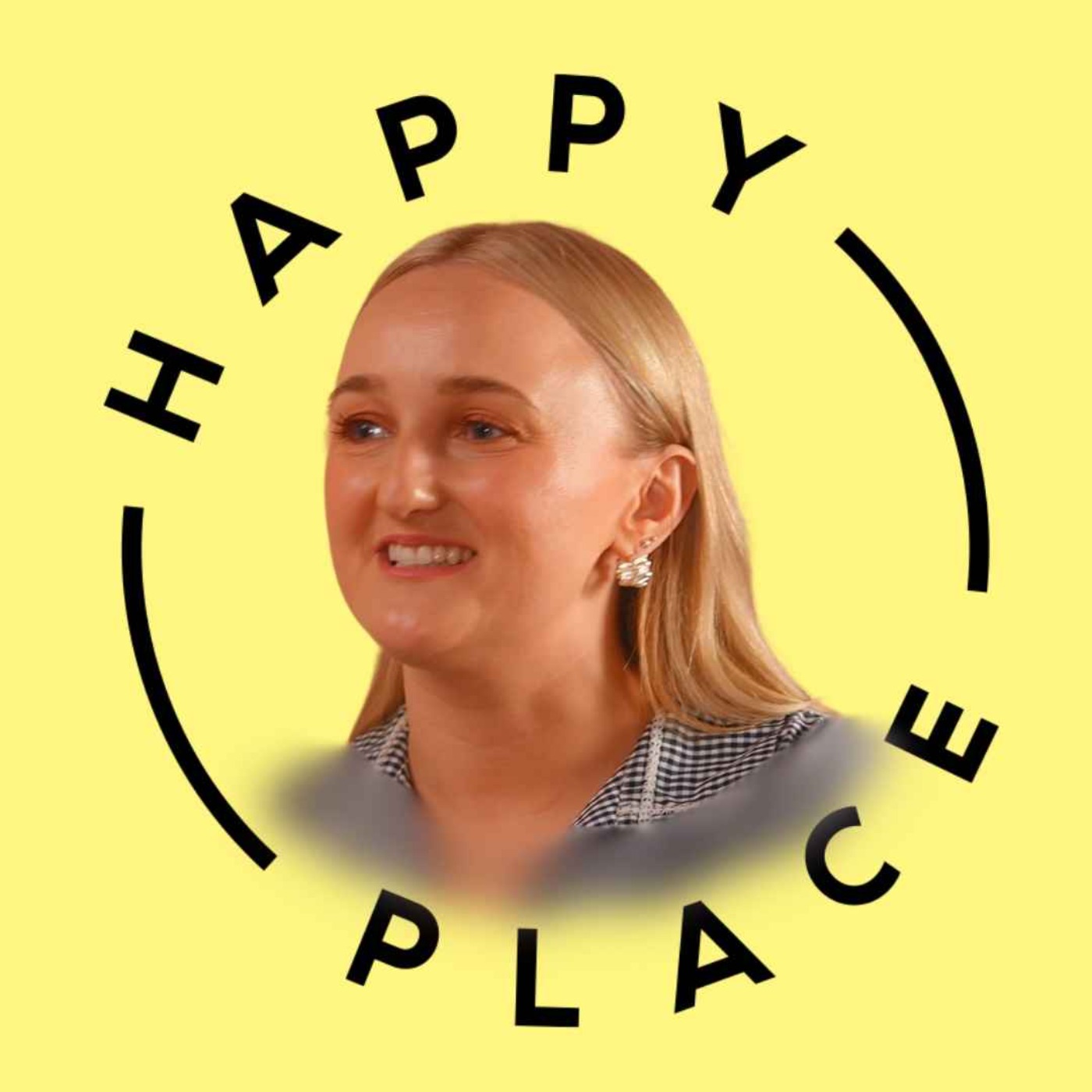
Millie Gooch discusses “Hangxiety” and “alcohol plus fun” myths—how alcohol affects mental health, anxiety, sleep, and social confidence; why people use alcohol for short-term relief; and why the key skill is learning to sit with discomfort instead of avoiding it.
Millie Gooch stopped drinking in 2018 after noticing alcohol’s impact on her mental health. She founded Sober Girl Society and holds a Masters of Science in Addiction and Mental Health. She wrote Hangxiety: How Alcohol Messes With Your Mind, drawing on neuroscience rather than liver-focused messaging.
Alcohol can intensify anxiety and conditions like OCD/PTSD/PMDD and menopause symptoms, creating relief-worse cycles. “Nightcap” and “it brings out your true self” are misleading because alcohol fragments sleep and impairs the prefrontal cortex. Social anxiety can improve by telling others you’re anxious. Shame and avoidance drive binge cycles.
waking with blackouts, spiraling about whether friends are angry, texting Uber drivers for reassurance, and a “burrito out the window” hangover story.
Written by AI. May contain mistakes.
Millie discusses her past drinking habits as a way to avoid discomfort and feelings of shame.
“And that we really look forward to a glass of wine at the end of a hard day and that this conversation might be something that you're like, oh I can't hear it, it's gonna, I'll have to lose that special moment.”
Fearne talks about the cultural significance of alcohol and its associations with relaxation.
“So let's talk a little bit more about Millie.”
Fearne introduces Millie and her journey towards sobriety and founding Sober Girl Society.
“Modafinil is a prescription treatment that works in a completely different way.”
Millie shares her personal experiences with drinking and how it escalated during university.
“early 20s after I like left uni and went out into the world and got a job and things like that I think that's when I really started to think I actually am a little bit worried about where this could go.”
Fearne and Millie discuss changing cultural attitudes towards drinking and new terminology like AUD.
Explore the complexities of sobriety, social situations, and anxiety, and how they intertwine.
“So I think we're seeing a pushback to that.”
A personal reflection on the negative impacts of drinking and the journey towards sobriety.
“Listen, it's time to stop settling for hair products that just don't work.”
Explore the cycle of drinking to cope with social anxiety and its consequences.
“I was always wanting to be the last on the dance floor.”
Discover the moments that led to a realization of needing to change drinking habits.
“And I would just get in random people's cars.”
Discuss the balance between laughing about past behaviors and feeling shame.
“Like you've had a laugh about them and your mate's gone, you chuck my burrito out the window and everyone's lolling on a WhatsApp group.”
Understand why alcohol is often excluded from mental health discussions.
“One of the points of writing this book for you is not just your own personal journey, but it's to interrogate why alcohol is taken often out of the mental health conversation.”
Learn about the neurochemical effects of alcohol beyond liver health.
“brought into the conversation before with booze.”
Examine societal reactions to those who choose not to drink alcohol.
“Like the framing of alcohol is unusual in terms of we don't know what's in it and we certainly don't know what it does to us.”
Challenge common myths about alcohol and its supposed benefits.
“You also address lots of the myths that we commonly, they're just sort of phrases.”
Challenge common myths about alcohol and its supposed benefits.
“Mod.com is changing the way people battle excessive fatigue.”
Explore how alcohol is often used as a coping mechanism during menopause.
“and again, many of my listeners will fall into this category, in a very large survey, one in three women increased drinking during menopause.”
Discuss the societal pressures faced by women during menopause and their reliance on alcohol.
“How interesting because it then totally clouds your clarity in terms of, you know, if you want to go to the doctors because you've got perimenopausal symptoms, but you don't know which are which, that's really confusing.”
Delve into the cycles of mental health struggles and alcohol use as a temporary relief.
“And like you are just finding people who desperately need help, but don't have the capacity for it, don't have time to wait on a NHS waiting list, and so are turning to alcohol in the meantime.”
Understand the financial strain alcohol-related issues place on public health services.
“I mean, and you talk about, you know, yes, there'll be a lot of people out there who'll be really wanting to maybe reflect on all of this afterwards.”
Examine the role of alcohol consumption among lawmakers and the implications it has.
“Who else, you know, like drinks and then decides on like major decisions in the country.”
Analyze the correlation between alcohol consumption and rising domestic violence statistics.
“I want to be as clear-headed as humanly possible.”
Reflect on how alcohol can complicate the understanding of consent in social situations.
“And it goes back to the science and just understanding what it is like, oh, it could make them more impulsive because it interacts with this part of your brain.”
Listen to a personal account of navigating consent and alcohol, resonating with many.
“So I went on a night out with my friends and I woke up the next day on my friend's sofa with a guy who was like a friend of a friend of my friend.”
Explore the complexity of alcohol's role in social interactions and consent.
“Incredible for other young people out there who might think, God, you know, my drinking is out of control and I don't remember certain parts of my night.”
Discuss cultural perceptions of alcohol and personal insights from Millie.
“You know, whether they're wondering about any of these repercussions in their own lives or they just want to understand alcohol and how it affects the brain a bit better to get your book.”
Receive recommendations for books and insights from the episode.
“Millie's book, Hangxiety, is out on the 8th of September.”

Get the gist, explore an idea or ask about something said.
 Claude
On Happy Place, what are the key points of this episode?
Searching your listeningAutomatic transcript. May contain errors.
0:00Fearne Cotton: Hello, I'm Fearne Cotton and this is Happy Place, the show that helps you make the decisions that are right for you. Today I'm chatting to Millie Gooch. If there was something that I'd done that I was embarrassed or ashamed about, the easiest thing for me was like, I'm just going to drink to black it out and pretend that didn't happen. And also, if I'd upset someone on night out, like one of my friends or something, if then I was going out with them the following weekend, because I'd feel so awkward and I'd be like, oh, do they still hate me? Are they still pissed off at me? I would drink to get through that situation as well because I couldn't sit in that discomfort and I couldn't just say the thing and apologize and hash it out avoidance avoidance so it was the perfect thing for me to just carry on in this cycle of like yeah drinking to feel better and then feeling worse and just doing that on repeat every weekend now I say this in the episode but I opened this book and started this conversation trepidatiously because like many of you listening who I know I know we've got male listeners I love you male listeners hello I know we have young listeners and listeners who are older than me but I also know that a lot of you are middle-aged women.
1:02Fearne Cotton: Hi! Just like me. And that we really look forward to a glass of wine at the end of a hard day and that this conversation might be something that you're like, oh I can't hear it, it's gonna, I'll have to lose that special moment. I'm putting out the opposite of a trigger warning. This is a conversation that is not that and I promise you'll love it. And I say that as someone who has just got back from, I mean, I literally drank every night on holiday. I went away with my kids and I really looked forward to that drink in the evening and I really bloody enjoyed it. One night I was with some friends, drank a bit too much, obviously felt like shit the next day.
1:35Fearne Cotton: But mainly I just have the odd glass here and there. And this conversation is so not about you should never ever drink. It's just giving us as much information as possible so we can make decisions that work for us. So I want to put that out there. I'm going out on Thursday night and I will definitely have a couple of drinks even after this conversation. But what I will do is really think about everything that Millie has taught me the next day. That's the key bit for me. But hey, some of you might listen to this and think, I do want to give up drinking. And this might be an amazing catalyst or starting point.
2:10Fearne Cotton: I think this is like one of the most interesting topics to deep dive into. So I really hope you enjoy it. So let's talk a little bit more about Millie. Millie Gooch stopped drinking in 2018 after recognizing the impact alcohol was having on her mental health. She founded Sober Girl Society, which has gone on to become one of the biggest sober curious female communities in the world. Her latest book is called Hangxiety, How Alcohol Messes With Your Mind. And this is what she really deep dives into in the book, is like the neuroscience, like what is actually happening in your brain rather than just just looking at the liver and how we might feel like shit the next day and want to eat loads of crap food.
2:52Fearne Cotton: She talks about exactly what is going on in the mind. And I found that really interesting.
3:01Are you tired of living in pain, going to the doctor and left feeling completely dismissed and alone? Ever wondered whether anyone else lives the way that you live? They do. And I do. I'm Lindsay Soprano, and this is Giving Pain Purpose. Every week, I sit down with people who've walked through chronic pain and trauma and come out on the other side and talk about how they do it. You don't have to do this alone. Find Giving Pain Purpose wherever you get your podcasts.
3:33Mod.com is changing the way people battle excessive fatigue. Ever hit a wall in the middle of the day, and a third coffee just doesn't do it anymore? Here's what's actually happening. Coffee only briefly blocks adenosine, the chemical that tires you out. When it stops working, your system is flooded and you crash. Modafinil is a prescription treatment that works in a completely different way. Modafinil works by stimulating multiple receptors in the brain associated with wakefulness, including dopamine, serotonin, norepinephrine, histamine, glutamate, and orexin. It's a more complete solution that gives you 10 to 12 hours of steady focus and energy.
4:15To learn more, go to mod.com. Fill out your intake form, meet with a licensed provider, and if approved, Mod Alert ships straight to your door. Go to mod.com to get started. That's M-O-D dot com.
4:33Labor Day deals are looking good at lows. Save$10 on one-gallon cans and$50 on five-gallon pails of select interior paint via rebate. Plus, get two 2.5-quart or three-quart mums for just$8. A fresh look and savings? Even better. Labor Day deals are on now at Lowe's. In-store and online. Valid through 9-9.
4:57Fearne Cotton: While supplies last. Mum sizes vary by location and exclude Alaska and Hawaii. See store at lowes.com for more details.
5:05Fearne Cotton: Right, let's do it. Here's the show.
5:29Fearne Cotton: Hello, Millie. Hi. Millie, I'm so excited to talk to you today. Thank you. This is a big subject. Alcohol plus is what we're talking about today. That's what I'm going to say. It is. What I will say, I want to start off on an honest note. I opened your book with trepidation. I'll tell you why. I think a lot of people do. A lot of people do, I'm sure. I think a lot of people will be tuning in to listen to this with trepidation. Yeah. And it will be different for every person. Here's why I felt slightly trepidatious. So for about 10 years, I barely drank. and on the outside that's like oh that's a really good thing you know great but I wasn't drinking because I was so scared of losing control I was like the reins of life were being held so tightly and I found fun the idea of fun terrifying the idea of being a little bit drunk terrifying like all of it scared the shit out of me and now I feel like I've slightly readdressed the balance whether that's been better or worse I don't know but I'm having fun I'm having the odd night out I'm not binge drinking or anything like I used to do back in the day.
6:35Fearne Cotton: But I am kind of like loosening up a bit. So I was like, oh, no, if I read this and then maybe I won't drink again. And that is because of the association we'll talk about in a bit with alcohol plus fun. Yeah. But that was my initial thought. You very much changed my mind because the book is a very deep dive into lots of different subject matters. But I think like, you know, you just said a moment ago, lots of people will approach this subject feeling slightly like, oh, is this something I want to hear? Yeah. And people approach me like that as well. I think it's really interesting. I've like, I don't know when people first start talking to me, they have these like real ideas of the way I'm going to talk to them or how I feel about them drinking or like I was at a wedding at the other weekend.
7:17People coming over to me being like, oh, I don't normally drink this much. I'm not judging. I don't care. I think people do automatically think I'm going to have a certain view on things. I'm the booze police. I'm going to go around and be like, no, not for you, not for you. And that's not it at all.
7:31Fearne Cotton: I guess you get that personally because your interest in this subject matter is not only because of your personal story, but it's also your studies. You've got a Masters of Science in addiction and mental health. Addiction and mental health, yeah. Which I wanted to go because my, like you said, I had lived experience in it. And then I would do things and get turned down for things because I wasn't qualified, even though I believe, you know, if you lift something, that's pretty much the best qualification you could probably get. And so I was like, OK, do you know what? I'm going to like go back to uni.
8:01I'm going to actually properly learn and get a little check in the box. So now I have both. I get that.
8:07Fearne Cotton: I think sometimes it feels scary to say I've got lived experience. You know, I feel like I'm an expert in this area. People always want the science backed up. Do you feel like you personally learned a lot from doing the Masters that you could apply to the things that you already felt like you'd lived? Yeah, definitely. I think even just from a practical perspective of like knowing how to read studies and read research and things like that, because with the Masters as well, like a lot of the study is independent anyway. They're kind of like, go off, learn about this subject, do your own thing. So I think it really helped with that sort of side of things.
8:39There's so much, you know, like misinformation out there. And before I would maybe repeat things, I'd just seen, you know, come up on Google without actually like properly fact checking them. So I think it's really helped with that of like with the book being so rigorous and making sure that everything is like absolutely watertight. So I think it's really helped with that. Yeah.
8:56Fearne Cotton: And I think you relaying that information then gives everybody, whether we believe we've got an issue with alcohol on any level or not, the information to really ascertain, you know, as to where we stand with that subject, because it's such a complicated subject matter that everybody's got like a cultural belief around. There'll be a sort of familial essence of how we are brought up around booze, what our social life is like and how we like to socialize. It's so ingrained in British culture. Let's just for people that don't follow you online and don't know about your work, let's talk about your personal story first.
9:33Fearne Cotton: So when did you first start drinking and how did that feel? Yeah, so I think I probably started drinking when I was about 17, very lightly. And then I always say I really started drinking when I went to uni. And that was just such like binge heavy drinking. I worked in a bar that exclusively did shots and Jager bombs, which, yeah, there was like a£10 deal. And it was like two shots, two Jager bombs and two drinks for like a 10 hours. I can't even smell a Jager bomb. No. I did some damage in that area. Yeah. And I cannot that smell. I'm with you. And Sam Booker. Sambuca, I'm the same. It's weird.
10:08Probably tequila as well. I think all of them have scarred me. But I actually did some judging for a non-alc drinks competition. They had a non-alc Sambuca. And I said, oh, I'm really sorry. I actually can't try that. No way.
10:16Fearne Cotton: Because it was horrible. Rancid. But yeah, that's when I started drinking. So worked in a bar. Went from basically being like a nothing drinker to like a three, four night a week binge drinker. And I went to uni when Geordie Shore was at like the height of it. So it was like going out, getting mortal, wearing two pairs of eyelashes at the same time. Like it was that kind of era and I just loved it and it kind of followed on from that like 90s Lydette era and you know I was very much like I don't care I just want to be a loud mouth party girl and like loved it until it started not really working for me anymore.
10:49And what age do you think that was? I think it's I would actually say probably straight away I think I knew that I didn't drink like everyone else I drank because I wanted to get absolutely shit-faced I didn't drink because I wanted a cup of drinks and to get a little bit loose I just wanted to black out like that I think I knew straight away and then nothing really scary happened and until I would say probably my early 20s after I like left uni and went out into the world and got a job and things like that I think that's when I really started to think I actually am a little bit worried about where this could go.
11:23Fearne Cotton: And because one of the things you talk about is semantics. And that seems to be a bit of a it's an important issue because it's a bit of a block. I think culturally we either think I haven't got a problem with alcohol or you're an alcoholic and there's nothing in between. And actually the new term AUD, alcohol use disorder, is something that is much more medically used now. for people that maybe were where you're at like I'm not waking up and drinking a shot of vodka straight away or a pint of whatever but you know that the balance might need to be addressed yeah because I think it holds so many people back and even like for me I it was permeating every part of my life from like mental health physical health finances relationships and then people would be like oh you're not that bad just because I wasn't like waking up and being like oh quick first thing I'm gonna do is have a have a drink so I think the terms it's really helpful that shifting that said I would never stop anyone using whatever term they want to use for themselves but sometimes it's just a bit more helpful so that maybe people in those sort of like grey areas can actually identify this isn't working for me maybe I need to do something about it.
12:31Fearne Cotton: It feels like culturally this is a moment of shifting because certainly like the eras you've just mentioned there was the geordie shore era i was definitely that post 90s ladette era or maybe i was i was probably in that actually i'm quite old um but you know we all started drinking in the park when we were 14 you know we would go into our parents alcohol cupboards mix together any old shit perno like the most horrendous concoctions and be sipping it like like the worst thing ever but it was all part of we lived in the suburbs this is just what you did this was a Friday night in the park in Ryslip that's how everybody congregated and then I was going out a lot to gigs and stuff in that ladder era and you know we were looking up to people I'm not throwing any shade on the people I'm about to mention because I love them with every inch of my heart but like Zoe Ball and Sarah Cox they were out there at the gigs having a great time and we were like I want to be like them and that was the culture that was and then you know your culture was uni binge drinking Geordie Shore I feel like now we're in this new bit where younger people certainly are slightly more aware of all of the repercussions whether it's the fallout the next day the health repercussions we did not have that knowledge no one back then was saying like everyone would just wake up and laugh about what a silly tip we'd been the night before it was all a big joke I think this feels like the time where things are like the tectonic plates are moving yeah definitely I think it's hard because I think we're also weirdly seeing the pendulum starting to swing back I think the last couple of years have been this very like era of self-optimization and I think unfortunately sobriety has been kind of like wrapped in that or like not drinking because I don't think you're a project to be you know consistently worked on so I'm very much against this kind of like constant self-optimization.
14:28So I think we're seeing a pushback to that. But at the same time, like you say, I think people have so much awareness. But I also think the landscape has changed. Like when I went to uni, we had digital cameras. We didn't like you have to sit there the next day and like manually upload your photos. No one could just take a picture of you and then it was up within five minutes. So I think, you know, there's things to feel bad about the next day now of like, oh, what if someone got a video of me doing X, Y, Z? I think there's that like fear of instant documentation. I also think, you know, cost of living crisis is massive.
14:57We could go out and drink and we wouldn't get into a huge amount of debt. Now it's like, oh, the next day they're feeling even worse because they don't have that money to be spending on that night out. So I think there's so many like factors that are changing the landscape. But I think we are also now seeing this like pushback to that clean girl aesthetic almost that we've been seeing.
15:16Fearne Cotton: It's always the way, isn't it? There's this cultural pendulum that swings and it goes really, really far this way, sometimes in a great way. Like you're saying, maybe the, you know, the whole sobriety narrative has had a really great sort of moment of being highlighted. And then people go, oh, fuck that. I'm sick of it. And then it swings back and it needs to kind of end up somewhere in the middle where actually we're just able to have sensible conversations about all of it and get everything out on the table. I think one thing that many people will feel when it comes to alcohol is that, you know, for like, I don't know, knackered mums, usually the story is you get home, you know, kids are going nuts, whatever.
15:54Fearne Cotton: And you have that glass of wine and it takes the edge off. Like me and my friends must have said, take the edge off eight trillion times in the last 14 years. Is this mythical edge? but what I will say and I'm guilty of this two weeks ago I'm not very good on the first two days of a holiday my anxiety is nuts like I am hyper vigilant I'm literally looking for danger everywhere and I know that this is all boils down to an anxiety about certain things but it was so bad on that first night my mates arrived and met me on the holiday and I was like oh my god okay thank god I've got other people here we drank nearly a maglem of rosé between three of us like that is not okay but I felt less anxious yeah I did feel less anxious and I think it's moments like that where you think I just need to not be in this hyper vigilant state and that I know that a rosé will take that edge off that's the bit that I'm like oh my god I don't know how I would not do that at this point in my life yeah But that is, I think that's it for so many people.
17:06And it was for me as well. My brain is just constant 24-7 telling me the worst things, being an overthinker, like anxiety through the roof. And drinking was always the thing that just switched my brain off. And so that was the hardest thing for me. And like, although I felt better when I stopped drinking because I literally wasn't going out and getting hammered every weekend, I also all of a sudden had to deal with those things without alcohol. And it is horrendous. It's so difficult because you're left with your feelings. I had to like go into therapy. I started having panic attacks again because I like I didn't know how to deal with my emotions or like sit with them.
17:41And that is something that has taken so much time to actually learn. Right. This feeling will pass. And it always does. But sitting with it is so difficult. And that is why so many of us go. No. Do you know what? And I think like these days it's so easy to. We always want a quick fix for everything. We live in that like instant gratification. like in society if it's not that it's like we can quickly scroll and do something we have like this sort of almost inability to sit with our feelings I'm even just because alcohol isn't my thing now it doesn't mean I don't have other things if I'm really really stressed I'll be like right I'm gonna you know mainline this cake or whatever like there'll be so many other things and I think that is a really difficult thing for people and it is cultivating that skill of being able to be like this feeling will pass but it's also not an awful thing for you to do if you're like no that's actually made me feel better it's just that in the long run the actual science is that it's likely to
18:34Fearne Cotton: make your anxiety worse of course I mean the next day you wake up and you've got to deal with it all over again I love because you say in the book 85 % of changing your relationship with alcohol is learning to sit with discomfort and I think that is such an important notion for us to remember even outside of the alcohol conversation whether it is like anything we know that long term makes us actually feel worse it's really important for us to keep that in mind and I'm talking about even like real nuanced moments as in you feel like shit and your instinct is I don't want to feel like shit as quickly as possible so I'm going to blame somebody else yeah it's your fault I feel like this it's you I think it even boils down to that so this is actually such an important lesson for all of us to learn in life whether it's you reach for a bottle of wine you reach for a chocolate at bar you want to blame somebody else you send someone a shitty email yeah it's we want the relief and actually the biggest lesson we can all learn is just to sit in the feeling of oh god this feels awful yeah and it does feel awful and that's a horrible thing there's got you just have to sit with it and I do think it is like a skill of the longer you do that I find it easier now to move on from things like I used to be quite a reactive person like you said I was like I would want to fire off that email or I'd be angrier when things happen to me now I feel like I'm so much better at just sitting there and going okay let's just like let this pass and then after a while it passes and I'm like okay cool I'll move on with my life now and I feel like that has been a thing that I have learned through through not doing this yeah I think that's a big thing but it's so hard and like I think again and we live in a society now even say with alcohol you can get it delivered to your house if you want relief you can get that so much quicker than you can get help or be able to sit through that feeling so that's I think a lot of it what it boils down to is just we hate being uncomfortable and we hate being uncomfortable in a social situation so that's why so many of us like quick I've got to have this drink and like I think the thing I've learned as well is I get more comfortable in a social like a social situation without alcohol it's just about I'll finally seeing someone that I can have a good conversation with I get used to the surroundings I feel more comfortable I breathe and I'm okay now but a lot of us will just reach for alcohol because we don't believe we have that within ourselves to actually just yeah chill out after a while well one of the experts you speak to in the book suggested that when it comes to social anxiety which a large portion of people watching or listening to this will be like yeah that's me I do not like parties I find even talking to my mates a nerve-wracking thing I have that I I constantly have a fear that I'm going to say something fucking stupid or I'm going to upset somebody and that that hyper awareness has never really left me but the expert Josh Josh Fletcher yeah he's great he says in the book the best thing you can do in that situation is to tell the other person I'm fully anxious and it it makes perfect sense I had this again when I was going on holiday and I knew I was going to have this 48 hours of feeling like checking windows and doors eight trillion times and just being nuts and my therapist said as soon your mate arrives just tell her just say by the way first 48 hours I am insanely anxious and as soon as I said it she was like oh god I get that don't worry about I was like what oh okay so this is all this is all fine yeah like it's just the fear of people not knowing that about you or people assuming that you're fine but you're treading water underneath the surface it's just saying the thing yeah because I think all all the while otherwise it's in you like even when I got here I I think I've learned that from Josh as well.
22:14I just said to you, I'm really nervous because I thought otherwise I'm just like inside internally spiraling. And the minute you get it out, it's like you sort of like pop the bubble of it. Totally. And it just disperses it. And then everyone's like, oh, my God, don't be nervous. You're right. I don't know. It puts you on a human connection. And I find if I just, you know, it's that whole problem shared is a problem half kind of thing. I think the minute you just speak it into existence, it takes the like the internal fear out of it. So I do it all the time. if I'm like feeling overwhelmed in a situation I'll just say to my friends listen I'm alright but I'm just feeling a bit overwhelmed I'll be alright in a minute just let me like give me five and I think as long as you've got those like people that you feel like you can do that with I think that is like the best thing you can do is just so important words get them out yeah just say the thing
23:01Fearne Cotton: say the thing it'll always be received better than you think it's if they're the right people are you tired of living in pain going to the doctor and left feeling completely dismissed and alone, ever wondered whether anyone else lives the way that you live? They do, and I do. I'm Lindsay Soprano, and this is Giving Pain Purpose. Every week, I sit down with people who've walked through chronic pain and trauma and come out on the other side and talk about how they do it. You don't have to do this alone. Find Giving Pain Purpose wherever you get your podcasts.
23:38Fearne Cotton: standard size rugs shouldn't be the standard get a custom-sized rug that actually fits with Ernesta in as little as two weeks Ernesta cuts finishes and delivers your rug straight to your door no more awkward sizing just a designer quality rug made to work within your space perfectly the first time visit Ernesta.com to explore Ernesta's full range of custom-sized rugs, and get$50 towards any style when you order five samples for only$10. Mod.com is changing the way people battle excessive fatigue. Ever hit a wall in the middle of the day and a third coffee just doesn't do it anymore? Here's what's actually happening.
24:20Coffee only briefly blocks adenosine, the chemical that tires you out. When it stops working, your system is flooded and you crash. Modafinil is a prescription treatment that works in a completely different way. Modafinil works by stimulating multiple receptors in the brain associated with wakefulness, including dopamine, serotonin, norepinephrine, histamine, glutamate, and orexin. It's a more complete solution that gives you 10 to 12 hours of steady focus and energy. To learn more, go to mod.com. Fill out your intake form, meet with a licensed provider, and if approved, ModAlert ships straight to your door.
25:00Go to mod.com to get started. That's M-O-D dot com. Hey guys, it's Drew Afualo from the comment section. Listen, it's time to stop settling for hair products that just don't work. With all the prestige brands at Sephora, upgrading your routine is easy. If your hair needs repair, they've got the K18 Leave-In Molecular Repair Hair Mask. If you're trying to level up your wash day, the Kerastase Elixir All-Time Hair Oil leaves your hair looking ridiculously shiny without feeling heavy. And if you're into that glossy, healthy hair vibe, the Gisu Honey Infused Hair Oil is a must-have. Also, Sephora makes it super convenient with free shipping and same-day delivery.
25:42Shop hair at Sephora and give your hair the upgrade it's been waiting for.
25:48Fearne Cotton: So, going back to your story for a moment. So, you knew that drinking wasn't working for you. potentially from the minute you started drinking I definitely did not have that realization I mean sometimes I'm like have I even had it now I still need to have the realization but my drinking is like very very moderate these days back in the day I would binge drink absolutely it was all part and parcel of being in my 20s and the social scene that I was in I had no clue but I certainly before this phrase was coined experienced anxiety for you what was that What did that feel like when you woke up the next day?
26:26Yeah, for me, it was quite extreme. So I would wake up and I quite often had blacked out. So I would like not remember what happened. So I was like filling in these gaps of what happened. Is everyone annoyed at me? But then my thoughts would like spiral. So I'd be like, what if I did something crazy and no one's telling me? What if everyone is really annoyed at me? I would like text Uber drivers that have brought me home like irrationally and be like, was I OK? hey, was I aggressive in that? I never got a reply because I was probably like, what the hell is this person talking about? But I would just like, my brain would take me to these like irrational places, very similar to like quite OCD thoughts manifesting for me.
27:04And then yeah, just also feeling really, really low, worthless, awful, shame quite a lot because I'd be like, why can't I just drink like a normal person? Like, why do I always take it too far? And if I had upset someone, which I had done often, the shame about that and feeling awful about that or ruining someone's birthday or my own birthday or all of those things so that was that was it for me it was just these awful thoughts and then they would veer into the extreme of like suicidal ideation on those days when I just thought like this is awful I don't want to live and to your brain to go to that place that you just can't bring it back is is terrifying because then like five days later you're like oh I feel all right now I feel normal so it's for me it was so scary that my brain had the ability to take me to those places on a hangover and I guess also so scary to know that your brain would then go but I'm gonna drink again on Friday yeah because I think especially if there was something that I'd done that I was embarrassed or ashamed about the easiest thing for me was like I'm just gonna drink to black it out and pretend that didn't happen and also like if I'd upset someone on night out like one of my friends or something if then I was going out with them the following weekend because I'd feel so awkward and I'd be like oh do they still hate me they still pissed off at me I would drink to get through that situation as well because I couldn't sit in that discomfort and I couldn't just say the thing and apologize guys and hash it out avoidance avoidance so it was the perfect thing for me to just carry on in this cycle of like yeah drinking to feel better and then feeling worse and just doing that on
28:28Fearne Cotton: repeat every weekend was this a slow realization or was there like something that catalyzed you going and I stopped today there was a few things so I ironically my like last hangover wasn't even that awful but I woke up and like my friends told me all these ridiculous things that I'd done like Like apparently I didn't want, I never wanted to leave. I was always wanting to be the last on the dance floor. So they had to like drag me home and I really showed off and like said horrible things to them. And they went to get some food and we were in an Uber and my friend had a burrito and I just took the burrito and just lobbed it out the window.
29:00Which I was like, I would never do that in a million years over. I'm such a like sensible person. And I just, and that was just a silly thing. But I woke up and I just thought it's ridiculous. I don't remember the whole night. They're pissed off at me because I ruined another night. But there had to be a lot of other scary things like waking up and being like, how did I get here waking up and there being someone next to me that I didn't know, like, just worrying, like, my mum forever was just terrified that I was going to get like kidnapped. And I would just get in random people's cars. And just like, there were so many dangerous things that I did while I was drinking.
29:33But I think because I was so ashamed, I couldn't even face them. So it was weird on that hangover that I was like, I'm gonna do this.
29:40Fearne Cotton: Did you believe in that moment that you could? Not really, but I'd had this weird like fate moment of like two weeks before I was so hung over on the tube and I opened a copy of Stylist and there was an article from Catherine Gray, who I know you spoke to. I love her. Love her, I'm obsessed. And she had written this article about her new book, The Unexpected Joy of Being Sober. So then when I had that hangover, I downloaded it and I just I was crying like I was like, this is me, this is my life. and that was the first time that then something actually was like maybe I need to if this person has changed I think this is probably a good idea that I do this as well so I think the universe sent me a little a little sign that that time yeah was there a was there a period where I'm thinking of a lot of women of my age who'll be listening to you speak will have had the burrito out the window moment like back in the day all of that stuff was so commonplace that we would do the the most absurd things.
30:37Fearne Cotton: And we, to this day, would probably still have a little chortle about it. But I think when you're on a bit of a journey to make a big change and to think I'm going to deal with my anxiety and anything else that I'm dealing with in life without booze, you do have to start taking those things seriously. Like you've had a laugh about them and your mate's gone, you chuck my burrito out the window and everyone's lolling on a WhatsApp group. But then privately, you have to mull over it with a different tone, I'm imagining. Yeah, I think it's really hard because there is an element, I still laugh about those things with my friends and I've made such peace with those things.
31:14But I think the next day I wasn't finding them funny but I was just laughing with everyone else. Now I can really see the funny side. But the next day I'd just be like, oh, that's so embarrassing, that's really mortifying, that just doesn't feel aligned with who I am. Because I couldn't remember these things either. Then I would spiral about, okay, but what else did I do? That's just what they're telling me. So it wasn't fun for me the next day, but I was laughing along with everyone else, like, ha-ha, ruin my life again. Lol. Yeah. And I was miserable. I was so miserable deep down. Like, I've definitely made peace to those things.
31:46And I'm able to... So I never want to be like, oh, it's not funny, because a lot of it is funny, but there were a lot of things that were not funny.
31:53Fearne Cotton: And like you say, if you're waking up thinking, I think that's so key what you've just said, that doesn't align with, like, who I am. I think they're the moments that make me... I mean, I've probably made peace of a lot of them, But if there were to ever be a 3 a.m. wake up and like, oh, my God, I did that thing. It's exactly that. It doesn't align with what your values are, who you believe you are when you're straight and sober to then do something completely off piste. Doesn't feel funny. It feels bloody horrible. One of the points of writing this book for you is not just your own personal journey, but it's to interrogate why alcohol is taken often out of the mental health conversation.
32:31why do you think it is I think there's so many things I think the biggest one is like as soon as you go to talk about this conversation you'll be labeled preachy the fun police trying to ruin everyone's party like I can literally be just having the most sensible nuanced conversation with someone who I don't care if they drink like I don't care about their relationship with alcohol and someone will comment something like oh bet she's fun at parties like it's just an instant reaction that we can't have sensible conversations about this topic without being labeled one of those things I think that's one of the big things and I think the other one probably is that we know that affects our mental health but the world is such a bin fire that we're like this is the one thing that we've got and people don't want to interrogate that like further part of maybe it's making things worse because in the moment it is relief and things are hard and life is hard and so I think there's so many elements to it and then I think also you have like an alcohol industry perspective as well if they're this you know huge conglomerate that are changing new messaging now to be like we all need to be way connected and and we do that through drinking and stuff so i think that there's so many reasons why we just sort of like oh we'll just leave that yeah we don't look
33:40Fearne Cotton: at it yeah because i think the feeling i got from reading your book is is you're not saying everyone has to stop drinking it's have awareness of what it's doing and you break down exactly what's going on in every element of our brain, let alone our physical bodies. Because I think when it comes to alcohol, the conversation thus far has been very liver-centric. Like, look at what's happening to your liver, and it's all liver fear. And actually, you're going, this is what's happening to your neurotransmitters. And that's certainly not something I've seen brought into the conversation before with booze.
34:12Yeah, because, and I think we're quite, like, neuroscience-savvy these days. I feel like we never used to, I never had the word neuroscience.
34:20Fearne Cotton: No, or dopamine. or like any of it. I had no idea. No, we just didn't know any of it. And I think people are starting to like want to be part of that conversation now and understand. And that's all I want to say is like we are drinking and there's not many other things that you would willingly take without knowing what it's doing to you. And I think, you know, we're now a nation of like label checkers and we're, but with alcohol, we're like, yeah, give it here. And like, I mean, alcohol doesn't even have to have a label on it of what ingredients are in it. So you have no idea what you're drinking, but I at least want people to know what it's doing to them So that it's more for me that if then they feel a certain way the next day, they can understand why they feel that way and not because I'm a terrible person, because I've got no willpower, because I'm all these things.
35:00Like part of it is to show this is so scientific. You don't need to feel ashamed about this because it's made you act this way because of X, Y, Z, it's doing your brain, not because you're a horrible person. And that's not to say there's no responsibility or accountability or anything like that. But I felt such shame about the way that alcohol made me act. And I would wake up the next day and not remember what happened. And I had no idea why. And now I know why. Such an important ingredient.
35:28Fearne Cotton: You mentioned Professor Nutt in the book, who we've had on the podcast. So I urge anyone who's interested in this subject matter to look back. He was mainly talking about psychedelics on the podcast. It was fucking fascinating. But he said exactly that. You know, he was assigned by the government back in, I think it was the 90s to come up with this Richter scale of how severe certain drugs were and alcohol was in the mix of that. And he was like, it's by far one of the most dangerous for all sorts of reasons. But obviously that was all kicked out the window and he was sacked. You know, his story is out there for everybody to go and Google.
36:00Fearne Cotton: I won't say the whole thing now. And it's a fascinating episode. We were so right. Like the framing of alcohol is unusual in terms of we don't know what's in it and we certainly don't know what it does to us. but culturally it's absolutely accepted and a lot of the time pushed you know if you're out and you are you know when I wasn't drinking I would always get either what why like what are you pregnant like no I'm not pregnant I've just I'm not drinking or it would be um oh come on like just loosen up a bit like that was they were the only two comments I ever got it was never intrigue into why I decided to stop drinking for a bit yeah it is interesting I think there has been weirdly like more intrigue lately when I tell people because I think people are thinking about it more themselves but I would say the majority of when I tell new people I don't drink that's it's always like why and I always say it's like ironic if someone if I offered you a cigarette and you said no I wouldn't be like why like I just assume you're a non-smoker like that and I assume You might know why you probably don't smoke.
37:02There always has to be a reason why you don't drink. And, you know, for a lot of us, there is a reason. But it's weird that there should have to be a reason why you don't drink.
37:10Fearne Cotton: Yeah, exactly. And again, I think a lot of people attach that to, oh, you must have had a big problem with alcohol. Rather than looking at the varying gradient of where you might sit in that. Like, oh, it was not working for me. And full stop, like that is enough. You also address lots of the myths that we commonly, they're just sort of phrases. I've already said one of them, take the edge of it. The nightcap is a big one. That is a load of old baloney. Yes, sadly. So alcohol, there's kind of half truth in it. And this is where a lot of it has come from. Alcohol can help you fall asleep because it relaxes you.
37:45It's kind of like akin to a sedative. Your body will chill out and it will help you fall asleep. We kind of now have the research that actually alcohol really like disorganizes and fragments your sleep. and it can make you you know the next day more emotionally reactive more stressed you don't get as much quality sleep when you're drinking so although it might help you fall asleep it's not going to help you have a good night's sleep which is why you could literally be asleep for like eight hours after you've had a big night out you've passed out but the quality of your sleep will be completely disrupted so unfortunately it's not it's not good for your sleep but we still have this like when I was kind of looking at the book I googled like you know like nightcap menus in London and there's like so many bars that still have these like nightcap menus but unfortunately
38:31Fearne Cotton: alcohol is not good for your sleep no and that is what era of history is the nightcap is that Victorian predates Victorian and then I think it's sort of like really got cemented with like the golden age of Hollywood and having a nightcap and like Sherlock Holmes winding down by the fire I mean like certain areas of history would give booze to kids yes yeah which was a really interesting one when I was in the book, they were saying it was like one of the best sedatives for like, to give it to fussy babies to help them fall asleep. And it's like, oh my God, we live in a different era. I'm sure one of my nans would say something about brandy.
39:05Fearne Cotton: Yeah, yeah, yeah. Like, I'm sure, it's not that far back. No, no. So, like, my nan, it wasn't with kids, but she would always say, like, if there was a lightning storm, she was like, well, we've got to get the brandy out. Now I think I'm like, why? The lightning? Like, why? As soon as there was lightning, she was like, we've got to get the brandy out. But no, I think any excuse. Yeah, settle the nerves. Another one is that it brings out your true self, that we have this weird feeling that when we're drunk, we're loose lipped because we're saying all the stuff we've been too scared to say. True or false?
39:36Yeah, so I would say there is a slight, again, true element in it because I think after like a couple of drinks, you might have a little bit more kind of like confidence to say the thing that you've been like scared to say to your friend or maybe you'll snog someone that you've been too scared to say So there is that element. But then I think once you're at that point where you're really drunk, you can say all sorts of garbage that you don't mean. So alcohol interferes with your prefrontal cortex, which is the part of your brain that's like really rational, weighs up right or wrong, helps you make decisions and it can interfere with that.
40:07So you might say things, do things, not be able to understand what someone is saying to you and take it wrongly or the wrong intention and things like that. And you don't have as much of a filter. You might just say things that you don't mean that could be complete garbage. It kind of stops you being you, I think, because normally you would like rationalize and go, oh, this isn't a good thing to do. I don't want to do this. And I would upset that person. I would do that. And your brain goes, no, this is a great idea. So I think, again, there's like a tiny, tiny bit of truth in it. But then once you get past a certain point, I did so many things I would never do in a million years sober.
40:41I don't think it brings out the true you at all. I don't believe that for a second. That's why these myths are interesting to break down because the nuanced conversation around it is so important.
40:52Fearne Cotton: It's not always black and white. Like, yes, like you said, it might help you fall asleep immediately. But the quality of sleep, that's why this stuff's got to be discussed rather than a headline that someone reads and then they're scared shitless. So they think that's a load of shit straight away. You've got to be able to interrogate each of these myths. And again, look at the brain science behind it and see what's going on.
41:36Alone. Find Giving Pain Purpose wherever you get your podcasts.
41:45Cha-ching! That's the sound of Lowe's Labor Day Savings. Get up to 45 % off select major appliances and save up to an additional$100 on select laundry pairs. Plus, get three bags of Miracle-Gro.75 cubic foot garden soil for just$10. Labor Day deals are on now at Lowe's. In-store and online. Valid through 9-9. While supplies last. Selection varies by location. See Lowe's.com for more details. Soil offer excludes Alaskan Hawaii. Mod.com is changing the way people battle excessive fatigue. Ever hit a wall in the middle of the day and a third coffee just doesn't do it anymore? Here's what's actually happening.
42:27Coffee only briefly blocks adenosine, the chemical that tires you out. When it stops working, your system is flooded and you crash. Modafinil is a prescription treatment that works in a completely different way. Modafinil works by stimulating multiple receptors in the brain associated with wakefulness, including dopamine, serotonin, norepinephrine, histamine, glutamate, and orexin. It's a more complete solution that gives you 10 to 12 hours of steady focus and energy. To learn more, go to mod.com. Fill out your intake form, meet with a licensed provider, and if approved, ModAlert ships straight to your door.
43:07Go to mod.com to get started. That's mod.com.
43:17Fearne Cotton: One of the stats that I really, really liked, and again, many of my listeners will fall into this category, in a very large survey, one in three women increased drinking during menopause. what did that study reveal to you I think that so many women but also people in general use alcohol to cope and that was one of the biggest themes through the book not just for menopause but for every kind of mental health condition I spoke to people with PMDD OCD PTSD all of them and everyone was saying the same thing that alcohol was to use for relief and I think that is like so strong across the board with so many people but in so many of those areas it also kind of like intensified things so we have research that shows that alcohol can like intensify a lot of menopause or perimenopausal symptoms so in the long run again it can slowly kind of make things worse until you get to a point where you might not understand what is menopause symptoms and what is alcohol menopause symptoms so you can get in this cycle quite easily It was the same with, say, something like OCD, where drinking would make OCD worse and then they would drink to find relief and the cycle would keep going.
44:27So in so many of those conditions, people were getting in these cycles of relief, it feeling worse, and then finding it really hard to untangle that or stop drinking because it initially was working and giving them relief in that meantime.
44:39Fearne Cotton: How interesting because it then totally clouds your clarity in terms of, you know, if you want to go to the doctors because you've got perimenopausal symptoms, but you don't know which are which, that's really confusing. yeah the other thing for me when I read that I felt really sad reading that stat because it speaks to a much larger problem which is just the pressure that women of a certain age menopausal age are usually lumbered with not only the physicalness of going through the menopause or perimenopause we had Dr Louise Newsome on not long ago who was exceptional at talking about all of that so again please go and listen to that if you're interested I am like pin me into that chat I am like the absolute core audience for that exact conversation.
45:23Fearne Cotton: But also the fact that women of that age usually have so much on their plates, whether it's still child rearing, often parents that are also maybe vulnerable or unwell. And we all know. And again, it's like a generalization. I feel like I have to put that in brackets because there are, you know, men who are in heteronormative relationships who want to create more balance. But a lot of the time women are emotionally carrying all of it. And then they're like, I need that glass of fucking wine at the end of the night because I'm at breaking point daily. And sort of culturally, that is just an issue that is not looked at.
46:00Fearne Cotton: We just put our fingers in our ears and our head in a bucket of rosé and hope that it will go away one day. And it's not. No. And it's for that and for all of those conditions, the kind of overarching theme is that, you know, alcohol, substances, whatever it may be, is easy to access and support for so many people. And like you are just finding people who desperately need help, but don't have the capacity for it, don't have time to wait on a NHS waiting list, and so are turning to alcohol in the meantime. And I think one of the things I do feel quite strongly about is, again, one of those things that when you start talking about it, it's like preachy is that I hate that there is kind of an industry profiting off of this and people struggling, whether that's with the menopause, whether a mental health condition.
46:40And quite a lot of the time in these instances, it is women and the alcohol industry know that. And they have, you know, targeted women with a lot of their products. And so I find that one hard sometimes to talk about because I'm like, it really makes me sad that when these people are struggling, there is someone profiting from that. And that feels really hard. And I think one of the things I talk about in the book about like we just need so much more, you know, help with mental health services and neurodevelopmental services and women's health services and all those things, because I think it'll also cut down on, you know, the traffic we have in like people waiting for addiction services, because so many of those people are people who are struggling with something else and have turned to alcohol as a result.
47:17It's like a big old vicious circle, the whole thing.
47:20Fearne Cotton: I mean, and you talk about, you know, yes, there'll be a lot of people out there who'll be really wanting to maybe reflect on all of this afterwards. I'm one of them. Like, you know, how do I feel the next day? All of this stuff that is very everyday. But then also, of course, there are severe problems caused by alcohol. And I'm not only talking about in terms of us as individuals, systemically and internationally. we know that there are big issues with the repercussions of drinking one of them for the UK is the strain on the NHS and you you deep dive on this one like that is a real problem yeah the cost of it the like taking up beds you know it's really hard because we should have a service that is equipped to look after everyone people shouldn't have to stop drinking just to save the NHS but the reality is it is costing the NHS so much money but also like you know A &E services being absolutely soaked up with kind of like alcohol related things the amount of beds in hospitals being taken up by things that are alcohol related and we just find it hard to talk about society but even the cost of social services the cost of you know policing and things like that is costing us so much but you know the alcohol industry kind of go well you pay loads of taxes fine but you know it shouldn't it shouldn't necessarily be that way and I think these are the kind of conversations that are so important to have but again get drafted in with you know being preachy whatever and I think we look at so many different industries and we're so politically savvy these days but when it comes to this conversation we kind of just want to ignore it which is really difficult I mean even I don't know if you saw one of the uh green MPs was talking about the fact that she doesn't think MPs should be allowed to drink in parliament just before they vote and so many people were like oh Oh, God, she's like trying to take away their right to drink.
49:08Who else, you know, like drinks and then decides on like major decisions in the country. But these things are like so ingrained and we just think that they're normal because that's the way it's like always been. And she got absolutely vilified. And all she was saying was, I don't think MPs should be drinking in the Westminster bars just before they vote on these really important decisions.
49:25Fearne Cotton: I mean, agreed. Yeah. I mean, I'm literally just some random person that sits in this tiny room talking, but I would never drink before doing this. No, you just wouldn't. There's no way. I want to be as clear-headed as humanly possible. And even when I was in my 20s, I would never go to do a Radio 1 show. I might be hungover. I wouldn't drink before going on air. That, to me, seems absurd. So that is mad that she got any heat at all. Another point that you make, and this is something that we very recently culturally experienced, is we all know that after big football tournaments, games, domestic violence rises, that is a stat that we see again and again.
49:58Fearne Cotton: We've just had the World Cup. We get all those stats afterwards. again what's missing from that conversation is alcohol that's not put into the why that that is happening why that statistic is is visible to us yeah definitely and I think it's important to be really clear that I never would ever say like alcohol causes domestic violence the cause of domestic violence you know is the person doing the domestic violence act but it can definitely kind of exacerbate people's anger and their moods and their emotional reactions. And I think it is important to talk about that and how much alcohol is advertised during those tournaments.
50:37I think we can't completely leave it out altogether, but I'm aware it's also quite a contentious topic because when you talk about it, you don't ever want to look like you're saying, oh, this is the reason and give men or whoever it may be an excuse for their domestic violence. But it is still a factor in the same way that football is a factor as well so I think it's important to talk about that and you know should we allow alcohol sponsorships during those tournaments should pubs limit maybe how much they're they're letting people drink during that time like obviously again you don't want to take it away from people but they're still conversations that maybe we need
51:10Fearne Cotton: to be having if if this is happening I agree I think I think hats off for even bringing these subjects up because you know that there are going to be people that are going to get cross or want to have their say on it but it it's factual that there is a correlation it's that is a statistic that we can see and like you say it's not the causality it's not it's not like oh they drank therefore they committed domestic violence but people that have caused domestic violence if they have been drinking a football game are probably more likely to do it like the correlation is there and I think if we're if we're not looking at it that that feels deeply unfair to the women that are the victims of domestic violence.
51:51And it goes back to the science and just understanding what it is like, oh, it could make them more impulsive because it interacts with this part of your brain. Like I think just understanding all of that is really helpful for the context of how do we actually change this? How do we make this better for people?
52:08Fearne Cotton: One of the blurry lines that we've probably all experienced as women, and some men will have as well, is consent. and that alcohol plays a big part in the blurriness of what consent even means or if there was any consent. You tell a story in the book where you actually do a disclaimer saying, I might take this out. So if you're reading it, I've kept it in. Do you feel comfortable talking about this? Yeah, yeah, I do. It's probably the first time I've talked about it actually. So I'll try not to get, in this state I'm not that emotional, so I'll try not to like, I want to say it properly and yeah.
52:44Fearne Cotton: Okay, so talk us through the situation that you experienced, which again, many people listening to this will be like, yeah, totally been through exactly the same thing. So I went on a night out with my friends and I woke up the next day on my friend's sofa with a guy who was like a friend of a friend of my friend. And I realized that we had definitely had sex and I do not remember any of it. I don't remember saying yes. I don't remember whether I said yes. In the club, we were snogging. I remember that we'd been flirting all night and then got back to hers after that. It's a complete blank. And I woke up the next day and just did not know how to feel about that situation.
53:30And I kind of like looked on the internet and, you know, there were a lot of places and charities saying you know that was sexual assault and there were other places that were talking about blackouts and how you can do things in blackouts that you can be talking normally you can be dancing normally you could be saying yes and I felt in this weird gray area of I didn't know what happened to me and for weeks and weeks and weeks it was just going around in my head of did you say yes try and remember you must have said yes because you were snogging you yeah you would have definitely said yes but did you say yes was he really drunk like maybe he didn't realize you were drunk because you've been in a blackout before and your friends have been like no you were absolutely fine so maybe he didn't know maybe he was so drunk that maybe it's like you've done something like it just my brain went a million miles per hour and I never I never reported it because I couldn't ever make up my mind and then I found it's so hard to talk about this topic because everyone wanted to label it as like yeah you were definitely sexually assaulted and that may well have been the case but I also didn't know whether like I had and so it was this confusing area and I tried to speak about it once before and someone told me oh you shouldn't speak about that because like that is what it is it's sexual assault and if you talk about the role that alcohol played then you might be like victim blaming basically yourself and other people but I just so struggled with this idea that I wanted to talk about the role that Al Cold played and how it had stopped me remembering what had happened but I was kind of told that I couldn't talk about it so when I wrote in the book I was like no do you know what because I I've spoken to so many people about it since but do you think I should include this what do you think and I spoke to so many people that said that exact thing has happened to me and I felt like I couldn't talk about it either and I thought you know what I am just gonna put it out there and if I get cancelled for it I get cancelled for it but hopefully it will help more people than the people that get really pissed off about it.
55:27Fearne Cotton: I don't see how you could get cancelled. I think we're a world obsessed with definites. Yeah. That there has to be this happened or this didn't happen and this is right or this is wrong. And so much of our human experience, whether alcohol related or not, is not classified as one thing. It's a really complex experience. And that's why many of us go to therapy because we're trying to figure stuff out yeah and I think again like brilliant that you've put this in the book a subject and an experience that so many people will have been through and gone the relief like thank god it wasn't just me it was not just me that still plays over that night in my mind and wonders about it because of course there'll be so many people that have been through it but I don't see how anyone can put any blame or heat on you for telling a story that happened to you It's an experience that happened to you and you are aware of the part that alcohol played in it.
56:24Fearne Cotton: Incredible for other young people out there who might think, God, you know, my drinking is out of control and I don't remember certain parts of my night. I think it's such an important topic. Thank you. I hope that is the way it is interpreted because I just I've got to the point where I actually don't care about my own. like if people are going to say things I think I'm old enough now that I would actually rather stick my head out there just if it might help someone younger like not go through that I think so yeah and just for people to know that if that happened to them that they're not alone either and it can be really confusing and it doesn't like it's not black and white and there's no support I don't think for that weird area of like you don't necessarily want to report it but you also don't know what happened to you like I don't know I feel like there needs to be some sort of service or something that yeah it's yeah without a doubt I mean the whole conversation around consent is a whole other topic but I think that's something that's quite new in our language in the last like 10-15 years that we're even talking about it before it was the extremes of like you were raped or you weren't and now we're looking at again all of this gray area of I don't quite know and I think it's important for us to as women explore all of it and look at all of it and and for you not to take on the shame or full responsibility of the experience.
57:41Fearne Cotton: It was two people and, you know, this is what happens to lots of young drunk people. Yeah, exactly. And it doesn't have to be one or the other. So I think it's a really important share in the book, really important. Which other myths do you feel very passionate about dispelling when it comes to alcohol and mental health? oh I think I don't know maybe is that one of like it helps I think so many people use it saying that it helps us connect with other people and I think again that's another one of those things where it does in the short term like alcohol does work and you can't deny that and ignoring that and pretending there's no benefits to it doesn't help anyone understand why they drink the first base but it's that piece that it doesn't necessarily help long term and I think even with connection it can help people connect and talk and things like that but I think it would be so great if we could learn to do that without it and it would be so great if we could learn to be more confident without it like I think the biggest one is people say I need this and I am a firm believer no one needs it like want maybe but no one needs it for for all the things that they believe they need it for they I don't think they need it for stress they don't need it for anxiety they slowly it might make all of those things worse so that I think is the big one for me if I just want people to know that if they want if they're thinking about it they can absolutely live a life without it is not something it's not like water or food you do not need it to survive so I think that's like a big one I would just tell people another big deep dive bit of research we've done again because of personal experience is getting a late diagnosis for ADHD and autism yeah and looking at the correlation between alcohol and neurodivergence talk to me a little bit about that yeah so I've always known that my brain is like different is probably the word and I've always struggled with my mental health and never like been able to identify with what like one kind of diagnosis or another and then when I wrote my first book I had loads of people message me and say I think you might have ADHD or I think you might be autistic and I was like no I don't think of any of those things and then you know I started looking into it uh from sort of like yeah just for interest really and then I thought okay for this book I'm gonna actually go to a psychiatrist and see what they say and he was like yes absolutely for these things I was like okay that's interesting and I think so much of it is tied up in like for me my brain works at a billion miles per hour constantly and alcohol for me just allowed me to like focus on what was in front of me being present having a nice time at the beginning so for so many neurodivergent people alcohol can feel so relieving it can help you mask better in situations it can you know if you're easily overstimulated in a lot of those sort of like nightclub bar environments are overstimulating it can help with that it can help you like settle into conversations but actually the kind of like next day thing is that it might actually make you feel a lot worse because if you are the type of person who ruminates who worries about what you've done like then it can exacerbate all of those things so yeah there was so much to it with the neurodivergence piece I found super interesting even like the impulsivity piece I always thought the impulsivity was like me and you decide right now we're going to go on holiday but it can also be that actually you find it really hard to stop once you start and I could never stop once I started I was always like once I've had one I'm having a million so I found like that sort of thing really interesting and yeah there was so much to it and I just found it made so much sense I don't I don't like live and die by like this diagnosis now because I feel like I've lived a lot of my life with it but I think it's been so interesting to be able to go oh my god yeah that's that's actually why my brain is like that why I find so much relief in alcohol and why the next day it might feel so much worse for me than it might for someone else it makes so much sense I mean I did a course in ADHD I mean not like a university degree but I did like a month-long online course because I was so there's people in my family that have ADHD and I was like I just need to get a grip on like what all of this means and the one thing for me that really stood out was this need for like the impulsivity for a dopamine hit like where is that next hit of whatever it is coming from whether it's I want to buy something I want to eat something I want to drink something I need the excitement I need the stimulation it totally tallies that of course if you start drinking and you think oh my god this is working for me that you wouldn't know when to stop I'm not saying all ADHDers are going to experience that but I totally understand why that would why that would happen yeah and I like ADHD people are so overrepresented in like clinical treatment settings if you look at like the stats so many people that you know have alcohol use disorder or substance use disorders have ADHD or neurodivergence and I think it's not really been explored that much because we we don't even have that much research on neurodivergence let alone then alcohol neurodivergence but i think it's going to be a really interesting piece because the amount of people i've met that have stopped drinking that have found out they are neurodivergent and it's that same thing again if sometimes the symptoms get really wrapped up with drinking and so people a lot of people don't realize they're neurodivergent until they stop drinking because otherwise they're just you know confusing drinking consequences with like symptoms of adhd and things like that and so all of a sudden And they stop drinking.
1:02:59They go, oh, my brain still works like this way. And I struggle with this. And I do that. And then they go and get that interrogated. And they're like, OK, that makes sense. So, yeah. There's a lot more.
1:03:07Fearne Cotton: I mean, that's your second book. Yeah. So you need to get on with it and write another one. Oh, my God. No, I need a break. I need a holiday. I feel like we could unpick so many other cultural norms and myths and all the things. We need to do a part two at some point. But what I would say is people need to read your book. Thank you. You know, whether they're wondering about any of these repercussions in their own lives or they just want to understand alcohol and how it affects the brain a bit better to get your book. It's absolutely brilliant. I thoroughly loved reading it. Before we wrap up, two quick questions.
1:03:40Fearne Cotton: The first is we're making a happy place playlist with really good songs that make you feel great. You're on a sober night out. What are you listening to? Do you know what? My favourite happy song is Bruce Springsteen, Dancing in the Dark. there is a line in that that says it's like you can't start a fire worrying about uh your little world falling apart and i always think of that especially with like that story earlier of like you can't make change in the world like worrying about you know just you and how that's so that i remember that all the time and it's a dance song it's like a dance song with like a really deep meaning which i love bruce is the best we love it he's the best and where is your happy place my happy place is just honestly wherever my friends and family are like i literally i could be aware of that and also probably here as well today this has been a great day well I've absolutely loved talking to you Millie thank you so much congrats on the book and good luck with all of your you know continuing this very important conversation it's brilliant thank you bloody love that I thought Millie was so unbelievably honest in that chat in all ways and it's really tricky talking about some of these subjects like she said you know she is under fire sometimes for saying certain things or people want to put labels on it or I don't know like take things out of context.
1:04:55Fearne Cotton: If you listen to the whole of that episode you'll have heard every single complex sentence that Millie very carefully thought through to really ensure that she's thorough with everything she's saying, every story she's telling, that she's looking at it from all angles. I think she's just a really brilliant person to have that conversation with. I did not feel in any way preached to, not in any way at all. But I certainly learned a hell of a lot, which I think is the key, isn't it? Like if we've got the information, we can make better decisions that suit our drinking habits, our social circles, how we deal with stress and anxiety.
1:05:34Fearne Cotton: It's all in there. And if you feel like you need more information, you've got to get the book. It's brilliant. Millie's book, Hangxiety, is out on the 8th of September. Now, another book that I would love you to read is our Happy Place pick for September. It's Death Writ Large by Susie Dent and it's a clever thriller using her incredible linguistic skills woven into a proper mystery. I learned lots of new words reading this book. I keep circling them like remember that word and pop it into a sentence when you can. I mean I definitely won't but the intention's there. Susie is going to be at the Happy Place Festival in Tatton this coming weekend.
1:06:16Fearne Cotton: And I cannot wait to chat with her. You'll be able to hear that conversation here on the podcast in just a few weeks time. Anyway, if you do want to read along with us, we are on Instagram at Happy Place Book Club. We're going to be talking about it there, discussing the characters, the plot, whatever you loved about it, etc. So join our book club. We're online. If you want to be part of the best book club, it's ours. Join it. All right, until next time, a huge thanks again to Millie and to you. Brilliant, brilliant lot. Sober or not, I love you all.
1:07:07Fearne Cotton: Happy Place is researched by me, Fern Cotton. The producer is Anushka Tate at Happy Place Studios with studio engineering by Basil Oxtoby. are you tired of living in pain going to the doctor and left feeling completely dismissed and alone ever wondered whether anyone else lives the way that you live they do and i do i'm lindsey soprano and this is giving pain purpose every week i sit down with people who've walked through chronic pain and trauma and come out on the other side and talk about how they do it you don't have to do this alone find giving pain purpose wherever you get your podcast
1:07:50labor day deals are looking good at lowe's save ten dollars on one gallon cans and fifty dollars on five gallon pails of select interior paint via rebate plus get two 2.5 quart or three quart mums for just eight dollars a fresh look and savings even better labor day deals are on now at lowe's In-store and online. Valid through 9-9.
1:08:13Fearne Cotton: While supplies last. Mum sizes vary by location and exclude Alaska and Hawaii. See store at Lowe's.com for more details. Hey guys, it's Drew Afualo from the comment section. Listen, it's time to stop settling for hair products that just don't work. With all the prestige brands at Sephora, upgrading your routine is easy. If your hair needs repair, they've got the K18 Leave-In Molecular Repair Hair Mask. If you're trying to level up your wash day, The Kerastase Elixir All-Time Hair Oil leaves your hair looking ridiculously shiny without feeling heavy. And if you're into that glossy, healthy hair vibe, the Gisu Honey Infused Hair Oil is a must-have.
1:08:49Also, Sephora makes it super convenient with free shipping and same-day delivery. Shop hair at Sephora and give your hair the upgrade it's been waiting for. Here's a tip for you. There's a podcast out there with fans waiting to be your next customer. They tune in every week. They trust the host. and that host wants to talk about brands like yours in their own words to their audience. The problem is you just haven't been introduced yet. We're Acast, where that introduction happens. As the world's largest podcast marketplace, we let you browse shows, see who's listening, and book host-read sponsorships or run your own ads all from one platform.
1:09:27Transparent pricing, real-time data, complete control. Start advertising on podcasts by visiting acast.com slash advertise.
1:10:05Thank you.
How do you feel the morning after drinking the night before? For Millie Gooch the hangxiety was huge, so she stopped drinking and founded Sober Girl Society.
In this chat, Fearne and Millie explore how to recognise when the silly, lols-in-the-group-chat stories from nights out have morphed into moments that are risky, dangerous, and not really you.
For Millie, she had to be honest with herself about what she was trying to forget or avoid by drinking. She talks through how to get comfortable with sitting in uncomfortable emotions.
Millie also explains why she didn’t know she was neurodivergent until she stopped drinking; how do the effects of alcohol get mixed up with symptoms of menopause, ADHD, and OCD?
Millie’s book, Hangxiety, is out on the 8th of September.
CONTENT WARNING: This episode contains frank chat about sexual assault.
If you liked this episode of Happy Place, you might also like:
Hosted on Acast. See acast.com/privacy for more information.