 Ask ChatGPT



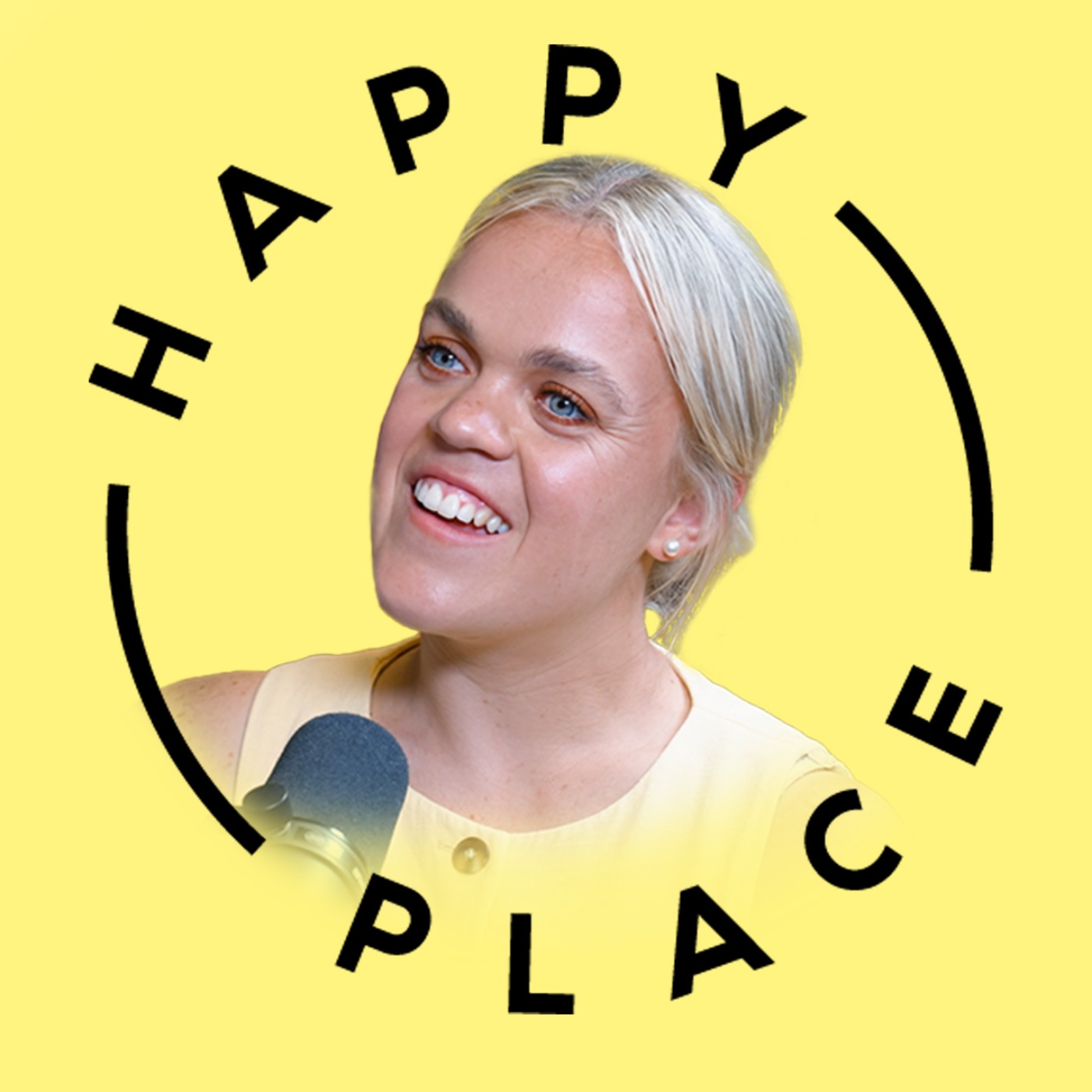
In this episode of Happy Place, host Fearne Cotton engages in a profound discussion with Ellie Simmonds, a retired Paralympic swimmer. The episode tackles the complex emotions and considerations surrounding the decision to have children, especially in the context of genetic disabilities.
Written by AI. May contain mistakes.

Get the gist, explore an idea or ask about something said.
 Claude
On Happy Place, what are the key points of this episode?
Searching your listeningAutomatic transcript. May contain errors.
0:00Before we start, this episode contains some conversations you might find difficult to hear. So do check the show notes for more details. Hello, a massive welcome to Happy Place with me, Fern Cotton. This is the show that doesn't shy away from tough conversations. Today, I'm chatting to Ellie Simmons. We don't know the future. And yes, majority of couples' pregnancy happens and it's magical and it's amazing. But also, it might not be that too. It might be you find something about yourself or your baby that is not what you expected. So if me and my partner both have the dwarfism gene, we both give the dwarf gene to the baby, it could be double dose, which means the baby won't survive because the lungs and the bones don't grow.
0:47So I could give birth to it, but the baby wouldn't survive. So look, a couple of weeks ago, we had Liberty Mills on the show and she was talking all about her experience trying to conceive because she desperately wanted another baby in her 40s. And this week I'm talking to retired Paralympic swimmer Ellie Simmons about the prospect of having kids too, but from a very different angle. I absolutely love Ellie. She is such a joy. We've worked together before. We did a couple of like corporate talks together. And she's such a joy, not only so eloquent and articulate and knowledgeable about many different subjects, but also she's got the best laugh.
1:29Well, you're going to hear it in this episode. She like properly giggles. It's my favourite. Now she's made a new documentary, which I was lucky enough to see early. It's a very important documentary for ITV called Ellie Simmons, Should I Have Children? It explores all the fears and dreams and beliefs and questions that she has personally and that society might have about having a baby that might be born with a disability. It is incredibly moving and very, very powerful. So obviously we've got a lot to cover in this chat. We talk about her having really open conversations with her adopted parents and her birth mum too.
2:12I mean, these chats in the documentary are, they're mind-blowing. They're such important conversations. We also talk about the huge tangle of questions that you ask yourself in deciding whether to have a baby or not. We talk about how genetic testing works and also how to know when it's time to call something quits and how to then cultivate new passions too. It's a really fascinating chat. We don't just talk about fertility. It goes off in many different directions. The market's uncertain. Revenue's tied and hiring on hold. That's why results-driven companies are using Upwork to keep work moving.
2:50Go to Upwork.com today and start hiring proven freelance talent fast. No bulky overhead. No rigid long-term contracts. Just the right expert right when you need them. Work smarter and faster with Upwork. Go to Upwork.com now and find your freelance expert. That's U-P-W-O-R-K.com. Post a job for free and get started today. Hi, this is Knox from the podcast with Knox and Jamie. And maybe like us at the Popcast, you also know people who have been smokers or vapors. And Zen is the one product it seems like everyone is talking about. Because there are many good reasons to make a change to Zen nicotine pouches.
3:26Reasons like Zen nicotine pouches are still America's number one choice for smoke-free, hands-free nicotine satisfaction. And you can choose between 10 varieties, each variety available in either 3 or 6 milligrams. Check out zen.com slash find to find Zen at a store near you. Warning, this product contains nicotine. Nicotine is an addictive chemical. If you're a maintenance supervisor at a manufacturing facility and your machinery isn't working right, Grainger knows you need to understand what's wrong as soon as possible. So when a conveyor motor falters, Grainger offers diagnostic tools like calibration kits and multimeters to help you identify and fix the problem.
4:03With Grainger, you can be confident you have everything you need to keep your facility running smoothly. Call 1-800-GRAINGER, click grainger.com, or just stop by. Grainger, for the ones who get it done. Dr. India Woods here. As a veterinarian, I demand a lot of my scrubs on the job. That's why I show up in FIGS. FIGS are made for the sometimes crazy situations I find myself in. It doesn't matter if I have to squat, sit, bend, or even chase after one of my patients. FIGS moves with me and keeps me comfortable in the highest pressure situations. FIGS gives me one less thing to worry about. Get 15 % off your first order by visiting wearfigs.com and use code FIGSRX at checkout.
4:43That's wearfigs.com, code FIGSRX. All right, to this gorgeous chat in a sec, but first, very exciting news. If you've already got your Happy Place Festival tickets, you're going to be able to book your workshops from this Wednesday, the 21st of May. And if you're a premium ticket holder, workshop booking is open to you today. So go and book your workshops. There's so many good ones. What are you going to go for? is it going to be a self-love sound bath oh my god i need that maybe breath work again i need that not breathing properly today maybe some color therapy or mindful movement there's a whole host of workshops there places are going to go really fast to get yourself online to nab a place in the workshop that you want as quick as you can and if you still haven't bought your ticket head to happyplacefestival.com because i can't wait to see you there right let's get on with the show and you join me and Ellie having a chat about her upcoming charity cycle.
6:05There's me on my bike. It's going to be so good. Yeah, I'm excited. I'm looking forward to it. It's nice to do a challenge. It's so good. Yeah. I want to officially start this chat because we've already unofficially started it. Ellie, we were just talking off mic there. You're about to take part in a charity cycle this weekend. You just casually went, oh, I'm doing a charity cycle in Philadelphia this weekend. Yeah. What? I know. I say yes to things and sometimes like think, you know when you think yes at the time? Oh, yeah, it'll be fun. And then the realization hits in. So, yeah, I've got to do a hundred mile bike ride from Philadelphia to New York.
6:37but we're doing it for an amazing charity and I'm doing it with my friends so yeah it's going to be fun and it's going to be worth it but yeah I've done a tiny bit of training but not that much, I'm going in quite blank canvas in a way but I'm sure morale, get myself a bit of playlist, music, coffee down me, keep hydrated people will be cheering you guys on I hope so, so if you're somewhere in Philadelphia or New York and you see a group of cyclists and you see me cycling, please cheer along Well, you were saying because, this was again off mic, because you haven't done maybe as much training as you'd like, you're going to be relying on mental attitude here.
7:15I am. But this is your, mental attitude is your thing. I hope so. I don't know. It has been a couple of years since I swam, but I hope that my mental attitude and strength, but you know, sometimes it's different, isn't it, when you were, you had the pressure to perform and you can't say no. like you know when if I was in a swimming race at the Paralympics and I was like oh no I can't do it and like leave the pool like that's bad isn't it but I could maybe you could leave this yeah I could leave this I've got the choice like I know we've got support cars behind so I could go and hitch a ride with them couldn't I if like you could I've got a feeling you're not gonna do that no I can't do that no I can't I can't I won't I've got the option but um I definitely won't do that my strength and competitiveness or keep me going.
8:00Yes, this competitiveness. I mean, I'm always fascinated whenever I've interviewed sports personalities about the bit after you retire, essentially, because you know that that career is not going to go on forever. Sporting careers, you know, depending on what the sport is, they do stop early. So you've always got that thought of what's next, but you've also got this mindset that is naturally competitive. Otherwise, you wouldn't be in sport in the first place. You've obviously filled your time greatly. you've been making award-winning documentaries, doing lots of charitable efforts as well. I mean, was that a thought during your professional swimming career?
8:35Like, what is next? What do I do after this? Do you know what? It's funny, because we have an amazing support system when we are in the pool and with the team. And they're always telling us to think about what's next, like to plan the future. But when you're so in the zone and so just bubble-wrapped in your career as a swimmer, you never actually think about the future. for me as well especially I think being so young from Beijing 13 and London 2012 the biggest games for myself and having a home games I was 17 so I never really focused on school and education and I'm not the most academic anyway so I didn't have that to fall back on but still I was so just wrapped up in being a swimmer that I never really thought about the future so when I made that decision to retire there was that massive question what is next and I didn't know and I don't know like I'm very thankful and grateful for all the opportunities that I'm getting but you lose a massive part of yourself and that identity and it's really funny actually because I love planning like I love being organized I'm getting more relaxed now not being a swimmer and not having that structure but it's funny when I was a swimmer I knew where I had to be not just a day but the week the year the four-year cycle of a Paralympics and then all of a sudden that goes out the window and I actually hadn't planned my future but I think in a way I was the total opposite because swimming was so regimented I needed that escapism I needed to get away from being so regimented that I could wake up and do whatever I wanted to do but actually there's pros and cons to that the pros is that I've got this freedom to do whatever but then the cons are there's too much choice and I didn't actually know what I wanted to do so yeah it was very much figuring things out and also I think the it's funny like we talk about my mental strength from being an athlete I feel like since retirement I do have a lot more struggles mentally because you for me when I was a swimmer I had that tangible thing that I knew I was good at my medals were something that gave me confidence whereas now you say like maybe winning the BAFTA or something is is good but you're still like questioning to yourself actually what am I good at now like that thing that was swimming has gone and that there's nothing to grip onto to give me that security that I'm okay that I'm working hard or that I'm doing something you know so interesting I think so many people grapple with this the the amount of your self-esteem that comes from achievement and also what not only what you know you're good at but what other people see you as so other people like you are you know an elite athlete and that is that is your identity so then when you're not in that arena you're free-falling you know what what am I who am I it's a really big question do you feel any closer to figuring out or even caring about figuring it out?
11:38You know what? I think caring, yeah, I'd like to, I don't know, have that confidence to know that I'm okay at something or good at something. But there is still that questionable thing. Like you're still even four years retired now. And I love, I'm trying to, I think I'm getting to the point where I'm now figuring out what I don't like doing, which I think helps to figure things out. So I'm like, I know what I'm like in doing. So I think that's helping because I think happiness is the biggest thing. And I think I'm getting to that point where I'm loving what I'm doing work-wise and I'm loving what I'm doing social-wise.
12:13So I'm getting that balance better. So I think happiness I realise now is, whereas beforehand I think I was just doing, just doing yes, lots of things to figure that out. Whereas now I'm at that point where I'm enjoying the balance and I'm enjoying things that I'm loving doing. I guess the pendulum swings back a bit because I remember even like watching that Usain Bolt documentary, which I just absolutely loved. and you could see towards the end of his professional career, he was so desperate to go to Rio Carnival, party, drink loads. It was like he felt, you know, because you do miss out on it.
12:43Your life, as you said, is so regimented. I'm imagining you're in the pool at like 5am every day. You're just, it's your life. And then when you get the opportunity to do all the other stuff, it's like, I can do all of it. But of course, that's not sustainable either. You know, there is that moment of balance where, you know, you've got the structure, but it's not as regimented. regimented but equally you're not just you know moving about doing whatever you want whenever you want because that then becomes boring yeah it's having that fine balance and I think for me I knew when I wanted to retire because I was getting more resentful I was whereas beforehand before leading into Tokyo 2021 before those couple of years before those games I was all I wanted to do was swimming and be with my teammates and be traveling whereas I remember going on riding to the tube to training before Tokyo and be like if I had time I could be doing like yoga or I could be doing hanging out with my friends so you know mentally that swimming it was a good time to retire in Tokyo because I was just getting more resentful and I've never ever been like that and you want to do and especially sport you've got to give everything to it you've got to live and breathe your sport you've got to think about the things that you do outside the pool you've got to think about sleep you've got to think about walking eating all this is just affects your time in the pool so yeah I was very much ready to just not think but again like you said and to have that balance I think is really really important because I think we all need purpose don't we yes we all need a purpose to wake up and have something to do because if you wake up and think oh yes you've got all this choice sometimes too much choice is actually the worst thing because you you don't know what to do and waking up and having a bit of purpose is is very important yeah I mean you've made some incredible award-winning documentaries and you've made another one very recently that we'll be able to see soon I've been lucky enough to see an early edit of the documentary and that is completely purpose-driven and you can tell by watching it every word you're saying every person you're interviewing this is heartfelt but it's also helpful you know you want to create documentaries not just for the sake of it but to to do some good to educate people as well that feels like there's a lot of passion behind all of it oh very much so and I feel I've got this amazing opportunity from the success that I had in the water now to talk about disability and this next documentary talking about what women and what couples and caregivers go through when they may have a diagnosis of a disability or an illness because I think when you're younger in school you get educated that you have sex you have a child and it's it's easy but it's not it's not easy we there's many struggles that women go through whether it's IVF whether it's miscarriages but also whether it's there's a difference with the baby or a diagnosis of a disability or illness Like there's a lot of emotion that goes through that.
15:40And I think what I want to do is just educate and talk about it. That, yeah, it's not straightforward, that there's a lot of emotions and a lot of struggles and and it's OK to feel these emotions as well. Again, I've never been pregnant, so I don't know. But I can imagine from speaking to a lot of people and lots of friends and following lots of families that you're emotional because you've got all your hormones everywhere. and then you envision what this life's going to be like, having a baby inside you and taking the photos, going to the scans, and then all of a sudden you get something that you've made, you're nurturing, that you're creating, and then you get told that your baby could possibly have a disability or an illness, and then you're blaming yourself, and that's what a lot of the women and even medical professions that I've met along this documentary journey, is that the women are blaming themselves.
16:37And it could be little things like, oh, I shouldn't have eaten this or I should have slept more. I shouldn't have drank this. But there's nothing to blame. And I think what I've learned along this journey in this documentary is that also, do you know what? I can't. I've lost my train of thought. That's me all day long. Oh my God. Why do you think I've got a notepad with things written down on? I have this point of that I wanted to say, but it's just suddenly gone. So I'm sorry about that. I was really powerful as well. What I was going to say, and all of a sudden, where's it going? Do you know what?
17:13It will come back. It will come back in two hours when you're walking down the street somewhere and you'll be like, shit! I'm finding that more and more now. Like I go into a room and you know when you know, why have I gone into a room? Oh, I do it when I see people that I know really well. I think, I don't know their name. What is it? It's not in there. Shit, panic. Hey, mate! Like I said, me and my best friend, we went and watched the London Marathon on Sunday. And I was saying something twice. And she was like, you've already said that. I was like, have I? Have I really? I'm doing it more and more.
17:47And I'm questioning myself, have I really said that? So this little pointer that was going to be powerful, that's in there somewhere, will come out somewhere. That's going to be my mission is to like eek this out of you. But do you know what? It's everything you've just like, this is a topic. We certainly haven't covered this on the podcast before. we've we've covered fertility a little bit we've we've talked about we've tried to cover as many issues as possible but I think you have distilled down some really important factors when it comes to pregnancy and also the pressure that is put upon women as you said and also the pressure that naturally comes with being a woman you know you're 30 now yes and that is that sort of cliche but actually very real moment where people start going thinking about how do you want kids and it becomes this really intrusive question that people ask whether it's welcomed or not that you're supposed to have some you know definite conclusion on it's a really big deal oh very much so and i think i've come to i'm at 30 and this is the age that where lots of my friends are starting to have children and you think to yourself do i want children do i not and i think what's really powerful now uh speaking to lots of people on this journey of the documentary that some of them sadly haven't been able to haven't just cut when you meet so many people you want to put everyone in but you can't sadly due to the timings but I know I met an indecision therapist who helps women to decide whether they want to go have children or not and I think it's so wonderful now that it's like people my age or even older or even younger that it's not a thing that we get married we have children that we've got this powerful decision that we can make and it's not all about having children fulfillment isn't about yes children are amazing and it's incredible bringing someone into this world that's you and genetics and all that but also I met loads of people that have decided not to have children and I think that's so powerful too because there is and I think it's hard isn't it because you want to support women but also asking questions saying like oh when do you think you're gonna have children that's putting pressure on the woman as well yeah the couple because you don't know what they're going through you know like they could be struggling they could be going through ivf they could have had miscarriages or they just don't want children and all these decisions that's okay as well yeah i mean it's no one's business no no no and we all live a life and it's all about being happiness within yourself and so yeah i i go through this like do i want children do i not and it varies each day i think sometimes oh i see children oh yeah that looks fun that looks nice and then sometimes you hear from friends who have hardly slept and you think gosh do you know what i could i'm sleeping i can do what i want i can go where I want tomorrow you have to think about raising a human and making sure that they're they're okay this is Hannah Burner from Giggly Squad O-Pill is the first over-the-counter daily birth control pill available in the U.S.
20:40let's be real getting a birth control prescription is not always easy and it's so much admin in fact about a third of women face barriers to access prescription birth control between scheduling appointments missing work class or just trying to exist it's a lot but now opill is putting birth control in our control opill is a daily birth control that's fda approved full prescription strength and estrogen free and 98 effective when used as directed grab it online or at most major retailers no prescription or doctor's appointment needed so if you're thinking about birth control check out opill to see if it's right for you use code giggly for 25 off your first month of opill at opill.com that's code giggly at opill www.upwork.com birth control in your control.
21:25We love to see it. The market's uncertain. Revenue's tied and hiring on hold. That's why results-driven companies are using Upwork to keep work moving. Go to upwork.com today and start hiring proven freelance talent fast. No bulky overhead. No rigid long-term contracts. Just the right expert right when you need them. Work smarter and faster with Upwork. Go to upwork.com now and find your freelance expert. That's U-P-W-O-R-K dot com. Post a job for free and get started today. Hi, this is Knox from the Popcast with Knox and Jamie. And maybe like us at the Popcast, you also know people who have been smokers or vapors.
22:04And Zen is the one product it seems like everyone is talking about. Because there are many good reasons to make a change to Zen nicotine pouches. Reasons like Zen nicotine pouches are still America's number one choice for smoke-free, hands-free nicotine satisfaction. And you can choose between 10 varieties, each variety available in either 3 or 6 milligrams. Check out zen.com slash find to find Zen at a store near you. Warning, this product contains nicotine. Nicotine is an addictive chemical. If you're a custodial supervisor at a local high school, you know that cleanliness is key. And that the best place to get cleaning supplies is from Grainger.
22:41Grainger helps you stay fully stocked on the products you trust. from paper towels and disinfectants to floor scrubbers. Plus, you can rely on Grainger for easy reordering so you never run out of what you need. Call 1-800-GRAINGER, click grainger.com or just stop by. Grainger, for the ones who get it done.
23:04I mean, I guess a lot of this for you starts with your own birth story and this is included in the documentary And I found the conversations that you had with not only your parents, but your birth mum so incredibly emotional and powerful. And I mean, just brilliantly courageous for your birth mum and your parents to be as honest and open as they were. I mean, maybe let's start with your birth mum, because I know that you met her a few years ago now, but you hadn't had a conversation where you talked about her giving you up for adoption. and that I can't even imagine the emotions for you around that and the nerves stepping into that sort of conversation it is it was I was so nervous um but I think it was amazing of she opening up to me and letting me ask these questions because I think hopefully people watching this documentary of maybe going through the fears and the scared of being on their own and what people are going through but also for her so from the documentary so the the documentary that I previously did I found out from the sheet of paper and finding out about my birth mum and about myself and being adopted and fostered and all this that the information sheet that she got given when I was born and when she was going through genetic testing because she could see I was different that the sheet of paper said that individuals with dwarfism were perceived as going into the circus or intellectual there wouldn't be intelligent all this type of stuff and that was 30 years ago so what we wanted to do this documentary a reasoning was because has it got better has there been changed 30 years on so for me asking these questions to her was how was she feeling but hearing from her and you'll get that in the documentary is that there was so many reasonings yes she got this sheet of paper but she was also on her own And I think with the other families that I met, one of the biggest things is going through pregnancy or going through news that may be upsetting, whether it's a big decision of whether to keep a baby or not, or whether it's a baby with a disability.
25:16having the support around you is so important and she didn't have that support she was on her own so I think support when you're going through a big journey of having a baby not just having a baby but then finding out that your baby has a disability support around you is the biggest thing that's needed it's so key I mean how how did you feel after having that conversation with your mum I'm imagining it was a hell of a lot to process. It was, and I find sometimes, I think even with the documentary that I did a couple of years ago with finding my birth mum and finding her, is when you're in the zone, and I think maybe it's just me, my personality of how I cope with things, when I'm in the journey, I'm like just balls in to it.
26:07And I think it doesn't affect me for a couple of years afterwards when I've actually, it's hit me. So I think conversations with her like that, probably it hasn't hit me yet. I've liked speaking to her and why the reasonings of why she gave me up and how she felt and the fear and all that. It just, yeah, I'm quite like balls deep. I don't know, I think there's a better saying than that. But you know what? I like balls deep. We cut to the chase. We know what you're saying. Yeah, you know, like, I'm just like. You're in the thick of it. Yeah, in the thick of it. That's the word. Balls deep works too.
26:39we're fine with it i'm in all in and i think it doesn't affect me until afterwards so i think this again this documentary and talking to individuals who have had termination and miscarriages and the fear that all these couples and women go through and speaking so openly about their journey doesn't affect me till afterwards yeah i think that's just me with everything to to be fair so I think at the moment because it's fresh and we've still in documentary mode and talking about it now yeah probably not till maybe the end of this year but again I have a great support system and an individual that I talk to a lot about emotions and I think that's what I've been really good at now is talking about feelings and how you feel and having someone independent to because again you've got I've got amazing support system around me I've got my family I've got my friends, but having someone out of that circle to talk to, I've found that really, really helpful.
27:38So it's so important. I think just to get a fresh set of eyes and someone impartial and a step removed is so game changing because they're coming to a situation without any emotional investment in it. It's just they want to help you. They want you to be able to process what you're going through or what you're feeling. It's so important. The conversation you had with your parents, I found, again, so impactful and beautiful. You know, your parents, they adopted five children and have clearly instilled the most amazing values in you and have encouraged you to always follow your dreams and instill confidence and, you know, really make sure that you can forge that path that you want to move down.
28:22What was that conversation like? Your dad said some really brilliant things in that chat. He did. He did very much so. And I think it was interesting because, again, they speak very openly about they got married really young, 18. I think my mum was, yeah. And my dad's a couple of years older than my mum. And they speak about the struggles that they went through. And for me now, again, being at that age, do I want children? Do I not? they have us left on the planet but they don't have someone genetics on the planet and I thought that was really really powerful because it is the case isn't it like I would love to have children of my own in the future you never know but having someone left on the planet that's you I think I don't know there's something quite magical about that isn't it when you pass away that there's you still left on this planet yeah that bit really when your dad was speaking and you know he was emotional talking about it but I thought it was so beautifully honest of him to admit that.
29:22You know, and he's far down the line. He's adopted five children. He's parented a lot. But he still had, you know, that level of vulnerability to have that chat with you and talk about the feelings that, you know, he won't be able to leave planet Earth knowing that there's someone genetically, you know, left behind. Yeah, and I think that's one of the things I'm so thankful for my parents, but for all of the individuals that have been on this documentary and spoken to me is they've shown their vulnerability and that's a very courageous thing to do because that is so powerful and speaking about things and showing your vulnerability can hopefully help people and I'm very very lucky that I've got a great relationship with my parents my mum and dad have been my rock through my swimming career you know driving me to train and my mum was delighted when I was 17 when I passed my driving test so I didn't have to um um she didn't have to wait because she's not a morning person right swimming is morning very much a morning person so she was happy when I passed my driving test because so she could sleep in so but no you know like they've sacrificed a lot and for me and my mum to move to Swansea for my training when I was younger and trained towards the Beijing and London games in Swansea like they've sacrificed a lot of stuff and even now with retirement and this next chapter of life that I'm having they're always there every step of the way you know whether it's like a ring of my dad even though he's three hours away to ask if I've got a screwdriver in my flat he was like I can't help you I don't know do you you do like I ring them for everything even though he can't help me sometimes the other day my fire alarm my smoke detector was going beep every 45 seconds I was like what's right my dad and he's like turn it anti-clock I am it's not it won't come off the ceiling and I was like can you can you come over it lives an hour away I didn't make him come over in the end sort of yanked you off the ceiling but you know you call your dad you do don't you you call your dad you call your parents with everything whether it's anything like that like so yeah they've been super super helpful but yeah he couldn't help with the screwdriver but I did I found one I found one so it was fine but I did I found one so yeah don't worry people good good good we got we got the screwdriver um you mentioned a minute ago you know one of the things that you talked about with your mum on the phone was the language used and the way it was delivered to her after she had given birth to you and you wanting to find out if anything had changed and sadly some some things haven't changed and you you know you went and met a bunch of couples who have created this beautiful community in a group parents that have given birth to babies with dwarfism and they are really helping each other out and they formed that family and that support network for each other but on a deeper dive you having conversations with these couples it doesn't seem that much has really moved on no and I think it's crazy to think we're so getting much more accepting of different disabilities and talking about it we see in the media whereas Rosie and Lloyd when they got diagnosed with their son Arlo with who has dwarfism that how they got told about the diagnosis was I think the wording that was used was you're the unlucky ones or something like that i'm trying to remember now but it was very much given in a negative way very much like it's not it's not a bad thing to have a child with a disability or let alone dwarfism and they're just she speaks so rosie speaks so beautifully and so openly and again i think that's so powerful what she says and the fears that she had even thinking that she was on the train she was getting upset she thought that her friends might not want to be friends with her anymore because she had a child with a disability and also it's interesting she was just wanted him out out of her like to be in this planet and then she knew everything was going to be all right but yeah for her to speak so openly and to tell us how she felt because I'm sure her speaking about it there's so many women who have maybe got a diagnosis of a disability where their unborn baby that they'll listen and think that like I know I felt like that because we all have feelings so I think I know like I love being in control I love knowing what I'm what's going to happen and when you're creating a human you just want to make sure it's all okay and that that control is out out of you because yes she knew she had a diagnosis but you never know what's going to happen once the baby's out and the future of the baby but yeah it's it's sad that still now in what 2025 that the diagnosis of children with different disabilities still get diagnosed in a in a negative way language used it's just it's just not helpful for no no no um and it is really really sad because i think that time when you're told you're so vulnerable but it sticks with you for life yeah that can make such a difference to how your fears are created on your child so I think yeah there needs to be more to be done definitely with the education and awareness of the language and the support as well that when a diagnosis happens yeah the support like you said before just seems integral and again is going to be game-changing as to how those parents cope and how they deal with not only the pregnancy but also post-birth how they deal with parenting very much so in one of the couples megan and david who had well very much opened up about like the ivf and then finding out that their unborn baby at the time was diagnosed with down syndrome and the fears that they had and there was a very powerful there's a very powerful moment in the documentary where david's talking about his fear for keris now she's born she's i met her and she's beautiful she's so cute literally she was tiny but she was really heavy it's a workout holding these babies isn't it um but his fear was being bullied and i think we all i'm sure a lot of parents have that fear for the future but for him to speak about that and i don't know why that got me upset i remember we finished filming with them and i was driving in in the car and I cried because I thought to myself like what more can I do to help people with this fear and not be bullied because we're all different and that should be celebrated like imagine if we were all look the same but I'm trying to speak openly and speak I've got this amazing platform to speak about different disabilities and help people and I was like if David's fear fear is that what everyone must be well lots of other people might be fearing that too and i was like it really got me because i was like what more could i do and now having this opportunity to talk about but yeah hearing from david being so open about the fear of that keris is going to get bullied and also interesting to hear as well that along this journey with the documentary and this amazing testing i can't remember what it's called but it's got its pros and the cons this testing where you get a blood test when your baby is unborn in a fetus and diagnosis with down syndrome and other disabilities but due to that now 90 of down syndrome babies are getting aborted which again is is a big shock that that's happening you know even though we're celebrating differences and seeing disability on tv and representation we're talking about it more still people have this fear of when their child could possibly have down syndrome there's abortions taking place which again has this testing is has its amazing prose because we can know what we're having the science is there but also it's increasing abortion rates of down syndrome i mean this is such a big topic and i know it's one that you were keen to cover in the documentary and again i felt like it was so well-rounded this conversation you're looking at this chat from all angles and you meet a couple who did decide to terminate a pregnancy would you tell us about their story because you'll do a much better job than me but it was so I mean what again what a beautiful couple to open up in this way and tell their story because it it really took me aback and I was hanging off every word they were saying and so invested in their story they're a beautiful family but but tell it because I know this had an impact on you this meeting this couple as well yeah it did Levi and Lewis who are a couple who their first child um he has a genetic condition the same as when they were going through the genetic testing their dad Lewis has the same condition and so they both have the same condition I can't remember the wording of it is it the George George yeah thank you then gosh your memory's good i've learned so much about conditions and disabilities and all that and but yeah de george syndrome and their second baby that they had had the most severe of de george and sadly with that it wasn't going to survive so they had to abort the baby and don't quote me on this but I think they had tried to have some termination they had determination and they gave birth to it and they've got this memorial in their lounge with him but to be so open that they went through this and then their third baby which I think they've just had a girl now they did PGTM testing and that testing is where you pick out the genetics that you don't want in the baby so the disability so did George and you have a non-disabled baby due to it because of the emotions that they went through with their second baby and having to have to terminate the baby they went through PGTM testing so it was amazing for them to open up about not just having a baby well having a boy with a disability then having to have termination and then their third baby having gone through PGTM testing to have her so very much open up and I think it's been so powerful to hear so many different sides of stories from whether it is hearing the testing and being really happy and thankful that you've got a baby with Down syndrome like Megan and David to have it hearing from Levi and Lewis who have gone through the emotions of the termination and then PGTM testing to have their baby so it's it's we've tried to cover it all because every single person every single couple or individual makes the choice for the reasons and I think choice is out there and it's great that it's out there because we all have decisions and we all make decisions for our own reasonings yeah exactly and that's what I loved about it is there is still judgment with whether it is adoption or abortion and I think until you've heard someone tell their story no one's got any place to judge anyone you know we need to hear people talk about their life and their story and how they've come to that incredibly hard decision none of those decisions are made flippantly no and you can see it from Levi and Lewis how strong they've been yeah and I think they were in the car going and they couldn't talk and it must be so hard to make this decision and you can see that their grandma Levi's mom getting really emotional saying she's not being the strong one but it's been powerful to hear everyone's story and to be so open because I think sometimes it's the fear of being judged isn't it and fear of opening but it's so powerful when you do open up because I think hopefully people watching will connect with every single one of these couples or every single person that's telling their story that maybe they've gone through that or they might be going through it in the future they're not alone you're not alone you're never not alone that's the beauty of storytelling why it's so powerful is just sitting back and listening to people tell their story and by default then getting rid of stigma or shame people feel or worry about telling their own story it's really powerful hi this is nox from the podcast with nox and jamie and maybe like us at the podcast you also know people who have been smokers or vapors and zen is the one product it seems like everyone is talking about because there are many good reasons to make a change to zen nicotine pouches Reasons like Zen nicotine pouches are still America's number one choice for smoke-free, hands-free nicotine satisfaction.
42:28And you can choose between 10 varieties, each variety available in either 3 or 6 milligrams. Check out zen.com slash find to find Zen at a store near you. Warning, this product contains nicotine. Nicotine is an addictive chemical. The market's uncertain. Revenue's tight and hiring on hold. That's why results-driven companies are using Upwork to keep work moving. Go to Upwork.com today and start hiring proven freelance talent fast. No bulky overhead. No rigid long-term contracts. Just the right expert right when you need them. Work smarter and faster with Upwork. Go to Upwork.com now and find your freelance expert.
43:08That's U-P-W-O-R-K dot com. Post a job for free and get started today. If you're a custodial supervisor at a local high school, you know that cleanliness is key. and that the best place to get cleaning supplies is from Grainger. Grainger helps you stay fully stocked on the products you trust, from paper towels and disinfectants to floor scrubbers. Plus, you can rely on Grainger for easy reordering so you never run out of what you need. Call 1-800-GRAINGER, click grainger.com, or just stop by. Grainger, for the ones who get it done.
43:47when you're looking at your own decision making here you also went to see a specialist who can look at pregnancy outcomes and look at genetics and can do this level of testing and that I learned a hell of a lot from she talked to you specifically about having a double dose can you explain this to us because I know that this was again a learning curve for you and also impacts your own decision making a lot yeah very much so so I met um Dr. Melita whose profession is genetics in individuals with dwarfism and what I learned from if my partner he has I was like mystery man now I love watching the dog I'm like mystery man where are you come on mystery man hurry up but um yeah so if my partner had dwarfism we both give our dwarfism gene so anyone out there can an average height person could have the dwarfism gene so a majority of dwarfism children are born to average height parents but also it can happen if me and my partner have dwarfism we could also have a dwarfism baby but if it's very confusing so i hope i'm explaining slowly and carefully but if me and my partner both have the dwarfism gene we both give the dwarf gene to the baby it could be double dose which means the baby won't survive because the lungs and the bones don't grow so with that I could give birth to it but the baby wouldn't survive I think it would only survive maybe like a week but majority of cases you terminate the baby but now pgtm testing is around which I don't know the long word for it but I'm just saying the short little I'll we can put it in the notes in the show notes yeah sorry pgtm testing um you could pick now so that that doesn't happen so double dose doesn't happen but then on the other side of the fence if I go through pgtm testing it would mean that I wouldn't not have a dwarfism baby so I'd have a baby with that's average height that's non-disabled so again there's pros and cons but hearing about genetics and hearing that my baby could be double dose if I have a baby with a dwarfism partner that's sad and I think yeah it's it's it's emotional because do you go through pgtm testing where you make sure your baby's happy and healthy and all that but it won't have dwarfism or do you risk it in a four one in four chance I think or something like that so it's again it's it's it's genetics is crazy and that's what i've learned like one little thing could mean such a big thing it's i've learned a lot and i'm still trying to process it now i'm i'm gonna watch the again the documentary again and again so i can try and remember because i've met so many people along the way and i've met so many science and words like that and i'm like i'm trying to like gain it in i'm trying to like it's like i say in the car i think to meet dr molita it's like i'm going on a science exam again like I'm going back to school learning about science literally reading your science GCSE because I mean it's a lot it's a lot to take on board and you know many couples won't go into fertility thinking about this stuff many couples will you know be optimistic and think right let's get pregnant let's have a baby for you that isn't an option you know you do have to consider all of these different variables and all of these different options and choices how does that feel because that's a weight that you've got to carry going into that part of your life yeah to be honest at the moment I think because it feels so far away that that's not gonna that I'm not at the process in at the moment thinking about it because it's not my situation that but yeah I think until you actually dealt with it I think that's when the emotions come out but I think for me now I've been very lucky to educate myself that that is something that I'm gonna have to think about in the future at this present time it's not something but in the future it'll definitely be but I think what I want to know is and educate people is that even to non-disabled couples could I also go through what I could be going through like any one of us could go through something that we're unaware of and we don't know the future and yes majority of couples the pregnancy happens and it's it's magical and it's amazing but also it might not be that too it might be you find something about yourself or your baby that is not what you expected so just the awareness and education and hopefully this people watching this documentary knows that they're not alone and that that it could that could be them but if it is them you you're not alone too exactly I mean thank god you've made it and also thank god for the couples that have been willing to tell their stories because it's so powerful i mean there there are many systemic issues that are driving this conversation that we need to look at still and are sadly not being looked at anywhere near as broadly as they should be some of the issues being sort of attitudinal towards disability discrimination on a practical level what is being done culturally for the disability community, financial support.
49:07There's so many systemic issues that are not supporting the disability community. And obviously, that's something that you've been doing a ton of work on and deeply passionate about. Do you see progress? Do you think things are moving in the right direction? I do. But then also, I don't. It's funny, I think we see in it more on TV and representation but sometimes we forget the daily issues that disabled people go through and even accessibility we we it's getting better yes but there's still things that people just don't think about whether that's broken lifts a lift being broken for six days and that just means that a disabled person doesn't have access to a building disabled toilet being closed you You know, toilets even around London sometimes or around cities, they're not being accessed to toilets.
49:59You know, not just for a disabled person, but for women who might have struggles with going to the toilet. Like that fear of like, oh, I need to go to the toilet now. Like we should have access to the toilet all around. So I think accessibility is one thing that needs to be addressed and be sorted. Yeah. I mean, it feels wild that that is still the case. that we've been lucky enough on the podcast to chat to so many amazing people that are doing great work in this space. But the level of frustration felt is still there because why, and also why the disability community is still having to fight this fight?
50:40That should not be the case. Yeah, very much. And we've got some amazing activists. I know Lucy Edwards spoke recently about her actually going through PGTM testing and visual impairment and we've got Sinead Burke who is incredible activist for fashion inclusivity we've got some great names who are making such powerful change and really really helping the disabled community but the government also needs to act as well yeah yeah I mean it always ends up in politics sadly and then how how much can you do you know you can have people having these brilliant conversations and telling their stories but unless there is systemic change a lot of these issues are being felt by people every day and and the support isn't there yeah very much so and i think disabled people we have adapted but it needs to be that it there's change now overnight and there's change not just in the future but soon as well and the government needs to listen for sure yes yes they do yeah just gotta keep shouting louder about it sadly but i think it's really it's just a very important conversation to be having all around very much so i mean obviously you've got this amazing documentary career that is just flying and this documentary is definitely going to make huge waves what else do you see in your future because you've got this determination you've got this drive that is clearly you know that is such a huge part of who you are well first of all i'm wondering do you think we were having this chat slightly off mic earlier the nurture nature conversation about you know where is that your parents that who've instilled that or did you just show up on this planet going I've got shit to do get out my way I think I was actually speaking to my dad about this um I think it's a bit of both I think he said that he's always seen it in me I've always been like go go go and even like on the social aspect even now like but when I was younger apparently I came back from school and I'd always been like ringing up who's around to play with and it always was socializing.
52:47Like I was always had to be around people and that's now even I'm always like looking for the next thing of like who's around, who can have fun, who's like ready to social. But I think yeah, it was that mixture of both because then I speak to my birth mom and hear like traits that she's got or my birth dad has got and I hear what they say and it's like me as well. So I think there's definitely that, the mixture of both but then also some I think you were speaking about it with your two that you see stuff in them that you think where's that come where's that come from yeah so I think I've got a bit of that as well that's just my personality is just do you like to always have a goal is there always an aim because like you're saying earlier you like being in control being an athlete that's a huge part of it that you're controlling your training schedule your diet how your mindset's going to be on the day do you feel like that about this phase of your life do you know what i definitely feel more 50 50 like i love being in control for sure but then i love planning but then also i love being more spontaneous yeah and i love like like i'm going to new york on this weekend this weekend but i'm still haven't booked my flights i'd be panicking yeah whereas like beforehand i would have booked my flights ages in advance so in some aspects I'm very chilled very spontaneous very like to go in the flow but then sometimes I'm like I like to be planned so it's a bit I'm way more relaxed but like work things I love to be knowing what I'm doing again I just want to go out in be prepared and do a good job but then in the social life I love like like I'm being social I don't mind being late like Whereas work, I hate being late.
54:33I always have to be like 30 minutes early, just be there, relax. Whereas like socially I'm like, oh, if I'm five, 10 minutes late, I'm all right. Whereas beforehand, apparently my friend was saying like that used to get to me. Whereas now I'm like, so it's like that mixture of both. Yeah. Well, we're constantly changing, aren't we? Yeah. Working out who we are and how we like to do things. And it's the best thing about getting older. It's just working out who the hell you are. I'm still definitely desperately trying to figure it out myself. So where would you say your happy place is, Ellie? Oh, my happy place.
55:05Being around people. But then I also need my own time. I need that mixture of both. I love where I live now. I'm very happy with my place. And I love, like, the balance. I've got the balance really right of, like, not burning myself out with work but also having a good social life. And I love travelling. Like, I love being abroad. and yeah being around people and seeing the world definitely like seeing the beach seeing the seeing the sea being around people um that's happiness yeah yeah it's the best i feel like i think because i was so regimented it's like i'm having that you know when you see 18 year olds or 21 year olds before uni they go traveling i feel like i'm having that like mixture of like working but But then also when I've got free time to travel, like I'm having that like time to figure things out and see the world now.
56:02Yeah. Well, you missed out on a lot of that. I mean, when you start work, yeah, I started work really young. You don't you don't do the traveling. I didn't go to uni. You miss out on these sort of key things that I think do slightly niggle mentally. And you think, oh, I'd still quite like to do the gap year. I'd still quite like to do university or do those little sort of milestones that you miss out on. Like, did you go to a prom? Did you have a prom? I missed my. No, I missed all my proms. I missed all of them. How do you feel about missing out on things? I don't mind. The proms, I was sort of, I think probably I had a slight tantrum at the time, but I got over it.
56:32But I think it's the travelling bit. You know, all of my best mates were still my best mates today who I went to school with. I think most of them did the travelling bit. Maybe a couple went straight into work. But certainly, I actually went out to Australia to see one of my best mates, Ali, when I was 19, because she was travelling. I did like two weeks of travelling. Yeah. But I think I would like that sense of like, where to? And just being really carefree about like, where to next? and what would be the next spot to go to. I'd love to do that one. Maybe when I retire at some point, I'll do a gap year.
57:00In like 10 years time or something. That would be great. When the kids have gone. Yes, yeah, do a gap year. Yeah, I think we just do it at different times. We're just going to do it at a different time. There's no wrong or right here. No, no. Yeah, we can agree on like happy places. Travelling is such, it's just the best. Oh, I love it. I love travelling. Me too. Well, you will be this weekend when you'll be getting on your bike. I will be. To do just a short 100 mile cycle. it's no big deal just 100 miles but I wish you all the luck with it not that you need it thank you so much it's going to be brilliant and it's been so great talking to you and just again a massive congrats on this documentary thank you so so much it's a really really important topic and I learned a hell of a lot from it so yeah congratulations on it thank you so much thank you such a legend I just adored that me and Amelia from the Happy Place team were saying afterwards don't you just want to go and have like many glasses of wine with Ellie and just have such a great chat and a laugh.
57:56I think we might need to make that happen. I just think she's phenomenal and it was hugely courageous to not only make the documentary but to talk about many of these subjects that are not easy to talk about at all. Ellie is incredibly generous in sharing her thoughts and her stories and her big, big feelings around this subject. I just really appreciate it. Ellie Simmons, Should I Have Children will be available to watch on ITV from the 27th of May. Now, this is such a huge emotive subject and you lot are always so brilliant at sharing your own stories with the rest of the Happy Place community on Instagram.
58:29All that storytelling is so valuable in making other people feel less alone. So come and join the chat at Happy Place Official. I can't wait to see you there. All right. For now, a massive thank you again to Ellie, to the producer Anushka Tate at Happy Place Studios and to you because you are the most gorgeous.
59:00so
59:14hi this is nox from the podcast with nox and jamie and maybe like us at the podcast you also know people who have been smokers or vapors. And Zen is the one product it seems like everyone is talking about because there are many good reasons to make a change to Zen nicotine pouches. Reasons like Zen nicotine pouches are still America's number one choice for smoke-free, hands-free nicotine satisfaction. And you can choose between 10 varieties, each variety available in either three or six milligrams. Check out zen.com slash find to find Zen at a store near you. Warning, this product contains nicotine.
59:46Nicotine is an addictive chemical. If you're a custodial supervisor at a local high school, you know that cleanliness is key. And that the best place to get cleaning supplies is from Grainger. Grainger helps you stay fully stocked on the products you trust. From paper towels and disinfectants to floor scrubbers. Plus, you can rely on Grainger for easy reordering so you never run out of what you need. Call 1-800-GRAINGER, click grainger.com or just stop by. Grainger, for the ones who get it done. Dr. India Woods here. As a veterinarian, I demand a lot of my scrubs on the job. That's why I show up in FIGS.
1:00:26FIGS are made for the sometimes crazy situations I find myself in. It doesn't matter if I have to squat, sit, bend, or even chase after one of my patients. FIGS moves with me and keeps me comfortable in the highest pressure situations. FIGS gives me one less thing to worry about. Get 15 % off your first order by visiting wearfigs.com and use code FIGSRX at checkout. That's wearfigs.com, code FIGSRX. Did you know that parents rank financial literacy as the number one most difficult life skill to teach? Meet Greenlight, the debit card and money app for families. With Greenlight, you can set up chores, automate allowance, and keep an eye on your kids' spending with real-time notifications.
1:01:05Kids learn to earn, save, and spend wisely. And parents can rest easy knowing their kids are learning about money with guardrails in place. Sign up for Greenlight today at greenlight.com slash podcast. We'll be right back.
What beliefs, hopes, worries, and questions would you have if your unborn baby was given a diagnosis of a disability? It’s something retired paralympic swimmer Ellie Simmonds has spent a lot of time considering.
In this chat with Fearne, Ellie explains what she’s learnt from talking to both her parents and her birth mum about their experience of her dwarfism, as well as debating the pros and cons of modern genetic testing.
They also chat about Ellie’s decision to retire from swimming: how will you know when it’s time to call something quits, and how can you then cultivate new passions? Plus, how to untangle self-worth and self-esteem from achievements...
Ellie Simmonds: Should I Have Children? will be available to watch on ITV from the 27th of May.
CONTENT WARNING: This episode contains frank chat about baby loss and abortion, so do take care while listening.
If you liked this episode of Happy Place, you might also like:
Hosted on Acast. See acast.com/privacy for more information.