Ask ChatGPT

 Here's the Scoop
1 Oct 2026 · 23m · 10 chapters
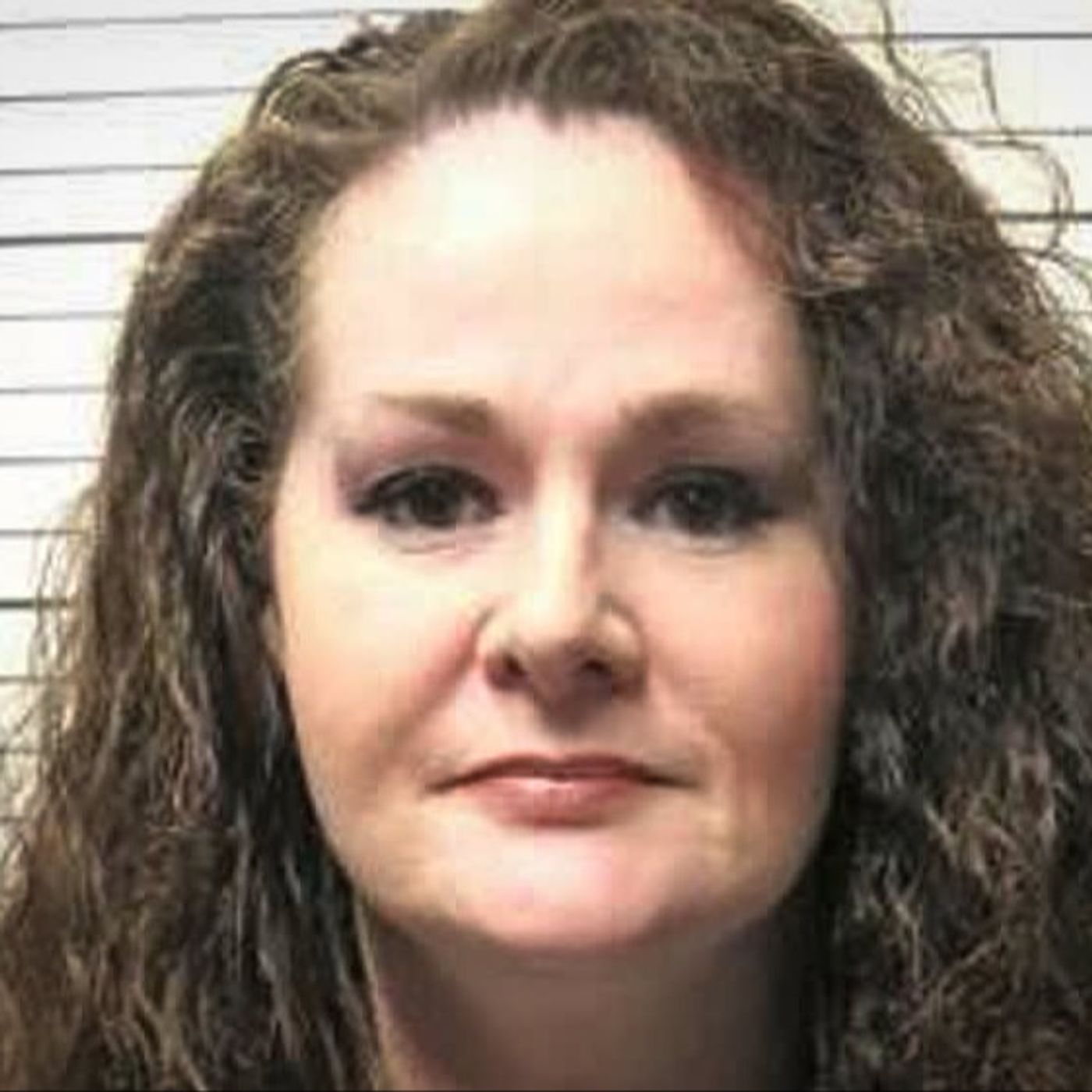
The episode covers (1) Tennessee’s investigation into a botched lethal injection of Krista Pike, (2) Renee Nicole Good’s family suing the U.S. government over her fatal shooting by an ICE officer in Minneapolis, and (3) whether big tech’s AI agents can shop online when retailers block them.
Eric Ortiz, NBC News senior reporter; Misty Maris, NBC News legal analyst; David Ingram, NBC News tech reporter; plus witness Tori Gessner (WKRN Nashville) is cited.
Pike’s execution was called off after witnesses say she stayed conscious and complained her arm felt like it would burst; the Supreme Court vacated a lower-court block hours earlier. Good’s family alleges excessive force and a broader conspiracy tied to Operation Metro Surge. Retailers like Amazon block Meta’s Muse; Ticketmaster allows crawling but reserves final purchase for humans.
Pike’s 1995 Job Corps case (Colleen Slemmer murder); Tennessee’s earlier botched execution of Tony Carruthers (no vein found). Good’s cell-phone video and lawsuit targets include Jonathan Ross and officials such as Stephen Miller.
Written by AI. May contain mistakes.
Discussion on AI agents and their interactions with various websites.
“Hi, everybody, and welcome to Here's the Scoop from NBC News.”
Examination of the details surrounding a botched execution in Tennessee.
“Up first, though, we're going to start in Tennessee, where state authorities are trying to understand what exactly went wrong during a botched execution on Wednesday night.”
Insights from witnesses regarding the execution and the conditions observed.
“For more on this, I want to bring in NBC News senior reporter, Eric Ortiz.”
Analysis of the legal proceedings leading up to the execution.
“Yeah, so we thought the execution was going to start at 10 a.m.”
Discussion of Krista Pike's crime and the public's reaction to it.
“You know, I wonder if that factored into what we saw happen.”
Exploration of the state's plans to investigate the execution and its protocols.
“And the governor then said he would give him a one-year reprieve.”
Discussion on how the execution's failure may impact future legal challenges.
“I think that they can use what happened to her.”
Discussion on the lawsuit filed by the family of Renee Good against the federal government.
“And we are back with Here's the Scoop from NBC News.”
Understanding the civil lawsuit regarding Renee Good's fatal shooting by an ICE officer.
“The lawsuit says no, this was a civil conspiracy directed specifically at depriving these groups based on national origin of their civil rights.”
Exploring the conflict between AI shopping agents and major retailers.
“I think I'm seeing them on TV, on social media.”

Get the gist, explore an idea or ask about something said.
 Claude
On Here's the Scoop, what are the key points of this episode?
Searching your listeningAutomatic transcript. May contain errors.
0:00If there are thousands or millions of them swarming over a website, restaurants, airlines, others, including big retailers, might just say, you know what, we're good. Hi, everybody, and welcome to Here's the Scoop from NBC News. I'm Yasmin Basugan. So today on the show, we've got these big companies, right, like Anthropic, like OpenAI, like Meta, and they want you to use their AI agents to do online errands, like buy tickets, for instance, or go grocery shopping. shopping, a lot of other things, make reservations, for instance, right? The problem is the websites in which they have to go to to get this done are actually blocking these agents.
0:41So are they going to be able to hammer out a solution and who's going to win, right? Is it going to be the AI agents or the websites, the retailers? Plus the family of Renee Nicole Good, who was shot in Minneapolis back in January by an ICE agent is now suing the federal government, including the Trump administration and specific people at the Department of Homeland Security. So we're digging into that filing as well.
1:12Up first, though, we're going to start in Tennessee, where state authorities are trying to understand what exactly went wrong during a botched execution on Wednesday night. Executioners injected Krista Pike with two syringes of lethal chemicals, according to witnesses. But Pike remained conscious. Tori Gessner, a reporter and anchor at WKRN of Nashville, saw it all. At one point at 7.34, she said, my arm feels like it's about to burst open. They eventually called off the execution, and then Pike was taken to a nearby hospital to receive care. For more on this, I want to bring in NBC News senior reporter, Eric Ortiz.
1:50Hi, Eric. Hi. We just heard, obviously, from a witness, to that botched execution, there have been some really unsettling details coming out of what happened yesterday evening and these witnesses that were there for it. What more are they saying? Well, the thing is we've heard from these media witnesses and they're really the only people that were inside the death chamber that have been talking about some of the details, some of these really harrowing details about what they saw Krista Pike go through. you know, they were able to hear some of it. The curtain was down in the chamber a couple times.
2:28So, you know, when they were able to see her, they were able to see her kick a lot. She was in pain. She was talking about how, you know, her arm felt like it was going to burst. So a lot of details are coming from them. So we're trying to understand what else was going on in the chamber. Why did this take so long? And why ultimately was she taken to the hospital? Do you have any sense of what a room like this is, witnesses that are seeing this happen, where they're sitting in juxtaposition to where the person who is being injected is, like, what does that look like? It's very somber. The witnesses are allowed to be outside of the chamber, and they do not see anything until they lift the curtain right before the drugs go in.
3:17And then basically, the person is allowed to give a final statement. And then after that, you know, it begins to flow, the drugs begin to flow. And then, you know, they say with lethal injection, you go straight to sleep. It's like going to sleep. And you're not really supposed to see any of the horror that might happen with, say, a firing squad execution, electrocution execution. So people are kind of, you know, they're watching, media witnesses are taking notes, family that are there are also watching and then the curtain goes back down. That's sort of how it goes. And it usually takes, you know, about a half hour or so.
3:51And sometimes when it takes longer, that's when we realize, oh, you know, something happened. So let's take a step back for a moment because last night, the Supreme Court actually vacated this lower court order that had temporarily blocked Pike's execution. Walk me through kind of the legal back and forth that took place really over the last 24 hours. Yeah, so we thought the execution was going to start at 10 a.m. local time, and at the last minute, about an hour before, the federal appeals court swoops in and says, no, no, no, we want to look at her case because there's some questions about her allegations of sexual abuse when Pike was younger that had come out at a hearing last month that the state admitted or at least didn't dispute that she was abused as a child.
4:42And perhaps that abuse should have been known during her trial and could have informed the death sentence, the jury that put her to death. And if they had known, maybe they wouldn't have given her that. So that was something that the appeals court said, let's take a look at. And the state said, no, no, no, we want to move forward with this execution. They went to the Supreme Court and the Supreme Court, as it does, takes a little while. But within, I want to say, Several hours later, they finally came down with their decision to vacate that lower court, essentially the lower court blocking the execution while they were trying to review what happened to Pike.
5:21And I had also been thinking, you know, this is almost, I was telling one colleague, this seems like almost like a recipe for disaster only because you have so many hours going by. You know, I wonder if that factored into what we saw happen. You know, there's obviously with all of this, the question always of why, like why was Krista Pike on death row in the first place? She does not deny her role in the torture and killing of 19 year old Colleen Slemmer back in 1995. Remind us what happened. So Krista Pike was one of three people that attacked a fellow classmate at their Job Corps program in Knoxville.
5:59And essentially, this case became sensationalized because some of the details that came out from police was that there was a pentagram slashed into the victim Colleen Slimmer's chest. And there was a piece of skull that Krista Pike had taken as a souvenir. And this was during the sort of satanic panic time of the, you know, the 80s, the 90s, where people were just worried about what would happen, you know, to their kids. So this was a case that really sort of grabbed people's attention because of how brutal it was. As we kind of talk about this execution, there was another planned execution in Tennessee earlier this year.
6:43in May, Tony Carruthers was set to be executed, but the doctor couldn't find a vein for the injection. And these are kind of concerns that opponents of capital punishment bring up. What are they saying about this case and what is the state planning on doing going forward? Well, the state is going to investigate. They're going to have a third party review what happened in this case. They also had done that in the past. Tennessee has had a history of troubled executions where they've had to review their protocol and then ultimately change it. You know, people have resigned because of what has happened in Tennessee previously.
7:26And you mentioned Tony Carruthers, and that was, you know, became such a troubled execution because, we know that a doctor was involved in that one, and they had poked him with needles multiple times all over his body. He was bleeding. And the governor then said he would give him a one-year reprieve. But what the governor did not do was shut down executions at all. And that's why we had one after Carruthers, and then we had Krista Pike's planned execution now. Does this open the door for Chris's attorneys to challenge the death penalty again? Absolutely. I think that they can use what happened to her.
8:12And now they've, you know, had what happened to Mr. Carruthers. There's been a lot of questions about, you know, the efficacy of the drugs that were used. There's a lot of questions about, you know, where they're getting them from, where they're sourcing them from, how much the state is paying to get these drugs. And I think that those are all questions that we don't know because of state secrecy laws and how they're able to keep, you know, so many of the details hidden. But they are questions that can be asked through court filings that I presume that her attorneys will be making as they try to stop any future execution of Krista Pike.
8:46Eric Ortiz, thank you. Thanks. All right, coming up. How the family of Renee Nicole Good, the woman who was fatally shot by an ICE officer in Minnesota, is taking on the federal government. That's next.
9:07Ulcerative colitis and Crohn's disease symptoms don't pause for the moments that matter. That's why understanding your treatment options matters. Discover what's possible with Trimphaya. Gucelcomab. Trimphaya is a prescription medicine used to treat adults with moderately to severely active Crohn's disease and adults with moderately to severely active ulcerative colitis. Serious allergic reactions, increased risk of infections, or lower ability to fight them and liver problems may occur. Before treatment, get checked for infections and tuberculosis. Tell your doctor if you have an infection, flu-like symptoms, or need a vaccine.
9:40Talk to your doctor and explore what's possible. Or call 1-800-526-7736 to learn more about Trimphia and visit trimfierradio.com.
9:51Erik Ortiz: This holiday, all plans, even unlimited, are just$15 a month. A holiday deal this good obviously deserves an enormously expensive holiday song, like all I want. Right. Okay, we can't afford that. You know what? Forget the music budget. We're going to stick with whatever's in the public domain. Give it a try at mintmobile.com slash switch. Upfront payment of$45 for three months, $90 for six months, or$180 for 12-month plan required, $15 per month equivalent, taxes and fees extra, New customer offer for initial plan term only greater than 50 gigabytes may slow when network is busy. See terms. Shipping, billing, admin, payroll, marketing.
10:25You're managing all the things. So why waste time sending important documents the old-fashioned way? Mail and ship when you want, how you want with Stamps.com. Print postage on demand 24-7 and schedule pickups from your office or home. Save up to 90 % with automated rate shopping. That's why over 1 million small businesses trust Stamps.com. Go to Stamps.com and use code PODCAST to try Stamps.com risk-free for 60 days.
10:54And we are back with Here's the Scoop from NBC News. So we haven't talked a lot about ICE recently, but we all remember back at the beginning of the year when Minnesota was big in the news because of Operation Metro Surge. 3 ,000 immigration agents sent by the Trump administration. And the two people that were left dead were Renee Nicole Good and Alex Preddy. There were no criminal charges filed in either case. Today, the family of Renee Good says they are suing. What happened to Renee was completely senseless. And the fact that there's been no accountability, no investigation, no expression of condolence, no change in policy is completely mind-blowing.
11:35What happened to America? Something must change now. It is our family's hope that today's lawsuit will accomplish our goal for Renee. accountability. There are two federal civil lawsuits named the U.S. government, top Trump officials, and the ICE officer, Jonathan Ross, who shot good as defendants. So what is her family actually seeking here? And where's the accountability? Joining me now is NBC News legal analyst, Misty Maris. Hi, Misty. Hi, Yas. Give me a quick read in here. What are these lawsuits actually about? So there's two separate lawsuits, Yaz, and one is against the Trump administration, against the federal government, brought under the Federal Tort Claims Act.
12:19So right from the very beginning, we need to discuss how difficult it is to actually sue the federal government for the acts of federal agents or any federal agency. Basically, the federal government has immunity, but there's a limited exception under the FTCA, Federal Towards Claims Act, which allows for lawsuits under certain circumstances. Here, the allegations are wrongful death. Of course, Renee Good was shot on January 7th by an ICE officer. She died that day. The allegations relate to an excessive force case saying that ICE agents, Agent Ross and others who are identified as agents Doe because they were face coverings and couldn't be specifically identified, engaged in excessive force and deviated from Department of Homeland Security policies when they shot Renee Good that day.
13:12I do want to point out the other lawsuit is against really high-ranking individuals in the administration. Stephen Miller, Kristi Noem, Corey Lewandowski, Todd Lyons. You know, you're talking about high-level individuals. And the argument there is different. The argument is that Operation Metro Surge itself was a conspiracy. And it was a conspiracy to deprive certain ethnic groups based on national origin of their civil rights. And there's some interesting arguments in this lawsuit to say that the administration, this is pointing to comments made by Donald Trump publicly leading up to this, that there was targeting of Somali and Hispanic individuals.
13:53And it's not for what the defense will be. This is the president of the United States. When it comes to national security, full stop, the president has total discretion to take action when it comes to federal immigration enforcement. enforcement. The lawsuit says no, this was a civil conspiracy directed specifically at depriving these groups based on national origin of their civil rights. The Department of Homeland Security and the White House did not immediately respond to requests for comment. A representative for Ross could not immediately be identified. So I think a lot of folks remember what happened to Renee Nicole Good, but I think it's important to remind everybody, right?
14:28Because there was cell phone video. And she was fatally shot in the driver's seat of her SUV during an encounter with Jonathan Ross, the ICE officer. You can hear the other officers at the scene telling Renee to get out of the car. And then you kind of see her turning her steering wheel away from Ross to drive.
14:59We crashes into a parked vehicle as if someone inside the car who was driving had lost control. On a video that was then recorded subsequently by Ross, a male voice could be heard saying, effing bitch. That was moments before the crash, right? So far, no charges have in fact been filed here in this case. But do we know if there is an ongoing investigation? Because at the time, there were calls for an investigation. So at the time, there were calls for an investigation and state-level prosecutors and state-level law enforcement were trying to seek information from the federal government. Because remember, we're talking about federal agents.
15:44So once you have a federal agent, you have what's called federal supremacy. And so the federal government really takes the lead. And there was a lot of criticism from the state government as to why they couldn't get information and information that would have normally been shared in what's called a multi jurisdictional investigation was not being shared by the federal government. And that's been the complaint in Minnesota as far as seeking potential charges based on the state law. Remember, Yasmin, because you have federal officers, normally when you're talking about criminal charges, you would be looking at the Department of Justice who would be reviewing the case to see if charges were warranted on the criminal side.
16:27But in this case, the Department of Justice, who at the top of the chain is President Trump, did not move forward with any type of proceeding. So it was up to the state. And that still remains in limbo. How is this civil suit different from the criminal investigation? So in a civil suit, it's about money. And it's about recovering money for what are compensatory damages and pain and suffering. And that's on two fronts. So the first is relating to Renee Good and that she was alive for eight minutes, the pain and suffering she endured. Was she in fear during the altercation, false imprisonment? What was her mindset like at that time?
17:07And also with regard to her family for loss of services, loss of economic support moving forward. And then the other claim brought by her partner, Becca Good, because she was there at the time and saw it happen, she says she suffered extreme emotional distress. So the case would ultimately, if successful, result in a financial award based on the loss of life of Renee Good. If they were to rule in favor of the plaintiffs here, i.e. Rebecca Good and Renee's family, her brother, what type of consequences could the U.S. government actually see here? if any. It would be financial. It would be paying money with regard to those buckets of damages that we discussed, which, by the way, Yasmin, could be significant.
18:00Misty Maris, thank you. Thank you. All right, coming up, big techs, AI agents are fighting over your shopping cart with the stores themselves. So who's going to win? That's after a very quick break. And instead of doing your online shopping right now, why don't you use this break to share this episode with a friend. We'll see you on the other side.
18:46Experian app and see how much you could save. Results will vary. Not all subscriptions eligible. Savings not guaranteed. Paid membership with connected payment account required. See Experian.com for details. Experian.
18:56Erik Ortiz: This holiday, all plans, even unlimited, are just$15 a month. A holiday deal this good obviously deserves an enormously expensive holiday song. Like, all I want. Right. Okay, we can afford that. You know what? Forget the music budget. We're going to stick with whatever's in the public domain. Give it a try at mintmobile.com slash switch. Upfront payment of$45 for three months,$90 for six months, or$180 for a 12-month plan required. $15 per month equivalent. Taxes and fees extra. New customer offer for initial plan term only. Greater than 50 gigabytes may slow when network is busy. See terms. Still waiting in line?
19:29Again? That's time you'll never get back. Save time and money with Stamps.com. Over 4 million businesses have skipped the line with Stamps.com. Join them to save up to 90 % off carrier rates from your computer or phone right now. Print postage for certified mail, registered mail, and packages in seconds. Then schedule a pickup right from your home or office. For a limited time, go to stamps.com and use code podcast for a free welcome gift. Taxes and fees apply.
19:59And we are back with Here's the Scoop from NBC News. So doesn't it feel like these ads for AI agents are literally everywhere right now? I think I'm seeing them on TV, on social media. I think I even saw one on the subway. this morning. So companies like Meta, Anthropic, OpenAI, they are pitching these AI assistants to do everything. Shop for your groceries, book your flights, buyer tickets. But several of the country's biggest retailers are stopping these agents, these AI agents at the door. So to talk about why, I want to bring in NBC News tech reporter, David Ingram. Hi, David. Hello. Happy to be here.
20:38Great to have you. I got to say, this sounds to me like a great idea, right? To have an AI agent shop on my behalf, buy concert tickets, book a flight, whatever it is I need, right? Maybe get a restaurant reservation I've been gunning for and haven't been able to secure. And yet, they cannot do these things because they are being blocked. What's going on here? Well, so the other side of this is that essentially every business in the country, aside from these AI companies, is having to think through whether they want to deal with these AI agents or whether they would prefer to continue the old-fashioned way dealing with humans.
21:17So if you're a restaurant that is used to taking reservations maybe over the phone or maybe you're using one of the restaurant online platform reservation systems, bots have been the enemy for a long time. You know, malicious bots have been a problem where either fraudsters are trying to steal credentials or people are trying to book up reservations or buy concert tickets and resell them. Now, this is a new kind of bot, not a malicious bot necessarily, but these agents, you know, and if there are thousands or millions of them swarming over a website, restaurants, airlines, others, including big retailers might just say, you know what, But we're good.
22:00We're going to close the door to these bots and we're going to continue operating as we have. How big of an issue is this? Like, is this just a couple of retailers that are dealing with this or has this become more of a systemic issue? Well, so for the last more than a week, Meta's Muse has been number one in the App Store, both for Apple and for Android. So this is becoming suddenly very popular. The biggest retailer on the Internet, Amazon, doesn't want anything to do with Muse at all. They say that they were essentially ambushed when Muse tried to gain access to Amazon's website in September.
22:36And they have blocked Muse from going on Amazon's site entirely. Walmart has gone the other way. Walmart, the second biggest retailer online, has said that they're going to experiment with this. and they have been listed as a approved connector with Meta's AI agent, but they haven't really started yet. So when we tested to see if Muse could shop on Walmart's website, Muse was still blocked. So it feels like there's a balance that needs to be struck. And I say that because like potentially Amazon, they could potentially lose business in the long run, right? In the long term, if they are not allowing the use of these AI agents, because like more and more people are going to be relying on them.
23:20So is this kind of an, is there an effort, I would say, on behalf of like Meta and Anthropic and OpenAI to convince these retailers to allow their AI agents in? Right. So part of the issue here is sort of technical. You know, would MetaMuse crash Amazon's servers if all the Muse agents started shopping there at once? But the bigger sort of strategic business issue here is Amazon and other retailers, every business really, wants to sort of control the customer experience from beginning to end. You're an Amazon customer and you want, Amazon considers that to be a relationship. They want to make sure that no one else is interfering, getting in the middle of that relationship.
24:06And so there's a fundamental business question here of to what extent would Amazon or any retailer or an airline or a concert ticket seller, would they give up control over part of that customer experience? And really, I think that's going to be a practical question of, for example, a Ticketmaster, do they have a choice in the end but to work with these AI agents? Maybe they feel that they don't have a choice. And so actually, in the case of Ticketmaster, they're letting Muse and other agents freely crawl the site and shop, browse tickets, search for events you might want to go to, give recommendations, but then they're reserving the final decision on purchase for humans only.
24:48So then there's the flip side though, right? Because if, for instance, these retailers don't give, could this make AI agents, like the investment in the development of AI agents obsolete? Could this then be people saying, well, what do I need these AI agents for anyway? Because no one's letting them do the work that I want them to do. Absolutely. So the tech companies are billing these AI agents as productivity tools. They will save you time and sometimes save you money. But if they can't actually carry out the task without the human interviewing, yeah, what's the point? Right. Well, and there's also this angle here, too, of, you know, do we really want to give up control over something like online shopping?
25:32Yeah. People like online shopping to some extent. Not all of us all the time, for sure. But, you know, if you're looking for clothes, if you're looking for a vacation, if you're booking a vacation, if you're doing something else that is essentially recreation online in the form of shopping, you might not want to give that up to an agent. And it might not even save time. I do like the online shopping experience, I have to say. It's very therapeutic for me on certain days. David Ingram, thank you. My pleasure. All right. That is going to do it for us. Here's The Scoop from NBC News. I'm Yasmin Basugin.
26:07We'll be back tomorrow with whatever the day may bring. And if you like what you heard, subscribe wherever you get your podcasts. And you can also subscribe to our daily newsletter, The Inside Scoop. It is a deeper dive on the main stories of the day that comes out every weeknight straight to your inbox. You can sign up for The Inside Scoop as part of our paid subscription at NBCNews.com. We'll see you tomorrow.
26:40Real talent is defined by what people can do, not where they learn to do it. So by stopping at the education section of a resume, you might throw away the perfect hire. Skills First Hiring helps you see talent others miss, like more than 70 million stars, skilled through alternative routes. Let their story unfold and gain a competitive advantage, because hiring managers who start with skills are 60 % more likely to find a successful hire. Hire Skills First. Learn why at tearthepaperceiling.org. Brought to you by Opportunity at Work and the Ad Council.
Tennessee’s governor called off executions for the rest of the year after Christa Pike, the only woman on death row in the state, survived a lethal injection execution attempt Wednesday. It’s the second time this year that an execution in Tennessee has gone awry. NBC News senior reporter Erik Ortiz explains what happened inside the death chamber and what this means for future executions in the state.
Then, the family of Renee Good is suing the U.S. government, top Trump administration officials and the ICE officer who fatally shot her during the administration's immigration operations in Minnesota in January. With criminal investigations in limbo, her family is seeking accountability from the government, alleging wrongful death and excessive force. NBC News legal analyst Misty Marris explains the crux of the two federal civil suits and how steep that legal battle could be.
Finally, Big Tech companies like Meta, Anthropic and OpenAI are pitching AI assistants to help users do things like book flights and shop for groceries. But some of the largest online retailers are shutting them out. NBC News reporter David Ingram takes us inside the battle for your online shopping cart.
Hosted by Simplecast, an AdsWizz company. See pcm.adswizz.com for information about our collection and use of personal data for advertising.