Ask ChatGPT

 Here's the Scoop
10 Nov 2026 · 25m · 9 chapters
The episode covers two main topics: rising inflation and the spread of AI-aided cyberattacks, then pivots to Hollywood’s return of Johnny Depp. Inflation: BLS reported prices rose 0.4% in October (cooler than September but still broad-based). “Sticky” categories include baby formula (+5.1%) and toys (+1.8% after +4.2%). Drivers cited are high diesel/energy costs feeding through the supply chain. Gas is under $4 (AAA $3.97), helped by easing Iran tensions and winter seasonality. Key claim: the Fed is likely to hike rates in December (quarter vs half-point). Cybersecurity: Kevin Collier says hackers hijacked hundreds of European supermarket freezers, allegedly tied to Iran; similar attacks mirror prior Iran-attributed water-system attacks. AI speeds campaigns (e.g., CrowdStrike alleges Chinese state-linked hackers used AI to hit 200+ organizations in under two weeks). Example: “Artex” is a tool allegedly used by attackers to probe sites, then exploit flaws.
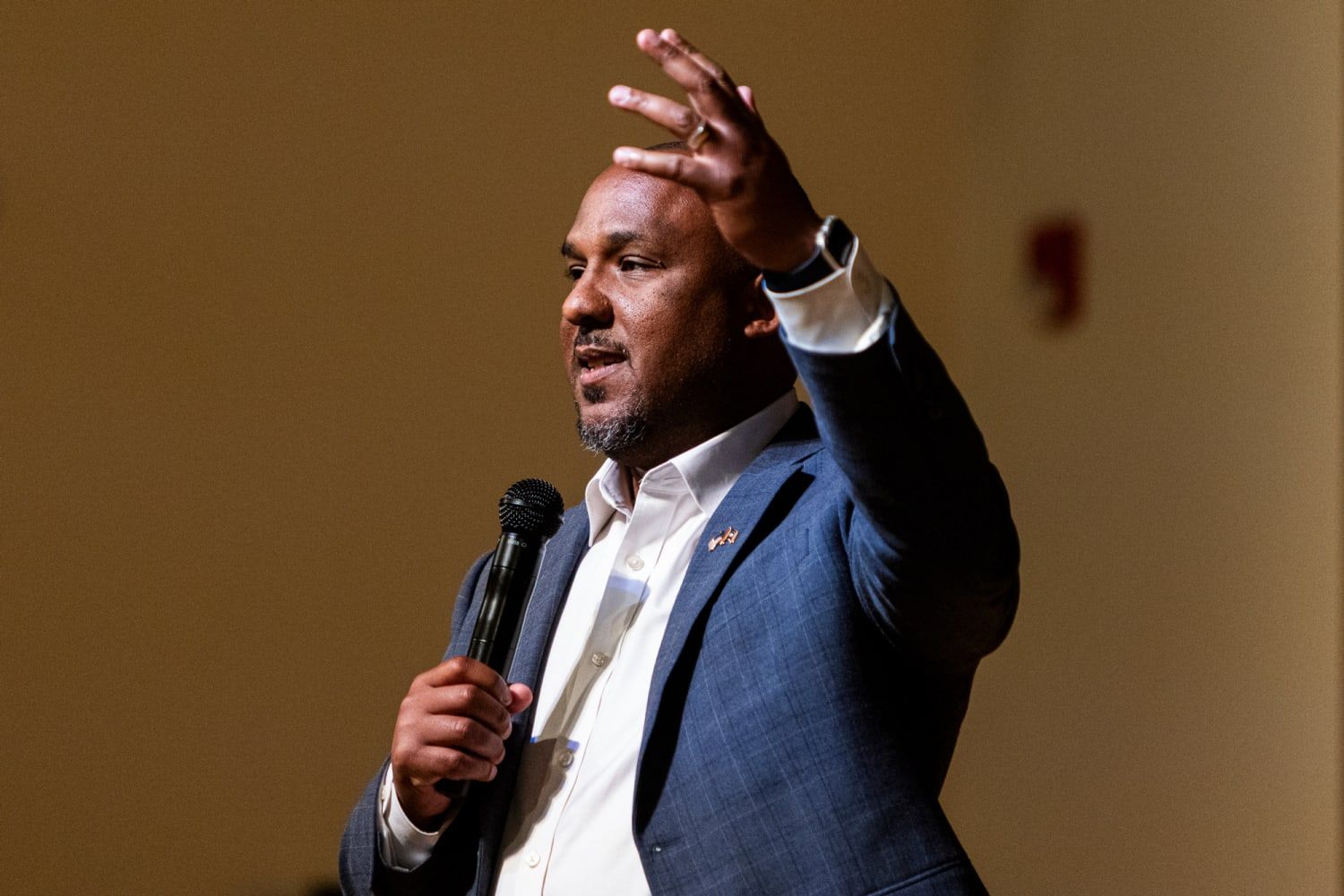
Ali Canales (NBC business reporter); Kevin Collier (NBC cybersecurity reporter); Rebecca Keegan (NBC senior Hollywood reporter). Hollywood segment: Depp returns in Paramount’s Ebenezer (Christmas Carol adaptation). Claims include market research showing audiences still want him (NRG: 7th most-desired actor). Notable example: director Mark Webb says he heard Depp was professional/gracious, despite past set-lateness allegations.
Written by AI. May contain mistakes.
Examining the recent inflation data and its implications for consumers.
“New numbers from the Bureau of Labor Statistics show that prices rose 0.4 percent in October.”
Discussing how rising diesel prices are affecting consumer goods.
“There's a few reasons why you mentioned, you know, the war on Iran has been paused.”
Analyzing the potential Fed rate hike in response to inflation data.
“Like if you're looking to buy a home and they increase interest rates by half a percentage point?”
Exploring market volatility and investor sentiment after elections.
“But to your point, it all has to do with uncertainty.”
Exploring market volatility and investor sentiment after elections.
“We've got a user, Teach Lins, who recently wrote that our insightful guests, maybe a guest like Allie Canal, made them feel more informed at the end of the day.”
Discussing the rise of AI-powered cyber attacks and their implications.
“Pro-Russian hacker groups actually carried out similar attacks on refrigeration systems across, I believe, right, 10 European countries.”
Explore how AI enhances cyberattacks and the implications for cybersecurity.
“Chinese state-linked hackers use AI to attack more than 200 global organizations in less than two weeks.”
A discussion on Johnny Depp's return to Hollywood and audience reactions.
“Johnny Depp used to be one of Hollywood's biggest stars, but major studios have stayed away from him in the years since the Depp v.”
Analyzing the promotion and expectations for Depp's new film, Ebenezer.
“Listen to all episodes of Before and After with Lester Holt now, wherever you get your podcasts.”

Get the gist, explore an idea or ask about something said.
 Claude
On Here's the Scoop, what are the key points of this episode?
Searching your listeningAutomatic transcript. May contain errors.
0:00Johnny Depp used to make$25 million up front plus a percentage of the back end. On this movie, he's making a fraction of that. So he's a deal right now for Hollywood. Hey, everybody, and welcome to Here's the Scoop from NBC News. I'm Yasmin Basugan. Today we're talking about a couple of things. Johnny Depp is out with a new movie. It's a Christmas movie. You may have seen advertisements for this movie. The question is, why is Hollywood welcoming Johnny Depp back in? We're going to get into all of that coming up with Rebecca Keegan, who's out in L.A. for us, along with a rise in cyber attacks powered by artificial intelligence, how artificial intelligence is actually changing the game and whether companies can keep up.
0:45Up first, though, we're talking about inflation, which is still a problem for consumers. New numbers from the Bureau of Labor Statistics show that prices rose 0.4 percent in October. That's slower than September, but still faster than economists were actually expecting. But there could be some light going forward. Gas prices have been dropping recently. So to tie all of this together, I want to bring in Ali Canale, NBC News business reporter, to talk more about this. Hi, Ali. Okay. Okay, so 0.4 % rise in inflation. How is that comparing to where we're seeing prices right now? Yeah, so 0.4 % rise.
1:19On the surface, you would think this is encouraging, right? This is actually the coolest increase that we've seen in about three months. But if you look under the surface, we still had some very sticky prices. Things like baby formula, for example, rising 5.1%. This is the largest increase that we've ever seen for something like baby formula. Same with toys, up another 1.8 % after rising 4.2 % in September. Food, very sticky category. We saw that last week with the midterm elections, a big crunch point when we talk about affordability. Grocery store prices are high. Dining out is high. Same thing with shelter.
1:53It's expensive to put a roof over your head. So even though we are seeing kind of a slower pace of price increases, we still have broad-based inflation. Now, one of the reasons that we're seeing this is due to rising diesel prices and energy costs. That is trickling through the supply chain. And if you think about diesel, it's like the workhorse of the U.S. economy. It powers our trucks, our ships, our trains, anything that transfers our goods, also the tractors that help produce our food. So when you see diesel prices rise like we have since the war with Iran began, that starts to make its way through to consumers.
2:27And that's why you're seeing some of these stickier pricing categories. So why is this data less complete? Because last year we had a government shutdown around this time. So there are no year-over-year numbers. And that's something that we have to kind of parse through. The Fed is going to have to parse through and really look beyond that. We only have the month-over-month comparison figures. There are some numbers floating out there on Wall Street trying to do some different calculations, estimates. There are some that have the year-over-year figure at 4%, which would be very significant. But again, that's just an estimate.
2:58We don't have those official BLS figures. Why would it be important to have those year-over-year numbers? Like, what does that provide? Yeah, it just provides us more context on how quickly prices are rising year over year. Remember, the Fed's target is year over year inflation of 2%. We've been above that number for quite some time now. Last month, I believe we were at 3.7%, right? So you want that number to get lower, because if you don't, the Fed is going to have a much harder time really reining in these price increases. So I mentioned the good news amidst all this is gas prices it seems now.
3:28Like a gallon of gas is under$4, right? The first time in a long time that we see numbers like that. That's likely because of the war in Iran being on pause during this period. Affordability was a huge issue at the midterm elections. If you compare kind of what's happening with gas prices, what's happening with inflation, what do these numbers indicate overall about the health of the economy? And do Democrats have an ability now to bring these prices down if that's the number one issue for American voters? Well, if you take a look at something like gas prices, like you said, they're now$3.97 a gallon, according to AAA.
4:06There's a few reasons why you mentioned, you know, the war on Iran has been paused. President Trump has really toned down his rhetoric when it comes to renewed attacks. But there's also a seasonality component to this, too. We're heading into the winter months. Demand starts to cool as the colder weather comes into play. So that's a factor. People are just traveling less. Exactly. Like they're not on the road as much. Exactly. So seasonally speaking, we tend to already see this decline in gas prices. But on top of that, you do have this, you know, easing of tensions and therefore oil prices are dropping and that filters through into gas.
4:35But at the end of the day, we still have this war that is happening. We still have the Strait of Hormuz that is mostly shut down. Democrats can pass certain measures, I guess, but not really end the war. So they're going to be hit with quite a few challenges once they do get into this new government here. So that is one concern when you talk about something like food prices, which was a big factor in the midterms. Like I mentioned, a lot of that has to do with diesel prices, you know, and diesel prices are still high by historic standards. So until you can really end this war, reopen the Strait of Hormuz, get those oil supplies back up and running, that's really the only thing that's going to solve this problem.
5:12So we got another Fed meeting next month. Yes. Right, in December. What are they going to do? Well, this pretty much cemented the fact that we're going to see a rate hike. Now I think the question— You mean these inflation numbers cemented the fact that we're going to see a rate hike? Yes, because they're still broad-paced across the board. They're higher than expected. You heard from several White House officials today that said this report was concerning or a disappointment. Yeah. And for that reason, because the labor market is so strong, the Fed has some wiggle room to hike interest rates.
5:40We heard from several Fed officials, too, saying that maybe we could not just see a 25-point hike. Maybe it's a half-point hike. Wow. Which I think that's the next question mark, whether we'll possibly see that in December, whether they'll stick with just a quarter point increase, or could we see something more? Where would that leave consumers? Like if you're looking to buy a home and they increase interest rates by half a percentage point? Yeah, I think it shows that consumers are in a tricky situation, right? I mean, the Fed hikes rates that immediately impacts things like your credit card bill, the loan you pay on your car.
6:14And it does have this filter through effect into things like mortgage rates, which are actually down right now from some of the highs that we saw last month. What the Fed is trying to do is rein in prices now so that inflation doesn't become entrenched because timing is really important here. If they wait to raise interest rates, it could be too late. And then you kind of have these runaway price increases. And that takes longer to correct. It takes longer to correct. And it leads to higher prices for a longer period of time. So that's really the mission of the Fed right now. So I want to talk quickly about the market while I have you, right?
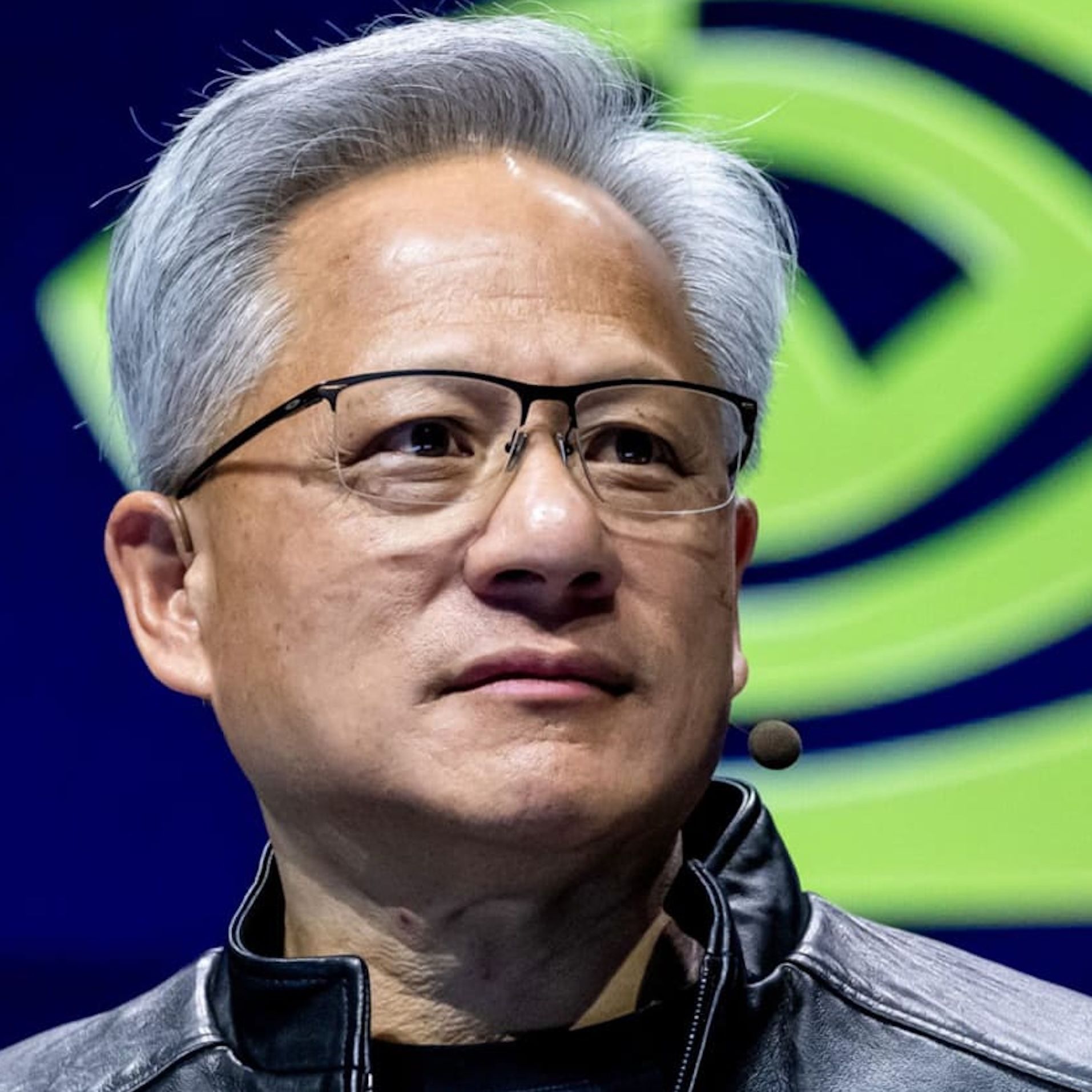
6:48Because after the midterm elections, like, the market was just, like, going up and down, taking these huge swings. Then there was, like, the impact on the markets as to, like, what would happen with the AI industry considering how voters felt about AI. And now you have this controversy surrounding Jensen Wong, right, the CEO of NVIDIA. Where do we stand right now as we're taking a look at markets? Like, should investors, in fact, be worried about what we're seeing? It's been a rollercoaster ride. We saw this big relief rally immediately post-election where stocks went up by a ton because there was this concern that maybe the president would not accept the results of this election.
7:22But because it was such a decisive victory, that eased a lot of fears over, OK, the unknown. We can kind of relax here. But then the reality started to creep in. Well, what does this mean for the future of the AI trade and data centers? If the Democrats really pull back and rein in AI spending, that could slow down the profits of many of these companies that have been powering the AI boom and therefore powering the overall stock market. So you saw this sell-off, then you saw kind of a comeback, and now we're seeing stocks down across the board today. I think from an investor perspective, you want to ride out these storms.
7:53I speak with several financial experts, and they tell me constantly, you cannot react to any one move in the market because markets in general overreact to everything in both directions. And since the start of the year, we're up almost 10 % in the markets right now. So you kind of have to weather this storm. And every year since the 1940s, following a midterm election, stocks end that year higher. Because of uncertainty in general. Exactly. So you want to try and stay in the market, not move money around, not panic when you see a lot of this volatility. But to your point, it all has to do with uncertainty.
8:31I think right now investors are grappling with the fact that there's still a lot we don't know. And that's a scary thing for markets. So you have to kind of wait and see how this all plays out. Allie Cannell, thank you. Thank you. All right. We're going to take a very quick break. And when we're back, we're going to go inside a wave of cybersecurity threats powered by artificial intelligence. And also, while you're listening to the ads, take a second to rate and review. Here's the scoop. We've got a user, Teach Lins, who recently wrote that our insightful guests, maybe a guest like Allie Canal, made them feel more informed at the end of the day.
9:03Thank you, Teach Lins. If you agree, hopefully you do, let us know by writing a review yourself. All right. I'll see you on the other side.
9:16Hi, I'm Kate Snow, NBC News anchor and host of the NBC News podcast, The Drink. This month, I'm having a non-alcoholic Guinness with filmmaker, actor, and writer Ed Burns. You know him from movies like Saving Private Ryan and 27 Dresses, but you will not believe what it took to get his first movie made, including tracking down legendary actor-director Robert Redford. Ed and I talk about how he built his career on his own terms and the staying power of independent filmmaking. And of course, I had to ask, what's the secret to his decades-long marriage to supermodel Christy Turlington? We talk about all of it.
9:51I hope you'll join us for the drink, listen, and follow wherever you get your podcasts. Let's face it. Modern work life is complicated. But good news, we're here for you. I'm Kayla Lopez. And I'm Kyle Heggie. And together, we've helped thousands of Morning Brew subscribers grow in their careers. And now, as the co-host of Per My Last Email, we're bringing that advice straight to you each week with hot takes and tactics on how to succeed in every area of work. Whether that's figuring out if you're being underpaid. Or how to stand out in a remote work environment. So join us each week on Per My Last Email on Spotify, Apple, YouTube, or wherever you get your podcasts.
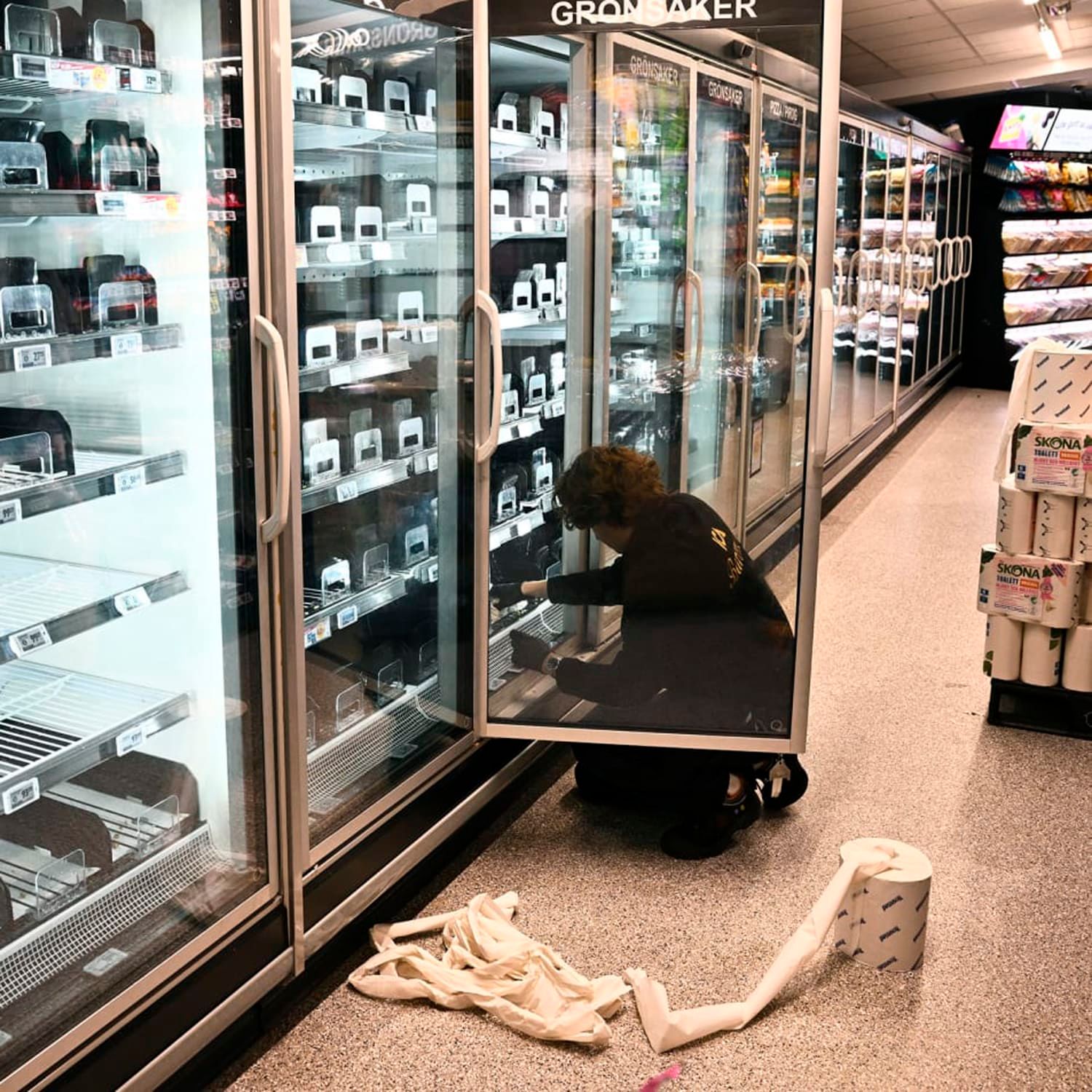
10:31And we're back with Here's the Scoop from NBC News. So there's been a dangerous rise of cyber attacks across the United States and Europe. And they are starting to impact everyday life. In the past month, hackers have hijacked hundreds of supermarket freezers across Europe, spoiling millions of dollars worth of food. And cyber attacks, largely helped, by the way, by artificial intelligence, have become so severe that U.S. cybersecurity firms are actually starting to turn away clients that are seeking emergency help. So what is behind these attacks and what can actually be done to stop them? Joining me now is Kevin Collier, an NBC News reporter covering cybersecurity, privacy, and technology policy.
11:12Hey, Kevin. Hi. Thanks for coming in. Thanks. Okay, I want to start with this recent slew of cyberattacks in Europe, right? French officials, they are accusing Iran's military of hijacking grocery store refrigerators, right? Pro-Russian hacker groups actually carried out similar attacks on refrigeration systems across, I believe, right, 10 European countries. What do we know about these most recent attacks in France? We know that France just yesterday made the attribution to Iran. There's a lot of speculation. Was that also Russia? Was that also some teen hacktivist? Was that some angry kids or whatever?
11:48Those kinds of attacks, they strongly mirror the campaign of attacks on water systems that Iran has attributed as the perpetrators over the summer. And then some scattered attacks before them. Those sort of attacks are maybe the most extreme version of low effort, high disruptive reward. If you are a hacker, not particularly afraid of a country coming down hard on you for retribution, and you want to make a mess, these are systems that are extremely simple that help control industrial systems. And like everyone wants to say, hey, why don't you just disconnect everything from the internet? And we could do that in theory.
12:27I don't think most people consider how much more that would cost to have humans monitor absolutely everything. Before we kind of get into the systems that are carrying out these attacks, what did the actual attack look like? What happened? Really simple. You tweak the thermometer, kind of controller. On these refrigeration systems. Yeah, yeah. You turn it off or you tell it to turn it off or you increase the temperature to a really high amount. and fridges go off or fridges just start warming things up and food spoils. And these refrigeration systems were attached to Wi-Fi? Yeah. Well, attached to internet systems.
13:05To internet systems, right? So that's why they were vulnerable to these attacks. Have refrigeration systems been attached to internet systems for a long time now? Yeah. Yeah. For probably decades at this point. You can think of it as, do you use like a smart thermometer at home? Yeah, of course. So there's a threshold there. So you might set it to, I want this to be 74 degrees, and there is a thermometer built in the computer system in your thermometer that says, okay, between 72 and 76. That's fine. And so it will kind of every 30 minutes or every 20 minutes, every 10 minutes, check that and then make an adjustment.
13:39But it's a very simple computer, and you increase the threshold to, say, 100 degrees instead. You leave the house, somebody does that to you, and your home is very unpleasant. So we have to say Iran's mission to the United Nations didn't return messages seeking comment, and Iran routinely denies carrying out malicious cyber operations. These hackers, though, increasingly use AI, right, to launch these types of attacks. I believe there was one in October. Chinese state-linked hackers use AI to attack more than 200 global organizations in less than two weeks. That's according to cybersecurity company CrowdStrike.
14:16How does AI make these attacks easier? So when you think about the kind of hacker that's behind this kind of campaign, there's largely two types. One, there is a person working in a foreign intelligence operation. They work for China or for Russia, and their job is to conduct espionage across Western companies, governments, think tanks, et cetera. The other is a professional cybercriminal who wants to make money by hacking companies. maybe they'll extort companies that they hack, say, hey, we'll release these sensitive files that we've got unless you pay us. These are both types of people that are professionals.
14:50They are, you can almost think of it as like a white collar or a laptop job. They clock in, they clock out, they try to make money by hacking people. They were able to, I'm just going to make up numbers here, but say you're able to hack five companies in a month with your team of 10 people. These AI tools just do everything so much faster and better. They're not doing anything, anything categorically different. They're not, it's just better and faster. And faster, yeah. Yeah, so they can do more. Instead of five in a month, they're doing 200 in a month. Wow. You know, there's cybersecurity firms out there that would normally fix situations in which companies, for instance, have been hacked, right?
15:22But this has become so prevalent, these kind of AI-powered attacks, that you have cybersecurity firms that are turning folks away that need help. Yeah. So this has been pretty strongly remembered for maybe six weeks, two months. And then all of a sudden, a lot of these companies just told us on the record. I was pretty surprised, to be honest, that they were all kind of willing to say, you know, give formal interviews saying like, yeah, this is really unfortunate. We don't really see an end in sight, but we are ourselves and as an industry routinely turning away new victims. And the people who have been hacked who don't have, you know, access to a cybersecurity firm, a top tier one, they have to go to a maybe a lesser known one or they have to try to fix it on their own or they just have to delete things and start over again.
16:04Is there a way for these systems to better protect themselves? You can use these AI tools on a defensive mindset as well. I mean, a lot of the tools— Have we learned how to do that? So the tool that was used in the Chinese campaign that you mentioned, which similarly, that same tool, allegedly, according to CrowdStrike, was used by a 20-something-year-old guy in China to hack multiple South Korean banks all on his own a couple months ago. Just a single guy. Single dude. Yeah. And what did he do when he hacked into these things? So he uses a system. The one in particular we're talking about is called Artex.
16:40It was created about six months ago. And the idea is you use this to hack your own website without doing any damage so that you can see what the holes, what the flaws are, how hackers are able to get in. And then you can patch them. You can fix them. And anyone can use this. This is a free tool. But what we're seeing instead is, I mean, maybe some defenders are using this. But what we're seeing much more prevalently is just hackers are using this to find holes in everybody else's websites and then exploiting them. We all have smart appliances in our house, right? You mentioned, for instance, a thermostat connected to the internet, refrigerators, different appliances, cars now, right?
17:17I mean, there's been movies made about this type of thing. Is there anything that people can do to protect themselves from a potential attack like this, considering how many devices are controlled and are vulnerable? I think the average person is probably not as big of a target. But you definitely, absolutely, any device that you give any kind of control in your home to change things, be really careful with it. What does that mean, be careful with it? Sorry. Okay. Pay attention to what permissions you're giving it. Okay. So a smart thermostat is one thing that can definitely change things. You know, a smart sensor maybe is not going to be as scary because, oh, no, they're going to not let you know when you have a leak under your sink.
18:04Yeah. Maybe that's not the end of the world. Yeah. Maybe somebody can open your garage or not. Sometimes if you get a sensor from a more reputable company, there's going to be some kind of built-in higher security standards. Okay. It's the cheap ones that you give kind of actual power over things in your house. that I would be more concerned about, yeah. That are more susceptible. Yeah. It's fascinating and kind of terrifying. Yeah. Kevin Collier, thank you. Thank you. All right, coming up. Johnny Depp used to be one of Hollywood's biggest stars, but major studios have stayed away from him in the years since the Depp v.
18:38Heard defamation trial. Well, now he is back with a new movie, but will audiences show up? That's next.
18:50This holiday, all plans, even unlimited, are just$15 a month. A holiday deal this good obviously deserves an enormously expensive holiday song, like All I Want. Right. Okay, we can afford that. You know what? Forget the music budget. We're going to stick with whatever's in the public domain. Give it a try at mintmobile.com slash switch. Upfront payment of$45 for three months,$90 for six months, or$180 for a 12-month plan required,$15 per month equivalent, taxes and fees extra. New customer offer for initial plan term only greater than 50 gigabytes may slow when network is busy. See terms. Over the years, I've met people whose lives were changed forever in a single moment.
19:26In my new podcast, Before and After, I explore what happens after that decisive moment. Personal, powerful conversations with Colin Kaepernick, Jeremy Renner, Gabby Giffords, and others. Join me wherever you get your podcasts. Listen to all episodes of Before and After with Lester Holt now, wherever you get your podcasts.
20:11being underpaid. Or how to stand out in a remote work environment. So join us each week on Per My Last Email on Spotify, Apple, YouTube, or wherever you get your podcasts.
20:23And we're back with Here's the Scoop from NBC News. So as for Paramount's new movie, Ebenezer, they've been everywhere for the past few weeks. It's based, of course, on A Christmas Carol. It comes out this Friday. It's also a huge comeback project for actor Johnny Depp. It's the first major studio release starring Depp since his very public 2022 defamation trial against his ex-wife, Amber Heard. And in the wake of that trial, Hollywood was somewhat reluctant, right, to bring Depp back into the fold. So what has changed now? And our audience is going to show up to see him. For this, I want to bring in NBC News senior Hollywood reporter, Rebecca Keegan.
21:02Hi, Rebecca. Hi, Asmyth. Okay, so you watched Ebenezer. You watched this film. It's coming out. They've been promoting it everywhere, literally. I mean, I've seen ads for Ebenezer everywhere in the lead up, of course, to the holidays. What is the buzz around this movie? And how are folks reacting to Johnny Depp's comeback? Well, this is Johnny Depp's first Hollywood studio movie since 2018. So he's been working over the past few years making independent films, films financed internationally. He's been touring with his band in Europe. But for sort of mainstream moviegoers in the U.S., this is really the first time seeing Depp on screen.
21:44One thing that was interesting to me when I started to see the promotion for this movie is I was curious why Paramount felt that it was the right time to bring Johnny Depp back in a family movie. And I found that there is actually pretty good market research to suggest that audiences see their relationship with Johnny Depp on screen was not particularly affected by the things that were happening in his off-screen life. a company called NRG, which movie studios hired to do analytics, asked moviegoers to list five actors who they'd be most interested in seeing in a movie. Depp came in seventh. He was between Margot Robbie at number six and Tom Hanks at number eight.
22:23Now, for someone who hasn't starred in a Hollywood movie since 2018 and who has been part of a sort of public scandal, that's really quite high. So this isn't the only film he has coming out. He's got another studio movie that's scheduled to come out next year. You actually spoke with the director of that film, Mark Webb. What did he tell you about the decision to include Johnny Depp and also about his experience working with him? Because some of, obviously, the gripes with Johnny Depp in the past have been he's been a very difficult individual person to work with, not bringing necessarily the best energy to set.
22:57When the Depp v. Heard trial was going on in Virginia, some of the testimony that we heard was from Depp's previous agent who testified about him being late to set, about him using an earpiece in order to remember lines. So Depp had sort of—Hollywood had soured on Depp not only because of the public allegations, but because of some of this behind-the-scenes sort of perception of his work ethic. When I interviewed Mark Webb, Depp's director on Daydrinker, he said that he called around to ask people who had worked with Depp about their experiences and that he heard largely positive things, largely that Cruz liked him, not always on time, they said, but that he was, you know, very professional, very gracious to, you know, other members of the cast and the crew.
23:48Penelope Cruz is also in Daydrinker. She had starred with Depp at least three previous times in films and wanted to work with him again. So other people on the film were sort of interested in bringing him back. How does his comeback compare to other kind of big Hollywood actors or big names that have been accused of abuse or misconduct? Well, one of the things that's interesting about this is we've seen people working in kind of smaller, independently financed, foreign-financed projects. Depp is really a unique example of someone coming back to a big Hollywood-financed family film. And I think a lot of people are going to be watching this, including other movie studios, namely Disney, which is the studio that takes the conduct of its actors most seriously.
24:42Disney is the Pirates of the Caribbean studio. And while I was reporting this story, I heard from multiple sources about a script that is in development that would bring Captain Jack Sparrow, Depp's character, sort of back to that franchise. You spoke to the founder of a website called Women in Hollywood. What did she make of Johnny Depp's comeback and acceptance back into Hollywood? Yeah, it was interesting. This is Melissa Silverstein, and she told me that she was not surprised that Hollywood was welcoming Depp back. She felt like, I think the exact words she used were big whoop. Right. She said, you know, he went and made some movies in Europe for a while, and that's his, you know, punishment.
25:29Amber Heard, meanwhile, who's also an actor, is not getting the call to star in a big franchise movie or a potential franchise movie. Depp had also maintained his endorsement campaign with Dior through this whole time, Heard is not getting those kinds of offers. How much does his comeback depend on the reviews for Ebenezer and how successful it is? I think one of the things that was interesting to me is that Ebenezer is being made very thriftily. It's a$38 million budget. Now, Johnny Depp used to make$25 million up front plus a percentage of the back end. On this movie, he's making a fraction of that.
26:07So he's a deal right now for Hollywood. This movie doesn't have to make huge amounts of money for it to have been a smart business play by Paramount. So studios are going to be looking at that and seeing, hey, if you cast Johnny Depp, you can get a pretty big audience to come out and see him. And he doesn't cost what he used to cost. For now. For now. I mean, he's 63 years old, so he is sort of out of the leading man window in a lot of ways. He's going to be playing character roles. It would surprise me if he ever got back to the$25 million up front. He's changed and the industry has changed since he was making that kind of money.
26:45It's shocking that John Depp is 63 years old, by the way. He's still the 21-year-old guy on 21 Jump Street. 21 Jump Street. Exactly. Rebecca Keegan, thank you. Thank you. All right. That is going to do it for us at Here's the Scoop from NBC News. I'm Yasmin Basugin. We'll be back tomorrow with whatever the day may bring. And if you like what you heard, subscribe. Revogate your podcasts. And you can also subscribe to our daily newsletter, The Inside Scoop. It's a deeper dive on the main stories of the day that comes out every weeknight straight to your inbox. You can sign up for The Inside Scoop as part of our paid subscription at NBCnews.com.
27:23We'll see you tomorrow.
27:373 o 'clock, kids are home. Your to-do list isn't done. New Kraft Mac & Cheese Power Mac was made for days like this. Kraft Mac & Cheese Power Mac packs the same irresistible creamy, cheesy flavor you love, now with 17 grams of protein and 6 grams of fiber. Fuels you up, keeps you going. Because your day doesn't stop. Kraft Mac & Cheese Power Mac. Find it at your favorite retailer. The best thing ever keeps getting better.
Today’s inflation report shows prices rising more than economists expected. NBC News business reporter Allie Canal explains what’s keeping costs high, how the inflation numbers could shape the Fed’s next interest rate decision, and why markets are paying close attention.
Then, there’s been a surge of cyberattacks across the U.S. and Europe, including hacks on grocery store fridges, driven largely by AI-aided attacks. U.S. cybersecurity firms are warning they’re overwhelmed with customers. NBC News reporter Kevin Collier explains how hackers are using AI to increase their payload and what security measures we can take.
Plus, Paramount’s “Ebenezer” is in theaters on Friday – and it’s Johnny Depp’s first Hollywood studio movie since the 2022 Depp v. Heard defamation trial. NBC News senior Hollywood reporter Rebecca Keegan explains why the industry decided to take another chance on Depp and whether audiences will still show up to support the star.
Hosted by Simplecast, an AdsWizz company. See pcm.adswizz.com for information about our collection and use of personal data for advertising.