Ask ChatGPT


 Here's the Scoop
4 Sep 2026 · 21m · 4 chapters
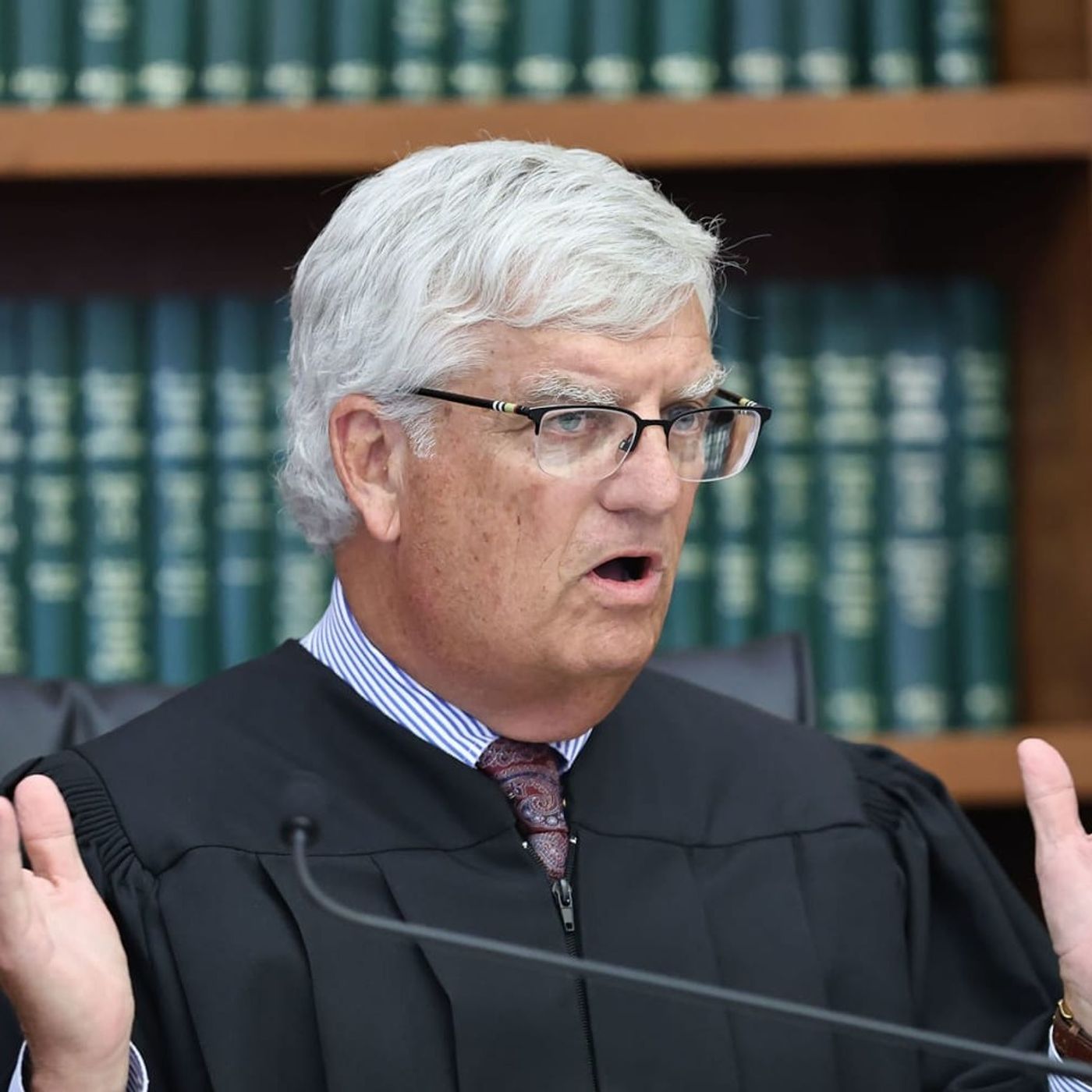
The episode covers two NBC News segments. First, a legal update: the judge declared a mistrial in the Massachusetts murder trial of Lindsay Clancy, who killed her three children (Cora, Dawson, Callan). The jury deadlocked after seven days and three deadlock notes; the dispute centered on whether Clancy should be convicted of murder, manslaughter, or found not criminally responsible due to postpartum psychosis. NBC legal analyst Misty Maris explains the judge’s repeated reinstructions, the defense’s push for further inquiry into an 11-1 holdout juror, and the defense’s appeal efforts (denied). A retrial is possible; there’s no automatic acquittal after repeated mistrials.
Second, Caitlin Moscatello (New York Magazine) discusses how private equity and “pay-to-play” youth sports have reshaped kids’ athletics into a $40B industry, driving year-round competition, overuse injuries (e.g., early ACL surgeries), anxiety/burnout, and higher costs that can push lower-income families out. She cites Minnesota Ice Hockey, a nonprofit with ~250 public rinks and $200–$400 average costs, producing more Division I players than any other state.
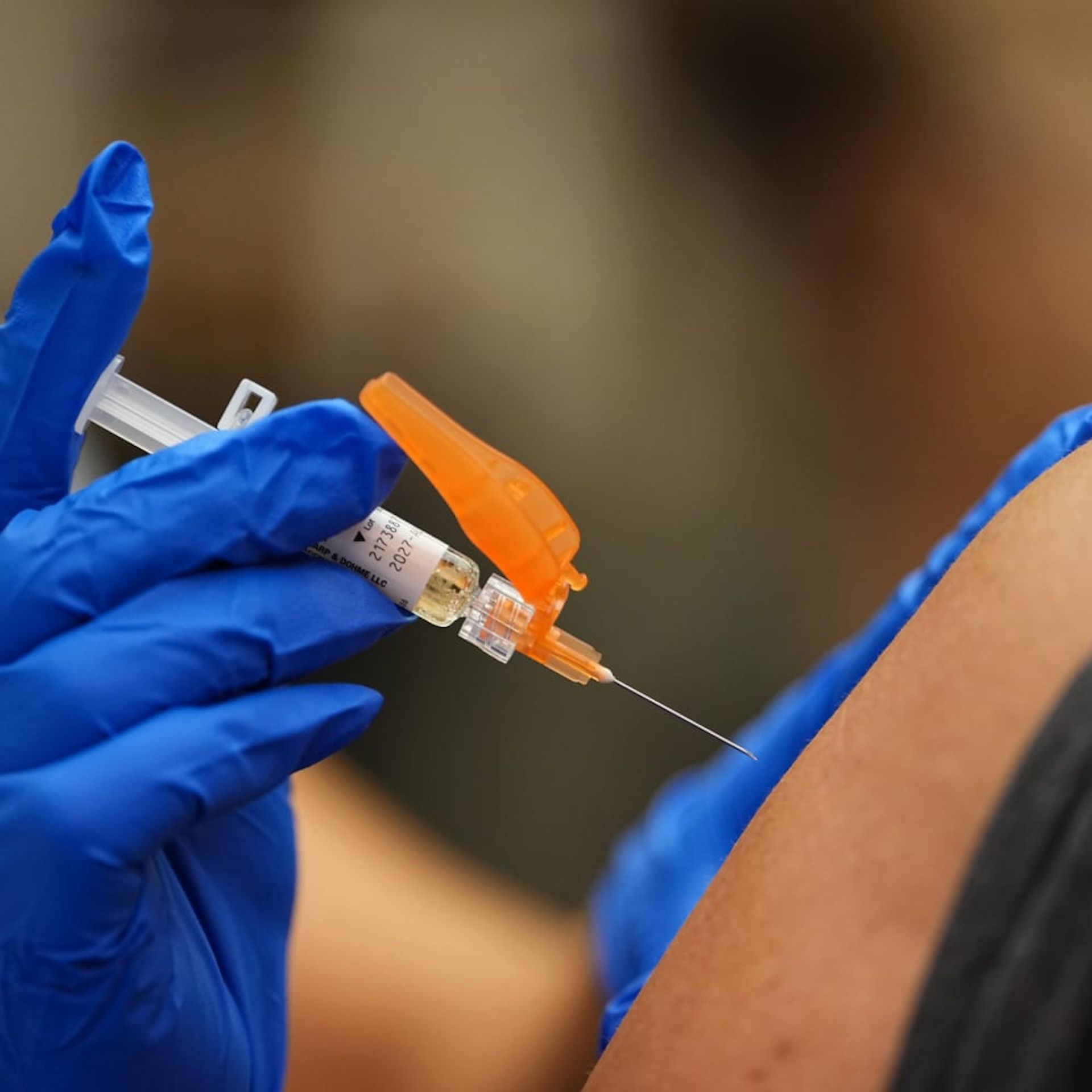
Finally, NYU Langone geneticist Lynn Petakova reports a study suggesting GLP-1 receptor agonists (e.g., Ozempic/Zepbound) may accelerate or trigger male pattern baldness in a genetically susceptible subset, while some men experience only temporary shedding. She recommends proactive dermatology evaluation rather than stopping GLP-1s.
Written by AI. May contain mistakes.
An in-depth analysis of the mistrial in the Lindsay Clancy case and its implications.
“after the jury delivered their third deadlock note to the judge following seven days of deliberations.”
Exploring the transformation of youth sports through private equity and its effects on families and children.
“Here's a scoop from NBC News is back, and we're talking about youth sport.”
Learn about a nonprofit in Minnesota that makes ice hockey accessible for all kids.
“Your article, which is terrific, by the way, also spent some time focusing on some of the pushback, some of the organizations that are pushing back.”
Discussion with Lynn Petakova about the link between weight loss drugs and hair loss.
“And we're back with Here's the Scoop from NBC News.”

Get the gist, explore an idea or ask about something said.
 Claude
On Here's the Scoop, what are the key points of this episode?
Searching your listeningAutomatic transcript. May contain errors.
0:00Caitlin Moscatello: There was a patient who came in insisting that he had male pattern hair loss. He insisted that it was getting worse from the drugs. Hey everybody and welcome to Here's the Scoop from NBC News. I'm Stephanie Goss in for Yasmin Vesugian. Today on the show, could weight loss drugs speed up hair loss in men? We're talking to the lead researcher on a new study that examines potential links between GLP-1s and male pattern baldness. Plus, private equity has come for youth sports. We'll take a look at how the pay-to-play model has completely reshaped kids' athletics with dramatic impacts for young players and huge price tags for parents.
0:40Caitlin Moscatello: But first, the judge has declared a mistrial in the murder trial of Lindsey Clancy today after the jury delivered their third deadlock note to the judge following seven days of deliberations. And the question is, it is with a heavy heart that we report we are unable to come to a unanimous decision and will not be able to. They could not agree whether Lindsay Clancy, a Massachusetts mom who killed her three young kids, Cora, Dawson and Callan, should be convicted of murder, manslaughter or not be held criminally responsible because she was experiencing postpartum psychosis. In a last-minute move, the defense pushed back against the mistrial, bringing the case to a higher court for an appeal.
1:23Caitlin Moscatello: That was quickly denied. So here to explain all the twists and turns of this case and what comes next is NBC News legal analyst Misty Maris. Misty, so good to see you. What an unbelievable day. There was a point today when it felt like this was the trial that was never going to end. What happened?
1:40Misty Marris: It was a really long road to the inevitable mistrial. So there had been an issue yesterday with a note from the foreperson on the jury who said, we have one juror who is not following the law and the judge's instructions. Now, the judge took some curative action, brought every juror up. They took an oath, said they could follow the law, reinstructed them on reasonable doubt, which was the crux of the issue. This juror can't follow the law on reasonable doubt. But the defense wanted more. So when we stepped into court today, the judge brought the jury back in again, did kind of the same thing with the jury en masse, but the defense didn't want the judge to bring in the jury and say, hey, here's the instruction.
2:23Misty Marris: Can you follow it? He wanted the judge to pull that one juror, that one holdout that now we know from arguments, Steph. This was 11-1. That's what came out in the arguments. It was 11 to acquit and one holdout. And so Kevin Reddington, the defense attorney, wanted the judge to do a voir dire of that one juror.
2:44Caitlin Moscatello: In other words, ask this juror what's going on here.
2:48Misty Marris: Right. And get into the crux of the issue, which is, is this a juror who is saying, I don't care about reasonable doubt. I'm going to do what I'm going to do. I'm not following the law. Even if there is reasonable doubt, it doesn't matter to me. Or is it a disagreement on whether or not reasonable doubt is established, which is the purpose of the jury, right? to make an independent determination based on the law and evidence presented. But the judge declined to do that and said, I did enough by instructing the jury again. We don't need to go one-on-one with this juror. And, you know, there's a reason for that because judges are hesitant to really dig into what's going on back in that deliberation room.
3:25Misty Marris: It's supposed to be private for the purposes of everybody and every juror in that room is able to have candor and openness and deliberation. So judge declined to do it. Defense attorney Kevin Reddington, not happy about that. So jury goes back to deliberate. We get a note. The note says we are deadlocked. We cannot come to an agreement. We cannot come to unanimous decision. And this is when the arguments came. And this was like the long and winding road to mistrial, right? Because the arguments came about whether or not mistrial should happen at that moment. Now, defense said, read that instruction, that dynamite charge again, Tui Rodriguez.
4:05Misty Marris: Judge said, no, I already read it once. And that's it. I sent the jury back two times now. That's all I can do under Massachusetts law. I'm going to call a mistrial. And Steph, I can't even tell you, he was about to call the jury back in. It was bailiff, go get the jury. And Kevin Reddington stood up and said, not so fast. I actually want to take this issue to the highest court in Massachusetts.
4:26Caitlin Moscatello: And the Supreme Court comes in. This justice comes in. they have this Zoom conference. And about an hour later, they're all back in court again in Plymouth. And the judge says mistrial. So it was a long and winding way to get to this mistrial. Right. And now is there going to be another trial? I mean, is that what we're looking at here?
4:49Misty Marris: Yeah. So we get to mistrial. And by the way, even after that Supreme Court Massachusetts weighed in and it was denied and the judge said mistrial, Kevin Reddington made another application said, well, it's actually violating the federal law and also moved for a motion to basically have the judge give a verdict saying the prosecution didn't fulfill its burden beyond reasonable doubt never happens. But he put that on the record. And then, Steph, he said, let's have this trial in two weeks. Right. OK, so they start talking about that, but not so fast. When that happened in the courtroom, the judge said, OK, we're going to talk about what the schedule will We'll have a status hearing, figure out when to get this on the calendar.
5:27Misty Marris: That is kind of the cart before the horse because we need the district attorney, Tim Cruz. He's the district attorney in Plymouth, Massachusetts. He is the one who's ultimately going to make the call about whether or not there's a retrial and if there is a retrial, what that looks like. And he came out and he said, I haven't decided yet.
5:46Caitlin Moscatello: So let's say that it's retried and you have, well, you could have, obviously you could have a whole host of options. But what if there's another mistrial? Is that it then?
5:58Misty Marris: There is no limit. Because remember, she's charged with first-degree murder. There's no statute of limitations that you're running up against. There's nothing that stops the district attorney from bringing it even a third time, other than that being a very, very unpopular decision and the types of things like judicial economy and resources. But I think there's a - And then has it become an acquittal?
6:17Caitlin Moscatello: Like, what happens then?
6:18Misty Marris: There's no mechanism where it becomes an acquittal if it's mistrial, mistrial, mistrial. At some point, they either say we're not going to take this case, which I think is the most unlikely scenario. Oh, Lindsay Clancy, you go free. No, they're not going to—DA's not going to just let this case go and say we're going to withdraw it and not bring it. But could you see something? And I'm even saying in between this trial and the next, forget a mistrial that may happen the second time. Do you see a movement where the district attorney does try and work with the defense to plead to something? to plead to something that everybody can live with, to save perhaps the families.
6:56Misty Marris: We don't know their position on going through trial two. I can only imagine how difficult trial one was. So will the families say to the district attorney, we don't want to do this again? Please, please, please try and do something?
7:08Caitlin Moscatello: You certainly could imagine a scenario like that. I mean, bottom line, we got to miss trial today, but this is far, far from over. Well, Missy Maris, thank you so much for breaking it all down for us. I'm sure we'll be talking about this again very soon. Thank you. All right. We're going to take a very quick break when we're back. How the paid-to-play model is changing youth sports leagues. That's next. And hey, while you wait, I bet you're already texting your friends about Labor Day weekend plans. Why don't you send them a link to this episode? That way you'll have something to chat about at your barbecue.
7:43Caitlin Moscatello: And you'll be doing us a favor. Back in a moment.
7:49Caitlin Moscatello: From kickoff to the final whistle, trade the biggest moments in football with Kalshi, America's number one prediction market platform. Next Sunday, Pittsburgh takes on Burrow and the Bengals. Pittsburgh is currently trading at 42 % to win. A$100 trade pays out over$227 if they come out on top. Download Kalshi. Use code FAL to get$25 when you trade$25. K-A-L-S-H-I. Calci trade was next 18 plus only restrictions and eligibility requirements apply. Event contract trading involves risk and may not be suitable for all investors. Calci products are not available in all jurisdictions. Prices, values, and available markets may differ from those mentioned.
8:30Caitlin Moscatello: For more information, see calci.com slash regulatory.
8:37Caitlin Moscatello: Big news. Wayfair's Black Friday sale is here early right now at Wayfair. Get up to 70 % off everything you need for the season ahead. Save on kitchen and dining, bedroom furniture and mattresses, holiday decor, and way more. Now is the time to score big, from seasonal finds to favorites you'll use all year long. Plus, with Wayfair, enjoy fast and easy shipping with delivery and time for the holidays. Save up to 70 % off early Black Friday deals. Shop now at Wayfair.com. Wayfair, every style, every home.
9:11Caitlin Moscatello: Here's a scoop from NBC News is back, and we're talking about youth sport. If you don't have kids, you might remember youth sports as this idyllic time. I'm talking about Little League, playing kids from the town next door, orange slices at halftime. But fast forward to today, and the youth sports industry, with the help of Private Capital, is now a$40 billion business. Last year, it brought in twice as much revenue as the NFL. So how did we get here, and what does this mean for families and young athletes? I'm going to bring in Caitlin Moscatello. She's a contributing writer at New York Magazine, and she has a new feature out on the pay-to-play model.
9:50Caitlin Moscatello: Hi, Caitlin. Hi, thanks for having me. Can you describe for me what it's like to play sports right now in the U.S. for kids? Yeah, well, sports have been sort of taken over by private capital. During the pandemic, we saw rec programs. Budgets were cut, parks were closed, leagues were closed. And the private sector, these private travel teams, they were able to get up and running much quicker. And so you've seen a lot of growth in this private youth, I hate to say youth sports industry, but that's essentially, that's what it's become. So private equity firms are coming in here and saying, hey, this is fantastic investment.
10:31Caitlin Moscatello: Are they making a lot of money off of it? And how are they making a lot of money off of it? They are making a lot of money off of it. And parents have proven to be really reliable consumers. So what are parents willing to spend money on? Well, you know, they're kids. And I think parents know that sports are good and sports are good. So kids who play sports have higher levels of academic achievement, better long-term health outcomes, higher levels of self-esteem, all this really good stuff. But what's happened is that we've taken something really good and sort of turned it inside out. And the way youth sports are now, they could really cause or potentially cause real harm.
11:09Caitlin Moscatello: The money that's coming in has created this commercialized, sort of faux professionalized feel. The stakes are artificially high. Young kids, we're talking first grade, second grade, even kindergarten, are trying out for these teams. They're being pushed into these hyper competitive environments that are also really trying to incentivize parents to play one sport year round. Let's talk about the impact on kids and their families. First, let's start with kids. What is the physical and mental health impact on kids who are playing a sport this intensely all year round? Yeah, so the physical, really what doctors are seeing is overuse injuries.
11:56Caitlin Moscatello: There's only so many innings. A young arm can pitch or so many games. You know, they're doing the same motion over and over again. And especially, so now kids are starting younger. So say a child starts when they're six or seven years old, and then they're playing year round, one sport year round. So they're doing that same motion for 10 to 12 months out of the year. You know, that can cause real harm, particularly by the time that child, maybe even by 10, 11, 12. I interviewed two young athletes for the piece who were on their second ACL surgeries. One of them hadn't even started high school yet.
12:32Caitlin Moscatello: Then there's the psychological, potential psychological harm. And so what does that look like? That can be burnout. That can be anxiety, stress. I talked to an athlete who had her first anxiety attack on the soccer field when she was nine years old. Oh, my God. And then there's the, for the families, the outlay of money and time, right? Yes. So something that I was interested in when I was going into the reporting was, is this just another way that wealthy families are optimizing their kids? And there certainly are families with means who are a big part of this system. But there's also a lot of families who are, you know, really financially stretching to make this happen for their kids.
13:17Caitlin Moscatello: Like going into debt? Going into debt or taking on side jobs. I spoke with one woman who is a single mom. she was pet sitting on the side because her son's ice hockey costs$25 ,000 a year. I came across, I mean, their GoFundMe is, you know, full of fundraisers for six, seven, eight-year-olds to play in private soccer, baseball, you know, fill-in-the-blank hockey leagues. And what's that's happening then is that kids from lower income homes are actually less likely to play sports now than they were years ago. So this problem, the inequity is being exacerbated by all the money coming into sports and the increase in prices.
13:57Caitlin Moscatello: And then the families who can pay, they're the ones whose children get to play. Your article, which is terrific, by the way, also spent some time focusing on some of the pushback, some of the organizations that are pushing back. And I particularly liked the part where you talked about ice hockey in Minnesota and the organization there. Tell me a little bit about that. And are we seeing that start to pop up in other places? Yeah, I was looking for models of who's doing this differently or what's a pathway forward that maybe other communities could look at. And I came across Minnesota Ice Hockey.
14:34Caitlin Moscatello: So it's a nonprofit statewide organization. And the core of it is about 250 public rinks. So they're really accessible. The average cost for families is$200 to$400. So there's actually 60 ,000 young athletes playing in the program. The kids who really excel at a certain point, they have the opportunity to play at a really competitive level, but it's available, accessible for everyone. And the results of that are actually really interesting. So Minnesota produces more Division I men's and women's ice hockey players than any other state in the country. Because more kids can play. Exactly. So it's more of a meritocracy, right?
15:19Caitlin Moscatello: It's a bit more everyone's allowed to play. You make sports accessible. And there's kids who do it and they're just having fun. And that has value too. I think that's something that has been lost a little bit in this intensive parenting culture that we're in, that the fun has a lot of value. And so those kids get to play. And then, yes, there's opportunity for the kids to do sort of rise to the top and are quite talented, competitive and all that. and their families are not spending, you know,$25 ,000 a year to play. Caitlin, thank you so much for sharing your insight and for that article. And it's obviously a conversation that's happening in a lot of places right now.
15:58Caitlin Moscatello: So I appreciate it. Thank you so much. Coming up, could weight loss drugs like Ozempic and ZepBound make some men lose their hair faster? We'll talk to the researcher behind a new study looking into that question next.
16:17Caitlin Moscatello: From kickoff to the final whistle, trade the biggest moments in football with Kalshi, America's number one prediction market platform. Next Sunday, Pittsburgh takes on Burrow and the Bengals. Pittsburgh is currently trading at 42 % to win. A$100 trade pays out over$227 if they come out on top. Download Kalshi. Use code FAL to get$25 when you trade$25. K-A-L-S-H-I. Calci. Trade was next. 18 plus only. Restrictions and eligibility requirements apply. Event contract trading involves risk and may not be suitable for all investors. Calci products are not available in all jurisdictions. Prices, values, and available markets may differ from those mentioned.
16:57Caitlin Moscatello: For more information, see calci.com slash regulatory.
17:04Caitlin Moscatello: Big news! Wayfair's Black Friday sale is here. Early. Right now at Wayfair, get up to 70 % off everything you need for the season ahead. Save on kitchen and dining, bedroom furniture and mattresses, holiday decor, and way more. Now is the time to score big, from seasonal finds to favorites you'll use all year long. Plus, with Wayfair, enjoy fast and easy shipping with delivery and time for the holidays. Save up to 70 % off early Black Friday deals. Shop now at Wayfair.com. Wayfair, every style, every home. High Five Casino is the top choice for social casino gaming that's free to play. With chances to win and redeem for real cash prizes, free spend rewards, and tons of exclusive games, you can experience more high-five moments than ever before.
17:46Caitlin Moscatello: You're going to want to high-five everyone. The neighbors, the mailman, all your coworkers, of course your friends. Well, you get the point. Your high-five moment awaits at High5Casino.com. No purchase necessary. Voidware prohibited by law. Must be 21 years or older. Terms and conditions apply.
18:04Caitlin Moscatello: And we're back with Here's the Scoop from NBC News. As a growing number of Americans take drugs for weight loss, we're starting to learn more about possible side effects. A study out this week from NYU Langone Health found that GLP-1s may lead some men to lose their hair faster. So how big of a concern is this potential side effect? And are there ways for men to ward off hair loss while still taking weight loss drugs? For more on this, I want to bring in Lynn Petakova. She's an assistant professor at the NYU Grossman School of Medicine and was the senior investigator on this study. Hi, Lynn. Congratulations on the study.
18:39Caitlin Moscatello: Thanks for joining us. Thank you. And thank you for having me. So it was that we were starting to hear some stories, some anecdotal stories about men losing their hair, people losing their hair on these drugs. And it was thought that maybe it was tied to stress involved with losing all the weight. but you found something very different here in your research. What did you find? Yeah, so we decided to take a look at androgenetic alopecia or male patterned hair loss, primarily because there was a patient who came in insisting that he had male patterned hair loss. He insisted that it was getting worse from the drugs, but his doctors kept saying, no, no, no, it's just temporary shedding.
19:19Caitlin Moscatello: But in this case, he was insisting that it was something more than that. As a geneticist, I knew that there was a genetic study that we could conduct pretty easily to ask that very specific question, is male pattern hair loss triggered by these GLP-1R receptor agonist drugs? You said it might be temporary. Is this, it's not temporary, is it? Yeah. So we think what's going on is there's two separate things going on in the population. So for some people, it is just a temporary shedding and it'll regrow. But for a small population of men who we think have genetic susceptibility to male pattern hair loss, that exposure to these drugs is actually unveiling or uncovering that susceptibility and either accelerating their male pattern hair loss or triggering it to start.
20:08Caitlin Moscatello: You know, there are so many people on these drugs, men and women. How should we take this study and what can we extrapolate from it? Yeah, so there's two important things to understand about this study. One, we only tested male pattern hair loss, not because we think it's only relevant to men, but because that was the only data available to us. There has never been a genetic study of female pattern hair loss. And so we didn't have access to genetic data to conduct the study for women. So that's the first thing. We don't know. It may or may not be applicable to women. The second thing to understand, I think it's important to share this information because there is something that people can do about it if they have a family history of patterned hair loss.
20:54Caitlin Moscatello: If they know that they've started to lose hair in those very characteristic patterns and they're concerned about it, they can make an appointment with a dermatologist. Dermatologists can very easily tell the difference between temporary shedding and patterned hair loss. And so if there's a concern, you can go see a dermatologist. They can monitor it, but they can also develop treatment plans with you and speak about options for maybe mitigating it so that there isn't a need to go off of these drugs, there are other options for it. You just said something interesting. You said that there is no available genetic information about women and balding.
21:31Caitlin Moscatello: Is this just another part of human biology with women that has not been studied? I mean, they seem to be stacking up. Yeah, yeah. And it's actually, it's been a pet peeve of mine for a while because I always thought, So male pattern hair loss is one of the best studied traits or diseases of like all the genetic studies. The largest study included 250 ,000 men that they collected data about, and it generated this incredible knowledge about male pattern hair loss. I always thought there was never a study of female pattern hair loss because maybe it wasn't as prevalent. And it turns out that it is just as prevalent, but nobody has collected the data to do the genetic study.
22:15Caitlin Moscatello: So that is one thing that our lab is trying to change, thinking about ways that we could start fixing that. So looking at the men now who now have this research, if you are a man and you know that you are genetically going to lose your hair, how should you approach a GLP-1? Because for a lot of people, GLP-1 is not just I want to look good in the summer in my bathing suit. It is really important for their health, for diabetes, for weight loss. Yeah, there's a lot of really positive, beneficial outcomes associated with these new drugs, not just for the diabetes and obesity, which are very important, but I feel like every day there's a new study showing that it's helping some other health issue, right?
23:01Caitlin Moscatello: I think now there are large clinical trials looking at substance use and showing very positive outcomes there. So I think the most important take-home message is this is not a reason to not consider those drugs or to stop those drugs. It's a reason to just be a little bit more proactive about your concerns in terms of engaging a dermatologist. Lynn Petakova, thank you so much for your time today. We really appreciate it. Thank you. That's going to do it for us at Here's the Scoop from NBC News. I'm Stephanie Goss, filling in for Yasmin Vesugian. We'll be back on Monday with Whatever the Day May Bring.
23:34Caitlin Moscatello: If you like what you heard, subscribe wherever you get your podcasts. And you can also subscribe to our daily newsletter, The Inside Scoop. It's a deeper dive on the main stories of the day that comes out every weeknight straight to your inbox. You can sign up for the inside scoop as part of our paid subscription at NBCNews.com.
24:02Caitlin Moscatello: It's the holiday season at House of Burrell, which means that it's the perfect moment to review some key rules. Rule number five, more style means more celebration. Number four, buy gifts, but remember to treat yourself too. Number three, there is no dress code, but always leave them talking. Number two, show off different outfits. No party remains unattended. And rule number one, have it all without spending it all. Happy holidays from House of Burl, Burlington.
The judge in the Lindsay Clancy murder case declared a mistrial today after the jury sent a third note to the court saying it was deadlocked. Clancy’s defense team tried to appeal to a higher court, but was almost immediately denied. What kept the jury from reaching a unanimous verdict? And what comes next for Lindsay Clancy? NBC News Legal Analyst Misty Marris explains. Then, we take a look at how private capital transformed youth sports into a $40 billion industry. New York Magazine contributing writer Caitlin Moscatello breaks down how the new playing field is impacting kids’ mental and physical health. Finally, we speak with the senior investigator on a new NYU Langone Health study which found that weight loss drugs like Ozempic and Zepbound may cause some men to lose their hair faster.
Hosted by Simplecast, an AdsWizz company. See pcm.adswizz.com for information about our collection and use of personal data for advertising.