Ask ChatGPT

 Here's the Scoop
13 Oct 2026 · 26m · 16 chapters
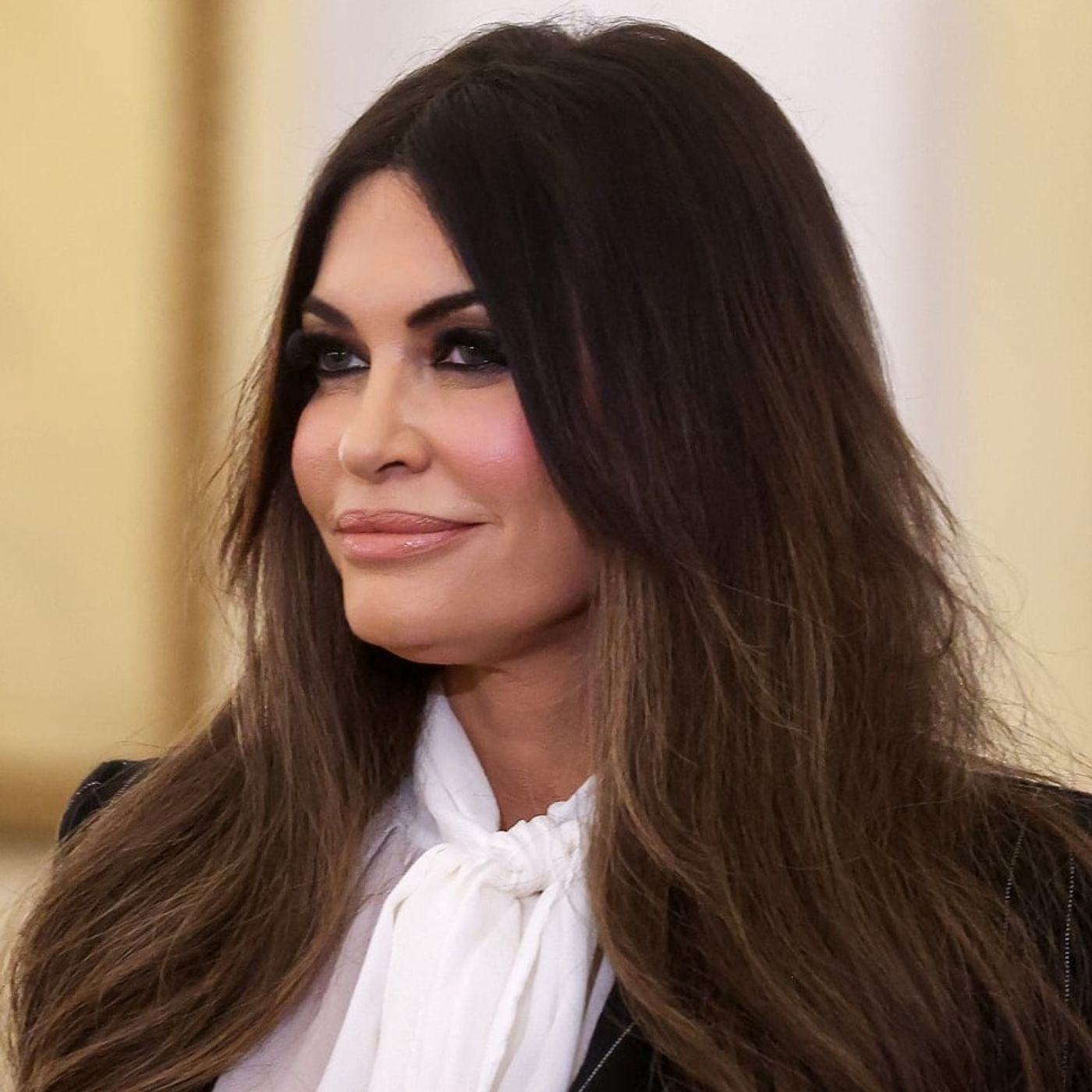
The episode covers (1) the resignation of U.S. ambassador to Greece Kimberly Guilfoyle amid allegations of improper access-for-money, (2) a “perfect storm” worsening hunger in West Virginia as food banks face higher demand and fewer resources, and (3) Christy Turlington Burns promoting maternal health to reduce preventable maternal mortality.
Garrett Haake, NBC News chief White House correspondent; Shannon Pettypiece, NBC News senior policy reporter who reported from rural West Virginia food pantries; Christy Turlington Burns, supermodel and founder of Every Mother Counts.
Guilfoyle was asked to resign after State Department Inspector General investigation; food banks report record demand, inflation-driven costs, and reduced USDA food/funding; maternal deaths are largely preventable, with 60% occurring after birth.
A donor alleged Guilfoyle sought $100,000 to pay an American Express bill; West Virginia seniors/disabled residents (e.g., a 73-year-old losing weight) rely on pantries; Every Mother Counts’ campaign “Mother of All Issues” and documentary “Perilous Passage” highlight barriers like restrictive state laws and postpartum care gaps.
Written by AI. May contain mistakes.
Exploration of the push for higher fertility rates amidst existing family care issues.
“We also have this, like, push around having more children and, you know, increasing our fertility rate in the country when we're not caring for the families, babies, moms that we already have.”
Discussion on the Mother of All Issues campaign focusing on women's health and maternal mortality.
“We're also digging into the affordability crisis in this country, more specifically food banks in West Virginia that are struggling with federal cuts and increased needs.”
Details surrounding the announcement of Kimberly Guilfoyle's resignation by the new White House press secretary.
“In her inaugural press briefing, the new White House press secretary, Katie Zachariah, said the administration was calling on the U.S.”
Exploration of the allegations against Guilfoyle and the context of her resignation.
“So joining me now to talk about all of this is NBC News Chief White House Correspondent Garrett Haake from the airport.”
Discussion of Guilfoyle's connections to Trump donors and the implications of her actions.
“She could talk to that IG under oath and try to clear her name if she wants to.”
Speculation on Guilfoyle's future roles within the Trump administration and her standing in the MAGA community.
“I mean, what Guildfoyle seems to want from these text messages is money.”
Discussion on the increasing reliance on food banks in the U.S. amid economic pressures.
“And we're back with Here's the Scoop from NBC News.”
Examination of the challenges faced by food banks in West Virginia due to rising demand and reduced resources.
“although the USDA says it hasn't cut the amount of food it provides.”
Learn about the struggles of individuals relying on food pantries.
“Yeah, it's this situation where, again, she's on a fixed income.”
Discuss the reduction of food supply from the USDA and its repercussions.
“goods the Dollar General has they're giving away, that's the food they're kind of depending on to feed people like Joanne because they are getting less and less from the USDA.”
Explore how economic struggles affect perceptions of political leaders.
“But the demand is still at the COVID level.”
Introduction to the discussion on maternal mortality and healthcare access.
“All right, another big issue in the upcoming elections has been access to healthcare.”
Insights from Christy Turlington on maternal health and Every Mother Counts.
“Over 4 million businesses have skipped the line with stamps.com.”
Insights from Christy Turlington on maternal health and Every Mother Counts.
“And we're back with Here's the Scoop from NBC News.”
Discussion on barriers women face in maternity care and maternal mortality.
“The idea of having to leave your state or to have a provider worried about what will happen to them legally because they're trying to save your life.”
Learn about the impact of voting on healthcare priorities and maternal health.
“And our representatives do care what we have to say and what they know is a priority for us.”

Get the gist, explore an idea or ask about something said.
 Claude
On Here's the Scoop, what are the key points of this episode?
Searching your listeningAutomatic transcript. May contain errors.
0:00We also have this, like, push around having more children and, you know, increasing our fertility rate in the country when we're not caring for the families, babies, moms that we already have. Hi, everybody, and welcome to Here's the Scoop from NBC News. I'm Yasmin Basugin. So today on the show, we have supermodel Christy Turlington Burns, who is talking about her organization, Every Mother Counts. So ahead of the midterm elections, they launched a campaign called the Mother of All Issues, which is putting a spotlight on women's health issues across this country, but more specifically, maternal mortality.
0:38We're also digging into the affordability crisis in this country, more specifically food banks in West Virginia that are struggling with federal cuts and increased needs. We have NBC News senior policy reporter Shedding Petty Peace, who is sharing her reporting on that. Up first, though, so talk about this for a first day. In her inaugural press briefing, the new White House press secretary, Katie Zachariah, said the administration was calling on the U.S. ambassador to Greece, Kimberly Guilfoyle, to resign. We have asked Ambassador Guilfoyle to resign. She has been a wonderful asset to the team, and we wish her well.
1:16So there has been a lot of news about Guilfoyle. She's been accused of asking a Trump donor for money in exchange for access. And two people familiar with the decision confirmed to NBC News last week that she has been under investigation by the State Department's Inspector General's office. After the briefing, Guilfoyle announced her resignation on X, calling the allegations quote-unquote false and saying she intends to vigorously defend her name, her reputation, and her integrity. So joining me now to talk about all of this is NBC News Chief White House Correspondent Garrett Haake from the airport.
1:52Beautiful Dulles Airport. Hello. With smoothie in hand, ready to board. You were in this White House briefing room not that long ago when Katie Zachariah made this announcement. Was it surprising, especially, by the way, on her first day in her first briefing? It was surprising for a couple of reasons. Number one, in this administration, Donald Trump's been the one to handle most of the firings and personnel announcements when they've happened, and they've been rare. And so I think the fact that this came from anyone other than him was a bit unusual. Also, she sort of buried the lead. She didn't say this in her opening remarks.
2:27She basically waited until she was asked specifically by a reporter about the Guilfoyle story before saying that she had been asked to resign. That ended up being the last question she took. It almost felt like she was basically there to make sure that that news got out. And then she said she was done shutting the press conference down and then people would have a chance to ask the president follow up questions. So everything about the delivery was surprising, even if the end result wasn't. So I want to go back a bit because it all started at the end of September, right, when The Wall Street Journal reported that Guilfoyle was bragging about her connections to Greek tycoons who had allegedly funded her luxury trips.
3:02And then you had a Trump donor accusing Guilfoyle of asking him to pay her American Express bill ahead of our 2025 confirmation hearing. And by the way, it wasn't a small bill. It was$100 ,000. But you have those text messages, right, in which Kimberly says, honey, please, I need you to get this done for me today. And then a prayer hands emoji. Yeah. None of this is good. I mean, this has moved at warp speed to get to this position now where she is losing that job. Guilfoyle's attorney in a letter that came out, I guess, last night into this morning before her departure was announced, said that this was money she was owed for services rendered, basically that she had spoken at events hosted by this Trump donor.
3:43And she was really asking for money back that she should have been paid for that. I think looking through the text messages, which were provided to NBC News, as well as other outlets, that explanation strains credulity. I just don't think it comes off as credible. Guilfoyle says she's going to try to continue to clear her name and defend herself here. If she's serious about that, there is an open IG investigation going on right now at the State Department. She could talk to that IG under oath and try to clear her name if she wants to. But, you know, her answers on this are clearly not sufficient for the White House politically.
4:17And we'll see if they end up being sufficient to clear her name in the court of public opinion. You spoke to this donor that she allegedly asked$100 ,000 for to pay off, essentially, her American Express bill. What did he tell you? He's quite a character, this man. His name is Eric Dieters. He's been a big Trump donor. He was a lawyer. Now he calls himself a legal advisor. And he basically said he was willing to give Guilfoyle money. In fact, he had promised her a million dollars if she was able to get this case that he was working on up in front of people at the highest echelons of the Trump administration.
4:48But he felt like he was frustrated that she wasn't doing what they had agreed to, that he wasn't getting the meetings, wasn't getting the access that he essentially thought his promise was paying for. Then when she hit him up for this$100 ,000 right before her confirmation hearing, he told me that was essentially the last straw. By the way, and important to know here, I know you said it, let's say it again, Guilfoyle has in fact denied the allegations, including in a tweet today. But Secretary of State Marco Rubio, essentially her boss, right, along with Vice President J.D. Vance, they initially dismissed the reporting that was coming out on Guilfoyle.
5:22What do you think tipped the scales to then have the new White House press secretary walk out and say, were asking her to resign? The dismissals were very different. I mean, J.D. Vance, I think, sort of played this cool and essentially said, I'm not all the way familiar with the story yet. You know, we'll see where it leads. People shouldn't be taking money for access. We'll see. Marco Rubio's response is something that's worth watching. He gives it on the tarmac at the airport in Athens, having just spent the day with Kimberly Guilfoyle. Then this story drops essentially overnight in Greece. And you can see how angry and how frustrated he is by it.
5:56Now, he's batting down the accusations. I think the cake might have been baked even then, because you had the secretary of state essentially in her country being embarrassed by being ambushed about this reporting. That alone might have been enough that she couldn't walk back from it. But then over the weekend, you had another story from The Wall Street Journal, which alleges that she was taking private flights paid for by Greek businessmen, something that, again, her attorney says was above board and cleared the State Department. She was still fighting to save her job as recently as yesterday.
6:26According to my colleague, Monica Alba, who has some great reporting on this. But I think this might have been cooked from the moment that Marco Rubio sort of got his trip to Athens stepped on by this story. Any threads that we're going to need to pull on here when it comes to Guilfoyle? Like, if they've got an investigation, right, could there potentially be more? Absolutely. I mean, we saw this with Lori Chavez de Reimer, the former labor secretary, who was sort of pushed out. and there was an IG investigation into her conduct there at the Labor Department that had a longer tail. The thing that makes Kimberly Guilfoyle interesting is because she has such deep ties to the Trump family.
7:05She was engaged to Donald Trump Jr. She's been around for a long time. She sort of knows the secrets and the inner workings of this MAGA world in a way that few other people do. And I think that's part of the reason you saw her let down a little bit easy today, that even in the press briefing today, the press secretary praised her service to the country. who haven't heard Trump or others publicly throw her under the bus other than to say they were upset about this story. If Kimberly Guilfoyle is going to be coming back to the United States, now not an ambassador anymore, they want to make sure she stays in the tent, not outside the tent, as somebody who's angry about the way that she was treated by this administration.
7:41How does she potentially stay in the tent? Does she get an advisory role at some sort of organization that the president puts his stamp on? Yeah, look, it might depend on what she wants. I mean, she's not going to be Senate confirmed for anything else, I can tell you that. I mean, Kristi Noem ended up with this kind of patronage job at the Shield of the Americas, sort of a made-up organization that the administration cooked up. Pam Bondi, you'll remember when she left as AG, we were told she was going to go back into the private sector and do great things. We've not heard anything about that. I mean, what Guildfoyle seems to want from these text messages is money.
8:12She, you know, is trying to make some money in the MAGA universe. But right now, her reputation inside and outside of MAGA is not good. I don't know how she monetizes that. So you're at the airport because you're going to a Trump rally in Arizona. Any chance he brings this up? Not unless he's asked about it. I mean, I think it's pretty clear given the speed at which this was handled. The administration knows this is a loser issue for them politically. They don't want to be talking about it. They don't want to be defending her. And they don't want to be talking about Kimberly Guilfoyle any longer than they absolutely have to.
8:43Happy travels, my friend. Garrett Haig, thank you. Thank you. All right, we're going to take a very quick break. But when we are back, how food banks in West Virginia are dealing with increased demand and shrinking resources.
9:19so you get more of each hard-earned payment without hidden conversion fees. Be smart. Get wise business. Download the app. T's and C's apply. Ever notice how every new AI tool asks you to explain your business to it all over again? Google Workspace with Gemini skips that. You get Google's AI built right into the premium versions of Gmail, Docs, Sheets, and more. No new tools. No extra logins. Just one subscription that gives you personalized AI right inside your actual workflow. Make work less work. Try Google Workspace with Gemini at goo.gle slash workspace with Gemini. Still waiting in line?
10:01Again? That's time you'll never get back. Save time and money with Stamps.com. Over 4 million businesses have skipped the line with Stamps.com. Join them to save up to 90 % off carrier rates from your computer or phone right now. Print postage for certified mail, registered mail, and packages in seconds. Then schedule a pickup right from your home or office. For a limited time, go to stamps.com and use code podcast for a free welcome gift. Taxes and fees apply.
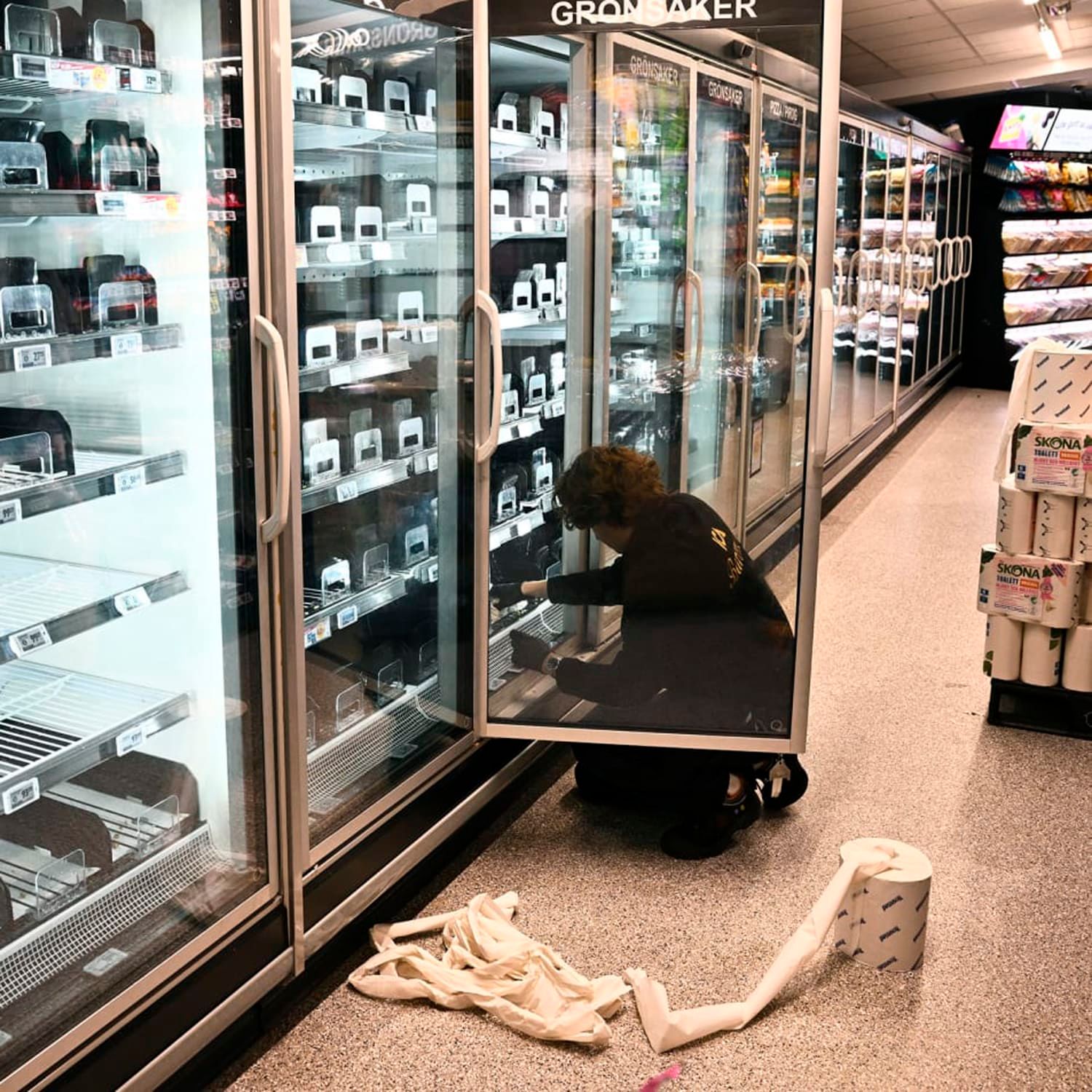
10:32And we're back with Here's the Scoop from NBC News. So we've talked a lot about the affordability crisis, what people are doing to keep the food on the table. For nearly 50 million Americans, that means relying on local food banks. And food banks say they are feeling this strain. An NBC News survey of the largest food banks in 35 different states and Washington, D.C., found that around three-quarters say they've had more people come into them in the past year. And 80 percent also say they're receiving less food and less funding from the Department of Agriculture, although the USDA says it hasn't cut the amount of food it provides.
11:09NBC News senior policy reporter Shannon Pettypiece recently traveled to rural West Virginia. Check out some of the food pantries there. And she is joining me now. Hi, Shannon. Hey, yes. All right. So you visited, I mentioned, some food pantries, right, in different parts of West Virginia. Tell me about these communities and how their reliance on food banks has changed. They're just being hit with this cascade of policy moves brought on from Washington that have created kind of a perfect storm of hunger for them. First, you have inflation driving up prices. You have people who are on a fixed income.
11:50It doesn't matter how low the unemployment rate is. It doesn't matter if wages are increasing. You've got a population in these rural areas that is—they are living off Social Security. You have a lot of retirees. You have a number of people on disability, too, especially in West Virginia, where I talked to a lot of people who had suffered injuries in the coal mines. They're now living off disability benefits. So they're getting especially squeezed by inflation. Then you have gas prices come in. That spikes their costs of living. And then you've got the food banks that they depend on. So the food banks, as you mentioned, said they are just under record levels of strain.
12:29Some of them said it's a level of demand they've never seen before, not even during those worst days of the pandemic. And then you add in the Trump administration policies where there have been reductions to food stamp benefits that have resulted in about 500 million fewer people with food stamp benefits in this country. And you have the USDA, which is the main supplier of food to food banks, sending them less food than during the Biden years because of some early cuts made on during those Doge days back in 2025, where the USDA cut about a billion dollars in spending that the Biden administration had planned to spend and would have kept spending at 2024 levels.
13:10The Trump administration came in, They cut that spending. And so now food banks are getting less food with this rising demand that's put them in a position where, you know, these are volunteers, they're church workers, they're retirees who are running these food pantries who are now faced with this do more with less type of situation in really a life or death situation of people trying to put food on the table. I want to hear Joanne Gervin, right? She's 73. You spoke to her. She owned a restaurant. And now she's living off of Social Security. It's really, really hard. Sometimes I just sit down and cry.
13:54Really? Yep. Like when you're looking at your bills or... Yeah, and then trying to figure out what you're going to eat out of a can or something. Because you don't have no meat. Yeah, it's this situation where, again, she's on a fixed income. There's not a lot of extra. And she told me that she's lost about 20 pounds over the past year because she's eating less. I talked to her about what she'd eaten recently. She said she had a can of deer meat left over from last year's hunting season. So this is like almost a year. She had the can of deer meat, some gravy and some rice for dinner. She said some nights she'll just have like a bag of frozen broccoli with some butter on it.
14:33And she had come to this food bank, which was essentially going to help get her through the rest of the month until that, you know, next paycheck could come through, her next Social Security check. And without these small food pantries that have increasingly become dependent on whatever food they can cobble together from donations from other nonprofits or corporate overstock or whatever the Dollar General damaged goods the Dollar General has they're giving away, that's the food they're kind of depending on to feed people like Joanne because they are getting less and less from the USDA. Okay, so let's talk about the USDA because these pantries are saying they're getting less from it.
15:14The USDA has denied that. Donna Petterino is on the front lines, right, in Mango County. You spoke to her. What examples did she give? How did she kind of like paint this picture for you of the shortage that's actually happening at the pantries themselves? Yeah. I mean, she said her food's down, the food she gets from USDA is down about 20 percent. And part of what got cut here were these sort of COVID era programs that had been put in place and additional spending that the Biden administration was using from some of the extra COVID relief money and the Inflation Reduction Act and these other pieces of legislative packages that were passed.
15:56And even before Biden, though, in the final years of the Trump administration, the Trump administration was buying up a bunch of extra food from farmers that was supposed to go to China during that trade war, the first trade war, if you remember that. So even during the end of the Trump administration, these food banks were getting a lot of extra food from the USDA. Now they're back down kind of to this baseline level, to the sort of pre-COVID level. But the demand is still at the COVID level. So I'm wondering if this is at all going to, like, play into the midterm elections, because I know the president won West Virginia in 2024 pretty easily.
16:27But you actually spoke to some folks who are having some mixed feelings about him, like Bonnie Newsome. I really thought President Trump would move right on in and take care of everything. He's disappointed me. She's a retired school bus driver. Do you think people still support the president despite their financial situation? I mean, so I'm not going to say West Virginia's in play here. Yeah. But I will note that two years ago, West Virginia had a Democratic senator in Joe Manchin. And in 2016, 2017, their governor was a Democrat who switched parties. So this is not a, you know, I think we kind of have to remember, we think of West Virginia as deep red.
17:08It is not necessarily that. And I feel like I could pick that up in conversations with people who they're holding out some hope that President Trump, you know, will be able to turn things around because they did like what they saw during his first term. But yes, disappointment in the president, especially around the economy. I mean, I would still hear support from people on things like immigration, maybe around, you know, social, racial, gender issues, but really pretty consistent widespread disappointment in the economy. And there was no one, and obviously I had a bit of a biased group because I was talking to people at food pantries, so I know they're struggling economically.
17:49But there was no one who felt the economy was doing well. And plenty of people who laid that blame to at least some degree at President Trump's feet. Shannon Pettypiece, thank you. Thank you. All right, another big issue in the upcoming elections has been access to healthcare. Coming up, I'm talking to supermodel Christy Turlington Burns about how her nonprofit, Every Mother Counts, is shining a light on how to bring down maternal deaths. That's next. And while you're listening to the ads, go ahead, hit the subscribe button. If you're already a subscriber, remember to rate and review us. It is a great way for more listeners to find the show.
18:28And we might read your review on a future episode. We'll be right back.
18:36This message comes from Wise Business, the only account your business needs to scale globally. You're building a business with global ambitions, but hidden fees are eating into your margins. With Wise Business, you can pay overseas suppliers without exchange rate markups. Have customers worldwide get payment details in 22 currencies, so you get more of each hard-earned payment without hidden conversion fees. Be smart. Get Wise Business. Download the app. T's and C's apply. Ever notice how every new AI tool asks you to explain your business to it all over again? Google Workspace with Gemini skips that.
19:15You get Google's AI built right into the premium versions of Gmail, Docs, Sheets, and more. No new tools. No extra logins. Just one subscription that gives you personalized AI right inside your actual workflow. Make work less work. Try Google Workspace with Gemini at goo.gle slash workspace with Gemini. Still waiting in line? Again? That's time you'll never get back. Save time and money with stamps.com. Over 4 million businesses have skipped the line with stamps.com. Join them to save up to 90 % off carrier rates from your computer or phone right now. Print postage for certified mail, registered mail, and packages in seconds.
19:57Then schedule a pickup right from your home or office. For a limited time, go to stamps.com and use code podcast for a free welcome gift. Taxes and fees apply.
20:09And we're back with Here's the Scoop from NBC News. So the United States spends more on health care than any advanced economy. But it has the highest number of women who die in pregnancy or childbirth. The organization Every Mother Counts wants to change that. They have launched a campaign called The Mother of All Issues to demand better maternal care. And at the head of it all is supermodel and founder Christy Turlington Burns. and I'm thrilled to have her on the show. Hi, Christy. Hi. Nice to see you. It's great to see you. All right. You founded Every Mother Counts back in 2010. Why was this such an important issue for you?
20:51Gosh, it's been such a long time, actually. So my daughter, my oldest, who's going to be 23 in a couple of weeks, I had a postpartum hemorrhage after the delivery of this child, like at a perfect pregnancy, lots of options, a great team, and yet the unexpected happened after she was born. And that experience really opened my eyes to what I now know is a global tragedy, one that is largely preventable. But at that time, and it's interesting, most people don't realize just how dangerous or frightening or traumatic birth can be. And those of us who do usually learn that when it's too late. You have this new campaign out.
21:37It's called The Mother of All Issues. And the central part is the documentary, Perilous Passage, Birth in America. And it features both families impacted by maternal death and healthcare professionals that are working in this space as well. What did you learn from producing this documentary? Like, what did you learn from the stories of these families, of these healthcare professionals that have both witnessed and experienced loss? So two women die every day in the United States from preventable maternal mortality. And that is unacceptable given, as you said at the top of the show, that we spend more per capita on healthcare than any other developed nation.
22:22The stories in this particular film are, there are five women who we follow who have different experiences with these challenges. whether they're women who are running for Congress. There's an OBGYN that's running for Congress in Wisconsin. She has to travel seven hours to practice in Minnesota because laws are restrictive in Wisconsin. There's a mom who had to leave Tennessee to get abortion care in New York and runs for a seat in her state. There are other moms in this. One mom is lost. I mean, there are just like, there are endless stories that women and families are facing right now. And so I think maybe if they hadn't had an experience like this themselves, I think we all at this point know someone who has, someone who's had a fetal anomaly, and suddenly they're having to make choices that they never imagined that they'd have to make.
23:18The idea of having to leave your state or to have a provider worried about what will happen to them legally because they're trying to save your life. These are things that add additional barriers and delays when timely care is essential. What do you find you hear most from women about their lack in this process? I think it really is the not being heard. Pregnancy is the number one cause of hospitalization in this country. And so a lot of us don't go into facilities until we're pregnant. Many pregnancies are unplanned. So you suddenly have a situation where you're not in a comfortable situation or you might not have built up a long relationship with the provider or you've picked the provider or the provider's picked you based on what your insurance says.
24:13And so there's a little bit of a sense of powerlessness from the very beginning, I would say. And I think that just continues through the experience. In an ideal world, you're entering this phase of your life as healthy as you possibly can be. And you have a good relationship with the provider that you've chosen and that you've had options in that care. And then you are in lockstep with that provider. You are partners with that provider through the experience. And so things that could happen throughout the pregnancy that, you know, perfectly healthy women suddenly have gestational diabetes or become preeclamptic.
24:48Those are all things that we would understand and be able to look for along that journey. And that would help, you know, prepare and inform us for what that birth experience itself might be. And then really the most important period is after the baby is here. That's oftentimes when mom's sort of discarded and baby becomes central in the conversation. And once there's a healthy baby, mom is often forgotten. We now know that 60 % of maternal deaths happen after the baby is born. So we've advocated for many, many years and continue to advocate to have that Medicaid extension or that period of postpartum, like an area where we're not letting mom, we're not leaving her on her own.
25:30She's not isolated, where she continues to have care. and resources available to her long past the delivery. So I'm glad you brought up Medicaid because I think the big, beautiful bill put something like 10 million people at risk of losing their Medicaid coverage. How have changes to Medicaid exacerbated the problem that so many women and expecting moms and moms postpartum face? A lot of the changes that are going to come from HR1 are coming. They haven't yet happened. So what we found is many of the community-based organizations that are largely serving Medicaid populations, they're in this place of confusion, like how to prepare for and also know that they're going to still show up for these moms and families regardless.
26:22lists. But there's a lot of confusion around what exactly is going to happen. We actually did an analysis on that bill just to help our partners better understand and prepare for what's going to come next year and subsequent years. Almost 50 % of pregnancies are covered by Medicaid. So this is a tremendous number of pregnancies that will be impacted going forward. And then we also have this push around having more children and increasing our fertility rate in the country when we're not caring for the families, babies, moms that we already have. So I think part of the job of Every Mother Counts in this campaign, the mother of all issues, is really to continue to highlight, kind of explain and demystify some of these things that are coming and that will have an impact on many of us so that we can rally around the folks that are going to continue to show up for those moms and families.
27:14So with like two and a half weeks out until everybody's like heading to the polls, I mean, some are already engaging in early voting. What are you asking people to do when it comes to your campaign? How do people advocate? How do both men and women advocate on mothers' behalves? We really have to use our voices. Please go and see Parallelist Passage. It's streaming on HBO Max. Share the stories that you see in that film if they're not stories that you're familiar with. And then use your voice on everymothercounts.org. We have a page that's all about that. You can write to your representatives.
27:49You can learn on the map like what's happening regionally, what's happening in your state, who is sponsored and co-sponsored bills that are working to improve the experience for all moms and families. And then, yes, please vote. Use your voice. It matters. And our representatives do care what we have to say and what they know is a priority for us. So if this is a priority and healthcare generally is, because it really does impact us all at different stages of our life. But this is a moment, right, when you become a mom where we can have the biggest impact on the health of a family, society as a whole, is through investing in a mom's health and well-being.
28:29So please learn all you can. Come check out our site and please go out to the polls and make your voice be heard. Christy Trillington-Burns, thank you. Thank you. All right. That is going to do it for us. Here's the scoop from NBC News. I'm Yasmin Basugan. We'll be back tomorrow with whatever the day may bring. And if you like what you heard, subscribe wherever you get your podcasts. And you can also subscribe to our daily newsletter, The Inside Scoop. It is a deeper dive on the main stories of the day that comes out every weeknight straight to your inbox. You can sign up for The Inside Scoop as part of our paid subscription at NBCNews.com.
29:06We'll see you tomorrow.
29:43We'll see you next time.
Kimberly Guilfoyle has resigned from her post as U.S. Ambassador to Greece, after being accused of asking a Trump donor for $100K in exchange for access to the president and taking luxury trips from Greek tycoons, all of which she denies. NBC News chief White House correspondent Garrett Haake explains why the White House called for her to step down now and what’s next for the longtime Trump loyalist.
Then, Americans are finding it harder to put food on the table – and more are relying on food banks. An NBC survey of 90 of the largest food banks across the country found that nearly three-quarters were serving more people this year, while 4 out of 5 said they were getting less food and funding from the government. NBC News senior policy reporter Shannon Pettypiece shares how food pantry workers in rural West Virginia are managing the shortages.
Lastly, the United States has the highest maternal mortality rate of any advanced economy – even though it spends the most on healthcare. Former supermodel Christy Turlington Burns joins the podcast to explain how her own experience with a childbirth complication led her to start a maternal health organization, why impending changes to Medicaid coverage could exacerbate the maternal mortality crisis, and how people can take action.
Hosted by Simplecast, an AdsWizz company. See pcm.adswizz.com for information about our collection and use of personal data for advertising.