In short
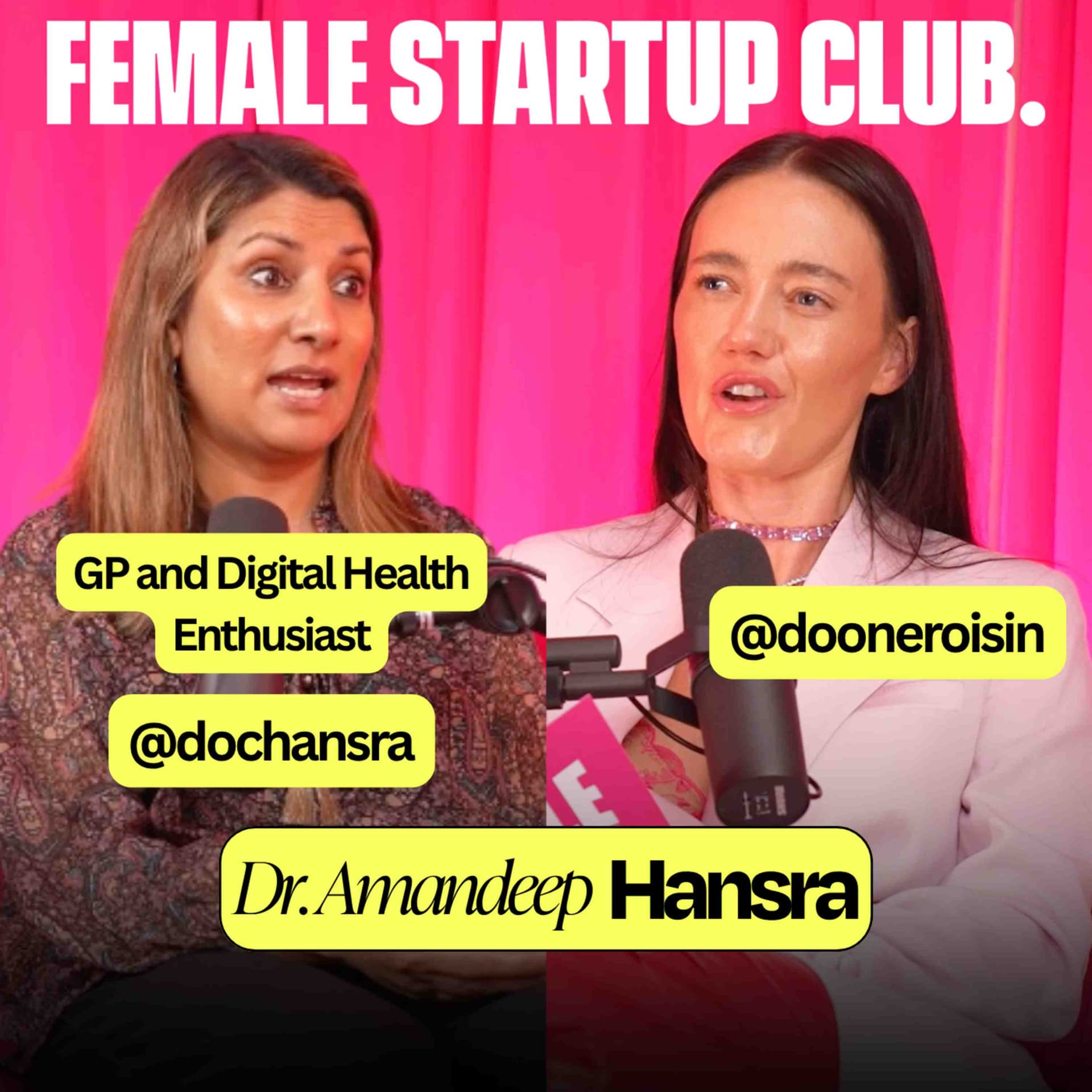
Female Startup Club episode with Lauren Meisner, founder of Gen Z media company Centennial World (formerly Centennial Beauty). Topic: how to get paid in the creator economy (especially via podcasting and brand partnerships), plus business model, pricing, sales process, and what to say no to.
Guest background
Meisner previously worked as a beauty writer in mainstream media (2017–2019), pitching internet-culture coverage that mainstream outlets rejected. She built Centennial World from $5,000 and later bootstrapped it without funding or a consistent mentor.
Key claims
creator media must offer human commentary (AI can summarize facts); brands increasingly prefer “creative partnerships” over straight ad buys; creators should avoid free content traps and enforce upfront/deposit payment terms; podcasting and long-term compounding matter more than viral “break” moments.
Notable examples
first deal (Jan 2020) was MAC Cosmetics for $9,000 for one TikTok with ~100 followers; early podcasting deal for $25K with ~2,000 downloads; an 8-episode branded miniseries with product placement (Britta) and a pricing lesson after initially charging $20K; TikTok “listen like a podcast” caption strategy and Centennial’s daily Mini Scroll (Mon–Fri) plus weekly deep dives and other team-hosted shows.
Written by AI. May contain mistakes. Listen to the episode to check what was said.
Chapters
Tap a time to open that second in VODiscussing the Creator Economy
0:45 to 1:40
Exploration of the creator ecosystem for women and challenges faced by creators.
“So I'm very excited to get into all of that.”
Building Centennial World
1:40 to 3:05
Lauren shares her journey of starting Centennial World and the initial business model.
“So I have always been chronically online, like I've always been obsessed with whatever's happening on YouTube and like in the creator space.”
The Evolution of Content Focus
3:05 to 5:10
Transition from beauty-focused content to a broader internet culture approach.
“And we were so early into the journey that we felt like we really didn't have our footing quite yet.”
Transitioning to Daily Podcasting
5:10 to 7:05
Strategies and challenges faced during the shift to daily podcast production.
“digital publisher side of the brand was not creator led, like it was not, you know, we were not the faces of that side of the brand, but we were obviously the faces of the podcast and I was the face of the TikTok.”
Managing Burnout and Scaling
7:05 to 8:45
Discussion on burnout and strategies for scaling the business effectively.
“Honestly, just pure like grit and determination.”
Expanding the Podcast Network
8:45 to 11:10
Introduction of new podcasts and rebranding efforts within the network.
“So then that's when at the beginning of 2025, so about a year after we kind of started that, we launched a weekly mini tech podcast.”
Early Sponsorship Deals
11:10 to 13:10
Insights into early sponsorship deals and how they shaped the business.
“Like I always allow them to own the IP of course.”
Early Success and Reality Check in Podcasting
14:01 to 16:48
Learn about the initial excitement and challenges faced in starting a podcast.
“of deals like just because we were super early on TikTok in that phase.”
Adapting to the Evolving Podcast Marketplace
16:49 to 21:08
Explore the changing landscape of podcasting deals and brand partnerships.
“I find it's still very new to a lot of brands and agencies here at least in Australia.”
Building a Sales Process for Podcasting
21:09 to 28:04
Understand the importance of a structured sales process in podcast monetization.
“so many people, so many women who are super successful and they say the exact same thing.”
Show all 28 chapters
The Journey of Building a Creator Business
28:04 to 30:28
Learn about the challenges and strategies in building a successful creator-focused business.
“Like who's the decision maker that controls the spreadsheet?”
Identifying Current Opportunities in the Creator Economy
30:28 to 31:47
Discover what current opportunities exist for women entering the creator economy.
“Like obviously nobody would have been flying me around the world to speak anywhere.”
Trends in Content Consumption and Creation
31:47 to 33:59
Explore how long-form content is being adapted for short-form platforms like TikTok.
“I think there's a lot of talk right now about like the intellectual influencer, right?”
The Future of Media and Human Touch
33:59 to 37:04
Understand the importance of commentary and storytelling in a media landscape influenced by AI.
“Well, I haven't actually prompted anyone to listen to it like a podcast.”
Navigating the Dark Side of Social Media
37:04 to 39:47
Discuss the challenges and implications of social media, including toxicity and addiction.
“industry on one hand, but it's also giving us an opportunity to change.”
Valuing Your Work in Brand Deals
39:47 to 42:00
Learn how to negotiate brand deals and the importance of not accepting free work.
“But let's say we'll look at this decade and just be like, whoa, what the fuck was going on there?”
Understanding Creator Worth
42:00 to 43:19
Learn why content creators should avoid working for free and advocate for their value.
“She said, okay, let me like, let me get back to you.”
Payment Terms in the Creator Industry
43:20 to 44:19
Discover the challenges of delayed payments in the creator economy and how to set better terms.
“But that's actually one of the things that came out of, we had went through a really hard financial time when my business partner left and I was trying to scale too quickly.”
Setting Payment Terms Upfront
44:20 to 45:49
Explore the importance of establishing clear payment terms to protect creators.
“And I'm going to say like nine times out of 10, that's no problem.”
The Launch of Spawn Studio
45:50 to 47:59
Learn about Spawn Studio, a resource aimed at supporting independent podcasters with lower barriers.
“I feel like I asked you a lot of questions around the creator space.”
Barriers in Podcasting for Creators
48:00 to 49:48
Understand the existing barriers in the podcasting industry and how Spawn Studio addresses these issues.
“If you're like super niched down or if you're like a really interesting historian podcast that has like a super loyal following that's like really hard to find.”
Measuring Podcast Success
49:49 to 51:44
Discover how podcast listenership is measured and the impact of video views on rankings.
“But, you know, is there a resource that I could build with less barriers, essentially, for both sides of the market?”
The Importance of Comprehensive Metrics
51:45 to 54:24
Learn why understanding all forms of podcast engagement is crucial for creators.
“So for us, like we've never joined Ranker or anything because I'm like, well, more than, you know, 70 % of our audience would not even be included.”
Joining Spawn Studio: A Guide
54:25 to 56:00
Get insights on how early-stage podcasters can benefit from joining Spawn Studio.
“And of course, it makes so much sense, especially someone who's watching the video.”
Connecting Podcasters and Brands
56:00 to 58:14
Learn how a platform connects podcasters with brands seeking partnerships.
“So it allows you to connect and be discovered through then.”
The Power of Niche Audiences
58:14 to 1:00:56
Discover the value of niche audiences for brands and how engagement drives success.
“Whereas this is like, you find these people who are actually genuinely really excited about your brand.”
Starting Your Podcast: Key Steps
1:00:56 to 1:04:38
Get essential tips for launching your podcast, focusing on content and audience.
“Like wherever there is the capacity to comment, like Spotify, wherever you can comment, check the comments.”
Maximizing Your Podcast Growth
1:04:38 to 1:06:34
Learn strategies to grow your podcast using social media and timely engagement.
“I remember when Opus Clip first launched, like whenever it was and where it is from then to now, it's so impressive.”
Transcript
Automatic transcript. May contain errors.0:00Welcome to the Female Startup Club podcast. Thank you for having me. I am so excited to chat to you today. I'm excited because I saw the video that you did on social media about launching Spawn Studio and I kind of thought it would be good to get on here and have a bit of a chat, especially around kind of the creator ecosystem for women in 2026 and how podcasters are growing and kind of like lift the curtain on all this stuff that's really vague in the creator industry. I feel like sponsorships, brand deals, like often I'm like, this is the price, you know? Yeah, totally. 100%. What's happening here?
0:38I don't know. I have nothing to compare this to. I'm just like out here doing my thing. And I feel like a lot of creators, especially early in the journey, kind of feel the same. So I'm very excited to get into all of that.
0:50Lauren Meisner:Yes, me too. I feel like 100 % this industry is like the Wild West still. I agree. It is the Wild West. It's just like all over the shop and it's controlled by like so many different like weird players. But anyway, I digress. For context to the audience, Lauren built a Gen Z media business from just$5 ,000. And today we're opening up the books to understand her business model around women getting paid in the creator economy. Yes. So I want to start with kind of the breakdown of your business model for Centennial World. Tell us what it is, how you monetize it, what are the revenue streams, and what the kind of, what type of creative business this is.
1:35Lauren Meisner:Yeah, definitely. So my career background before Centennial was I was a beauty writer in like mainstream media. So I have always been chronically online, like I've always been obsessed with whatever's happening on YouTube and like in the creator space. And so when I was writing for these titles back in, you know, 2017, 2018, 2019, I would pitch stories about whatever was happening in the online beauty space at the time, because again, we were covering beauty. So I'm like, okay, we need to be covering like, I don't know, Jeffree Star's palette launch or like Jaclyn Hill's lipsticks or whatever was happening in that space.
2:07Lauren Meisner:And just being told like, no, we don't cover that. That's not like mainstream enough. Right. So this was pre-TikTok blowing up and obviously pre-COVID. So I knew that there was a massive gap in specifically Australian media, but like media worldwide, even at that point for a Gen Z publisher that specifically covered internet culture, not pop culture, not reality TV, but like internet culture. So that was the ethos behind Centennial or kind of the brand vision behind it. And over the years, we have evolved a lot. like I said, this was pre-COVID even, pre-TikTok really blowing up. So we launched in December 2019.
2:47Lauren Meisner:And then by March... Twins? Yeah, literally. I know. It's so funny. And then by March, the concept of internet culture and what that even meant had completely shifted because TikTok blew up. And all of a sudden, everybody was covering this niche and everybody was at home. And it was just like a totally different industry, like honestly felt like overnight. And we were so early into the journey that we felt like we really didn't have our footing quite yet. Sorry, just to like stop you there. Were you already Centennial World at that point? Like you were called that you'd like launch the business?
3:19No. So we were Centennial Beauty.
3:21Lauren Meisner:So we thought we were going to be more beauty focused because my former business partner and I were beauty writers at the time. And, you know, that was the niche that was like, it was, it was very short sighted of us. It was very like first business, like kind of vibes where we're like, oh, well, beauty is the biggest niche on the internet for young women. So it makes sense that we would be centennial beauty. And obviously that was where like our connections were and things like that. So it was fine. It served its purpose for sure. And it helped us get our foot in the door with beauty brands like right away and get those sponsorships right away and stuff, because we had such a very like clear niche, but literally by March, so like three or four months after we launched, we were already covering things that had nothing to do with beauty because that's just where internet culture was going.
4:00Lauren Meisner:And that's where attention was going. So we eventually rebranded a few years later. And then at the end of 2023, we completely deprioritized our website. So we completely stopped being a dot com publisher. We deprioritized our focus on like the written publication side of things. And we went all in on podcasting. And then it was basically beginning of 2024. We went into daily podcasting. So instead of publishing, let's say, three or four news stories a day on our website, we publish those on podcasting now. And how many podcasts or like, what was the cadence of cool, we've just got one podcast, one vertical?
4:38Or were you like, cool, we've got three or four? Or is that now like, what was that kind of evolution like?
4:43Lauren Meisner:Yeah, so we had, we always had a podcast from like, I don't know, February 2020, or whatever, that was always part of the brand, but it was definitely not like the focus of the brand. And then we went to twice a week podcasting at the beginning of 2023. And it was getting really successful and was always under the one podcast, like under the same feed. And then at the beginning of 2024 is when my business partner exited. And that's when I was obviously at a crossroads and I was like, okay, what am I going to do? How am I going to keep this going? And even though the digital publisher side of the brand was not creator led, like it was not, you know, we were not the faces of that side of the brand, but we were obviously the faces of the podcast and I was the face of the TikTok.
5:23Lauren Meisner:So I knew that it being just myself, the podcast was going to suffer unless I changed it, unless I really like figured out what we were going to do. So we had already made the decision when she was still in the business to let go of the site essentially as a publisher. So that was like, thankfully that decision had been made by the time she decided to leave, because I don't know what I would have done if that wasn't the case. And what we ended up doing was we kept the same feed for the podcast that we'd had that whole time. Cause it was like an internet culture podcast. So we already had that audience.
5:54Lauren Meisner:And then that was the feed that I launched the daily podcast on. So it's called mini scroll, like the daily podcast. And it's the three biggest stories on the internet every day, Monday to Friday. So that was the show that I launched on that feed. And then we kept our weekly deep dives, which is like essentially like a video essay into like a bigger topic on the internet. So we had those two podcasts for the first maybe like eight months. And I was doing both of them. And I was like, I'm so burnt out. what I mean? I wasn't doing them all by myself, but I was posting them. My follow-up question is like, it's going to go into burnout, but we'll get that next.
6:25Lauren Meisner:Yes. And I've always had, you know, like I have a team and stuff helping me, but like hosting a podcast five days a week, it was just like a lot. I think I used to record three times a week and even that was a lot. Yeah. And especially like an hour, an hour and a half. Like it's like a lot to be that on, especially in the earlier years where you're still trying to figure it out. And you're more like, I didn't come from any kind of hosting experience, no journalism. I was afraid of public speaking, like afraid of two people or more. Oh my God. Like terrified, which is why I wanted to do it. Yeah.
6:55Lauren Meisner:Yeah. Because I wanted to get better at it. But at that time doing three, I was like, this is fucked up. Yeah. And then for you, I'm like, so how did you do that? Honestly, just pure like grit and determination. I was so burnt out. Now I am used to that cadence, obviously. And you adapt so quickly. But in those first six months. I have never been like more exhausted, more stressed in my whole life. It was such a huge transition because it was also a transition, not just from, you know, doing a twice a week podcast with a co-host to a daily podcast by myself, but it was also figuring out, okay, now I'm like in charge of the business completely on my own.
7:34Lauren Meisner:So I'm figuring out how to do everything inside of the business by myself. I'm suddenly a manager, a solo manager of three people, instead of having a business partner to help me with all of that kind of stuff. And I was really aggressively trying to scale at that point. I was like, okay, if this is mine, that means I can make all the decisions and like, let's just fucking go for it. And if I have to make all these changes, I might as well try and just like scale a ton. So it was, I took on too much all at once. I hired a bunch of new people so far. I hired a bunch of new people at the same time.
8:05Lauren Meisner:Like I really think in hindsight, I should have allowed myself to process the transition of going from from a co-founder experience to a solo founder experience and figuring out what like running a business by myself looked like at that point before hiring new people and taking on a daily podcast and those things. But I just wanted to do it all at once. And it was so full on. And then from there, going through that experience of feeling so burnt out, I was like, okay, we need to expand beyond just me being the face of the whole business if I'm trying to scale this, Right. So I knew that I wanted to have a brand that did not rely solely on myself as the face of it.
8:46Lauren Meisner:So then that's when at the beginning of 2025, so about a year after we kind of started that, we launched a weekly mini tech podcast. So it's literally like the three stories in tech that are relevant for like Gen Z women on Wednesdays. And that's a show that I don't host. So one of my team members hosts that, Annabelle. and that was literally because I was like, you need to host something. I'm sorry, I can't do Wednesdays. Like, I just need a day off. Like, I can't do this. And, you know, it was trying to find that balance of what is she editorially strong at if she doesn't want to talk about, like, the drama going on online.
9:20Lauren Meisner:Like, what does she feel safe talking about? Yeah, what gives her energy and, like, what she can lean into and get excited about versus, like... What the show already was. I'm draining myself from this. Totally. Okay. So that's how we came up with Mini Tech Scroll, which is her podcast. So that's Wednesday. So Wednesdays, I don't have to record the podcast, thankfully. So I can do things like this, where it's like a day where I just have to myself. Yeah. And then. Still recording, though. Yeah, literally. Still recording on someone else's show. I'm honored. Thank you so much. No, I love it. Like for me, I just love like building, you know, so like these kinds of opportunities, like that's what gives me that energy.
9:56Lauren Meisner:So, yeah, we did that. And then we launched High Stakes, which is a weekly like celebrity beef podcast, which is hosted by two media girls, like not me. So we started expanding what we offered in terms of shows from there. Okay. And just like a few practical questions here. So you had the original podcast feed, all the content's going on there, or you've now got three separate, or at that time you have three separate feeds in addition and you're cross promoting with micro kind of, you know, trailers, or are you just still posting everything on one feed and in addition to other feeds? No. So we have one feed that has, it's called infinite scroll is like our main feed.
10:30Lauren Meisner:And that's where we have mini scroll. That's where we have the deep dives because the deep dives are like the infinite scroll. And then that's also where we have mini text. So we have the three shows across that one feed because they all are like the same theme and they're all centennial owned shows. Got it. And then any external shows that we have. So if we have like a branded mini series, sometimes if the brand wants, it can exist on its own feed, or sometimes it can exist within that RSS if that's what they want. So we did like touch grass, which was a mini series with Britta, where I interviewed creatives who have to be like chronically online for their job.
11:01um and how they like touch grass if you get it um and so that was yeah it took me a second but
11:08Lauren Meisner:I'm there now yeah yeah so I was like like grounding yeah you're like I'm what so yeah having those uh having those mini series that we produce sometimes with brands occasionally they will want it on their own feed so we'll do that high stakes or any shows that come to me that are owned by the host so like if it's an external podcasters and they're like okay we have this concept and we would love, you know, to pitch to like join your network. Like I always allow them to own the IP of course. And so then they will have their own feed so they can always take that with them. All of our shows go on our central Centennial World YouTube channel.
11:44Lauren Meisner:And then all those clips also go on our TikTok feed as well. So they can have their own TikTok like accounts if they want for their shows. And we are literally this week, we're just like, okay, we need to start one for mini scroll. It's kind of like our breakout show. And we're just like testing to see if we put full length stories, which are like sometimes nine or 10 minutes long, like on TikTok, how they perform. Oh, that's interesting. So we literally just launched that like three days ago to see how that's going. So we're always like testing different things. But in general, like what we bring in terms of like to brands, for example, would be okay, like we have these, like four podcasts that exist consistently, we can do miniseries, we have the chat, the YouTube channel that has all the content on it.
12:27Lauren Meisner:So if you are doing like a miniseries with us or something, you will still get those guaranteed views because it's still going on our existing YouTube channel and our one main TikTok account. So that's kind of how we work. And then we have a newsletter too, but our newsletter is like, um, it's a labor of love, but it's not our main focus. Like we just have too much to focus on. Got it. Got it. And also it's like a different production team. Like if you've got short form video, long form video, that's already, I feel like two workflows and then having like long form written or any kind of written, it's just such a different like skill set.
12:58Yeah. And such a different process. Yeah. Let's talk about in the beginning, kind of when you were, your co-founder has left, you know, left the vibe and you're just starting to, I guess, like kind of pick up speed, pick up momentum. Can you share anything around the types of numbers you had at the time and the types of deals that you were able to get at the very beginning? Yeah, absolutely.
13:22Lauren Meisner:Our first deal ever, this is taking it way back. This is literally January 2020, we were a month in and our first deal ever was with MAC Cosmetics and they came to us with$9 ,000 and they said, can we have one TikTok? We had like, I'm not kidding, like 100 followers on TikTok at the point, like who had TikTok followers at that point? But it was literally brands throwing money at something that they're like, I guess that this is going to be like a thing and we need to get in on it. And we found in the early, early days, like 2020, a lot of global brands didn't have approvals to have local TikTok accounts, but the marketing managers knew they had to have a TikTok presence to reach younger generations.
13:59Lauren Meisner:And so we got a lot of deals like just because we were super early on TikTok in that phase. And there seemed like there was going to be so much money. I remember we got that proposal and it was like three weeks in and we were like, we're going to be rich. Like, this is so crazy. Like it's fucking happening. Like it was actually insane. And then of course, like you come back down to reality when you actually start like building the business and you're like, nevermind, this is actually really hard. But like, it was so crazy. And honestly, in those early few years, like we would get chunky deals like$20 ,000$30 ,000.
14:33Lauren Meisner:And in terms of our audience, like, you know, we would have anywhere from let's say like 10 ,000 to 20 ,000 listeners a month, sometimes and getting deals that size. But it's because we had moves, we always had quite big site traffic, but it wasn't necessarily like community traffic, if that makes sense. That's why we really decided to prioritize podcasting over our site anyways. I mean, that was just the direction of media to begin with. But regardless of that, like we could have 300 ,000, 500 ,000, 600 ,000 people on site a month, but they were not converting to proper audience members, like community members.
15:10Lauren Meisner:It was just people like Googling, like what's happening between these two creators, clicking on the article and leaving kind of stuff. Totally. So we knew we wanted to build more of like an actual audience experience anyways. So that was part of the strategy. But yeah, so we always had like the site, which I think allowed us in those early years to fall under like media budgets, which was so helpful for our money in the early years. Like we got really chunky deals for how big we were. Yeah, I remember like the it was also it was March 2020, or it was maybe like April 2020. And my husband was editing my show at the time.
15:45And we'd only just started like deciding, okay, I'm going to go all in and like do the show. I shut down my jewelry business and like the pandemic had started. And we realized straight away that we were like, well, this isn't going to work. We need to hire an editor because like, we're going to drive each other insane. And so I was like, cool, I need to get a deal. And I remember the advice at the time was like Tim Ferriss saying, you know, you need to have a minimum of a hundred thousand downloads on the podcast to be able to start going out to brands. And I was like, well, I can't wait that long.
16:10I think I had 2 ,000 downloads. And then I just like started pitching brands and I got this deal for 25K US. It was like literally the first person on my list. And I remember being like, oh, maybe the podcast could be a business. Like this is wild. And so by the time we signed and the time we started, I think I had 4 ,000 downloads. So it was like really early, early days. And just kind of, I guess when like that wave of podcasting was really kind of like becoming more juicy and exciting and what brands were doing with TikTok, I feel like they were also doing it with audio. Totally. Whereas like, it's a different story in today's world, especially if you're just getting started.
16:52Can you share some examples of the kind of, you know, podcasting deals that you're kind of generating now or what you're seeing in the industry and how kind of, you know, are brands interested for like more of the mini series or are they interested more on downloads or like what are brands coming to you with?
17:12Lauren Meisner:I find it's still very new to a lot of brands and agencies here at least in Australia. Classic. Yeah I think brands are much more comfortable with big ad buys like across programmatic ad networks like in Acast or something we are finding though over the past maybe six months more and more agencies and really big brands are coming to us saying okay we know we need to get into like gen z podcasting but we want a creative partnership as opposed to like a straight up ad buy that you would get with a network so that's where we find the most success is working on them in this you know more traditional kind of like editorial partnership style with podcasting.
18:00Lauren Meisner:So like the Brita miniseries, for example, that was an eight episode miniseries where they had like full season branding product placement in every single episode. And they didn't have necessarily like editorial oversight, obviously depends on the client. But you know, like there are key messages that they want you to hit throughout the series and things like that, because it's like tying in with a larger creative campaign that they have going on, whether that's globally or locally. So that's one example. Those miniseries, a lot of brands are interested in those, but those cost a lot of money.
18:31Lauren Meisner:For brands that want something... And what would you charge a brand for something like that? Like, let's just say it's like an eight-part miniseries of like 10-minute episodes. And within your production, it doesn't have to be that one specifically, but like within the kind of line item for you, your P &L is like, cool, I've got to pay for, whether you're doing it or not yourself, But like the writing, the or like the scripting, the filming, the editing, the clips, the paid spend behind budget, whatever it is like. You're kind of like costs and then what are you like charging those out at? Well, because we have a team in house that does most of that stuff and like because like we're a startup, so I'm scrappy, like I will do the editing myself if I need to, you know.
19:15Lauren Meisner:So every once in a while we will hire an external editor for bigger projects like that. but a production like that okay actually let me tell you a funny story and then I'll tell you please tell me a funny story I love funny stories um the very first one we ever did of this like the very first mini series we ever did when we first decided we're going all in on podcasting and my partnerships manager had sold a mini series to a brand and it was great but we had no idea what to charge okay we charged twenty thousand dollars because they were like we will pay like today if you do it for 20k and we're like okay fine like you know whatever so twenty thousand dollars we did this series and to be fair it was it was low production in the sense that like we did all the editing like it was all in-house stuff regardless at the time I was working with a PR agency to help get some press for this mini series because it was like the first one we'd ever done and so I had sent like a lot of the information to this PR firm about like the deal so that they understood what they were looking at and then the publicist that I was working directly with, she was like, you have undercharged this by like five times.
20:20Lauren Meisner:She was like, we work with, you know, podcasters and stuff who are doing these mini series. And like, they are charging like six, like multi six figures for things like this sometimes. And I was like, that's what I mean. I'm like, we need to be talking about things. It needs like so much more transparency. Totally. It's crazy. And it is hard because, you know, when you are a startup and you're a lesser known brand, even though we've been around for seven years, like podcasting specifically, it's really only been two years that we've been like all in on podcasting. And, you know, like we are still, we've never had a big break moment is what I say.
20:55Lauren Meisner:So we don't have, we've never had a moment that like all of a sudden the entire industry knows us and everybody wants to work with us. I actually just still don't even think that's, you know, I think we have like 700 episodes. Like literally I've interviewed so many people and so many, so many people, so many women who are super successful and they say the exact same thing. there isn't like one moment where everything changes it's just like the continual constant moments and like you might have a spike but then when it happens you don't even really notice because you're just like okay well the next goal and the next thing it's never like an overnight change it's always like you're looking for that and like there are stories of that but it's actually just that like compounding staying in the game for long enough and the long-term play yeah it's literally like building brick by brick.
21:41Lauren Meisner:Like I have been at every stage of this and you know, I didn't raise funding. I don't really have like a mentor, like a consistent mentor. So I'm really doing this like all on my own, like fully bootstrapped. And so yeah, like every single stage I have been at, cause I've had to build every single stage. So it is still hard for us, even though we've been around for so long to convince the industry to spend like big chunks of money with us like that. Because like I said, we don't necessarily have that like huge brand awareness or that huge notoriety or have had that huge viral moment or whatever.
Read the full transcript
22:16Lauren Meisner:So while it was great advice where she's like, you should have charged like over a hundred grand for this, like they would not have paid a hundred grand for that. You know what I mean? So you do have to sometimes pick your battles there and understand what you are worth in the market in that moment in time. but now I mean our audience has quadrupled since we sold that so we would not sell for anything less that maybe like 60 grand is probably like the lowest that we would sell a partnership like that for and who would you go to pitch those kind of like concepts to would you be focusing on America or would you be focusing on Australia we focus on international brands but our relationships are typically with Australian, like the Australian counterparts of that.
23:04Lauren Meisner:So it would be like the Australian marketing managers and the agencies. So it would typically come out of Australian budget. We do have a US split to our audience. And that is something that like long-term, I would love to like actually properly crack is like getting some brand awareness out there in terms of like working with brands and marketing managers and agencies and stuff. And that's like always on the list. It's always on the list of like, you know what? I should do some U.S. outreach and see, because obviously, you know, even though we would be such small fish there, like obviously the money is so much bigger there.
23:35Lauren Meisner:So it's always in my mind for sure. But yeah, we are working with, for partnerships of that size, it typically needs to be like a multinational, like honestly like billion dollar brand that has bigger budgets here. And that can be hard to find. Totally. Totally. It needs to be like the Procter & Gamble's of the world and filtering down into their different verticals or their different brands. For anyone listening who is kind of in that early stage of podcasting, they haven't kind of like built out a proper sales process or a sales pipeline. Could you kind of break down what the sales process is?
24:11So when you're doing the outreach, like what is your, you know, what's your rhythm? What's your ritual? Are you like, cool, every Monday I email 10 brands and I send them X, Y, and Z? Or are you like I go full all out and like create, you know, a pilot episode and send that? Or what is your kind of like vibe for sales? Because I think that people don't really talk about what the actual sales process is behind the scenes that goes into getting these deals. And what a lot of people didn't realize when they started, including myself, is like when you're an independent creator, you're a salesperson.
24:44Like you're selling yourself, you're selling your product, which is your show or your channel or whatever, and you're basically wearing the sales hat. And so you've got to get good at commercial deals, pricing, pitching yourself, negotiating, whatever. And I feel like there's not a lot of info about that out there, especially when you're getting started.
25:02Lauren Meisner:Yeah, absolutely. I, so I'm trying to, I'm trying to think about how I word this because I love building a business. But the sales process for me, I learned over the years, is something that I will always which is like the worst place, like the worst way to be. So don't do this. I will always put it on the back burner, like I will always choose to do something else aside from like cold outreach. And so when my business partner exited, the first hire that I made was a partnerships manager because she was my business partner was handling most of our partnerships at that point. So I hired a partnerships manager and that was great.
25:47Lauren Meisner:But I actually do think I probably needed like to what I was saying before a bit more time to also just try doing it myself. So I understood what the entire process was while we had been doing the business for like five years at that point, four or five years. And obviously I'd been part of the sales process and cycle for so long because in those early years, we were more of a traditional publisher. We had those really like strong existing editorial relationships with a lot of these beauty brands. And we were more like beauty focused, like lifestyle focused. We didn't really have to try for deals.
26:21Lauren Meisner:If we wanted to scale, we definitely had to try. But if we wanted to keep it like this nice lifestyle business, where we were kind of complacent and allowing, you know, deals to come in, like it was a very, We it was there wasn't a lot of friction there. We were able to make enough money. I always knew. I think we both knew that we wanted to scale beyond that. But that was neither of our necessarily like our strong suits was the sales side of things. So then when she left, I brought in a salesperson and she kind of set up our processes for us. So there is like obviously a very strong cold outreach approach to it.
26:59Lauren Meisner:she has since left and I did the sales for six months by myself before hiring somebody else and I was like I can't like I I really wanted to try but I just don't have honestly a lot of it is just like the time like anymore like I have you know a team to manage a business to build I have a lot of like uh like speaking opportunities and things like that like I just don't have the time and then I do a daily podcast so like I just don't have the time it's a lot and I also think it's like, it's such a skill to just stick to your superpower and actually be like forced to delegate elsewhere. And it's different when you're in the very beginning versus like more established and more in a rhythm.
27:37But it's really like, it's just such a superpower to be like, nope, I shouldn't do that. I need to figure out how to solve it. I need to figure out how to fund that role in the business or that task being delegated to someone else. Yes.
27:49Lauren Meisner:And like, don't get me wrong. Every time exactly to your point, I need to figure out how to fund this. Like that is the constant struggle of being in a startup or building a startup is like, how do I get out of the startup phase? Like, how do I make sure that the money that I'm putting into this is going to pay off? And it's so hard and like making all of those mistakes. Like I've made so many mistakes. So it's so tough. But yeah, so what our process looks like is first of all, understanding who buys, like who has the buying power, not just within the brand, but a lot of times, you know, the marketing team or the comms team within a brand doesn't even really buy, right?
28:27Who's the stakeholder? Like who's the decision maker that controls the spreadsheet?
28:31Lauren Meisner:Yeah. And a lot of times for our industry, it's agencies. So, you know, in the earlier days of our business, it was a lot more, I would say like media buying and PR budgets were more separate. Now we're finding over the past few years, they're kind of coming together a lot more. So like PR agencies will often have creative content budgets and they didn't always used to. So that is kind of like amalgamating almost. And just being across the entire time, like how the industry is moving and where the money is sitting, it's honestly a full-time job in and of itself. But yeah, like tons of cold outreach using every tool that we can, like HubSpot, Apollo, like everything to just basically tap into that network, that cold network.
29:14Lauren Meisner:And then every time I do like a speaking engagement or something, honestly, we get deals from it. Like that has been a huge game changer for me is I started doing a lot of public speaking around like Gen Z and like new media and like internet culture at the beginning of 2024 around then. And 2025, I had a lot of speaking opportunities and we got some of our biggest clients from that. Oh, I love that. Yeah. And it's kind of like the thing that you, it's like, there's the strategy to it, but it's more like you've just kind of got to go out there and do it and be like, cool, if I just do this as many times as I can, like a numbers game, then I just know it'll kind of come back.
29:51But you can't plan for that like exact kind of conversion rate, I guess. It's like, cool. I know if I send 100 emails, I'm going to get roughly X amount back, which is going to convert to X amount of deals, whatever. Whereas like speaking is like, it can be hit and miss. You could be like, cool, I'm in the biggest conference ever. I think I'm going to get the most deals and then not. And you could be at the smallest conference ever and then be like, oh my God, this came out of it. And it was like, blew my mind, but I couldn't have prepared for that.
30:17Lauren Meisner:Yeah. And like, I cannot stress enough that it just takes that many years in the industry and building what you're building to get that kind of momentum and to get those speaking opportunities. Like obviously nobody would have been flying me around the world to speak anywhere. And you're two of my business, you know, it's because I'd been doing it for six years. So everything to your point earlier takes so much time. It's just like compounding year on year, like day by day, honestly, at some times, some points in the business. And even, you know, seven years in, like I have a head of commercial partnerships and most of her job is called outreach.
30:51Lauren Meisner:Like it's still just getting your name out there and just doing that grind. Like it is just a grind. Okay. Well, yes, it is a grind. But if we turn on the flip side of that, when we think about, you know, the opportunity for 2026, what do you think for anyone listening is like the underrated wildcard opportunity for women who are kind of wanting to like dip their toe in the creator economy or just get started or like try something? Because obviously we know that, especially with podcasting, it is that long-term commitment. I think the stat is like most people give up after seven episodes or whatever it is.
31:28And the more you're in it, it compounds and, you know, everything grows, your brand equity, et cetera, et cetera. But what do you think the kind of like current opportunity is? Because when we think back to 2019, like you said, or early 2020, when like TikTok hit the scene and it was like, cool, there's so much opportunity here. What is the TikTok of today?
31:47Lauren Meisner:Oh, I love that question. Okay. I think there's a lot of talk right now about like the intellectual influencer, right? And how expertise is something that we are paying more and more attention to because it's becoming so confusing who actually is an expert and everybody can have an opinion online, right? So following voices who have legitimacy behind them is becoming more popular. So I think honing in on that and a trend that I'm seeing that you could kind of like combine a trend that I'm seeing specifically on TikTok is some of these voices that have a lot to say, like commentary or expertise.
32:35Lauren Meisner:And they are essentially speaking to camera for like 10, 15, 20 minutes on TikTok. And I'm noticing that a lot of them, the way that they're doing this is they're, they're putting in their captions. I don't know if you've seen this or like text on screen and it will say, listen to this like a podcast. So it's like prompting the user to actually use TikTok differently and realize, okay, so this is a long video. put it on the car yes but I'm real but when you get to it instead of being like oh my god this is too long you read that and you think okay maybe I will so you'll put in your airpods and you'll save that video save it yeah and then you'll listen to it and yeah while you're like doing your dishes or something yeah I love that that's clever it's a different way TikTok podcast yes it's it's a different way to put out like kind of your commentary or your expertise obviously Substack has been so big for that right and and people kind of sharing their essays and thoughts on Substack.
33:28Lauren Meisner:And so taking that, because I mean, I don't think Substack's going away anytime soon. And like we publish on Substack, it's obviously a very popular platform, but I think the written word, like it's having a moment, it's having like a viral moment. And I don't think it will last forever as nothing does. I think this is the new wave of that is taking that those ideas and, you know, your expertise and your commentary and putting it somewhere short for short form video on these platforms that are short form video in a longer form sense and telling the user how you want them to engage with it. Oh, that's really cool.
34:02I like that. That's fun. And so you're starting to do that.
34:07Lauren Meisner:Well, I haven't actually prompted anyone to listen to it like a podcast. But as I said earlier, we literally this week have just decided we're putting full, not our full length episodes, but our full stories. So like literally just clipping it. So when I'm like presenting whatever story has happened this week on whatever episode, I will clip that entire story, including like my commentary, including the times that I, you know, where it's like very conversational in a podcast and I like mess up and I make a joke, like whatever. And I will just like put that whole thing on TikTok. And honestly, it's been three days and we have videos that have like over a hundred thousand views and they're like nine minutes long.
34:41Lauren Meisner:And I just can't believe it. Like, I can't believe it. It's so interesting. It reminds me of like, you know, how Stephen Bartlett will have his moments and like our version of a moment is a gem. So it's kind of like the, you know, the interesting framework that we clip out of the episode. And it's like, even just that could be then just like put back onto TikTok and with the thing and maybe like a, you know, an upfront green screen or something just to like set the scene or set the tone. That's really cool. I like that. I'm going to give that a try. Very cool. Is there anything you think is like underrated?
35:14Like the wave is over, let it go in the past? You know, I actually think... Based on what brands want, brands don't want. Yeah. What's actually like the stuff that you're going to be able to commercialize versus like see ya. Yeah, yeah.
35:31Lauren Meisner:You know, I actually think from both a brand perspective and also just an editorial audience perspective is media that is delivering you the news or the story without commentary. Because with the rise of AI, anyone can find the bullet points on whatever story they want to find. So why would people follow your podcast or your media brand or you as a creator if it's not for your commentary on what you think about this, your opinion on this. So I actually think that is the future of like creator-led brands and creator-led media for sure. There needs to be some element of human touch and the human touch is the thought process behind it, right?
36:19Lauren Meisner:Your opinion behind it. Otherwise, I can just find that summary on like Google Gemini. Totally, totally. I think like the world also operates and exists through the lens of storytelling. like everything is a story because otherwise it's just words in the dictionary it's us stringing together those words in a story that has happened to us or happened to someone else that's been passed along and if you're not wrapping something in the story then yeah it's just a dot point on chat chupit yeah absolutely and that's not to say that proper information is not so important like a hundred percent verified sources and all of that like that's all so under attack right now so that is not what I'm saying.
36:59Lauren Meisner:It's more just, we still need that human element behind it. And that is what AI is essentially, I guess, like, it's something that it's taking away from the media industry on one hand, but it's also giving us an opportunity to change. You mentioned something just now that kind of like sparked a thought. It's not on my question list, but, you know, the world of social media is changing always, but it's also become, to me, what feels like quite toxic. People have, you know, the ability to kind of like cancel culture, the trolling, all these kinds of like the dark side of social media. Have you had any hard moments with social media or have you kind of like, you know, if you're chronically online, have you seen the kind of the negative side?
37:47Yeah, of course.
37:48Lauren Meisner:I mean, it's hard because our brand covering internet culture, a lot of times we're covering personalities, we're covering like what's going viral, which always involves lots of different opinions and lots of different sides. It's really tough. We have absolutely had moments where I feel like, especially being the face of the brand that we're like under attack. I think the downside of having a daily podcast is that that there's a lot of opportunity for that to happen, for people to misunderstand what you mean because you're sharing so much all the time, right? And to be getting that constant feedback is so much.
38:24Lauren Meisner:Like it is so overwhelming to have feedback every single day. But the benefit of that is that we are in our audience ears every single day. So they also know me, they know the team, they know us, right? And so that has given us this opportunity, I think to, let's say, have a stronger parasocial relationship with us in that sense. And therefore, as our daily podcast has grown and for, you know, gone on for longer and longer, they give us more the benefit of the doubt because they feel like they know us. So that has been like the benefit. But also the flip side of that is that is unfortunately like the reality of building something on the internet.
39:03Lauren Meisner:And like with thousands of people listening to you every single day, like that's the trade-off. Totally, totally. It's such an interesting one. I always wonder, like, are we going to look back in 50 years time or 100 years time or 200 years time and be like, wow, I can't believe we were just allowed to like be on the Internet all the time, say whatever we wanted, look at whatever we wanted and like have no regulation around it. And I know regulation is, you know, starting to change with teenagers and things like that. But I'm like, the Internet is kind of fucking weird. Oh, my God. It's so weird.
39:35Lauren Meisner:Yeah, 100%. I think we will look back at this moment in time, probably from, you know, 2020, when things started to get really heated online, to let's say, I don't know how long it's going to last. But let's say we'll look at this decade and just be like, whoa, what the fuck was going on there? Yeah. And like the phone addiction levels, like it's insane. I'm so addicted to my phone. Me too. It's so bad. It's so bad. I really have to put it in a drawer at the end of the day or else I'm just like on it all the time. I know. I'm chronically online. Oh my God, me too, of course. Like I have to tell myself, okay, this weekend, like you don't need to scroll.
40:10Lauren Meisner:Cause like, I feel like I have to scroll every day. So I know what stories to report on and stuff. So if it's the weekend, obviously I'm not recording a pod. So I'm like, I don't need to scroll today, but it's crazy. It's just such an addiction. I mean, I hear you. What do you think about when, you know, when you're thinking about kind of deals, creators, podcasters, influencers, whatever, what should you never agree to in a term sheet? Or what should you say no to? When is a brand taking it too far? Oh, I like that question. You know, we get a lot of asks from brands who will say, and it's usually it's usually PR agencies who will like dangle the carrot.
40:54Lauren Meisner:So they'll say this brand, you know, They're a brand that like really aligns with like who we would want to work with. Right. And they'll say they'll represent this brand. And they'll say, like, if you just give us like some free coverage, like a few times, the brand will see what you can do. And then they'll work with you. And we would do that so often in the early days. And then I had one meeting where I was just so fucking fed up with this, with a brand that the PR agency had done this to us for like two years straight. And this is a brand that spends so often with women's media. Like we know that they're spending, they have big budgets.
41:30Lauren Meisner:And finally, I just had a face-to-face meeting with the publicist. And I said, we have made the editorial decision to never cover this brand again because you keep dangling this carrot and we feel like you're lying to us. And so stop pitching us. And it was a face-to-face meeting. And it was like the scariest thing that I had to do. I am severing the tie. And it was such like a, it was like one of the first like big like girl boss moments where I was like, I have to stand up for the business that I've been building. And this was like years ago. This was probably like 2021. It was so long ago. So it was so early in the journey.
42:01Lauren Meisner:And I was just like, I need to do this. What did they say? She said, okay, let me like, let me get back to you. She was like mortified and she felt so bad. Literally, I am not kidding. They immediately signed a$15 ,000 deal with us after I had that meeting. And they're one of our biggest clients still. It's crazy. so we're still your worth know your value that's the lesson don't do free content i have so many friends that are in the influencer space and they do so much free content content that is so beautiful and they will allow the brand to cross post it with them that is free they have been like sent this product for free let's say and they think oh if i make a nice reel with this then they'll spend with me and they will allow the brand to collab posts with them on this piece of content that honestly the brand probably could have paid or would have paid like 30 grand to make because it's so beautiful and I'm just like stop doing that stop giving people things for free or they'll never spend with you yeah yeah it teaches them it trains them you know something I really don't like about the creator industry and maybe we should do a follow-up episode on this about all the things that we don't like yes that's like a message to brands fucking payment terms like 30 60 120 days later I'm like absolutely not absolutely not like what do you mean my our latest invoice ever was nine months late exactly that's why we should never pay like I'm like you don't go to a like you don't just start working with an agency and be like I'll pay you in six months I know like they're like here's the payment link when do we start and you're like, yeah, yeah, great.
43:36Amazing.
43:36Lauren Meisner:But that's actually one of the things that came out of, we had went through a really hard financial time when my business partner left and I was trying to scale too quickly. And I just got like way in over my head and we were in a very stressful cashflow position. And I talk very honestly, like about that on my TikTok and stuff. Cause I do like founder content, which everyone needs to do, but it's like the worst. And, um, and in that period of time, something good that came out of that stress and like nothing is worse than cashflow stress, but something really good that came out of that was us implementing a deposit system or a pay upfront system.
44:12Lauren Meisner:And we have never had any issues enforcing that since we implemented that. And we just say that these are our payment terms. You have to pay us a deposit or you have to pay us upfront for this entire project. And I'm going to say like nine times out of 10, that's no problem. Same. I started like, it was also a while ago. It didn't come out of like a bad moment. or maybe it did come out of a bad moment where like, I don't know, a brand was just like taking forever to pay and like I had to keep chasing it. And I was like, what the hell? Like I have to live it. I don't understand. And so from then on, I was just always upfront and being like payment terms are upfront, like, or, or, you know, monthly, whatever it is, however long the campaign is going to be, but it's not afterwards.
44:50And it's certainly not 120 days afterwards. Like absolutely not. You're a huge brand. Like you've got the budget. Yeah. No, a hundred percent. It's tough though, because you also have to like, especially in the beginning, be like, I have to be willing to walk away from this.
45:03Lauren Meisner:Yes. And that's something though, in those early years, and it was probably the same for you, that we didn't realize we could just set those terms. You don't have to follow what the brand does. You don't have to sign the agreement as is. You can be like, sorry, red line. This is how we do it. Yeah. And then you can negotiate, obviously, right? Like it's not always going to be a hundred percent on your terms, but it doesn't need to a hundred percent be on their terms either. Yeah. Yeah. So interesting. I feel like that just needs to like change in the industry, like all around. Yeah. I'm like really over that.
45:34Lauren Meisner:I think it's hard with creators. I think it's probably different if you are a full-time influencer because we are getting like media budgets, podcasting budgets. I think sometimes it sits under different decision makers and different budget buckets. So I do believe if you're like an influencer listening to this, I don't know if it's always going to be as easy as just like, oh, set your own terms, you know I think sometimes it's a little bit different when it's business to business yeah but shoot your shot try also when you're like able to just like send a I think when you send a payment link and you're like cool use the like use your you know card or whatever to pay for it and then like pay the if the if it's a deposit or if it's just first payment up front or whatever then they can do the bank transfer through accounting or whatever but usually someone who is at that kind kind of like manager, director, whatever level, they'll have their own company card for the ability to just quickly move fast and put in those kind of things.
46:29Yeah. Tell me about Spawn Studio. I feel like I asked you a lot of questions around the creator space. I should have asked you afterwards, but tell me about Spawn Studio. Who's it for? What's it do? What's the vibe?
46:40Lauren Meisner:Well, Spawn Studio is literally for the podcasters that we have been talking about this whole time who are maybe in the earlier stages or maybe just independent, whether you have a smaller show or a larger show, the biggest inspiration, I'm trying to think of the right wording here, the biggest inspiration behind why we launched Spawn Studio is I was looking for a resource like this that we could put Centennial on because we are independent, right? So we're not with a network, like we are our own network. We do programmatic advertising through Spotify because that's who we host with. but we are not part of like a bigger ad network.
47:18Lauren Meisner:So we do all of our own deals like in-house aside from the Spotify programmatic ads. And so I was looking for a platform, like surely there's a discoverability platform that we can put our shows on, right? And I found a couple mostly in the US. However, they had wild thresholds like on both ends. Okay, so like for independent shows that wanted to list, they would have to have like 50 ,000 listens an episode and the brands had to spend at least$100 ,000. Like their budgets, minimum$100 ,000 budgets. And coming from Australia, which is obviously a much smaller market, I knew that those thresholds for podcasters, especially newer podcasters, over the past couple of years, the industry is so different.
47:59Lauren Meisner:Like it's very hard to hit those numbers now. And it depends what niche you're in. If you're like super niched down or if you're like a really interesting historian podcast that has like a super loyal following that's like really hard to find. but is also really niche. Exactly. And they still deserve to make money. And the barrier to entry for podcasting is so much higher now than it ever was too, because everything needs to be video. You need to be able to clip everything for every single fucking platform. Otherwise, how will anybody ever find you? So like the barrier to entry already costs so much more than it did even when we started podcasting.
48:34Lauren Meisner:So these independent newer shows, like they, they deserve to make money still too, so that they can produce that content. And just because they have less than 50 ,000 listens an episode doesn't mean that they don't have a valuable audience. And then from the brand perspective, being in this industry now for so many years, like there's been so many times when we have had brands come to us and say, like, whether they're a startup or a bigger brand, like we have a$2 ,000 budget. What can you do with that? And like, you can't go to a big network with a$2 ,000 budget, right? A lot of them will not say yes to that.
49:05Lauren Meisner:But niche podcasters probably will. A lot of brands here are not going to want to spend minimum$100 ,000 on a campaign. So I felt like those barriers to entry that I could see on those or those thresholds that I could see on those existing platforms, they wouldn't work in the Australian industry, specifically in podcasting. So that was the main kind of reason why I started thinking about Spawn Studio. Spawn for sponsorship, by the way, not... What else is it? Some people think I mean like Spawn of Satan. Like, like S-P-A-W-N. I'm like, no, like SpawnCon. What? I know. Come on. I know. Absolutely not.
49:44Lauren Meisner:No. And so I started thinking, okay, like, could I build a resource like this? And it's a global resource. Like, it's not just for Australia. But, you know, is there a resource that I could build with less barriers, essentially, for both sides of the market? And then the other reason why I wanted to build it was because for us at Centennial, I would say about 80 70 to 80 percent of our audience is through YouTube like our listens so we are largely discovered through YouTube most of our listenership is through YouTube the measurement tools here does that thing go back and factor into Spotify like I I use um a cast as my like hosting platform and they don't have videos so YouTube has to be a separate channel Spotify because it comes through ACAST we can't then go and back upload video to that so it's like apparently it's changing this year but I'm pretty sure it's been changing for the last two years so like let's see ACAST what's up um so do you does that come through from Spotify and you're then publishing to YouTube no no so we'll produce like the the episode and we'll post the video like we're hosted through Spotify so we'll go on Spotify and we'll pull through as a video on Spotify and we'll pull through his audio on all the other channels.
51:01Lauren Meisner:And hopefully on Apple, it'll be video soon once they like connect that. And then we will upload that same file to our YouTube channel. So it's not all at once. But that's exactly to my point is that most of the measurement tools or like, especially the main measurement tool ranker here does not include YouTube views in terms of how they rank podcasts in Australia. And it doesn't include Spotify video views. And almost every podcast needs to be video at this point. So interesting. Yeah. So that's why a lot of the really big podcasts here won't fully do video, because that will lower their ranking.
51:37Lauren Meisner:Because if like, if a lot of their audience starts watching them on YouTube instead, or starts watching the video on Spotify, instead of just listening to the audio, if some of those downloads go to video views, then it will lower their ranking. so for me looking at the industry that's interesting i never thought about that yeah and how audiences actually consume podcasts way more people are watching podcasts on youtube than they are consuming it on like apple podcasts or spotify in terms of like the actual audio video is the thing now and that's how people like to consume podcasts so if you're looking at audience behavior it only makes sense that the measurement tools should you know account for that and those changes.
52:16Lauren Meisner:So for us, like we've never joined Ranker or anything because I'm like, well, more than, you know, 70 % of our audience would not even be included. And that's not an accurate representation of what our actual audience listenership is. So on Spawn Studio, we report on listens, which is like a catch all term that if you join the platform, you'll be educated on what that means. And it's literally like, include your monthly listenership instead of your downloads. So that includes downloads, live streams, like a lot of people live stream their podcasts on YouTube or Twitch, that's still actually arguably a more engaged listener, right?
52:48Lauren Meisner:If somebody's watching your live stream. I don't want to stop doing that. I think that's so fun. I know. It does scare me. Yeah, it scares me, which is why I haven't done it. But I'm like, how fun is this room? And how fun would it be to know that like people are there? And how fun would it be to like be answering questions in real time? To me, that just sounds so much fun. But also I'm like, maybe we should do it together and like set ourselves a challenge of being like, let's do it. That would be so fun. Oh my God, we could interview each other. So then at least we have each other to be like, hey, let's go on the journey together.
53:14Lauren Meisner:I think that's actually really your type of podcast is a really good one for that because people can ask the guest questions and stuff that would be really good for live streaming. Yeah, I often feel like the feedback, I don't feel like the feedback that we get is there. Like my audience will say something like, oh, you asked the exact question that I wanted to know the answer of. And I'm like, cool. So what else did you want to know? Because I probably want to know. Yeah, totally. 100%. I'm like, you tell me. But yeah, so we have that education piece on the platform where it's like encompass when you are a podcaster listing your show.
53:47Lauren Meisner:Don't just look at your downloads, look at your YouTube views, look at your live stream, your Spotify video plays, like include all of that because that is your listenership. So we're not, you know, a measurement tool. We don't have anything like that built in. It's all self-reported for now. I'm sure eventually, like if this really, you know, snowballs, we will build something like that into the platform. is self-reported. And then we like fact check it essentially for the listings. But still, you know, that's important. That's like an important missing piece of the industry that I feel like brands and agencies so rarely understand.
54:16Lauren Meisner:They don't know that those measurement tools don't encompass the full listenership of a podcast. And that's why a lot of podcasts are not video right now. Wow. I didn't know that. And of course, it makes so much sense, especially someone who's watching the video. They're like ultra engaged. They're like actively watching. And then you can have product placement. There's so many other like advertising opportunities through video. Yeah, I love that. Okay. So for anyone who's listening, the early stage podcaster who wants to join Spawn Studios, what can you tell them advice wise around like, or even just a bit of a guide on, okay, cool.
54:50If you're getting this many downloads across like video and your podcast, you know, where can you start like monetizing? Yeah. And when does it become attractive?
55:00Lauren Meisner:We're in the very early launch stages right now. So we haven't like officially launched. We're going to launch in June. That's my goal. That's right. I saw your video like a week ago. Yeah, yeah. No, but we're in soft launch. So you can join like anybody can join. We're trying to get a certain number of podcasters on the platform before I announce it like, you know, on LinkedIn and like make it an official commercial push for brands. But we have brands on it too, of course, like our commercial partners and some agencies that we work with that are testing it to like give us feedback and stuff. Because essentially, it's a marketplace where you can list your podcast and you can be literally, you can have 500 listeners a month, or you can have 500 ,000 listeners a month or whatever, and you can have a listing and brands can discover you through that.
55:42Lauren Meisner:No one else can see your stats. So your competitors, when you're logged in or publicly, they cannot see your stats. So it kind of allows that level of protection for the podcaster. So they know that they're not kind of like exposed in that way. But But if a brand or somebody from a brand or an agency, they have to make, you know, a brand account with a company email, and then they can see the back end of your stats. So it allows you to connect and be discovered through then. And then they can essentially through there. And then they can essentially, when a brand finds a podcaster that they want to work with, they can like add them to a list of podcasters, like their media plan, we're calling it.
56:18Lauren Meisner:And then they can essentially send a blast out to all the podcasters that they want to work with. and then if those podcasters accept then the brand will get sent their email address so that's the function of the platform but we have a lot of like resources and stuff because the idea to your point is that it's for some podcasters that are independent and just you know want to have that kind of landing page that listing whether they have a huge following or not and some of the podcasters even in the early stages are like pretty new to this so they might not know, you know, like that you should have a media kit that you should do a post campaign report.
56:52Lauren Meisner:So we have templates for all of that for the podcasters that join and same for brands, like how to buy podcasting. What does podcast advertising do for your media plan? How to write a campaign brief for podcasting? Like we have all those resources. So if you're a podcaster and you want to list your podcast, just list it, girl. We'll take a look like we'll list it. Like you don't need to have any listener account and there will be brands that want you. That's the point is Like you could have 500 listeners a month, but that's still 500 people that are coming back every single day. And for us or every single month and for us, what we have found being independent and niche, like we're a pretty niche, you know, show and network is that our listeners are so excited when we have a brand deal.
57:37Lauren Meisner:And that's what we always try and educate brands and agencies on is like the amount of comments that we get when we have a brand deal or sponsorship. people are so excited because they're like, oh my God, you're not some huge show. Like you're not some huge network. And the fact that this really big brand is supporting you, like we're so excited because we love your show so much and it gets to keep going then because we know it's being funded. So there's so much value in the brand affinity that you get if you are sponsoring a more niche show, no matter the size. And that's what I would say is just apply like a spawn studio.com submit and we'll list you it kind of reminds me of like it's a brand retention tool almost because if you are also a smaller brand and you do want to kind of like get into like partnering with people who like actually really love your product or will just do like kind of like that really like the honest work versus like someone who's just like you know top of the charts they're cpm only driven they're not kind of like going that extra mile they're more just like cool what's the read and host it's in.
58:44Whereas this is like, you find these people who are actually genuinely really excited about your brand. They then like bring their community to your brand in such a more exciting, genuine way. And I guess we hear this all the time with influencers when it's like, or I've heard this before, it's like brands will work with, you know, the top of the top influencers, multi-million followers, and it literally doesn't shift the needle, doesn't do anything versus like working with an indie creator or an indie influencer who has a really small following, but actually their audience is like so tapped in and they're like, I love that.
59:16I'm definitely going to try it. I'm definitely going to go check it out or whatever. And I feel like that kind of same logic applies to this.
59:23Lauren Meisner:Yeah, absolutely. And we have even a section on the media kit builder where, you know, podcasters can put like audience comments. They can insert audience comments that they've had about past sponsors or whatever to show that engagement. Because that's a huge part of our brand is how engaged our audience is when we have brand deals. And so we always highlight that we're like, you will literally get comments about this, people will be so excited that you have sponsored our podcast. Like I'm not even joking. Here's all the examples. And so, you know, allow giving them the tools and the education piece that's really valuable.
59:53Also, as a brand, you could then be like, cool, here's my, you know, if you're a supplement brand. Here's my interesting protocol that I've developed specifically for your audience. And here's a gift with purchase or here's a code or whatever. And then the audience is also benefiting from that and like, you know, totally strengthening it in that deeper way. I love that. So cool. Yeah. For any brands listening. Yeah, literally. For any brands listening and want to get in the podcast scene or maybe even like, you know, brands that are like, cool, I would love to have a podcast in-house, but I don't have the capacity to manage it, to produce it, whatever.
1:00:27Like go find the podcaster to do it for you. I see this to brands all the time. I'm like, I should be hosting your podcast. Yes. You need one.
1:00:34Lauren Meisner:Yeah, a hundred percent. And you know, a culty audience does not need to be a huge audience. And there's so many ways to measure cultiness. I feel like it's such an underrated, like quote unquote, it's not a real measurement tool, but like it's an underrated measurement tool in marketing. And I always say to brands, if you're trying to figure out if you will get engagement on a partnership, you know, look at comments on YouTube or TikTok or whatever, Like wherever there is the capacity to comment, like Spotify, wherever you can comment, check the comments. Do people comment on those episodes? Do people comment on TikTok about the creator as opposed to like the content, right?
1:01:10Lauren Meisner:Because TikTok just like goes out to the masses. Like is it obvious from the comment section that people are showing up for this person or is it or just came across their desk? Check Reddit. Do people talk about them on Reddit? Like there are so many markers that you can really look into if you're like doing your due diligence to see like, is this creator, no matter how big they are, how small they are, like, are they culty? And will that translate? Yes, I love that. Super cool. All right. Last question. If there is a woman who's listening right now, she wants to start a podcast. She's kind of like, yeah, this is on my goals for 2026.
1:01:45What is her roadmap strategy for the next 30, 60, 90 days? What should she be doing doubling down on, tripling down on and just being like obsessed with?
1:01:54Lauren Meisner:Okay. For me, the way that I approach business is done is better than perfect. And that is absolutely true in content creation and podcasting because you will be really bad at it at first. So you will hate your voice at first. So you will get better and better and better. So you just need to start is like the number one piece of advice. Obviously understanding, okay, like what's my niche? Who's my target audience? Why am I doing this? Why am I qualified, quote unquote qualified to speak up here? And sometimes it doesn't need to be like for any really big reason. You could just be really interested in that.
1:02:35Lauren Meisner:Right. But regardless, like what's your why behind it? Understanding all of that, of course, is important. And then figuring out, okay, what kind of podcast does that person like to listen to? So for us, our daily podcast is around like 20 to 15 minutes. And the reason why it's like so much shorter is because we saw this trend in like mini episodes right around when I was starting to launch. And on YouTube, being our biggest discoverability tool, people are not, like people are sitting around for like and watching an hour, two hour long podcast on YouTube. But for the type of content that we create and the niche that we're in, they are more used to watching commentary videos that are like 20 minutes long.
1:03:16Lauren Meisner:So I knew that that would translate to the audience. So that kind of bite-sized, you know, that made sense for us. So understanding, I suppose, trying to put yourself in the audience's shoes, like, okay, so for this audience, what are they already consuming? What do they like is important for sure. And you can like ask ChatGPT about this. Like you can, there's so many resources now that you can tap into. It's like ask your friends. Totally. Well, think about what you're interested it in. Totally. A hundred percent. Look at your own like personal consumer behavior when it comes to media. Yeah. A hundred percent.
1:03:46Lauren Meisner:So understanding all of that is super important. And then I would say having a way to prioritize video and it literally can be on your phone. Like you can literally buy a tripod for your phone and set it up vertical, vertical, horizontal. I was like, what's that? What's the specs? Horizontal and start filming it like that. You can start with like a little road mic that plugs into your phone if you need to, if you don't have a lot of funds, but it needs to be filmed. And there are so many tools out there now, like editing tools out there now where you don't need to learn DaVinci. You don't need to learn Premiere Pro, you know, you can edit within YouTube at this point too.
1:04:21Lauren Meisner:Like there's all these amazing tools out there. So literally just like getting in the weeds and like learning how to do everything yourself is so important. Riverside for like on kind of online recording is so good. Yeah. And Opus Clips for like clips that are not your hero clips are so good. A hundred percent. I remember when Opus Clip first launched, like whenever it was and where it is from then to now, it's so impressive. And so I can only imagine in the next year or in the next two years, which is also a problem because then it becomes more saturated, more the same. Everything's going to like look the same, which you should still try to find your hero style of content and make ways to stand out.
1:05:02But I do think you're right in the sense that now everyone is able to enter this world of new media. Everyone does have the possibility and the opportunity to do it just with a phone.
1:05:14Lauren Meisner:Yeah. And I would say in terms of the social strategy, obviously, if you're already creating content on podcasts, clipping as much of that as you can. But also something that we don't do enough that I wish I had capacity for is, you know, obviously the podcast clips and all that kind of stuff, but also like the face to camera, you know, like if you see, let's say you're a pop culture podcast and something happens, like being able to pick up the camera and like speak to that in the moment instead of waiting for like the podcast clip that you publish about it. having that kind of like sense of urgency will be massive for your growth that's what we found at least is like when you can get on something really quick it can be so massive yap about it straight away about it oh my god I loved this I feel like I learned so much from you that like I've been podcasting for such a long time now and you know I still am someone who watches tutorials keeps up with like what's happening online all this kind of thing but I learned so much from you so I'm so thankful.
1:06:15Oh my God, I'm so glad. And I'm so happy to have had you here. Thank you so much for coming on the show. Thank you. And we should totally do YouTube live streaming.
1:06:22Lauren Meisner:Let's do it. I'm keen. Like, let's start next week. Yes. Thank you. Thank you.
1:06:31Hey, it's Dune here. Thanks for listening to this amazing episode of the Female Startup Club podcast. If you're a fan of the show and want even more of the good stuff, I'd recommend checking out femalestartupclub.com where you can subscribe to our free newsletter. We send it out weekly covering female founder business news, insights and learnings in D2C and interesting business resources. And if you're a founder building an e-commerce brand, you can join our private network of entrepreneurs called Hype Club at femalestartupclub.com forward slash Hype Club. We have guests from the show joining us for intimate ask me anythings, expert workshops, and a group of totally amazing, like-minded women building the future of D2C brands.
1:07:18As always, please do subscribe, rate and review the show and post your favorite episodes to Instagram stories. I am beyond grateful when you do that.
From the publisher
Lauren Meisner built Centennial World, a Gen-Z media business covering internet culture, from just $5,000. It launched in 2019 as a beauty publication and today it's an independent podcast network running a daily show plus weekly deep dives, with most of its audience on YouTube. She's also just launched Spon Studio, a marketplace built to connect independent podcasters with brands.
But the part she really opened up about... the actual numbers behind creator brand deals and how to monetise in the creator economy for 2026.
In this juicy episode Lauren gets properly honest about the money side of the creator economy. We get into what brands are actually paying right now, the mini series she sold for $20k before finding out it was worth five times that (ouch), payment terms that somehow stretch to nine months, and how on earth you price yourself when the whole industry still feels like the Wild West. If you've ever stared at a brand's email with no clue what number to send back, this one is for you.
I wanted to know:
what brands are actually paying podcasters and creators in 2026
how she went from a $9k first deal to multi six-figure partnerships
how to set your payment terms and stop chasing late invoices
This one is for the woman who is building something in the creator economy (or wants to) and is done leaving money on the table.
⏱ CHAPTERS
00:00 - Introduction
01:30 - The creator economy is still the Wild West
04:00 - Building Centennial World from $5,000
07:30 - From beauty publisher to internet culture
11:00 - Why they killed the website and went all in on podcasting
15:00 - Going solo after her co-founder exited
19:00 - Scaling too fast and burning out
24:00 - Building shows that don't rely on her face
28:00 - The first brand deal: $9,000 from MAC
33:00 - The mini series she undercharged by 5x
38:00 - Building a real sales process and cold outreach
44:00 - The 2026 wildcard opportunity for creators
49:00 - What brands actually want now
54:00 - The dark side of being chronically online
58:00 - Term sheet red flags and saying no to free work
01:03:00 - Payment terms and getting paid up front
01:08:00 - Why she built Spon Studio
01:14:00 - Advice for starting a podcast in 2026
🔗 LINKS
→ Lauren Meisner on Instagram: @laurenmeisner_
→ Centennial World on TikTok: @centennialworld
→ Spon Studio: www.sponstudio.com
#FemaleStartupClub #CreatorEconomy #Podcasting #BrandDeals #CentennialWorld
📱 Join 160K smart chicks in the Female Startup Club universe
→ Female Startup Club's Instagram: www.instagram.com/femalestartupclub
→ Doone Roisin's Instagram: www.instagram.com/dooneroisin
📱 Join 160K smart chicks in the Female Startup Club universe:
→ Use code 'FSC' for 30% off your first 3 months at omnisend.com/fsc
→ Female Startup Club's Instagram: www.instagram.com/femalestartupclub
→ Doone Roisin's Instagram: www.instagram.com/dooneroisin
→ Get opportunities delivered to your inbox 3x weekly here: https://female-startup-club.beehiiv.com/
Hosted on Acast. See acast.com/privacy for more information.