In short
Mindset and systems for building wealth, buying a first home young, automating investing, and running a business using financial “self-audits.” Queenie also discusses financial stress in relationships (divorce risk) and gives money conversation red/green flags.
Guests
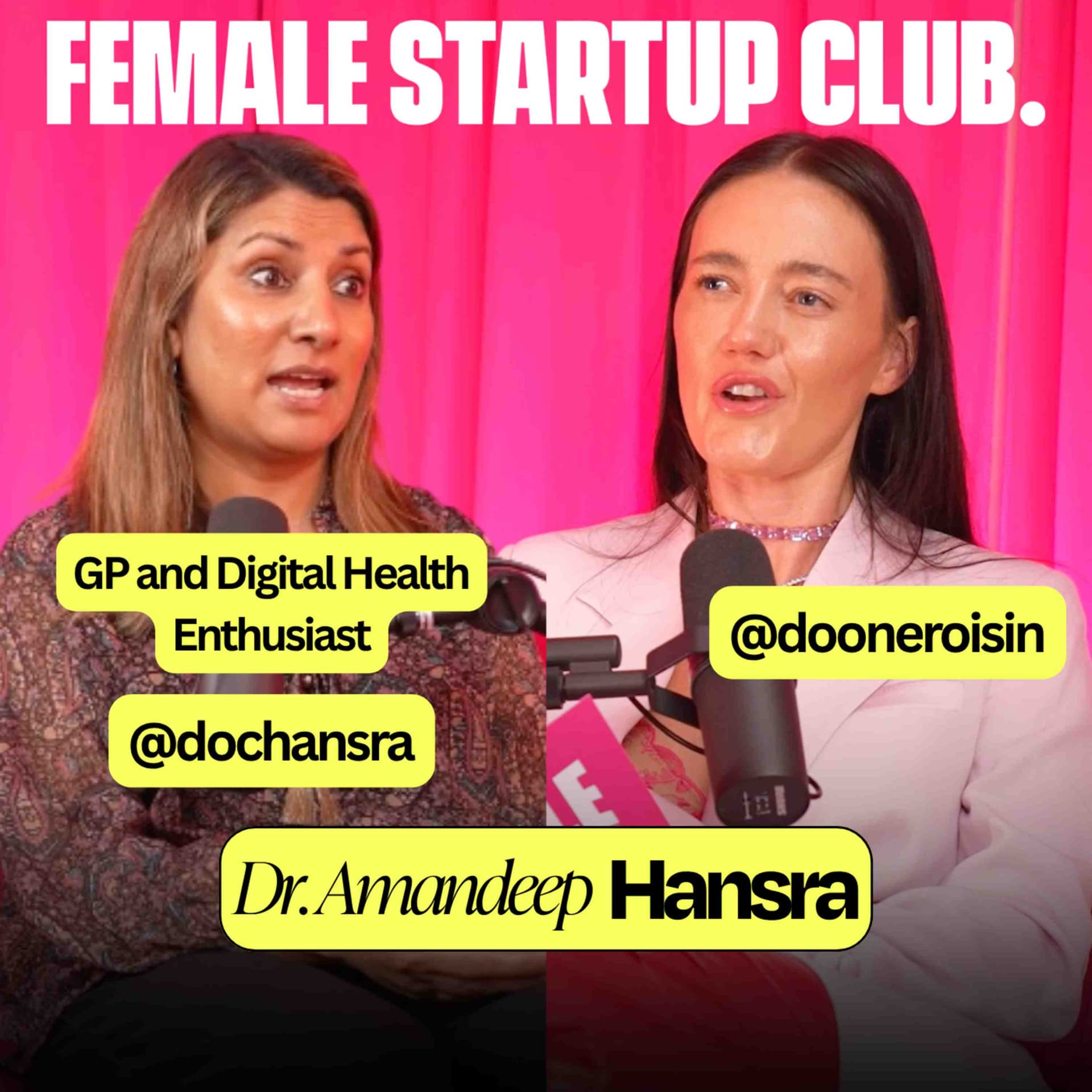
Queenie Tan (host interviewee). Background: grew up with parents who divorced over money; father was extremely frugal, mother more spend-for-joy. As a teenager she had a near-death incident, later shifted from failing school to acing subjects and getting into law school. She moved out at 19, worked part-time (including McDonald’s at 14) and later dropped out of law to work full-time, save, and invest. Bought her first house at 23. Co-built a budgeting/investing app with her partner; later launched a tech platform/business.
Key claims
“Anything’s possible” via accountability, not just manifesting. Wealth accelerates with automation, multiple income streams, and living below means. Paying yourself first (e.g., 20% automated investing) beats willpower. For founders, early revenue tracking and funnel fixes matter more than vanity growth.
Notable examples
$400/week early earnings; first $100k took ~40 months, next milestones took ~8 months and later ~3 months. App story: spent ~$30k then ~$68k before first paid revenue ($50), then improved conversion from <1% to ~50% by changing funnel (free trial vs freemium). Relationship example: her parents divorced due to money fights; she stresses uncomfortable money conversations.
Written by AI. May contain mistakes. Listen to the episode to check what was said.
Chapters
Tap a time to open that second in VOThe Power of Mindset
0:45 to 2:19
Queenie discusses the importance of mindset in achieving success.
“And does that apply to you because that's your journey as well.”
Transformative Life Experiences
2:19 to 3:35
Queenie shares a near-death experience that changed her outlook on life.
“I'm still a little bit traumatized and a bit embarrassed by it.”
Money and Family Dynamics
3:35 to 6:05
Exploration of Queenie's childhood experiences with money and her parents' contrasting perspectives.
“He would just not want to spend any money on like heating or air conditioning or anything because he was like, what's the point?”
Buying a Home at 23
6:05 to 8:25
Queenie details her journey to buying her first home at a young age.
“And that's something that like, I mean, I have many questions.”
The Journey to Financial Milestones
8:25 to 10:27
Queenie explains the steps she took to reach significant financial milestones.
“Maybe I'll start putting some money towards buying my first place.”
Navigating Today's Economic Landscape
10:27 to 14:02
Discussion on the challenges and opportunities for young people buying homes today.
“I think one thing that really helped was basically automating it.”
Building Multiple Income Streams
14:02 to 14:50
Learn the importance of diversifying income sources for wealth building.
“I feel like it can be a lot harder because you need multiple sources of income if you really do want to build wealth.”
Mindset and Income Happiness
14:50 to 18:06
Understand how mindset influences income needs and happiness levels.
“And for some people, that is the reality.”
Paying Yourself First
18:06 to 21:10
Discover the significance of paying yourself first in financial planning.
“I think it comes down to as well, the like Maslow's hierarchy of needs.”
Investment Structure and Living Below Means
21:10 to 23:43
Explore effective investment strategies and the benefits of frugal living.
“investments, I never touch because I'm like, I don't want to sell my investments.”
Show all 29 chapters
The Trap of Content Creation
23:43 to 25:56
Identify the risks of relying solely on content creation for income.
“I think that one thing that I have noticed, especially now with like content creators and, you know, we're content creators as well.”
Annual Financial Review Ritual
25:56 to 28:00
Learn how annual financial reviews can help track spending and adjust budgets.
“I think the first time I did it, I was basically traveling in the US and it was really expensive.”
Mindful Spending and Financial Awareness
28:00 to 29:42
Learn the importance of mindful spending and auditing finances.
“So that added up to like tens of thousands of dollars, maybe not tens of thousands, but like at least a few thousand dollars.”
Overcoming Business Financial Hurdles
29:42 to 34:31
Explore strategies for navigating financial stress as a business owner.
“What advice would you have for someone who's listening, who maybe has a business or has left their nine to five.”
Learning from Financial Setbacks
34:31 to 36:52
Understand how financial failures can lead to crucial learning opportunities.
“Whereas it forced you to be like, cool, we need to figure it out.”
Investment Strategies and Market Timing
36:52 to 42:03
Gain insights into effective investment strategies and timing decisions.
“stuff is sorted out, it's like, it can be a machine that just works for you without you having to work on it that much.”
Investment Strategies and Market Insights
42:03 to 44:34
Learn about diverse investment strategies including ETFs and alternative investments.
“Are you just like, yep, I missed it too late.”
Financial Communication for Couples
44:35 to 46:54
Discover the importance of discussing finances in relationships and identifying red and green flags.
“What do you think about like platforms like virtual and kind of crowdfunding equity raises?”
Understanding Financial Stress in Relationships
46:55 to 49:16
Explore how financial stress impacts relationships and the importance of transparency.
“A lot of people don't even know, like, I feel uncomfortable about asking how much their partner earns.”
Money Filters and Personal Value
49:17 to 53:02
Examine different money mindsets and how they affect self-worth and relationships.
“But yeah, I think it's so much easier when you have two people working towards a goal and it can be really exciting too, because you can do so much more.”
Future Financial Goals and Lifestyle
53:03 to 55:49
Discuss the different financial lifestyles and goals, including FIRE and fat FIRE.
“And there might be like there's another one, which is the money is my self-worth filter.”
Vision for the Future
55:50 to 56:00
Envision future ambitions and the pursuit of passions beyond financial success.
“involved in the FIRE community and I wanted to reach financial independence as early as possible.”
Embracing the Entrepreneurial Lifestyle
56:00 to 58:00
Queenie discusses her love for entrepreneurship and future aspirations.
“doing my own thing as an entrepreneur, I was like, to be honest, I kind of like this lifestyle.”
Navigating Financial Conversations in Marriage
58:00 to 1:02:00
The hosts share insights on having essential financial discussions before marriage.
“Have you seen that meme where it's like, screw finding a rich husband, find the, like, make sure you have a rich best friend.”
Understanding Prenups and Financial Mistakes
1:02:00 to 1:04:20
Discussion on the importance of prenups and financial mistakes women make during divorce.
“We did one like after the wedding because, I don't know, I guess it was just really expensive and we wanted to pay for the wedding first and then do the prenup.”
Financial Lessons and Wisdom
1:04:20 to 1:10:02
Exploring financial pitfalls and valuable lessons on spending and investments.
“Honestly, I don't have a lot of experience with like women going through divorces and like the anxiety behind it, but I would say, hmm, they can get really expensive.”
The Value of Quality Over Brand
1:10:02 to 1:12:09
Learn about the importance of quality in products versus brand value through personal anecdotes.
“$20, but it's in a color that you're not really going to wear much and you don't really like it that much.”
Paths to Millionaire Status
1:12:10 to 1:16:06
Discover strategies to achieve millionaire status, including negotiating stock options and investing.
“Definitely working at a startup where you can get the stock options.”
Investing Early for Future Generations
1:16:07 to 1:19:52
Understand the benefits of early investing for children and compounding interest's impact over time.
“Um, I don't know, to be honest, I'm just enjoying, enjoying life, enjoying, like, I love my investing still.”
Transcript
Automatic transcript. May contain errors.0:00Queenie Tan:Queenie, welcome to the Female Startup Club podcast. Thank you so much for having me. It's so nice to be in the pink studio. Yeah. It's so good. I feel like Queenie in the pink studio just makes sense. Oh, thank you so much for having me. Honestly, love you so much. Oh, thanks. Love you so much right back. What do you think if you have to like kind of make a prediction on anyone that's listening today? What's the number one thing you want them to take away from today's chat? Hmm. Anything's possible. I know it's really cliche and it's cheesy. And while I do agree with the fact that, you know, it's not easy for everybody to kind of like get started and to get ahead, I do feel like you've got to have that mindset of like, but I can do it in order to actually like get yourself out of like a bad situation or get onto like the life track that you want to be on, if that makes sense.
0:50So yeah, anything's possible.
0:52Queenie Tan:And does that apply to you because that's your journey as well. That's like what has happened to you in the past that got you there? Absolutely. I feel like at the beginning, and I think when I was like a teenager, I had this like really negative mindset and I was kind of like, I don't know, I was almost like kind of wallowing in my own kind of self-pity. And I was just thinking like, oh, you know, good things don't happen to me and it's not possible for me. And I feel like that was a self-fulfilling prophecy And my life at the time wasn't great. But in the back of my mind, I knew I had more potential in me.
1:29And it wasn't until I guess I realized that I had like a really embarrassing thing happened to me. And I was like, oh, my gosh, I've only got one life. I've got to like make it make the most of it. And I've really got to make it count. And I think that when you look at life from a positive mindset and you actually like really take life into your own hands, it really does also become a self-fulfilling prophecy. And I've seen that with my own life, just with the mindset that I've had. So, yeah, I feel like. Totally.
1:58Queenie Tan:It's kind of like it's not, oh, manifesting. I'm going to think about it. It's going to happen. It's going to be more like I take accountability for what's going to happen in my life. And if I want to go to X and that's the dream state, I need to do X, Y and Z to get there, not dream about it. Exactly. Exactly. What's the embarrassing thing? Oh, my God. OK, so I don't want to go into too much detail because I'm. Please go into too much detail. I'm still a little bit traumatized and a bit embarrassed by it. But basically, I did something really stupid when I was a teenager and I almost died. And then after that experience, I was like, holy crap, like I am so dumb.
2:39But also I'm so lucky to still be here because some people, they like do stupid stuff when they're teenagers and they die. And they just like, you know what I mean? They don't get a second chance. And I kind of took that as like, oh, my gosh, this is I don't know, maybe it was like a calling from the universe or somebody wanted me to wake up. And I did. And it really like I did a complete 180. I went from, you know, barely passing failing subjects in school to like really like acing them because I was studying and I was really trying and I got into law school. And it was like, yeah, it's crazy.
3:16I think I did a complete 180 to like who I was when I was a teenager to who I am now. And I feel like you don't need a near death experience to have that sort of thing happen. I feel like you just need to realize that you have way more potential inside you than you've ever realized. So, yeah.
3:34Queenie Tan:When you think about, you know, younger Queenie or little Queenie, even around that time, what's your earliest memory that's linked to money like what did money mean to you growing up and when does money kind of like enter your your world well I think that money has always been really important to me and when I kind of dig back into why that was I've realized it's because my parents actually divorced because of money and I it was just so big to me growing up because they would always have fights about money. My dad was like extremely frugal. He would just not want to spend any money on like heating or air conditioning or anything because he was like, what's the point?
4:16It's a waste of money. We would never really go on holidays unless it was to see family and we would stay in their place. Like if there was actually a reason to go see someone, that was the only time. And yeah, just any discretionary spending, like going out to a cafe or going for dinner. We never did that. And my mom, on the other hand, she was like completely different. She would love spending money on things that brought her joy. Like if she wanted a new pair of shoes, she would buy them for herself. Or if it was cold, she would put on the heating and she wouldn't think twice about these things.
4:50Or if she wanted to take me to see a movie, we would go see a movie. And I feel like at the beginning, I just could not understand my dad's mindset at all. I was like, why are you making my life miserable? I was like, you can afford to do things. We can afford to spend money. But then I did a 180 again because I started working and my first job was at McDonald's at 14. And I was like, this really sucks. I really hate this. And I was working at McDonald's and then working various retail jobs up until I was in my early twenties. And I realized like, wow, I think this is what my dad was trying to escape because working can be so draining.
5:33And especially if you have toxic bosses or you just, you know, I just don't want to have to rely on a job in order to make ends meet. I want to be somebody who has freedom and can say no if I don't want to do something. And I just, I realized that that's what my dad was building because he didn't have to work. He had retired early. So I was like, wow, maybe there's some sense in both mindsets. And I'm kind of sad that they divorced because I feel like they gave good balance to each other. But, you know, it is what it is.
6:04Queenie Tan:Yeah. And that's something that like, I mean, I have many questions. Like we're going to get into divorce. We're going to get into kind of the personality profiles of people around money and how you can manage that balance kind of more effectively. So I'm excited to dig into that. But to kind of stick on the, you know, early Queenie to now journey, I read that you bought your first house at 23, which is really young. And so from kind of having those perspectives on both of your parents and not wanting to be kind of in that rat race and wanting to have independence and wanting to have freedom around your finances, what was the framework or what did you do to be like, I'm going to buy a house at 23?
6:42Queenie Tan:Like, how does that happen? Is it, you know, support from your parents? Is it getting the advice from them? Is it you read a book? Like what happened to get you to buying that house? I moved out of home when I was 19 and it was a real struggle because I was basically working part-time in a telemarketing job and then part-time in an internship, which was unpaid. So I basically was earning$400 a week and all of my money was going to rent and like other bills like groceries. And it was a real struggle because basically my rent, my share of the rent was already$250 a week. So that left$150 a week for everything else.
7:26It was a real struggle. And I remember at the time thinking, I don't want to keep living like this. Like I don't want to be in this situation forever. and I think in a way moving out of home so early it kind of gave me that determination to try to figure things out really quickly so after that situation I think I lived like that for about six months and then I made some changes so I decided to get a full-time job I decided to drop out of university which was like a bit of a shock to my parents because I was studying law at the time they were like what are you doing you're throwing your life away but I knew it was the right thing for me to do and started working full time, earning decent money and saving money and investing it.
8:10And I realized like, wow, it actually is possible. Like I was able to do that, you know, get myself out of that bad situation with money and I was able to earn more money. What else can I do? And then I decided I wanted to start traveling overseas, started being able to do that. And I was like, what's my next goal? Maybe I'll start investing. Maybe I'll start putting some money towards buying my first place. And yeah, I think once you have the framework and the mindset shift and you start chipping away at those goals little by little, it can happen so much quicker than you think. I mean, something crazy when I look back at my journey, I've actually mapped out exactly how many months it took me to reach each$100 ,000 milestone from zero to a million dollars.
8:55And it's honestly crazy, dude. Like the first$100 ,000, it took about 40 months, like of saving, investing, like hustling. And you mean like putting it in a spreadsheet or something? Yeah, basically, I was basically taking some money out of my paycheck, saving it, investing it. And it took about 40 months of myself and my partner, like doing this together. And the first$100 ,000 took us 40 months. But the next$100 ,000 took eight months. And then the next$100 ,000 after that took eight months. And then there were a few hundred thousand dollars in that, like in the middle there, that only took three months.
9:34And from$900 ,000 to a million, it only took three months as well. So it's like you can really see that there's just so it takes so much longer going from zero to$100 ,000. But it just gets easier and easier over time. Like as you have more money invested, you have that really, I don't know, you're just like on a roll.
9:54Queenie Tan:And do you think, though, it comes down like a lot to maybe the people who are around you and that your partner was also kind of like motivated with the goal? or do you think it comes down to your personality that you are someone who's very like, it sounds like diligent with being like, cool, like I'm going to make sure that the spreadsheet says I need to save this. So this month I'm putting this across here versus someone who's maybe more like, like my personality type is much more like blah, like all over the shop kind of thing. Like, do you think it comes down to your friendship circles and your personality?
10:24Queenie Tan:Or do you think it's possible still for anyone with the right systems in place? I think it's possible for anyone. I think one thing that really helped was basically automating it. So instead of just like relying on my own willpower each month to be like, okay, I've got to invest$2 ,000, you know, I feel like if I was relying on that every month, there would have been some months where I just never would have invested. But because it was all automated, I think that it just made it a lot easier. And also my partner and I turned it into a bit of a game as well, like getting to our first $100 ,000, we would like go through our expenses each month.
11:00This is a bit nerdy, but we would actually like go through and see exactly how much each of us spent on different things. So it would be like a little competition. We'd be like, who could spend the least money? Like that's what we did in the early days. And it really like motivated us to spend less money, make more money and invest more of it. So yeah. And now I feel like it's crazy. Now I feel like compared to what I used to do back then, my life's so much easier. Like I literally don't have to think or stress about money as much as I used to. And it's really freeing. You know, it's, it's nice to think that that vision that I had for myself all those years ago when I was earning$400 a week and just struggling to pay for rent and groceries and things like that.
11:43It's like, it's happened, you know? So it's exciting.
11:46Queenie Tan:It is exciting. Kind of like on that same, you know, in that same zone, That's like circa seven years ago, 10 years ago. You know, it's a smidge ago. And if we think about like the cost of living continues to rise, I feel like I'm constantly hearing friends or people that I know who are like anxious about this constant mortgage rate increases. There's cost of daycare, all these kind of stresses for the regular average Australian household. Do you think it's still possible in today's world to be able to buy a house at 23? I think that it's a lot harder and I don't want to discredit anyone's experience because I know how difficult it can be to try to earn more money and save more money, especially when it's clear that house prices, especially in Sydney and our capital cities, like they just have not kept up with the wages that people are earning.
12:45They've just like skyrocketed and it's no one's fault. So I understand that completely. But then at the same time, I do feel like for people that do want to be able to buy their first home, that want to put themselves in a really good financial situation, there are some really good opportunities in today's day and age. I mean, look at us, we're two young women, we own our own businesses, we are our own boss. This is something that would be completely, really, really infinitely more difficult for a woman 50 years ago or 100 years ago. You know, I was in an office and there was this, um, this older woman that, that pulled me aside and she was just like, how old are you?
13:26And I think at the time I was like 28 and I was like, I'm 28. And she's like, this is crazy. She's like, I think you're 12. She was like, oh my gosh, this is crazy. It's crazy to me to see like you, a young woman, you know, who is employing people, you're in this office space. Like that is like something that just never would have been possible for a woman like me from my generation. So she was just shocked, honestly. And I feel like there are those opportunities now for women, for young women, especially in today's day and age, like the digital economy, like content creators. There are so many like opportunities with AI.
14:01It absolutely is possible. So yeah, I think one thing that definitely helps is creating more than one source of income, because it's kind of like if you're just relying on your nine to five or your job to pay the bills or even business income, just like relying on your clients or whatever it is to pay the bills. I feel like it can be a lot harder because you need multiple sources of income if you really do want to build wealth. So maybe a little bit of like money that you're earning on the side from a side hustle or a side business, or maybe try to earn a bit of money from your investments, like maybe a rental property or dividend stocks or things like that.
14:40So I feel like having multiple streams of income is always a good idea and it can really help you reach financial independence and that financial freedom faster.
14:49Queenie Tan:And I think that's where it kind of comes back to the money mindset of like someone listening with a certain type of mindset or a kind of like a negative is not the right word, but a negative kind of mindset would be like maybe the ego of being like, well, I'm obviously not going to get a job as an Uber driver or I'm not going to do this or I've got too many things on. I can't do it. Like I can't find the time or whatever. And for some people, that is the reality. If you have like multiple children and you've got lots of things going on and you physically or you're caring for an elderly parent, whatever, like you might not have that extra time.
15:19Queenie Tan:But if you have the kind of opportunistic mindset and be like, okay, great, I could get a job as an Uber driver on the weekends and make X amount extra, which goes into this kitty, which then, you know, if we do the math and we project it out, that allows us to kind of buy whatever the goal is or invest in whatever the goal is. If you had to put a number on it, what do you think the average Australian actually needs to earn per year to be able to kind of generate their own wealth? Like what's the number? Oh, good question. It really depends. Like live a good life. Like the average, like you live in Sydney, you've got a regular job.
15:55Queenie Tan:I don't know what the average like salary is now, but I'm guessing it's like a hundred to 150 or something like that. Maybe, I don't know, but like someone in their thirties, let's say. I guess it depends on the person because some people can live in a lot less and be really happy, whereas some people like they need a lot more to feel happy. And I guess it all comes down to, I think also the way that you've grown up, you know, like if you've grown up in a place where you haven't had that much, you might, you know, be okay with earning like an average or below average salary and still be very happy because you're like, at least I can buy more than what I did back then.
16:29But then I guess if you've grown up in a household where you have had lots of money and, you know, it might be a bit harder. I guess it's like expectations. So I don't know. I feel like there is that study and the numbers are probably way off now. It probably would be around maybe that 100K mark now. But I remember there was this study. You can fact check me. But back in the days, it was about$70 ,000 that you need to be happy. And then anything above that doesn't make anyone like infinitely more happy. And I honestly have seen this in my own life. I feel like when you're not, when you're earning like minimum wage or below minimum wage it can be like any like increase if it's like $50 or$100 it feels like such a big win and then once you get to a certain point I feel like every like bonus or like you know$1 ,000 extra added to your income it kind of like doesn't feel as good as like the early days so yeah and I do feel like there are like as you do start to earn more money you do need to start realizing that sometimes there are trade-offs between you know like it's like you can earn more money but is it going to make you more happy where you have to trade off time with your kids or your family or even sacrifice your mental health and I feel like that's the kind of like trade-off or like the mindset that I have now where it's like I could earn more money or I could do this I could do this but do I actually want that you know whereas back in the days, I'm like, oh my gosh, anything to make like any extra money, like I'll do it.
18:05Queenie Tan:Me selling my clothes on eBay being like, yes, I sold something for$20. Yes, exactly. Yeah. I think it comes down to as well, the like Maslow's hierarchy of needs. It's like there's a certain amount of money that you actually need to be able to afford rent, to afford food and groceries and like commuting to your job or whatever, like survival, the basics of survival. And then after that, when those things are covered and secure, it's like, cool, then it's spending and it's life and it's savings and whatever. And then the hierarchy of needs has changed kind of thing. Yeah, absolutely. Yeah. So when we were talking about, you know, the willpower and when we talk about the systems and the automated side of things for you and in your book, the fun finance formula, I was going to say the fun formula, but the fun finance formula, what are the actual, like for anyone listening right now, like what is the thing that they could do today or tomorrow or set up next week?
19:00Queenie Tan:Like what is the framework for someone to be like, okay, great. What can I automate and how do I do it in like five steps? Of course. I think the biggest thing is paying yourself first. That is the thing that it's so huge. And we pay, when you think about it, we pay everybody else on time, you know, like our bills, our rent, our mortgage, like all of these other bills, like we always pay them on time. And we're always like, okay, this person needs money, I'm going to pay them. This needs money, I'm going to pay this. But we always forget to pay ourselves, you know, because we're always like right at the end, you know, after everybody else gets paid, we're the ones that get paid last.
19:39And sometimes there's no money even left over to pay ourselves anything at all. But I like to flip this mindset. And basically every month, as soon as I get paid, I set aside 20 % and it goes straight to my investments and I don't even have to think about it. there is a bit of a caveat which is that I know exactly how much I spend on average so I'm not short on money every month but I have you know worked out that this is roughly what I can afford to invest every month and I'm never really short I also have an emergency fund as well which is like some money set aside just in case something happens if I'm not able to get my salary that month or if something happens like an emergency flat tire whatever I have some money saved but yeah it's just honestly been a game changer like just that 20 % coming out of my pay each month automatically invested it's amazing it's it's nice because I don't have to rely on my own willpower each month to be like okay I'm gonna I'm gonna invest this money and I think that it's especially when I was earning less money I would set aside you know less than this to invest as well so if 20 % sounds like a lot, maybe you could start with 5 % or even less than that, even 1 % or 2%.
20:55You know, something that's doable for you, set it up so it's consistent and it's a routine. And then you can always increase it from there as you start to earn more money, as you start to look at ways to increase your income. Yeah, it's just a game changer. And it's also nice to know that I feel like whenever I have money in my savings, I'm really tempted to spend it, but my investments, I never touch because I'm like, I don't want to sell my investments. It's like too messy. So I feel like it's a good way of like forcing myself to like put aside money for my future and not spend it.
21:27Queenie Tan:And so for you, like when you think about your kind of your personal structure, when you have your savings, you have your emergency fund, you have your stocks, your kind of your investments, what are the, are they all the buckets or like tax? What are your buckets? It's like, what's the structure roughly? And then what percentage do you kind of put to each like roughly? Yeah, of course. So whenever I get paid, 20 % goes to my investments. So shares, ETFs basically. But then I also have a bit of money going into Bitcoin, about 5%, which I just like to automate. It's about$50 a week. It works out, which, yeah, I feel like I like having a bit of crypto in my portfolio because I believe in its long-term potential.
22:08But then also if it goes to zero, which it could possibly go to zero one day, I haven't invested that much. So I'm not too worried about it. And I also have an investment property as well. So that mortgage basically gets paid each month and then whatever I have left, I live with. So I think I like to live. I don't know. I'm somebody that has always been more comfortable living below my means than somebody that wants to live above them. And I do love nice things. Like, don't get me wrong. I love holidays. I love spending money on like nice things. But there are some things that I'm happy to kind of like, I don't know, spend a bit less money on.
22:46So I have more money for those nice things. For example, I don't live in a super fancy area. It's like my mortgage payment isn't that much. So I'm able to spend a lot more money on travel and my investments. And I don't know, like just nice experiences or things that make me happy. So that's one of the trade-offs that I've made. But I feel like for everyone, it might be different. Like for some people, they just like love living in like a beautiful place or like, you know, waking up to like a nice, I don't know, in a beautiful home. And I totally get that. So I guess it all just depends on everyone.
23:19But I do think living below my means has just been such a game changer because I feel like, especially when you are young and you do start earning good money or even if you're older and you start earning good money, it's really, it can be so tempting to just like spend all of that money and to feel like you're going to be making that money forever. But yeah, sometimes that might not always happen. I think that one thing that I have noticed, especially now with like content creators and, you know, we're content creators as well. And I feel like a lot of them have, you know, quite a few of them have spent a lot of their money because they think that they're going to be making crazy money like that forever but then one day maybe their sponsorship slow down or their view slow down or something happens and you know they're not able to keep up that same lifestyle that they used to so and same with athletes as well like this happens to athletes so I just knew that I never want to be in that position where I've like increased my lifestyle so much that you know if something slows down I just like have to downgrade my lifestyle so much so yeah it's so
24:25Queenie Tan:Yeah, true. I think like the trap of being a content creator or kind of being in that digital space and relying on your biggest bucket being kind of revenue, like your biggest revenue bucket coming from brand deals and brand sponsorships, which can be super lucrative, but can also kind of like drop at any time is the importance of having that backend product that you can still predictably scale and build, which I know you've obviously launched your own business and you have a tech platform now and you've got that kind of piece of the puzzle. And it's like, it's like this trap that, you know, you start being like, oh, cool, content creator, you start getting amazing deals, you quit your day job, you go all in, but then the economy changes and brand deals are like, sorry, that whole team got made redundant, happened to me.
25:07Queenie Tan:It's like, you know, back in, you remember that time, it was like 2021 when there was like 150 ,000 layoffs in tech, it was such a crazy time. But it was great in the sense that it forced me to be like, okay, cool, we always need to have our own products on the back end, because you can't rely on these like, other people who are making decisions essentially about you, which is going back to like basically having a job. Exactly. Yeah. One of the things that like I liked as, and I don't do this, but a friend of mine was telling me she does this, her and her husband have this like annual ritual where they treat it like they're CFOs in their business, but of their life.
Read the full transcript
25:43Queenie Tan:So they have kind of a sit down annual meeting. They go through all the numbers from the past year and then they make that projection plan moving forward. And so they kind of do it probably to a more extreme level. But I even think the basics of that logic of just being like, cool, let's look at the last three months of what we've spent on. Then let's like decide what the goal is and how we're going to adjust that spend and figure out where we can pull from and where we can change and then automate that kind of like whatever the number is into whatever bucket. Yeah, absolutely. Oh my gosh, I love doing this.
26:14It's actually, it's so eye-opening. Of course you do. I love doing this. It's horrible. I think the first time I did it, I was basically traveling in the US and it was really expensive. And, um, I remember the, there was like three months where I just like purposely did not want to check how much money I've been spending.
26:33Queenie Tan:Every Sunday morning in my twenties after I've had a wild night out. Oh my gosh. That would be me being like, Oh my God, I don't want to check my bank. I know. Oh my gosh. I still remember there was this one night I spent like $400, but like, it wasn't even a crazy night out. Like it was just like going to the pub and like, I was just like, how did I spend$400? And I accidentally bought shots for everyone in the pub. Yes, exactly. I was like, how did I spend$400? Like, yeah, I've had a few months where I'm just like, did not check my spending, ended up spending like tens of thousands and thousands of dollars on like stuff that I'm like, yeah, it was fun.
27:07But like, was it really worth, you know ten thousand dollars like probably not and it's interesting that you mentioned the app because um I've had a lot of like users have these similar realizations as well like there was this one lady and bless her I love how open she is because like I feel like not everyone is you know so open to admitting like you know mistakes or places that they could have spent less money but she basically said she looked through her expenses from the past year from using our app and she realized she had spent$40 ,000 on like takeaway and like just dining out. And she is a business owner.
27:45So some of those expenses were like buying donuts for the team and things like that. But she was like 40 grand, like that's crazy, you know? And now she's like a lot more, you know, mindful about where she spends her money. And she had a makeup brush up and she was like, I bought this makeup brush and it was$100, but I know this makeup brush is going to last me a long time and I'm like happy to spend this hundred dollars whereas before she would be like whatever I'll buy whatever you know and I feel like that's the difference it's like you can still spend money on stuff that you love but it's like you know just being more mindful with it I feel like is the point.
28:22Queenie Tan:It really reminds me of that scene in Sex and the City where Carrie like calculates how much she's spent on shoes and she's about to like lose her apartment because she can't afford to buy it and then she's like calculated the number to Charlotte and she's like I've spent this much on shoes I'm literally going to be the old woman who lives in her shoes yes I know yeah exactly and it's crazy how much like money can just like you forget about and even some places like I don't think they mean to do it or maybe they maybe they do I'm not sure but some places could be overcharging you too another like user came through and he said that he realized he was paying for comprehensive car insurance on one of his cars twice for three years.
29:07So that added up to like tens of thousands of dollars, maybe not tens of thousands, but like at least a few thousand dollars. Right.
29:14Queenie Tan:So the lesson is really like looking back. Yeah. Something I actually quite like to do like for the business, but it applies personally as well is like, I'm really on top of canceling things in my, like, even if they're small things, like, you know, I've always got, let's say it's like Calendly, this, that, the other, like whatever. And I'm using those. But then sometimes when I do a bit of an audit, I'm like, wow, I haven't actually used that in a while. Like I'm going to cancel that subscription to whatever. But of course that applies into your personal life as well. What advice would you have for someone who's listening, who maybe has a business or has left their nine to five.
29:49Queenie Tan:So they may be more in that position of they're trying to make this business work, but it's so hard to actually pay yourself when your business isn't generating that much revenue. And you're like, okay, you're in a bit of a stress, you're in panic mode. So you can't even kind of think clearly, what is the way to dig yourself out of that hole where you're like, okay, I need to take the pressure off. I need to just like go from being kind of like survival mode and making the wrong decisions for the business to being like, okay, I'm okay now. Now we can kind of reset and figure out, you know, growth.
30:19Queenie Tan:What, what is the steps that you would advise like someone who is in that position and is a business owner? Oh my gosh. Yeah. I feel like this is so difficult, especially for business owners. I think it also goes back to like looking through your finances, but one of the most powerful things that I did when I was starting my budgeting app, I basically bootstrapped it with my partner. Like we put in our savings and yeah, we were spending quite a lot of money on this app. And for a few months, maybe even a year, we didn't really want to look at the numbers of how much were we spending first and also how much were we making?
31:00Because it was really scary. It was really scary to like look at, you know, something that you've spent, you know, a lot of money on of your own money and then look and see, oh my gosh, it made 50 bucks, you know, like it was horrible.
31:13Queenie Tan:There's also that state of inertia. You're so far in that you're like, well, I can't give up now. Well, I can't give up now. And then the more in you go and the more time and the more money and the more everything you're like, I can't unwind it because you're like too in it. Exactly. And it's too painful. Exactly. It's horrible. And yeah, I remember the first three months we were in the business and we spent about$30 ,000 on the tool at that point. And we still weren't even close to like being able to make a single dollar in revenue because we hadn't integrated like the payments and things like that.
31:45So I think about a year into it, we had spent$68 ,000. And the first month we launched like the paid version of it. Dude, do you know how much we made? We made 50 bucks. We made 50 bucks. and it was really disheartening. But it was also, so it was the wake up call that we needed that, you know, there was something that wasn't working and it wasn't because we didn't have people like checking out at all because we had thousands of people like sign up for it. But for some reason, they just weren't going through and like making a payment. So we were like, interesting. I wonder why this is.
32:23Queenie Tan:Like, is it messaging or is it a pricing problem or is it like just like a customer experience problem? versus like they obviously want the product. Exactly. Yeah. So I think from that point, we were like, okay, we've really got to do something. I don't want to keep going like this forever and started to look at the funnel, like how are people going through? What's the experience like? Instead of doing a freemium model, we thought we could do a freemium model like Canva. But when we ran out the numbers, it was like, we would need maybe 200 ,000 people to make like a thousand dollars in revenue.
32:55Like our conversion rate was like less than 1%. It was terrible. It was like we would need millions and millions of people using it in order to make like basically break even. So it just wasn't viable.
33:08Queenie Tan:And I guess that's why you can't compare to a company that's raised billions of dollars in capital to be able to spend to acquire a customer that pays only 10 bucks a month versus a bootstrap company. You need to be benchmarking against a similar, you know, a similar model and a similar funding model. Exactly. Yeah. So we switched to a free trial model. And we also optimized the funnel, made the tool a lot better. And it's amazing now because we went from like a 1 % conversion rate to a 50 % conversion rate. So 50 % of people that try the app actually become a customer. That's amazing. And that's a huge conversion rate.
33:44It's amazing. It's so good. And I feel like if it wasn't for us actually sitting down and being like, what the hell, how did we make$50 that month? It was the wake up call that you needed. So I feel like focusing on revenue after that month, we were like, let's track our revenue every single month. Let's track how much did we spend this month and how much did we make? And each month it was really motivating because it was like, oh my gosh, one month it was$50. The next month it was$200. And then it just kept on going up and up and up from there. And now we are profitable, which is really exciting.
34:20So yeah, three years in we're profitable and it honestly never would have happened, you know, until we had that horrible moment where we were like, we're screwing this up.
34:30Queenie Tan:But yeah, it's almost like if it hadn't kind of tanked at the start and it kind of trickled along here and there and it was making like whatever, it might've delayed the process of actually being like, cool, we need to dig into the numbers and really like understand what's kind of what's going on, you might've just like kind of let that go and just kept, you know, pushing along. Whereas it forced you to be like, cool, we need to figure it out. Exactly. And I do feel like it's one of the traps that a lot of founders get in because I feel like, especially if you do, maybe you have investors and you like, maybe don't have to look at like exactly how much you're making.
35:05And if you're profitable yet, But it's like I can imagine myself like delaying that even more and even more and maybe getting to a point where it's like I've spent too much money. I've gone too far and I can't come back. So I feel like it's good to look early, as early as you can focus on the revenue. And yeah, what you focus on, I feel like it does grow. Like if you want to improve your finances, it's as simple as like spending a little bit more time, like looking at your money. And if you want to improve your business revenue, like spend a bit more time, like looking at your revenue, looking at ways that you can improve it.
35:42And yeah, I feel like that's that's the key. Like a lot of the people that are doing really well with money and their business, it's not because they're smarter or they're more intelligent or whatever. It's just because maybe they just spend a little bit more time like thinking about it, you know.
35:56Queenie Tan:It's like the yeah, the the self audit, the self audit, the research, looking at zooming out, looking at the big picture. what's my personal burn rate? What's the business burn rate? And then like, what are we making the P &L? And then like, how does it kind of like actually track and where do we need to focus on? Like, where's the problem? And how do I guess what's tricky is how to identify where the problem is. Like, is it traffic? Is it a traffic problem? Is it a messaging problem? Is it a product problem? Is it a customer experience problem? It's kind of like that to me, even when I say it now, I'm like, oh yeah, that sounds a bit daunting.
36:27Queenie Tan:Like having to identify where the problem is. But once you figure it out, you're like, oh, okay, we can, we can double click back in to figuring that out. I know. And it's so exciting. Like once I feel like we're on a roll now with the business where I'm like, oh my gosh, like, it's amazing to think like we could be doing these crazy numbers that I'm like, would seem impossible back in the days, but it's just because, you know, you double click in the problem and then now you can scale it, you know, like once the business stuff is sorted out, it's like, it can be a machine that just works for you without you having to work on it that much.
37:02It's amazing.
37:02Queenie Tan:Totally. I also think one of the things that we kind of like, especially in the beginning, you get sold this kind of, oh, you need to be growing and it's a percentage. It's not a half, like a hard fact number. It'll be like, you need to be growing 10 % month on month or 20 % or year on year you're doing this, but it's actually like, no, put a hard number to it. You need to grow. Like if you have a high ticket product, you need to grow by like one customer, then you want to try and get to two, then you want to try and get to three. Or if it's like a low ticket, yeah, you want to get to 50 bucks worth of sales, then 100 bucks worth of sales, and then whatever.
37:32Queenie Tan:And you're kind of like scaling it up. And you don't need to have that percentage. Because of course, if you're like, cool, I want to grow, you know, whatever it is, like 50%. Oh my god, I'm really bad with math. But if you were like, cool, I need to double from 50 ,000 to 100 ,000, that percentage like doesn't make sense. And you're like, that's harder to jump. Whereas if you put hard numbers to something, it just makes it, I don't know, more attainable or something to your brain. Yes, exactly. Exactly. Like it's so exciting, like setting like a little goal that you're like, okay, I want to have my first$1 ,000 in revenue or 10 ,000 or, you know, 50 ,000, et cetera, a hundred thousand.
38:09It's, um, yeah, it's way more motivating.
38:11Queenie Tan:Yes. I feel like I've exposed my, my terrible math. No, no. I'm really bad with percentages and these kind of equations. No, not so good. It's okay. What has been your kind of biggest financial mistake? Ooh, okay. Personal or business or both? Ooh, okay. Hmm. I feel like it's, I don't like to look at things as like mistakes because I think that if I didn't make that mistake, I never would have learnt the lesson. And I feel like the lesson is way more important. So I feel like there's always a lesson out of every mistake. Okay, but before you learn the lesson. Okay, okay, I'll tell you. And I want to know yours too.
38:54So I'll share first.
38:55Queenie Tan:I've made many. Okay, so this was probably back around 2016, 2017. My friend had just told me about crypto and we were at a bar and he was like, oh my gosh, I'm making so much money and da da da. And at the time, I didn't have a lot of money to invest. So I was a bit hesitant to invest. But I was also at the same time I had started investing in ETFs. And I was a bit like, wow, this guy says that he was making like 10 % a day. But I make 10 % returns in a year. Like this sounds like crazy. So I wanted to jump in. I basically invested about$50 at the time. And then I came back the next day. And I was like, oh, my gosh, I just made like 10 bucks in a day.
39:40Like, that's amazing. And then I just kept on doing it like fifty dollars here, a hundred dollars here. And then at some point I had invested about four thousand dollars in total. My portfolio was worth twenty thousand dollars. And I was like, I'm going to be a billionaire. Like at this rate, I'm just going to keep on investing and I'm going to be a billionaire. Like, I'm not going to have to work anymore. Like, it's crazy. and then the market it basically like dropped heaps and my portfolio basically like went down by about 90 % and I freaked out because I've never experienced that kind of volatility before like in you try to sell out the rest of the 10 % and then I sold and then I was like that was just a terrible mistake so you realized the loss exactly and I you know what's crazy like if I had actually just held on to those investments it would be worth like hundreds of thousands of dollars today at that time I was buying Bitcoin at like it was about three hundred three thousand dollars like at the time a Bitcoin and now it's like a common mistake right yeah now it's like a hundred thousand plus a Bitcoin it's insane I did get back into crypto investing but now I just do a little bit and I don't sell and I don't look at it and I don't hold forever exactly and I feel like it was it was a good lesson to learn and I'm grateful that I made that lesson back when I wasn't earning much money and it was just like little bits of money here and there because yeah I feel like if you wait to start investing if you keep on waiting until you have more money you probably might make bigger mistakes with bigger money so it's kind of good to like start investing$50 here$100 here and just see how it goes and you'll learn those lessons so when you have more money to invest and more money invested you don't make the same mistakes again yeah and how do you think about
41:26Queenie Tan:Like, I don't know if there's a term around this, but like, you know, when you hear five years, not even five, 10 years ago, we were all like, oh, Nvidia should invest in video, Nvidia, Nvidia, whatever. But then you're like, cool, you didn't. And then like three years ago, you're like, damn, I should have invested in video. And like, it's already Nvidia. You've already gone up like the price has already kind of like become more realized, whatever, whatever. So you have that sense of FOMO and getting in, but almost like you've gotten in too late. But then you're like, OK, but I should have done it.
41:54Queenie Tan:you have the regret. How do you approach those kind of things when they're because they're hot in the media, but they've already passed the moment, if that makes sense. How do you think about those kind of things? Are you just like, yep, I missed it too late. Like I should have done my research earlier. Or are you like, I'm still just going to get in and be part of a smaller wave? Or what do you think in those kind of scenarios? I like to invest most of my money now in just like, I feel like where you're going is like, you don't need to like ride into the like, or like go into the hype. You're not trying to like play the market or time the market.
42:29Queenie Tan:You're looking for like safe, stable, secure over a long term. Yeah, exactly. Basically the way that I like to invest is mainly ETFs because it tracks the whole market and the whole world. So I've got some exposure in the US, Australia, Asian markets, emerging markets, the Middle East, like basically everywhere. And it's really nice knowing because, you know, some, some years you might have, you know, some stock markets doing really well and other years it might be other countries and other companies. So it's nice to have that diversity. So I feel like that's basically 90 % of my portfolio. Then I have about 5 % in Bitcoin, which I just like to dollar cost average a little bit here and there.
43:10And then 5 % I do like to reserve for some of my more speculative, you know, basically alternative investments, dogecoin. Exactly. Like just random things that I'm like, I think this business is really cool. I want to invest a bit of money in this.
43:25Queenie Tan:So what's an example? What's an alternative investment for you? So I have a few. At the moment, I'm buying mainly thematic ETFs. So it's kind of like a group of companies, like basically these ETF providers, they like look at individual companies and they're like, oh, let's group these companies together so you can buy them as an ETF. It's a bit more risky than like buying the whole like stock market overall because it's like maybe only 20 companies in this ETF. But I like to invest in like those little industries. So for example, like cybersecurity, I really love cybersecurity, or maybe I might have one of just like the top 100 biggest tech companies in the US, or maybe like Asian technology kind of companies.
44:10Or I also have like an EV ETF as well, where I'm like, I want to invest a bit more in like EV technology. And yeah, it kind of makes me feel like I can scratch that itch of like, if I have like a, oh, I want to invest in this cool company, it makes it exciting. But also I know that I'm not investing all of my money in there because if it performs badly, it doesn't affect most of my investments. But yeah.
44:35Queenie Tan:What do you think about like platforms like virtual and kind of crowdfunding equity raises? Do you invest in kind of consumer companies that you like or that you buy from and that side of things too? Or are you more like, cool, it's more stock market specific? I haven't done it yet, but I would be open to it for sure because I do love startups and that kind of culture and like owning a little bit of like a business that's doing really well. So, yeah, I'd be open to it, but I haven't done it yet. Amazing. Yeah, I should. Check it out. I'd be interested to hear what you think and like kind of what you think when you go through the due diligence docs and all that kind of stuff.
45:14Queenie Tan:We touched on this at the beginning when it comes to, you know, divorce in a marriage that's kind of led from financial stress. And I think I was reading earlier that the number is like 41 % of first marriages end in divorce. And one of the leading factors is financial stress. So when we kind of like know that's the data, like that just is the data it is what it is what do you think for new couples pre getting engaged whatever what are the financial red flags and green flags for couples oh I think that I feel that was a long-winded question no it's really good it's good to like get all the stats because it's so important and you know my parents divorced because of money like there would be so many stories out there of like you know parents arguing or like people arguing with their partner about money.
46:02And it's so sad because it's like, it shouldn't get in the way of these things. You know, um, I would say the biggest thing is not having conversations about money, even if it's uncomfortable, you know, even if it's like, um, you know, even if you have to tell your partner you're in debt, or even if your partner is in debt, you know, like having those open conversations, I feel like is so important because once you know what the problem is, like, like we were talking about with business and money, like when you actually see like, holy crap, you know, I'm not making the right decisions or maybe I'm like, got myself into a bit of a mess here with my business finances.
46:41You at least know you need to get out of it and you know that you need to take steps. And from there, I feel like the hardest part is just like looking at it and being like, okay, I need to do something here. So yeah, having conversations about money. A lot of people don't even know, like, I feel uncomfortable about asking how much their partner earns. Like, isn't that crazy? Like some people like don't even know. That's one of my questions on here. Like when should you know, like what is the red flag there?
47:08Queenie Tan:Like when should you know how much your partner earns or should it be kept a secret? Like what, what counts as the red flag? What counts as the green flag? Yeah. I feel like, I mean, not everyone is as open as I am about money. Like I know I talk a lot about money and I'm like comfortable with it. To me, it's just like talking about the weather. I'm just like, I don't really see how, I feel like I don't place a lot of my value in how much I earn or like how much money I have. Whereas I know like some people might have a bit more complicated, like money histories and like, but yeah, I feel like some people might be a bit more awkward talking about how much they earn, how much their partner earns.
47:48But I feel like it does get to a certain point where, especially if you want to build a life with this person. If you want to move in together, if you want to like start planning for children or buying a home, or maybe you already have children. Like, I think it's so important to know these numbers, like how much is coming in.
48:03Queenie Tan:I think it would be a red flag if someone's not telling you how much they earn. To me, that's a red flag. I'm like, what the hell? Yeah, exactly. And, you know, I know it's awkward because we feel like our value as a human being is based on how much money we earn, but it's just not the case. Like, I mean, when you think about it, dude, if you're at the supermarket, you want to buy a bottle of water, you can buy a bottle of water there for probably a dollar, but then you take that same bottle of water, put it in the airport. Suddenly it's$5. And then you take that same bottle of water, take it to the Coachella Music Festival.
48:38And now it's like 20 bucks.
48:39Queenie Tan:You know, I was gonna say 12, 20. Jesus. Probably maybe 20. USD, that's a lot. Yeah, exactly. Oh my God. It's the same bottle of water, but if you just place it in different situations, it can be worth drastically different prices. And I feel like the same goes with like us and like our, how much we can earn. If you have like the same Dune working in different jobs in different industries, like she's going to be earning different amounts of money. So I never, I think we shouldn't place how much value we have as a human being on how much money we earn or what we have because yeah it's just like yeah we have intrinsic value so yeah when should you disclose if you're in debt if you're like in a couple and you're in a partnership when does it become like okay cool you know maybe you're discussing like we want to get married and we want to spend our life together when it when is the time to disclose your like debt conversation if you have one yeah I guess you don't want to have to like tell everyone about it because you know, it can be really awkward.
49:40And so I think that when you know that it's starting to get serious and you feel like it, you know, the other person might need to know some of these things before you start planning for things, that's definitely the time. But yeah, I think it's so much easier when you have two people working towards a goal and it can be really exciting too, because you can do so much more.
50:04Queenie Tan:Now, when you think back about your parents, and this is kind of going back to the lens of, you know, people have different like money profiles or they have like a money lens on the world, which always seems to start from childhood or, you know, whatever it might be, your parents or whatever. For your parents, when you kind of look back in hindsight, so, you know, you had someone who was frugal and someone who was like, I want to live a good life. And they were on different kind of spectrums. What would you say to people now as like, you know, a young couple who have that like different lens, but want to be together.
50:37Queenie Tan:What are the things that you could do to improve that communication? Or what do you wish that your parents did to improve that communication and see if they could make it work? I think, yeah, just understanding what kind of filter you see the world in when it comes to money. So there's actually like a test that you can do online, or you could even ask ChatGPT or Claude or one of the AI platforms to like, give you a test to see what your money filter is. And it's really interesting because... Have you done it? I have. Yeah. I feel like I kind of sit between two at the moment, but I honestly can relate to all of the different money filters.
51:14What are they? Tell us some. Okay. So one of them is the money is bad filter. And this filter, I feel like I can relate to this filter because I used to think that money is the root of all evil and people that have money are like greedy and like, I just don't want to, you know, be a greedy person or a mean person. So I'm just not going to make money. Basically, that was my mindset. And I can understand people that are in this mindset because when you do look at some rich people, some of them are kind of evil and like, they are really greedy. So it's like, I understand. I totally get it. But at the same time, a certain subset or a certain gender.
51:54Queenie Tan:Absolutely. Absolutely. But there are so many amazing people with money as well that are doing good things in the world that are really generous. And it's not just like a one size fits all. Like there are, I think there are good people with money. There are bad people with money and you can choose what kind of person you want to be. And also I feel like being somebody that is financially independent or not having to rely on anyone when it comes to money, I feel like you are able to be the best version of yourself because you don't have to worry about, you know, money and you can be more generous with your loved ones.
52:28And yeah, it's interesting.
52:30Queenie Tan:I guess it also takes a level of self-awareness though, right? Because you could be like, cool, I need to like understand my money filter or my money lens, but also understand the deeper why, because maybe if you're like money is bad, it's the root of all evil. But if you don't have it, maybe the inner layer is that you want it and you're then jealous or something. And then it's having the awareness to be like, cool, what do I want to be? What do I want my filter to be? And then how do I get there? It's like so many layers deep. It's like it's actually just like the psychology of your own brain as it relates to money as a topic.
53:01Exactly. Exactly.
53:02Queenie Tan:That's interesting. And there might be like there's another one, which is the money is my self-worth filter. And I've also gone through this as well, where I'm like, I thought that my value as a human being is like how much I earn or how much my net worth is. And it's also, it can be a trap as well, because you might feel like you need to spend money to impress people. And like, you know, like, it's just like, it's a really negative, like, you know, mindset to have around money. And let me try to think another one. Oh, yes, there's like an extreme frugality filter, which I can see my dad in this filter, because he was just like, frugal to a point where he kind of wasn't really enjoying his life as much as he could.
53:44and um yeah I've also been through this mindset as well where it's just like you feel like you can't spend any money on fun stuff you know you just want to save and invest all of it and uh let me think about the other one money makes me happy that's another one like where you basically feel like you just need to keep on earning money or making heaps of money in order to be happy because you don't realize that there are other things that you can do to enjoy your life that don't require money. So there are lots of different filters. Yeah, that's so interesting.
54:17Queenie Tan:I'm definitely going to look this up afterwards. I think that as well, like a couple of years ago, I stumbled across on Reddit, you know, the fire community and the fat fire community. And like, I think there's like, I can't remember the term, but like whale, whale fire or whatever. Whale fire. I've never heard of that one. Something like that. It's like the extreme, extreme one. So it's more like, you know, when I'm thinking of your dad and what you're saying about your dad, it's like, there's also these blueprints or playbooks that you're working towards, i.e. like fire, financially independent, retire early.
54:50Queenie Tan:So people being, you know, in those subreddits, as you know, I'm sure they're talking about their strategies to be extremely frugal so that they can buy a house in the middle of nowhere and live off whatever money is invested and, you know, never have to work a day in their life again, but they want to do it from like 30 or 40 or whatever it might be. And so I think it's also interesting to understand that kind of like the future goal, like we spoke about earlier, the future goal that you and your partner and your family are working towards so that then you can reverse engineer backwards what it needs to be and how you're both going to contribute to that goal.
55:21Queenie Tan:Because if your goal is fire and you want to be frugal, then of course your actions need to kind of like align to that. Whereas if you want fat fire, which is what is it? Like there's like a number attached to it too, but it's basically like, I want to retire early, but I also want to be bougie. Yes, exactly. Exactly. So it's like knowing your lens, knowing your goals, knowing what the blueprint is. There's a lot of things to know. Exactly. And then working towards it. Yeah. And it's so exciting. I think I used to be so involved in the FIRE community and I wanted to reach financial independence as early as possible.
55:56But then to be honest, once I started like working for myself and this business and like doing my own thing as an entrepreneur, I was like, to be honest, I kind of like this lifestyle. Like I wouldn't, I don't need to retire. You don't want to sacrifice everything. Exactly. Also working is
56:11Queenie Tan:kind of fun. It's kind of fun. It's kind of cool when you're like, I don't know, loving what you're doing. I think I would obviously want to retire one day, but I think it would just be nice to, you know, I don't know, work a few days, but then like chill and travel a lot of the time as well. So yeah, I feel like if you do find a job that you love or like a career that you love and like a business that you love, you know, maybe you don't have to push yourself so hard to retire as early as possible. That's nice. What does future Queenie want in terms of, let's say you sold your business for, you know, a hundred million dollars, whatever, whatever the number is that you have in your mind.
56:49Queenie Tan:And you were like, cool, now I can actually do whatever I want. What's like the thing that you would want to do? What's your like big picture ambition kind of like juicy vision? Oh, okay. So, you know, the Spanx founder, Sarah, I love how she takes her friends on all expenses paid vacation every year for her birthday. I'm like, that's so much fun. I would love to do something like that with my friends. And like, you know, I feel like a big part of money and like having a good like money mindset is like giving back to people that you love and people that you care about. So I feel like I want to set aside some money to like treat my friends and my family and like do some nice things.
57:28I also have given equity to the people that are working with my business. So my team, they have a bit of equity in the business too. So when it sells, like they'll also get some money and also want to do something nice for them, you know, when it sells. And yeah, I guess that the rest of the money probably invest it, if I'm honest, like invest a lot of it. So then I really don't have to work anymore. And then maybe, I don't know, upgrade a few nice lifestyle things. Yeah, I feel like it'll be fun. I love that. I'm enjoying the journey. What about you? I'm curious. What would you do?
58:02Queenie Tan:What would you do? Have you seen that meme where it's like, screw finding a rich husband, find the, like, make sure you have a rich best friend. Yes, exactly. That's gonna be you. I think it's so much fun, you know? Yeah. Love. I mean, you got married a couple weeks ago. What was the conversation and the plan that you guys made together, you know, when it comes to your daughter, when it comes to retirement, when it comes to how you think about debt with the business, when it comes to all those kinds of big topics, what, if any, because I'm sure you guys had conversations earlier, but what was the conversation that you had and what is the conversation you would tell other people to have just before you're going to get married?
58:42Okay. I think the financial conversation, we did everything a bit backwards, but I feel like it's kind of the thing that people are doing a lot more. And obviously I can only speak from my experience because we're not really traditional or religious. So we are happy to do things a bit around the wrong order. And I know for some people it's just not possible, but for us, we, when we had a look at our life goals and the things that we really wanted to do in life, it was like, we wanted to start a family. We wanted to have an amazing business that we started, like a self-funded business. We wanted to travel more and we also wanted to have a wedding but when we kind of like laid out the list of priorities the wedding was basically at the bottom and then like all the other goals were closer to the top so we wanted to kind of like check each one of them off before we had the wedding so we could spend money on the wedding guilt-free and we could just really enjoy it without feeling stressed financially and without feeling like we were setting ourselves behind on our other goals so I guess the first thing that we did was like travel more we did around the world trip we love traveling so spending money and travel is our happy place and we also started our business as well so started investing into our app and you know got that up and running and off the ground after that we had our first baby daughter which was amazing really beautiful experience I love her so much and after that we had the wedding and I'm actually really happy with how we did it I wouldn't do it any other way, to be honest.
1:00:16So I would say if you are looking to plan your future together with your partner, like, you know, try not to think so much about what everyone else wants you to do or what, you know, like really think about like, what would your 90 year old self want you to do? Like, what would she be telling you? Would she be saying, do this or do this? Like, you know, because I feel like when I think about my older self, like she's always so wise and like, she doesn't care what people think. And like, she just, she just knows what's up. So yeah, have a think about that. I would say.
1:00:48Queenie Tan:I love that. And I think it's so true. It's like, also knowing the stats, there are so many like, you know, divorce is just a reality that couples need to factor into the equation. It's like, you don't want to start that new chapter and that new journey broke and being stressed because you spent$100 ,000 on a wedding for a day. You want to have bought the house together or started that dream business that's going to fund the wedding in the future or made the investments that are going to like pay the dividends that pay for that wedding and you paid nothing for it, whatever it might be. I think it's like, yeah, again, goes back to aligning to your goals and like what you want your relationship to look like and your money lens, your money filter.
1:01:26Absolutely. Yeah.
1:01:29Queenie Tan:Prenups. What do you think about a prenup? Oh, I think prenups are amazing. I think it's such a good idea because like we said, about 40, 50 % of people get divorced. So I think it's a really good idea. And especially if you, you know, you just want to make sure that you're on the same page and you want to have this conversation when you are kind of both like in a good, like calm state, which is before you get married, you can even do one after you get married, like during your relationship as well, if you haven't done one already, but yeah. Amazing. I think it's so important. Do you have a prenup?
1:02:03We do. We do, yeah. We did one like after the wedding because, I don't know, I guess it was just really expensive and we wanted to pay for the wedding first and then do the prenup. The prenup was really expensive? Yeah, they can be really expensive. Like if you go to like go through a lawyer and like want to do it properly, but I'm sure you could still do one like cheaper and maybe DIY it as well, but not 100 % sure. Probably something worth investing in. Yeah, I'm not sure how much it would hold up in court because we don't have, like, it's not like the US in Australia. Like our laws about marriage are a bit different here because in the US all the prenups kind of like hold up in court, whereas in Australia, because we already have like quite strong family laws, like prenups usually aren't taken into consideration as much.
1:02:52So, yeah, something to consider for sure.
1:02:54Queenie Tan:Yeah, we did ours in Switzerland. So, again, it's like it involves international law, so it's different and I didn't go through the Australian experience. How much like what is the rough price point of where it starts for a prenup? Well it depends on where you go. I've been looking around and lawyers that I've been speaking to are charging around$10 ,000 for some of them but you could definitely get it cheaper as well so yeah lawyers can be pretty expensive but I do think if you do want to make sure that it holds up in court it could be worth investing in for sure especially if you have lots of assets and like things involved you know it could save you a lot of money on legal fees which can be really expensive here too.
1:03:36Queenie Tan:Who doesn't need a prenup? Oh I would say if you have made all of your money together and like yourselves and like maybe you started started from the bottom and then you're like growing together I feel like that you probably don't need one because yeah basically the way that it works in Australia when you get divorced is all of the assets that you have accumulated throughout your marriage, like split 50-50, basically. So if you feel like it's a 50-50 and like you both put in, you know, and I feel like, yeah, it's probably fine. What do you think the biggest financial mistake women make when they are going through a divorce or kind of a separation?
1:04:23I'm not sure. Honestly, I don't have a lot of experience with like women going through divorces and like the anxiety behind it, but I would say, hmm, they can get really expensive. So I think that was one of the things that I remember from my parents. They had a lot of court cases over custody battles and like all of these things. And yeah, it's a shame because they would have saved so much money if they did have a prenup or if they had those conversations like outside of court. So yeah, I would say if you can try not to go to court over things because it can get so expensive.
1:05:00Queenie Tan:The lawyers are winning. Yes, it's so expensive. It's insane. Marriage is the biggest, like marriage is the biggest investment you'll ever make. And like, it's the thing that can like send you broke. Oh, absolutely. It's crazy. Lawyers can be really, really, really expensive. Yeah, like unbelievably so. And it's like, basically, you could spend a whole house deposit or maybe even like the cost of like buying a place on lawyers, you know, if you aren't mindful of it. I have a couple of like a list of different things that I'm going to go through. We can go through each of them, but I want to know what you think are the biggest cons that actually keep us broke, but from things that we're told we're meant to do.
1:05:43Queenie Tan:So my list is university. I think that it can keep you broke if you're not mindful about the degree or the career path that you've chosen. And I feel like we, I don't know, I feel like as a society, we're way too willing to like send young people to universities, like before they even have a clear idea of like what they actually want to do with their life. So I think if I were to go back in time, I would tell my younger self, like, you know, maybe wait a bit before like committing to a university degree or a path because it might change, you know, like maybe you don't know exactly what you want to do yet.
1:06:23And it's important to try to figure that out first because yeah, it's, it can be really expensive.
1:06:29Queenie Tan:Buying a house. Yes. Um, I think buying a place is a good idea generally. I mean, it depends on everyone's situation, but for me, it's been really good. And the thing that I love as well is that when you sell your place, it's tax free in Australia. So it's a really good benefit bit of like buying your own place. And if it's your primary residence. Yes, exactly. If it's your primary residence, I think it's a good idea. But also investments can be really great too. So yeah. Oh, okay. I think that weddings are a bit of a scam, to be honest, because they cost so much money. And you might think that you might have a wedding for this budget, but a lot of them blow out.
1:07:09And it happens to everybody. Like, I feel like everyone that I've spoken to, their weddings have just like blown out way out of proportion.
1:07:16Queenie Tan:So it's crazy. I feel like if you do want to have a wedding, if it's always been on your bucket list, like definitely do it because they're amazing, really great experiences. But also, um, I would say try to wait until you're ready financially to be able to pay for it because otherwise it can put you in a really stressful situation at the start of your marriage, which is something that you don't want to be doing. credit cards credit cards personal credit cards personal credit cards I'm pro leveraging debt for business yes I feel like um it depends if you're somebody who is going to get into debt with it and you're basically using your credit card like a free cash card and you kind of don't understand it and you're just like yeah I've got free money I can spend whatever not a great idea but if you're somebody who's really mindful about how they spend money they always have enough money to pay for it and you like using it for the points and things like that, then it could be a good idea.
1:08:15But yeah, you have to be super mindful of it because there are some crazy stats. Like I think in general, people with credit cards spend more money because they're a bit less mindful about how they're spending their money. So that's something to be mindful of. But I personally love them because I get free flights. I'm like, I love it. We mean, not free, but like way cheaper than if I were to pay cash for them. So yeah, it's great.
1:08:36Queenie Tan:Yeah. We should do another episode on like points hacking. Yes, exactly. It's so good. Crypto. Crypto can be a scam as well. If you're somebody who is not used to the volatility like I was back in 2017, maybe just stick to like the safe and the tried and true investments like property and ETFs and those sorts of things before you dip your toes in. But I think as a long term investment and an asset, if you're really curious about the space, like it could be worth like just a little bit, 5 % of the portfolio, see how it goes. I feel like if I didn't buy a bit of crypto, I would just be getting FOMO.
1:09:13And like, I would, I don't know, I feel like I'm one of those people that gets FOMO.
1:09:17Queenie Tan:And what about designer goods? Should you invest in a Birkin bag? You know, there's a whole discussion around like the investment or a watch, like an investment watch, the thing that you're going to put in the bank and it's going to sit there and not be used and kept in pristine condition. oh okay which I guess is different to like buying it for for use right yeah exactly okay alternative investments oh okay I feel like it's a I'm a bit controversial with this because I feel like I used to be really frugal and I always used to buy the cheapest quality everything but then I realized like it's important to invest in a few quality pieces that you know you'll will last and you'll use all the time so if there are two jackets and one of them's like $20, but it's in a color that you're not really going to wear much and you don't really like it that much.
1:10:08But then there's another jacket and let's say it's like$200, but you love it. You're going to wear it all the time. You feel amazing in it. It might be worth getting the more expensive jacket if you know you'll get heaps of use out of it. But at the same time, and this is the controversial thing, I do feel like some brands can be a bit of a scam because like, I think that past a certain point, you're only paying for the logo. And I want to share a story to really illustrate it. I was in Paris last summer and I was buying a bag for myself. And so I thought I made a really smart decision. I went to like the designer outlets in Paris and I bought this like really beautiful Prada bag.
1:10:50And it was about 50 % off the retail price. And I was really happy with it. I was like, this is such a beautiful bag. I'm really happy. I got it like half price. So, you know amazing and I also wanted to buy my mom at bag in Paris and I found this like really nice brand called um not spencer but Pauline they have really beautiful bags and I regretted my purchase so much because when I was looking at these Pauline bags I was like the workmanship the quality like it's just like as good as my Prada bag but it's like a quarter of the price and I was thinking or maybe it was like half the price. Wait, how much was it?
1:11:27No, it was a third of the price. It was about a third of the price of the Prada bag. And I was like, I, and I think in that moment, I realized like, you know, past a certain point you're paying for the brand, you know, you're paying for that little sticker and the logo. So I feel like just be mindful of it. You know, maybe sometimes you do want to pay for the brand and you do really love something. And that's amazing. Go for it. Guilt free, you know, but then sometimes you do need to also realize that, you know maybe you could get a good as good quality bag or watch or something like that but for a way cheaper price as well so I don't know it depends yeah I mean I agree like it's
1:12:07Queenie Tan:it's such a it's it's a really tricky one to be like should you do that because you maybe you like the style of the bag better than that one but then the quality of that one is better than that one and then you're like what do I do which one but also just buy the bag yeah buy the bag that your heart is like, that's the one. That's the one. Okay. Last question. When we're thinking about, you know, working a regular nine to five, when we're thinking about starting a business, when we're thinking about getting into a nine to five where you can have stock equity options, if you can take that pathway, what do you think is the best way to become a millionaire in 2026?
1:12:45Ooh, okay. Definitely working at a startup where you can get the stock options. I actually did this before I quit my job and I was working for this startup. It was like a fintech startup and I didn't know it at the time. Um, but basically that business went on to sell for a billion dollars. And when I signed my contract, I got some stock options and I so regret one of my biggest mistakes was like not negotiating more stock options because it was crazy. One of the people actually accidentally made a mistake and sent us a contract with like everybody listed at the company and how much equity they had.
1:13:26So you could basically see how much everybody in the company made from that sale. And I was like, oh my gosh, I made a huge mistake. I should have negotiated more, but you know, it's a lesson learned. So if anyone listening to the podcast right now, if you're working for one of those companies, definitely negotiate more because you never know, it could turn into a lot of money.
1:13:44Queenie Tan:What would it be like? Like, for example, if you were looking in that list and you're like, okay, cool, that person started five years ago and every year they were given 50 grand worth of equity. What would that translate? Like what would that 50 grand have translated into? And then if you, you know, times it by five or whatever, for however many years they were getting it. Some people made millions. Some people made millions of dollars. And when you think about it, if you have like a million dollars invested in the stock market, the stock market on average, it doubles every seven years. So every seven years, that million dollars is doubling, which is crazy.
1:14:17Queenie Tan:So it is crazy. Seven years is really quick. It does. Right. So yeah, it's a lot of money. Um, I would say starting your business as well can be really amazing too, because it does take quite a bit of time to like get it off the ground and maybe you might need to start a few different businesses to see which one works. I started about seven businesses that failed before I found this one, before I was able to start my app. And yeah, it was, it was a bit of a mess, but I think it's definitely worth it because once the ball's rolling, like it's amazing. You can really create financial freedom for yourself.
1:14:53So yeah, I think those definitely are the two ways I would say. And also if you're working a nine to five, just investing, putting aside some money to invest every month, whatever you can, even if you're starting with 1%, 2%, 5%, it's, you will definitely get there one day. It just takes a bit longer to reach that financial freedom, but it's also like a sure and steady way to get there as well. So maybe you could do that and then you can start your little side hustles or businesses on the side. And then maybe if one of them takes off, then you can go through the fast path, but at least you're like, you're getting there even if it's a bit slower, you know?
1:15:29Queenie Tan:Yeah. And I think you touched on something like really important to mention in a different direction, which is like, you started all of these businesses before you got here. And it's really important for people to not compare to where someone is now in the journey when they're seeing you maybe online and being like, oh my God, she's got it all together. She just figured it out. And it's a huge, amazing app and all these kinds of things when actually you're like, no, it takes a decade to get there and to figure it out and to try all the different things and to fail and all the different things for it then to take off.
1:15:56Queenie Tan:And it's like one of those things that's so important to like keep front of mind when we're comparing ourselves to other people online. Exactly. Yeah. Like if you saw my earlier businesses, they were really cringe. and I know I'm still a bit cringe now because I know like my future self will probably be looking at myself now being like oh god why I don't know oh my god that's such mean inner talk I don't like that no no there always is something that you're like a bit like oh dear no but it's good it's good it means you're growing and you're improving so yeah I've loved this how can people find you celebrate you what's something that's happening in your world at the moment that you want to to tell us about?
1:16:39Oh, okay. Um, I don't know, to be honest, I'm just enjoying, enjoying life, enjoying, like, I love my investing still. I feel like making it like a game is really fun because it, I don't know, it's like a hobby for me. I think it's like, it's like a hobby and I'm also enjoying the business side of things, but also just life because you only get one life. You don't want to be, I don't know, not enjoying it to the fullest or like doing all the things that you want to do. So I'm really happy with where I'm at.
1:17:08Queenie Tan:I forgot to ask you this earlier, but it was on my mind. And I want to ask you now, even though I already said that, ask you, I asked you the last question. How do you think about investing for your daughter and what are you doing? You know, are you already investing for her? You know, when you're thinking forward to superannuation, what are the kind of things that you're like, we've adopted this ritual on her behalf? Yes, every birthday we invest$1 ,000 for her. And it's really exciting because I don't know, I'm just like, it's nice to see it growing. And we started when she was born. So that was two years ago now.
1:17:42And she's already got quite a bit of money in her portfolio because the stock market's done really, really well. So yeah, I guess my thought process with it is like, you know, at least she'll have something when she's older, maybe she'll be able to buy a place with it or a car or whatever she wants to do or use it to travel. It's nice to know that I have something set aside just for her and, you know, obviously hoping to give her more in the future as well, but at least it's like a nice starting point.
1:18:09Queenie Tan:I mean, I forget who it was. It was like one of these really big kind of, um, you know, one of the main investors in the U S like maybe it was like Peter Thiel or something being like, you know, this is how you could solve the retirement crisis in America instead of investing like when it comes to pension kind of age. Instead, you invest like$5 ,000 or$7 ,000 into every baby's super account. And I think maybe there's even a new policy in the US that they're doing this now. But when you look at the numbers and we looked at the numbers for a friend of ours who has a one-year-old and we were kind of modeling out what happens if you put in a thousand dollars, just like not even every year, just at the start versus$5 ,000 versus something like$20 ,000.
1:18:49Queenie Tan:What that looks like when you get to retirement age, like it is just insane. The amount of, you know, that, that first 25 years or 21 to 25 years before you start earning like your own superannuation, that compounded effect, like changes the, the end by like millions of dollars. It's insane. It's so crazy, but no one tells you, like no one tells you. I'm like, why are we talking about this? I mean, I don't have kids, but I'm like, why isn't everyone else talking about this? It's insane. It's like that$1 ,000 basically a year up until from zero to 18. If she like leaves that money invested or invests in something else after she takes it out, that would be worth like basically two,$3 million, like by the time she retires, which is just insane because of just like the compound effect of compound interest.
1:19:36So yeah, it is pretty amazing. Like it's, it matters so much more at the start, like start as early as you can, even if it's not that much money, like even if it's just a little bit of money, I feel like when you start matters a lot more than how much you invest because investing, you know, say a thousand dollars when you're born versus like$10 ,000 when you're 20, it's like massively different. So it's important to try to do it as early as possible, but obviously automation, just schedule it and your annual schedule automated.
1:20:09Queenie Tan:Exactly. Exactly. Yeah. obviously not everyone not every one of us is lucky enough to start investing when they are born or their parents didn't but still start today you know it's still going to be worth like crazy amounts of money when you're older like you know provided you are investing in the right things so yeah it's exciting thank you so much for coming on the show this was so fun thank you so much it was so much fun love your outfit you're amazing you're amazing oh
1:20:44Hey, it's June here.
1:20:46Queenie Tan:Thanks for listening to this amazing episode of the Female Startup Club podcast. If you're a fan of the show and want even more of the good stuff, I'd recommend checking out femalestartupclub.com where you can subscribe to our free newsletter. We send it out weekly covering female founder business news, insights and learnings in D2C, and interesting business resources. And if you're a founder building an e-commerce brand, you can join our private network of entrepreneurs called Hype Club at femalestartupclub.com forward slash Hype Club. We have guests from the show joining us for intimate Ask Me Anythings, expert workshops, and a group of totally amazing like-minded women building the future of D2C brands.
1:21:31Queenie Tan:As always, please do subscribe, rate and review the show and post your favorite episodes to Instagram stories. I am beyond grateful when you do that.
From the publisher
Queenie Tan went from working at McDonald's at 14, to earning $400 a week renting a share house at 19, to buying her first home at 23, to a $1 million net worth before 30. She's now one of Australia's most followed personal finance creators, the founder of a budgeting app with a 50% conversion rate, and the author of The Fun Finance Formula.
But what she really wants you to know about how she actually got here might surprise you...
In this conversation with Female Startup Club, Queenie gets refreshingly honest about why her parents divorced over money, the embarrassing teenage near-death moment that completely flipped her relationship with cash, and the exact framework she used to go from $0 to $100,000 (which took her 40 months) and then from $900,000 to $1 million (which took just 3 months).
We dig into investing, pre-nups, divorce, property... There's a lot packed in here!
I wanted to know:
* Is buying your first home at 23 still possible in 2026?
* The exact percentage of every paycheck Queenie automates into investments
* And what she did when her budgeting app made just $50 in its first month of revenue
This one is for the woman who is tired of feeling stressed about money and ready to actually do something about it.
⏱ CHAPTERS
00:00 – Introduction
01:30 – The teenage near-death moment that changed everything
05:45 – Why her parents divorced over money (and what it taught her)
11:20 – Working at McDonald's at 14 & finally understanding her dad
16:40 – Moving out at 19 on $400 a week & dropping out of law school
22:15 – The $100,000 milestone framework: 40 months vs 3 months
28:30 – Is buying a house at 23 still possible in 2026?
34:00 – Why you need more than one source of income
38:45 – What's the salary you actually need to live a good life?
44:20 – Pay yourself first: the 20% rule that changed her finances
49:50 – Queenie's full breakdown: investments, Bitcoin, property, emergency fund
55:15 – Living below your means & the trap most content creators fall into
1:00:30 – The annual CFO meeting every couple should run
1:06:00 – The $40,000 takeaway bill one user discovered using her app
1:11:20 – Bootstrapping a budgeting app & making $50 in month one
1:17:45 – From 1% to 50% conversion rate: how Queenie fixed the funnel
1:23:00 – The crypto mistake she made in 2017 (& what she does now)
1:28:15 – Money lenses: which one are you?
1:34:00 – The financial red flags & green flags in a relationship
1:40:30 – Why you should consider a prenup (& what they actually cost)
1:46:00 – University, weddings, credit cards: the cons that keep us broke
1:52:15 – Investing for her daughter & the $1k-a-year compound effect
1:57:30 – The best way to become a millionaire in 2026
🔗 LINKS
→ Queenie Tan's Instagram: www.instagram.com/investwithqueenie
→ The Fun Finance Formula book: https://www.amazon.co.uk/Fun-Finance-Formula-Unlock-Growing/dp/1394346107
→ Queenie's app: https://billroo.com/
#FemaleStartupClub #QueenieTan #PersonalFinance #MoneyMindset #FinancialFreedom
📱 Join 160K smart chicks in the Female Startup Club universe
→ Apply to join Doone’s inner circle: join.femalestartupclub.com/apply
→ Female Startup Club's Instagram: www.instagram.com/femalestartupclub
→ Doone Roisin's Instagram: www.instagram.com/dooneroisin
📱 Join 160K smart chicks in the Female Startup Club universe:
→ Use code 'FSC' for 30% off your first 3 months at omnisend.com/fsc
→ Female Startup Club's Instagram: www.instagram.com/femalestartupclub
→ Doone Roisin's Instagram: www.instagram.com/dooneroisin
→ Get opportunities delivered to your inbox 3x weekly here: https://female-startup-club.beehiiv.com/
Hosted on Acast. See acast.com/privacy for more information.